

The Ritz-Carlton, Guangzhou
Guangzhoushi, Guangzhou
Hotel in Guangzhou, China
 Book with Pearl
The Read
Feng Shui European Classicism
Why go
Should you book The Ritz-Carlton, Guangzhou? Yes for a formal Tianhe business stay where brand consistency, client-ready polish, and 2026 recognition matter. Cross-shop Rosewood Guangzhou or Four Seasons Hotel Guangzhou if you want a more design-led or softer leisure feel, and compare Conrad Guangzhou closely if the rate gap is large.
About The Ritz-Carlton, Guangzhou
The Ritz-Carlton, Guangzhou is a hotel option in Guangzhou with two recognition signals: La Liste Top Hotels (2026) lists it at 98pts, and Forbes lists it as 5-Star for 2026. For travellers comparing premium hotels in the city, those awards are the clearest reasons to keep it on the shortlist.
The hotel is in Guangzhou, the dress code is smart casual, and the recognition includes La Liste Top Hotels (2026): 98pts and Forbes 5-Star (2026). Specific claims about rooms, restaurants, wellness facilities, prices, opening dates, or service formats should be checked directly with the hotel before booking.
A Guangzhou base with recognition
Book this if you want a recognised hotel in Guangzhou and are comfortable with a smart-casual dress code.
The recognition profile is the main differentiator. La Liste Top Hotels lists the property at 98 points for 2026, and Forbes gives it a 5-Star rating for 2026. Those are useful signals when a hotel needs to satisfy travellers looking for a recognised premium stay, though they do not by themselves confirm every facility or service detail.
Who should book it, and who should cross-shop
The Ritz-Carlton, Guangzhou is best considered by travellers who want a recognised hotel in Guangzhou and are comfortable with a smart-casual environment. If you are choosing between premium hotels, compare it with Conrad Guangzhou, Four Seasons Hotel Guangzhou, Park Hyatt Guangzhou, Rosewood Guangzhou, and W Guangzhou.
The final decision should depend on current rates, room availability, and the facilities you personally need. If a specific feature matters, confirm it directly with the hotel before relying on it.
Quick reference: book for a recognised hotel in Guangzhou with confirmed Forbes 5-Star and La Liste 98pts recognition; cross-shop other premium Guangzhou hotels if you need to compare atmosphere, pricing, or specific facilities.
Part of
The Ritz-Carlton187 locations on PearlPlanning details
- Location
- 3 Xing An Lu, Tian He Qu, Guang Zhou Shi, Guang Dong Sheng, 510623
- Website
- ritz-carlton.guangzhoutophotels.com/zh
- Phone
- +86 20 3813 6688
The take
The Take
The Vibe
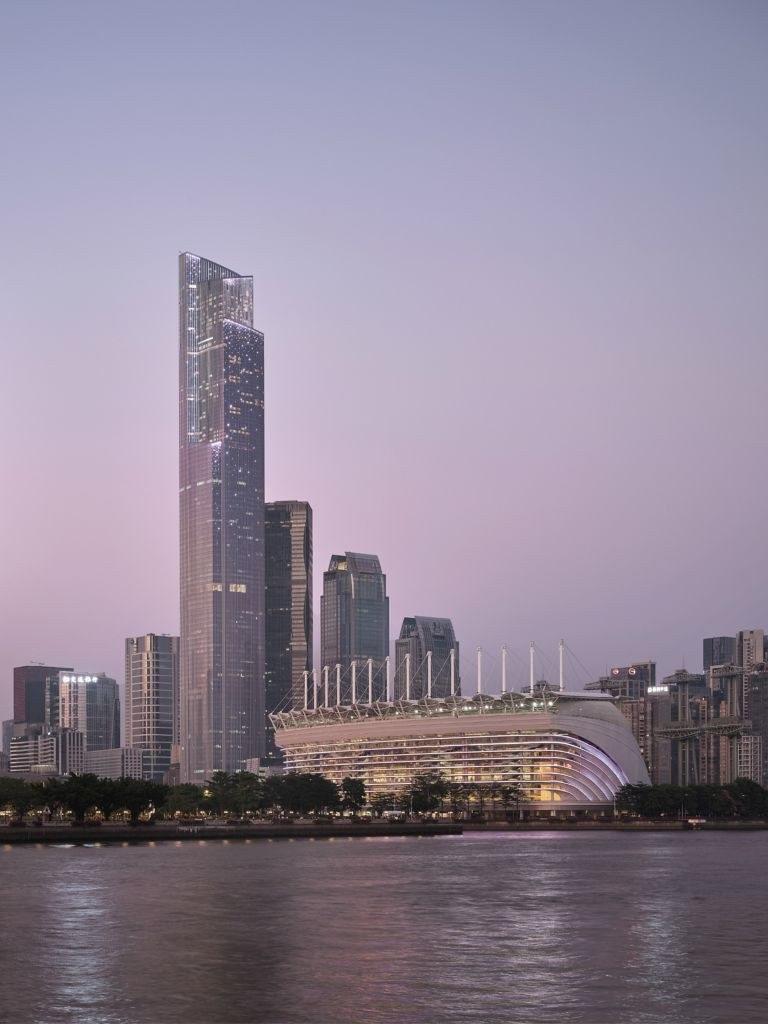
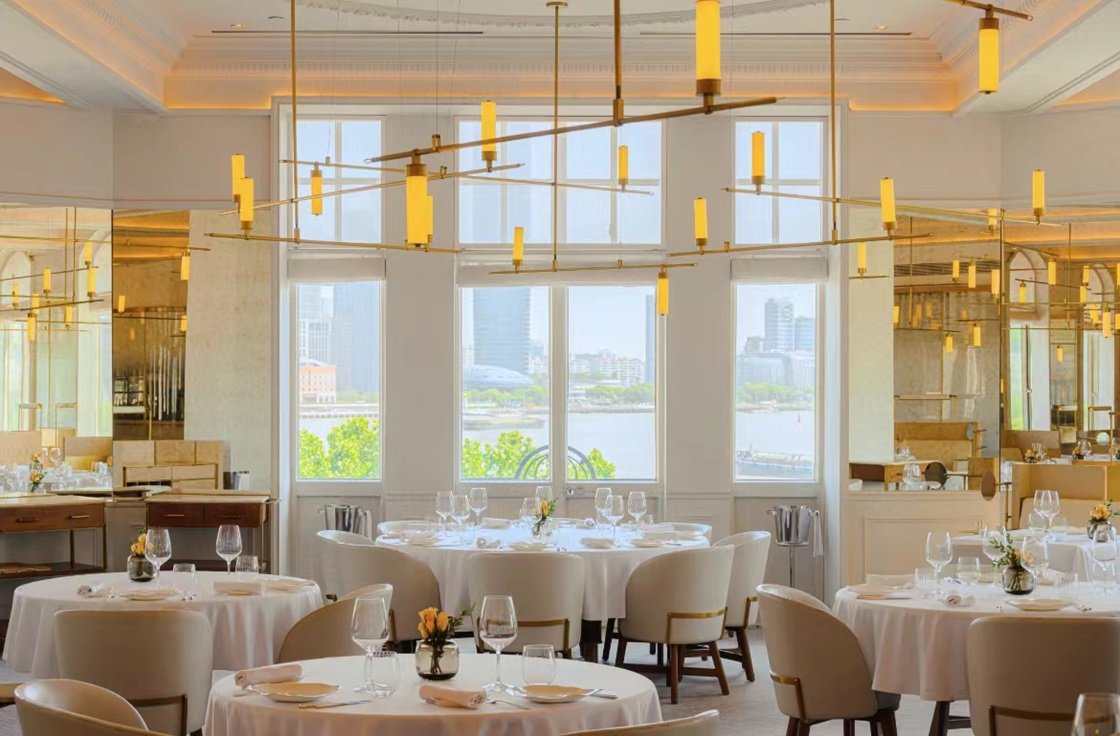
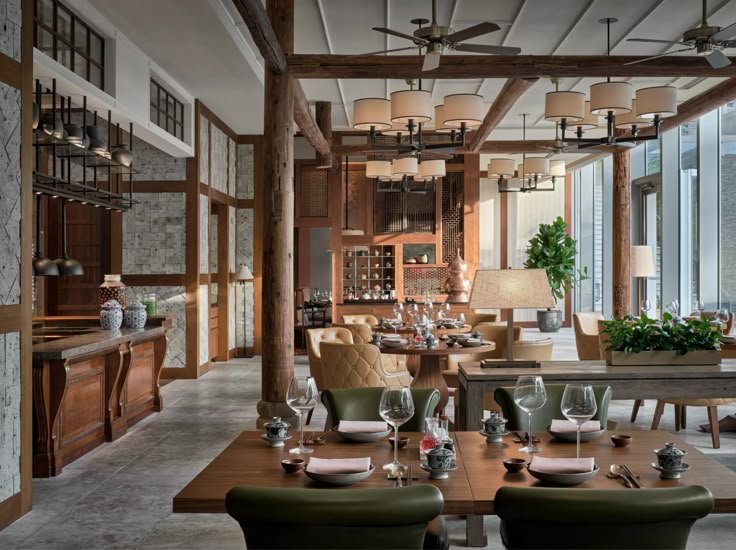
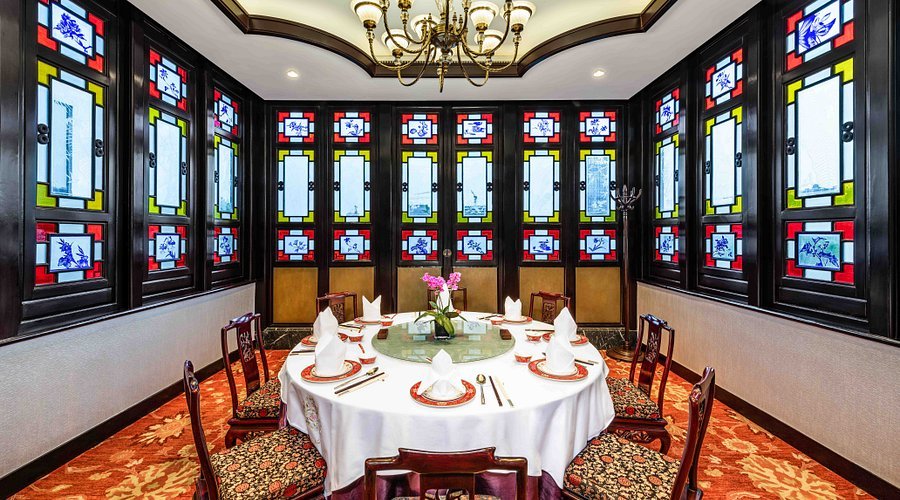
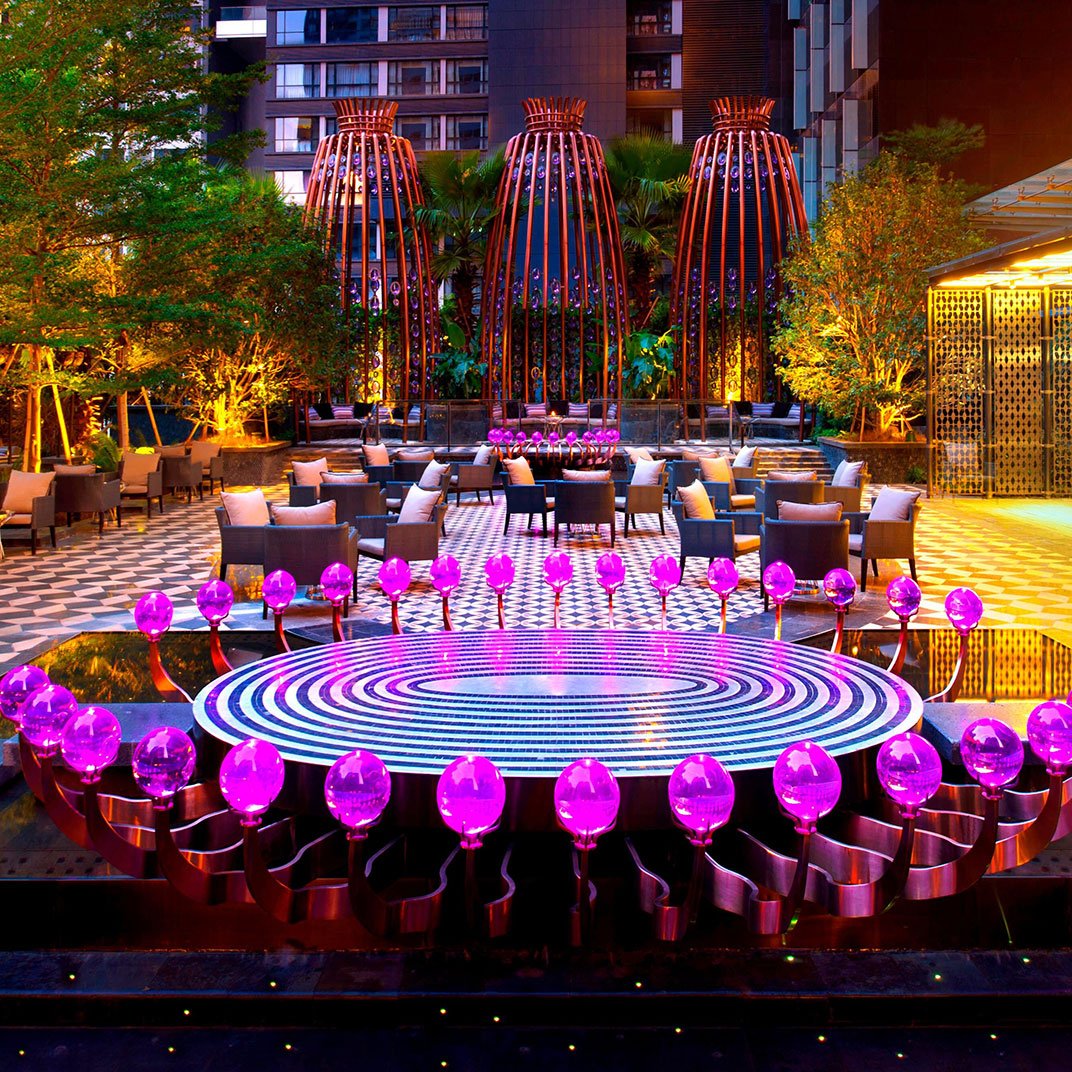
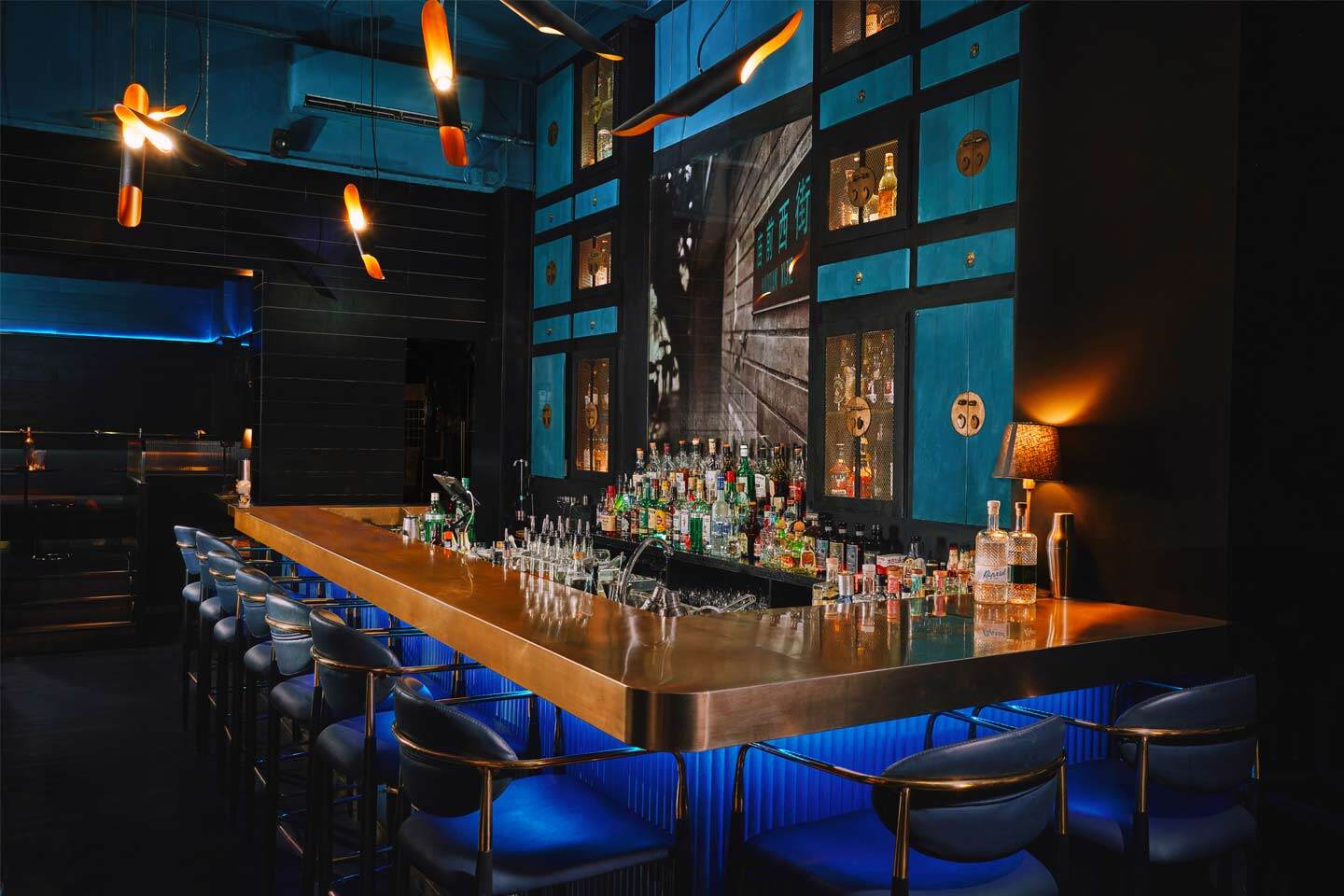
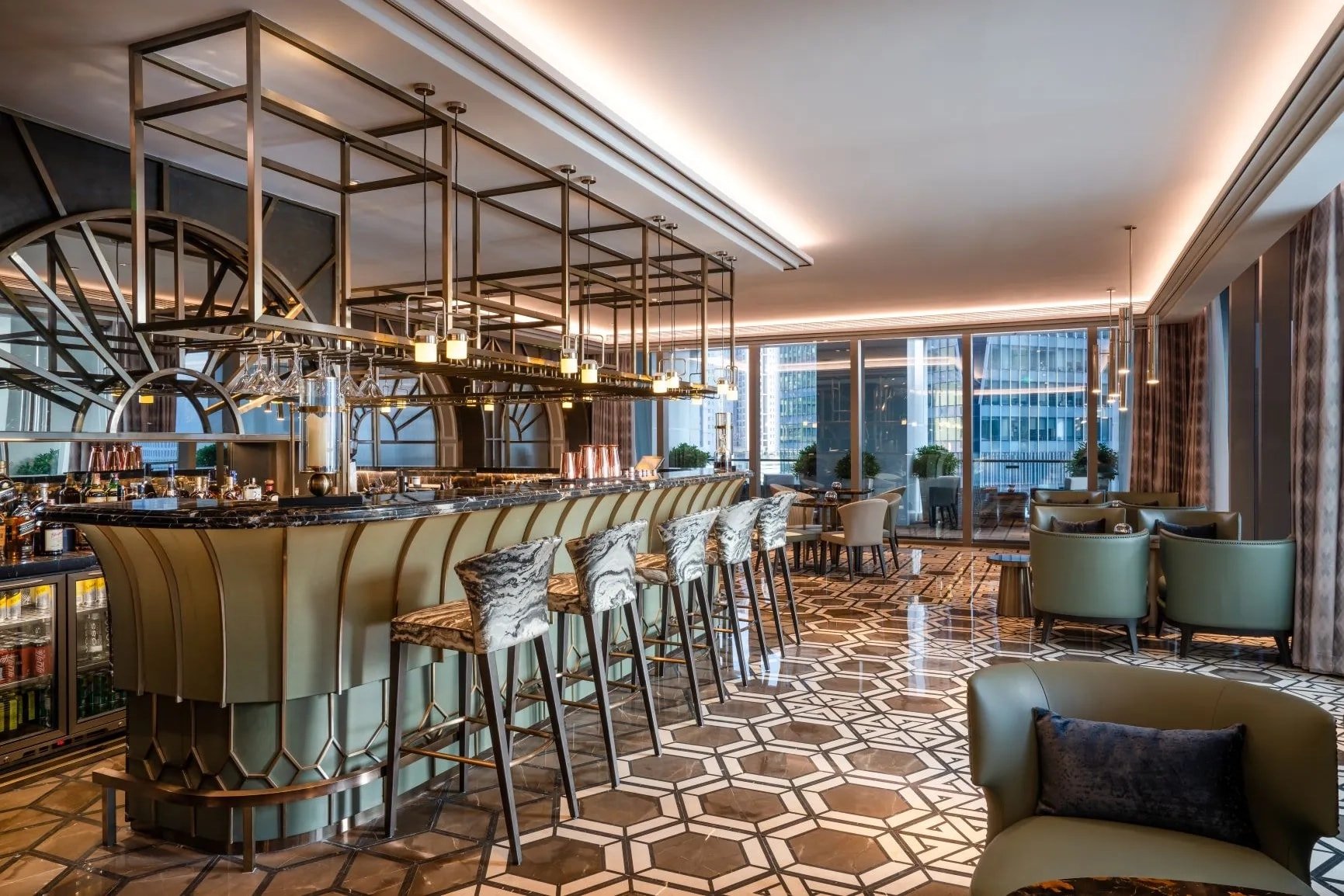
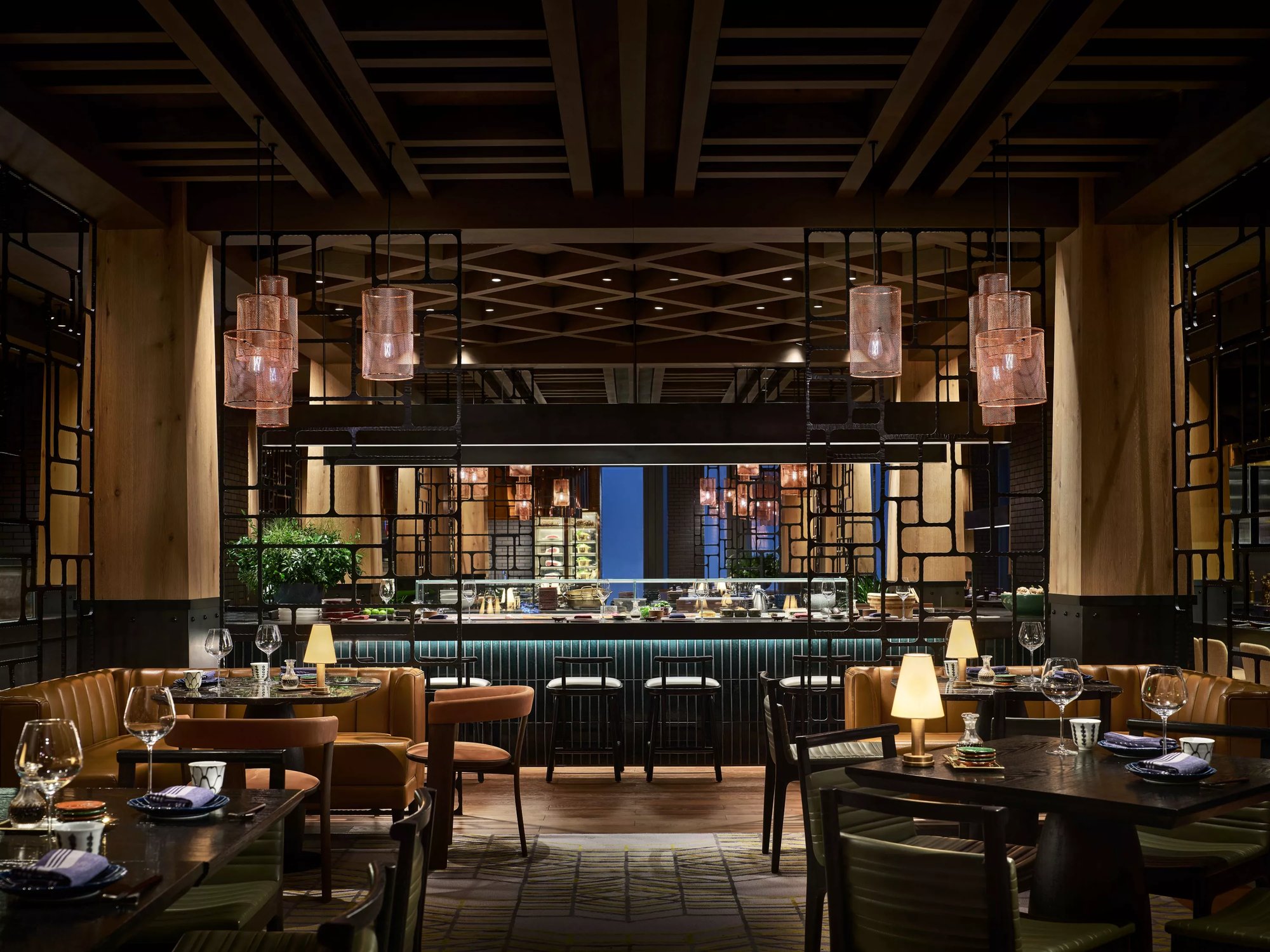
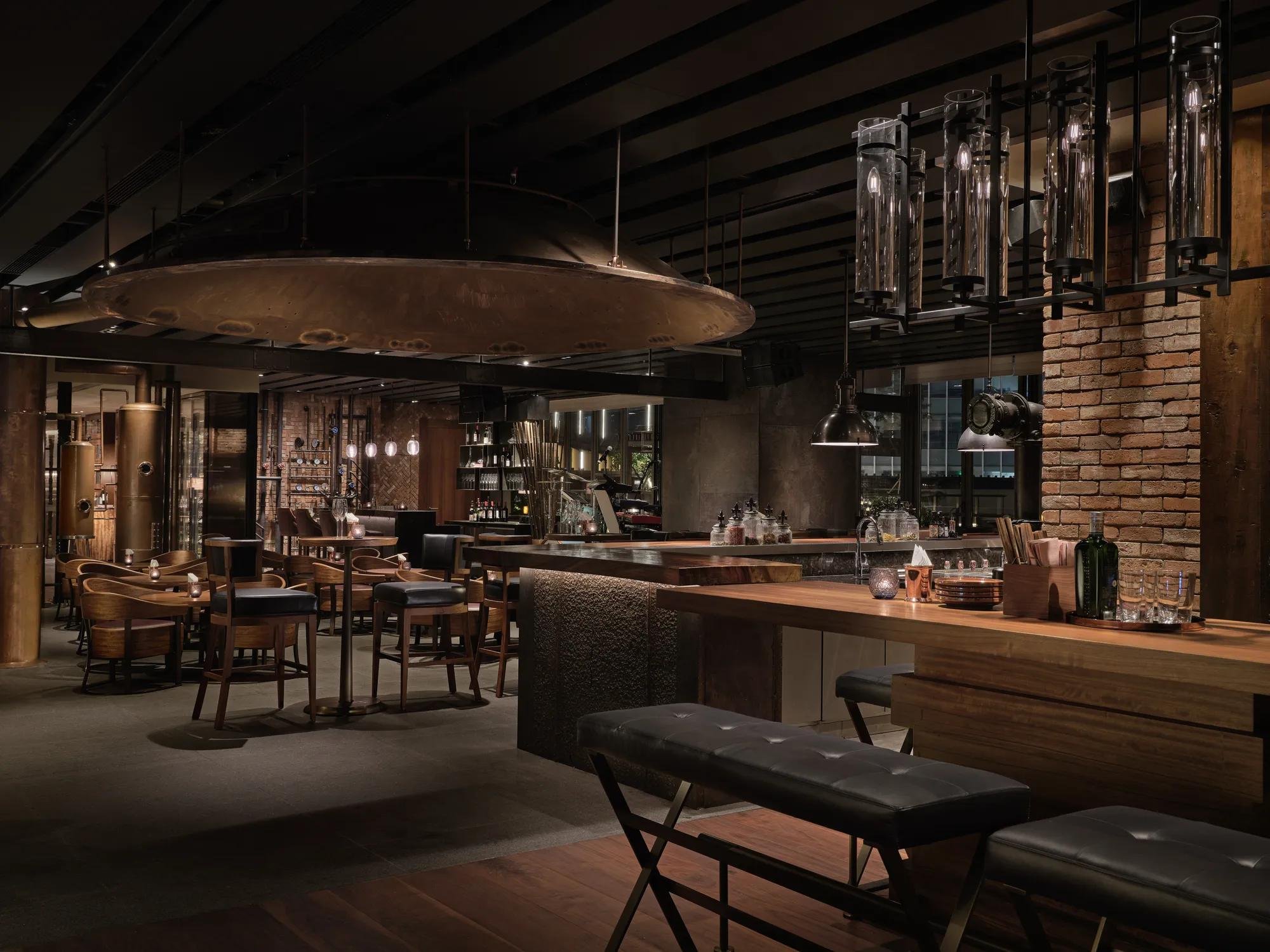
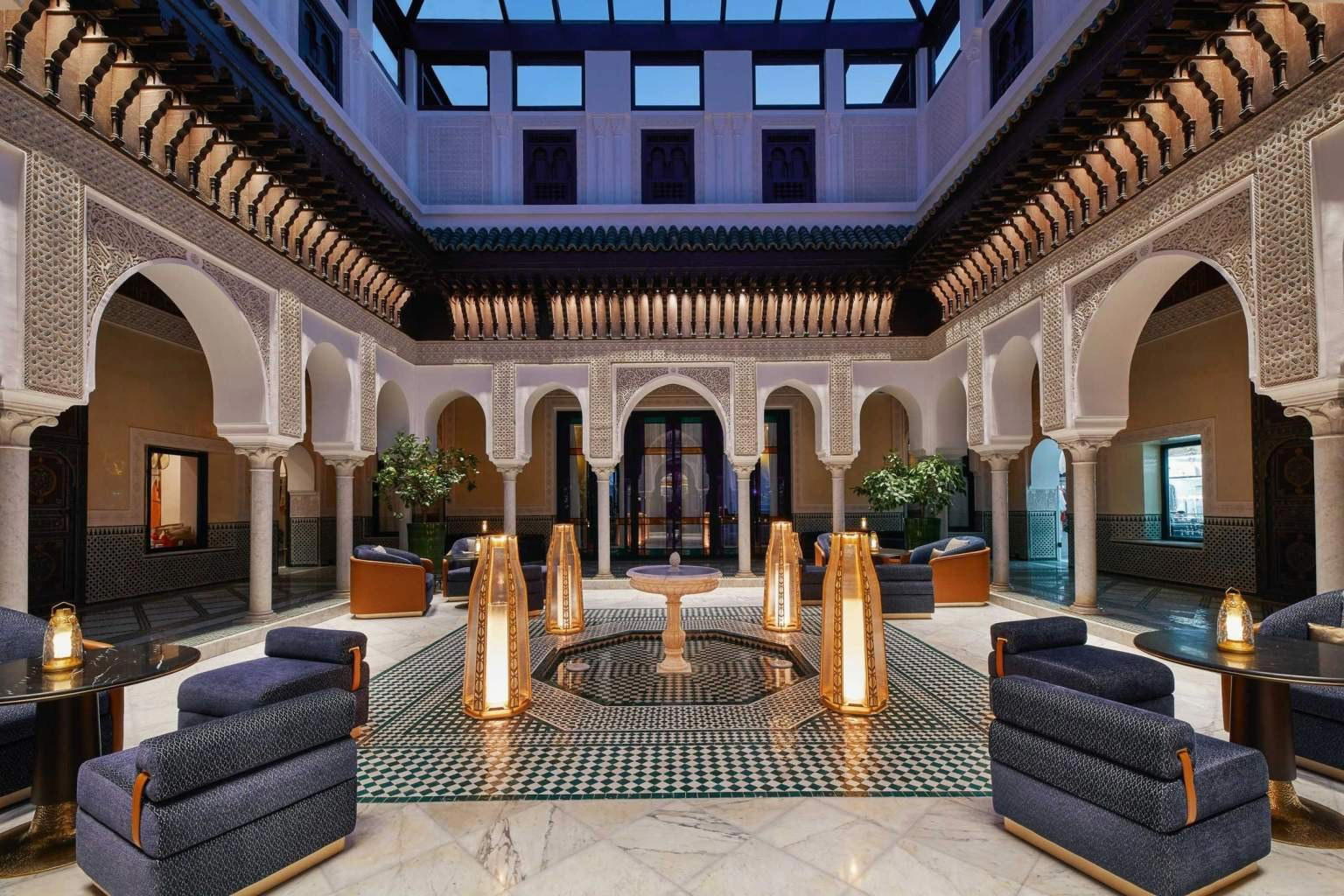
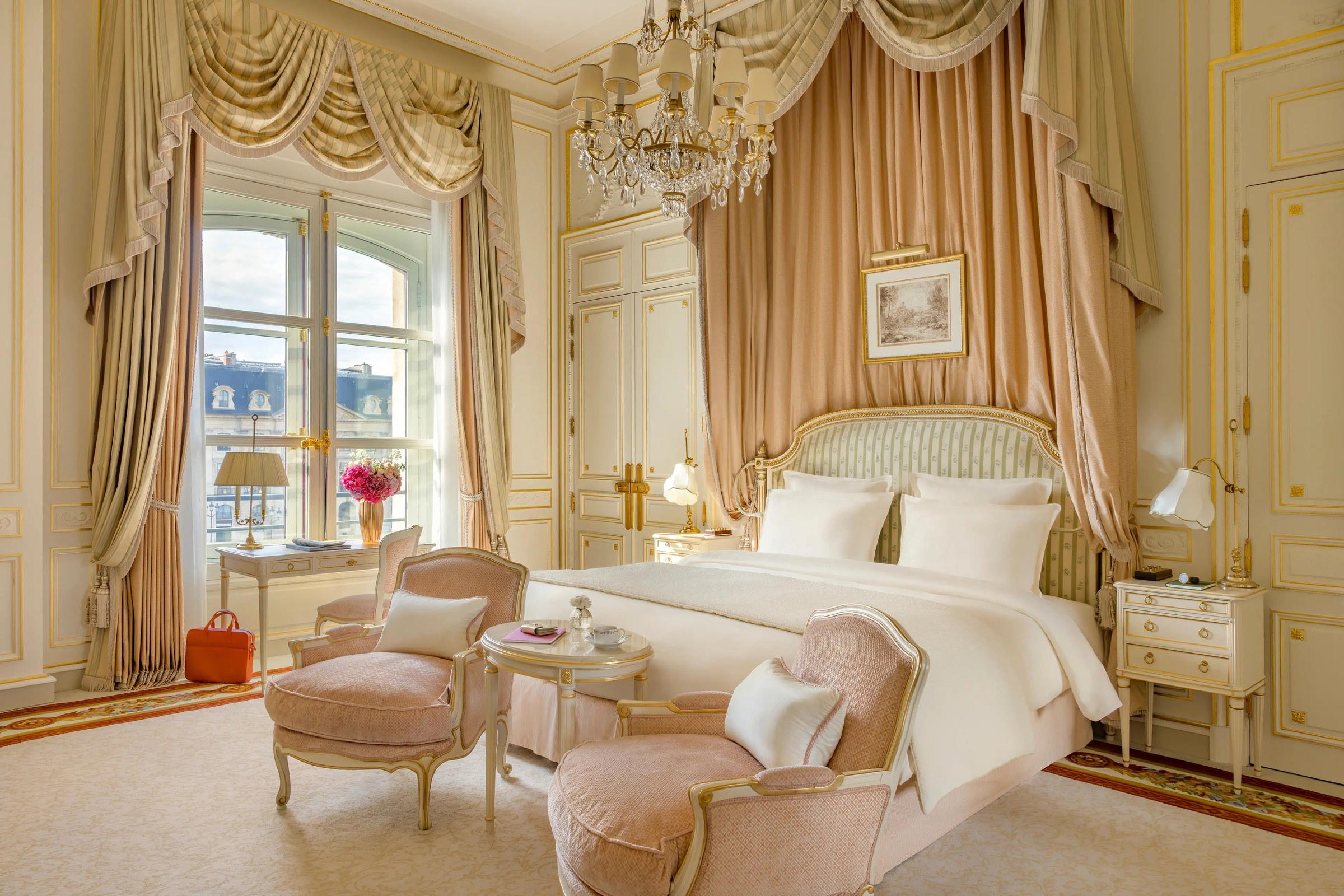
The Ritz-Carlton, Guangzhou, reads as a deliberate hybrid: European formality framed by Cantonese decorative language. Public spaces layer imperial embroidery, lacquerwork, and woodcarvings so that attention to detail becomes part of the experience. Feng shui principles inform spatial arrangement, giving the interiors a purposeful order that feels considered rather than applied. The lobby — anchored by the Pearl Lobby — sets a composed, quietly authoritative tone, and the hotel’s interiority distinguishes it from otherwise generic international flag properties in the district.
Best For
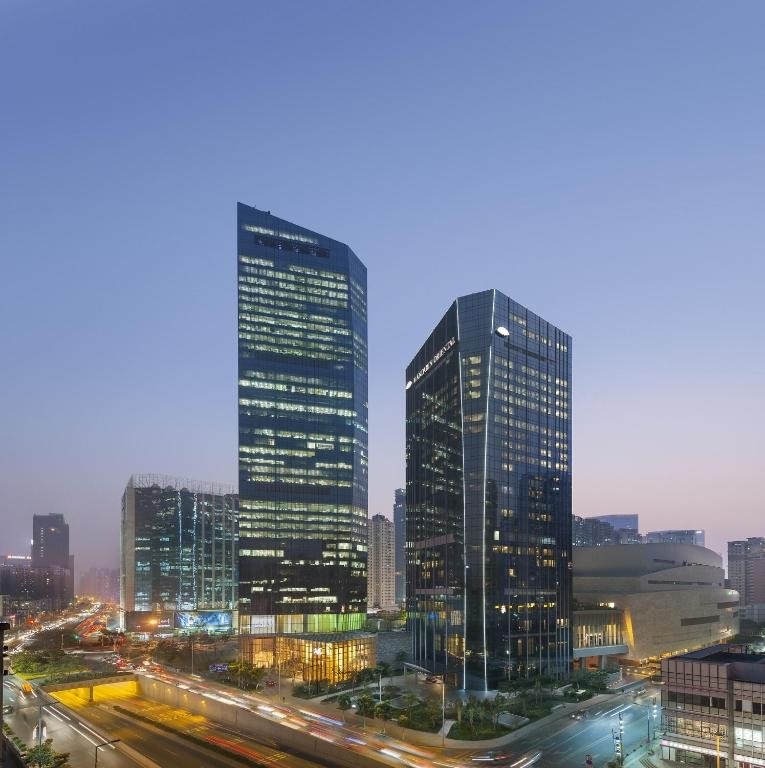
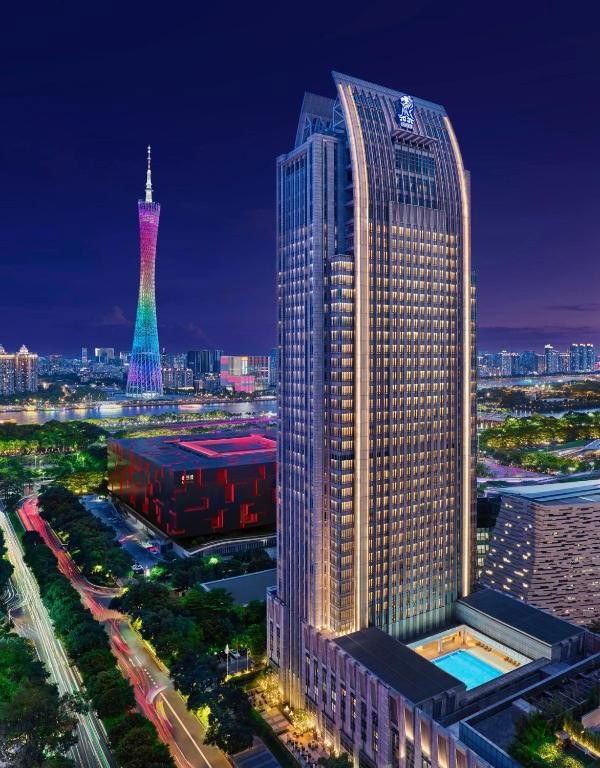
Set in Pearl River New City, Guangzhou’s central business district and steps from the river, the Ritz-Carlton is geared toward corporate and leisure travellers who expect formal, full-service luxury. Its flagship dining room and carefully curated public areas make it an easy choice for business dinners and polished overnight stays. The hotel competes directly with other top-tier international properties in the area, offering a refined backdrop for work-focused trips, celebratory stays, and travelers who appreciate interiors that reward close observation.
Venue details
Ambiance
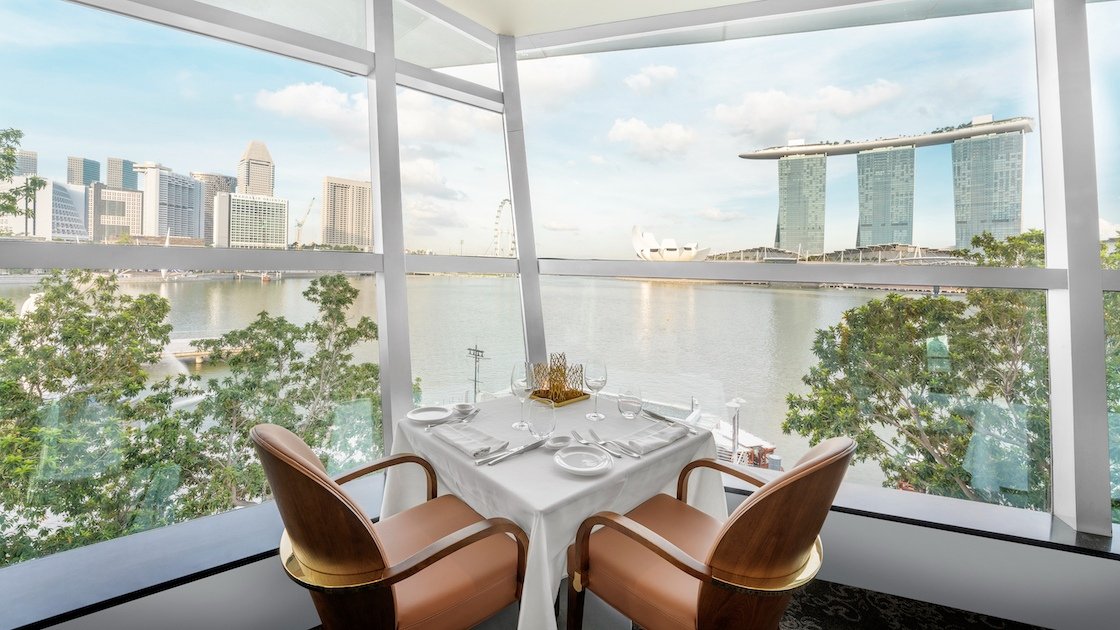
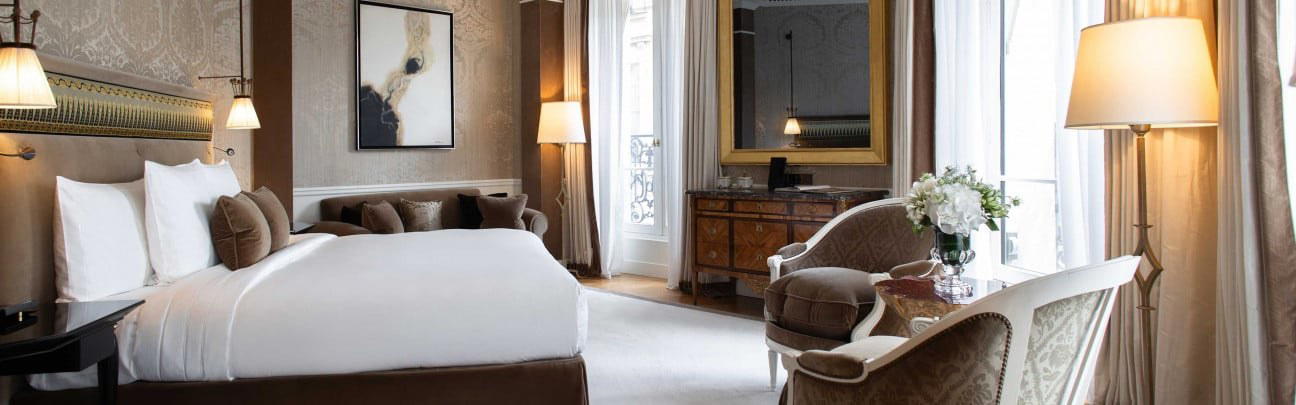
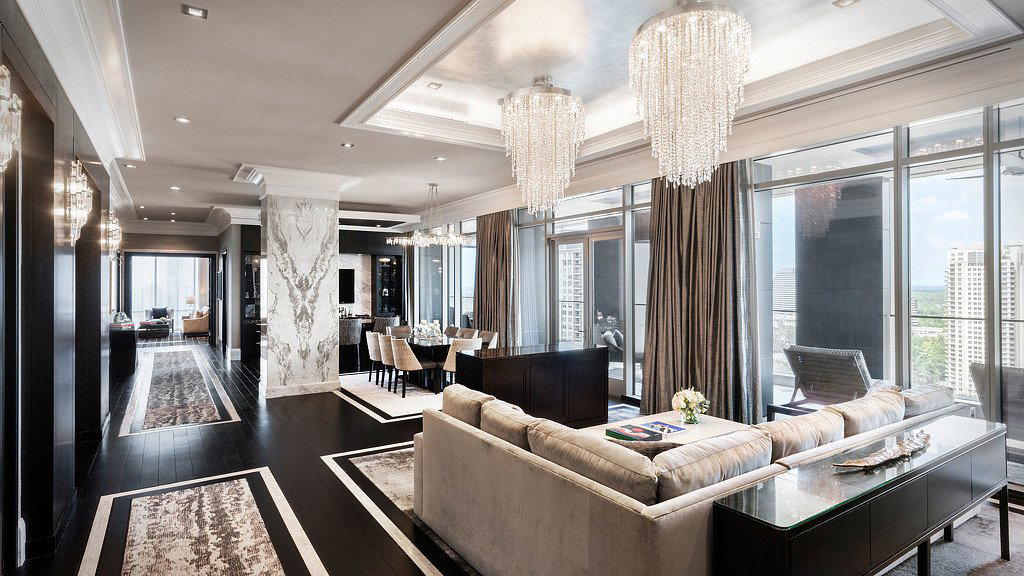
Elegant and sophisticated with plush furnishings, marble bathrooms, and city/river views from floor-to-ceiling windows.
Tags
Vibe
Best For
Experience
Amenities
View
Accessibility
About the Stay
- Rooms
- 350
- Check-in
- 15:00
- Check-out
- 12:00
- Property Style
- Modern Luxury High Rise with Renovated Club Lounge and Suites
- Design Style
- Elegant Classic with Marble Finishes and Contemporary Touches
Know before you go
Know Before You Go
- Getting there
- 3 Xing An Lu, Tian He Qu, Guang Zhou Shi, Guang Dong Sheng, 510623
Planning details
Location
3 Xing An Lu, Tian He Qu, Guang Zhou Shi, Guang Dong Sheng, 510623 · Directions
Recognition and awards

Also consider
Also Consider
- Rosewood Guangzhou, Notable alternative
- Four Seasons Hotel Guangzhou, Notable alternative
- W Guangzhou, Notable alternative
- Park Hyatt Guangzhou, Notable alternative
- Conrad Guangzhou, Notable alternative
Hotel context
How it compares in Guangzhou
The Ritz-Carlton, Guangzhou is the conservative luxury pick in this set: stronger for formal business travel than W Guangzhou, which suits guests who want a livelier, more social hotel mood. If the stay is client-facing or tied to meetings in Tianhe, The Ritz-Carlton is the lower-risk choice.
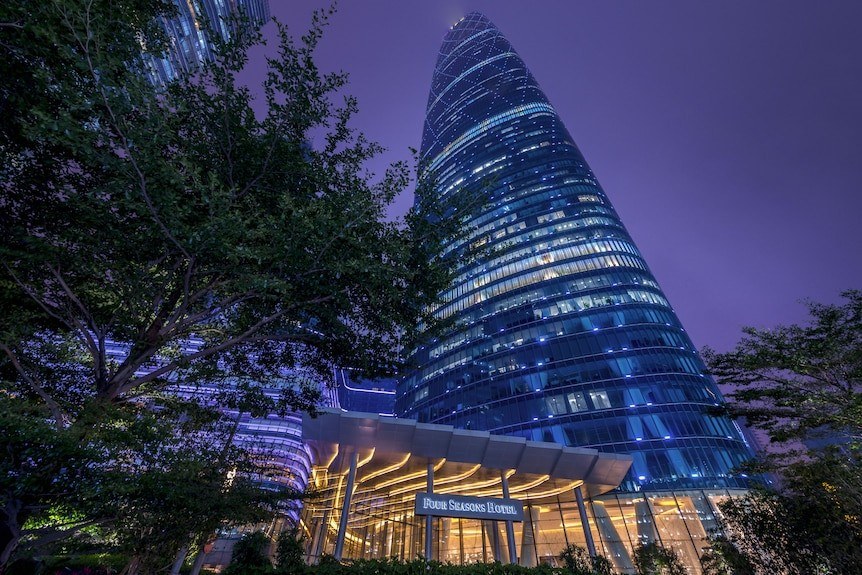
Rosewood Guangzhou and Four Seasons Hotel Guangzhou are the main cross-shops when the rate is similar. Choose Rosewood if design and a newer-feeling luxury atmosphere matter more. Choose Four Seasons if you want a softer high-rise luxury stay. Choose The Ritz-Carlton when recognition, formality, and Marriott International familiarity carry weight.
Park Hyatt Guangzhou is the better comparison for travellers who prefer quieter minimalism, while Conrad Guangzhou is the practical value check. If Conrad is meaningfully cheaper, it may be the more sensible business booking; if the rates are close, The Ritz-Carlton's 2026 La Liste and Forbes signals justify the upgrade for senior travellers.
Explore Guangzhou
Around this place
Discover more on Pearl
Unlock the full The Ritz-Carlton, Guangzhou guide in Pearl, including awards, comparisons, FAQs, planning details, and nearby places.
Compare The Ritz-Carlton, Guangzhou
| Venue | Location | Awards |
|---|---|---|
| The Ritz-Carlton, Guangzhou | Guangzhou | 2026 Forbes 5-Star2026 Michelin Guide New Hotels2026 La Liste Top Hotels2025 Michelin Selected Hotels2025 Forbes 5-Star |
| Rosewood Guangzhou | Guangzhou | 2026 Forbes 5-Star2026 La Liste Top Hotels2025 Michelin 1 Key2025 Forbes 5-Star |
| Four Seasons Hotel Guangzhou | Guangzhou | 2026 Forbes Recommended2026 La Liste Top Hotels2025 Forbes Recommended2025 Michelin 1 KeyFour Seasons Hotels |
| W Guangzhou | Guangzhou | 2026 Forbes Recommended2025 Michelin Selected Hotels2025 Forbes Recommended |
| Park Hyatt Guangzhou | Guangzhou | 2026 Forbes Recommended2025 Michelin Selected Hotels2025 Forbes Recommended |
| Conrad Guangzhou | Guangzhou | 2026 Forbes Recommended2025 Michelin Selected Hotels2025 Forbes Recommended |




How The Ritz-Carlton, Guangzhou compares with similar nearby venues.
FAQ
Frequently Asked Questions
Is The Ritz-Carlton, Guangzhou family-friendly?
The hotel is a recognised hotel in Guangzhou with Forbes 5-Star and La Liste Top Hotels (2026): 98pts recognition, but families should confirm room setup and relevant services directly before booking.
Which room category is best at The Ritz-Carlton, Guangzhou?
How is the location of The Ritz-Carlton, Guangzhou?
How is the pool and spa at The Ritz-Carlton, Guangzhou?
The hotel has Forbes 5-Star and La Liste Top Hotels (2026): 98pts recognition, but guests who are prioritising wellness facilities should confirm current offerings directly with the hotel and may also compare Four Seasons Hotel Guangzhou and Park Hyatt Guangzhou.
Do loyalty programs work at The Ritz-Carlton, Guangzhou?
How does The Ritz-Carlton, Guangzhou compare to nearby hotels?
Choose The Ritz-Carlton, Guangzhou if you want a recognised hotel in Guangzhou with confirmed Forbes 5-Star and La Liste Top Hotels (2026): 98pts recognition. Rosewood Guangzhou, Four Seasons Hotel Guangzhou, W Guangzhou, Park Hyatt Guangzhou, and Conrad Guangzhou are natural alternatives to compare for current rates, availability, and specific facilities.