

Park Hyatt Guangzhou
Guangzhoushi, Guangzhou
Hotel in Guangzhou, China
 Book with Pearl
The Read
Altitude-Anchored Lingnan Design
Why go
Park Hyatt Guangzhou is a strong Tianhe choice when the rate undercuts Four Seasons Hotel Guangzhou or Rosewood Guangzhou without giving up recognized luxury credentials. Book it for a calmer business-friendly stay; cross-shop W Guangzhou for more energy, Conrad Guangzhou for value, and The Ritz-Carlton, Guangzhou for a more classic luxury feel.
About Park Hyatt Guangzhou
Park Hyatt Guangzhou is a Guangzhou hotel recognized by Forbes Recommended 2026 and MICHELIN Guide, Hotels Selected 2025. The dress code is smart casual. Before booking, check current rates, room categories, facilities, dining format, and exact location directly with the hotel.
A Guangzhou base with hotel recognition
A key reason to consider Park Hyatt Guangzhou is its recognition from Forbes and the MICHELIN Guide hotel selection. Travelers comparing premium stays in Guangzhou may also look at Conrad Guangzhou, Four Seasons Hotel Guangzhou, Rosewood Guangzhou, The Ritz-Carlton, Guangzhou, and W Guangzhou, depending on availability and personal preference.
Before choosing, review practical details such as neighborhood, views, room size, spa facilities, restaurant style, and rate value. Check the current stay details directly with the hotel or booking channel.
When to book for the strongest rate-to-experience ratio
Compare the live rate for Park Hyatt Guangzhou against other Guangzhou hotels before committing. Its accolades support its positioning as a recognized hotel option, but the best choice will depend on the dates, room category, cancellation terms, and any benefits available through your booking channel.
If Park Hyatt Guangzhou is priced close to Conrad Guangzhou, Four Seasons Hotel Guangzhou, Rosewood Guangzhou, The Ritz-Carlton, Guangzhou, or W Guangzhou, compare the specific room and policy details carefully rather than assuming one hotel is automatically the better value.
Quick reference: best considered by travelers seeking a recognized Guangzhou hotel with Forbes Recommended 2026 and MICHELIN Guide, Hotels Selected 2025 recognition.
Inside Park Hyatt Guangzhou
Planning details
- Location
- 16 Hua Xia Lu, Tian He Qu, Guang Zhou Shi, Guang Dong Sheng, 510620
- Website
- hyatt.com/zh-CN/hotel/china/park-hyatt-guangzhou/guaph
- Phone
- +86 20 3769 1234
The take
The Take
The Vibe
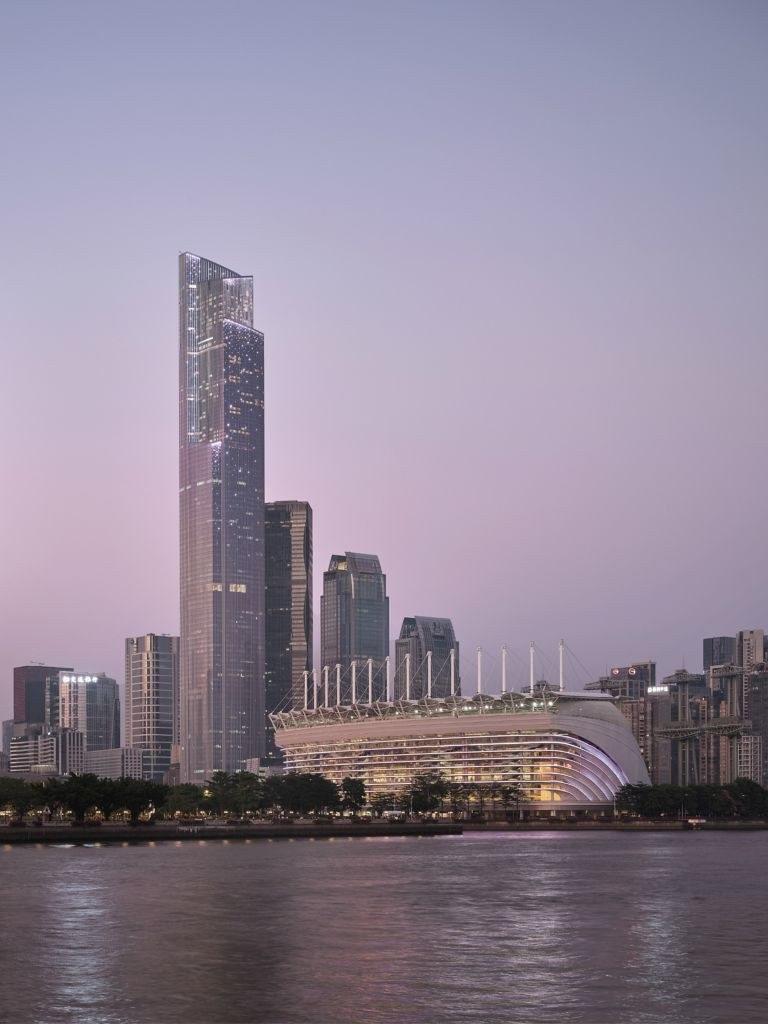
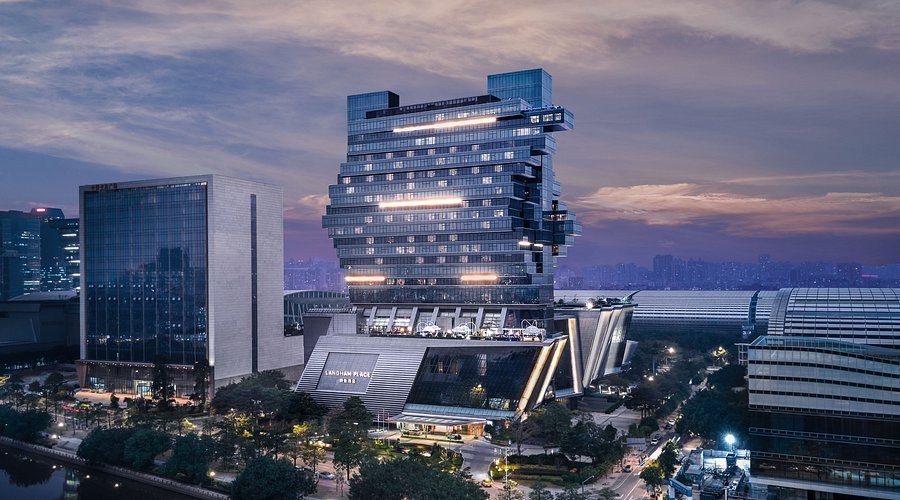
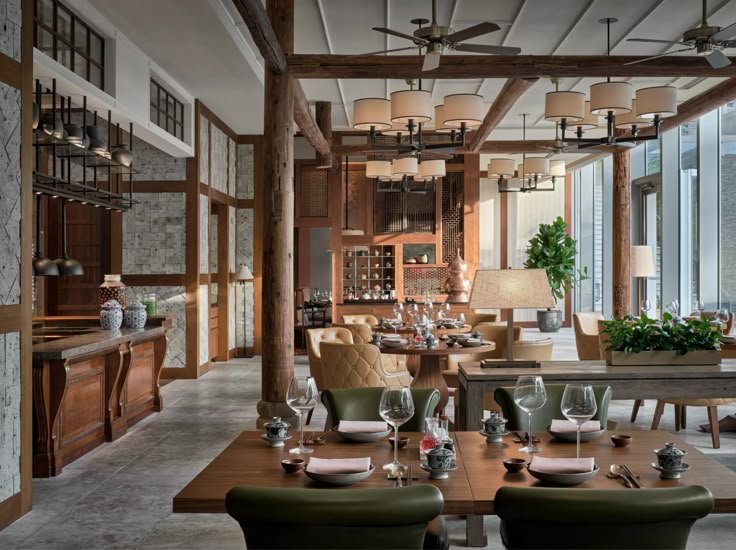
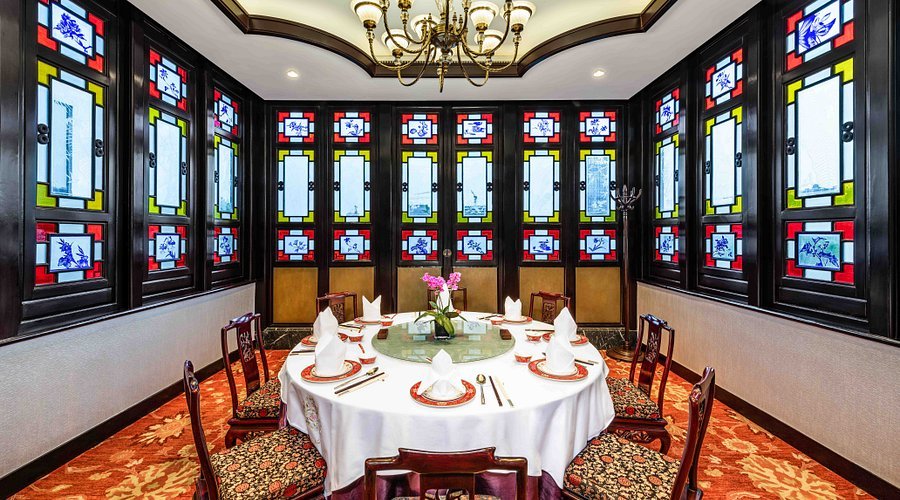
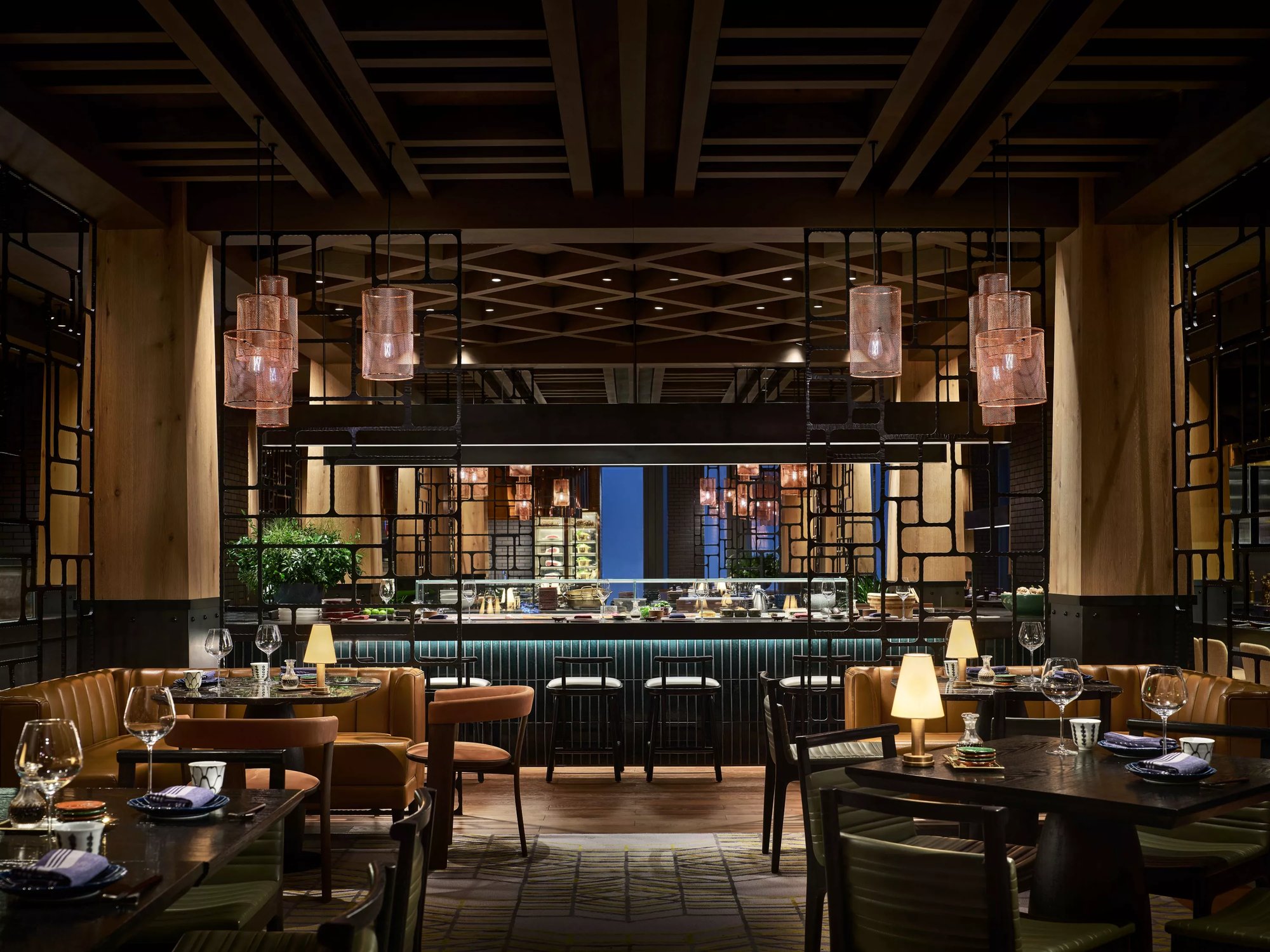
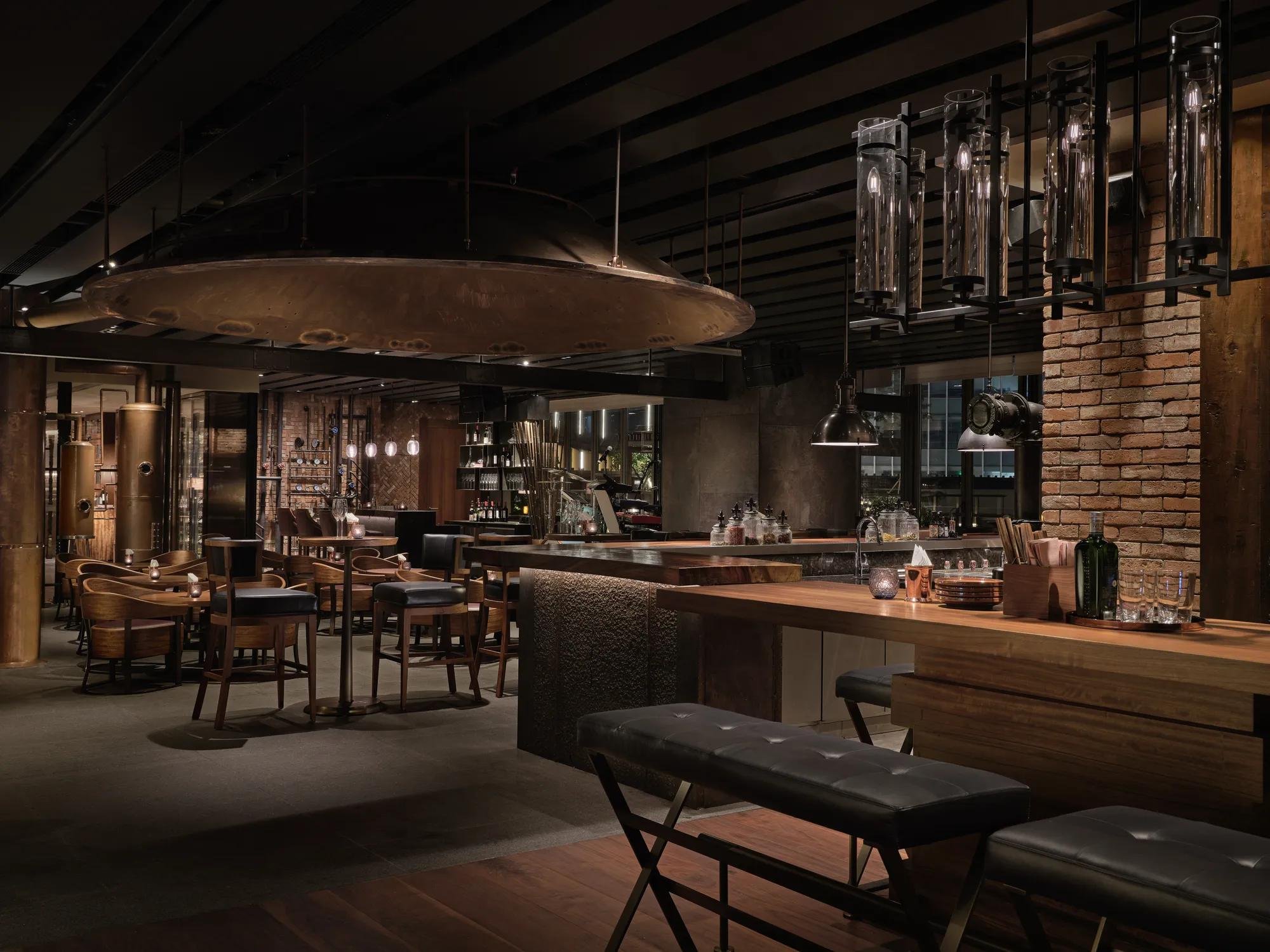
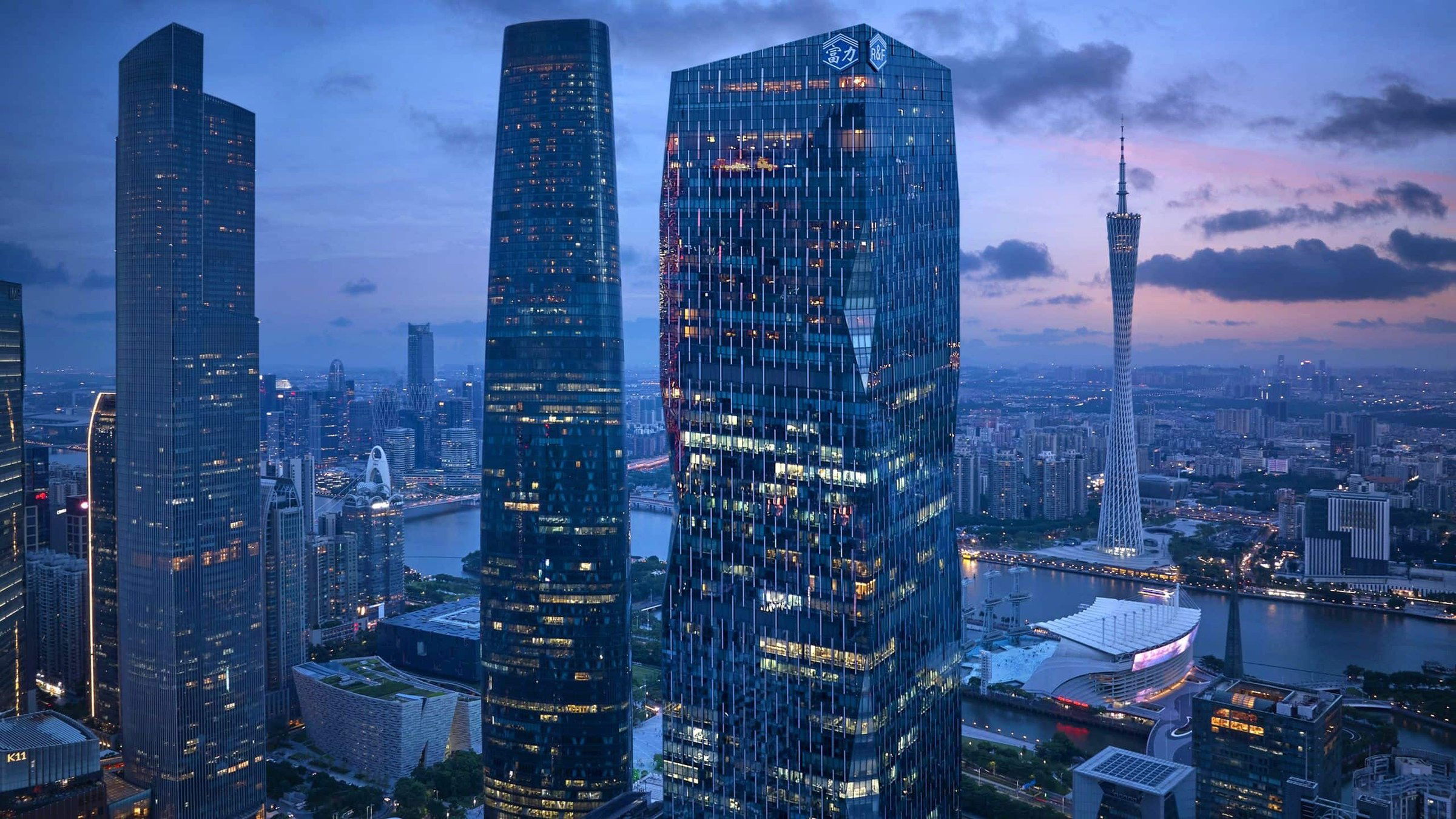
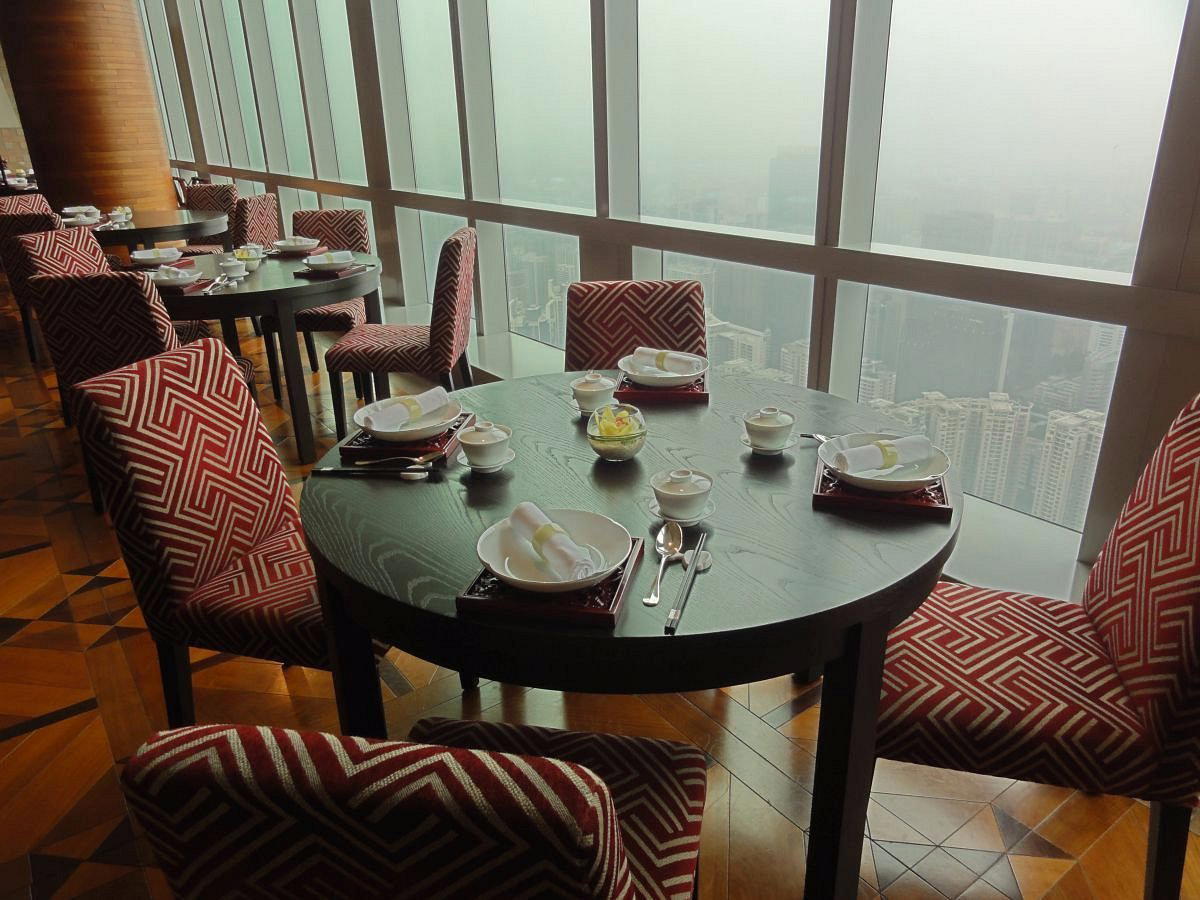
Park Hyatt Guangzhou positions itself as an elevated design-forward luxury hotel. The tower’s asymmetric glass profile and the Tokyo and Chicago design teams signal an architectural priority, while interiors lean on material honesty—copper, wood and brick—punctuated by carved-wood panels and ornate latticework that reference Lingnan traditions. The effect is a culturally aware, quietly confident luxury: restrained rather than ostentatious. High-floor public spaces and rooms trade boulevard-level bustle for measured views and an atmosphere that favors considered craft over generic international gloss.
Best For
This is a hotel for travelers who prize altitude, design and a central business address. Its location in Tianhe District makes it a straightforward choice for business trips, while the sky-high rooms and distant river views make it appealing for romantic getaways and special celebrations. Culturally curious guests and design-minded visitors will appreciate the intentional reference to regional architecture and the high-quality material palette. The property suits stays where city access, quiet elevation and refined design are priorities.
Stay Tips
When booking, request a high-floor room to maximize the Pearl River and city views—the hotel’s public areas and rooms begin well above street level, so elevation materially affects the outlook. If design details matter to you, note the emphasis on carved wood, latticework and natural materials in the interiors when confirming room placement or suite selection. For business travelers, choose a room that balances proximity to elevators with quiet; arrival moves quickly to the sky-high reception, so higher floors deliver the defining vistas.
Venue details
Ambiance
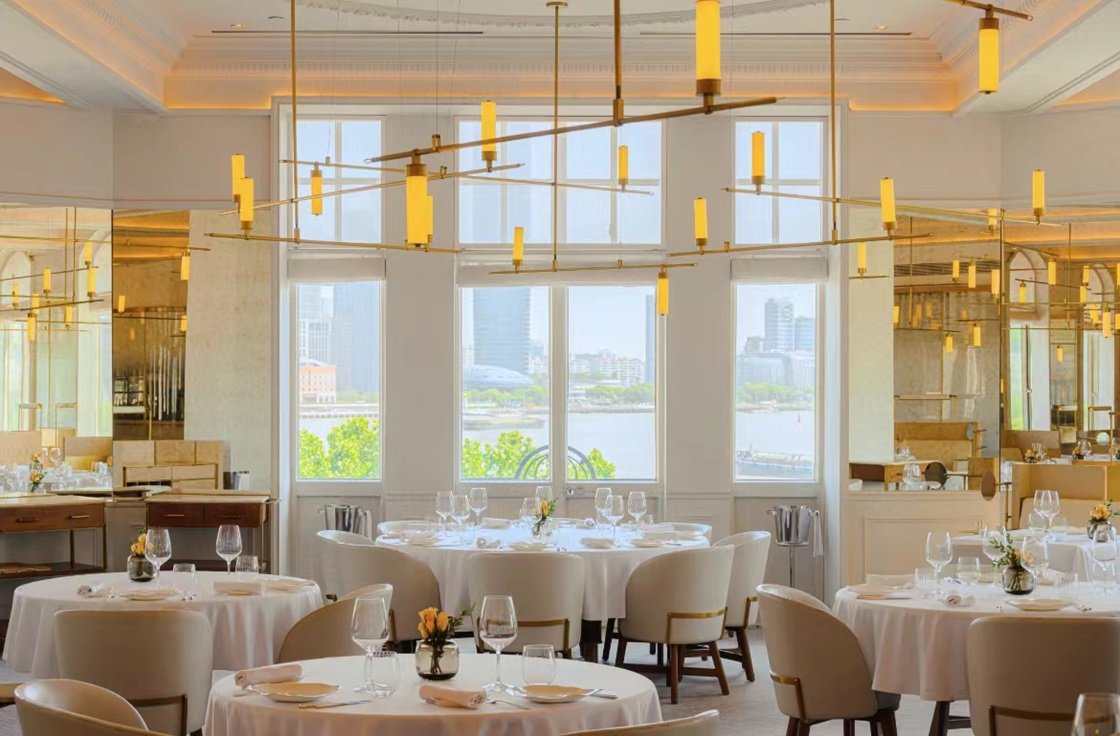
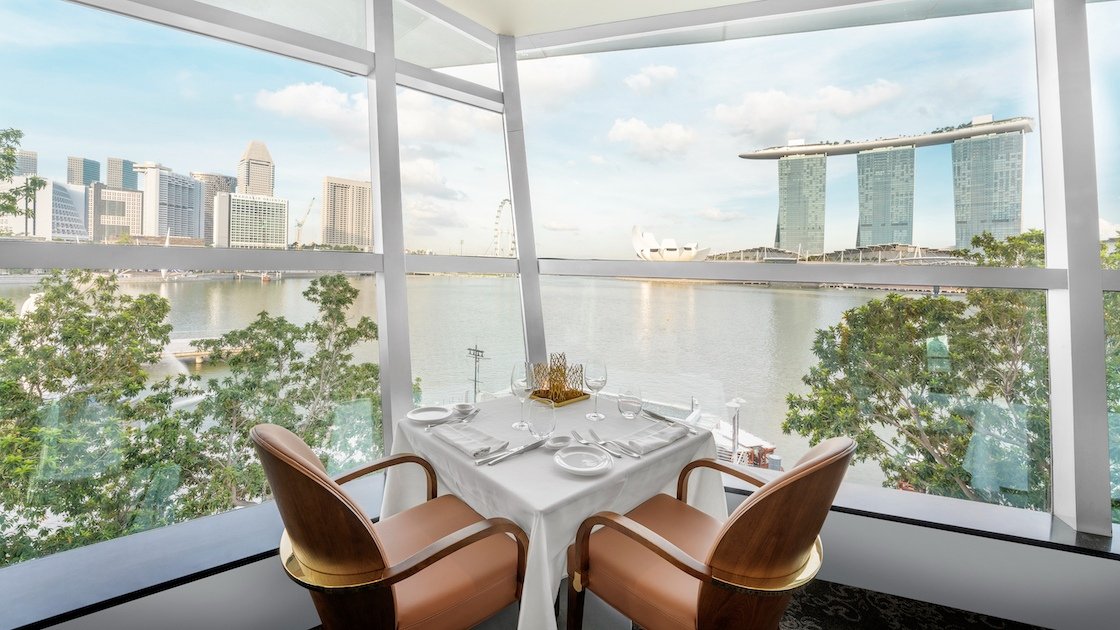
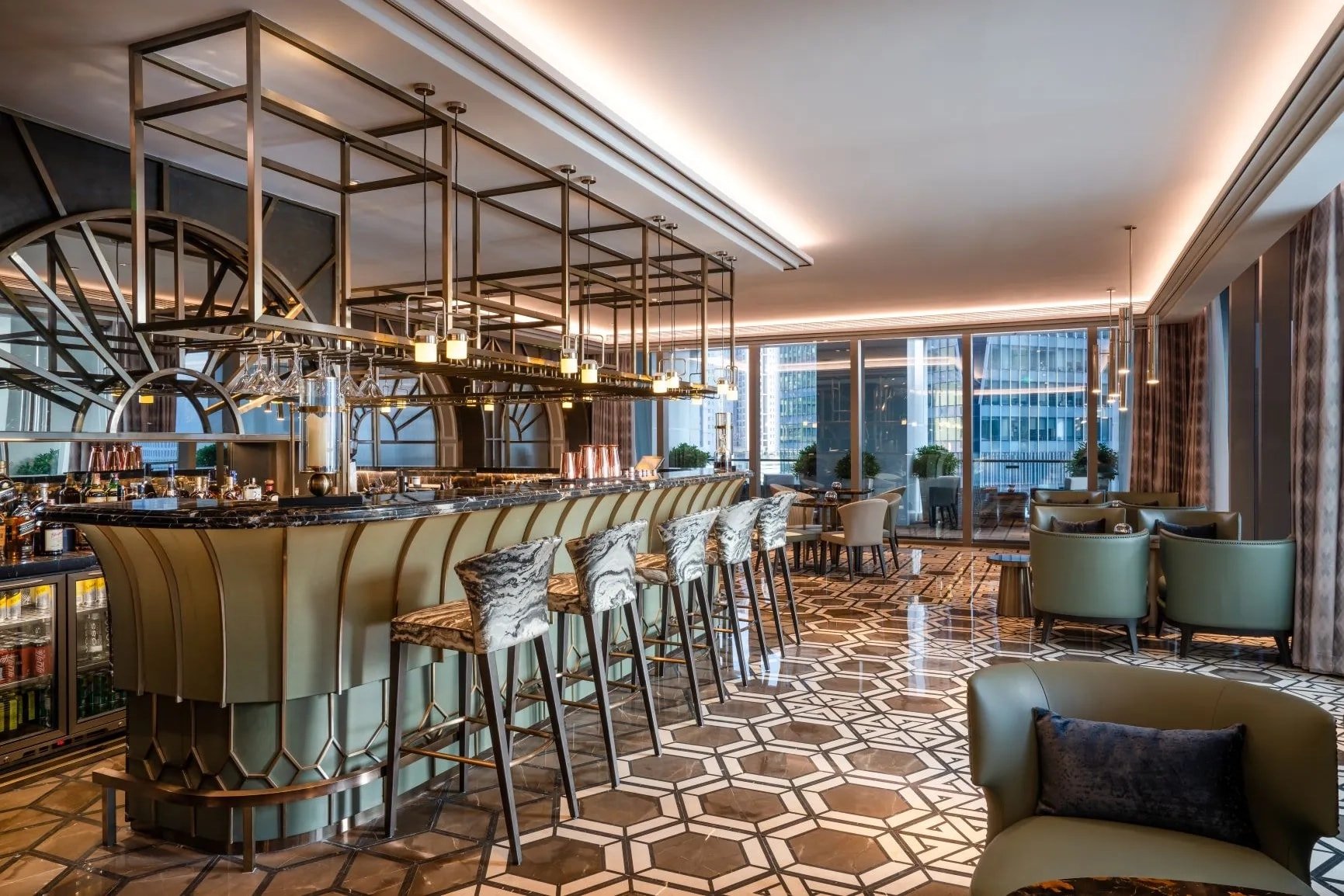
Contemporary luxury with dramatic floor-to-ceiling windows, sophisticated lighting, and serene spa spaces; guests highlight the exceptional views and peaceful urban retreat atmosphere.
Tags
Vibe
Best For
Experience
Amenities
View
Accessibility
About the Stay
- Rooms
- 208
- Check-in
- 15:00
- Check-out
- 11:00
- Property Style
- Contemporary Luxury High Rise with Residential Design Elements and Art Deco Influences; Positioned as an Urban Sanctuary Above the City.
- Design Style
- Modern Minimalist with Dramatic Architectural Features, Floor to Ceiling Windows, and Sophisticated Finishes; Le Labo Bath Amenities and Nespresso Coffee Makers in Rooms.
Know before you go
Know Before You Go
- Getting there
- 16 Hua Xia Lu, Tian He Qu, Guang Zhou Shi, Guang Dong Sheng, 510620
Planning details
Location
16 Hua Xia Lu, Tian He Qu, Guang Zhou Shi, Guang Dong Sheng, 510620 · Directions
Recognition and awards

Also consider
If Park Hyatt Guangzhou is not the right fit
Try Conrad Guangzhou first if value is the priority and the rate gap is meaningful. It is the clearest alternative for travelers who want a comparable city-hotel base without paying for the Park Hyatt positioning.
For a more occasion-driven stay, compare Four Seasons Hotel Guangzhou and Rosewood Guangzhou. For a livelier atmosphere, W Guangzhou is the better fallback.
Hotel context
How Park Hyatt Guangzhou compares in Guangzhou
Against Four Seasons Hotel Guangzhou and Rosewood Guangzhou, Park Hyatt Guangzhou is the value-conscious luxury play when rates are meaningfully lower. Four Seasons and Rosewood are stronger for a high-impact occasion stay; Park Hyatt makes more sense when the room, location, and brand polish need to justify the spend rather than impress on arrival.
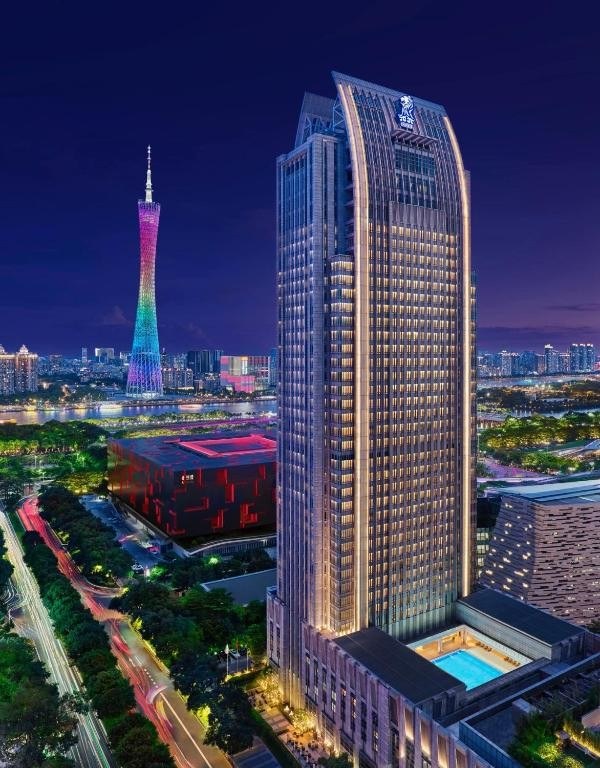
The Ritz-Carlton, Guangzhou is the better cross-shop for travelers who prefer classic luxury cues and a more traditional service tone. W Guangzhou is the opposite choice: book W if nightlife energy and a louder design personality matter. Park Hyatt is the calmer middle lane.
Conrad Guangzhou is the closest value comparison. If Conrad is materially cheaper, it may be the smarter business booking. If the rates are close, Park Hyatt Guangzhou earns the nod for travelers who want a quieter, more polished stay and are comfortable with harder booking windows during peak demand.
Explore Guangzhou
Around this place
Discover more on Pearl
Unlock the full Park Hyatt Guangzhou guide in Pearl, including awards, comparisons, FAQs, planning details, and nearby places.
Compare Park Hyatt Guangzhou
| Venue | Location | Awards |
|---|---|---|
| Park Hyatt Guangzhou | Guangzhou | 2026 Forbes Recommended2025 Michelin 1 Key2025 Michelin Selected Hotels2025 Forbes Recommended |
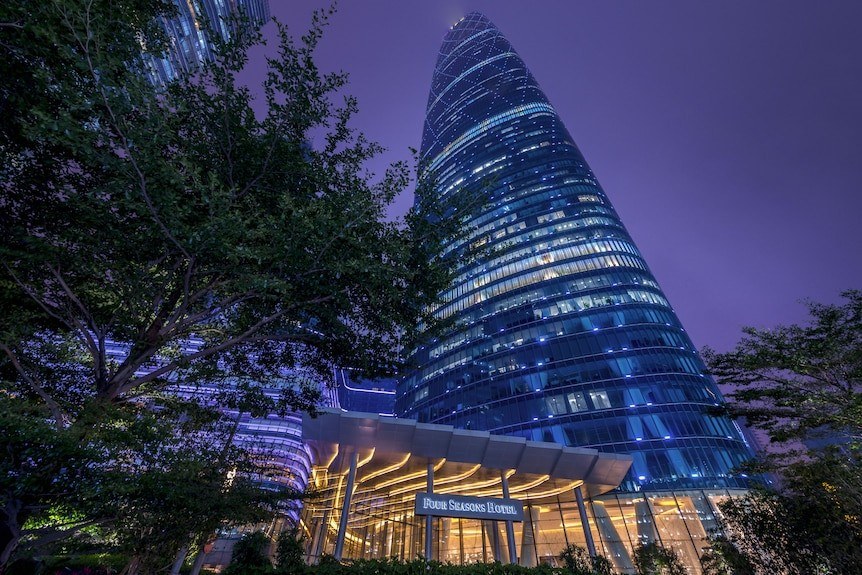
| Four Seasons Hotel Guangzhou | Guangzhou | 2026 Forbes Recommended2026 La Liste Top Hotels2025 Forbes Recommended2025 Michelin 1 KeyFour Seasons Hotels |
| Rosewood Guangzhou | Guangzhou | 2026 Forbes 5-Star2026 La Liste Top Hotels2025 Michelin 1 Key2025 Forbes 5-Star |
| The Ritz-Carlton, Guangzhou | Guangzhou | 2026 Forbes 5-Star2026 Michelin Guide New Hotels2026 La Liste Top Hotels2025 Michelin Selected Hotels2025 Forbes 5-Star |
| W Guangzhou | Guangzhou | 2026 Forbes Recommended2025 Michelin Selected Hotels2025 Forbes Recommended |
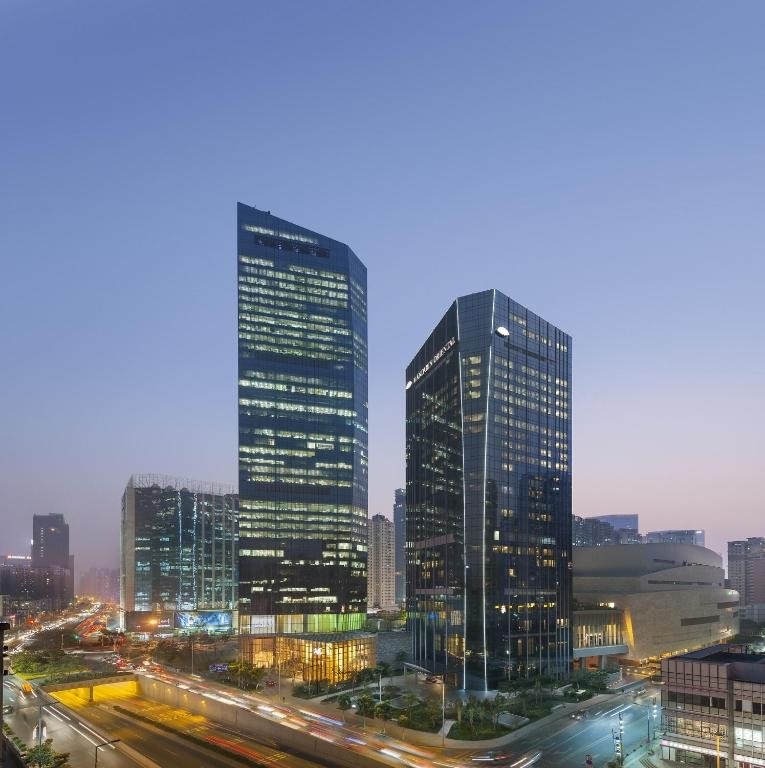
| Conrad Guangzhou | Guangzhou | 2026 Forbes Recommended2025 Michelin Selected Hotels2025 Forbes Recommended |




How Park Hyatt Guangzhou Review: Recognition & Verdict compares with similar nearby venues.
FAQ
Frequently Asked Questions
How is the pool and spa at Park Hyatt Guangzhou?
Do loyalty programs work at Park Hyatt Guangzhou?
Is Park Hyatt Guangzhou family-friendly?
How does Park Hyatt Guangzhou compare to nearby hotels?
Park Hyatt Guangzhou has Forbes Recommended 2026 and MICHELIN Guide, Hotels Selected 2025 recognition. Travelers comparing Guangzhou hotels may also consider Conrad Guangzhou, Four Seasons Hotel Guangzhou, Rosewood Guangzhou, The Ritz-Carlton, Guangzhou, and W Guangzhou.
How is the location of Park Hyatt Guangzhou?
Is Park Hyatt Guangzhou good for business travel?
It may be worth considering for a Guangzhou stay because it has hotel recognition from Forbes and the MICHELIN Guide. For business travel, check meeting access, transport needs, and hotel services before booking.