



Four Seasons Hotel Guangzhou
Guangzhoushi, Guangzhou
Hotel in Guangzhou, China
 Book with Pearl
The Read
Vertical Urban Sanctuary
Why go
Four Seasons Hotel Guangzhou is the practical luxury pick for families and first-timers who want a polished Tianhe base with fewer logistical headaches. Michelin 1 Key, La Liste Top Hotels 2026 recognition, and Forbes Recommended status support the premium, though design-focused travelers should also compare Rosewood Guangzhou and W Guangzhou.
About Four Seasons Hotel Guangzhou
For a stay in Guangzhou, Four Seasons Hotel Guangzhou is a premium hotel choice with a smart casual dress code and recognition from Michelin, La Liste, and Forbes.
The clearest reason to consider it is confidence in its premium positioning. The hotel is recognized with Michelin 1 Key in 2025, La Liste Top Hotels 2026 at 90.5 points, and Forbes Recommended in 2026. Those accolades do not answer every practical booking question, but they do place Four Seasons Hotel Guangzhou among notable high-end hotel options in Guangzhou.
A polished Guangzhou base for travelers who want fewer moving parts
Four Seasons Hotel Guangzhou is best framed as a polished base in Guangzhou. If the priority is choosing a hotel with notable external recognition, it belongs on the shortlist.
Travelers should confirm practical details directly before booking, especially anything that could affect the stay: room configuration, dining availability, transport needs, accessibility, family requirements, and any special requests. The dress code is smart casual, which is useful to know when planning for time on property.
Travelers comparing premium hotels in Guangzhou can also look at W Guangzhou, The Ritz-Carlton, Guangzhou, Rosewood Guangzhou, Conrad Guangzhou, and Park Hyatt Guangzhou. The right choice will depend on current rates, room availability, location needs within Guangzhou, and the specific services confirmed at the time of booking.
Who should choose it over Guangzhou's other luxury hotels
Choose Four Seasons Hotel Guangzhou if external recognition matters and you want a premium hotel in Guangzhou with a clearly established profile. It is especially easy to justify when the decision is less about chasing the lowest rate and more about choosing a hotel with external validation.
Recognition helps support the premium positioning: Michelin 1 Key in 2025, La Liste Top Hotels 2026 at 90.5 points, and Forbes Recommended in 2026 all place it in Guangzhou's notable hotel set. Those signals do not mean every guest should pay up automatically, but they do make the hotel easier to justify when recognition and positioning matter.
Before committing, compare the rate against your actual Guangzhou plans and confirm any stay-critical details with the hotel. If the trip is more flexible or price-sensitive, compare broader Guangzhou hotel options before booking.
Part of
Four Seasons246 locations on PearlInside Four Seasons Hotel Guangzhou
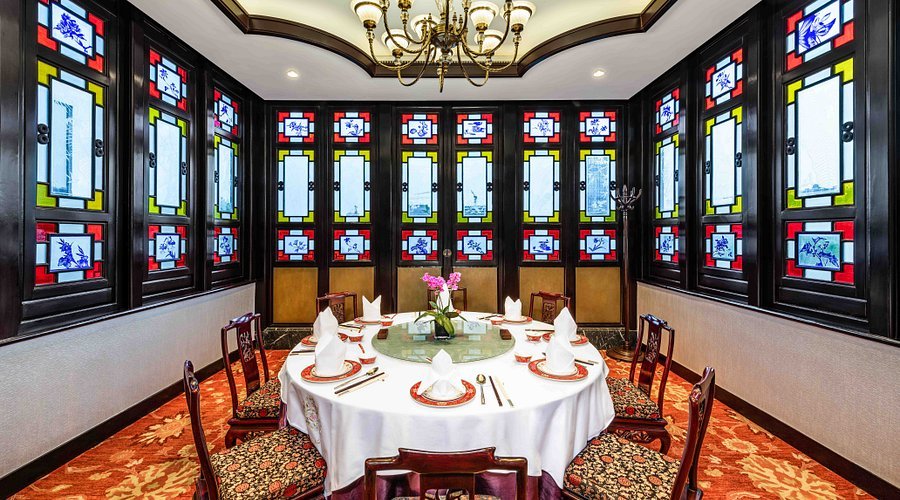
 restaurantYu Yue HeenYu Yue Heen holds a Michelin star in both 2024 and 2025, placing it among Guangzhou's most decorated Cantonese dining rooms. Located in Pearl River New City's Tianhe District, it operates at the ¥¥¥¥ tier where classical technique and serious wine selection define the experience. Chef Yongsheng Li leads the kitchen, and the room draws a clientele accustomed to the finer registers of Cantonese cuisine.
 restaurantCatchCatch holds a Michelin Plate in both 2024 and 2025, placing it among Guangzhou's recognised European Contemporary addresses. The kitchen, led by Chef Hennadii Honchar, centres on seafood at the ¥¥¥¥ price point, supported by a 2,200-bottle wine inventory with particular depth in Champagne, Burgundy, and Italian selections. Located on Zhongshansan Road in Yuexiu District, it draws a clientele that values serious wine service alongside the food programme.
Planning details
- Location
- Tianhe District, Guangzhou, China, 510623
- Website
- fourseasons.com/guangzhou
- Phone
- +86 20 8883 3888
The take
The Take
The Vibe
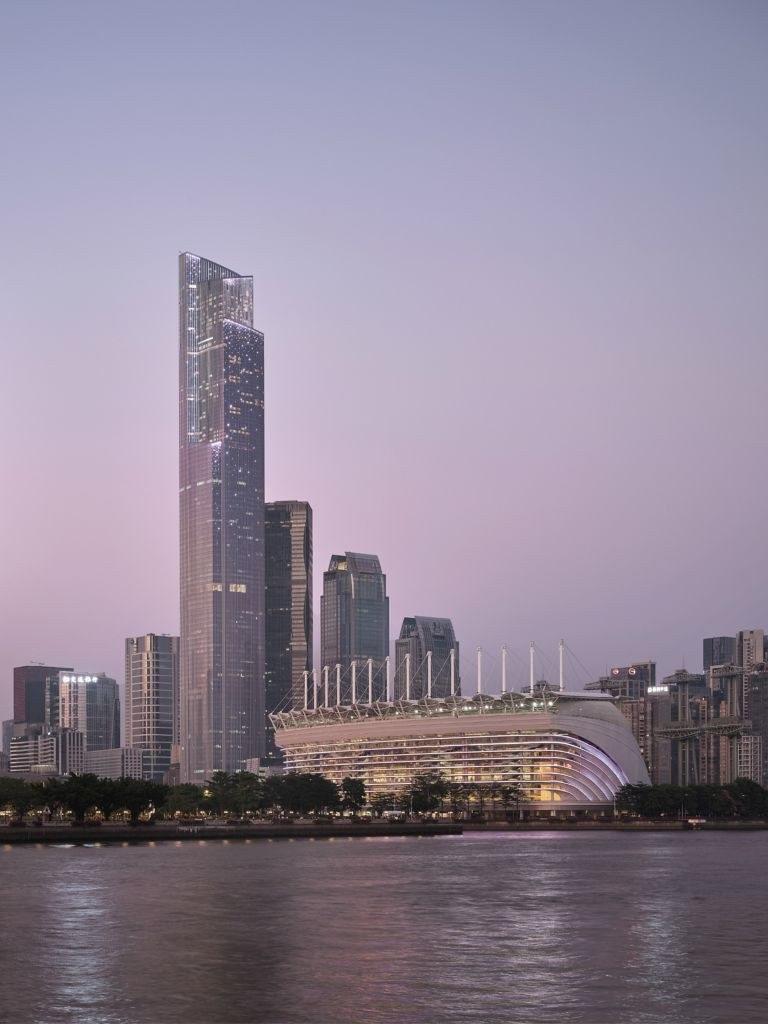
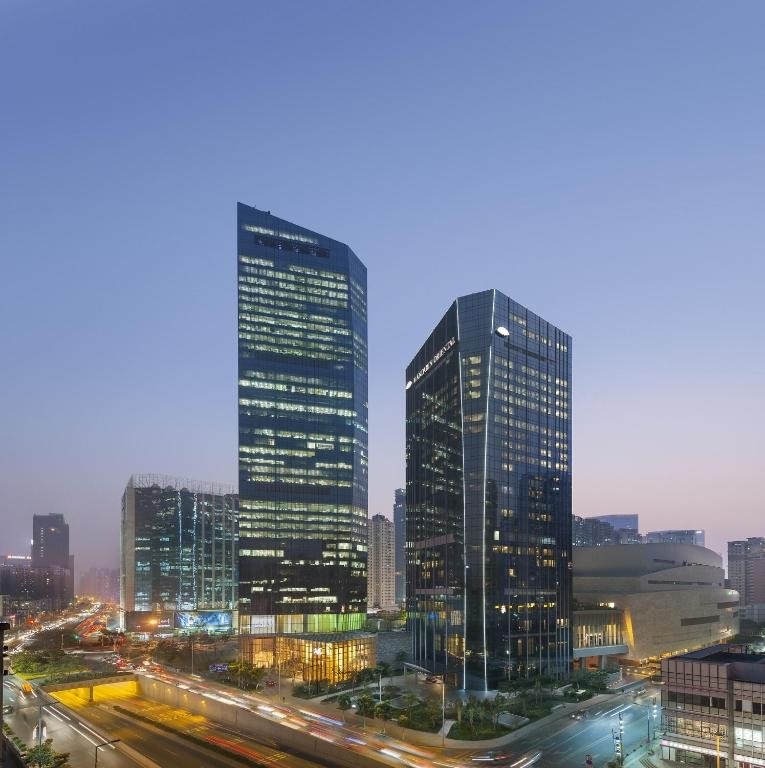
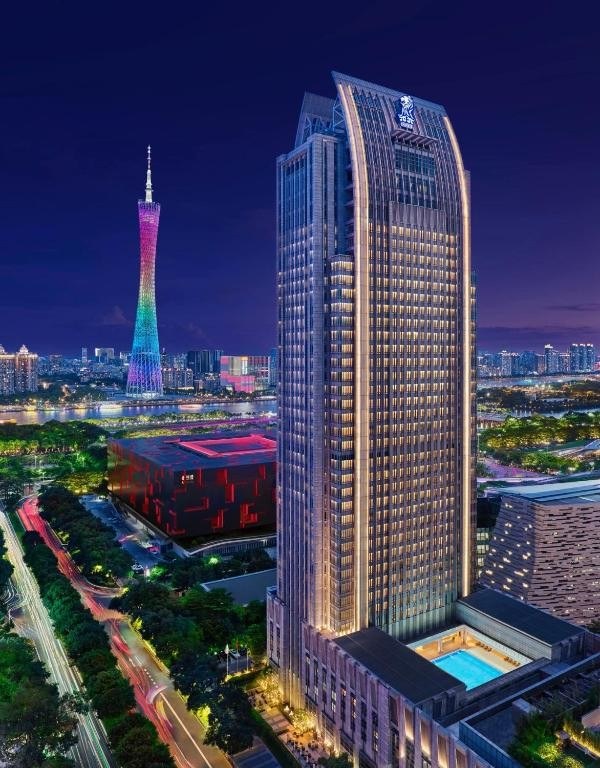
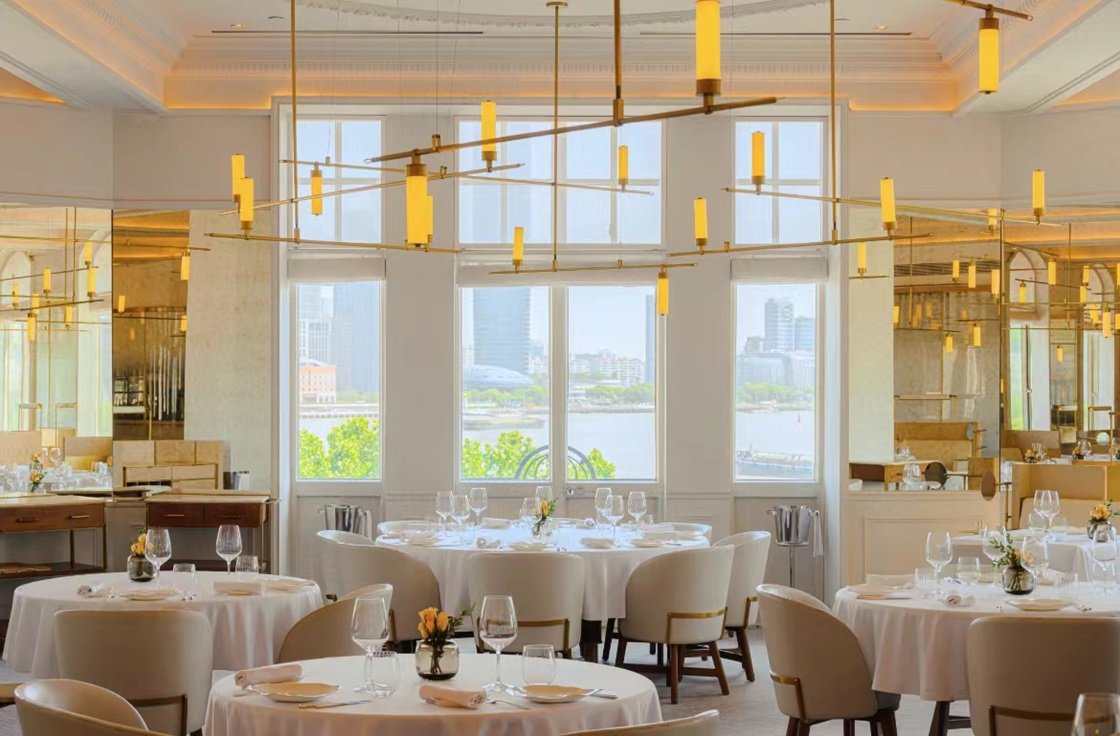
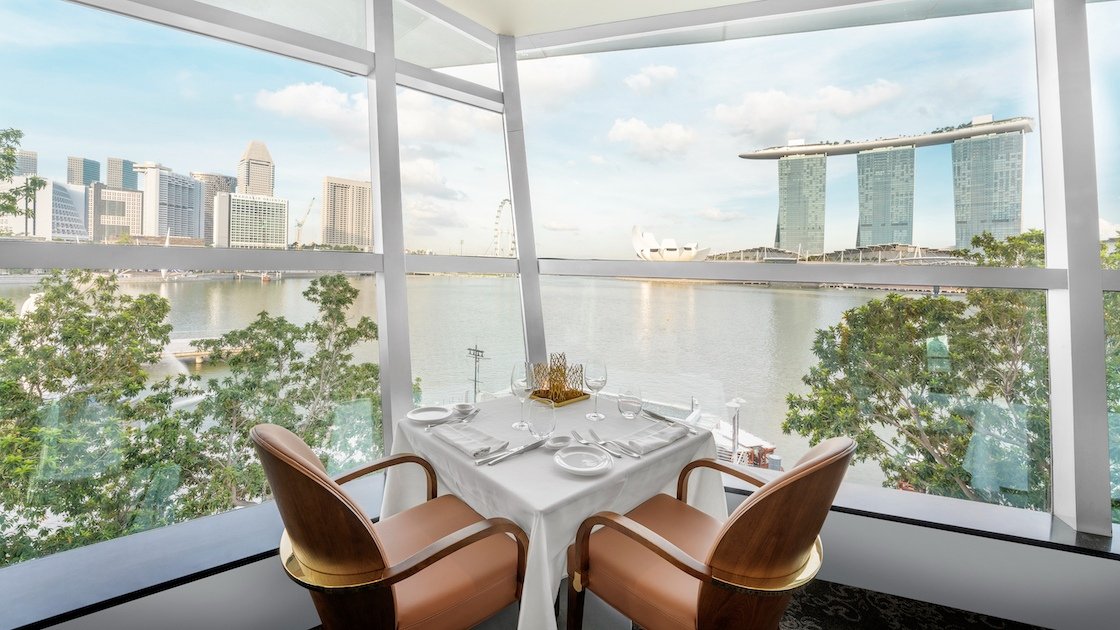
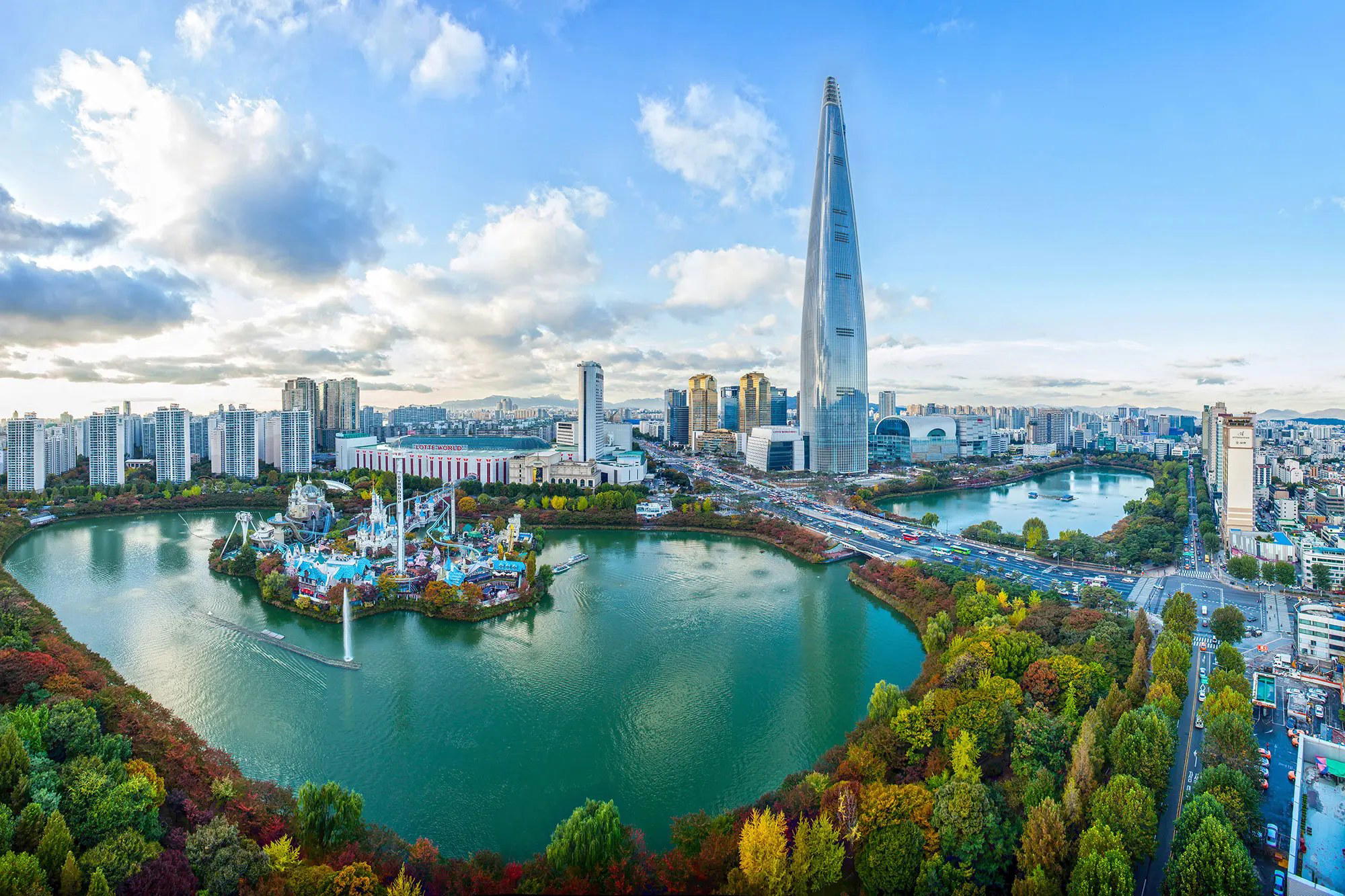
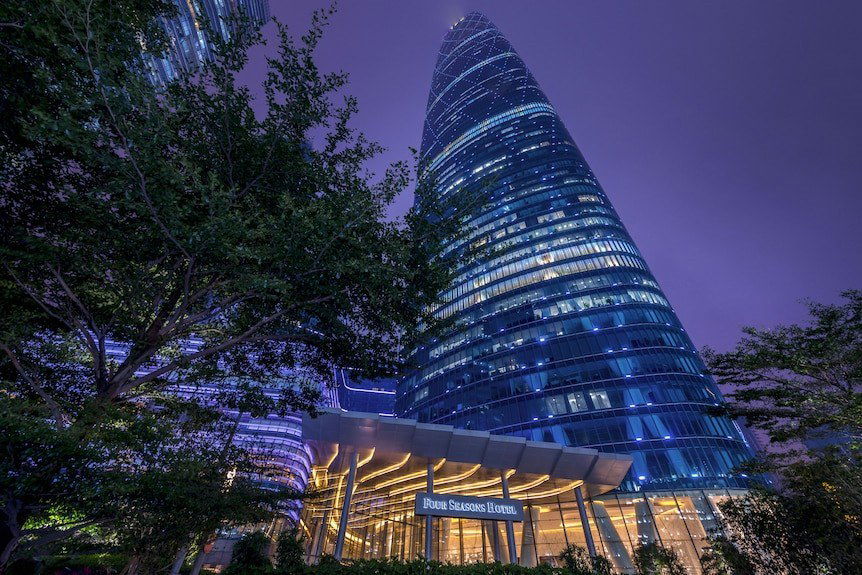
Perched on the upper floors of the Guangzhou International Finance Centre, the Four Seasons Hotel Guangzhou reads as a vertical landmark within a cluster of high-rise architecture. Floor-to-ceiling windows frame the Pearl River and the wider cityscape, so staying here feels as much about the view as it does about the rooms or service. The hotel’s presence is architectural and scenic: from this altitude the line between interior and exterior softens, and the city becomes part of the experience. That sense of scale and panorama defines the hotel’s personality more than decorative flourishes.
Best For
This Four Seasons suits travelers who prize address and views alongside a strong dining programme. Business diners and visiting executives benefit from the hotel’s location in the city’s finance centre and its multiple on-site venues; arts patrons can easily combine a stay with a performance at the nearby Guangzhou Opera House. The property’s placement high above the Pearl River also makes it a natural pick for special-occasion dinners and romantic stays, while families find roomy accommodations and elevated city panoramas as a memorable backdrop to a Guangzhou visit.
Stay Tips
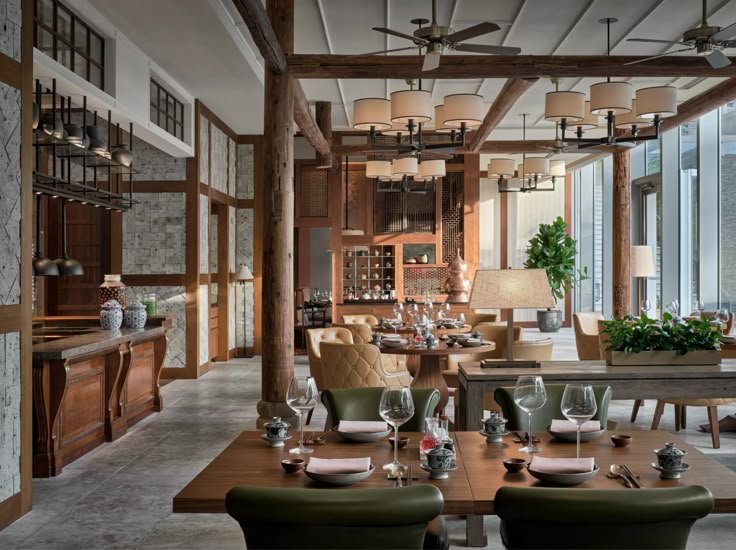
When planning a stay or meal, prioritize rooms and venues oriented toward the Pearl River or the broader cityscape to get the hotel’s defining panoramas. The property highlights five distinct dining venues across multiple floors, so sample more than one outlet if you want a full sense of the hotel’s culinary range. Given the hotel’s positioning among Guangzhou’s luxury options, treat the dining programme as a core part of the visit—use the hotel’s dining floors to connect views, proximity to the Opera House, and the broader high-rise district rather than as an incidental choice.
Venue details
Ambiance
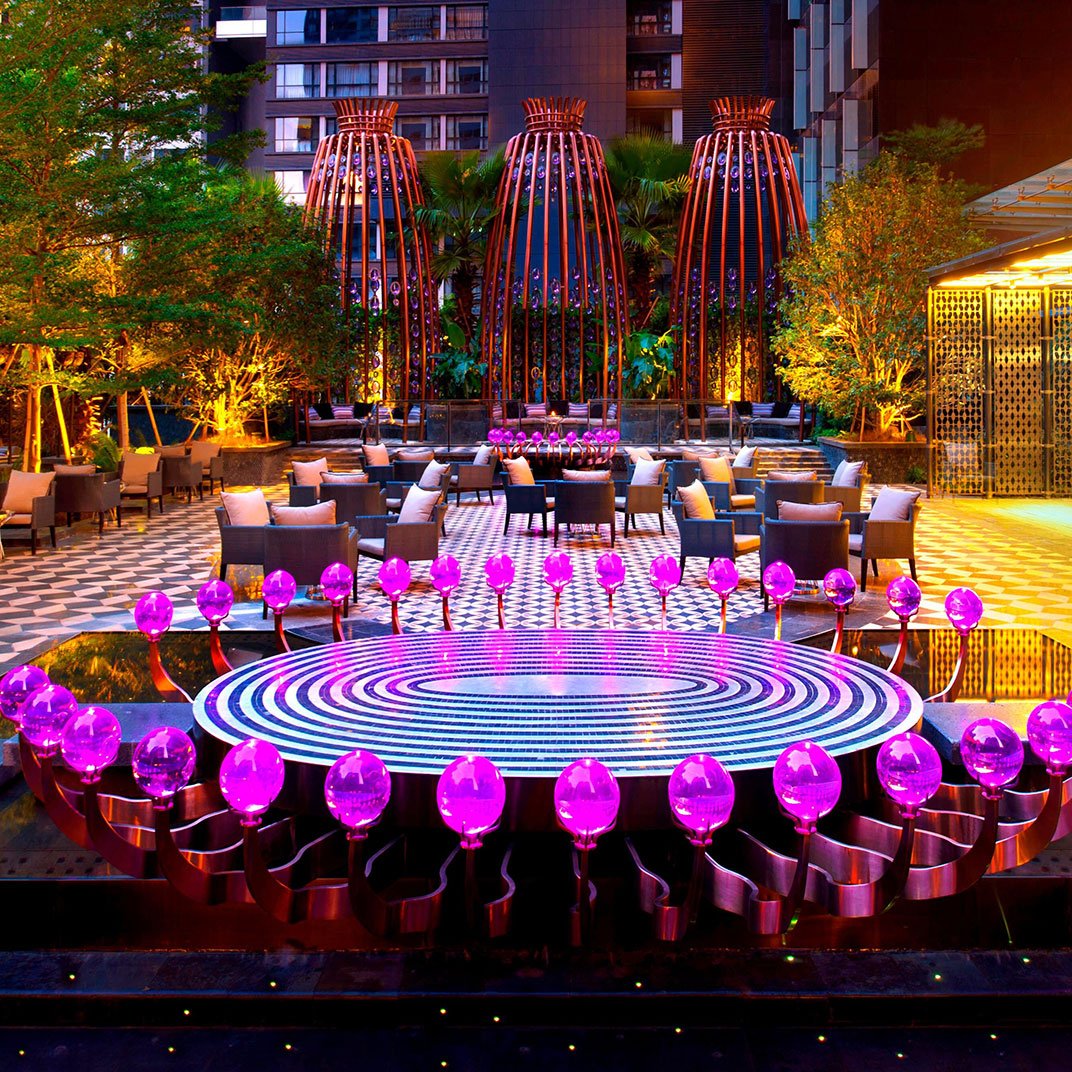
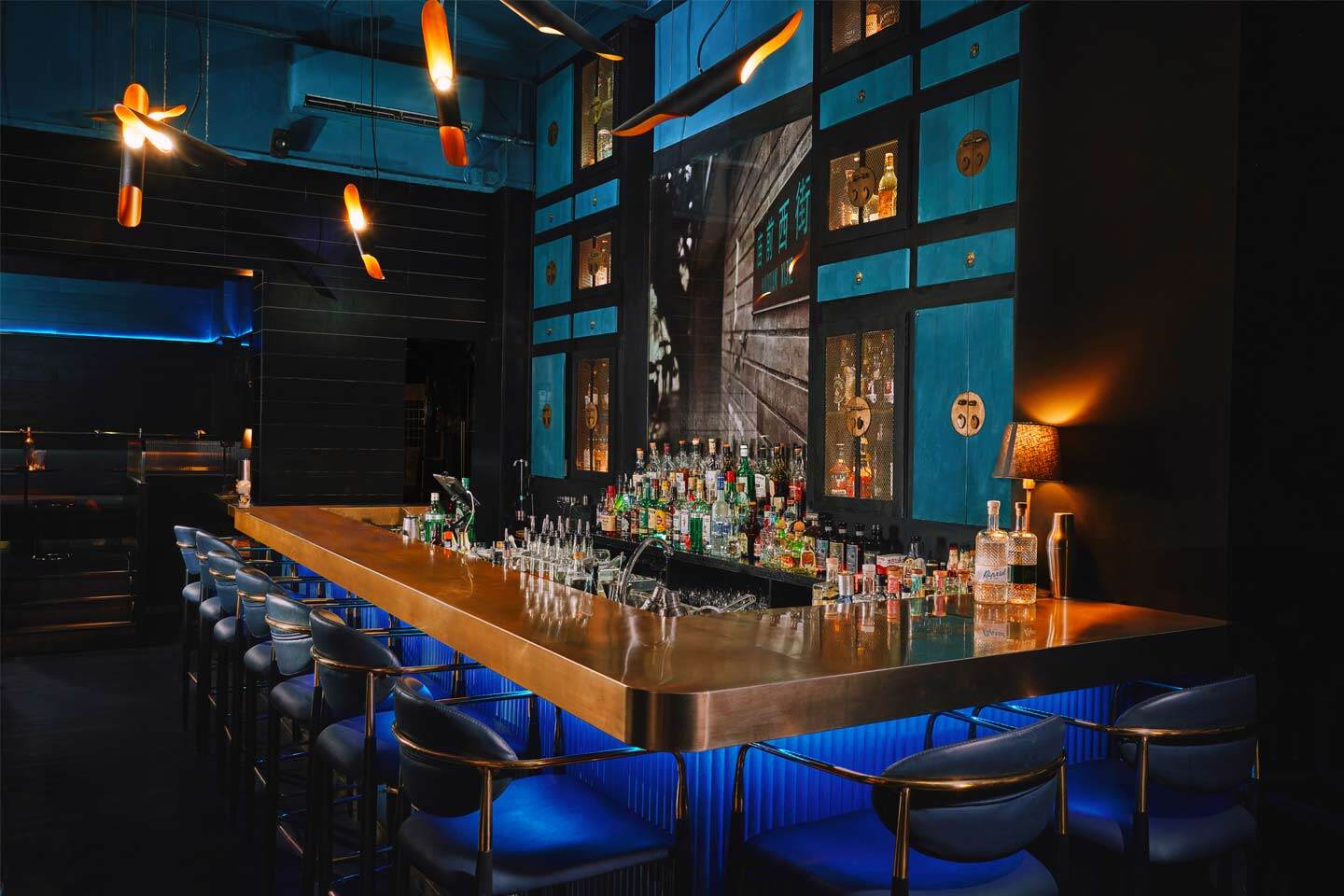
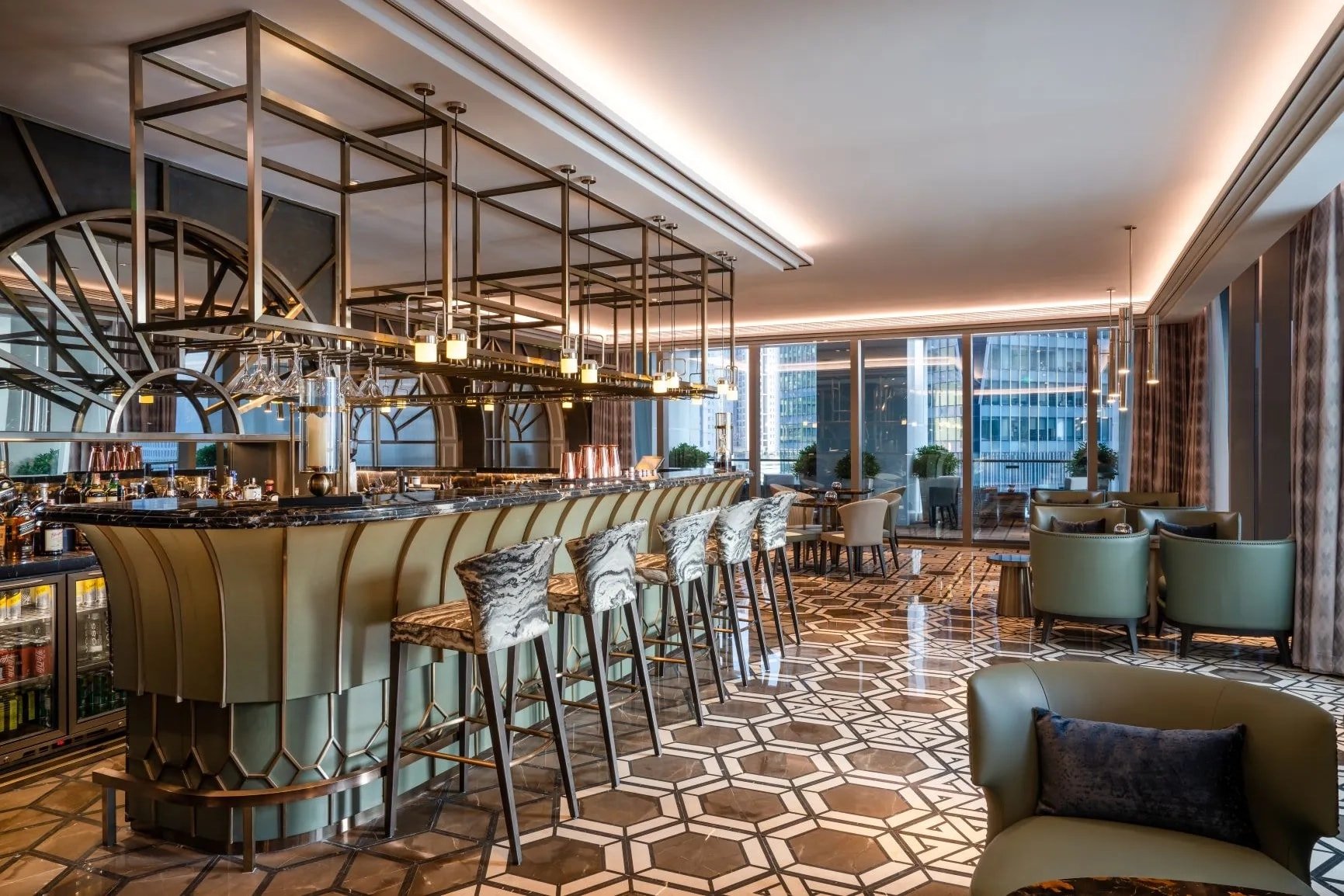
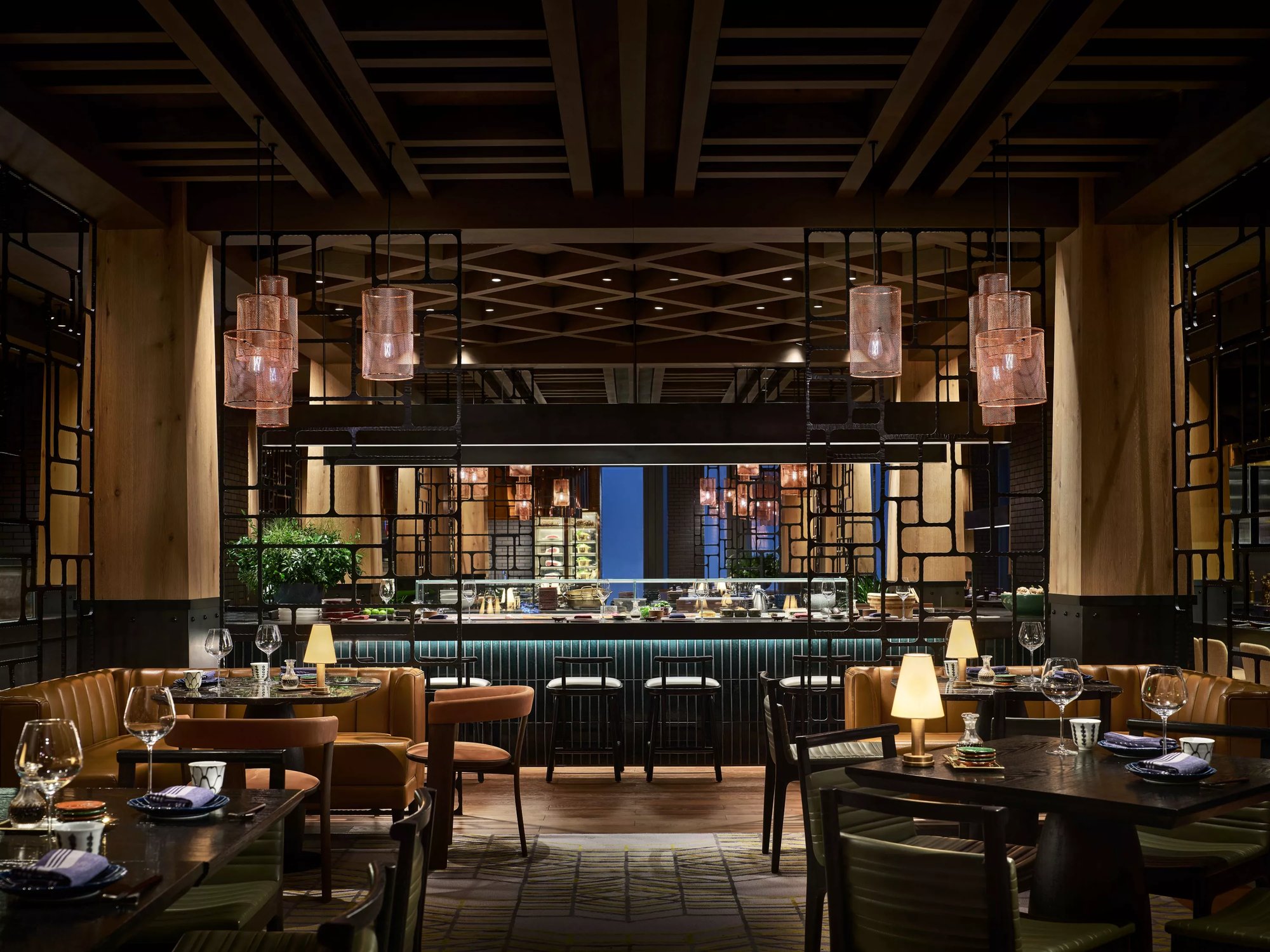
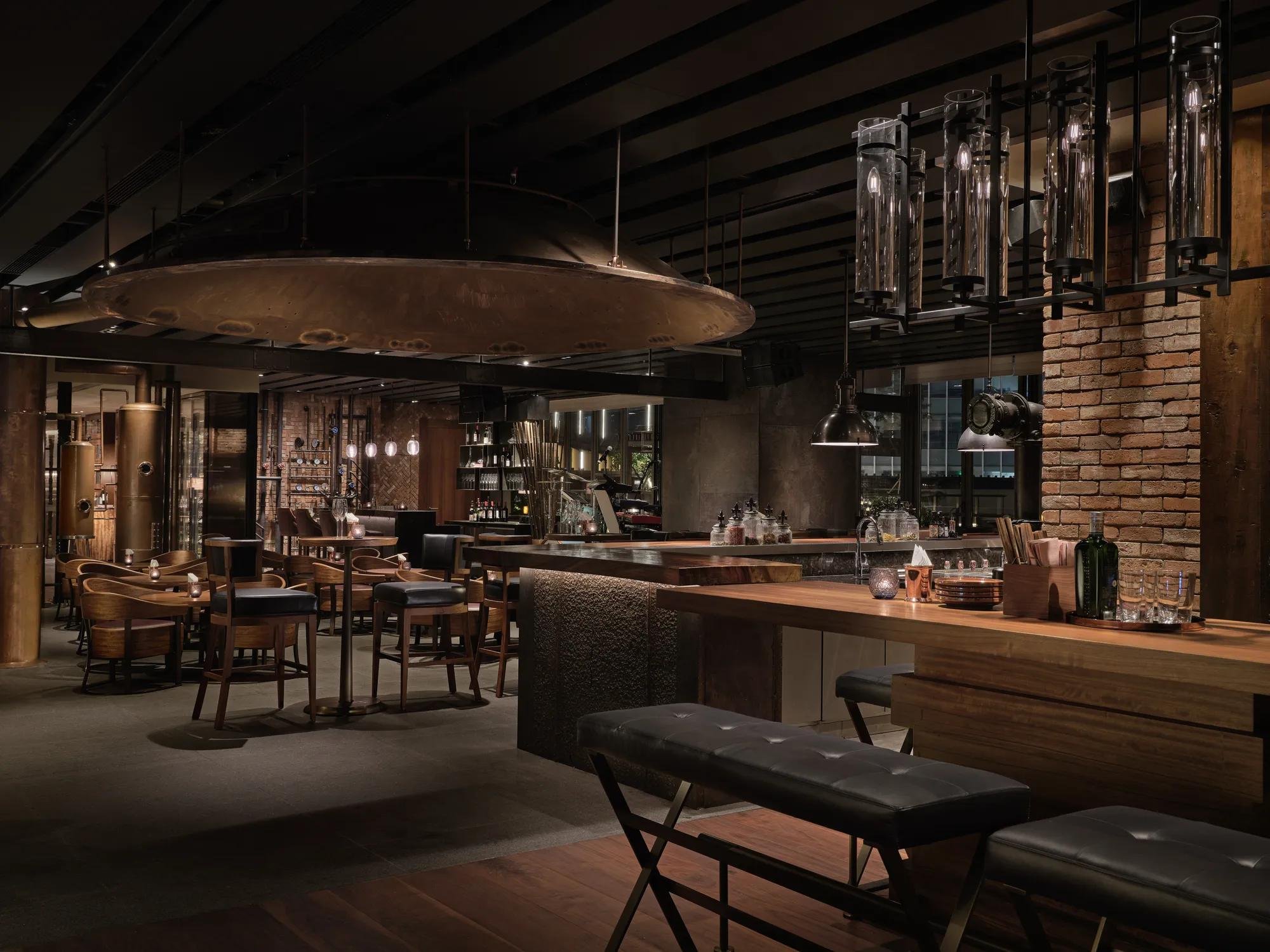
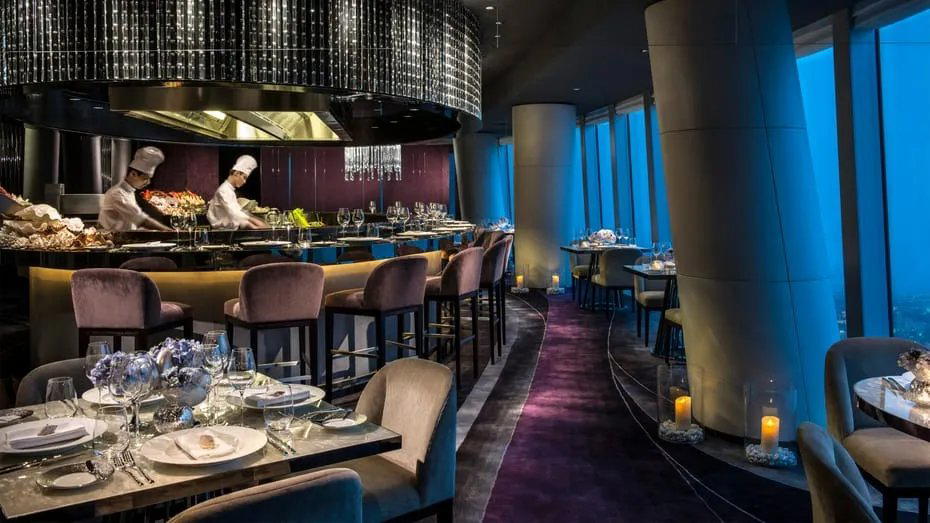
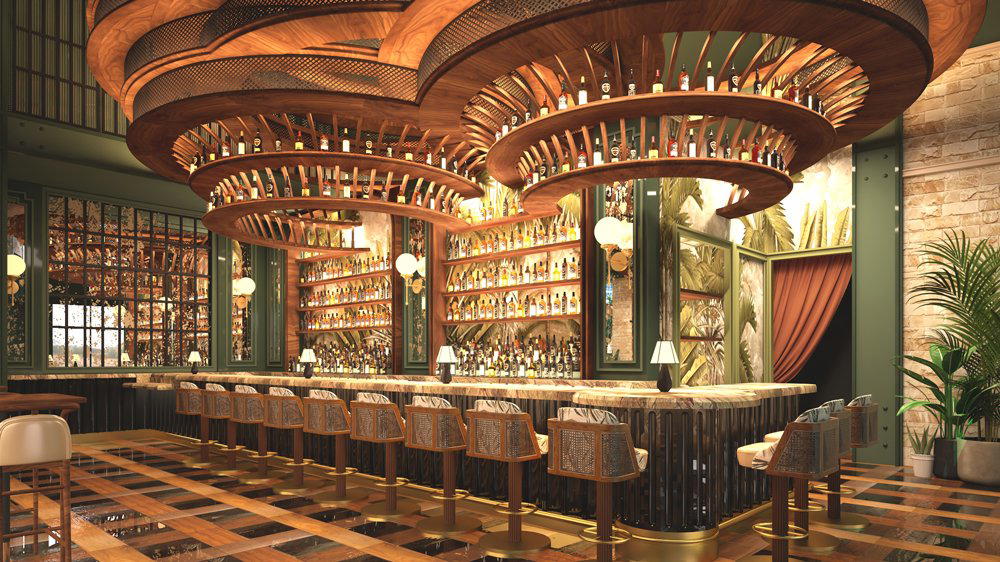
Elegant and modern with floor-to-ceiling windows offering stunning city and river views, sophisticated lighting in ultramodern interiors.
Tags
Vibe
Best For
Experience
Amenities
Accessibility
About the Stay
- Rooms
- 344
- Check-in
- 15:00
- Check-out
- 12:00
- Property Style
- Sky High Urban Luxury Tower Hotel
- Design Style
- Ultramodern Art Deco with Elegant Contemporary Interiors
Know before you go
Know Before You Go
- Getting there
- Tianhe District, Guangzhou, China, 510623
Planning details
Location
Recognition and awards



Also consider
If this is full, where to look next
For a similar luxury decision, try Rosewood Guangzhou first if the trip leans leisure and design matters. For a more traditional luxury backup, The Ritz-Carlton, Guangzhou is the cleaner substitute.
If rates jump, compare Conrad Guangzhou before dropping out of Tianhe. If the trip is adults-only and social energy is a plus, W Guangzhou makes more sense than forcing a family-oriented luxury stay.
Hotel context
How it compares in Guangzhou
Four Seasons Hotel Guangzhou is the safer luxury choice for families and first-timers who value consistency over scene. Rosewood Guangzhou is the stronger cross-shop for travelers chasing a newer-feeling, statement luxury stay, while Park Hyatt Guangzhou suits guests who prefer a quieter, more restrained hotel style.
The Ritz-Carlton, Guangzhou is the closest comparison for classic luxury expectations. Choose it if traditional service cues matter more than a Four Seasons-style international polish. W Guangzhou is better for a livelier mood, but less compelling for families who want calm evenings and low-friction logistics.
If value is the deciding factor, compare rates against Conrad Guangzhou. Four Seasons Hotel Guangzhou is easier to justify when the trip includes children, older relatives, or a mix of business and leisure because service consistency carries more weight than saving on the nightly rate. During high-demand periods, all serious luxury options in Tianhe can become harder to secure, so flexibility on dates matters.
Explore Guangzhou
Around this place
Discover more on Pearl
Unlock the full Four Seasons Hotel Guangzhou guide in Pearl, including awards, comparisons, FAQs, planning details, and nearby places.
Compare Four Seasons Hotel Guangzhou
| Venue | Location | Awards |
|---|---|---|
| Four Seasons Hotel Guangzhou | Guangzhou | 2026 Forbes Recommended2026 La Liste Top Hotels2025 Forbes RecommendedMichelin 1 Key 20252025 Michelin 1 KeyFour Seasons Hotels |
| Park Hyatt Guangzhou | Guangzhou | 2026 Forbes Recommended2025 Michelin Selected Hotels2025 Forbes Recommended |
| Rosewood Guangzhou | Guangzhou | 2026 Forbes 5-Star2026 La Liste Top Hotels2025 Michelin 1 Key2025 Forbes 5-Star |
| The Ritz-Carlton, Guangzhou | Guangzhou | 2026 Forbes 5-Star2026 Michelin Guide New Hotels2026 La Liste Top Hotels2025 Michelin Selected Hotels2025 Forbes 5-Star |
| W Guangzhou | Guangzhou | 2026 Forbes Recommended2025 Michelin Selected Hotels2025 Forbes Recommended |
| Conrad Guangzhou | Guangzhou | 2026 Forbes Recommended2025 Michelin Selected Hotels2025 Forbes Recommended |


How Four Seasons Hotel Guangzhou compares with similar nearby venues.
FAQ
Frequently Asked Questions
Do loyalty programs work at Four Seasons Hotel Guangzhou?
Confirm specific loyalty-program benefits directly at booking. The hotel carries Michelin 1 Key (2025), La Liste Top Hotels (2026) at 90.5 points, and Forbes Recommended (2026), so the value case is best judged against the rate, your Guangzhou plans, and any booking benefits available for your dates.
Which room category is best at Four Seasons Hotel Guangzhou?
Choose based on the number of guests, space needs, rate difference, and any room details confirmed directly by the hotel before booking.
How is the location of Four Seasons Hotel Guangzhou?
Four Seasons Hotel Guangzhou is in Guangzhou. Confirm the exact location and travel times against your own plans before booking, especially if meetings, dining, or transport connections are central to the trip.
How does Four Seasons Hotel Guangzhou compare to nearby hotels?
Four Seasons Hotel Guangzhou can be compared with W Guangzhou, Conrad Guangzhou, Rosewood Guangzhou, Park Hyatt Guangzhou, and The Ritz-Carlton, Guangzhou when weighing premium hotel options in Guangzhou. The best choice depends on current rates, availability, location needs, and any specific services confirmed for your dates.