



Mandarin Oriental, Guangzhou
Guangzhoushi, Guangzhou
Hotel in Guangzhou, China
 Book with Pearl
The Read
Minimalist Precision, Club-Floor Depth
Why go
A polished Tianhe luxury choice that makes the clearest sense for first-time Guangzhou visitors and families who want predictability, service consistency, and a central base. It is harder to justify as a value pick, so compare rates against Rosewood Guangzhou, The Ritz-Carlton, Guangzhou, Conrad Guangzhou, and Sofitel Guangzhou Sunrich before committing.
About Mandarin Oriental, Guangzhou
For Mandarin Oriental, Guangzhou, the picture is concise: it is a Guangzhou hotel with smart-casual dress code guidance and several third-party recognitions. If you are considering it for a stay, confirm practical booking details directly before committing.
The strongest reason to keep it on a shortlist is recognition. Mandarin Oriental, Guangzhou is listed by La Liste Top Hotels for 2026 with 97 points, has Forbes 4-Star recognition for 2026, appears in Tatler's 2025 Best Hotels Asia-Pacific selection, and is selected in the MICHELIN Guide Hotels for 2025.
A strong Guangzhou choice for travelers comparing hotels
Mandarin Oriental, Guangzhou should be considered through its recognition rather than assumptions about specific facilities or services. La Liste rates it at 97 points for 2026, Forbes lists it as a 4-Star hotel for 2026, Tatler includes it in its 2025 Asia-Pacific hotel selection, and the MICHELIN Guide selected it in 2025.
Judge value against the room type, terms, and inclusions shown at booking. If you are comparing Guangzhou hotels, it is reasonable to look at Sofitel Guangzhou Sunrich or Conrad Guangzhou as alternatives before committing.
First-timer expectations: confirm the practical details before booking
For a first stay in Guangzhou, Mandarin Oriental, Guangzhou is best assessed through its recognition and the specific terms available at the time of booking. Room categories, facilities, dining formats, service style, and location details beyond Guangzhou should be confirmed directly.
Dress code guidance is smart casual. Other practical details should be confirmed directly with the hotel or booking channel before payment, including arrival arrangements, room configuration, breakfast, access policies for any facilities, cancellation terms, and late check-out options.
Where it fits beside Guangzhou's other hotels
Choose Mandarin Oriental, Guangzhou if the priority is a Guangzhou hotel with strong third-party recognition. Rosewood Guangzhou, W Guangzhou, The Ritz-Carlton, Guangzhou, Conrad Guangzhou, and Sofitel Guangzhou Sunrich are natural alternatives to compare when brand preference, availability, or booking terms matter.
For broader planning, use our full Guangzhou hotels guide alongside our full Guangzhou restaurants guide, our full Guangzhou bars guide, our full Guangzhou wineries guide, and our full Guangzhou experiences guide. If this hotel is unavailable, compare other hotels in Guangzhou before widening the search.
Part of
Mandarin Oriental116 locations on PearlInside Mandarin Oriental, Guangzhou
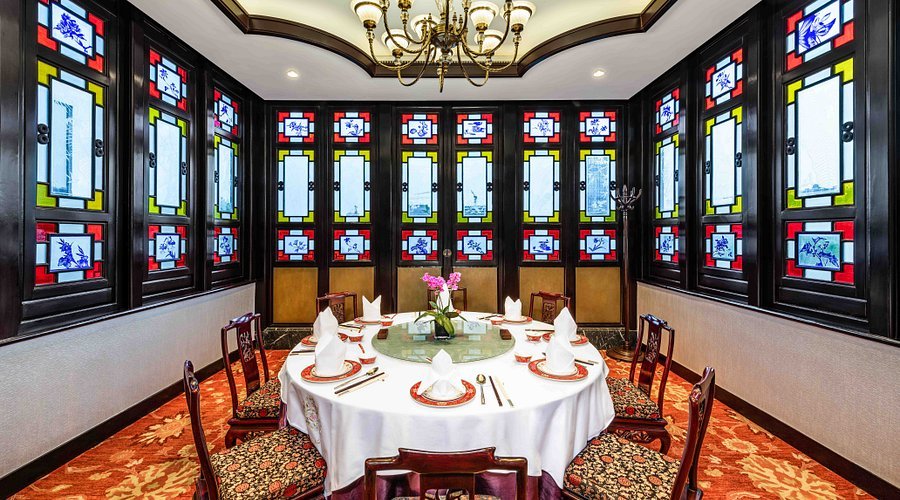
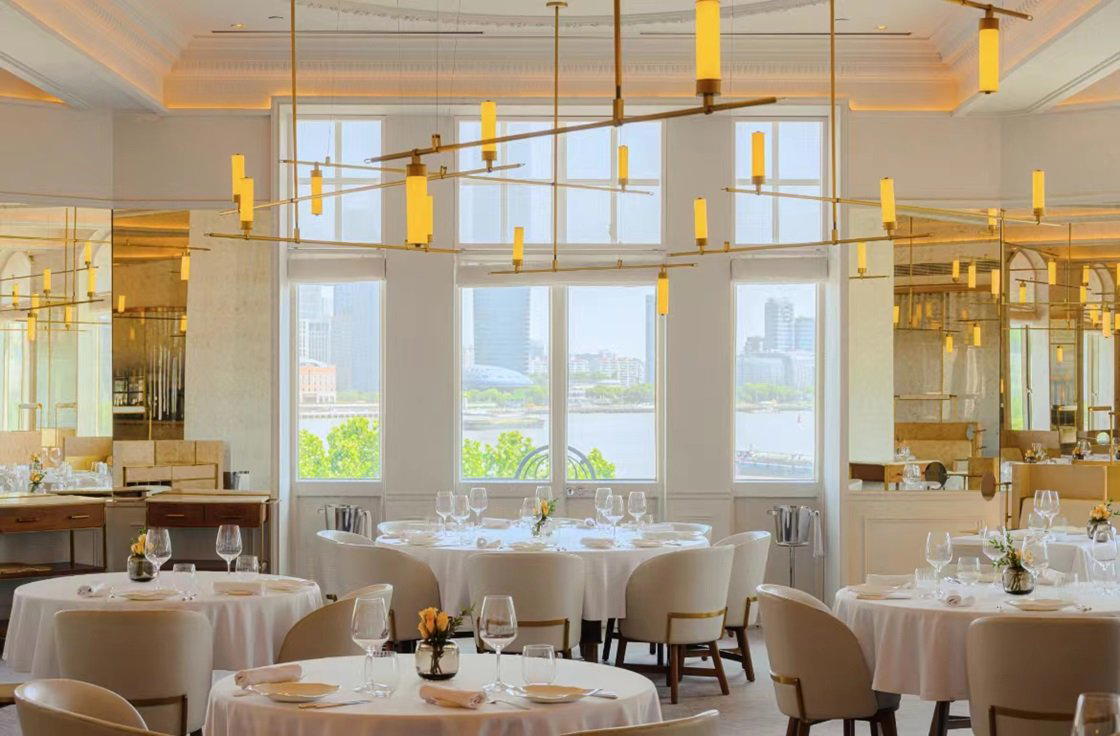 restaurantJiang by Chef FeiJiang by Chef Fei holds two Michelin stars and a Black Pearl Diamond at its Tianhe District address, placing it among Guangzhou's most decorated Cantonese tables. Chef Huang Jinghui's kitchen balances classical technique with seasonal creativity, from refined dim sum at lunch to roasted Wenchang Chicken at dinner. La Liste has ranked it among the world's top restaurants in both 2025 and 2026.
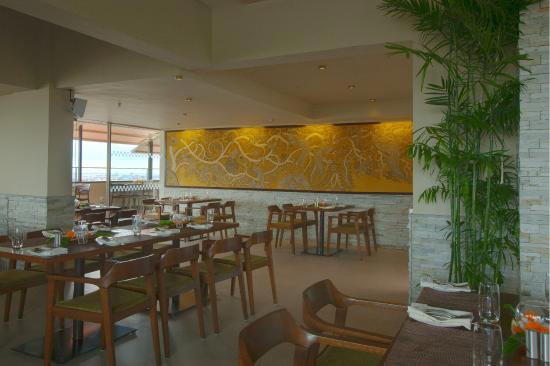 restaurantEbonyA Michelin Plate-recognised European restaurant in Tianhe District, Ebony occupies a specific niche within Guangzhou's increasingly international dining circuit. Priced at the ¥¥¥ tier, it sits alongside the city's more considered mid-to-upper-range options rather than competing directly with the two-star Cantonese institutions that define Guangzhou's global culinary reputation. For evenings when the appetite is for European rather than Cantonese, it earns its place on the shortlist.
Planning details
- Location
- 389 Tian He Dong Lu, 天河中心 Tian He Qu, Guang Zhou Shi, Guang Dong Sheng, 510620
- Website
- reservations.mandarinoriental.com/xbe/rez.aspx?Chain=507&room=HR02K%2CHR02T&hotel=56732&locale=en-US
- Phone
- +86 20 3808 8888
The take
The Take
The Vibe
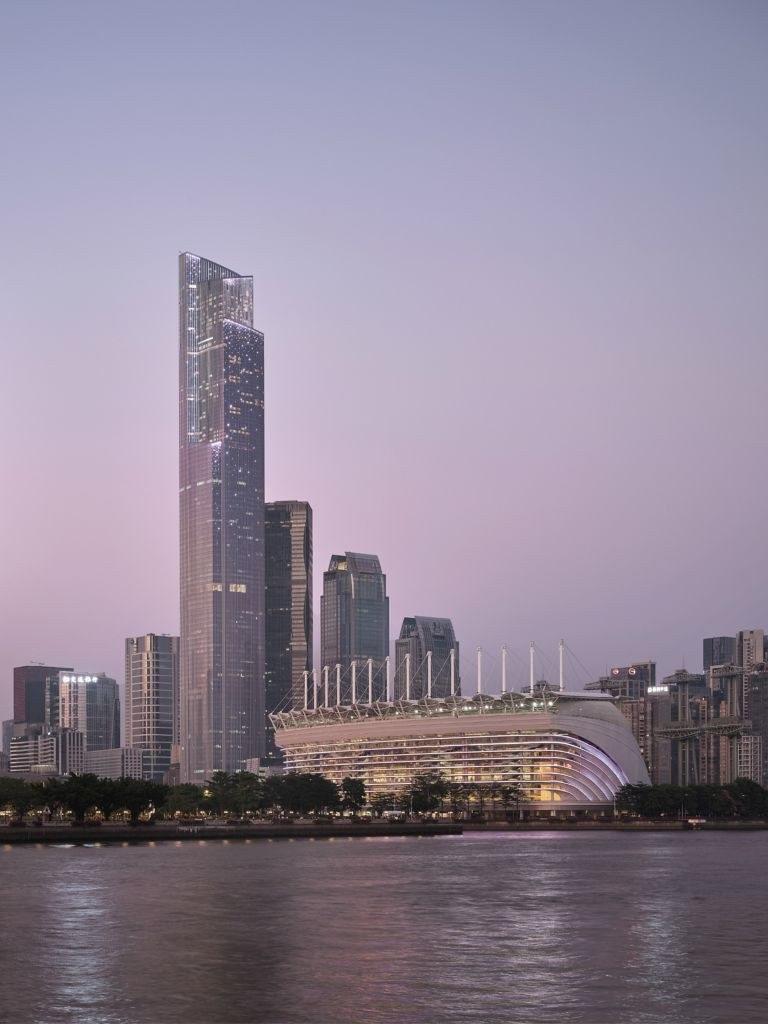
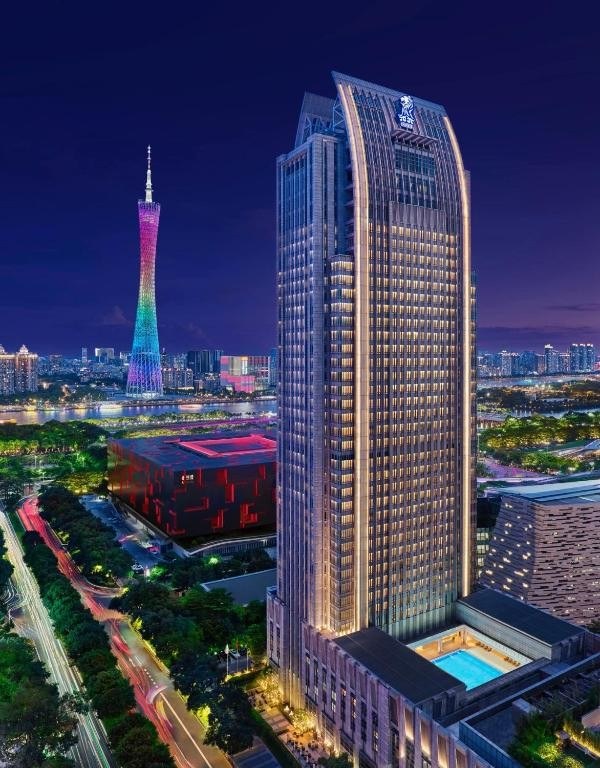
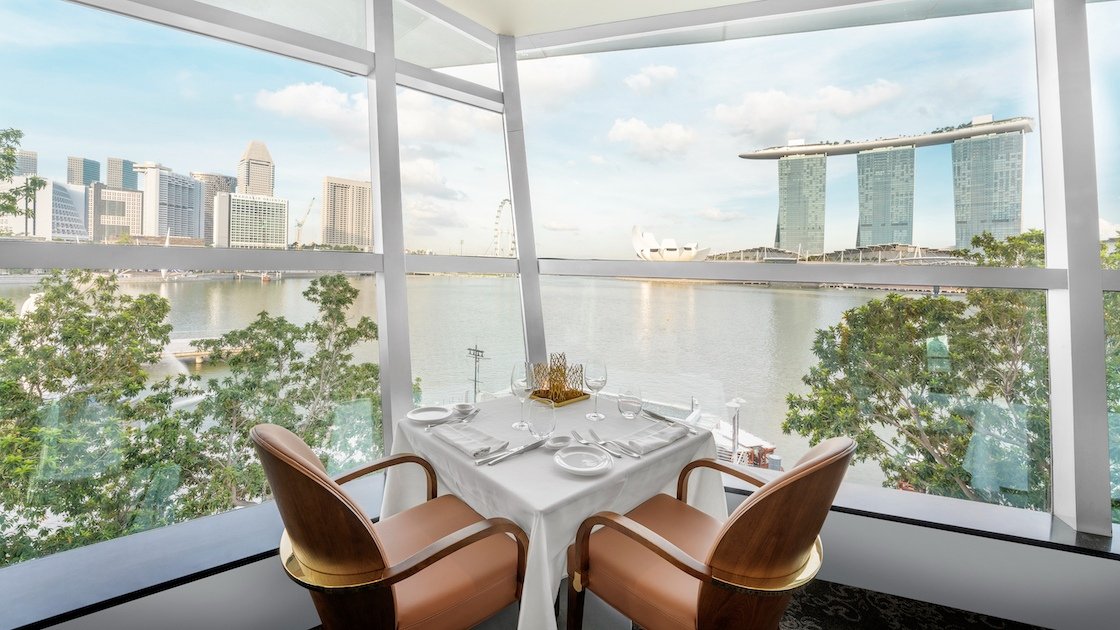
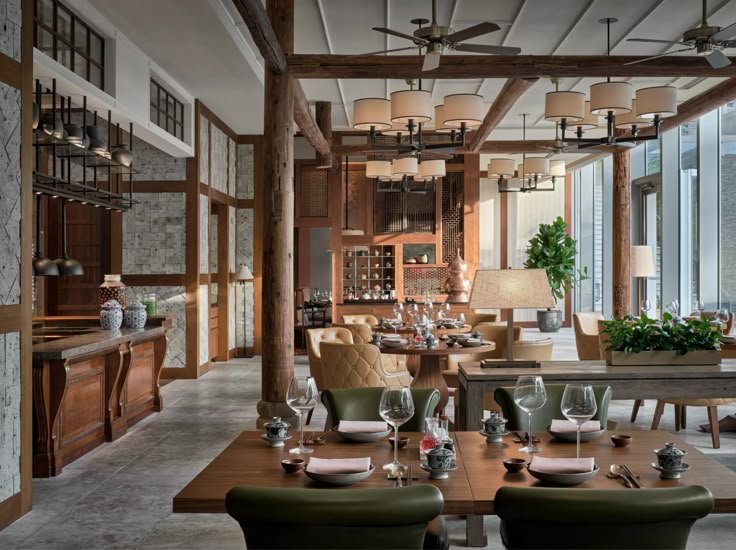
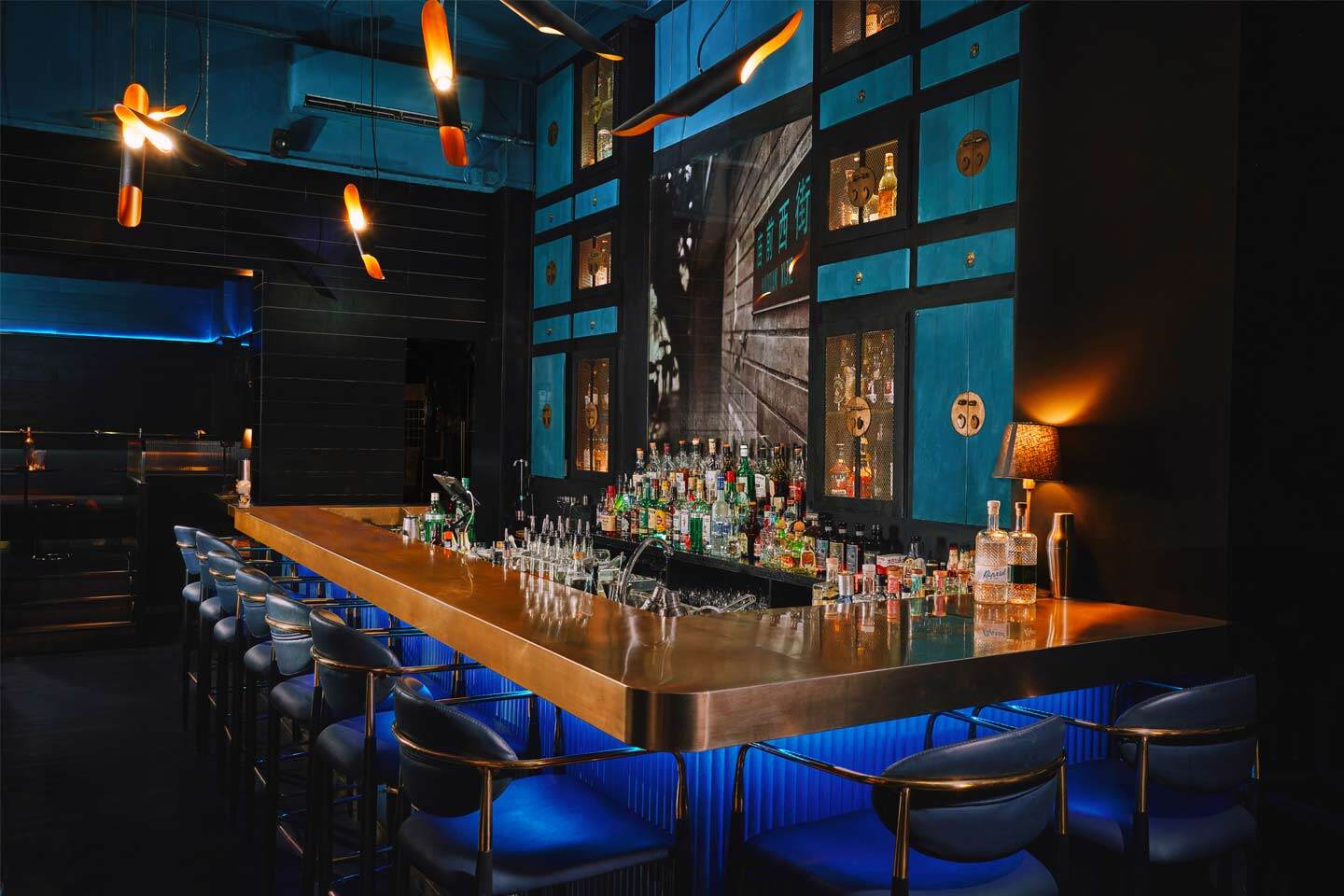
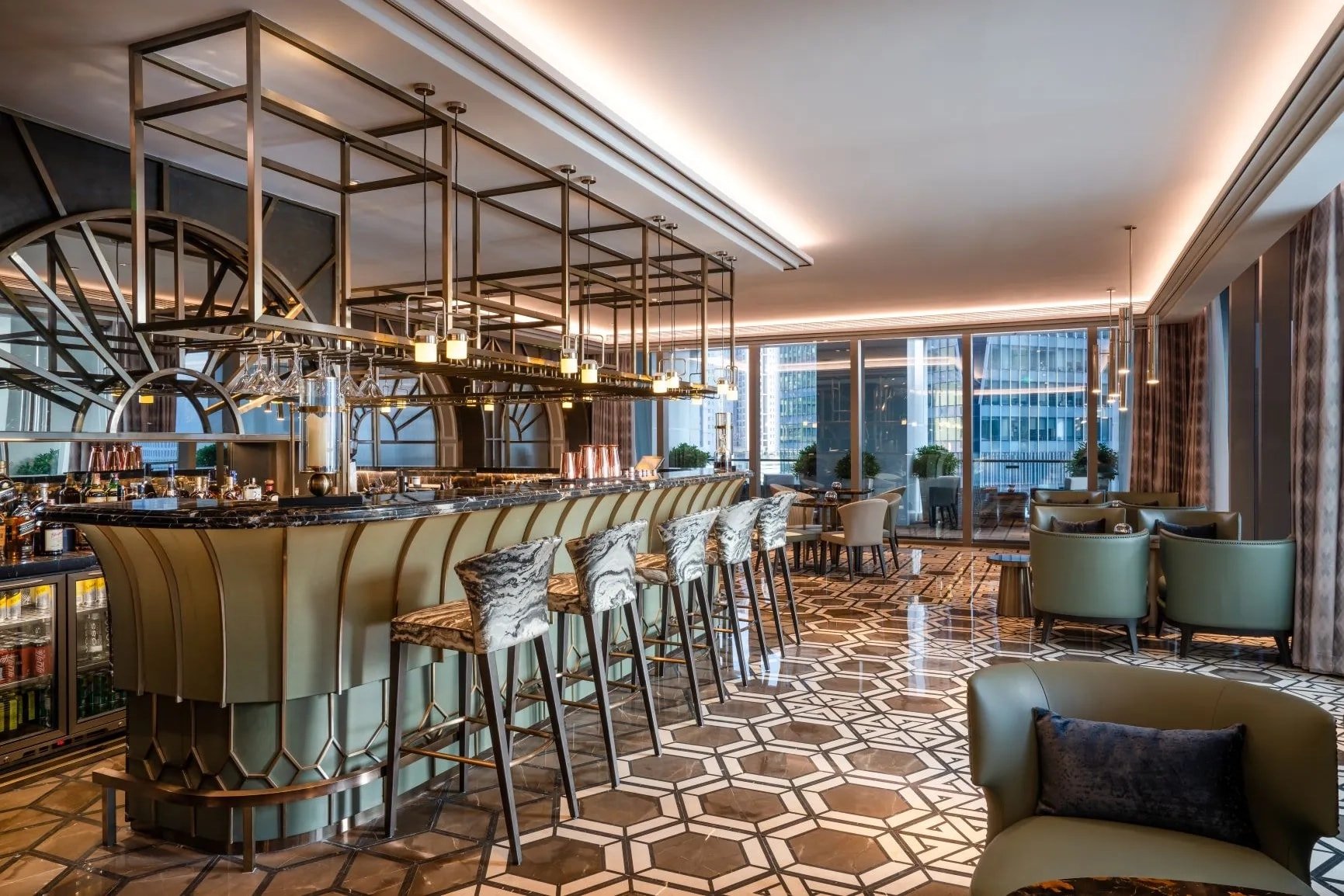
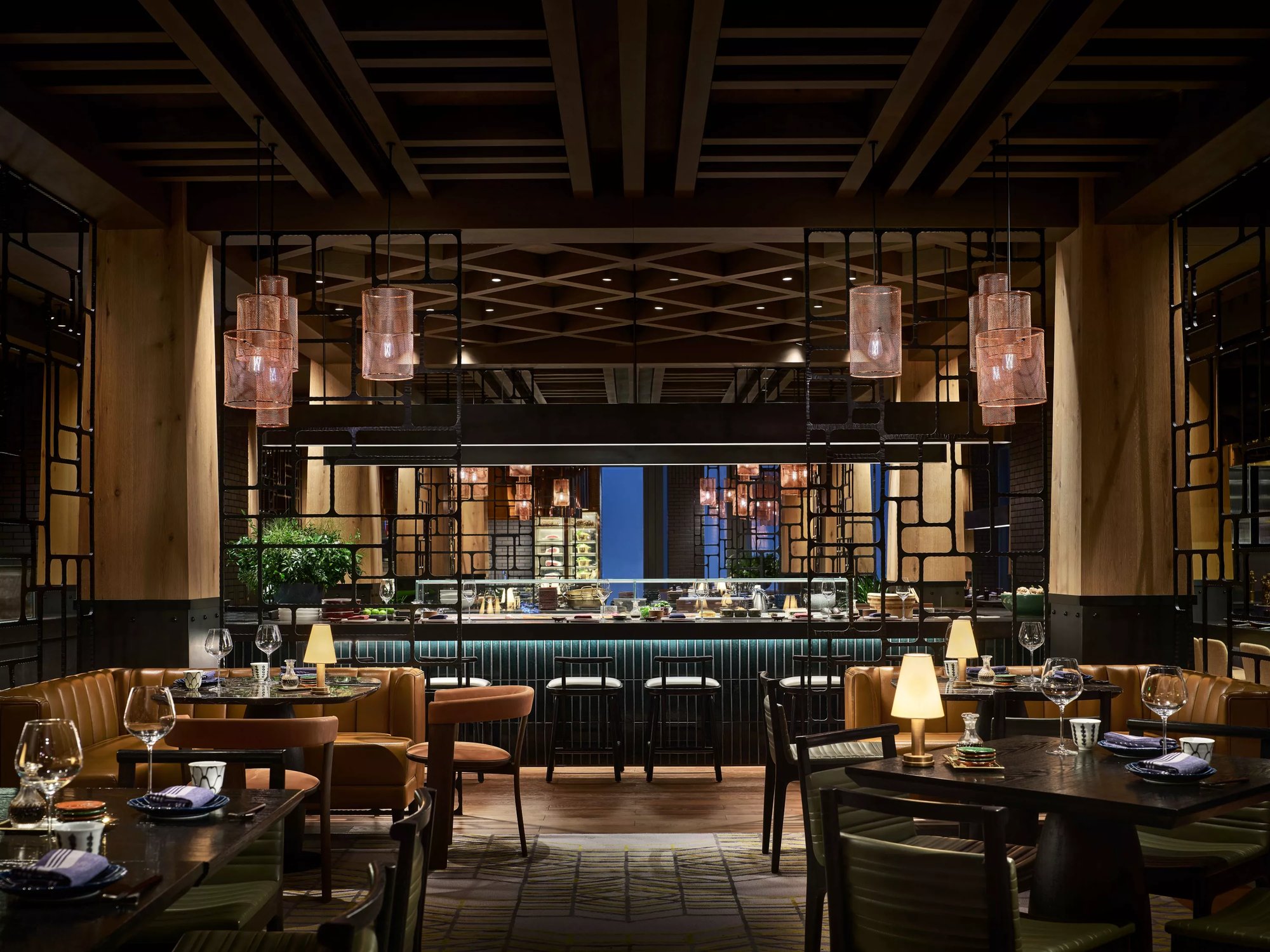
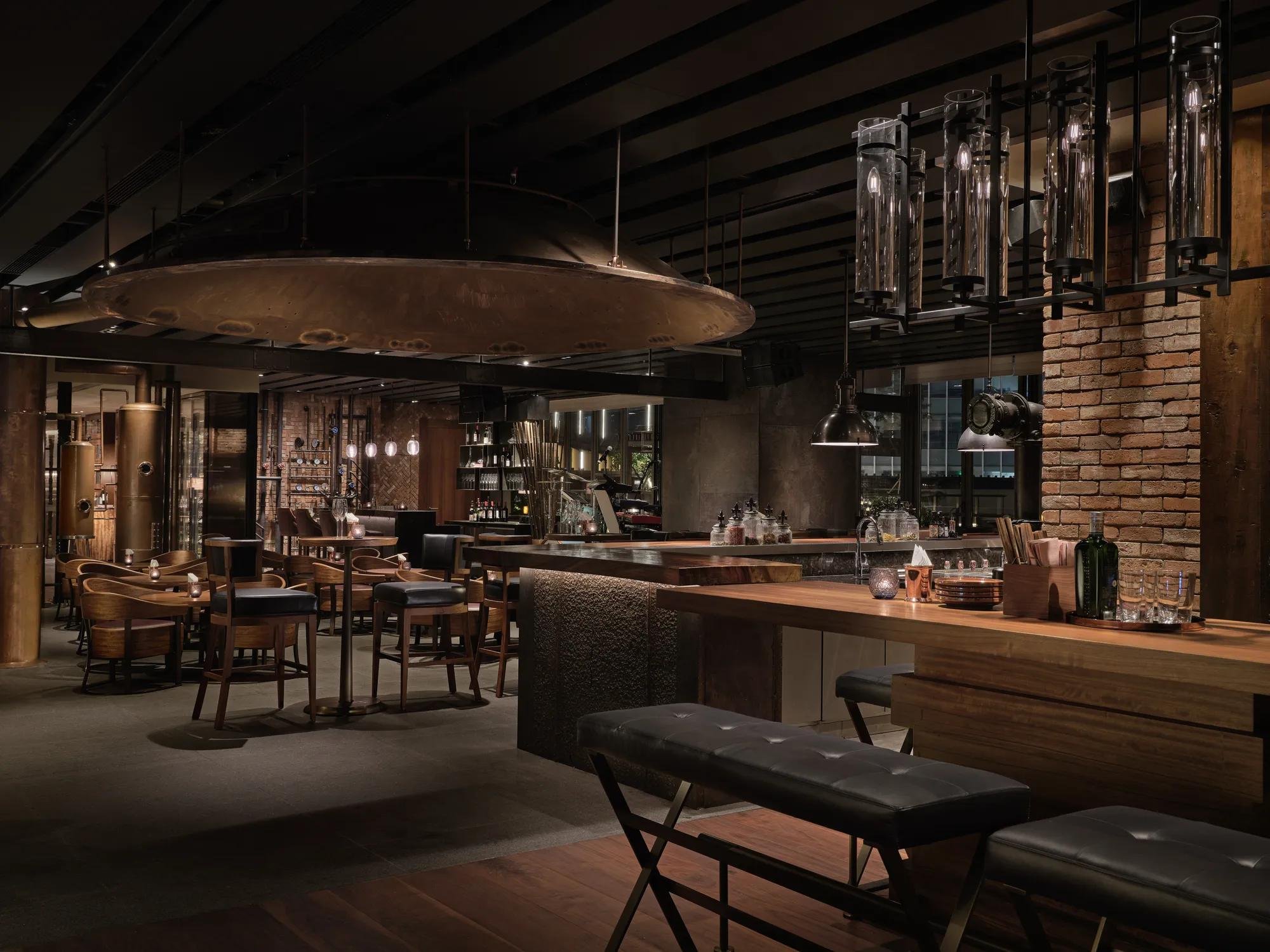
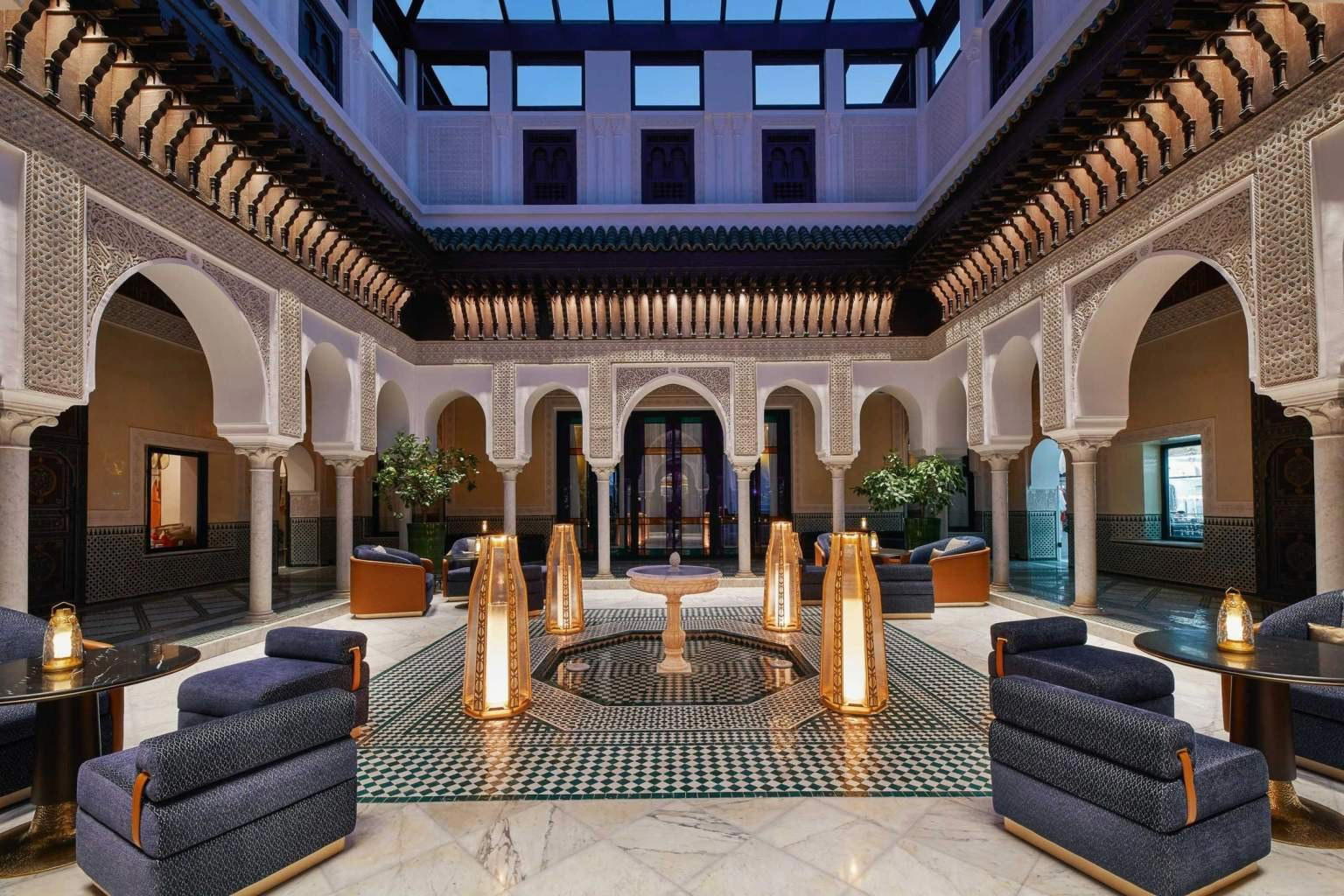
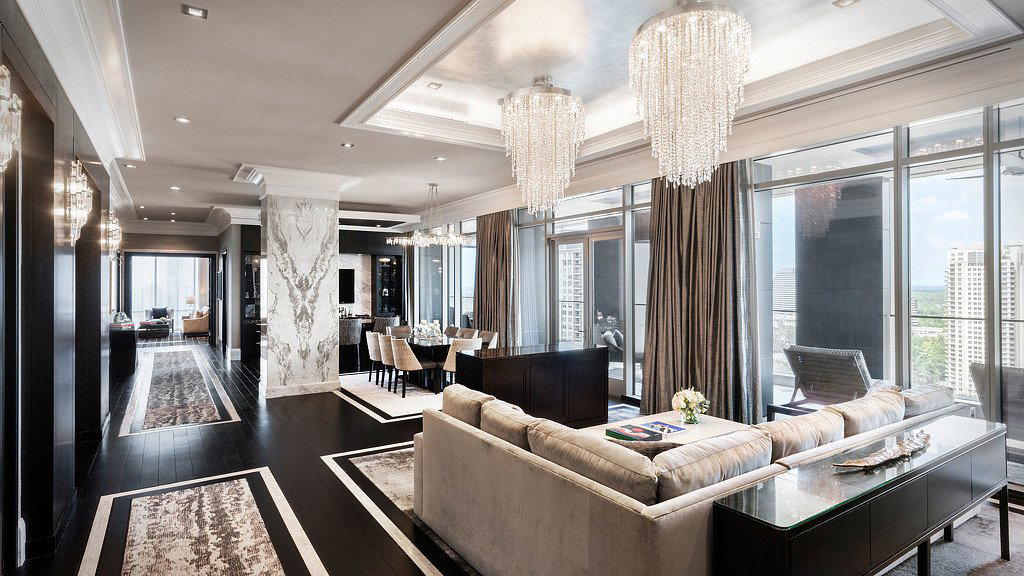
The Mandarin Oriental, Guangzhou presents a restrained, modern take on luxury. Tony Chi’s minimalist approach shapes interiors that prioritize material quality, careful proportions and a quieter sense of refinement rather than theatrical height or spectacle. Situated among Tianhe’s peer set of international five‑star hotels, the property reads as deliberately composed and calm — a design-forward option for travelers who prefer polished restraint to flamboyance. Public spaces and rooms favor thoughtful detailing and an uncluttered palette, giving the hotel a serene, contemporary temperament that stands apart from the district’s more ostentatious competitors.
Best For
This Mandarin Oriental is well suited to business travelers and guests seeking a refined base in Tianhe. Its placement among the district’s top international hotels and the brand’s limited mainland presence signal a property calibrated for professional stays, discreet luxury and appointments that accommodate meetings or formal evenings. At the same time, the focused design and high-end positioning make it a logical choice for special occasions where understated quality matters more than grand showmanship. Guests looking for polished service and a tranquil environment in the heart of Guangzhou’s hotel corridor will find it especially fitting.
Venue details
Ambiance
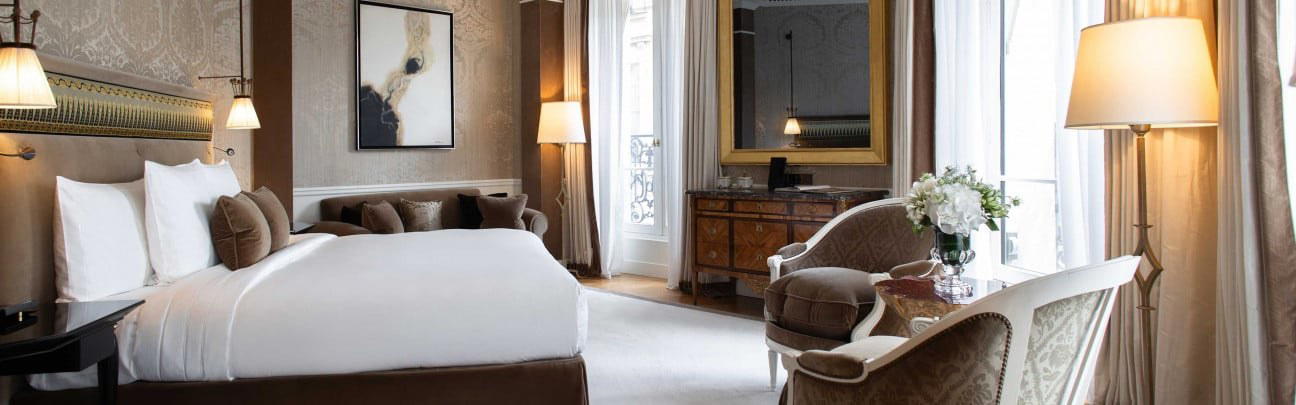
Serene and elegant with calming scents, refined decor, soundproofed rooms, and spa-like bathrooms featuring warm tones and rich fabrics.
Tags
Vibe
Best For
Experience
Amenities
View
Accessibility
About the Stay
- Rooms
- 263
- Property Style
- Contemporary Luxury with Spacious Accommodations and Integrated Shopping Access
- Design Style
- Sleek Wood Finishes, Warm Tones, Rich Fabrics, and Spa Inspired Marble Bathrooms
Know before you go
Know Before You Go
- Getting there
- 389 Tian He Dong Lu, 天河中心 Tian He Qu, Guang Zhou Shi, Guang Dong Sheng, 510620
Planning details
Location
389 Tian He Dong Lu, 天河中心 Tian He Qu, Guang Zhou Shi, Guang Dong Sheng, 510620 · Directions
reservations.mandarinoriental.com/xbe/rez.aspx?Chain=507&room=HR02K%2CHR02T&hotel=56732&locale=en-US
Recognition and awards


Also consider
Where to look if this is booked
Try The Ritz-Carlton, Guangzhou if the brief is traditional luxury with a familiar service style. For a more design-forward alternative, check W Guangzhou, especially for adult trips where atmosphere matters more than family calm.
For value-led searches, compare Conrad Guangzhou and Sofitel Guangzhou Sunrich before moving outside Tianhe.
Hotel context
How It Compares
Mandarin Oriental, Guangzhou is the safer luxury choice for travelers who want a composed Tianhe stay rather than a high-energy scene. Against W Guangzhou, it is the better fit for families, business travelers, and first-timers who want a quieter base; W Guangzhou makes more sense if design attitude and nightlife-adjacent energy matter more than calm.
Compared with Rosewood Guangzhou and The Ritz-Carlton, Guangzhou, the choice comes down to atmosphere. Rosewood is the cross-shop for a more dramatic luxury stay, while The Ritz-Carlton is the obvious alternative for classic luxury expectations. Mandarin Oriental, Guangzhou is the pick when polished service and a controlled guest experience are the priority.
For value checks, compare live rates with Conrad Guangzhou and Sofitel Guangzhou Sunrich. Those two are more useful if availability or price is driving the decision; Mandarin Oriental, Guangzhou is easier to justify when third-party recognition and brand consistency carry real weight for the trip.
Explore Guangzhou
Around this place
Discover more on Pearl
Unlock the full Mandarin Oriental, Guangzhou guide in Pearl, including awards, comparisons, FAQs, planning details, and nearby places.
Compare Mandarin Oriental, Guangzhou
| Venue | Location | Awards |
|---|---|---|
| Mandarin Oriental, Guangzhou | Guangzhou | 2026 Forbes 4-Star2026 La Liste Top HotelsTatler Best Hotels Asia-Pacific 20252025 Michelin Selected Hotels2025 Forbes 4-Star |
| W Guangzhou | Guangzhou | 2026 Forbes Recommended2025 Michelin Selected Hotels2025 Forbes Recommended |
| Sofitel Guangzhou Sunrich | Guangzhou | No published awards |
| Rosewood Guangzhou | Guangzhou | 2026 Forbes 5-Star2026 La Liste Top Hotels2025 Michelin 1 Key2025 Forbes 5-Star |
| Conrad Guangzhou | Guangzhou | 2026 Forbes Recommended2025 Michelin Selected Hotels2025 Forbes Recommended |
| The Ritz-Carlton, Guangzhou | Guangzhou | 2026 Forbes 5-Star2026 Michelin Guide New Hotels2026 La Liste Top Hotels2025 Michelin Selected Hotels2025 Forbes 5-Star |


How Mandarin Oriental, Guangzhou compares with similar nearby venues.
FAQ
Frequently Asked Questions
How is the pool and spa at Mandarin Oriental, Guangzhou?
Pool and spa details are not included here. The confirmed information for Mandarin Oriental, Guangzhou includes smart-casual dress code guidance, La Liste's 97 points for 2026, Forbes 4-Star recognition for 2026, Tatler's 2025 Asia-Pacific hotel selection, and MICHELIN Guide Hotels selection for 2025.
Is Mandarin Oriental, Guangzhou family-friendly?
Family-specific facilities and policies are not included here. If traveling with children, confirm room setup, breakfast terms, extra-bed policies, facility access, and late check-out options directly before booking.
Do loyalty programs work at Mandarin Oriental, Guangzhou?
Loyalty-program benefits are not included here. If upgrades, breakfast, or late checkout are important, compare the booking terms against The Ritz-Carlton, Guangzhou and Conrad Guangzhou as well.
What is check-in like at Mandarin Oriental, Guangzhou?
Check-in details are not included here. Confirm arrival timing, early check-in possibilities, deposit requirements, and late check-out terms directly with the hotel or booking channel.
How is the dining at Mandarin Oriental, Guangzhou?
Specific dining details are not included here. For dining-led trips, plan separately around confirmed Guangzhou dining options and assess Mandarin Oriental, Guangzhou on its hotel recognition and booking terms.