


Rosewood Guangzhou
Guangzhoushi, Guangzhou
Hotel in Guangzhou, China
 Book with Pearl
The Read
Vertical Residential Luxury
Why go
Rosewood Guangzhou is the better pick for a polished Tianhe stay when business access, quiet luxury, and award-backed hotel standards matter. Its Michelin 1 Key, Forbes 5-Star recognition, and La Liste 96-point score justify a serious look, but compare rates against Four Seasons Hotel Guangzhou and Park Hyatt Guangzhou during high-demand periods.
About Rosewood Guangzhou
For a Guangzhou trip, Rosewood Guangzhou is a recognized hotel choice. The details are: the hotel is in Guangzhou, the dress code is smart casual, and its recognition includes a 2025 Michelin 1 Key, a 2026 Forbes 5-Star award, and a 96-point La Liste Top Hotels score for 2026.
Rosewood Guangzhou is worth shortlisting for travelers who want a Guangzhou stay with a clearly recognized hotel profile. The decision point is not an invented room count, rate band, neighborhood promise, or dining claim. The grounded case is simpler: if those accolades matter to the trip, Rosewood Guangzhou belongs on the list. If the choice depends on exact pricing, facilities, room category, or a specific itinerary fit, confirm those details directly before booking.
Choose it when recognition matters
Rosewood Guangzhou is best evaluated as a hotel base in Guangzhou with recognition. Beyond the city, dress code, and awards, specific location details, facilities, rates, room types, or service formats are not available here.
As room-rate guidance is not available here, the value call should be made by current availability and the spread against other hotel options. If the nightly difference against other recognized options is modest, the awards profile may support paying more. If the gap is wide, compare against Four Seasons Hotel Guangzhou and Park Hyatt Guangzhou before committing.
Better for recognized hotel credentials than detail-led planning
This is a reasonable shortlist pick for travelers who value a recognized hotel stay in Guangzhou. It is less useful as a planning anchor if the decision depends on specifics such as facilities, exact location within the city, loyalty benefits, room categories, or food-and-beverage details. Treat the recognition as the strongest signal, then confirm trip-specific needs before booking.
Use Pearl's Guangzhou guides to round out the trip rather than overloading the hotel page with assumptions: see Our full Guangzhou hotels guide, Our full Guangzhou restaurants guide, and Our full Guangzhou bars guide. For a return visit, that is the right balance: anchor the stay somewhere recognized, then make the rest of the itinerary more selective.
Part of
Rosewood79 locations on PearlInside Rosewood Guangzhou
Planning details
- Location
- 6 Zhu Jiang Dong Lu, Tian He Qu, Guang Zhou Shi, Guang Dong Sheng, 510655
- Website
- rosewoodhotels.com/sc/guangzhou
- Phone
- +86 20 8852 8888
The take
The Take
The Vibe
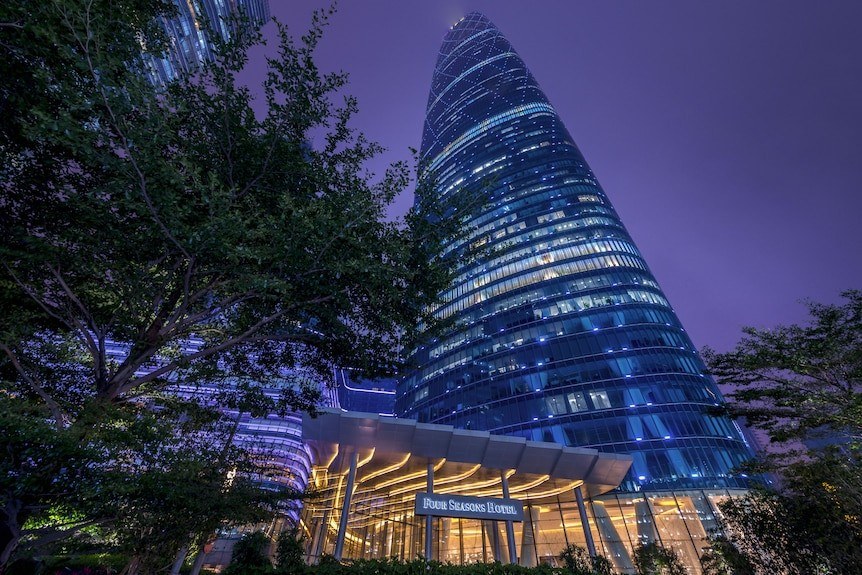
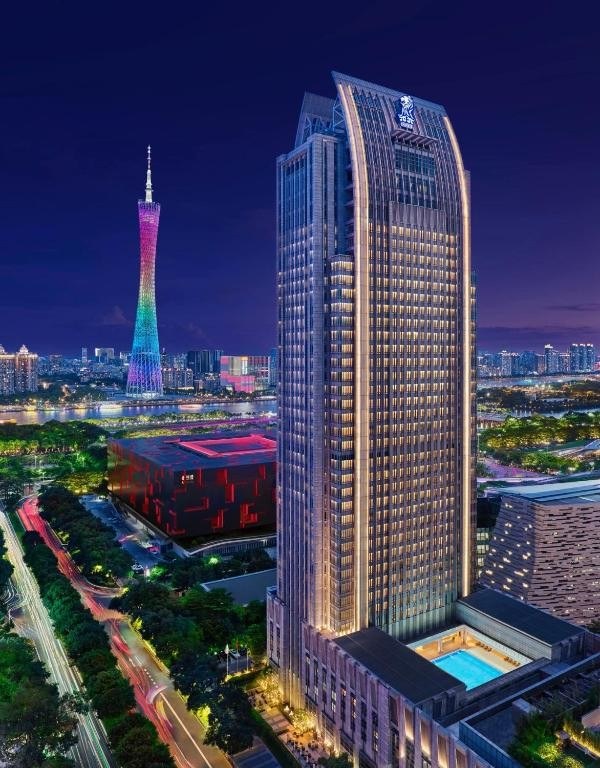
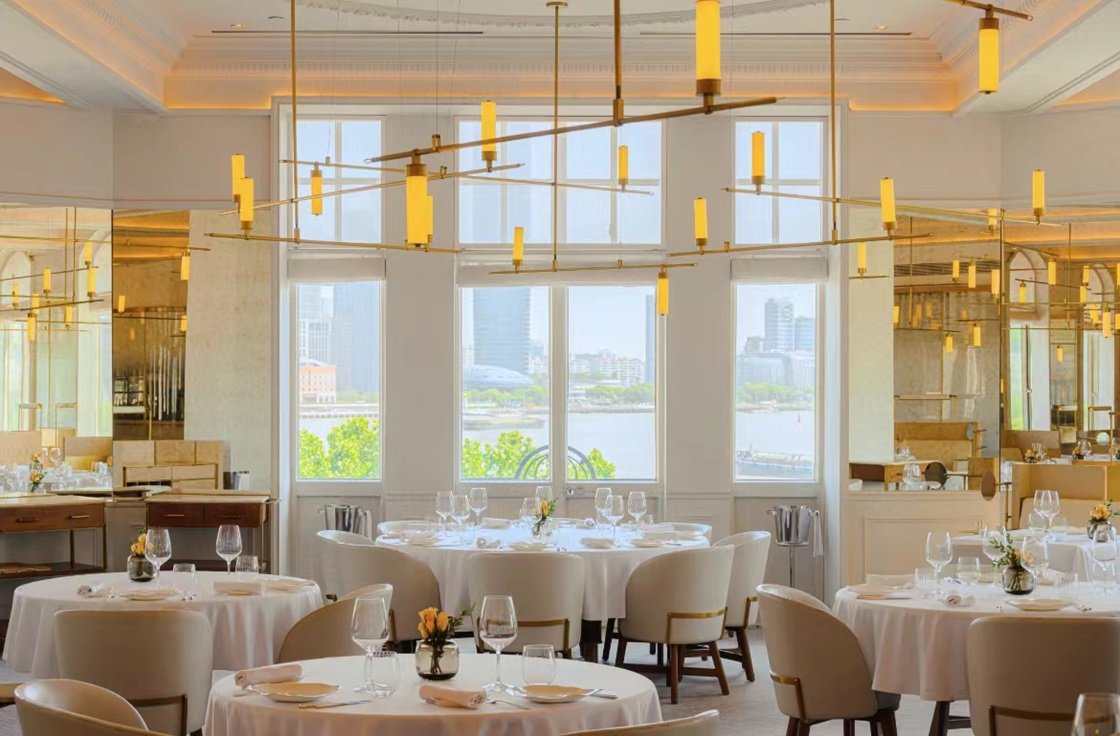
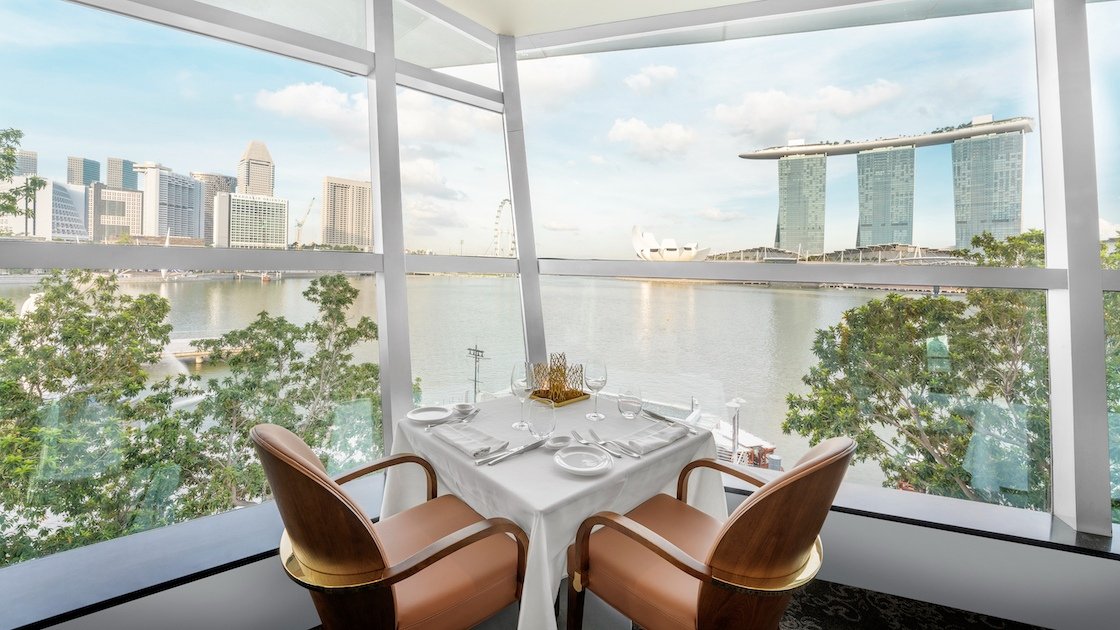
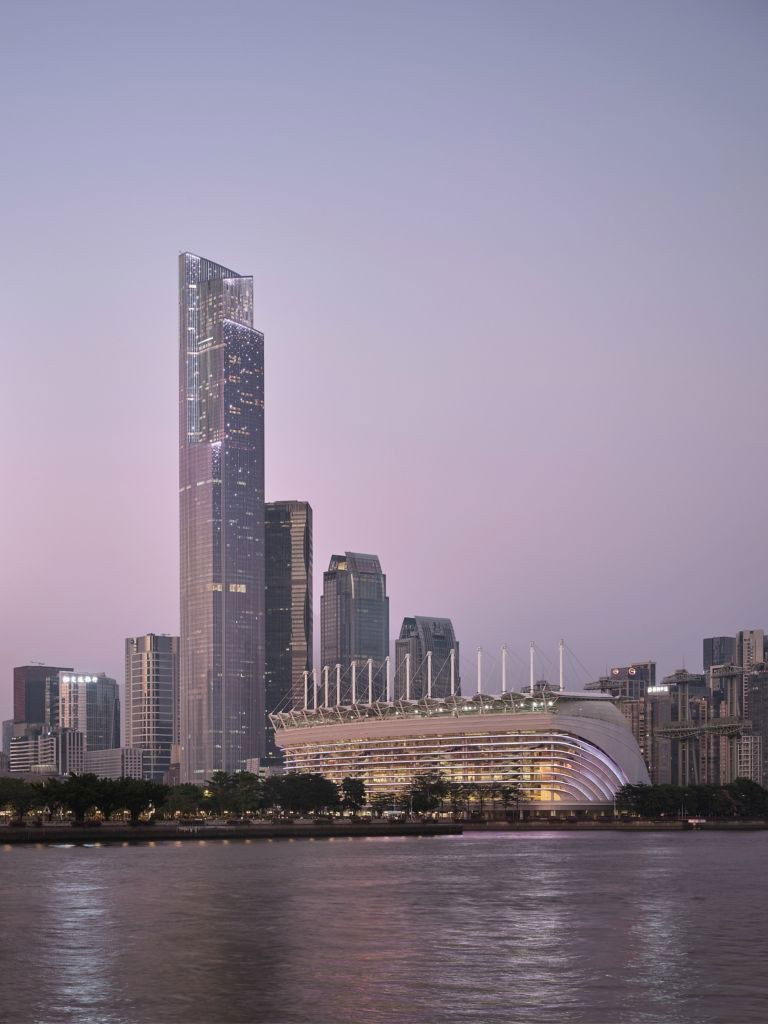
Rosewood Guangzhou makes its presence felt through verticality: housed in the CTF Finance Centre, the hotel literally rises above the city, delivering a lobby experience that reads as skyborne. Guests step into sweeping panoramas that frame bridges, waterways and the Canton Tower, and those views become the dominant design note. Rather than blending into the neighborhood, the property’s position high in the tower turns the city into scenery—an iconic, scenic setting where dramatic sightlines and altitude inform both first impressions and the rhythm of a stay.
Best For
Set inside southern China's tallest tower and positioned among top-ranked luxury properties, Rosewood Guangzhou is aimed at premium travelers who prioritize location, views and polished service. The vertical address and proximity to Zhujiang New Town's finance district make it especially well suited to business travelers seeking an upscale base. Equally, the hotel's elevated dining and commanding vistas support memorable, celebratory evenings—the kind of stay where the building and panorama are integral to the occasion. Public spaces and restaurants are calibrated to a luxury standard that supports both focused work and special dinners.
Stay Tips
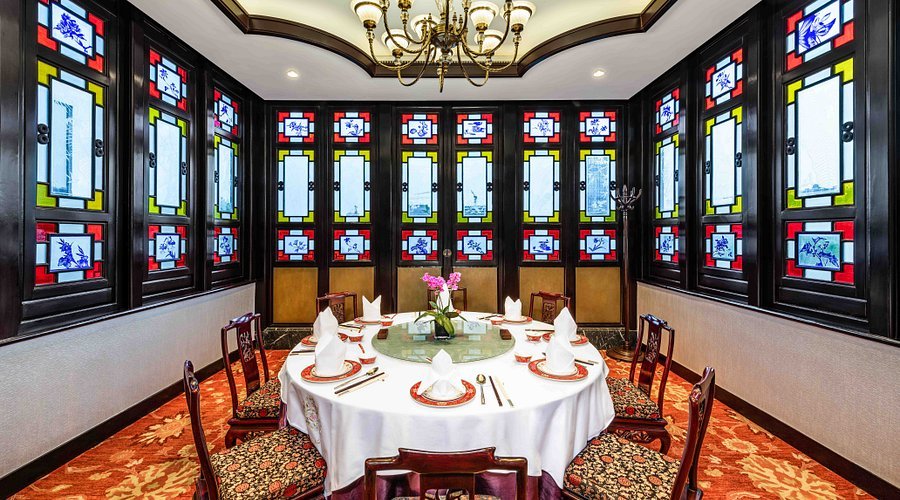
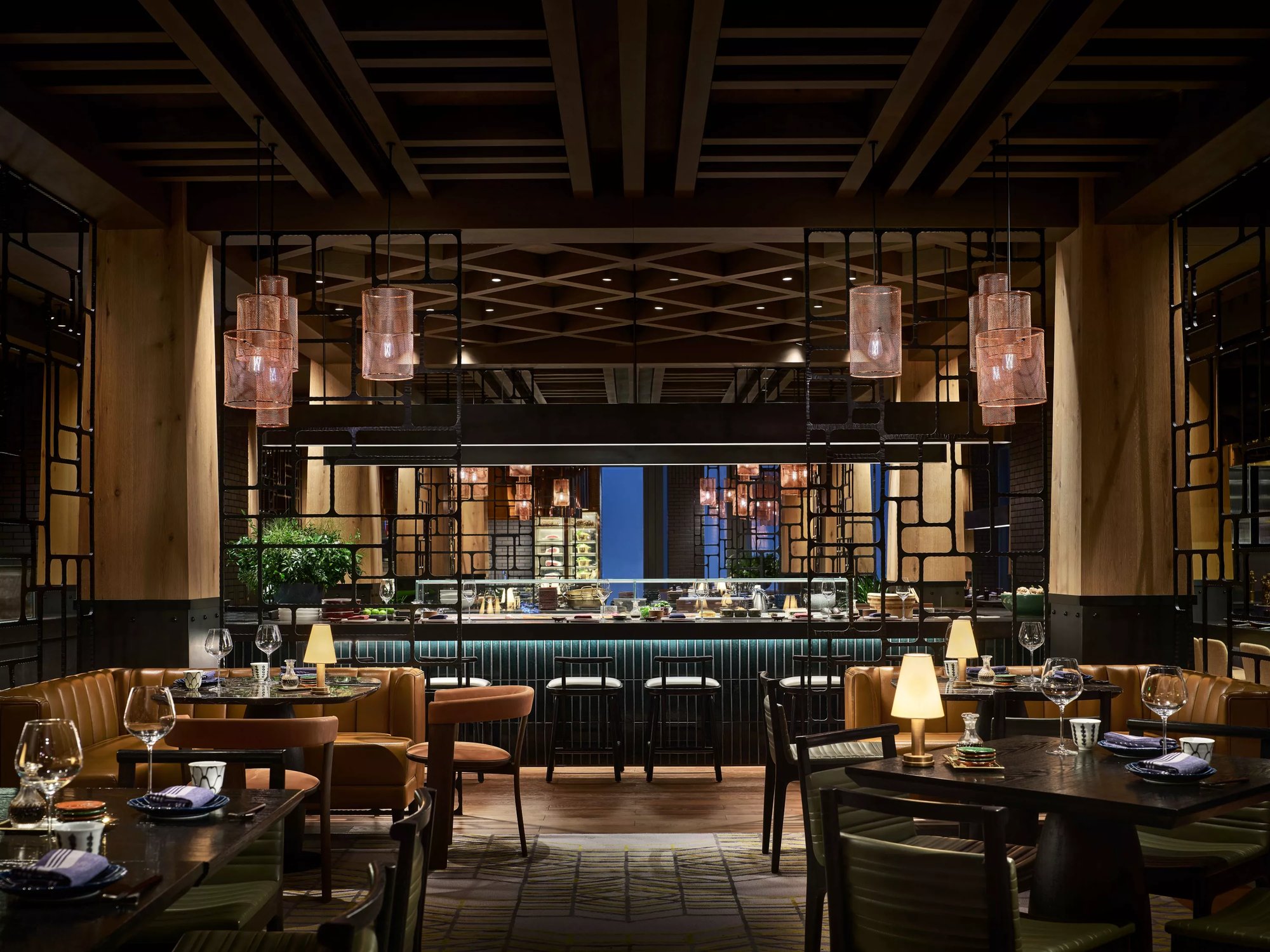
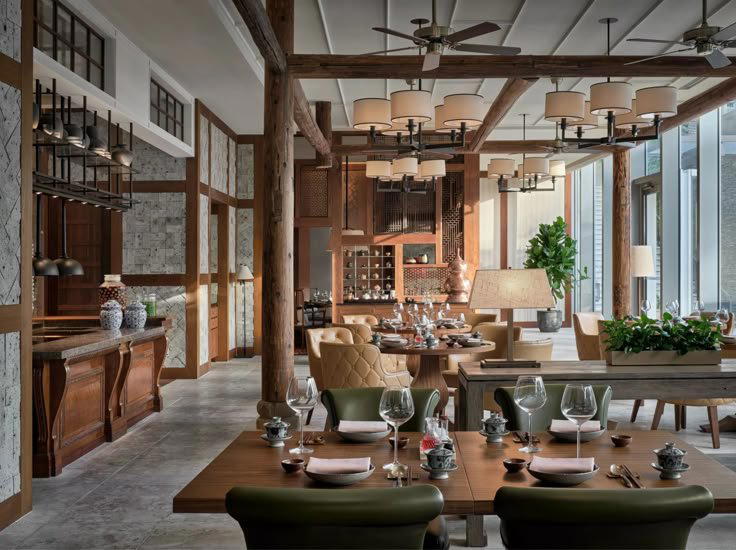
Dining at Lingnan House follows a Cantonese sequence: begin with lighter soups and delicate steamed preparations, and progress toward richer roasted meats and rice. The restaurant works within Lingnan traditions and highlights Guangdong-sourced produce, so expect focused regional flavors. Meals are conceived around the shared table, so pace orders to let the progression unfold—start with subtle steam-based dishes, sample intermediary courses, and reserve room for the bold roasted items that typically close out the meal. Let staff guide timing to experience the cuisine in its customary order.
Venue details
Ambiance
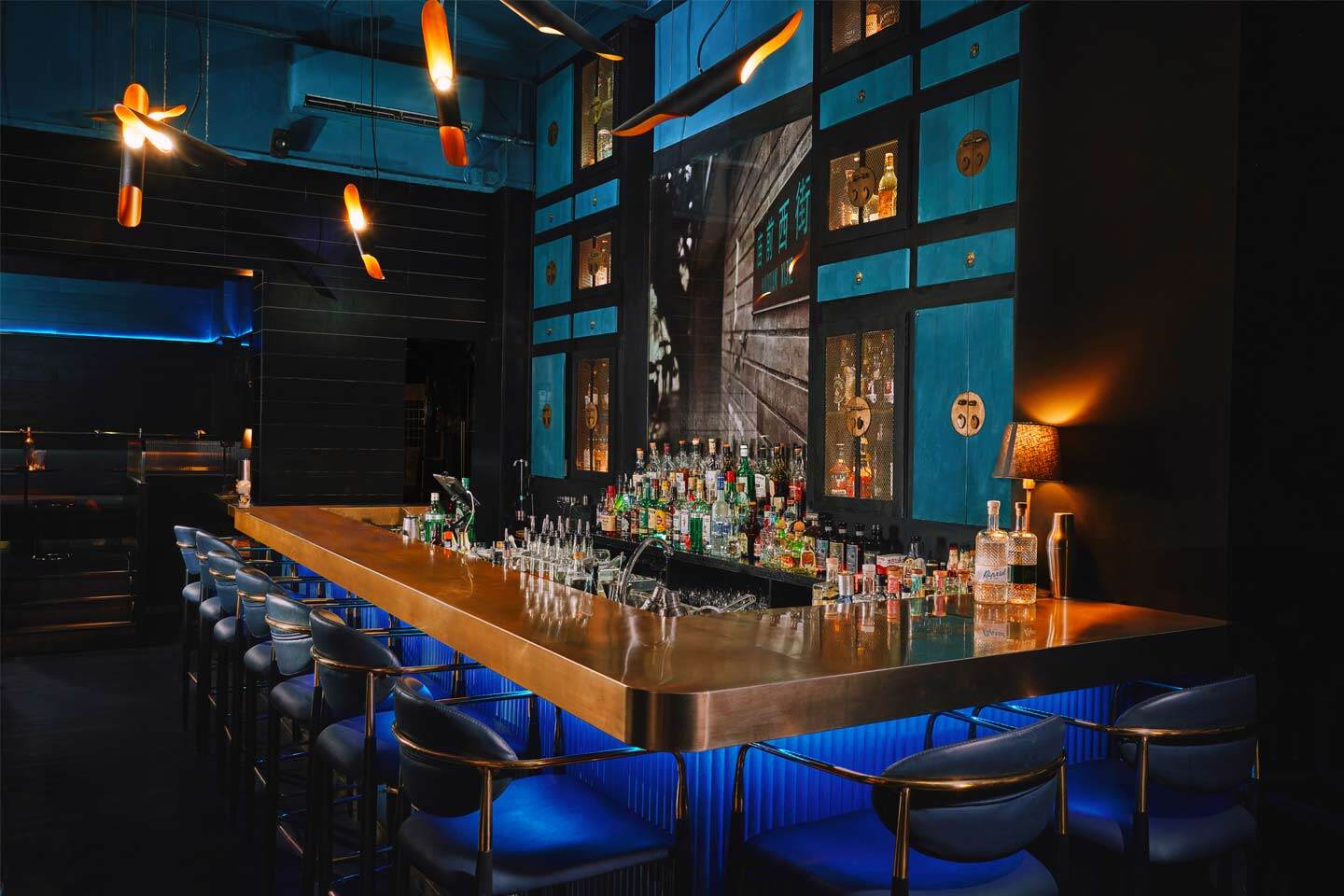
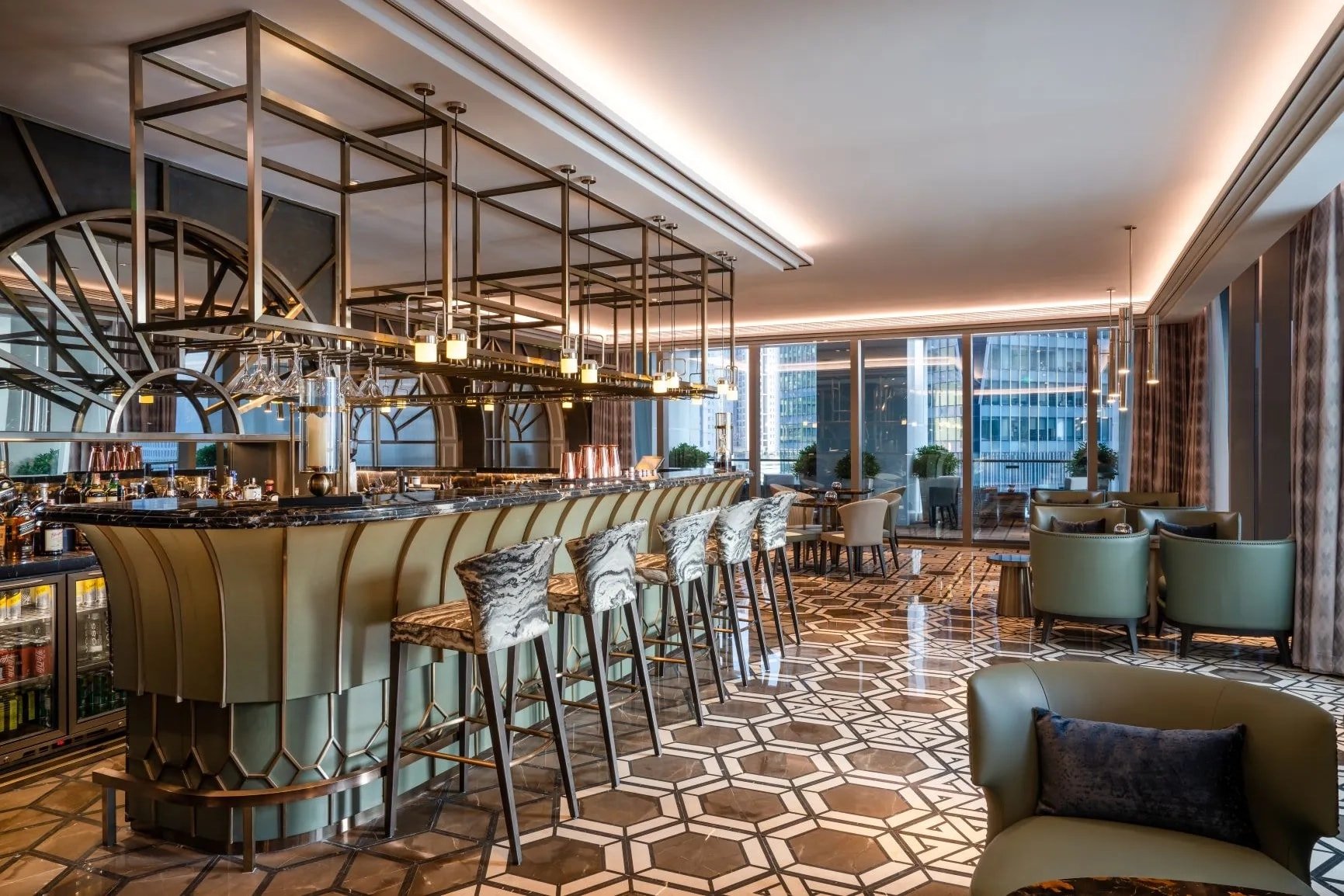
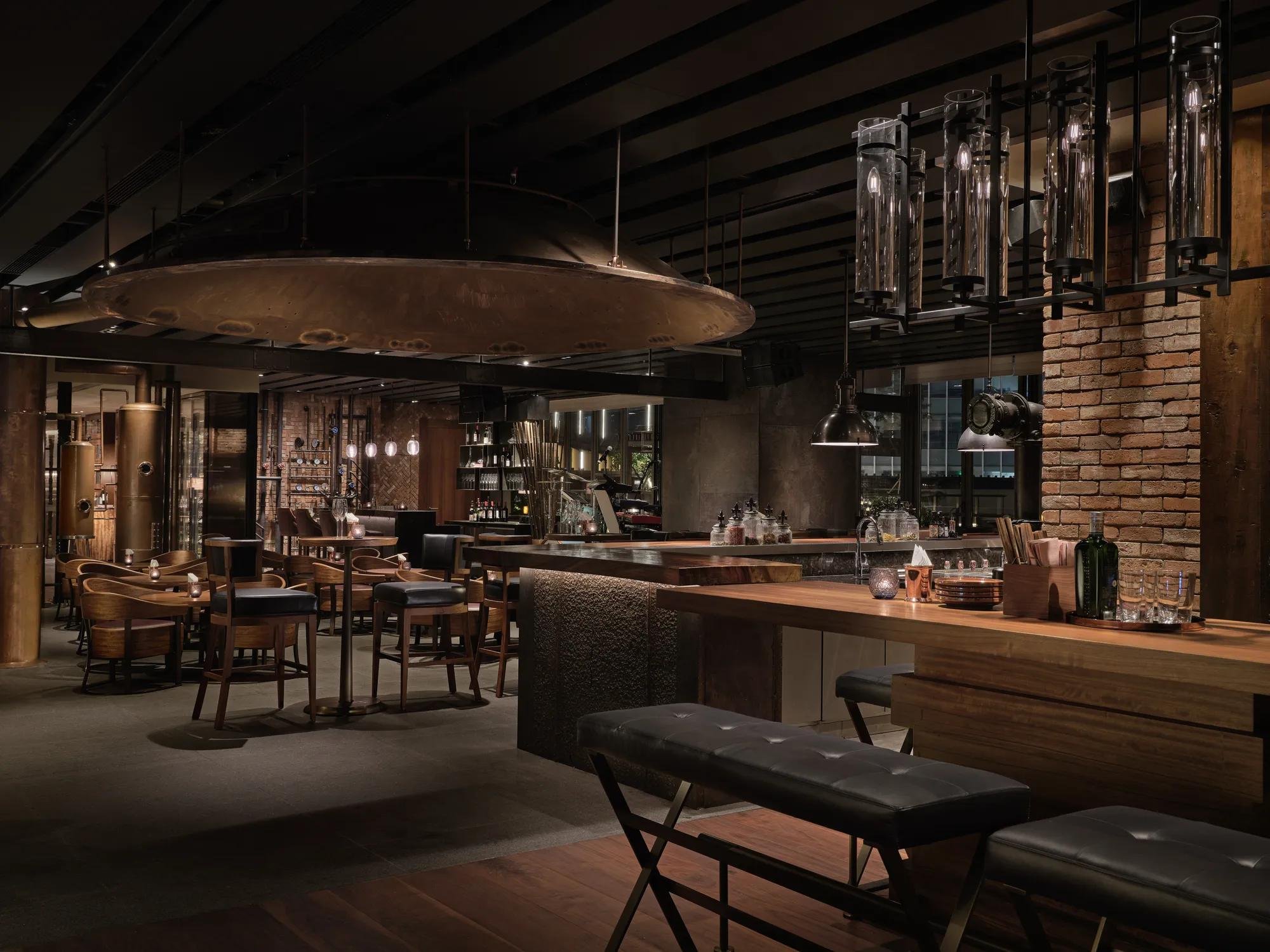
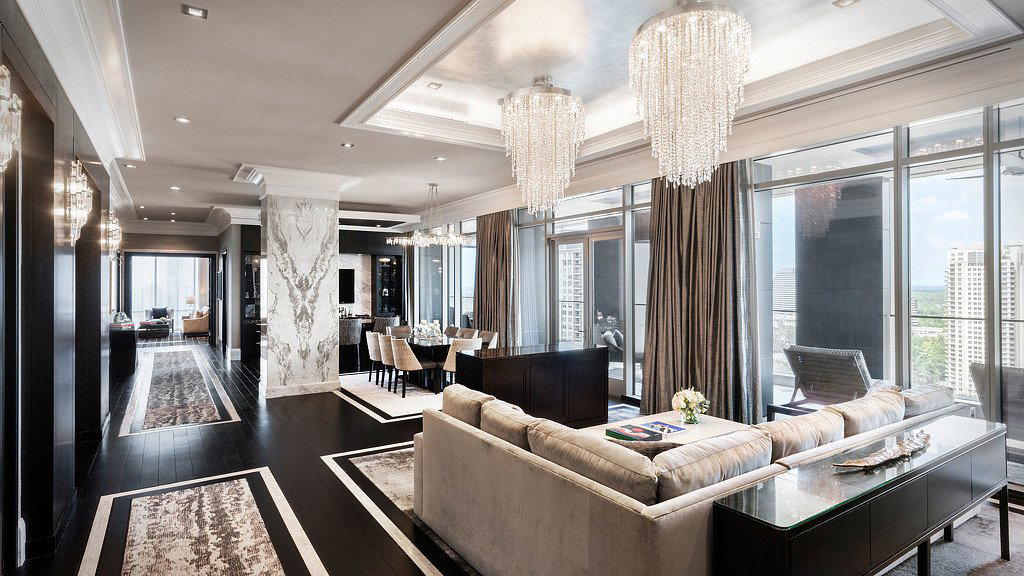
Elegant yet warm with polished stone, soft lighting, and Chinese art accents creating a luxurious, grounded sanctuary high above the city.
Tags
Vibe
Best For
Experience
Amenities
View
Accessibility
About the Stay
- Rooms
- 251
- Property Style
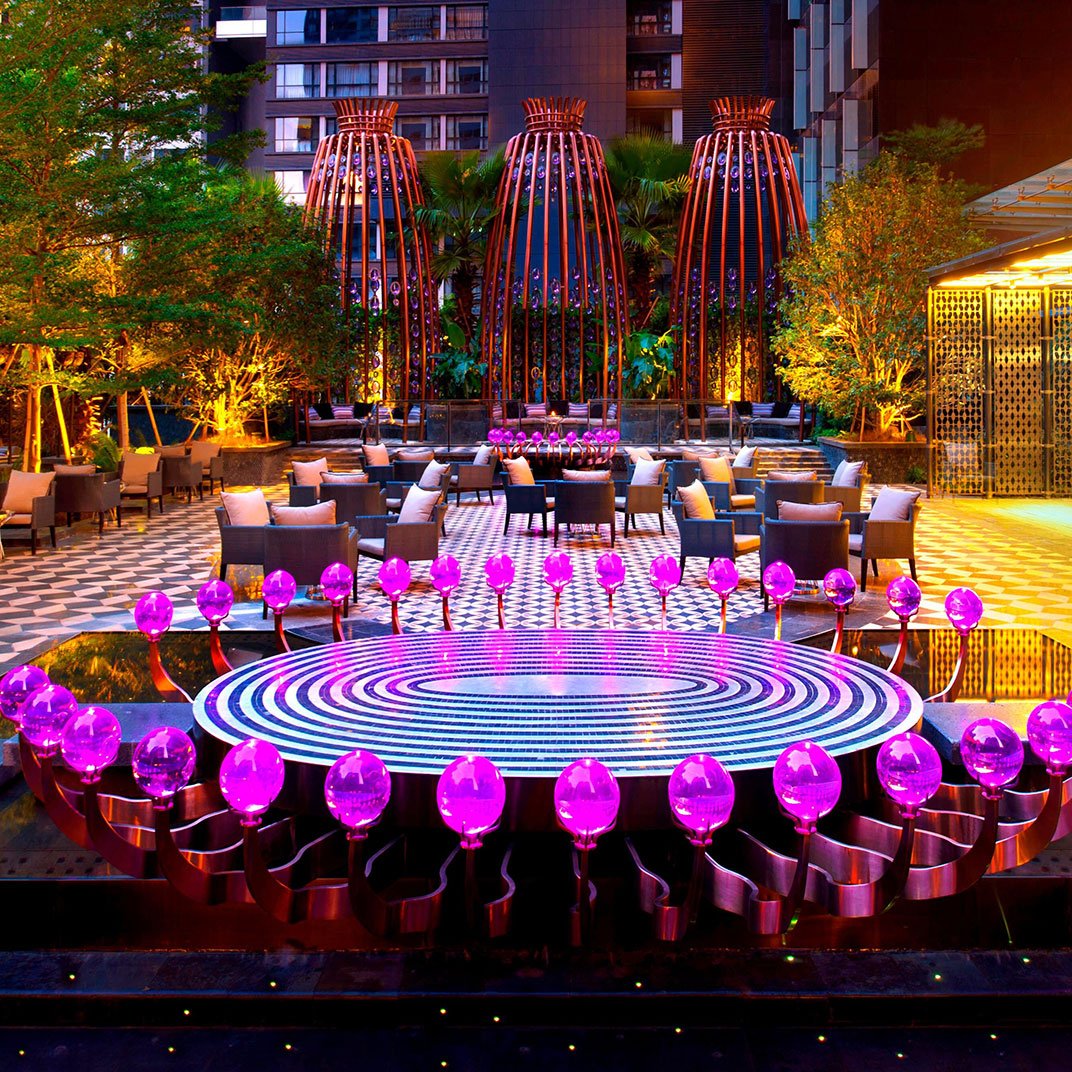
- Ultra Luxury Urban Tower Hotel Blending Modern Sophistication with Chinese Artistry
- Design Style
- Contemporary with Traditional Chinese Elements, Warm Woods, Marble, and Panoramic Views
Know before you go
Know Before You Go
- Getting there
- 6 Zhu Jiang Dong Lu, Tian He Qu, Guang Zhou Shi, Guang Dong Sheng, 510655
Planning details
Location
6 Zhu Jiang Dong Lu, Tian He Qu, Guang Zhou Shi, Guang Dong Sheng, 510655 · Directions
Recognition and awards

Also consider
Good alternatives if rates spike
If Rosewood Guangzhou is priced too high for the dates, start with Four Seasons Hotel Guangzhou for a comparable luxury-business stay in the same city. For a calmer, more restrained alternative, compare Park Hyatt Guangzhou before dropping down a tier.
If the trip is more social than formal, W Guangzhou is the clearer fit. If the priority is controlling spend while staying in a familiar luxury bracket, Conrad Guangzhou is the value check.
Hotel context
How it compares in Guangzhou
Choose Rosewood Guangzhou when the stay needs to feel composed, formal, and award-backed. Against The Ritz-Carlton, Guangzhou, it is the more current luxury signal; The Ritz-Carlton is the safer traditional choice if brand familiarity matters more than a sharper hotel profile.
Four Seasons Hotel Guangzhou and Park Hyatt Guangzhou are the main cross-shops for a high-floor, business-friendly Tianhe stay. Four Seasons is the strongest alternative if service consistency is the priority, while Park Hyatt suits travelers who want a quieter, more restrained mood. If Rosewood prices jump during demand spikes, check both before paying the premium.
W Guangzhou is the better fit for a social, design-forward trip, but it is less natural for a formal business stay. Conrad Guangzhou is the practical value cross-shop: less of a splurge signal, but worth checking when rate discipline matters more than awards depth.
Explore Guangzhou
Around this place
Discover more on Pearl
Unlock the full Rosewood Guangzhou guide in Pearl, including awards, comparisons, FAQs, planning details, and nearby places.
Compare Rosewood Guangzhou
| Venue | Location | Awards |
|---|---|---|
| Rosewood Guangzhou | Guangzhou | 2026 Forbes 5-Star2026 La Liste Top HotelsMichelin 1 Key 20252025 Michelin 1 Key2025 Forbes 5-Star |
| The Ritz-Carlton, Guangzhou | Guangzhou | 2026 Forbes 5-Star2026 Michelin Guide New Hotels2026 La Liste Top Hotels2025 Michelin Selected Hotels2025 Forbes 5-Star |
| Four Seasons Hotel Guangzhou | Guangzhou | 2026 Forbes Recommended2026 La Liste Top Hotels2025 Forbes Recommended2025 Michelin 1 KeyFour Seasons Hotels |
| Park Hyatt Guangzhou | Guangzhou | 2026 Forbes Recommended2025 Michelin Selected Hotels2025 Forbes Recommended |
| W Guangzhou | Guangzhou | 2026 Forbes Recommended2025 Michelin Selected Hotels2025 Forbes Recommended |
| Conrad Guangzhou | Guangzhou | 2026 Forbes Recommended2025 Michelin Selected Hotels2025 Forbes Recommended |



How Rosewood Guangzhou compares with similar nearby venues.
FAQ
Frequently Asked Questions
What is check-in like at Rosewood Guangzhou?
Specific check-in details are not available. Rosewood Guangzhou is in Guangzhou and has recognition including a 2025 Michelin 1 Key, a 2026 Forbes 5-Star award, and a 96-point La Liste Top Hotels score for 2026.
How is the pool and spa at Rosewood Guangzhou?
Pool and spa details are not available here. If those facilities are important to the stay, confirm the current offering directly with Rosewood Guangzhou before booking.
Which room category is best at Rosewood Guangzhou?
Specific room categories are not available here. Choose based on the current room descriptions, rates, and cancellation terms provided by the hotel, and confirm any important preferences directly before booking.
Do loyalty programs work at Rosewood Guangzhou?
Loyalty-program details are not available here. If earning, redemption, upgrades, or late checkout are important, check the current terms before committing and compare the overall value against The Ritz-Carlton, Guangzhou and Four Seasons Hotel Guangzhou.
Is Rosewood Guangzhou good for business travel?
It can be a candidate for travelers who want a recognized hotel in Guangzhou, but business facilities, meeting spaces, or exact location details within the city are not available here. For other Guangzhou hotel options, compare it with W Guangzhou and Four Seasons Hotel Guangzhou.
When is the best time to book Rosewood Guangzhou?
Specific booking windows and seasonal pricing patterns are not available here. Check live rates for your dates and compare pricing against Conrad Guangzhou and Park Hyatt Guangzhou before settling on the stay.
How is the location of Rosewood Guangzhou?
Rosewood Guangzhou is in Guangzhou. More specific address, district, landmark, or access details are not available here, so confirm the location directly if proximity to a particular meeting, restaurant, or itinerary stop matters.