

Conrad Guangzhou
Guangzhoushi, Guangzhou
Hotel in Guangzhou, China
 Book with Pearl
The Read
Molecular Cantonese Precision
Why go
Conrad Guangzhou is a strong pick for families and first-timers who want a polished Zhujiang New Town base with less transit friction. The appeal is location, Hilton Worldwide reliability, and credible recognition from Forbes Recommended 2026 and the MICHELIN Guide hotel selection in 2025, rather than a resort-style stay.
About Conrad Guangzhou
Consider Conrad Guangzhou as a Guangzhou hotel with a clear quality signal. It is in Guangzhou, has a business casual dress code, and has recognition from Forbes Recommended (2026) and the MICHELIN Guide, Hotels Selected (2025).
For travelers comparing hotels in Guangzhou, the appeal should be framed around what is known rather than speculation. If your plan depends on specific facilities, room types, dining concepts, family programs, or neighborhood advantages, confirm those details directly before booking.
Book it for a Guangzhou stay, not extras
The hotel makes the most sense for travelers who want a hotel base in Guangzhou and value confirmed recognition. First-timers should read it as a Guangzhou hotel option: useful for trips where the room is one part of a wider itinerary. If the plan depends on specific facilities, room configurations, dining venues, or family services, verify those details directly with the hotel before committing.
The location detail is Guangzhou, and that should be the basis for planning here. Specific neighborhood, landmark, transport, address, or district claims are not confirmed, so avoid over-weighting them. For a first visit, the practical move is to map your own itinerary against the hotel's current official listing before deciding whether it fits your schedule.
Because no price band, room hierarchy, availability pattern, or booking difficulty is provided here, the decision should come down to your dates, party size, and the current terms offered by the hotel or booking channel. Travelers with fixed plans should confirm the exact room setup and cancellation policy before booking rather than relying on assumptions.
Where the trade-off sits for families and first-timers
The strongest reason to choose Conrad Guangzhou is its recognition. Forbes Recommended recognition for 2026 and selection in the MICHELIN Guide hotel list for 2025 give the hotel a clearer quality signal than an unrecognized property, though those accolades do not by themselves guarantee specific amenities or services.
For families, choose based on the room details available at the time of booking rather than on claims about views, categories, programs, or facilities. Ask directly about bedding, occupancy, and any policies that matter for children. For business travelers, confirm work-related needs such as desk setup, meeting access, or other services directly, because those specifics are not part of the information here.
Dining should be treated as something to confirm rather than assume. There is no cuisine format, restaurant name, menu style, breakfast detail, or signature dining claim in the available information, so plan important meals around Guangzhou and use the hotel only as its current official dining information supports. For restaurant planning beyond the hotel, use Our full Guangzhou restaurants guide.
Inside Conrad Guangzhou
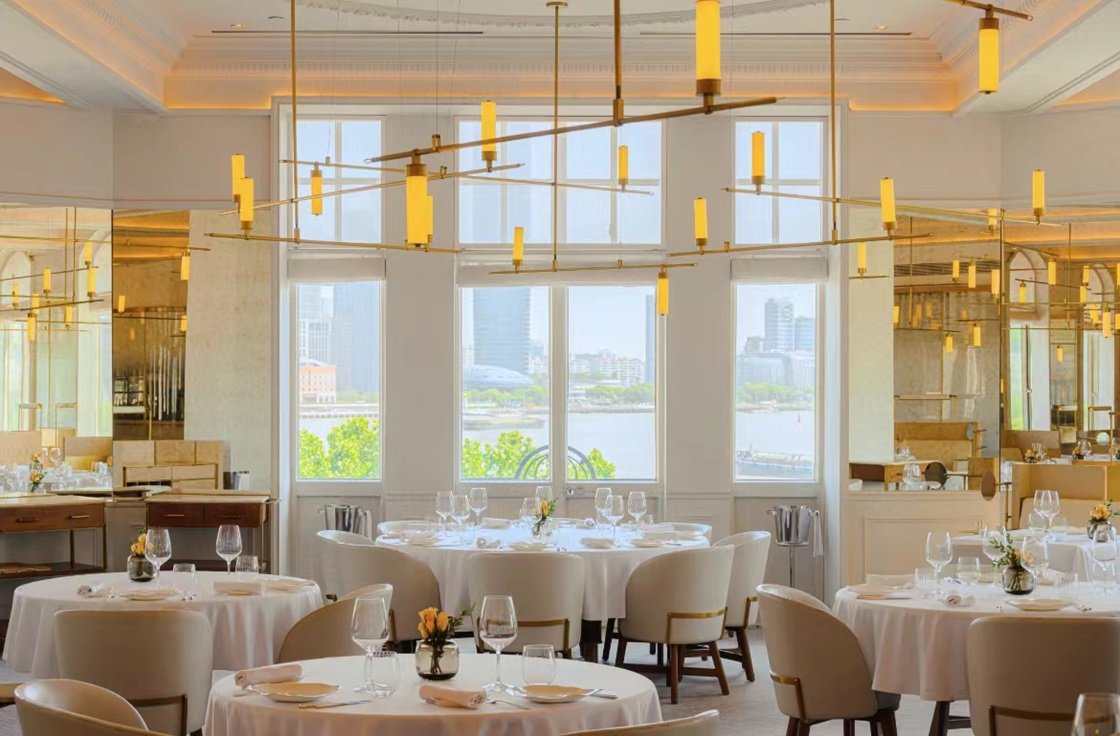
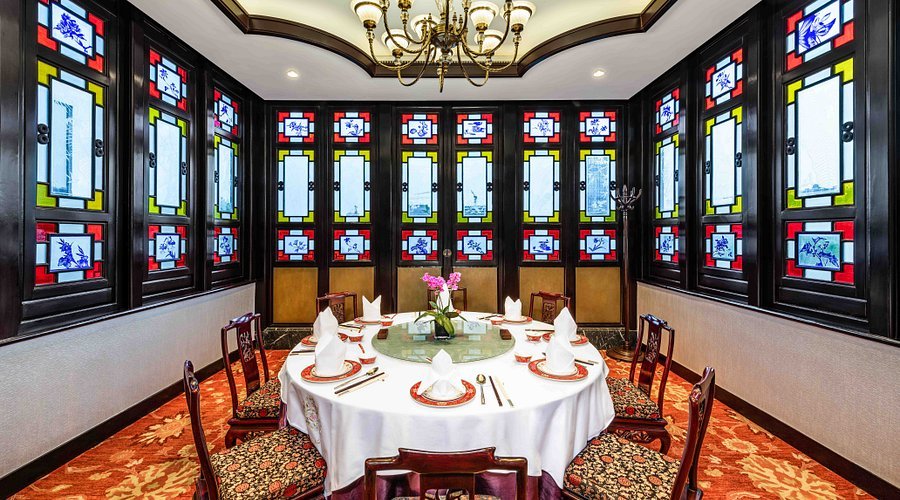
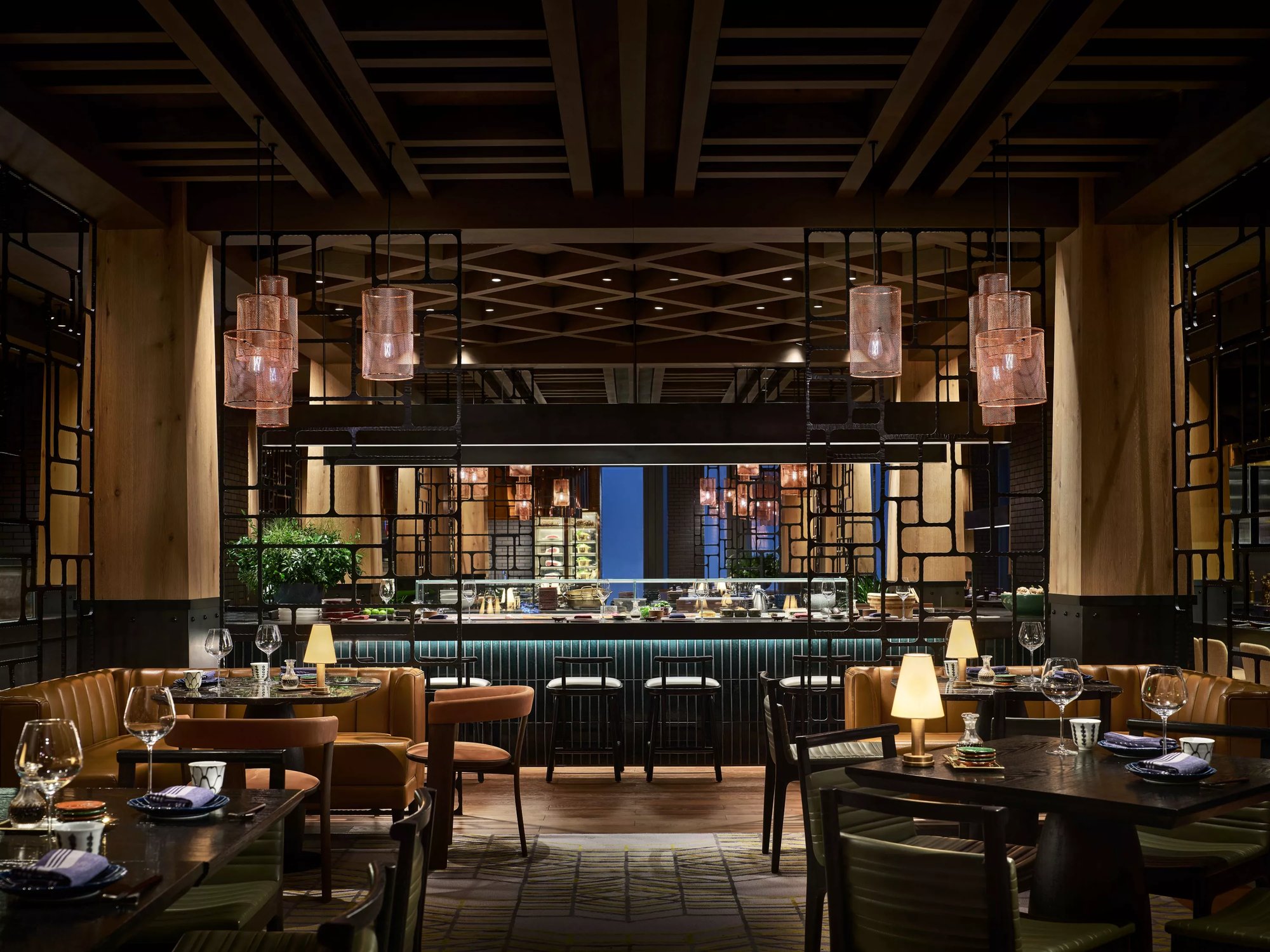
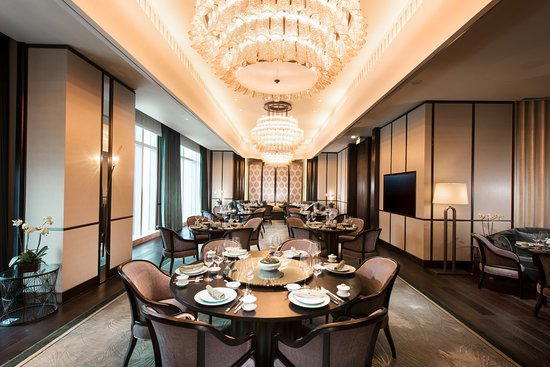 restaurantYun PavilionYun Pavilion holds consecutive Michelin Plate recognition for 2024 and 2025, placing it in the reliable mid-to-upper tier of Guangzhou's Cantonese dining scene. Located in Tianhe District, the restaurant draws on the city's deep yum cha traditions alongside broader Cantonese cooking. At the ¥¥¥ price point, it sits alongside peers like Imperial Treasure in a bracket that takes the cuisine seriously without requiring a special-occasion budget.
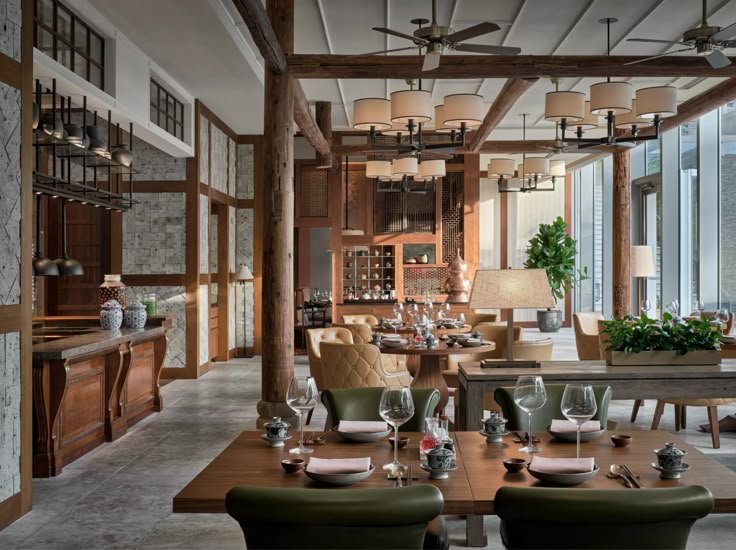
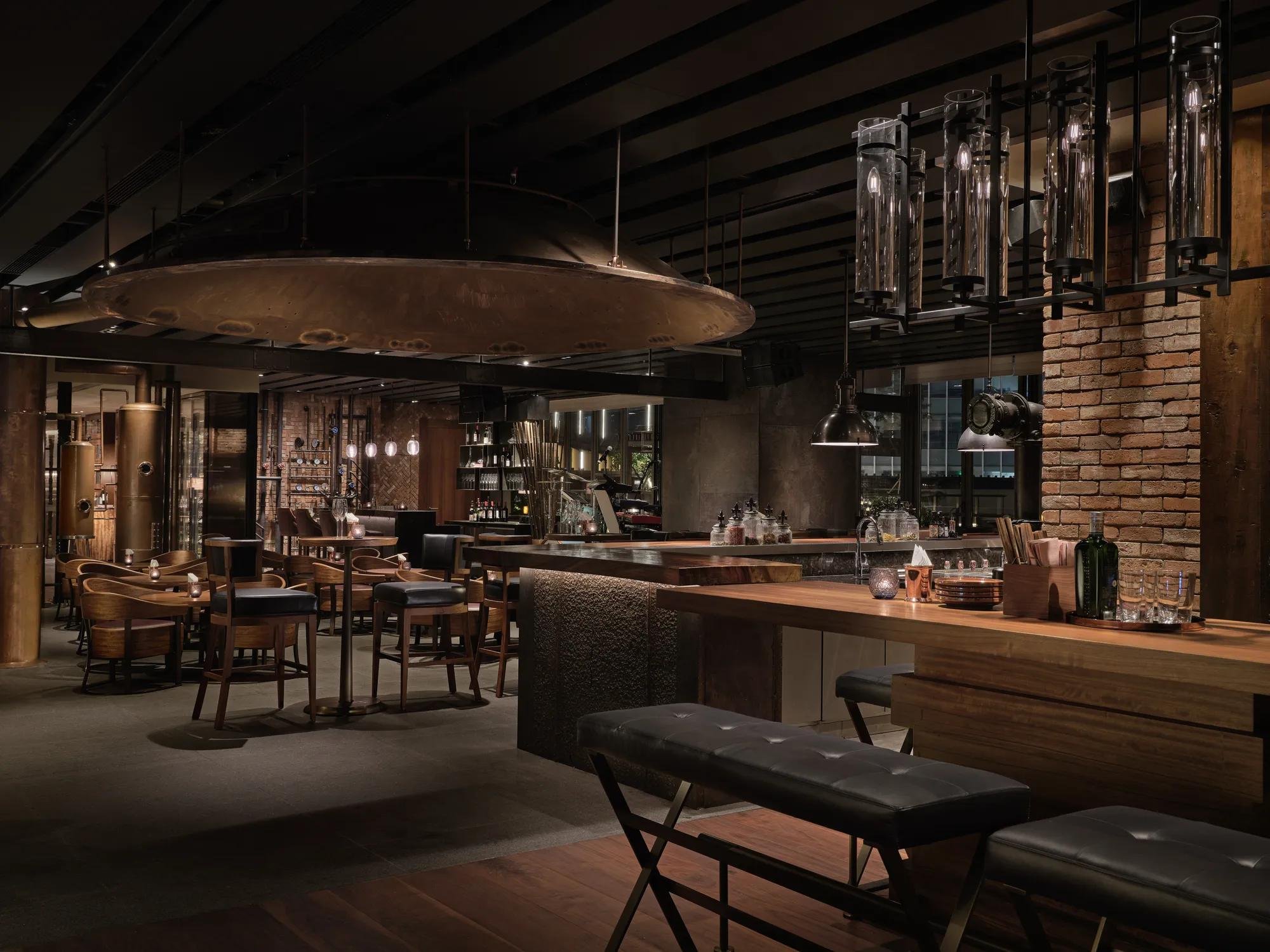
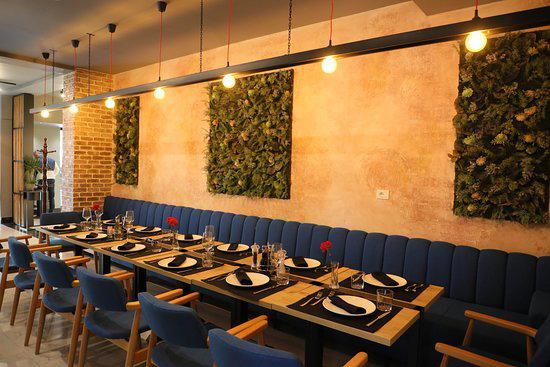 restaurantAromaAroma holds a Michelin Plate recognition (2025) and occupies the mid-to-upper price tier (¥¥¥) among Guangzhou's European dining options, located in the Tianhe North commercial district. The restaurant sits in a category where European cuisine in mainland China continues to find an increasingly confident local audience, placing it alongside a comparable set defined by kitchen discipline and format credibility rather than scale.
Planning details
- Location
- Guang Zhou Shi, Tian He Qu, 珠江新城兴民路222号 邮政编码: 510623
- Website
- conrad.hilton.com.cn/conradguangzhou
- Phone
- +86 20 3739 2222
The take
The Take
The Vibe
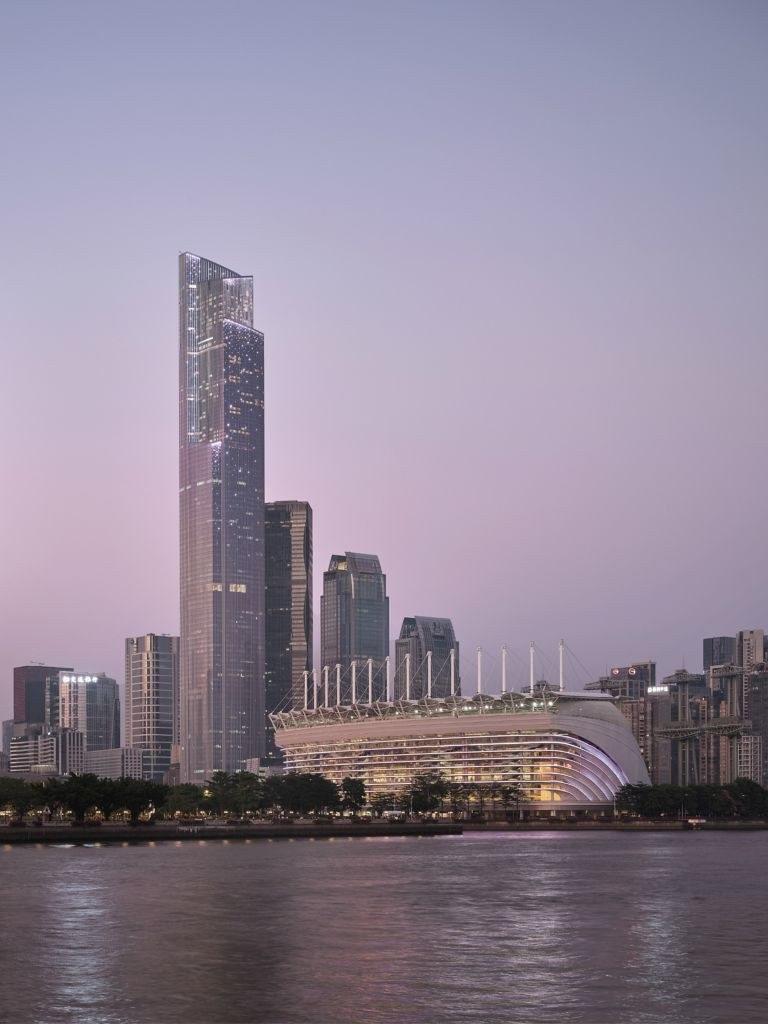
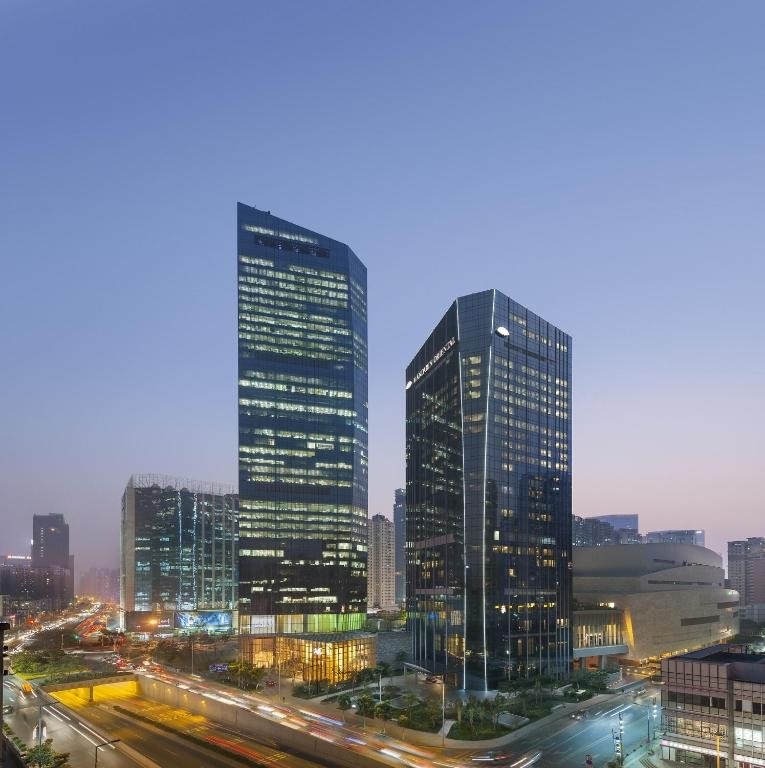
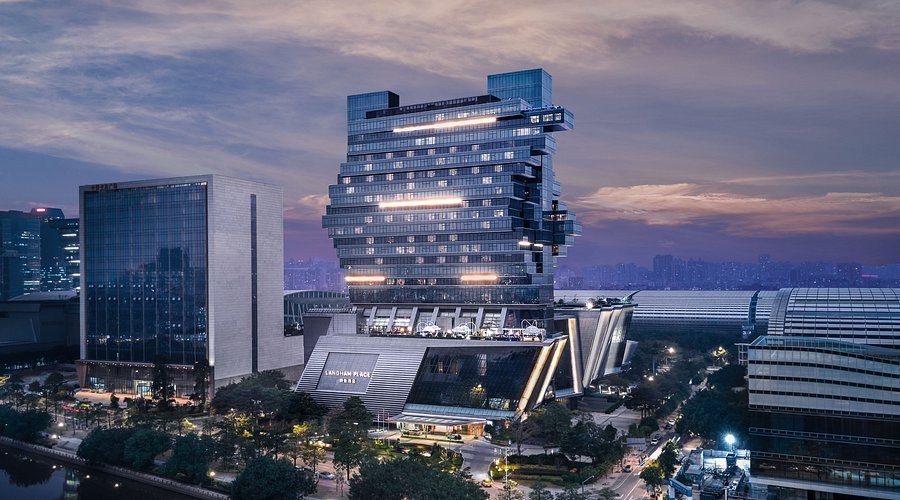
Conrad Guangzhou positions itself as a design-forward presence in Zhujiang New Town, where architecture and material choices carry editorial weight. The hotel underscores that identity through a clear investment in high-design moments—most notably Yun Pavilion, whose interiors are by André Fu—favoring material restraint, compressed spatial drama, and a pared-back aesthetic. Set among glass towers on the Pearl River's north bank, the property reads as part of a curated skyline rather than a purely functional CBD lodging. The resulting mood is deliberately refined and minimalist, appealing to travelers who prioritize contemporary, architecturally minded hospitality over ornate decoration.
Best For
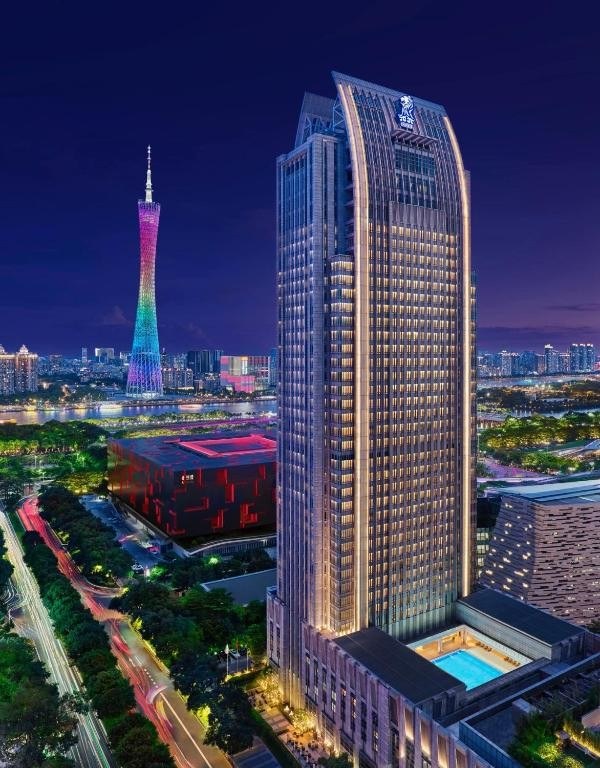
Conrad Guangzhou is well suited to business travelers, couples on romantic getaways, and guests marking special occasions. Its CBD address places guests steps from corporate offices and cultural anchors such as the Guangdong Museum and Guangzhou Opera House, while the Pearl River setting and nearby Canton Tower provide a scenic backdrop for evening plans. The hotel's design pedigree and elevated F&B programming make it a natural pick for business dinners and intimate celebratory meals. Guests who want both convenient city access and a polished, design-led stay will find this property a practical and stylish base in Guangzhou's central business corridor.
Stay Tips
Reserve a table at Yun Pavilion in advance—the restaurant is a design highlight with interiors by André Fu and is likely a reason many guests seek out the hotel. When booking rooms, request a river-view or CBD-facing room to make the most of the Pearl River setting and skyline context noted in the property's description. For business travel, confirm dining and meeting arrangements ahead of arrival given the hotel's placement among other high-demand, design-driven properties in the corridor. Early reservations around cultural events ensure access to prime seating and views.
Venue details
Ambiance
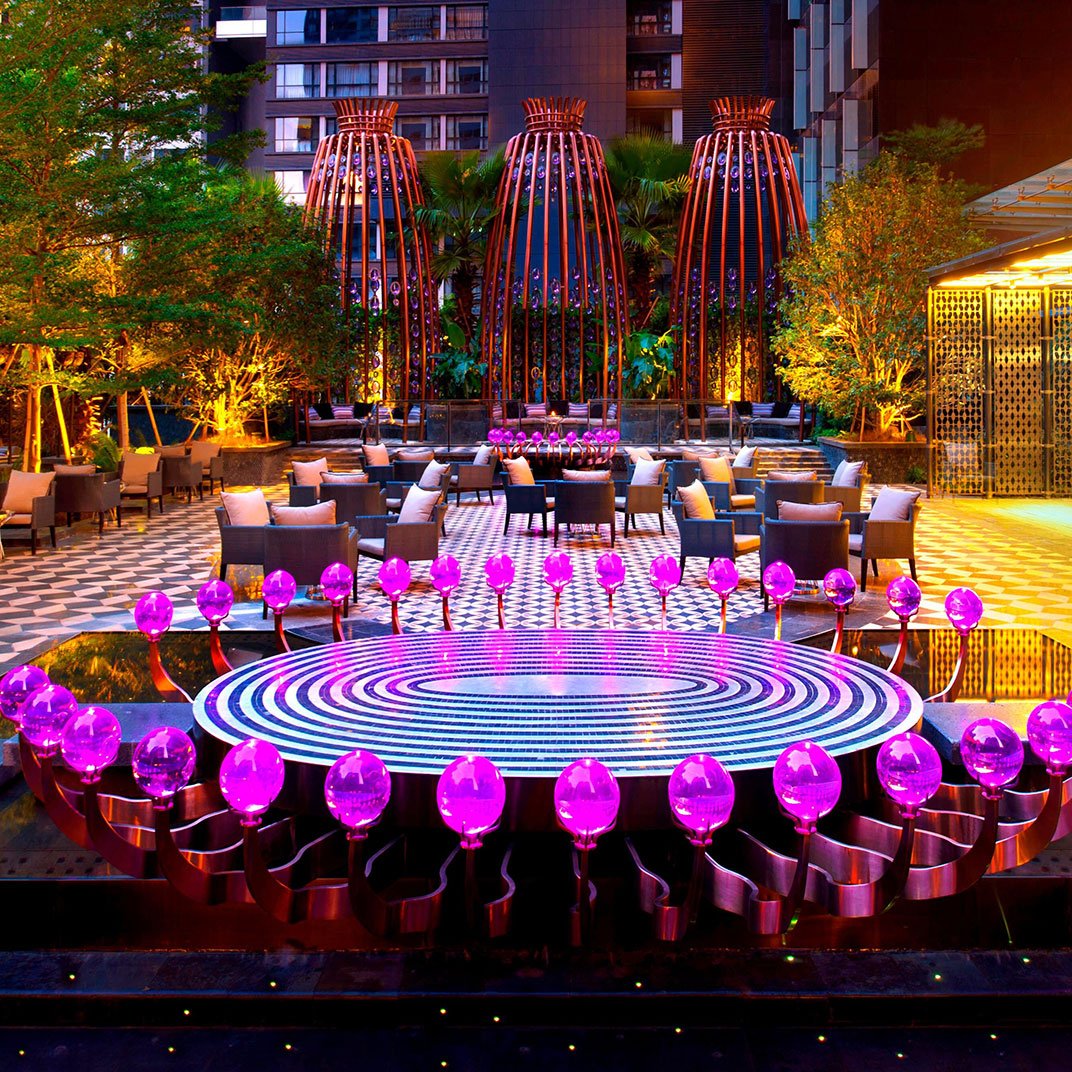
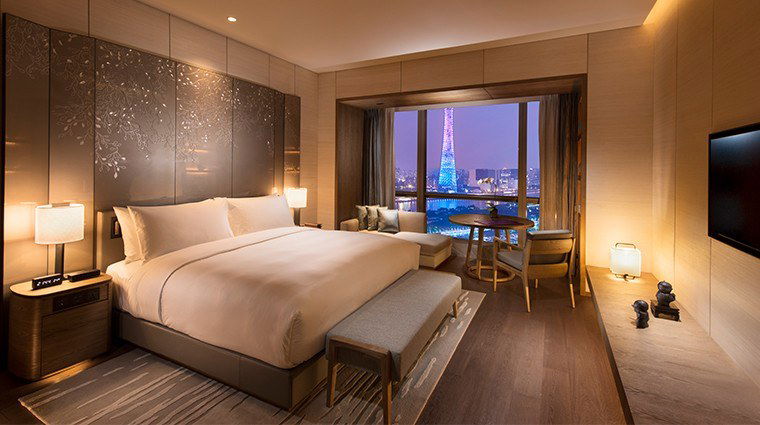
Tranquil lobby with triple-height ceilings and a striking 65-foot Czech crystal light installation; understated sophistication throughout with modern design inspired by traditional Xiguan mansions.
Tags
Vibe
Best For
Experience
Amenities
View
Accessibility
About the Stay
- Rooms
- 309
- Check-in
- 15:00
- Check-out
- 12:00
- Property Style
- Contemporary Luxury Urban Hotel Blending Cutting Edge Technology with Traditional Guangzhou Architectural Heritage, Positioned as a Stylish Oasis in the Cbd.
- Design Style
- Modern Minimalist with Xiguan Mansion Inspired Elements; Features Motion Sensor Lighting, Floor to Ceiling Windows, Walk in Wardrobes, and Marble Bathrooms.
Know before you go
Know Before You Go
- Getting there
- Guang Zhou Shi, Tian He Qu, 珠江新城兴民路222号 邮政编码: 510623
Planning details
Location
Guang Zhou Shi, Tian He Qu, 珠江新城兴民路222号 邮政编码: 510623 · Directions
Recognition and awards

Also consider
Where to look if rooms are tight
If Conrad Guangzhou is unavailable, families should check The Ritz-Carlton, Guangzhou or Four Seasons Hotel Guangzhou first because both fit a luxury city-stay brief. For a more grown-up business trip, Park Hyatt Guangzhou is the tighter alternative.
Hotel context
How It Compares
Choose Conrad Guangzhou when convenience and brand predictability matter more than a high-drama hotel stay. Compared with The Ritz-Carlton, Guangzhou and Rosewood Guangzhou, it is the more practical pick for families who want a central base without making the hotel itself the whole trip.
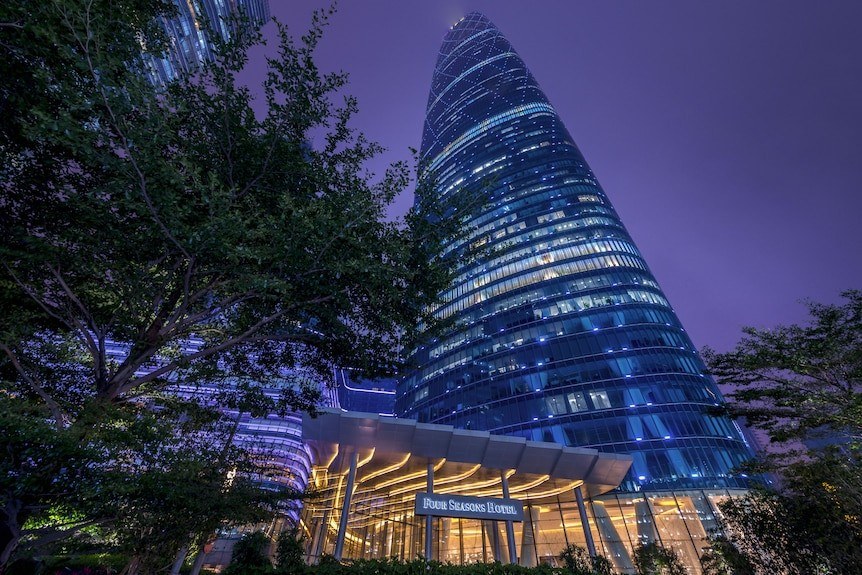
Four Seasons Hotel Guangzhou and Park Hyatt Guangzhou are stronger cross-shops if the priority is a more rarefied luxury feel or a stay built around views, dining, and service theatre. W Guangzhou is the better fit for travelers who want a louder, more social hotel mood; Conrad is the calmer call for business travelers or parents managing schedules.
Booking difficulty is hard here, so do not assume it will be the easy fallback among Guangzhou luxury hotels. If the right room category is not available, families should compare The Ritz-Carlton, Guangzhou or Four Seasons Hotel Guangzhou first; solo business travelers can widen the search to Park Hyatt Guangzhou or W Guangzhou depending on whether quiet or energy matters more.
Explore Guangzhou
Around this place
Discover more on Pearl
Unlock the full Conrad Guangzhou guide in Pearl, including awards, comparisons, FAQs, planning details, and nearby places.
Compare Conrad Guangzhou
| Venue | Location | Awards |
|---|---|---|
| Conrad Guangzhou | Guangzhou | 2026 Forbes Recommended2025 Michelin Selected Hotels2025 Forbes Recommended |
| The Ritz-Carlton, Guangzhou | Guangzhou | 2026 Forbes 5-Star2026 Michelin Guide New Hotels2026 La Liste Top Hotels2025 Michelin Selected Hotels2025 Forbes 5-Star |
| Rosewood Guangzhou | Guangzhou | 2026 Forbes 5-Star2026 La Liste Top Hotels2025 Michelin 1 Key2025 Forbes 5-Star |
| W Guangzhou | Guangzhou | 2026 Forbes Recommended2025 Michelin Selected Hotels2025 Forbes Recommended |
| Four Seasons Hotel Guangzhou | Guangzhou | 2026 Forbes Recommended2026 La Liste Top Hotels2025 Forbes Recommended2025 Michelin 1 KeyFour Seasons Hotels |
| Park Hyatt Guangzhou | Guangzhou | 2026 Forbes Recommended2025 Michelin Selected Hotels2025 Forbes Recommended |




How Conrad Guangzhou Hotel Review: Verified Recognition & Booking Fit compares with similar nearby venues.
FAQ
Frequently Asked Questions
How is the location of Conrad Guangzhou?
Conrad Guangzhou is in Guangzhou. More specific address, district, neighborhood, landmark, or transport details should be checked through the hotel's official channels if location precision is important for your trip.
Which room category is best at Conrad Guangzhou?
Choose based on the current room descriptions, bedding, occupancy, and cancellation terms published by the hotel or booking channel.
Is Conrad Guangzhou family-friendly?
How is the pool and spa at Conrad Guangzhou?
Pool and spa details should be checked through the venue's official channels.
How does Conrad Guangzhou compare to nearby hotels?
Conrad Guangzhou is a recognized hotel option in Guangzhou, with Forbes Recommended (2026) and MICHELIN Guide, Hotels Selected (2025) recognition. For a broader comparison, also look at Four Seasons Hotel Guangzhou, Park Hyatt Guangzhou, Rosewood Guangzhou, The Ritz-Carlton, Guangzhou, and W Guangzhou, then choose based on current rates, room needs, and the specific services each hotel confirms for your dates.
Is Conrad Guangzhou good for business travel?
Conrad Guangzhou may suit business travelers looking for a recognized hotel in Guangzhou. Confirm business facilities, meeting services, room workspaces, and transport details directly if they are essential.