.png?width=1200&quality=80)
Fu Man Yuan (Xinyuanli)
Beijing Cuisine · Dongcheng, Beijing
Restaurant in Beijing, China
 Book with Pearl
The Read
Hutong-District Beijing Cuisine
Price
¥¥
Dress
Smart Casual
Why go
A Michelin Plate winner for two consecutive years (2024 and 2025), Fu Man Yuan in Xinyuanli delivers serious Beijing cuisine at a ¥¥ price point that makes the risk-reward calculation easy. The atmosphere is calm and conversational, booking is straightforward, and the menu tracks the northern Chinese agricultural calendar, making a return visit in a different season genuinely worthwhile.
About Fu Man Yuan (Xinyuanli)
Who Should Book Fu Man Yuan (Xinyuanli)
If you have already tried Beijing cuisine at a mid-range price point and want to understand what a Michelin-recognised kitchen does differently with the canon, Fu Man Yuan in Xinyuanli is the right next move. It earns a Michelin Plate in both 2024 and 2025, which signals consistent kitchen standards without the three-figure-per-head pricing of a starred room. At ¥¥, it sits in a tier where the risk of disappointment is low and the ceiling for quality is meaningfully higher than the neighbourhood average. For a returning visitor who ticked the obvious boxes on a first trip, this is where to go deeper into what Beijing cooking actually looks like when it is taken seriously.
The Venue
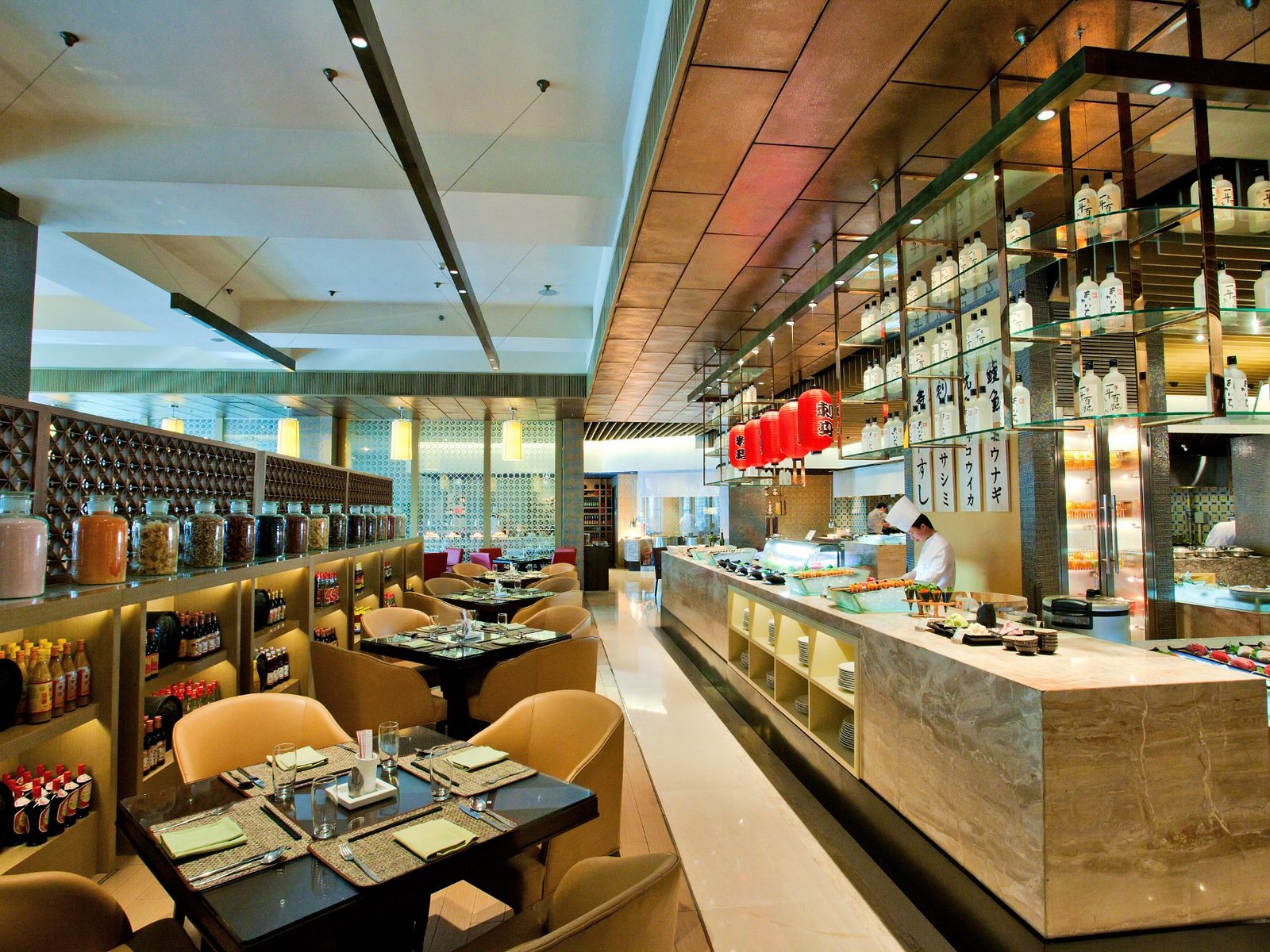
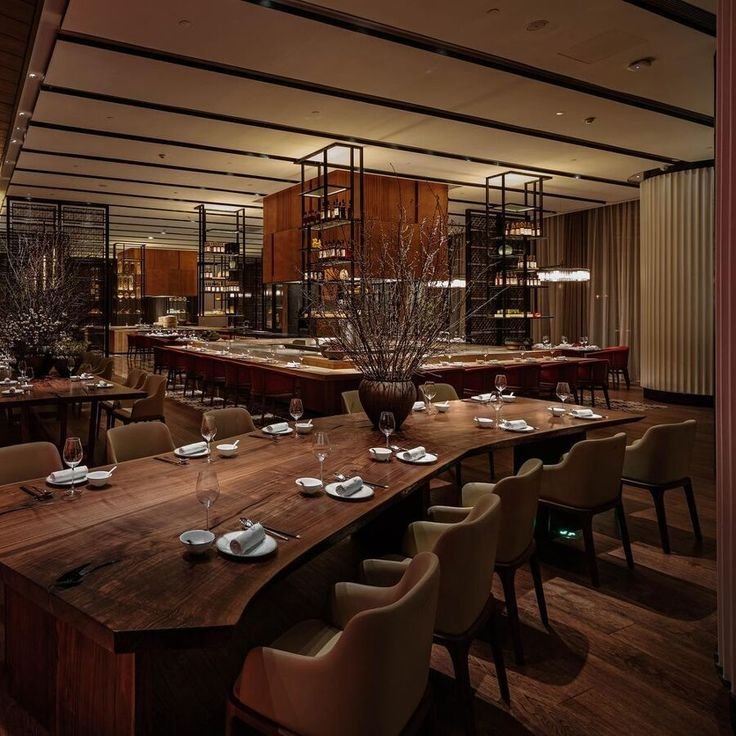
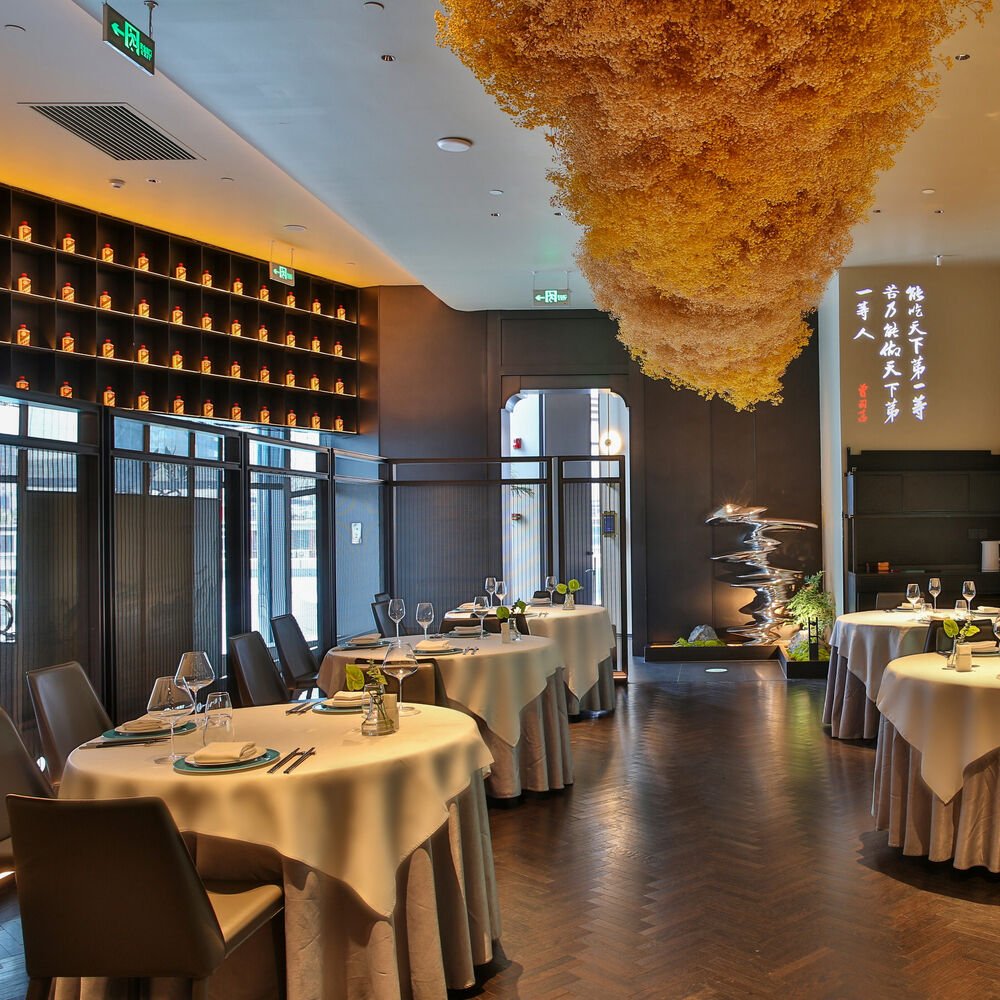
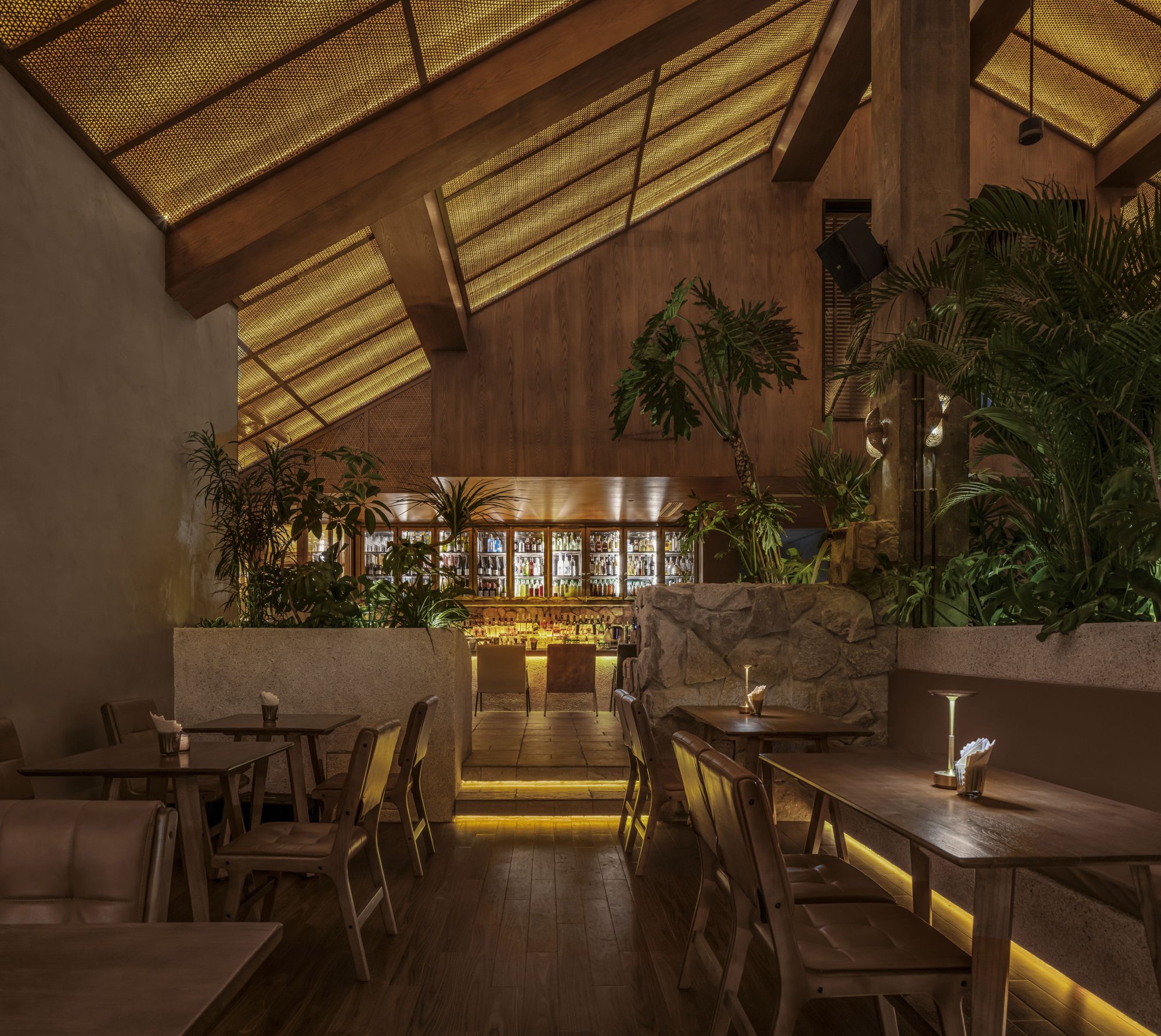
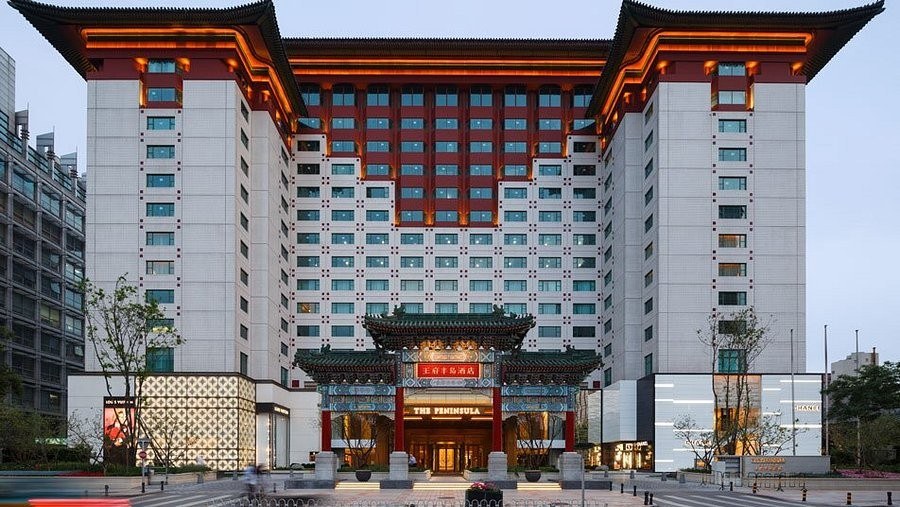
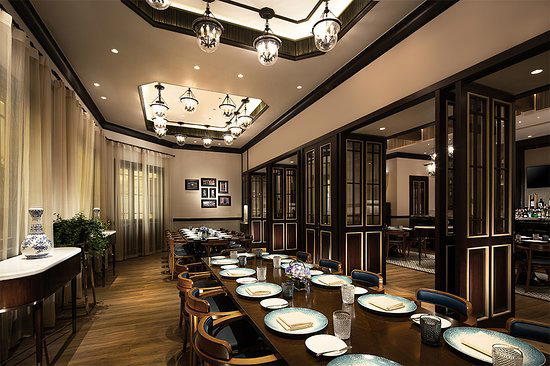
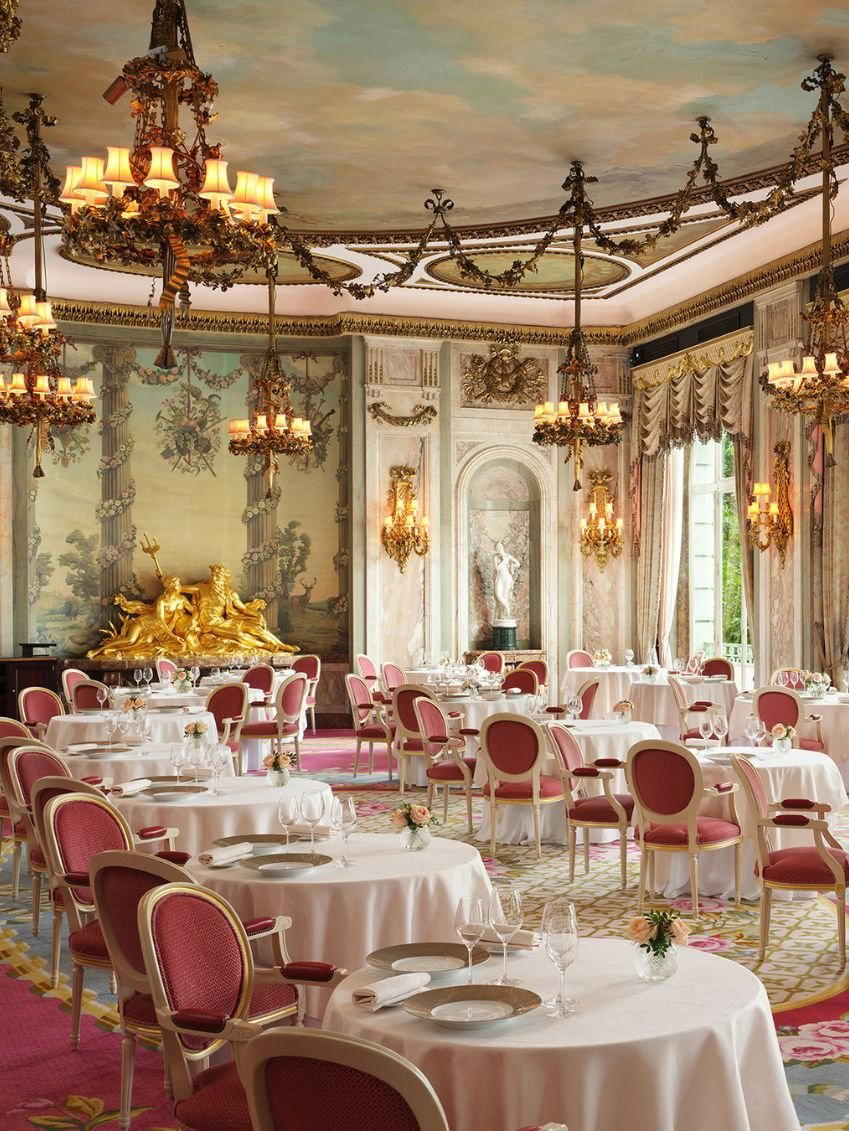
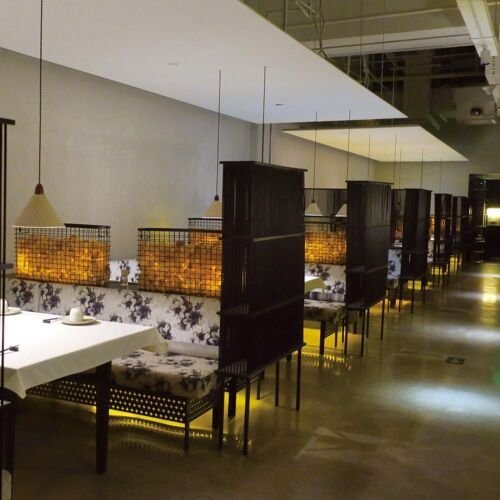
Fu Man Yuan occupies a Di'anmennei Avenue address in Xicheng District, a part of the city where the architectural density and street-level activity give the surrounding neighbourhood a quieter, more residential register than the busier commercial corridors to the east. The atmosphere inside reads as settled rather than performative. This is not a room designed to generate social media content; the energy runs lower and more focused than you would find at a high-design contemporary Chinese room. Conversations carry. Groups can hear each other. If you are coming from something like Jingji, which operates at a higher price point and a more formal register, Fu Man Yuan feels notably more relaxed in its ambient temperature without sacrificing the sense that the kitchen is working carefully.
The noise level at a room like this tends to track with the booking profile. Weekday lunches and early weekday dinners stay calm. Weekend evenings, particularly when larger tables are full, push the volume up. If conversation matters more to you than the full theatrical weekend energy, an early weekday slot is the call.
Seasonal Logic and What to Order When
Beijing cuisine follows the agricultural calendar closely. The cold-weather months favour heavier preparations: braised dishes, roasted meats, warming starches, and the kinds of preserved and fermented flavours that define northern Chinese winter cooking. Spring and early summer shift the emphasis toward lighter vegetable-forward dishes and fresher preparations as produce availability changes. Autumn brings a secondary wave of richer, ingredient-led cooking as the harvest season opens.
A returning visitor who came in winter and tried the predictable comfort register of the menu should aim to return in spring or early autumn to find a different expression of the kitchen. The Michelin Plate recognition suggests the kitchen is consistent enough that seasonal variation is a genuine reason to return, not a hedge. If you went once and felt the menu leaned heavier and richer than you expected, a spring visit will read differently. If you want the full northern winter register, November through January is when Beijing cuisine is most emphatically itself.
Without confirmed signature dish data, the practical guidance here is to ask the kitchen what arrived recently or what is in season when you book. At ¥¥ pricing with a Michelin Plate credential, the kitchen has already demonstrated it has a point of view. Following their seasonal steer is almost always the right call at this level.
Booking and Timing
Booking difficulty is rated Easy. A few days out should be enough for most weekday slots. Weekend dinner may benefit from booking four to seven days ahead to get the table configuration you want. No booking platform or phone number is listed in our current data, so confirm the reservation method directly by searching the venue name alongside a current booking platform when you plan your visit. Walk-in availability is plausible at quieter sessions but not guaranteed.
For Beijing visitors exploring the wider dining picture, our full Beijing restaurants guide covers the broader field. If you are building a multi-day itinerary, the Beijing hotels guide, bars guide, and experiences guide are worth checking alongside it.
How Beijing Cuisine Travels
For context on what this cuisine looks like in other cities: Sheng Yong Xing (Huangpu) brings Beijing cuisine to Shanghai, and Do It True (Xinyi) represents the format in Taipei. Neither is a substitute for eating the cuisine in its home city, but they are useful reference points if you want to triangulate how the kitchen style at Fu Man Yuan sits within a wider peer set. For fine Chinese dining elsewhere in the region, Imperial Treasure Fine Chinese Cuisine in Guangzhou, Chef Tam's Seasons in Macau, and Ru Yuan in Hangzhou each anchor their respective cities in a comparable way to what Fu Man Yuan does for Beijing at this price tier.
Within Beijing's own field of traditional Chinese dining, Mansion Cuisine by Jingyan offers a more formal and higher-priced take on historical Chinese cooking, while Fortune Long Beijing Bean Sauce Noodles (East Xinglong Street) and Jing Hua Lou cover the more casual end of the Beijing food canon. Fu Man Yuan sits comfortably between these poles: more considered than a noodle house, more accessible than a banquet-style formal room. Poetry·Wine (Dongsanhuan Middle Road) and 102 House in Shanghai point toward the more contemporary dining-with-wine territory if that is the direction you want to move after this meal.
The Verdict
Fu Man Yuan (Xinyuanli) is a well-priced, Michelin-recognised entry point into serious Beijing cuisine. It earns a return visit on seasonal grounds alone: the menu at different points in the calendar is genuinely different, and the kitchen has the credentials to make that worth tracking. Book it for a second visit, for a weekday dinner when conversation matters, or when you want to understand what northern Chinese cooking looks like at a price point that is not asking you to gamble on an expensive unknown. At ¥¥ with back-to-back Michelin Plate recognition, the risk-reward calculation is direct.
Frequently Asked Questions
What should I wear to Fu Man Yuan (Xinyuanli)?
- No dress code is listed. Smart casual is appropriate for a Michelin Plate venue at ¥¥ pricing in Beijing. You do not need to dress for a formal occasion, but you will feel out of place in workout clothes or very casual beachwear. Business casual or a clean everyday outfit is the reliable default.
Can Fu Man Yuan (Xinyuanli) accommodate groups?
- No specific group policy or room configuration data is available. At a ¥¥ Beijing Cuisine venue in Xicheng District, groups of four to six are typically manageable with advance notice. For larger parties of eight or more, contact the venue directly when booking to confirm table availability and any private dining options.
Does Fu Man Yuan (Xinyuanli) handle dietary restrictions?
- No dietary restriction data is confirmed. Beijing cuisine is heavily meat- and wheat-based in its traditional form, which means vegetarian and gluten-free requirements need to be communicated at booking. If dietary restrictions are a significant factor, confirm with the kitchen before you arrive rather than relying on menu flexibility at the table.
What should I order at Fu Man Yuan (Xinyuanli)?
- No confirmed signature dish data is available. The Michelin Plate recognition over two consecutive years indicates the kitchen has reliable strengths worth asking about directly. Tell the staff what season you are visiting in and ask what they are cooking well right now. At this price point with this level of recognition, the kitchen's own steer is more reliable than any fixed recommendation.
What should a first-timer know about Fu Man Yuan (Xinyuanli)?
- This is a Michelin Plate venue at ¥¥ pricing, which means the value-to-quality ratio is strong relative to the Beijing dining field. Beijing cuisine is rooted in northern Chinese cooking traditions: expect wheat-based dishes, braised and roasted preparations, and bold savoury flavours. The atmosphere is quieter and more conversational than high-energy contemporary rooms. Arrive knowing roughly what season you are in, and let the kitchen guide what is worth ordering that week.
How far ahead should I book Fu Man Yuan (Xinyuanli)?
- Booking difficulty is Easy. A few days of lead time is typically sufficient for weekday slots. Weekend dinner is safer booked four to seven days out. Confirm the current booking channel when you plan your visit, as no platform or phone number is listed in our current data.
Planning details
- Location
- 38 Di'anmennei Ave, 西城区 Beijing, China, 100009
- Phone
- +86 10 6403 0992
The take
The Take
The Vibe
Fu Man Yuan reads as a rooted, tradition-forward Beijing restaurant that sits squarely in the city’s mid-market culinary tier. The writing emphasizes classical technique and the capital’s layered influences—imperial court cooking, Hui Muslim traditions and hutong home cooking—so the place feels disciplined and grounded rather than flashy. Its Michelin Plate designation signals consistent, workmanlike quality: not a two-star destination but a reliable expression of regional craft. Located on Di'anmennei Avenue in Xicheng, the address ties the food to the older currents of Beijing’s gastronomic history, giving it an assured, historically aware presence in the neighborhood.
Best For
Fu Man Yuan is best for diners after a thoughtful, no-nonsense run through Beijing’s core flavors without the price or ceremony of a starred house. The profile positions it for family meals, group dining and casual get-togethers where breadth and value matter—large-format slow-braised proteins and classically seasoned plates travel well across a table. Because the kitchen emphasizes controlled technique and familiar regional ingredients, it’s a dependable choice for lunch or dinner when you want well-executed Beijing classics rather than a high-concept tasting menu.
Ordering Tips
Prioritize preparations that showcase Beijing’s anchoring flavors and methodical cooking: look for slow-braised proteins and dishes that make use of savory fermented pastes. The copy specifically notes the recurring thread of tianmian jiang and the kitchen’s commitment to classical technique, so items that highlight those elements are likely to deliver the Plate-level consistency inspectors rewarded. Treat the meal as a survey of regional traditions—imperial, Hui and hutong influences—rather than hunting for modern flourishes; value here is in faithful, well-managed execution.
Venue details
Ambiance
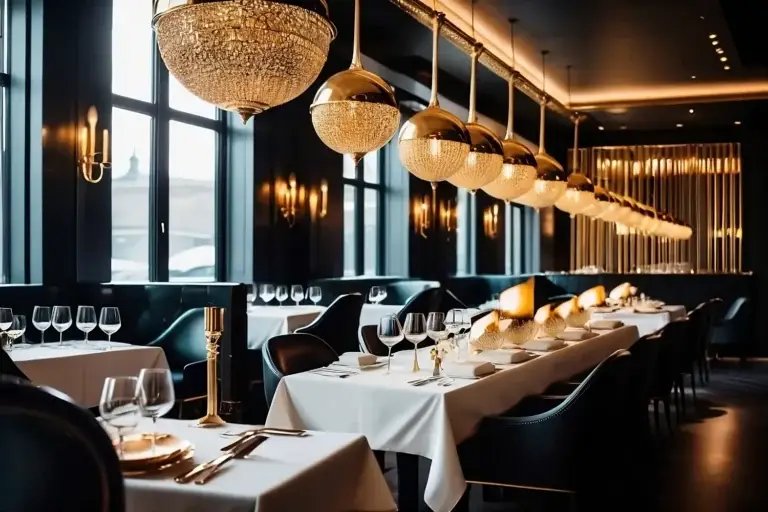
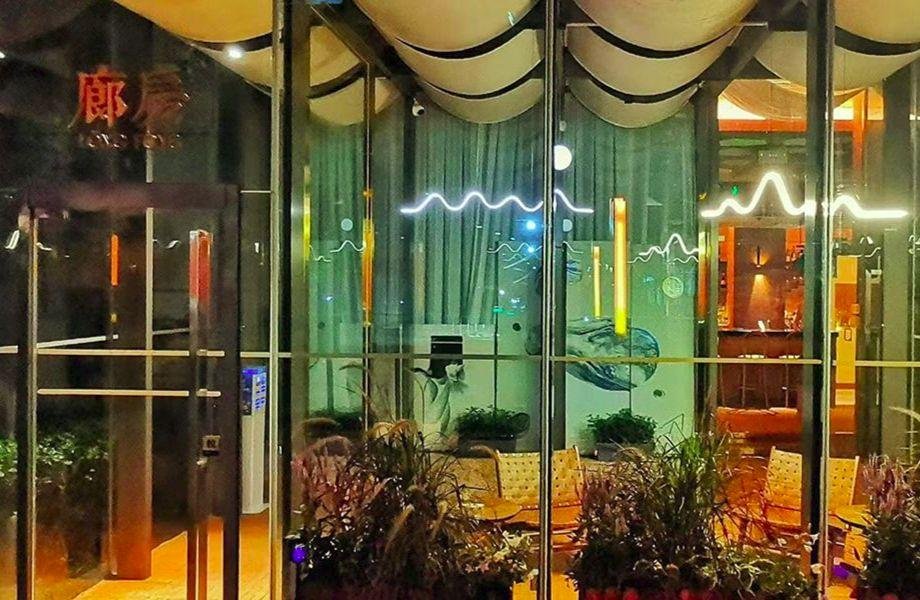
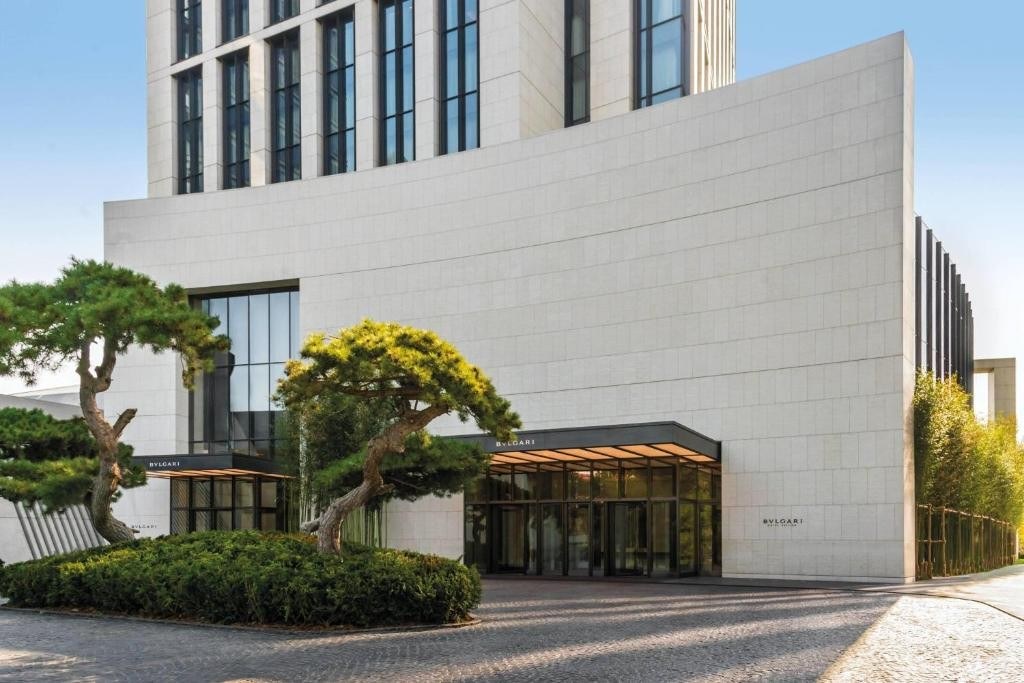
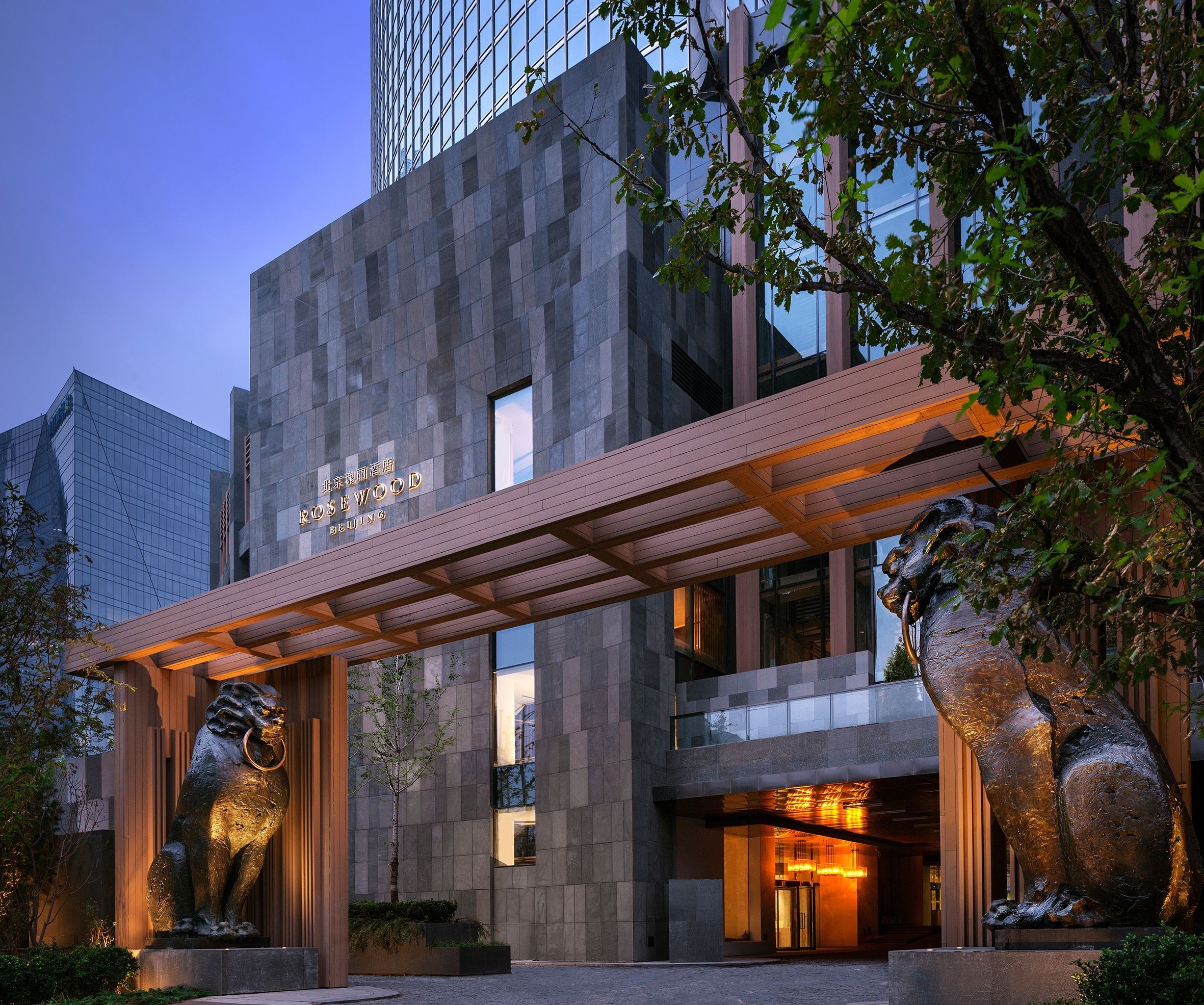
Sleek architecture with a glass façade creating a modern, refined dining environment that contrasts elegantly with classic Beijing culinary traditions.
Tags
Vibe
Best For
Experience
At the Table
- Dress Code
- Smart Casual
- Service Style
- Upscale Casual
- Meal Pacing
- Standard
- Capacity
- Medium
Know before you go
Know Before You Go
- Getting there
- 38 Di'anmennei Ave, 西城区 Beijing, China, 100009
Planning details
Location
38 Di'anmennei Ave, 西城区 Beijing, China, 100009 · Directions
Recognition and awards
Also consider
Also Consider
- Jing, French Contemporary, ¥¥¥
- Xin Rong Ji (Xinyuan South Road), Taizhou, ¥¥¥¥
- Chao Shang Chao (Chaoyang), Chao Zhou, ¥¥¥¥
- Lamdre, Vegetarian, ¥¥¥¥
- Jingji, Beijing Cuisine, ¥¥¥¥
Restaurant context
Fu Man Yuan (Xinyuanli) is the clearest value case among Beijing's recognised Chinese dining venues. At ¥¥ with back-to-back Michelin Plate recognition, it undercuts every named competitor on price while maintaining a credentialed kitchen. Jingji, the obvious direct comparison as a Beijing Cuisine venue, operates at ¥¥¥¥: four price tiers above Fu Man Yuan for the same cuisine category. If the question is which Beijing Cuisine room delivers the most per yuan spent, Fu Man Yuan answers it without much debate. Jingji makes sense when formality and an elevated service register matter as much as the food itself. For a meal where the cooking is the priority and you are not paying for ceremony, Fu Man Yuan is the stronger call.
The cross-cuisine comparisons at ¥¥¥¥, Xin Rong Ji (Xinyuan South Road) for Taizhou cuisine, Chao Shang Chao (Chaoyang) for Chao Zhou, and Lamdre for vegetarian, all represent different cuisine philosophies at a significantly higher spend. If you are specifically in Beijing to eat Beijing food, none of them are direct substitutes. Jing, the French Contemporary option at ¥¥¥, is a different category entirely and only competes for the same dinner slot, not the same culinary mission. Book Jing when you want a Western fine-dining experience in Beijing; book Fu Man Yuan when the northern Chinese cooking canon is the point.
The practical summary: Fu Man Yuan is the easiest booking in this peer set, the lowest spend, and the most direct route into Michelin-recognised Beijing cuisine. Jingji is worth the premium if you want the full formal Beijing Cuisine experience with service to match. Everything else in the comparison set serves a different cuisine or a different diner entirely.
Explore Beijing
Around this place
Discover more on Pearl
Unlock the full Fu Man Yuan (Xinyuanli) guide in Pearl, including awards, comparisons, FAQs, planning details, and nearby places.
Compare Fu Man Yuan (Xinyuanli)
| Venue | Price | Booking Difficulty | Awards |
|---|---|---|---|
| Fu Man Yuan (Xinyuanli) | ¥¥ | Easy | 2025 Michelin Plate2024 Michelin Plate |
| Jing | ¥¥¥ | Unknown | 2025 OAD Top Restaurants in Asia Ranked · #3842025 Wine Spectator Best of Award of Excellence2025 The Best Chef One Knife2025 Michelin 1 Star2025 Black Diamond 1 Diamond2024 OAD Top Restaurants in Asia Ranked · #3522024 Michelin 1 Star2023 OAD Top Restaurants in Asia RecommendedWorld's Best Wine Lists 2022 |
| Xin Rong Ji (Xinyuan South Road) | ¥¥¥¥ | Unknown | 2026 Asia's 50 Best Restaurants · #842026 La Liste Top Restaurants2025 Asia's 50 Best Restaurants · #732025 Black Diamond 2 Diamond2025 La Liste Top Restaurants2025 Michelin 3 Stars2025 Relais Chateaux Award |
| Chao Shang Chao (Chaoyang) | ¥¥¥¥ | Unknown | 2026 La Liste Top Restaurants2025 The Best Chef Three Knives2025 Michelin Plate2025 Michelin 3 Stars2024 Michelin 3 Stars |
| Lamdre | ¥¥¥¥ | Unknown | 2026 Asia's 50 Best Restaurants · #172026 OAD Top Restaurants in Asia Highly Recommended2026 Black Pearl 2 Diamond2026 La Liste Top Restaurants2025 Asia's 50 Best Restaurants · #502025 OAD Top Restaurants in Asia Ranked · #224We're Smart World Top Restaurants 2025We're Smart World Top 100 2025Tatler Best Restaurants Asia-Pacific 2025 |
| Jingji | ¥¥¥¥ | Unknown | 2026 La Liste Top Restaurants2025 Michelin 2 Stars2024 Michelin 2 Stars |














Side-by-side comparison to help you decide where to book.
FAQ
Frequently Asked Questions
What should I wear to Fu Man Yuan (Xinyuanli)?
Casual dress is fine here. Fu Man Yuan is a ¥¥ Beijing cuisine restaurant, not a fine-dining room, so there is no expectation of formal attire. Clean, everyday clothes are appropriate. If you are coming from a nearby tourist site along Di'anmennei Avenue, you will not be out of place.
Can Fu Man Yuan (Xinyuanli) accommodate groups?
Groups are generally well-served at mid-range Beijing cuisine restaurants, and Fu Man Yuan's price point (¥¥) makes it a practical choice for shared-table dining.
Does Fu Man Yuan (Xinyuanli) handle dietary restrictions?
Beijing cuisine is built around wheat-based dishes, roasted meats, and animal-based preparations, so strict vegetarian or gluten-free diners will find the menu limited. No specific dietary accommodation policy is documented. If restrictions are a concern, check directly with the restaurant before booking.
What should I order at Fu Man Yuan (Xinyuanli)?
Fu Man Yuan holds a Michelin Plate for consecutive years (2024 and 2025), which signals kitchen consistency rather than a single standout dish. Beijing cuisine at this level typically emphasises traditional preparations, so lean toward dishes that represent the regional canon rather than modern additions. Seasonal dishes are worth prioritising — the kitchen follows the agricultural calendar, and cold-weather visits in particular favour the heavier braised and roasted preparations the cuisine is known for.
What should a first-timer know about Fu Man Yuan (Xinyuanli)?
This is a Michelin Plate-recognised Beijing cuisine restaurant at a ¥¥ price point, which makes it one of the more accessible entry points into serious regional cooking in the city. The Di'anmennei Avenue address puts it in Xicheng District, close to several major sites. Expect a neighbourhood restaurant atmosphere rather than a formal dining room — the value here is in the food, not the setting.
How far ahead should I book Fu Man Yuan (Xinyuanli)?
Booking difficulty is rated Easy, so same-day or next-day reservations are often realistic. Booking a day or two ahead for weekend visits is a sensible precaution, especially for groups.