

Tabelog 100 - Ramen - TOKYO - 2025: Tokyo’s Top Ramen Destinations
Tabelog 100 (Hyakumeiten) Ramen - TOKYO selection for 2025. Tabelog publishes these as source-ordered lists of 100 restaurants.

Venues on this list
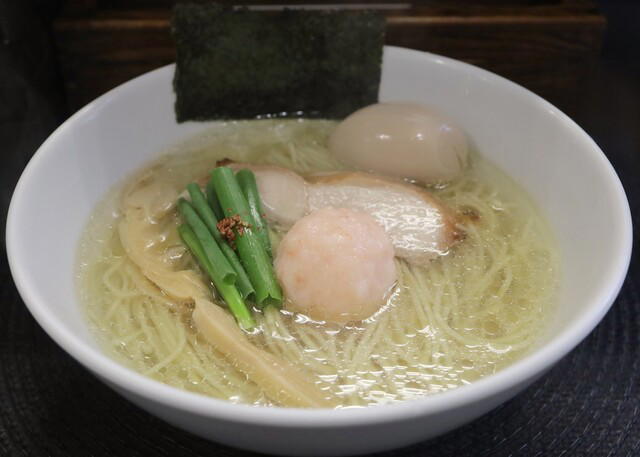
Golden time
Tokyo, Japan
A seven-seat dry tantanmen counter in Nerima where lunch costs under ¥2,000 and sells out by 14:15. No reservations, no English menu, no ceremony; just two versions of sesame-forward noodles priced for daily repetition. Tabelog Ramen 100 since 2019, cash only, and reliably consistent for regulars who want ramen without the hype.
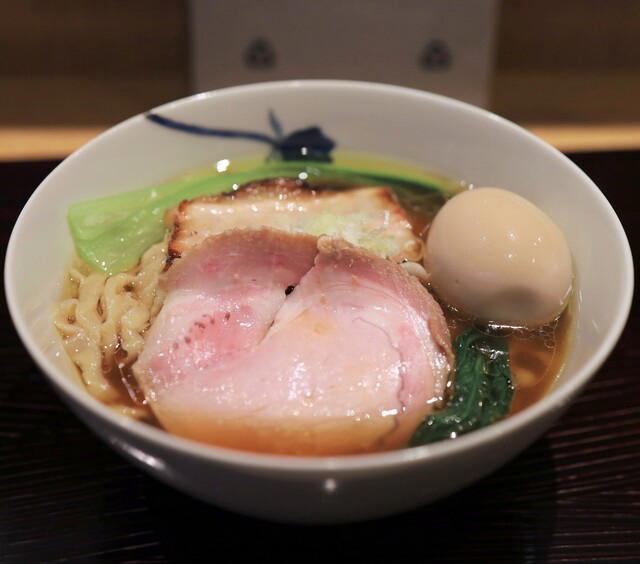
Men Mitsui
Tokyo, Japan
Tabelog 100 ramen counter in Taito with ticketing system, 11-seat counter-only setup, and split weekday service (lunch 11 AM–2:30 PM, dinner 6–8 PM). JPY 1,000–1,999 bowls suit solo diners and weekday-lunch rotations; Saturday runs a single 11 AM–4 PM shift. No reservations, minimal wait times if you arrive when tickets distribute.
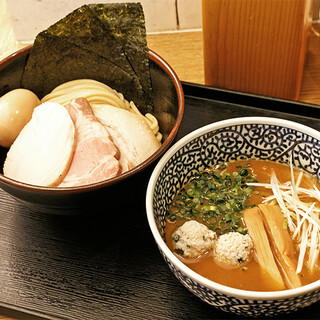
Menya Ittou
Tokyo, Japan
An 11-seat counter in Katsushika serving chicken-and-seafood ramen that's earned a Tabelog 100 spot every year since 2017. The broth is rich but clean, the execution is consistent, and the JPY 1,000–1,999 price point makes it one of Tokyo's better ramen values for diners who prioritize technique over novelty.
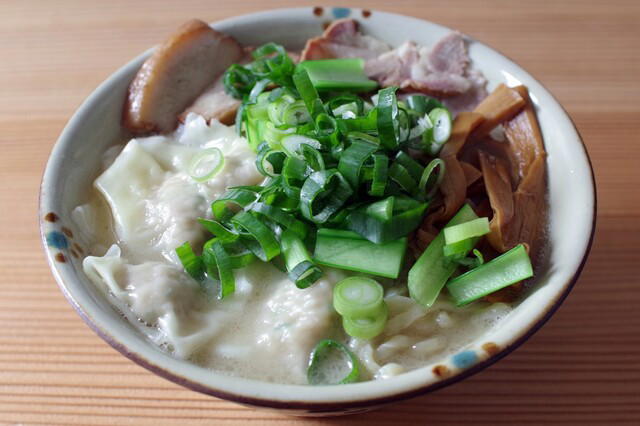
Sakurajosui Funakoshi
Tokyo, Japan
Tabelog 100 ramen counter in Suginami since 2023, recognized three years running for broth clarity and tare balance. Eight-seat lunch-only format (11 AM–3 PM, closed Wed/Sun) keeps execution tight. JPY 1,000–1,999 bowls reward repeat visits; arrive before noon Saturday for best walk-in odds.
Ganso Stamina Manten Ramen Suzuki
Tokyo, Japan
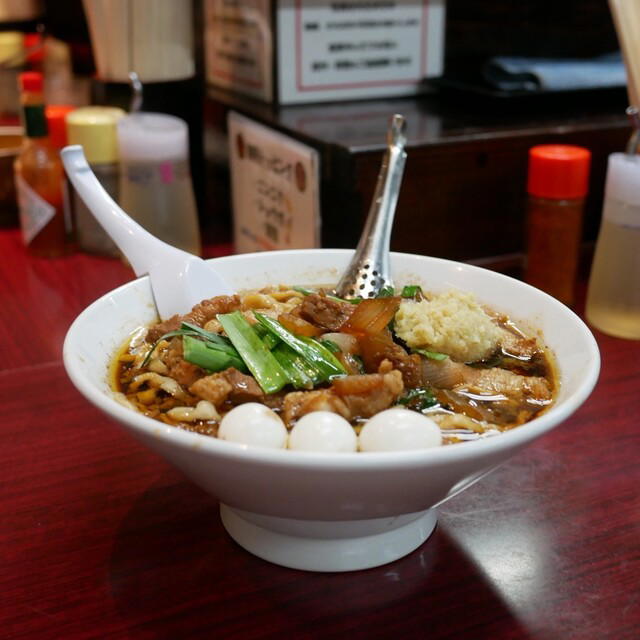
A basement ramen counter in Mitaka serving garlic-heavy stamina ramen that earned a Tabelog 100 nod for its fat-forward tonkotsu-shoyu broth. Open late six nights a week with a 10-seat walk-in-only format, it's a solid budget option if you're already in western Tokyo, but the 15-minute train ride from Shinjuku tips the value equation toward closer Tabelog 100 shops unless you're specifically chasing the stamina style.
Ramen Tei Hinari Ryuou
Tokyo, Japan
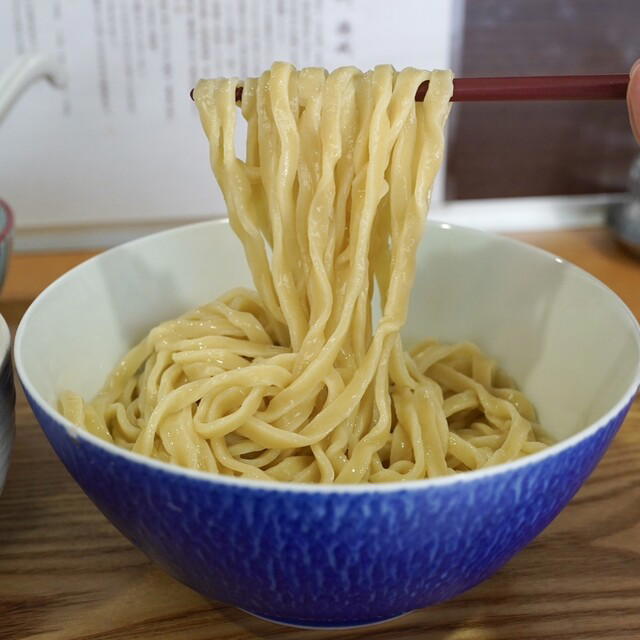
A nine-seat counter in Ota's Omorinaka neighborhood that has earned three consecutive Tabelog 100 Ramen Tokyo selections since 2023. Bowls run JPY 1,000–1,999, service operates until the day's stock sells out, and the no-reservations, cash-only format rewards locals who know the lunch and dinner windows. Better suited to solo diners and quick meals than groups or extended visits.
Jun Teuchi Daruma
Tokyo, Japan
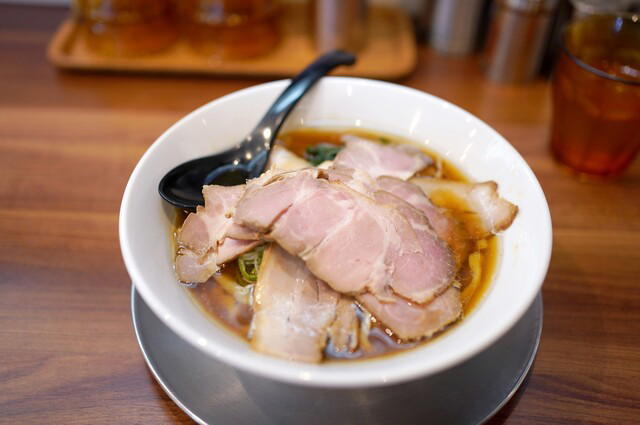
Tabelog 100 ramen counter in Suginami serving hand-rolled noodles and light soy sauce broth at JPY 1,000–1,999. One-person operation with eight seats, no reservations, and a daily-changing recipe focused on subtlety over richness. Walk-in only; weekday afternoons move fastest.
Hayashi
Tokyo, Japan
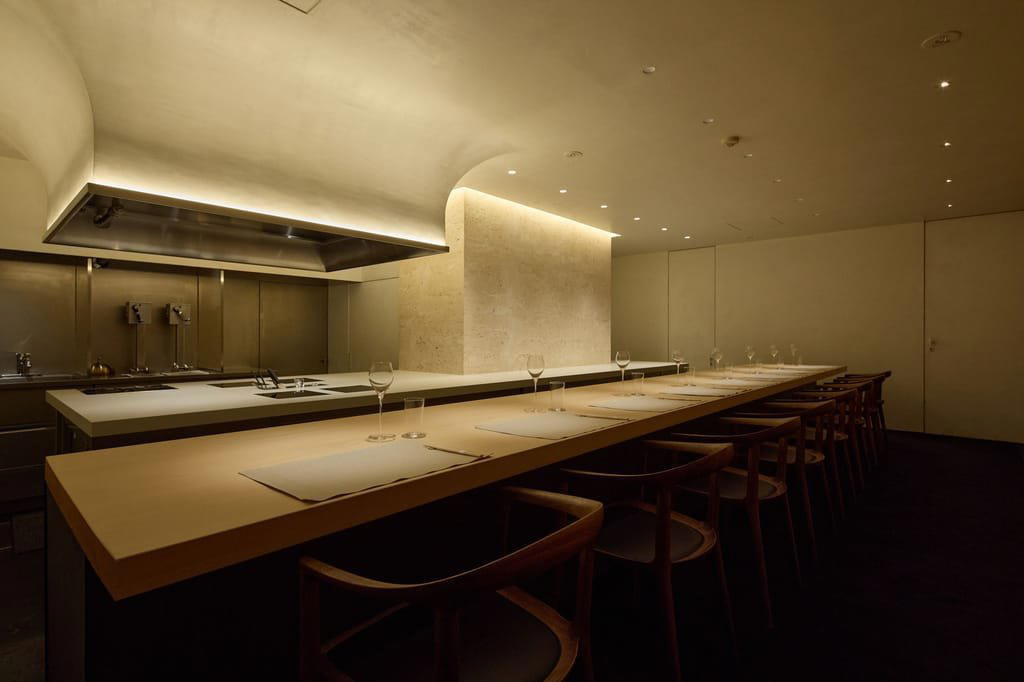
Oryori Hayashi in Kyoto's Kamigyo Ward has held Tabelog Silver recognition for most of the past decade and ranks in the top 15 casual Japanese dining venues in Japan on Opinionated About Dining. Lunch runs JPY 8,000–9,999 per person; dinner averages JPY 30,000–39,999 with drinks and charges. Book the counter for solo or pair visits; private tatami rooms fit groups up to 8.
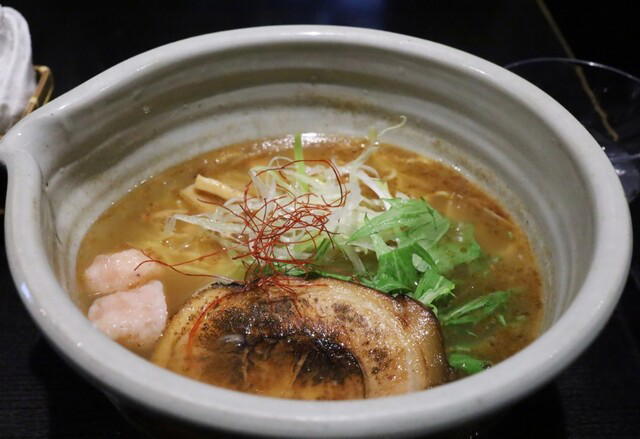
Mentokoro Ginzasa
Tokyo, Japan
A Tabelog 100 ramen counter in Ginza serving refined broths shaped by 18 years of traditional Japanese training. At JPY 1,000–1,999, it offers walk-in lunch service (11:15 AM–3:00 PM, closed Sundays) with no reservations, no credit cards, and consistent technical precision every year since 2010.
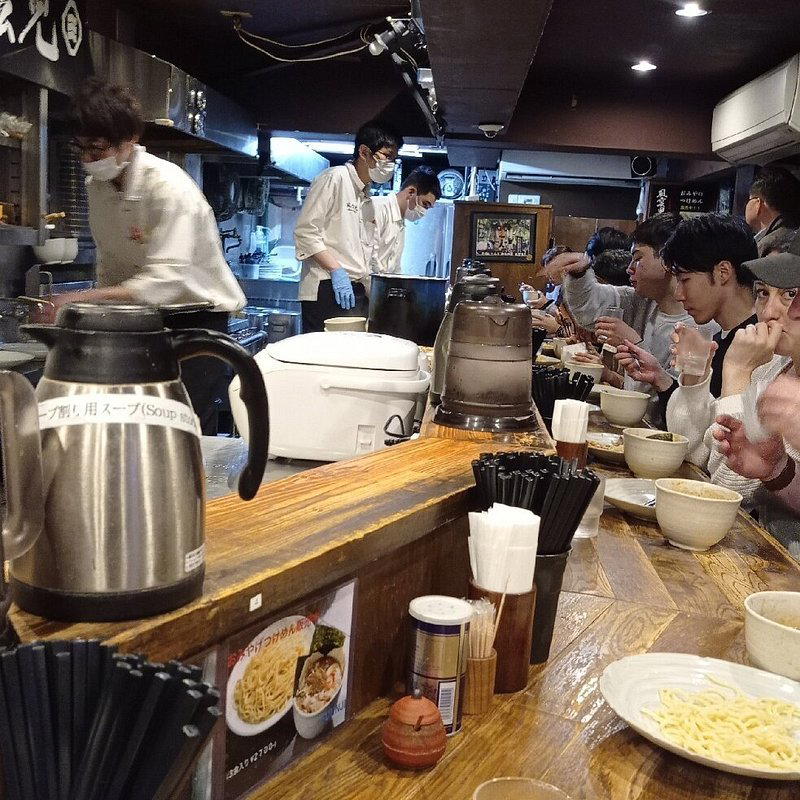
Fuunji
Tokyo, Japan
Based in Yoyogi near Shinjuku, it is an Easy book and delivers a craft-focused bowl at a price well below what any comparable OAD-listed experience costs. Go for lunch; go for the tsukemen.
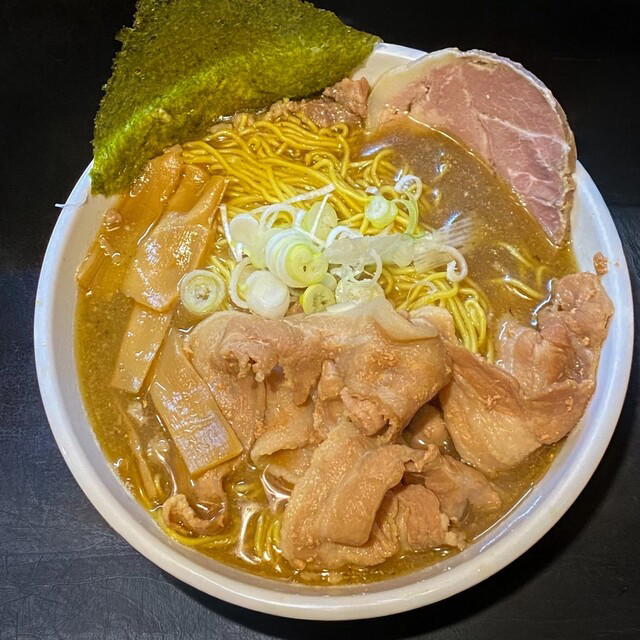
Ichijoryu Ganko Sohonke Bunke Yotsuya Arakicho
Tokyo, Japan
A seven-seat counter in Yotsuya-Sanchome serving Tabelog 100–recognized ramen since 2017, with no reservations, strict house rules, and bowls under JPY 2,000. The format rewards early arrivals and solo diners willing to queue for consistent, focused execution at an accessible price.
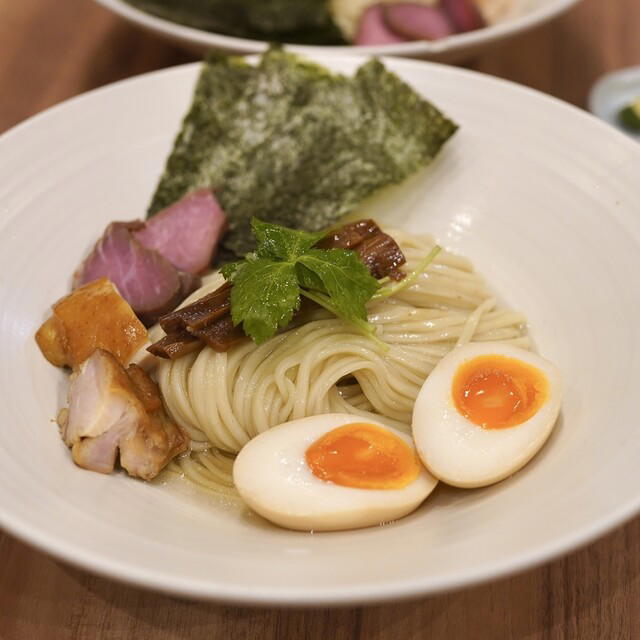
Mendokoro Honda Akihabara honten
Tokyo, Japan
A six-time Tabelog 100 ramen shop in Akihabara (2020–2025) serving bowls under JPY 2,000 in an 18-seat space. Book ahead via TableCheck or walk in Tuesday–Thursday for shortest waits. Menu spans ramen, tsukemen, and tantanmen; rotate all three across repeat visits for the full range.
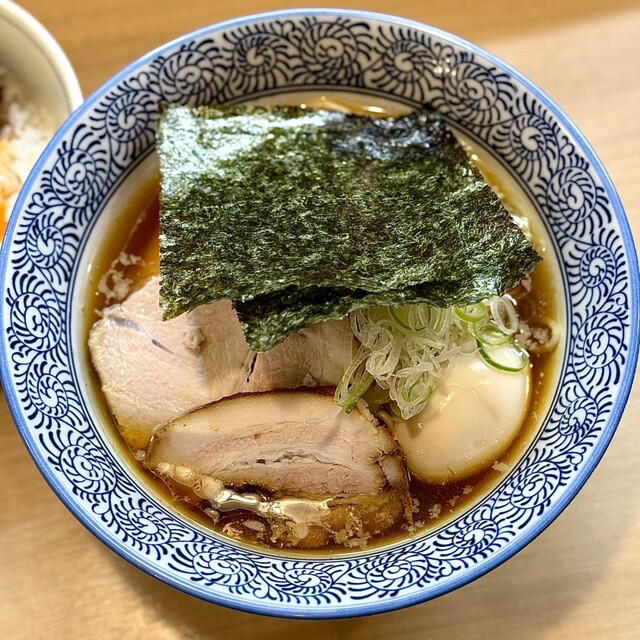
Chuka Soba Tagano
Tokyo, Japan
An 11-seat ramen counter in Nakanobu that has held a Tabelog 100 Ramen Tokyo spot for eight consecutive years. Chuka soba runs under ¥1,000, service is cash-only and queue-managed via LINE, and the shop closes when the pot empties; typically by 2 PM. Best for solo diners and pairs willing to trade ambiance for noodle credentials and value.
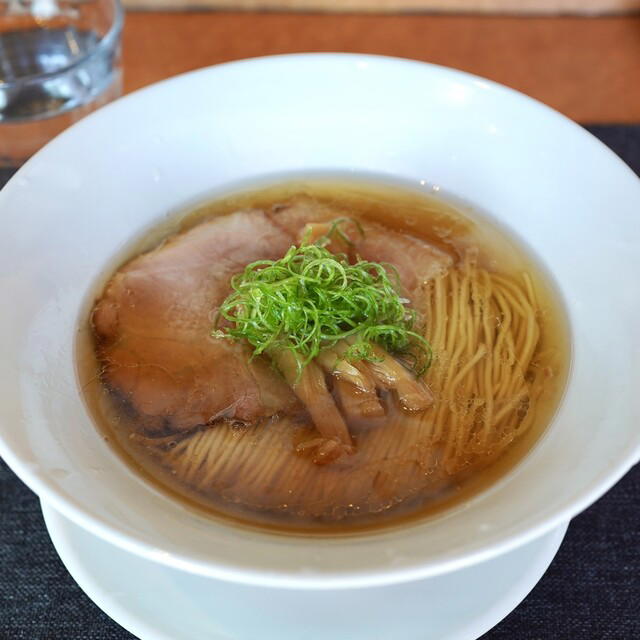
Shibasaki Tei Tsutsujigaoka honten
Tokyo, Japan
Counter-only ramen shop in Tsutsujigaoka with nine consecutive Tabelog 100 selections and bowls under JPY 2,000. No reservations, no credit cards; just a ten-seat operation two minutes from the station that rewards return visits with consistent broth depth and weekday split-service logistics. Families welcome, but the format favors solo diners and tight schedules.
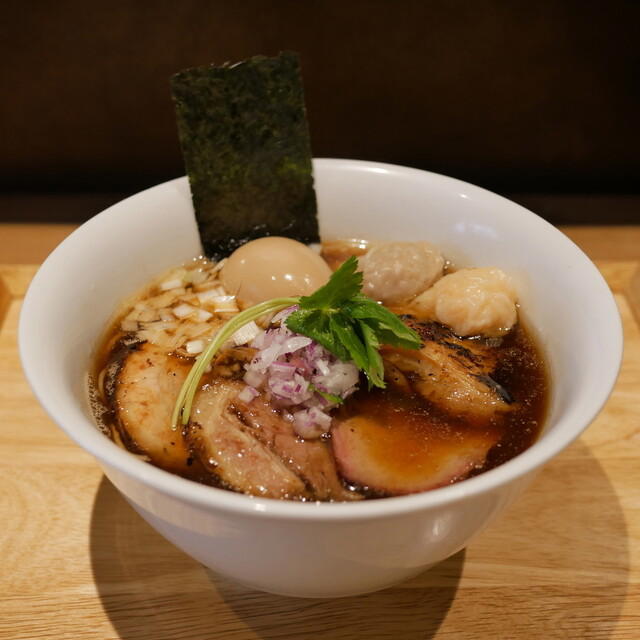
Raa Menya Shima
Tokyo, Japan
Chef Hiroshi Morishima's six-seat ramen and tsukemen counter holds Tabelog Bronze 2026 and five consecutive Tabelog 100 selections, operating weekday mornings only with TableCheck reservations required 24 hours prior. The JPY 1,000-1,999 price tier and cash-only policy suit solo diners and couples willing to book ahead; groups and weekend visitors should look elsewhere.
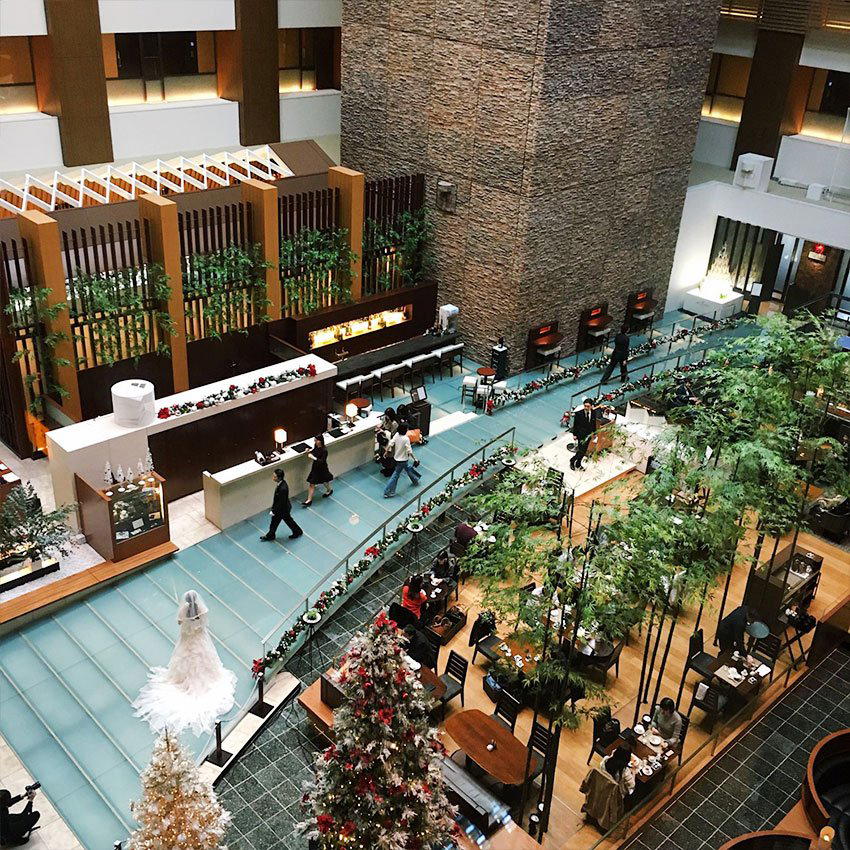
Shinjiko Shijimi Chukasoba Kohaku
Tokyo, Japan
Shinjiko Shijimi Chukasoba Kohaku builds its ramen broth from shijimi clams sourced directly from Lake Shinji in Shimane Prefecture, a technically distinct approach that earned it a Michelin Bib Gourmand in 2024. At ¥ pricing in Ota City, it is the clearest argument in Tokyo for shellfish-based ramen done with precision. Order the shio option and pay attention to the broth.
Ichiban Ichiban
Tokyo, Japan
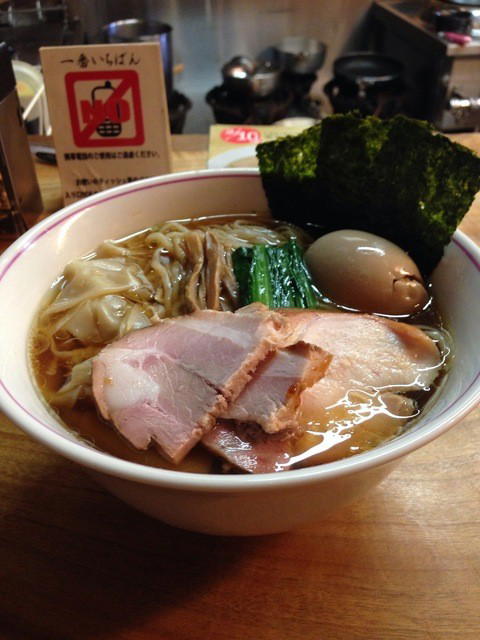
Eight-time Tabelog 100 ramen counter (2018–2025) in Machida, 10 minutes from Odakyu station. No reservations, JPY 1,000–1,999, walk-in only. Consistent broth depth and noodle texture justify the 30–40 minute trip from central Tokyo. Arrive 15 minutes before opening to avoid queues.
Koukai Bou
Tokyo, Japan
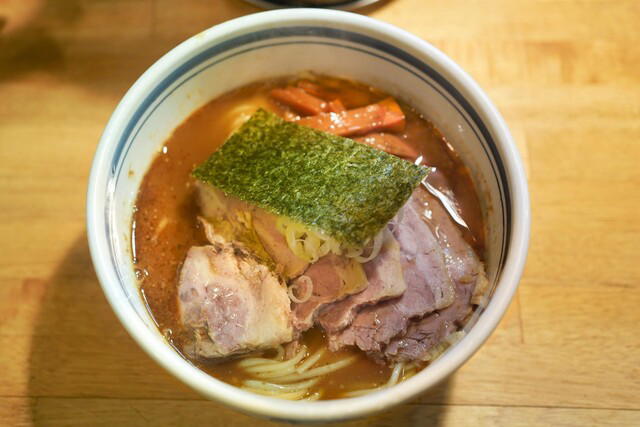
A Fukagawa neighborhood ramen anchor since 2001, Koukai Bou offers salt-based bowls under JPY 1,000 with a Tabelog Ramen 100 pedigree dating back to 2017. The 15-seat counter-and-table setup closes when soup sells out; often by 6:00 PM weekdays, 3:00 PM Saturdays; so early arrivals get the bowl, latecomers get turned away.
Seijo Seika
Tokyo, Japan
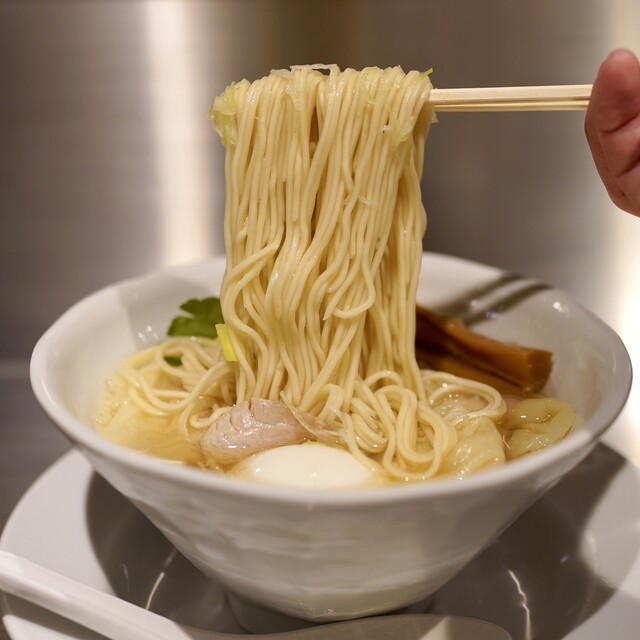
Seijo Seika is a six-seat ramen counter in residential Setagaya, earning Tabelog 100 - Ramen - TOKYO recognition every year since 2021 at under ¥1,000 per bowl. No reservations, no website, cash-only service; just technically focused ramen in a relaxed neighborhood setting, open until midnight most nights and 1 AM on weekends.
Shio Ramen Shinka 2nd
Tokyo, Japan
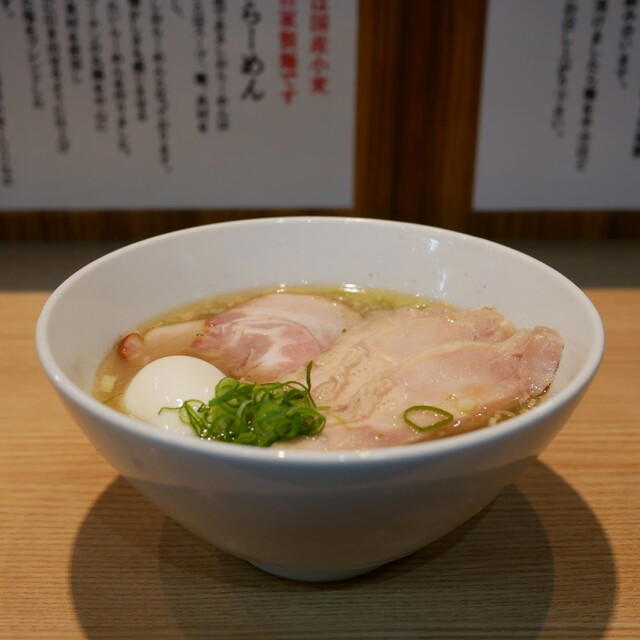
A no-frills Machida ramen counter that earned back-to-back Tabelog 100 nods for its mineral-clean shio broth and sub-¥2,000 bowls. No reservations, cash or QR only, and a 20-minute walk or bus ride from Tsurukawa Station; worth the trek if you prioritize technique over location.
TAKUMA
Tokyo, Japan
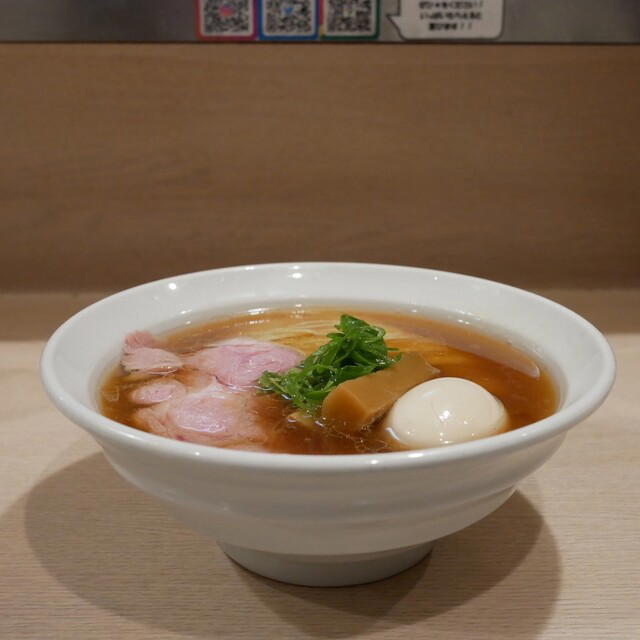
TAKUMA is a 12-seat ramen counter in Hachioji, 40 kilometers west of central Tokyo, selected for Tabelog's Ramen 100 in 2022, 2024, and 2025. Bowls cost under ¥1,000, no reservations accepted, and the shop runs cash-only. The chef's father operates Chuka Soba Goemon nearby, and ingredient sourcing at this price point justifies the train ride from Shinjuku.
Chuka Soba Shibata
Komae, Japan
Ranked #1 bowl in Japan by Ramen Beast's 2025 list, Chuka Soba Shibata serves its Tokusei Chuka Soba from a quiet residential address in Komae; roughly 25 minutes from Shinjuku on the Odakyu Line. Walk-in only, early arrival advised. For serious ramen travelers, no Tokyo trip built around food should skip it.
Chuka Soba Nishino
Tokyo, Japan
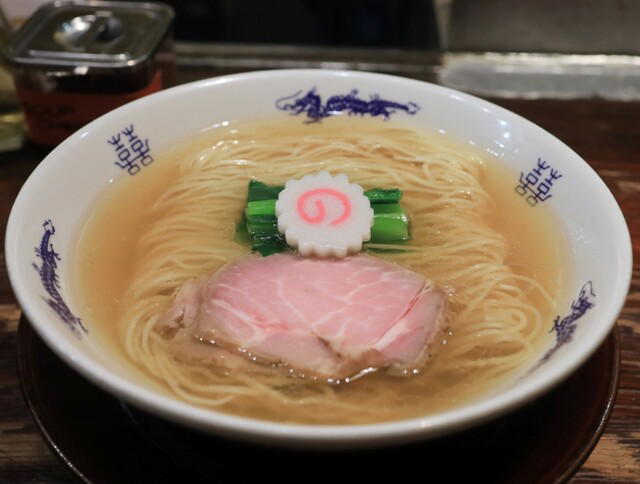
An 11-seat ramen counter in Hongo that has earned seven consecutive Tabelog 100 selections since 2018, serving chuka soba under JPY 2,000. The format is counter-only, cash-only, no reservations; arrive at 11 AM or 6 PM when service begins to avoid a wait.
Ramen Koike
Tokyo, Japan
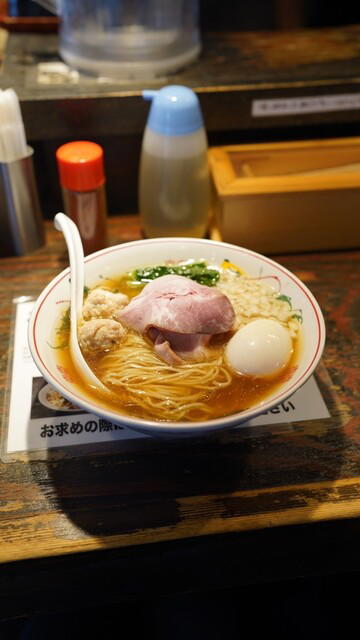
An 11-seat Setagaya counter serving shoyu-forward ramen at JPY 1,000–1,999, selected for Tabelog 100 Tokyo Ramen since 2018. Walk-in only, best visited weekday lunches to avoid 30+ minute waits on weekends.
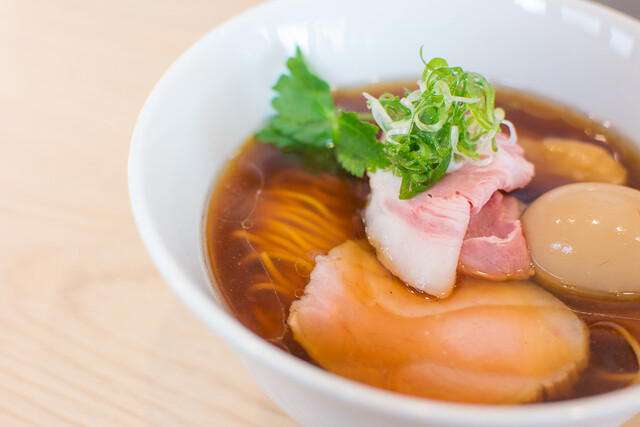
Ramen MAIKAGURA
Tokyo, Japan
Ramen MAIKAGURA in Setagaya has earned Tabelog Ramen TOKYO 100 recognition every year from 2020 through 2025, serving ingredient-driven bowls at JPY 1,000–1,999 from a seven-seat counter. The shop takes no reservations, accepts cash only, and often closes early when stock runs out, making early arrival and exact change essential.
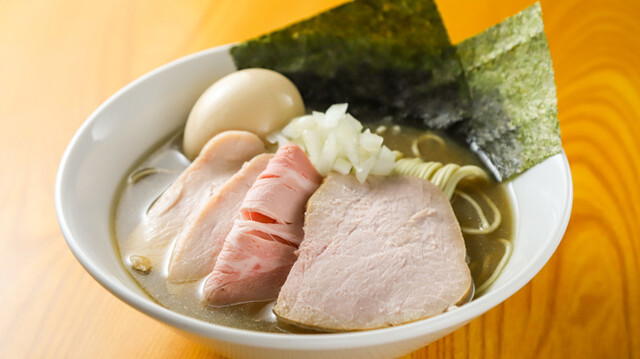
Chuka Soba Chigonoki
Tokyo, Japan
Seven-time Tabelog 100 ramen shop in Kamiochiai serving additive-free niboshi (dried sardine) broths at JPY 1,000–1,999. Walk-in only, 10 seats, seasonal specials May–October. Four-minute walk from Ochiai Station; family-friendly, stroller-accessible, closed Mondays and Fridays.
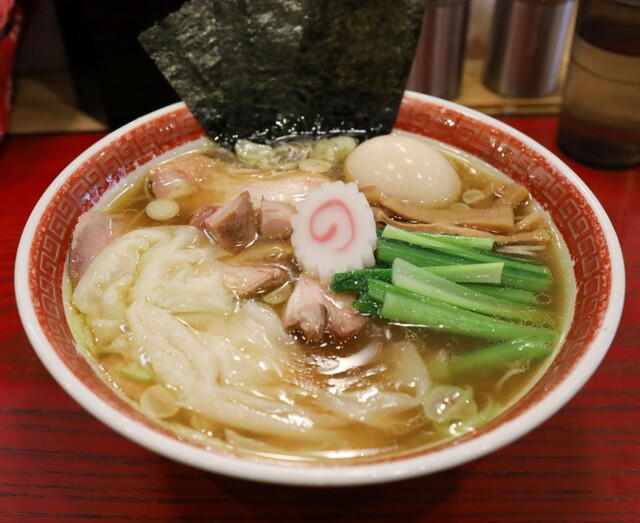
Mensouan Sunada
Tokyo, Japan
A six-seat counter in quiet Sugamo serving Tabelog 100–recognized ramen since 2021, priced at JPY 1,000–1,999 per bowl. Walk-in only, open 8:00 AM–2:30 PM Tuesday through Sunday (closed Monday and Thursday), with no phone, no website, and a format built for solo diners who want award-tier bowls without the central Tokyo lines.
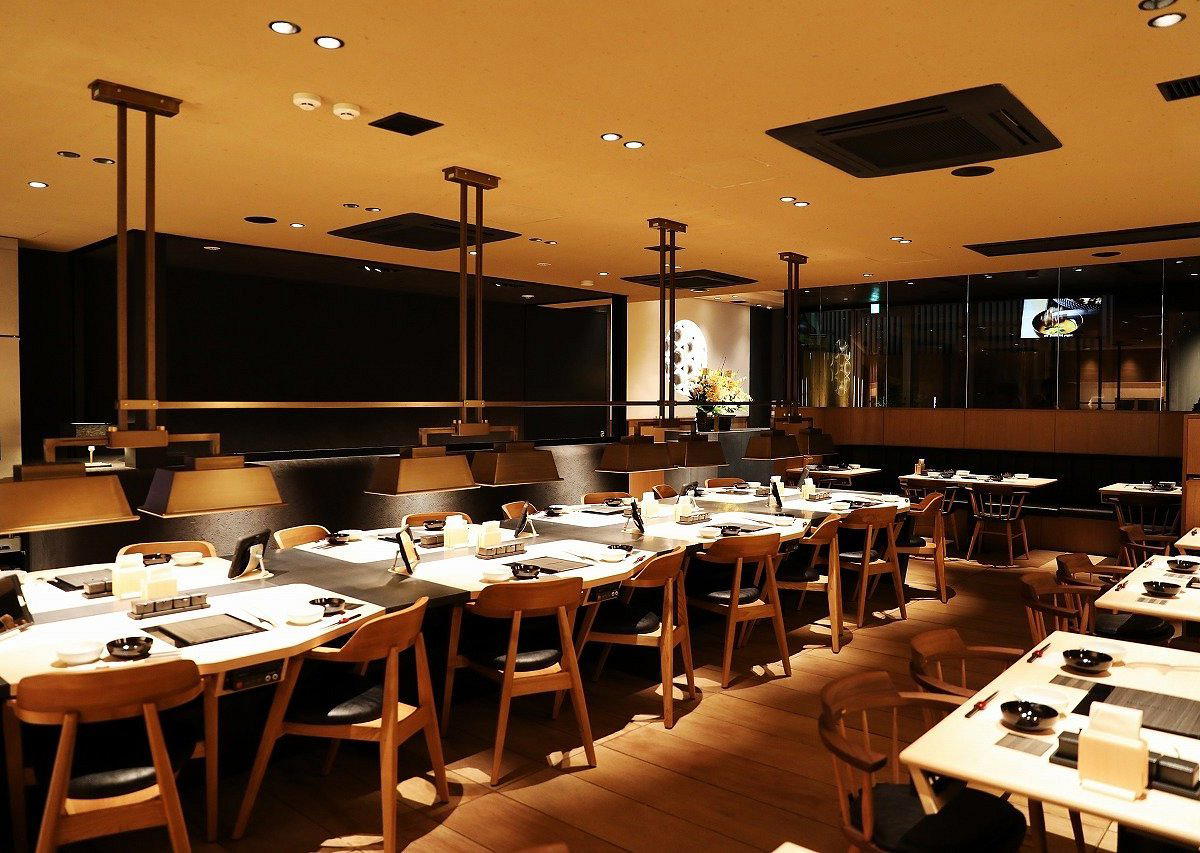
Ramen Yamaguchi
Tokyo, Japan
Ramen Yamaguchi has held a place on the Opinionated About Dining Casual Japan list for three consecutive years, making it one of the more credentialed walk-in ramen stops in Shinjuku City. It is the right call for solo diners and food-focused travelers who want a technically serious bowl without a reservation. Open daily from 11 am, with walk-in queuing the standard format.
Ramen 1/20
Tokyo, Japan
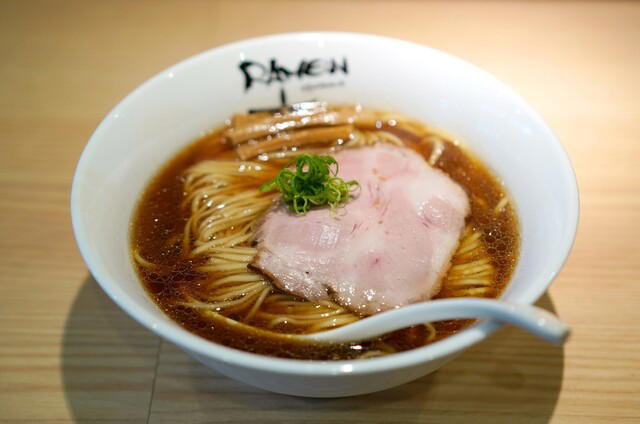
Tabelog 100 - Ramen - TOKYO (2019–2025) counter-only shop in Higashiogu Arakawa serving bowls under JPY 2,000. No reservations, six to eight seats, lunch-only most days with irregular Friday evenings. Solo operation on weekdays means limited capacity; arrive at opening or expect a queue. Cash only. Worth it for ramen specialists who can align with the schedule; skip if you need walk-in flexibility or are traveling in a group.
Kotobuki Seimen Yoshikawa Nishidai ekimae ten
Tokyo, Japan
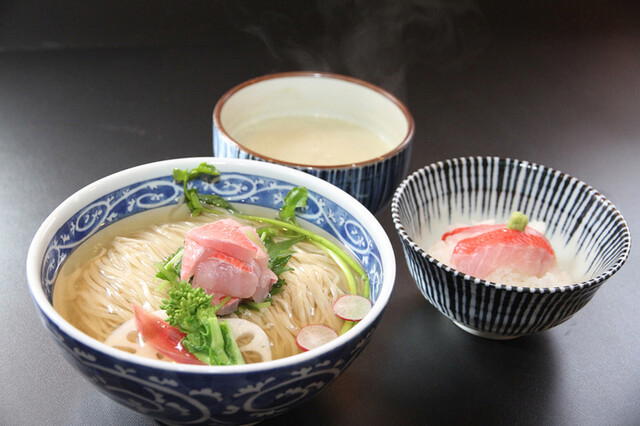
Seven-time Tabelog 100 ramen shop near Nishidai station, known for fish-forward broths and house-made noodles. The nine-seat counter runs walk-ins only, with most bowls under ¥1,000. Tsukemen and abura-soba formats show the kitchen's technique better than classic ramen.
Teuchi Kage Hinata
Tokyo, Japan
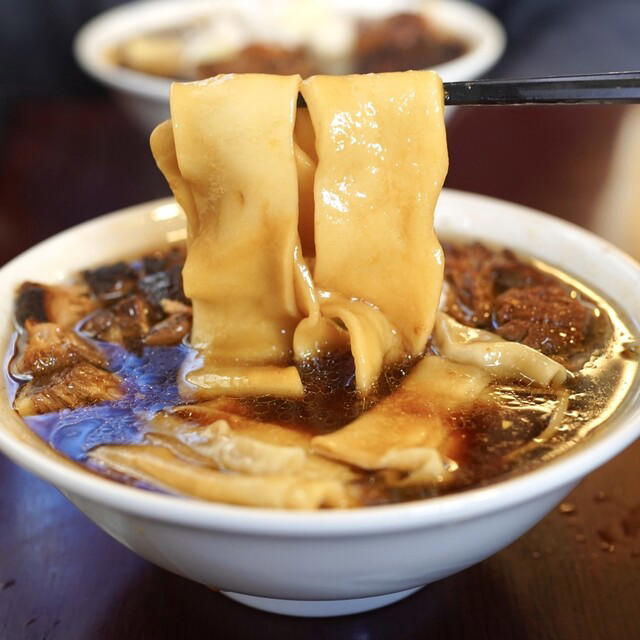
Hand-pulled ramen in a six-seat Fuchu shop that earned back-to-back Tabelog 100 nods within 18 months of opening. The format prioritizes noodle texture over broth complexity, with strict queue rules and a cash-only, four-hour service window. Best for solo diners and pairs willing to queue early; groups of three or more should expect longer waits. Comparable in price to Chuka Soba Hirai and Medika Soba Kingyo, but narrower in menu scope.
Tsuta
Tokyo, Japan
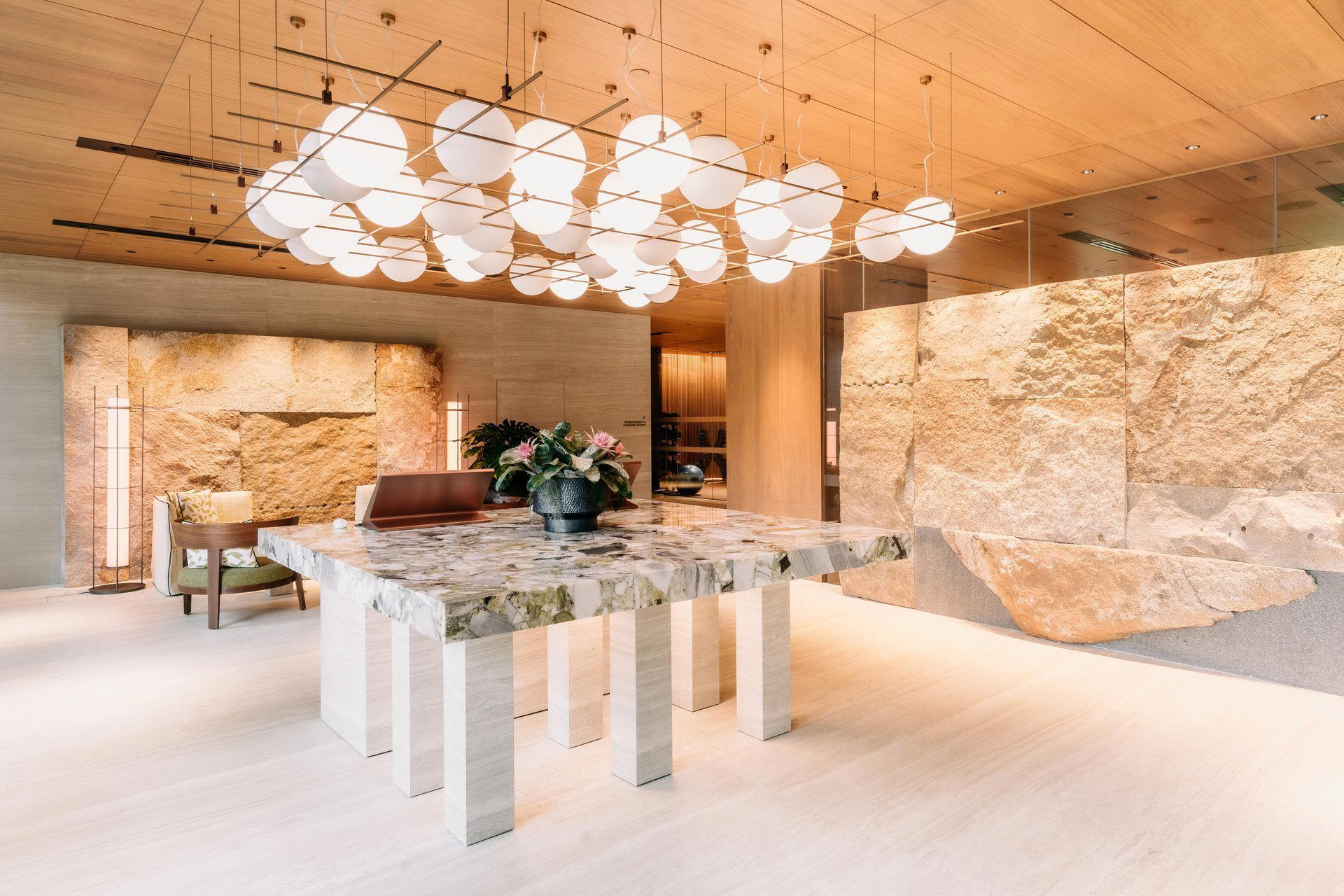
Tsuta is a Michelin-pedigreed ramen and soba kitchen in Yoyogi-Uehara, ranked on Opinionated About Dining's Casual Japan list for three consecutive years. Lunch only, 11am–3pm. The OAD consistency and Chef Yuki Onishi's background make it a justified detour for serious noodle seekers, with seasonal broth variation giving returning visitors a reason to come back.
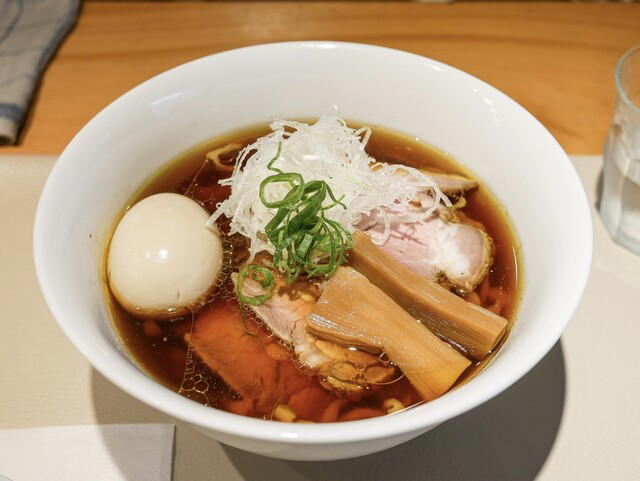
Kagaribi
Tokyo, Japan
A six-seat Shintomi counter earning consecutive Tabelog 100 spots (2024, 2025) for focused ramen execution. Walk-in only, tight service windows (lunch ends 2:30 PM, dinner 6-8 PM weekdays), and a 3.82 Tabelog score place it in Tokyo's mid-tier ramen category. Best for solo diners or pairs who value efficiency over atmosphere.
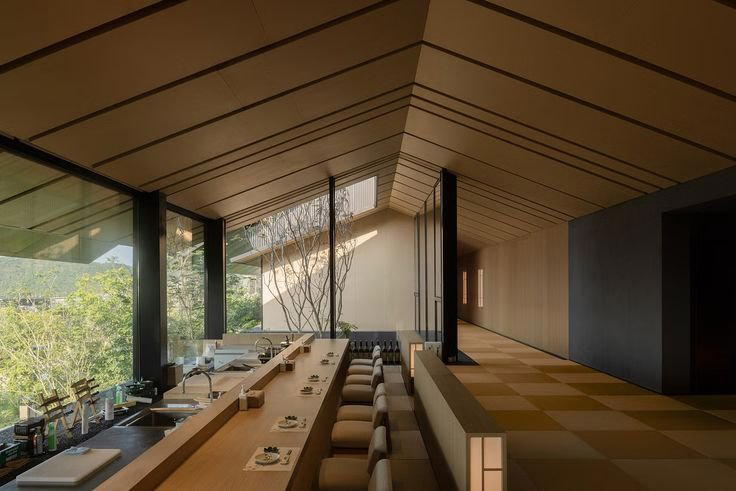
hatsune
Tokyo, Japan
A solo-chef Chinese restaurant in Meguro with a 2025 Michelin Plate and, Hatsune delivers careful noodle-led lunches and à la carte evening dining at a ¥¥ price point. The appetiser platter and Yellow Mapo Tofu with Seafood are the standout orders. Book ahead; it is small, and it is worth it.
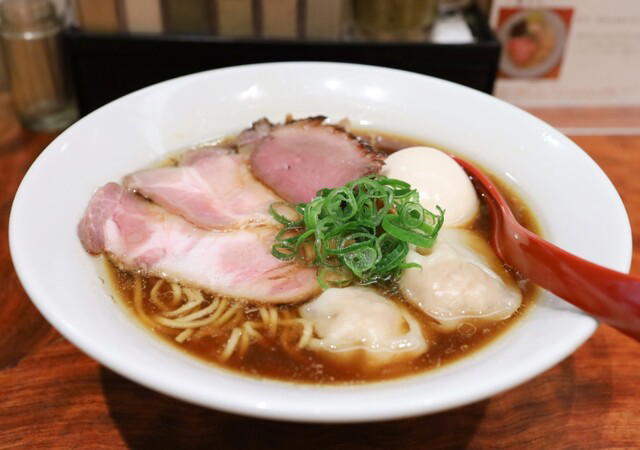
Sanmalo Toukyou ten
Tokyo, Japan
Seven-seat ramen counter in Uchikanda with back-to-back Tabelog 100 honors and prices under JPY 2,000. No reservations, weekday-only service, and minimal pre-visit information make this a low-commitment but high-uncertainty stop for ramen enthusiasts willing to queue.
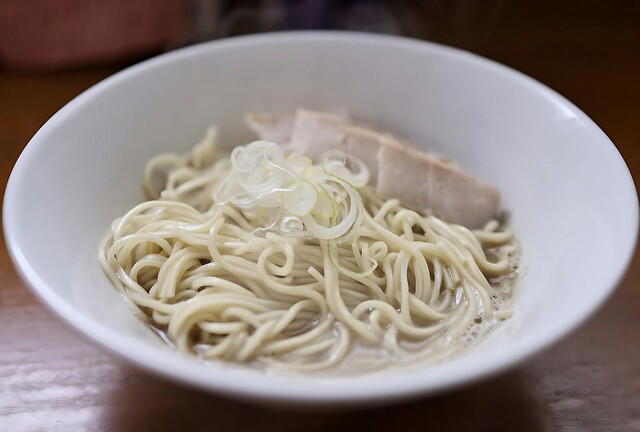
Chuka Sobaya Ito
Tokyo, Japan
Chuka Sobaya Ito earns its Tabelog Ramen TOKYO 100 spot (nine consecutive years) with sub-¥1,000 bowls served from an off-center Kita Ward address. The 12-seat shop closes when soup runs out; usually by 2:30 PM; making early arrival essential. Solo diners and value-hunters will find the trek from Oji-Kamiya Station justified by consistent execution and neighborhood pricing.
Ramen Sukoyaka
Tokyo, Japan
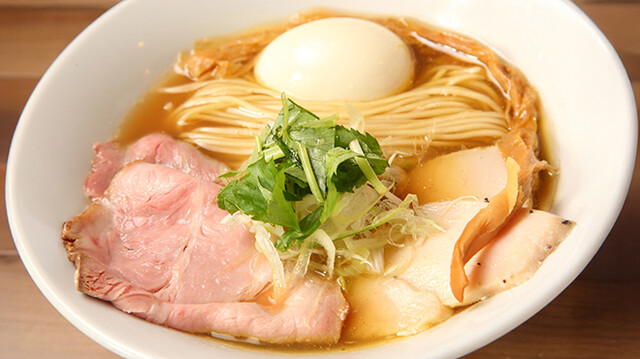
A nine-seat ramen counter near Mitaka Station that's earned six consecutive years on Tabelog's 100 list (2020–2025) despite bowls averaging JPY 1,000–1,999. The kitchen focuses on salt-based ramen with a shellfish-chicken broth and homemade tsukemen, delivering technical consistency in a no-frills, family-friendly setting. Cash only, no reservations, open since 2017.
Menya Shichisai
Tokyo, Japan
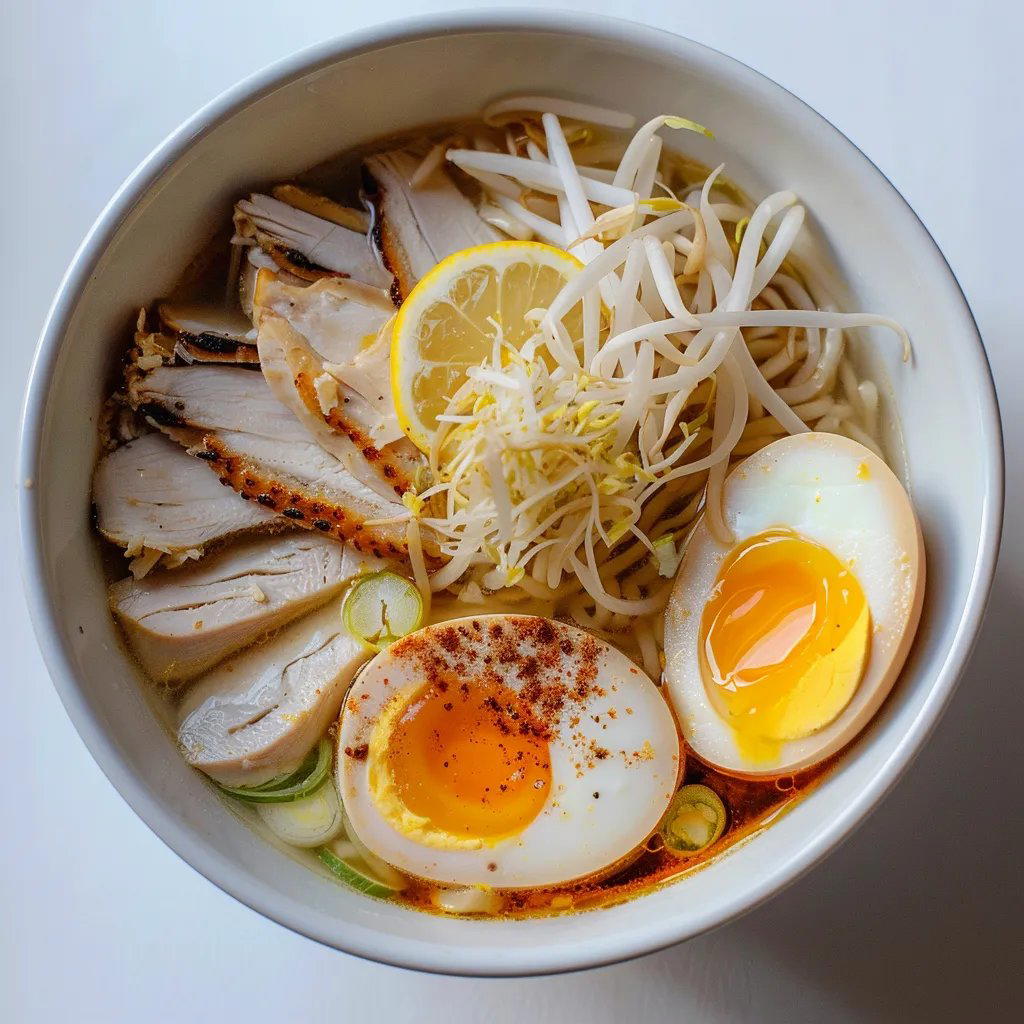
Menya Shichisai has ranked in Opinionated About Dining's Casual Japan top 20 for three consecutive years, making it one of Tokyo's most consistently recognised ramen shops. Located in Hatchobori, it runs a split-shift schedule with no reservations required; walk in, queue if needed, and expect a focused, efficient bowl-first experience at a typical ramen price point.
Nishieifuku no Niboshi Bako
Tokyo, Japan
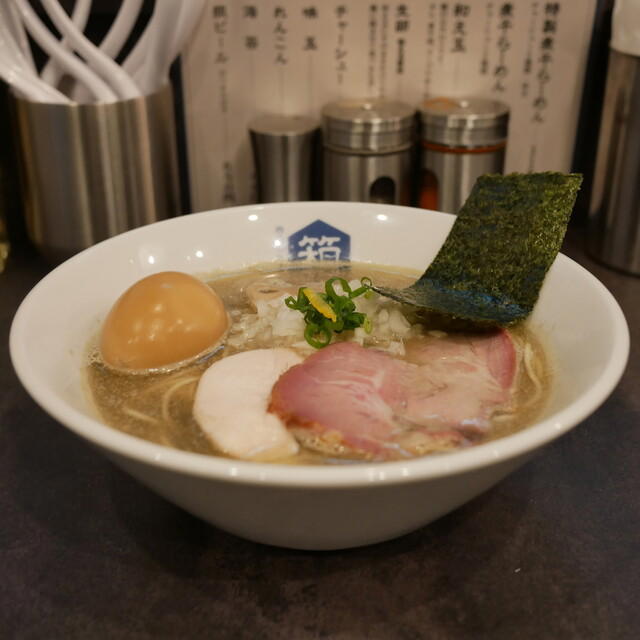
A Suginami counter shop earning four consecutive Tabelog 100 selections (2022–2025) for its restrained niboshi (dried sardine) ramen. Eight seats, no reservations, and JPY 1,000–1,999 bowls make it a straightforward but technically consistent stop for ramen enthusiasts willing to queue.
Menya Suzuharu
Tokyo, Japan
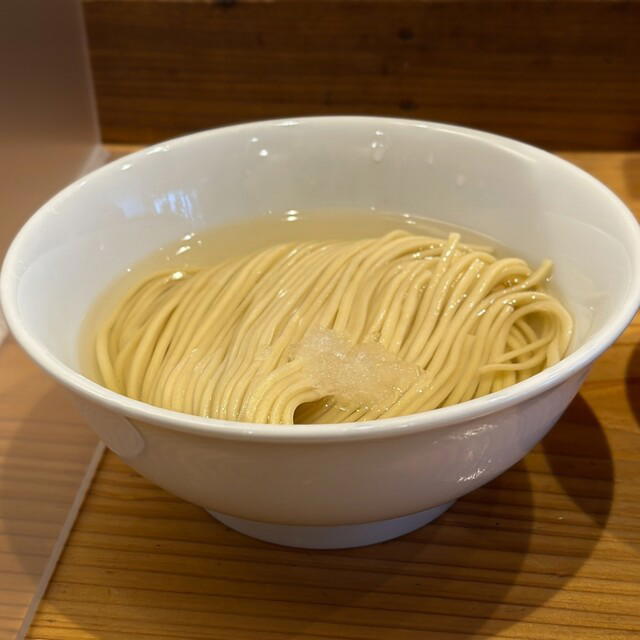
A Tabelog 100 ramen and tsukemen shop in Hongo, four times recognized since 2021, serving bowls at JPY 1,000–1,999 with weekend reservations and a daily ingredient cap. The 11-seat room fits solo diners and small groups, offering Tabelog-tier quality without the three-hour line or premium markup common among award-winning Tokyo ramen specialists.
Jikasei Chuka Soba Toshioka
Tokyo, Japan
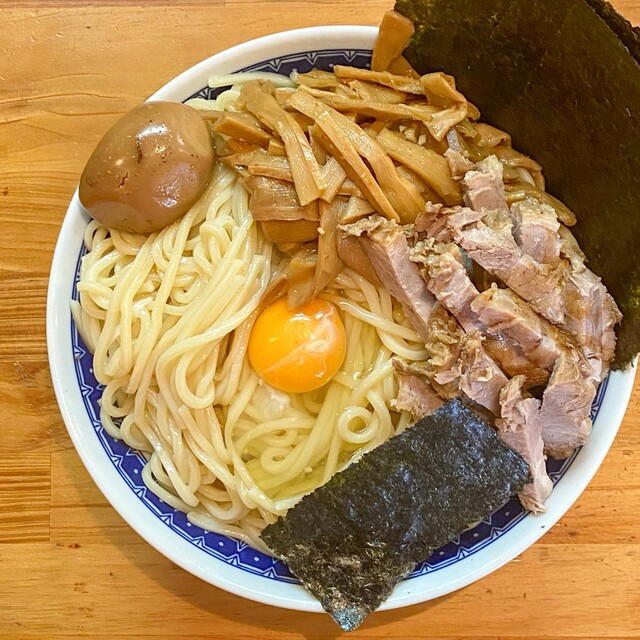
A Tabelog 100 Ramen Tokyo selection since 2019, this eight-seat counter shop near Waseda Station serves shoyu-based chuka soba for under JPY 2,000. The only known disciple of the Benten lineage, it rewards early arrival and solo diners willing to navigate a cash-only ticket vending machine.
Tsukemen Gonokami Seisakujo
Tokyo, Japan
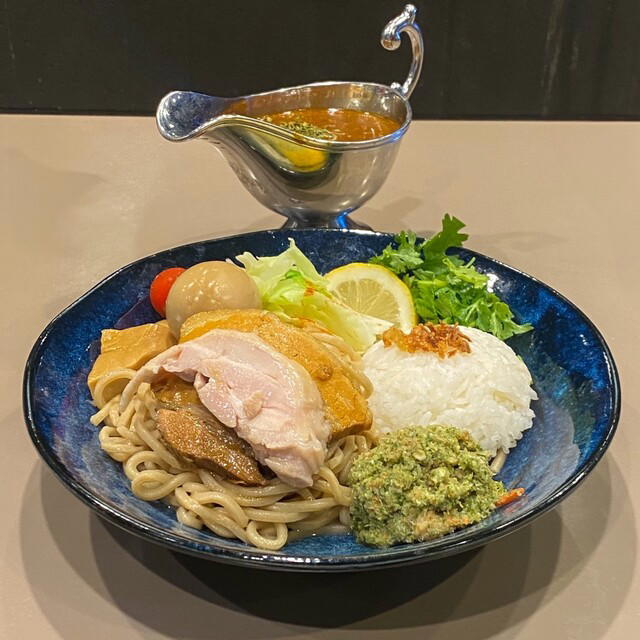
A 14-seat tsukemen counter near Shinjuku-sanchome Station, recognized on Tabelog Ramen TOKYO 100 from 2017 through 2025. Thick-cut wheat noodles and concentrated dipping broth at JPY 1,000–1,999, served ticket-machine style with no reservations. Reliable for solo diners and pairs; expect queues during weekday lunch.
Ramenya Toy Box
Tokyo, Japan
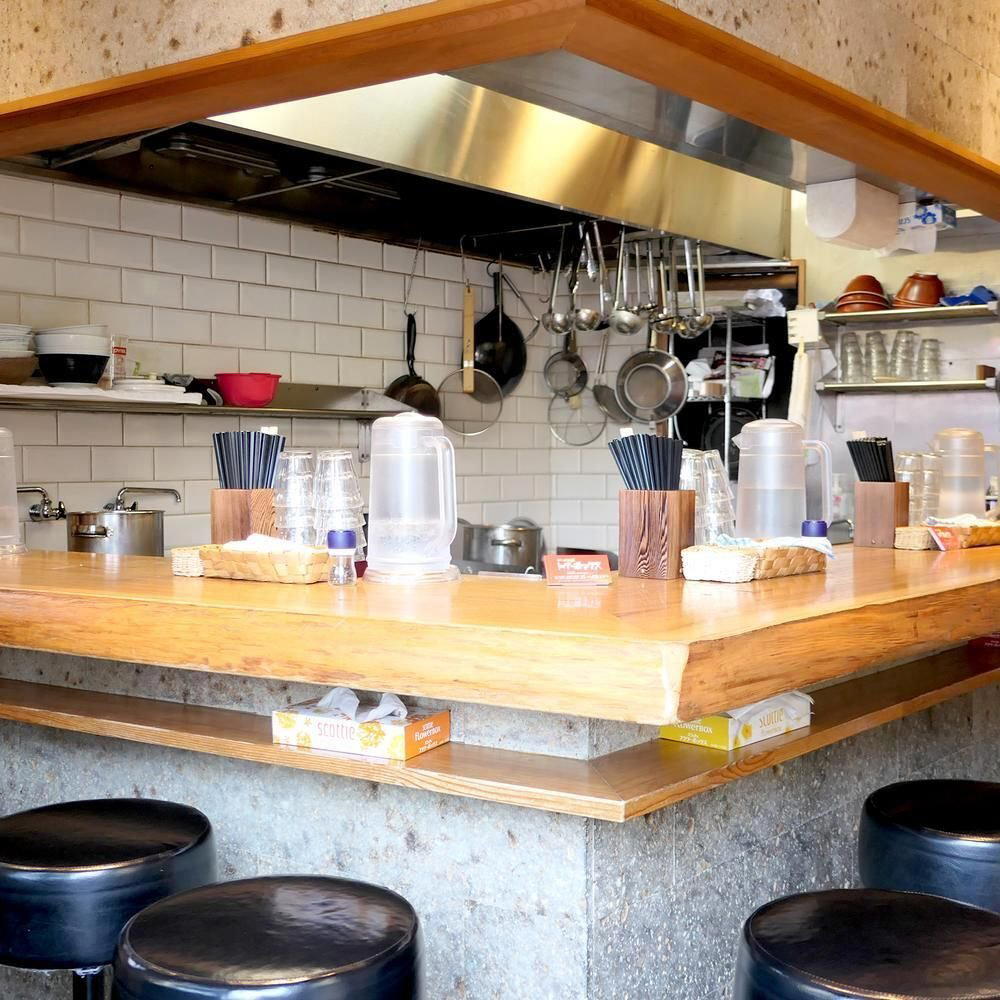
A 2024 Michelin Bib Gourmand ramen shop in Arakawa, Ramenya Toy Box serves a carefully constructed soy sauce ramen built from more than ten types of soy sauce. At a single ¥ price point with easy booking, it is one of Tokyo's clearest value cases for Michelin-recognised cooking. Go for the bowl, not the neighbourhood.
RAMEN MATSUI
Tokyo, Japan
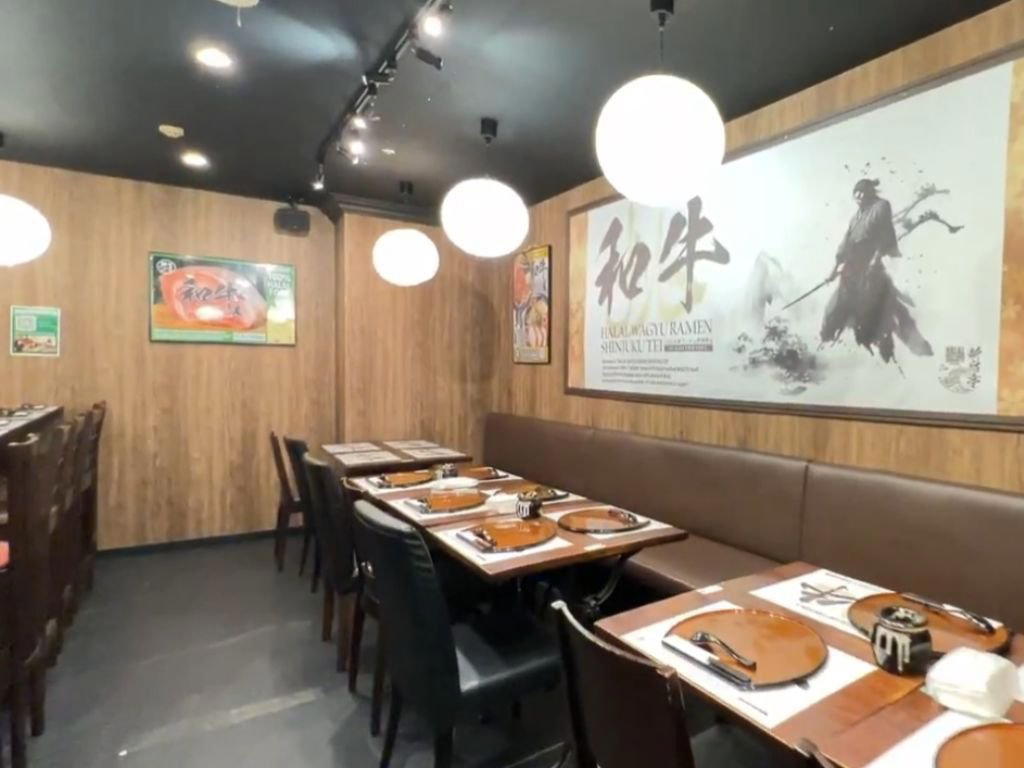
Ramen Matsui is a husband-and-wife ramen counter in Yotsuya, Shinjuku City, holding a 2024 Michelin Bib Gourmand for its soy sauce and sardine-based broth built on Hokkaido ingredients. At ¥ pricing with easy booking and, it is the most practical high-quality ramen decision in the area. Go for lunch; no reservation stress required.
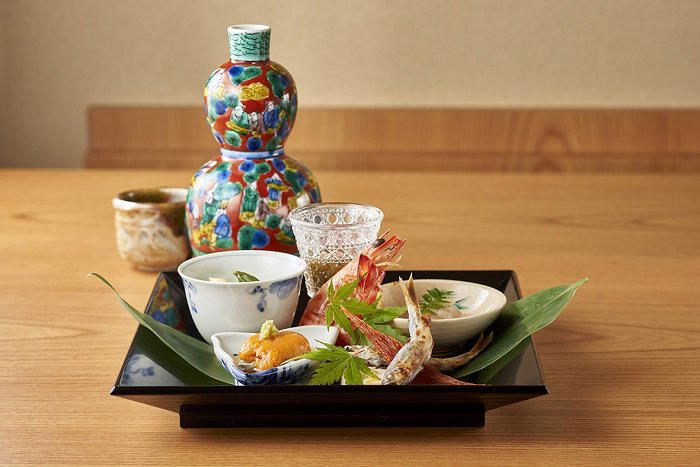
Shiosoba Jiku
Tokyo, Japan
At the ¥ price tier, it delivers one of the most credible quality-to-cost ratios in Tokyo ramen. Worth the journey from central Tokyo for anyone serious about the shio style.
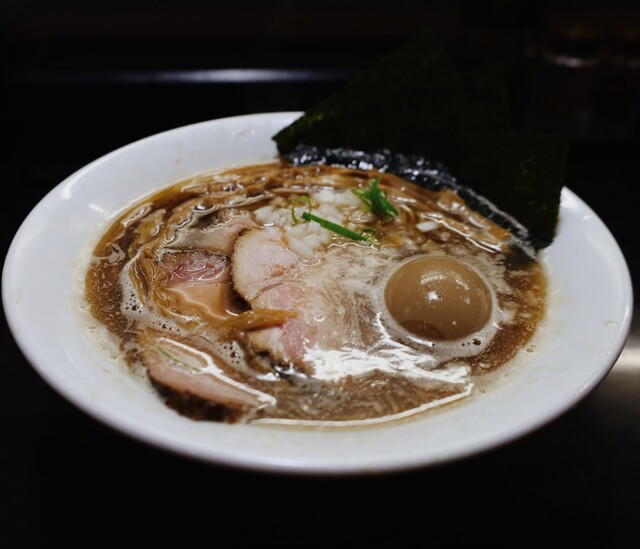
HARU
Tokyo, Japan
A seven-seat Shitaya ramen counter that has held a Tabelog 100 Tokyo spot for eight consecutive years. Bowls run under JPY 1,000, daily specials rotate based on market sourcing, and irregular hours announced via Twitter keep walk-in waits unpredictable. Counter-only seating and cash-only payment make this a solo or two-person proposition; patient eaters willing to check social media before heading in will find technique and value few Tokyo ramen shops match at this price.
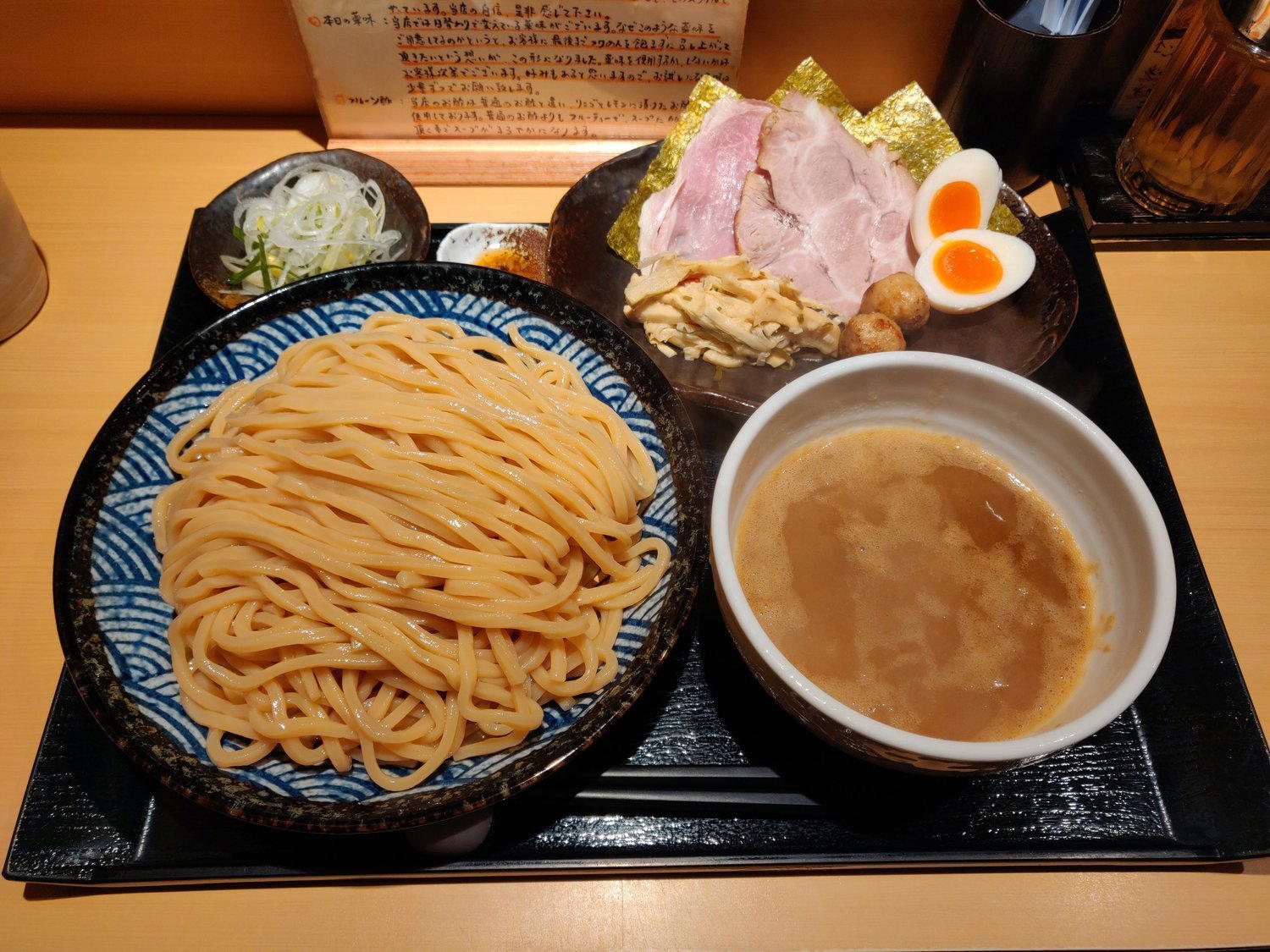
Tsukemen Michi
Tokyo, Japan
A Tabelog 100 Ramen honoree since 2017, this eight-seat counter in Kameari specializes in salt-forward tsukemen, served via vending-machine ticket and a weekday-rotation menu. Expect lines after 11 AM, especially weekends, but turnover is brisk; most diners finish in under 20 minutes. JPY 1,000–1,999, cash only, no reservations.
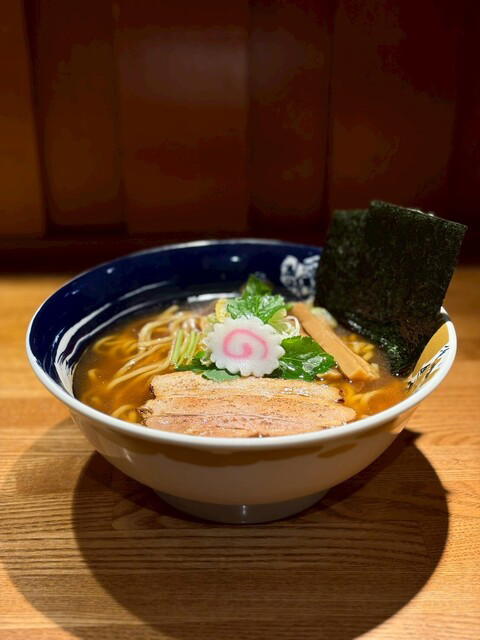
Tsukesoba Kanda Katsumoto
Tokyo, Japan
A 13-seat tsukemen counter in Jimbocho, selected for Tabelog 100 Ramen Tokyo four consecutive years. The house bowl pairs niboshi (dried sardine) broth with two noodle types; thin and flat; for under ¥1,000. No reservations, cash only, fast turnover. Best for solo diners or pairs seeking a high-quality, efficient lunch stop.
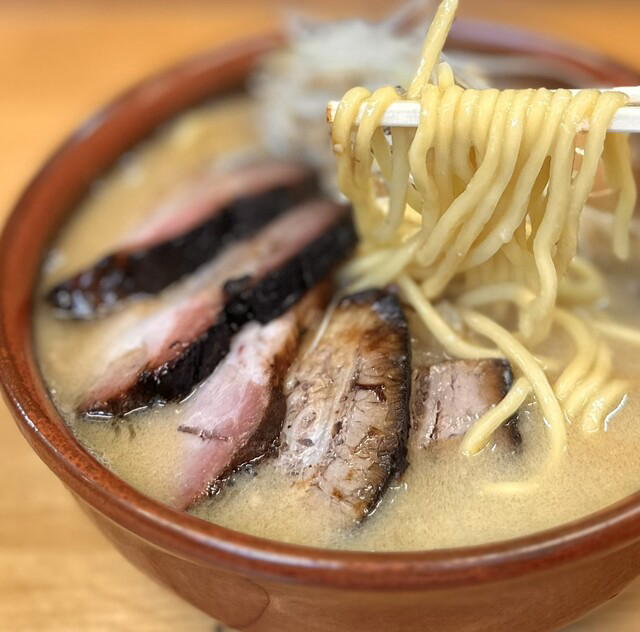
Misokko Fuku
Tokyo, Japan
A ten-seat miso ramen and tantan-men specialist in Ogikubo holding Tabelog 100 Ramen TOKYO status since 2021. Counter service, walk-in only, JPY 1,000–1,999 bowls, and double-shift hours (lunch and brief dinner window) make this a destination for ramen enthusiasts willing to queue. Arrives at the intersection of affordability and editorial credibility.
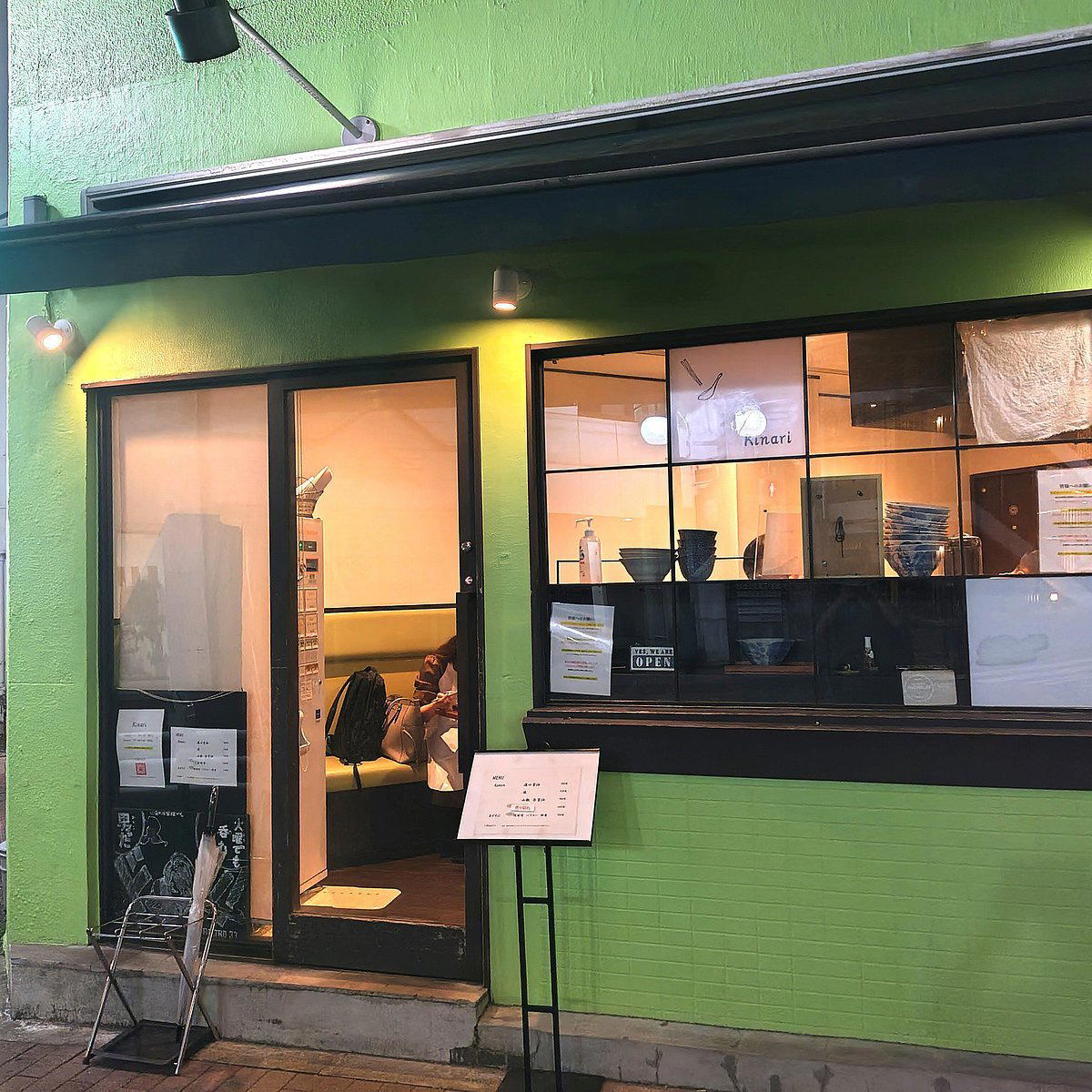
Mendokoro Kinari
Tokyo, Japan
Mendokoro Kinari is worth planning around if the goal is a serious but efficient Tokyo noodle meal. Lunch is the safer value play for most visitors, while dinner works better as a compact west-side stop. The Tabelog 100 #51 ranking in 2025 gives it a stronger trust signal than a casual counter usually offers.
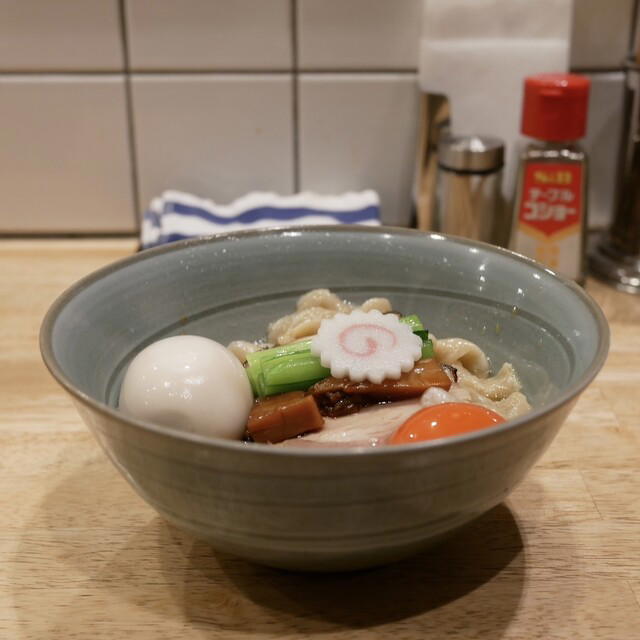
Dashi to Men Yuei
Tokyo, Japan
A Tabelog 100 ramen shop in Higashi-Koenji with a seven-seat counter, cashless-only payment, and a strict no-phone policy during meals. Bowls run under JPY 999, offering technically refined execution at an accessible price. Weekend service moves to reservation-only from April 2026; weekdays remain first-come, first-served. Expect long waits if you arrive without a booking, and a service format that prioritizes focus over flexibility.
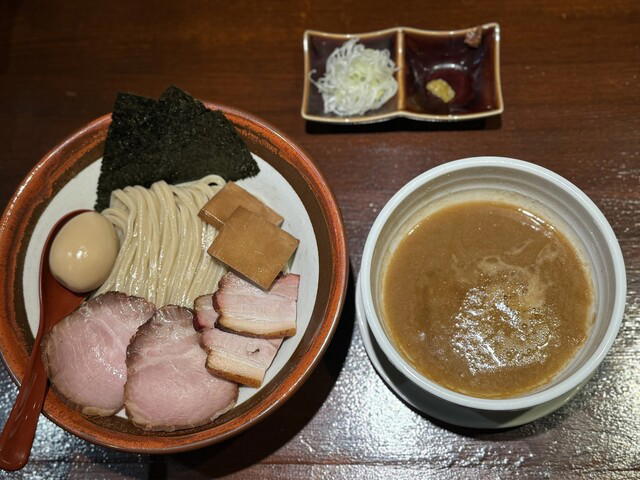
Chonan Hosono Takashi
Tokyo, Japan
A Tabelog 100 tsukemen specialist (2023–2025) serving dipping noodles at an eight-seat counter near Ekoda Station. At JPY 1,000–1,999 with a no-reservation, cash-only policy, it delivers award-level quality at neighborhood pricing; but expect waits of 30–45 minutes during peak lunch and weekends.
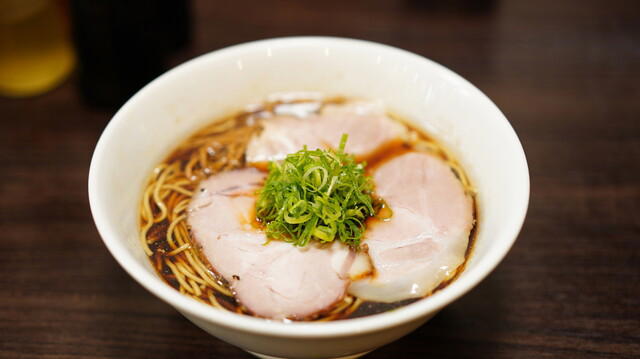
Kashiwagi
Tokyo, Japan
A nine-seat ramen counter in Higashi-Nakano, selected for Tabelog 100 every year since 2018. Lunch-only service keeps bowls under JPY 1,000, with no reservations and cash-only payment. Solo diners and ramen specialists will find it more practical than groups.
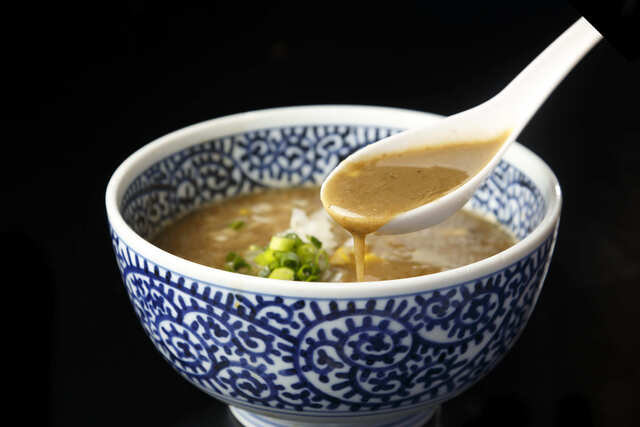
Niboshi Tsukemen Miyamoto
Tokyo, Japan
Kamata's nine-seat counter serves Tabelog 100-recognized tsukemen and ramen built around a sharp, oceanic niboshi broth. The menu runs JPY 1,000 to JPY 1,999, cash-only, with no reservations; timing and tolerance for sardine-forward flavors determine whether the trek west from central Tokyo pays off.
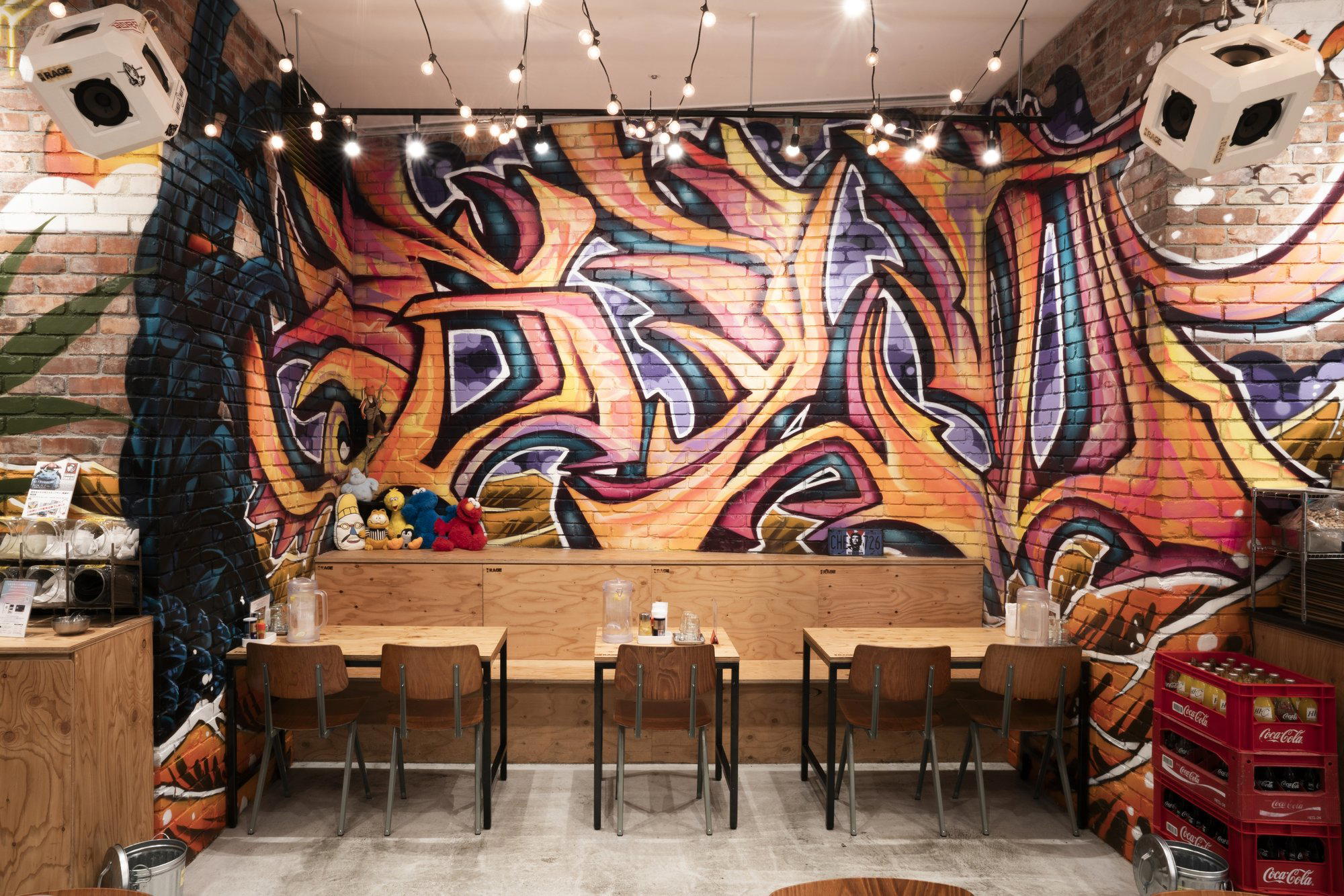
Menson Rage
Tokyo, Japan
Menson Rage works for a focused Tokyo lunch or early dinner when you want credible recognition without a formal occasion setup. It suits solo diners and pairs better than groups, and lunch is the cleaner first-visit choice. Cross-shop FRENCH CURRY SPOON or Curry Shop Fennel for clearer low-price value.
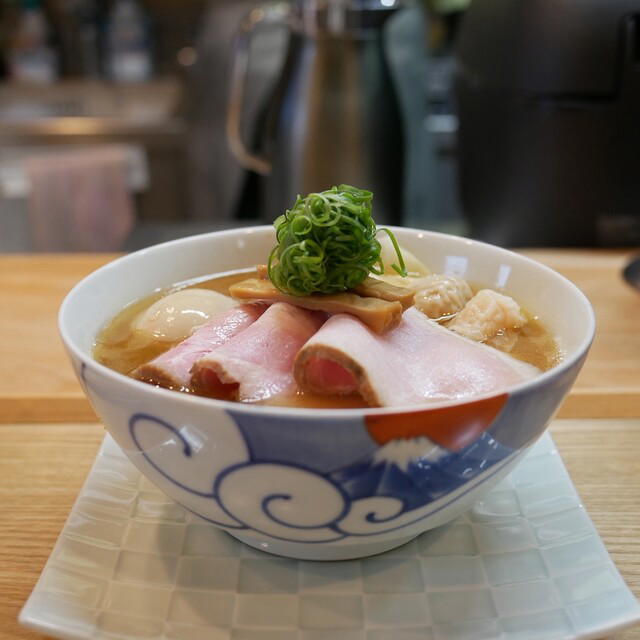
Sousakumen Hitosuji
Tokyo, Japan
Sousakumen Hitosuji is a daytime ramen target in Suginami for diners who want a focused Tokyo ramen stop rather than a polished special-occasion meal. It is strongest for solo diners and pairs with flexible lunch timing; choose a more central peer if convenience matters more than the detour.
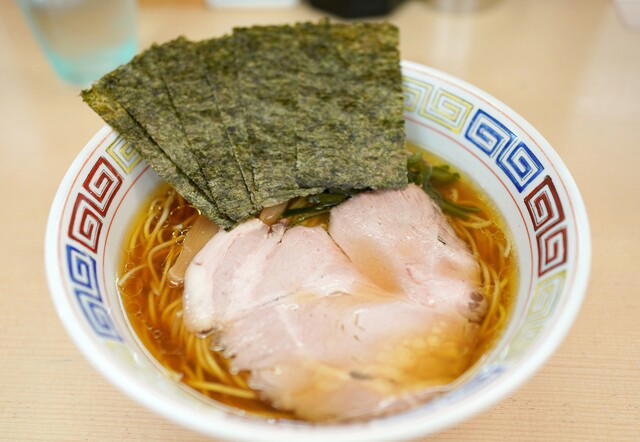
Niboshi Iwashi Ramen En Hachioji honten
Tokyo, Japan
Niboshi Iwashi Ramen En in Hachioji offers sardine-broth ramen at a seven-seat counter for JPY 1,000–1,999, earning eight consecutive Tabelog 100 Tokyo selections (2018–2025). Ownership changed in 2020, but the fish-forward focus holds. Walk-ins only, cash only; ideal for solo ramen enthusiasts willing to travel 10 minutes from Keio Hachioji station.
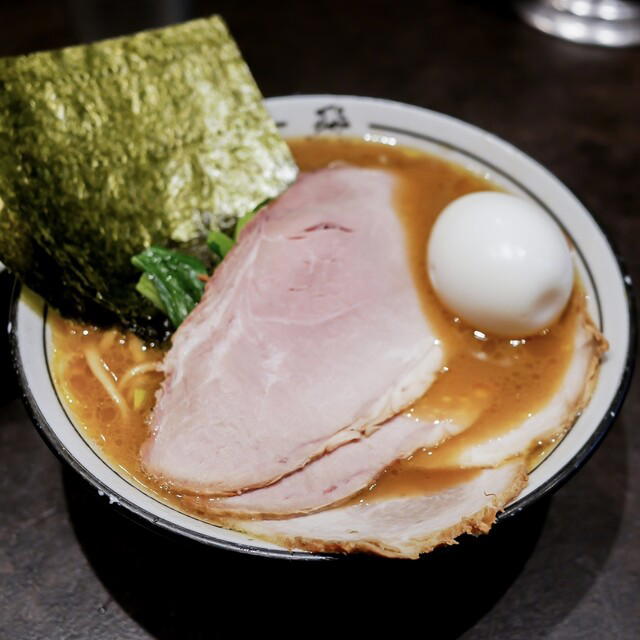
HIIKI
Tokyo, Japan
Walk-in ramen counter in Kamata with seven consecutive Tabelog 100 selections (2019–2025) and an eight-seat setup. At JPY 1,000–1,999 per person, it delivers award-level quality without reservations or multi-hour waits. Best for solo diners and pairs who want a quick, high-quality meal; go at lunch to avoid dinner lines.
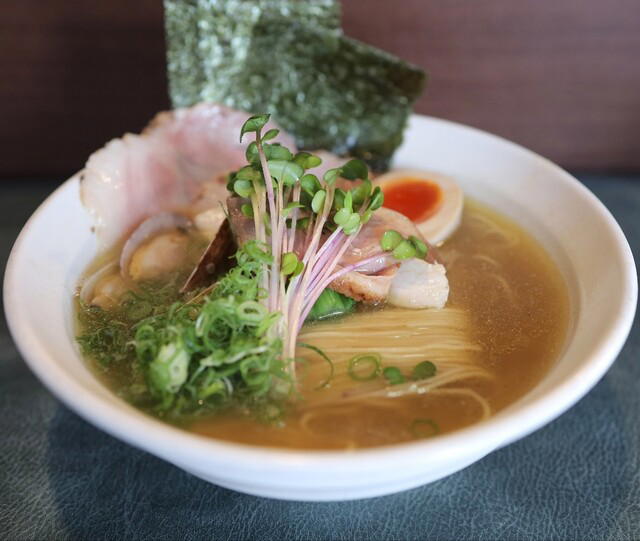
Medika Soba Kingyo
Tokyo, Japan
Tabelog Ramen TOKYO Hyakumeiten (Top 100) three years running, this seven-seat counter in Hino serves daily-rotating medaka or niboshi soups for under JPY 2,000. No reservations, Thursday–Sunday only until 3 PM or sell-out. Lines form early; check Instagram for the day's soup before the trip out.
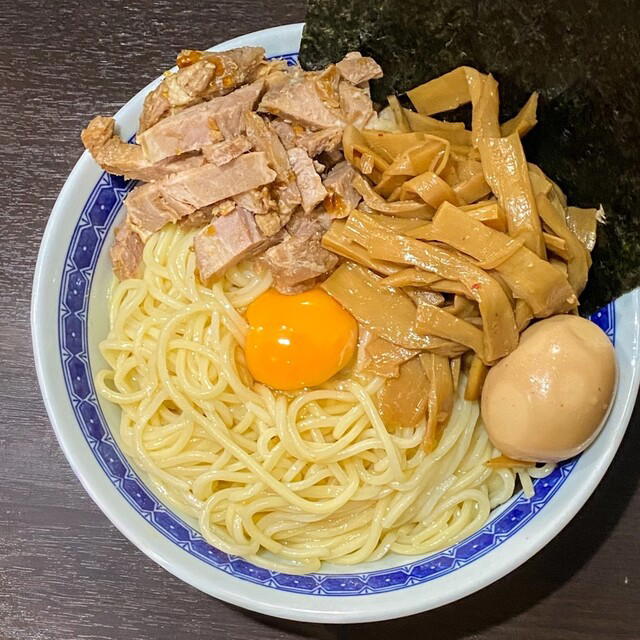
Chuka Soba Benten
Tokyo, Japan
Walk-in-only ramen counter in Nerima's Asahicho district, recognized on Tabelog's Ramen TOKYO "Tabelog 100" list every year since 2018. Chuka soba and tsukemen run ¥1,000–¥1,999 per bowl, cash only, 11 counter seats, and the shop closes when soup runs out; often by 2:30 p.m. Queue early or expect to wait.
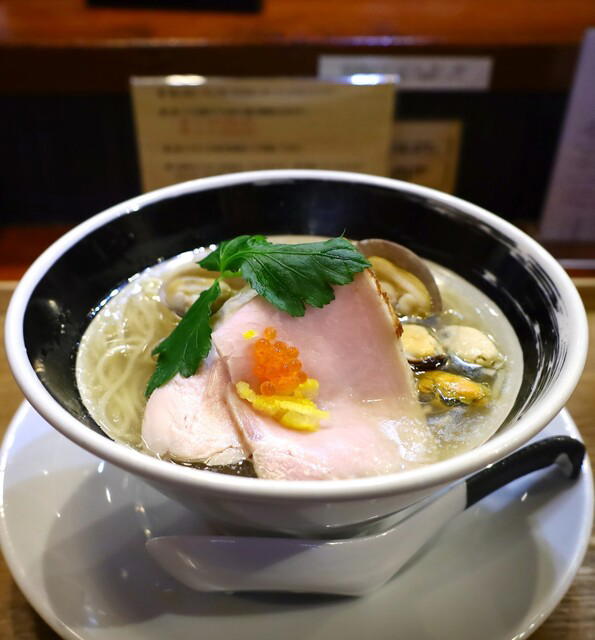
SOBA-Shiro Kuro
Tokyo, Japan
A six-seat ramen counter near Hachimanyama Station with six consecutive Tabelog 100 selections (2020–2025) and bowls under JPY 1,000 at dinner. No reservations, cash only, and a brisk walk-in queue that rewards early arrivals and solo diners willing to wait for careful broth work and consistent execution.
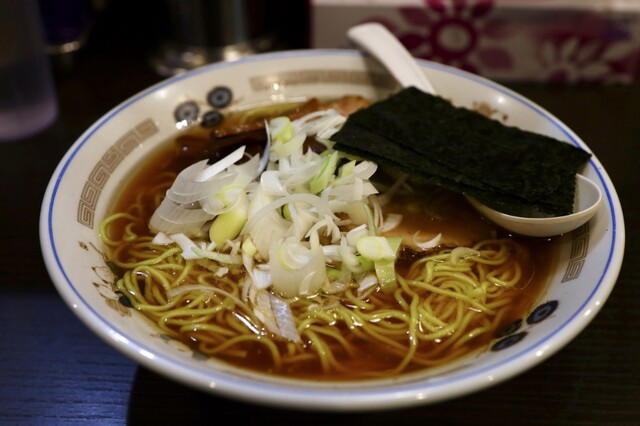
E-chan Shokudo
Tokyo, Japan
A 6-seat morning ramen counter in Meguro serving Tabelog 100–recognized bowls for under JPY 2,000. Opens at 6:00 AM and closes when ingredients run out (often by 10:30 AM, sometimes earlier). Walk-in only, cash only, counter seating only; best for solo diners and early risers who want neighborhood-level Tokyo ramen without the hype or price of better-known shops.
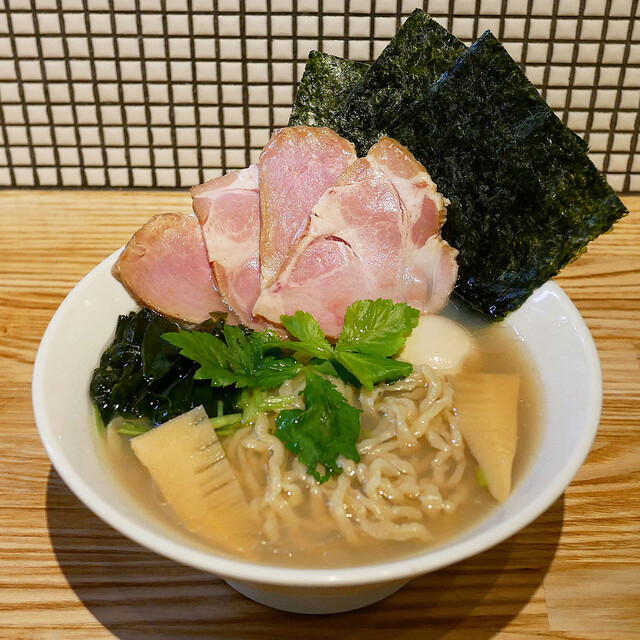
Ramen Kai
Tokyo, Japan
Counter-only ramen shop in Kuramae holding Tabelog 100 recognition since 2018, serving both ramen and tsukemen at JPY 1,000–1,999. Ten seats, no reservations, cash only; best for solo diners timing their visit around the split lunch/dinner service (closed 3–5:30 PM weekdays). The format prioritizes technical execution over atmosphere; arrive for the bowl, not the room.
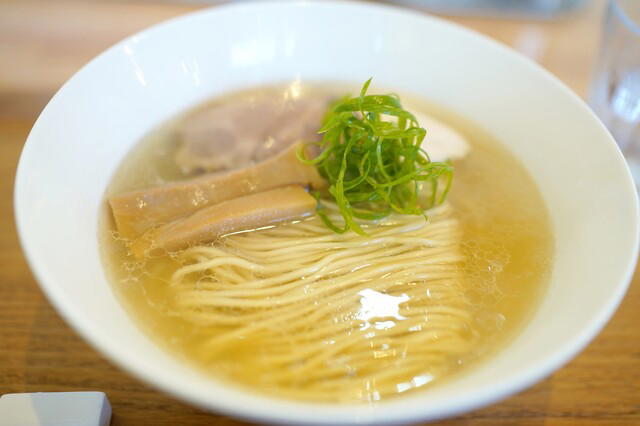
Ramen Go On
Tokyo, Japan
An eight-seat ramen counter in Nakano-ku that earned back-to-back Tabelog 100 selections (2024, 2025) while holding prices to JPY 1,000–1,999. Walk-in only, cash only, and often sold out by early afternoon; arrive before 11:30 AM on weekends or accept the risk of a closed door.
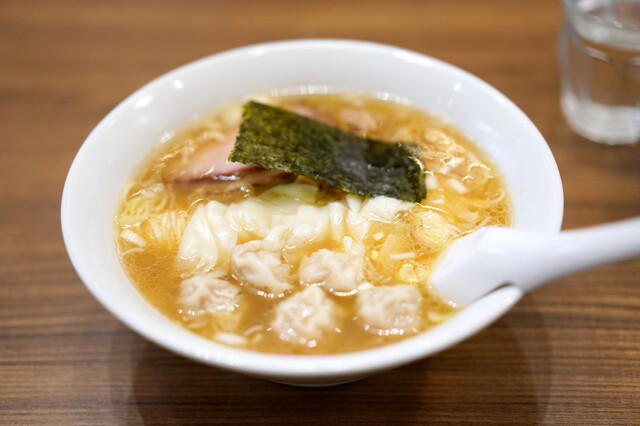
China Soba Osada
Tokyo, Japan
A Tabelog 100 ramen shop in Itabashi's Oyama neighborhood, open since December 2021 and recognized every year since 2022. Counter seating, tantanmen and tsukemen focus, JPY 1,000–1,999, no reservations. Worth the trip for technically precise bowls in a no-frills, locals-first setting far from Tokyo's tourist ramen circuits.
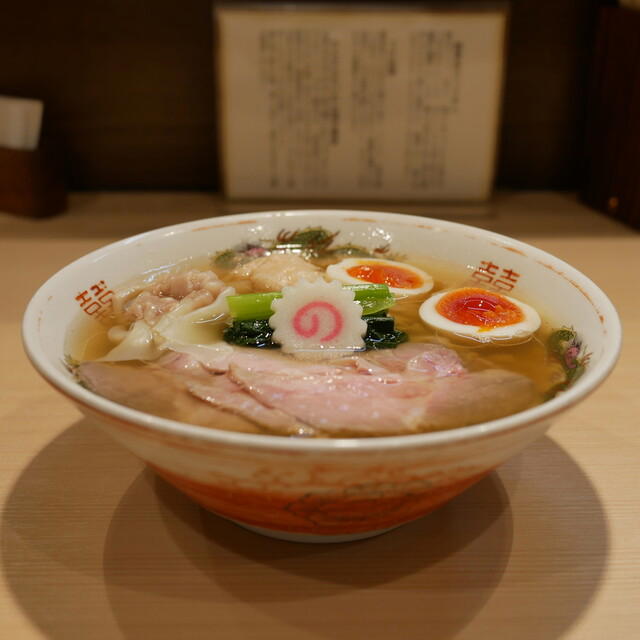
King Seimen
Tokyo, Japan
A 10-seat ramen counter in Kita City with six consecutive Tabelog 100 selections (2020–2025), offering ramen, tsukemen, and brothless tantan-men at JPY 1,000–1,999. Part of the Ramen Koike family, with technical precision and accessible pricing defining the value equation. Cash-only, no reservations, best visited during weekday lunch to avoid queues.
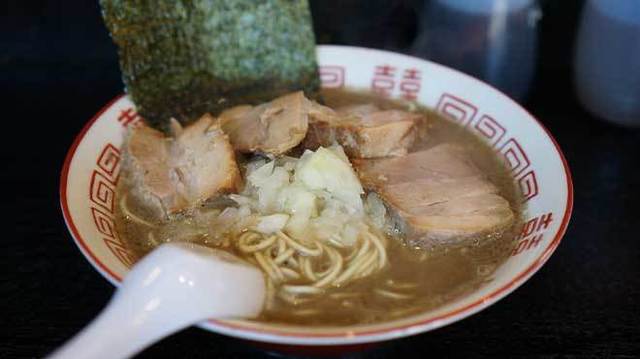
Chuka Soba Ibuki
Tokyo, Japan
An eight-seat Itabashi ramen counter serving Tabelog 100–recognized bowls for under ¥999. Soup sells out twice daily (lunch ~65 servings, dinner ~45), and the cash-only format keeps prices low while quality stays consistent. Walk in weekdays at opening; Saturdays require reservations.
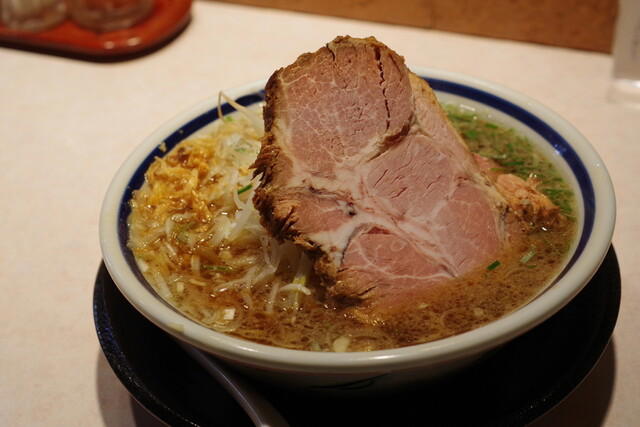
Kamu Nabi
Tokyo, Japan
A Tabelog Ramen 100 shop in Sendagi's residential quarter, Kamu Nabi holds its place on the list through steady quality and local following. Walk-in only, 13 seats, JPY 1,000–JPY 1,999 per head. Open until sold out Wednesday through Sunday, with the tightest queues at weekend lunch.
Japanese Ramen Gokan
Tokyo, Japan
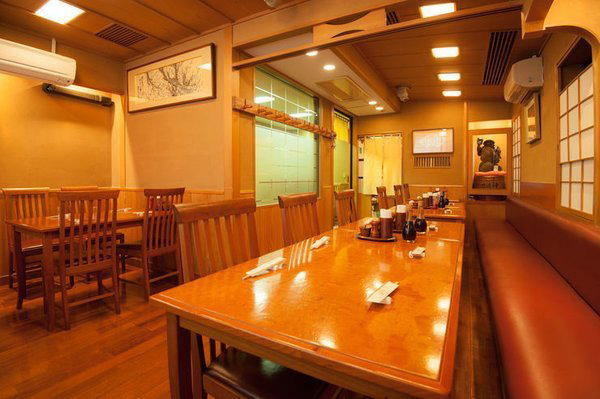
A ramen shop in Ikebukuro built around domestic Japanese ingredients, charcoal cooking, and handmade ceramic bowls. Two broths; clam-based salt and kombu soy sauce; both layered with multiple flavour sources. At ¥ pricing, it is one of the most thoughtfully constructed bowls in Tokyo for the money.
Iruka Tokyo
Tokyo, Japan
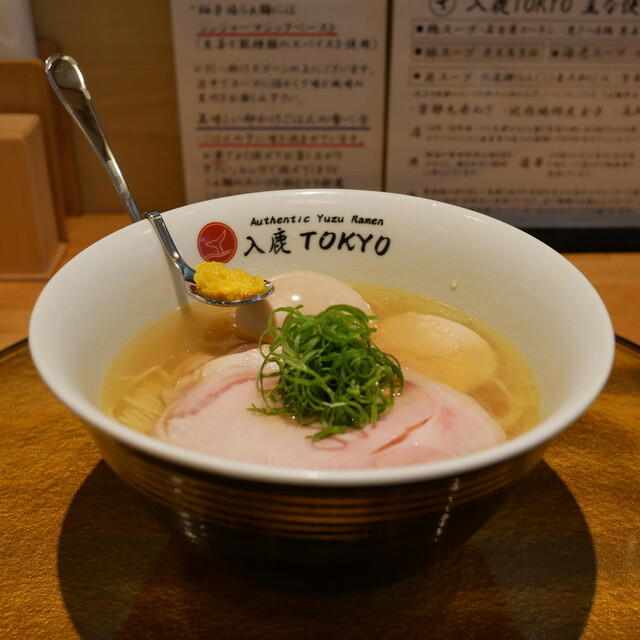
Tabelog Ramen TOKYO 100 honoree (five consecutive years) operating an eight-seat counter and takeaway service in suburban Higashikurume. Bowls run under ¥1,000 with limited dine-in hours Wednesday–Sunday. Worth the 30-minute train ride from central Tokyo if you're building a Tabelog 100 checklist and want proof that recognition doesn't require premium pricing; but the takeaway-first model and short service windows demand intentional planning.
Teuchi Mensai Kamei
Tokyo, Japan
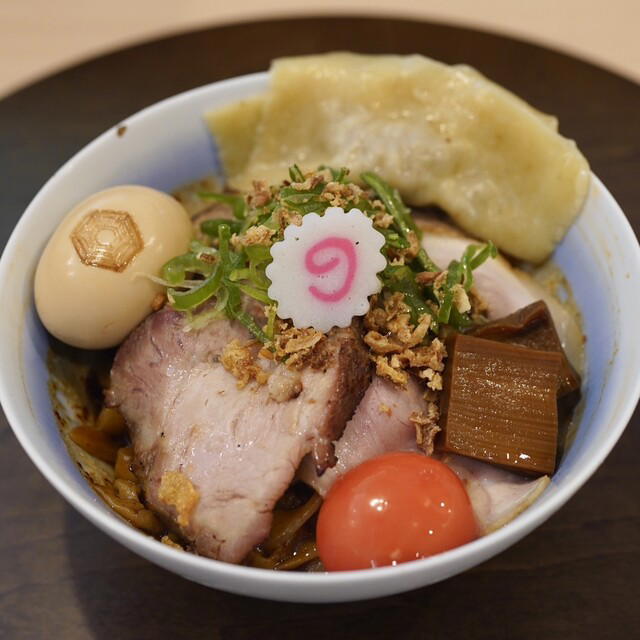
An eight-seat ramen counter in suburban Chofu earning four consecutive Tabelog 100 nods since 2022. Hand-cut noodles and JPY 1,000–1,999 bowls justify the thirty-minute trip from Shinjuku for ramen purists; walk-ins welcome most hours, though weekend lunch fills fast.
Menya Sho Honten
Tokyo, Japan
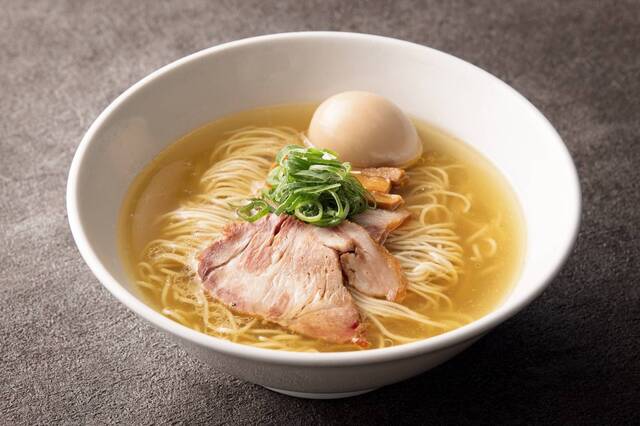
Menya Sho Honten serves chicken-driven ramen under ¥1,000 per bowl from an 18-seat Nishishinjuku counter, holding its Tabelog Ramen Tokyo 100 spot every year since 2017. Walk-ins work during weekday lunch; cash-only, counter seating only, and meals clock in around 30 minutes from order to exit.
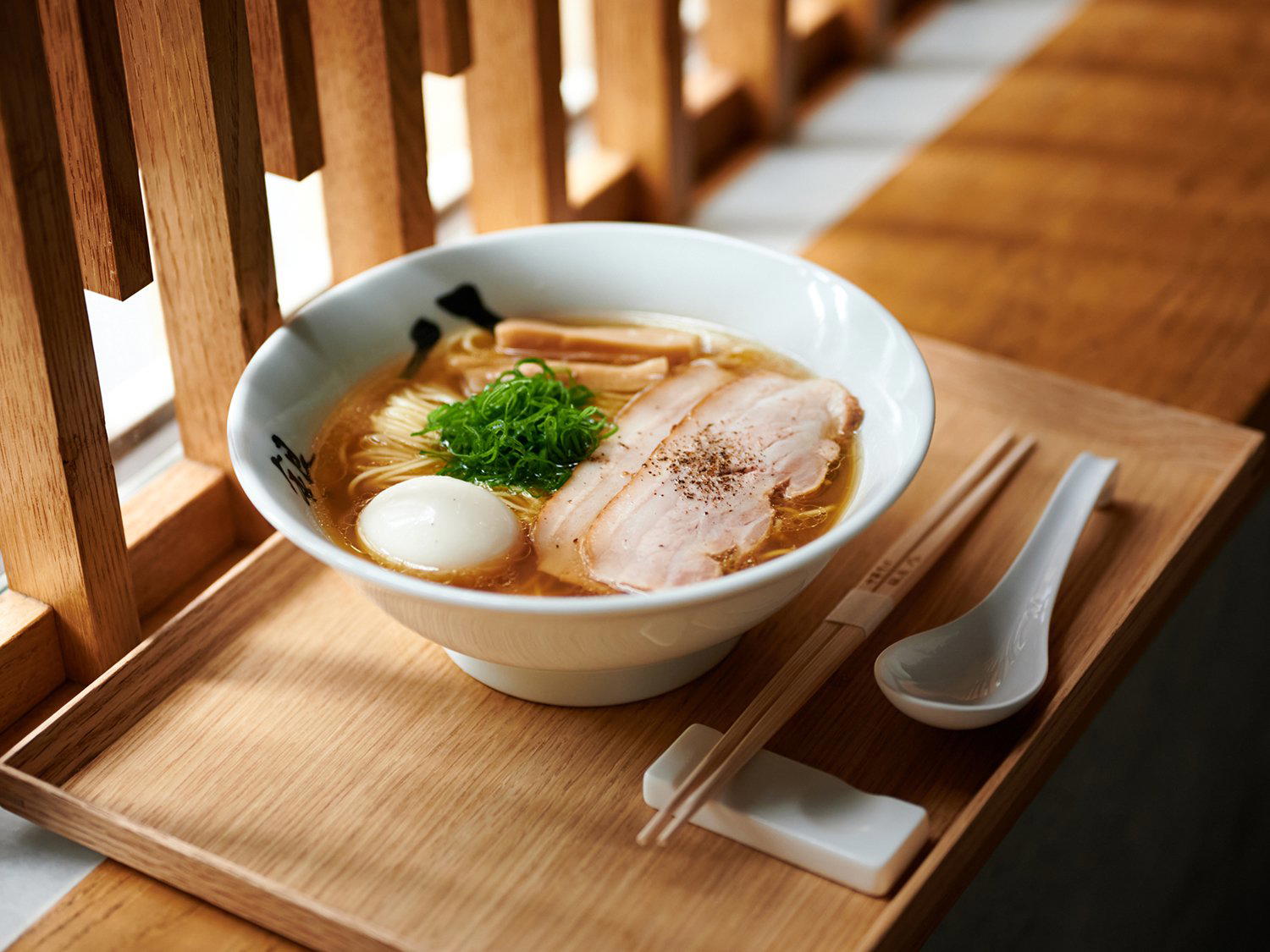
Chukasoba Ginza Hachigou
Tokyo, Japan
Ginza Hachigo is a smart pick for a focused Ginza meal, especially for solo diners or pairs who want the food to drive the decision rather than a long social setting. It carries meaningful third-party recognition, but group diners should compare nearby options before treating it as a celebration venue.
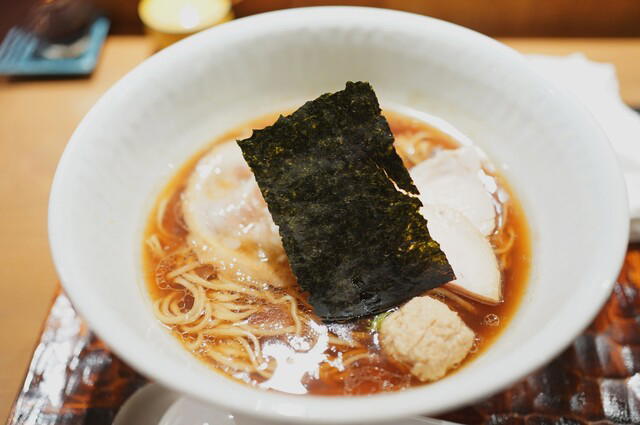
Motenashi Kuroki
Tokyo, Japan
A ten-seat ramen counter in Asakusabashi that earned back-to-back Tabelog 100 selections (2024, 2025) for its fish-focused broth. Walk-ins only, cash only, JPY 1,000–1,999 per bowl. Tight lunch hours (11 AM–3 PM) and no reservations mean you'll compete for counter seats, but the consistency and technique justify the effort if you're serious about ramen.
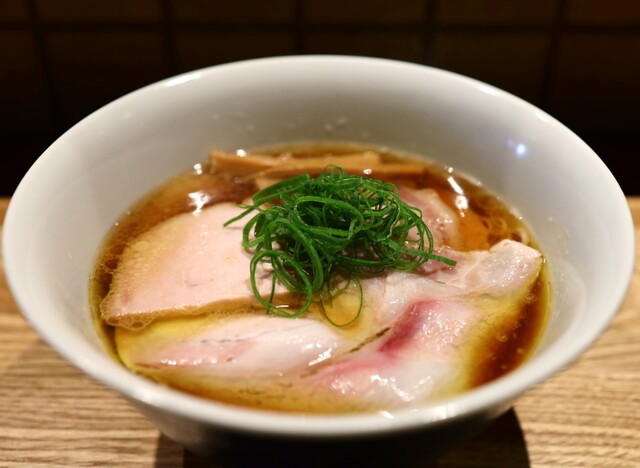
Men Fujisaki
Tokyo, Japan
Men Fujisaki is a 10-seat ramen counter in Kameido that has held Tabelog Ramen TOKYO Tabelog 100 status for two consecutive years (2024, 2025). At JPY 1,000–1,999 per bowl, it delivers award-tier ramen at roughly half the price of omakase-counter peers, with a walk-in-only format, cash-only payment, and family-friendly seating that accommodates solo diners and strollers alike.
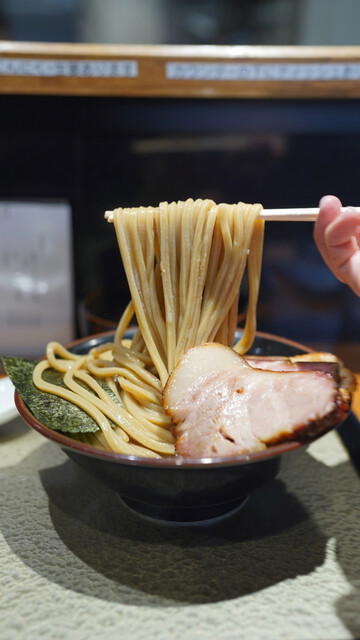
Chuka Soba Hirai
Tokyo, Japan
Book Chuka Soba Hirai for a focused, affordable Tokyo meal with real award signal: JPY 1,000 - JPY 1,999 and Tabelog 100 #77 in 2025. Skip it if the occasion calls for a long tasting-menu structure or extended service pacing; this is stronger as a value-led specialist stop.
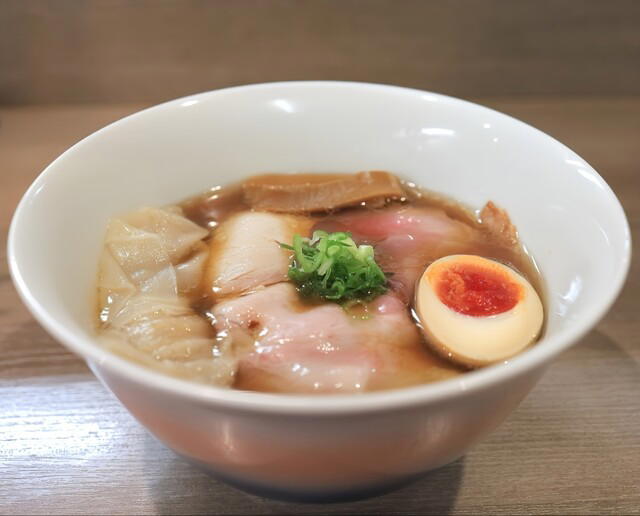
Chuka Soba Waka TOKYO
Tokyo, Japan
Kitashinagawa ramen shop holding seven consecutive Tabelog 100 placements (2019-2025) at JPY 1,000-1,999 per bowl. Counter and table seating for 19, no reservations, dual lunch and dinner service. One minute from Kitashinagawa Station, accepts major credit cards and IC payments.
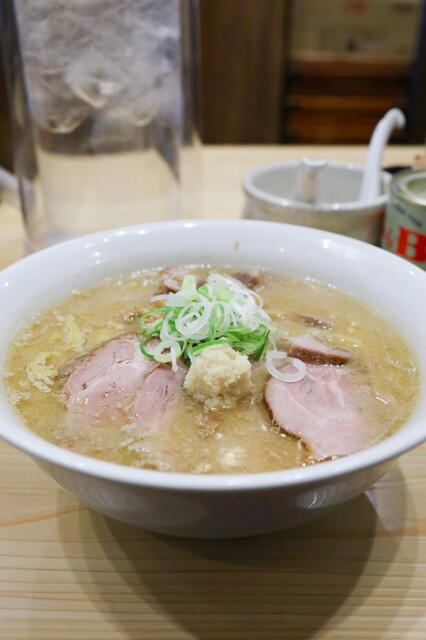
SAN TORA
Tokyo, Japan
SAN TORA brings Sapporo-style miso ramen to Yamabukicho with 17 years of Sumire lineage behind the bowl. At JPY 1,000–1,999, the shop offers straightforward value, no-reservation walk-in service, and five consecutive years on the Tabelog 100 - Ramen - TOKYO list. Arrive early, expect firm noodles in a rich pork-miso broth, and skip the weekend lunch rush for shorter waits.
MENSHO
Tokyo, Japan
A Tabelog Ramen TOKYO 100 mainstay since 2017, MENSHO serves ramen, tsukemen, and tantanmen without broth at an 11-seat counter near Gokokuji Station. Walk-in only, JPY 1,000–1,999, with seasonal menu shifts and fast turnover. Best for solo diners and pairs who want a satisfying bowl without reservations.
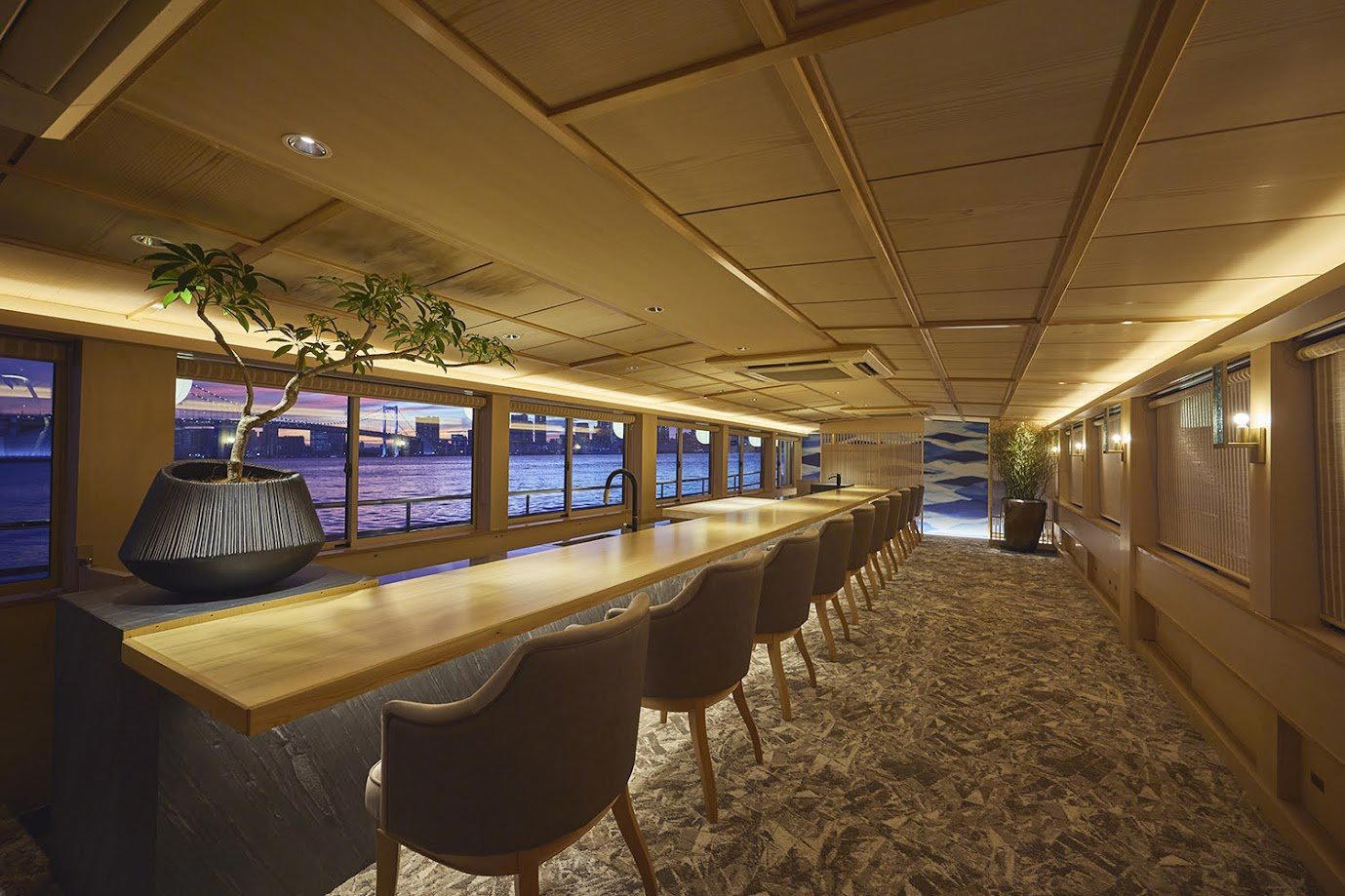
Oshima
Tokyo, Japan
Sapporo-style miso ramen in residential Funabori, priced under JPY 2,000 and recognized on the Tabelog 100 for Ramen in Tokyo two years running. The 16-seat shop operates on a walk-in basis, with the chef's 12-year Sapporo training pedigree evident in the rich, balanced broth. Cash only, no reservations, and soup service ends when the daily batch sells out.
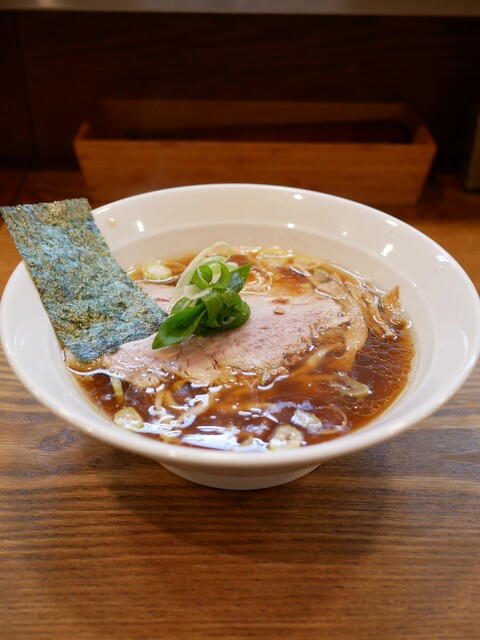
Raamen Yama to Ki
Tokyo, Japan
An 8-seat Koenji counter earning six consecutive Tabelog 100 selections for its technically precise shio ramen, priced under JPY 2,000. Walk-in only, cash only, open 11:30 AM–3:00 PM Tuesday–Sunday; expect weekend waits of 20–30 minutes. Best for solo diners and shio purists who value clarity and restraint over richer, trendier styles.
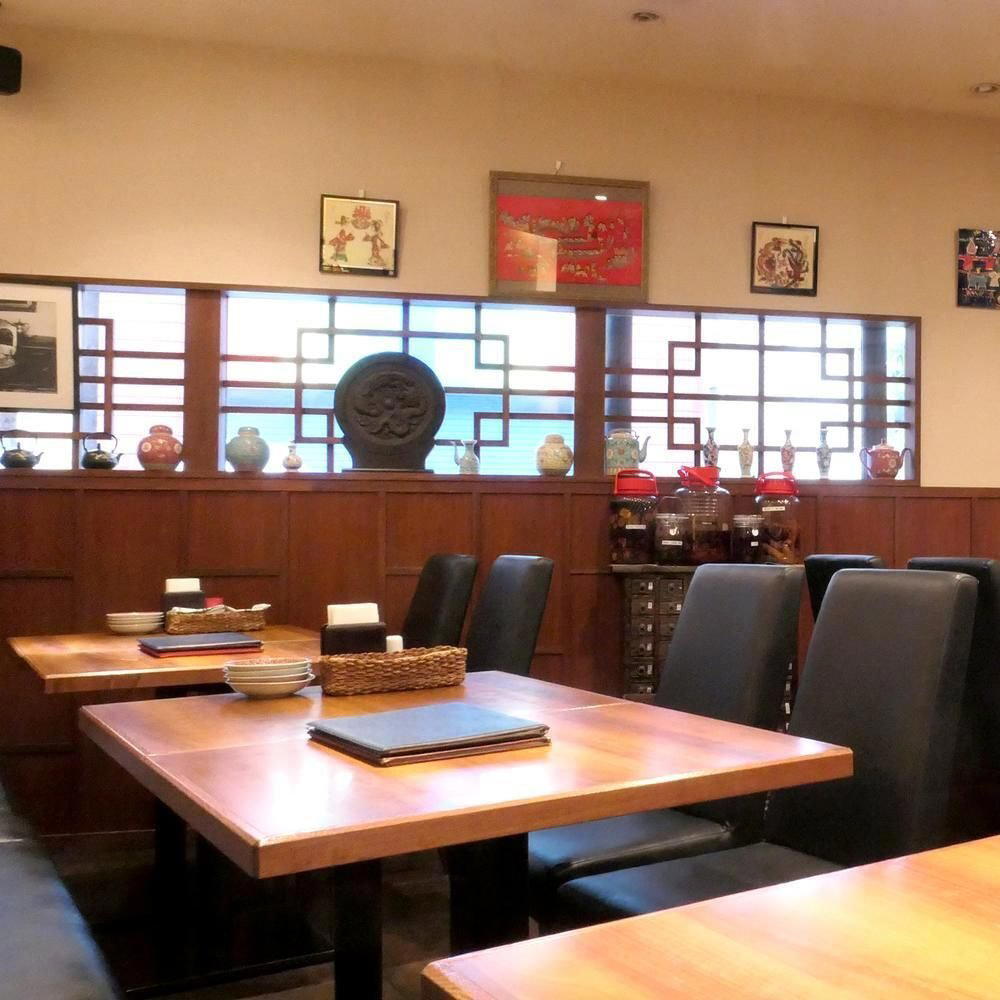
there is ramen
Tokyo, Japan
A neighbourhood ramen shop in Suginami built around a specific sourcing argument: Yamagata light soy sauce and dried sardines producing a broth with real mineral depth, not generic saltiness. The chashumen; pork piled so thick it hides the noodles; is the dish to order. At ¥ pricing with a 4.1 rating across 557 reviews, it earns a detour from central Tokyo for anyone who has already done the obvious stops.
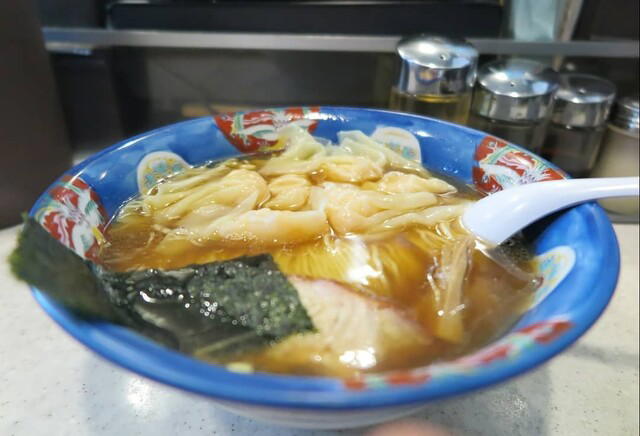
Shina Soba Tantantei
Tokyo, Japan
A nine-seat ramen counter in residential Hamadayama, 20 minutes from Shibuya, serving Tabelog 100–recognized bowls at JPY 1,000–1,999 without the central Tokyo queues. Walk-in only, cash only, and closed when the daily batch sells out; best visited weekday afternoons for minimal wait.
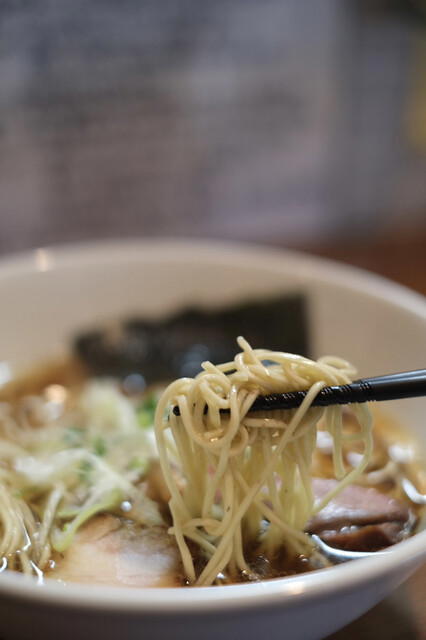
Mendokoro Bigiya Gakugei daigaku honten
Tokyo, Japan
A no-reservations ramen counter in Meguro serving precise tsukemen and ramen for under JPY 2,000, recognized on Tabelog's annual Tokyo Ramen 100 since 2017. Expect queues at peak times but fast turnover, minimal ambiance, and a bowl refined enough to justify the wait.
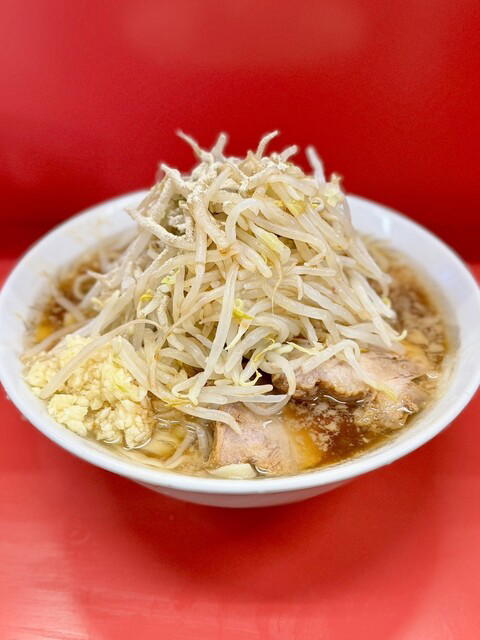
Ramen Jiro Mita honten
Tokyo, Japan
The birthplace of Tokyo's cult-favorite Jiro-style ramen, operating since 1973 with a Tabelog Tokyo Ramen 100 spot every year since 2017. A 13-seat counter serves massive bowls of thick noodles, heavy pork broth, and vegetables for under ¥1,000. No reservations, cash only, best for solo diners who want volume and intensity over refinement.
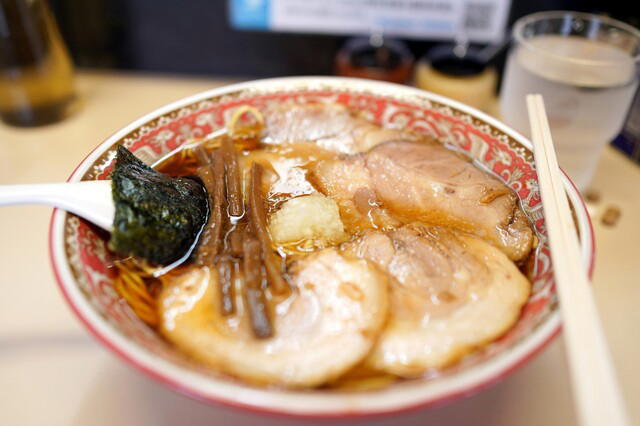
Tantan
Tokyo, Japan
A Tabelog 100 ramen counter in Hachioji serving sub-JPY 999 bowls during weekday lunch hours only. The nine-seat, walk-in-only format suits solo diners and pairs seeking a straightforward hyakumeiten stop outside central Tokyo, with fast turnover and no-frills service.
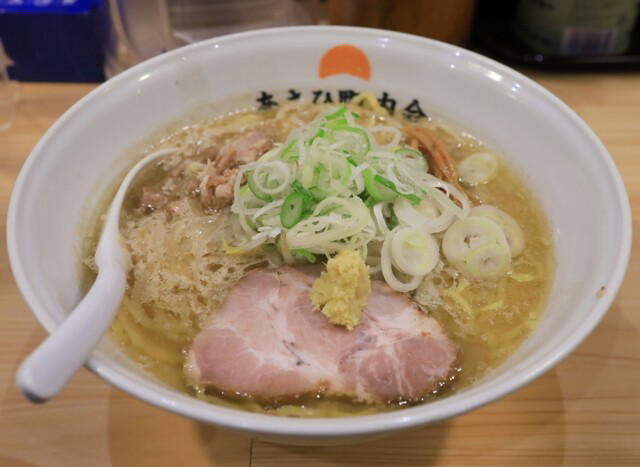
Asahi Chonai Kai
Tokyo, Japan
Asahi Chonai Kai brings Sapporo-style miso ramen to Itabashi with four years of Tabelog 100 recognition and a sub-JPY 2,000 price point. The owner trained at Sumire, Hokkaido's original miso ramen shop, and replicates the thick, oily broth and yellow curly noodles that defined the style. Walk-ins only, cash only, 16 seats; this is functional, fast, and focused on the bowl rather than the experience.
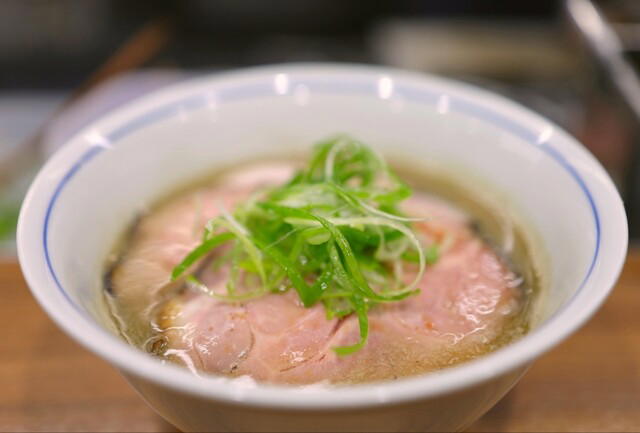
Chuka Soba Nishikawa
Tokyo, Japan
Chuka Soba Nishikawa is worth targeting for a focused Setagaya ramen lunch, especially at JPY 1,000–JPY 1,999 with Tabelog 100 recognition. It suits solo diners or pairs better than groups, and it is a stronger casual-value play than a formal special-occasion meal.
Teuchi Ren
Tokyo, Japan
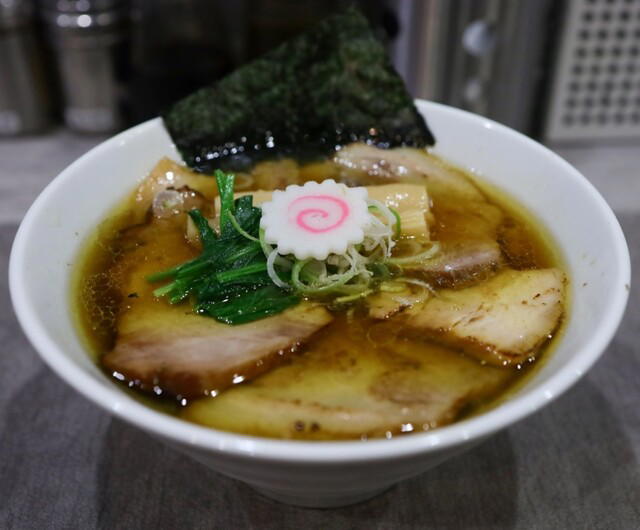
A seven-seat Sumida ramen counter where hand-cut noodles and Tabelog recognition justify the walk-in-only format. At JPY 1,000–JPY 1,999 per bowl, the craft noodle process delivers texture that outpaces many higher-priced Tokyo shops, but expect queues during lunch service and a strict no-reservation policy.
Sosakumenkobo NAKIRYU
Tokyo, Japan
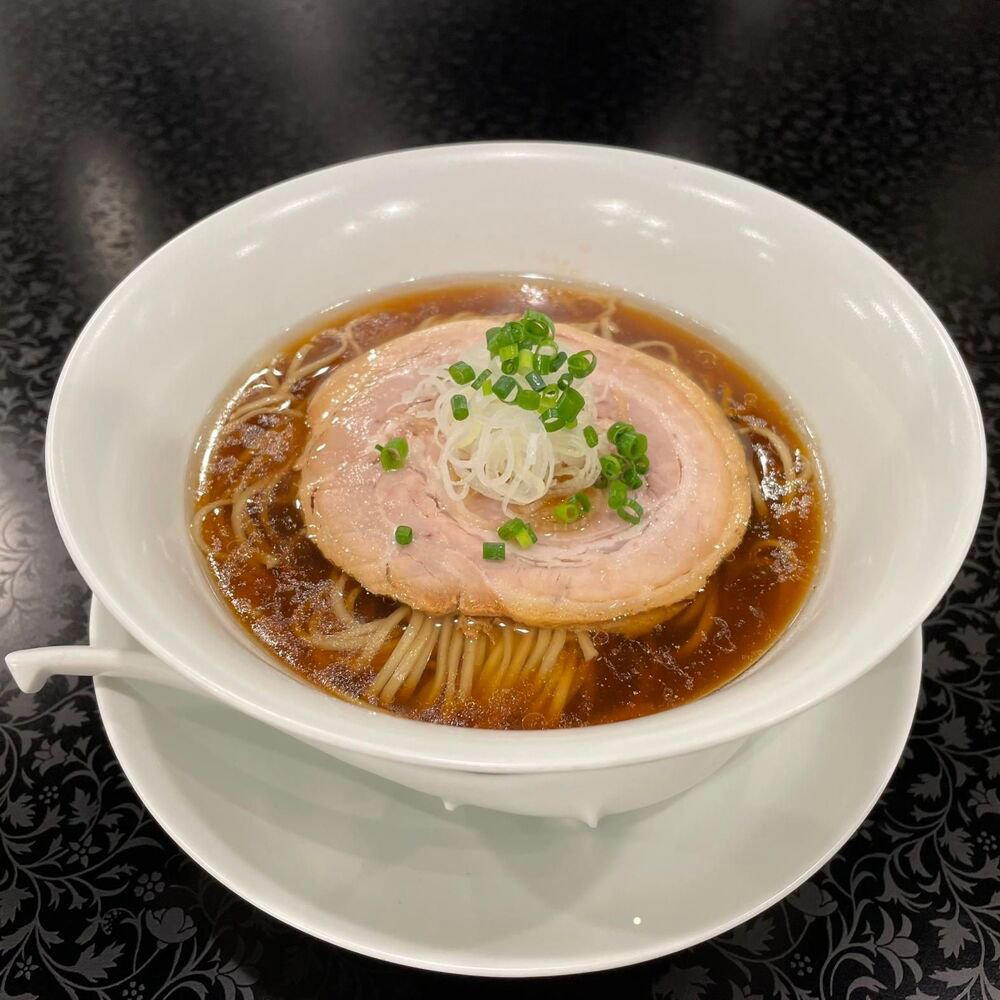
NAKIRYU is one of Tokyo's most consistently ranked casual ramen shops, holding top-100 positions on Opinionated About Dining's Japan list for three consecutive years. The kitchen runs both Japanese and Chinese noodle traditions side by side, with the dandan noodles the standout bowl. Lunch-only, no reservations, arrive early for a morning ticket. At ¥ pricing, the depth-to-cost ratio is hard to argue.
Sansanto
Tokyo, Japan
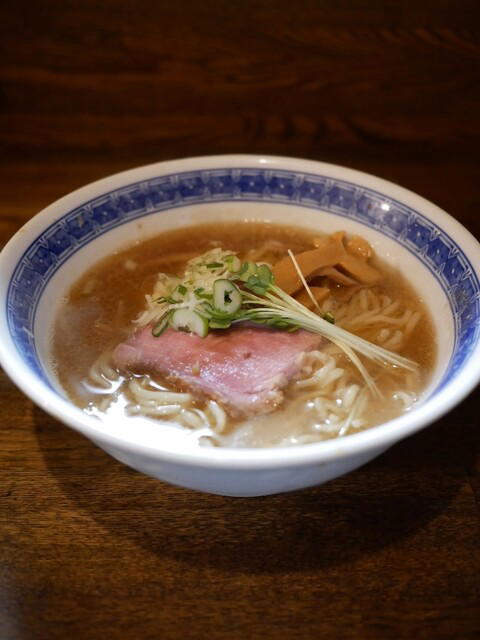
A seven-seat Tabelog 100 ramen counter in Higashi-Jūjō, serving bowls under ¥1,000 since 2006. No reservations, cash only, dinner service four nights a week. The Kita Ward location keeps queues shorter than central Tokyo peers while maintaining award-recognized quality. Walk-ins move quickly on weekdays; counter seating suits solo diners.
IRUCA TOKYO
Tokyo, Japan
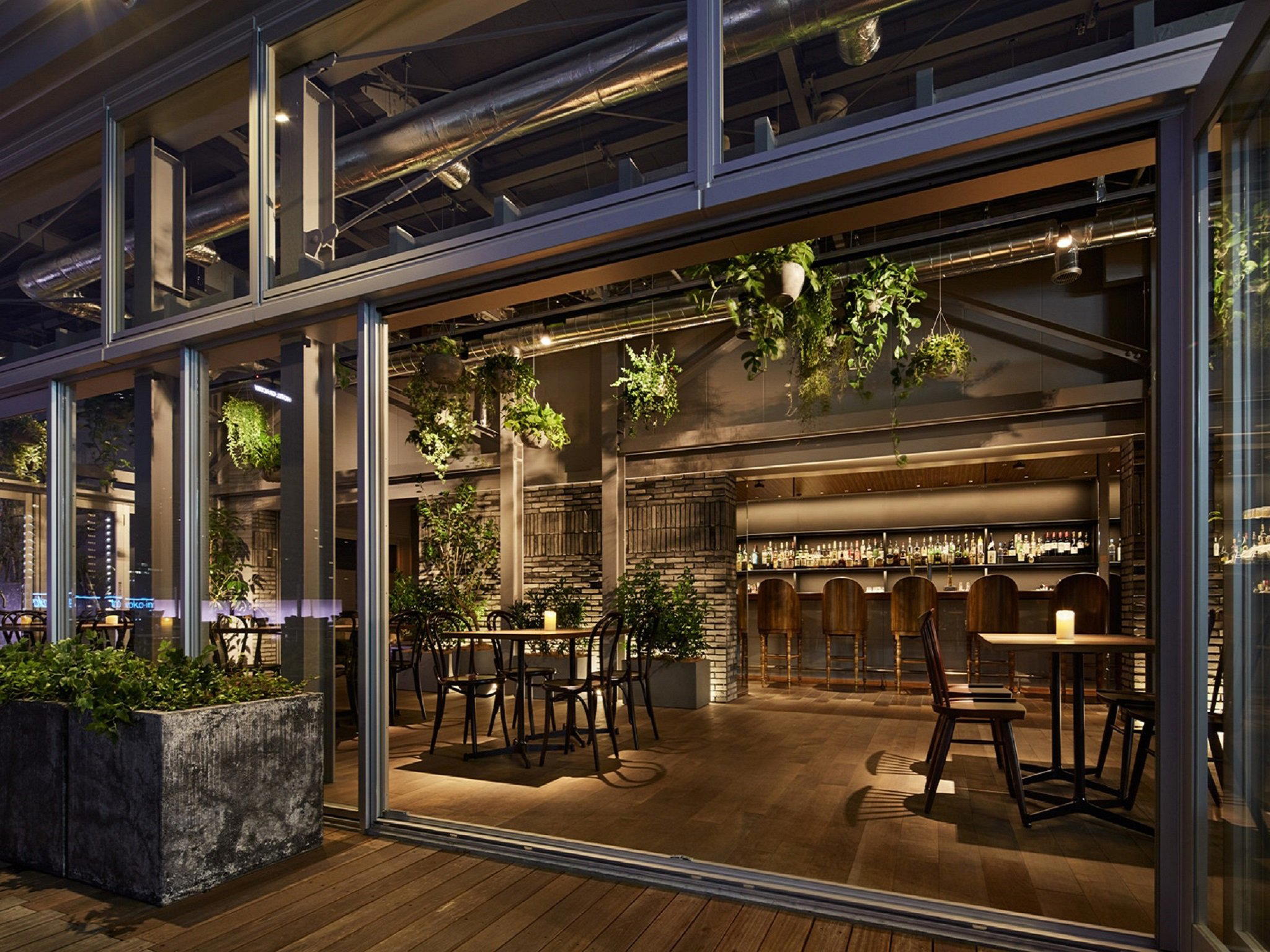
IRUCA TOKYO holds a 2024 Michelin Bib Gourmand for ramen that combines clam, spiny lobster, chicken, and beef broths with flourishes like porcini-truffle paste and yuzu butter; serious ingredient ambition at the ¥ price tier. It is one of Roppongi's most disproportionately rewarding meals for the spend. Worth planning around, not just stumbling into.
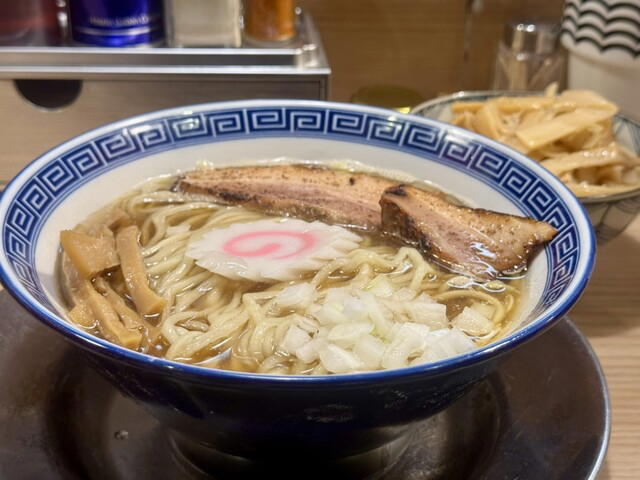
Niboshi Soba Ru.
Tokyo, Japan
A seven-seat counter in residential Kamijujo serving niboshi (dried sardine) ramen under JPY 1,000, recognized in Tabelog 100 annually since 2019. The broth is clean, mineral-driven, and technically precise. Walk-ins only; arrive at opening or expect a queue. Lunch and dinner offer identical menus and pricing with no reservations accepted.
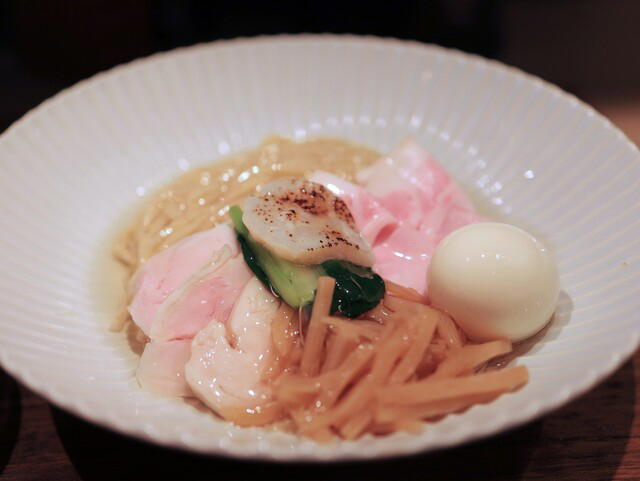
Tokyo Style Noodle Hotate Biyori
Tokyo, Japan
Eight-seat counter near Akihabara Station earning Tabelog 100 Ramen recognition three years running (2023–2025) for tsukemen and ramen under JPY 2,000. Diary-based entry via Twitter, cash-only, no reservations. The format suits solo diners prioritizing bowl quality over service convenience; arrive early or monitor the feed.
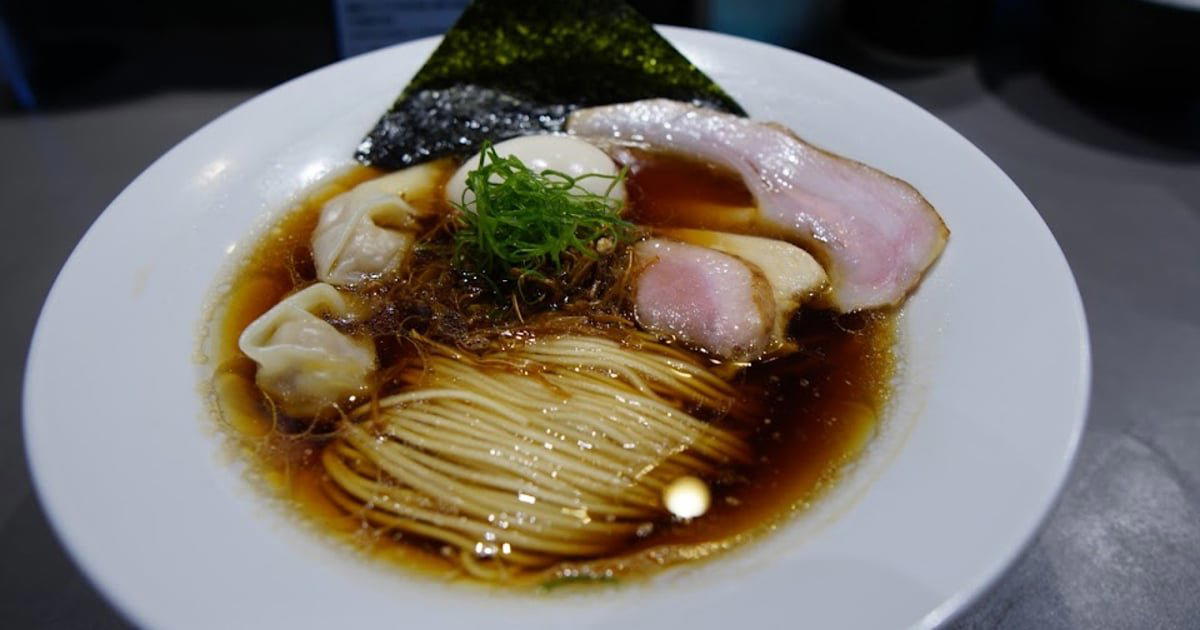
Ramen Break Beats
Tokyo, Japan
A 2024 Michelin Bib Gourmand ramen counter in Meguro, Ramen Break Beats is one of Tokyo's easiest high-value bookings. Chef Takuro Yanase's DJ background shapes both the music and the kitchen discipline: the signature soy-sauce ramen delivers a clear, precise broth that holds up against more famous rivals at a fraction of the cost.
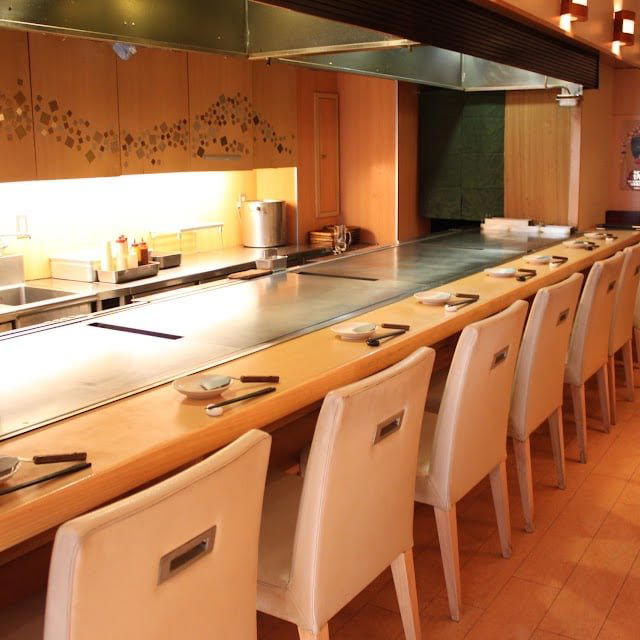
Rokurinsha
Tokyo, Japan
Rokurinsha is the reference tsukemen counter in Tokyo, ranked No. The thick fish-and-pork dipping broth is the draw. Go at opening (7:30 am) to avoid the queue, eat at the counter immediately, and finish with soup wari. No booking needed.
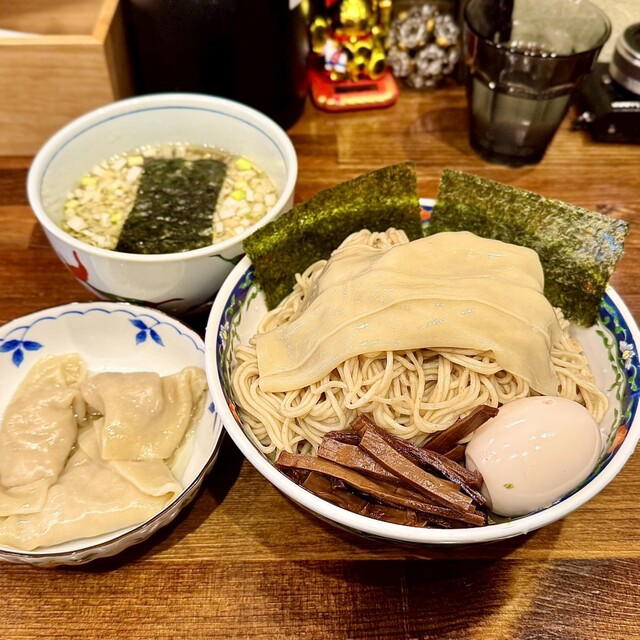
Natsuya no Chuka Soba
Tokyo, Japan
A seven-seat ramen counter in Shimomaruko earning back-to-back Tabelog 100 placements since opening in 2024. Reservations open daily at 7:28 AM via X and fill in under a minute on weekends. JPY 1,000-1,999 pricing delivers precision above its tier, but the counter-only format and no-phone, cash-only policy suit solo diners far better than groups. Worth the booking effort if you're committed to Tokyo's award-level ramen scene and can handle the logistics.
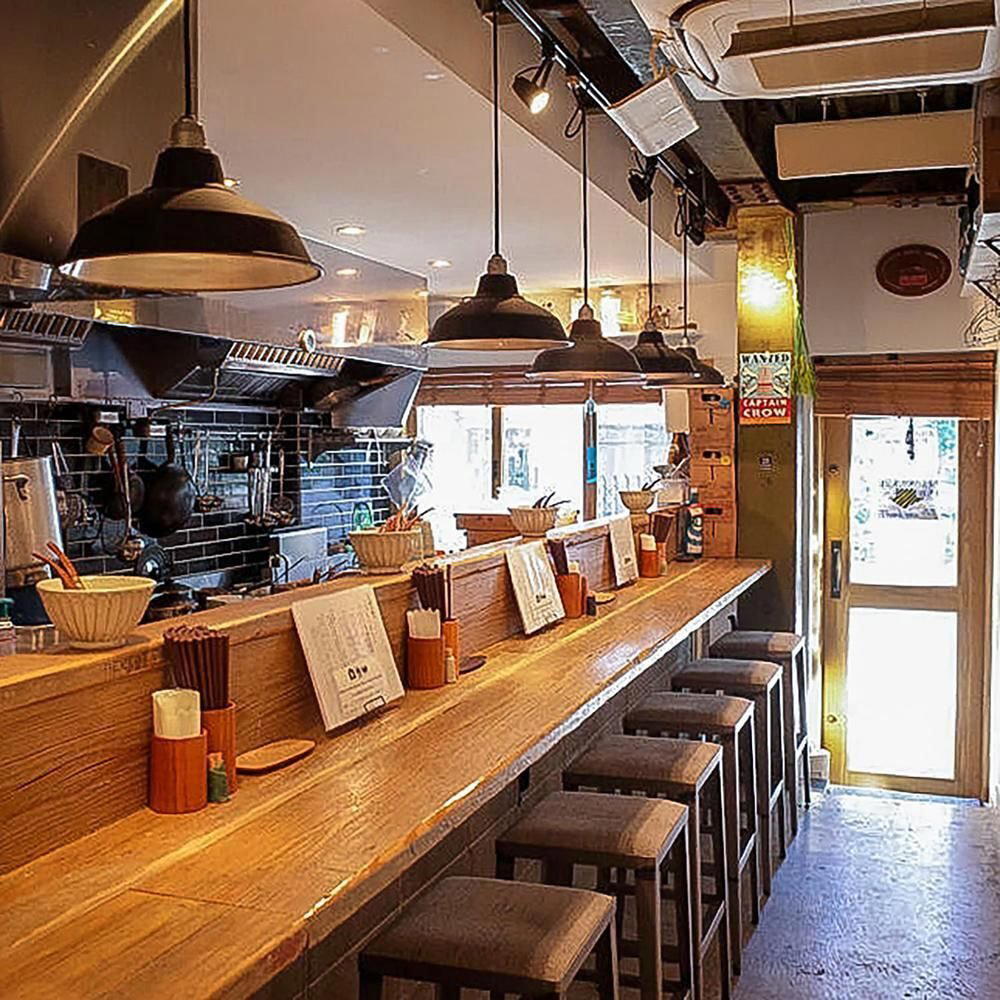
Homemade Ramen Muginae
Tokyo, Japan
Homemade Ramen Muginae holds a Michelin Bib Gourmand and three consecutive Opinionated About Dining Casual Japan rankings, making it one of Tokyo's most credentialled ramen counters at the ¥ price tier. Chef Akihiro Fukaya's in-house noodles and niboshi-seasoned broth draw queues to Minamioi from early morning. Arrive early; no reservation system operates here.
Overview
Tabelog 100 - Ramen - TOKYO - 2025 is an authoritative ranking of the 100 best ramen restaurants in Tokyo for 2025, compiled by Tabelog, Japan’s leading restaurant review platform. It highlights the city’s most exceptional ramen shops based on rigorous user reviews and expert evaluations.
Since its inception, Tabelog has become Japan’s definitive restaurant review aggregator, akin to Yelp but with a focus on culinary nuance and local expertise. Its annual Tabelog 100 lists spotlight the crème de la crème of various cuisine categories within regions. The 2025 ramen edition for Tokyo reflects the city’s unparalleled ramen culture; from traditional tonkotsu broths to innovative shoyu and miso styles; capturing both established stalwarts and emerging talent. This list is a vital resource for gourmands seeking authentic, top-tier ramen experiences in the world’s ramen capital.
Tokyo’s ramen scene is a dynamic blend of heritage and innovation, beloved worldwide for its depth of flavor and craftsmanship. The Tabelog 100 - Ramen - TOKYO - 2025 list offers a curated gateway into this vibrant culinary landscape, guiding discerning diners to the city’s most celebrated ramen temples. From humble neighborhood shops to Michelin-starred establishments, this list elevates ramen appreciation and celebrates Tokyo’s status as the ramen capital of the world.
Quick Facts
- Publisher
- Tabelog (Kakaku.com, Inc.)
- Year
- 2025
- Coverage
- Tokyo Metropolitan Area
- Items
- 100 ramen restaurants
- Frequency
- Annual
About This Edition
The 2025 Tokyo ramen edition showcases a wave of innovation alongside revered classics. Notably, several newcomers blend traditional broths with global influences, reflecting Tokyo’s evolving palate. The list highlights growing trends such as plant-based ramen options and artisanal noodles crafted with ancient grains. This edition also underscores a resurgence of regional ramen styles gaining popularity within the metropolis, reaffirming Tokyo’s role as a ramen trendsetter.
Frequently Asked Questions
What is Tabelog 100 - Ramen - TOKYO - 2025?
How are honorees selected?
How often is this list updated?
How can I find these on Pearl?
How many of these have you visited?
Find out on Pearl and keep score across every place in Tabelog 100 - Ramen - TOKYO - 2025.