
.png?width=1200&quality=80)

Homemade Ramen Muginae
Ramen · Shinagawa, Tokyo
Restaurant in Tokyo, Japan
 Book with Pearl
The Read
Sardine-Anchored Shoyu Broth
Price
¥
Chef
Akihiro Fukaya
Dress
Casual
Why go
Homemade Ramen Muginae holds a Michelin Bib Gourmand and three consecutive Opinionated About Dining Casual Japan rankings, making it one of Tokyo's most credentialled ramen counters at the ¥ price tier. Chef Akihiro Fukaya's in-house noodles and niboshi-seasoned broth draw queues to Minamioi from early morning. Arrive early; no reservation system operates here.
About Homemade Ramen Muginae
The verdict on Homemade Ramen Muginae
Seats at Homemade Ramen Muginae are finite, and the queue that forms before opening each morning makes that scarcity tangible. This is a Michelin Bib Gourmand-recognised ramen counter in Shinagawa's Minamioi neighbourhood, ranked in the Opinionated About Dining Casual Japan list every year from 2023 to 2025. If you are looking for a single bowl that represents the case for Tokyo ramen at its most focused, this is where to go. Book it into your itinerary early, not as an afterthought.
Portrait
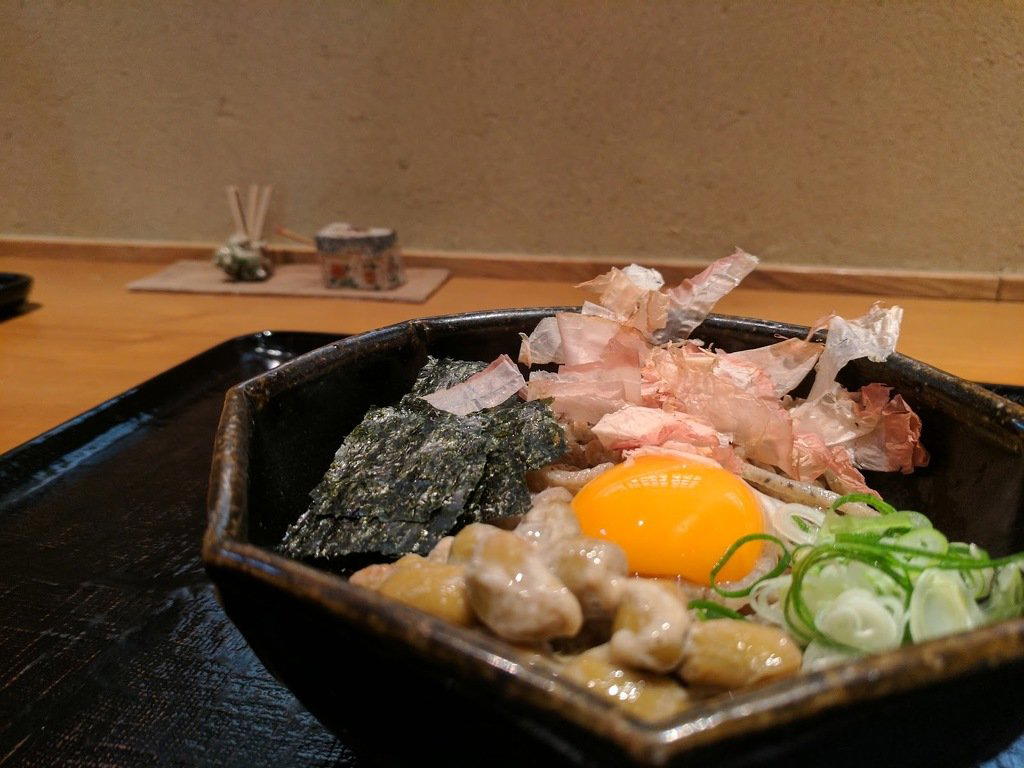
Chef-owner Akihiro Fukaya named the shop Muginae, meaning wheat seedling, after an agricultural practice: farmers tread young wheat plants down so they grow back stronger. The name carries a practical philosophy, and the bowl reflects it. The ramen is made in-house, the soup seasoned with soy sauce, salt, and dried sardines. The result, according to the sourced record, is a smooth finish with a fragrant broth that has generated genuine word-of-mouth across Tokyo's ramen community. Sardine-forward broths can be sharp and one-dimensional in lesser hands; here the balance between the umami of the niboshi and the clean salinity of the seasoning is what keeps regulars returning.
The Opinionated About Dining ranking is a useful calibration tool. Muginae entered the Casual Japan list at #27 in 2023, climbed to #38 in 2024, and settled at #50 in 2025. That three-year consistency, combined with the Michelin Bib Gourmand, puts this in a small group of Tokyo ramen shops that have survived the scrutiny of multiple independent assessment systems simultaneously. This is not a shop that coasts on a single award cycle.
The address is 6 Chome-11-10 Minamioi, Shinagawa City. Minamioi sits south of central Tokyo and is not a neighbourhood most visitors would reach by accident, which is part of why the queue feels like a genuine signal rather than tourist theatre. The people waiting are largely there because they researched it or because someone local told them to go. For the special-occasion diner who wants an experience that feels local and earned rather than staged, that context matters.
A multi-visit strategy
Given the single-digit price range and the queue dynamic, Muginae rewards repeat visits more than almost any other venue type in Tokyo. On a first visit, the priority is the core bowl: the soy-seasoned ramen with the niboshi-based broth. That is the dish that earned the rankings and the Bib Gourmand. Get it without additions so the base flavour is legible.
A second visit is the right moment to explore variations within the menu, whether that means a different seasoning option, a topping combination, or the salt-seasoned version if it is available. Ramen at this price point makes a second visit a low-stakes decision: the total spend across two bowls, even with extras, is unlikely to approach the cost of a single main course at venues like Harutaka or RyuGin. That asymmetry is worth naming plainly.
If you are spending more than a few days in Tokyo and want to map the ramen category properly, pair Muginae with Chukasoba Ginza Hachigou and Chukasoba KOTETSU for a cross-neighbourhood comparison of Tokyo's shoyu-adjacent ramen styles. Fuunji offers a tsukemen contrast if you want to move between formats, and Afuri gives you the yuzu shio end of the spectrum. None of those visits compete with Muginae; they complement it. A third visit to Muginae, after you have eaten across those comparisons, will tell you something specific about why the niboshi broth here is a considered choice rather than a default.
For visitors building a broader Japan itinerary, the quality benchmark set by Muginae is a useful reference point. Fine-dining options like HAJIME in Osaka and Gion Sasaki in Kyoto occupy a different price tier entirely, but understanding what disciplined, ingredient-focused cooking looks like at the ¥ level makes those experiences more readable, not less. Muginae earns its place on a Japan eating itinerary alongside venues that cost ten times as much.
For ramen benchmarks outside Japan, Akahoshi Ramen in Chicago and Afuri Ramen in Portland represent serious efforts to translate the format; visiting Muginae first gives you a clearer basis for that comparison.
Practical details
Reservations: No booking method is listed in the available data; the queue system is the operative mechanism, and arriving early is the practical advice supported by the sourced record. Budget: ¥ price range, meaning this is among the most affordable Bib Gourmand options in Tokyo. Location: Minamioi, Shinagawa City, south Tokyo. Not on the main tourist circuit, which is a feature rather than a flaw. Booking difficulty: Easy by category standards, though the queue requires time investment. Dress code: Not applicable at this price tier and format.
For more on eating and drinking across Tokyo, see our full Tokyo restaurants guide, our full Tokyo bars guide, our full Tokyo hotels guide, our full Tokyo wineries guide, and our full Tokyo experiences guide. Elsewhere in the Kanto region, 1000 in Yokohama is worth adding to the itinerary. Further afield, akordu in Nara, Goh in Fukuoka, and 6 in Okinawa are Pearl-tracked venues worth knowing if your Japan trip extends beyond Tokyo. See also Chuogo Hanten Mita for a different register of neighbourhood dining in Tokyo's south.
FAQ
Is Homemade Ramen Muginae good for a special occasion?
- Yes, but calibrate expectations to the format. This is a ramen counter, not a white-tablecloth room. The occasion it suits leading is a food-focused celebration where eating something genuinely well-made matters more than ceremony or service ritual.
- The combination of Michelin Bib Gourmand recognition and consistent OAD ranking means you are bringing someone to a place with a documented, independent quality case, which carries its own weight as a gift of knowledge and intention.
- If the occasion requires private seating, a long table, or alcohol service, look elsewhere. If it requires a bowl that will be remembered, this qualifies.
What should I order at Homemade Ramen Muginae?
- The sourced record points to the soy sauce and salt-seasoned ramen with a niboshi (dried sardine) broth base as the foundation of the kitchen's reputation. Start there.
- Chef Akihiro Fukaya makes the noodles in-house, so the texture is part of what you are there to assess, not just the soup.
- On a first visit, avoid loading the bowl with additions before you have tasted the base. The broth's fragrant, smooth finish is the reference point everything else should be measured against.
Does Homemade Ramen Muginae handle dietary restrictions?
- The sourced record confirms the broth uses dried sardines (niboshi), which is an animal-derived ingredient and rules the soup out for vegetarians and vegans in its standard form.
- No phone number or website is listed in the available data, which makes advance communication difficult. If dietary needs are a serious constraint, contact the venue directly through available local channels before visiting.
- For visitors with shellfish or fish allergies, the niboshi base is a relevant factor to confirm with the shop before ordering.
Can I eat at the bar at Homemade Ramen Muginae?
- Seat configuration is not confirmed in the available data. Tokyo ramen shops at this scale typically operate a counter format, which is functionally equivalent to bar seating: solo diners and pairs are the natural fit.
- Groups of three or more should expect to either wait for adjacent counter seats or be seated separately, depending on the shop's layout on the day.
- Counter eating is part of the format and part of the point. If that does not work for your group, a sit-down restaurant in the neighbourhood is the practical alternative.
Is Homemade Ramen Muginae worth the price?
- At the ¥ price tier, the value case is direct. You are getting a Michelin Bib Gourmand-recognised bowl made with in-house noodles and a niboshi broth that has maintained a top-50 OAD Casual Japan ranking for three consecutive years.
- The cost of a bowl here is a fraction of what you would spend on a single course at comparable award-level venues in Tokyo. Against L'Effervescence or HOMMAGE, the price differential is enormous; the quality signal, while different in kind, is independently.
- The only real cost is time: the queue is the price of entry, and early arrival is the mechanism that controls it. If your schedule in Tokyo is tight, plan the visit for a morning slot and build the queue time into your itinerary.
Planning details
- Location
- 6 Chome-11-10 Minamioi, Shinagawa City, Tokyo 140-0013, Japan
- Website
- muginae.com
- Phone
- +81
The take
The Take
The Vibe
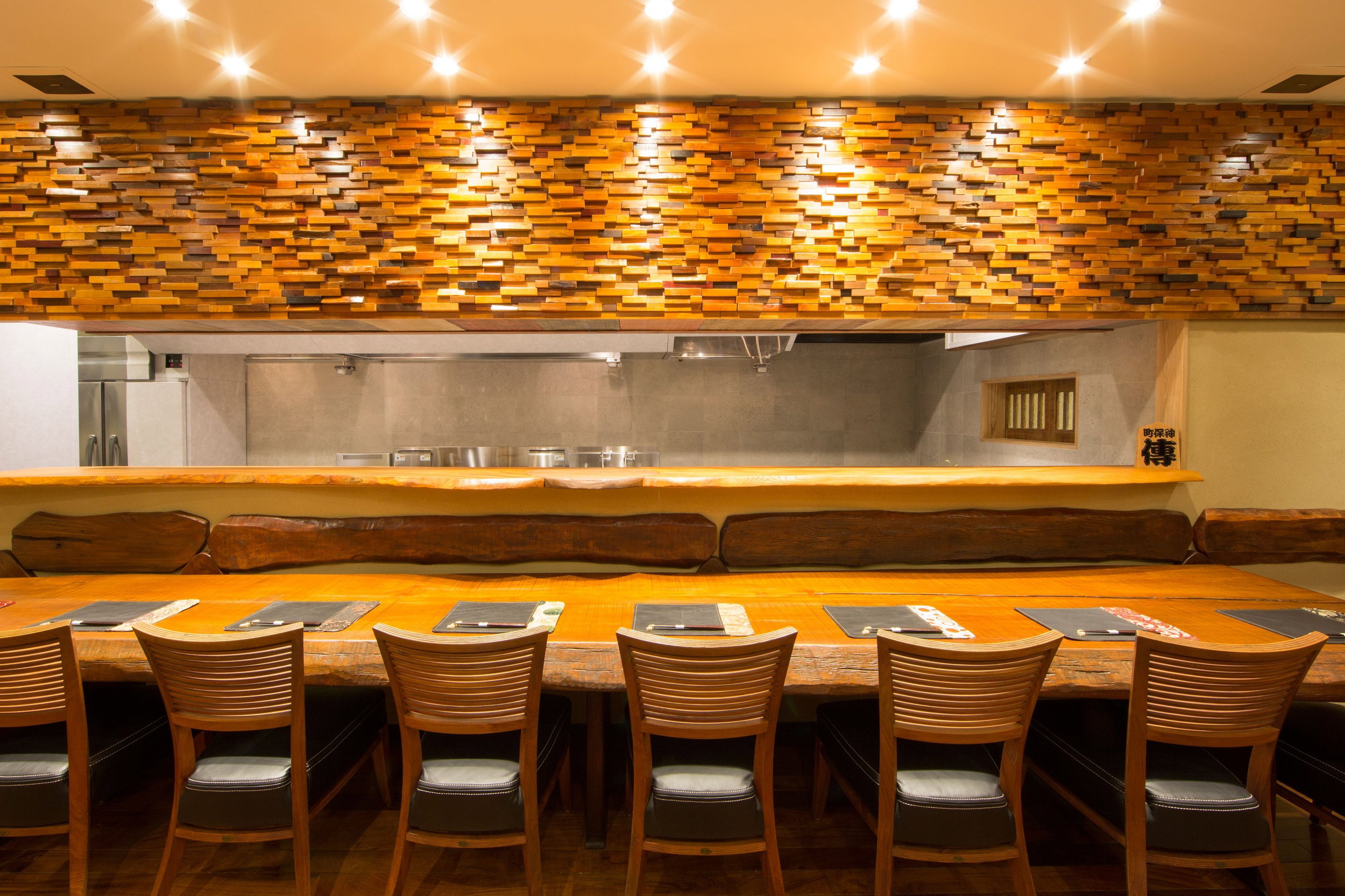
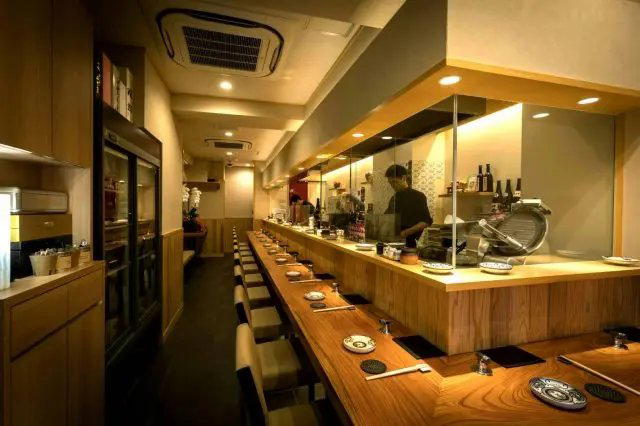
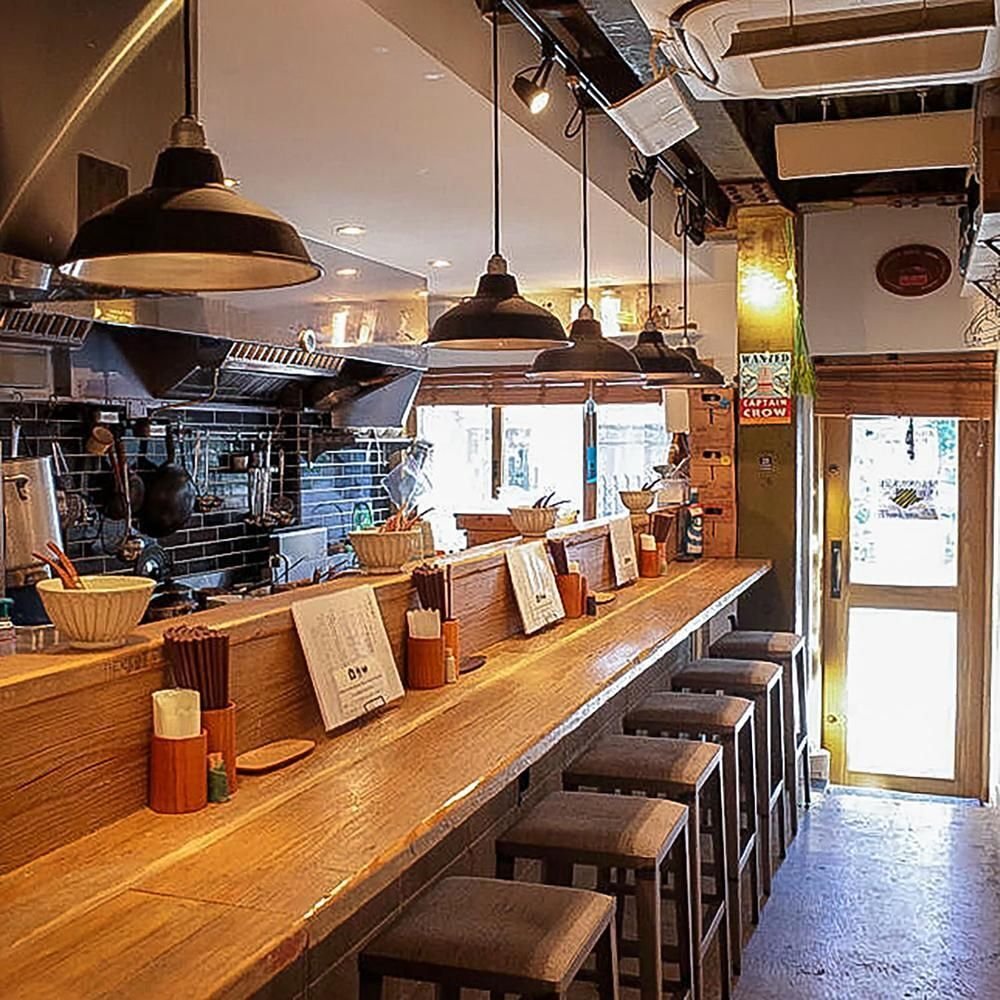
Homemade Ramen Muginae settles into a compact, craft-forward corner of Minamioi. The room is small and counter-focused, the work of owner-chef Akihiro Fukaya and his team visible in every bowl — noodles made in-house, a soy-and-dried-sardine soup that finishes clean, and a disciplined approach more commonly associated with specialty shops. It feels like a classic neighbourhood ramen-ya that nonetheless carries the badge of technical care: approachable and unpretentious, but executed with an attention to detail that draws a steady queue from locals and serious ramen fans alike.
Best For
Muginae is best for diners who prize focused, high-quality ramen in an intimate setting. It suits solo diners and neighbourhood regulars who don’t mind a short wait for a meticulously constructed bowl; the counter format encourages quick, attentive service and an up-close view of the craft. Ramen enthusiasts who appreciate in-house noodles and a refined, clean shoyu broth will find the shop’s value-for-quality trade-off particularly rewarding — the kind of place where technical skill meets everyday comfort.
Ordering Tips
Expect a queue and plan to arrive early; the write-up specifically notes lines forming before opening and the shop’s local reputation. Favor the signatures — the Special Shoyu Ramen and chashu are highlighted in the description, and the menu’s emphasis on house-made noodles and a clean soy-and-dried-sardine broth suggests those preparations represent the kitchen at its best. Keep orders simple and focused: this is a craft-driven counter operation where the core bowl is the point of pride.
Venue details
Ambiance
Cozy and unpretentious with a nostalgic '50s and '60s Doo-Wop vibe, focused on the meticulous craft of ramen preparation.
Tags
Vibe
Best For
Experience
Sourcing
At the Table
- Dress Code
- Casual
- Noise Level
- Conversational
- Service Style
- Counter Service
- Meal Pacing
- Standard
- Capacity
- Small
Signature Dishes
- Special Shoyu Ramen
- Chashu
- Menma
Know before you go
Know Before You Go
- Getting there
- 6 Chome-11-10 Minamioi, Shinagawa City, Tokyo 140-0013, Japan
Planning details
Location

Also consider
Also Consider
- Harutaka, Sushi, ¥¥¥¥
- L'Effervescence, French, ¥¥¥¥
- RyuGin, Kaiseki, Japanese, ¥¥¥¥
- HOMMAGE, Innovtive French, French, ¥¥¥¥
- Crony, Innovative, French, ¥¥¥¥
Restaurant context
Muginae operates in a different register from the rest of Tokyo's award-recognised dining. Harutaka, RyuGin, L'Effervescence, HOMMAGE, and Crony are all ¥¥¥¥ venues where the price of entry is high and the booking process is complex. Muginae is ¥, walk-in, and queue-dependent. These are not competing options for the same meal; they are options for different parts of the same itinerary. If your Tokyo trip includes one serious omakase or kaiseki dinner, Muginae earns its place as the lunch or breakfast that contextualises what disciplined Japanese cooking looks like at ground level.
Within the ramen category, the comparison is more direct. Against Chukasoba Ginza Hachigou and Chukasoba KOTETSU, Muginae's Minamioi location is less central but the credential stack is comparable. If location convenience is the deciding factor, the Ginza and central Tokyo options win on access. If you are making a dedicated ramen visit and are willing to travel south into Shinagawa, Muginae's OAD consistency across three years and the Bib Gourmand make it the stronger case for a single-destination ramen trip.
For the diner building a multi-stop Tokyo ramen itinerary, the practical verdict is this: Muginae and Fuunji cover complementary ground, the former anchored in niboshi-forward shoyu and the latter in tsukemen. Neither replaces the other. If you have two ramen slots across a Tokyo trip, those two together give you a broader read of what the city's serious ramen shops are doing than any single visit to either one alone.
Explore Tokyo
Around this place
Discover more on Pearl
Unlock the full Homemade Ramen Muginae guide in Pearl, including awards, comparisons, FAQs, planning details, and nearby places.
Compare Homemade Ramen Muginae
| Venue | Cuisine | Awards | Booking Difficulty |
|---|---|---|---|
| Homemade Ramen Muginae | Ramen | 2026 OAD Casual in Japan Ranked · #152026 Bib Gourmand2025 OAD Casual in Japan Ranked · #50Tabelog 100 - Ramen - TOKYO - 2025 · #1002024 OAD Casual in Japan Ranked · #382024 Michelin Bib Gourmand2023 OAD Casual in Japan Ranked · #27 | Easy |
| Harutaka | Sushi | 2026 Tabelog Silver · #312026 OAD Top Restaurants in Japan Ranked · #1282026 Michelin 3 Stars2026 La Liste Top RestaurantsTabelog 100 - Sushi - TOKYO - 2025 · #372025 Asia's 50 Best Restaurants · #762025 OAD Top Restaurants in Japan Ranked · #1172025 La Liste Top Restaurants2025 Tabelog Bronze | Unknown |
| L'Effervescence | French | 2026 Tabelog Silver · #682026 OAD Top Restaurants in Japan Ranked · #103Star Wine Lists 20262026 Black Pearl 2 Diamond2026 Relais Chateaux Restaurants2026 La Liste Top Restaurants2026 Michelin 3 Stars2025 Asia's 50 Best Restaurants · #692025 OAD Top Restaurants in Japan Ranked · #92 | Unknown |
| RyuGin | Kaiseki, Japanese | 2026 OAD Top Restaurants in Japan Ranked · #802026 Tabelog Bronze · #3772026 Michelin 3 Stars2026 La Liste Top RestaurantsTabelog 100 - Japanese cuisine - TOKYO - 2025 · #212025 OAD Top Restaurants in Japan Ranked · #542025 Michelin 3 Stars2025 La Liste Top Restaurants2025 The Best Chef Three Knives | Unknown |
| HOMMAGE | Innovtive French, French | 2026 Tabelog Bronze · #1232026 OAD Top Restaurants in Japan Highly Recommended2026 Michelin 2 StarsTabelog 100 - French - TOKYO - 2025 · #762025 Asia's 50 Best Restaurants · #782025 OAD Top Restaurants in Japan Ranked · #1752025 Michelin 2 Stars2025 The Best Chef One Knife2025 La Liste Top Restaurants | Unknown |
| Crony | Innovative, French | 2026 Asia's 50 Best Restaurants · #34Star Wine Lists 20262026 OAD Top Restaurants in Japan Recommended2026 Michelin 2 Stars2025 Asia's 50 Best Restaurants · #30Tabelog 100 - French - TOKYO - 2025 · #782025 OAD Top Restaurants in Japan Ranked · #227We're Smart World Top Restaurants 20252025 Michelin 2 Stars | Unknown |













What to weigh when choosing between Homemade Ramen Muginae and alternatives.
FAQ
Frequently Asked Questions
Is Homemade Ramen Muginae good for a special occasion?
Not in the traditional sense. Muginae is a Michelin Bib Gourmand counter-style ramen shop with a queue-based entry system, so there are no reservations, no private spaces, and no occasion dressing. That said, if your idea of a special occasion is eating one of Japan's most recognised casual bowls — OAD ranked it #27, #38, and #50 in consecutive years — at a ¥ price point, it qualifies. Bring someone who appreciates the craft, not the ceremony.
What should I order at Homemade Ramen Muginae?
The database confirms the soup is seasoned with soy sauce, salt, and dried sardines, and the noodles are made in-house with a smooth finish — so the ramen itself is the order. Specific menu variants are not documented in available data, but the broth is the reason customers queue from early morning, and that is where to focus. Do not come here for side dishes or extras; come for the bowl.
Does Homemade Ramen Muginae handle dietary restrictions?
The core broth uses dried sardines as a seasoning base, which rules out the bowl for pescatarian-adjacent or strict vegetarian diners unless confirmed otherwise on arrival. No dietary accommodation information is documented. Given it is a small, high-volume ramen shop with no listed contact details, checking in person before queuing is the practical approach.
Is Homemade Ramen Muginae worth the price?
Yes, and it is not a close call. A Michelin Bib Gourmand bowl in the ¥ tier is one of the strongest value propositions in Tokyo dining. OAD has ranked Muginae in Japan's top 50 casual venues for three consecutive years, peaking at #27 in 2023. The queue is the only real cost — arrive before opening to keep that cost low. For omakase or fine dining, look elsewhere; for a high-credential bowl at near-zero financial risk, Muginae is the answer.