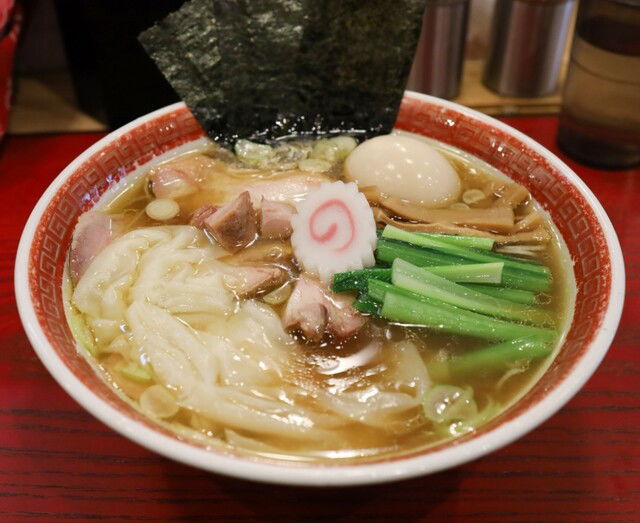

Mensouan Sunada
Toshima, Tokyo
Restaurant in Tokyo, Japan
 Book with Pearl
The Read
Price
JPY 1,000 - JPY 1,999
Why go
A six-seat counter in quiet Sugamo serving Tabelog 100–recognized ramen since 2021, priced at JPY 1,000–1,999 per bowl. Walk-in only, open 8:00 AM–2:30 PM Tuesday through Sunday (closed Monday and Thursday), with no phone, no website, and a format built for solo diners who want award-tier bowls without the central Tokyo lines.
About Mensouan Sunada
For ramen hunters who thrive on the quiet thrill of tracking down Tokyo's most under-the-radar award winners, Mensouan Sunada delivers exactly that, a six-seat counter in residential Sugamo serving bowls that have earned Tabelog 100 recognition every year since 2021, all at lunch prices that rarely break JPY 1,500. The venue opened in April 2020 and has operated with the kind of low-profile consistency that makes regulars protective of their spot. Walk-ins are the only option; no phone, no website, no reservations. You line up, you wait, you eat, and if you arrive after 2:30 PM, you've missed service entirely.
What the Six-Seat Counter Means
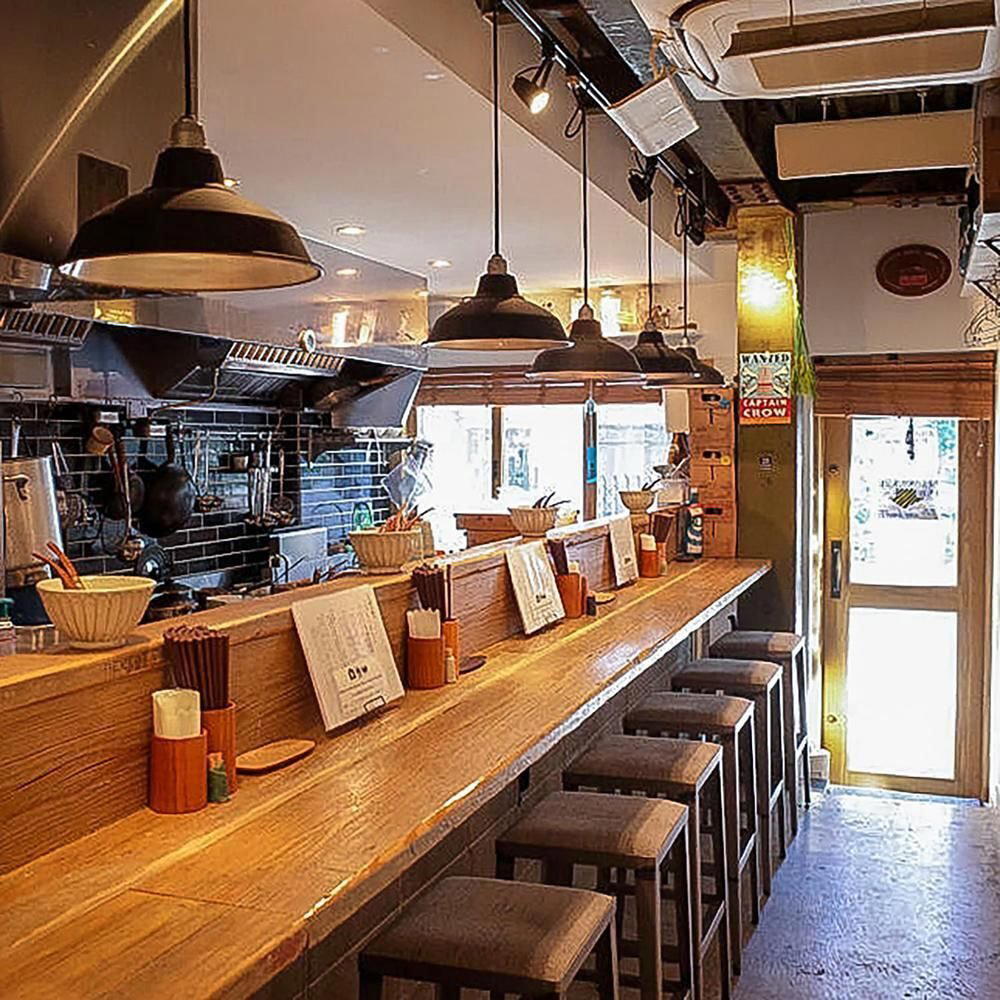
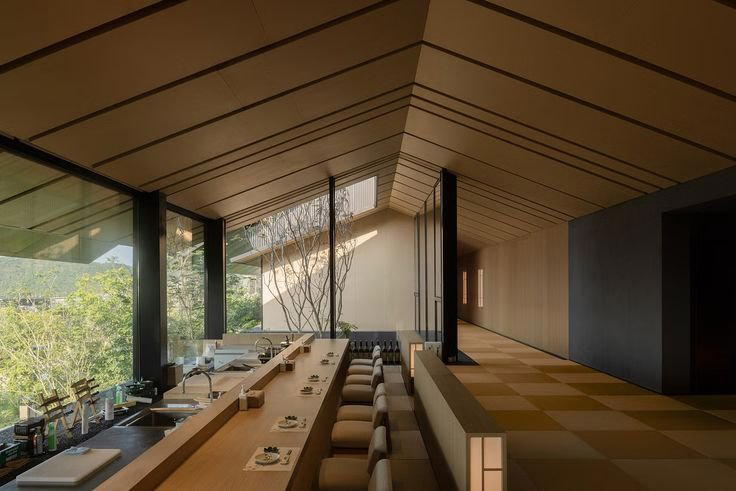
The counter-only format is the whole experience here. Six stools face the kitchen, and the limited capacity translates to short waits for most weekday mornings, Tuesday, Wednesday, Friday through Sunday all follow the same 8:00 AM to 2:30 PM schedule. The tight space means conversation stays minimal and turnover runs fast. For solo diners who want to watch bowl assembly without the awkwardness of a table seat, this is the format that works. Groups larger than two should split the visit or accept that you'll sit apart. The lack of private rooms or table seating is not an oversight; it's the entire operational model, and it keeps prices where they are.
The recognition from Tabelog 100 across five consecutive years (2021–2025) positions the venue in Tokyo's hypercompetitive ramen tier, where technical precision and broth clarity separate the award list from the also-rans. At JPY 1,000–1,999 per bowl, the price-to-quality ratio sits lower than most peers with similar credentials. Payment methods include credit cards and electronic money, a practical detail that matters when you're hunting breakfast or early lunch and want to avoid cash-only friction.
How It Fits the Tokyo Ramen Map
Sugamo is not a ramen destination district in the way Ikebukuro or Shinjuku are. The neighborhood skews older, quieter, and less trafficked by the ramen-tourism crowd, which means lines here rarely approach the multi-hour waits at venues like Tsuta or Nakiryu. The eight-minute walk from Koshinzuka Station on the Toden Arakawa Line is easier than the JR Sugamo approach, and the lack of nearby coin parking means most visitors arrive on foot or by train. The venue sits in a plain commercial building with no street-level signage drama, if you're expecting the kind of queue that signals hype, you'll miss it.
For first-timers, the format is direct: arrive before 1:00 PM to avoid last-order cutoffs, expect to wait 10–30 minutes depending on turnover, and plan for a meal that finishes in under 20 minutes once you're seated. The Monday and Thursday closures are firm, and the venue announces additional closures on social media rather than through a phone line. The opening date in late April 2020 means the operation is relatively young, yet the five-year Tabelog 100 streak suggests the formula locked in early and has stayed consistent.
The venue does not publish a chef name, signature dish list, or detailed menu online, so expectations should center on the category itself, ramen executed at a level that Tabelog's reviewers have validated repeatedly. The lack of public detail is not a gap in transparency; it's a byproduct of a low-profile operation that lets the bowls do the talking. For travelers who want a Tabelog 100 venue without the lines, prices, or neighborhood complications of more central options, Mensouan Sunada is the trade that makes sense: residential location, tight seating, and a walk-in-only policy in exchange for access and affordability.
Planning details
- Location
- Japan, 〒170-0002 Tokyo, Toshima City, Sugamo, 4 Chome−24−6 富士ビル 12
- Website
- twitter.com/mensouan_sunada
- Phone
- +81
Venue details
Ambiance
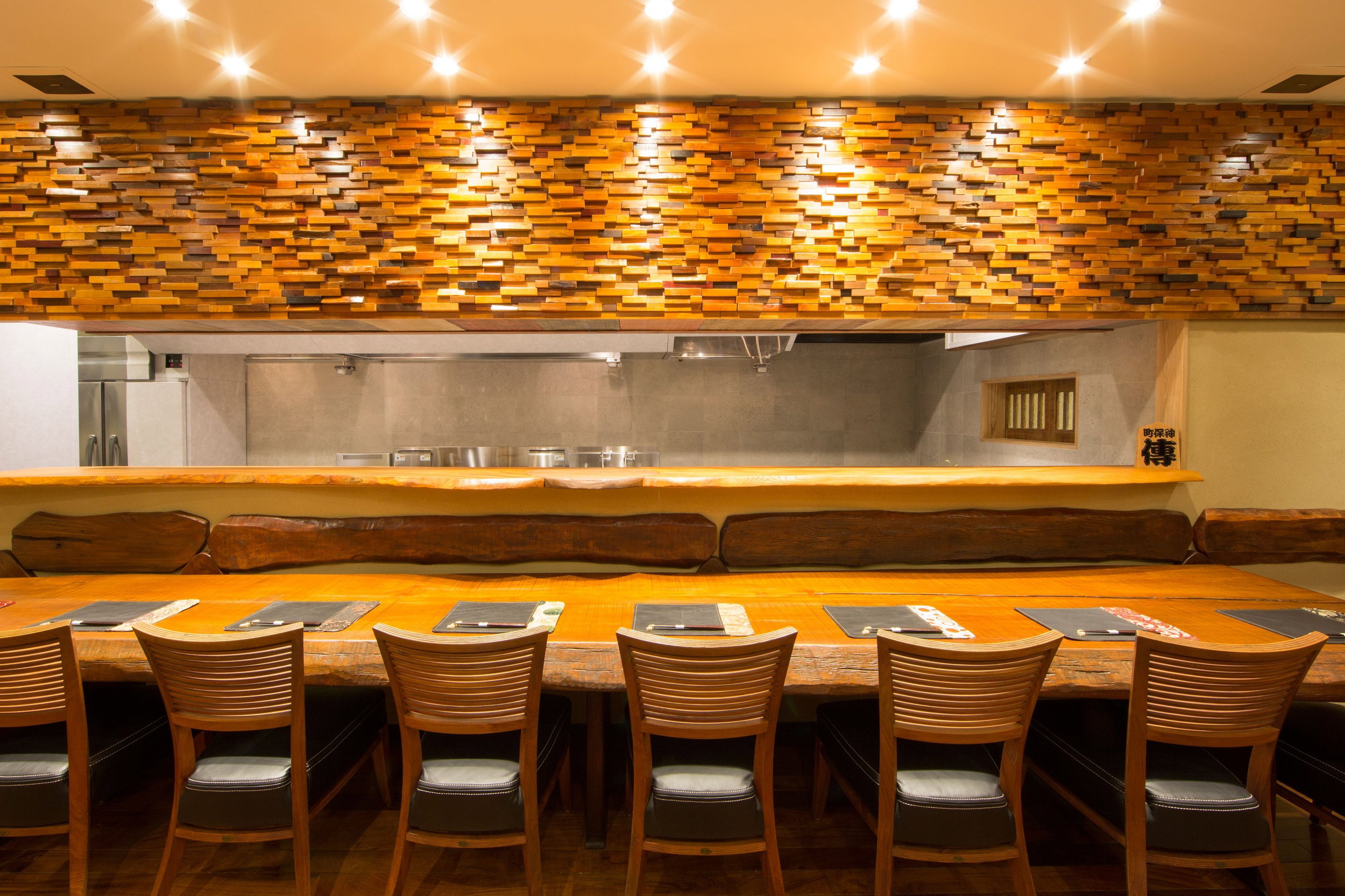
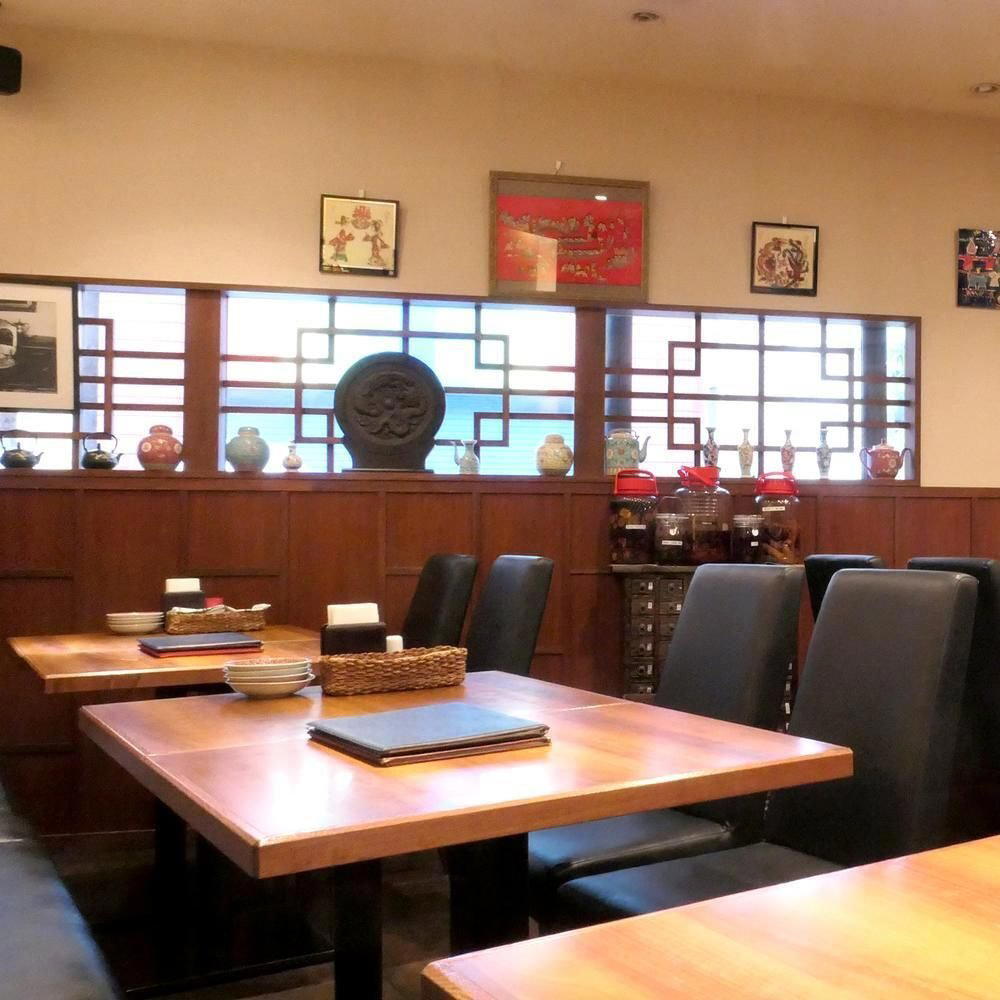
A very small, counter-only ramen shop with a classic no-frills feel; guests sit close together at the counter watching bowls being prepared in a bright but compact space, creating an intimate, lively neighborhood atmosphere rather than a lingering, quiet meal setting.
Tags
Vibe
Best For
Experience
At the Table
- Noise Level
- Lively
- Service Style
- Counter Service
- Meal Pacing
- Quick Bite
- Capacity
- Intimate
Signature Dishes
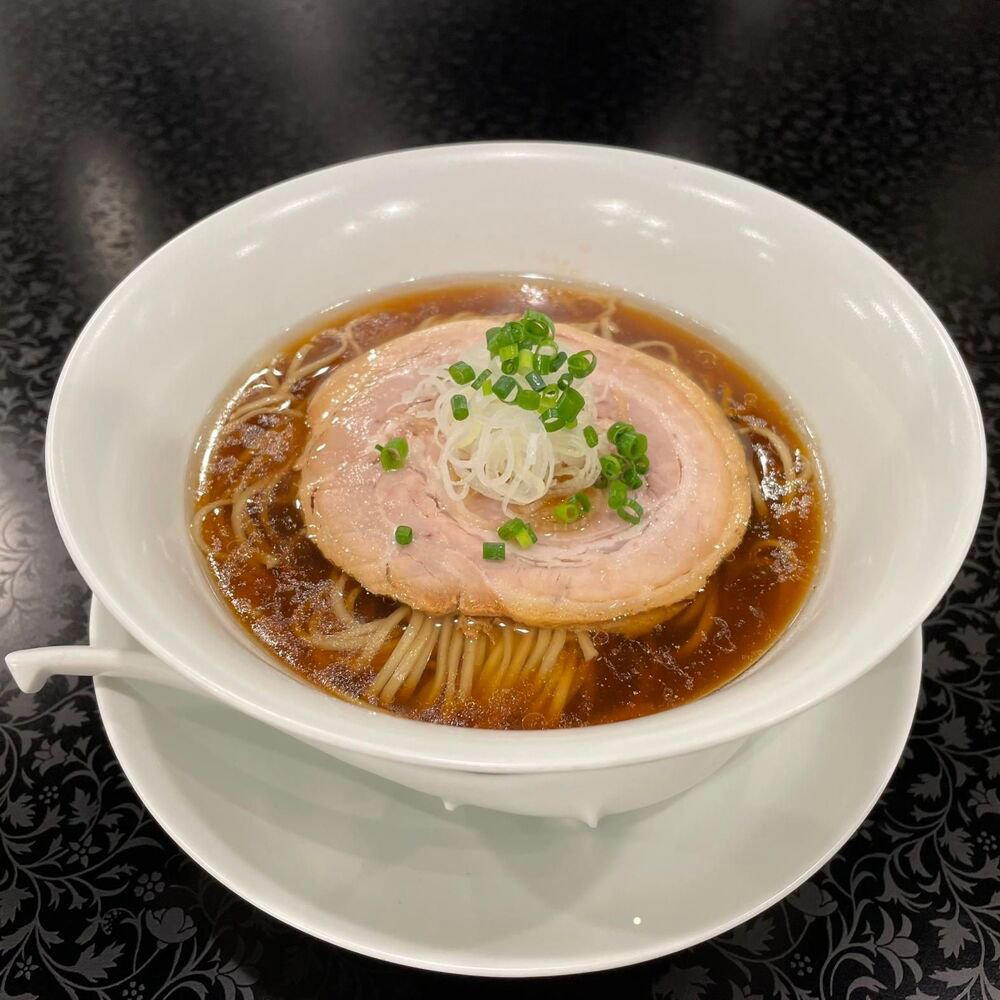
- hand-kneaded chuka soba
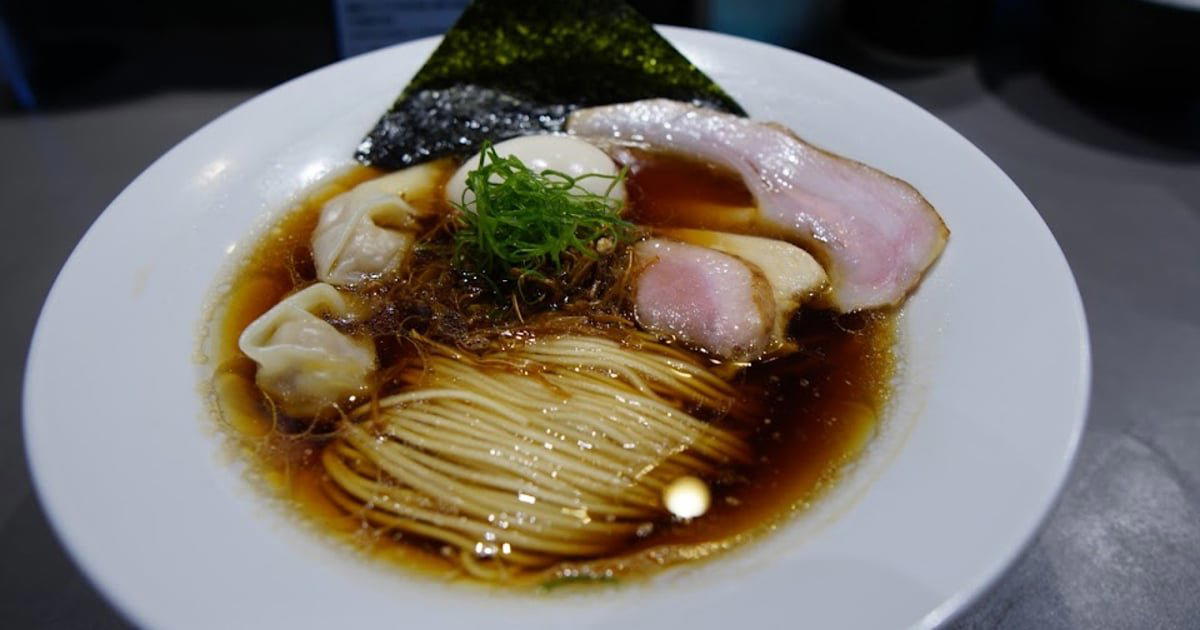
- wonton shoyu ramen
- charcoal-roasted chashu ramen
- breakfast ramen (asa chuka soba)
Know before you go
Know Before You Go
- Getting there
- Japan, 〒170-0002 Tokyo, Toshima City, Sugamo, 4 Chome−24−6 富士ビル 12
Planning details
Location
Japan, 〒170-0002 Tokyo, Toshima City, Sugamo, 4 Chome−24−6 富士ビル 12 · Directions
Recognition and awards
Also consider
Also Consider
- Sugamo Tokiwa Shokudo Honten, JPY 2,000 - JPY 2,999 JPY 1,000 - JPY 1,999, JPY 2,000 - JPY 2,999 JPY 1,000 - JPY 1,999
- Teuchi Soba Kikutani Sugamo honten, JPY 1,000 - JPY 1,999 JPY 1,000 - JPY 1,999, JPY 1,000 - JPY 1,999 JPY 1,000 - JPY 1,999
- Ganso Shio Daifuku Mizuno, - JPY 999 - JPY 999 View spending breakdown, - JPY 999 - JPY 999 View spending breakdown
- Negima, Japanese, ¥¥
- DAIJU, JPY 5,000 - JPY 5,999, JPY 5,000 - JPY 5,999
Restaurant context
Mensouan Sunada sits in the low-price, high-recognition corner of Tokyo's ramen scene, Tabelog 100 credentials at JPY 1,000–1,999 put it below most award-list peers while delivering the same technical validation. Sugamo Tokiwa Shokudo Honten, a few blocks away in the same neighborhood, runs JPY 2,000–2,999 for lunch and lacks the same editorial recognition; if you're optimizing for both price and pedigree, Mensouan Sunada wins. Ganso Shio Daifuku Mizuno undercuts both at under JPY 999, but the focus there is mochi and daifuku, not ramen, it's a different meal entirely.
For travelers who want a sit-down soba alternative in the same district, Teuchi Soba Kikutani Sugamo honten operates in the same JPY 1,000–1,999 range with a similar no-reservations model, though soba service typically accommodates groups more easily than a six-seat ramen counter. DAIJU, at JPY 5,000–5,999, represents the opposite end of the spectrum, higher price, more elaborate format, and a booking curve that requires advance planning. If your priority is getting a Tabelog 100 bowl with minimal logistical friction, Mensouan Sunada is the clear move: walk in before 1:00 PM, wait 20 minutes, eat, and move on.
Negima offers Japanese izakaya-style dining at a similar price tier (¥¥) but shifts the occasion from quick ramen service to longer, sake-forward meals. The choice depends on format preference, counter ramen for speed and focus, or table service for a broader menu and slower pace. Mensouan Sunada is the better pick for solo diners, early risers, and anyone who values award recognition at entry-level pricing. For groups or late lunches, the six-seat limit and 2:30 PM last order make it a poor fit; in those cases, Sugamo Tokiwa Shokudo Honten or Kikutani will serve you better.
Explore Tokyo
Around this place
Discover more on Pearl
Unlock the full Mensouan Sunada guide in Pearl, including awards, comparisons, FAQs, planning details, and nearby places.
FAQ
Frequently Asked Questions
How far ahead should I book Mensouan Sunada?
Reservations are unavailable. The six-seat counter operates walk-in only, and waits are typical given the Tabelog 100 recognition across five consecutive years. Arrive at opening (8 AM Tuesday, Wednesday, Friday, Saturday, Sunday) to minimize queuing, or expect a 30–60 minute wait mid-service. The shop closes Mondays and Thursdays.
Is Mensouan Sunada worth the price?
At JPY 1,000–1,999 per bowl, the venue delivers ramen at a fraction of what you'd pay for comparable Tabelog 100 recognition in other categories. The quality justifies the trek to Sugamo for ramen enthusiasts chasing the hyakumeiten circuit. For casual diners unwilling to queue, the value equation weakens.
Can Mensouan Sunada accommodate groups?
No. The six-seat counter means parties larger than two will be split, and seating four or more together is impossible. Solo diners and pairs fit the format; groups should consider counter shops with longer seating runs or table options elsewhere in Tokyo.
What should a first-timer know about Mensouan Sunada?
Expect a no-frills counter operation with cash and electronic payment accepted (no phone number listed, no website). The shop opened in 2020 and has earned Tabelog 100 honors every year since 2021. Service runs breakfast through early afternoon (last order 2:30 PM), so lunch is the natural window. Queue discipline matters.
Is lunch or dinner better at Mensouan Sunada?
The shop closes at 3 PM (last order 2:30 PM), so dinner is not an option. Lunch is the only service window. Arriving closer to opening (8 AM) means shorter waits, while the 1–2 PM window typically sees the longest queues.
What are alternatives to Mensouan Sunada in Tokyo?
For counter ramen with less queue stress, consider the broader Ikebukuro or Shinjuku ramen districts, where Tabelog-recognized shops outnumber Sugamo options. Within the neighborhood, Sugamo Tokiwa Shokudo Honten offers a broader menu at similar pricing without the hyakumeiten pressure. For soba over ramen, Teuchi Soba Kikutani Sugamo honten is a short walk.