
.png?width=1200&quality=80)

Ramen Break Beats
Ramen · Meguro, Tokyo
Restaurant in Tokyo, Japan
 Book with Pearl
The Read
DJ-Structured Soy Broth
Price
¥
Chef
Takuro Yanase
Dress
Casual
Why go
A 2024 Michelin Bib Gourmand ramen counter in Meguro, Ramen Break Beats is one of Tokyo's easiest high-value bookings. Chef Takuro Yanase's DJ background shapes both the music and the kitchen discipline: the signature soy-sauce ramen delivers a clear, precise broth that holds up against more famous rivals at a fraction of the cost.
About Ramen Break Beats
Verdict
Ramen Break Beats is one of the easiest high-quality ramen bookings in Tokyo, and at the ¥ price tier it punches far above its cost. If you want Michelin-recognised ramen without the queue anxiety of more famous spots, this is where to go.
About Ramen Break Beats
Chef Takuro Yanase ran a different kind of performance before he ran a kitchen. His background as a DJ is not decorative detail: it directly shapes how Ramen Break Beats operates, from the music threaded through the room to the rhythmic discipline behind the soy-sauce ramen that anchors the menu. The name references break beats, the technique of isolating and looping a drum break, and the philosophy carries into the cooking: strip back, isolate the essential, repeat until it is precise.
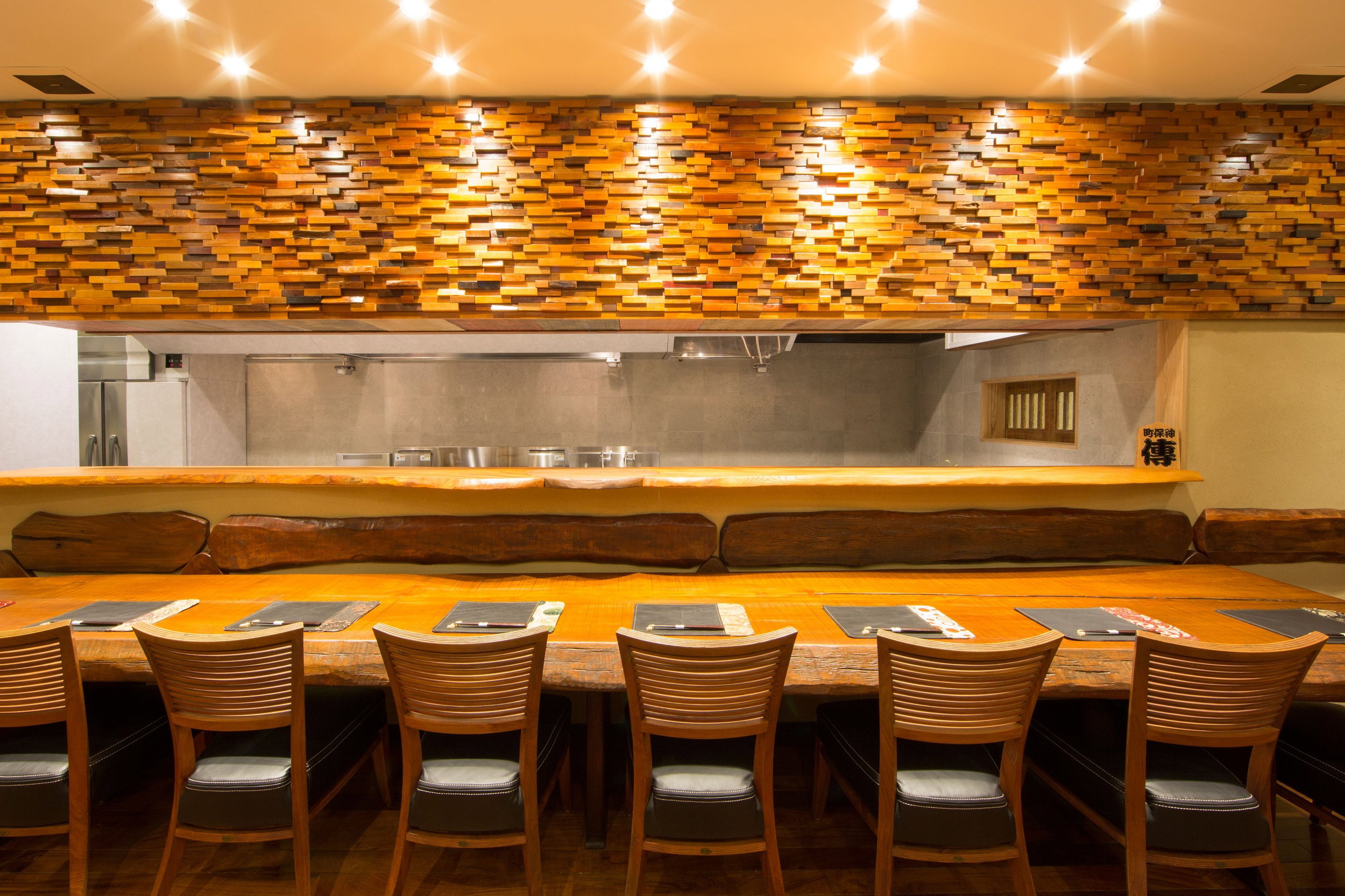
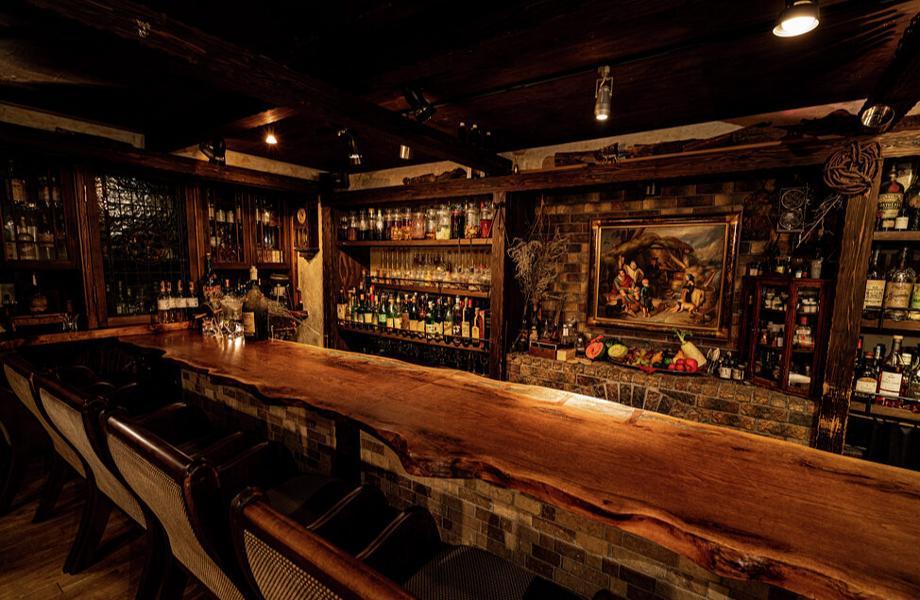
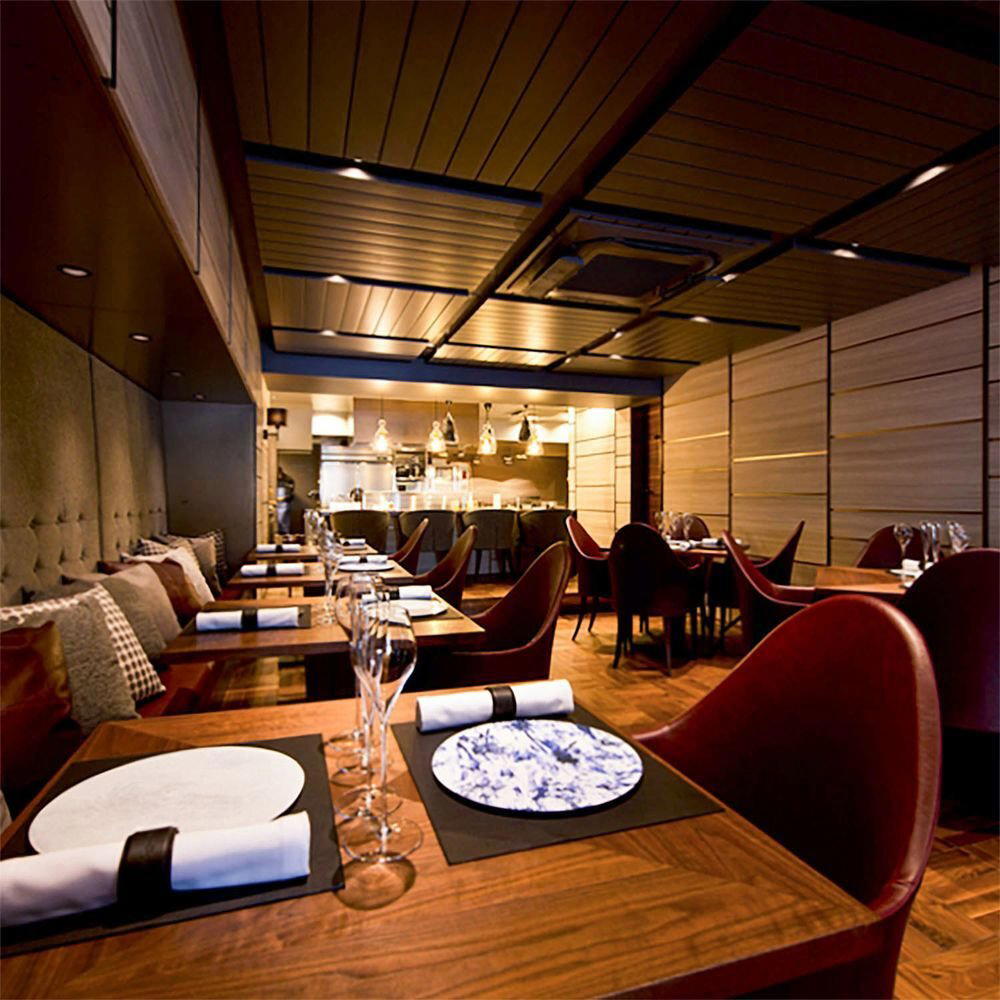
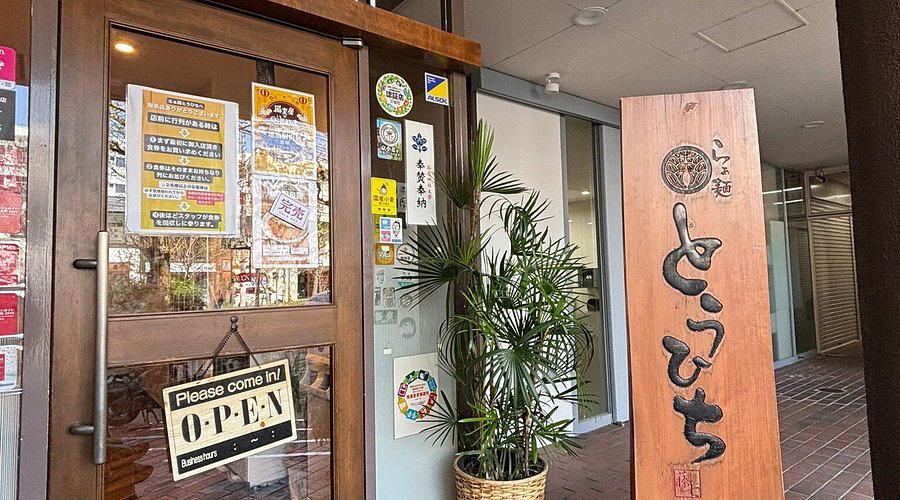
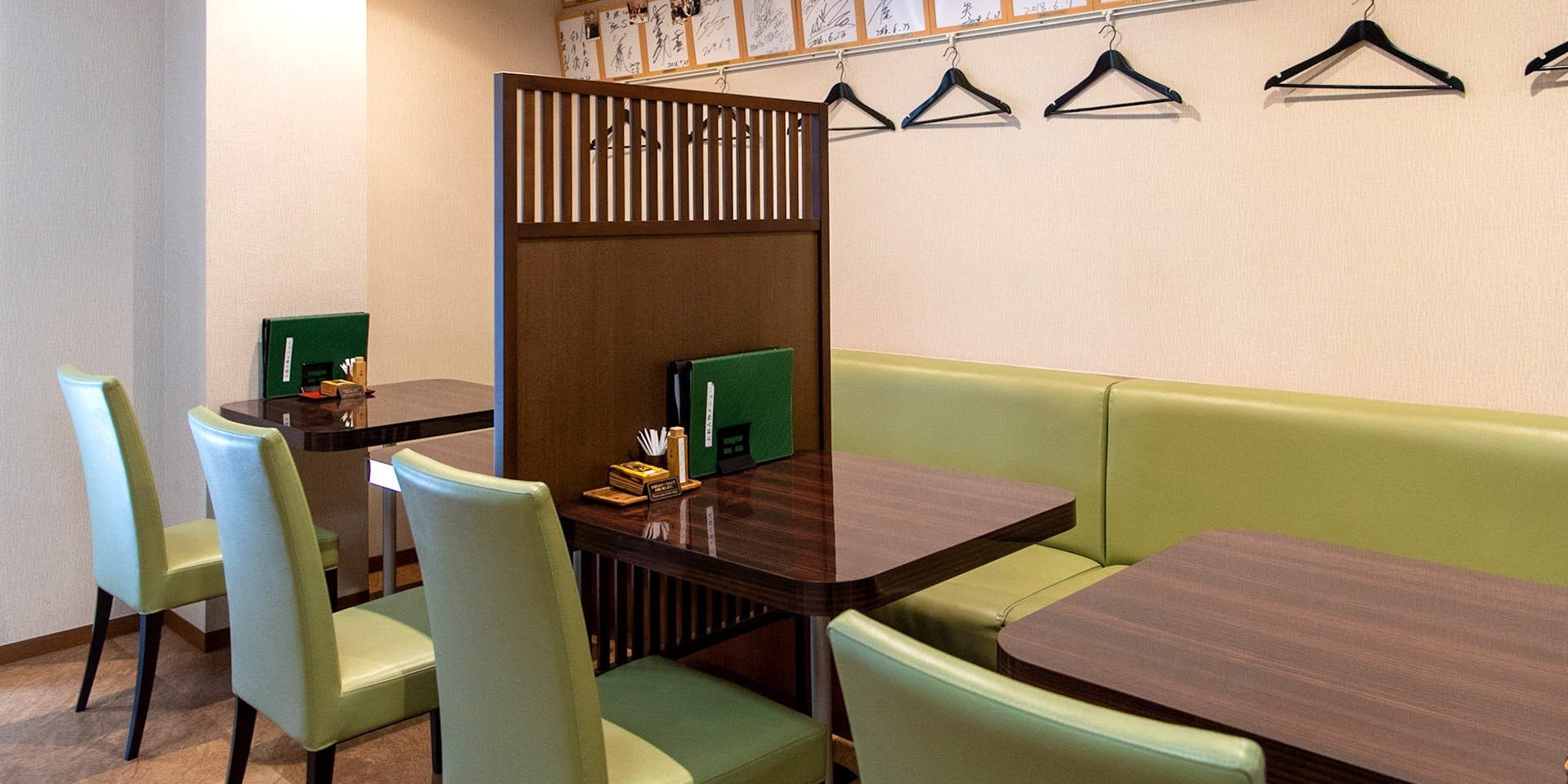
The venue sits in Meguro City at 4 Chome-21-19 Aibii Heights, 1F, which places it in a residential pocket of southwest Tokyo rather than a tourist corridor. The ground-floor space is compact, as most serious ramen counters in Tokyo are, and the layout keeps focus on the bowl rather than the room. This is a counter-and-table format where the physical environment is secondary to the product. If spatial intimacy matters to you for a date or celebratory meal, the setting is low-key by design, not accident.
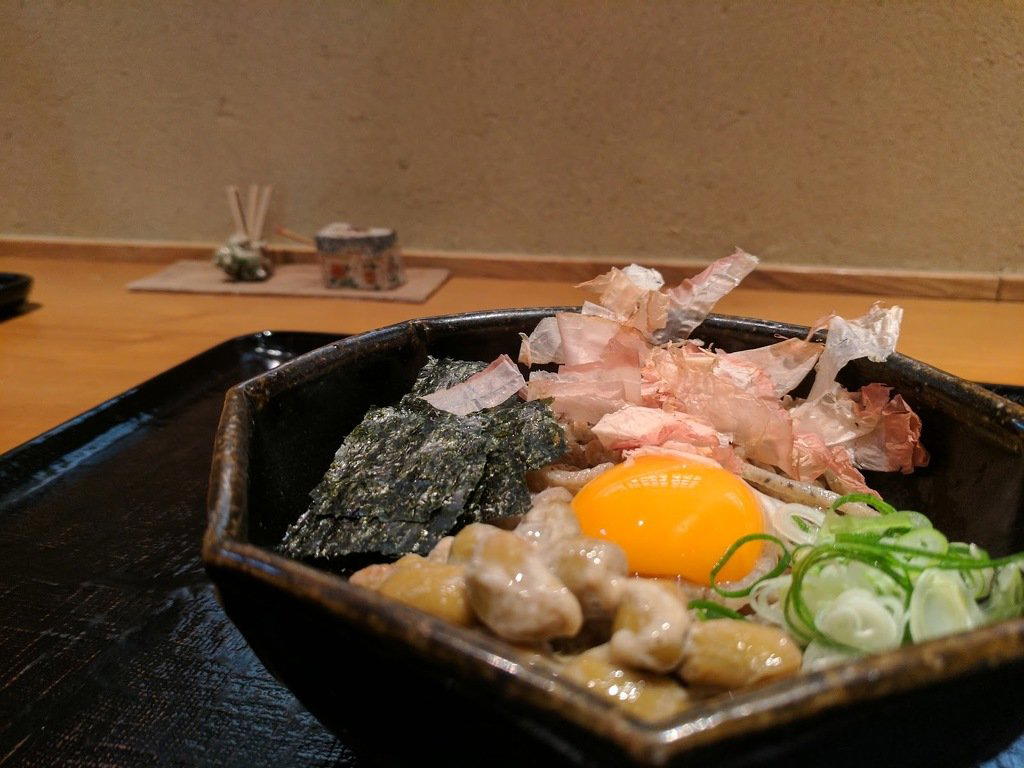
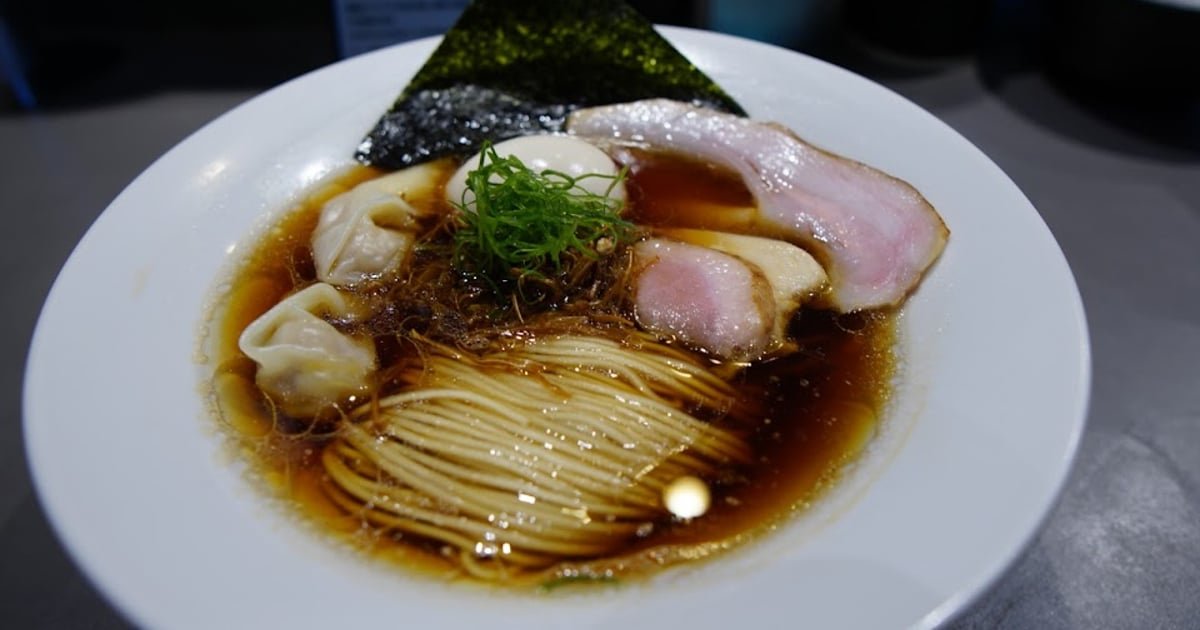
The signature soy-sauce ramen is built on a clear broth that takes preparation seriously. The soup achieves transparency through careful stock work, and the noodles are treated with the same attention. This is not the style of ramen that arrives opaque with fat or aggressive with salt. The result is a bowl that reads as clean and precise, where the broth holds your attention to the last mouthful. For diners accustomed to tonkotsu-heavy styles, this register will feel different, possibly revelatory.
When to Visit
Ramen Break Beats does not publish hours in available data, so confirming opening times before visiting is advisable. What the Bib Gourmand designation and neighbourhood position suggest is that this is a lunch and early-dinner destination rather than a late-night option. Soy-sauce ramen of this calibre is leading appreciated outside peak heat months if you are sensitive to a hot broth in summer, though Tokyo ramen culture runs year-round. The bowl's clean, clear profile makes it arguably more compelling in cooler months, when a precise, warming broth is exactly what the visit calls for. Autumn and winter visits align well with what the kitchen does leading.
For context on how seasonality affects Tokyo ramen more broadly: lighter shio and shoyu styles like this one tend to feel most coherent from October through March, when the broth's warmth and clarity register as intentional rather than incidental. Summer visits are fine, but the experience lands differently when the temperature outside is 34°C.
How It Compares
Against other Michelin-recognised ramen in Tokyo, Ramen Break Beats sits at the accessible end of the market. Afuri offers a yuzu shio alternative that draws longer queues and operates across multiple locations; Break Beats is the better choice if you want a single-minded soy-sauce focus in a quieter setting. Fuunji in Shinjuku is the go-to for tsukemen intensity; Break Beats is the counter-programme for those who want clarity over concentration. Chukasoba Ginza Hachigou and Chukasoba KOTETSU occupy similar shoyu territory with their own loyal followings; if you are building a Tokyo ramen itinerary across multiple days, all three are worth including rather than treating as substitutes for each other.
For ramen outside Tokyo, Akahoshi Ramen in Chicago and Afuri Ramen in Portland are the international reference points for visitors who want to benchmark what Tokyo-standard ramen looks like abroad.
Is It Worth It for a Special Occasion?
Ramen Break Beats is not a white-tablecloth celebration venue, and booking it for a milestone anniversary requiring ceremony would be a mismatch. What it offers for a special occasion is a different kind of distinction: a Michelin-recognised bowl with a genuine concept behind it, at a price where you can eat well and spend the rest of the evening's budget elsewhere. A pre-dinner stop, a casual birthday lunch, or a deliberate low-key date where the food is the point rather than the setting — these all work. Pair it with a reservation at one of Tokyo's higher-tier options the same trip if you want range: RyuGin for kaiseki or L'Effervescence for French technique, and Break Beats for the bowl that shows Tokyo's precision at street-food prices.
Practical Details
| Detail | Ramen Break Beats | Afuri (Tokyo) | Fuunji |
|---|---|---|---|
| Price tier | ¥ | ¥¥ | ¥ | Michelin recognition | Bib Gourmand 2024 | Bib Gourmand | Bib Gourmand |
| Booking difficulty | Easy | Easy (multiple sites) | Queue on arrival |
| Style | Soy-sauce (shoyu) | Yuzu shio | Tsukemen |
| Location | Meguro | Multiple | Shinjuku |
Explore More in Tokyo and Japan
If Ramen Break Beats is part of a wider Tokyo trip, our full Tokyo restaurants guide covers the range from ramen counters to kaiseki rooms. For where to stay, our Tokyo hotels guide and bars guide are useful companions. Travelling beyond Tokyo? HAJIME in Osaka, Gion Sasaki in Kyoto, akordu in Nara, and Goh in Fukuoka represent the broader arc of serious dining across Japan. 1000 in Yokohama and 6 in Okinawa round out the national picture for dedicated travellers.
Planning details
- Location
- Japan, 〒153-0063 Tokyo, Meguro City, Meguro, 4 Chome−21−19 アイビーハイツ 1階
- Website
- instagram.com/ramenbreakbeats
The take
The Take
The Vibe
Ramen Break Beats reads as a deliberately calibrated ramen counter that marries Tokyo assertiveness with technical restraint. The Michelin Bib Gourmand nod signals serious, consistent execution rather than maximalism — the shop prizes broth clarity and precise noodle work over layered richness. The setting is intimate and counter-focused, rewarding diners who appreciate discipline and craft in a compact, energetic environment. The overall tone is sophisticated without being precious: it feels like a focused neighborhood counter where the bowl’s architecture and technique take center stage.
Best For
This is a place for focused bowl-minded diners: solo counter seats suit visiting ramen obsessives and anyone who wants a quick, high-quality meal. It also fits casual hangouts where the draw is assured technique at an accessible price — the Bib Gourmand flag makes it a reliable special-occasion pick when you want excellent ramen without the formality of a multi-course dinner. The first-floor, counter-forward layout is best for people who like to watch preparation and eat with purpose.
Ordering Tips
Order the Tokujyo Shoyu Ramen to experience the shop’s defining approach — the write-up highlights soy-sauce ramen built on broth clarity and precise noodle preparation. The Tokujyo Shio Ramen and the Aburi Mayo Donburi are listed as signatures and are safe, representative choices. Expect bowls that reward prompt consumption and a counter setting that foregrounds execution; the Bib Gourmand framing suggests confident, consistent dishes at a modest price point.
Venue details
Ambiance
Intimate counter setting with hip-hop and '90s music playing through speakers, creating an energetic yet focused dining experience in a small, sleepy residential neighborhood location.
Tags
Vibe
Best For
Experience
Sourcing
At the Table
- Dress Code
- Casual
- Noise Level
- Lively
- Service Style
- Counter Service
- Meal Pacing
- Standard
- Capacity
- Intimate
Signature Dishes
- Tokujyo Shoyu Ramen
- Tokujyo Shio Ramen
- Aburi Mayo Donburi
Know before you go
Know Before You Go
- Getting there
- Japan, 〒153-0063 Tokyo, Meguro City, Meguro, 4 Chome−21−19 アイビーハイツ 1階
Planning details
Location
Japan, 〒153-0063 Tokyo, Meguro City, Meguro, 4 Chome−21−19 アイビーハイツ 1階 · Directions
Recognition and awards

Also consider
Also Consider
- Harutaka, Sushi, ¥¥¥¥
- L'Effervescence, French, ¥¥¥¥
- RyuGin, Kaiseki, Japanese, ¥¥¥¥
- HOMMAGE, Innovtive French, French, ¥¥¥¥
- Crony, Innovative, French, ¥¥¥¥
Restaurant context
Ramen Break Beats sits in a different tier entirely from the comparison set. Harutaka, L'Effervescence, RyuGin, HOMMAGE, and Crony are all ¥¥¥¥ venues where a single meal costs multiples of a full day of eating at Break Beats. The comparison is not which is better in absolute terms, it is which is right for your trip and your budget on a given evening.
If you are planning a Tokyo dining itinerary and need to allocate one high-spend night, RyuGin delivers kaiseki technique with the ceremony that justifies the price for a special occasion; Harutaka is the call for omakase sushi at that level. Break Beats serves a different function: it is the meal you eat when you want Michelin-level precision without the booking lead time, the dress code consideration, or the three-figure bill. At ¥, it is the most accessible entry point to recognised Tokyo dining quality in this peer group by a significant margin.
For value across the city more broadly, Break Beats competes with Fuunji and Chukasoba Ginza Hachigou rather than with ¥¥¥¥ tasting-menu rooms. If you are choosing between the ¥¥¥¥ options above, make that decision on cuisine preference and occasion. If you want the best return on a modest spend in Tokyo with a Michelin credential attached, Break Beats is the clearer answer than any of them.
Explore Tokyo
Around this place
Discover more on Pearl
Unlock the full Ramen Break Beats guide in Pearl, including awards, comparisons, FAQs, planning details, and nearby places.
Compare Ramen Break Beats
| Venue | Cuisine | Awards | Booking Difficulty |
|---|---|---|---|
| Ramen Break Beats | Ramen | 2026 OAD Casual in Japan Ranked · #1212026 Bib GourmandTabelog 100 - Ramen - TOKYO - 2025 · #972024 Michelin Bib Gourmand | Easy |
| Harutaka | Sushi | 2026 Tabelog Silver · #312026 OAD Top Restaurants in Japan Ranked · #1282026 Michelin 3 Stars2026 La Liste Top RestaurantsTabelog 100 - Sushi - TOKYO - 2025 · #372025 Asia's 50 Best Restaurants · #762025 OAD Top Restaurants in Japan Ranked · #1172025 La Liste Top Restaurants2025 Tabelog Bronze | Unknown |
| L'Effervescence | French | 2026 Tabelog Silver · #682026 OAD Top Restaurants in Japan Ranked · #103Star Wine Lists 20262026 Black Pearl 2 Diamond2026 Relais Chateaux Restaurants2026 La Liste Top Restaurants2026 Michelin 3 Stars2025 Asia's 50 Best Restaurants · #692025 OAD Top Restaurants in Japan Ranked · #92 | Unknown |
| RyuGin | Kaiseki, Japanese | 2026 OAD Top Restaurants in Japan Ranked · #802026 Tabelog Bronze · #3772026 Michelin 3 Stars2026 La Liste Top RestaurantsTabelog 100 - Japanese cuisine - TOKYO - 2025 · #212025 OAD Top Restaurants in Japan Ranked · #542025 Michelin 3 Stars2025 La Liste Top Restaurants2025 The Best Chef Three Knives | Unknown |
| HOMMAGE | Innovtive French, French | 2026 Tabelog Bronze · #1232026 OAD Top Restaurants in Japan Highly Recommended2026 Michelin 2 StarsTabelog 100 - French - TOKYO - 2025 · #762025 Asia's 50 Best Restaurants · #782025 OAD Top Restaurants in Japan Ranked · #1752025 Michelin 2 Stars2025 The Best Chef One Knife2025 La Liste Top Restaurants | Unknown |
| Crony | Innovative, French | 2026 Asia's 50 Best Restaurants · #34Star Wine Lists 20262026 OAD Top Restaurants in Japan Recommended2026 Michelin 2 Stars2025 Asia's 50 Best Restaurants · #30Tabelog 100 - French - TOKYO - 2025 · #782025 OAD Top Restaurants in Japan Ranked · #227We're Smart World Top Restaurants 20252025 Michelin 2 Stars | Unknown |













How Ramen Break Beats stacks up against the competition.
FAQ
Frequently Asked Questions
What should I order at Ramen Break Beats?
Order the soy-sauce ramen — it is the signature dish and the reason Ramen Break Beats earned its 2024 Michelin Bib Gourmand. The clear broth is the centrepiece: carefully prepared noodles and a clean, precise soup rather than a heavy or cloudy stock. There is no documented second option to deliberate over, so arrive knowing what you came for.
What should a first-timer know about Ramen Break Beats?
The venue is in Meguro City (4 Chome-21-19, Ivy Heights 1F), which is a residential pocket rather than a tourist-heavy area, so plan your route in advance. Chef Takuro Yanase's DJ background is not a gimmick: the music in the room is curated to match the rhythm of eating, which gives the place a different atmosphere from a standard ramen counter. Hours are not publicly listed, so confirm before you go — showing up to a closed door at a 2024 Bib Gourmand spot would be a waste.
What should I wear to Ramen Break Beats?
This is a ¥-tier ramen shop in a residential Meguro building, not a white-tablecloth room. Come as you are — jeans, a jacket, whatever you wore on the train. There are no dress expectations documented, and arriving overdressed would be as out of place as underdressing at a kaiseki counter.
Is the tasting menu worth it at Ramen Break Beats?
Ramen Break Beats does not operate a tasting menu format. It is a ramen counter built around a single signature bowl. If you are looking for a multi-course progression, RyuGin or L'Effervescence in Tokyo are the appropriate alternatives at a significantly higher price point.
What are alternatives to Ramen Break Beats in Tokyo?
For a yuzu shio alternative with a lighter profile, Afuri is the standard comparison at a similar price tier and broader availability across Tokyo. If you want Michelin-recognised ramen with a different regional style, Fuunji (tsukemen) or Konjiki Hototogisu (clam-based shoyu) are worth considering. Ramen Break Beats is the pick if the soy-sauce tradition and the Bib Gourmand credential at ¥ pricing are your criteria.
Is Ramen Break Beats good for a special occasion?
Not if the occasion calls for ceremony, private dining, or a long evening. A Bib Gourmand ramen counter in a residential Meguro building is a great meal, not a celebration venue. Book it for a deliberately casual milestone — 'we ate the best-value Michelin bowl in Tokyo' is a legitimate memory, just a different kind than a kaiseki dinner.
Is Ramen Break Beats worth the price?
At ¥ pricing with a 2024 Michelin Bib Gourmand on the record, it is one of the strongest value propositions in Tokyo's ramen scene. The Bib Gourmand designation specifically recognises good food at a price accessible to most diners, so the credential and the cost are aligned rather than in tension. If the soy-sauce ramen format suits you, yes — book it.