.png?width=1200&quality=80)
Negima
Japanese · Toshima, Tokyo
Restaurant in Tokyo, Japan
 Book with Pearl
The Read
Edo-Period Hot Pot Revival
Price
¥¥
Dress
Smart Casual
Why go
Negima holds a 2024 Michelin Bib Gourmand for one very specific reason: its negima-nabe, an Edo-period tuna and spring onion stew reconstructed from historical recipes and served in a Toshima basement at a ¥¥ price point that makes it one of Tokyo's most focused value-for-money dinners. Book 1–2 weeks ahead. Best for dates and special occasions where the story matters as much as the meal.
About Negima
A Shogunate-Era Stew in Toshima, and a Reason to Book Now
Picture a basement dining room in Toshima, a neighborhood most Tokyo visitors never reach, where a proprietress has spent years reconstructing a dish that predates the Meiji Restoration. The premise sounds academic. The reality earns a 2024 Michelin Bib Gourmand. Negima is worth booking, particularly if you are after something in Tokyo's dining scene that sits entirely outside the omakase-counter circuit and costs a fraction of what that circuit demands at the ¥¥ price point.
The centrepiece is negima-nabe: a tuna and spring onion stew with documented origins in the Edo period, when fatty toro was considered texturally excessive and the stew format was developed specifically to moderate it. What makes Negima's version historically grounded is the deliberate omission of kombu and mirin, both of which are standard in contemporary Japanese hot-pot cooking. Their absence is a deliberate act of fidelity to original recipes, not an oversight. The stew ends with pepper rice, fresh-cooked rice finished in the broth from the pot, seasoned with pepper. For diners accustomed to kaiseki progressions or multi-course tasting formats, this is a tighter, more focused meal — one dish, done with precision, finished with a bowl of rice that makes the whole thing feel complete rather than abrupt.
At the ¥¥ price tier, Negima sits well below the threshold of Tokyo's Michelin-starred dining, but the Bib Gourmand recognition matters here: it signals that the quality-to-price ratio has been by the same evaluators who award stars to RyuGin and Kagurazaka Ishikawa. You are not trading down by choosing Negima — you are choosing a different category of experience at a price that does not require negotiation with your budget.
Service Philosophy: Personal, Not Performative
The service context here matters for your decision. Negima is proprietress-led, which in practice means the cooking philosophy and the front-of-house disposition come from the same person. That is a different dynamic from the brigade-service model you encounter at venues like Azabu Kadowaki or Ginza Fukuju. At those restaurants, the service infrastructure is built to anticipate and absorb every guest need before it is expressed. At Negima, the experience is more direct, the attention is genuine but the format is intimate rather than orchestrated. If you measure a meal's success by the precision and layering of formal service, you may find Negima understated. If you measure it by whether the food and the person serving it feel aligned, Negima earns its place.
This is not a high-volume operation. The basement location in Kitaotsuka, Toshima City (address: 2 Chome-31-19 B1) reinforces that: you are going somewhere specific, with intention, not stumbling in after a nearby attraction.
Who Should Book Negima
Negima is the right choice for a dinner that feels grounded in something real, historically specific, price-honest, and free of the performance register that can make Tokyo's prestige dining feel like theatre. It works particularly well as a special occasion dinner for two people who want to eat something with a story without paying ¥¥¥¥ prices to do it. It is also a strong recommendation for visitors who have already covered the high-end tier on a longer Japan trip and want contrast: after Gion Sasaki in Kyoto or HAJIME in Osaka, a focused, historically-framed hot-pot dinner in a Toshima basement is the kind of counterpoint that stays with you.
It is less suited to large groups, given what the venue data implies about its size, and less suited to guests whose priority is wine pairing, extensive menu choice, or the kind of tableside theatrics that venues like Jingumae Higuchi or Myojaku can provide.
For a broader picture of where Negima fits in the city's dining options, see our full Tokyo restaurants guide. If you are planning a full itinerary around this trip, our Tokyo hotels guide, bars guide, and experiences guide cover the rest of the city at the same level of practical detail. Elsewhere in Japan, Isshisoden Nakamura in Kyoto, Kashiwaya Osaka Senriyama in Osaka, akordu in Nara, Goh in Fukuoka, 1000 in Yokohama, and 6 in Okinawa are worth knowing about depending on your itinerary.
Know Before You Go
- Cuisine: Japanese, Edo-period nabe (hot-pot)
- Price range: ¥¥ (accessible; well below Tokyo's Michelin-starred tier)
- Address: 2 Chome-31-19 B1, Kitaotsuka, Toshima City, Tokyo 〒170-0004
- Booking difficulty: Easy, book 1–2 weeks ahead to be safe; the small size means seats fill, but this is not a 3-month-wait venue
- Award: Michelin Bib Gourmand 2024
- Leading for: Date nights, special occasions on a mid-range budget, historically-minded diners
- Group note: Likely better suited to parties of 2–4 given the intimate basement format
- Phone / website: Not publicly listed, book via reservation platform or visit in person
Planning details
- Location
- Japan, 〒170-0004 Tokyo, Toshima City, Kitaotsuka, 2 Chome−31−19 B1
- Website
- negimakitaike.gorp.jp
- Phone
- +81 80-8739-8566
The take
The Take
The Vibe
Negima presents a quietly compelling narrative: a below-street-level restaurant in Kitaotsuka that revives a genuine Edo-era specialty. The writing emphasizes history—the restaurant preserves negima-nabe prepared according to original Edo recipes, intentionally avoiding modern crutches like kombu dashi or mirin—and that historical throughline gives the place a classic, slightly scholarly air. Its Michelin Bib Gourmand nod frames the kitchen as serious about tradition while remaining accessible, and the tucked-away location and specialist menu combine to produce an intimate, cozy dining experience for people who prize authenticity over trendiness.
Best For
Negima is best for diners who seek a focused, historically grounded meal rather than a flashy night out. The restaurant’s Bib Gourmand recognition and its commitment to original Edo-style negima-nabe make it a strong choice for date nights and small special occasions where the point is culinary discovery and fidelity to tradition. Located in Toshima City’s Kitaotsuka neighbourhood and situated below street level, it suits small parties who appreciate a quietly confident, value-minded restaurant that puts a single storied dish at the center of the experience.
Ordering Tips
Order the signature Negima Nabe to experience the dish the restaurant preserves: toro simmered with negi in the traditional Edo manner, explicitly prepared without kombu dashi or mirin. The description also highlights Tamago and Grilled Mackerel as signature items; include those to sample complementary flavors and preparations. Because the menu’s value and focus are part of the restaurant’s appeal (Michelin Bib Gourmand, ¥¥ positioning), prioritize the house specialties rather than hunting for broader, more modern interpretations.
Venue details
Ambiance
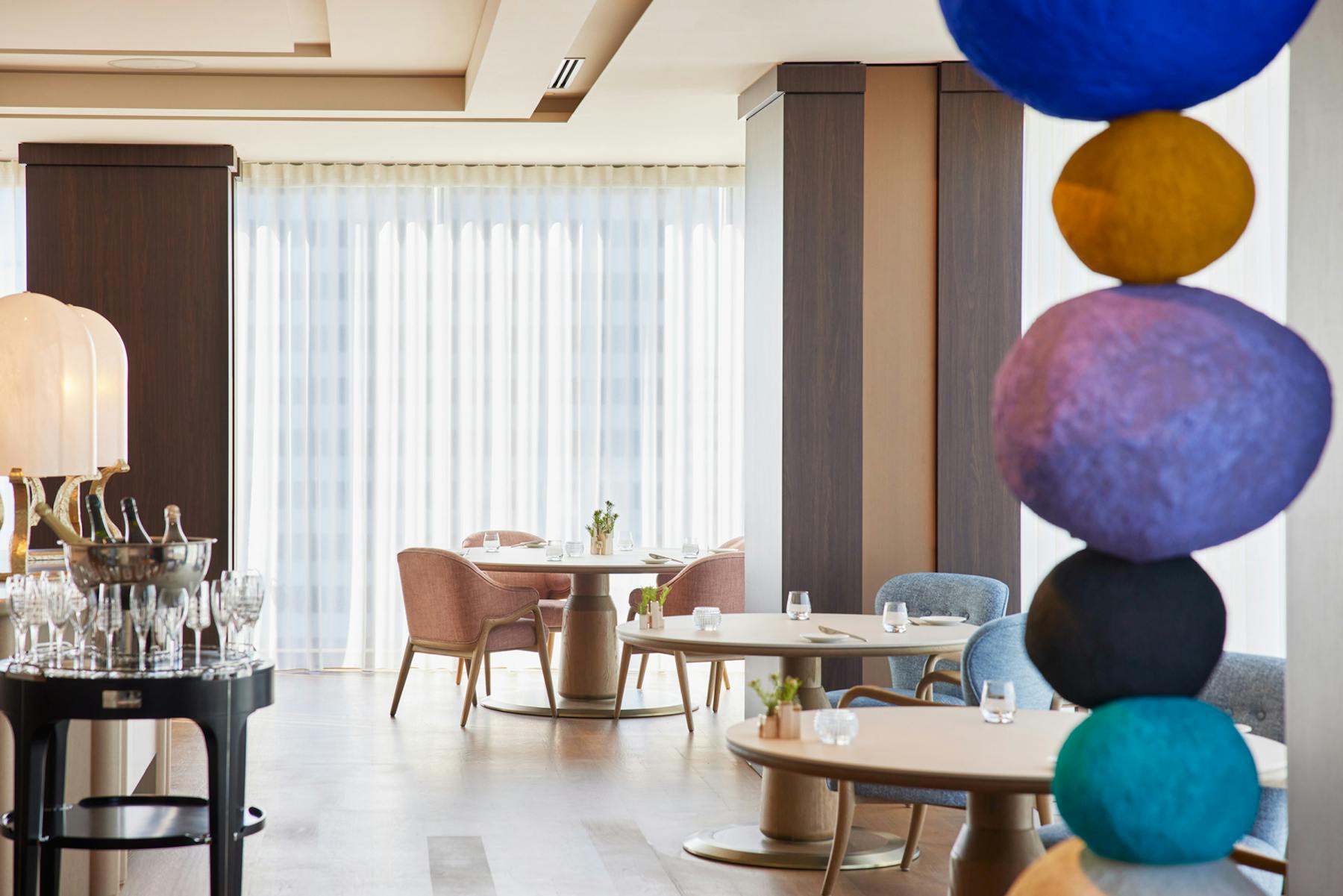
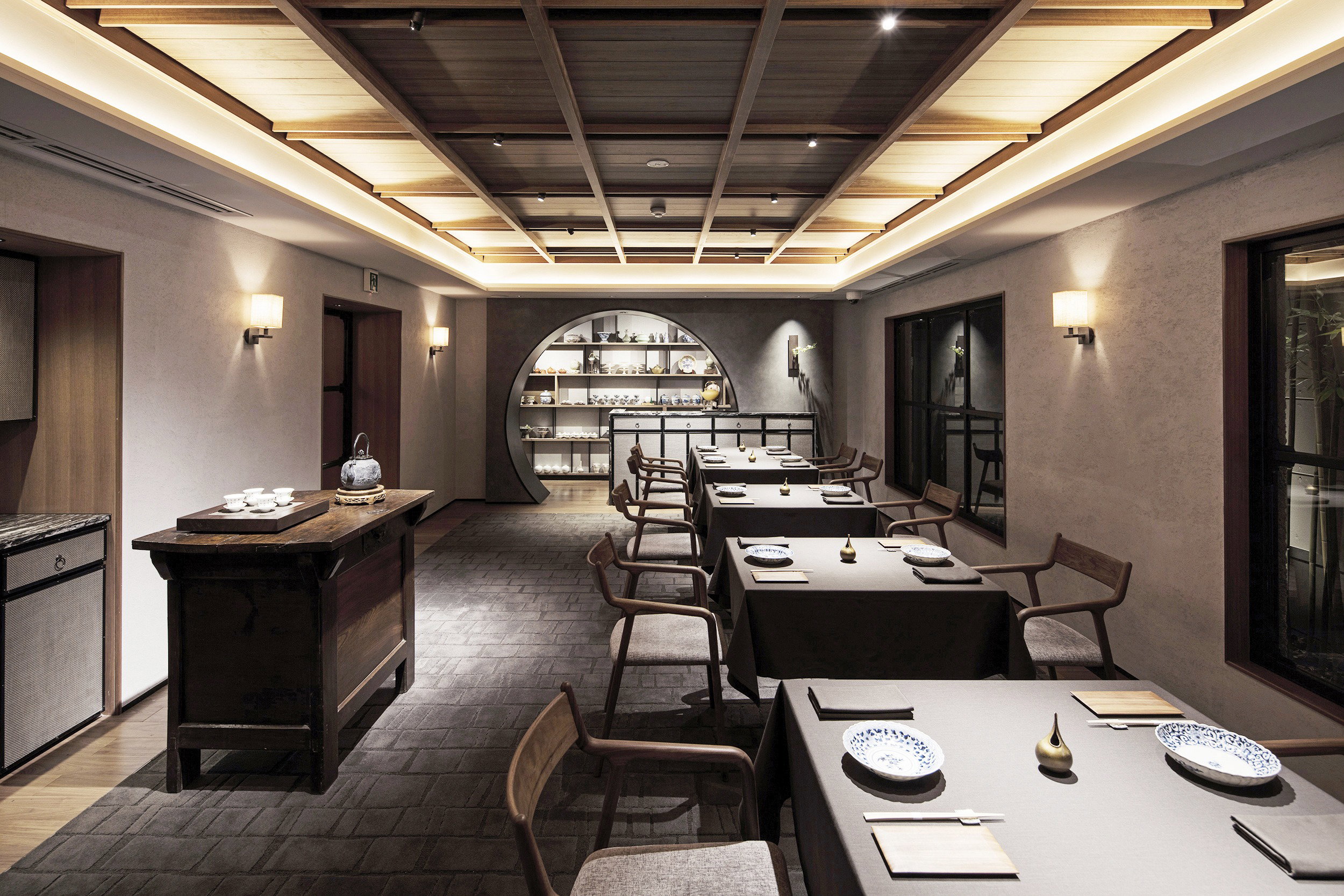
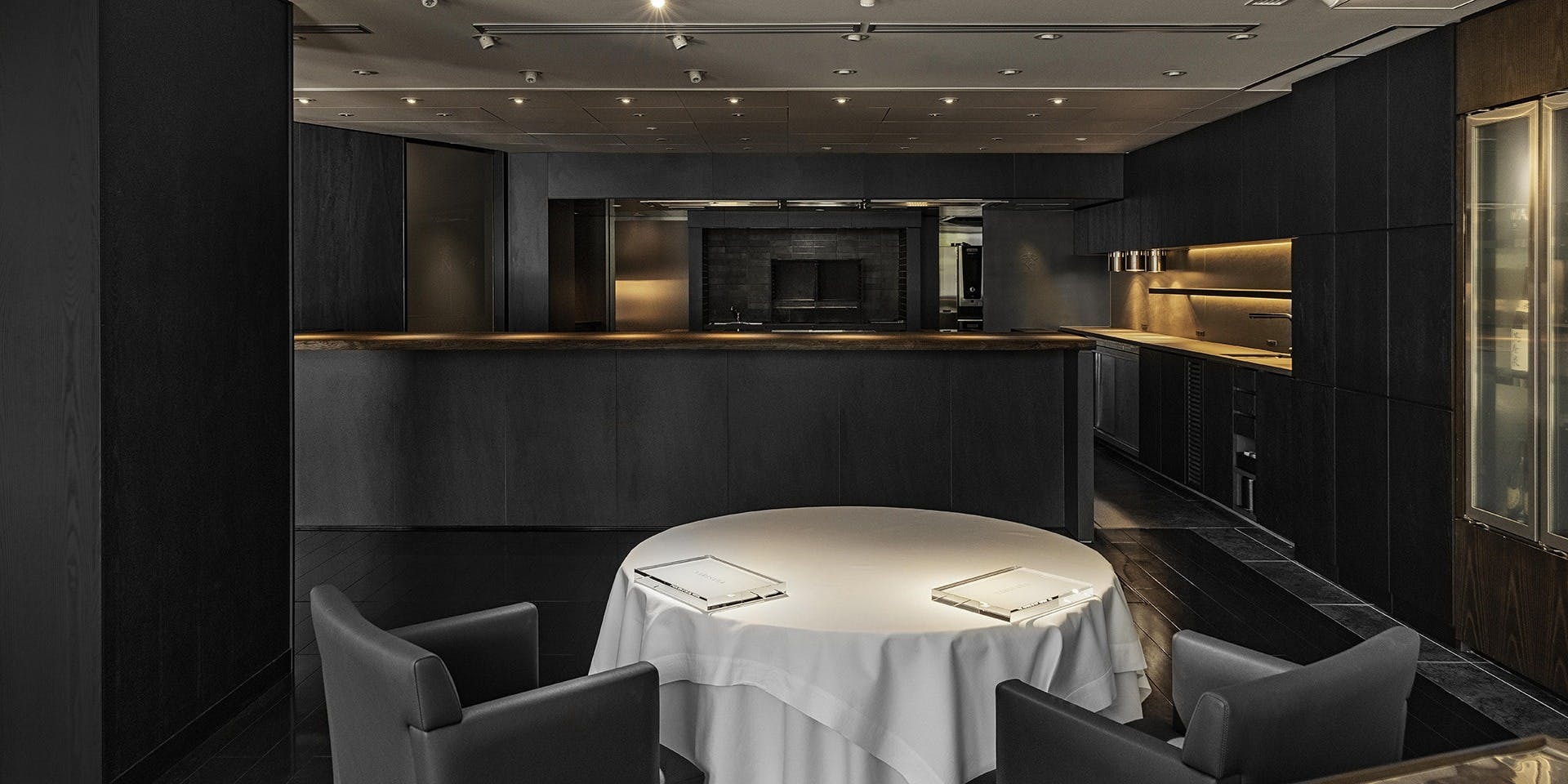
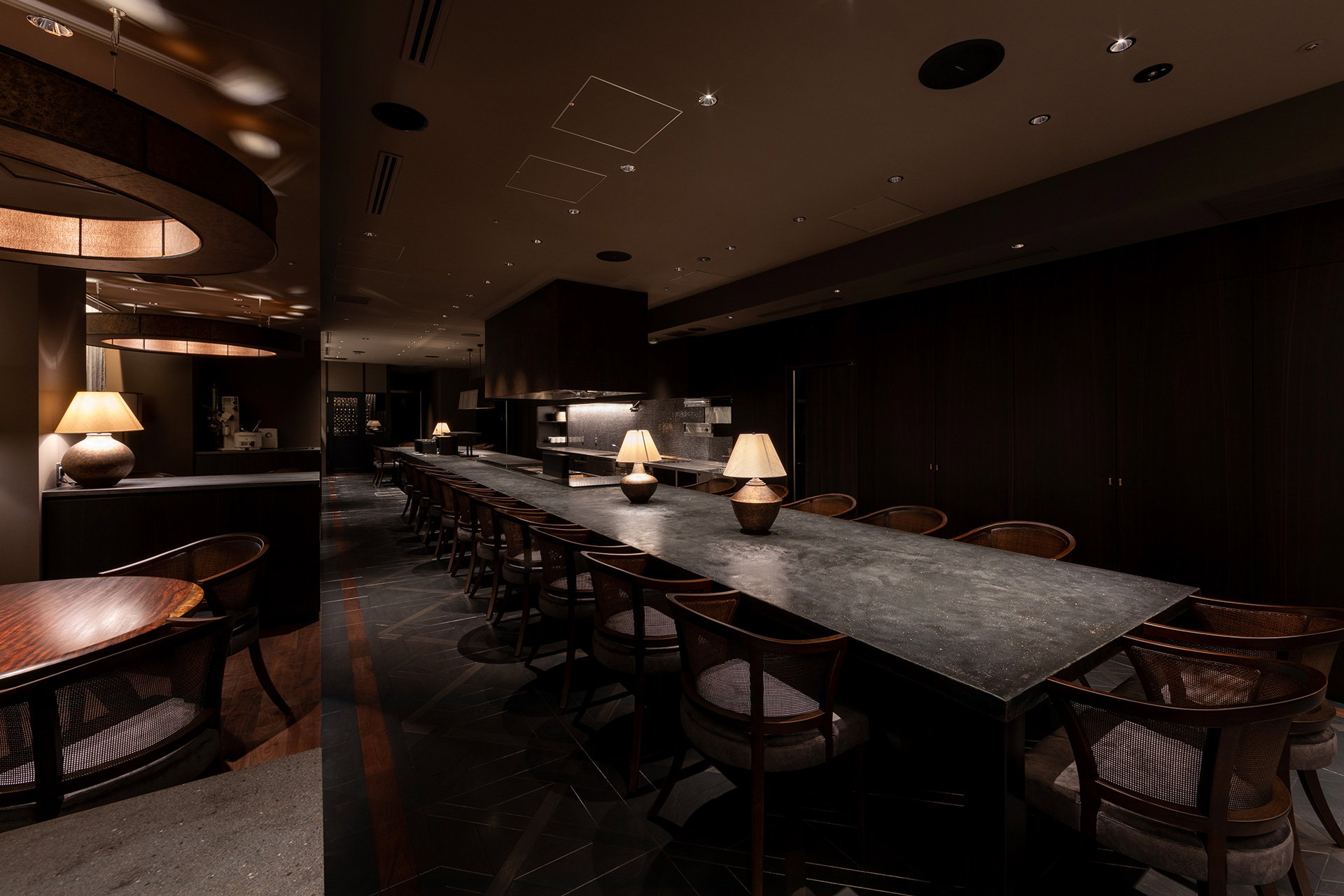
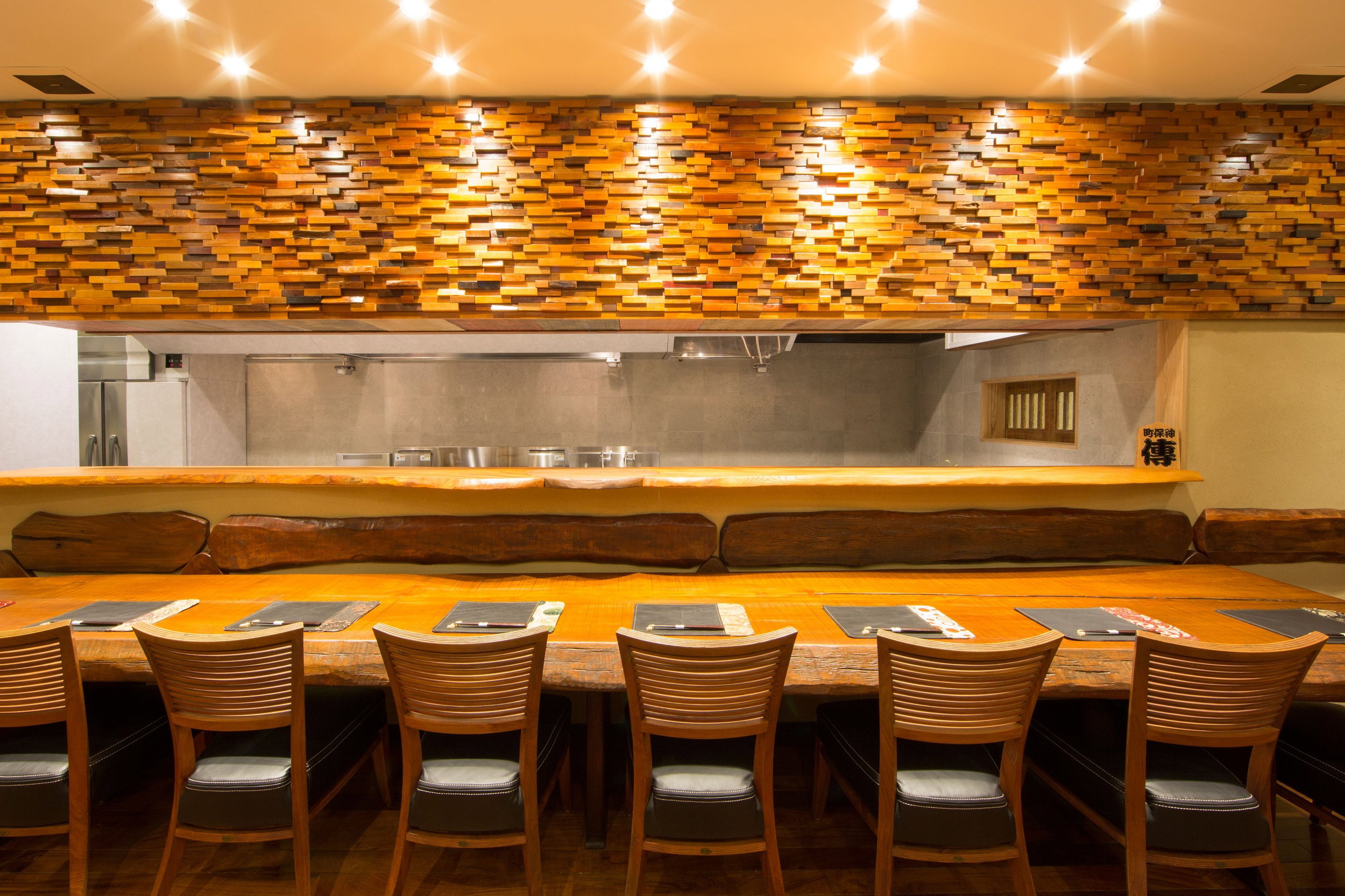
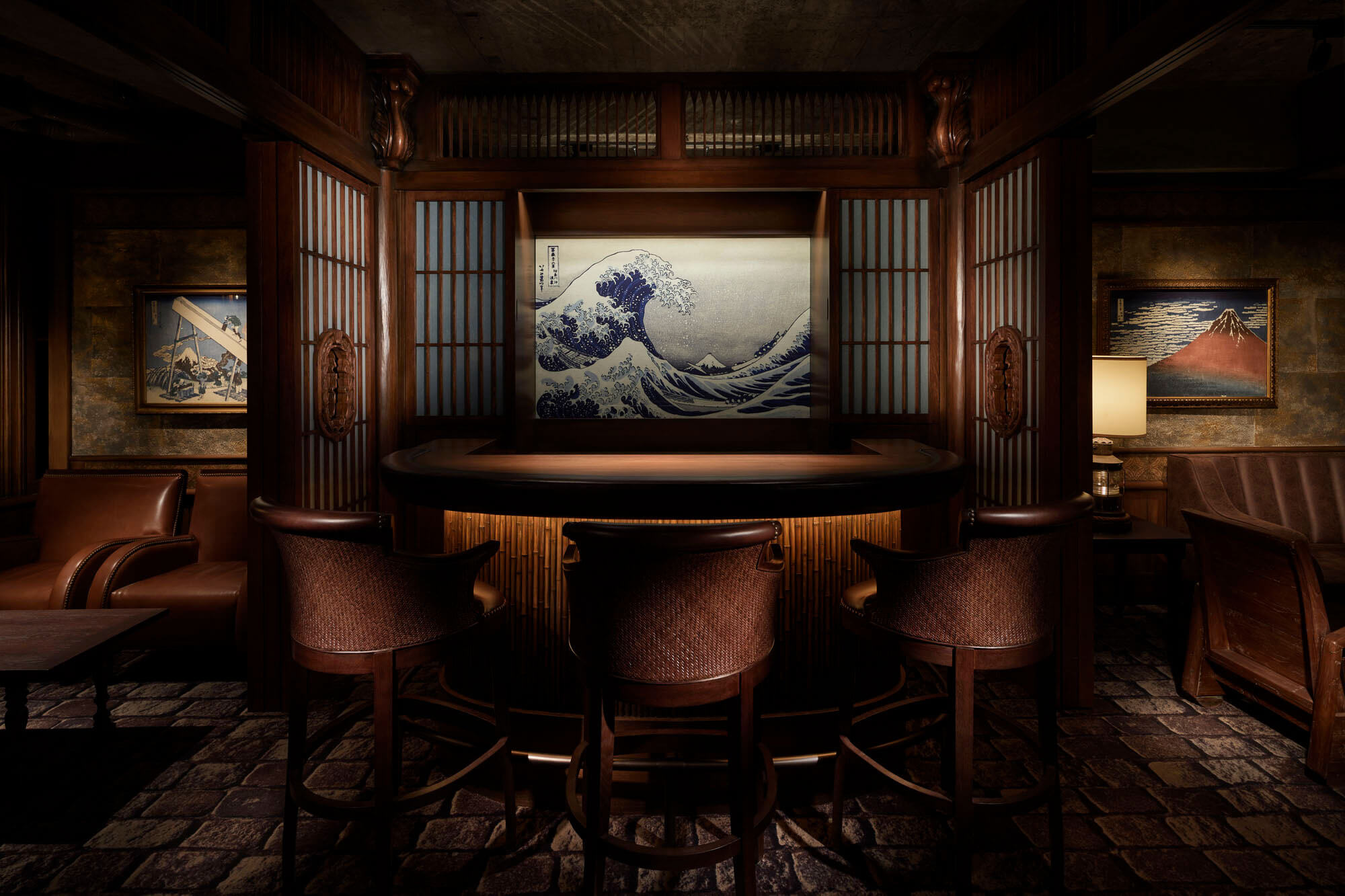
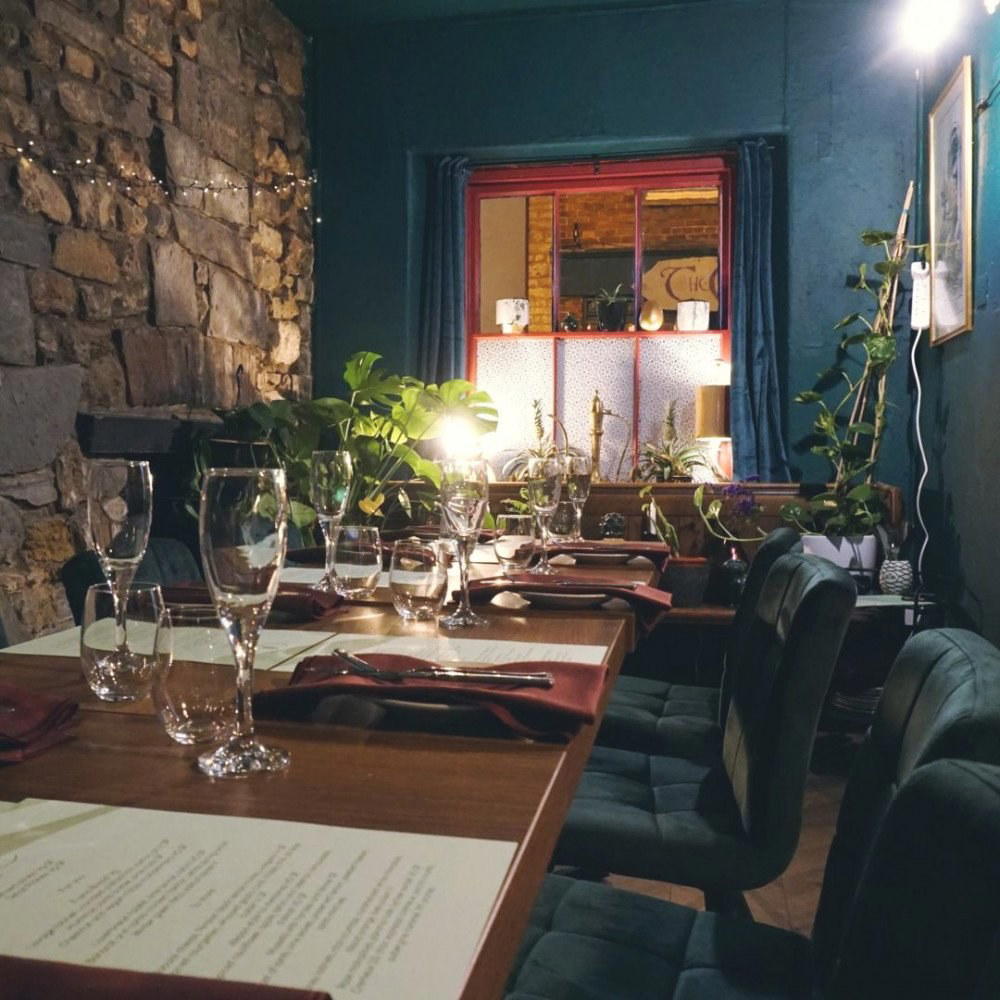
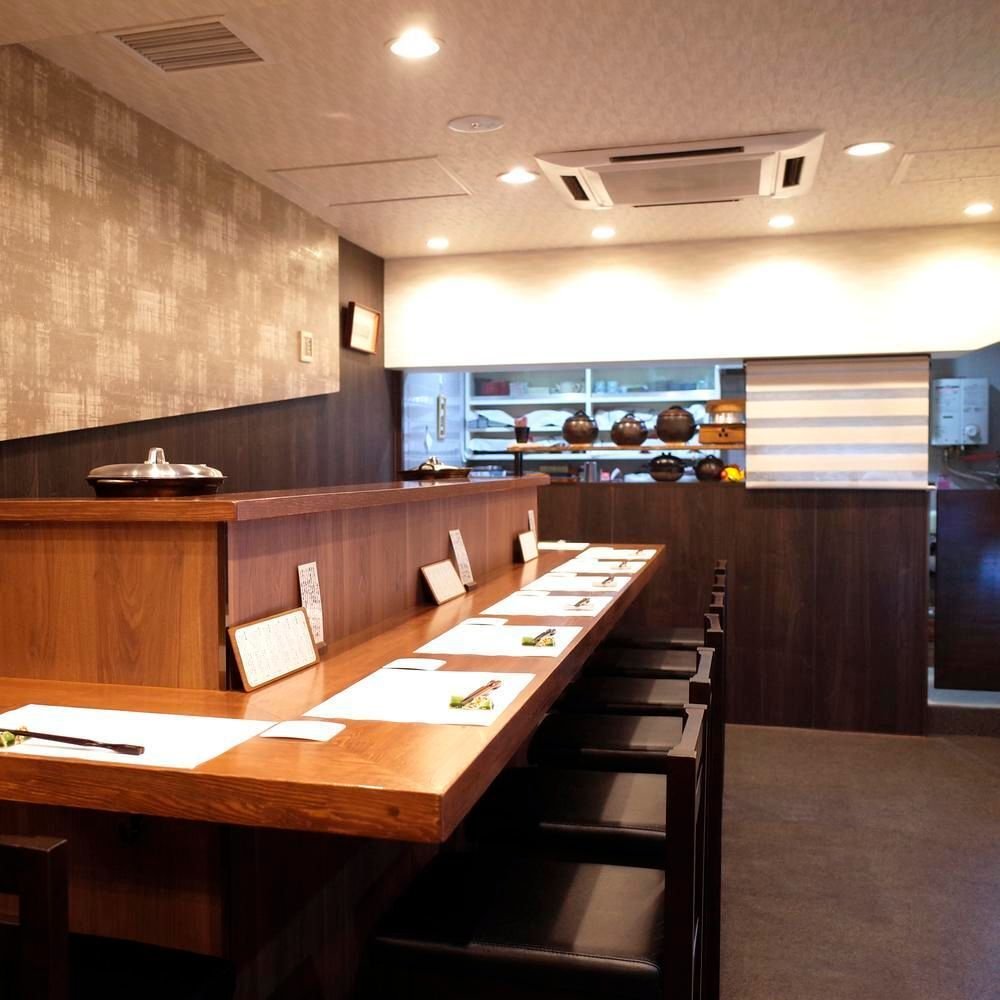
Warm, inviting, and clean with a nostalgic domestic atmosphere focused on the chef's counter.
Tags
Vibe
Best For
Experience
Accessibility
At the Table
- Dress Code
- Smart Casual
- Noise Level
- Quiet
- Service Style
- Upscale Casual
- Meal Pacing
- Leisurely
- Capacity
- Intimate
Signature Dishes
- Negima Nabe
- Tamago
- Grilled Mackerel
Know before you go
Know Before You Go
- Getting there
- Japan, 〒170-0004 Tokyo, Toshima City, Kitaotsuka, 2 Chome−31−19 B1
Planning details
Location
Japan, 〒170-0004 Tokyo, Toshima City, Kitaotsuka, 2 Chome−31−19 B1 · Directions
Recognition and awards
Also consider
Also Consider
- Harutaka, Sushi, ¥¥¥¥
- L'Effervescence, French, ¥¥¥¥
- RyuGin, Kaiseki, Japanese, ¥¥¥¥
- HOMMAGE, Innovtive French, French, ¥¥¥¥
- Crony, Innovative, French, ¥¥¥¥
Restaurant context
How Negima Compares to Other Tokyo Restaurants
Negima sits at a different price tier and in a different category from most of its peers in Tokyo's recognised dining circuit. At ¥¥, it is the only Michelin-recognised venue on this list, earning its Bib Gourmand rather than a star, which is appropriate: this is precise, focused cooking at an accessible price, not a showpiece of technical ambition. If you are choosing between Negima and RyuGin for a special occasion, the question is really whether you want a complete kaiseki progression at ¥¥¥¥ or a single historically-framed dish done with care at a fraction of the cost. For most visitors on a mixed itinerary, Negima fills a gap that RyuGin does not, an affordable, meaningful dinner with a verifiable credential.
Harutaka and the French-leaning venues on this list, L'Effervescence, HOMMAGE, and Crony, operate at ¥¥¥¥ and are competing on different terms: service depth, menu breadth, and the kind of tableside polish that justifies the premium. Negima does not compete on those terms and does not need to. The comparison that matters is value density: what you get per yen spent. On that measure, a Bib Gourmand at ¥¥ in a category (Edo-period nabe) with almost no direct competition in Tokyo's current dining scene is a strong position.
Book Negima if your priority is historical specificity, price honesty, and a dinner that has a clear point of view. Book L'Effervescence or RyuGin if you want the full multi-course arc with formal service. Book Crony or HOMMAGE if innovative French cooking in Tokyo is the specific draw. Negima is the easiest booking on this list and, for what it does, the most distinctive.
Explore Tokyo
Around this place
Discover more on Pearl
Unlock the full Negima guide in Pearl, including awards, comparisons, FAQs, planning details, and nearby places.
Compare Negima
| Venue | Price | Booking Difficulty | Awards |
|---|---|---|---|
| Negima | ¥¥ | Easy | 2026 Bib Gourmand2024 Michelin Bib Gourmand |
| Harutaka | ¥¥¥¥ | Unknown | 2026 Tabelog Silver · #312026 OAD Top Restaurants in Japan Ranked · #1282026 Michelin 3 Stars2026 La Liste Top RestaurantsTabelog 100 - Sushi - TOKYO - 2025 · #372025 Asia's 50 Best Restaurants · #762025 OAD Top Restaurants in Japan Ranked · #1172025 La Liste Top Restaurants2025 Tabelog Bronze |
| L'Effervescence | ¥¥¥¥ | Unknown | 2026 Tabelog Silver · #682026 OAD Top Restaurants in Japan Ranked · #103Star Wine Lists 20262026 Black Pearl 2 Diamond2026 Relais Chateaux Restaurants2026 La Liste Top Restaurants2026 Michelin 3 Stars2025 Asia's 50 Best Restaurants · #692025 OAD Top Restaurants in Japan Ranked · #92 |
| RyuGin | ¥¥¥¥ | Unknown | 2026 OAD Top Restaurants in Japan Ranked · #802026 Tabelog Bronze · #3772026 Michelin 3 Stars2026 La Liste Top RestaurantsTabelog 100 - Japanese cuisine - TOKYO - 2025 · #212025 OAD Top Restaurants in Japan Ranked · #542025 Michelin 3 Stars2025 La Liste Top Restaurants2025 The Best Chef Three Knives |
| HOMMAGE | ¥¥¥¥ | Unknown | 2026 Tabelog Bronze · #1232026 OAD Top Restaurants in Japan Highly Recommended2026 Michelin 2 StarsTabelog 100 - French - TOKYO - 2025 · #762025 Asia's 50 Best Restaurants · #782025 OAD Top Restaurants in Japan Ranked · #1752025 Michelin 2 Stars2025 The Best Chef One Knife2025 La Liste Top Restaurants |
| Crony | ¥¥¥¥ | Unknown | 2026 Asia's 50 Best Restaurants · #34Star Wine Lists 20262026 OAD Top Restaurants in Japan Recommended2026 Michelin 2 Stars2025 Asia's 50 Best Restaurants · #30Tabelog 100 - French - TOKYO - 2025 · #782025 OAD Top Restaurants in Japan Ranked · #227We're Smart World Top Restaurants 20252025 Michelin 2 Stars |















Side-by-side comparison to help you decide where to book.
FAQ
Frequently Asked Questions
What are alternatives to Negima in Tokyo?
Negima sits in a category of its own for historically reconstructed Edo-era cooking at ¥¥ pricing with a Michelin Bib Gourmand credential. If you want more contemporary Japanese cuisine at a higher price point, RyuGin or Harutaka are better fits. For French-influenced Tokyo fine dining, L'Effervescence or HOMMAGE are the stronger options. None of them deliver this specific dish format.
Is Negima good for a special occasion?
Yes, but calibrate expectations: the occasion here is intimacy and historical specificity, not ceremony. The proprietress-led format and Bib Gourmand-recognised negima-nabe make it a strong choice for a dinner with meaning, particularly for guests who would find prestige-theatre exhausting. It does not suit celebrations that require tableside spectacle or extended tasting progression.
How far ahead should I book Negima?
The venue is a basement dining room in Toshima with limited covers, and it holds a 2024 Michelin Bib Gourmand, which meaningfully increases demand. Book at minimum two to three weeks out; for weekend evenings, push that to a month. No website or phone number is publicly listed in current records, so reservation access may be through third-party platforms or direct contact once sourced.
Is the tasting menu worth it at Negima?
Negima's format centres on negima-nabe as the main event, closing with pepper rice seasoned in the pot's broth, rather than a conventional multi-course tasting progression. At ¥¥ pricing with a Bib Gourmand recognition, the value case is strong if you are specifically interested in Edo-era cooking. If you want a broad showcase of modern Japanese technique, this is not the format to choose.
Can Negima accommodate groups?
Negima is a small basement restaurant in Toshima, and the proprietress-led, historically focused format suggests limited capacity. Groups larger than four should confirm availability and seating directly before assuming a booking is feasible. Larger private group dinners would be better handled at venues with dedicated private dining infrastructure.