.png?width=1200&quality=80)

Japanese Ramen Gokan
Ramen · Toshima, Tokyo
Restaurant in Tokyo, Japan
 Book with Pearl
The Read
Domestic-Ingredient Ramen Minimalism
Price
¥
Dress
Casual
Why go
A ramen shop in Ikebukuro built around domestic Japanese ingredients, charcoal cooking, and handmade ceramic bowls. Two broths — clam-based salt and kombu soy sauce — both layered with multiple flavour sources. At ¥ pricing, it is one of the most thoughtfully constructed bowls in Tokyo for the money.
About Japanese Ramen Gokan
Who Should Book Japanese Ramen Gokan — and When
Japanese Ramen Gokan in Higashiikebukuro is the right call for food-focused visitors who want to understand what serious ramen looks like when the craft is taken all the way. It works equally well for a solo lunch after exploring Ikebukuro, or as a deliberate dining stop for anyone tracing regional Japanese flavour traditions across the city. At a single ¥ price tier, it is also one of the most accessible serious-ramen experiences you will find in Tokyo, making it a reasonable first stop before tackling pricier options elsewhere.
The Bowl Itself
The venue's documented approach centres on two ramen styles: a salt broth built on shijimi and hamaguri clams, and a soy-sauce broth layered with free-range chicken and kombu. Both soups draw on multiple flavour sources simultaneously — Berkshire pork, clams, mussels, free-range chicken, with charcoal cooking introduced as a specific technique. The result is a broth with visible structural depth rather than a single dominant note. Bowls are served in ceramic pieces made by a potter, not standard porcelain, which is a deliberate choice that signals how seriously the kitchen treats the full dining object. The 'Japanese' in the shop name is intentional: the positioning is explicitly about domestic Japanese ingredients and the regional ramen canon, addressed to an international audience as well as locals. For explorers interested in how ramen reflects Japanese food geography, that framing is useful context, not marketing noise.
Service and What It Means at This Price
At ¥ pricing, you are not paying for tableside theatre or deep hospitality. What the service model here does is let the bowl do the work. The ingredients, the handmade ceramics, and the sourcing philosophy constitute the experience, not a tasting-menu structure or chef interaction. That is a deliberate and honest trade-off. If you need attentive multi-course service to feel a meal was worth the trip, look at RyuGin or L'Effervescence instead. If you want the flavour conversation to happen in the bowl itself at a fraction of the price, Gokan delivers on that without padding the bill.
Ratings and Recognition
The venue's documented awards text describes the food in terms of multi-sensory engagement, visual presentation, aroma, and flavour, and emphasises the sourcing of domestic Japanese ingredients as a core differentiator. That kind of recognition language, while not a Michelin star, reflects a shop that has earned consistent praise for doing exactly what it says it does.
Practical Details
Address: 2 Chome-57-2 Higashiikebukuro, Toshima City, Tokyo (Cosmo Higashiikebukuro 101). Reservations: Walk-in format is standard for ramen at this price tier, no booking infrastructure is documented, and the easy booking difficulty rating confirms this. Budget: ¥ price tier, meaning a bowl will cost well under ¥2,000 in most cases. Dress: No dress code; casual is appropriate. Solo dining: Well-suited, counter seating is the norm at this format. Timing: Arrive at opening or just after a peak lunch rush to avoid a queue; hours are not published in our database so check locally before visiting.
How It Fits in the Tokyo Ramen Conversation
Tokyo has a deep bench of serious ramen. Afuri is the best-known lighter-broth option with multiple locations and a more accessible tourist footprint. Chukasoba Ginza Hachigou and Chukasoba KOTETSU both lean into refined chuuka soba traditions, while Fuunji is the go-to for tsukemen in a no-frills format. Gokan sits in a different lane: it is not competing on fame or volume, but on ingredient sourcing, ceramics, and the argument that ramen can carry the same local-produce philosophy as a higher-end kaiseki kitchen. That is a meaningful distinction if you are eating your way across Tokyo with intent. For broader Tokyo dining context, see our full Tokyo restaurants guide. If you are planning a wider Japan trip, HAJIME in Osaka, Gion Sasaki in Kyoto, and Goh in Fukuoka are worth building around. For ramen comparisons outside Japan, Akahoshi Ramen in Chicago and Afuri Ramen in Portland give a sense of how the format travels. Complete Tokyo guides: hotels, bars, experiences.
Planning details
- Location
- Japan, 〒170-0013 Tokyo, Toshima City, Higashiikebukuro, 2 Chome−57−2 コスモ東池袋 101
- Website
- tablecheck.com/shops/ramen-gokan/reserve
The take
The Take
The Vibe
Japanese Ramen Gokan presents a restrained, quietly serious take on Tokyo ramen. The shop sits low-profile on a Higashiikebukuro street and prioritizes precision over variety: two carefully constructed broths, domestic ingredients and charcoal techniques shape everything. The atmosphere reads focused rather than flashy, and the restraint in menu length signals craft-first intentions. Diners find a contemplative bowl-driven experience where the kitchen’s sourcing and technique—clam-focused salt broth, chicken-and-kombu soy tare, Berkshire pork and mussel additions—stand front and center, creating a calm, exacting place for ramen that rewards attention to detail.
Best For
Gokan is best for diners looking for an attentive, ingredient-forward ramen experience—especially solo patrons and low-key casual meetups. The write-up places the shop within a quieter Ikebukuro circuit, positioning it as a destination for people who want focus and nuance rather than spectacle. Because the menu is deliberately short and the kitchen emphasizes depth of flavor, it suits repeat visits to explore subtle variations in broth construction. The atmosphere and format make it a good choice for anyone who wants to concentrate on the bowl and the craftsmanship behind it.
Ordering Tips
The menu’s constraint is the first ordering tip: there are only two broths, so choose by flavor profile rather than variety. The salt (shio) ramen highlights shijimi and hamaguri clams—opt for this if you want delicate, briny shellfish notes—while the soy (shoyu) ramen layers free-range chicken with kombu for a dashi-based umami. Both broths also incorporate Berkshire pork and mussel, and the kitchen uses charcoal cooking to introduce a measured smokiness. Complement the bowl with the charcoal-grilled Oniku Gohan to sample the shop’s applied charcoal technique and balance of textures.
Venue details
Ambiance
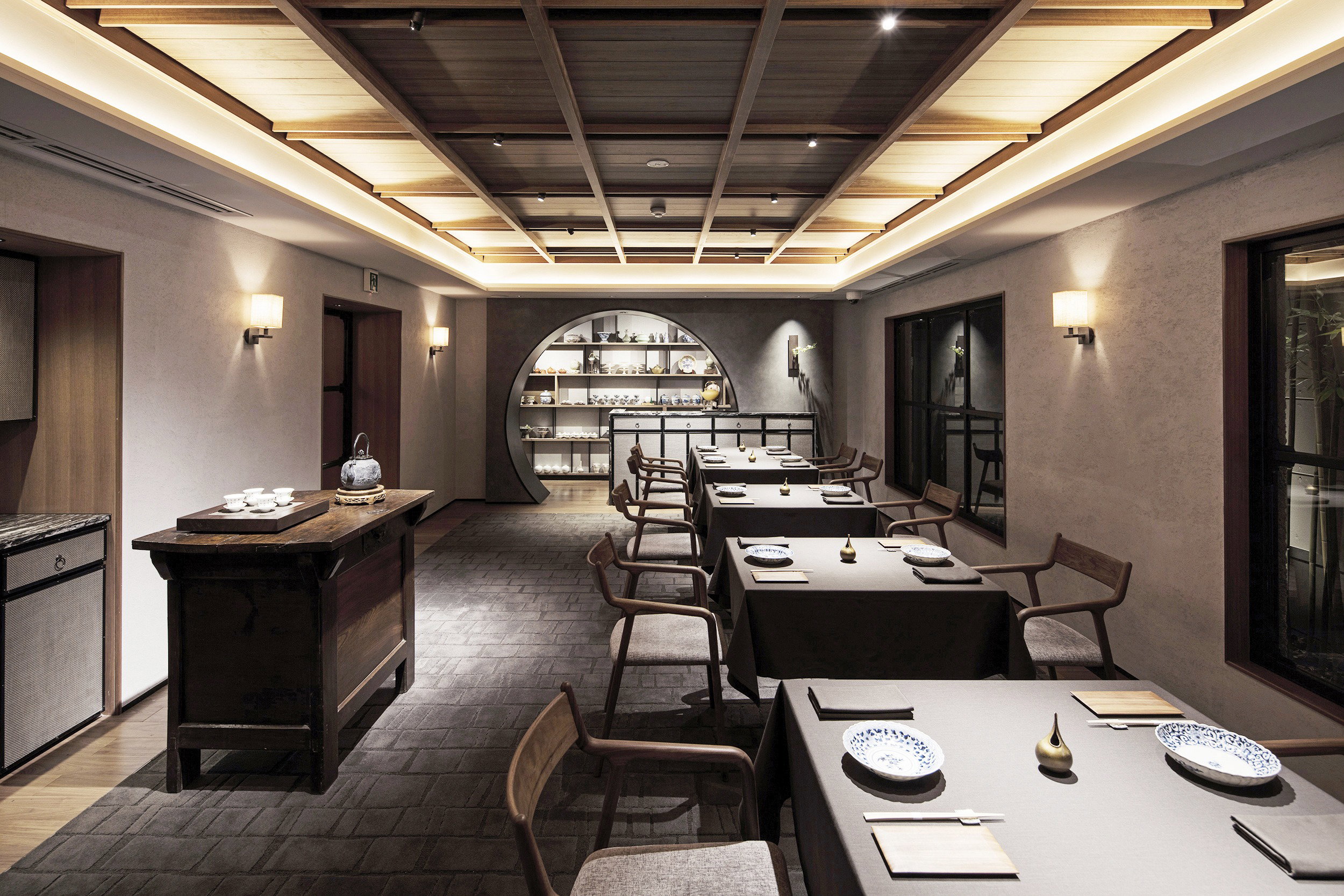
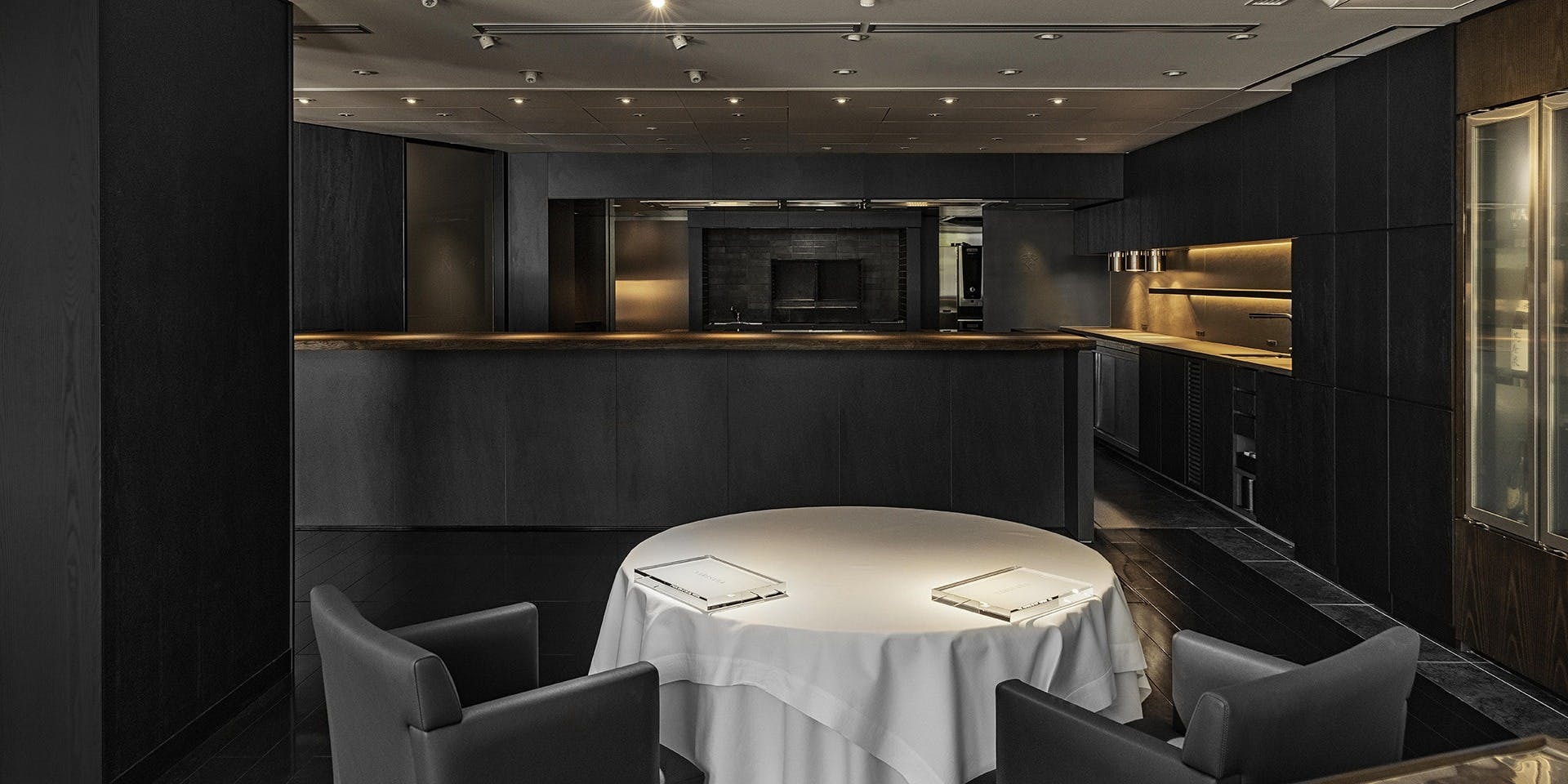
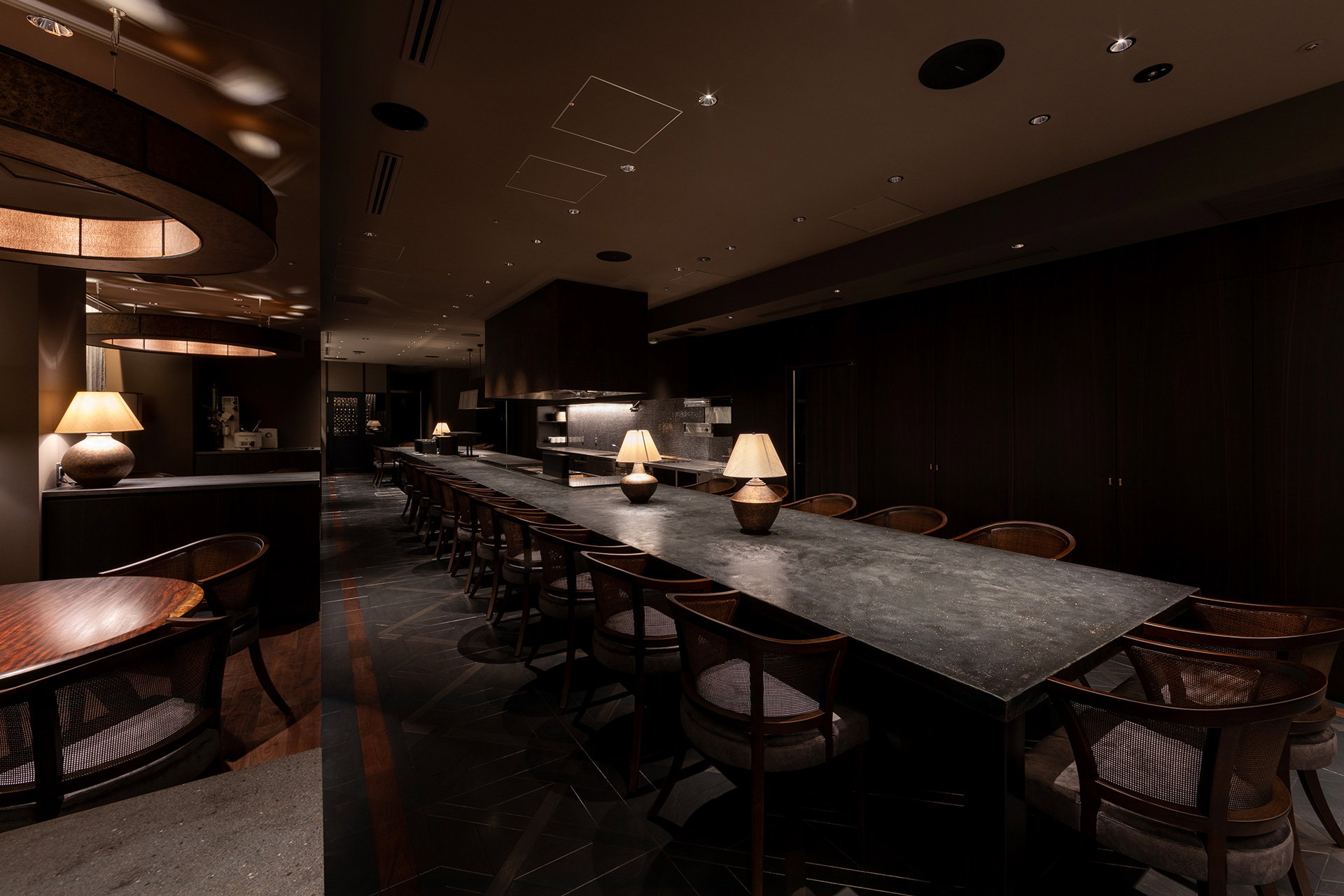
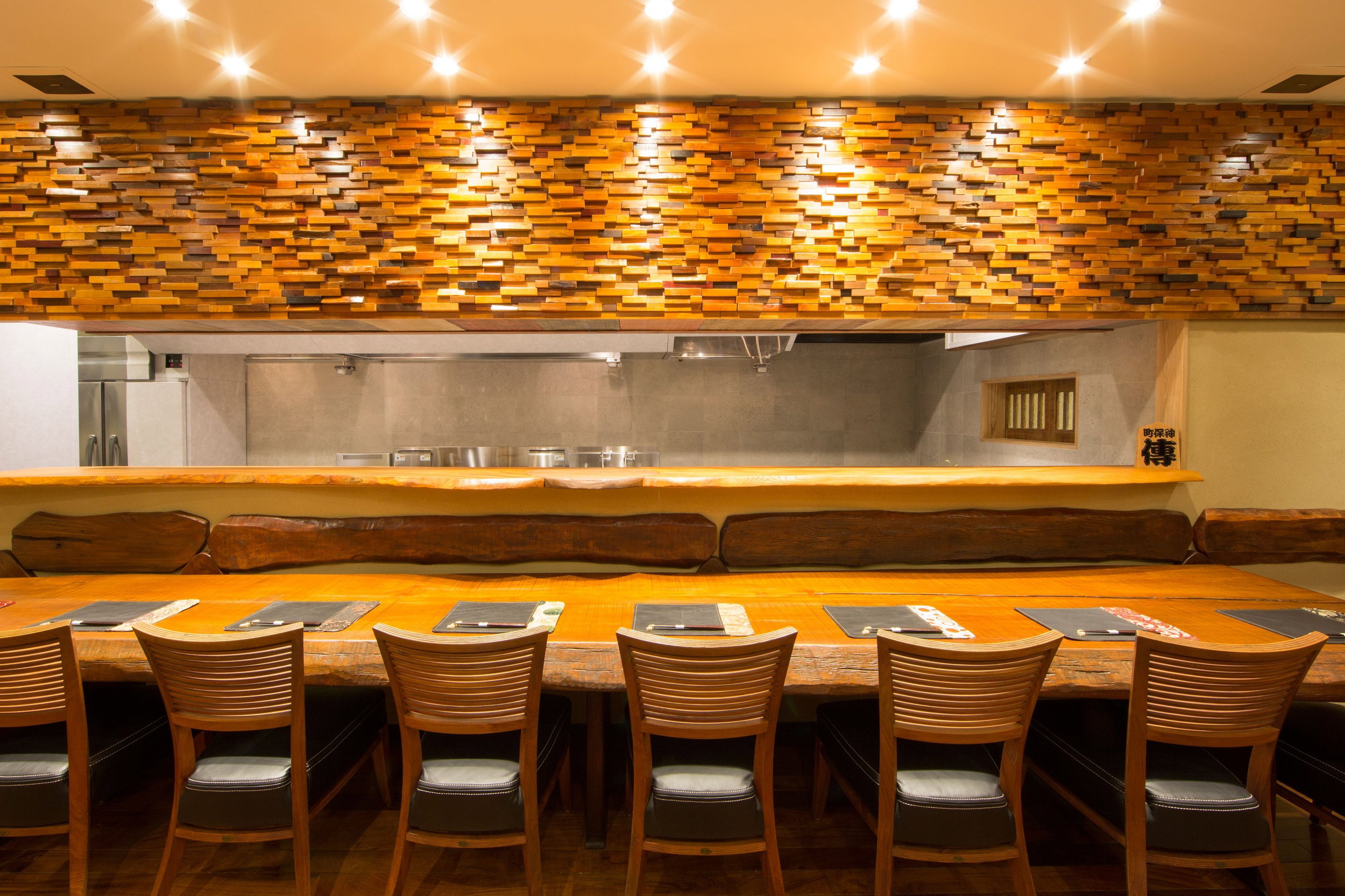
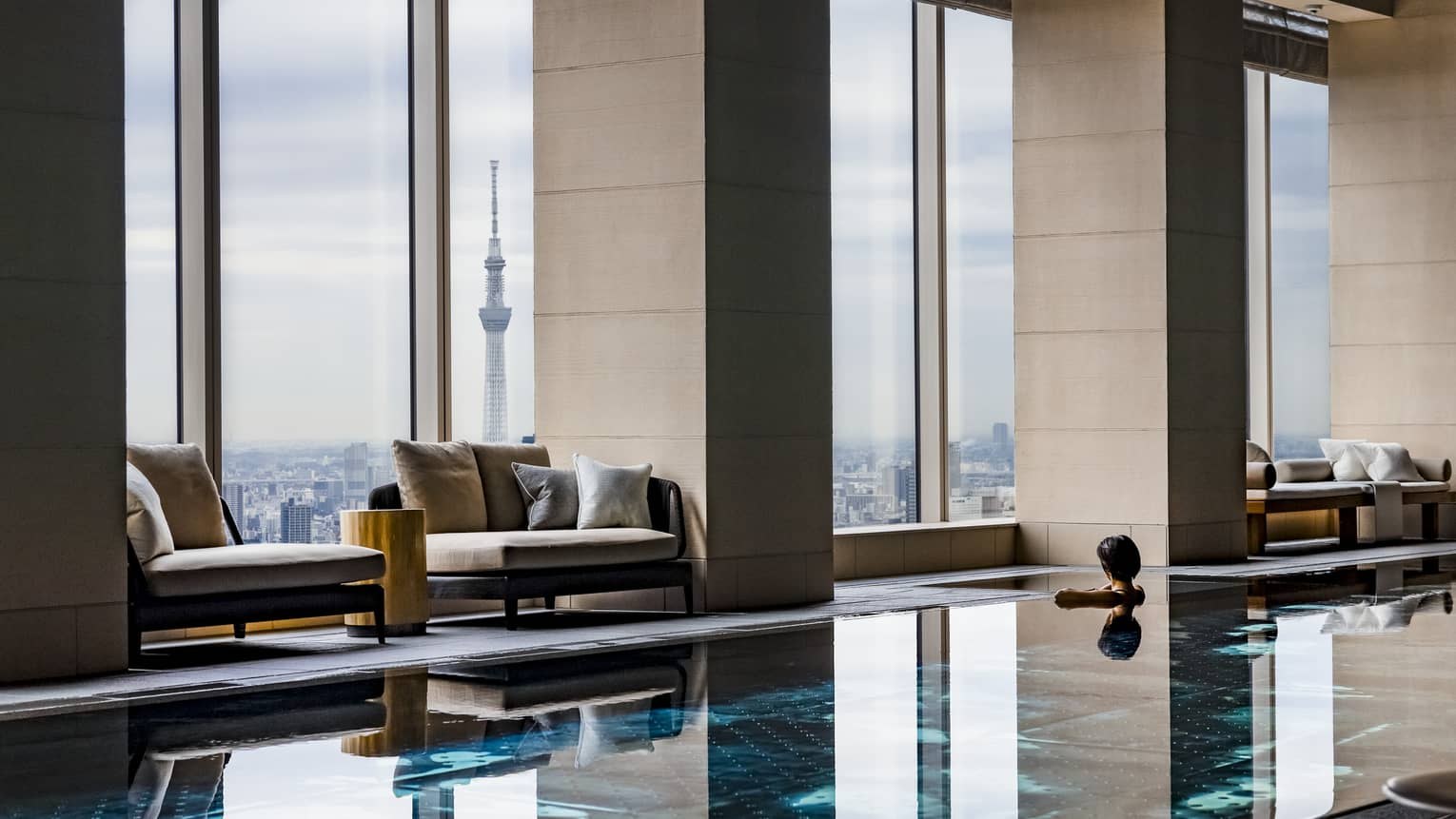
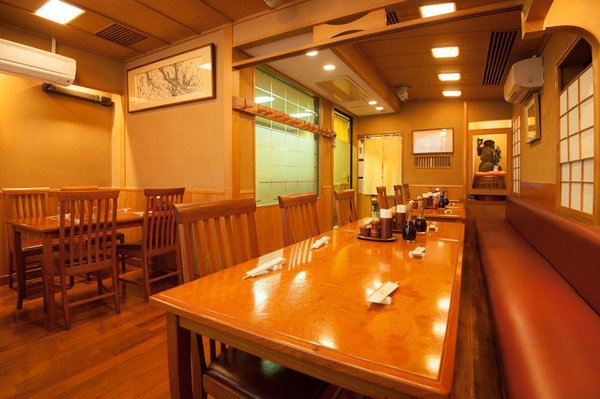
Serene and spacious stylish space with counter seating, offering an intimate and refined atmosphere.
Tags
Vibe
Best For
Experience
Sourcing
At the Table
- Dress Code
- Casual
- Noise Level
- Quiet
- Service Style
- Counter Service
- Meal Pacing
- Standard
- Capacity
- Intimate
Signature Dishes
- Special Salt Ramen
- Special Soy Sauce Ramen
- Charcoal-grilled Oniku Gohan
Know before you go
Know Before You Go
- Getting there
- Japan, 〒170-0013 Tokyo, Toshima City, Higashiikebukuro, 2 Chome−57−2 コスモ東池袋 101
Planning details
Location
Japan, 〒170-0013 Tokyo, Toshima City, Higashiikebukuro, 2 Chome−57−2 コスモ東池袋 101 · Directions
Recognition and awards
Also consider
Also Consider
- Harutaka, Sushi, ¥¥¥¥
- L'Effervescence, French, ¥¥¥¥
- RyuGin, Kaiseki, Japanese, ¥¥¥¥
- HOMMAGE, Innovtive French, French, ¥¥¥¥
- Crony, Innovative, French, ¥¥¥¥
Restaurant context
Japanese Ramen Gokan sits at ¥ pricing, which puts it in an entirely different spending category from the comparison set. Harutaka, L'Effervescence, RyuGin, HOMMAGE, and Crony all operate at ¥¥¥¥, where the price buys multi-course structure, service depth, and extended dining time. Gokan does not compete on any of those terms, and it does not try to. The right comparison is whether a single carefully made bowl at under ¥2,000 satisfies the same exploratory appetite as a ¥30,000+ kaiseki progression, and for many visitors, the answer is yes, depending on what you are trying to understand about Japanese food.
If your Tokyo dining budget is concentrated on one or two high-spend meals, RyuGin is the strongest choice in the ¥¥¥¥ tier for understanding Japanese flavour philosophy at the tasting-menu level. Harutaka delivers the most technically precise sushi counter experience for the same spend. For Gokan's specific value proposition, regional ramen traditions, domestic ingredient sourcing, handmade ceramics, and a sub-¥2,000 price, there is no direct equivalent in the ¥¥¥¥ comparison set. It occupies a different part of the Tokyo dining map, not a lesser one.
The practical booking picture also differs. RyuGin, Harutaka, and L'Effervescence all require advance reservations, sometimes weeks out. Gokan is walk-in, which makes it an easy yes for any day of the trip. If you are building a Tokyo itinerary that mixes high-spend evenings with considered daytime eating, Gokan belongs in the lunch column. Book your ¥¥¥¥ dinner well ahead, and treat Gokan as the meal that requires no planning.
Explore Tokyo
Around this place
Discover more on Pearl
Unlock the full Japanese Ramen Gokan guide in Pearl, including awards, comparisons, FAQs, planning details, and nearby places.
Compare Japanese Ramen Gokan
| Venue | Cuisine | Awards | Booking Difficulty |
|---|---|---|---|
| Japanese Ramen Gokan | Ramen | 2026 Bib GourmandTabelog 100 - Ramen - TOKYO - 2025 · #702024 Michelin Bib Gourmand | Easy |
| Harutaka | Sushi | 2026 Tabelog Silver · #312026 OAD Top Restaurants in Japan Ranked · #1282026 Michelin 3 Stars2026 La Liste Top RestaurantsTabelog 100 - Sushi - TOKYO - 2025 · #372025 Asia's 50 Best Restaurants · #762025 OAD Top Restaurants in Japan Ranked · #1172025 La Liste Top Restaurants2025 Tabelog Bronze | Unknown |
| L'Effervescence | French | 2026 Tabelog Silver · #682026 OAD Top Restaurants in Japan Ranked · #103Star Wine Lists 20262026 Black Pearl 2 Diamond2026 Relais Chateaux Restaurants2026 La Liste Top Restaurants2026 Michelin 3 Stars2025 Asia's 50 Best Restaurants · #692025 OAD Top Restaurants in Japan Ranked · #92 | Unknown |
| RyuGin | Kaiseki, Japanese | 2026 OAD Top Restaurants in Japan Ranked · #802026 Tabelog Bronze · #3772026 Michelin 3 Stars2026 La Liste Top RestaurantsTabelog 100 - Japanese cuisine - TOKYO - 2025 · #212025 OAD Top Restaurants in Japan Ranked · #542025 Michelin 3 Stars2025 La Liste Top Restaurants2025 The Best Chef Three Knives | Unknown |
| HOMMAGE | Innovtive French, French | 2026 Tabelog Bronze · #1232026 OAD Top Restaurants in Japan Highly Recommended2026 Michelin 2 StarsTabelog 100 - French - TOKYO - 2025 · #762025 Asia's 50 Best Restaurants · #782025 OAD Top Restaurants in Japan Ranked · #1752025 Michelin 2 Stars2025 The Best Chef One Knife2025 La Liste Top Restaurants | Unknown |
| Crony | Innovative, French | 2026 Asia's 50 Best Restaurants · #34Star Wine Lists 20262026 OAD Top Restaurants in Japan Recommended2026 Michelin 2 Stars2025 Asia's 50 Best Restaurants · #30Tabelog 100 - French - TOKYO - 2025 · #782025 OAD Top Restaurants in Japan Ranked · #227We're Smart World Top Restaurants 20252025 Michelin 2 Stars | Unknown |














How Japanese Ramen Gokan stacks up against the competition.
FAQ
Frequently Asked Questions
What should a first-timer know about Japanese Ramen Gokan?
Come for the bowl, not for a full dining experience. The shop serves two styles: a salt broth built on shijimi and hamaguri clams, and a soy-sauce broth layered with free-range chicken and kombu. Charcoal cooking and handmade ceramic bowls set it apart from most ramen counters in the area. At ¥ pricing, there is no barrier to trying both on the same visit.
How far ahead should I book Japanese Ramen Gokan?
Walk-in is the standard format here, as it is at most serious ramen shops in Tokyo. Arrive outside peak lunch and dinner windows — roughly before noon or after 2pm — to avoid a queue. The Higashiikebukuro location is less trafficked than tourist-heavy spots near Shinjuku or Shibuya, which works in your favour.
Is Japanese Ramen Gokan good for solo dining?
Yes, and it is arguably the optimal format. Ramen counters are built for solo eating, and the focus here is entirely on the bowl rather than group-table dynamics. Solo diners can order deliberately and compare both broth styles without the coordination a group requires.
Is the tasting menu worth it at Japanese Ramen Gokan?
There is no tasting menu format here. Japanese Ramen Gokan is a ramen specialist offering two core dishes: salt and soy-sauce ramen. At ¥ pricing, the decision is simply which broth to order, not how many courses to commit to.
Is Japanese Ramen Gokan worth the price?
At ¥ pricing, the value case is clear. The shop uses domestic ingredients including clams, free-range chicken, and Berkshire pork, cooks over charcoal, and serves in handmade ceramic bowls — a level of craft that most ramen shops at this price point do not match.
Does Japanese Ramen Gokan handle dietary restrictions?
The documented broths contain shellfish (shijimi, hamaguri clams, mussels), pork (Berkshire), and chicken, so the menu is not suitable for vegetarians, vegans, or shellfish-avoiders as currently described. Specific allergen information is not documented; confirm directly before visiting if restrictions are a factor.