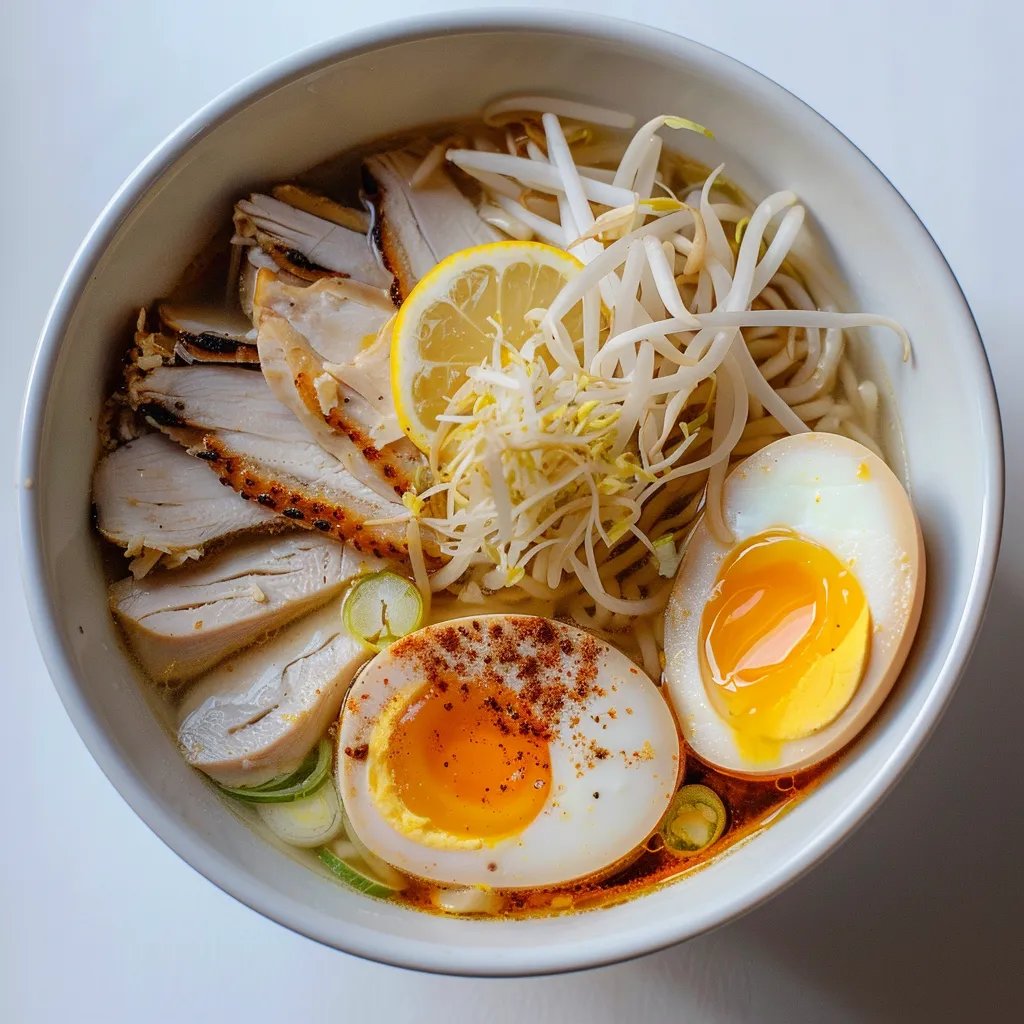


Menya Shichisai
Ramen · Chūō, Tokyo
Restaurant in Tokyo, Japan
 Book with Pearl
The Read
Office-District Ramen Precision
Chef
Various
Dress
Casual
Why go
Menya Shichisai has ranked in Opinionated About Dining's Casual Japan top 20 for three consecutive years, making it one of Tokyo's most consistently recognised ramen shops. Located in Hatchobori, it runs a split-shift schedule with no reservations required — walk in, queue if needed, and expect a focused, efficient bowl-first experience at a typical ramen price point.
About Menya Shichisai
Should You Book Menya Shichisai?
If you've eaten here before and are deciding whether to return, the short answer is yes — and the ranking data backs that up. Menya Shichisai has held a position in the Opinionated About Dining Casual Japan top 20 for three consecutive years (ranked #13 in 2023, #19 in 2024, #20 in 2025), which tells you this is a ramen shop with a consistent track record rather than a flash-in-the-pan opening. For a second visit, the question isn't whether the food is worth it — it's whether you're going at the right time and ordering with more intention than the first time around.
The Case for Menya Shichisai
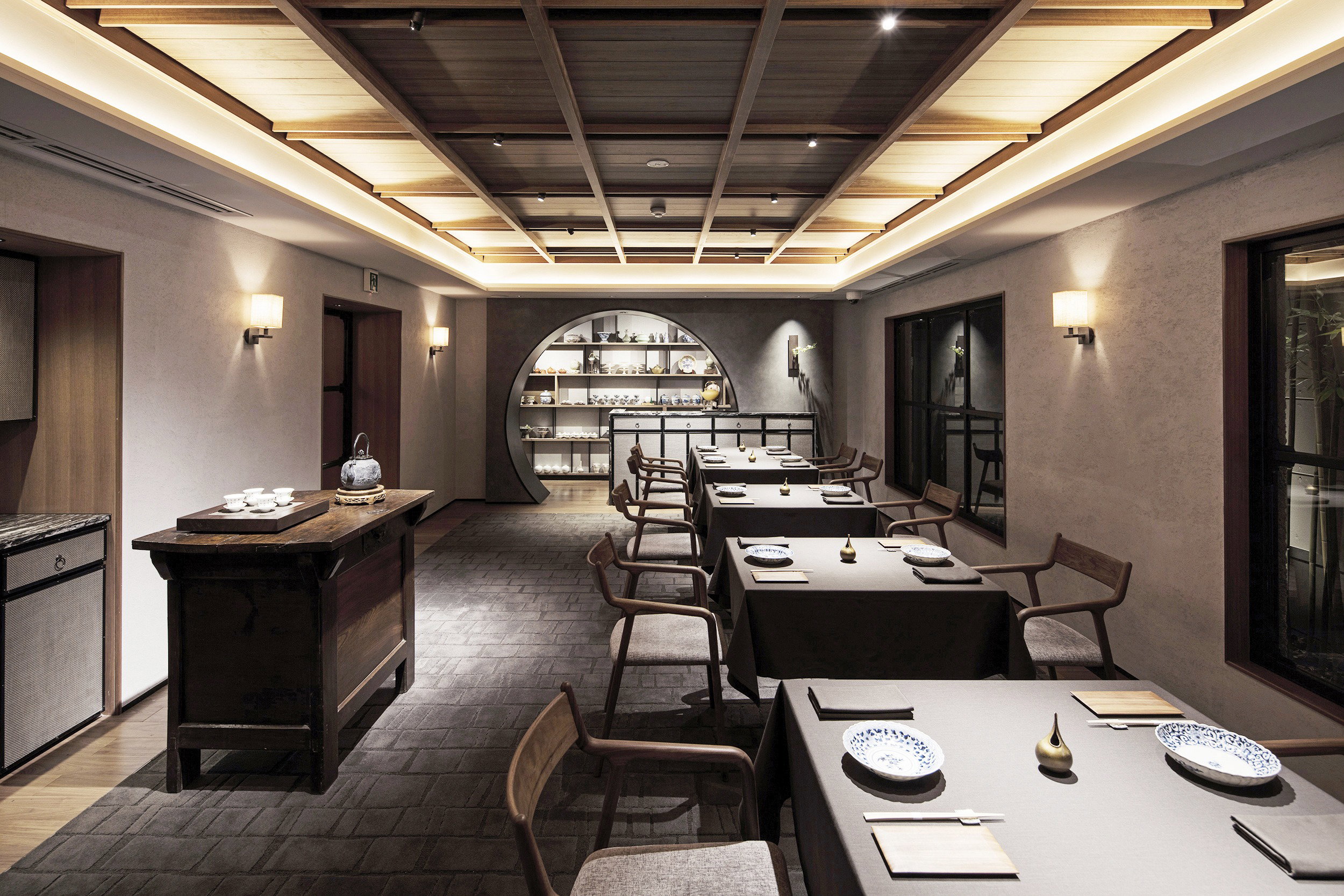
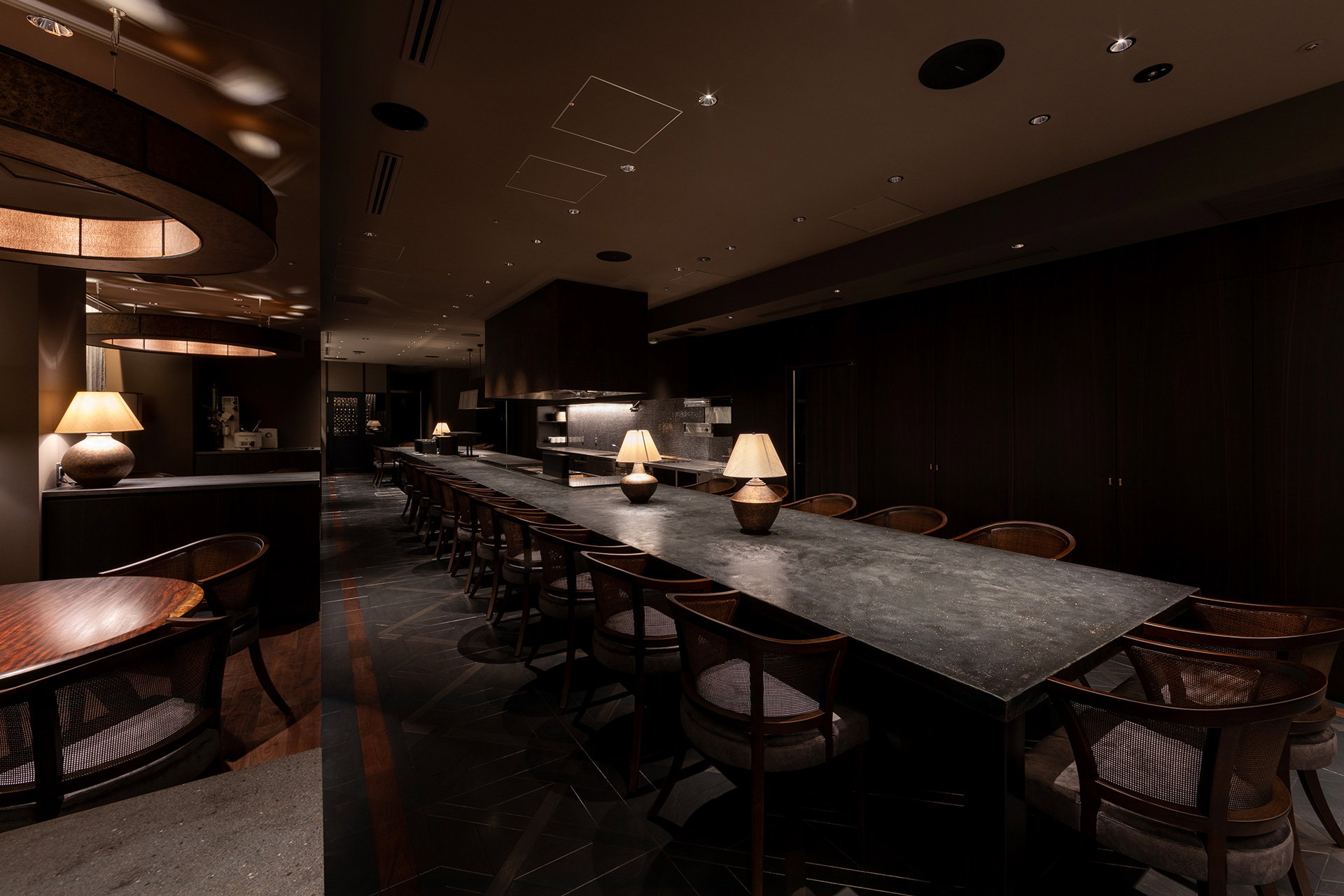
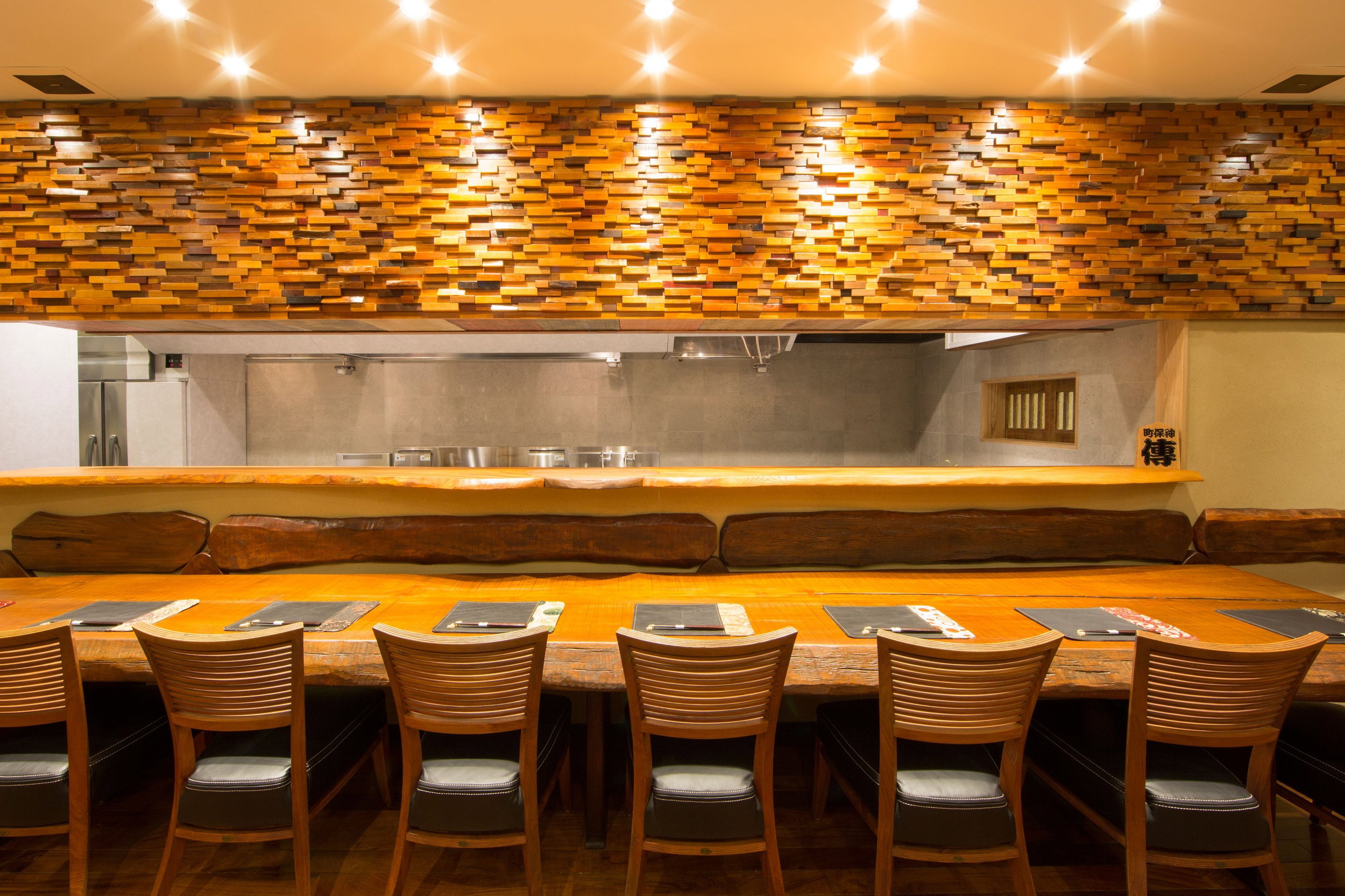
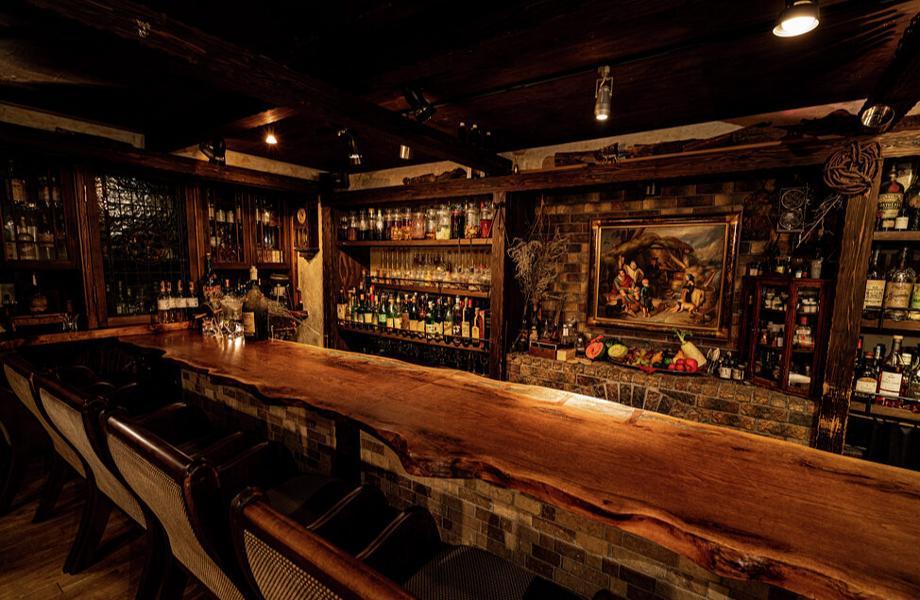
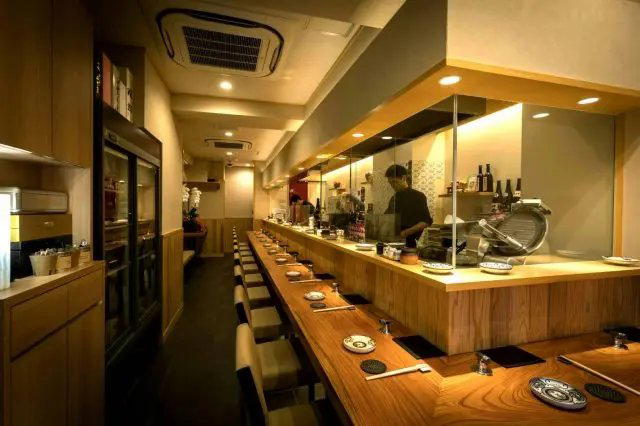
Menya Shichisai sits in Hatchobori, a Chuo City neighbourhood that skews toward office workers and local regulars rather than tourists. The room signals that immediately: you're not walking into a designed experience here. What you see is a working ramen shop, counter seating, a focused menu, and a kitchen visible enough to make the operation feel transparent. That visual clarity is part of the point. This is a place where the bowl is the event, not the surroundings.
The service model at a shop ranked this consistently in OAD's casual Japan list earns its place precisely because it doesn't try to do more than it should. Ramen service in Tokyo is typically efficient and minimal, orders placed quickly, bowls delivered fast, turnover expected. Menya Shichisai operates in that tradition, and at the price point of a ramen lunch or dinner (typically under ¥2,000 per person for most Tokyo shops at this tier), you are not paying for tableside ceremony. What you are paying for is precision in the bowl, and that's where the value sits. Compared to a kaiseki dinner at RyuGin or a high-end sushi counter like Harutaka, Menya Shichisai delivers a fundamentally different service register, but within its own format, it performs at a level that justifies repeated visits.
That's actually what you want from a neighbourhood ramen shop you plan to return to.
When to Go and How to Plan
Menya Shichisai runs a split-shift schedule every day of the week: lunch from 11am to 3pm, dinner from 5pm to 10pm Monday through Friday, and 5pm to 9pm on weekends. The lunch window is longer and, for a spot in a business district like Hatchobori, likely busier on weekdays when the surrounding offices fill the area. If you're visiting on a weekday, arriving close to 11am or after 1:30pm will generally mean a shorter wait. Weekend evenings close an hour earlier, so plan accordingly if you're coming from elsewhere in the city.
Booking is not required and walk-ins are the norm for a shop at this level, queue and wait if there's a line, or time your arrival to avoid the peak lunch rush. No reservation system means no booking difficulty, which is genuinely useful if your Tokyo itinerary is flexible. Compare that to the weeks-in-advance planning required for the French and kaiseki restaurants in Tokyo's top tier, and Menya Shichisai is one of the more accessible high-quality dining options in the city.
For ramen specifically in the broader Tokyo scene, Chukasoba Ginza Hachigou and Chukasoba KOTETSU are worth knowing as alternatives, while Afuri offers a lighter yuzu shio style if you want a different profile. Fuunji is the go-to if tsukemen is what you're after. Each of these sits in a similar price bracket, so the decision comes down to style preference and neighbourhood logistics rather than budget.
If you're building a broader Japan itinerary, ramen comparisons extend beyond Tokyo: Chinese Noodles ROKU in Kyoto and Chukasoba Mugen in Osaka are worth noting as regional alternatives if you're moving between cities. For the full Tokyo dining picture beyond ramen, see our full Tokyo restaurants guide, and for accommodation and bars around Chuo City, our Tokyo hotels guide and Tokyo bars guide are useful companions.
Other Japan dining worth planning around if your trip extends further: HAJIME in Osaka, Gion Sasaki in Kyoto, akordu in Nara, Goh in Fukuoka, 1000 in Yokohama, and 6 in Okinawa.
Quick reference: Hatchobori, Chuo City | Mon–Fri 11am–3pm, 5–10pm | Sat–Sun 11am–3pm, 5–9pm | Walk-in only | OAD Casual Japan Top 20 (2023–2025)
Planning details
- Hours
- Monday: 11 am–3 pm, 5–10 pm · Tuesday: 11 am–3 pm, 5–10 pm
- Location
- 2 Chome-13-2 Hatchobori, Chuo City, Tokyo 104-0032, Japan
- Website
- shichisai.com
- Phone
- +81 3-5566-9355
The take
The Take
The Vibe
Menya Shichisai reads as an office-district staple that trades on steady, professional custom rather than tourist spectacle. The writing emphasizes its deliberate, workaday rhythms and a kitchen that runs like a machine — closing between lunch and dinner to reset broth and manage stock. That operational seriousness gives the place a quietly confident presence: it is the sort of shop frequented by locals who value consistency. The review’s ranking data reinforces this steady credibility, framing the ramen bar as durable and respected within a discerning peer set rather than a flash-in-the-pan destination.
Best For
This is a place built around lunch and evening service for working crowds. With doors that open at 11 am and run until 3 pm, then reopen at 5 pm through about 9–10 pm, Menya Shichisai fits neatly into office-day routines: weekday lunches for suits and a calmer dinner shift later on. It favors repeat visitors and solo diners who value speed and a reliably good bowl, but the structured hours and professional clientele also make it a pragmatic stop for anyone in Hatchobori seeking excellent ramen without the guidebook spectacle.
Ordering Tips
Plan around the split-service schedule: arrive during the 11–3 or 5–9/10 windows, since the shop deliberately closes between sessions to refresh broth and stock. The piece highlights the shop’s rankings and steady following, so expect focused, high-quality bowls rather than theatrical presentation. Stick to the house specialties — niboshi ramen, tsukemen and Kitakata ramen are the signature options listed — and time your visit to avoid a brief out-of-service period mid-afternoon. Regulars in Hatchobori already know to time arrivals accordingly.
Venue details
Ambiance
Small, cozy counter seating with an open kitchen where chefs hand-make noodles, creating a casual and engaging atmosphere.
Tags
Vibe
Best For
Experience
At the Table
- Dress Code
- Casual
- Noise Level
- Conversational
- Service Style
- Counter Service
- Meal Pacing
- Quick Bite
- Capacity
- Intimate
Signature Dishes
- Niboshi Ramen
- Tsukemen
- Kitakata Ramen
Know before you go
Know Before You Go
- Getting there
- 2 Chome-13-2 Hatchobori, Chuo City, Tokyo 104-0032, Japan
Planning details
Hours
- Monday
- 11 am–3 pm, 5–10 pm
- Tuesday
- 11 am–3 pm, 5–10 pm
- Wednesday
- 11 am–3 pm, 5–10 pm
- Thursday
- 11 am–3 pm, 5–10 pm
- Friday
- 11 am–3 pm, 5–10 pm
- Saturday
- 11 am–3 pm, 5–9 pm
- Sunday
- 11 am–3 pm, 5–9 pm
Location

Also consider
Also Consider
- Harutaka, Sushi, ¥¥¥¥
- RyuGin, Kaiseki, Japanese, ¥¥¥¥
- L'Effervescence, French, ¥¥¥¥
- HOMMAGE, Innovtive French, French, ¥¥¥¥
- Florilège, French, ¥¥¥
Restaurant context
Comparing Menya Shichisai to venues like RyuGin, Harutaka, L'Effervescence, HOMMAGE, or Florilège is a category mismatch by design, those are multi-course, high-ceremony restaurants at ¥¥¥¥ price points where the service structure and room are part of what you're paying for. Menya Shichisai operates in an entirely different register: a ramen shop where the bowl is the whole experience, the price is a fraction of the above, and the value case is built on repeated OAD recognition rather than tableside theatre.
If you're deciding between a lunch at Menya Shichisai and a dinner at RyuGin or Harutaka on the same Tokyo trip, there's no conflict, they don't occupy the same slot in your itinerary. Where comparison is more useful is within the ramen category itself. Against peers like Chukasoba Ginza Hachigou and Chukasoba KOTETSU, Menya Shichisai's three-year OAD consistency puts it in the same critical conversation. The practical differentiator is location and timing: Hatchobori suits you if you're already in Chuo City; the others may be more convenient depending on where you're based.
For value, booking ease, and accessibility, Menya Shichisai is among the more straightforward high-recognition dining options in Tokyo, no reservations, no dress code, no multi-week planning required. The ¥¥¥¥ venues on this list all require advance booking and significantly higher spend. If your Tokyo trip includes one serious dinner (kaiseki, sushi, or French), adding Menya Shichisai as a lunch stop delivers OAD-level quality at ramen prices without competing for the same budget or time slot.
Explore Tokyo
Around this place
Discover more on Pearl
Unlock the full Menya Shichisai guide in Pearl, including awards, comparisons, FAQs, planning details, and nearby places.
Compare Menya Shichisai
| Venue | Location | Cuisine | Awards | Price |
|---|---|---|---|---|
| Menya Shichisai | Tokyo | Ramen | 2026 OAD Casual in Japan Ranked · #1082025 OAD Casual in Japan Ranked · #20Tabelog 100 - Ramen - TOKYO - 2025 · #382024 OAD Casual in Japan Ranked · #192023 OAD Casual in Japan Ranked · #13 | , |
| Harutaka | Tokyo | Sushi | 2026 Tabelog Silver · #312026 OAD Top Restaurants in Japan Ranked · #1282026 Michelin 3 Stars2026 La Liste Top RestaurantsTabelog 100 - Sushi - TOKYO - 2025 · #372025 Asia's 50 Best Restaurants · #762025 OAD Top Restaurants in Japan Ranked · #1172025 La Liste Top Restaurants2025 Tabelog Bronze | ¥¥¥¥ |
| RyuGin | Tokyo | Kaiseki, Japanese | 2026 OAD Top Restaurants in Japan Ranked · #802026 Tabelog Bronze · #3772026 Michelin 3 Stars2026 La Liste Top RestaurantsTabelog 100 - Japanese cuisine - TOKYO - 2025 · #212025 OAD Top Restaurants in Japan Ranked · #542025 Michelin 3 Stars2025 La Liste Top Restaurants2025 The Best Chef Three Knives | ¥¥¥¥ |
| L'Effervescence | Tokyo | French | 2026 Tabelog Silver · #682026 OAD Top Restaurants in Japan Ranked · #103Star Wine Lists 20262026 Black Pearl 2 Diamond2026 Relais Chateaux Restaurants2026 La Liste Top Restaurants2026 Michelin 3 Stars2025 Asia's 50 Best Restaurants · #692025 OAD Top Restaurants in Japan Ranked · #92 | ¥¥¥¥ |
| HOMMAGE | Tokyo | Innovtive French, French | 2026 Tabelog Bronze · #1232026 OAD Top Restaurants in Japan Highly Recommended2026 Michelin 2 StarsTabelog 100 - French - TOKYO - 2025 · #762025 Asia's 50 Best Restaurants · #782025 OAD Top Restaurants in Japan Ranked · #1752025 Michelin 2 Stars2025 The Best Chef One Knife2025 La Liste Top Restaurants | ¥¥¥¥ |
| Florilège | Tokyo | French | 2026 Asia's 50 Best Restaurants · #312026 Tabelog Bronze · #712026 OAD Top Restaurants in Japan Ranked · #1242026 Black Pearl 1 Diamond2026 Michelin 2 Stars2026 La Liste Top Restaurants2025 Asia's 50 Best Restaurants · #172025 World's 50 Best Restaurants · #36Tabelog 100 - French - TOKYO - 2025 · #68 | ¥¥¥ |











How Menya Shichisai Tokyo compares with similar nearby venues.
FAQ
Frequently Asked Questions
What should I order at Menya Shichisai?
Specific menu items aren't documented in available data, but Menya Shichisai is a ramen specialist that has ranked in OAD's Top 20 Casual Japan list for three consecutive years (2023–2025), so the core bowl is the reason to come. Ask at the counter what the day's feature is — ramen shops at this level typically run a short, focused menu where most options are worth ordering.
Is Menya Shichisai good for a special occasion?
Only if your idea of a special occasion is a genuinely great bowl of ramen rather than a celebratory dinner format. There's no prix-fixe, no wine list, and almost certainly no private dining. What you get is one of the most consistently ranked ramen shops in Japan — OAD placed it at #13 in 2023, #19 in 2024, and #20 in 2025 — which for ramen enthusiasts is occasion enough.
Can I eat at the bar at Menya Shichisai?
Counter seating is standard at Tokyo ramen shops of this type, so bar-style dining is likely the primary format here. Solo diners and pairs are well suited to that setup. Seating specifics aren't documented, but walk-in counter service is the norm for Hatchobori lunch spots in this category.
Does Menya Shichisai handle dietary restrictions?
No dietary accommodation data is on record for Menya Shichisai. Ramen broths at this level of craft typically involve pork, chicken, or seafood bases that are central to the dish, making significant substitutions difficult. If dietary restrictions are a concern, confirm directly before visiting — the address is 2 Chome-13-2 Hatchobori, Chuo City.
Is lunch or dinner better at Menya Shichisai?
Lunch (11am–3pm) is the practical choice for most visitors: the neighbourhood skews toward office workers, so an early lunch arrival before 12:30pm or a late sitting after 2pm avoids the peak crowd. Dinner runs until 10pm on weekdays (9pm on weekends), which gives more flexibility if you're travelling across the city. Neither session has documented quality differences — both serve the same menu.
What are alternatives to Menya Shichisai in Tokyo?
If you're chasing OAD-ranked ramen specifically, cross-reference the 2025 Casual Japan list for shops ranked above #20 and within your neighbourhood. If you want a contrast in format, Tokyo also has strong tsukemen and tantanmen specialists that operate in a similar price bracket. Menya Shichisai's consistency across three OAD ranking cycles makes it a lower-risk choice than a newer shop with a single strong year.
What should I wear to Menya Shichisai?
Wear whatever you're already in. Menya Shichisai is a ramen shop in a working office district — Hatchobori is not a tourist or fine-dining neighbourhood. Business casual from a nearby meeting is fine; so is a jacket from sightseeing. There are no dress expectations documented or implied by the venue type.