

Tsuta
Soba, Ramen · Shibuya, Tokyo
Restaurant in Tokyo, Japan
 Book with Pearl
The Read
Dual-Noodle Lunch Counter
Dress
Casual
Why go
Tsuta is a Michelin-pedigreed ramen and soba kitchen in Yoyogi-Uehara, ranked on Opinionated About Dining's Casual Japan list for three consecutive years. Lunch only, 11am–3pm. The OAD consistency and Chef Yuki Onishi's background make it a justified detour for serious noodle seekers, with seasonal broth variation giving returning visitors a reason to come back.
About Tsuta
Verdict
Tsuta has appeared on the Opinionated About Dining Casual Japan list every year since 2023, ranking #42 that year, #59 in 2024, and #69 in 2025. That three-year consecutive presence tells you this is a venue with a real following, even as its position has shifted. If you want a bowl of ramen or soba in Tokyo from a kitchen that the serious-eating community tracks closely, Tsuta in Yoyogi-Uehara is worth the trip. The catch: it is only open 11am to 3pm, seven days a week. Plan accordingly.
About Tsuta
Chef Yuki Onishi runs Tsuta from a basement space in a residential pocket of Shibuya, and the address alone signals something: this is not a tourist-circuit ramen stop. Yoyogi-Uehara sits west of the central Tokyo grid, quieter and more neighbourhood-scaled than Shinjuku or Shibuya-proper. Getting there is direct via the Odakyu or Tokyo Metro Chiyoda lines to Yoyogi-Uehara Station.
The kitchen spans soba and ramen, which is a less common pairing than you might expect. Most dedicated ramen houses commit to one format; the dual offering at Tsuta suggests a broader range of Japanese noodle craft. Onishi's work in this space earned Tsuta a Michelin star when the venue was located in Sugamo — a credential that put artisanal Tokyo ramen on a new critical footing. The current Yoyogi-Uehara incarnation carries that reputation forward, even as the OAD rankings have shifted year on year.
On the OAD Casual Japan list, movement between #42 and #69 over three years is worth reading carefully. The drop does not signal decline so much as the increasing depth of the category: more high-quality casual Japanese venues are being tracked and rated. Tsuta holding a position in the top 70 over three consecutive cycles is a stronger signal than a single-year ranking spike. For context, that puts it in the same tracked tier as venues covered by Goh in Fukuoka and Gion Sasaki in Kyoto on the broader OAD Japan circuit.
Seasonal Angle: When to Visit and What It Means for Your Bowl
Tsuta's menu has not been published here, so specific seasonal dish names are not something Pearl can confirm. What the format does allow for — and what you should factor into your timing, is that Japanese noodle kitchens at this level typically rotate broths and toppings with the seasons. Lighter, clearer broths trend in summer; richer, deeper profiles come forward in autumn and winter. If you are visiting Tokyo between October and February, the bowl you receive is likely to be at a different register than a summer visit. For a returning visitor, this seasonal variation is the main reason to come back rather than treat a single visit as definitive.
If you have been once and liked it, a return visit in a different season is the logical next step rather than trying to recreate the same experience.
Booking and Logistics
Booking difficulty is rated Easy. Tsuta does not appear to use a third-party reservation platform based on available data, so confirming the current method directly before you visit is the practical approach. The hours are 11am to 3pm daily, which makes a lunch-only schedule non-negotiable. A mid-week arrival shortly after 11am is the lower-risk option for avoiding any queue, though weekend lunch can draw a line given the venue's following.
Price range data is not confirmed in Pearl's database. As a reference point, quality ramen at Michelin-recognised Tokyo kitchens typically runs in the ¥1,000–¥2,000 range per bowl, which makes this category accessible relative to the rest of Tokyo's serious dining. If budget is a primary consideration, Tsuta sits comfortably within the casual end of the dining spectrum regardless of its critical reputation. For higher-ticket Tokyo dining, see Harutaka for sushi or RyuGin for kaiseki.
Quick reference: Lunch only, 11am–3pm daily. Yoyogi-Uehara, Shibuya. Booking: Easy.
Who Should Book
Book Tsuta if you are a returning Tokyo visitor who has covered the headline ramen stops and wants to eat somewhere with a sustained critical track record in a less-trafficked neighbourhood. It is also a good call for anyone arriving in the October-to-March window who wants to experience a seasonally-adjusted broth from a kitchen that has operated at this level for multiple years. First-timers to Tokyo with limited meals to allocate should weigh this against L'Effervescence or Sézanne if their priority is a more expansive dining occasion. For casual noodle lunch at a recognised level, though, Tsuta justifies the Yoyogi-Uehara detour.
For broader planning across Japan, see also HAJIME in Osaka, akordu in Nara, and 1000 in Yokohama. Pearl's full guides to Tokyo hotels, Tokyo bars, Tokyo wineries, and Tokyo experiences are also available if you are building a full itinerary.
FAQ
What should I order at Tsuta?
- Pearl does not have confirmed menu data for Tsuta, so specific dish names cannot be here. What the kitchen's background in both ramen and soba suggests is that both formats are taken seriously, this is not a hybrid menu where one discipline is secondary. If you are returning after a first visit, trying the format you did not order last time is the direct move. Tsuta's three-year OAD Casual Japan presence indicates the kitchen executes consistently, so either direction is well-supported.
What should a first-timer know about Tsuta?
- It is a lunch-only venue, 11am–3pm, seven days a week, that is the single most important logistical fact. The location in Yoyogi-Uehara puts it off the usual tourist circuit, which means slightly less queue pressure than central-Tokyo ramen stops. Chef Yuki Onishi's kitchen earned a Michelin star at its previous Sugamo location, which gives you a quality baseline. Price range data is not confirmed, but comparable Tokyo ramen at this level typically runs ¥1,000–¥2,000 per bowl. Arrive closer to opening than closing if you want to be safe.
Is Tsuta good for a special occasion?
- Not the right call for a formal celebration. The format is casual lunch, and the bowl-of-noodles structure does not lend itself to a multi-course occasion. For a special Tokyo dinner, RyuGin or L'Effervescence are better-suited. Tsuta works well as a standalone lunch for a food-focused visit where the recognition of eating at a three-year OAD-listed kitchen is part of the experience, but it is a casual occasion, not a milestone dinner.
Can Tsuta accommodate groups?
- Seat count data is not confirmed in Pearl's database, but basement ramen and soba kitchens in Tokyo at this scale typically run small, counter or table seating for 20 or fewer. Groups of four or more should factor in potential wait time or verify capacity before planning around it. For larger group dining in Tokyo, the kaiseki and French formats at Crony or Sézanne are more reliably equipped for coordinated bookings.
What are alternatives to Tsuta in Tokyo?
- If your goal is serious casual Japanese noodles, Tsuta has few direct peers with equivalent OAD tracking. For different formats at a similar critical level, Harutaka is the counter-sushi comparison. If you are open to leaving Tokyo, 6 in Okinawa and Goh in Fukuoka operate in similarly serious casual registers in their respective cities. For a full view of what Tokyo's restaurant scene offers at multiple price points, Pearl's Tokyo restaurants guide is the starting point.
Planning details
- Hours
- Monday: 11 am–3 pm · Tuesday: 11 am–3 pm
- Location
- Japan, 〒151-0066 Tokyo, Shibuya, Nishihara, 3 Chome−2−4 フロンティア代々木上原 B1
- Website
- tsuta79.tokyo
- Phone
- +81 3-6416-8620
The take
The Take
The Vibe
Tsuta positions itself on the quieter side of Tokyo's noodle culture. Operating from a basement in Yoyogi-Uehara, it reads less like a design-led destination and more like a resolute neighbourhood counter that earns attention through consistency rather than spectacle. The writing emphasizes a shop that attracts obsessive regulars and sustained critical notice — a place where low visibility and word-of-mouth are assets. The atmosphere is measured and intimate rather than flashy, favoring a focused, no-frills approach to ramen that appeals to diners who prize craft and familiarity over tourist-driven theatrics.
Best For
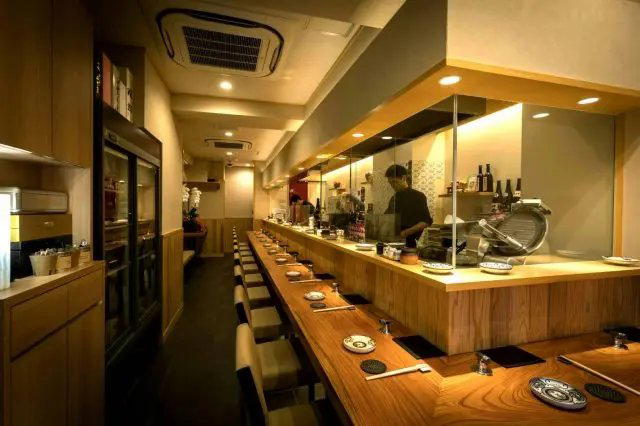
This is a place built for solo lunches and neighbourhood devotion. The counter setup and basement location make it particularly suited to single diners or small parties who come for the food rather than the scene. Tsuta sits comfortably within Yoyogi-Uehara’s local rhythm: a serious, consistent operation that rewards repeat visits and close attention. It’s a good stop for anyone exploring Tokyo’s more earnest side of casual dining — people who seek steady execution, quiet service, and a compact, counter-focused experience.
Ordering Tips
Expect a tightly focused menu and a counter-oriented experience; reservations or elaborate seating options are not part of the picture. The profile stresses a kitchen working at high consistency, so sticking to the house offerings and the lunchtime rhythm is wise. Because Tsuta is framed as a neighbourhood counter with devoted regulars and a strong word-of-mouth reputation, arriving during typical lunch hours and accepting the compact counter format will deliver the most authentic experience. Allow the kitchen’s steady approach to guide your visit.
Venue details
Ambiance
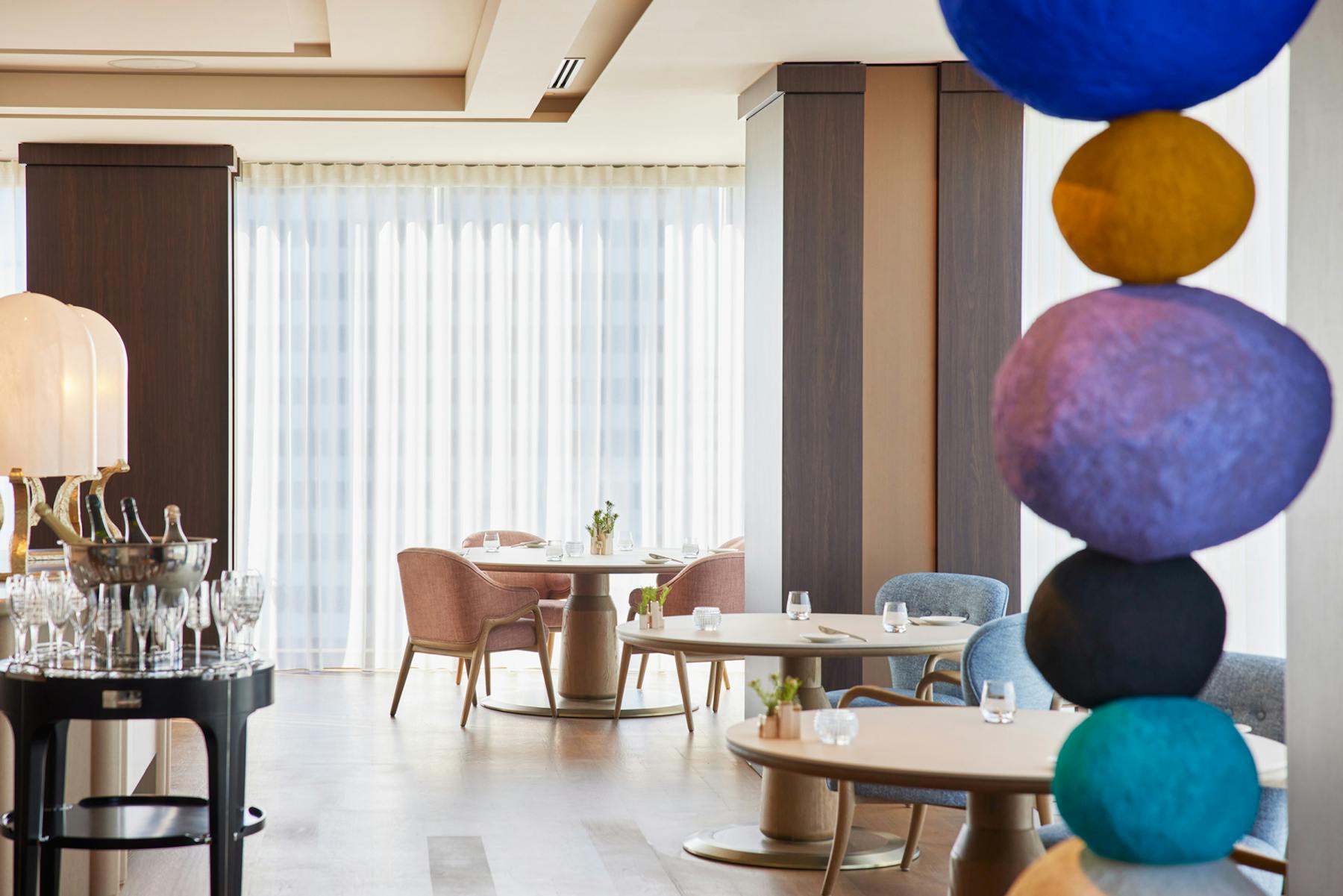
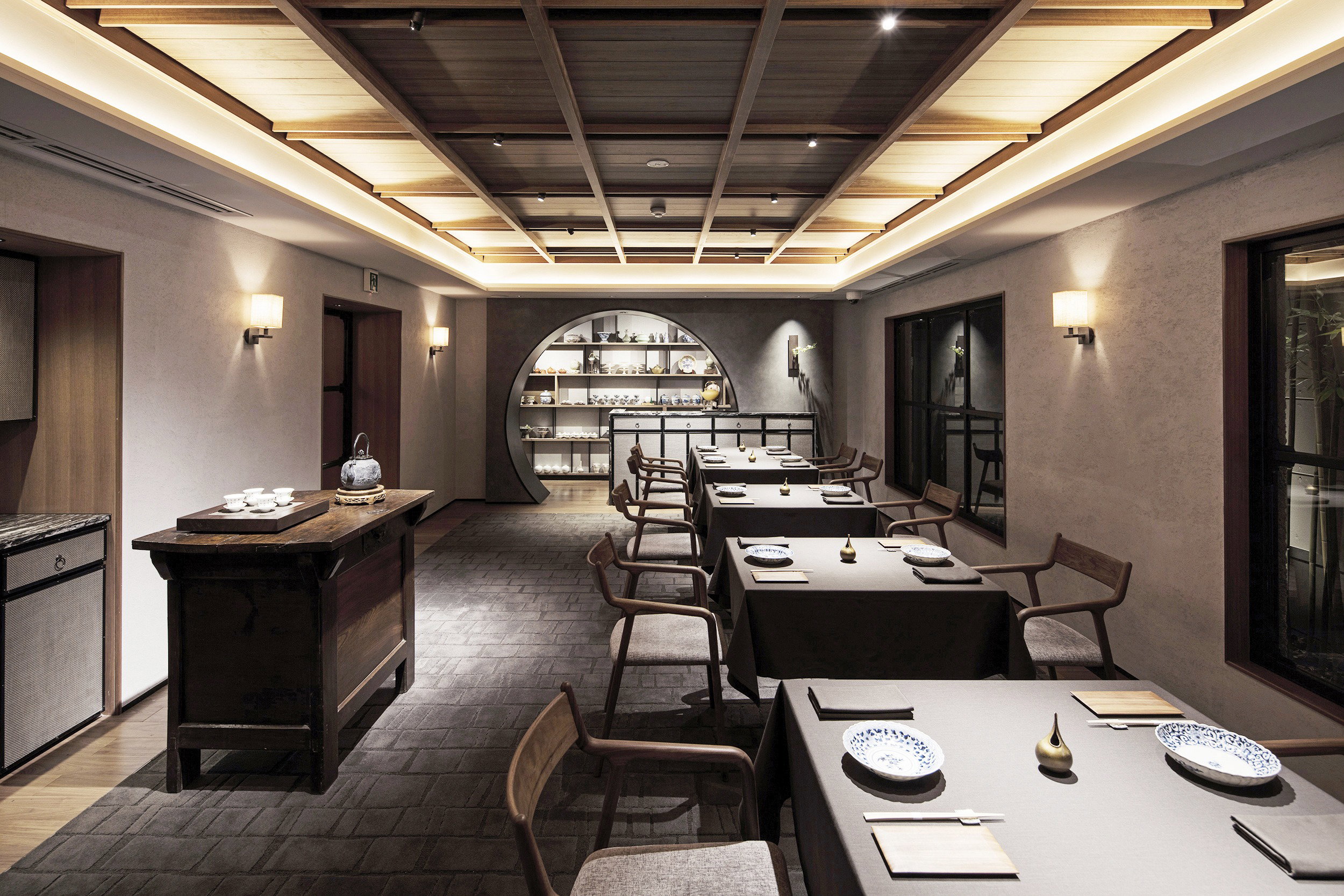
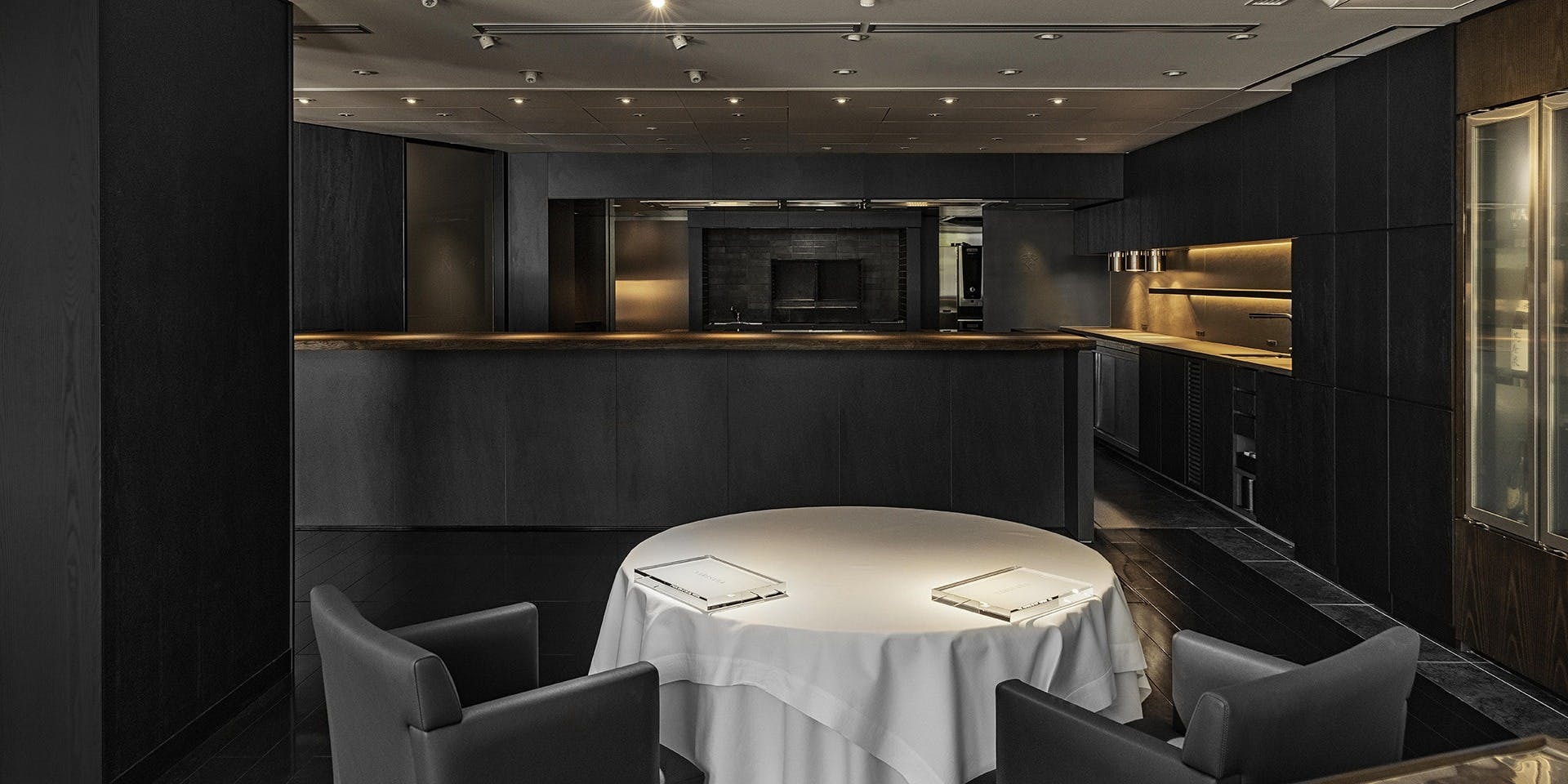
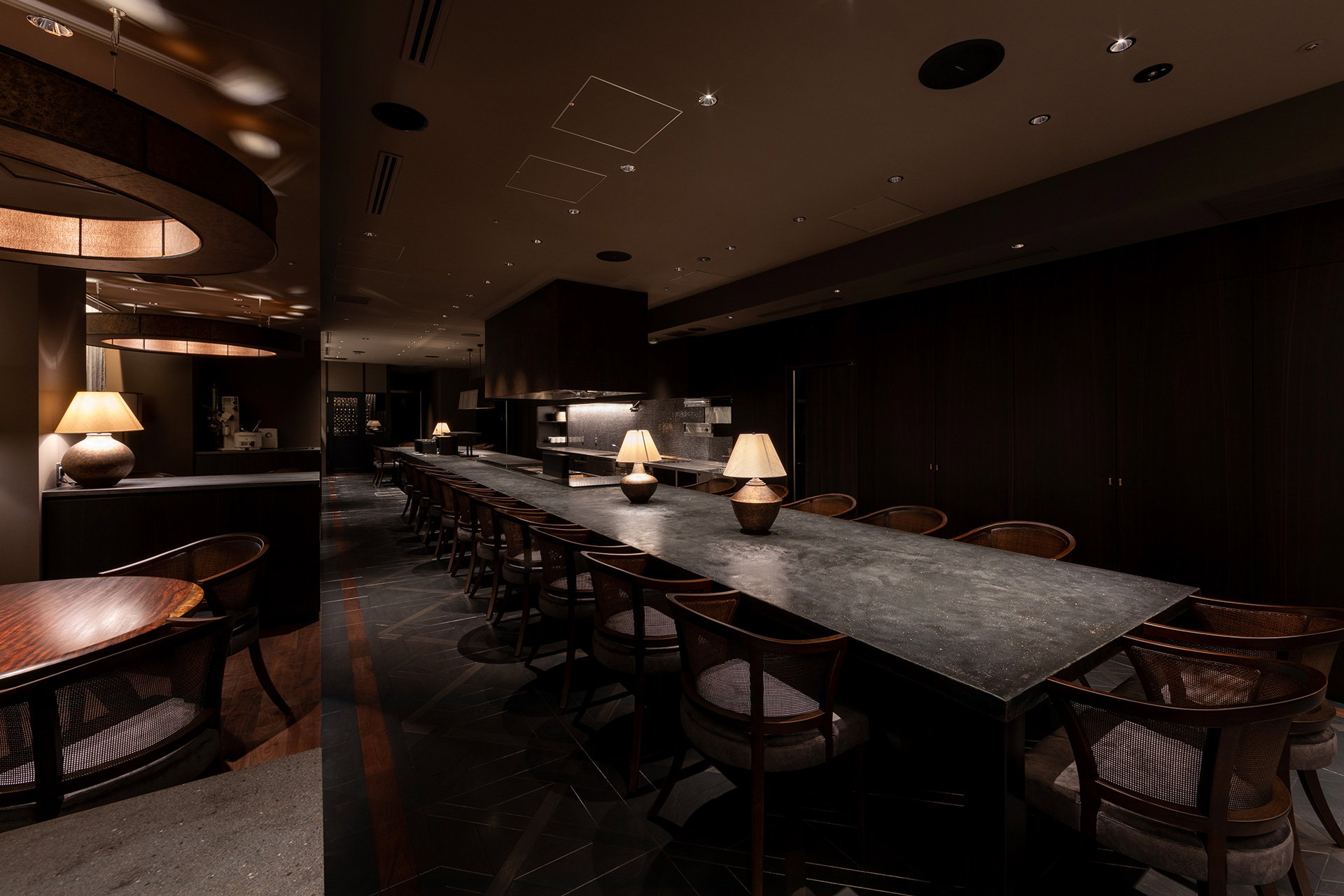
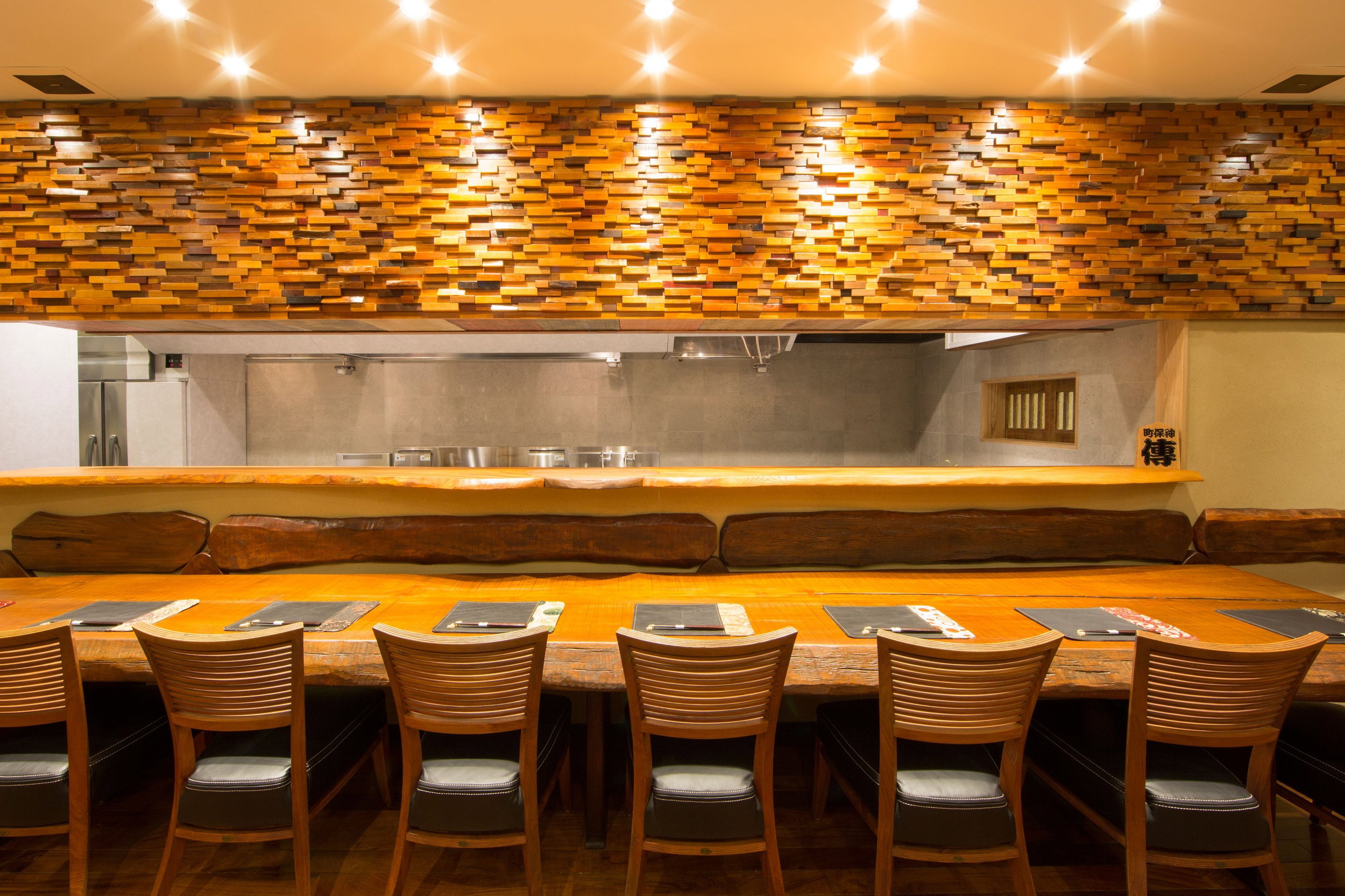
Modern, clean counter seating with padded stools in a reverent, quiet atmosphere focused on the culinary experience.
Tags
Vibe
Best For
Experience
At the Table
- Dress Code
- Casual
- Noise Level
- Quiet
- Service Style
- Counter Service
- Meal Pacing
- Standard
- Capacity
- Intimate
Signature Dishes
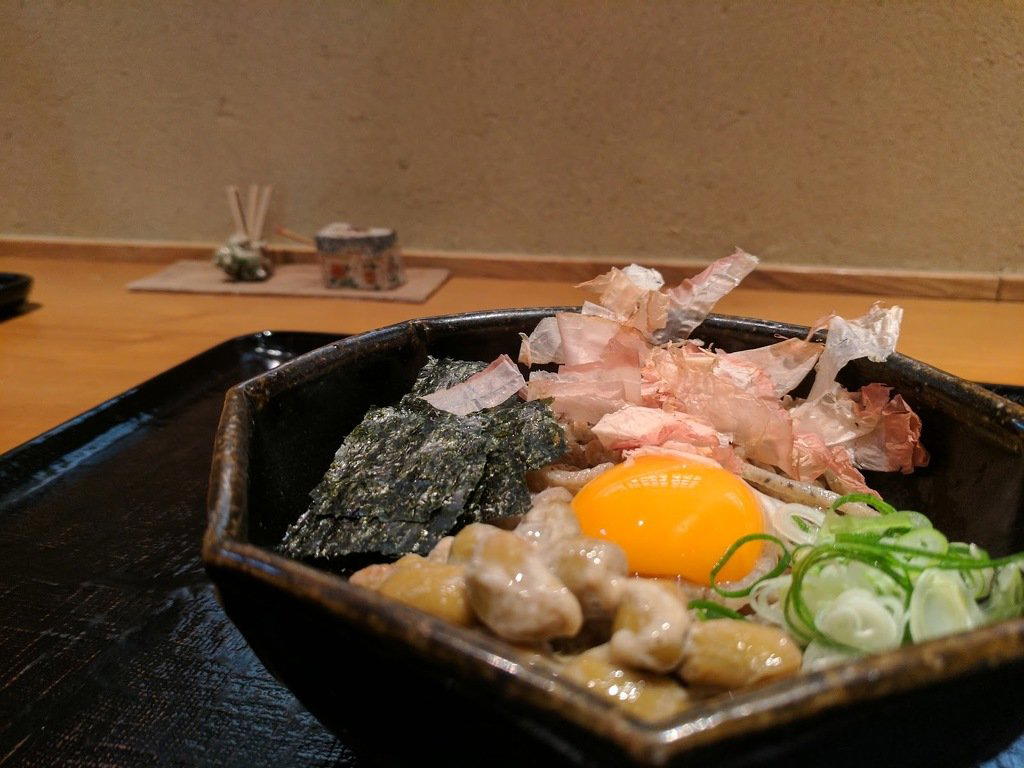
- Shoyu Ramen with Truffle
- Shio Ramen
Know before you go
Know Before You Go
- Getting there
- Japan, 〒151-0066 Tokyo, Shibuya, Nishihara, 3 Chome−2−4 フロンティア代々木上原 B1
Planning details
Hours
- Monday
- 11 am–3 pm
- Tuesday
- 11 am–3 pm
- Wednesday
- 11 am–3 pm
- Thursday
- 11 am–3 pm
- Friday
- 11 am–3 pm
- Saturday
- 11 am–3 pm
- Sunday
- 11 am–3 pm
Location
Japan, 〒151-0066 Tokyo, Shibuya, Nishihara, 3 Chome−2−4 フロンティア代々木上原 B1 · Directions

Also consider
Also Consider
- Harutaka, Sushi, ¥¥¥¥
- RyuGin, Kaiseki, Japanese, ¥¥¥¥
- L'Effervescence, French, ¥¥¥¥
- HOMMAGE, Innovtive French, French, ¥¥¥¥
- Florilège, French, ¥¥¥
Restaurant context
Tsuta operates in a different category from most of its Tokyo peers tracked by Pearl. Where Harutaka and RyuGin demand multi-hour commitments, advance reservations weeks out, and four-figure-per-head budgets, Tsuta asks for a lunch slot and likely a fraction of the cost. If your Tokyo itinerary already includes a high-end dinner and you want a critically-tracked lunch to bookend it, Tsuta fills that slot more efficiently than any of the fine-dining comparisons.
Against the French venues in this peer set, the calculus is straightforward: L'Effervescence, HOMMAGE, and Florilège are all ¥¥¥ to ¥¥¥¥ dinner experiences with tasting menus, wine pairings, and the booking friction that comes with high-demand rooms. None of them are relevant substitutes if your goal is a serious bowl of ramen or soba in Tokyo. Tsuta is the only venue in this comparison set operating in the casual noodle format with OAD credentials.
The practical recommendation: if you have one high-end dinner in Tokyo, choose between RyuGin for kaiseki depth or Harutaka for counter sushi, and use Tsuta as your reference-point casual lunch. If your Tokyo visit is shorter and you need to prioritise, the fine-dining options above serve a different occasion entirely. Tsuta is the stronger choice when time is limited and you want a well-regarded, low-friction meal that does not require a formal reservation pipeline.
Explore Tokyo
Around this place
Discover more on Pearl
Unlock the full Tsuta guide in Pearl, including awards, comparisons, FAQs, planning details, and nearby places.
Compare Tsuta
| Venue | Location | Cuisine | Awards | Price |
|---|---|---|---|---|
| Tsuta | Tokyo | Soba, Ramen | 2026 OAD Casual in Japan Ranked · #115Tabelog 100 - Ramen - TOKYO - 2025 · #322025 OAD Casual in Japan Ranked · #692024 OAD Casual in Japan Ranked · #592023 OAD Casual in Japan Ranked · #42 | , |
| Harutaka | Tokyo | Sushi | 2026 Tabelog Silver · #312026 OAD Top Restaurants in Japan Ranked · #1282026 Michelin 3 Stars2026 La Liste Top RestaurantsTabelog 100 - Sushi - TOKYO - 2025 · #372025 Asia's 50 Best Restaurants · #762025 OAD Top Restaurants in Japan Ranked · #1172025 La Liste Top Restaurants2025 Tabelog Bronze | ¥¥¥¥ |
| RyuGin | Tokyo | Kaiseki, Japanese | 2026 OAD Top Restaurants in Japan Ranked · #802026 Tabelog Bronze · #3772026 Michelin 3 Stars2026 La Liste Top RestaurantsTabelog 100 - Japanese cuisine - TOKYO - 2025 · #212025 OAD Top Restaurants in Japan Ranked · #542025 Michelin 3 Stars2025 La Liste Top Restaurants2025 The Best Chef Three Knives | ¥¥¥¥ |
| L'Effervescence | Tokyo | French | 2026 Tabelog Silver · #682026 OAD Top Restaurants in Japan Ranked · #103Star Wine Lists 20262026 Black Pearl 2 Diamond2026 Relais Chateaux Restaurants2026 La Liste Top Restaurants2026 Michelin 3 Stars2025 Asia's 50 Best Restaurants · #692025 OAD Top Restaurants in Japan Ranked · #92 | ¥¥¥¥ |
| HOMMAGE | Tokyo | Innovtive French, French | 2026 Tabelog Bronze · #1232026 OAD Top Restaurants in Japan Highly Recommended2026 Michelin 2 StarsTabelog 100 - French - TOKYO - 2025 · #762025 Asia's 50 Best Restaurants · #782025 OAD Top Restaurants in Japan Ranked · #1752025 Michelin 2 Stars2025 The Best Chef One Knife2025 La Liste Top Restaurants | ¥¥¥¥ |
| Florilège | Tokyo | French | 2026 Asia's 50 Best Restaurants · #312026 Tabelog Bronze · #712026 OAD Top Restaurants in Japan Ranked · #1242026 Black Pearl 1 Diamond2026 Michelin 2 Stars2026 La Liste Top Restaurants2025 Asia's 50 Best Restaurants · #172025 World's 50 Best Restaurants · #36Tabelog 100 - French - TOKYO - 2025 · #68 | ¥¥¥ |











How Tsuta Tokyo compares with similar nearby venues.
FAQ
Frequently Asked Questions
What should I order at Tsuta?
Pearl does not have Tsuta's current menu on file, so naming specific dishes would be guesswork. What is confirmed: Tsuta serves soba and ramen, and Chef Yuki Onishi's kitchen has held a place on the Opinionated About Dining Casual Japan list since 2023. Go in knowing the format is a focused lunch counter, not a sprawling menu, and be guided by whatever the kitchen is running that day.
What should a first-timer know about Tsuta?
Service runs 11am to 3pm daily — that is the full window, so plan for a lunch visit rather than an evening option. The address puts you in a residential part of Shibuya near Yoyogi-Uehara, which is quieter and more local in feel than central Tokyo ramen stops. Tsuta does not appear to use a major third-party booking platform, so confirm the current reservation method directly before visiting.
Is Tsuta good for a special occasion?
Only if a focused ramen lunch is the occasion. Tsuta's OAD Casual Japan ranking signals consistent critical recognition, but the basement format and daytime-only hours mean this is not a setting for a long celebratory meal. For a special-occasion dinner in Tokyo, venues such as RyuGin or L'Effervescence are the more appropriate choices.
What are alternatives to Tsuta in Tokyo?
For ramen at a similar casual register with critical backing, cross-reference other OAD Casual Japan-listed spots in Tokyo. If you want to stay in the Shibuya neighbourhood but step up to a full dinner format, Florilège and L'Effervescence are both strong options at a higher price point. Tsuta's case is specifically for the visitor who wants a credentialed, chef-driven bowl at lunch rather than a full tasting menu commitment.