

2026 Falstaff Winery Guide: The Ultimate Wine Authority — Page 93
Falstaff's 2026 Wineries guide.

Venues on this list
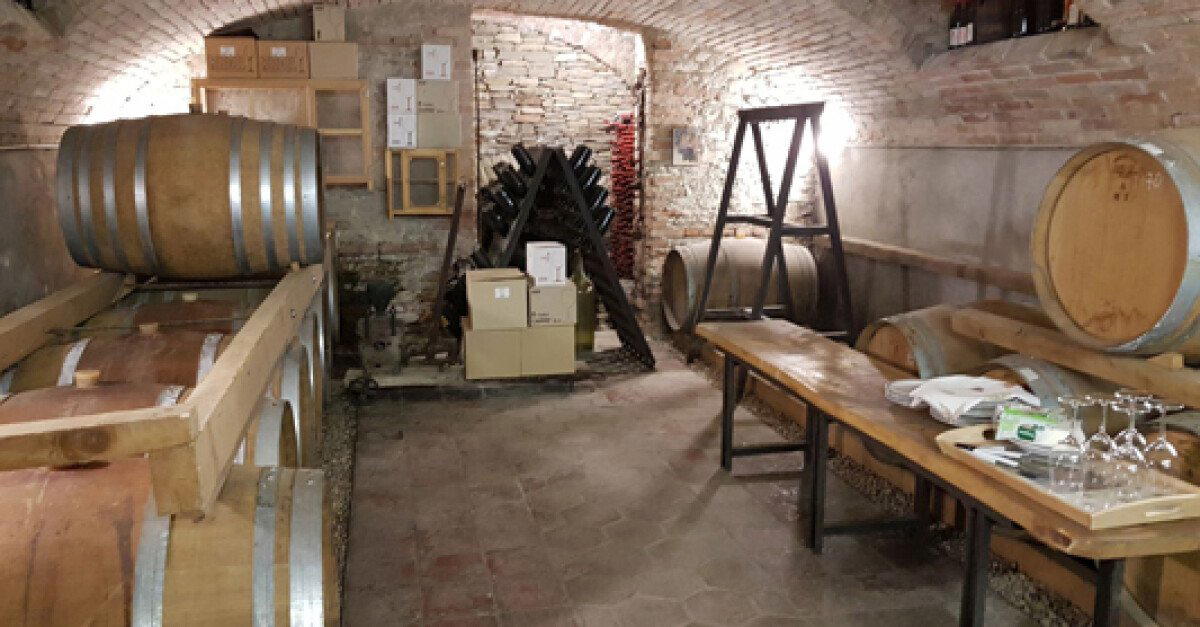
Ca' Richeta
Castiglione Tinella, Italy
Ca' Richeta works as a focused Castiglione Tinella wine stop, especially for travelers already building a Piedmont itinerary around cellar visits. Its Falstaff Listed 2026 recognition is the main trust signal; do not treat it as a confirmed food-pairing or restaurant-style experience unless details are arranged ahead.
Chateau La Rose du Pin
Ladaux, France
Château La Rose du Pin is worth a stop if the goal is approachable Bordeaux rather than a luxury château experience. The draw is value: $$ pricing, walk-in friendly access, and a portfolio spanning Bordeaux reds, Bordeaux Supérieur, and crisp Entre-Deux-Mers white, with Falstaff Winery listing recognition for 2026.
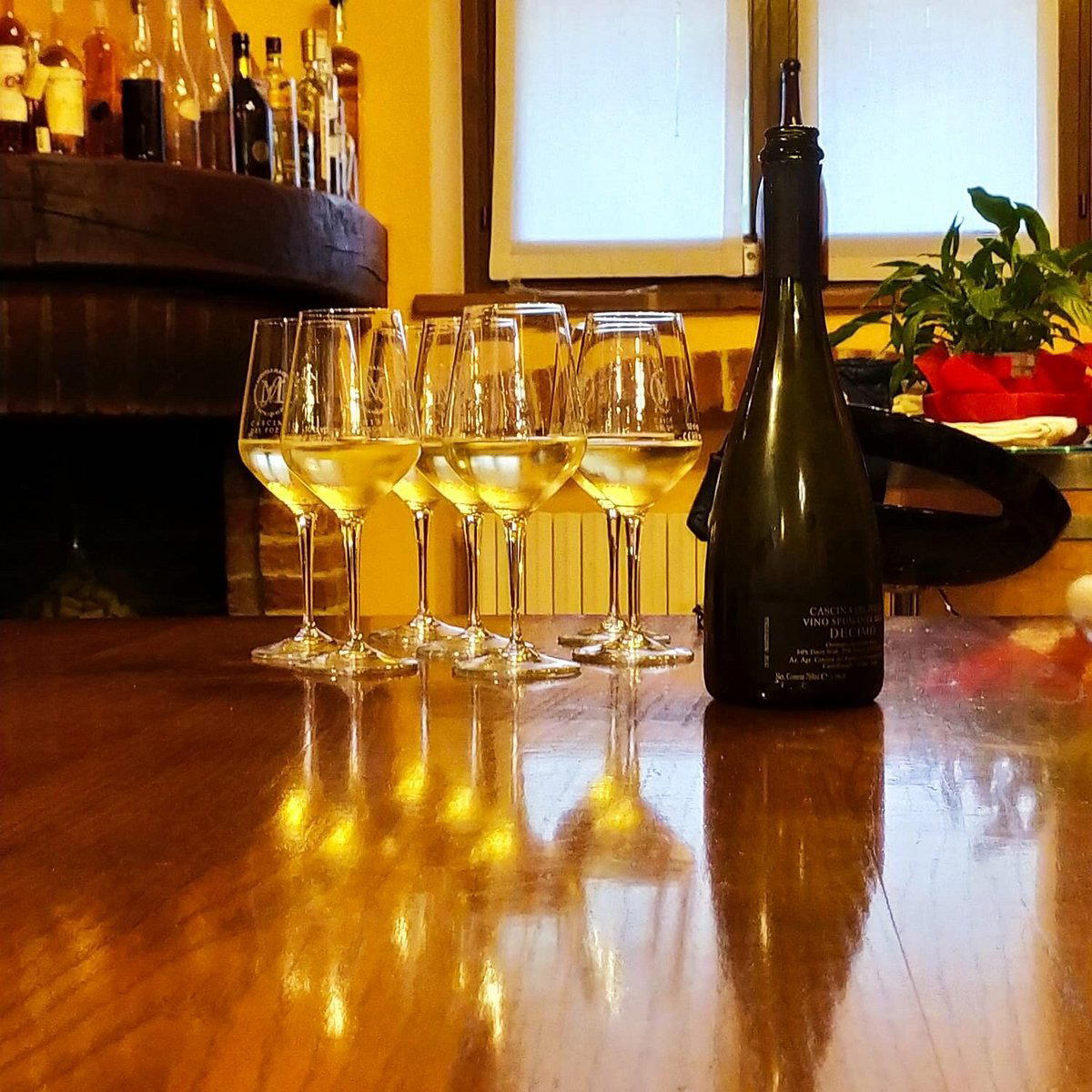
Cascina del Pozzo
Castellinaldo D Alba, Italy
Vineyard-country setting and a Falstaff Listed 2026 signal make Cascina del Pozzo worth considering for a focused Castellinaldo d’Alba wine stop. Treat it as part of a broader Cuneo itinerary rather than a full-service destination, especially if food, group capacity, shipping, or formal tasting details matter to the plan.
Celler Hidalgo Albert
Vilallonga Del Camp, Spain
Celler Hidalgo Albert is worth booking if the goal is a small, appointment-only organic Priorat producer rather than a polished tasting-room experience. The appeal is in manual vineyard work, a compact family-run feel, and wines such as Lo Petit Pau Priorat DOQ, especially for travelers already building a serious Catalan wine route.
Château Roc de Cambes
Bourg, France
Worth booking if the goal is a quiet, serious Côtes de Bourg visit rather than a casual tasting-room stop. Château Roc de Cambes suits couples and small collector groups who want Merlot-led Bordeaux, Gironde-facing vineyards, and a focused cellar appointment; skip it for large groups, food-led outings, or flexible walk-in planning.
Brechbühl Weinbau
Schleinikon, Switzerland
Brechbühl Weinbau works for a focused Swiss spirits visit, especially if Stadel Grappolino and whole-grape distillation interest you. It is less compelling for casual wine tourists seeking a broad tasting flight or built-in food program, so plan it as a product-led stop in Zurich Unterland rather than a full afternoon hospitality venue.
Cave Constantin François
Argnou Ayent, Switzerland
Cave François et Mathieu Constantin works if the plan is already centered on Ayent and Valais wine, especially for travelers who prefer producer-led stops over polished tasting-room spectacle. Treat it as a focused winery visit and confirm logistics before going, then pair it with other Argnou Ayent stops for a stronger day.
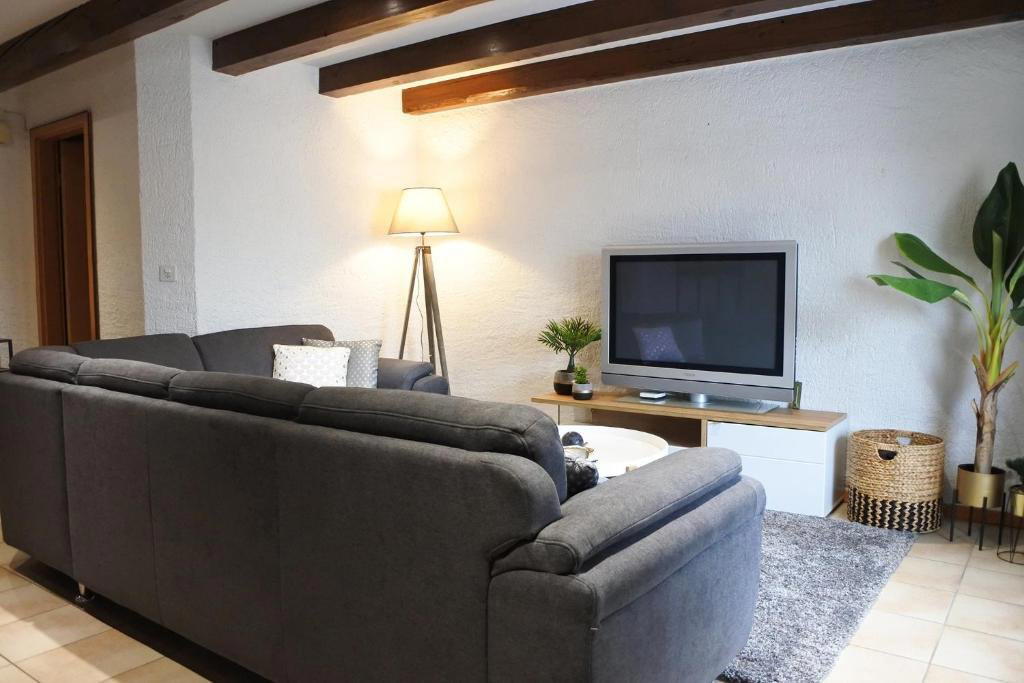
Cave du Cep
Cortaillod, Switzerland
Cave du Cep, J.R. Félix is a good Cortaillod pick for a relaxed, family-run winery stop focused on Neuchâtel staples like Chasselas and Pinot Noir. It suits return visitors who want to compare classic regional bottles with more experimental cellar choices, while travelers seeking a formal, highly produced tasting should plan accordingly.
Contesa
Collecorvino, Italy
Contesa is a cautious yes for wine-focused travelers already spending time in Collecorvino. Falstaff listing for 2026 gives it a useful credibility signal, but the lack of published visit structure means it works better as a flexible Abruzzo producer stop than as the fixed centerpiece of a tasting day.
Castell Sant Antoni
Sant Sadurni D Anoia Barcelona, Spain
Choose Castell Sant Antoni if you want a small, production-led cava visit in Sant Sadurní d’Anoia rather than a large-format wine-tourism stop. The draw is the hands-on cellar context: traditional-method cava, underground aging spaces, manual disgorgement and a quiet vineyard tasting room that suits curious drinkers more than casual drop-ins.
Franz-Michael Mayer
Vienna, Austria
Book Franz-Michael Mayer if the goal is a serious Vienna wine stop built around old-vine whites, Gemischter Satz and unusual grapes such as Sémillon. It is a better fit for focused wine explorers than for casual groups seeking a polished visitor-centre experience, with Sustainable Austria certification and Falstaff 2026 listing adding useful credibility.
Desiderio N°1
Vienna, Austria
Desiderio N°1 is worth booking if you want a polished Vienna tasting built around Veneto Prosecco rather than a rustic Austrian winery visit. The draw is its Treviso DOC focus, biodynamic farming angle, estate-grown grapes, and art-led hospitality style. Best for wine travelers who want category context; less useful for anyone seeking a long vineyard or food-pairing program.
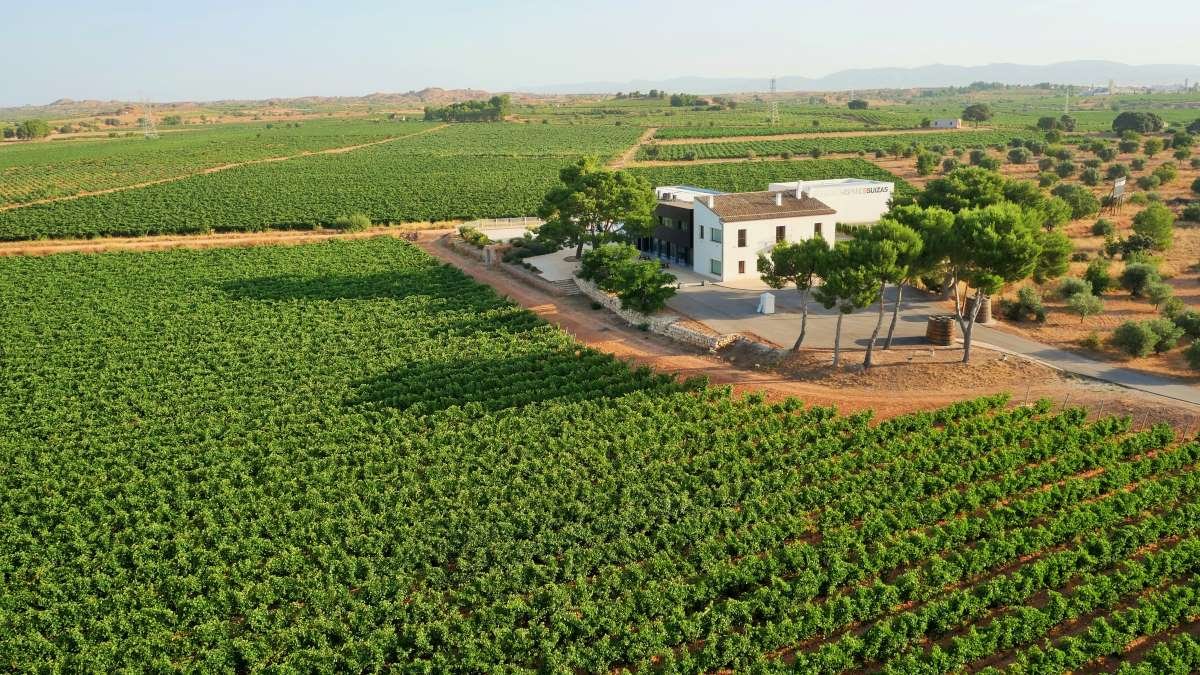
Bodegas y Viñedos Ausàs
Madrid, Spain
Bodegas y Viñedos Ausàs is a Ribera del Duero wine shortlist pick for enthusiasts who value external recognition and are comfortable confirming visit details before planning around it. The Falstaff 2026 listing gives it credibility, but the lack of published visitor basics makes it better for research-led wine travelers than anyone seeking a simple, pre-set tasting itinerary.
Cantine Guidi
Poggibonsi, Italy
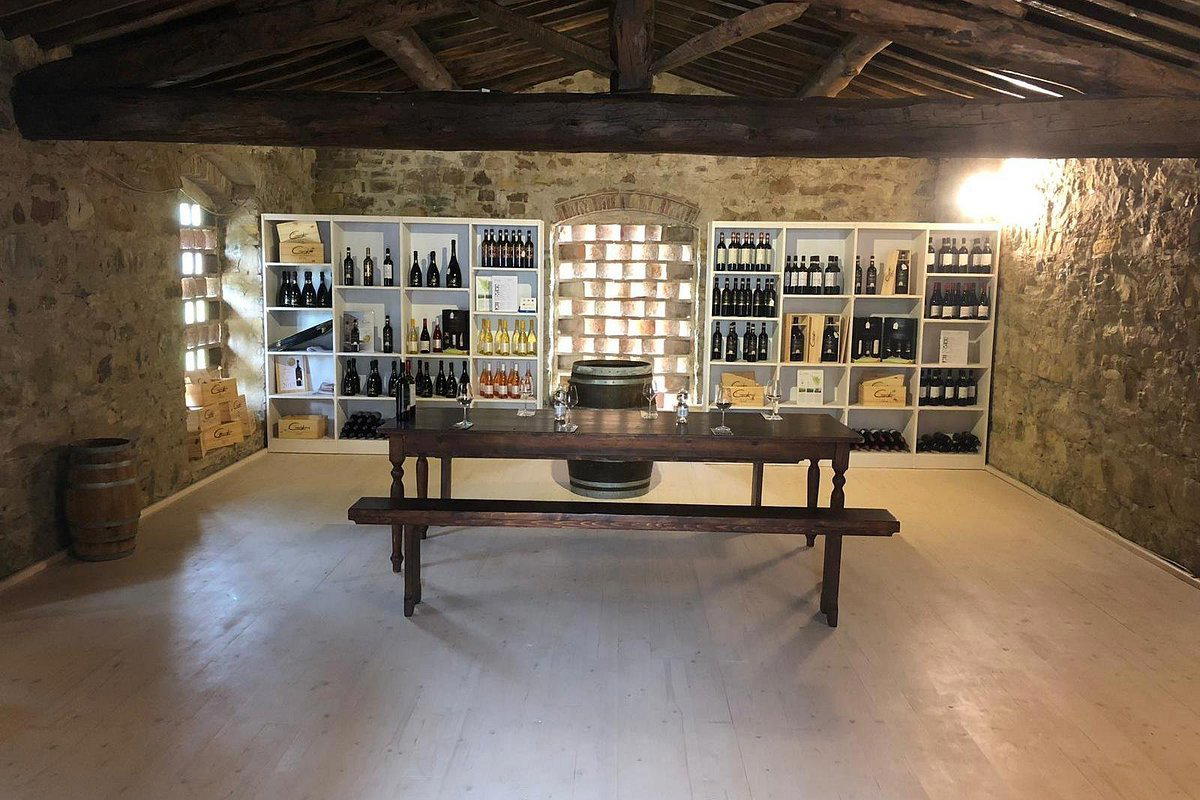
A relaxed Poggibonsi winery worth booking for travelers who want warm family hospitality, historic cellar atmosphere, and a tasting with more range than a basic Chianti stop. The strongest reason to go is the production story: organic practices, native yeasts, and wines connected to several Tuscan zones, with food-paired formats making it a good half-day anchor.
Cuvage
Acqui Terme, Italy
Cuvage is worth booking if you want a concise Acqui Terme sparkling-wine stop with real regional context. The appeal is its split focus on Metodo Martinotti and Metodo Classico, plus a design-led identity that makes the visit accessible for both wine-focused travelers and mixed groups.
Domaine de la Ville de Morges
Morges, Switzerland
Domaine de la Ville de Morges is a practical Vaud winery option for visitors who want an easy-booking wine stop in Morges rather than a destination built around a long tasting format. It is strongest as part of a broader town day, with food, group capacity, flagship wine details, and shipping worth confirming before planning around them.
Maison Pompadour
Reims, France
A Reims wine address with Falstaff Listed recognition for 2026, Maison Pompadour is better treated as a flexible itinerary addition than the centerpiece of a Champagne day. Add it if you are already planning around Reims wineries, but confirm visit format, shipping, and group logistics before shaping the schedule around it.
Dominio Basconcillos
Burgos, Spain
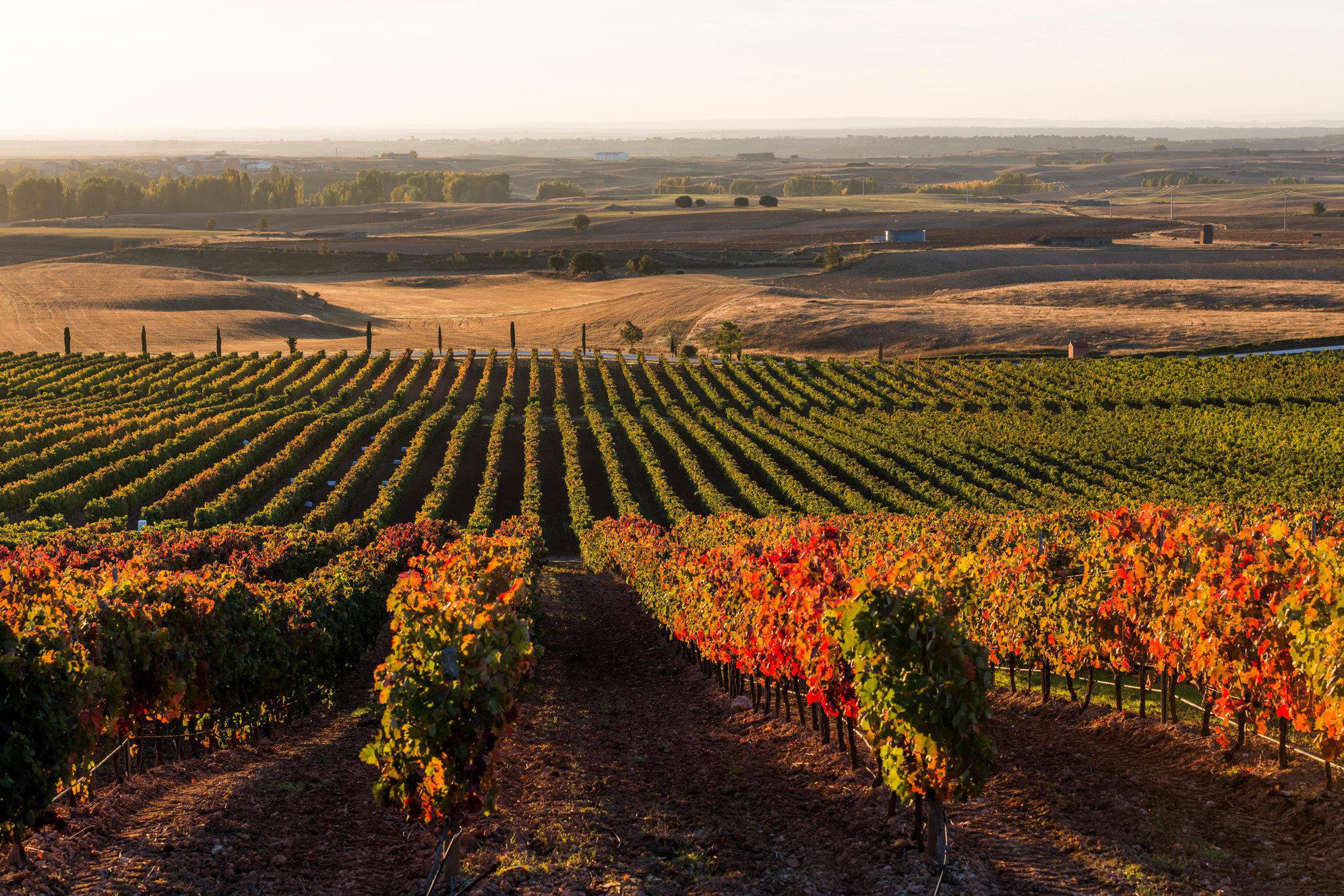
Book Dominio Basconcillos if you want a serious Ribera del Duero visit focused on high-altitude Tempranillo, family ownership, limited production, and organic bottlings. It is better suited to collectors and returning Ribera drinkers than casual groups looking for a broad tasting-room experience.
Cave Emery
Ayent, Switzerland
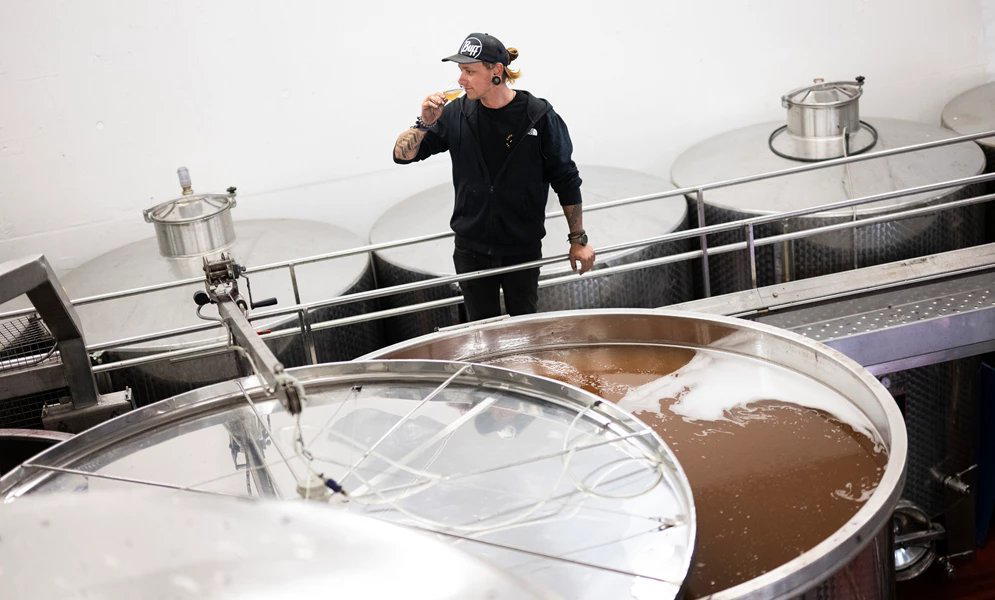
Cave Emery works as a compact Ayent wine-country stop, especially if the day is built around Valais wineries rather than a restaurant-style tasting. The Falstaff listing gives it a useful credibility signal, but plan with flexibility because detailed tasting logistics are not the reason to choose it.
Bodegas Barbadillo
Sanlúcar de Barrameda, Spain
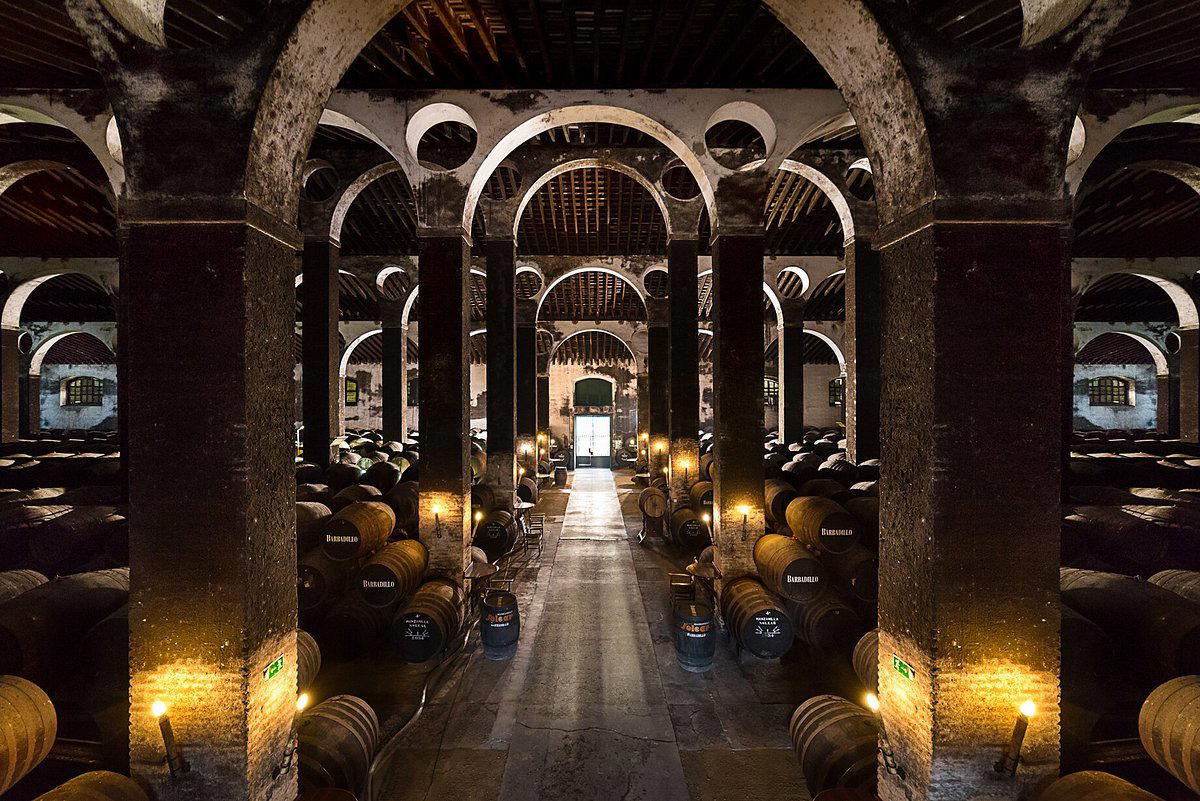
Book Bodegas Barbadillo if Sanlúcar's sherry culture is the reason for the trip. It is a better fit for wine-focused travelers than casual tasters, and it works especially well as the anchor stop before building the rest of the day around restaurants, bars, or nearby experiences.
Gemma
Serralunga d'Alba, Italy
Gemma works for a Barolo-focused Serralunga d’Alba itinerary, especially if the priority is traditional Nebbiolo, patient cellar work, and Langhe context. The strongest draw is the production philosophy around structured, age-worthy wines, led by multiple Barolo expressions including Giblin Riserva. It is less suited to travelers looking for a food-led or highly packaged hospitality experience.
Culmina Family Estate Winery
Oliver, Canada
Visit in the main tasting season if the goal is a quieter Golden Mile Bench stop focused on estate-grown Okanagan wine rather than a winery lunch. Culmina Family Estate Winery is strongest for Bordeaux-style reds, aromatic whites, vineyard views, and a more measured tasting pace; it is Falstaff Listed for 2026, which adds a useful outside recognition signal.
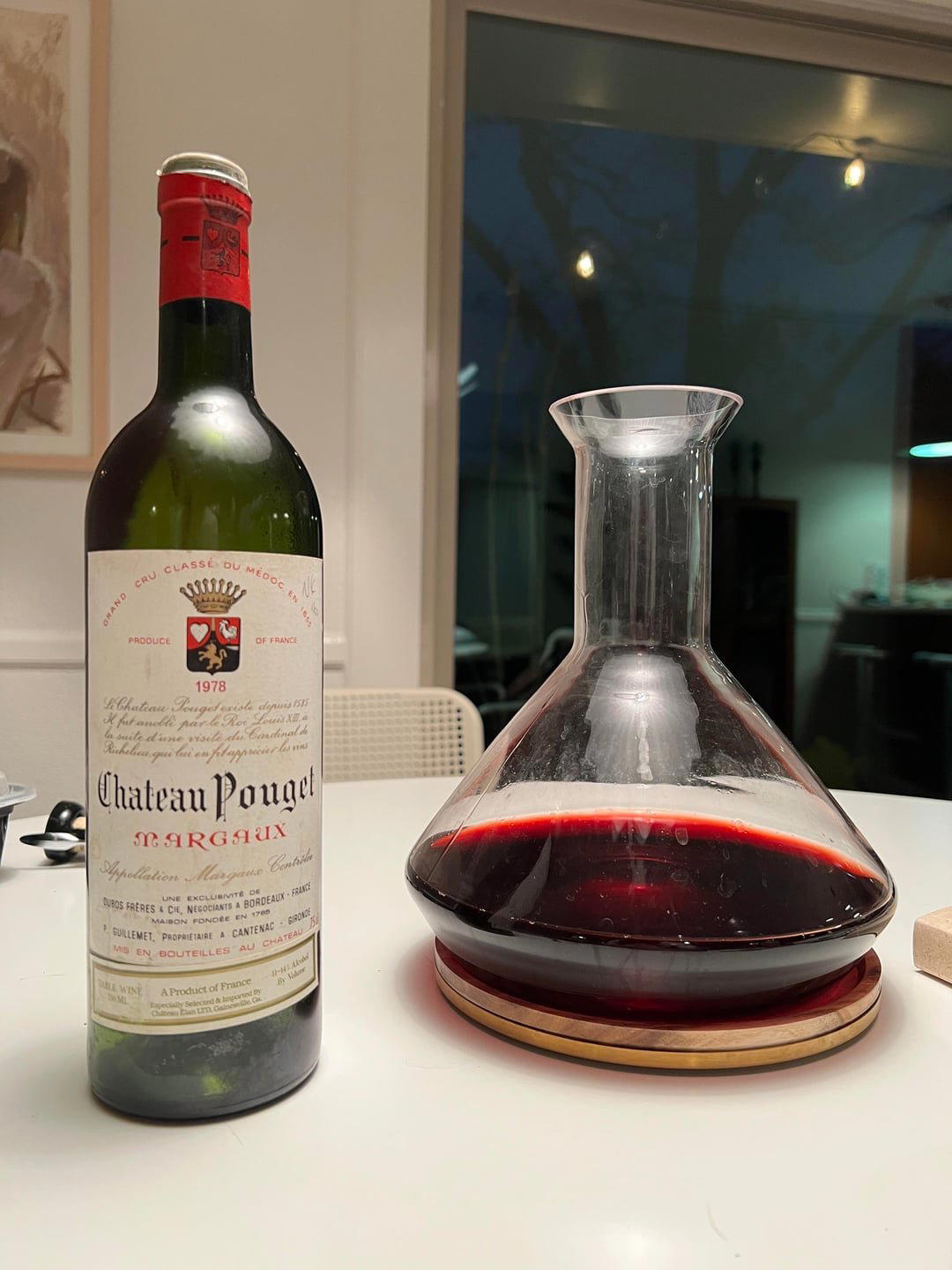
Château Pouget
Cantenac, France
Château Pouget is worth pursuing for Bordeaux-focused travelers who want a serious Cantenac stop in the Margaux orbit, not a casual drop-in winery day. Build alternatives into the plan, especially if timing, group logistics, or visitor infrastructure matter more than appellation context.
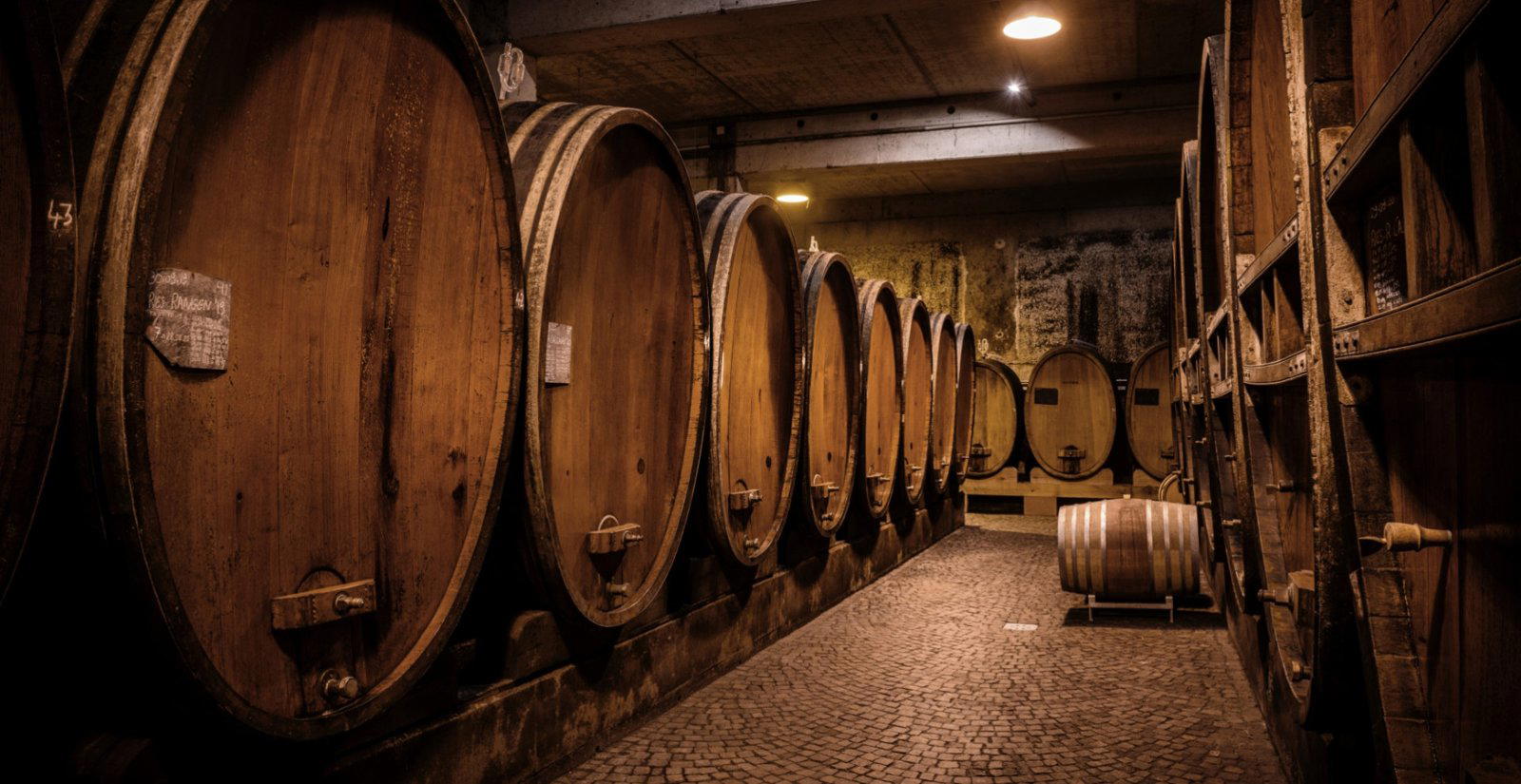
Domaine Zind Humbrecht
Turckheim, France
Domaine Zind Humbrecht is worth targeting for serious Alsace wine travelers who want depth and producer context in Turckheim. It is not the easy option: plan early, keep the group small, and cross-shop Domaine Josmeyer, Albert Boxler, Bestheim, Hugel, or Maison Trimbach if flexibility matters more than access.
Gschwend Weinbau & Brennerei
Oberriet Sg, Switzerland
Gschwend Weinbau & Brennerei works for a quiet Oberriet producer visit if local wine-and-spirits access matters more than a formal tasting-room production. The value case is strongest for small groups and regional wine travelers, with Falstaff listing recognition adding a modest trust signal. Do not plan around a confirmed flagship bottle or food service unless those details are arranged ahead.
Flat Lake GmbH
Jois, Austria
Flat Lake GmbH is better treated as an appointment-only wine-business stop than a guaranteed tasting-room visit. The case for booking is strongest for wine travelers interested in Jois’s commercial side, supported by its 2007 company history, Leopold Hillinger leadership link, and Falstaff listing in 2026.
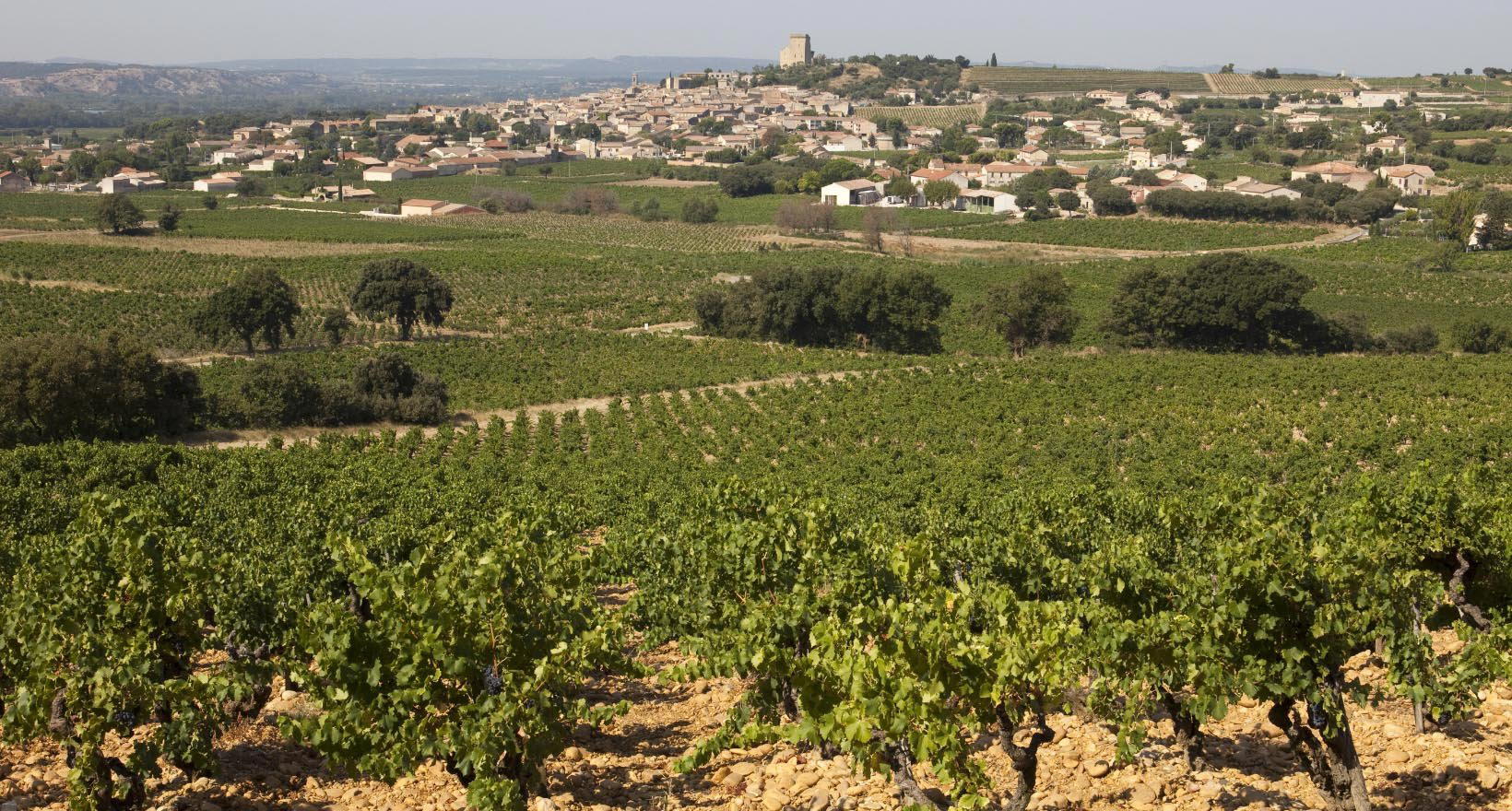
Domaine des Sénéchaux
Châteauneuf-du-Pape, France
A strong choice for serious Châteauneuf-du-Pape drinkers who want polish, structure, and credible value rather than a showy tasting-room experience. Domaine des Sénéchaux is strongest on its red wine credentials, with JM Cazes ownership, 26 hectares of vines, and a documented Grenache-led Rouge that has drawn major critic scores.
Corte Gioliare
Cola Di Lazise, Italy
Book Corte Gioliare if you want an easy, family-run Lake Garda winery stop with a countryside setting and a structured tasting rather than a formal luxury cellar visit. The strongest reasons are the DOCG red-wine anchors, the broad estate range, and the relaxed agri-campsite atmosphere; book ahead and keep expectations casual.
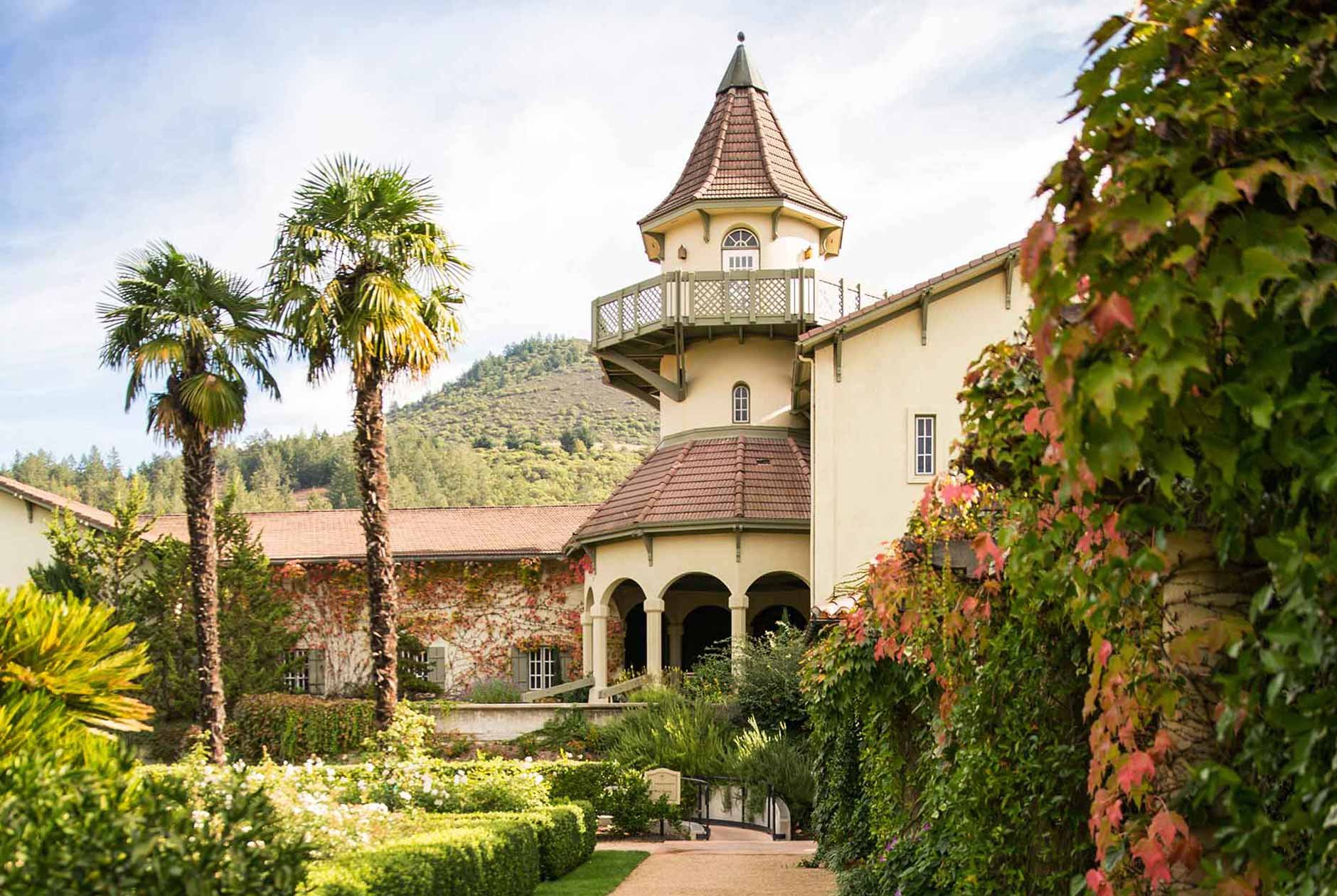
Chateau St. Jean
Kenwood, United States
Chateau St. Jean is worth prioritizing for a first Kenwood winery itinerary if the goal is an estate-style visit with a more formal sense of arrival. Treat it as an anchor booking, not a casual add-on; nearby options like Kenwood Vineyards, Landmark Vineyards, and Kunde Family Winery are better fallbacks when flexibility matters more than setting.
Boris Keller
Vaumarcus, Switzerland
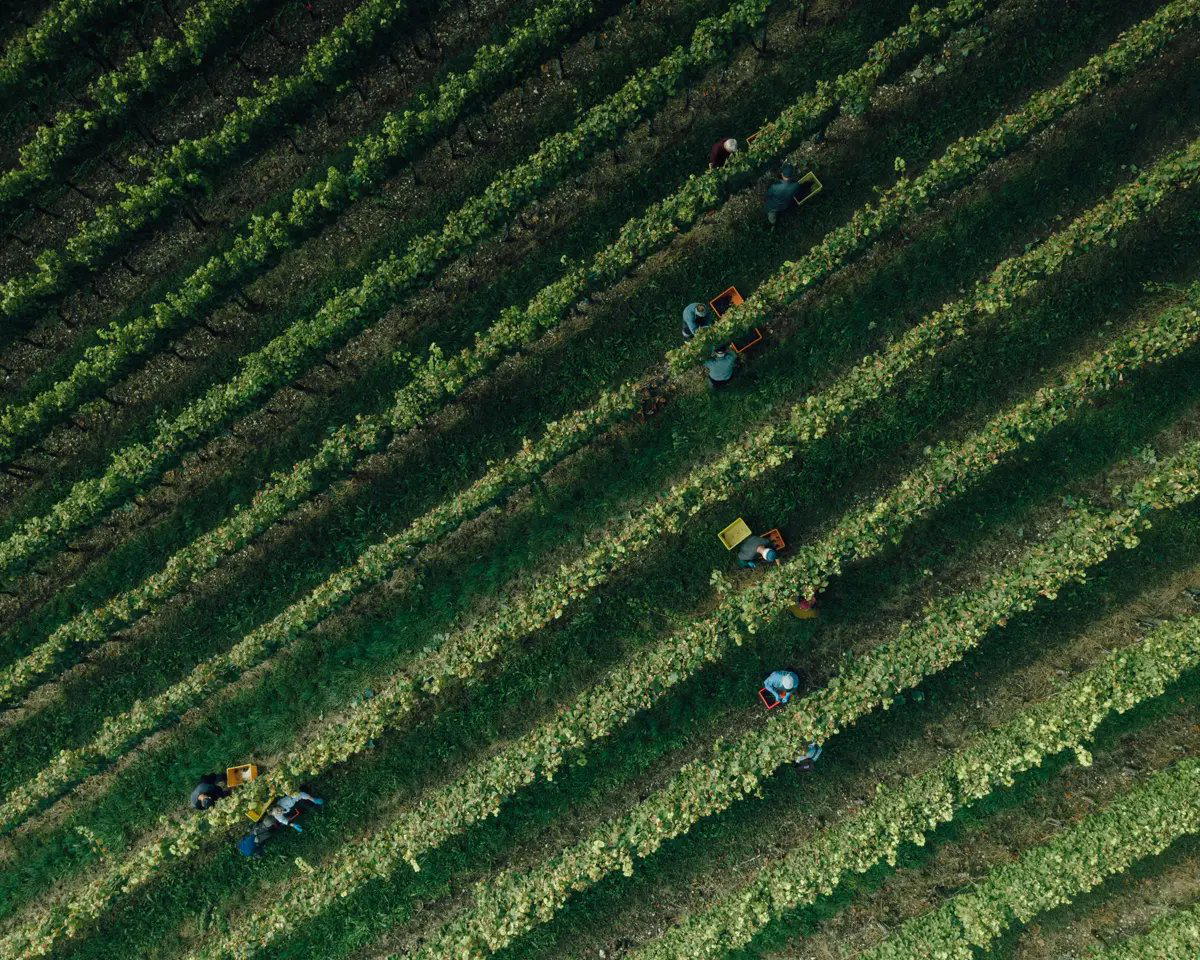
Book Boris Keller if you want a relaxed Vaumarcus winery visit with more production depth than polish. The draw is the family-run cellar format, 21 hectares of estate vineyards, Vinatura Swiss standards, and a broad lineup that moves from Chasselas and Pinot Noir into less expected varieties.
I Vignaioli di Santo Stefano
Santo Stefano Belbo, Italy
Book I Vignaioli di Santo Stefano if the goal is a serious Moscato-focused stop in Santo Stefano Belbo, with organic farming credentials and a terroir-led story rather than a flashy visitor experience. It suits first-timers who want context on the Langhe-Asti border and prefer a calm vineyard-led visit over a big hospitality production.
Cave de Beblenheim
Beblenheim, France
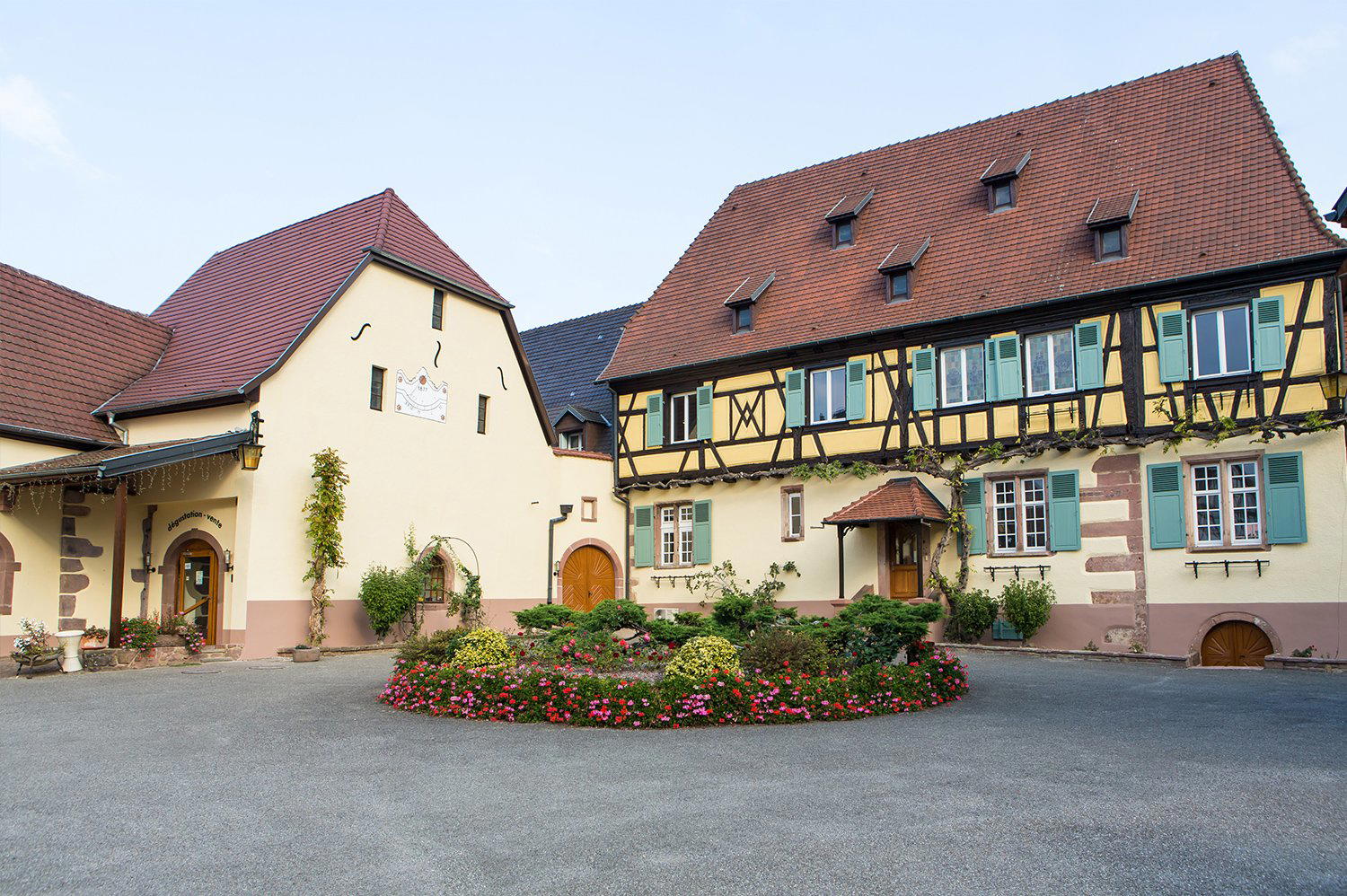
Cave de Beblenheim is an easy yes for visitors who want a broad Alsace tasting rather than a narrow single-estate appointment. The $$ cooperative format, Falstaff Listed recognition for 2026, old-cellar setting, and range across local varieties make it a practical buying stop, especially for Crémant, Pinot Gris, Gewurztraminer, and other classic regional styles.
Domaine Viticole Schumacher-Knepper
Wintrange, Luxembourg
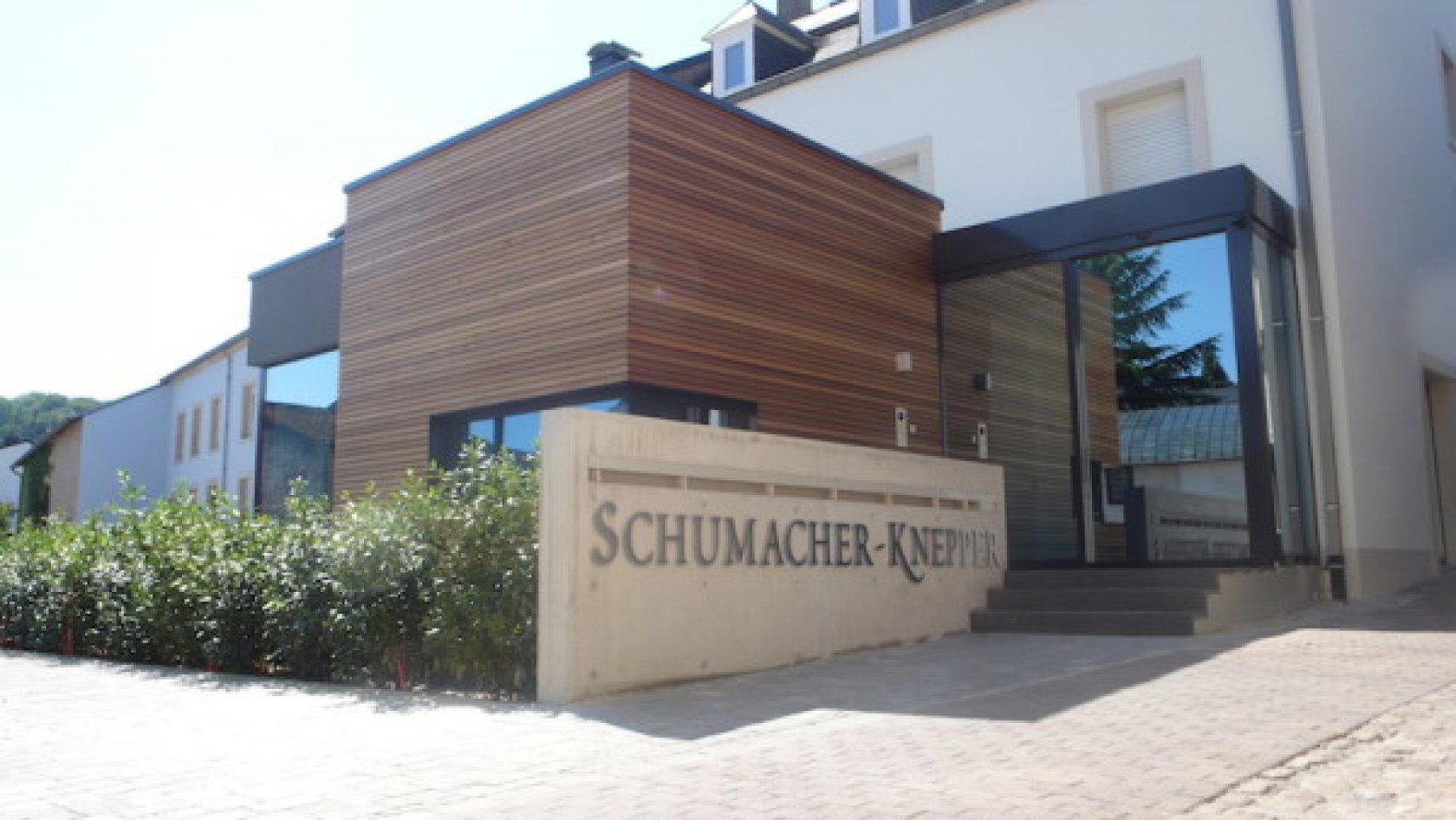
Worth booking for a quiet, wine-focused Moselle tasting with strong estate history, Grand Cru Wintranger Felsberg context, and a polished modern tasting room. Choose it for Riesling, Crémant Luxembourg, and small-group occasions; skip it if the main goal is a food pairing lunch or a high-energy hospitality format.
Bodegas d. Mateos
Aldeanueva De Ebro, Spain
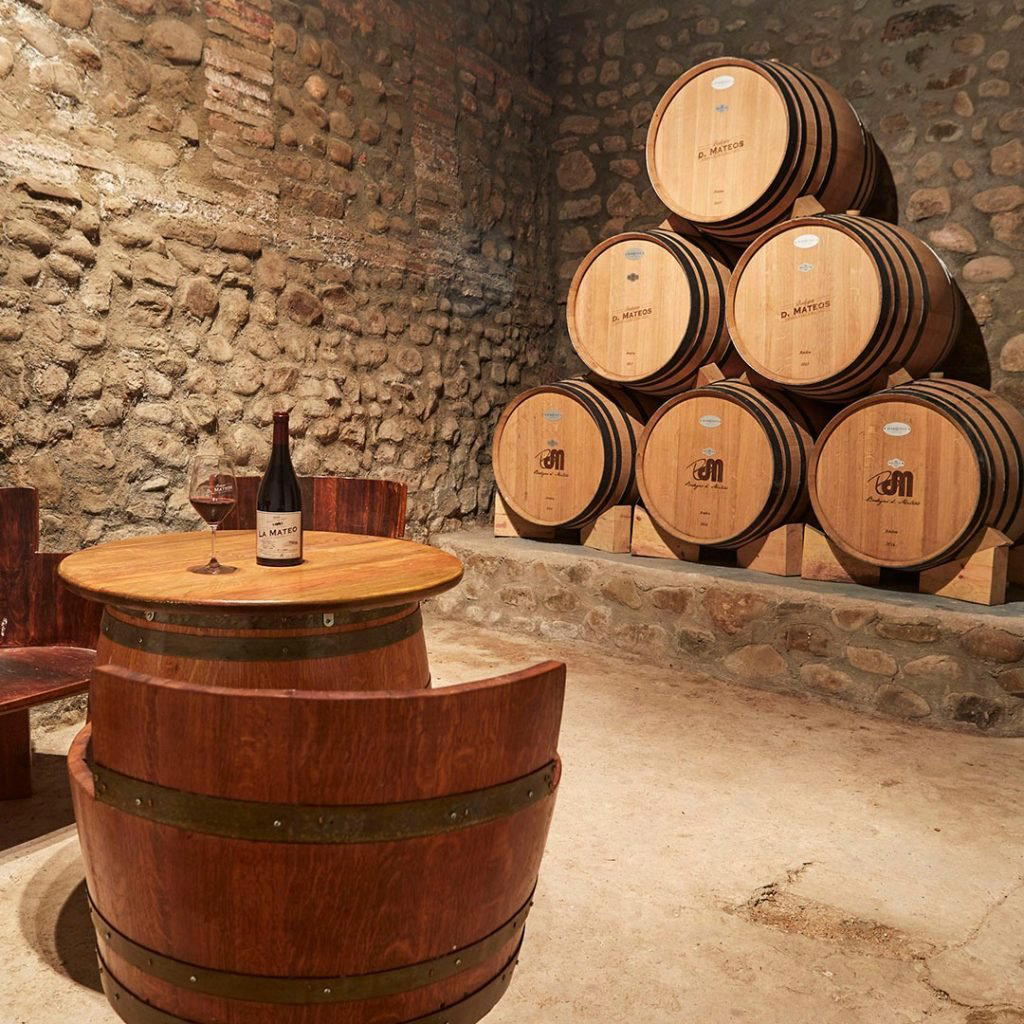
Bodegas d. Mateos works for a Rioja Oriental tasting focused on family history, estate vineyards, and barrel-aged wines. It suits couples or small groups who care about terroir and grape varieties more than luxury add-ons; plan it as a wine-led stop in Aldeanueva de Ebro rather than a full hospitality day.
Le Dome
Saint-Émilion, France
Le Dome is the pick for a return Saint-Emilion visitor who wants a focused, producer-led winery stop tied to Jonathan Maltus. It is not the easy casual choice: access is difficult, so compare it with Château Angelus, Château Canon, and Château Bélair-Monange before shaping the day.
Château Nozières
Vire Sur Lot, France
Book Château Nozières if the appeal is a relaxed Cahors estate visit with real vineyard context, not a luxury tasting-room production. The draw is its family-run Malbec range, moderate price position, Lot Valley terrace setting, and appointment-led cellar experience.
Hepok Winery
Mostar, Bosnia and Herzegovina
Book Hepok Winery for Herzegovinian wine context and strong value, not for a polished tasting-room experience. Its appeal is the production scale, historic link to Žilavka and Blatina, and industrial winery feel, making it a better fit for curious wine travelers than casual visitors looking for a scenic, hospitality-first stop.
D'Alfonso del Sordo
San Severo, Italy
A good fit if you want a calm, wine-first San Severo stop without hard booking friction. Do not choose it for a food-pairing meal unless that format is confirmed in advance; plan a separate restaurant booking if the occasion needs a full dining component.
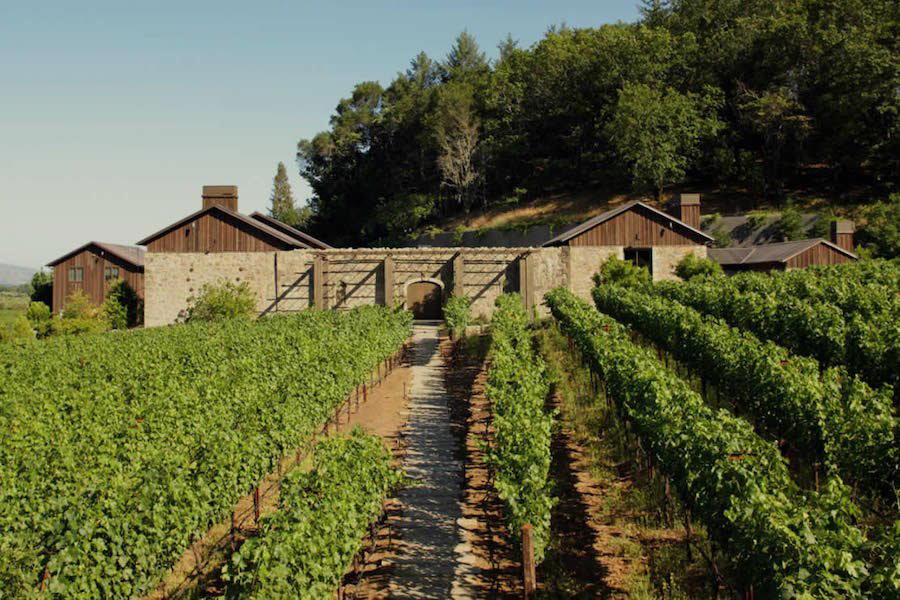
Dana Estates
St. Helena, United States
Dana Estates is worth prioritizing if the St. Helena trip is built around serious Napa wine access rather than casual tasting-room flexibility. Treat it as the anchor appointment and build nearby winery, restaurant, and hotel plans around it; mixed-interest groups may be better served by an easier-to-book St. Helena stop.

Ca' De Lion Ghione dal 1871
Canelli, Italy
A good-value Canelli winery pick for travelers who want a relaxed family-run tasting rather than a high-production cellar visit. Book it as part of a wider Piedmont wine day, especially if Ruché, Pinot Nero, Moscato d’Asti, and traditional Canelli atmosphere are the draw.
Azienda Agricola Castelluccio
Modigliana, Italy
Azienda Agricola Castelluccio is worth booking if the priority is serious Modigliana wine rather than a casual visitor-center stop. The draw is its site-led Sangiovese and Sauvignon Blanc portfolio, with named vineyard bottlings that make the visit more useful for collectors and wine-focused travelers than for amenity-led groups.
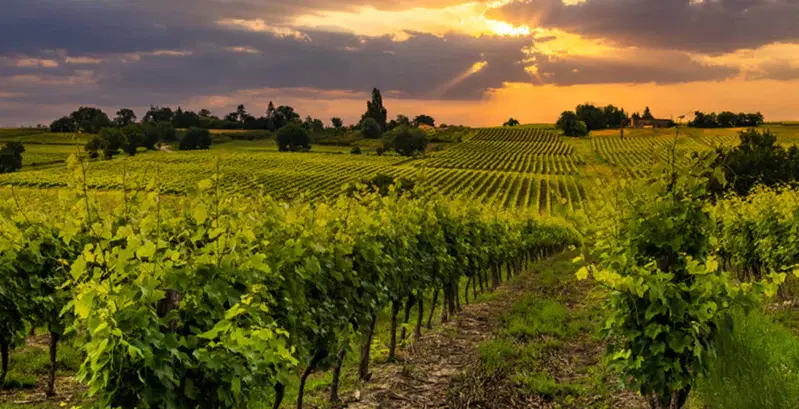
Domaine Fourrier
Gevrey-Chambertin, France
Domaine Fourrier is a high-priority Gevrey-Chambertin target for serious Burgundy travellers, especially when a private appointment can be confirmed. It is not the easiest choice for casual tasting plans, so build backups nearby and treat access as the main value rather than expecting a food or hospitality-led visit.
Saxum Vineyards
Paso Robles, United States
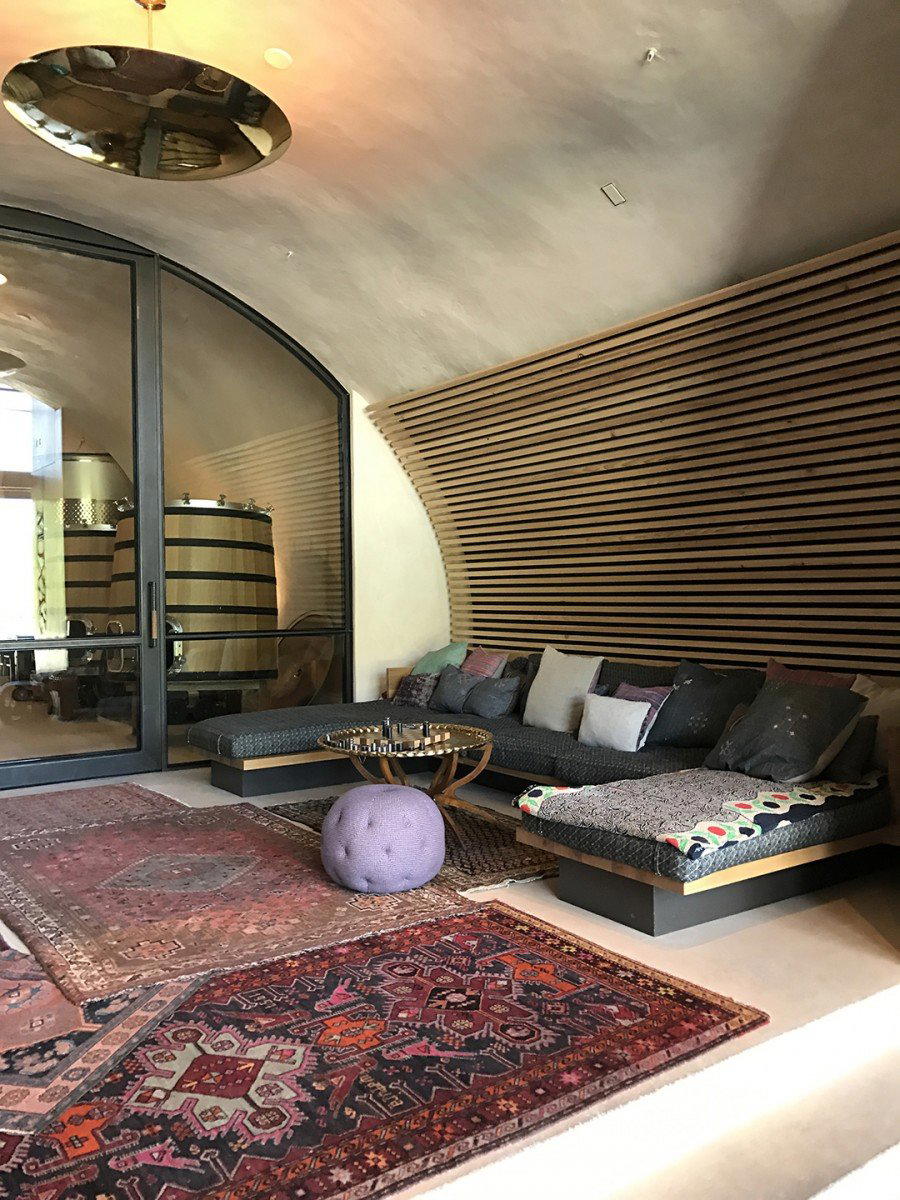
Saxum Vineyards is worth prioritizing for serious Paso Robles wine travelers who care about allocation access, producer track record, and cellar relevance. It is not the easiest fit for spontaneous tasting-room plans, so build the day with flexible alternatives nearby.
Chowaniec & Krajčírovič
Svätý Jur, Slovakia
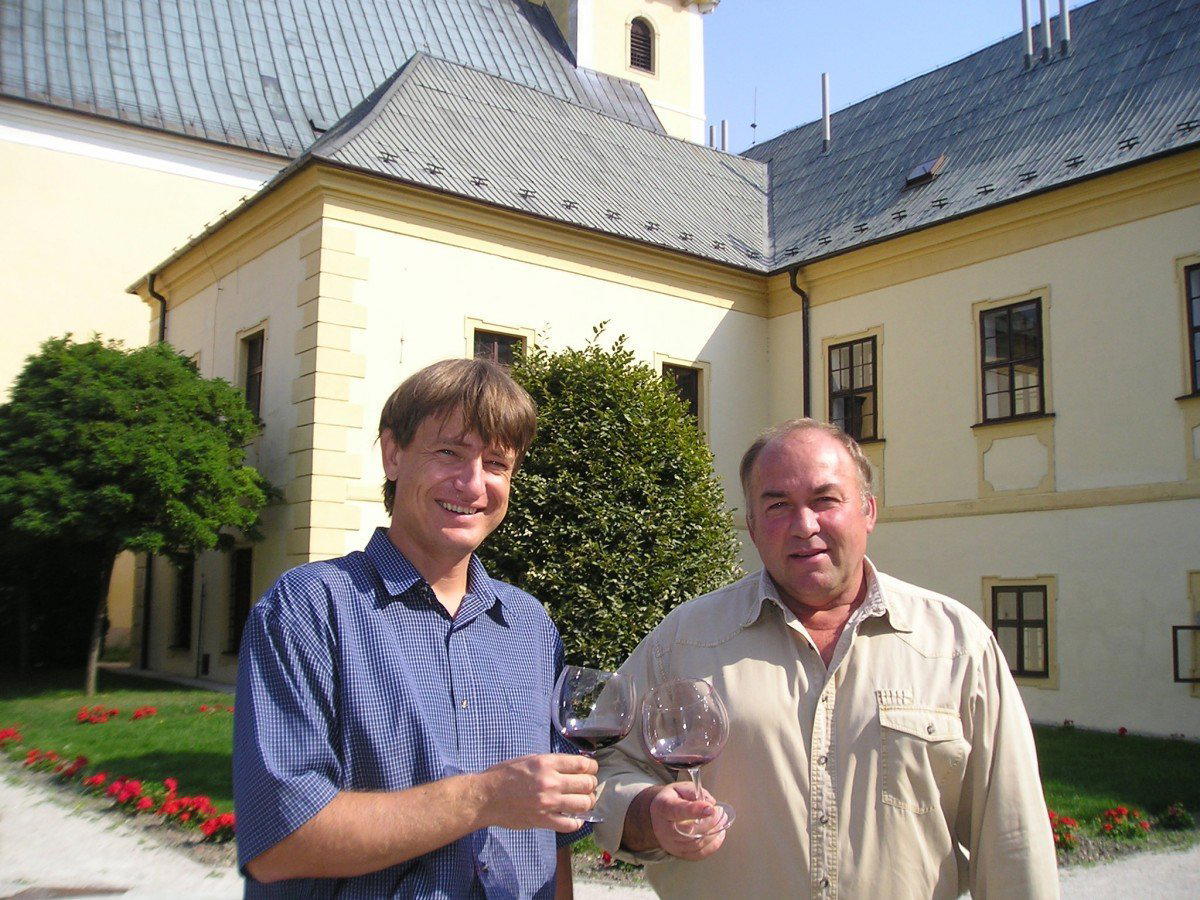
Chowaniec & Krajčírovič is a cautious yes for wine travelers already spending time in Svätý Jur, mainly because its Falstaff Listed 2026 recognition gives it a credible signal. Treat it as a discovery stop, not a fully planned tasting anchor, until pricing, opening times, food service, group handling, and any wine-club terms are clear.
Cave Poulet & Fils
Vercheny, France
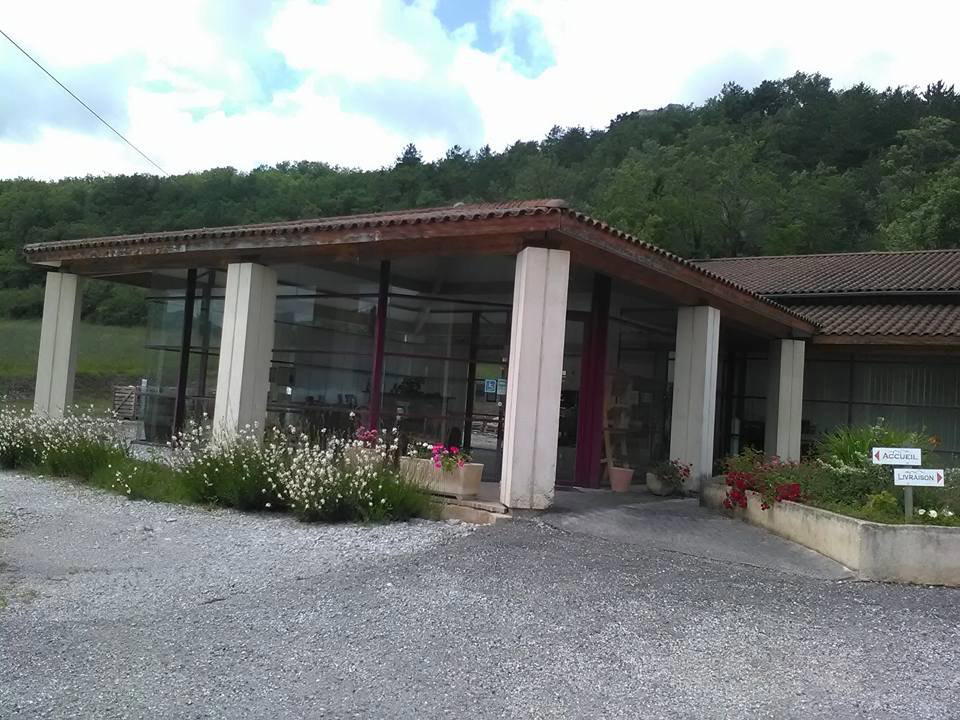
Choose Cave Poulet & Fils if you want a focused Vercheny winery stop and are comfortable planning around sparse public visitor details. It suits wine travelers building a local route more than guests looking for a full dining or polished tasting-room setup. Falstaff listing adds a useful recognition signal for 2026.
Azienda Agricola Pietro Rinaldi
Alba, Italy
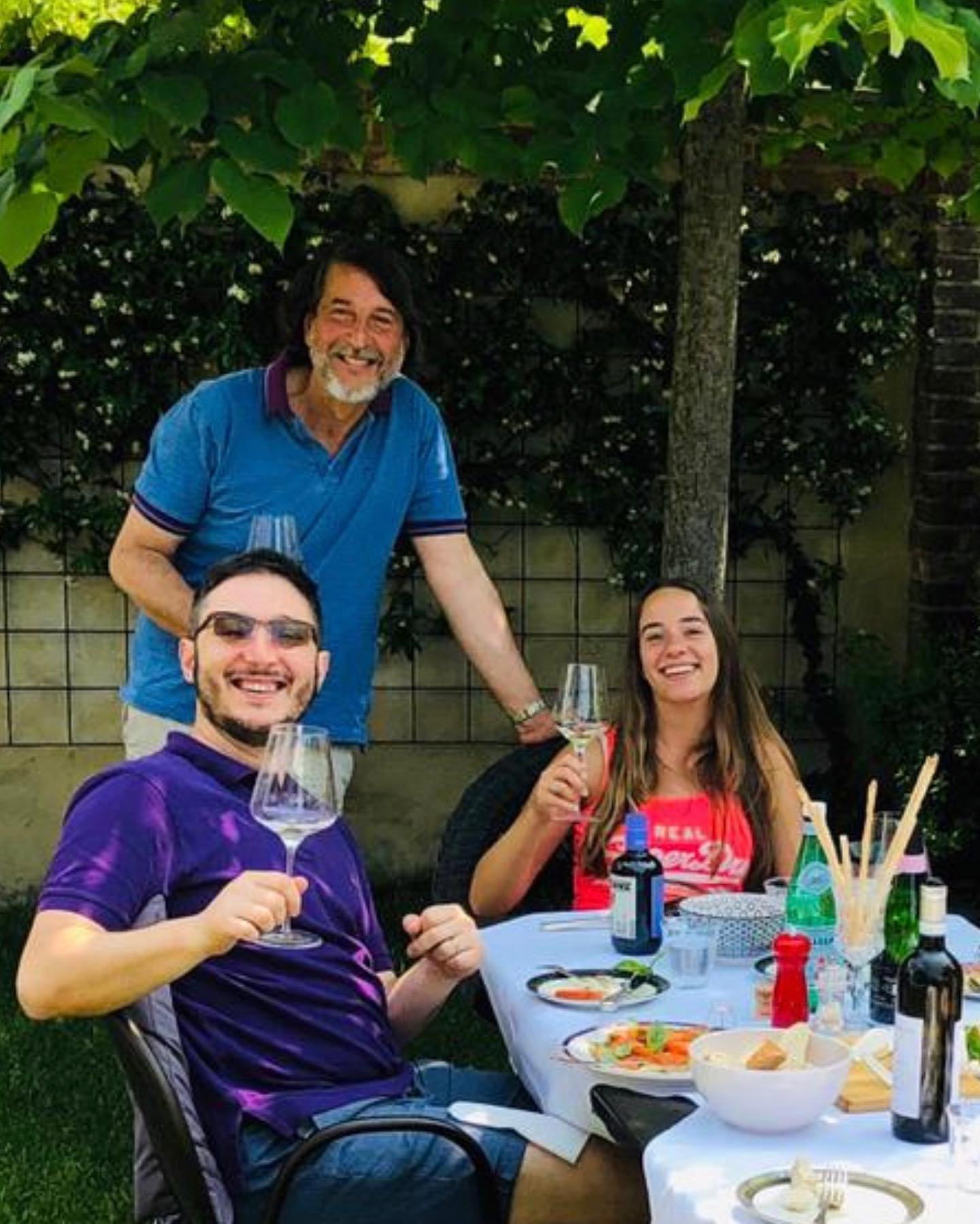
Azienda Agricola Pietro Rinaldi is worth booking if the goal is a relaxed Langhe tasting with vineyard views, family-estate character, and enough cellar detail to satisfy wine-focused guests. At $44 per person and with a 2026 Falstaff listing, it is a sensible special-occasion pick for couples or small groups who want atmosphere without a formal dress code.
First Cape (Brand Phoenix)
Ifreyistata, South Africa
First Cape (Brand Phoenix) is better treated as an accessible South African wine label than as a destination winery stop. The draw is moderate pricing, Falstaff Listed (2026) recognition, and broad-market availability; skip it as an itinerary anchor if the priority is a hosted tasting, cellar tour, or estate-led experience.
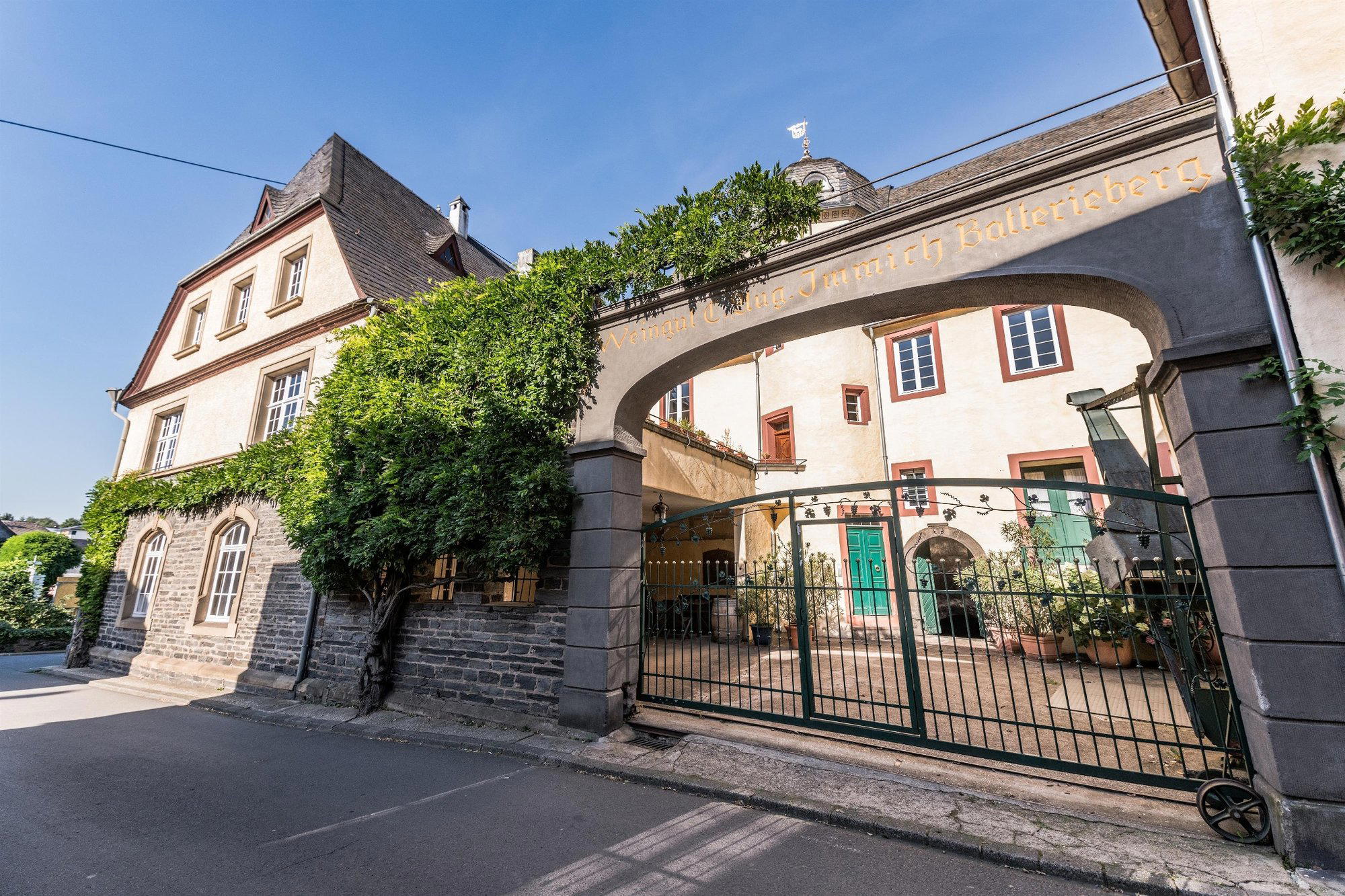
Weingut Immich-Batterieberg
Enkirch, Germany
Prioritize Weingut Immich-Batterieberg if the goal is a serious Mosel Riesling stop in Enkirch, not an easy drop-in tasting. The setting is a major part of the decision: quiet, wine-focused, and better suited to planned appointments than large casual groups.
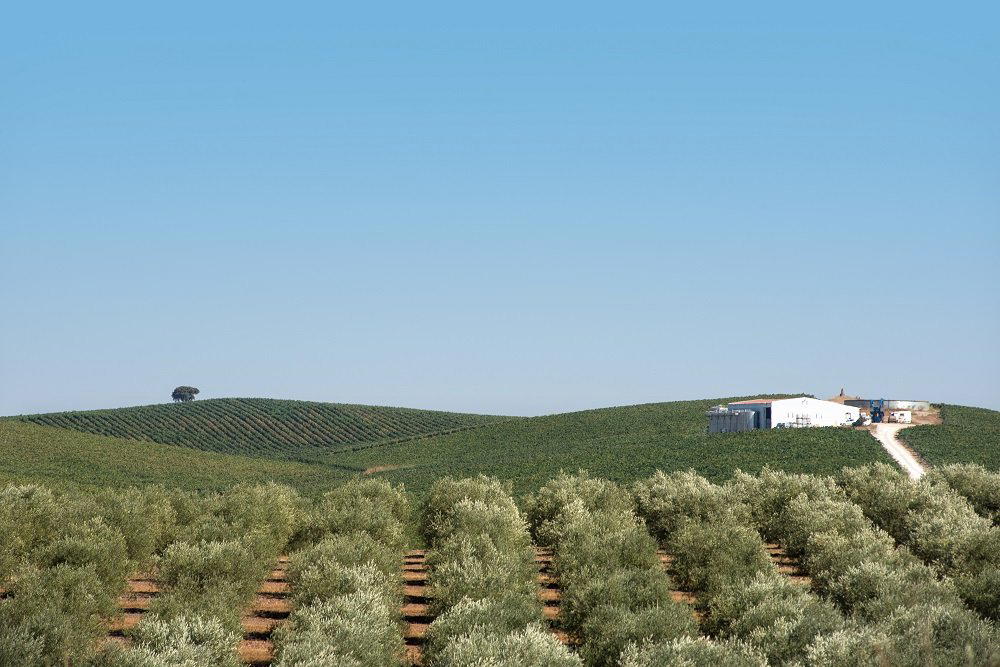
Herdade Penedo Gordo
Borba, Portugal
Book Herdade Penedo Gordo if the goal is a quiet, vineyard-led Borba wine stop with credible red-wine recognition rather than a heavily staged hospitality experience. The case is strongest for Alentejo enthusiasts interested in grape selection, integrated production, and the estate’s 200-hectare setting around a modern winery.
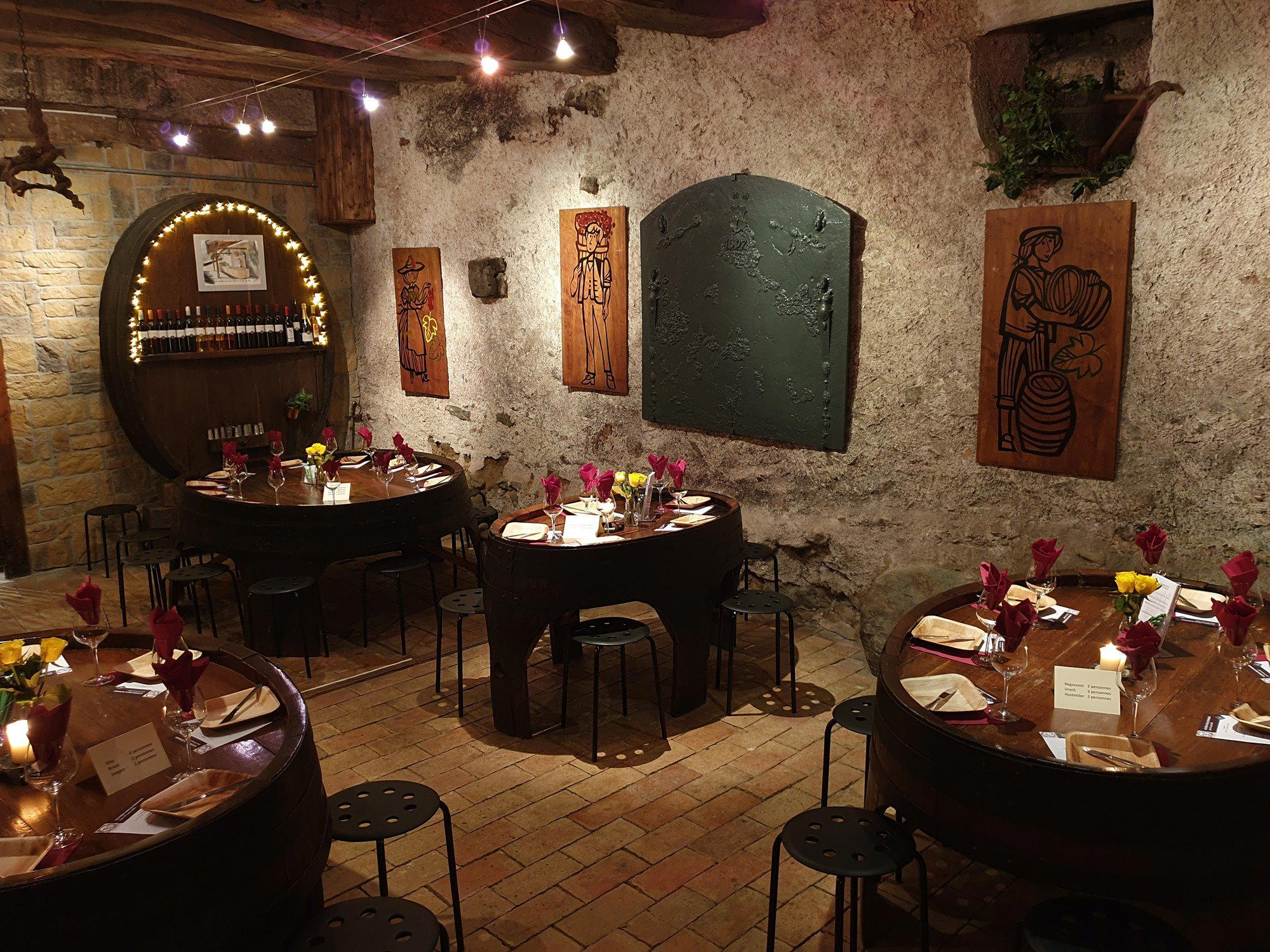
Cave Jean-Daniel Coeytaux
Yens, Switzerland
Cave Jean-Daniel Coeytaux works as a wine-first stop in Yens, especially if the itinerary is already focused on Vaud producers. Do not plan it as a meal-led pairing experience: verified food, pricing, and flagship-wine details are not established, so pair it with a separate restaurant plan.
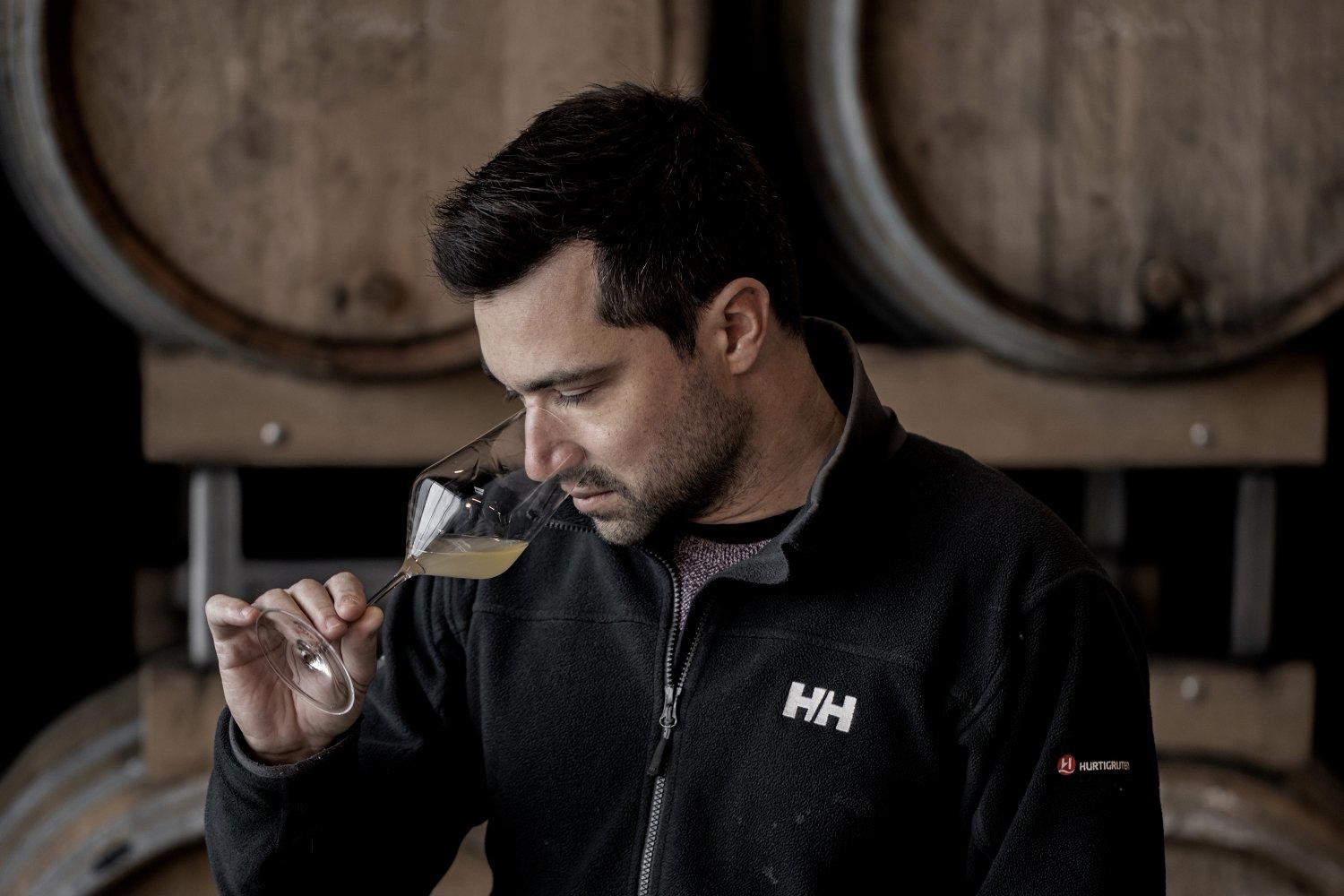
Champagne Etienne Calsac
Avize, France
Champagne Etienne Calsac is worth prioritizing for wine-focused travelers building an Avize itinerary around regional depth rather than polished visitor amenities. Its Falstaff 1 Stars recognition in 2026 gives it a current trust signal, but this is a plan-ahead choice: go if producer context matters, skip if you need confirmed food service, pricing, or casual drop-in clarity.
Domaine le Nouveau Monde
Vendres, France
Worth booking if you want a relaxed, organic Languedoc caveau rather than a formal château tasting. The draw is estate-grown range: fresh IGP wines for casual coastal drinking and more structured AOC Languedoc reds, with Gabriel-Emile the bottle to ask about first for a gift or dinner.
Gikas Winery
Spata, Greece
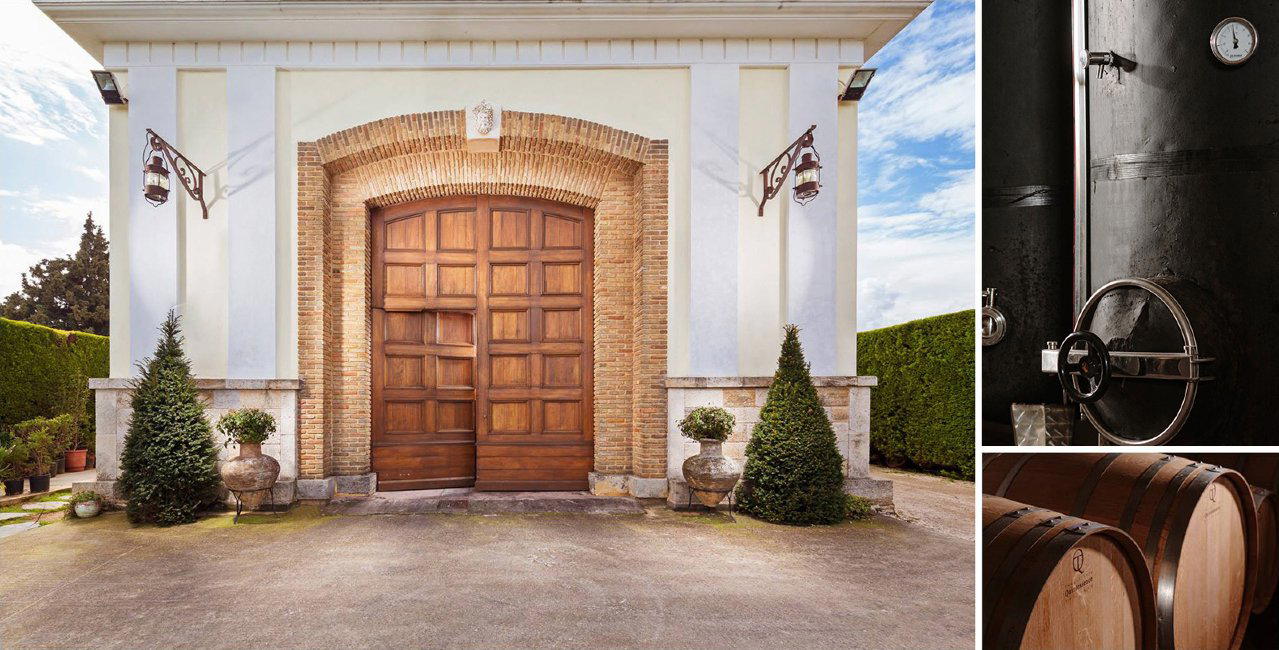
Gikas Winery works if Spata is already on the itinerary and the priority is a focused Attica wine stop rather than a food-led estate visit. Treat it as a producer-first booking: small groups and wine-focused travelers are the safer fit, while larger parties should confirm logistics before planning around it.
Barta Pince
Mád, Hungary
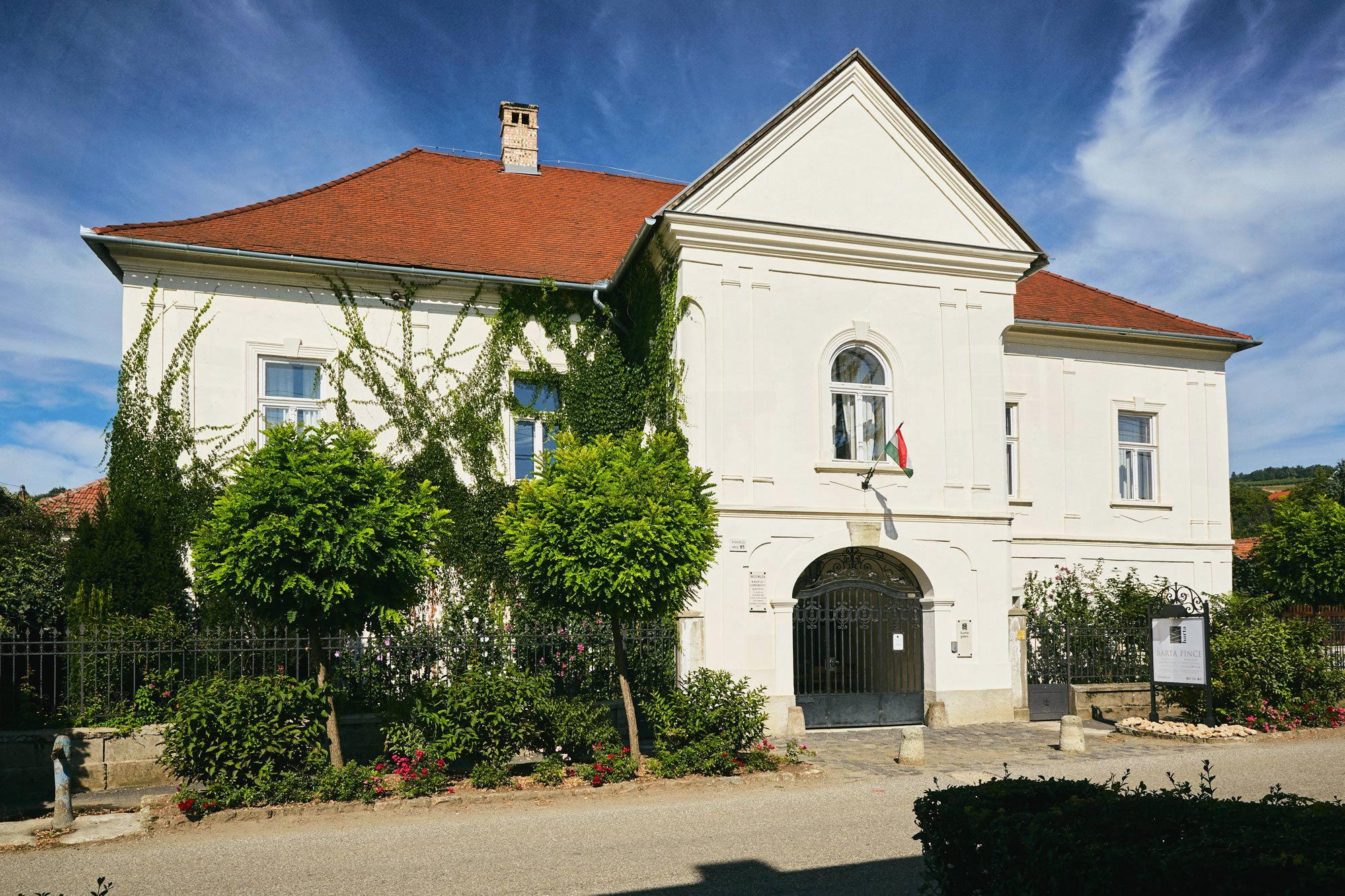
Barta Pince works for a serious Mád wine itinerary where the priority is a focused Tokaj cellar stop rather than a full hospitality package. Cross-shop it with Royal Tokaji, Szepsy, Holdvölgy, Zsirai Winery, and Szent Tamás Winery if booking certainty, tasting structure, or group logistics matter more than producer discovery.
How many of these have you visited?
Find out on Pearl and keep score across every place in 2026 Falstaff Winery Guide.