

Le Dome
Saint-Emilion, Saint-Émilion
Winery in Saint-Émilion, France
 Book with Pearl
The Read
Garage-Scale Precision
Price
$50–100tasting
Why go
Le Dome is the pick for a return Saint-Emilion visitor who wants a focused, producer-led winery stop tied to Jonathan Maltus. It is not the easy casual choice: access is difficult, so compare it with Château Angelus, Château Canon, and Château Bélair-Monange before shaping the day.
About Le Dome
Le Dome is a Saint-Emilion venue with chef/owner Jonathan Maltus, a 4 Star Prestige (2025) listing, and a smart casual dress code. Plan with a light touch and confirm hours, menu, pricing, booking format, tasting format, and service details directly before building an itinerary around it.
For value, focus on the current experience rather than assumptions. Le Dome may be considered alongside other Saint-Emilion names, but assess the visit style, food offering, wine program, and appointment policy directly with the venue. If you are comparing options in the area, Château Angelus, Château Bélair-Monange, and Château Canon are natural names to keep in view.
Consider Le Dome for a Saint-Emilion comparison, not on assumptions
The safest use case is a traveler who wants to include Le Dome in a Saint-Emilion plan while keeping expectations flexible. Put Le Dome beside Château Beau-Séjour (héritiers Duffau-Lagarrosse), Château Coutet, Château Angelus, Château Bélair-Monange, or Château Canon when comparing notable local options, but do not assume a particular format, schedule, menu, or tasting experience without direct confirmation.
Timing should be handled practically rather than by season-specific rules. Leave room in the schedule and verify the current opening hours and visit length before committing to nearby plans. The dress code is smart casual, so plan attire accordingly.
How to build the rest of the day around Le Dome
If Le Dome fits your plans, keep the rest of the day flexible and use Saint-Emilion's broader planning resources around it. For meals, use Our full Saint-Emilion restaurants guide; for overnight planning, use Our full Saint-Emilion hotels guide. If the visit turns into a longer evening, Our full Saint-Emilion bars guide can help with nearby options. For more local planning, keep Our full Saint-Emilion wineries guide and Our full Saint-Emilion experiences guide open while building the route.
The verdict: consider Le Dome if you want to include a 4 Star Prestige (2025) Saint-Emilion venue with chef/owner Jonathan Maltus, and confirm the current practical details before you go. Do not rely on assumptions about food, tastings, prices, hours, or access; build the day around current information from the venue and compare it with other Saint-Emilion options as needed.
Planning details
- Location
- 1 Les Verdiannes Lieu dit, 33330 Saint-Émilion
- Website
- ledome-saintemilion.com
- Phone
- +33 5 57 84 64 22
The take
The Take
The Vibe
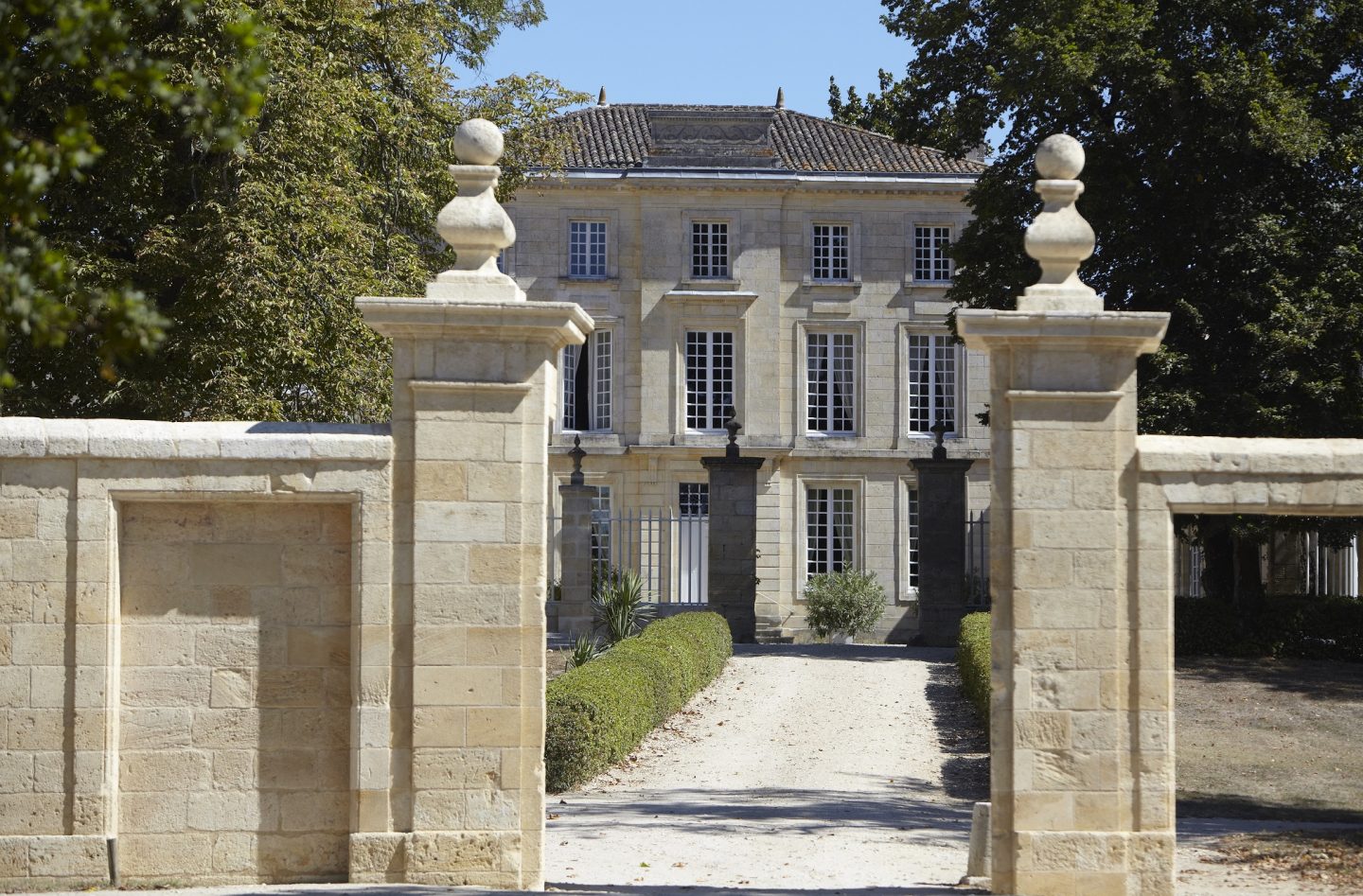
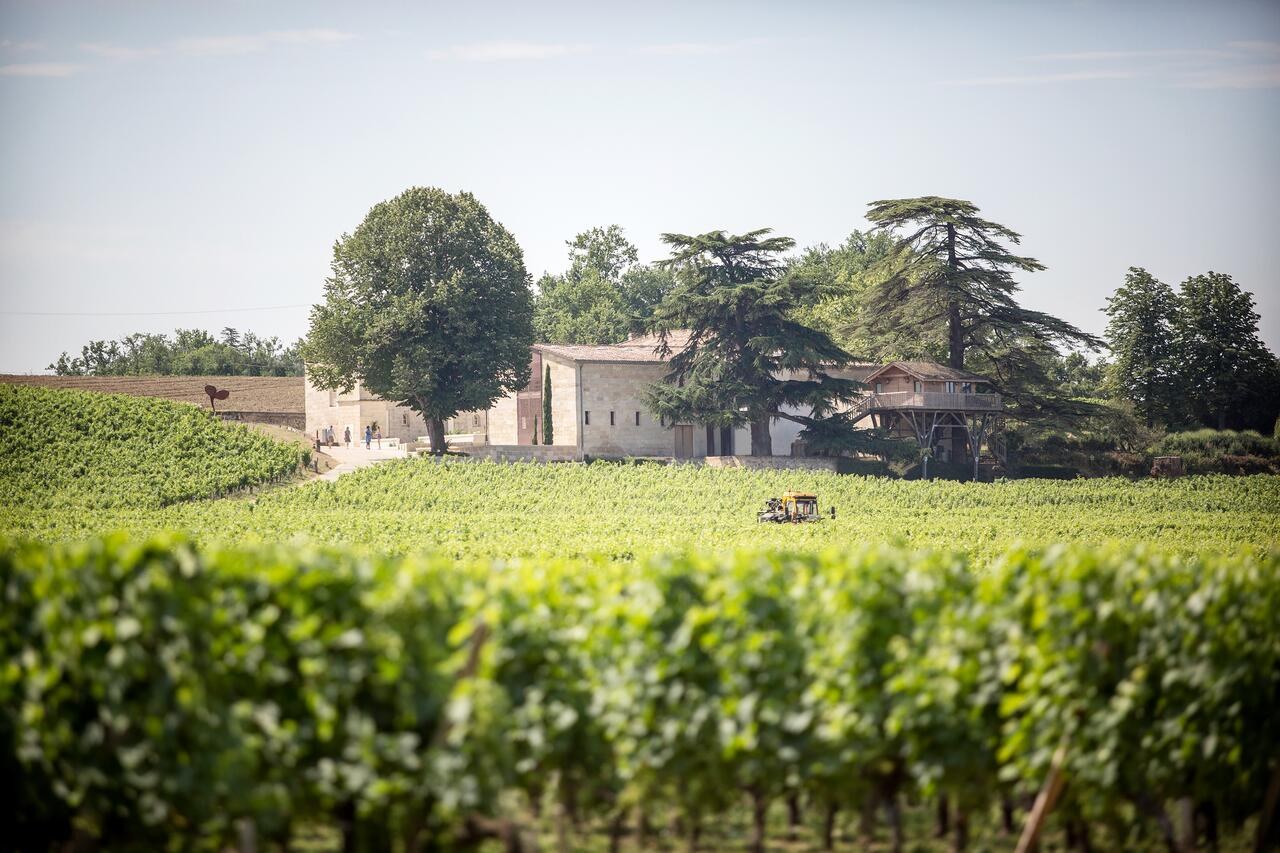
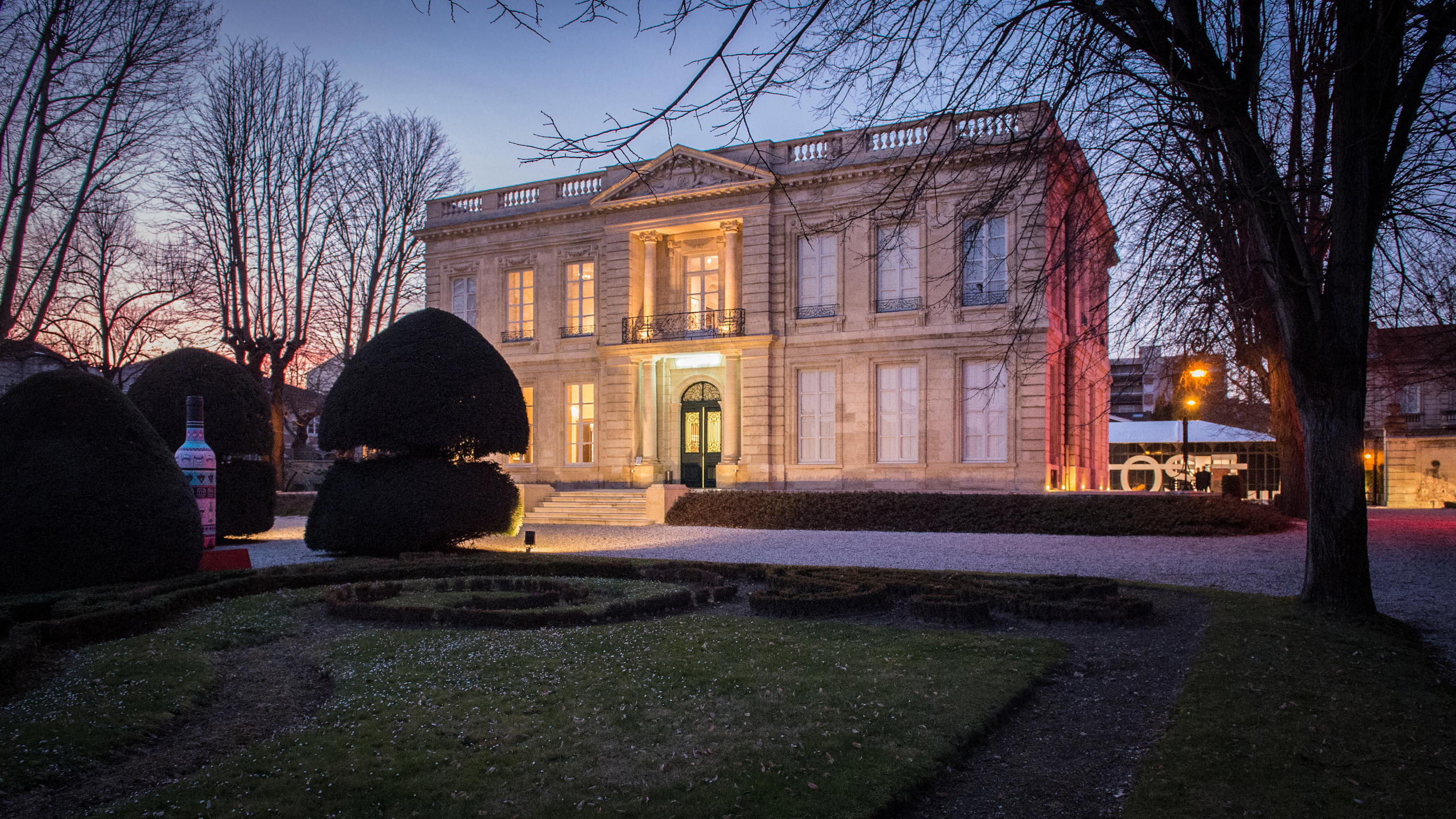
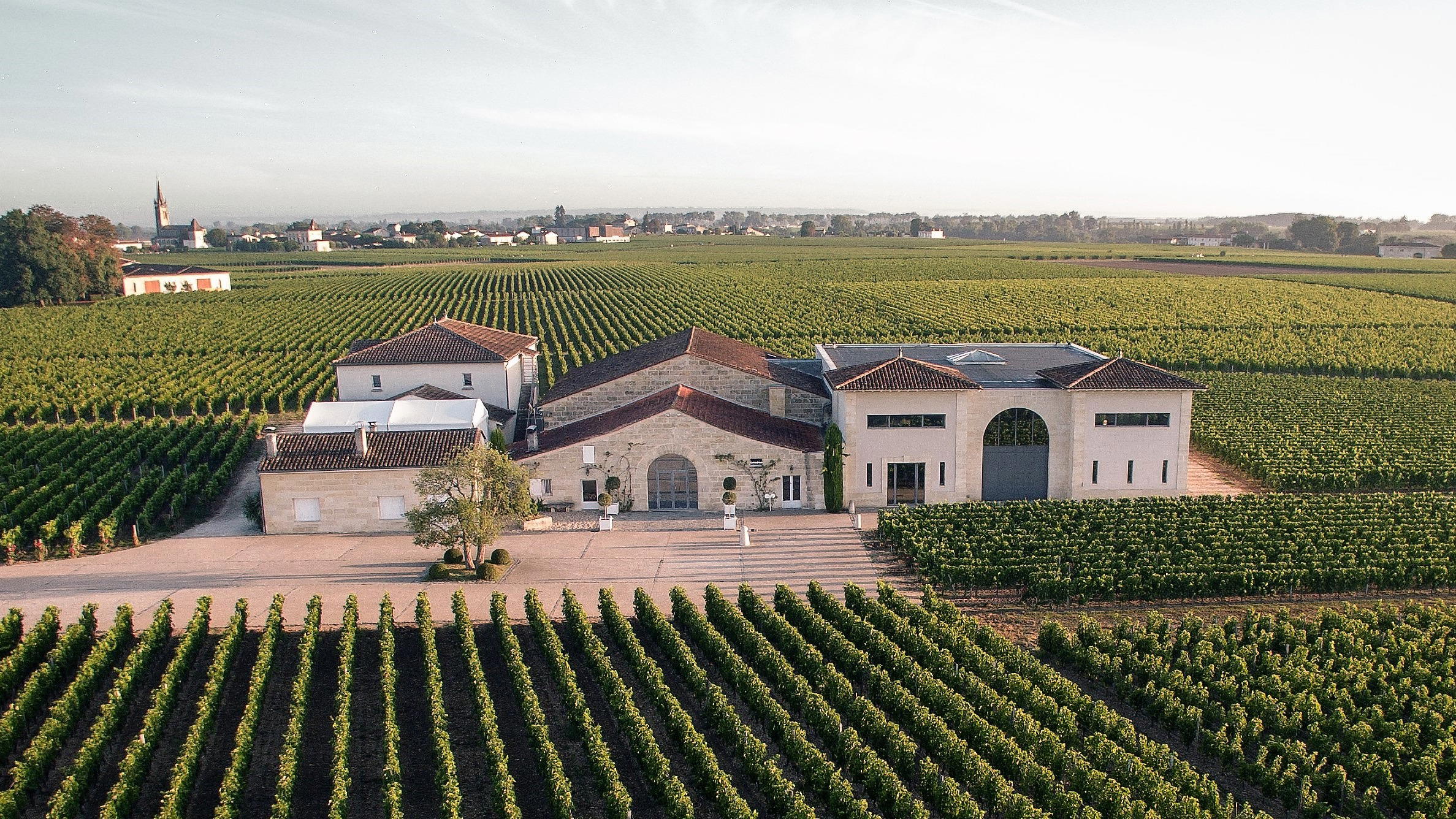
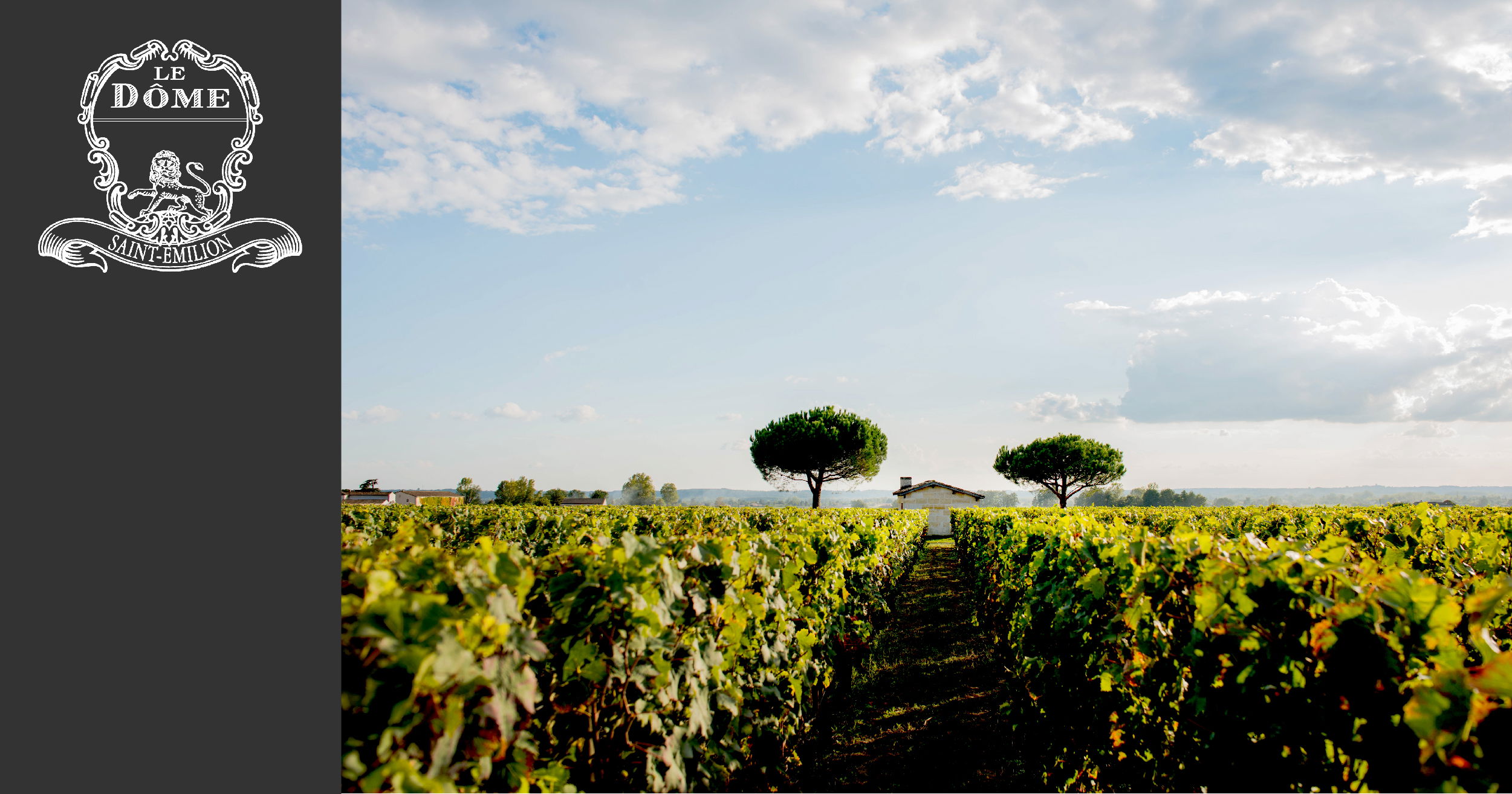
Le Dome registers as a quietly assured estate rather than a showy landmark. The writing emphasizes small‑parcel viticulture and a single motivated winemaker, so the place feels intimate and focused—more a craftsman’s workshop than a tourist stop. Historical context (vineyards planted since the medieval period and Saint‑Émilion’s layered classification history) lends gravitas, while the absence of grand signage or a visible chai reinforces a hidden‑gem quality. Overall, visitors should expect a restrained, contemplative atmosphere centered on terroir and precision rather than spectacle.
Best For
Le Dome suits visitors who come for study and serious tasting rather than casual sightseeing. The text frames it as a micro‑estate aimed at collectors and those interested in terroir‑driven Right Bank wines, so it’s a strong pick for wine education, focused tastings and small celebratory visits among aficionados. Because production is deliberately low and the approach is producer‑driven, the estate appeals to travelers seeking depth, provenance and conversations about limestone‑clay soils and micro‑parcel expression.
Venue details
Ambiance
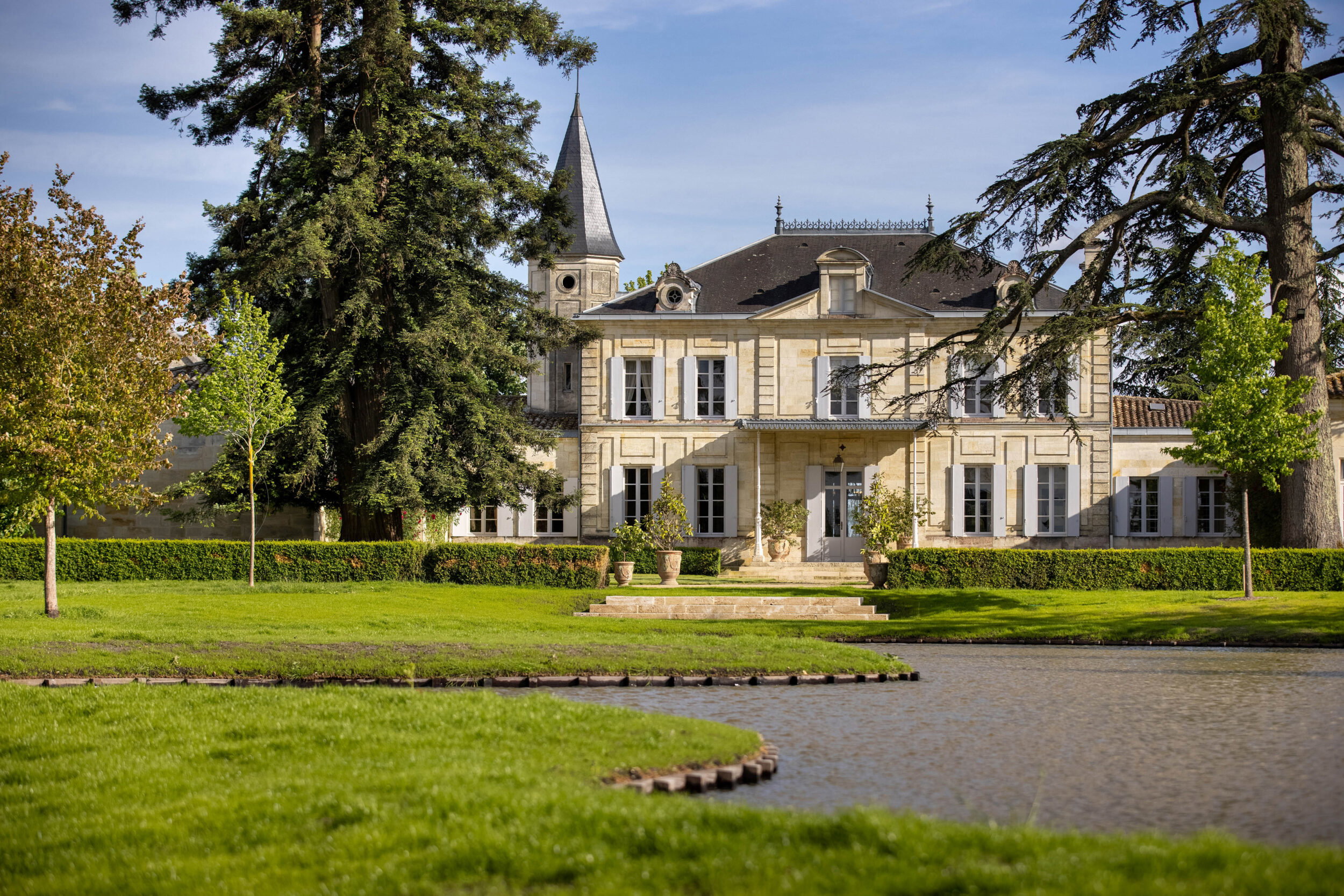
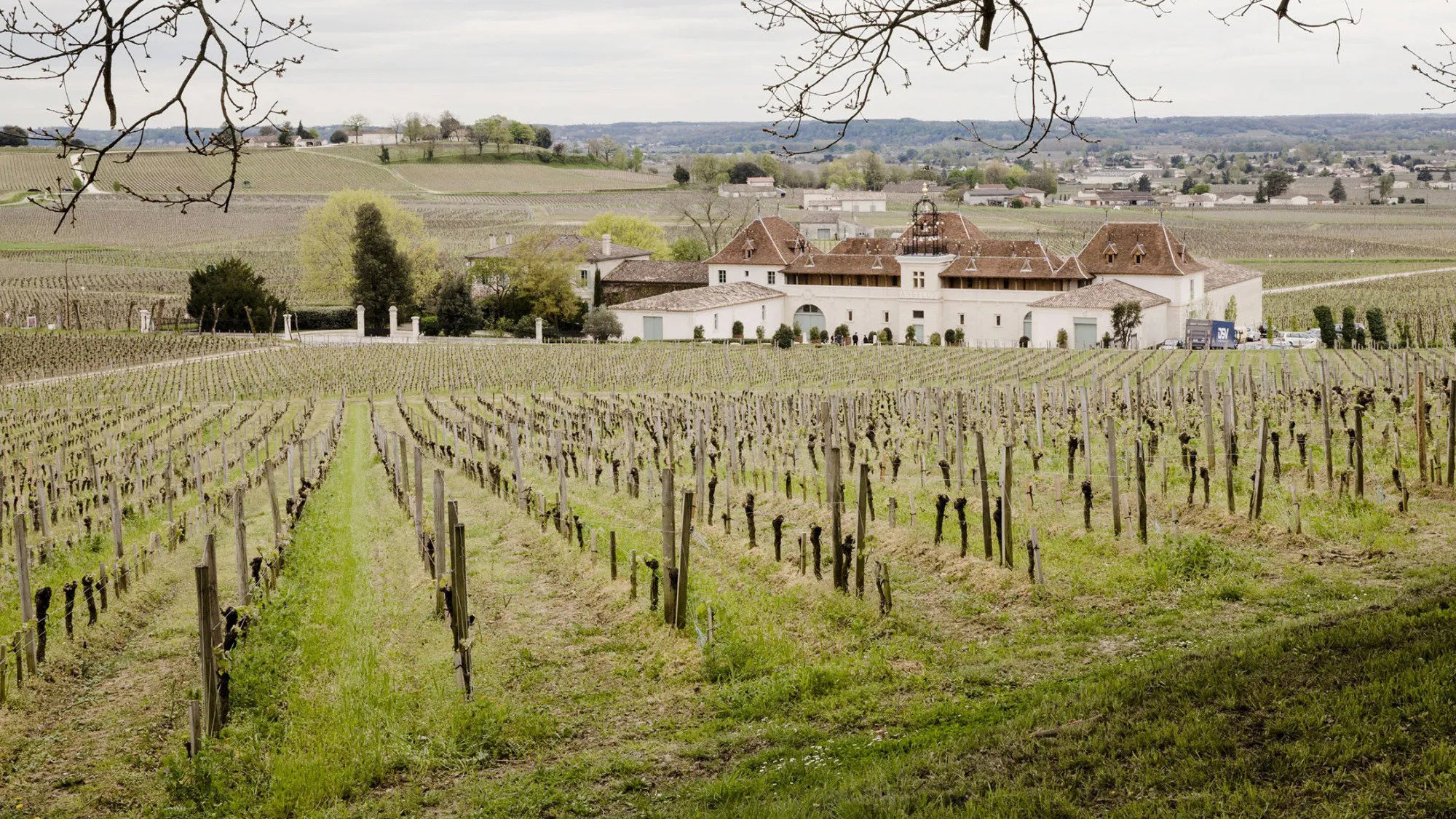
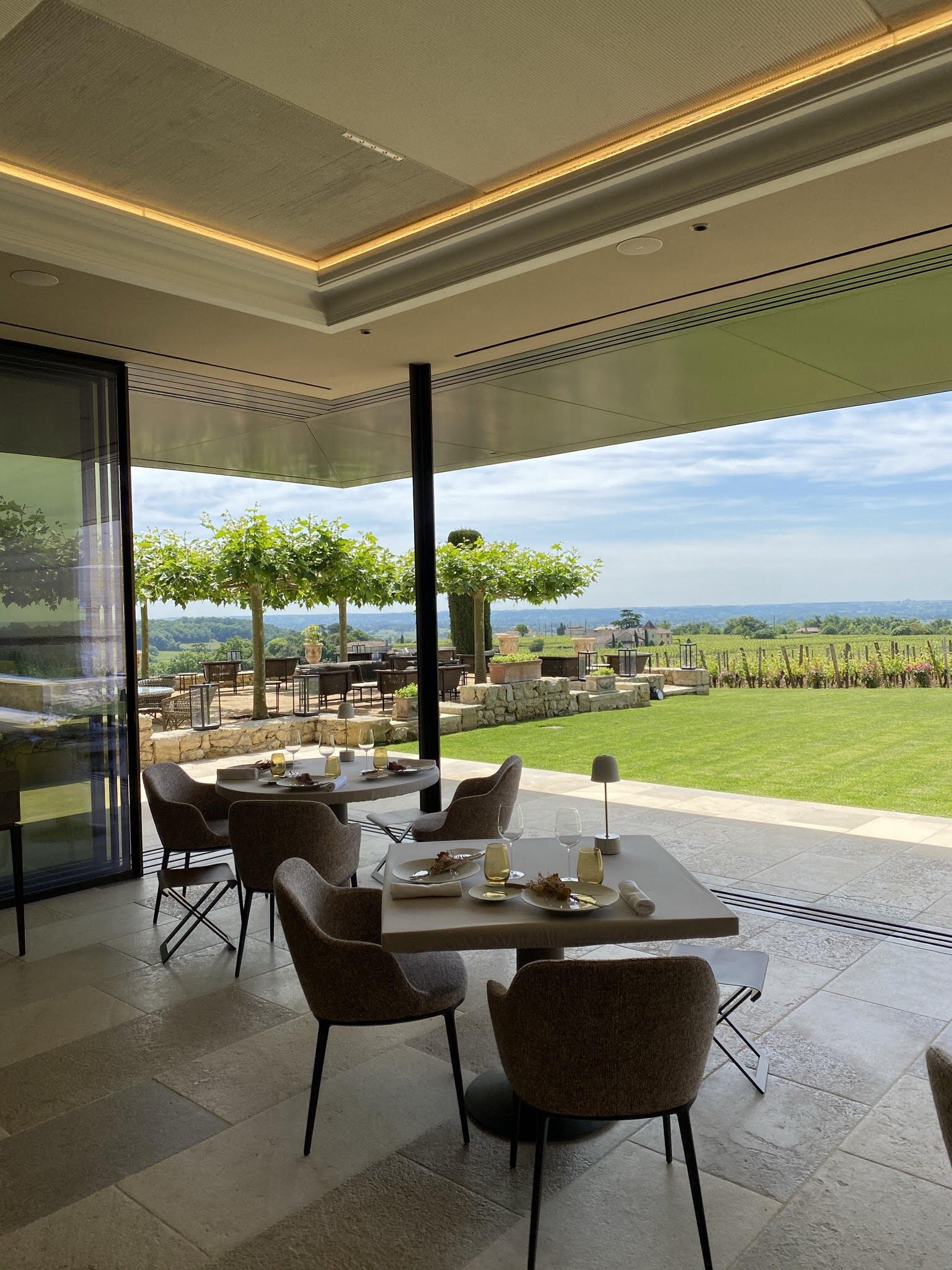
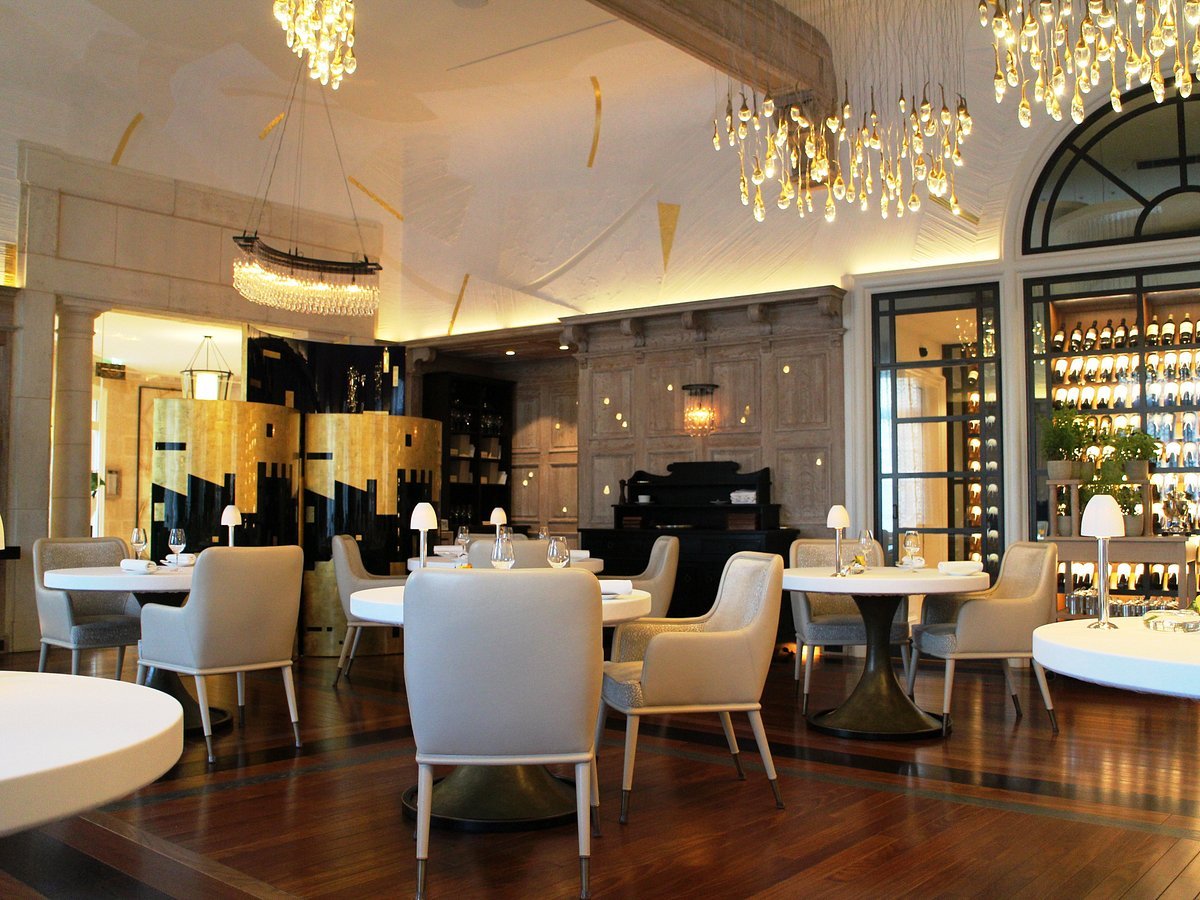
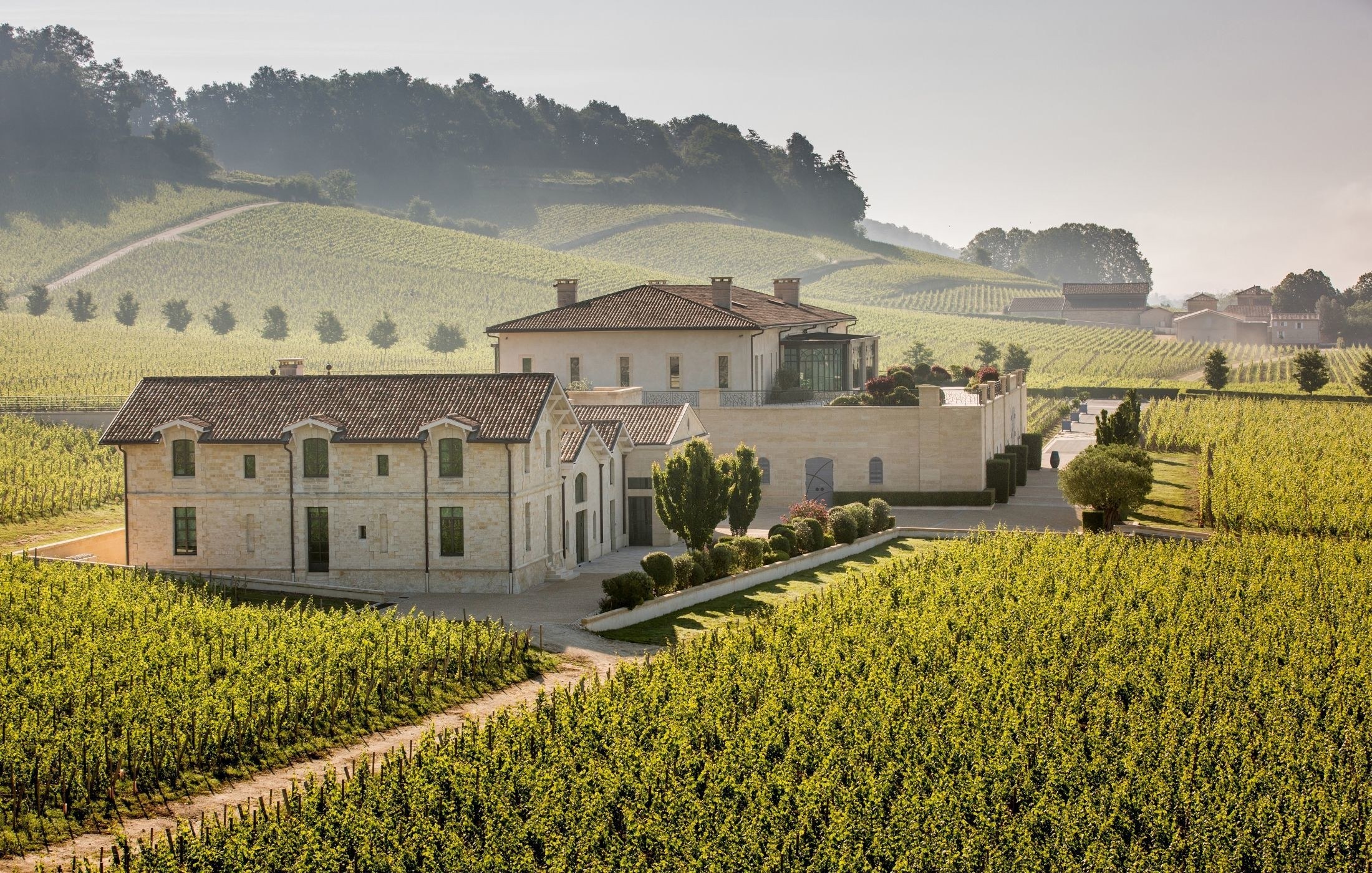
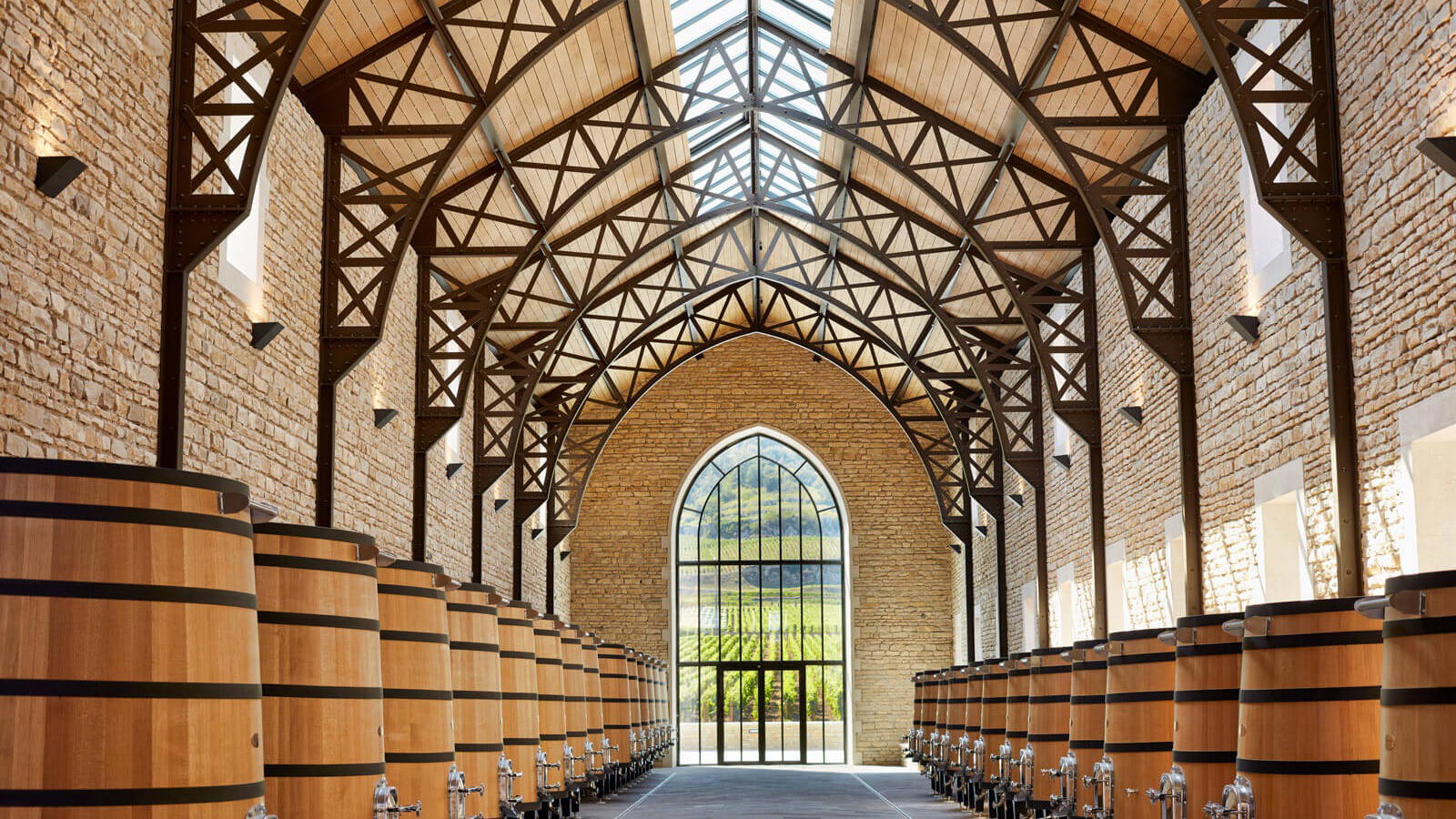
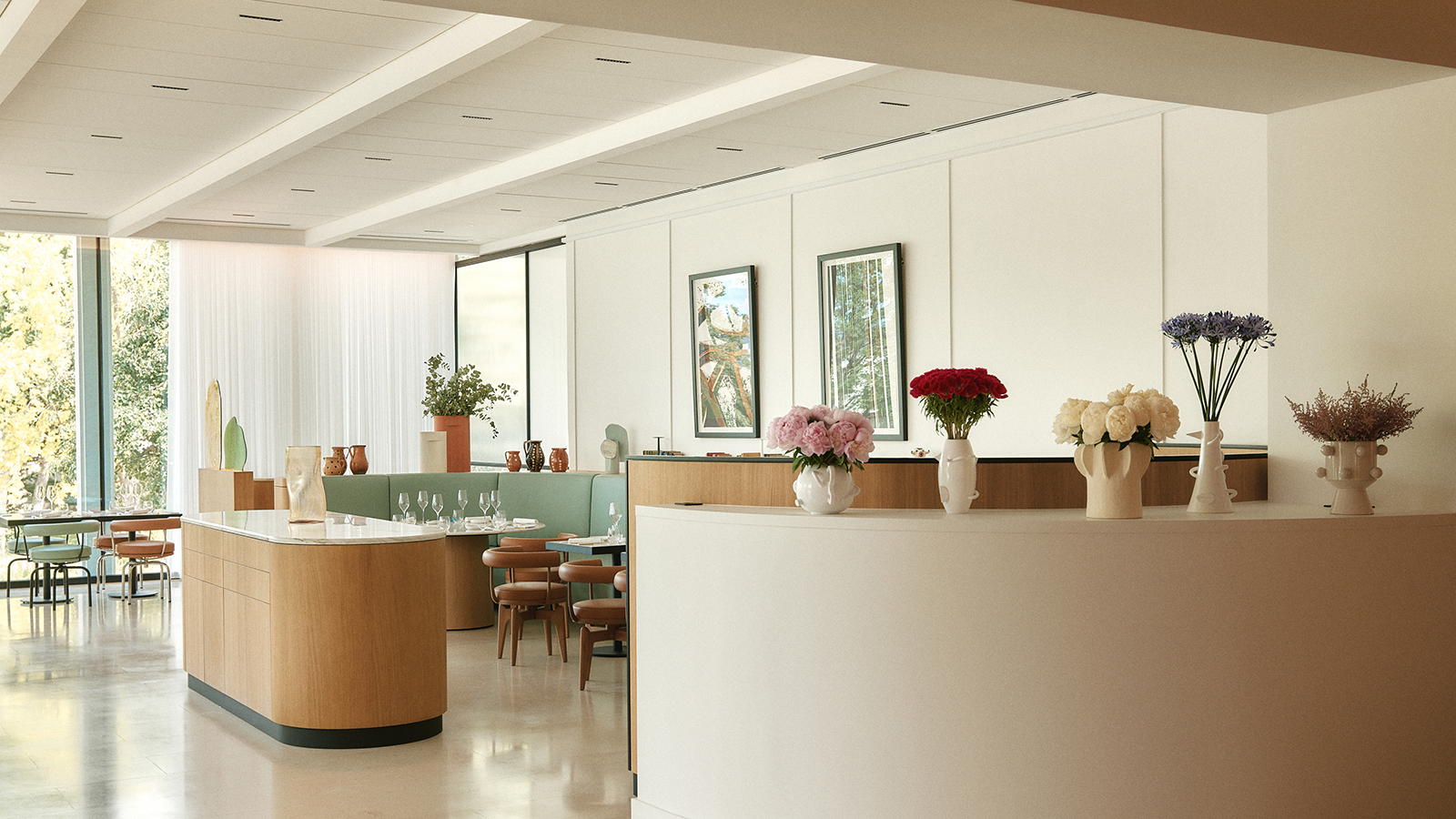
Modern architectural marvel blending with vineyard landscape, offering sophisticated and immersive wine experiences.
Tags
Vibe
Best For
Experience
View
Accessibility
At the Vineyard
- Appellation
- Saint-Emilion Grand Cru
- Varietals
- Cabernet Franc, Merlot
- Tour Duration
- 60-90 minutes
- Tour Languages
- French, English
- Visits
- By appointment only
- Production
- Small producer
- Wine Styles
- Still Red
- Wine Club
- Not available
Know before you go
Know Before You Go
- Getting there
- 1 Les Verdiannes Lieu dit, 33330 Saint-Émilion
Planning details
Location
Recognition and awards

Also consider
Where to go if Le Dome does not work
Try Château Canon or Château Angelus if the priority is a polished Saint-Emilion reference point with broader visitor appeal. Choose Château Coutet if the day needs to feel less constrained and more flexible.
Winery context
How Le Dome compares in Saint-Emilion
Choose Le Dome if the goal is a tighter, more specialist Saint-Emilion stop rather than a broad grand-château itinerary. Château Angelus is the safer choice for visitors who want a more recognizable address; Le Dome is better for someone who has already done the obvious names and wants a sharper comparison.
Château Beau-Séjour (héritiers Duffau-Lagarrosse), Château Bélair-Monange, and Château Canon all make sense if the day is built around classic Saint-Emilion reference points. Le Dome is harder to treat as a flexible backup, so use those peers when schedule certainty matters more than producer specificity.
Château Coutet is the better fallback if the plan needs a more relaxed Saint-Emilion winery slot. For value, Le Dome is worth the effort when the visit replaces another serious appointment, not when it is squeezed between lunch, village time, and a second tasting.
Explore Saint-Émilion
Around this place
Discover more on Pearl
Unlock the full Le Dome guide in Pearl, including awards, comparisons, FAQs, planning details, and nearby places.
Compare Le Dome
| Venue | Location | Awards |
|---|---|---|
| Le Dome | Saint-Emilion | 2026 Falstaff Winery Guide2025 Pearl 4 Star Prestige |
| Château Angelus | Saint-Emilion | 2026 Michelin 2 Grapes - Bordeaux2026 Falstaff Winery Guide2025 Pearl 4 Star Prestige |
| Château Beau-Séjour (héritiers Duffau-Lagarrosse) | Saint-Emilion | No published awards |
| Château Bélair-Monange | Saint-Emilion | 2026 Falstaff Winery Guide2026 Michelin 1 Grape - Bordeaux |
| Château Canon | Saint-Emilion | 2026 Michelin 2 Grapes - Bordeaux2025 Pearl 4 Star Prestige |
| Château Coutet | Saint-Emilion | 2025 Pearl 3 Star Prestige |


How Le Dome Saint-Emilion compares with similar nearby venues.
FAQ
Frequently Asked Questions
When is the best time to visit Le Dome?
Check current opening hours and any seasonal visiting guidance directly with the venue. Leave enough flexibility in your Saint-Emilion schedule, and note that the dress code is smart casual.
Are there membership or allocation details for Le Dome?
What specific offerings are confirmed at Le Dome?
The key anchors are Le Dome in Saint-Emilion, chef/owner Jonathan Maltus, smart casual dress code, and 4 Star Prestige (2025) recognition. Confirm bottle-specific, menu-specific, or format-specific details directly with the venue.
How long should I plan for a visit to Le Dome?
If you plan to include Le Dome in a Saint-Emilion day, confirm the current format and timing directly with the venue and keep the rest of the schedule flexible.
What other Saint-Emilion names can I compare with Le Dome?
For Saint-Emilion comparison planning, consider Château Angelus, Château Beau-Séjour (héritiers Duffau-Lagarrosse), Château Bélair-Monange, Château Canon, and Château Coutet alongside Le Dome. Confirm each venue's current access and practical details before finalizing an itinerary.