
Château Pouget
Cantenac
Winery in Cantenac, France
 Book with Pearl
The Read
Médoc Classified Precision
Why go
Château Pouget is worth pursuing for Bordeaux-focused travelers who want a serious Cantenac stop in the Margaux orbit, not a casual drop-in winery day. Build alternatives into the plan, especially if timing, group logistics, or visitor infrastructure matter more than appellation context.
About Château Pouget
Château Pouget is a Cantenac venue with a smart casual dress code and Pearl 3 Star Prestige recognition for 2025. Planning details should be treated cautiously: do not assume specific services, pricing, hours, capacity, or availability unless confirmed directly with the venue.
A Cantenac reference point with limited planning detail
Key details for Château Pouget include its Cantenac location, smart casual dress code, and Pearl 3 Star Prestige recognition for 2025. That makes it a relevant name to consider, but details about the on-site experience, pricing, hours, capacity, or booking process are not available.
Plan conservatively. If Château Pouget is part of a wider itinerary, confirm all practical details directly before making it central to the day. Without hours, capacity, or service details, it is safest to avoid assuming availability or a particular format.
Who should prioritize it, and who should cross-shop
Choose Château Pouget if you are specifically interested in a Cantenac venue with smart casual expectations and Pearl 3 Star Prestige recognition for 2025. It is less suitable as a planning anchor for travelers who need specific logistical details in advance, as key practical details are not available.
For comparison, consider Château Boyd-Cantenac, Château Desmirail, Château Kirwan, Château Prieuré-Lichine, and Château d'Issan. These names can help frame Château Pouget within a broader shortlist.
Quick reference: Château Pouget is a Cantenac venue with smart casual dress and Pearl 3 Star Prestige recognition for 2025; confirm practical details directly before planning around it.
Planning details
- Location
- 11 Rte de Jean Fauré, 33460 Margaux-Cantenac
- Website
- chateau-pouget.com
- Phone
- +33 5 57 88 90 82
The take
The Take
The Vibe
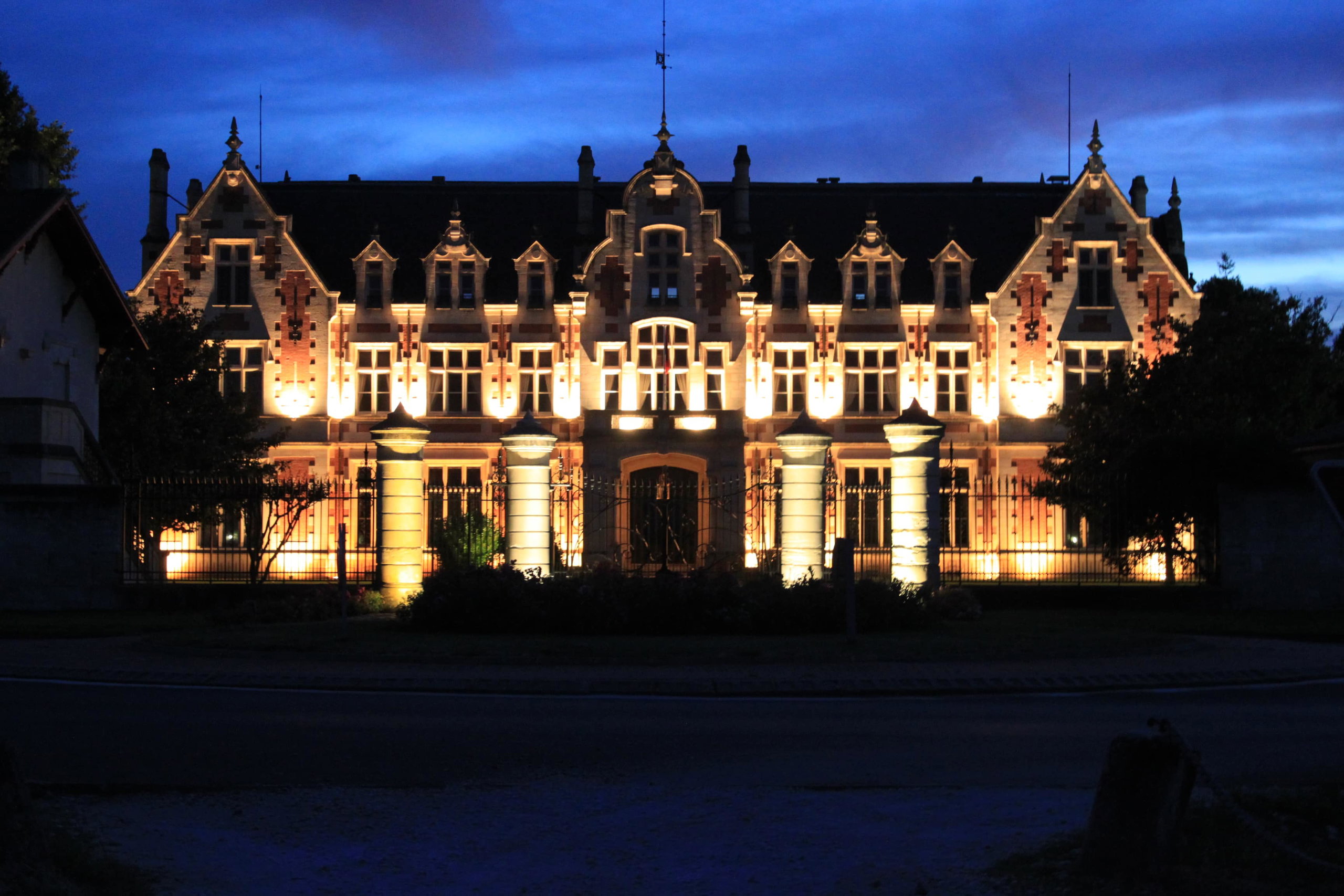
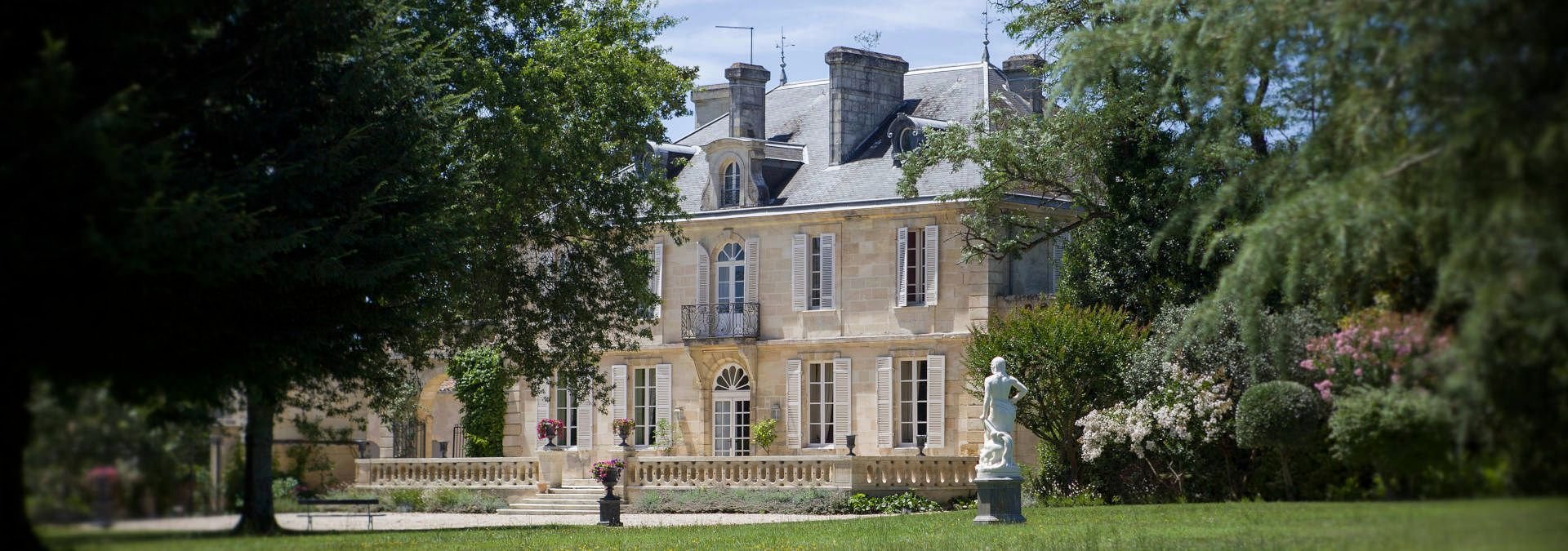
Château Pouget presents an understated, historically rooted presence in the Margaux landscape. The estate reads like a discreet Fourth Growth: it does not shout its 1855 classification but rather lets restraint and pedigree do the talking. That measured demeanor is part of its appeal—visitors encounter a property that prizes terroir and tradition over ostentation. Set along the dense corridor of classified Médoc estates, Pouget sits comfortably among respected neighbours and rewards those who appreciate subtlety, cultivated balance and the slow-accumulating authority of a well-managed classed estate.
Best For
Pouget is best for travellers focused on wine literacy and collectors seeking context within Margaux’s classed-growth hierarchy. The estate’s narrative — from its 1855 classification to a recent 2025 Pearl 3 Star Prestige recognition — makes it a useful stop for comparative tastings against nearby classified properties. It also suits visitors who want a thoughtful, terroir-forward experience rather than theatrical cellar theatrics: wine students, serious amateurs and small groups marking a milestone or special occasion will find value in the estate’s measured, pedigree-driven presentation.
Tasting Tips
When engaging with Château Pouget, steer the conversation toward the estate’s viticultural choices and how those practices sit within the broader Médoc conversation; the description foregrounds recent shifts in farming approaches. Ask about the vintages tied to Pouget’s 2025 Pearl 3 Star Prestige recognition and request context versus neighbouring Margaux estates to understand stylistic differences. Emphasize comparative tasting notes and vineyard-driven expressions rather than flashy blends—this is an estate that rewards attention to nuance and to the particulars of terroir and management.
Venue details
Ambiance
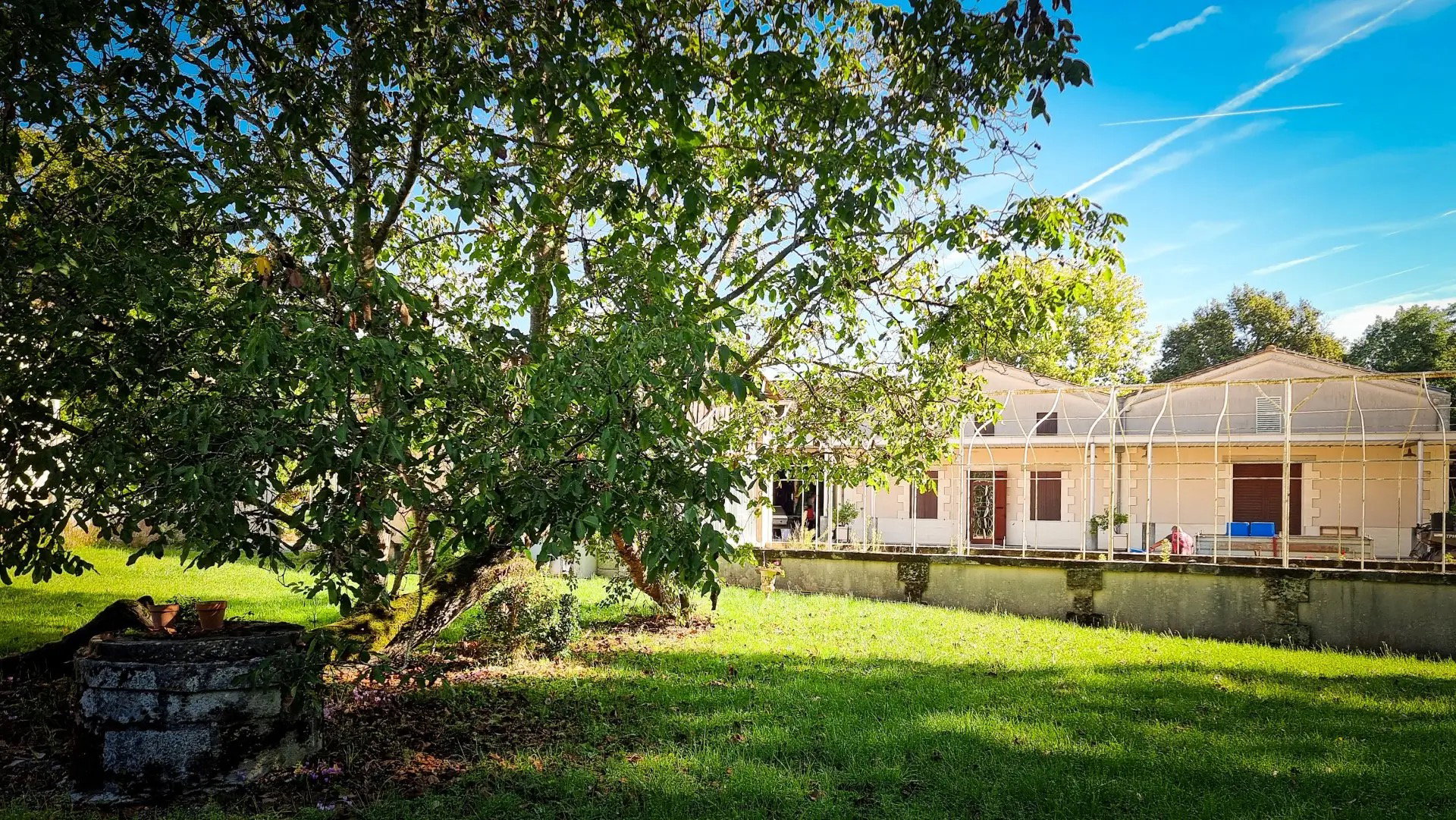
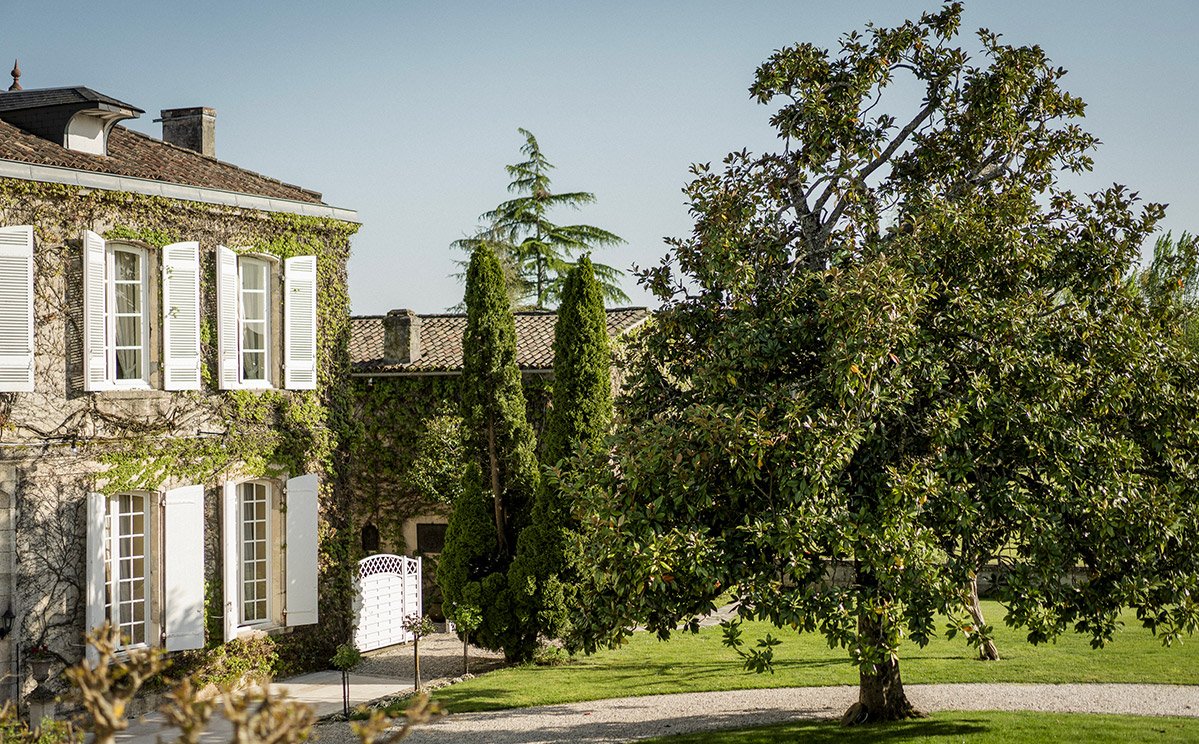
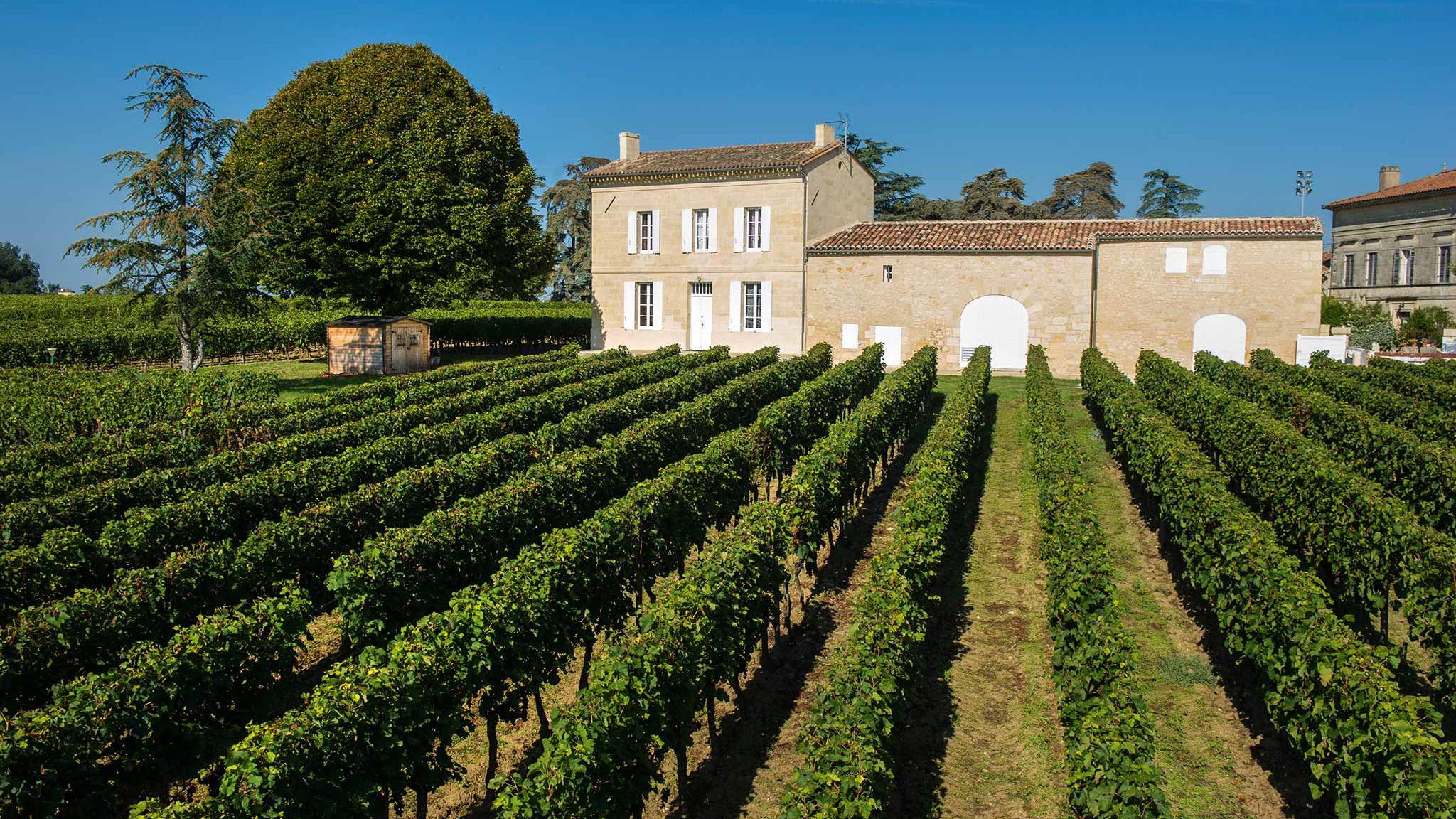
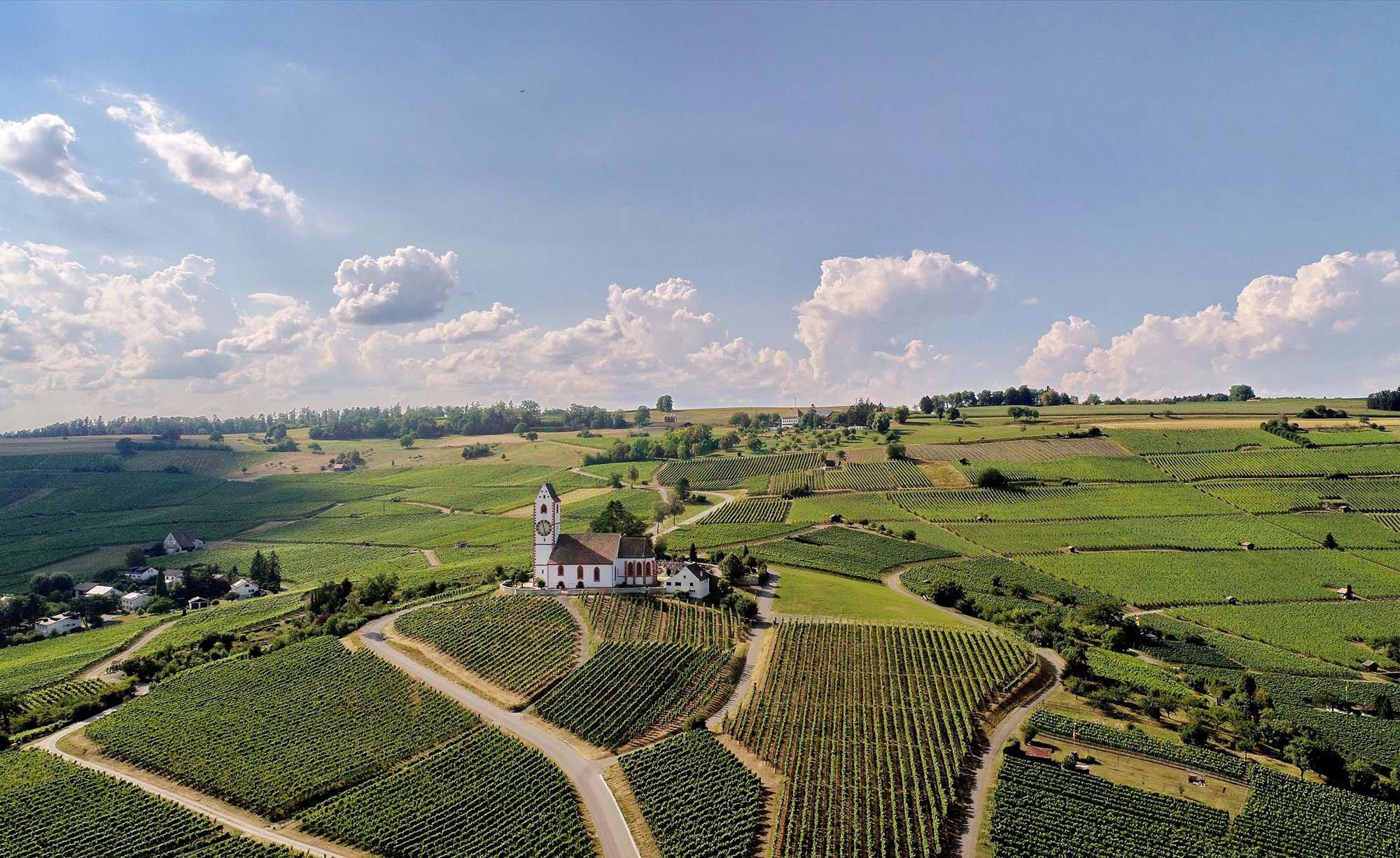
Quiet and understated historic atmosphere in a modest converted 19th-century cellar-house surrounded by vines.
Tags
Vibe
Best For
Experience
Sourcing
View
At the Vineyard
- Appellation
- Margaux AOC
- Varietals
- Cabernet Sauvignon, Merlot, Cabernet Franc
- Tour Duration
- 60-90 minutes
- Visits
- By appointment only
- Farming
- Organic
- Wine Styles
- Still Red
- Wine Club
- Not available
Know before you go
Know Before You Go
- Getting there
- 11 Rte de Jean Fauré, 33460 Margaux-Cantenac
Planning details
Location
Recognition and awards

Also consider
Where to look if this does not work
If Château Pouget is not workable, try Château Kirwan or Château Prieuré-Lichine first. Both keep the plan close to Cantenac and make sense for visitors who want the same Margaux-Cantenac context without overcommitting to one hard-to-secure stop.
For a broader alternative, Château d'Issan is the better cross-shop when the goal is a more rounded Cantenac visit rather than a narrow single-estate plan.
Winery context
How it compares in Cantenac
Château Pouget is the higher-effort choice in this local set: better for travelers who care about Margaux-Cantenac context than for visitors trying to assemble an easy tasting day. Château Boyd-Cantenac and Château Kirwan are the first cross-shops if the priority is staying close in Cantenac while comparing classified-growth addresses.
Château Prieuré-Lichine and Château d'Issan make more sense for visitors building a broader Margaux-Cantenac day with multiple estate stops. If availability is tight, put those ahead as backup options rather than forcing the whole itinerary around one difficult booking.
Château Desmirail is the comparison to use when the plan can stretch beyond the immediate Cantenac core. Choose Pouget for a tighter village-focused route; choose Desmirail when flexibility across the appellation matters more than staying close to one address.
Explore Cantenac
Around this place
Discover more on Pearl
Unlock the full Château Pouget guide in Pearl, including awards, comparisons, FAQs, planning details, and nearby places.
Compare Château Pouget
| Venue | Location | Awards |
|---|---|---|
| Château Pouget | Cantenac | 2026 Falstaff Winery Guide |
| Château Boyd-Cantenac | Cantenac | 2026 Falstaff Winery Guide |
| Château Kirwan | Cantenac | 2026 Falstaff Winery Guide |
| Château Desmirail | Margaux | 2026 Falstaff Winery Guide |
| Château Prieuré-Lichine | Cantenac | 2026 Falstaff Winery Guide |
| Château d’Issan | Cantenac | 2026 Falstaff Winery Guide |
How Château Pouget Cantenac compares with similar nearby venues.
FAQ
Frequently Asked Questions
What are the key details about Château Pouget?
Château Pouget is a Cantenac venue with a smart casual dress code and Pearl 3 Star Prestige recognition for 2025.
What is the dress code at Château Pouget?
The dress code for Château Pouget is smart casual.
Are hours or practical planning details available for Château Pouget?
What other venues are useful comparisons for Château Pouget?
Useful comparison names include Château Boyd-Cantenac, Château Kirwan, Château Desmirail, Château Prieuré-Lichine, and Château d'Issan. Compare them with Château Pouget based on the specific details each venue confirms for your visit.