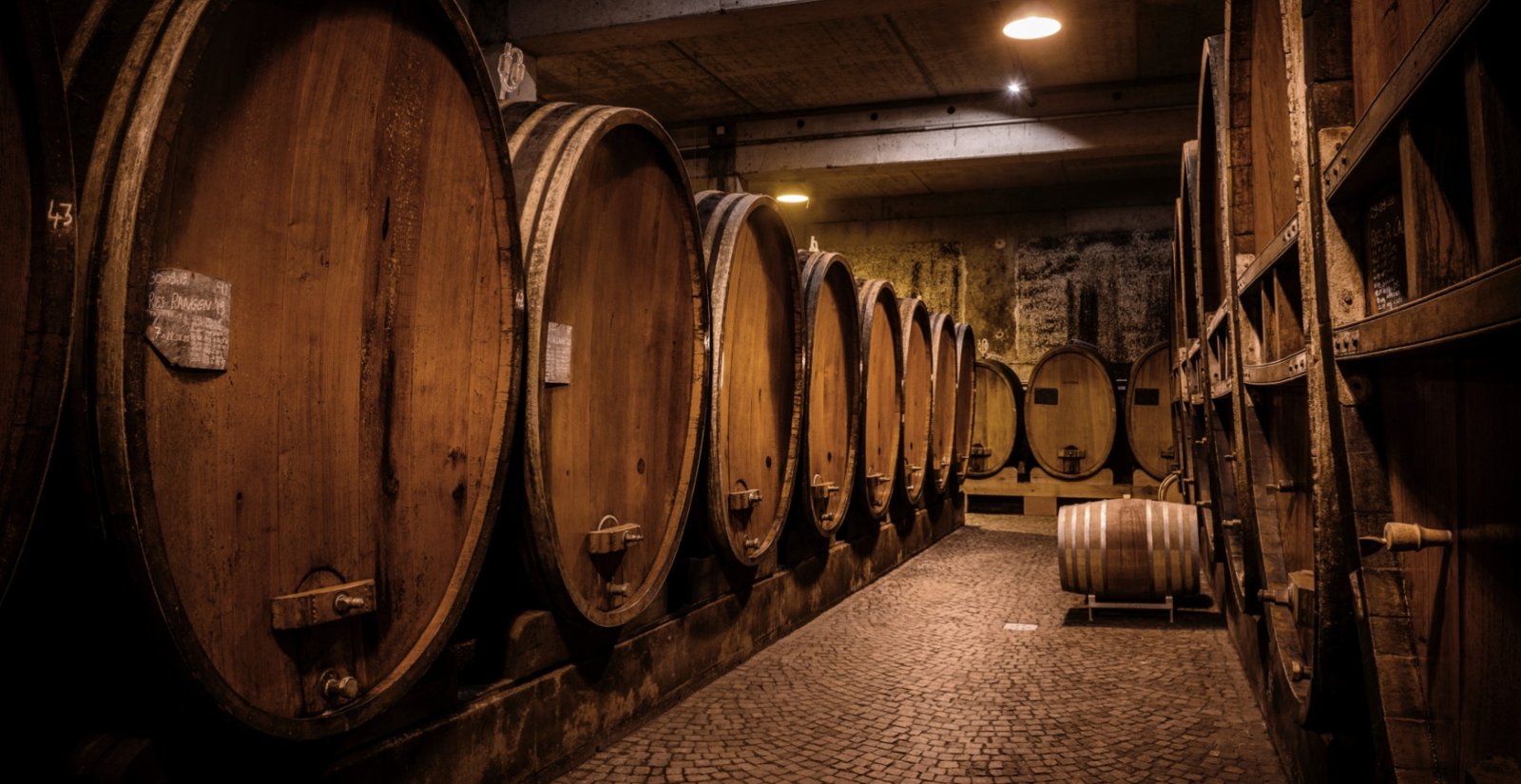

Domaine Zind Humbrecht
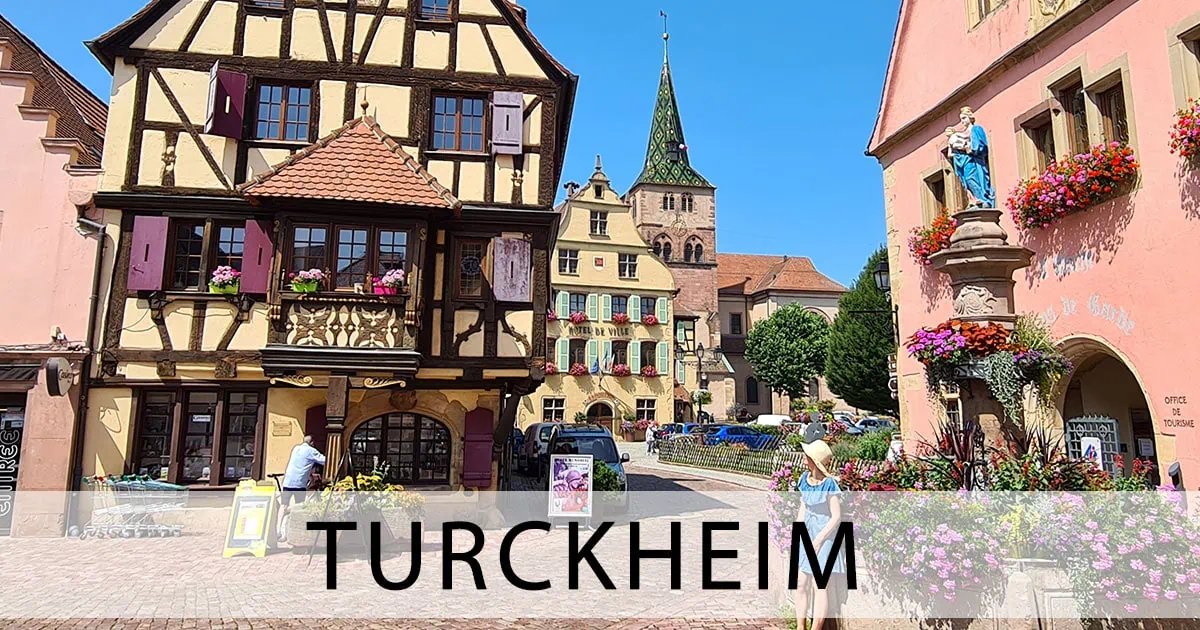
Turckheim
Winery in Turckheim, France
 Book with Pearl
The Read
Single-Site Terroir Precision
Why go
Domaine Zind Humbrecht is worth targeting for serious Alsace wine travelers who want depth and producer context in Turckheim. It is not the easy option: plan early, keep the group small, and cross-shop Domaine Josmeyer, Albert Boxler, Bestheim, Hugel, or Maison Trimbach if flexibility matters more than access.
About Domaine Zind Humbrecht
Domaine Zind Humbrecht is listed in Turckheim with a smart casual dress code and 3 Star Prestige recognition for 2025. Planning should stay conservative: confirm visit format, availability, and any practical arrangements directly with the venue before building a day around it.
The clean recommendation is to treat Domaine Zind Humbrecht as a notable Turckheim name rather than to assume a specific format, food service, schedule, or group policy. If the plan depends on exact timing or a particular experience, confirm those details first and keep alternatives in mind.
Book for certainty, not assumptions
Domaine Zind Humbrecht is best approached by travelers who are already focusing on Turckheim and want to include a 3 Star Prestige venue in the itinerary. The safest planning move is to contact the venue directly about opening hours, reservation rules, visit structure, prices, food service, and party-size limits before committing surrounding plans.
For trip planning around the town, use local Turckheim planning resources first, then add nearby context from our full Turckheim restaurants guide. Travelers comparing other regional names can also look at Albert Boxler, Bestheim, Domaine Josmeyer, Hugel, and Maison Trimbach, while keeping each venue's own location and visit details separate.
Who should cross-shop before committing
If the priority is certainty, cross-shop before locking the day. Domaine Josmeyer, Albert Boxler, Bestheim, Hugel, and Maison Trimbach are relevant comparison names for travelers weighing Alsace options, but the right choice depends on confirmed availability, location, and the kind of visit each venue currently offers.
For planning, the key details are: Domaine Zind Humbrecht is in Turckheim, carries 3 Star Prestige recognition for 2025, and notes smart casual dress. Check anything more specific directly. Worth considering if the venue itself is a reason for the detour; less suitable if the group needs confirmed food service, fixed timing, or detailed logistics before reaching out.
Planning details
- Location
- 2 Rte de Colmar, 68230 Turckheim
- Website
- zindhumbrecht.fr
- Phone
- +33 3 89 27 02 05
The take
The Take
The Vibe
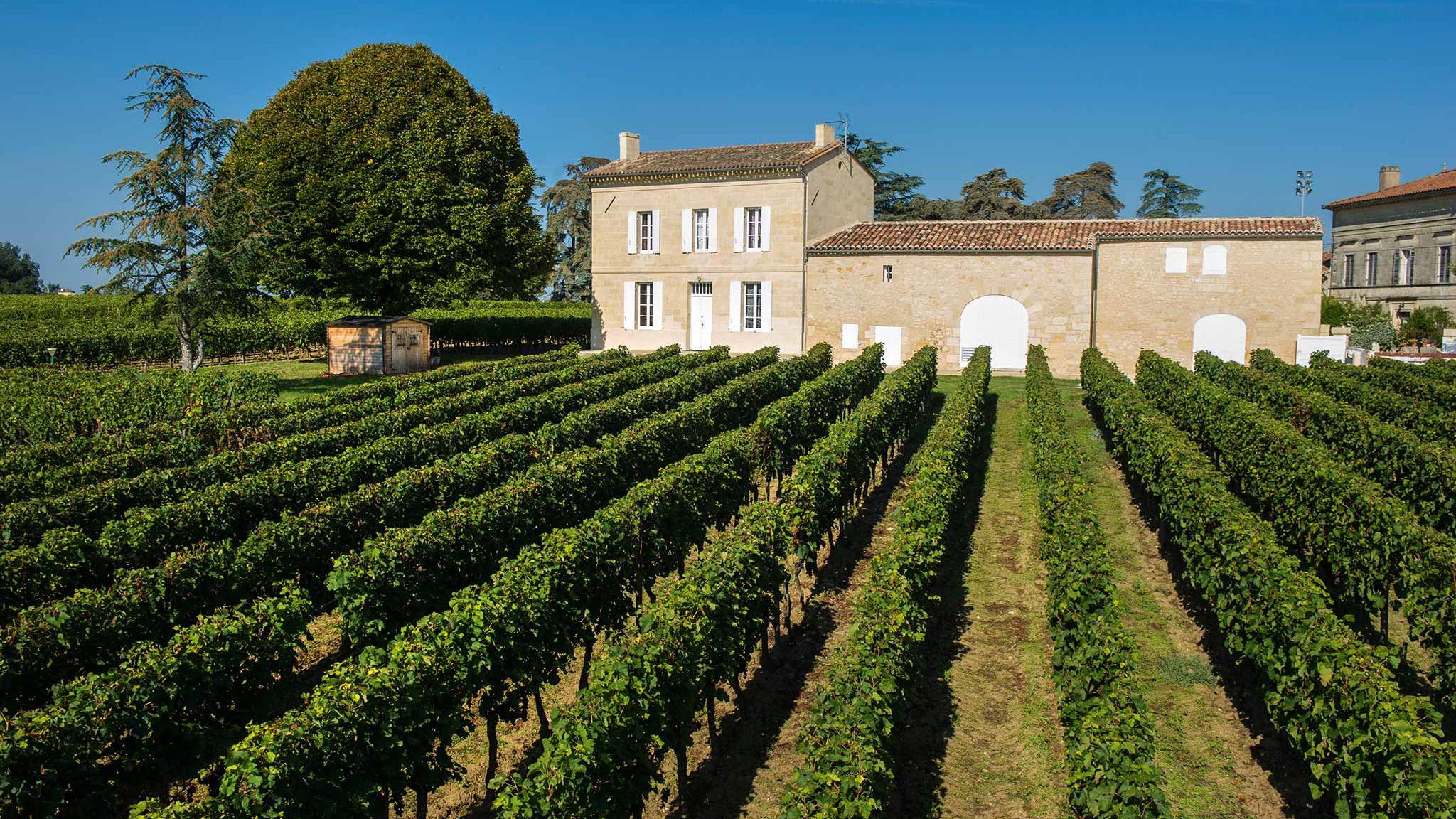
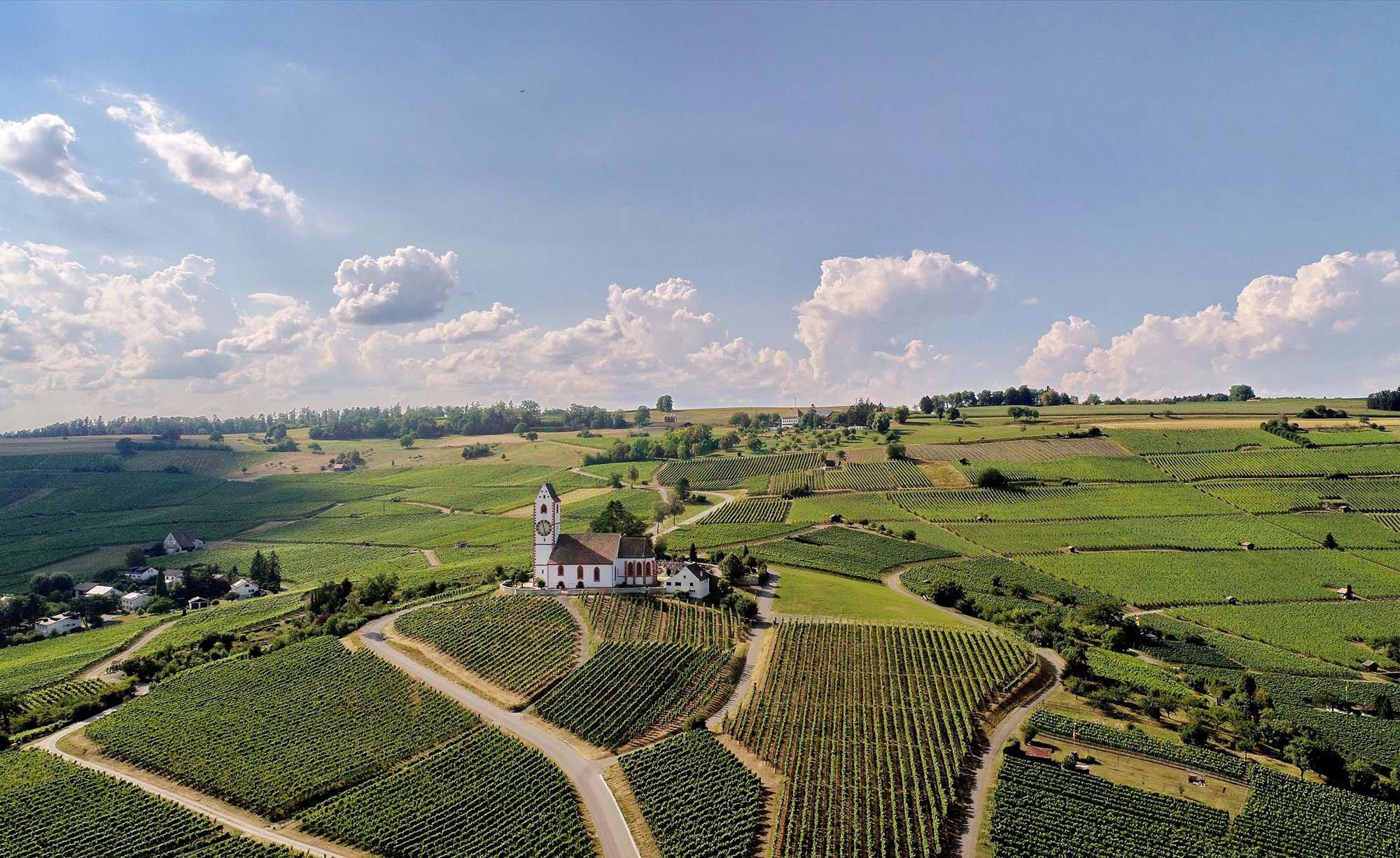
Domaine Zind Humbrecht reads like a working laboratory where history and geology shape every bottle. The estate sits on steep, south-facing slopes at the foot of the Vosges, a landscape cultivated since medieval times, and the writing here is all about site specificity. The tone is thoughtful and rigorous rather than showy: farming follows biodynamic principles, parcels are treated as distinct research plots, and the wines are described as arguments about origin. Visitors encounter an understated, soil-first philosophy that rewards patience and close attention to minerality, acid balance, and textural nuance rather than theatrical tasting-room theatrics.
Best For
This domaine is ideally suited to serious wine study and focused tasting. It works best for visitors seeking wine education and solo exploration—people who want to trace differences between grand cru parcels and compare how granite, gneiss, basalt and limestone imprint flavour. It also holds appeal for small, special-occasion visits where the emphasis is on provenance and pedigree rather than casual drinking. The setting and approach favor deliberate tasting sessions that foreground vineyard identity, biodynamic farming practices and the terroir-led character of Alsace’s classified sites.
Tasting Tips
When tasting here, prioritize single-parcel and grand cru bottlings to see the domaine’s point: origin matters. Ask to taste wines from parcels on different soils—granite, gneiss, volcanic basalt and limestone—so you can compare their acid structure and minerality. Inquire about which cuvées are biodynamically farmed and how that shows up in the vintage; the description flags higher acid retention and complex phenolic texture as hallmarks. Treat the visit as a study: taste deliberately, take notes, and focus on contrasts between sites rather than on a house-style signature.
Venue details
Ambiance
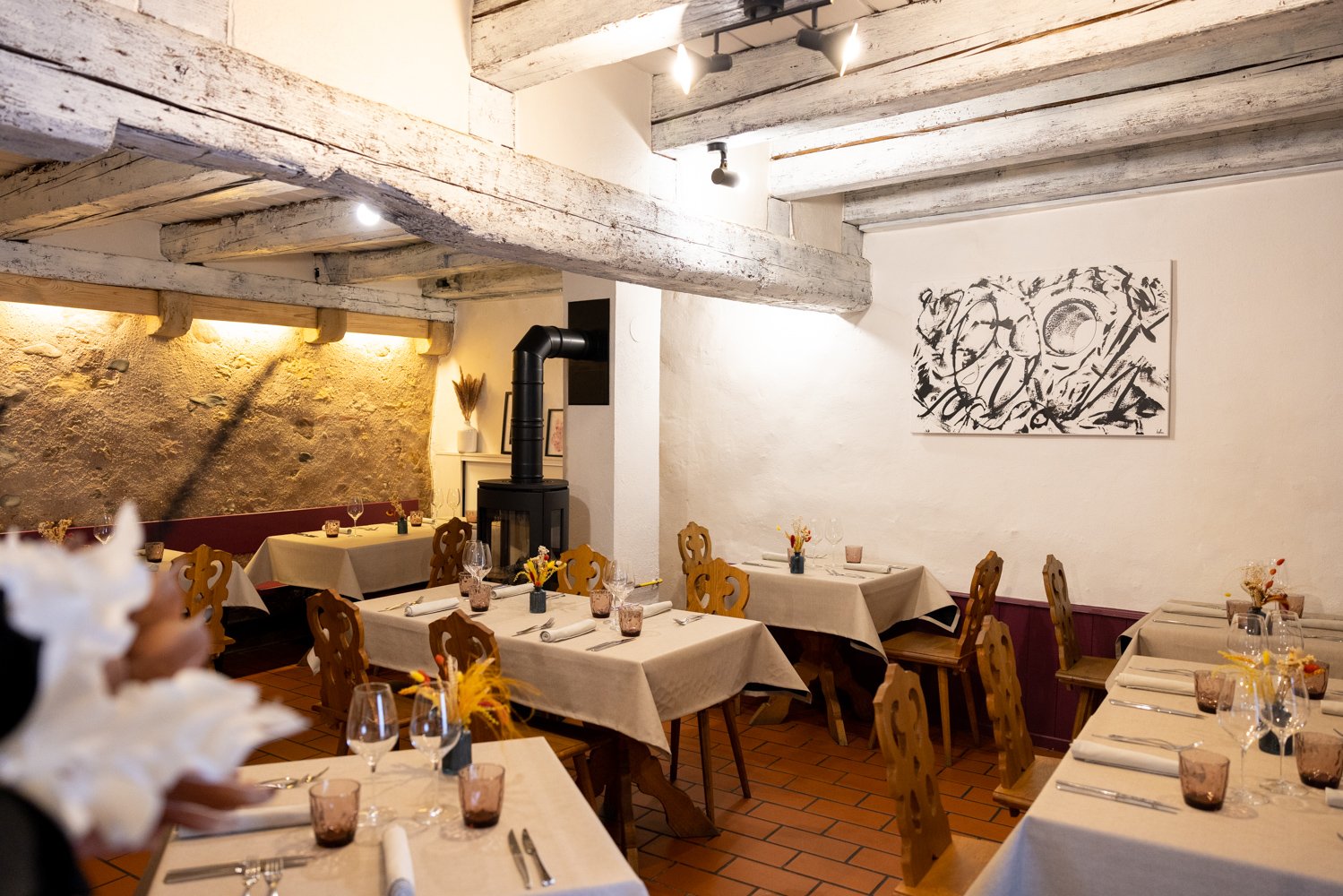
Intimate and passionate atmosphere focused on wine expertise and terroir storytelling during private tastings.
Tags
Vibe
Best For
Experience
Sourcing
View
At the Vineyard
- Appellation
- Alsace Grand Cru
- Varietals
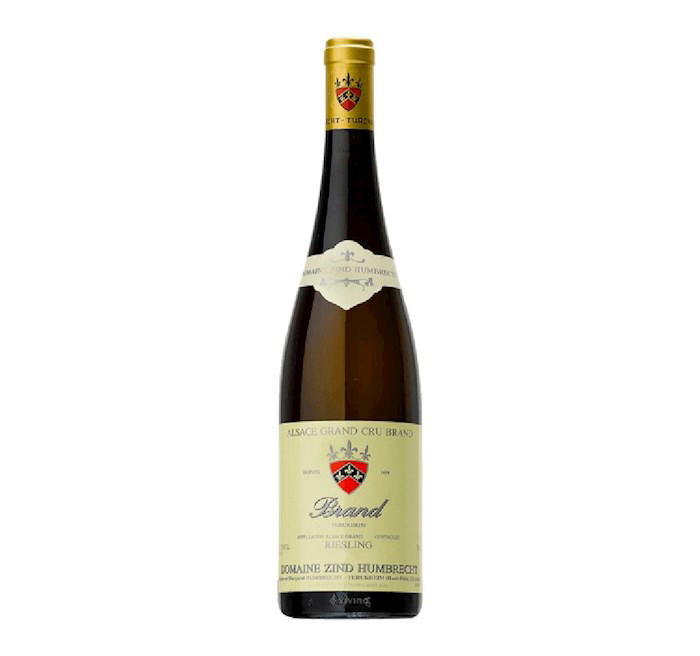
- Riesling, Gewurztraminer, Pinot Gris, Muscat, Pinot Blanc
- Tour Duration
- 60-90 minutes
- Tour Languages
- English, French
- Visits
- By appointment only
- Farming
- Biodynamic
- Wine Styles
- Still White
- Wine Club
- Available
Know before you go
Know Before You Go
- Getting there
- 2 Rte de Colmar, 68230 Turckheim
Planning details
Location
Recognition and awards

Also consider
Where to look if this is unavailable
Try Domaine Josmeyer first if the goal is another serious Alsace producer visit near the same style of trip. Choose Bestheim if the group needs a more forgiving plan and easier logistics matter more than securing the hardest appointment.
Winery context
How it compares in Alsace wine planning
Domaine Zind Humbrecht is the pick when the trip is built around a serious tasting rather than an easy stop. Compared with Domaine Josmeyer, it feels like the higher-commitment booking: better for travelers who want the visit to define the day, less useful for those trying to fit multiple appointments around Turckheim.
Albert Boxler is the stronger cross-shop if the route already includes Niedermorschwihr and the goal is a compact Alsace wine circuit. Bestheim is the more practical fallback for groups or travelers who value easier logistics over prestige. For a broader, classic Alsace comparison, Hugel and Maison Trimbach are better suited to visitors who want name recognition and a less fragile itinerary.
Value depends on what the booking replaces. If this is the day's main wine appointment, it is worth the effort. If it is one stop among many, choose the peer with the cleaner schedule fit rather than forcing the hardest reservation.
Explore Turckheim
Around this place
Discover more on Pearl
Unlock the full Domaine Zind Humbrecht guide in Pearl, including awards, comparisons, FAQs, planning details, and nearby places.
Compare Domaine Zind Humbrecht
| Venue | Location | Awards |
|---|---|---|
| Domaine Zind Humbrecht | Turckheim | 2026 Falstaff Winery Guide |
| Domaine Josmeyer | Wintzenheim | 2026 Falstaff Winery Guide |
| Albert Boxler | Niedermorschwihr | 2026 Falstaff Winery Guide |
| Bestheim | Bennwihr | 2026 Falstaff Winery Guide2025 Decanter Winery Prestige |
| Hugel | Riquewihr | 2026 Falstaff Winery Guide |
| Maison Trimbach | Ribeauvillé | 2026 Falstaff Winery Guide |

How Domaine Zind Humbrecht Turckheim compares with similar nearby venues.
FAQ
Frequently Asked Questions
Do I need a reservation at Domaine Zind Humbrecht?
Confirm the current reservation policy and availability directly before making firm plans for Domaine Zind Humbrecht, a 3 Star Prestige venue in Turckheim.
What practical details should I confirm before visiting Domaine Zind Humbrecht?
Ask Domaine Zind Humbrecht directly about opening hours, visit format, prices, and other logistics before your time in Turckheim.
Is there a membership or program at Domaine Zind Humbrecht?
How long should I plan for a visit to Domaine Zind Humbrecht?
Leave flexibility in your Turckheim plans until the venue confirms the current visit length, format, and opening hours.
What should I focus on at Domaine Zind Humbrecht?
Ask Domaine Zind Humbrecht directly what they currently recommend for a visit.