
Bodegas Barbadillo
Barrio Alto, Sanlúcar de Barrameda
Winery in Sanlúcar de Barrameda, Spain
 Book with Pearl
The Read
Atlantic-Conditioned Manzanilla
Why go
Book Bodegas Barbadillo if Sanlúcar's sherry culture is the reason for the trip. It is a better fit for wine-focused travelers than casual tasters, and it works especially well as the anchor stop before building the rest of the day around restaurants, bars, or nearby experiences.
About Bodegas Barbadillo
Bodegas Barbadillo is a Sanlúcar de Barrameda venue with Pearl 2 Star Prestige recognition for 2025. The safest way to plan is to make it a priority stop only if the venue itself is central to your Sanlúcar de Barrameda itinerary, and to confirm current visit details directly before arranging the day around it.
To keep the day flexible, avoid building plans around assumptions about services, timings, menus, tastings, or purchase options. For a broader day plan, pair the venue with our full Sanlúcar de Barrameda restaurants guide and other Sanlúcar de Barrameda planning resources.
Worth prioritizing if Bodegas Barbadillo is the point of the trip
The main reason to choose this stop is that Bodegas Barbadillo is a recognized Sanlúcar de Barrameda name in the guide, with Pearl 2 Star Prestige noted for 2025. Beyond that recognition and the casual dress code, specific operational details should be confirmed before committing time.
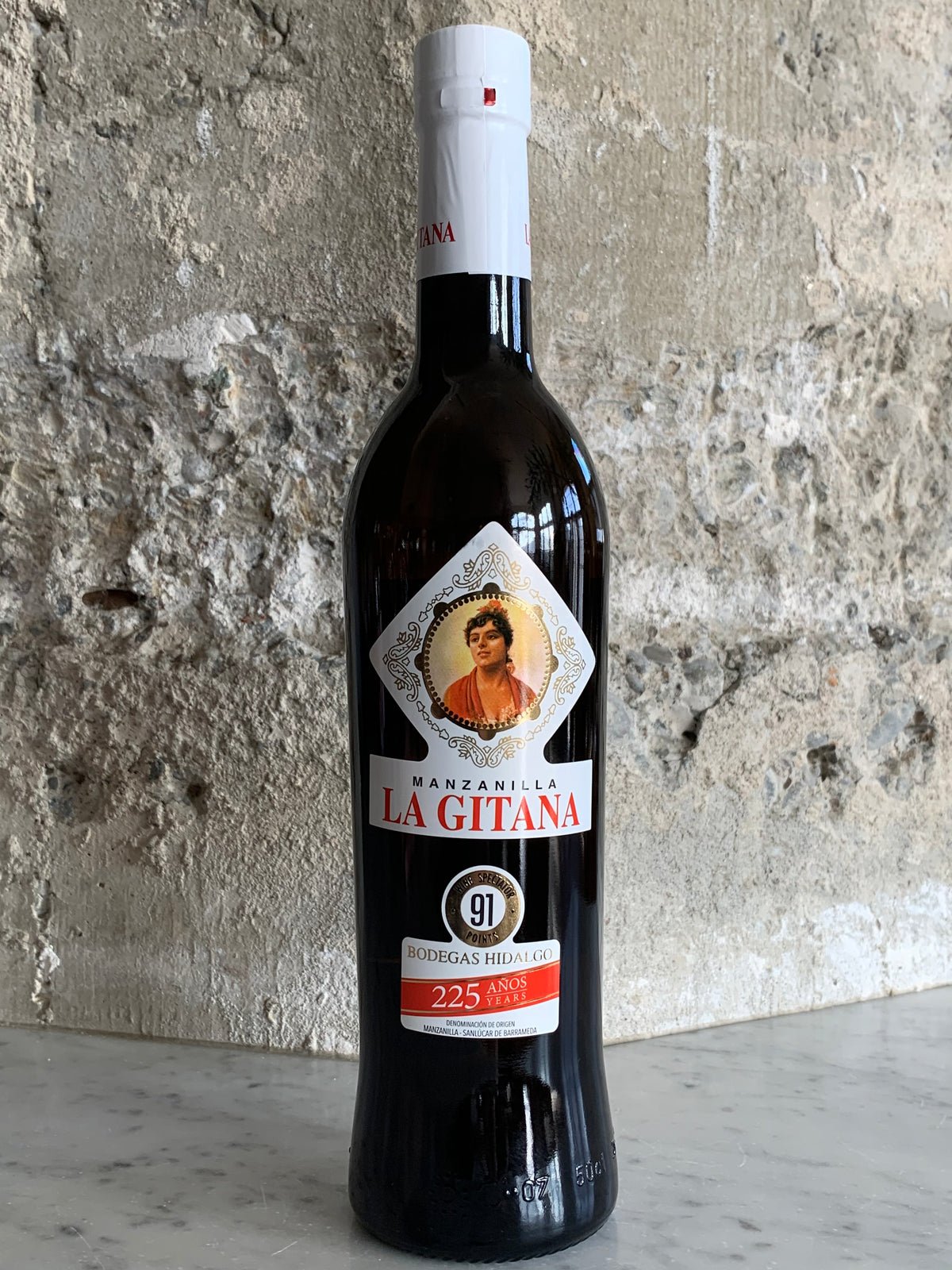
It can still make sense as an anchor for a Sanlúcar de Barrameda day if the venue is already on your shortlist. If you are comparing it with other names, consider Bodegas Barbadillo alongside Hidalgo La Gitana, Bodegas Tradición, Valdespino, Williams & Humbert, or González Byass (Tío Pepe), depending on the broader route you are planning.
Who should choose it, and who should cross-shop
Choose Bodegas Barbadillo if you want a Pearl-recognized Sanlúcar de Barrameda venue and are comfortable confirming the latest practical details before you go. Cross-shop Hidalgo La Gitana if you want another named option to compare, or look at Valdespino, Bodegas Tradición, Williams & Humbert, or González Byass (Tío Pepe) if your itinerary is broader.
For wider planning, use Sanlúcar de Barrameda resources and confirm details directly with the venues you are considering. The smart play is not to overpack the day: confirm what Bodegas Barbadillo currently offers, then leave enough flexibility for dining and time elsewhere in Sanlúcar de Barrameda.
Quick reference: Pearl 2 Star Prestige in 2025, casual dress code, Sanlúcar de Barrameda location; confirm current visit details directly before planning around specific services.
Planning details
- Location
- Pl. del Castillo de Santiago, 11540 Sanlúcar de Barrameda, Cádiz
- Website
- barbadillo.com
- Phone
- +34 956 38 55 00
The take
The Take
The Vibe
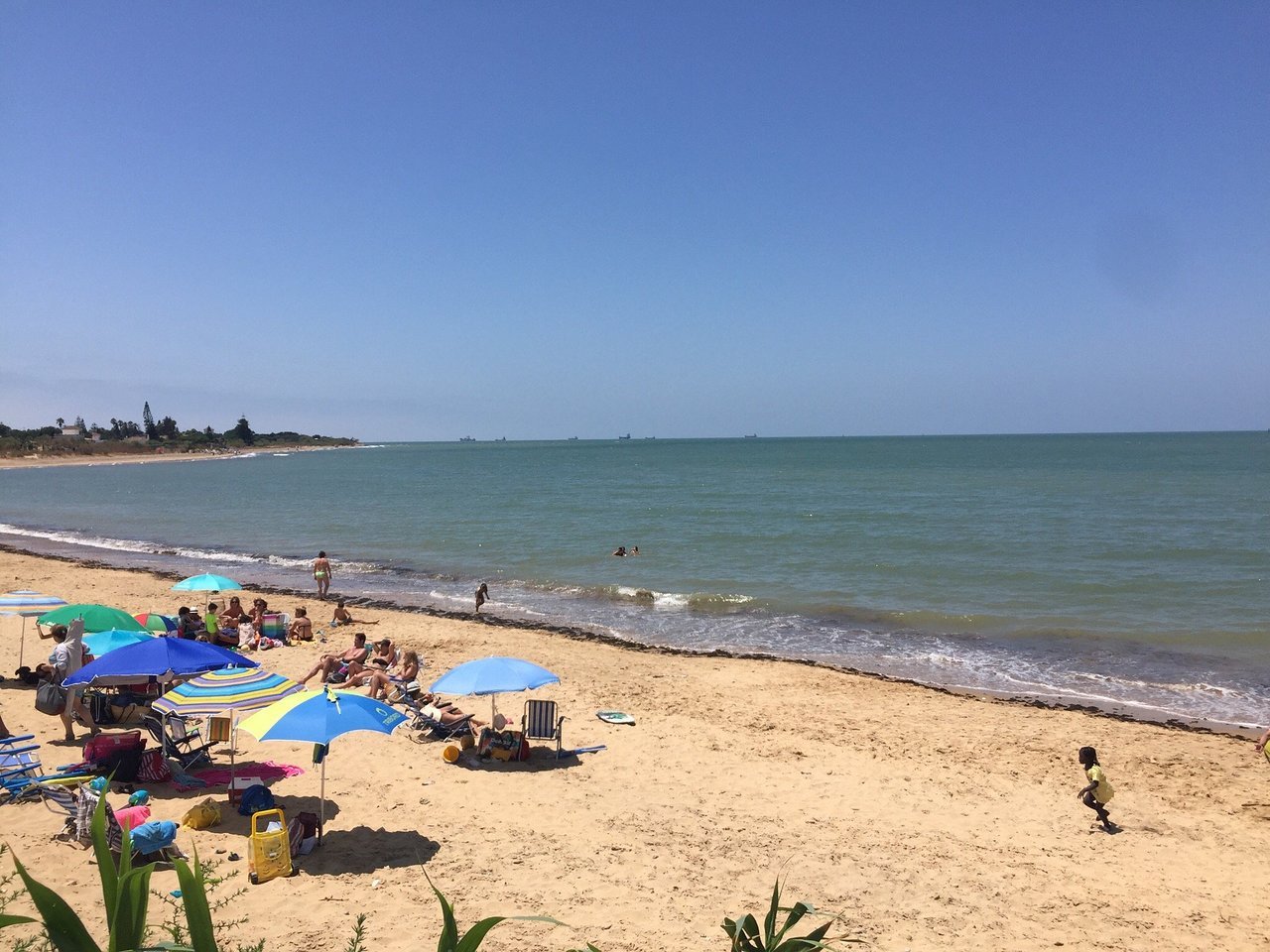
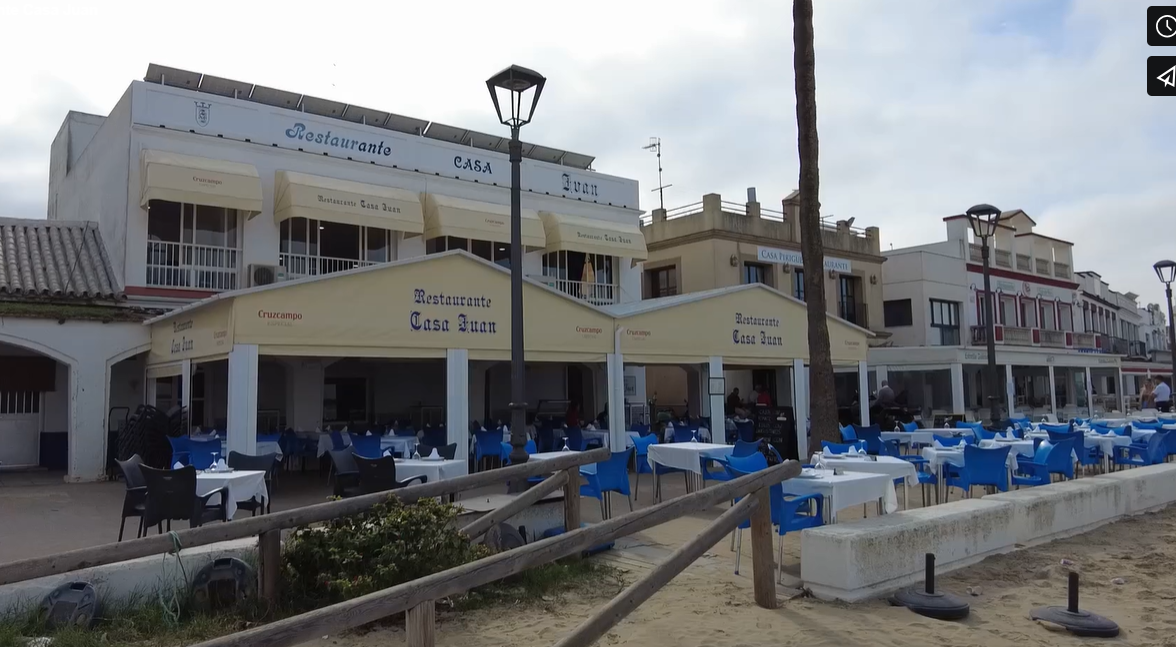
Bodegas Barbadillo reads like a seaside institution: the winery is set steps from the estuary and defined by the alternating poniente and levante winds that lend Manzanilla its saline, marine character. The prose leans into place — plaza, river mineral, and flor yeast drifting from the bodegas — so the sense of site feels immediate. The producer’s recent 'Pearl 2 Star Prestige' recognition underscores that this is not merely picturesque; it’s a carefully managed, quality-focused operation. Visitors encounter a blending of maritime terroir and measured winemaking, a setting that feels polished and quietly authoritative rather than flashy.
Best For
Barbadillo is best for people who come to learn about Manzanilla and to experience a terroir-driven style of sherry. The text foregrounds the Protected Designation of Origin and the unique flor development in Sanlúcar, so tastings here are inherently educational: the coast’s humidity and winds are part of the lesson. Its upper-tier recognition also makes the bodega a fitting stop for special occasions and serious tasting itineraries, where guests want both a clear sense of place and wines that reflect consistent quality.
Tasting Tips
When you visit or taste wines from Barbadillo, prioritize the producer’s Manzanilla offerings and ask how the estuary and local winds influence the flor and final palate — the copy emphasizes a paler, lighter, marine-inflected style. Mention the bodega’s cellars and ageing under flor when you speak with staff to prompt technical explanation. Note the 'Pearl 2 Star Prestige' recognition as a guide to the house’s benchmark releases, and use that as a starting point when comparing other local producers for contrast.
Venue details
Ambiance
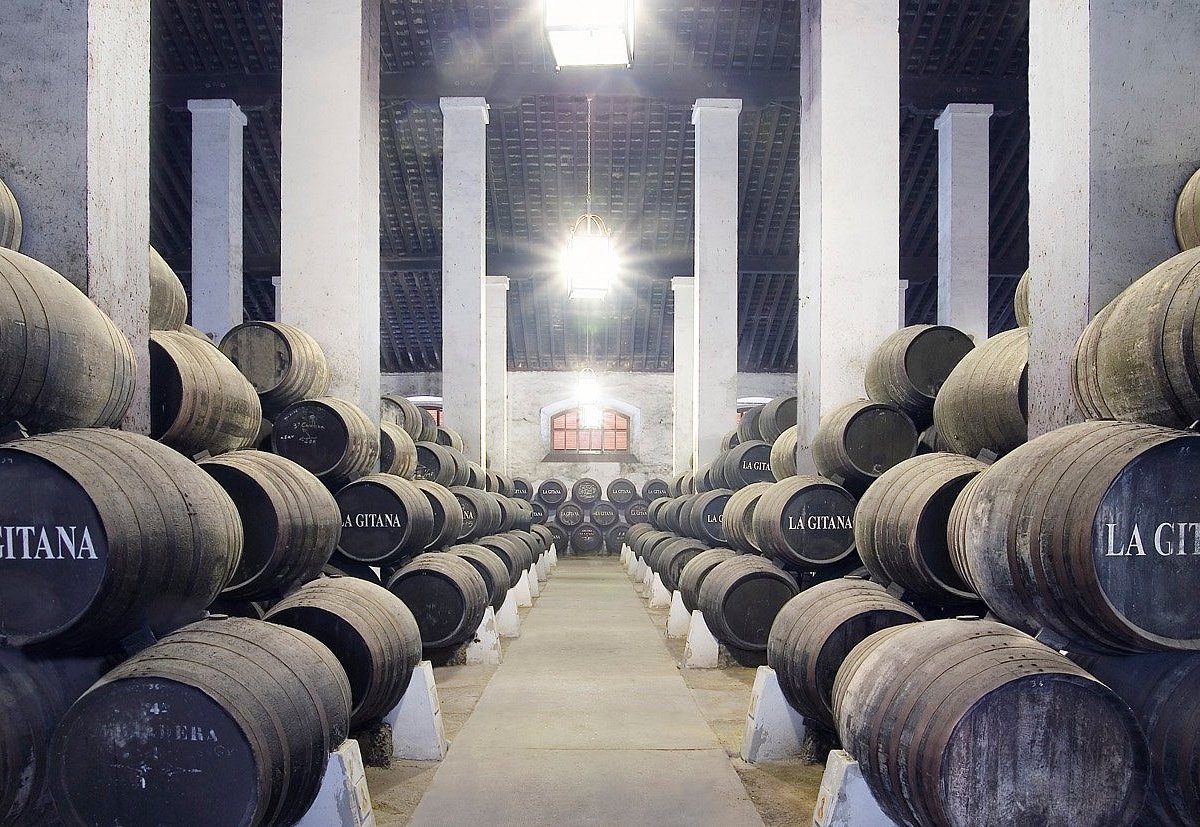
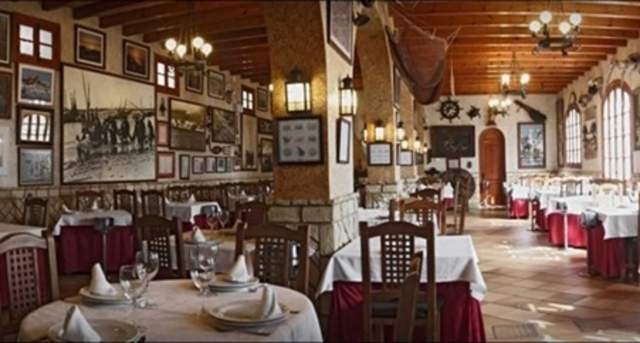
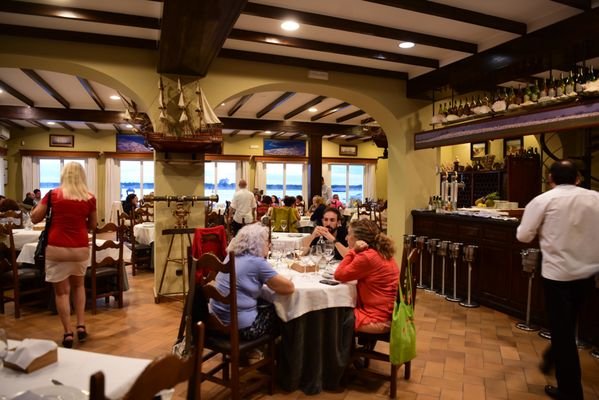
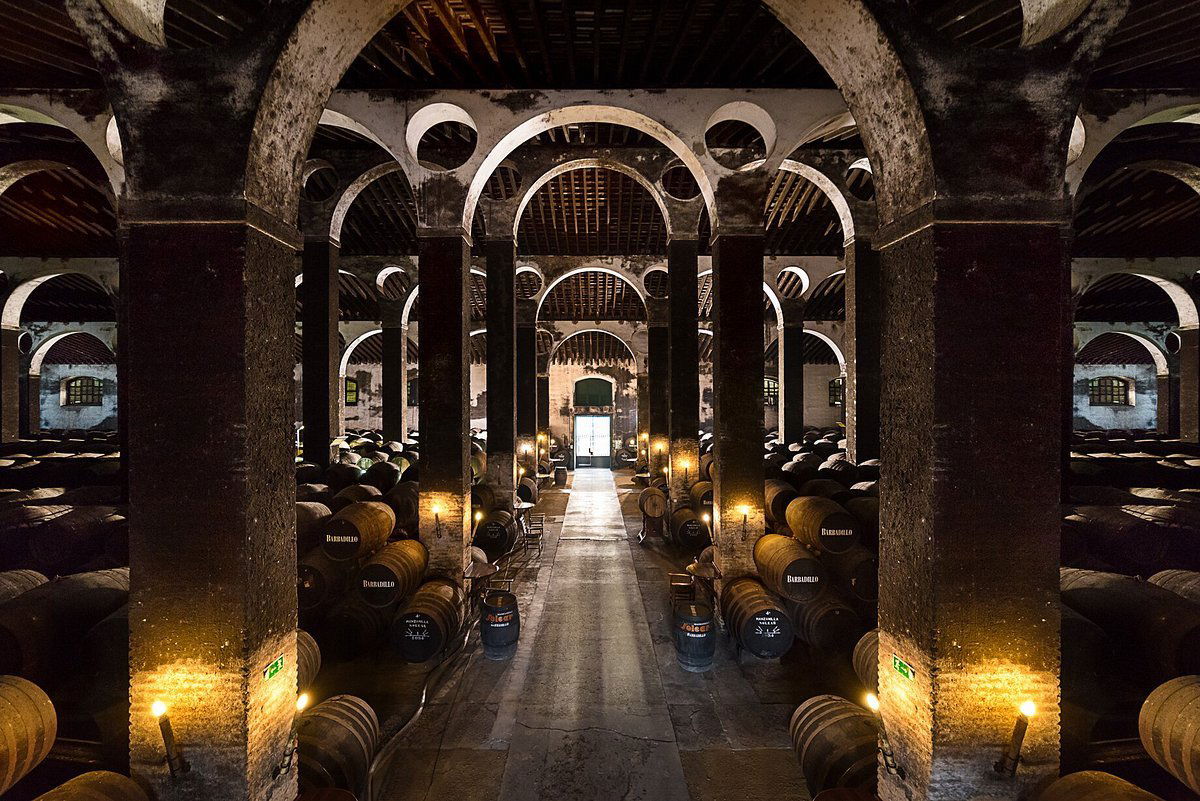
Historic bodegas with Andalusian architecture, cool and dark cellars ideal for wine aging, featuring tree-lined courtyards and cathedral-style arches.
Tags
Vibe
Best For
Experience
Sourcing
At the Vineyard
- Appellation
- D.O. Manzanilla-Sanlúcar de Barrameda
- Varietals
- Palomino, Tempranillo, Tintilla de Rota, Sauvignon Blanc, Syrah
- Tour Duration
- 60-90 minutes
- Tour Languages
- English, Spanish
- Visits
- By reservation
- Farming
- Organic
- Production
- Large producer
- Wine Styles
- Still White, Fortified
- Wine Club
- Not available
Know before you go
Know Before You Go
- Getting there
- Pl. del Castillo de Santiago, 11540 Sanlúcar de Barrameda, Cádiz
Planning details
Location
Pl. del Castillo de Santiago, 11540 Sanlúcar de Barrameda, Cádiz · Directions
Recognition and awards

Also consider
Where to look if this is unavailable
Start with Hidalgo La Gitana if the goal is to stay in Sanlúcar and keep the day focused on manzanilla. If the schedule can shift out of town, Bodegas Tradición is the more natural cross-shop for a Jerez-led sherry day.
Winery context
How it compares with nearby sherry producers
Bodegas Barbadillo is the practical Sanlúcar-first choice: it keeps the day centered in town and makes sense for travelers who want manzanilla context without turning the itinerary into a Jerez transfer. Hidalgo La Gitana is the closest cross-shop for the same Sanlúcar lens, so compare those two first if location and regional focus matter more than covering multiple towns.
Valdespino, Bodegas Tradición, Williams & Humbert, and González Byass (Tío Pepe) make more sense when the day is already Jerez-focused. They are better cross-shops for visitors who want a broader sherry-region itinerary, while Barbadillo is the cleaner call for travelers sleeping, eating, or drinking in Sanlúcar.
For value, the key question is not only tasting price; it is how much time the visit consumes. Barbadillo has the advantage when minimizing transit is part of the value calculation. If availability is tight, start with Barbadillo and Hidalgo La Gitana, then use the Jerez producers as backups or as part of a separate sherry day.
Explore Sanlúcar de Barrameda
Around this place
Discover more on Pearl
Unlock the full Bodegas Barbadillo guide in Pearl, including awards, comparisons, FAQs, planning details, and nearby places.
Compare Bodegas Barbadillo
| Venue | Location | Awards |
|---|---|---|
| Bodegas Barbadillo | Sanlúcar de Barrameda | 2026 Falstaff Winery Guide |
| Hidalgo La Gitana | Sanlúcar de Barrameda | 2026 Falstaff Winery Guide |
| Valdespino | Jerez de la Frontera | 2026 Falstaff Winery Guide |
| Bodegas Tradición | Jerez de la Frontera | 2026 Falstaff Winery Guide |
| Williams & Humbert | Jerez de la Frontera | 2026 Falstaff Winery Guide |
| González Byass (Tío Pepe) | Jerez | 2025 World's 50 Best Vineyards · #212024 World's 50 Best Vineyards · #342023 World's 50 Best Vineyards · #212022 World's 50 Best Vineyards · #62021 World's 50 Best Vineyards · #92020 World's 50 Best Vineyards · #18 |

How Bodegas Barbadillo Sanlúcar de Barrameda compares with similar nearby venues.
FAQ
Frequently Asked Questions
Does Bodegas Barbadillo offer shipping?
Shipping should be confirmed directly with Bodegas Barbadillo. The venue is in Sanlúcar de Barrameda, has a casual dress code, and holds Pearl 2 Star Prestige recognition for 2025. Confirm any purchase or delivery logistics directly with the venue.
Is there a membership program at Bodegas Barbadillo?
A membership offering should be checked directly, so do not plan around one without confirming first. If you are comparing broader options, González Byass (Tío Pepe) is another named venue to consider, but any membership details should be confirmed with the venues themselves.
When is the best time to visit Bodegas Barbadillo?
Specific hours and visit timing should be confirmed directly. Plan around Sanlúcar de Barrameda, confirm current availability directly with Bodegas Barbadillo, and avoid assuming a particular time of day is offered.
Do I need a reservation at Bodegas Barbadillo?
Reservation requirements should be confirmed directly. Because Bodegas Barbadillo has Pearl 2 Star Prestige recognition for 2025, it is sensible to check directly before going rather than assuming walk-in availability. Bodegas Tradición and Williams & Humbert are other named venues you may compare while planning.
Does Bodegas Barbadillo serve food?
If you want a meal as part of the day, plan dining elsewhere in Sanlúcar de Barrameda and confirm any current on-site offerings directly with Bodegas Barbadillo.