
Gikas Winery
Spata-Artemida, Spata
Winery in Spata, Greece
 Book with Pearl
The Read
Mesogeia Terroir Focus
Price
$30–50tasting
Why go
Gikas Winery is worth considering if Spata is already on the itinerary and the priority is a focused Attica wine stop rather than a food-led estate visit. Treat it as a producer-first booking: small groups and wine-focused travelers are the safer fit, while larger parties should confirm logistics before planning around it.
About Gikas Winery
Is Gikas Winery worth visiting in Spata? It can be, if the goal is to include a winery in a Spata itinerary and you are comfortable checking practical details directly before you go. The simplest way to frame the visit is this: Gikas Winery is a Spata winery with casual dress and Pearl 2 Star Prestige recognition for 2025.
Before building the plan around food service, visit format, hours, prices, varieties, or group capacity, contact the winery directly. Treat it as a winery stop to arrange in advance rather than as a guaranteed meal, structured visit, or large-group venue.
Choose it for a focused Spata winery stop, not a full-day estate itinerary
Spata works well as the core fact to plan around: Gikas Winery is in Spata, and the experience should be organized with that location in mind. If the day includes other stops, keep the itinerary realistic and check timing, access, and visit format through the venue's official channels before committing.
The practical planning angle is direct. Go if the winery itself is the reason for the stop, and do not assume amenities without checking ahead. With casual dress and Pearl 2 Star Prestige (2025) as the key details, the strongest recommendation is to make the visit flexible and confirm the details that matter for your group.
Who should consider it, and who should cross-shop
Consider Gikas Winery if Spata is already part of the route and the priority is a winery visit with Pearl 2 Star Prestige (2025) distinction. For comparison planning, you can also look at Aoton Winery, Papagiannakos Winery, Boutari Winery (Attica), Brettos Distillery, and Roots Spirits (Finest Roots), depending on the shape of the wider itinerary.
The practical verdict: Gikas Winery is a candidate for travelers specifically planning around Spata and willing to confirm visit details before they go. It is less certain as an anchor for a meal, a group event, or a highly structured visit plan, because those decision points should be checked directly.
Planning details
- Location
- ΛΕΩΦΟΡΟΣ ΚΙΑΦΑΣ, Spata 190 04
- Website
- gikaswinery.gr
- Phone
- +30 21 0663 4595
The take
The Take
The Vibe
Gikas Winery presents an understated, workmanlike personality rather than a theatrical visitor showpiece. The property reads as a quiet, classic expression of Attica viticulture: low-profile terrain, unshowy infrastructure, and a restrained public face. The text emphasizes that the real activity happens in the vineyard and cellar, and that restraint feels deliberate — an editorial honesty about what the locale can and cannot do. Visitors who appreciate a calm, historically rooted setting and a focus on vineyard-to-cellar craft will find the atmosphere refreshingly matter-of-fact rather than styled for tourism.
Best For
This estate is best suited to people interested in terroir and hands-on wine learning who are comfortable with a low-key tasting environment. Because the description centers on soil, climate and cellar work, it appeals to wine-education seekers and small groups wanting grounded, informational visits close to Athens. It is also appropriate for travelers who prioritize authentic agricultural landscapes over glossy visitor amenities: those who want to study how calcareous soils and Aegean winds shape wine will get the most from a stop here.
Tasting Tips
Focus your attention on what the site highlights: wines that reflect calcareous soils, early harvest character and concentration driven by dry summer conditions. When tasting, ask about the vineyard and cellar practices referenced in the copy — questions about soil, harvest timing and the influence of Aegean winds will elicit the most revealing answers. Because the text stresses production over presentation, temper expectations for theatrical experiences and plan a visit with curiosity about technique and terroir rather than a polished tasting-room program.
Venue details
Ambiance
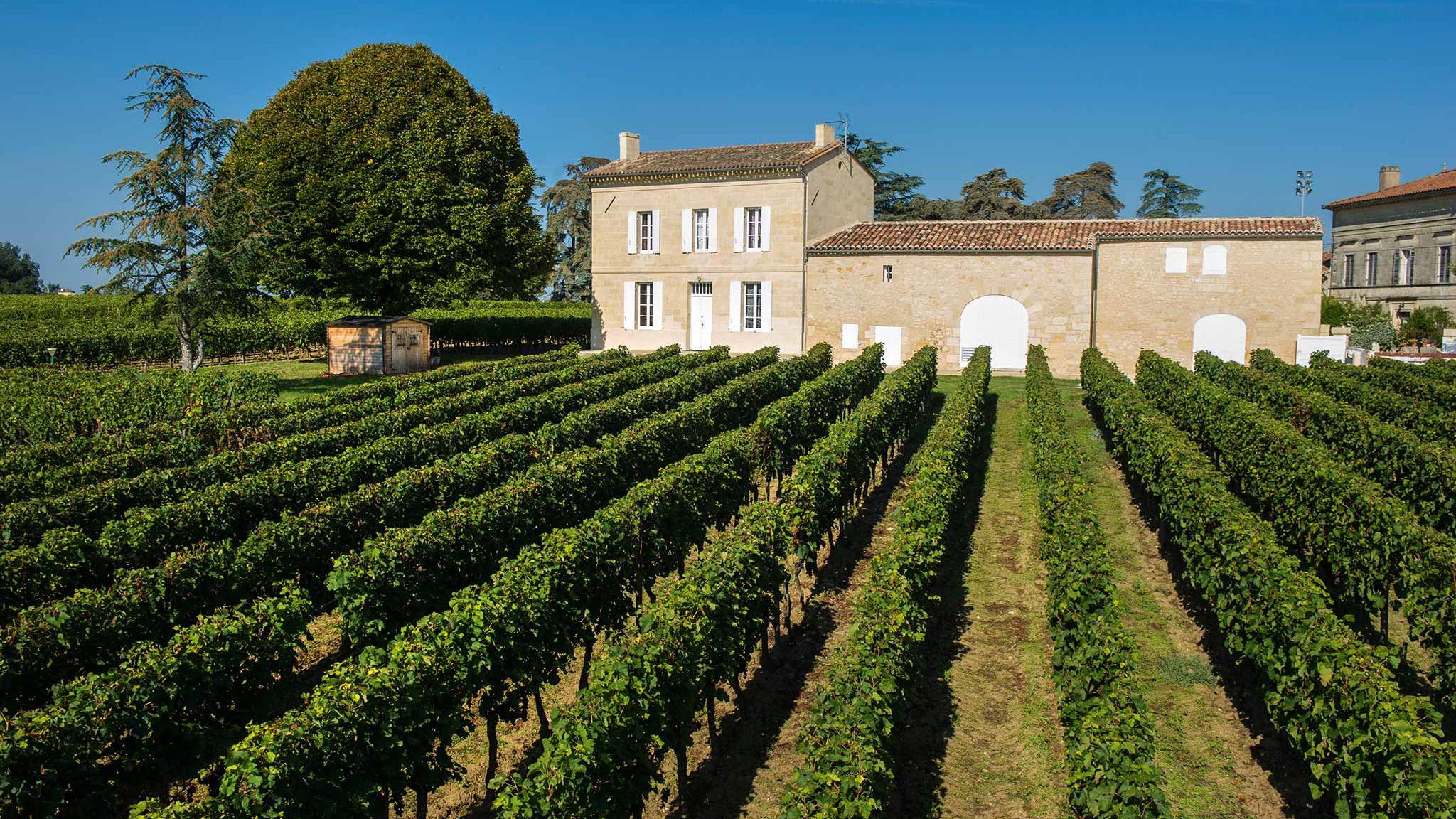
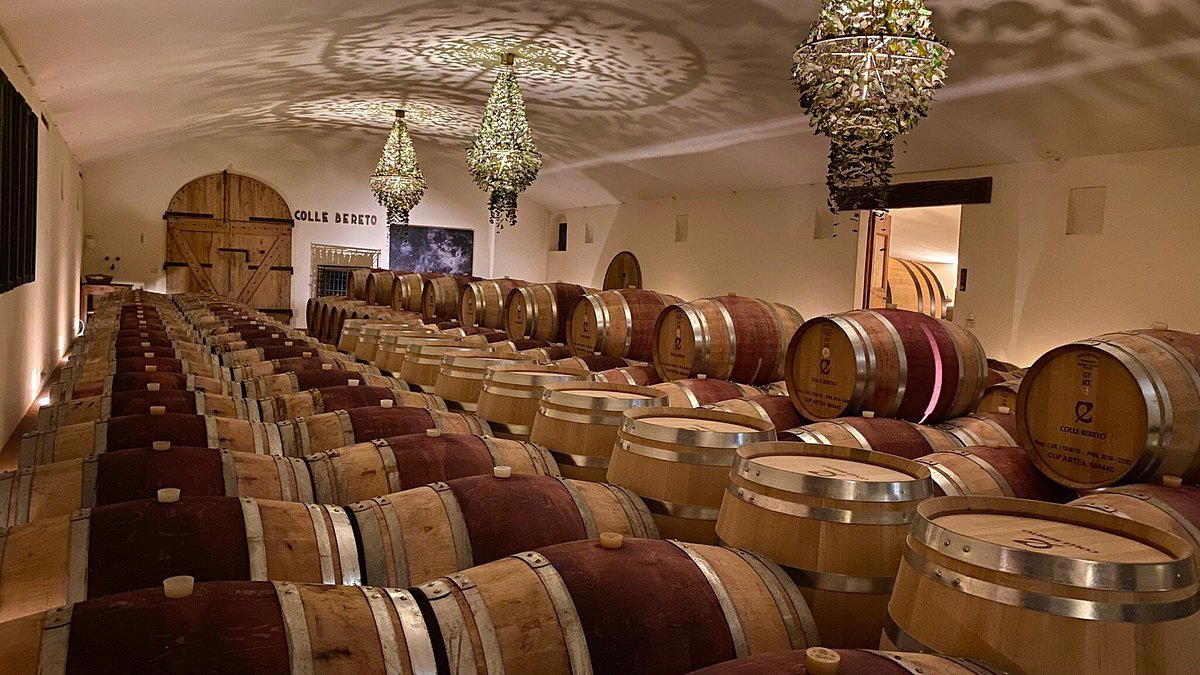
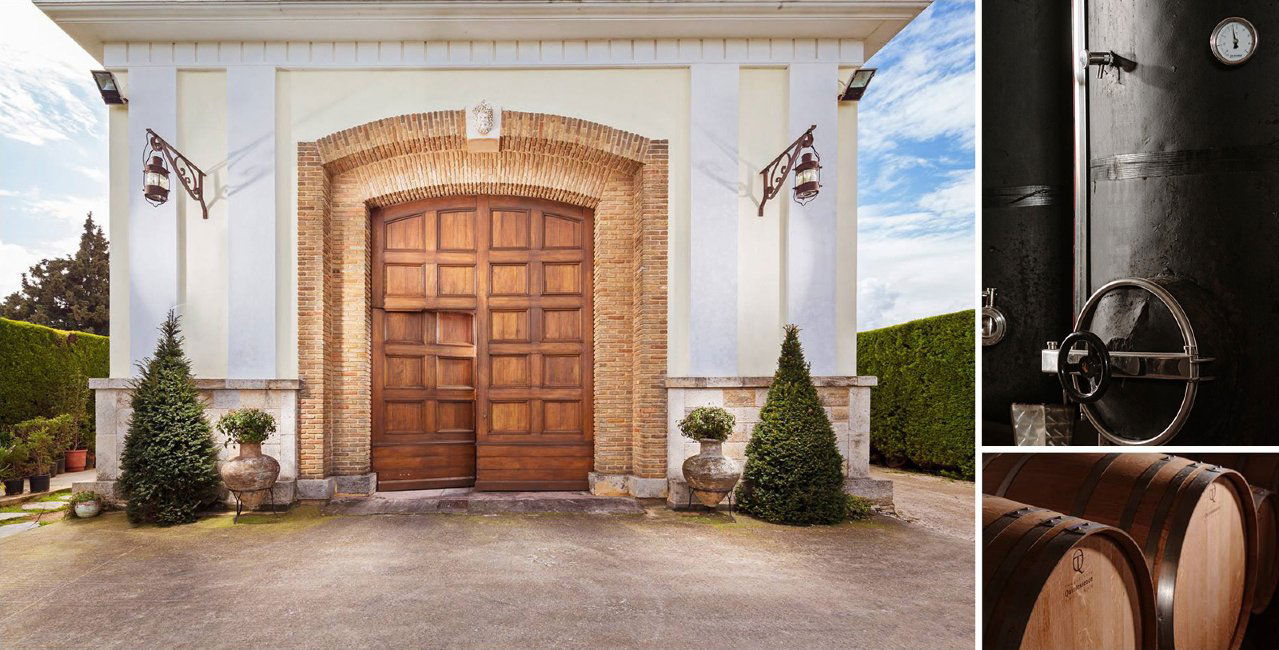
Captivating tasting room in a serene, cozy stone-built annex with trendy high-tech equipment and timeless barrels.
Tags
Vibe
Best For
View
At the Vineyard
- Appellation
- Spata
- Varietals
- Malagousia, Assyrtiko, Cabernet Sauvignon, Syrah
- Tour Duration
- 60-120 minutes
- Visits
- By reservation
- Production
- Small producer
- Wine Styles
- Still White, Still Red
- Food Pairing
- Offered
- Wine Club
- Not available
Know before you go
Know Before You Go
- Getting there
- ΛΕΩΦΟΡΟΣ ΚΙΑΦΑΣ, Spata 190 04
Planning details
Location
Recognition and awards

Also consider
Also Consider
- Aoton Winery, Notable alternative
- Papagiannakos Winery, Notable alternative
- Roots Spirits (Finest Roots), Notable alternative
- Boutari Winery (Attica), Notable alternative
- Brettos Distillery, Notable alternative
Winery context
How Gikas Winery compares in the Spata wine set
Choose Gikas Winery if the goal is a focused producer visit in Spata and the group is small enough to plan carefully. Against Aoton Winery and Papagiannakos Winery, the decision should come down to availability and the kind of visit each can confirm: Gikas is the pick when Spata convenience matters, while the others are better cross-shops if they can offer a clearer tasting format for your date.
If the group is less wine-specific, compare it with Roots Spirits (Finest Roots) and Brettos Distillery. Those make more sense for visitors who want a spirits-led stop rather than a winery visit. For travelers trying to keep the day centered on Attica wine, Boutari Winery (Attica) is the more obvious alternative to check before committing.
Value here is less about a posted price tier and more about fit. Gikas Winery is worth the effort when access, timing, and group size line up; if the date is hard to secure, cross-shop Aoton Winery or Papagiannakos Winery first, then use Roots Spirits (Finest Roots) or Brettos Distillery only if the plan can shift from wine to spirits.
Explore Spata
Around this place
Discover more on Pearl
Unlock the full Gikas Winery guide in Pearl, including awards, comparisons, FAQs, planning details, and nearby places.
Compare Gikas Winery
| Venue | Location | Awards |
|---|---|---|
| Gikas Winery | Spata | 2026 Falstaff Winery Guide |
| Aoton Winery | Peania | 2026 Falstaff Winery Guide |
| Papagiannakos Winery | Markopoulo | 2026 Falstaff Winery Guide |
| Roots Spirits (Finest Roots) | Athens | No published awards |
| Boutari Winery (Attica) | Kantza | No published awards |
| Brettos Distillery | Athens | No published awards |
How Gikas Winery Spata compares with similar nearby venues.
FAQ
Frequently Asked Questions
Can Gikas Winery handle large groups?
If group size matters, contact Gikas Winery directly before making plans in Spata.
What other venues can I compare with Gikas Winery?
Aoton Winery, Papagiannakos Winery, and Boutari Winery (Attica) are relevant comparisons to consider when planning around Gikas Winery. You can also compare the wider itinerary with Brettos Distillery and Roots Spirits (Finest Roots), depending on the kind of visit you want.
What should I confirm before visiting Gikas Winery?
Confirm the practical details that matter for your plans, including hours, reservation needs, visit format, food service, pricing, group capacity, and access.
Does Gikas Winery serve food?
Plan separately for dining unless Gikas Winery directly confirms food service.
What visit details are known for Gikas Winery?
Gikas Winery is in Spata, has casual dress, and holds Pearl 2 Star Prestige recognition for 2025. Other practical details should be checked directly.