
Weingut Immich-Batterieberg
Enkirch
Winery in Enkirch, Germany
 Book with Pearl
The Read
Documented Slate Precision
Price
$30–50tasting
Why go
Prioritize Weingut Immich-Batterieberg if the goal is a serious Mosel Riesling stop in Enkirch, not an easy drop-in tasting. The setting is a major part of the decision: quiet, wine-focused, and better suited to planned appointments than large casual groups.
About Weingut Immich-Batterieberg
Weingut Immich-Batterieberg is a Pearl 2 Star Prestige (2025) venue in Enkirch with a casual dress code. Treat it as a concise planning note: the venue has a clear place on a serious travel shortlist, while practical details such as formats, prices, hours, and access rules should be checked directly before making plans. The best approach is to recognize the venue’s standing without filling in the practical shape of a visit with assumptions.
Use Enkirch as the location context and confirm practical details directly with the venue before arranging a visit. For broader planning, compare it naturally with names such as Weingut Clemens Busch, Weingut Dr. Loosen, Weingut Joh. Jos. Prüm, Weingut Selbach-Oster, and Weingut Willi Schaefer, while keeping other Enkirch dining and lodging decisions separate from assumptions about the venue itself. That distinction matters: comparison can help orient expectations, but it should not be treated as evidence of shared policies, availability, or visitor experience.
A serious Enkirch call for travelers
Weingut Immich-Batterieberg is best framed as an Enkirch venue with Pearl 2 Star Prestige recognition for 2025. That recognition gives the venue a clear reason to appear on a serious travel shortlist. Fees, opening hours, reservation requirements, visitor format, specific offerings, and service style should be checked directly with the venue rather than assumed from outside descriptions. A cautious reading is the most accurate one: the venue is notable, but the logistics still need direct confirmation.
If it is part of a larger itinerary, confirm the current visit details directly with the venue and keep a backup plan. This is especially important when a trip depends on timing, transport, or coordinated meals and accommodation, because a recognition line alone does not establish access or availability. For comparison context, stay with relevant names such as Weingut Clemens Busch, Weingut Dr. Loosen, Weingut Joh. Jos. Prüm, Weingut Selbach-Oster, and Weingut Willi Schaefer rather than relying on unrelated venues outside the comparison set. Those names can help travelers think about the broader frame, but they should remain comparisons, not substitutes for direct confirmation.
The Enkirch context is the grounded planning point
The location context is Enkirch, and the dress code is casual. That is enough to guide the tone of a visit, suggesting that travelers do not need to read formality into the listing, but it is not enough to claim a particular visitor setup, tasting length, menu, price, or booking process. Travelers should verify those operational details before making firm plans. In practical terms, Enkirch is the anchor for mapping and itinerary building, while the venue itself should be contacted for anything that affects the actual experience on the day.
In practical planning, Weingut Immich-Batterieberg is in Enkirch, carries Pearl 2 Star Prestige recognition for 2025, and has a casual dress code. Those points can be carried forward confidently. Anything more specific should be checked through the venue's official channels before travel, especially if the visit is being planned around a fixed schedule or paired with other Enkirch dining and lodging decisions. In that role, the listing remains intentionally narrow, but still helpful: it identifies the venue, places it in context, and signals where confirmation is needed before expectations become plans.
Planning details
- Location
- Im Alten Tal 2, 56850 Enkirch
- Website
- batterieberg.com
- Phone
- +49 6541 815907
The take
The Take
The Vibe
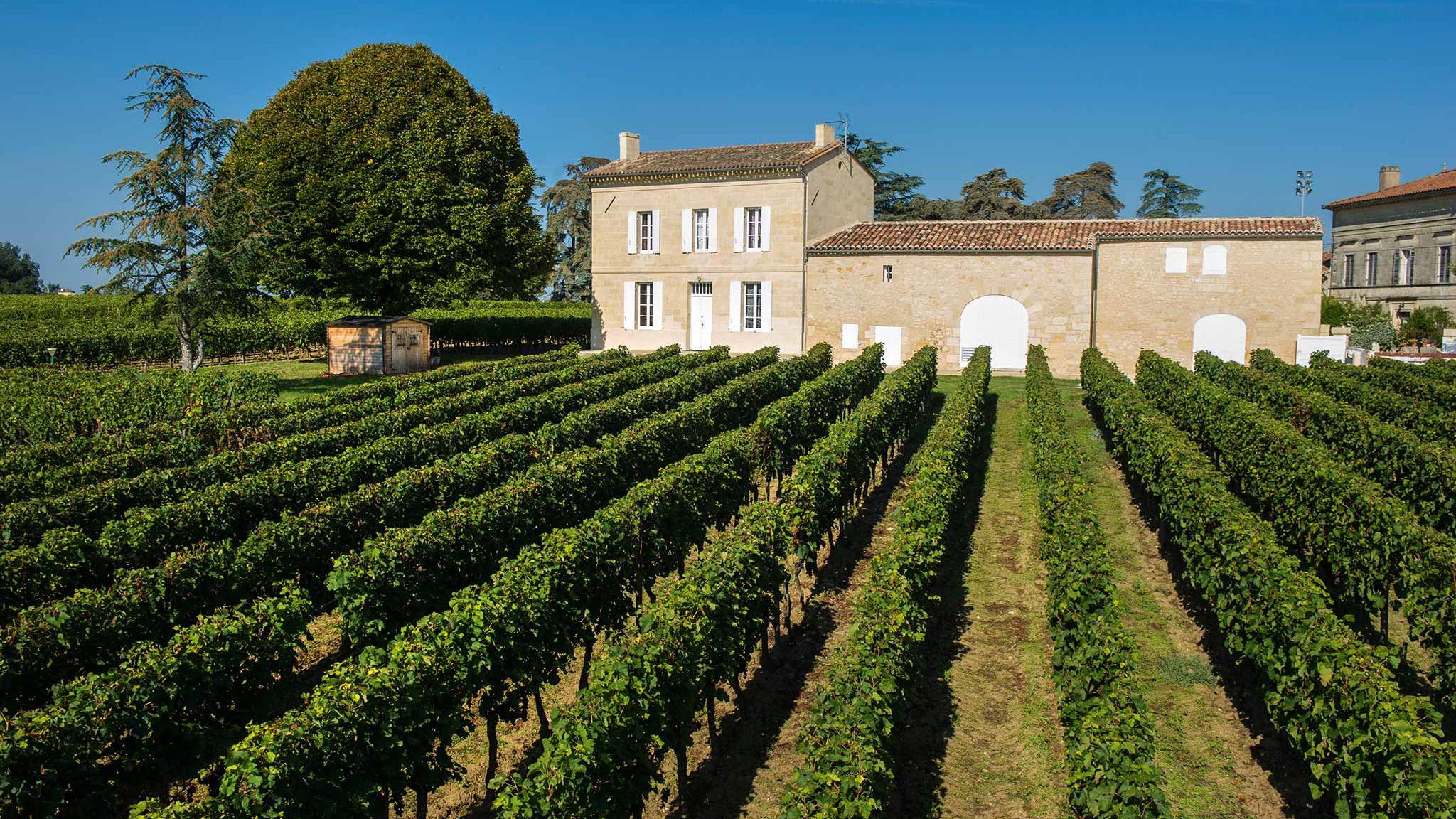
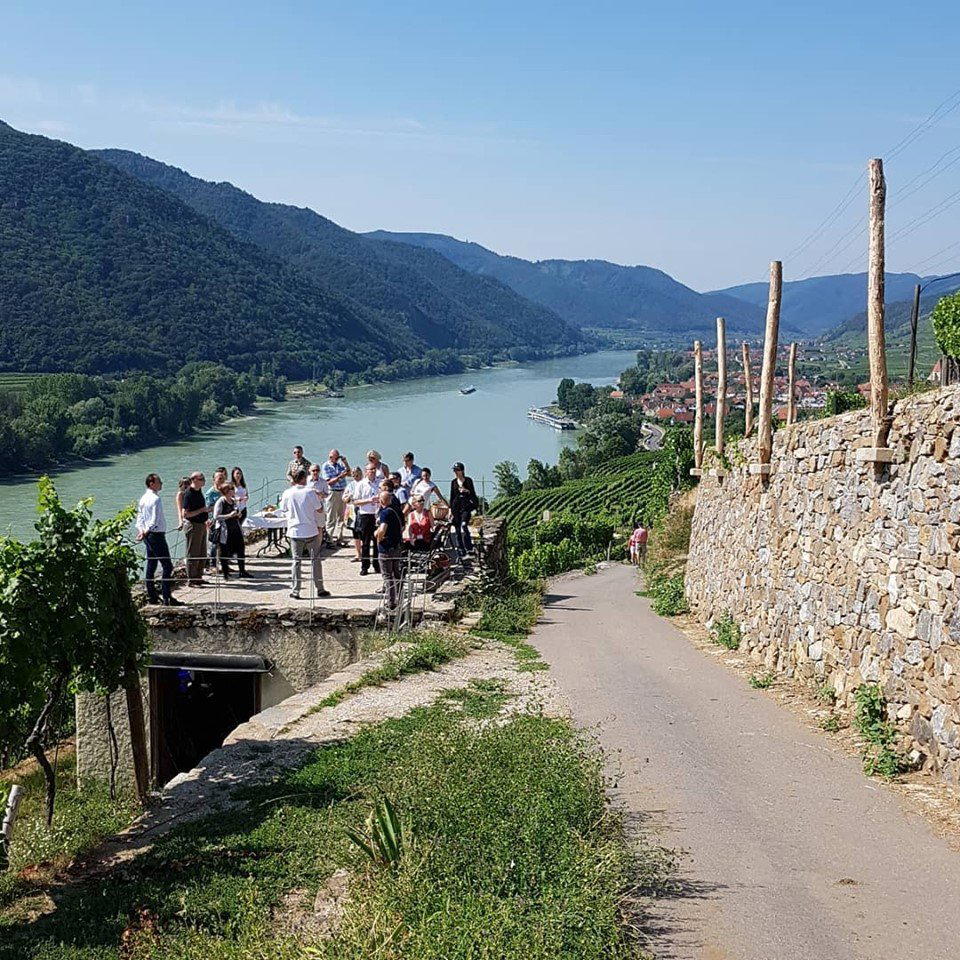
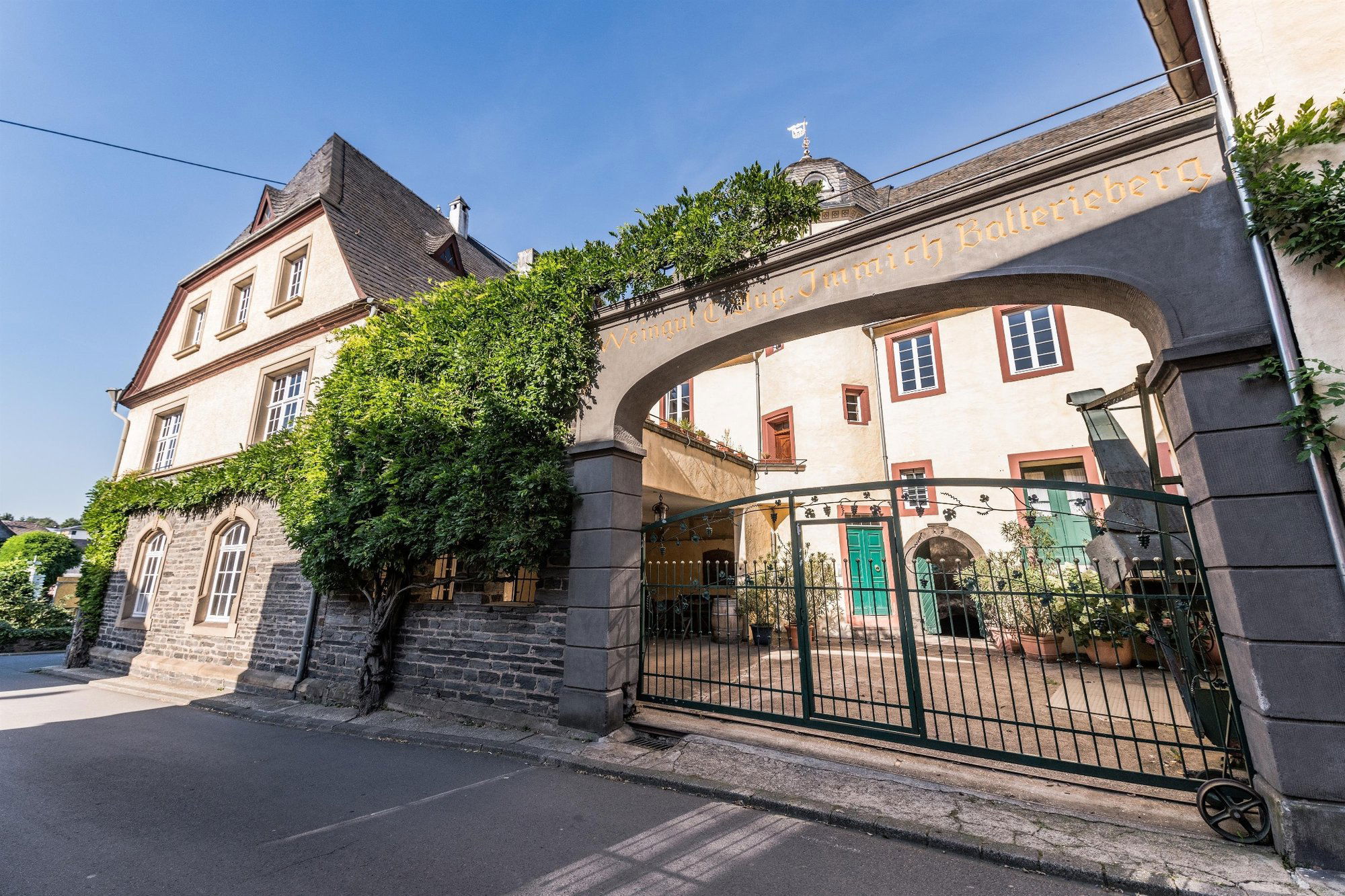
Weingut Immich-Batterieberg sits in a compact, timber‑framed village pocketed into a dramatic bend of the Mosel. The writing emphasizes steep, near‑vertical Riesling parcels and a historic vineyard site—Batterieberg—that anchor the producer to a specific place. The tone is quietly reverent rather than flashy: wines are described as expressions of slate and slope, shaped more by geology than by intervention. Visitors encounter a historically rooted, scenic setting where the hillside vineyards and old village architecture lend a quietly charming, contemplative atmosphere rather than a bustling tasting‑room vibe.
Best For
This estate is best for people who come with an interest in terroir and Riesling—students of geology, dedicated wine collectors, and travelers seeking focused wine study. The copy highlights site names and the role of Devonian blue slate, so it rewards slow appreciation and informed conversation rather than casual, high‑tempo visits. It also suits those marking a special moment: the producer’s recent industry recognition hints at bottles worth bringing out for celebrations. Group tourism or loud socializing is not the primary emphasis here.
Tasting Tips
When seeking wines from Immich‑Batterieberg, prioritize site‑designated Rieslings that reference Batterieberg or other vineyard names; the description stresses that the estate’s identity is site‑based. Expect slate‑driven, mineral finishes—look for language about Devonian blue slate, precision, and cool‑climate ripeness. The text specifically names the estate’s 2025 Pearl 2 Star Prestige award, so seeking that bottling or similarly lauded releases is a reliable way to find a standout example of the house style. Focus on Riesling rather than assuming other varieties.
Venue details
Ambiance
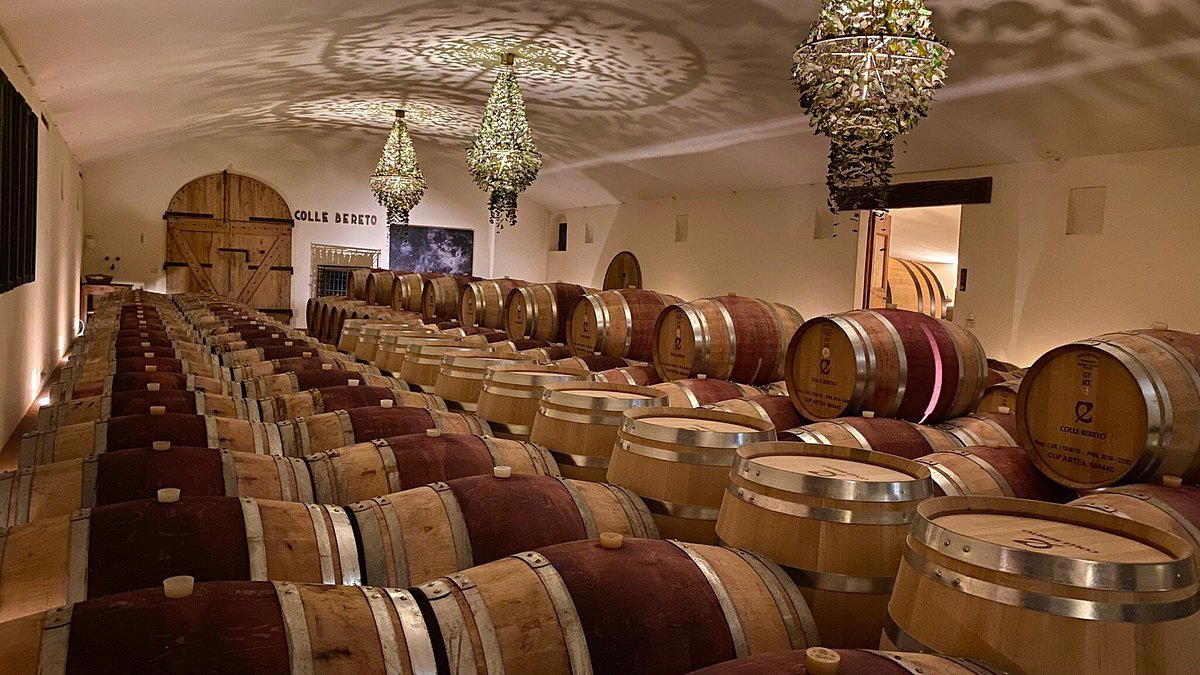
Rustic and authentic atmosphere in a steep-slope winery built from local stone and quartzite, evoking centuries of tradition amid dramatic vineyard landscapes.
Tags
Vibe
Best For
Experience
Sourcing
View
At the Vineyard
- Appellation
- Mosel
- Varietals
- Riesling, Pinot Noir
- Visits
- By reservation
- Farming
- Organic
- Production
- Small producer
- Wine Styles
- Still White
- Wine Club
- Not available
Know before you go
Know Before You Go
- Getting there
- Im Alten Tal 2, 56850 Enkirch
Planning details
Location
Recognition and awards

Also consider
Where to look if this is full
If access does not line up, try Weingut Clemens Busch for another serious Mosel Riesling stop, or Weingut Dr. Loosen if the group needs a more familiar regional name with broader visitor appeal.
Winery context
How it compares in the Mosel set
Choose Weingut Immich-Batterieberg if Enkirch itself is part of the appeal and the visit is meant to feel focused rather than retail-driven. Weingut Clemens Busch is the better cross-shop for travelers building a Mosel itinerary around another serious Riesling name, while Weingut Willi Schaefer and Weingut Joh. Jos. Prüm make more sense if the trip is centered on famous benchmark producers.
For booking ease, do not assume this is the simplest option. Weingut Dr. Loosen and Weingut Selbach-Oster are more practical backup names for many Mosel visitors because they sit closer to the better-known regional circuit. If ambiance matters, Immich-Batterieberg is the quieter call; if predictable visitor logistics matter more, start with the larger-name peers.
Value depends on the kind of trip being planned. For collectors and Riesling-first travelers, the payoff is the estate context and Enkirch setting. For mixed groups that mainly want an easy tasting, the safer move is to request a peer with clearer visitor infrastructure and use this as the stretch booking.
Explore Enkirch
Around this place
Discover more on Pearl
Unlock the full Weingut Immich-Batterieberg guide in Pearl, including awards, comparisons, FAQs, planning details, and nearby places.
Compare Weingut Immich-Batterieberg
| Venue | Location | Awards |
|---|---|---|
| Weingut Immich-Batterieberg | Enkirch | 2026 Falstaff Winery Guide |
| Weingut Clemens Busch | Pünderich | 2026 Falstaff Winery Guide |
| Weingut Willi Schaefer | Graach an der Mosel | 2026 Falstaff Winery Guide |
| Weingut Joh. Jos. Prüm | Bernkastel-Wehlen | 2026 Falstaff Winery Guide |
| Weingut Dr. Loosen | Bernkastel-Kues | 2026 Falstaff Winery Guide2025 World's 50 Best Vineyards · #162024 World's 50 Best Vineyards · #92023 World's 50 Best Vineyards · #122022 World's 50 Best Vineyards · #142021 World's 50 Best Vineyards · #462020 World's 50 Best Vineyards · #152019 World's 50 Best Vineyards · #10 |
| Weingut Selbach-Oster | Zeltingen-Rachtig | 2026 Falstaff Winery Guide |

How Weingut Immich-Batterieberg Enkirch compares with similar nearby venues.
FAQ
Frequently Asked Questions
Does Weingut Immich-Batterieberg offer delivery or purchase options?
Ask Weingut Immich-Batterieberg directly about delivery, packing, and purchase options before assuming any such services are available.
When is the best time to visit Weingut Immich-Batterieberg?
For visiting hours and ideal timing, confirm current visit details directly before making plans. The grounded planning point is that Weingut Immich-Batterieberg is in Enkirch and holds Pearl 2 Star Prestige recognition for 2025.
Does Weingut Immich-Batterieberg have a membership or allocation program?
If that matters to you, ask the venue directly whether a membership or allocation structure is currently offered before committing.
What other venues are useful comparisons for Weingut Immich-Batterieberg?
Relevant comparison names include Weingut Clemens Busch, Weingut Willi Schaefer, Weingut Joh. Jos. Prüm, Weingut Dr. Loosen, and Weingut Selbach-Oster. Use them as broader comparison context rather than as a claim that they are all in Enkirch.
Do I need a reservation at Weingut Immich-Batterieberg?
How long should I plan for a visit to Weingut Immich-Batterieberg?
Ask the venue directly about current visit format and timing before building it into an itinerary.