

2026 Falstaff Winery Guide: The Ultimate Wine Authority — Page 94
Falstaff's 2026 Wineries guide.

Venues on this list
Binomio
Spoltore, Italy
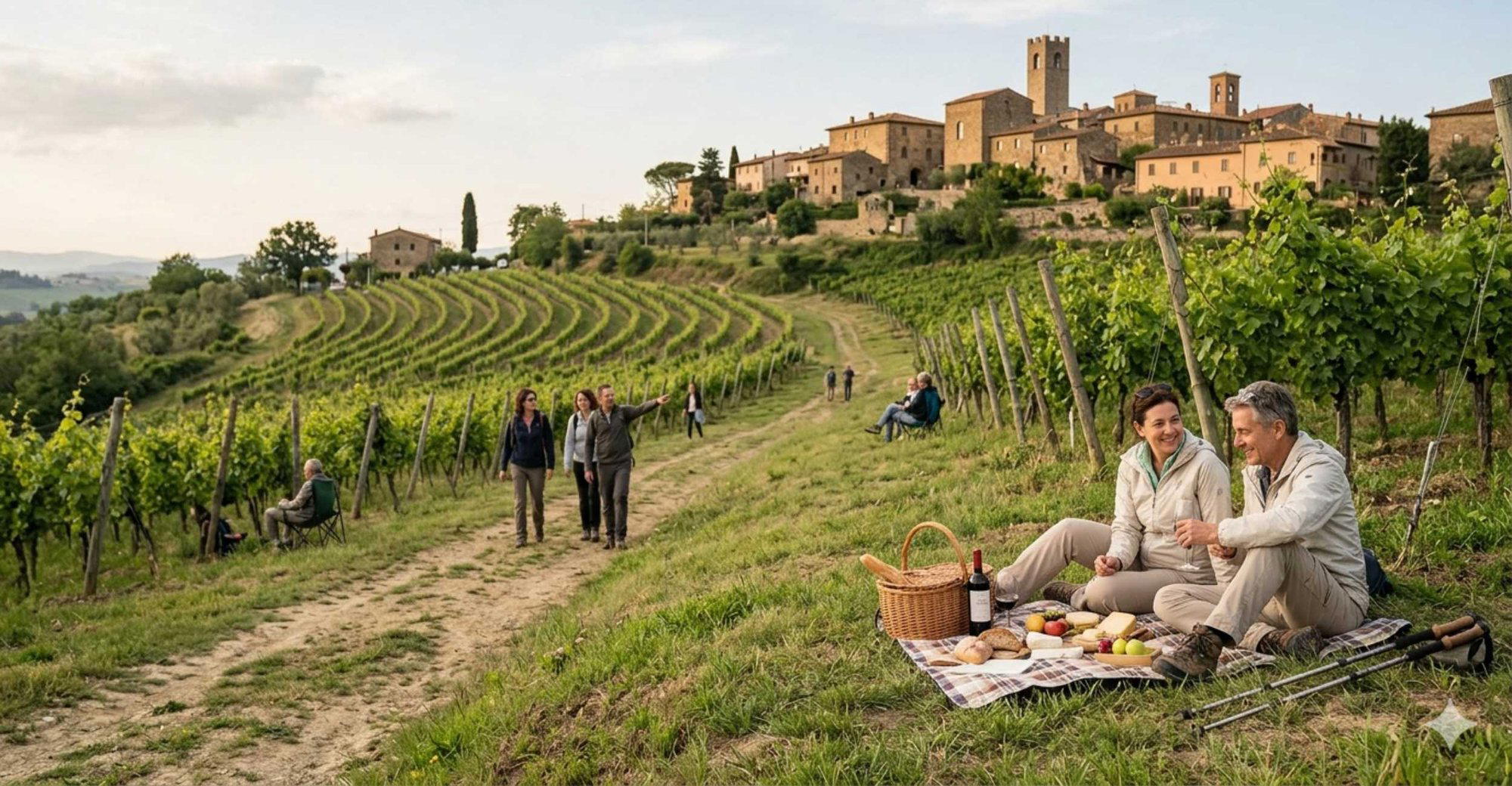
A serious Spoltore wine stop for travellers who want Montepulciano d'Abruzzo with structure, ageability, and regional intent. Binomio is a stronger choice for collectors, couples, or business hosts than for casual drop-in tasting groups; its appeal is the focused old-vine red-wine project, not a broad hospitality circuit.
Artisan Vigneron
Leytron, Switzerland
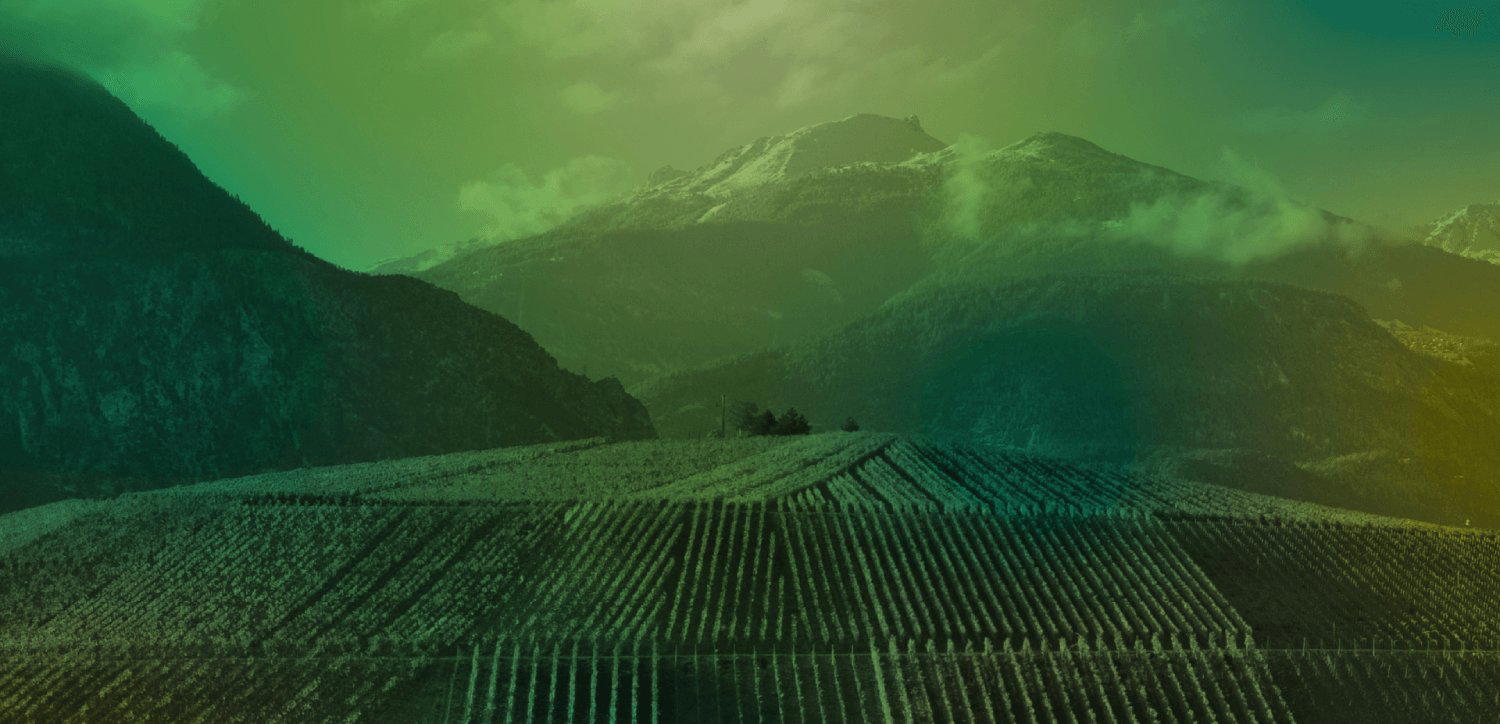
Artisan Vigneron is a Leytron winery to shortlist if the goal is a focused Valais wine stop with a 2026 Falstaff listing behind it. It is less suitable for travelers who need published pricing, confirmed hours, food details, or a pre-defined private tasting format before planning the day.
Bodegas Riojanas
Cenicero, Spain
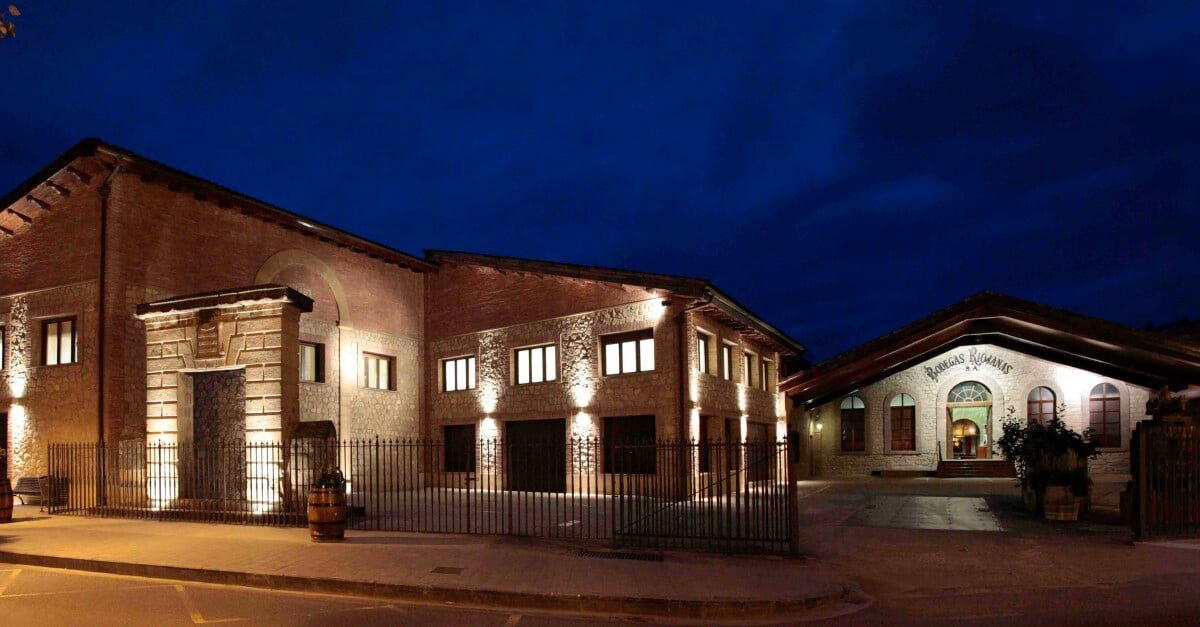
Book Bodegas Riojanas if the priority is classic Rioja cellar heritage and long-aged wine rather than a casual tasting stop. The strongest fit is a celebration, business visit, or collector-led itinerary where the 1890 cellars, Viña Albina, Monte Real, and mature bottle focus justify building time around Cenicero.
Cantine Due Palme
Cellino San Marco, Italy
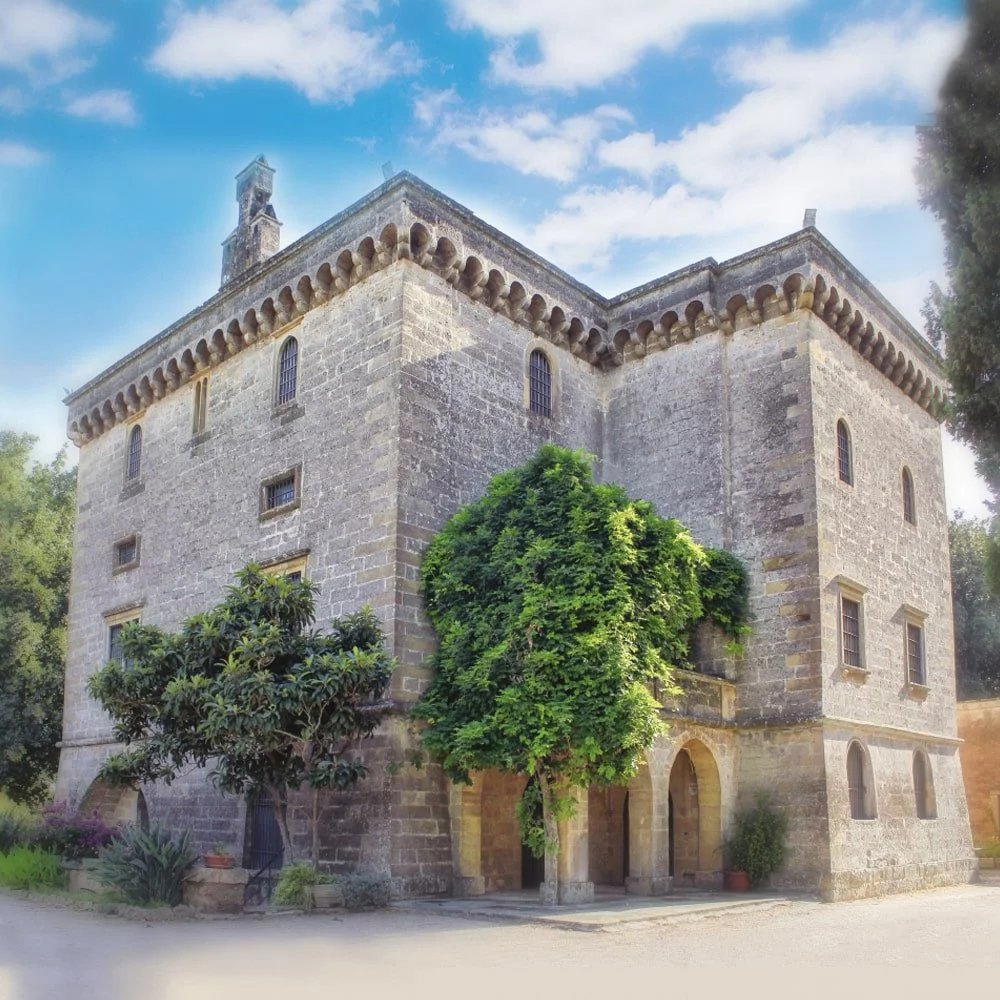
Book Cantine Due Palme if you want an educational Salento winery visit with serious regional context rather than a casual drop-in tasting. The appeal is the cooperative scale, native-grape focus, and recognized labels, making it a strong fit for wine-curious couples or small celebration groups planning a structured stop in Cellino San Marco.
Josh Cellars
Calistoga, United States
Josh Cellars is a practical Calistoga reference point for visitors who want a recognizable California wine name rather than a highly structured estate experience. Use it as part of a wider Napa Valley plan, then compare winery options through Pearl before making it the anchor of the day.
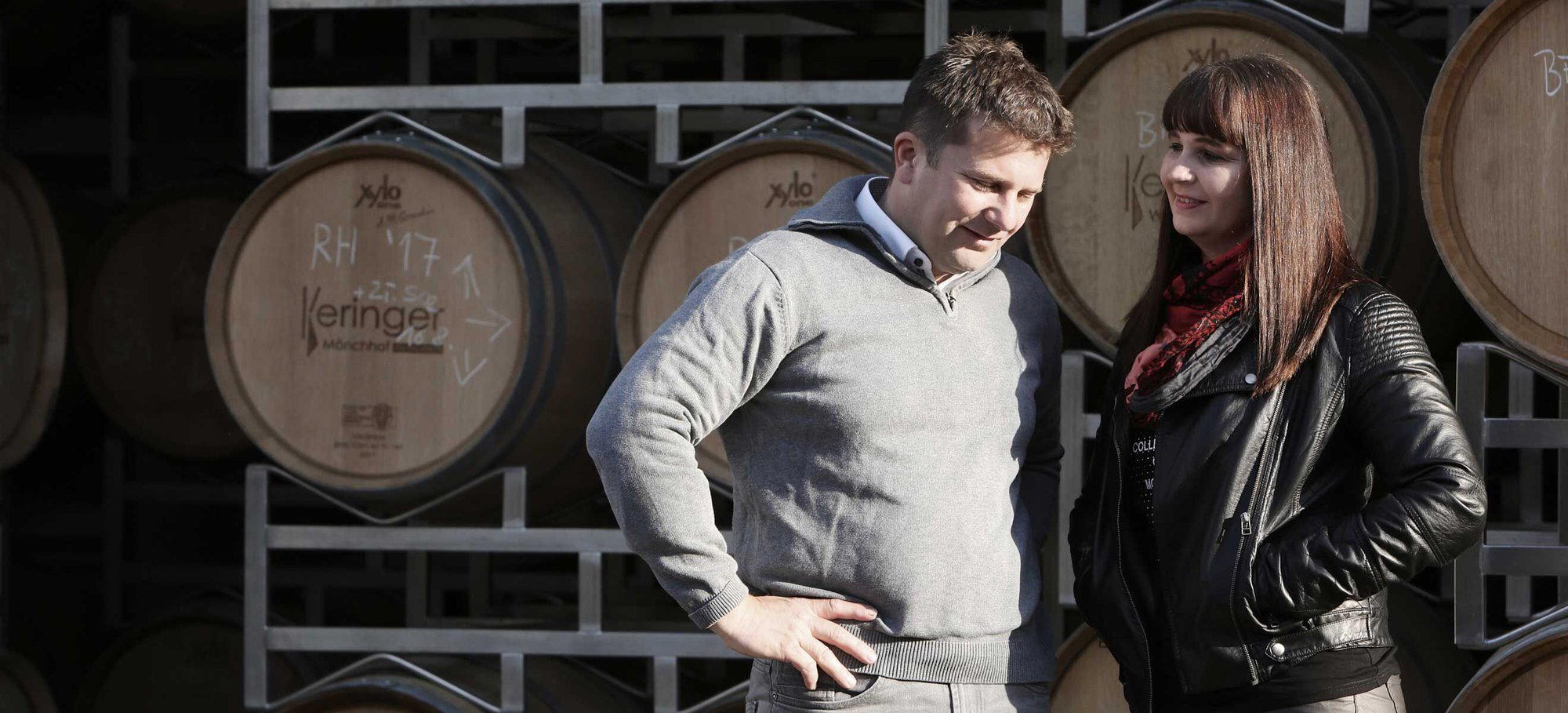
Weingut Keringer
Mönchhof, Austria
A serious Mönchhof wine stop for buyers who care about Burgenland context and longer-term cellar decisions. Worth pursuing if allocation or club access matters; less compelling for a casual, flexible tasting day.
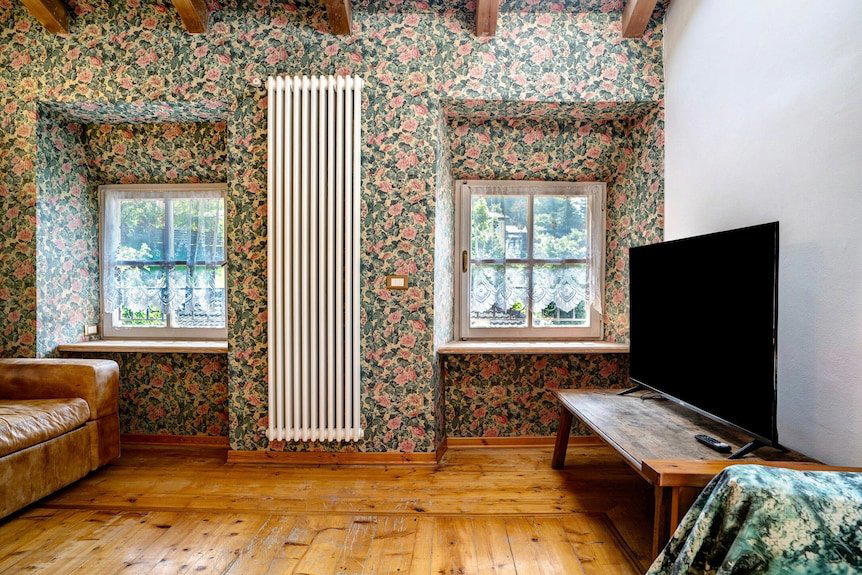
Cantina Romanese
Loweneck, Italy
Book Cantina Romanese if organic Trentino wine, small-producer hospitality, and the Lake Levico underwater-aged Trentodoc story matter more than luxury polish. The visit is better for curious wine travelers and couples than large groups or anyone seeking a formal estate experience.
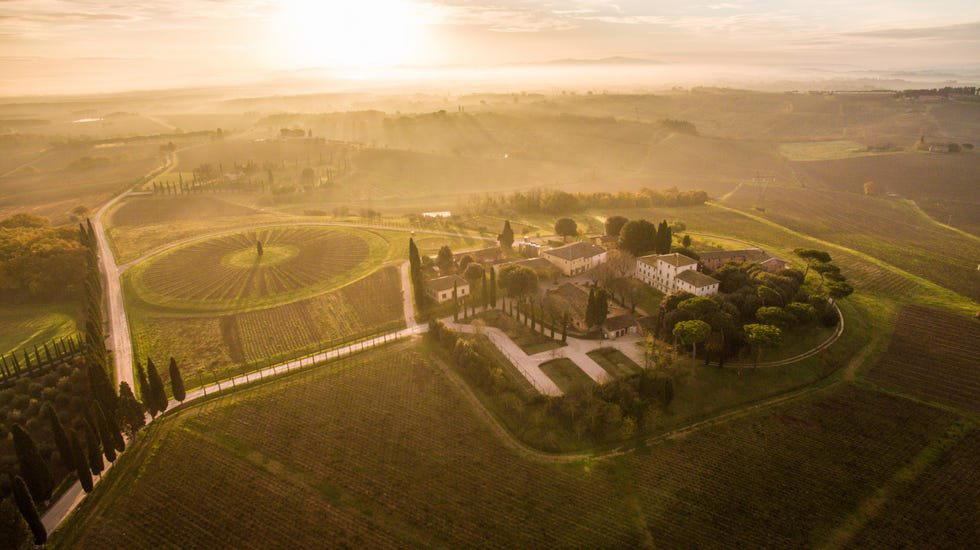
Avignonesi
Montepulciano, Italy
Avignonesi is worth booking if you want a Montepulciano winery visit with depth: Sangiovese, Vino Nobile context, biodynamic farming, and a polished Tuscan estate setting. It is less suited to a quick stop, but strong for travelers building a slower wine-focused day around tastings, vineyard context, and lunch.
Domaine Marchand-Grillot
Gevrey-Chambertin, France
Domaine Marchand-Grillot is worth prioritizing if your Gevrey-Chambertin trip is about Pinot Noir depth rather than polished wine tourism. The draw is a 9-hectare family domaine with 47 plots, single lieu-dit village bottlings, and a traditional Côte de Nuits feel. It is a stronger fit for serious Burgundy learners than casual groups seeking food, design, or a broad hospitality setup.
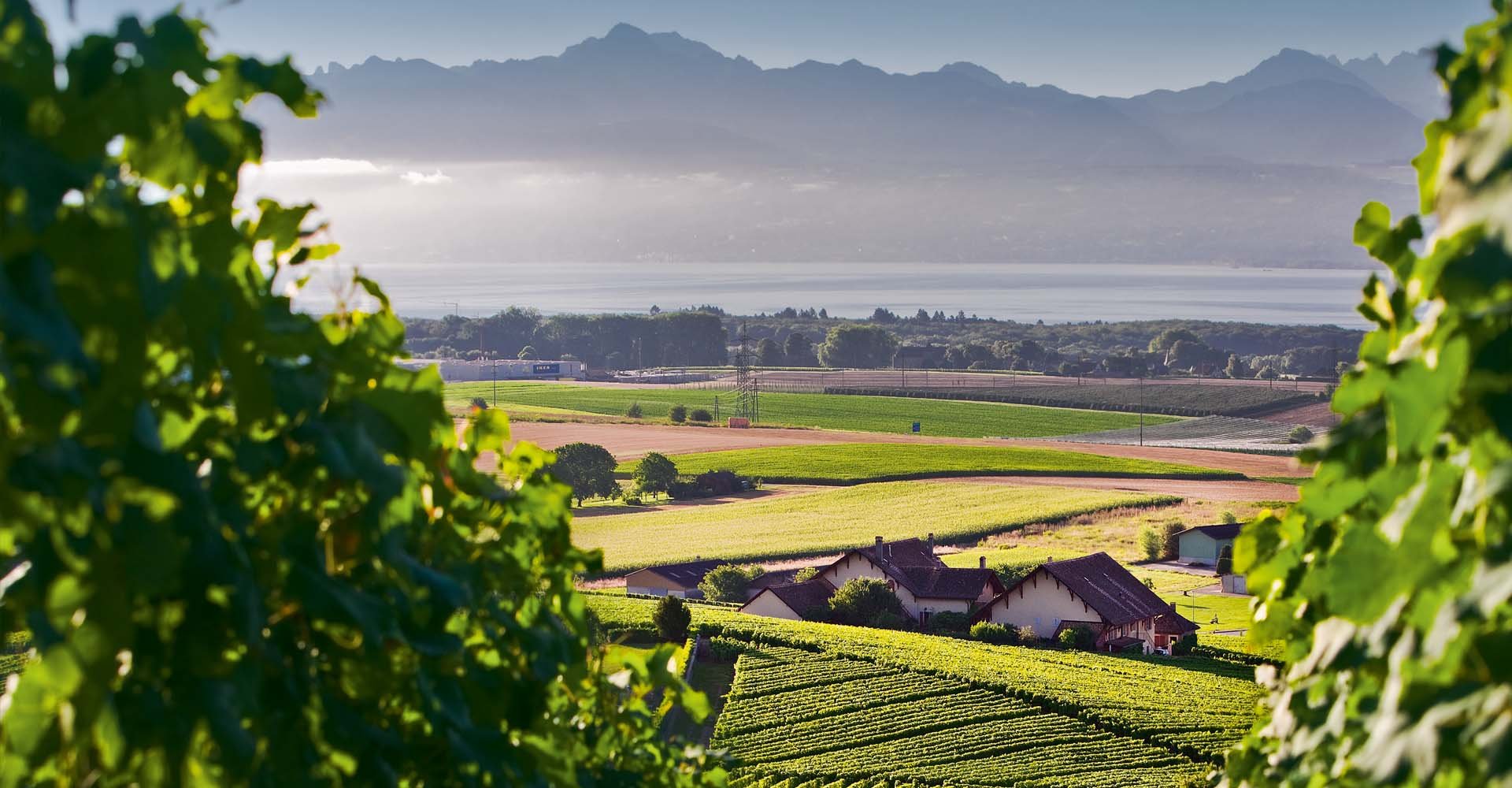
Domaine du Martheray
Fechy, Switzerland
A focused Féchy stop for drinkers who want to understand Grand Cru Chasselas rather than browse a broad tasting lineup. Domaine du Martheray is worth prioritising for a quiet, wine-first visit and a practical food-pairing bottle; skip it if the group wants a full hospitality setup or wide portfolio.
Domaine de la Romanée-Conti
Vosne-Romanée, France
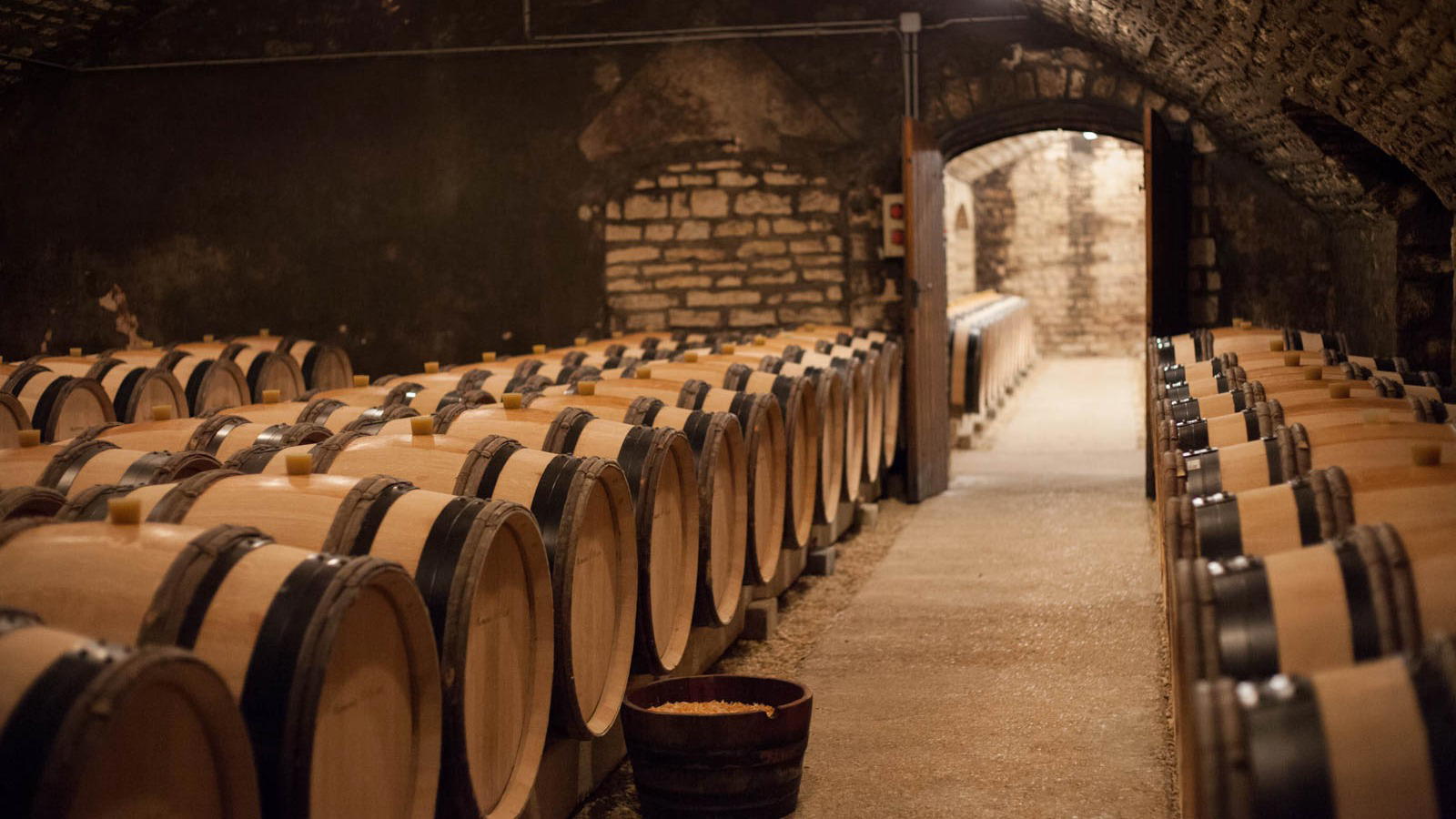
Domaine de la Romanée-Conti is a wine estate in Vosne-Romanée, Burgundy.
Adega do Vadio
Poutena, Portugal
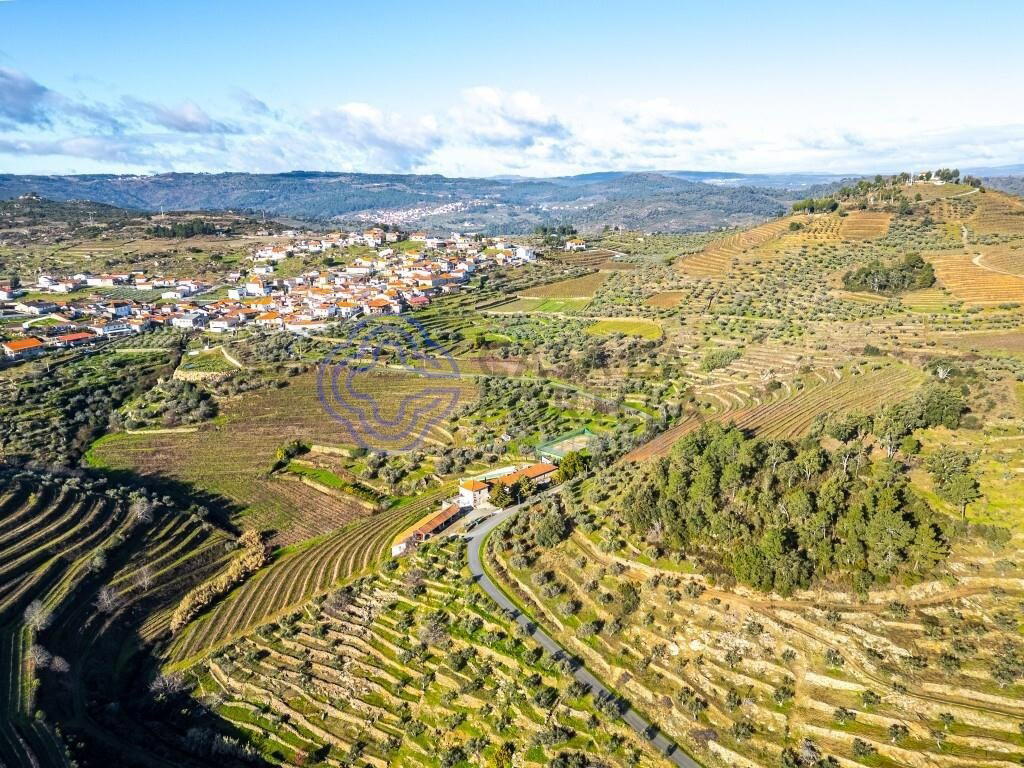
Adega do Vadio works as a compact Bairrada-area wine stop, especially for travelers already building a Poutena wine day. The 2026 Falstaff listing gives it credibility, but with no confirmed flagship bottle, tasting format, pricing, or visitor hours, it is better as a flexible add-on than the anchor of an itinerary.
Meerlust Wine Estate
Stellenbosch, South Africa
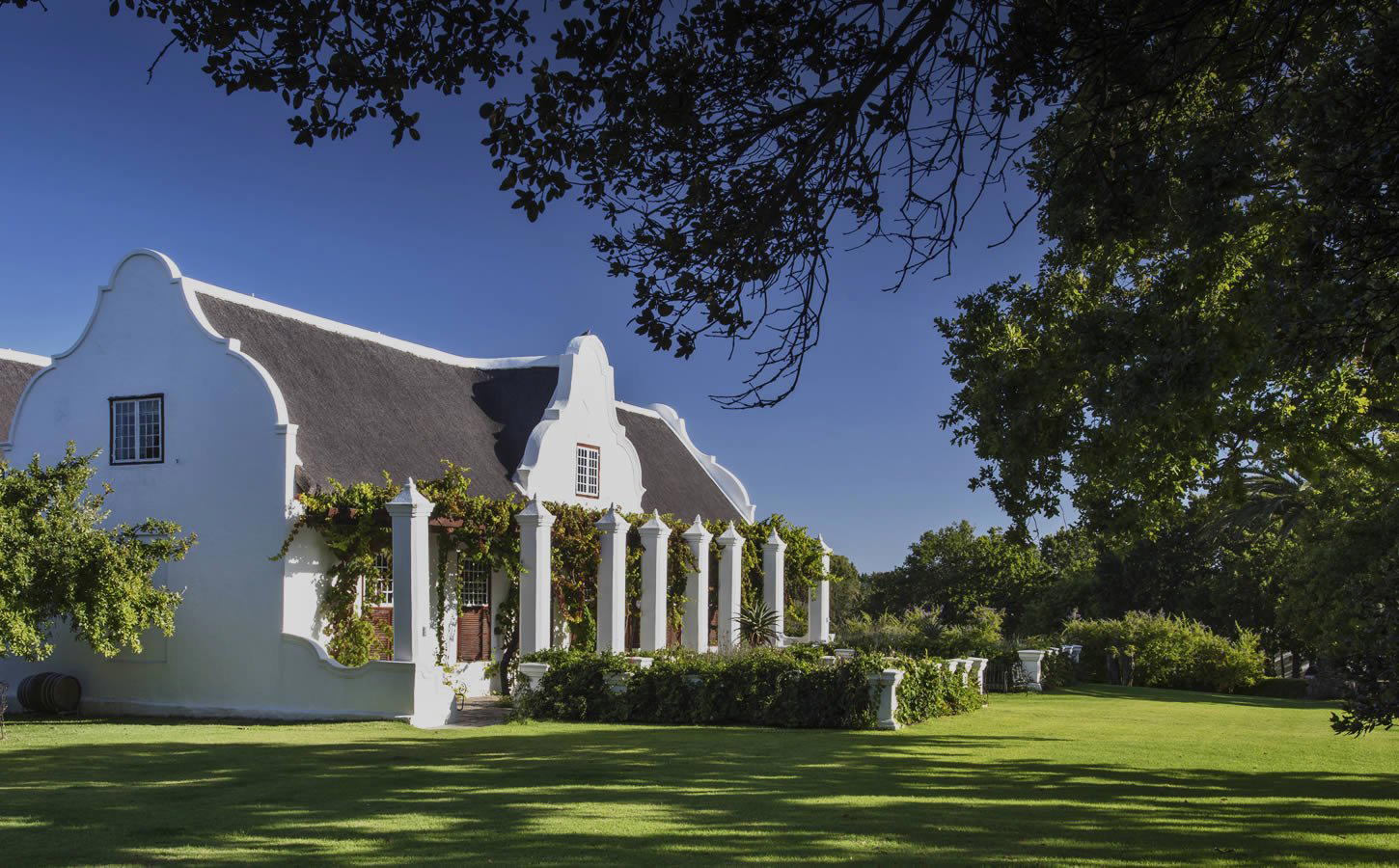
Meerlust Wine Estate is the right call for a focused Stellenbosch tasting where wine credibility matters more than a full food-led estate day. Treat food as a detail to confirm before going, not the reason to book. Better for couples, small adult groups, and business hosting than for casual large-group browsing.
Domaine des Corbillières
Oisly, France
Worth booking if the goal is precise organic Touraine Sauvignon in a quiet working-estate setting. Domaine des Corbillières is strongest for wine-focused travelers who value Oisly terroir, family continuity since 1923, and accessible bottle pricing over hospitality extras or a polished tasting-room setup.
Château La Marzelle
Saint-Émilion, France
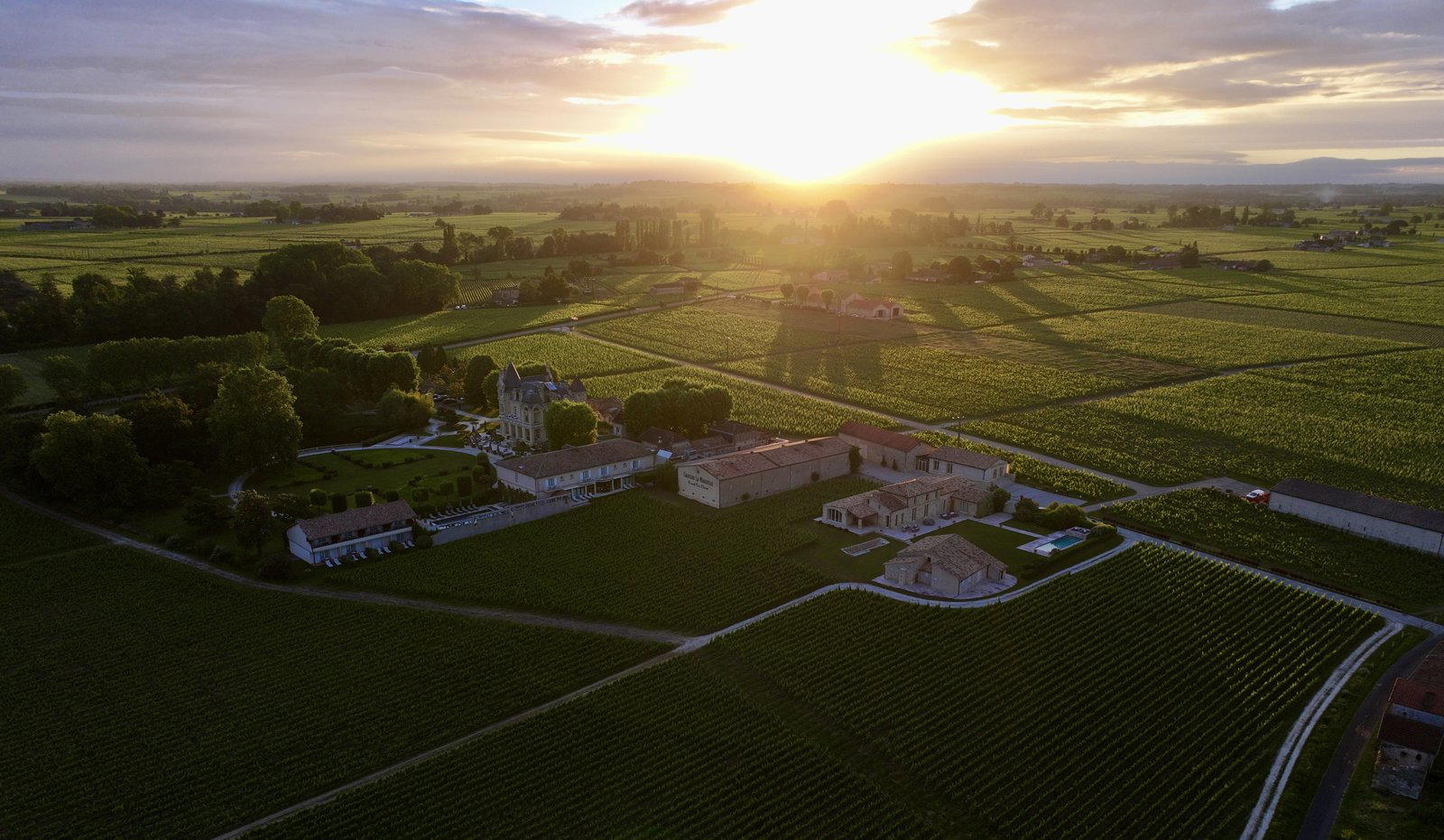
Château La Marzelle is worth prioritizing if you want a Saint-Émilion visit with estate context, organic and biodynamic farming, and a classic vineyard setting. It is a better fit for wine travelers seeking structure and terroir detail than for anyone looking for a casual, food-led tasting stop.
Dalla Valle Vineyards
Napa, United States
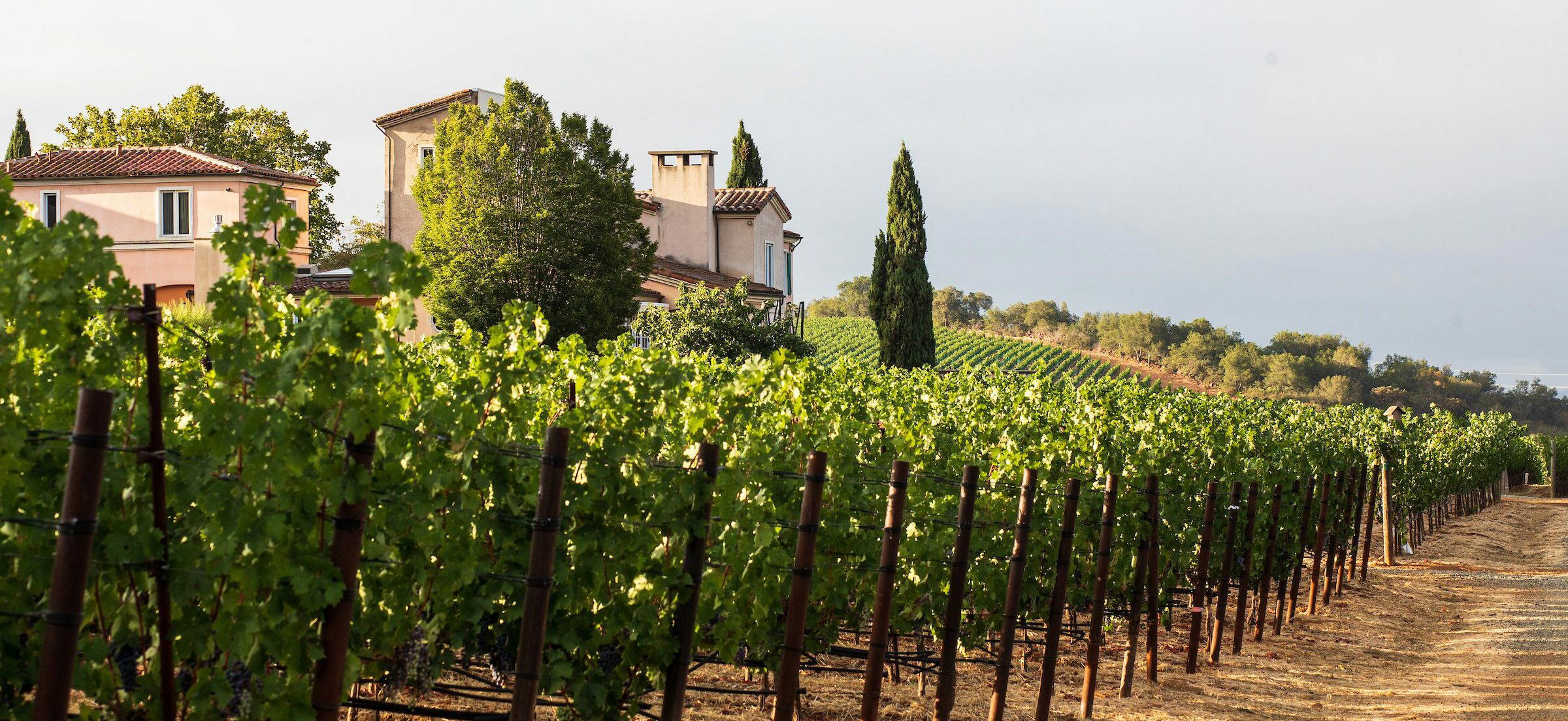
Dalla Valle Vineyards is worth pursuing for a serious Oakville-focused Napa trip, especially if estate Cabernet, vintage history, and producer access matter more than easy scheduling. It is a poor fit for casual tasting crawls or groups that need predictable availability, so line up nearby backups before shaping the rest of the day.
Bodegas Age
Fuenmayor, Spain
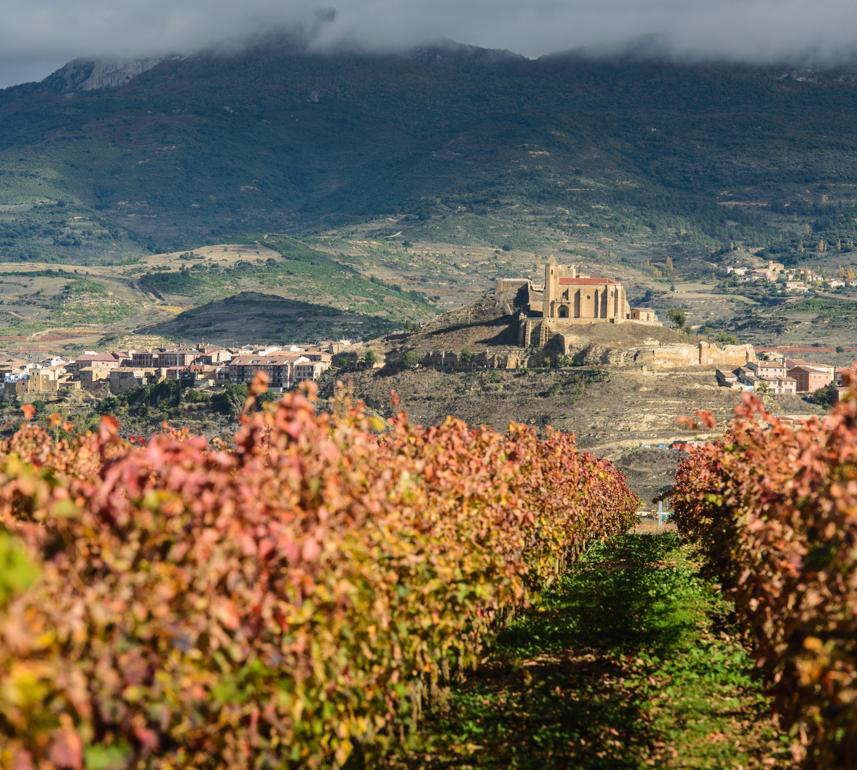
Book Bodegas Age if you want a classic Rioja Alta winery visit focused on aging, aromas, and heritage rather than flashy design. The roughly 90-minute bilingual guided format works well for wine travelers who want context, while private or corporate-style visits make more sense for groups that need a calmer pace and clearer explanation.
Domaine de L'Aurage
Saint Genes De Castillon, France
Domaine de L'Aurage works for a wine-focused stop near Saint-Genès-de-Castillon, especially if the goal is a quieter Right Bank visit rather than a full dining experience. Falstaff listing in 2026 adds a useful credibility signal, but plan food separately and keep the itinerary flexible.
Casa d'Ambra
Forio, Italy
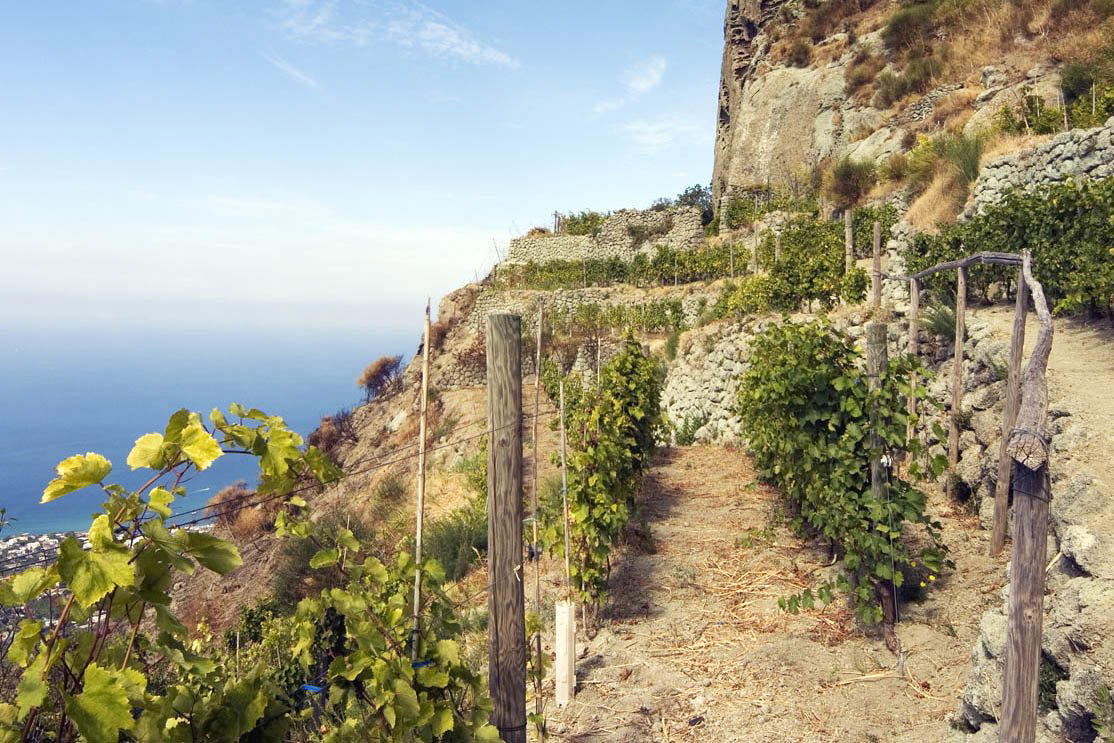
Plan Casa d'Ambra if the goal is to understand Ischia through its native grapes, especially Biancolella and Forastera. The setting above the Bay of Citara adds appeal, but the real value is the combination of family history, volcanic vineyard work, and a flagship white-wine story that gives the tasting more depth than a scenic stop.
J. L. Chave Sélection
Mauves, France
Book this into a Mauves wine day only if the priority is northern Rhône depth and a research-led visit. It is a stronger fit for experienced wine travelers than for groups seeking a polished, highly structured tasting stop with confirmed amenities.
Larmandier-Bernier
Vertus, France
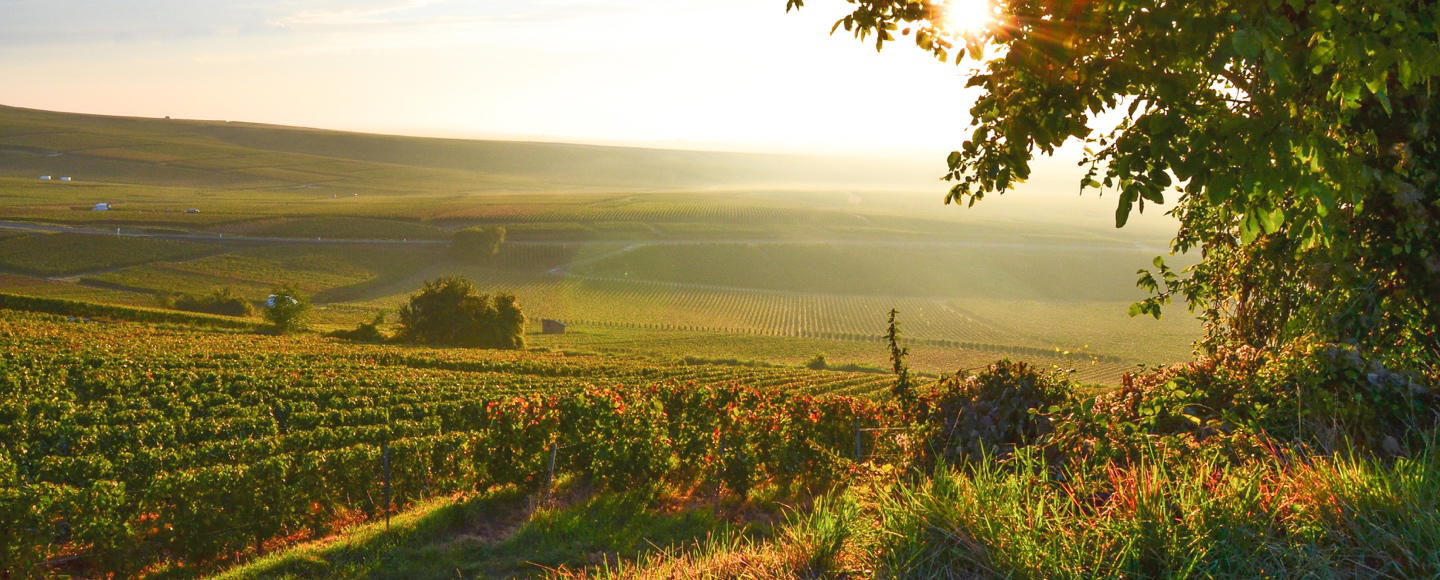
Visit Larmandier-Bernier in Vertus by appointment on a weekday morning. The estate's Chardonnay-led Champagnes, biodynamic farming and native-yeast cellar work make this a wine-focused stop.
Champagne Philizot et Fils
Reuil, France
A strong choice for Champagne travelers who want a quieter, appointment-led producer visit in Reuil rather than a large-house experience. The $$$ price tier makes sense if you care about Marne Valley context, family-scale production, and a more focused tasting; casual visitors looking for a drop-in glass may get less value.
Champagne Cordeuil Père et Fille
Noe Les Mallets, France
Champagne Cordeuil Père et Fille works for a quieter, village-scale Champagne stop in Noe Les Mallets, especially for couples or small groups planning a celebration without heavy reservation friction. Treat it as part of a wider day rather than the only destination, and pair planning with Pearl’s Noe Les Mallets winery, restaurant, hotel, bar, and experience guides.
Gamba
Marano di Valpolicella, Italy
Book Gamba if you want a grounded Valpolicella Classica winery visit built around terraced vineyards, family ownership, and a relaxed hillside atmosphere. It is better for couples and small celebrations than for anyone expecting a formal food-pairing program or high-design hospitality experience.
Domaine de Soleure
Le Landeron, Switzerland
Domaine de Soleure is worth planning for if heritage, organic viticulture, and classic Swiss varieties matter more than a polished tasting-room setup. Treat it as a focused Le Landeron cellar-shop stop for Chasselas, Pinot Noir, and Cuvée Wengi bottlings, not as a full food-and-wine occasion.
Baur Weine
Rafz, Switzerland
A rural Rafz cellar with a family-run feel, Baur Weine is worth planning for if PIWI varieties, vineyard context, and informal producer access matter to the visit. It is better for small celebrations or curious wine drinkers than for anyone seeking a polished luxury tasting format.
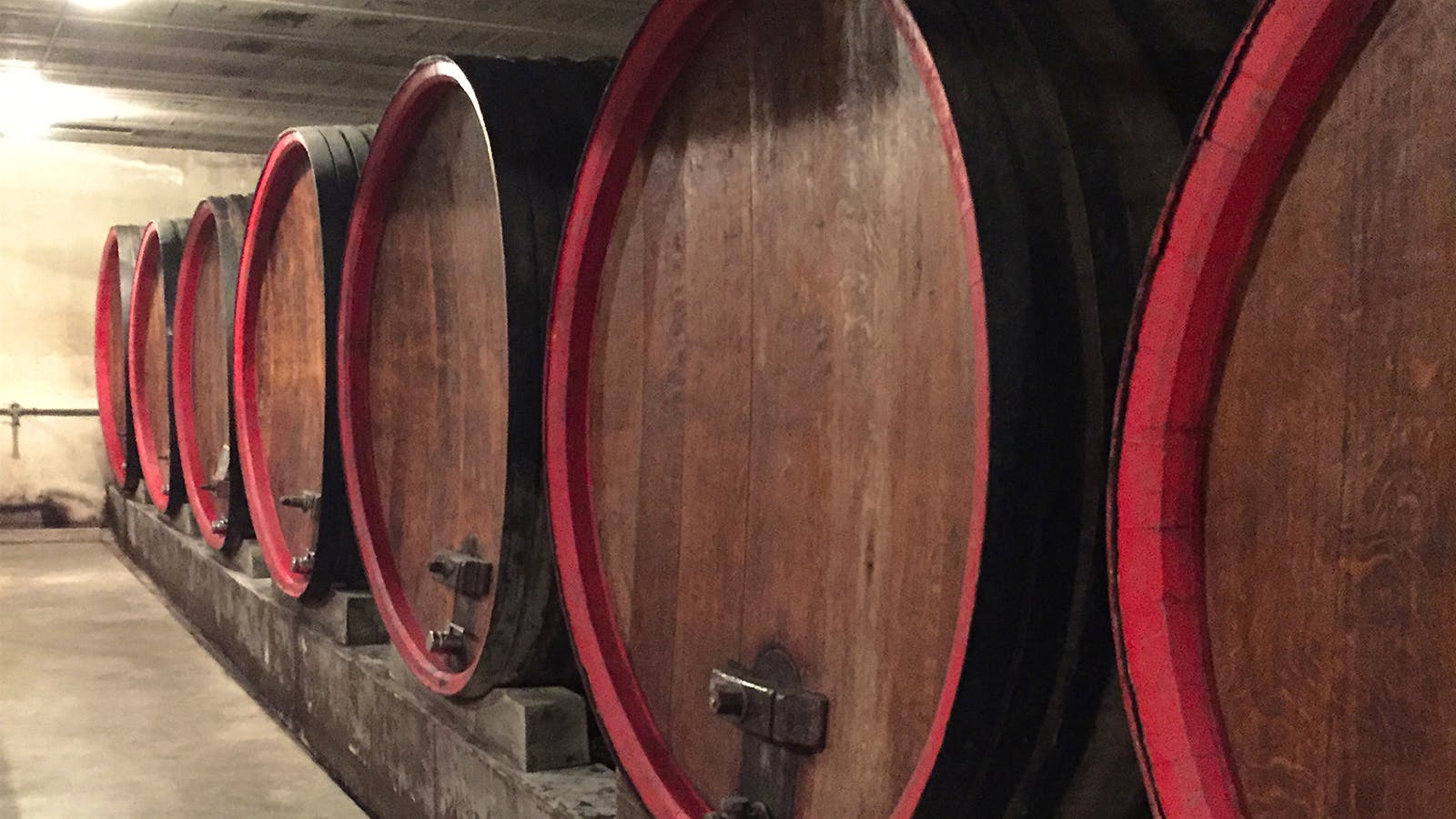
Domaine du Vieux Donjon
Châteauneuf-du-Pape, France
Prioritize Domaine du Vieux Donjon if the trip is about serious Châteauneuf-du-Pape producers rather than a casual tasting-room circuit. Its first vintage in 1979 and Pearl 4 Star Prestige recognition in 2025 make it a strong target for wine-focused travelers, but plan alternatives nearby in case timing or access is difficult.
HIESTAND Weingut & Hofbrennerei
Guntersblum, Germany
Worth arranging for a quiet, cellar-led Rheinhessen tasting with organic wines, historic maturation context, and a small Hofbrennerei angle. It suits couples, small celebrations, and business guests who want conversation and place-driven wines more than a fast tasting-room stop.
Iñigo Manso Vinos y Viñedos
Turdomar, Spain
Book Iñigo Manso Vinos y Viñedos if you want a quiet, rural winery stop in Turdomar rather than a highly produced tasting-room experience. It is a stronger fit for repeat wine travelers than first-timers, with a modest price signal and Falstaff Listed 2026 visibility, but limited public detail on tasting format or bottle lineup.
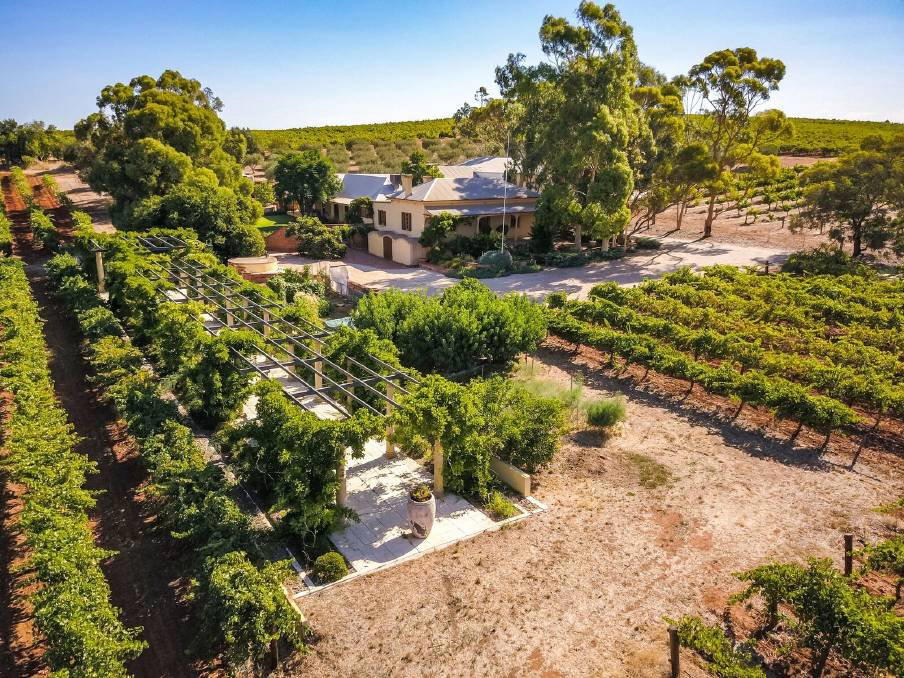
Greenock Creek Wines
Barossa Valley, Australia
Greenock Creek Wines is worth prioritising if the trip is built around serious Barossa wine rather than a flexible cellar-door crawl. It is a stronger fit for couples, collectors, and occasion-led visits than for groups needing food, long dwell time, or an easy backup plan. Put it early in the itinerary and cross-shop nearby producers if access is tight.
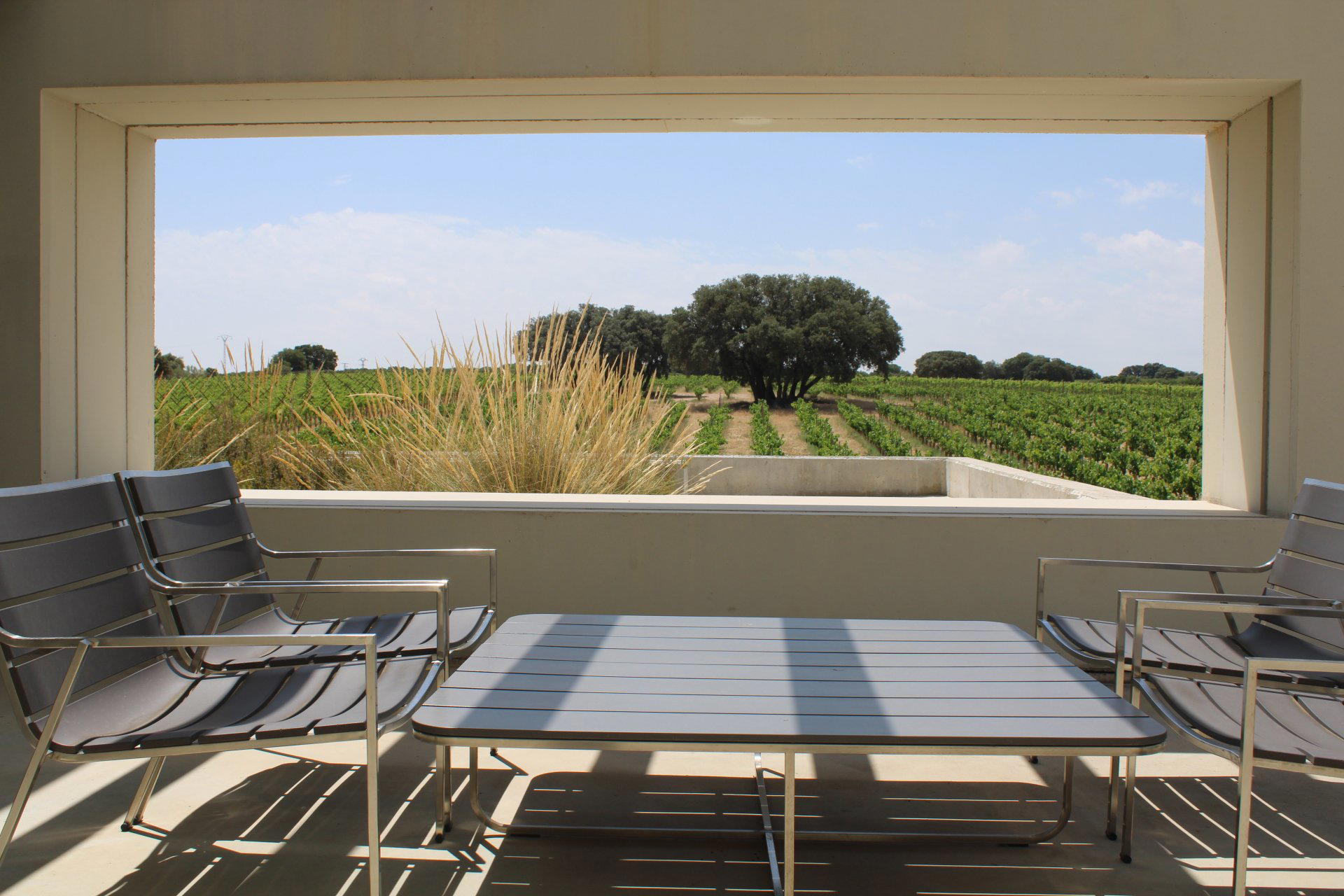
Bodega Dehesa de Luna
La Roda, Spain
Bodega Dehesa de Luna is a better fit for wine travelers who care about estate setting than for visitors chasing a quick tasting-room stop. Its Falstaff 2 Stars recognition gives it credibility, but the decision should be driven by whether you have time to make the countryside location part of the day.
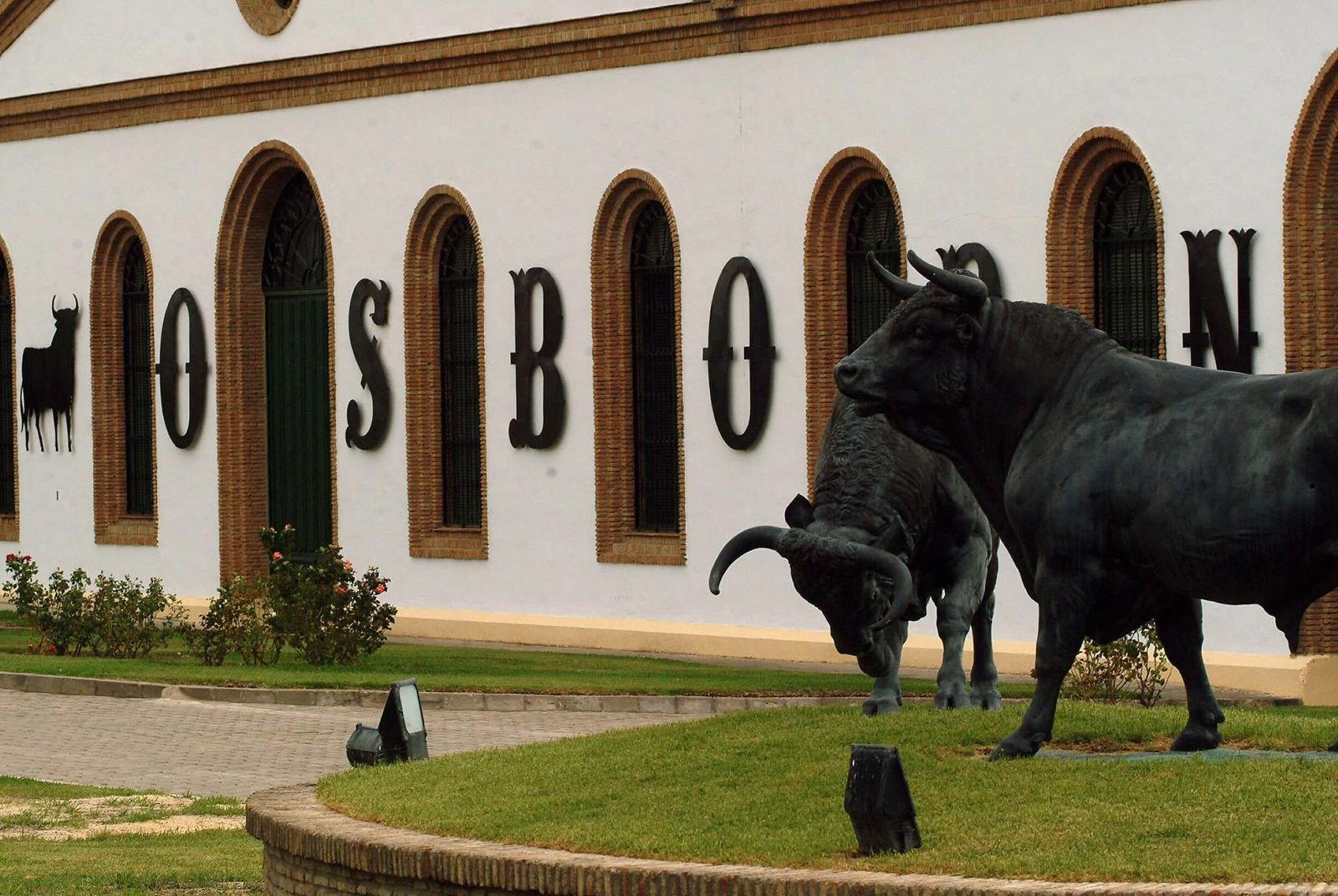
Osborne y Cia
El Puerto De Santa Maria Cadiz, Spain
Book Bodegas Osborne if you want a polished, first-timer-friendly sherry cellar visit in El Puerto de Santa María. The value is in the heritage setting, guided context, and range of fortified-wine styles, not in a scarce allocation or club model. It suits couples, curious drinkers, and groups who want a calm, educational tasting.
Crifo
Ruvo di Puglia, Italy
Crifo works for wine travellers who want Alta Murgia context rather than a glossy cellar experience. The appeal is its cooperative scale, Nero di Troia focus, and Ruvo di Puglia heritage; choose it for regional understanding and value-minded tasting, not for a heavily staged luxury visit.
Domaine des Saumades
Courthézon, France
Domaine des Saumades is a sensible Courthézon pick for a focused Châteauneuf-du-Pape wine stop, especially if the plan is a small celebration rather than a full hospitality experience. Its Falstaff Listed 2026 recognition gives it enough credibility to anchor a wine-led itinerary, but confirm any private or group format before building the day around it.
Gilbert’s
Porto, Portugal
Gilbert’s is worth prioritizing if the goal is mature Port, older Colheita, or a collector-minded private tasting rather than a casual winery stop. Its appeal is heritage, cellar age, and traditional Douro fortified-wine categories; casual visitors may get better value from a broader Porto tasting plan.
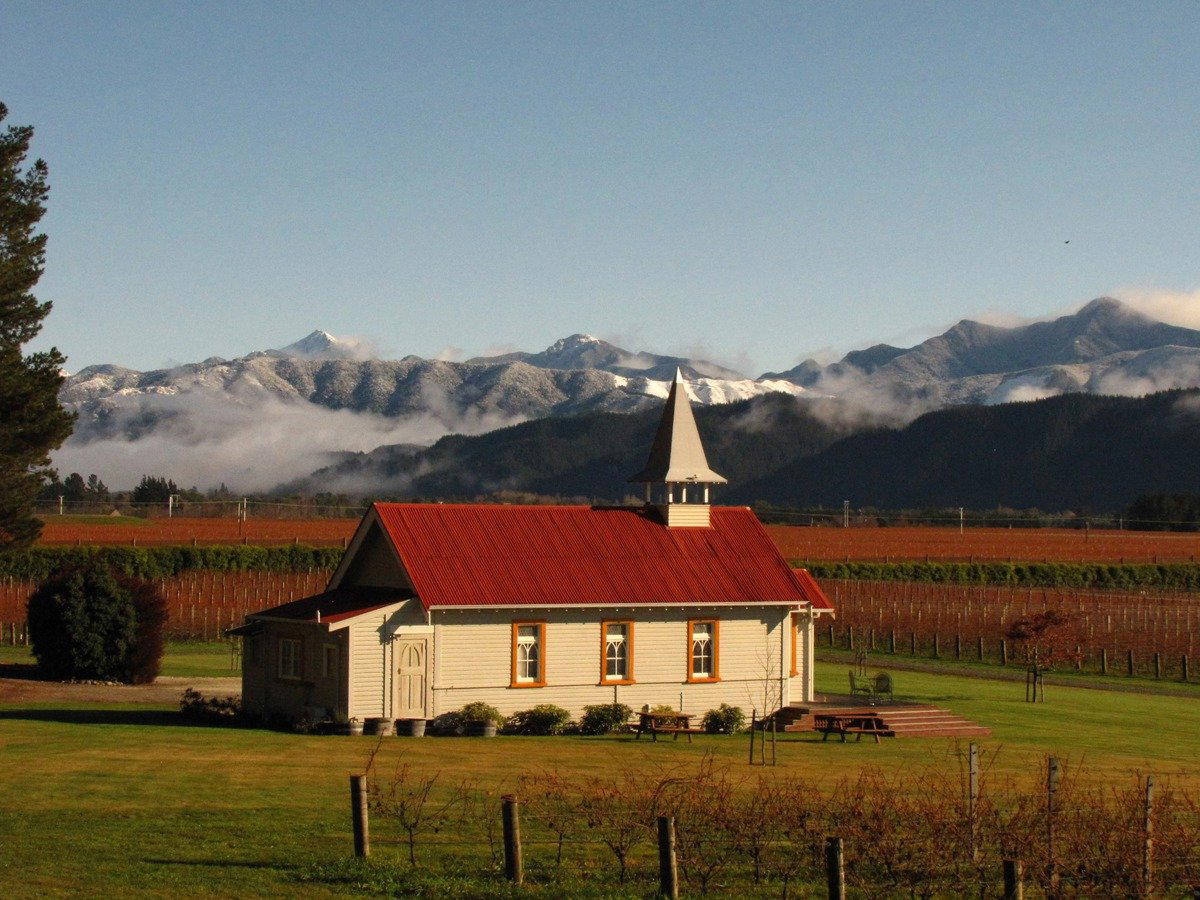
Clos Henri
Blenheim, New Zealand
Clos Henri is a strong Blenheim choice for wine travellers who want a producer-led Marlborough stop rather than a casual tasting squeezed between meals. The case rests on focus and recognised quality, including Falstaff 4 Stars for 2026; plan food, timing, and transport separately before building the day around it.
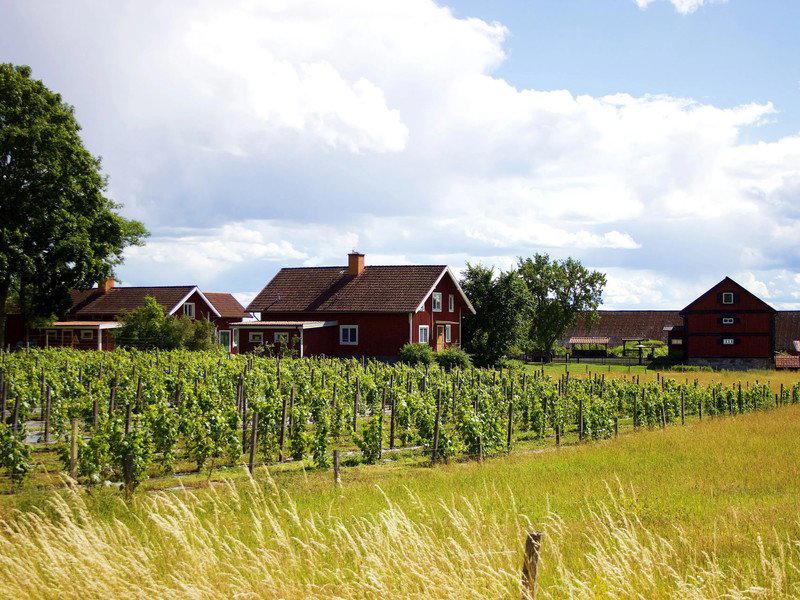
Weingut Heinrich Hartl
Oberwaltersdorf, Austria
A serious Oberwaltersdorf winery pick for wine-led occasions where producer credibility matters more than published visitor details. It suits couples, collectors, and small hosted groups who can plan ahead and stay flexible; choose a more transparent alternative if the occasion requires food service, fixed hours, or clear group capacity before committing.

Sutor
Podraga, Slovenia
Sutor is a better fit for wine travelers building a flexible Podraga itinerary than for anyone needing a confirmed dining or premium private-tasting format. Treat it as a focused village winery stop, confirm arrangements ahead, and pair it with the wider Podraga wineries, restaurants, hotels, bars, and experiences guides for a fuller day.
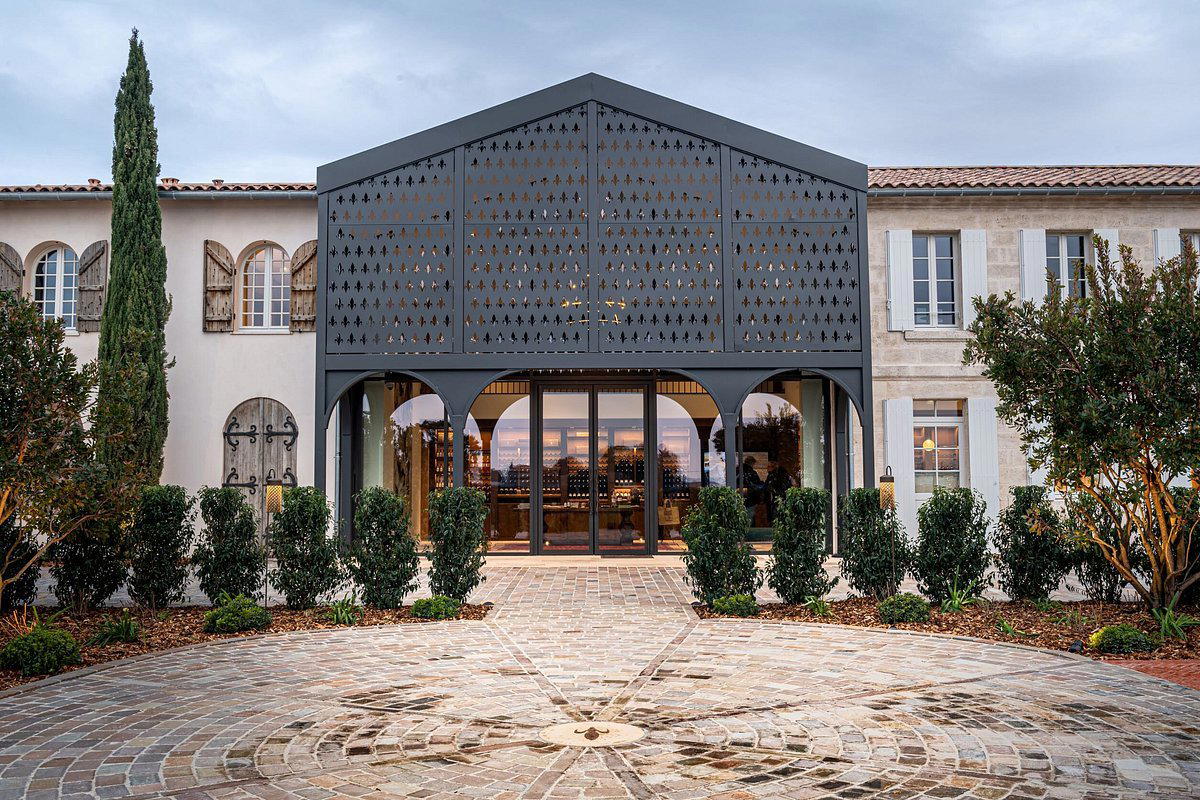
Château Adaugusta
Saint Hippolyte, France
A better fit for return Saint-Émilion visitors than first-timers chasing château scale, Château Adaugusta offers a quiet, small-estate tasting built around one Saint-Émilion Grand Cru. Go if food pairing, old-vine Merlot-led Bordeaux, and close-range hospitality matter more than a large portfolio or grand visitor circuit.
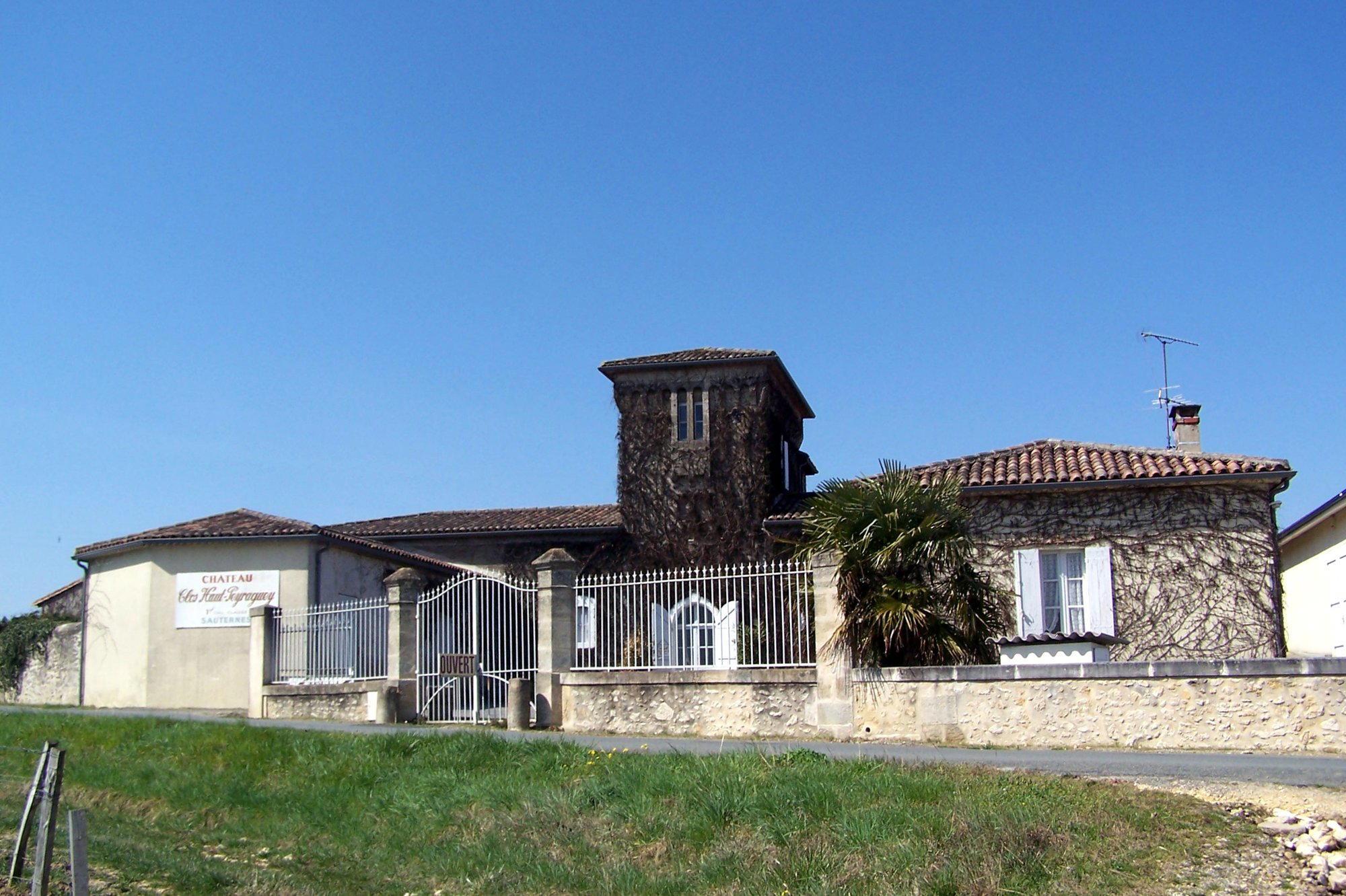
Clos Haut-Peyraguey
Bommes, France
A high-prestige Sauternes stop in Bommes for travelers who care more about wine context than a confirmed food-led visit. Worth planning around if the day is focused on serious sweet-wine addresses, but confirm tasting and pairing details before building meals around it.
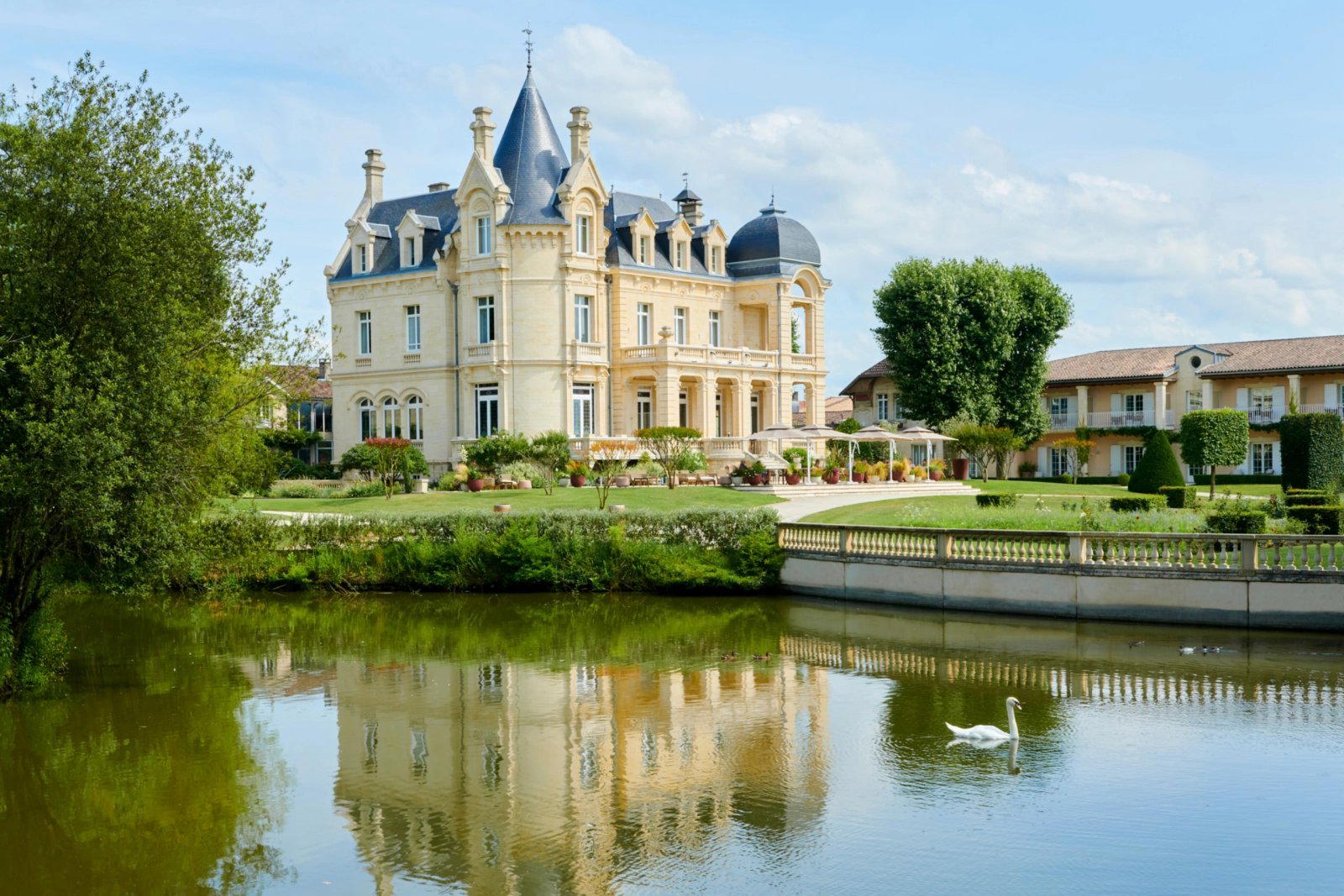
Château Alcée
Saint Cibard, France
Château Alcée works if the goal is a quiet, value-minded Saint-Cibard wine stop rather than a fully packaged visitor experience. The strongest case is regional context: Côtes de Castillon can reward drinkers who want Bordeaux depth without building the day only around famous names. Plan flexibly and confirm practical details before going.
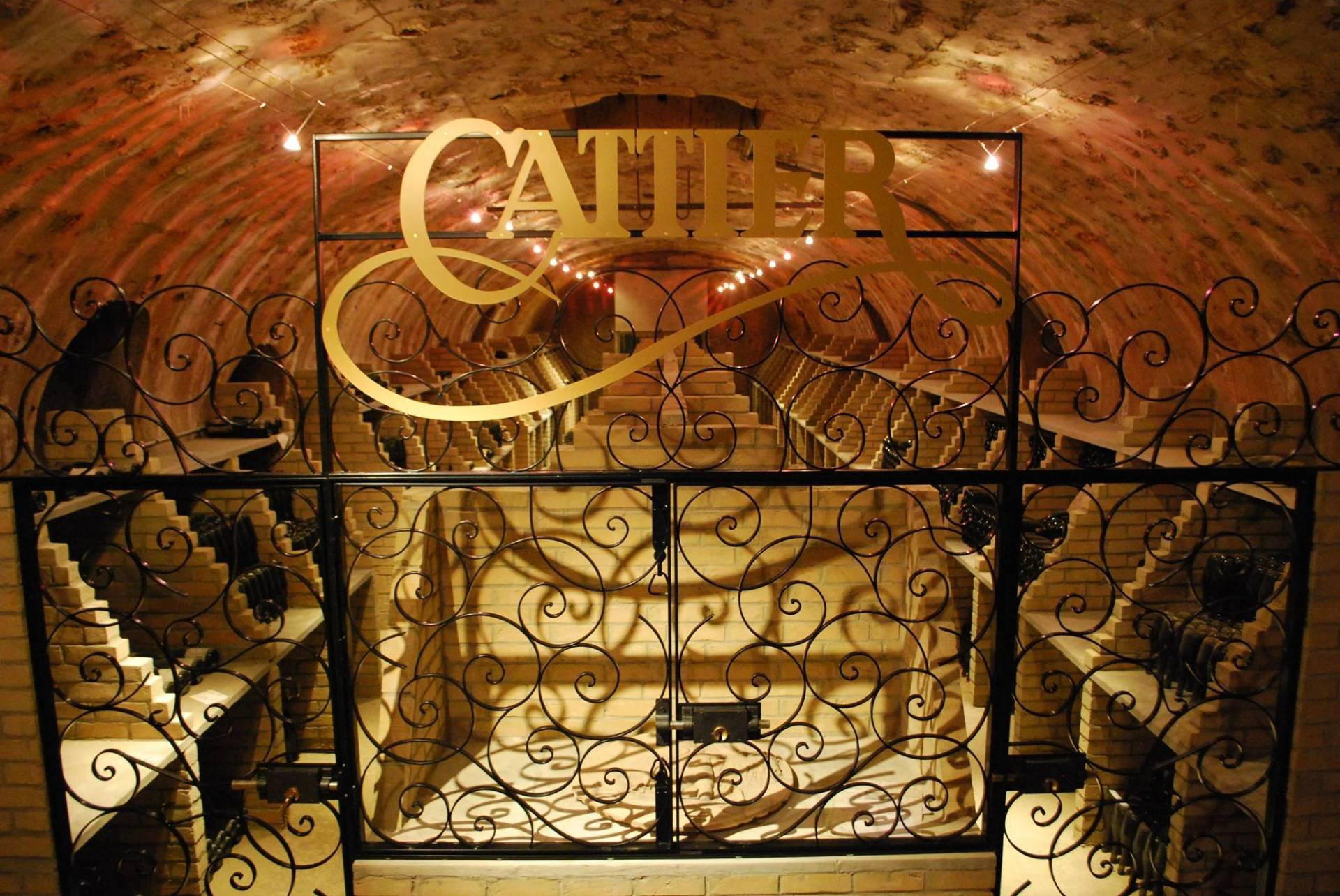
Champagne Cattier
Chigny-les-Roses, France
Book Champagne Cattier if you want a serious Montagne de Reims visit built around Premier Cru vineyards, family continuity, and long-aged cuvées rather than a quick tourist tasting. The strongest reasons to prioritise it are the 33-hectare estate base, HVE-certified sustainable farming, Falstaff 2 Stars (2026), and collector relevance of Clos du Moulin.
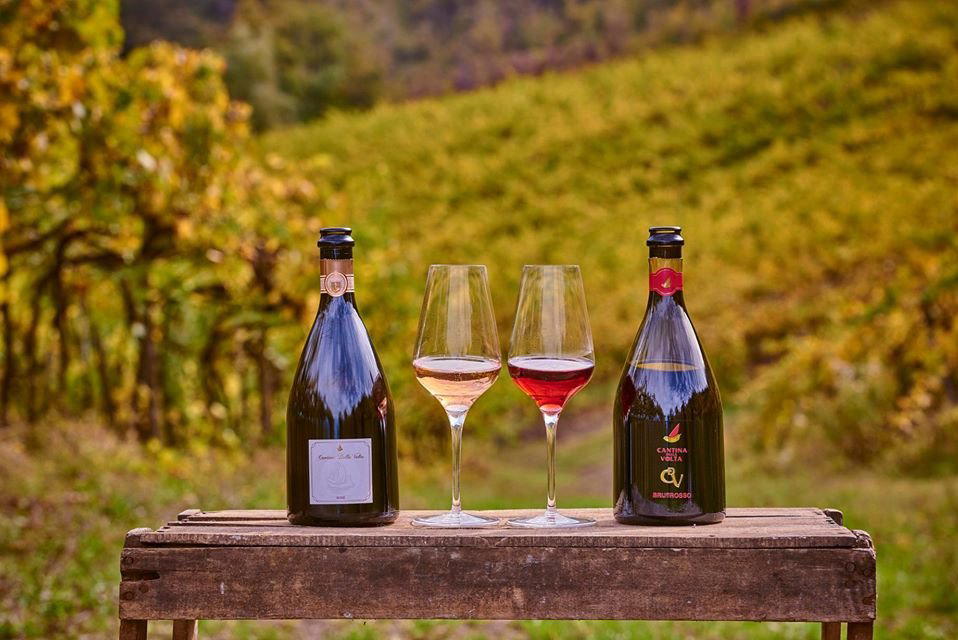
Cantina della Volta
Bomporto, Italy
Seasonal Emilia-Romagna wine trips should treat Cantina della Volta as a focused Bomporto stop, not a full-day hospitality fallback. The 2026 Falstaff 4 Stars signal is the reason to pay attention, but absent confirmed pricing or club terms, the smarter move is selective buying after assessing cellar fit.
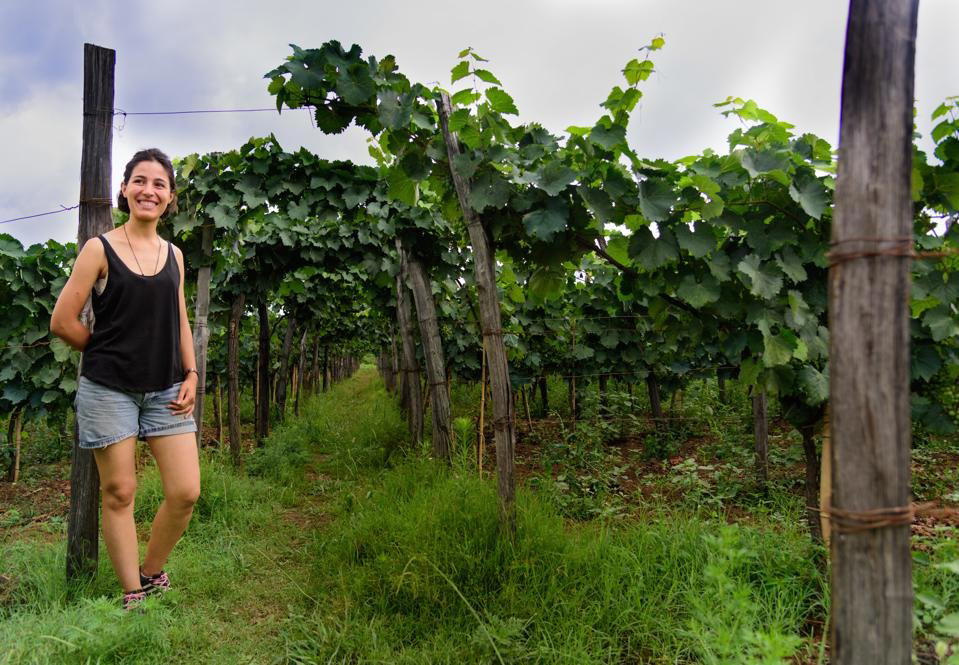
Baia's Wine
Obcha, Georgia
Baia's Wine is a better fit for wine travelers seeking Georgian producer context than for visitors who need a fully published tasting format in advance. The Falstaff Listed recognition for 2026 is the main trust signal; plan it as part of a wider Obcha wine route and confirm practical details before committing the day.
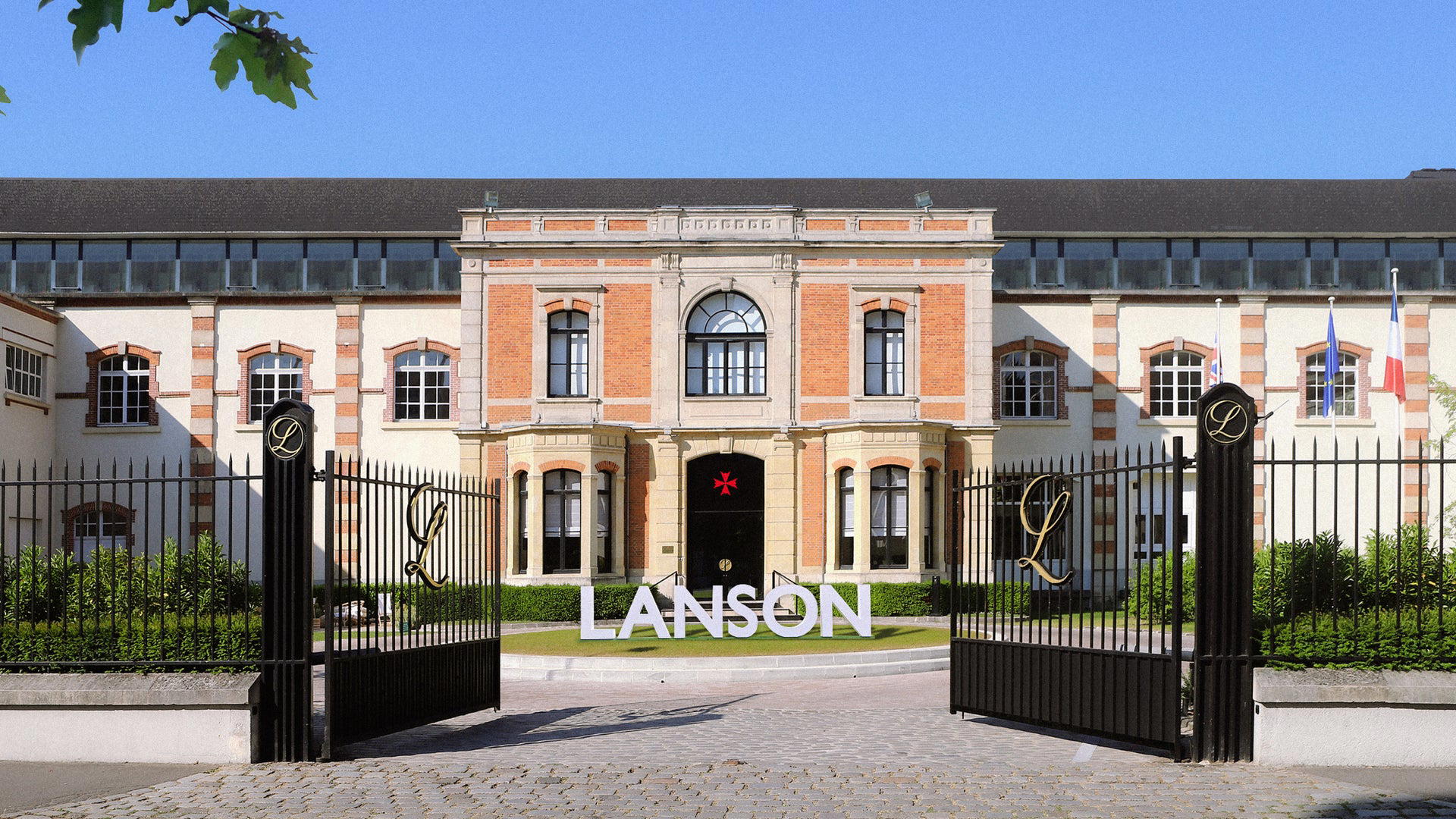
Lanson
Reims, France
Lanson offers guided cellar tours at 66 rue de Courlancy in Reims. Book a tour in advance, or visit the shop and taste without a tour or reservation, according to the house’s current visitor information.
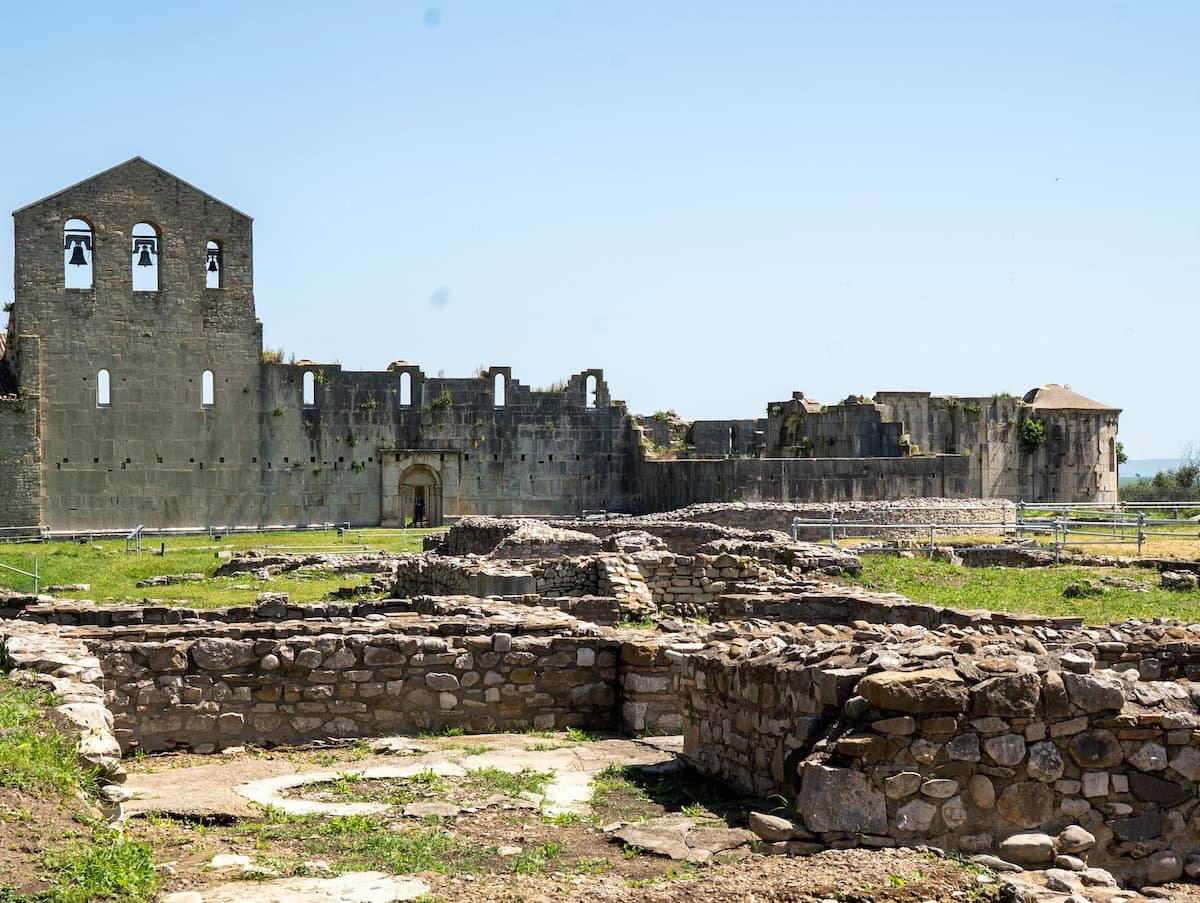
Cantina di Venosa
Venosa, Italy
Book Cantina di Venosa if the goal is a serious Basilicata wine stop in Venosa, especially for a date, small celebration, or business guest who values regional context. Falstaff 2 Stars (2026) gives it a clear trust signal; plan ahead rather than treating it as a casual add-on.
Divino
Nordheim, Germany
Divino is worth prioritizing if a Nordheim wine day needs breadth, food support, and a polished vinothek setting rather than a quick cellar stop. The cooperative format gives useful access to Franconian styles across villages, with Falstaff 2 Stars in 2026 adding credibility for visitors who want more than a casual tasting.
Kardeneli Winery
Imereti, Georgia
Kardeneli Winery works for a quiet, appointment-only Imereti wine stop with a small family winery feel and a moderate $$ price signal. The 2026 Falstaff listing gives it a useful trust marker, but go in for regional context and a rural cellar visit rather than a fully scripted tasting program.
Château Jean de Gué
Saint-Émilion, France
Château Jean de Gué is worth booking if you want a focused Lalande-de-Pomerol visit with polished, Merlot-led Bordeaux at a moderate tier. The draw is wine quality and right-bank context, backed by Falstaff 1 Star recognition in 2026, rather than a broad hospitality setup. Better for engaged repeat visitors to Saint-Émilion than casual drop-ins.
Bründy – Wein Werk Wagram
Feuersbrunn, Austria
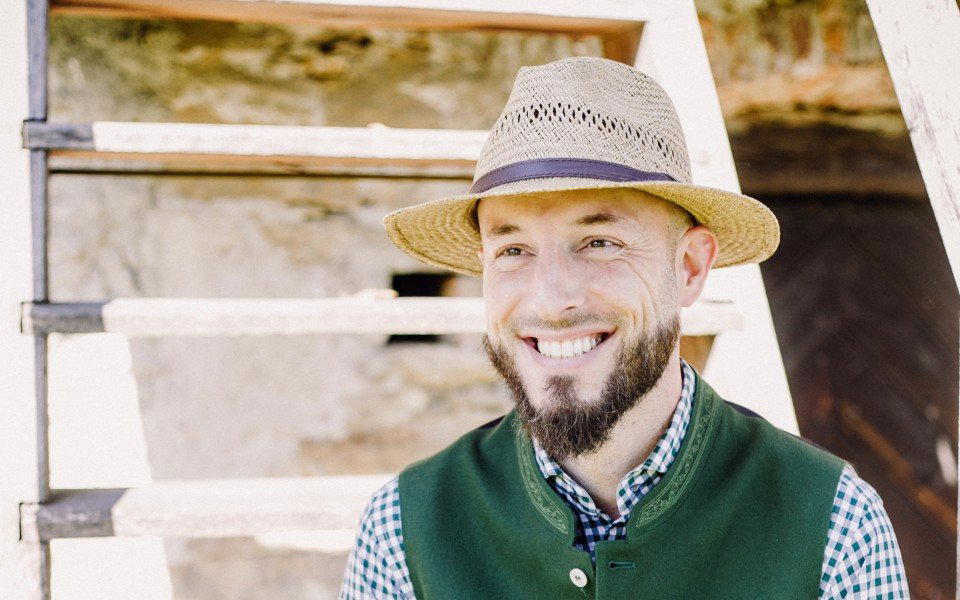
A quiet, rustic Wagram winery for visitors who care more about regional grapes than polished hospitality. The value case is strongest around Grüner Veltliner and the estate’s Falstaff-recognised track record; go for a low-key Feuersbrunn tasting, not a formal luxury wine experience.
Duboković
Jelsa, Croatia
Duboković works if you are already building a wine-focused itinerary around Jelsa and want a producer with 2026 Falstaff recognition. It is a weaker choice for a remote wine-club decision unless current membership, shipping, and pricing terms are confirmed first.
Château Roquefort
Lugasson, France
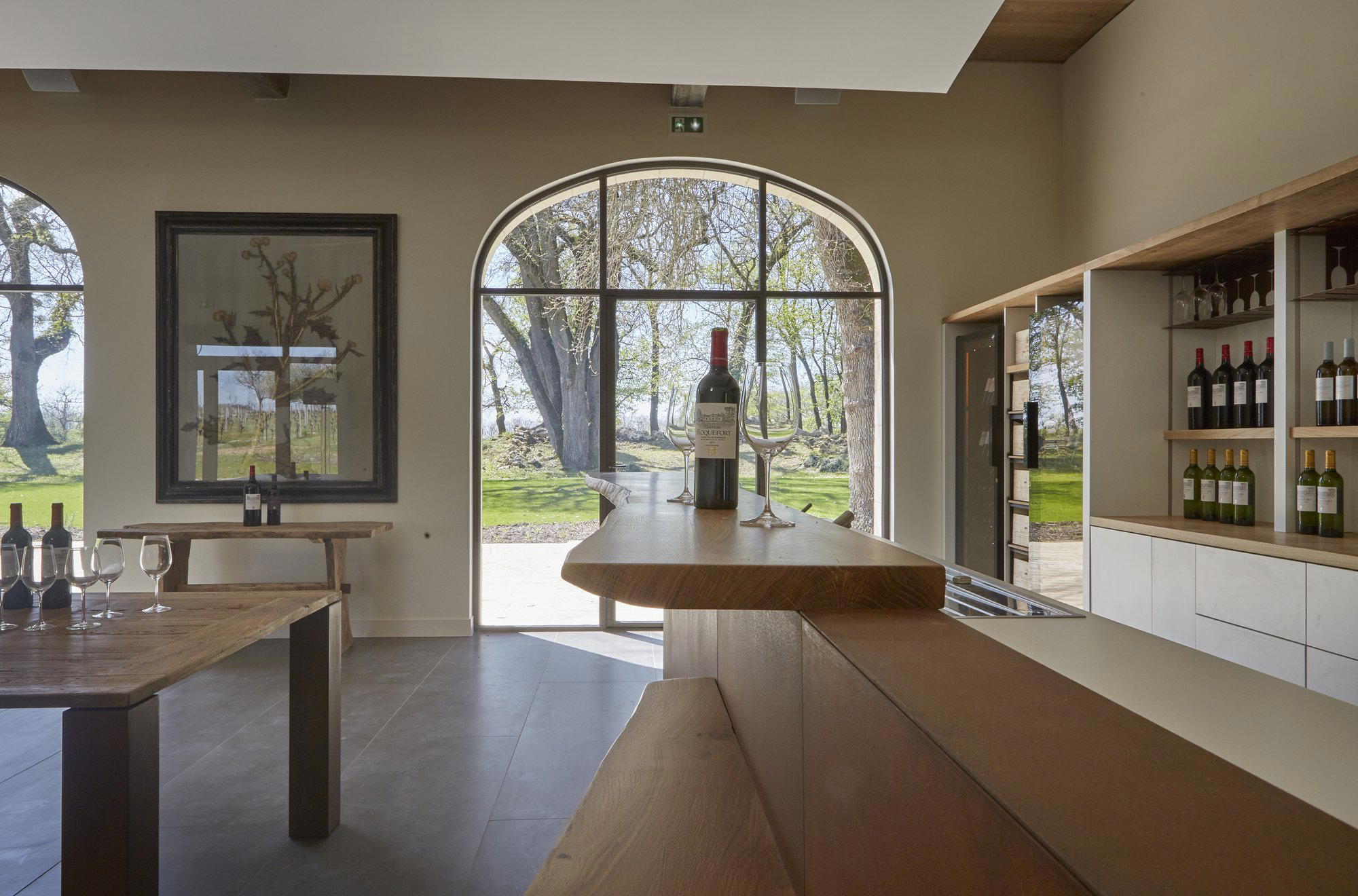
Château Roquefort is worth booking for a relaxed, educational Entre-Deux-Mers tasting with strong value and a useful sustainability angle. First-timers should start with the organic Sauvignon Blanc side of the portfolio, then taste the reds before deciding whether the reserve cuvées justify taking bottles home.
Castello di Volpaia
Radda in Chianti, Italy
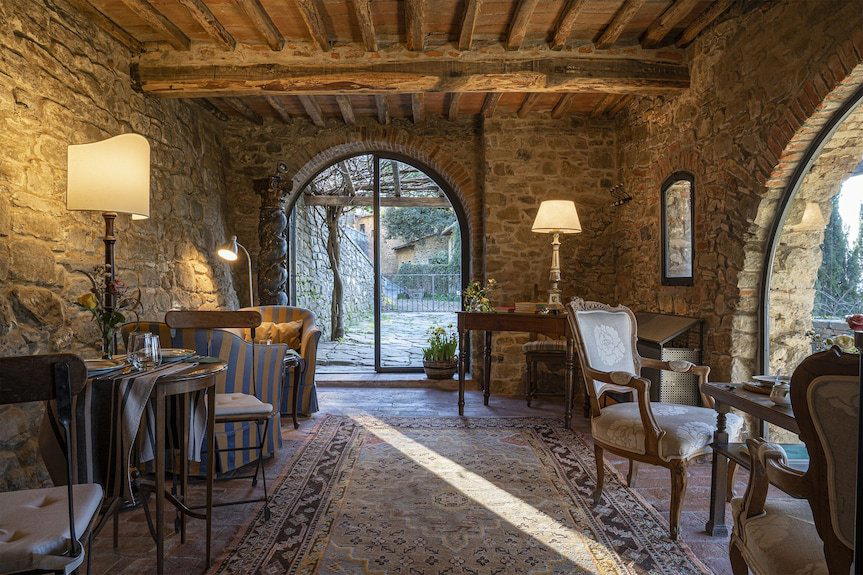
Book Castello di Volpaia when the winery visit needs to feel like the centerpiece of a Chianti day, not a quick tasting stop. It is strongest for couples, anniversaries, and small groups who value setting and planning certainty; cross-shop Montevertine for collector focus or Castello di Ama and Mazzei for a larger estate feel.
How many of these have you visited?
Find out on Pearl and keep score across every place in 2026 Falstaff Winery Guide.