
Weingut Heinrich Hartl
Oberwaltersdorf
Winery in Oberwaltersdorf, Austria
 Book with Pearl
The Read
Thermenregion Terroir Precision
Why go
A serious Oberwaltersdorf winery pick for wine-led occasions where producer credibility matters more than published visitor details. It suits couples, collectors, and small hosted groups who can plan ahead and stay flexible; choose a more transparent alternative if the occasion requires food service, fixed hours, or clear group capacity before committing.
About Weingut Heinrich Hartl
Weingut Heinrich Hartl is a Pearl 3 Star Prestige (2025) venue in Oberwaltersdorf with a casual dress code. For a polished visit, confirm current opening details, availability, and the visit format directly with the venue before building a full itinerary around it.
For a visit in Oberwaltersdorf, keep the plan simple: confirm current opening details, availability, and any visit format with the venue before you go. If the occasion depends on a meal, a set schedule, or specific services, arrange those separately rather than assuming they are offered here.
Choose it for its recognition
The clearest signal for Weingut Heinrich Hartl is its Pearl 3 Star Prestige (2025) recognition. That makes it a notable Oberwaltersdorf name for readers comparing premium venues. For specific menus, tastings, bottles, prices, hours, capacity, or service formats, contact the venue directly.
The most reliable approach is to ask what is currently available. Keep expectations flexible and base any special-occasion planning on information from the venue itself.
Plan Oberwaltersdorf with flexibility
Make no assumptions about food service, opening times, or group capacity. Pair any visit with separate dining and overnight planning from our full Oberwaltersdorf restaurants guide and other current local planning resources. If the night continues after the visit, confirm any additional stops separately before finalizing your itinerary.
For readers comparing other premium venues, consider names such as Abfindungsbrennerei Franz, Weingut Alphart, Weingut Christian Fischer Distillery, Weingut Familie Reinisch, and Weingut Stadlmann, or look more generally at other dining and venue options in Oberwaltersdorf.
Planning details
- Location
- Trumauer Str. 24, 2522 Oberwaltersdorf
- Website
- weingut-hartl.at
- Phone
- +43 2253 6289
The take
The Take
The Vibe
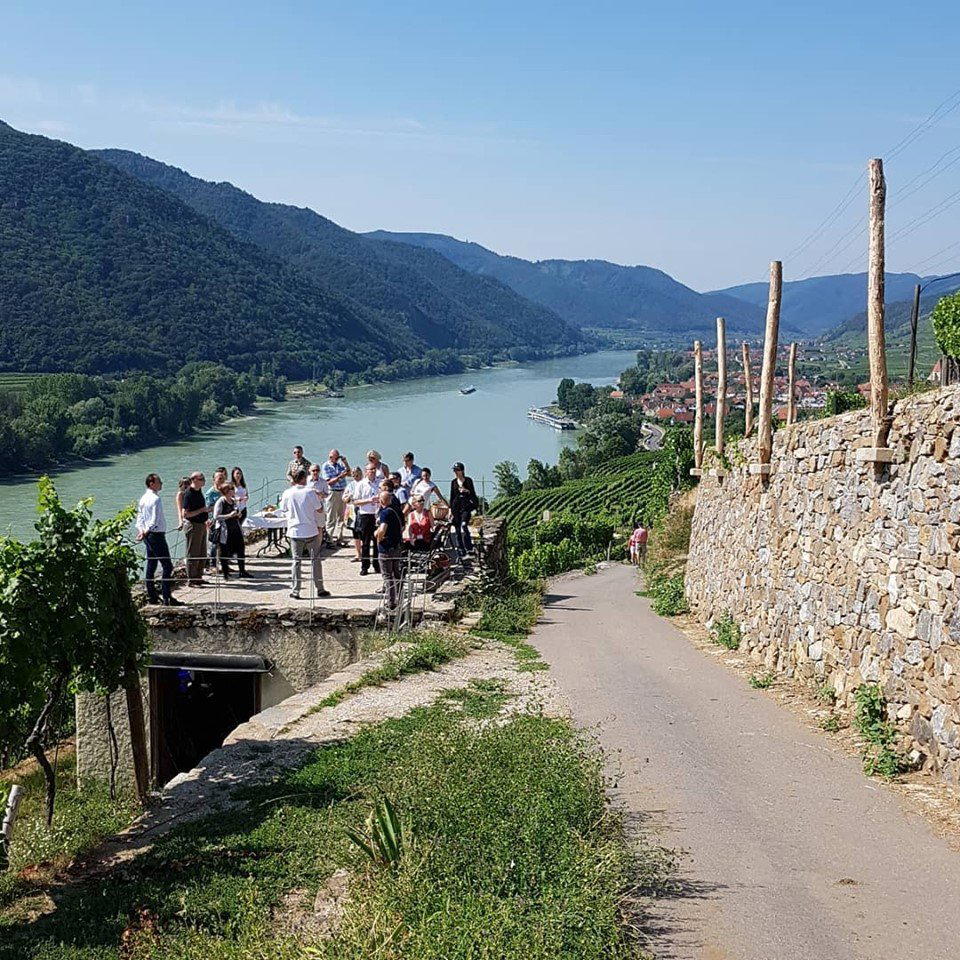
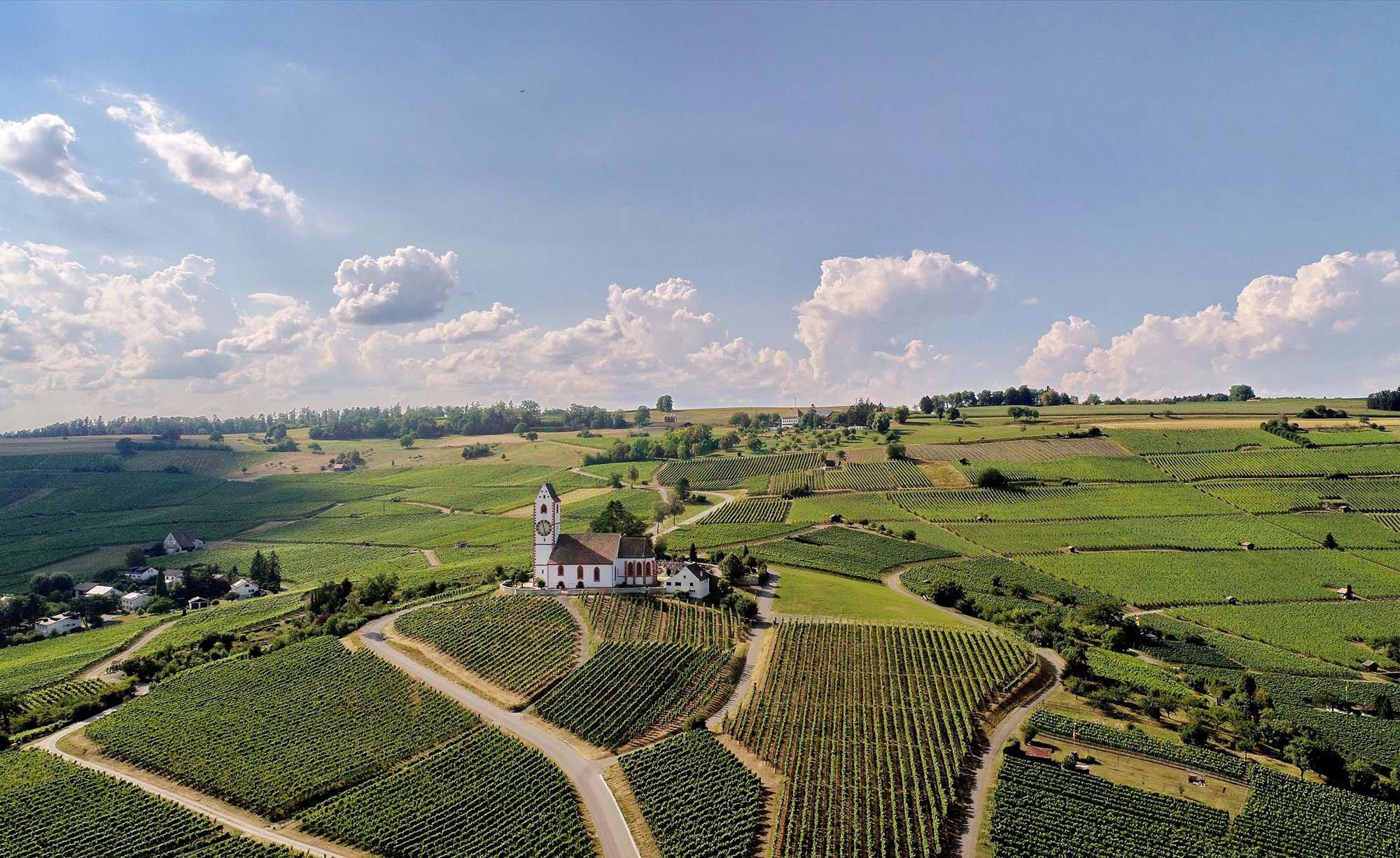
Weingut Heinrich Hartl reads as a quietly confident, producer-first estate. Arrival is unassuming and the property’s working-winery character makes clear that viticulture, not hospitality theatre, is the priority. The narrative emphasizes soil and season — sandy loam, limestone and heat‑retaining dark soils — and a Thermenregion ‘‘warmth signature’’ that shapes the wines’ ripeness and structure. That focus lends the place a contemplative, place-driven atmosphere: visitors encounter a landscape and a farming logic rather than polished visitor programming. It is the sort of estate where the vineyard and season do most of the talking.
Best For
This estate is best for visitors who come to learn and observe. The copy centers terroir, soils and growing-season nuance, so wine-education seekers and solo explorers get the most out of a visit. Because the property is framed as a working winery rather than a glossy tasting destination, groups seeking lively tasting-room entertainment or extensive amenities may find it understated. Instead, it rewards people who value technical conversation about limestone and loam, warmth-driven ripeness and the estate’s vineyard-focused approach to production.
Tasting Tips
Approach Heinrich Hartl with questions about site and vintage: ask how the sandy loam, limestone and heat-retaining dark soils influence ripeness and structural grip, and how longer growing seasons shape each vintage. Prioritize estate or single-site expressions that illustrate the Thermenregion’s warmth signature and compare vintages to feel differences in ripeness and acidity. Expect straightforward, producer-focused interactions rather than theatrical service; bring curiosity, specific questions about terroir and time to discuss vineyard practices if the winemaker or team is available.
Venue details
Ambiance
Charming family-run atmosphere amid Vienna Forest surroundings with focus on sustainable, expressive wines.
Tags
Vibe
Best For
Experience
Sourcing
View
At the Vineyard
- Appellation
- Thermenregion
- Varietals
- Rotgipfler, Pinot Noir, Zierfandler, St. Laurent, Grüner Veltliner
- Visits
- By reservation
- Farming
- Organic
- Wine Styles
- Still White, Still Red, Skin Contact
- Wine Club
- Not available
Know before you go
Know Before You Go
- Getting there
- Trumauer Str. 24, 2522 Oberwaltersdorf
Planning details
Location
Recognition and awards

Also consider
If access does not line up, try Weingut Familie Reinisch or Weingut Stadlmann first. Both keep the plan in a comparable Austrian wine lane without making this single booking carry the whole occasion.
For a less wine-specific outing, Weingut Christian Fischer Distillery is the better pivot than forcing a winery visit that does not fit the group.
Winery context
Among Oberwaltersdorf-area wine options, Weingut Heinrich Hartl is the harder commitment: stronger for reputation-led wine buyers, weaker for guests who need visible pricing, hours, or a defined hospitality format before deciding. Weingut Familie Reinisch, Weingut Stadlmann, and Weingut Alphart are the cleaner cross-shops if the goal is to compare producers rather than chase one scarce appointment.
For value, do not assume the hardest booking is automatically the smartest spend. If the occasion is a collector-focused tasting or a serious bottle-buying stop, Heinrich Hartl deserves priority. If the group includes casual drinkers, mixed preferences, or anyone expecting a more relaxed visit, start with Reinisch, Stadlmann, or Alphart and use Heinrich Hartl as the splurge-style anchor only if timing works.
Weingut Christian Fischer Distillery and Abfindungsbrennerei Franz make more sense when the brief shifts from winery tasting to broader drinks exploration. Choose them for variety and a less wine-purist plan; choose Heinrich Hartl when the occasion is specifically about Austrian wine and the group is comfortable with tighter access.
Explore Oberwaltersdorf
Around this place
Discover more on Pearl
Unlock the full Weingut Heinrich Hartl guide in Pearl, including awards, comparisons, FAQs, planning details, and nearby places.
Compare Weingut Heinrich Hartl
| Venue | Location | Awards |
|---|---|---|
| Weingut Heinrich Hartl | Oberwaltersdorf | 2026 Falstaff Winery Guide |
| Weingut Familie Reinisch | Tattendorf | 2026 Falstaff Winery Guide |
| Weingut Stadlmann | Traiskirchen | 2026 Falstaff Winery Guide |
| Weingut Alphart | Traiskirchen | 2026 Falstaff Winery Guide |
| Weingut Christian Fischer Distillery | Sooß | 2026 Falstaff Winery Guide |
| Abfindungsbrennerei Franz | Leithaprodersdorf | No published awards |
How Weingut Heinrich Hartl Oberwaltersdorf compares with similar nearby venues.
FAQ
Frequently Asked Questions
What is Weingut Heinrich Hartl best known for?
Weingut Heinrich Hartl is a Pearl 3 Star Prestige (2025) venue in Oberwaltersdorf with a casual dress code. Confirm other specific visit details directly with the venue.
What visit services are available at Weingut Heinrich Hartl?
Does Weingut Heinrich Hartl offer special access or ongoing programs?
For special access or ongoing programs at Weingut Heinrich Hartl, ask the venue directly for current details.
Does Weingut Heinrich Hartl serve food?
Do I need a reservation at Weingut Heinrich Hartl?
Contact Weingut Heinrich Hartl directly before visiting to confirm current availability and any booking process.
How long should I plan for a visit to Weingut Heinrich Hartl?
Ask the venue directly what to expect and plan the rest of your Oberwaltersdorf itinerary with flexibility.