

2026 Falstaff Winery Guide: The Ultimate Wine Authority — Page 95
Falstaff's 2026 Wineries guide.

Venues on this list
Contrada Palui
Verona, Italy
Contrada Palui is a better fit for serious Valpolicella travelers than casual Verona day-trippers. The appeal is its quiet, rustic setting and focus on Valpolicella Superiore DOC, including Campo Selce, rather than a broad hospitality setup. Book only if an appointment-led, small-cantina experience is what you want.
Château La Fleur Pourret
Saint-Émilion, France
A small Saint-Émilion Grand Cru estate for visitors who care more about vineyard detail than polished tourism. Château La Fleur Pourret is worth prioritizing if you want clay-limestone terroir, a Merlot-led blend with a serious Cabernet Franc share, and a quieter rural château setting; it is less compelling for groups seeking elaborate facilities or a broad hospitality program. Falstaff Listed in 2026.
Costa Arènte
Grezzana, Italy
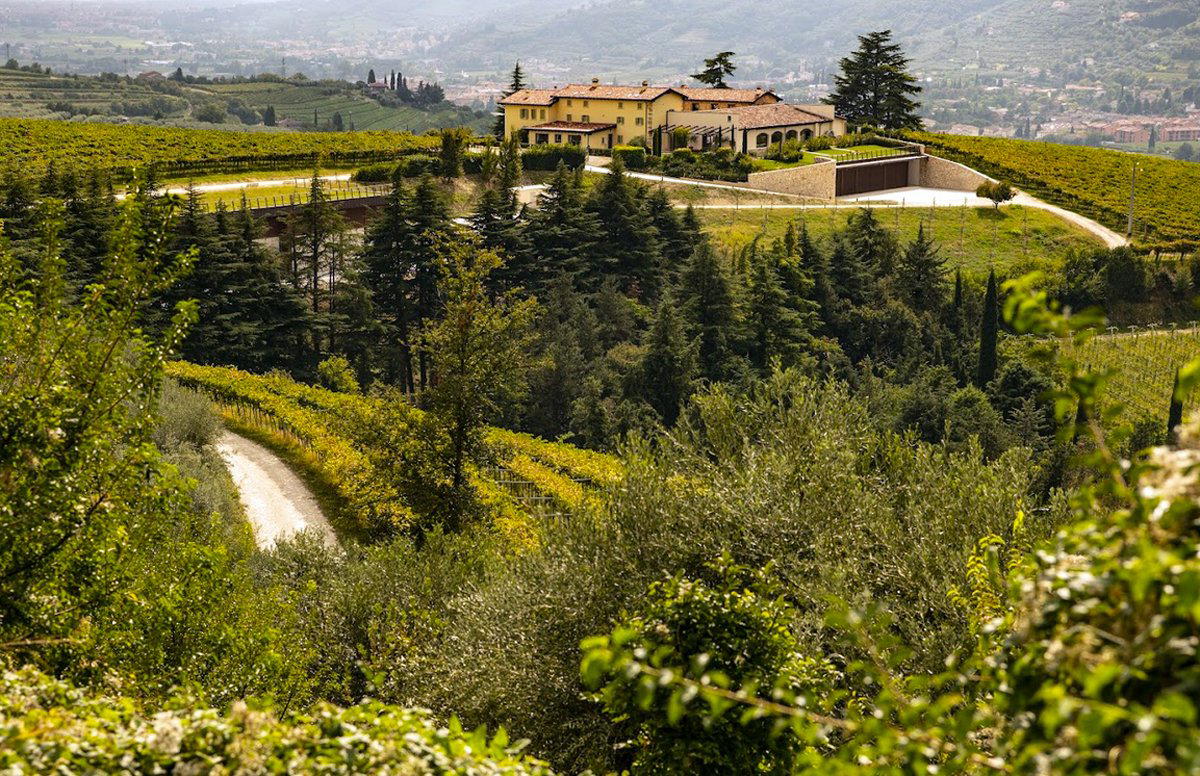
Book Costa Arènte if the goal is a deeper Amarone-focused estate visit near Verona, not just a casual tasting. The draw is the Valpantena hilltop setting, hand-selected native grapes, three-month drying process and 36-month oak aging for Amarone; confirm the food-pairing format before paying for a more complete experience.
Château Chasse-Spleen
Moulis En Medoc, France
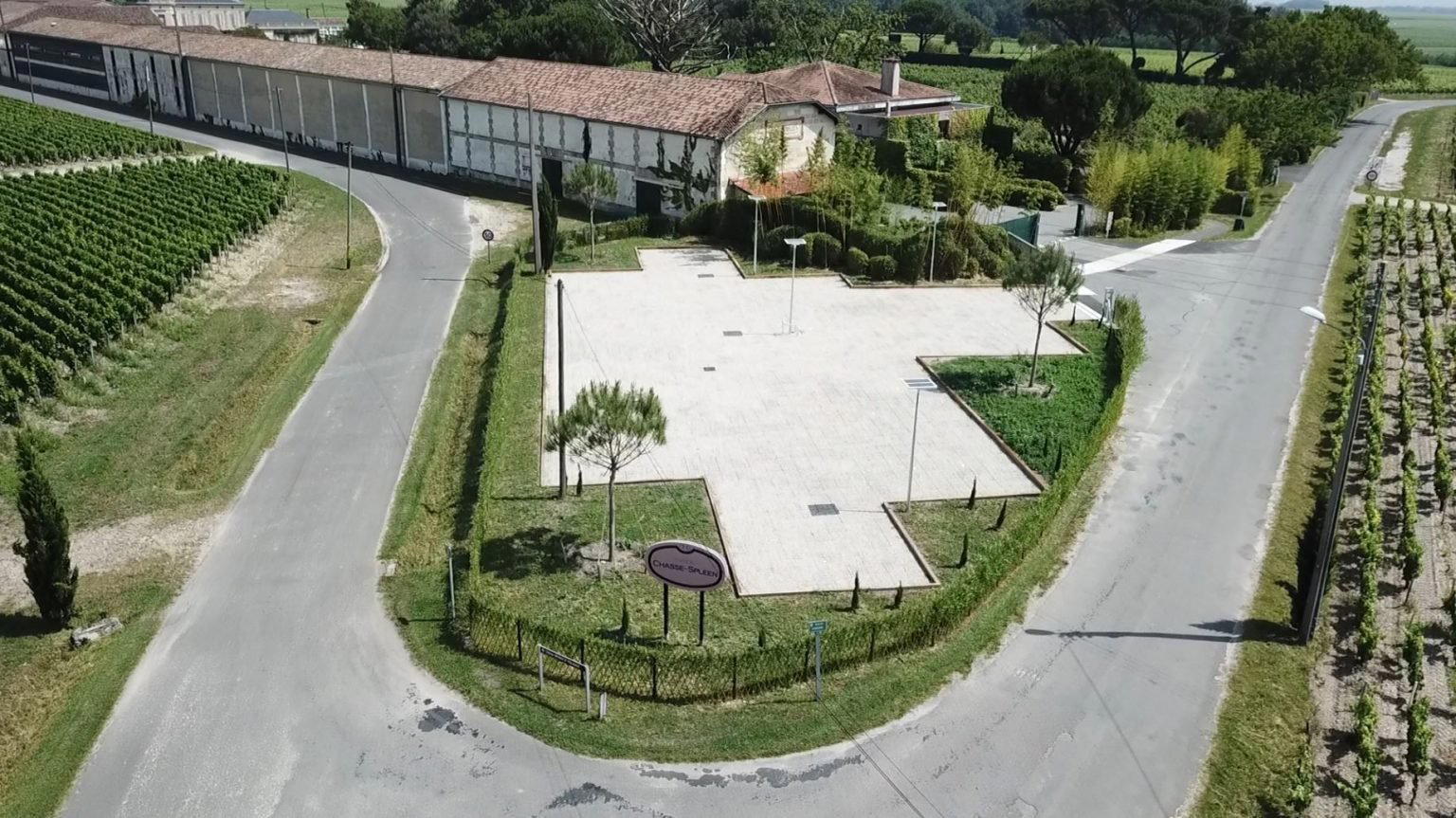
Book Château Chasse-Spleen if you want a polished Moulis-en-Médoc château visit with serious left-bank structure and a setting that works for a celebration. The flagship red is the reason to pay attention; the gardens, cellars, and contemporary art make the appointment feel more rounded than a simple tasting stop.
Bodegas Rosario Vera
Guardia, Spain
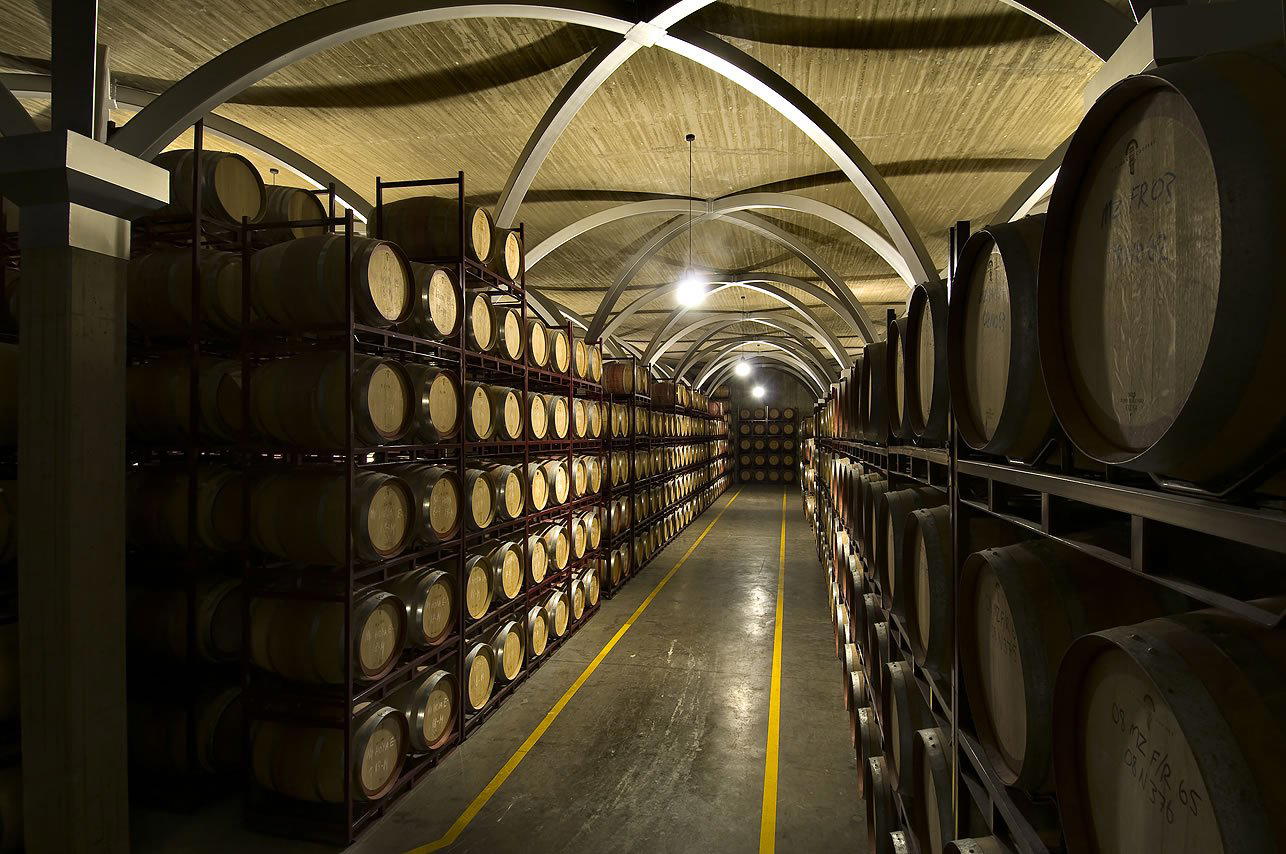
Bodegas Rosario Vera works for a serious Guardia wine itinerary, especially if external recognition matters more than polished visitor logistics. Treat it as an advance-planning pick rather than an easy drop-in, and use it as a wine-first stop within a broader Rioja Alavesa day.
Chateau Montlisse
Saint-Émilion, France
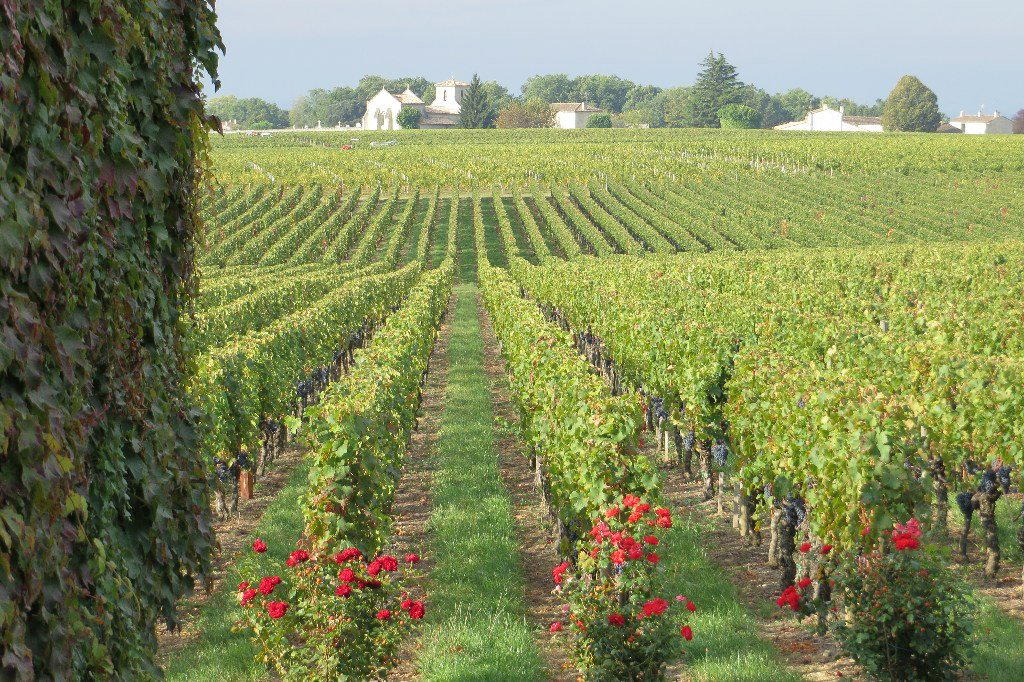
Chateau Montlisse works for polished Saint-Émilion Grand Cru at a controlled €30–€50 bottle price, especially for celebration dinners, gifting, or collectors who value estate-grown Merlot-led Bordeaux. Book for the wine and Dauriac-family context, not for a full standalone hospitality program or chef-led pairing experience.
Buvoli
Sovizzo, Italy
Buvoli is a Sovizzo winery to shortlist if the day is already focused on Veneto wine country and flexibility matters. Its Falstaff Listed 2026 recognition gives it a useful trust signal, but available visitor details are thin, so it is better treated as a promising local lead than a fully planned tasting anchor.
Elia Palazzesi
Montalcino, Italy
A strong pick for wine travellers who care more about organic Brunello, small-scale farming, and a forested southwestern Montalcino setting than polished visitor facilities. Book by appointment and go with a smaller party; the value is in the estate context, Sangiovese focus, and long-aging cellar approach rather than a high-touch tasting-room format.
Fattoria La Leccia
Florence, Italy
Fattoria La Leccia is worth booking for a relaxed Tuscan countryside tasting with more range than a basic Chianti stop. Go for Sangiovese, Trebbiano Rosa, sparkling wines, organic farming credentials, and a scenic Montespertoli setting; skip it if you want a city-center tasting or a high-polish luxury estate experience.
Fattoria La Lecciaia
Montalcino, Italy
Fattoria La Lecciaia works for a Montalcino wine day if Brunello, Sangiovese, and a broader Tuscan portfolio are the point of the trip. It suits a celebration or collector-minded visit better than a casual drop-in, with classic Brunello, single-vineyard expression, Supertuscan-style bottlings, and coastal Tuscan wines giving the tasting useful range.
Tenuta Vitivinicola Trapletti
Coldrerio, Switzerland
A good Coldrerio pick for a relaxed, appointment-only Ticino tasting with broad range rather than luxury staging. The draw is a small-scale producer working across whites, reds, sparkling wines, rosés, and specialty bottles, with a rustic feel and a 2026 Falstaff listing as a useful trust signal.
Domaine viticole Krier-Bisenius
Schengen, Luxembourg
A strong fit for wine travelers who want a quiet Schengen tasting focused on organic Moselle varieties and Crémant rather than a high-production cellar-door experience. Plan ahead and treat it as an anchor stop for a Moselle wine day, especially if Luxembourgish grapes, family history, and vineyard context matter more than food or flexible walk-in access.
De Buris - Tommasi Family Estates
San Pietro In Cariano, Italy
Book De Buris - Tommasi Family Estates if you want a serious Amarone-focused stop rooted in Tommasi family heritage and Valpolicella Classica context. It is better for collectors and wine travelers than casual tasters, with a polished, appointment-led feel and Falstaff 4 Stars recognition in 2026.
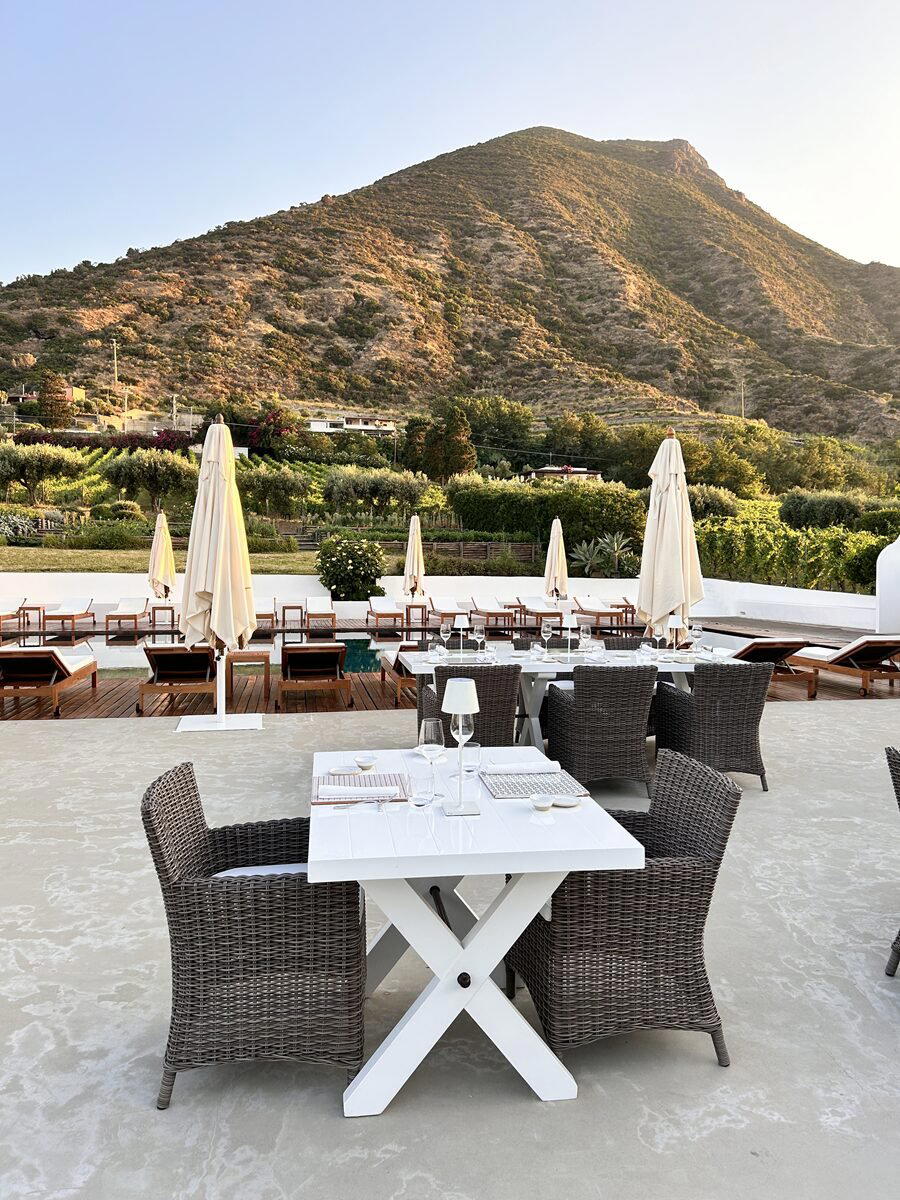
Tasca d’Almerita – Capofaro Locanda & Malvasia
Malfa, Italy
Book Tasca d'Almerita – Capofaro Locanda & Malvasia if wine context is the reason for the outing, not if the goal is takeaway or a flexible casual meal. Its strongest fit is a calm daytime Salina stop built around Malvasia and a serious wine-list reputation; cross-shop Signum for a fuller fine-dining meal or Nni Lausta for seafood value.
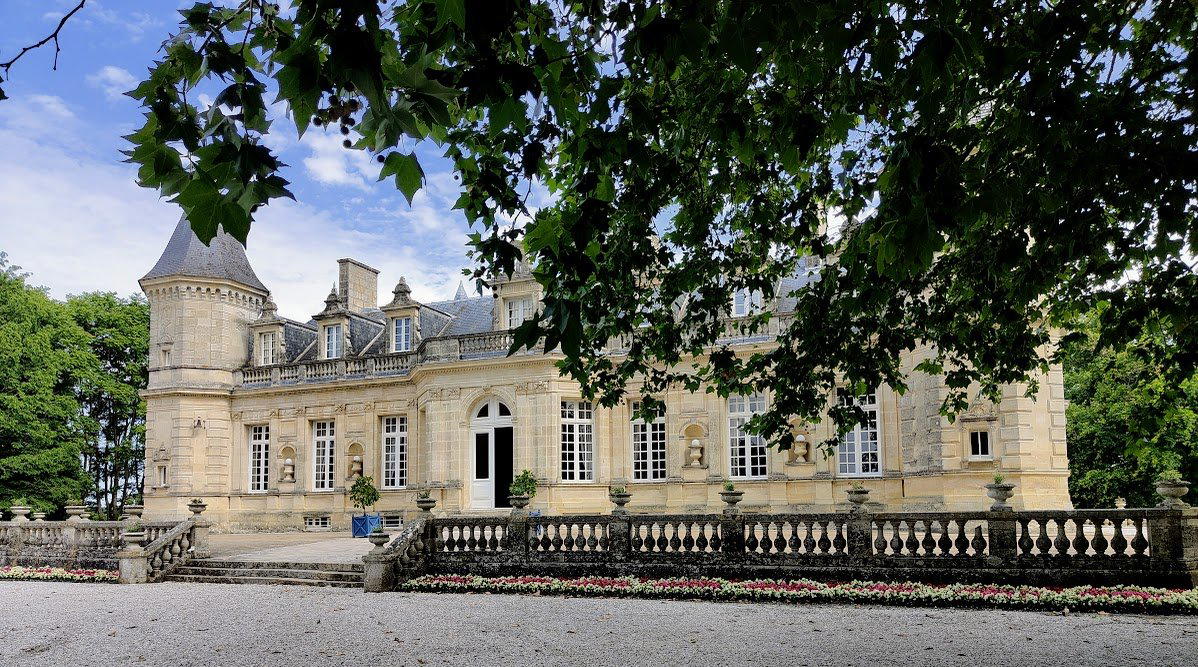
Château du Cartillon
Listrac-Médoc, France
Choose Château du Cartillon for a classic, quiet Haut-Médoc estate experience anchored by its Cru Bourgeois Supérieur red. It is a stronger fit for serious Bordeaux drinkers, gifting, or a focused special-occasion tasting than for visitors seeking casual cellar-door energy or food-led hospitality.
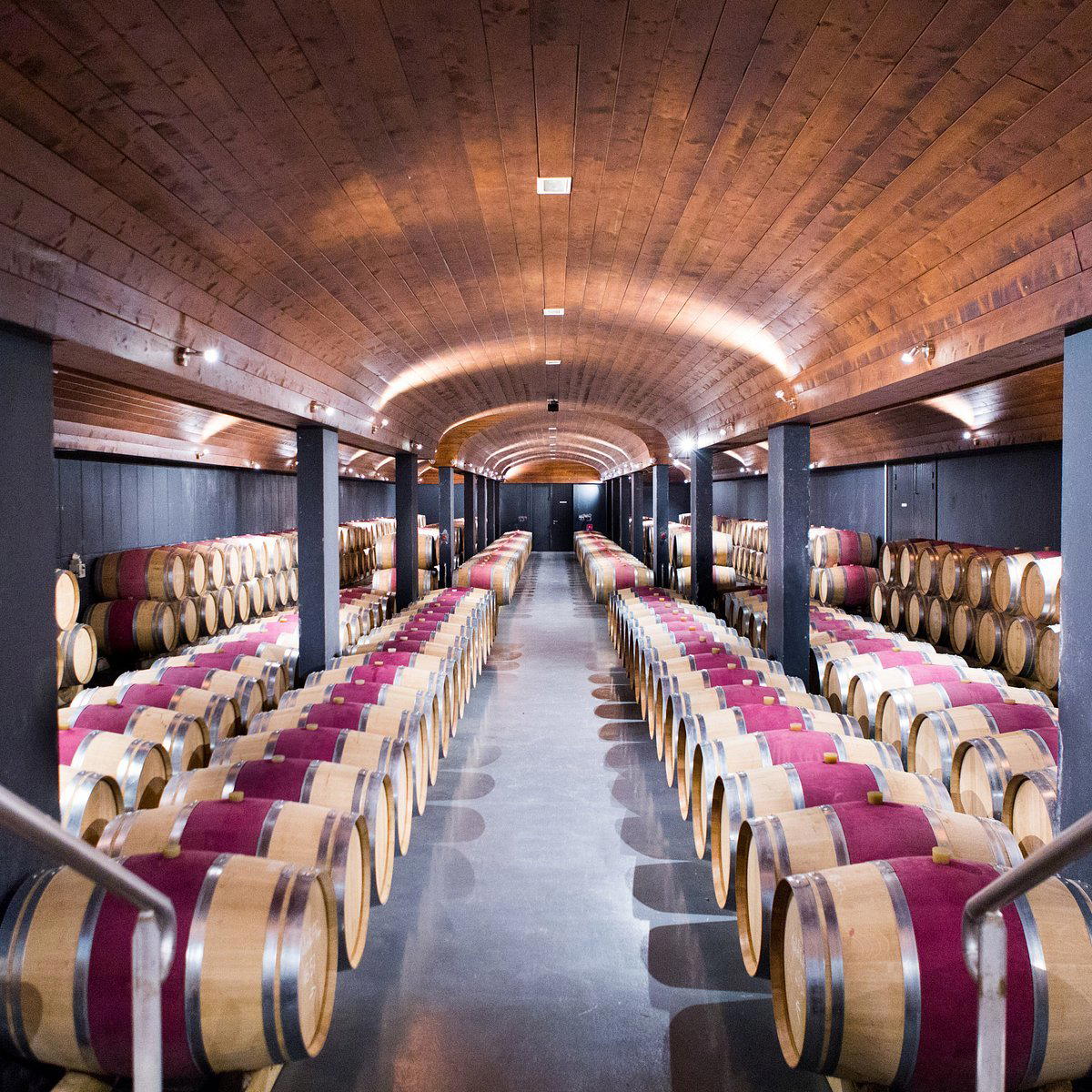
Château Haut Bertinerie
Cubnezais, France
Book Château Haut Bertinerie if you want a calm Blaye Côtes de Bordeaux winery visit with real viticulture behind the tasting. The private option works for celebrations, business groups, or anyone who wants more space and context than a quick cellar-door stop.
Château Malescot Saint-Exupéry
Margaux Cantenac, France
Book Château Malescot Saint-Exupéry if the goal is a serious Margaux stop with classified-growth credibility, château visuals, and collector appeal. It is better for celebrations, Bordeaux-focused couples, and business guests than for casual visitors seeking a flexible tasting-room format.

Bodegas y Viñedos de Aguirre
Villa Alegre, Chile
Worth booking if you want a grounded Maule Valley winery visit with family ownership, vineyard setting, and a red-wine focus rather than a glossy tasting-room production. The $$ positioning and 2026 Falstaff listing make it a sensible Villa Alegre stop for travelers who care about recognized quality but prefer a rustic estate feel.
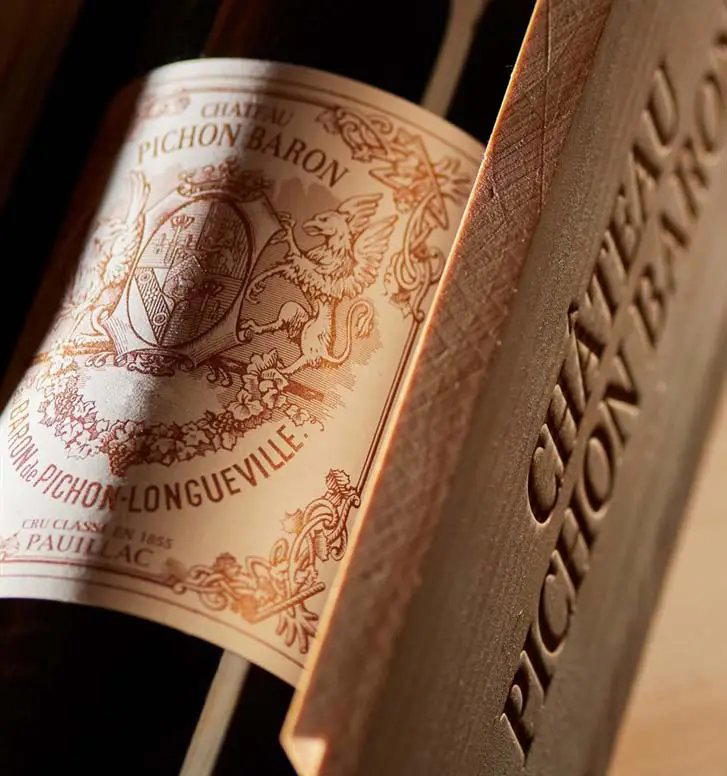
Château Pichon Longueville Baron
Pauillac, France
Château Pichon Longueville Baron is a winery in Pauillac, Bordeaux.
Fratelli Gatto Cavalier
Valdobbiadene, Italy
A worthwhile Valdobbiadene stop if the goal is family-run Prosecco with real place identity rather than a polished luxury tasting. Fratelli Gatto Cavalier is strongest for travelers who care about Santo Stefano, Cartizze context, and the 1867 heritage story behind the magnum-only Vincenzo Gatto 150° bottling.
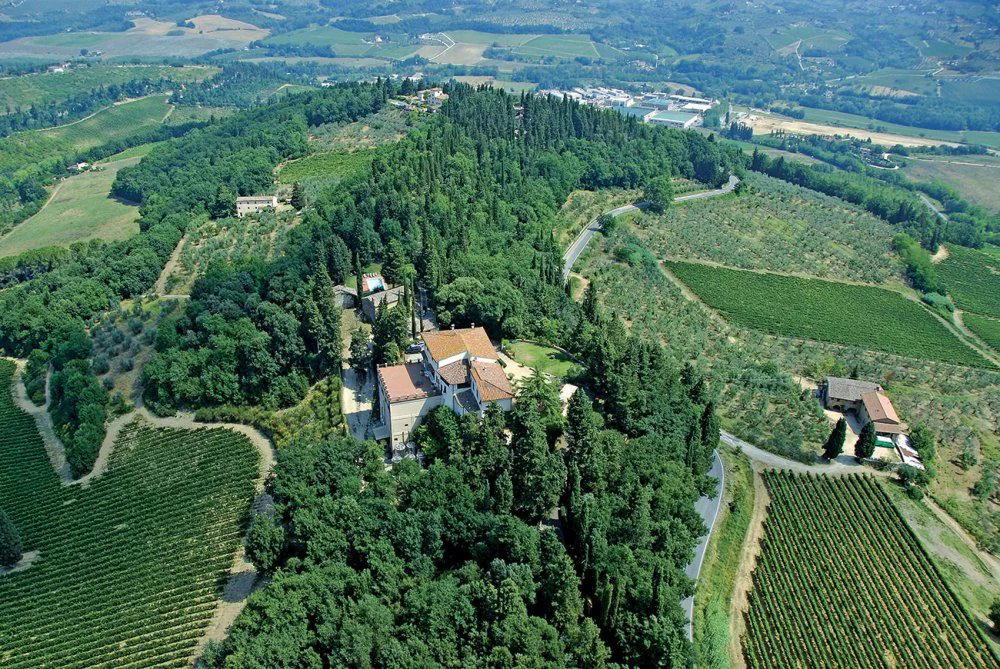
Castelvecchio
San Casciano in Val di Pesa, Italy
Castelvecchio works as a San Casciano in Val di Pesa wine stop if you are building a flexible Chianti-area itinerary and value a Falstaff Listed 2026 signal. Go in spring or early autumn for easier countryside pacing, and confirm the tasting format before making it the day’s anchor.
Domaine du Jas d'Esclans
La Motte, France
Worth booking if you want a calm, appointment-only Provence estate visit with real farming credentials rather than a showy tasting room. Domaine du Jas d'Esclans is strongest for small groups, couples, and wine-focused visitors interested in organic Côtes de Provence wines across rosé, red, and white.
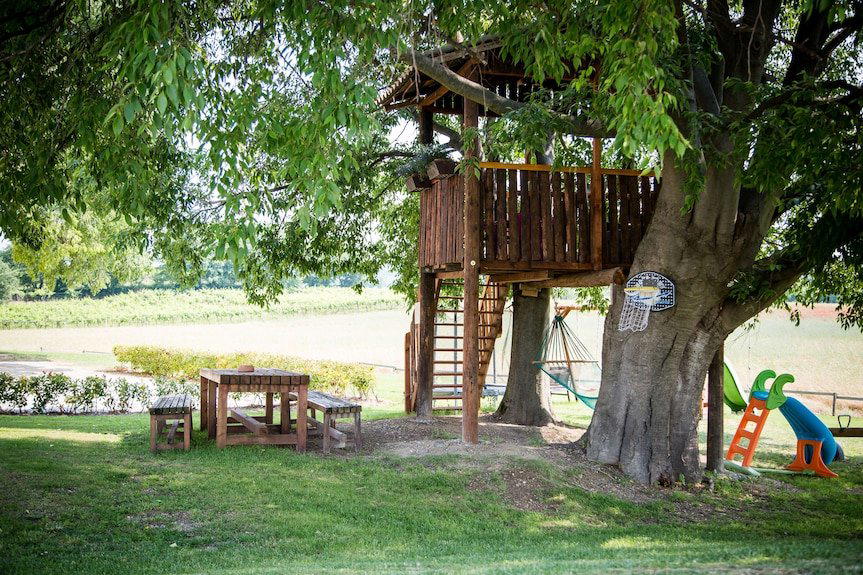
Bosco del Gal
Castelnuovo Del Garda, Italy
Bosco del Gal is worth booking if you want a quiet agriturismo base near Lake Garda with gardens, a seasonal pool, family-friendly outdoor space, and Veneto wine-country context. It is not the right pick for a formal tasting itinerary or restaurant-led stay; use it as the countryside base, then plan winery visits around Castelnuovo del Garda.
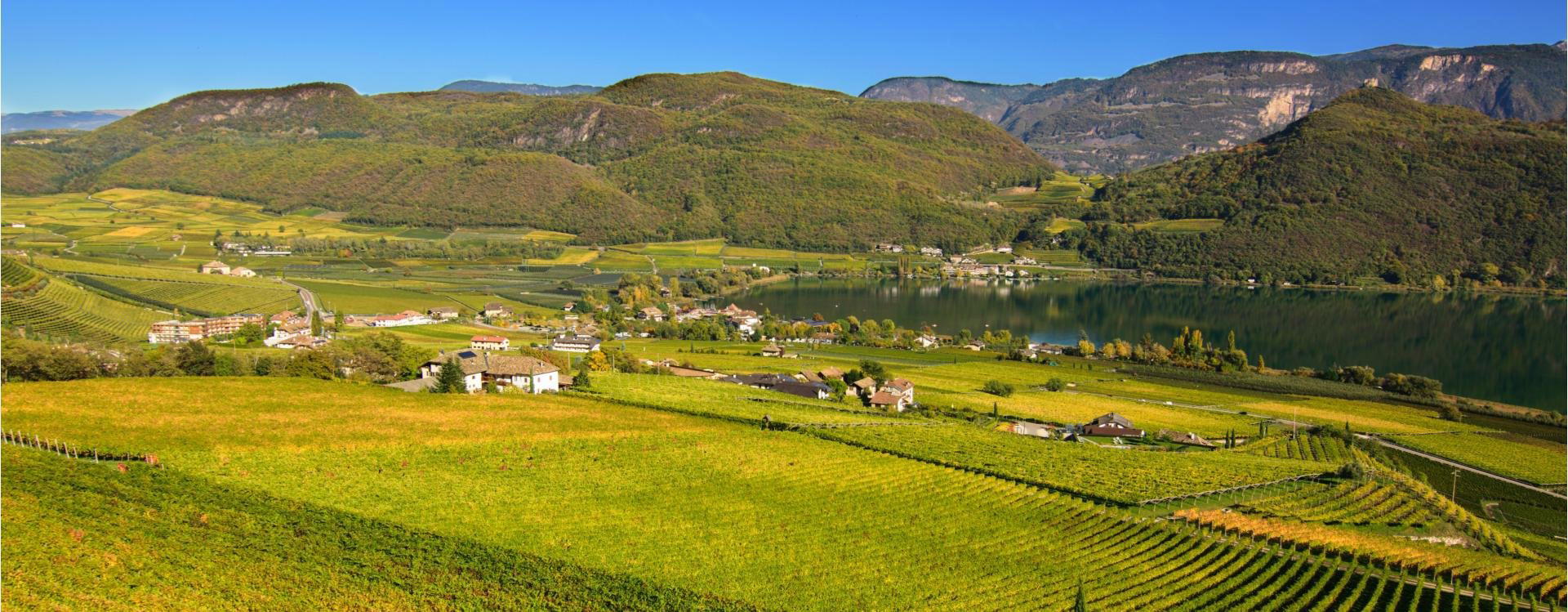
Baron di Pauli
Kaltern, Italy
Baron di Pauli is worth shortlisting for a planned Kaltern wine visit when the occasion calls for a serious producer rather than a casual tasting stop. The strongest trust signal is Falstaff 3 Stars (2026), so it suits guests prioritizing cellar credibility and a composed Alto Adige wine-country day.
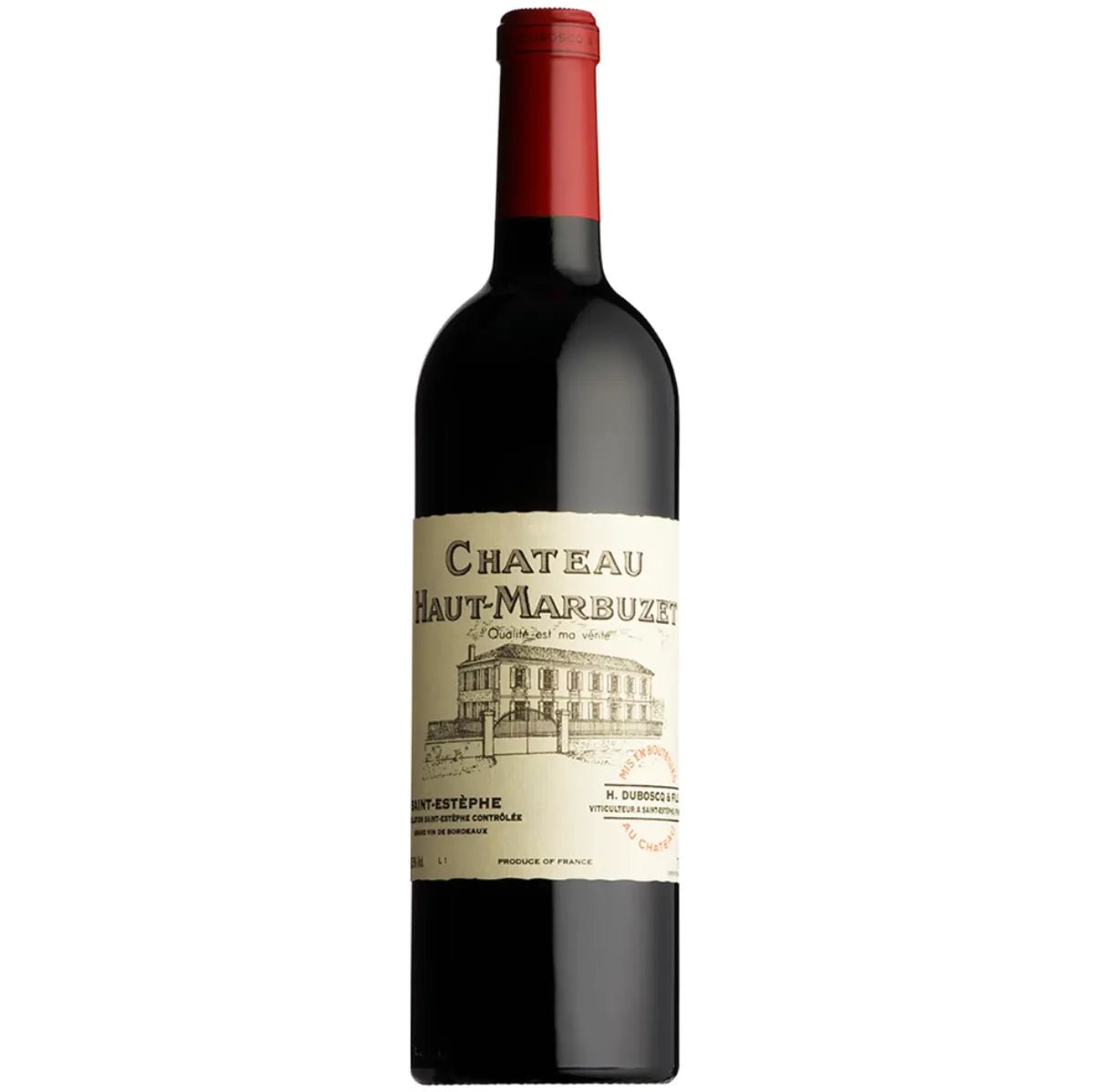
Château Haut-Marbuzet
Saint-Estèphe, France
Château Haut-Marbuzet works if your Saint-Estèphe day is about understanding the appellation rather than chasing only the highest-profile labels. Treat it as a serious, advance-planned wine stop and cross-shop it with Montrose, Cos d'Estournel, Lafon-Rochet, and Clerc Milon depending on whether prestige, access, or range matters more.
Vignobles de L'Etat, Institut agricole de l'Etat de Fribourg
Hauterive Fribourg, Switzerland
Cru de l'Hôpital is worth prioritising for wine-focused visitors to Motier Vully, especially if recognised quality matters more than a fully packaged visitor experience. Falstaff 3 Stars (2026) is the main trust signal; confirm access, allocation terms, food availability, and shipping details before planning around it.
Cantine NAE
Controguerra, Italy
Cantine NAE works for wine enthusiasts who want a young Abruzzo-based producer with a wider Italian portfolio across Abruzzo, Tuscany, and Puglia. The practical move is to focus on named bottles like 2024 Calafiori Terre d’Abruzzo IGT and Belva, while confirming any visit details before building a Controguerra itinerary around it.
Cascina Cerutti
Cassinasco, Italy
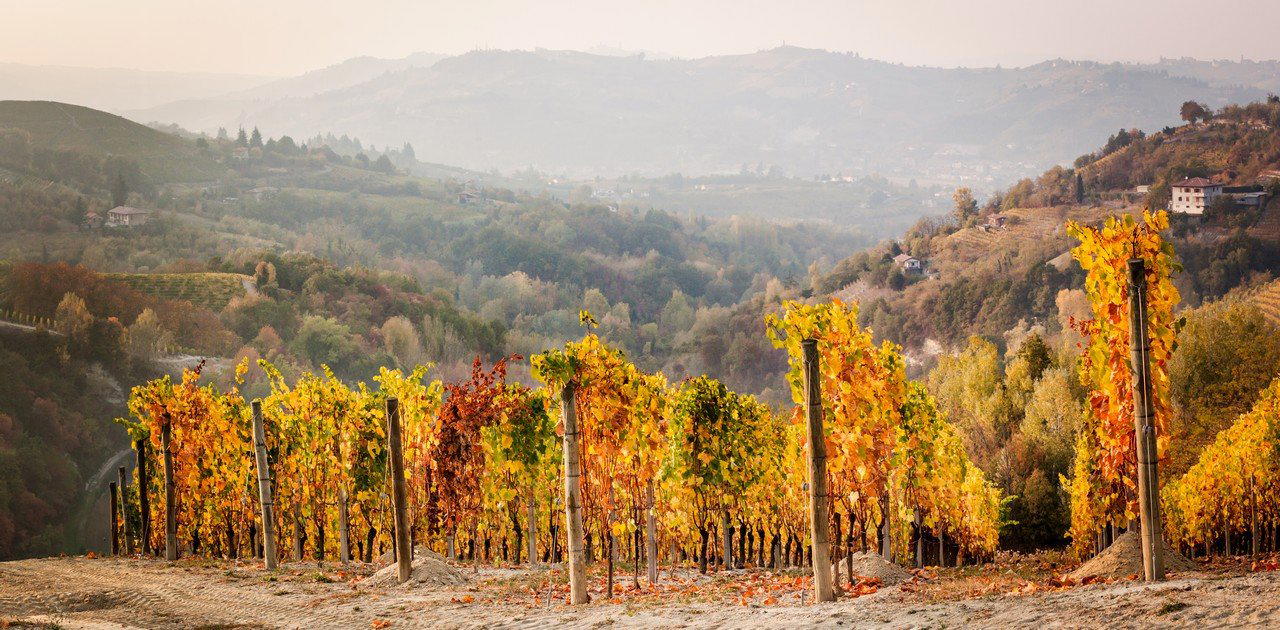
Cascina Cerutti works for a quiet Cassinasco wine-country stop, especially for couples or small groups planning a slower Piedmont day. Falstaff listing in 2026 gives it a useful recognition signal, but visitors who need confirmed food, shipping, group capacity, or a formal tasting format should verify details before building plans around it.
Gruppo Italiano Vini
Bardolino, Italy
Falstaff 3 Stars in 2026 and a $$ signal make Gruppo Italiano Vini a better fit for wine travelers who want portfolio context rather than boutique-cellar intimacy. Expect a corporate, production-focused Bardolino address tied to Italy’s largest wine group, with value in scale, brand breadth, and Veneto relevance rather than a named flagship tasting experience.
Ca' di Pesa
Panzano In Chianti, Italy
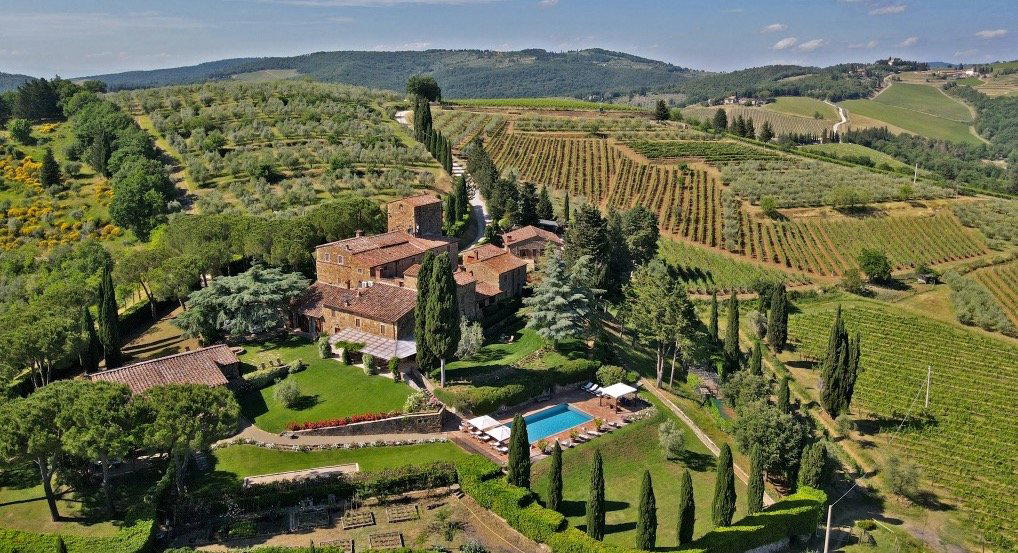
Book Ca’ di Pesa for a quiet, special-occasion Chianti Classico visit where wine, olive oil, and villa hospitality matter more than a quick tasting-room stop. The small-production scale, 1888 heritage, and Falstaff Listed recognition make it a strong choice for travelers who want a slower Panzano experience with food context.
Aronui Wines
Nelson, New Zealand
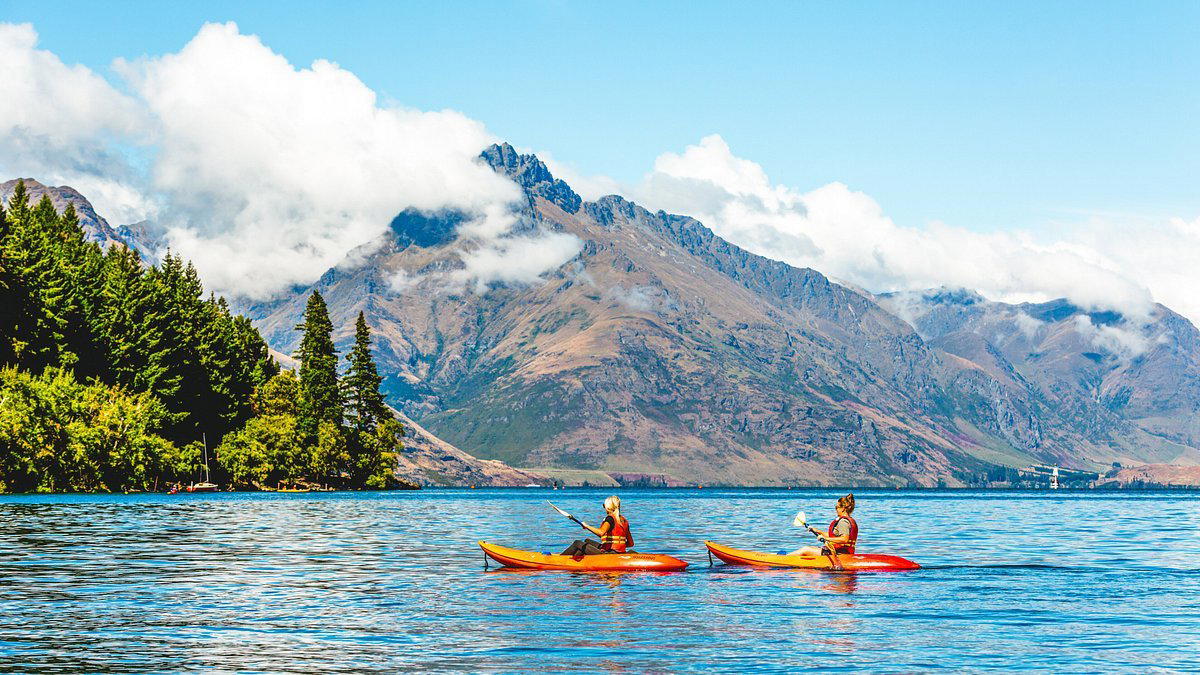
Aronui Wines is worth prioritising if you want Nelson single-vineyard bottles with Māori-owned heritage and a clear Upper Moutere clay-soil identity. Go for the aromatic whites first, especially Albariño or Grüner Veltliner, and treat the visit as a focused wine stop rather than a long food-and-tour itinerary.
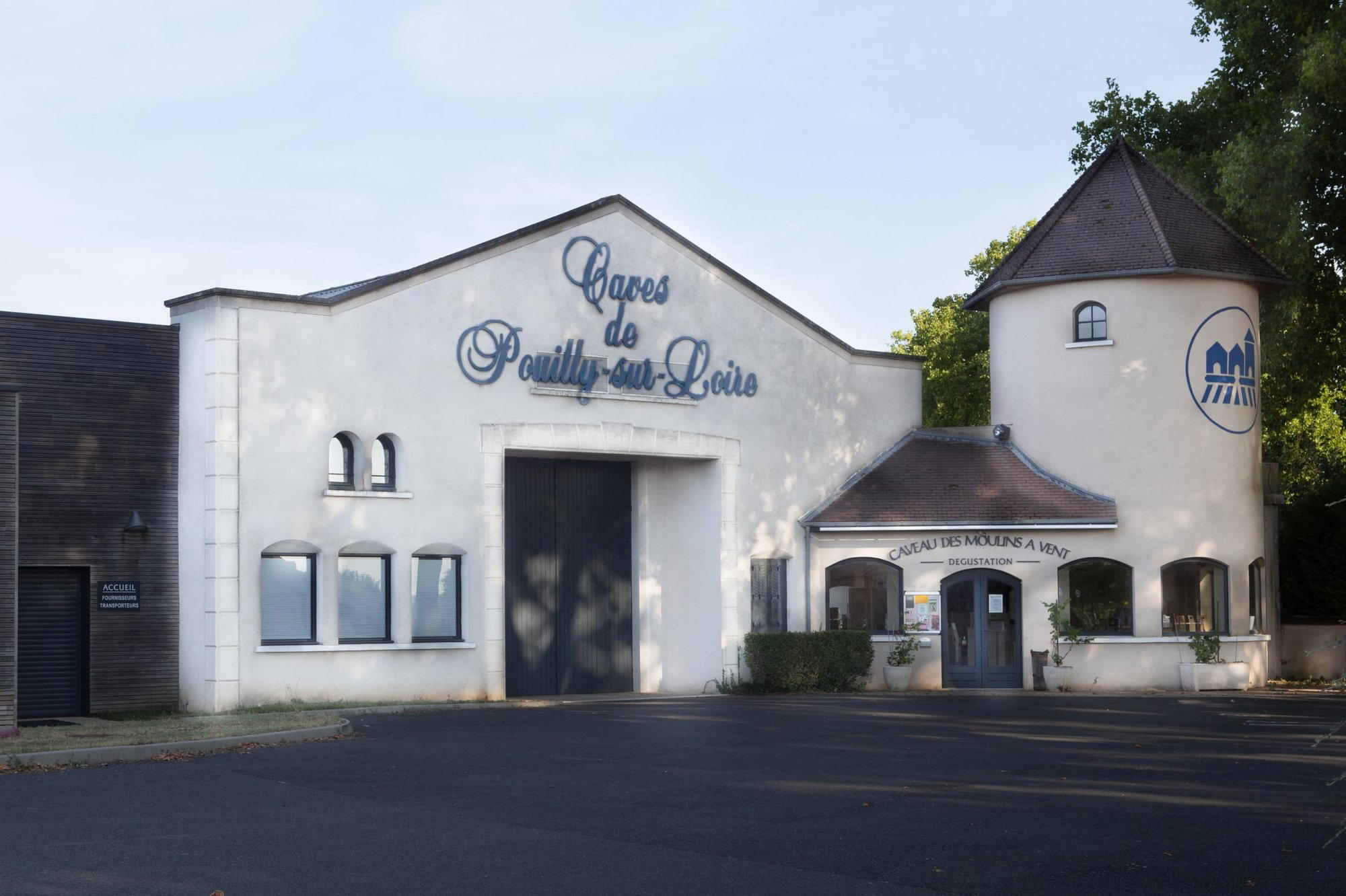
Caves de Pouilly-Sur-Loire
Pouilly Sur Loire, France
Caves de Pouilly-Sur-Loire is worth a stop if the goal is to understand Pouilly Fumé through a practical cooperative tasting rather than a luxury cellar-door experience. Expect a quiet, rustic, tradition-led room, a focus on dry Sauvignon Blanc, and enough appellation range to make bottle buying easier.
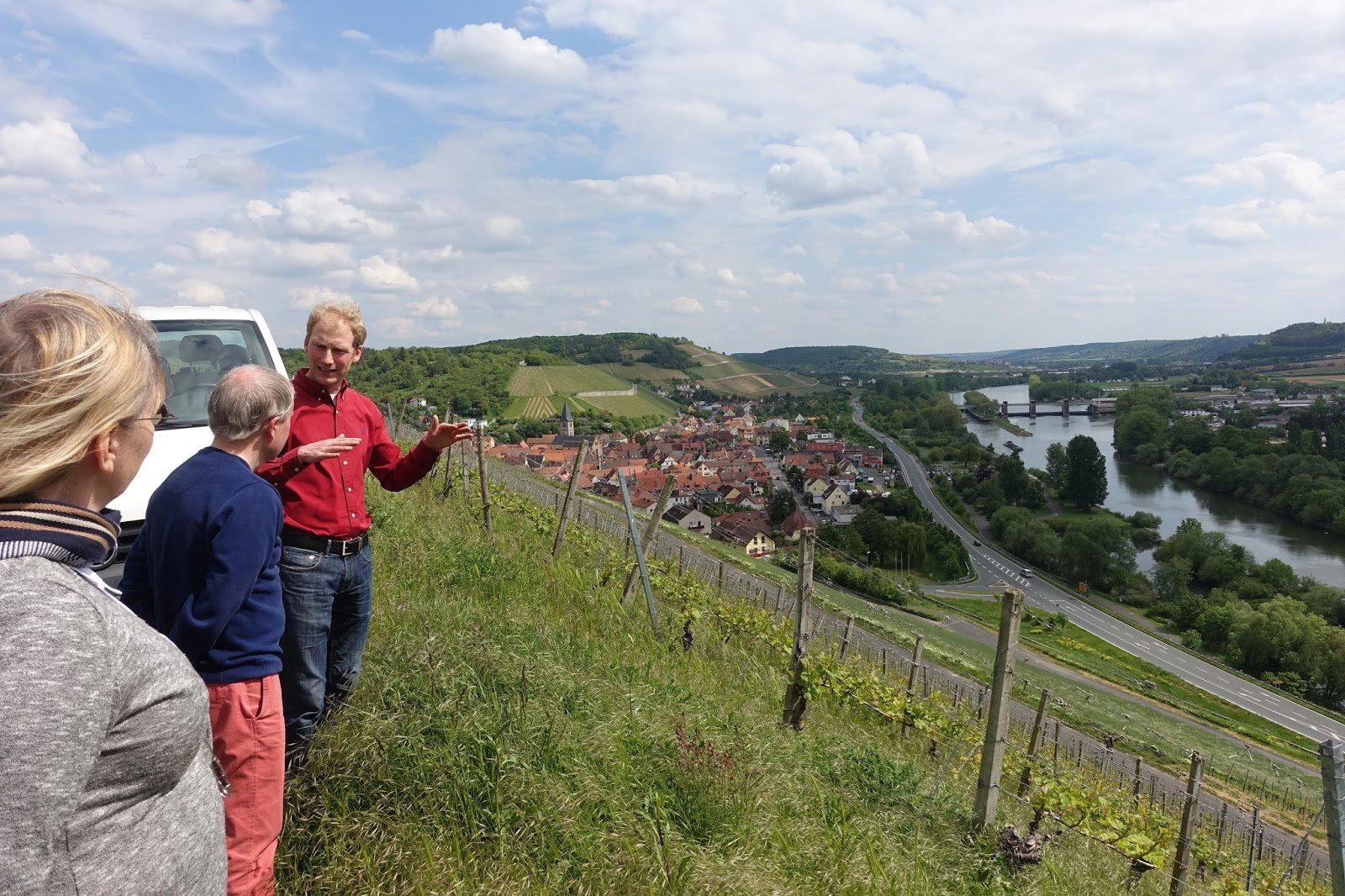
Weingut Schmitt’s Kinder
Randersacker, Germany
A serious Randersacker winery pick for travelers who want a planned, wine-led visit rather than a casual drop-in. Schmitt's Kinder is worth prioritizing for focused tasting and buying, but first-timers should arrange meals separately and avoid treating it as a full food-pairing stop unless a specific format is offered when booking.
Hacienda Wine Cellars
Sonoma, United States
Hacienda Wine Cellars works as an easy, historic Sonoma stop rather than a flagship-bottle destination. The value is in its classic Sonoma lineage, $$ positioning, walk-in-friendly access, and 2026 Falstaff Listed recognition, but the available detail does not support planning a special occasion around a named signature wine or premium tasting format.
Domaine Koquelicot
Gracisce, Croatia
Domaine Koquelicot is worth booking if you want a small, host-led Istrian tasting with a Burgundy point of view. The €25 tour is good value for a date, celebration, or wine-focused afternoon, especially if Nomad or the Burgundy-oaked whites are available during the visit.
Fondo Antico
Misiliscemi, Italy
Worth planning as a quieter western Sicilian estate tasting, especially if a private format helps you connect the vineyard setting, restored baglio, and Trapani grape mix. Fondo Antico is strongest for repeat Sicily travelers who want context around Grillo, Nero d’Avola, Syrah, and the I Versi range rather than a trophy-label stop.
El Escoces Volante
Calatayud, Spain
Book El Escoces Volante if the priority is serious Calatayud Garnacha rather than polished wine tourism. The draw is Norrel Robertson MW’s old-vine, concrete-leaning, low-oak approach; plan food separately, because the value here is production insight and bottle comparison, not a dining-led tasting.
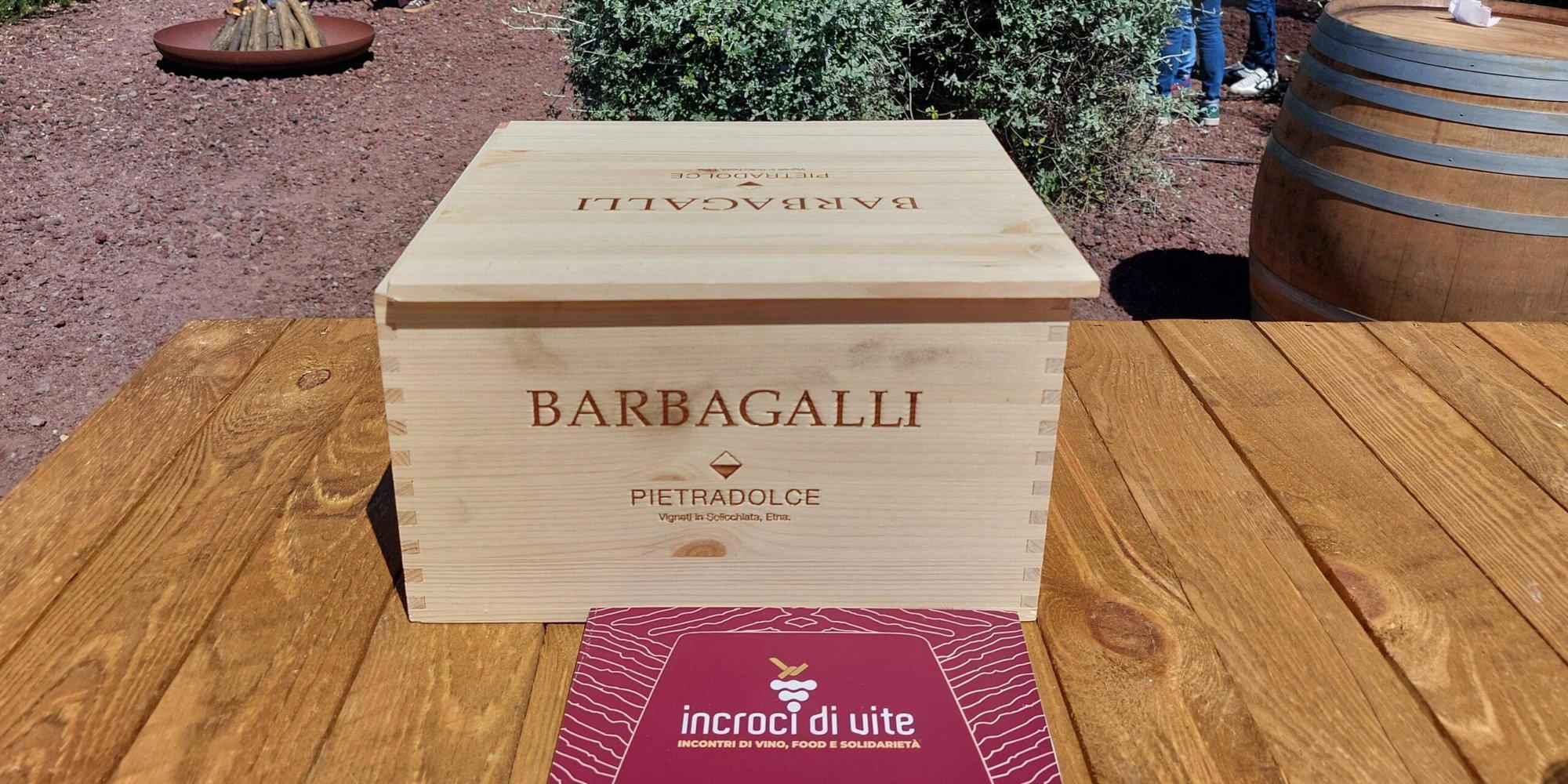
Alberelli di Giodo
Castiglione di Sicilia, Italy
Alberelli di Giodo is a good fit for a wine-led Castiglione di Sicilia visit, especially if the occasion calls for an estate setting rather than a restaurant-format meal. Falstaff Listed (2026) gives it a clear recognition signal, but plan food, timing, and transport separately before building a special-occasion day around it.
Domaine Thillardon
Chenas, France
Domaine Thillardon is worth targeting if Chénas is the Beaujolais cru you want to understand next. The appeal is low-intervention Gamay from organic-minded farming, semi-carbonic winemaking, and a quiet estate profile rather than a polished visitor setup.
Château de Saint Louans
Chinon, France
Château de Saint Louans works if you are already building a Chinon wine itinerary and want another château-based stop with a 2026 Falstaff listing. Do not treat it as an automatic wine-club or allocation commitment without tasting first, since pricing, release terms, and flagship wine details are not confirmed here.
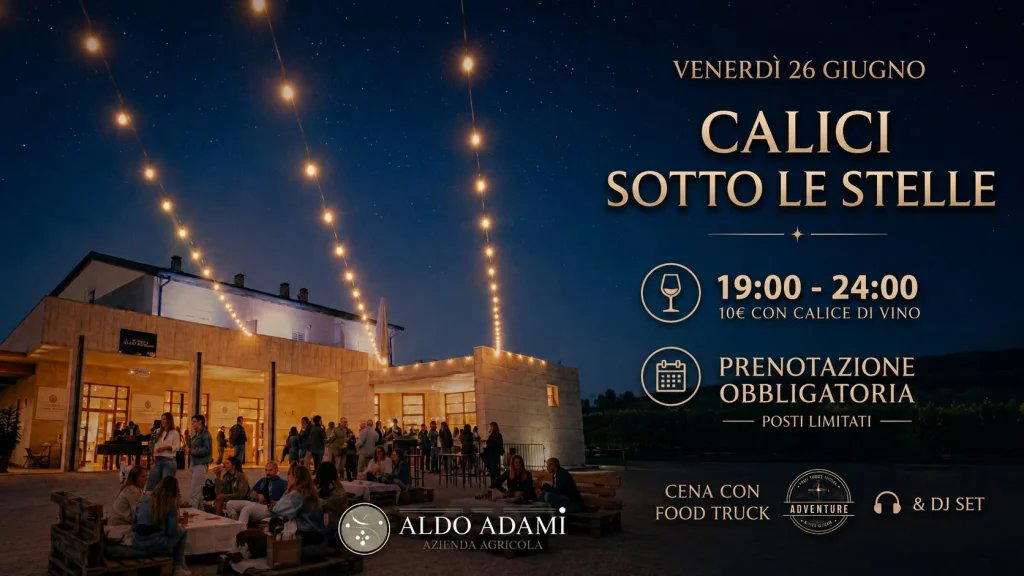
Aldo Adami
Sommacampagna, Italy
Aldo Adami is worth choosing for a warm, family-led Veneto winery visit rather than a formal collector appointment. Go for approachable Custoza and Bardolino context, a broad tasting range, hillside vineyard atmosphere, and a special-occasion setting that feels personal without being stiff.
Anna Spinato Winery
Ponte Di Piave, Italy
Worth booking if the goal is an appointment-based Veneto tasting centered on organic Prosecco and regional sparkling wine. Anna Spinato Winery is strongest for couples or small groups who want a polished but relaxed stop in Ponte di Piave, with Falstaff Listed recognition for 2026 and a portfolio that extends into still Veneto wines.
Domaine Lafage
Perpignan, France
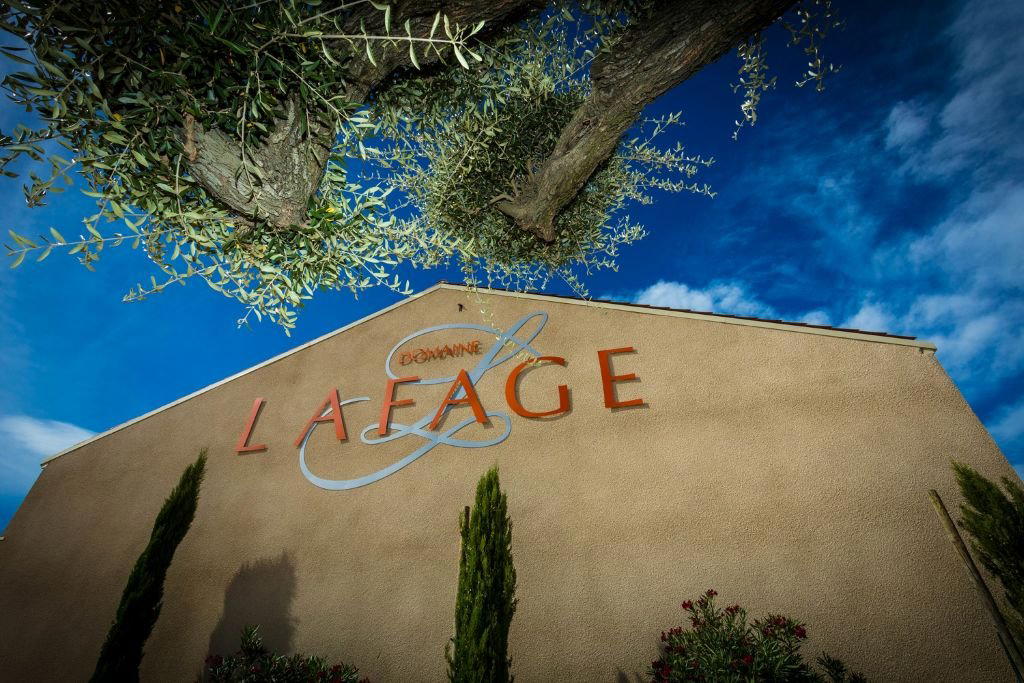
Domaine Lafage is worth booking if you want a thoughtful Roussillon tasting with historic Catalan setting, sustainability substance, and a wide appellation range. The private or guided format is the smarter choice for wine travelers who want terroir explained; skip it if you need a meal-led winery visit or a highly formal luxury appointment.
Domaine Couly-Dutheil
Chinon, France
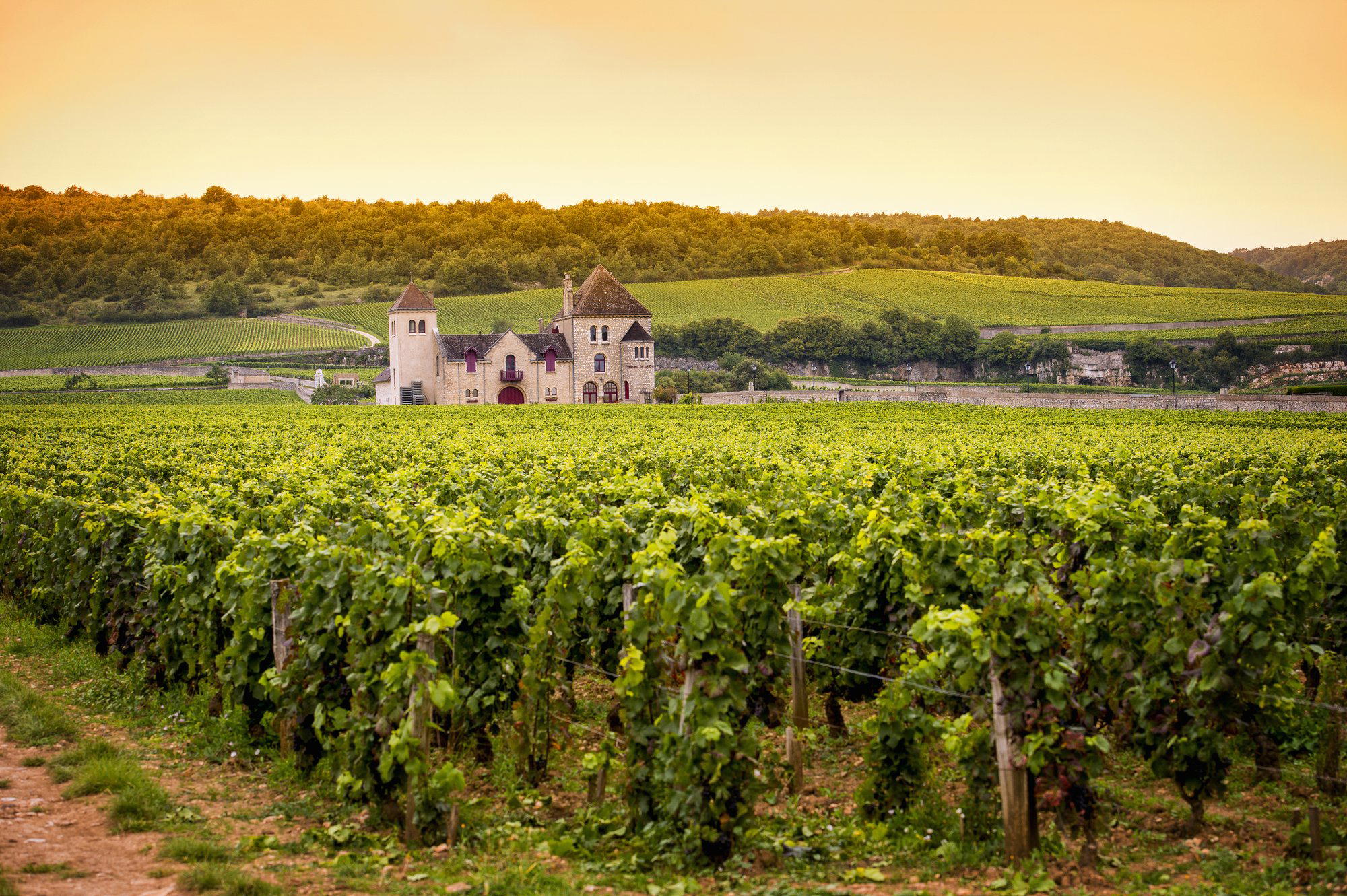
Book Domaine Couly-Dutheil if the goal is a focused Chinon wine stop with easy booking and a calm, cellar-led feel. Falstaff Listed in 2026, it makes the most sense for couples or small groups building a Loire wine day around Chinon rather than expecting a restaurant-style visit.
Cave Archi - Carruzzo Alphonse
Chamoson, Switzerland
Cave Archi - Carruzzo Alphonse works as a low-key Chamoson wine stop, especially for visitors building a broader Valais route rather than chasing a named flagship bottle. Its Falstaff Listed 2026 recognition gives it a credible quality signal, but plan to verify tasting, shipping, and group arrangements before committing.
Feudo Maccari
Noto, Italy
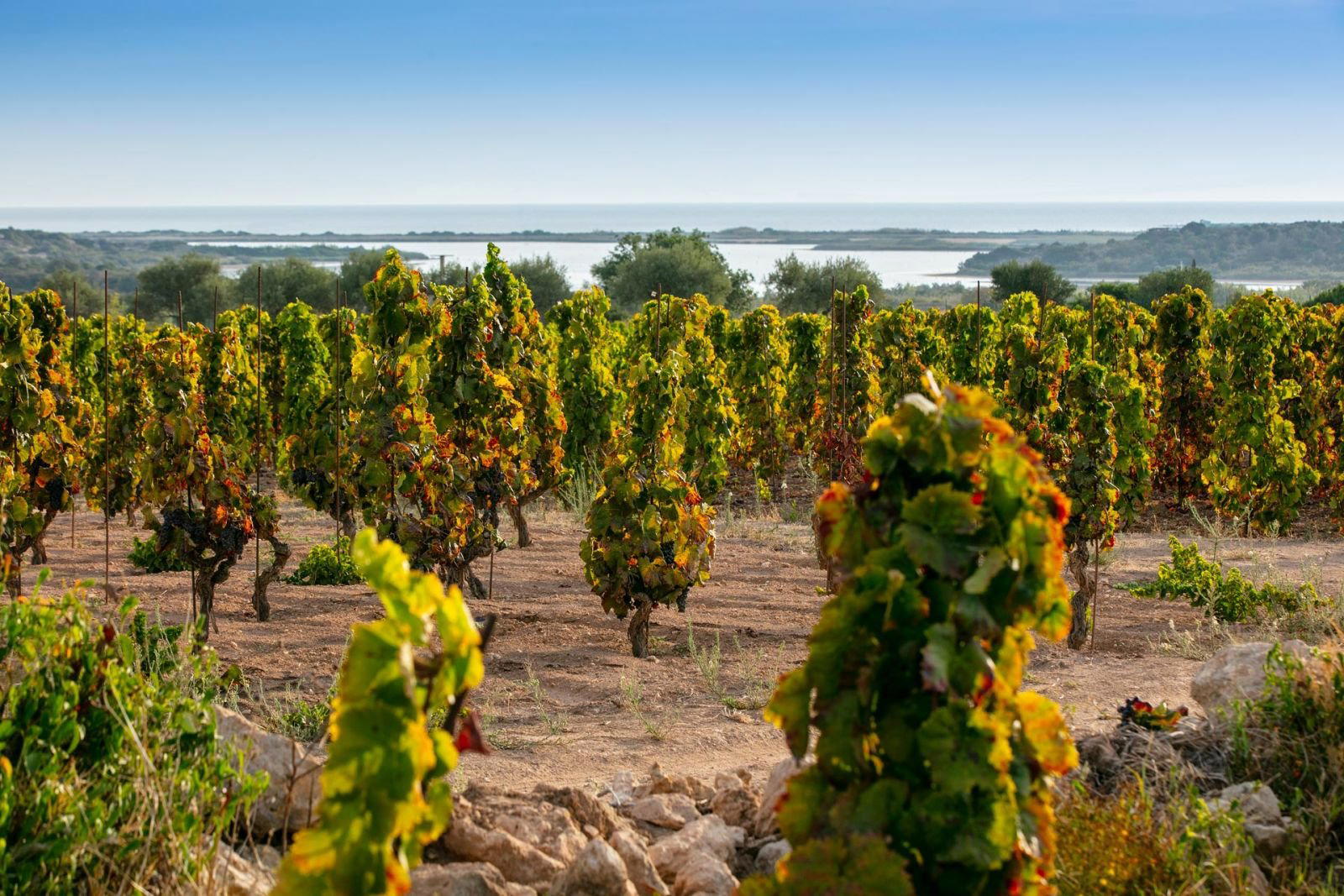
Book Feudo Maccari if you want a polished Val di Noto winery visit centred on Sicilian native grapes, especially Nero d’Avola. The setting suits a date, celebration, or wine-focused afternoon, but it is not a substitute for a restaurant meal or a flexible walk-in tasting crawl.
Collelungo
Castellina in Chianti, Italy
Collelungo is worth booking if the goal is a quiet Chianti Classico agriturismo rather than a luxury resort. The draw is the countryside setting, vineyard surroundings, traditional Tuscan interiors, and working-farm feel, with Chianti Classico as the wine anchor. Best for couples and wine travelers who want a peaceful rural base in Castellina in Chianti.
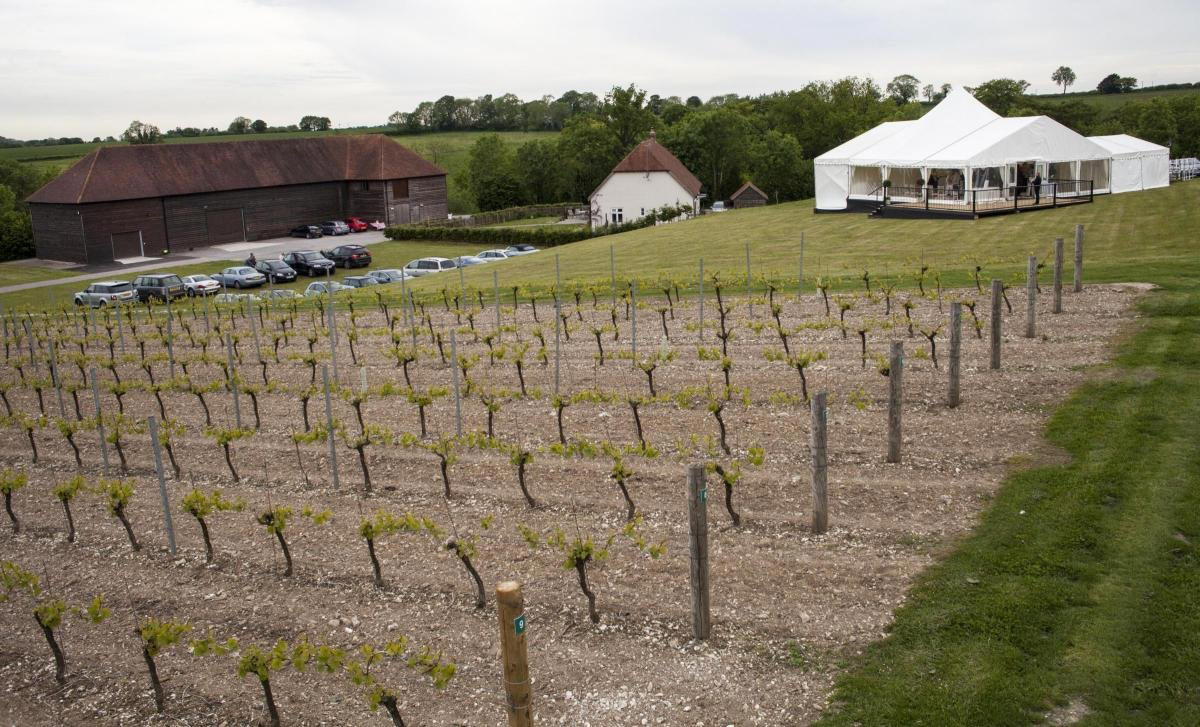
Exton Park Vineyard
Exton, United Kingdom
Exton Park Vineyard is worth booking for a private, occasion-led English sparkling wine experience in the South Downs, especially if countryside setting and estate-grown production matter. It is less suited to casual drop-ins or meal-first plans, but strong for hosted tastings, private dining events, and wine-focused celebrations.
Domaine des Roches Neuves
Varrains, France
Prioritize Domaine des Roches Neuves if the goal is a serious Saumur-Champigny tasting with calm cellar atmosphere, biodynamic farming, and food pairing potential. It is better for small, wine-focused occasions than casual drop-ins, with 2026 Falstaff 3 Stars adding a credible quality signal.
Cheval Quancard
Carbon Blanc Cedex, France
Cheval Quancard works as a practical Bordeaux wine stop, especially if the goal is to compare appellations and buy across a broad portfolio. It is not the right pick for a meal-led celebration or a formal food-pairing experience; plan it as the wine-focused part of a wider Carbon Blanc Cedex day.
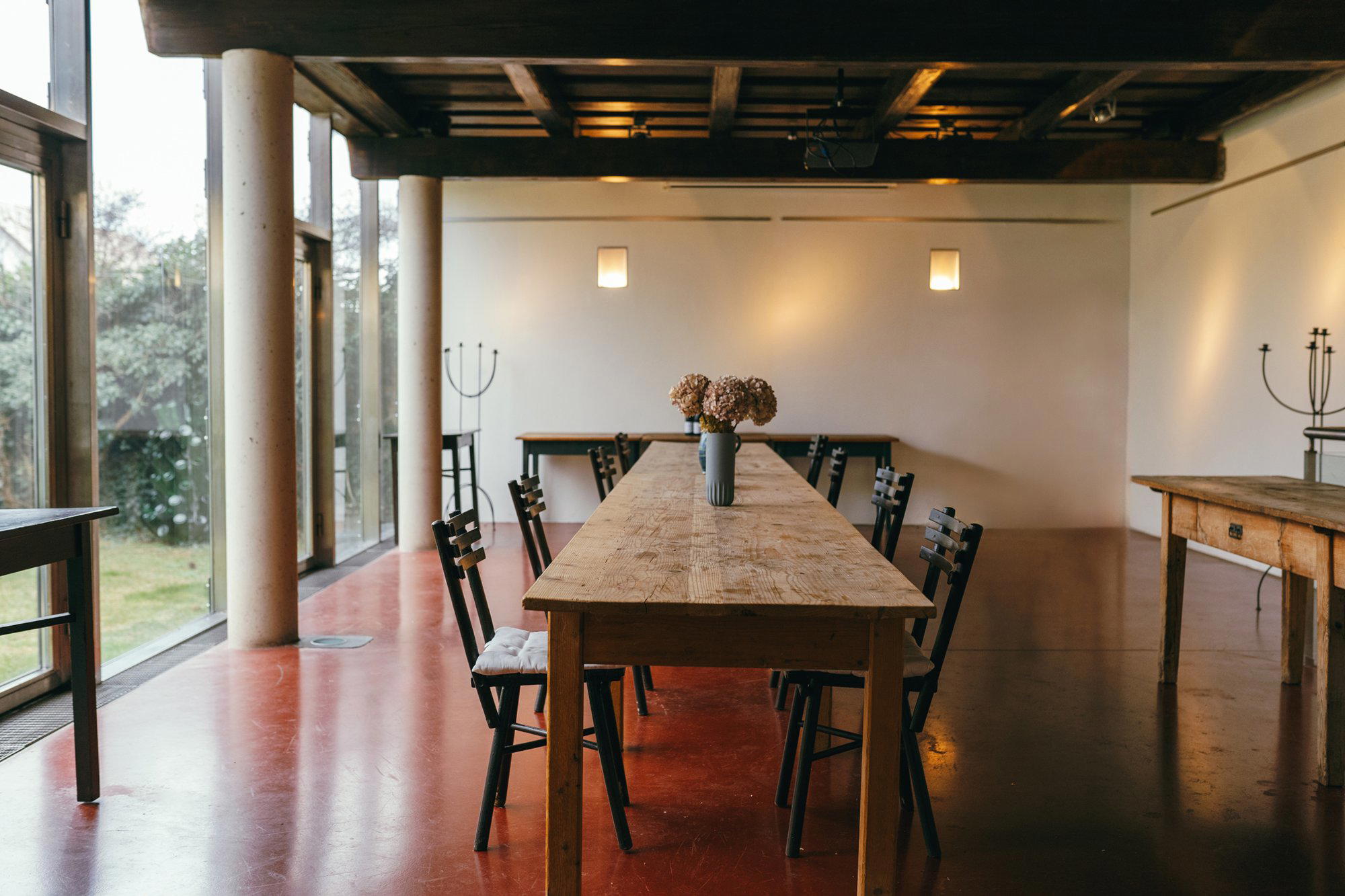
Weingut Christian Fischer Distillery
Sooß, Austria
A focused Sooß winery stop for travelers who want producer depth rather than a broad wine-country venue. It works better as one part of a Thermenregion itinerary than as the whole day, especially if food, group logistics, or a conventional tasting-room setup are priorities.

Bodegas Tridente
Villanueva Del Campean, Spain
A serious rural Castilla y León winery for drinkers who want old-vine Tempranillo rather than a polished tasting-room scene. Bodegas Tridente is worth the effort if fuller Spanish reds, gravel soils, and vineyard context are the point of the trip; skip it if the group wants broad varietal range, food programming, or casual walk-in flexibility.
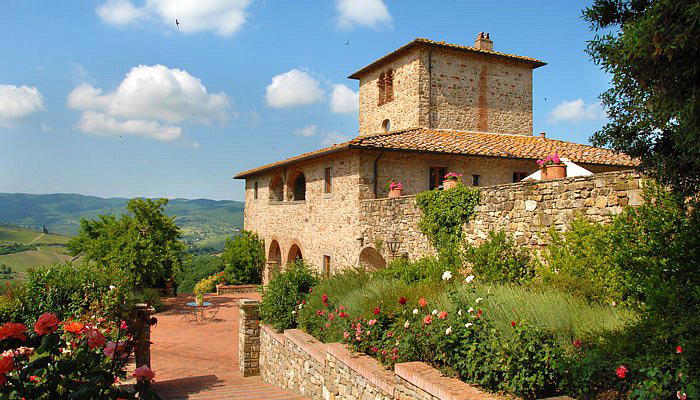
Fontodi
Greve in Chianti, Italy
Fontodi is worth prioritizing if the goal is a serious Greve in Chianti winery visit built around producer depth, not a casual food-led stop. With Giovanni Manetti as winemaker and a first vintage dating to 1979, it suits collectors and wine-focused travelers who are willing to plan ahead.
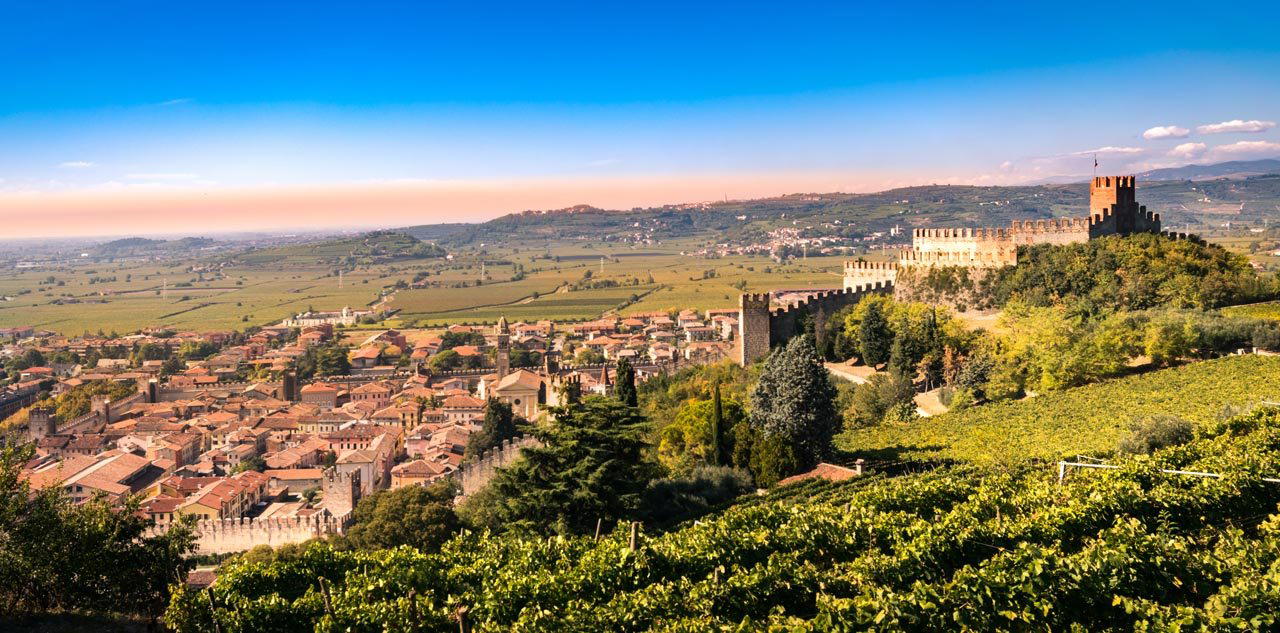
Corte Adami
Soave, Italy
Book Corte Adami if you want a quiet Soave tasting built around estate-grown Garganega and clear value rather than luxury polish. The strongest reason to go is the progression from accessible Soave DOC to cru and single-vineyard bottlings from Castelcerino, backed by sustainable certification and Falstaff recognition in 2026.
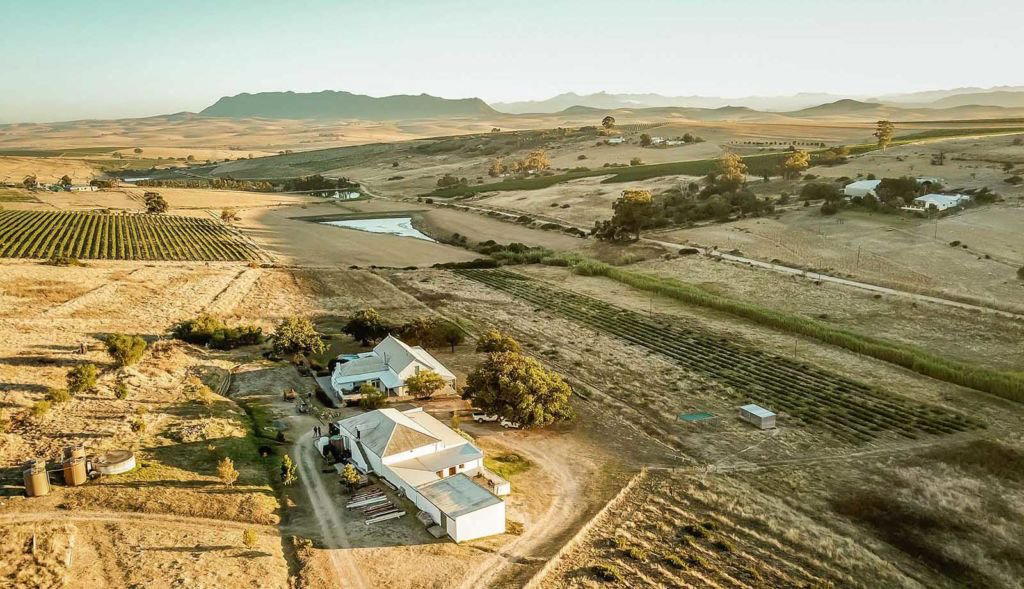
Intellego Wines
Swartland, South Africa
Intellego Wines is worth booking for Swartland drinkers who want small-scale, low-intervention wines with real value in the $$ range. The draw is Chenin, orange wine, pét-nat, Syrah, and lighter reds from an experimental producer listed by Falstaff in 2026, not a polished estate-style hospitality setup.
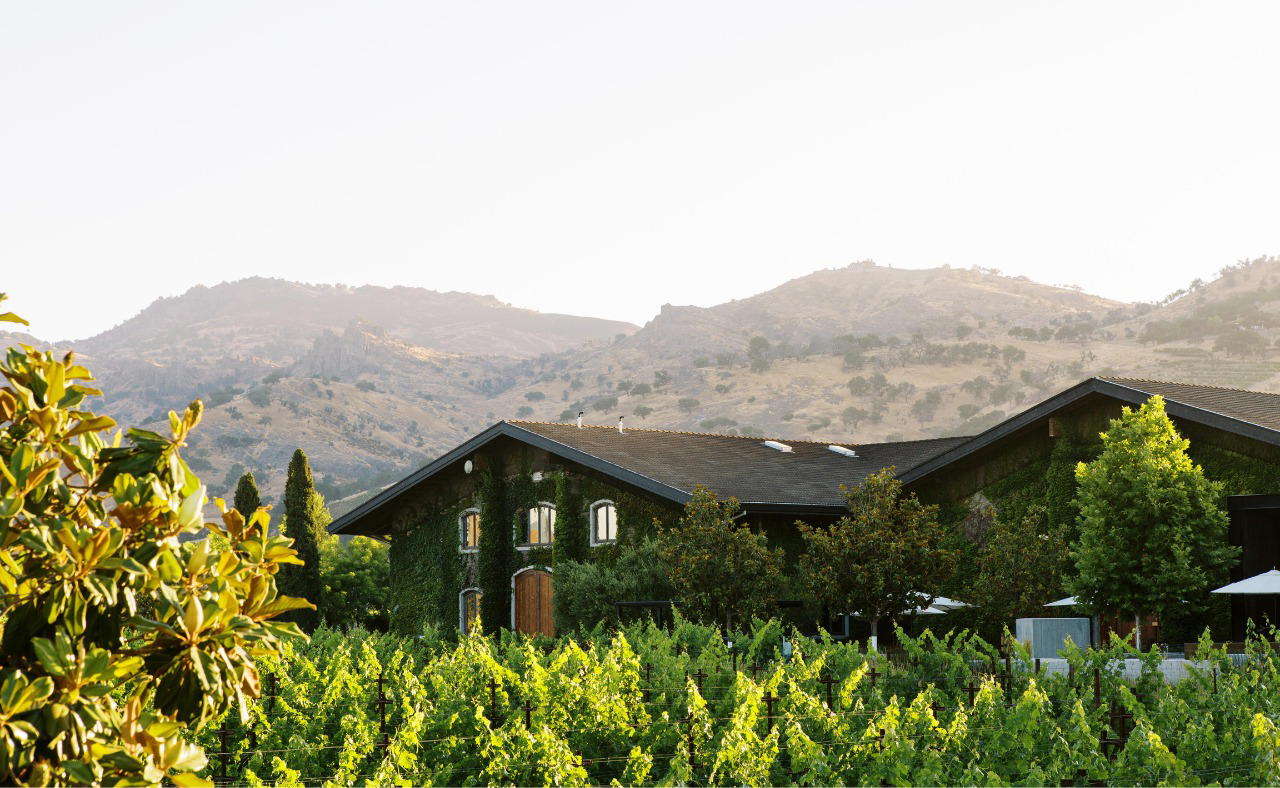
Clos Solene Winery
El Paso De Robles, United States
Clos Solene Winery is a strong Paso Robles candidate when the outing is wine-led and planned, not a casual drop-in. Its Falstaff Winery listing for 2026 gives it a useful credibility signal, but groups planning a celebration should confirm visit format, timing, and capacity before building the day around it.
How many of these have you visited?
Find out on Pearl and keep score across every place in 2026 Falstaff Winery Guide.