

2026 Falstaff Winery Guide: The Ultimate Wine Authority — Page 96
Falstaff's 2026 Wineries guide.

Venues on this list
Castello di Luzzano
Rovescala, Italy
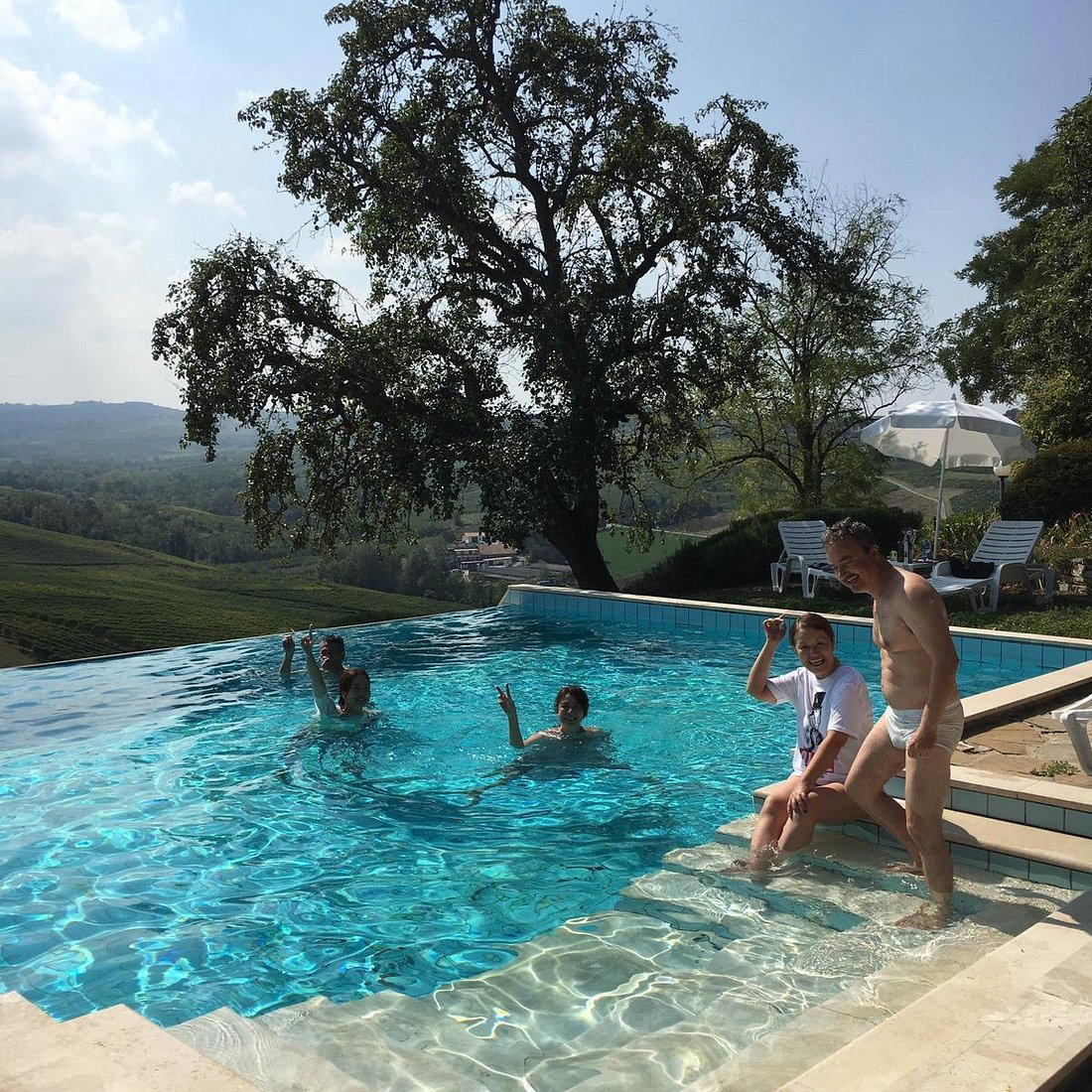
Choose Castello di Luzzano if the appeal is a Rovescala winery visit with estate context and Falstaff Listed recognition in 2026. It is not the right pick for travelers chasing a clearly published flagship bottle; use the visit to assess the current range directly and decide what is worth buying or shipping.
Bodega Matsu
Logroño, Spain
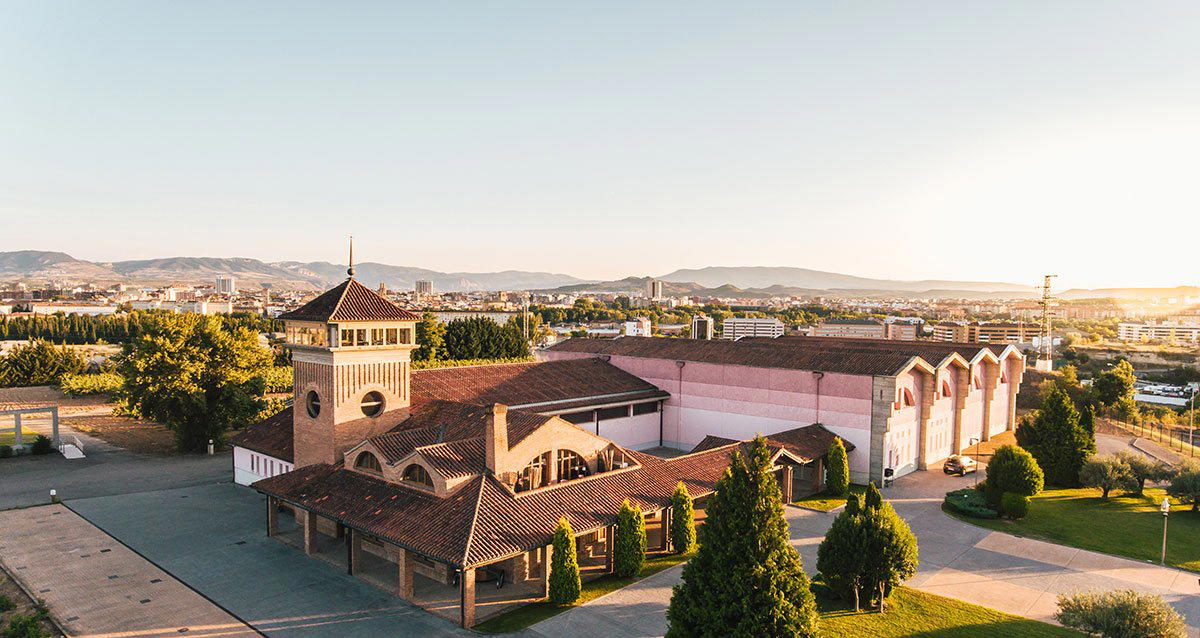
Choose Bodega Matsu if you want a production-led wine visit focused on old-vine Toro, biodynamic farming, organic certification, and low-intervention cellar work. It is better for serious wine travellers than casual drop-ins, especially because planning should be treated as appointment-led rather than spontaneous.
Il Seregno
Sona, Italy
Book Il Seregno if you want a relaxed Sona farm-cellar tasting with wine, honey, grappa, and liqueurs rather than a formal estate experience. It suits couples, families, and small celebration groups looking for warmth and value in the Garda-Verona countryside, but it is not the choice for a structured meal or trophy-wine appointment.
Blackbird Vineyards
Napa, United States
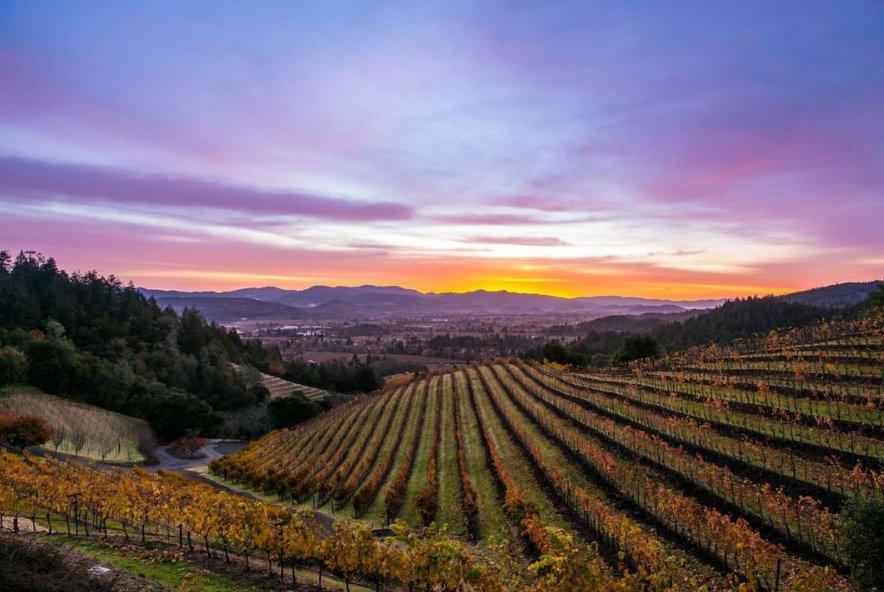
Blackbird Vineyards is best for a serious Napa wine itinerary where the appointment itself is the anchor. It suits celebrations, client hosting, and collector-minded visitors more than casual same-day tasting plans. Because access is difficult, build the day around confirmed availability and keep the rest of the schedule loose.
Domaine de la Mermière
Soral, Switzerland
Book Domaine de la Mermière if you want a quiet, biodynamic Geneva wine estate where the vineyard setting is part of the value. The $$ positioning and Falstaff 2 Stars recognition make it a strong Soral choice for a private tasting, but the appointment-only format means it is better for planned small groups than casual drop-ins.
Jansz Tasmania
Pipers Brook, Australia
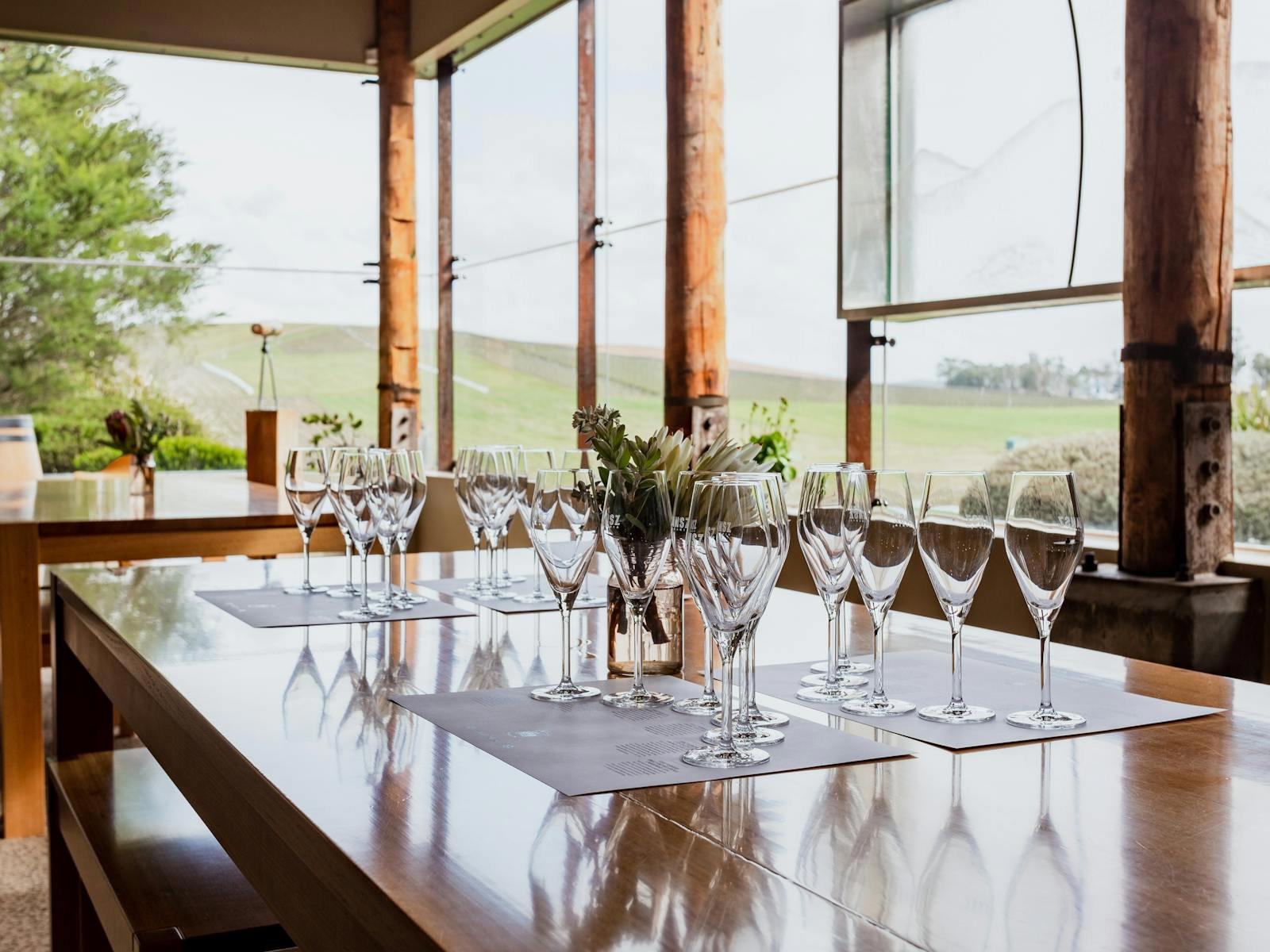
Book Jansz Tasmania if the trip is built around Tasmanian sparkling wine and a more focused tasting format. It is a stronger fit for collectors and wine-focused travellers than for casual groups looking for an easy walk-in stop, with House of Arras the closest cross-shop for a similar sparkling-led itinerary.
Château La Pointe
Libourne Pomerol, France
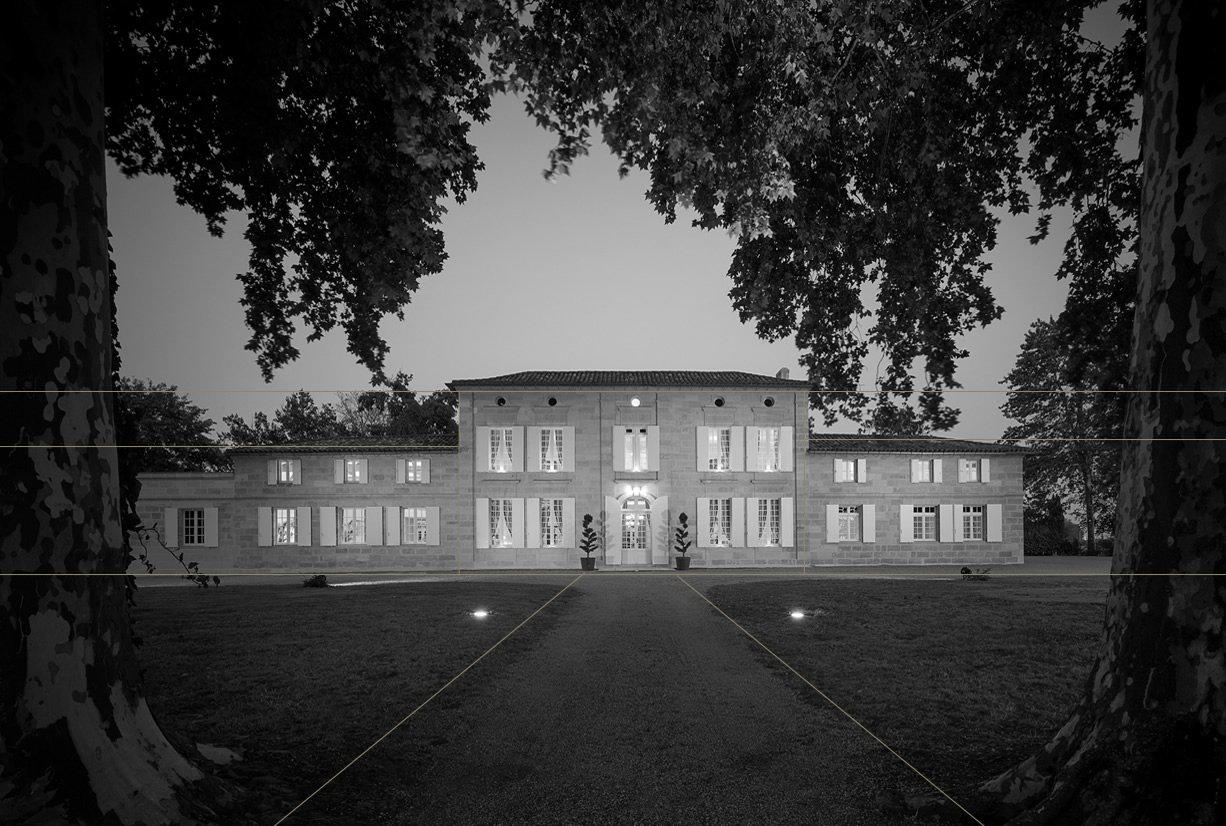
Château La Pointe is a strong shortlist pick for a focused Pomerol wine visit near Libourne, especially for travelers who care more about appellation context than built-out tourism extras. Falstaff’s 2 Stars in 2026 gives it a credible quality signal, but plan around confirmed access and keep the rest of the day close by.
Bodegas Murua
Elciego, Spain
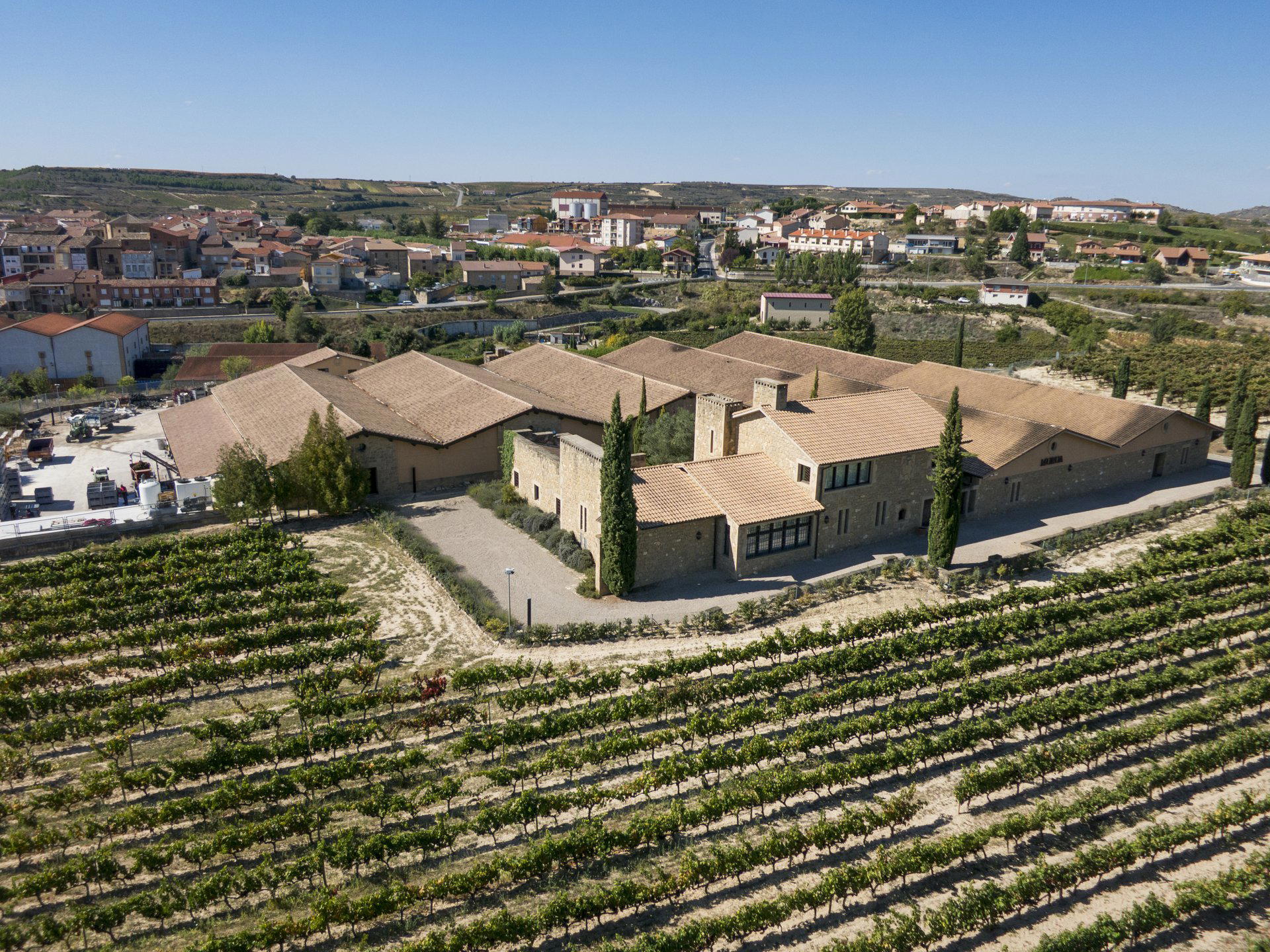
Book Bodegas Murua if you want a slower Rioja Alavesa winery visit with estate context, art-filled interiors, and a serious Tempranillo focus. It is better for couples or small groups seeking depth than for travelers chasing a quick tasting stop. Plan it as the anchor of an Elciego half-day, not as one rushed appointment among many.
Fairview Wine & Cheese
Paarl, South Africa
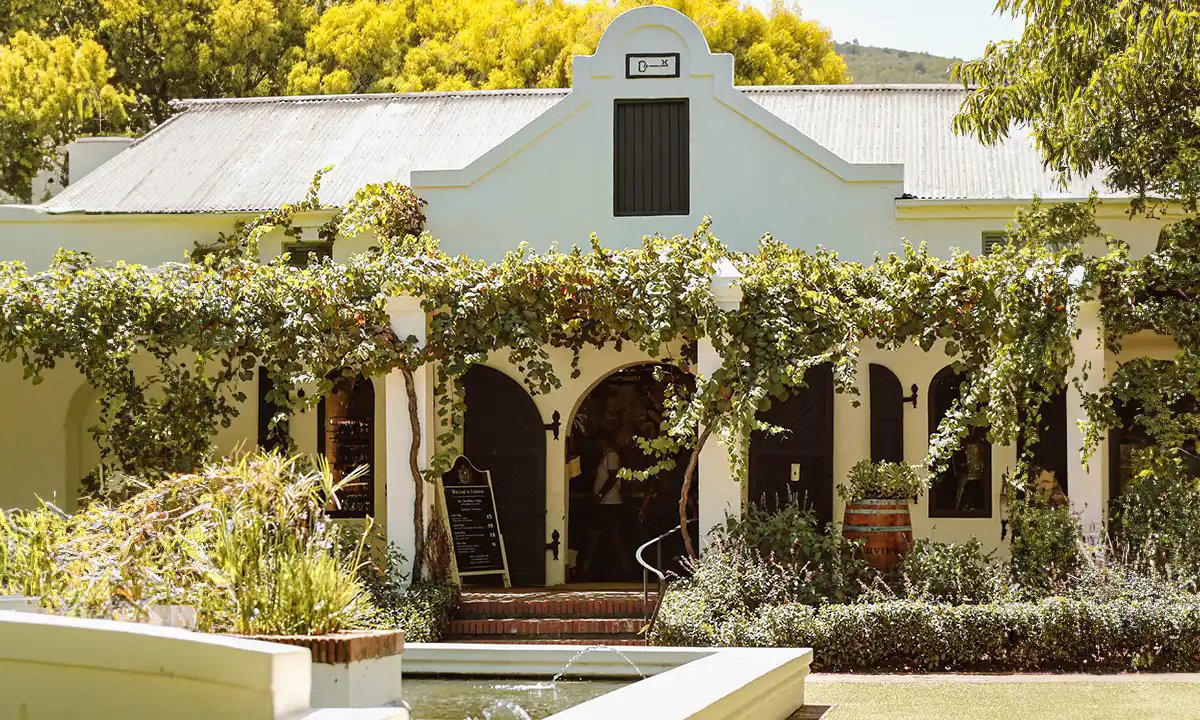
Fairview Wine & Cheese is a practical Paarl pick for a celebration or group wine outing, especially when the group wants wine plus an easy shared food angle. Choose it over quieter cellar stops when broad appeal matters; compare Glen Carlou, Laborie Estate and KWV Wine Emporium if the priority is a more focused estate or cellar experience.
Château Branaire Ducru
Saint-Julien-Beychevelle, France
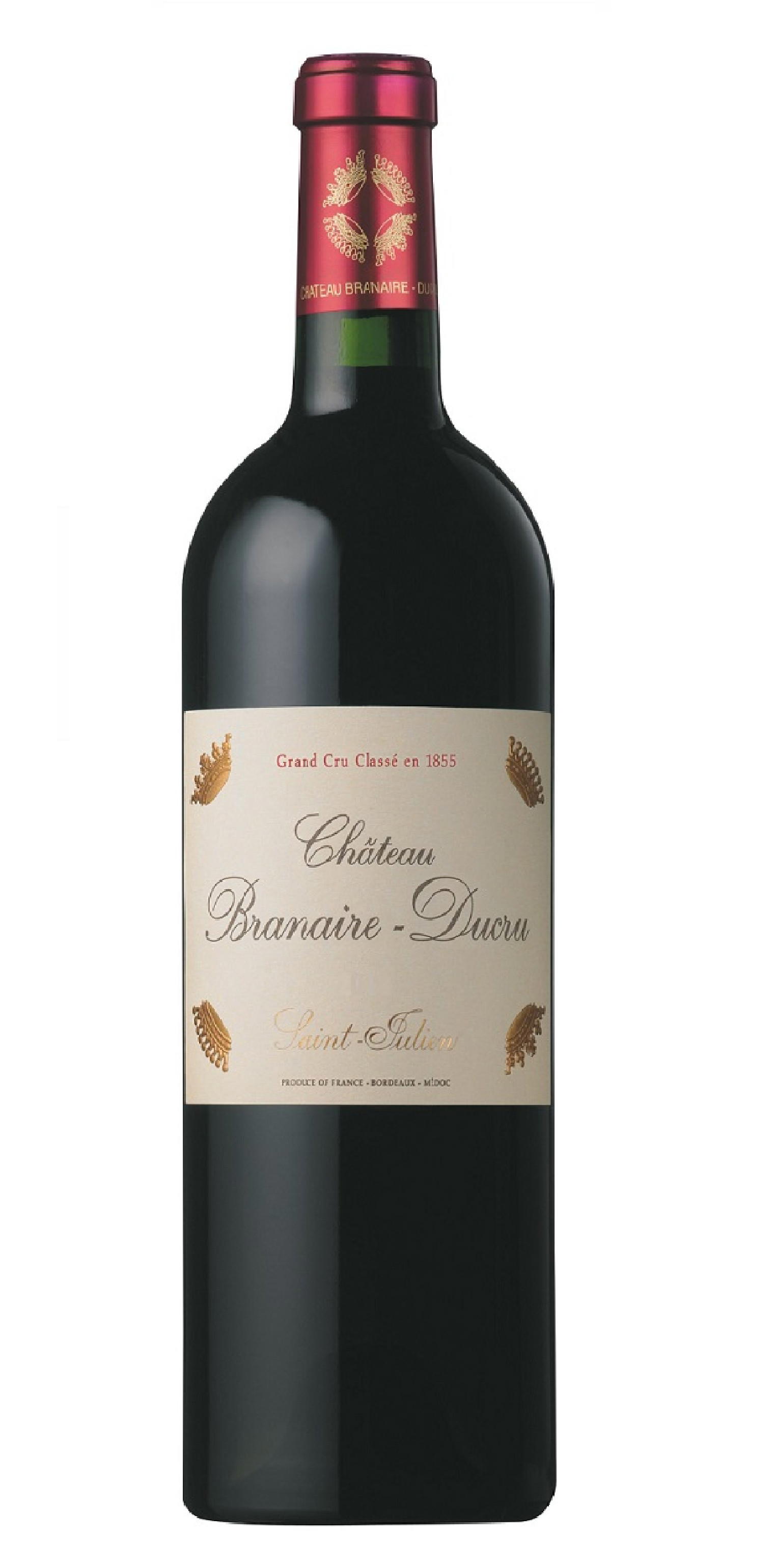
Château Branaire Ducru is the right call for a polished St-Julien château visit when the trip is built around Médoc context and occasion-level planning. It is less suited to casual drop-ins or groups needing food service details confirmed in advance, but strong for guests who want one serious left-bank stop to anchor the day.
Domaine des Landions
Cortaillod, Switzerland
Worth arranging if Swiss Pinot Noir is the goal, not if the priority is a broad tasting-room experience. Domaine des Landions is a focused, family-run Cortaillod estate with Bio Suisse certification, Burgundian-influenced cellar work and a narrow range built around Les Cailloutis, Les Landions and Clos du Château.
Azienda Agricola Il Poggiarello
Travo, Italy
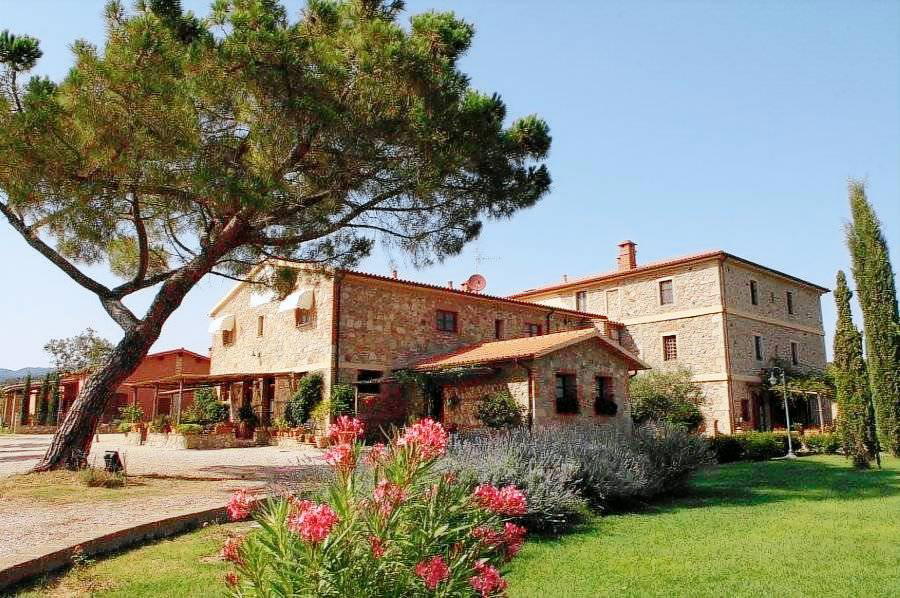
Book Azienda Agricola Il Poggiarello if a quiet Val Trebbia tasting focused on Colli Piacentini grapes is the goal. At $$ with a Falstaff 2026 listing, it is better for a relaxed countryside date or small celebration than for a polished luxury tasting-room experience.
Domaine Èmile Beyer
Eguisheim, France
Domaine Èmile Beyer is worth choosing for a quiet, educational Alsace tasting with real vineyard depth. The draw is not spectacle; it is a 14-generation Eguisheim estate working across Grand Cru sites, classic Alsace varieties, Crémant, and late-harvest wines, with organic and biodynamic viticulture at the centre of the conversation.
Christina Dhom Weine
Bad Kreuznach, Germany
Book Christina Dhom Weine if the goal is a direct-contact Nahe winery appointment focused on dry, fruit-led wines rather than a highly formal tour. The range covers Gelber Muskateller, red, rosé, sweet wines, sekt, secco and tasting packs, making it useful for mixed-preference groups planning a Bad Kreuznach wine day.
El Sequé
Pinoso, Spain
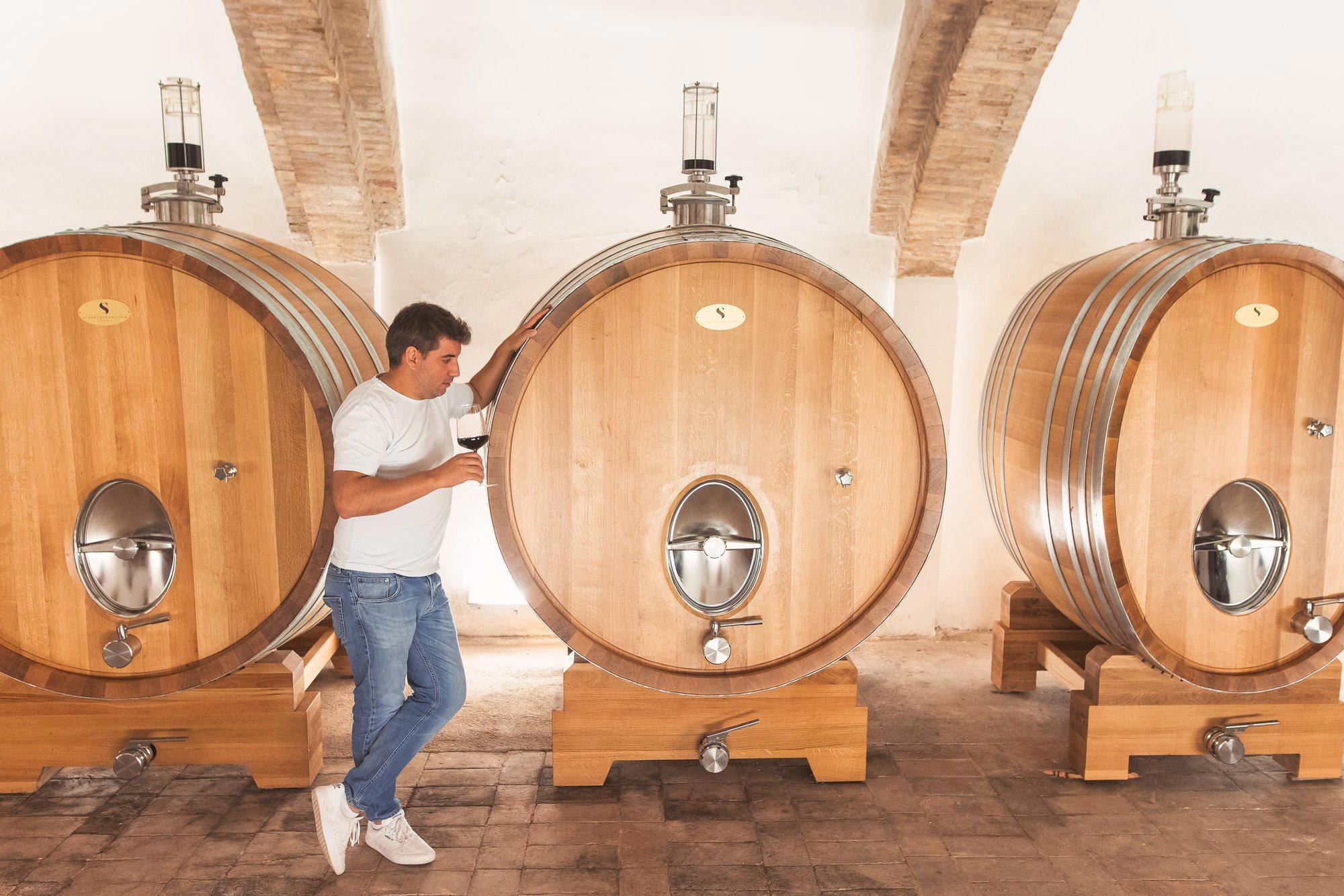
El Sequé is worth booking for serious Monastrell drinkers who want vineyard context in rural Pinoso, not a glossy food-and-wine resort format. The case rests on organic farming, estate-grown fruit, 500-litre French oak ageing, and a 2026 Falstaff 3 Stars rating. Go for depth, terroir, and Alicante’s Mediterranean register.
Château la Mouline
Moulis En Medoc, France
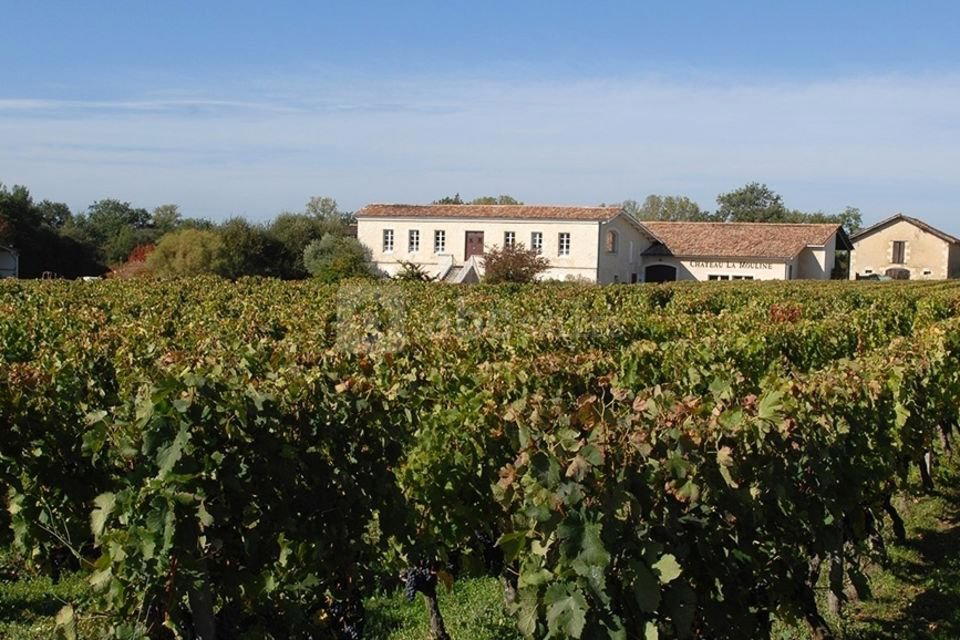
Château la Mouline is a sensible Moulis-en-Médoc stop if the goal is a quieter winery visit rather than a highly produced château experience. Its Falstaff Listed 2026 recognition gives it a useful credibility signal, but treat any wine club or allocation offer as worth joining only if the terms, bottle access, and shipping details fit how you actually buy wine.
Facchetti
Ebrusco, Italy
Book Facchetti if you want a quiet, family-run Franciacorta tasting with real production context rather than a high-gloss winery day. The $$ positioning, 60,000-bottle scale and Falstaff Listed 2026 recognition make it a sensible Ebrusco stop for sparkling-wine drinkers, especially if you care about Satèn, rosé and zero-dosage styles.
Casillero del Diablo
Santiago, Chile
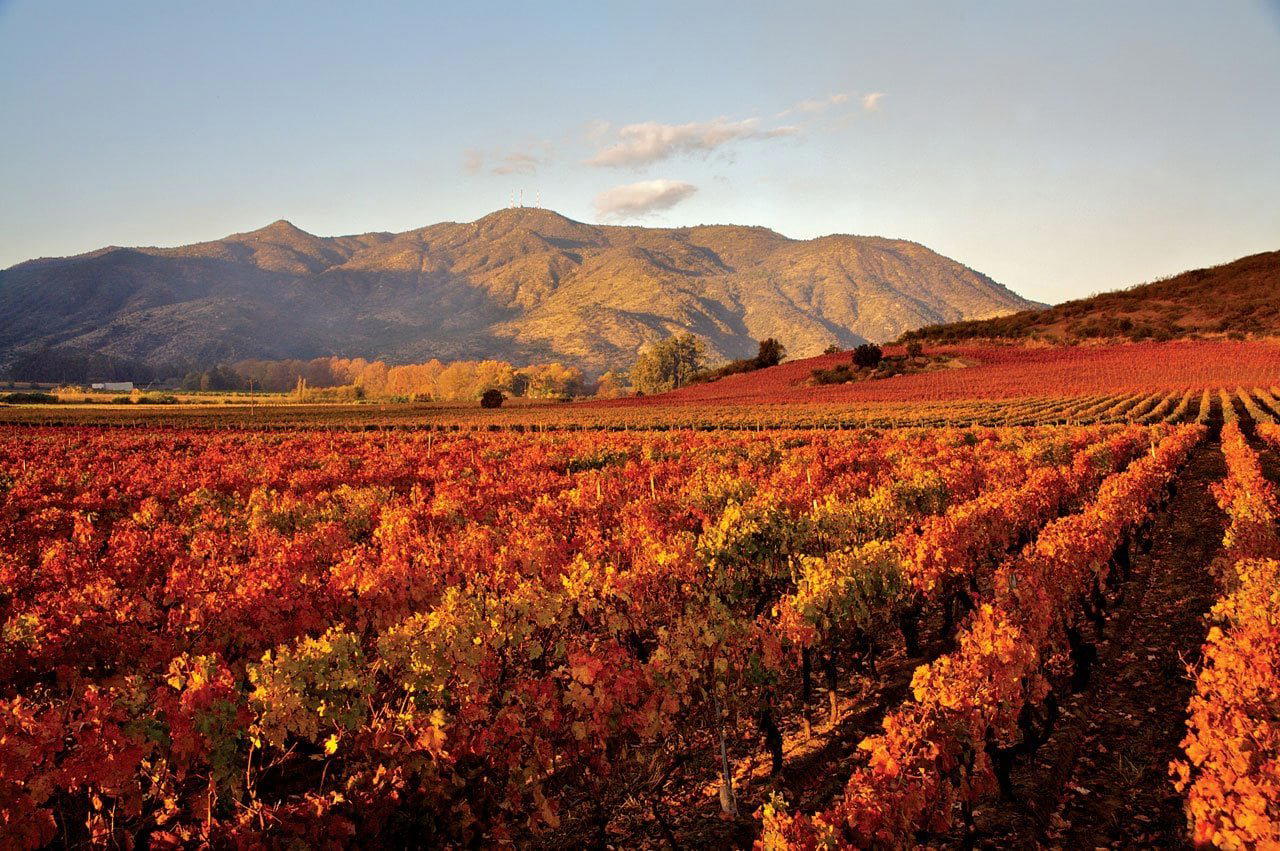
Book Casillero del Diablo if you want an easy, story-led Santiago winery visit with more atmosphere than a standard tasting room. The value is strongest for mixed-interest groups, couples, and first-time Chile wine travelers; serious collectors should treat it as context for a major Chilean label rather than a rare-bottle hunt. Falstaff Listed in 2026.
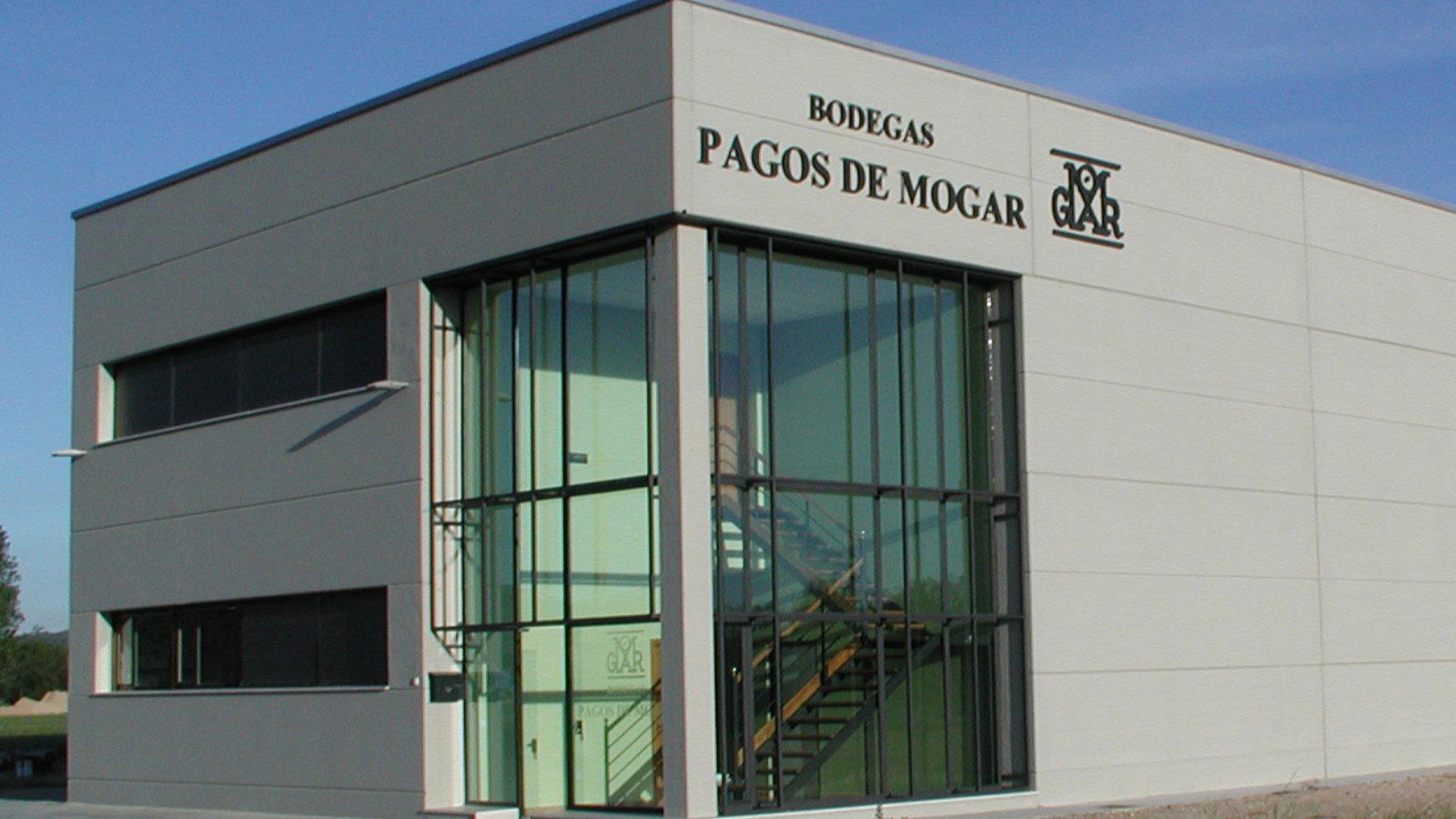
Bodegas Pagos de Mogar
Valbuena de Duero, Spain
Book Bodegas Pagos de Mogar if you want a quieter Ribera del Duero winery visit focused on production choices, not spectacle. The draw is the family-run, small-scale approach: manual harvest, sorting-table selection, limited annual output, and a portfolio that clearly contrasts 6- and 12-month barrel aging.
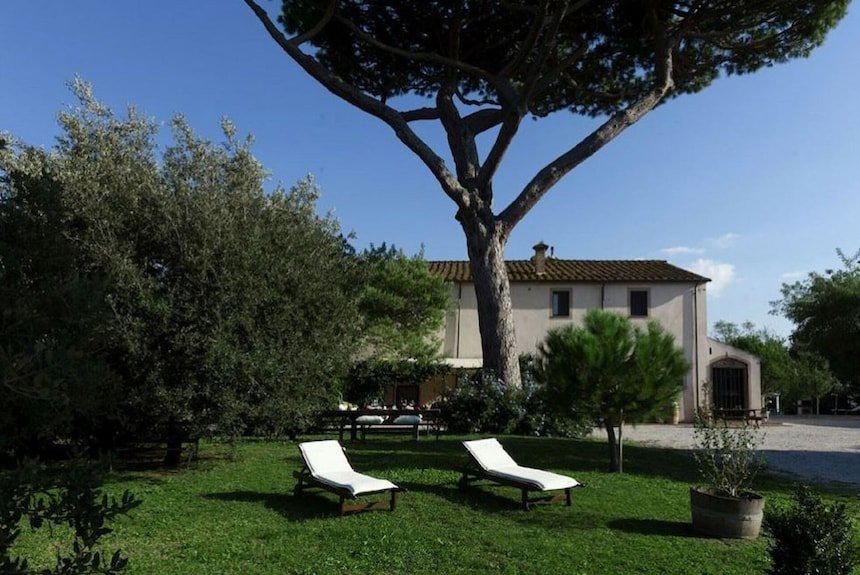
Azienda Agricola Ceralti
Castagneto Carducci, Italy
Azienda Agricola Ceralti works as an easy Castagneto Carducci winery stop, especially for travelers exploring Tuscany’s coastal wine country rather than chasing a polished tasting-room production. Falstaff Listed recognition for 2026 gives it a credible trust signal, but wine-club value should be assessed only after seeing the actual shipment terms and tasting the wines.
Peter Michael Winery
Calistoga, United States
Peter Michael Winery is a high-effort Calistoga pick for a special-occasion Napa visit, especially for smaller parties who care about producer history and a focused tasting day. With a first vintage in 1987 and Robert Fiore listed as winemaker, it suits collectors and celebration trips better than casual group itineraries.
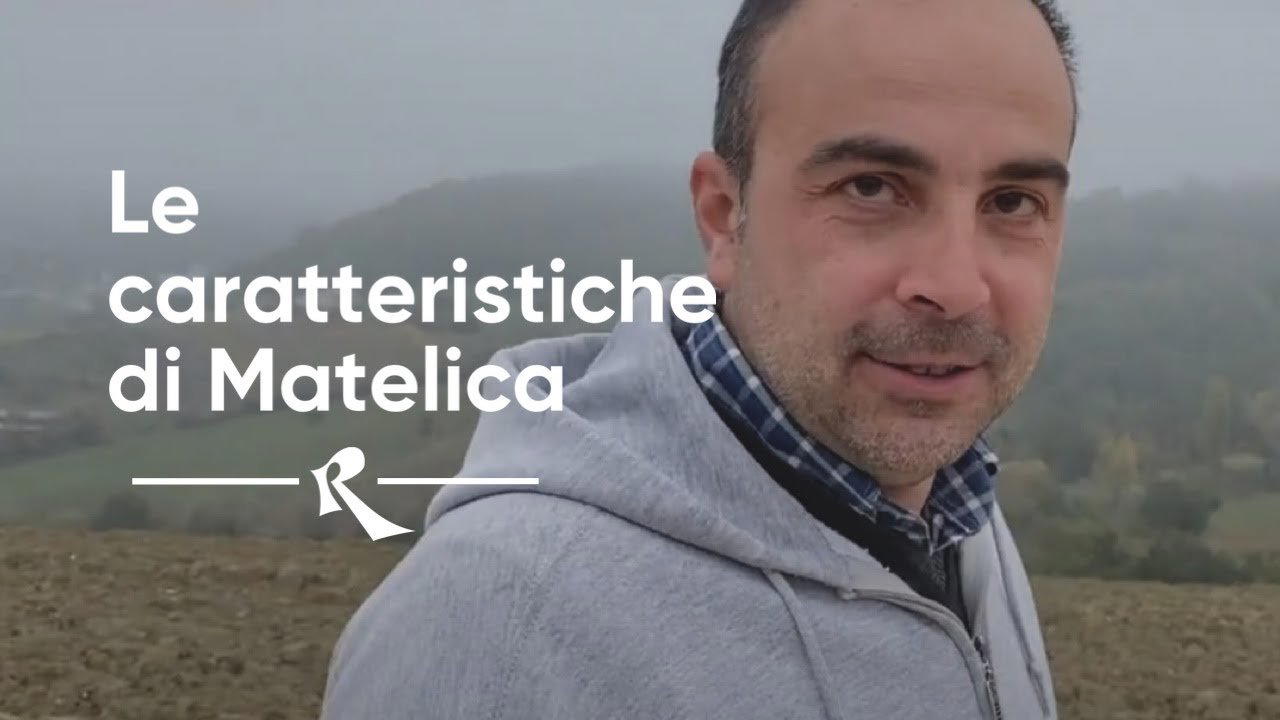
Casa Lucciola
Matelica, Italy
Casa Lucciola is a good fit for travelers who want a quiet, Verdicchio-focused farm visit rather than a polished wine-tourism stop. The draw is organic and biodynamic farming, estate fruit, and a clear Matelica identity; food should be planned separately, with the wines treated as context for the region’s cooking.
Bärmann
Merdingen, Germany
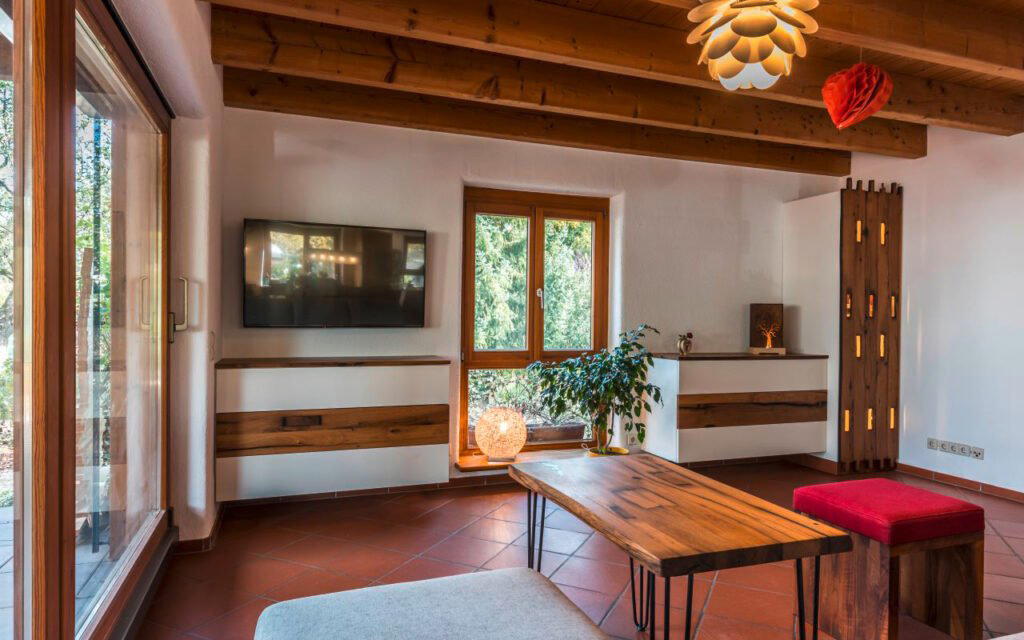
Bärmann is worth prioritizing if the goal is a small, family-run Tuniberg winery rather than a large hospitality operation. It suits couples and small groups who care about dry Baden wines, manual vineyard work, and a quiet Merdingen setting; skip it if you want a highly structured, full-service tasting program.
Chronicle Vineyards
Rio Tinto, Portugal
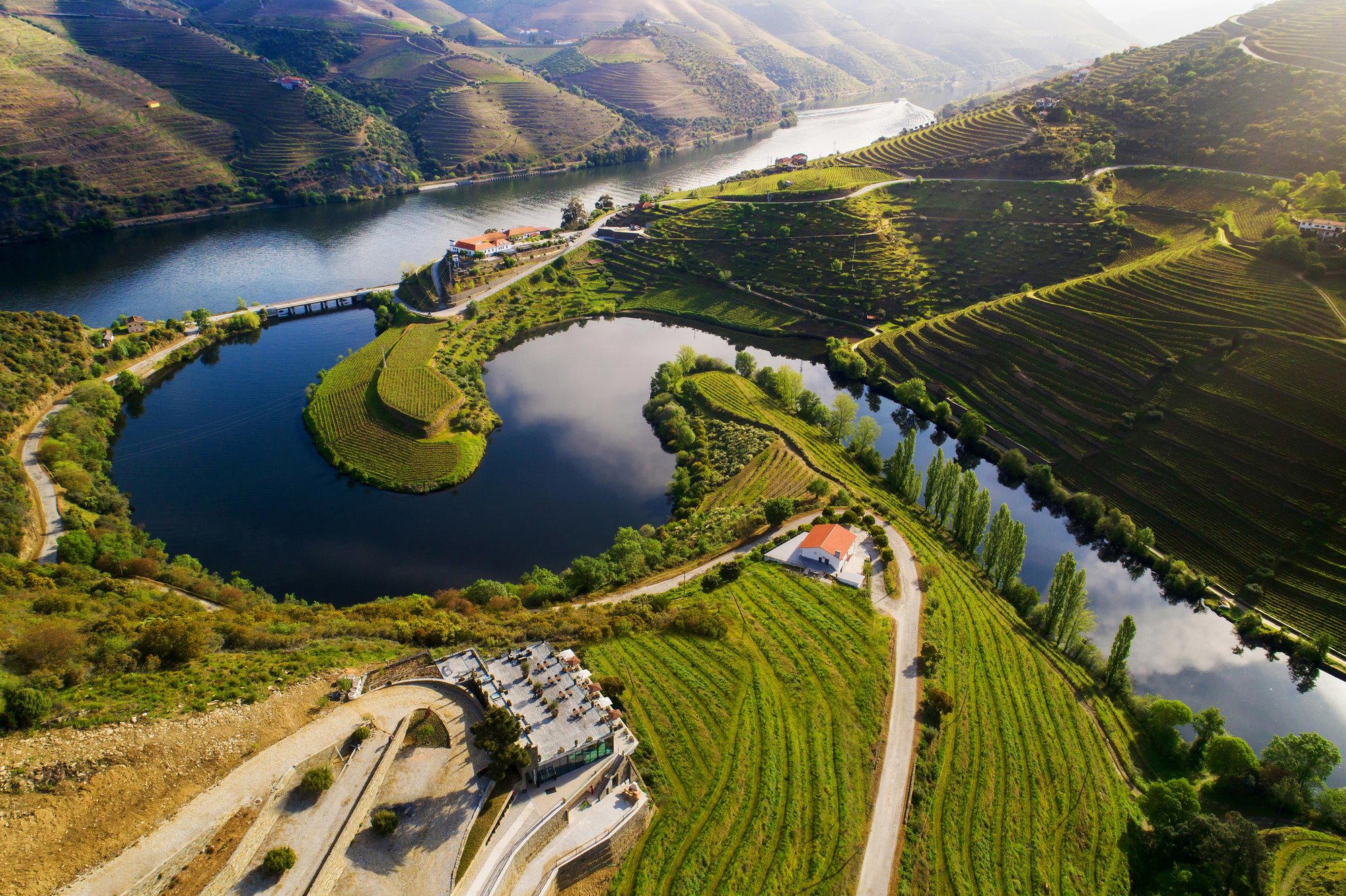
Chronicle Vineyards works for small-production Douro Superior red wine, especially if Touriga Nacional-led blends and vintage detail matter more than a polished visitor setup. The strongest fit is a collector, date, or celebration built around the bottle; casual groups wanting an easy tasting-room afternoon should look elsewhere.
Flik Sektmanufaktur
Mainz, Germany
Flik Sektmanufaktur works for Mainz travelers specifically interested in German sparkling wine, not for visitors who need a food-led winery stop or fully mapped tasting logistics. Falstaff listing gives it a useful credibility signal, but the practical case is strongest when sekt is the reason for the detour.
Cantine Agriverde
Caldari Di Ortona, Italy
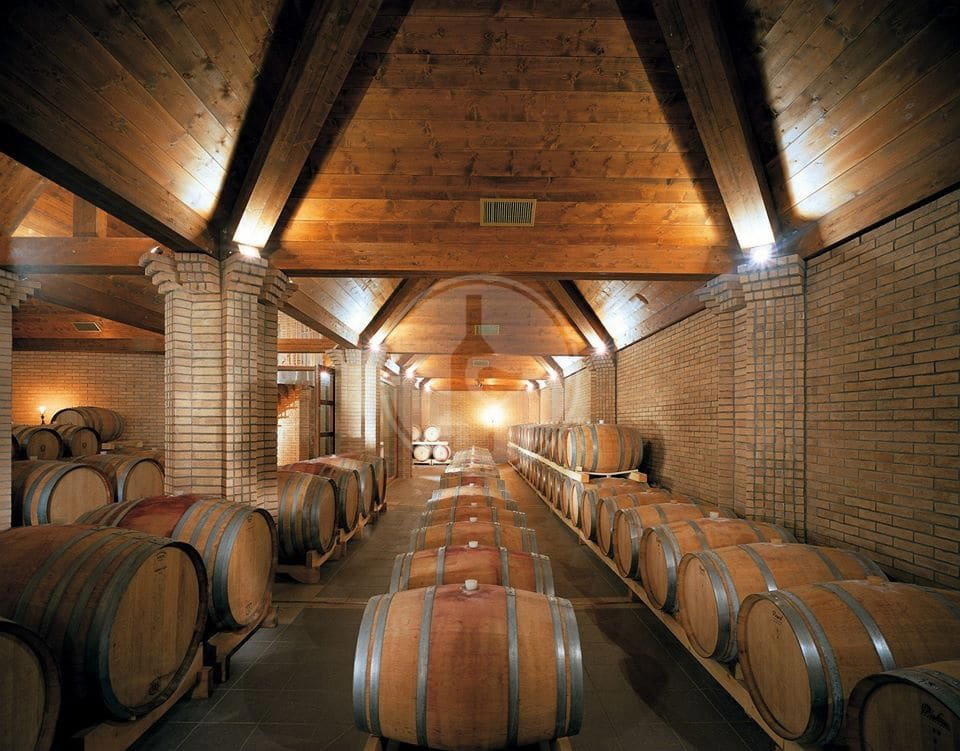
Book Cantine Agriverde if your priority is organic Abruzzo wine with a serious farming story behind it. The flagship move is to focus on Plateo Montepulciano d’Abruzzo Riserva and Solarea Trebbiano d’Abruzzo, then decide what is worth taking home from the broader organic portfolio.
Château Rozier - Vignobles famille saby
Saint-Laurent-des-Combes, France
Book Château Rozier - Vignobles famille saby if the goal is a personal, educational Saint-Émilion visit rather than a formal château circuit. The appeal is the family-run format, Merlot-led Grand Cru focus, vineyard-and-cellar explanation, and approachable countryside atmosphere. It suits first-timers who want regional context with enough wine detail to make the stop feel worthwhile.
Château Castera
Saint-Germain-d'Esteuil, France
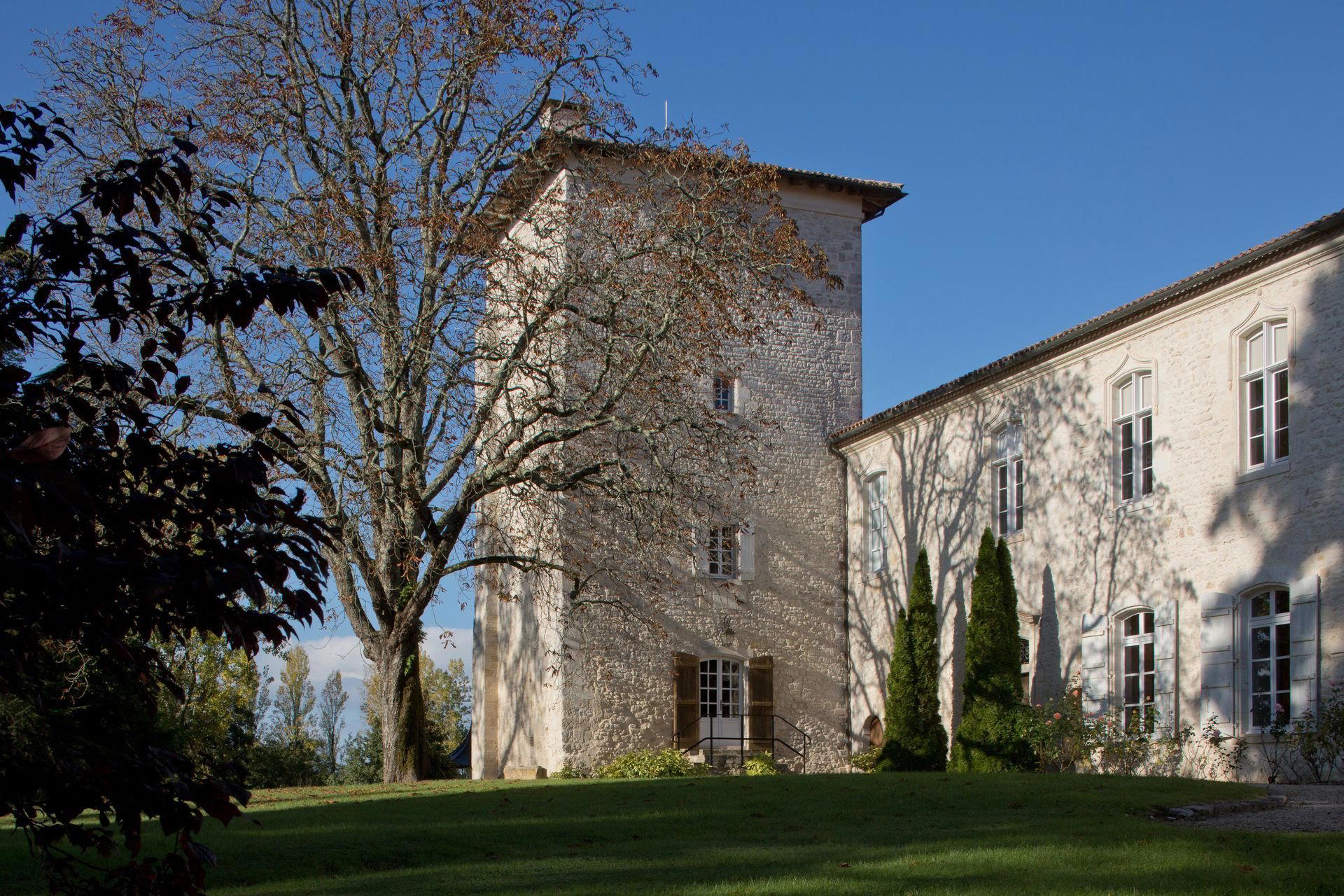
Book Château Castera if you want a Médoc winery visit with more heritage and cultural context than a basic tasting stop. It is a strong fit for travelers who like château architecture, vineyard setting, and art programming alongside red-wine production, and less suited to anyone trying to rush through multiple estates in one day.
Azienda Vitivinicola Marino
Agropoli, Italy
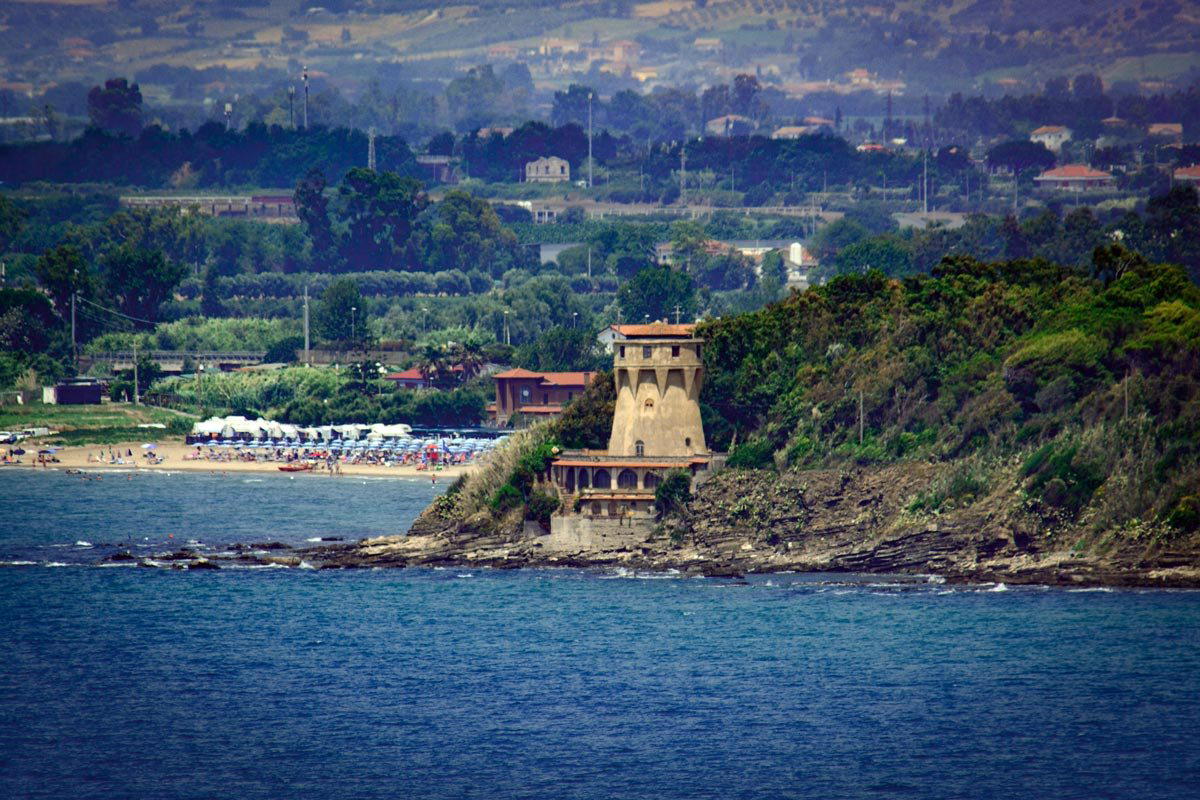
Book Azienda Vitivinicola Marino if you want a hosted Cilento winery visit rather than a quick pour-and-go tasting. The strongest value is in the guided or private format, where Fiano, Aglianico, Piedirosso, local food, and family storytelling come together on an organic estate with Falstaff recognition in 2026.
HBLA und BA für Wein- und Obstbau
Klosterneuburg, Austria
Book this as an educational Klosterneuburg wine-and-fruit stop, not as a polished cellar-door tasting. The draw is institutional depth: viticulture, pomology, applied research, public events, and direct-sale access. It is worth adding for context if you care how Austrian wine and fruit production works, but not for a food-led visit or wine-club-style allocation benefits.
Cava Privat
Vilafranca del Penedès, Spain
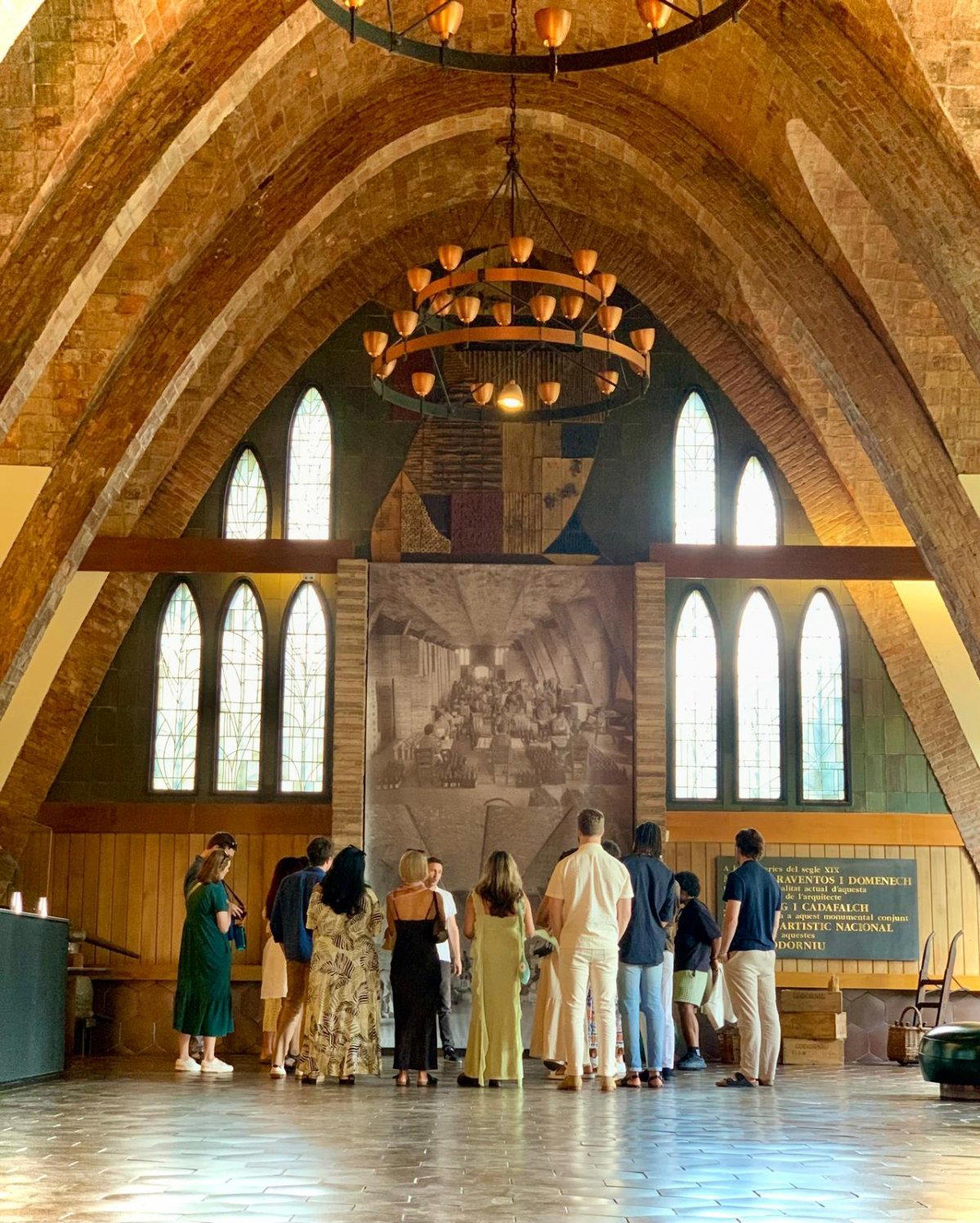
Cava Privat is a good Vilafranca del Penedès pick for travellers who want organic DO Cava rather than a large-scale heritage spectacle. The draw is certified ecological viticulture, manual harvesting, traditional-method sparkling wine, and a portfolio that lets enthusiasts compare classic Brut Nature with rosé and Chardonnay expressions.
Julien Schaal
Elgin, South Africa
Book Julien Schaal if Chardonnay is the point of your Elgin visit. The value is in a focused, appointment-only look at a Cape South Coast range shaped by an Alsace-linked producer, with Platter’s 5 Star recognition attached to Mountain Vineyards Chardonnay. Skip it for large casual groups or anyone expecting a full food-pairing estate experience.
Bodegas Juan Carlos Sancha
Banos De Rio Tobia, Spain
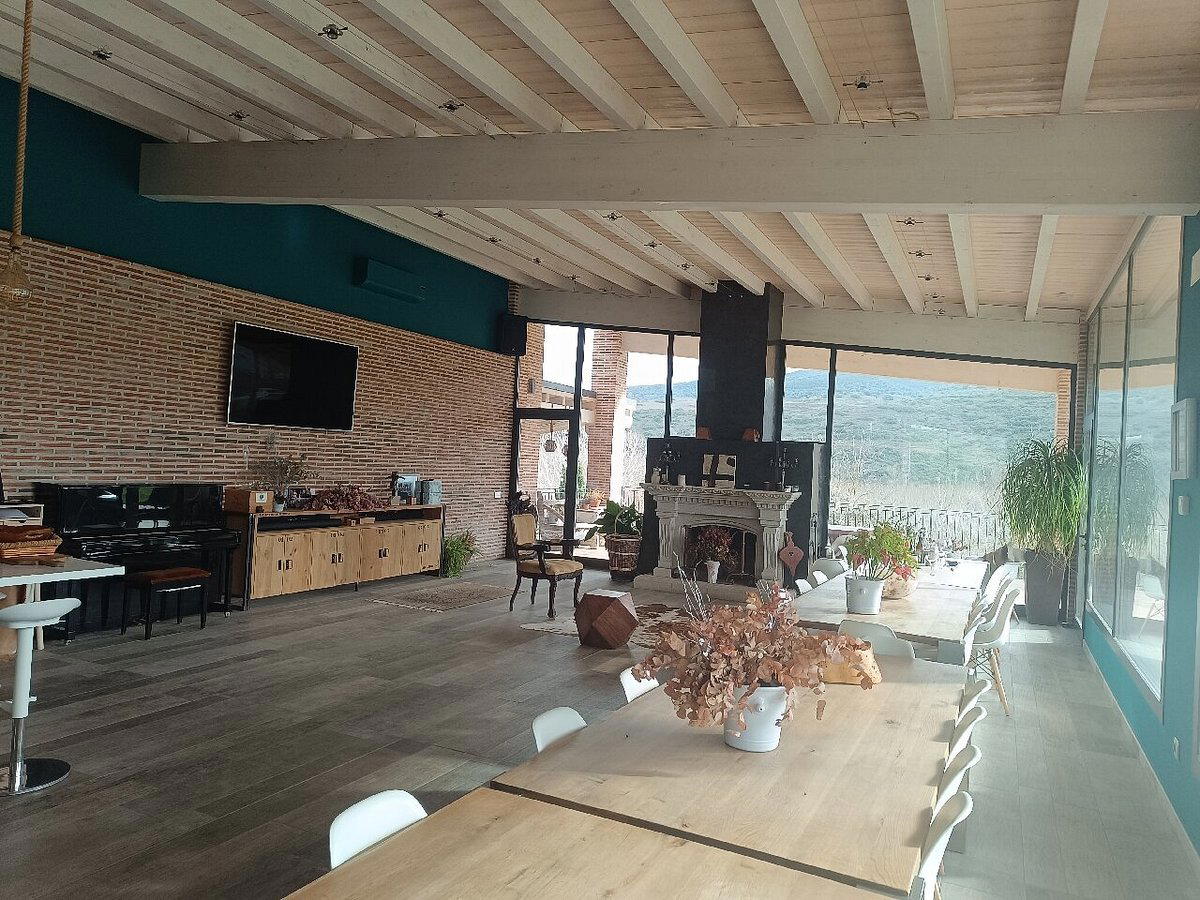
Small, rural, and education-led, Bodegas Juan Carlos Sancha is worth booking for Rioja drinkers who care about native varieties, old vineyards, and direct winemaker context. It is better for couples or serious wine friends than for groups seeking a glossy cellar-door experience, with the strongest appeal in its intimate format and terroir-focused explanation.
Candido Vini
Camporeale, Italy
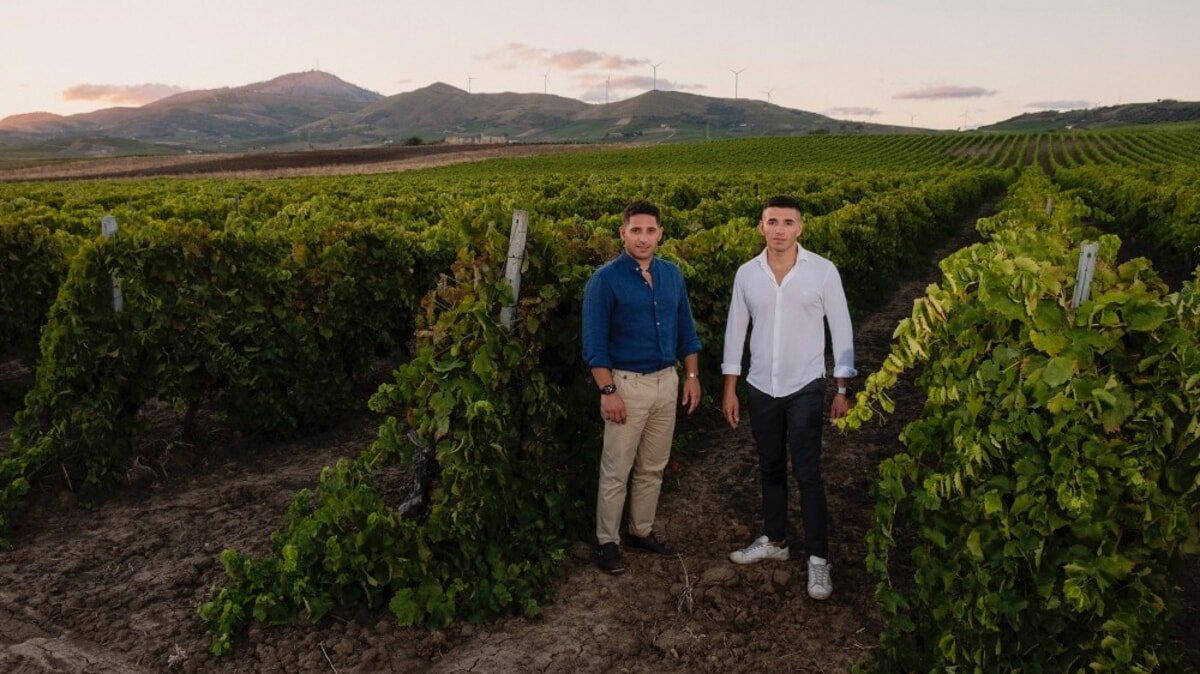
Candido Vini is a smart Camporeale stop for travelers who want a wine-first look at western Sicily rather than a long hospitality program. The appeal is the producer’s 1929 family foundation, 20 hectares across Camporeale and Monreale, organic emphasis, and range of local grapes. Falstaff listing in 2026 adds a useful recognition signal.
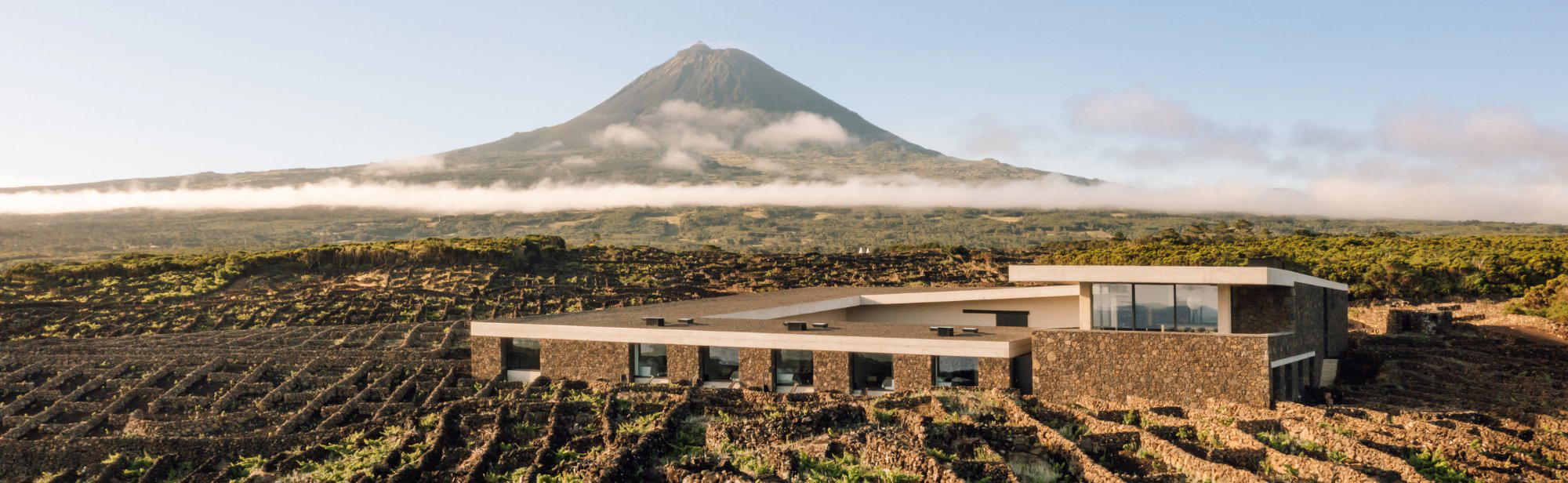
Azores Wine Company
Madalena (Pico), Portugal
Azores Wine Company is the Madalena pick for travelers who want Pico's volcanic Atlantic wine identity to be the point of the visit, not background scenery. Plan around it early, especially if considering a private or upgraded tasting; this is better for serious wine travelers than casual drop-ins.
®walzer
Gneixendorf Bei Krems, Austria
A cautious yes for wine travelers already exploring the Krems area. ®walzer has a 2026 Falstaff listing, which gives it credibility, but the value case is strongest for visitors who want regional depth rather than a highly packaged tasting experience.
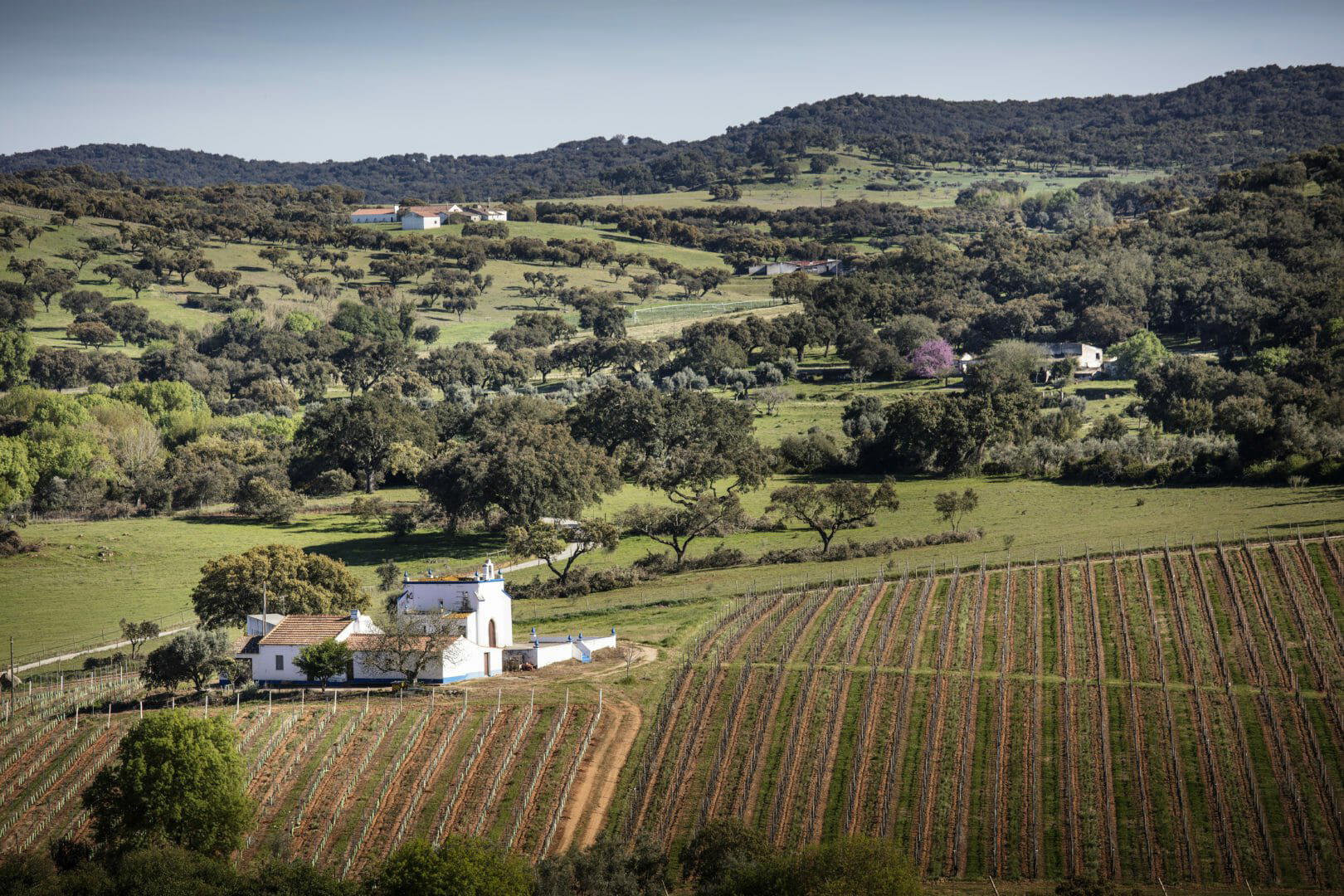
Quinta da Plansel
Montemor-o-Novo, Portugal
A sensible shortlist pick for wine-focused travelers passing through Montemor-o-Novo, especially if the trip is built around Alentejo producer discovery rather than a guaranteed hospitality experience. The main trust signal is its Falstaff listing for 2026; practical details are thin, so treat it as a flexible research stop and build backup plans nearby.
Giacomo Grimaldi
Barolo, Italy
Choose Giacomo Grimaldi if you want a focused Barolo DOCG decision rather than a broad tasting-room experience. The case is strongest for Nebbiolo drinkers planning a quiet, food-led Barolo stop, especially with beef, game, lamb, or red-sauce pasta on the table. Falstaff Listed in 2026, it sits in an accessible $$ tier for the category.
Black Island Winery d.o.o.
Smokvicar, Croatia
Black Island Winery d.o.o. is a Smokvicar wine stop to treat as an enquiry-led visit, especially if a private tasting or upgraded format is the goal. Falstaff Listed for 2026, it suits wine-focused travelers who can stay flexible; skip it if food service, group capacity, shipping, or wine-club economics need to be confirmed before planning.
Château Trimoulet
Saint-Émilion, France
Château Trimoulet is worth prioritizing for a quieter Saint-Émilion tasting built around production detail rather than hospitality spectacle. The draw is the Merlot-led Right Bank style, concrete-vat vinification, manual harvesting and historic château setting, with Falstaff 1 Stars recognition in 2026 adding a credible quality marker. Choose it for wine-focused couples or small groups, not for a food-led visit.
Il Poggio
Castiglione del Lago, Italy
Book Il Poggio if the goal is a quiet Umbrian agriturismo stay near Lake Trasimeno, not a formal winery tasting. The draw is independent apartments, gardens, pool access, outdoor recreation space, and an easy base for Castiglione del Lago day trips.
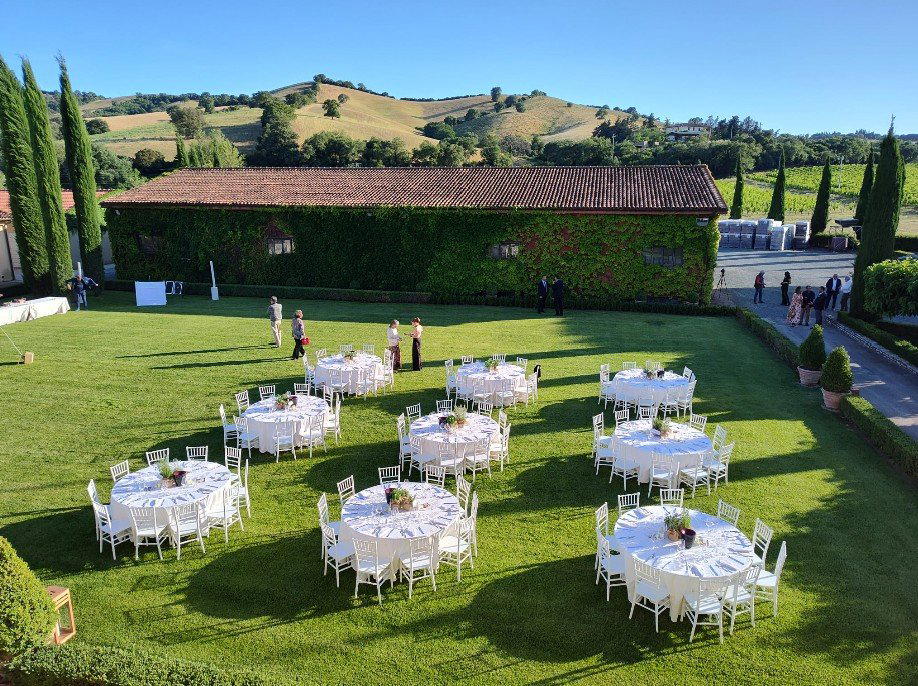
Antonio Camillo
Manciano, Italy
Antonio Camillo is worth shortlisting if you are already planning wine time in Manciano and want a Falstaff-listed name in the mix. Treat it as a flexible add-on, not a fully specified wine-club or group-visit plan unless the practical details line up in the structured booking information.

Chavin
Béziers, France
Chavin is worth prioritizing if your Béziers wine plan includes serious alcohol-free or low-alcohol tasting rather than only classic estate visits. The appeal is technical and practical: South of France sourcing, vacuum-distilled alcohol-free wines, organic and HVE-certified production, plus vegan and halal credentials. Treat it as a focused appointment-led stop, not a long countryside tasting afternoon.
Domaine Château L’Évêque
Jussy, Switzerland
Book Domaine Château L’Évêque if the priority is biodynamic Geneva wine, Cabernet Jura, and a quiet appointment-led estate rather than a polished tasting-room scene. The strongest value is for drinkers who may buy bottles, especially those curious about PIWI varieties and low-intervention cellar work; casual visitors looking for food or walk-in flexibility should plan elsewhere.
Domaine Roger Luquet
Fuissé, France
Domaine Roger Luquet works for a calm, focused Fuissé winery stop, especially if you prefer a smaller tasting format over a polished visitor-centre experience. Its Falstaff listing adds a useful trust signal, but the visit makes most sense for couples or small groups seeking context rather than a large-group showcase.
Famille Guilhem
Malvies, France
Famille Guilhem works as a calm Malviès wine stop rather than a high-production tasting destination. Its 2026 Falstaff listing gives wine travelers a reason to pay attention, while the rural Languedoc setting makes it strongest as part of a broader village and winery route.
Château Talbot
Saint-Julien-Beychevelle, France
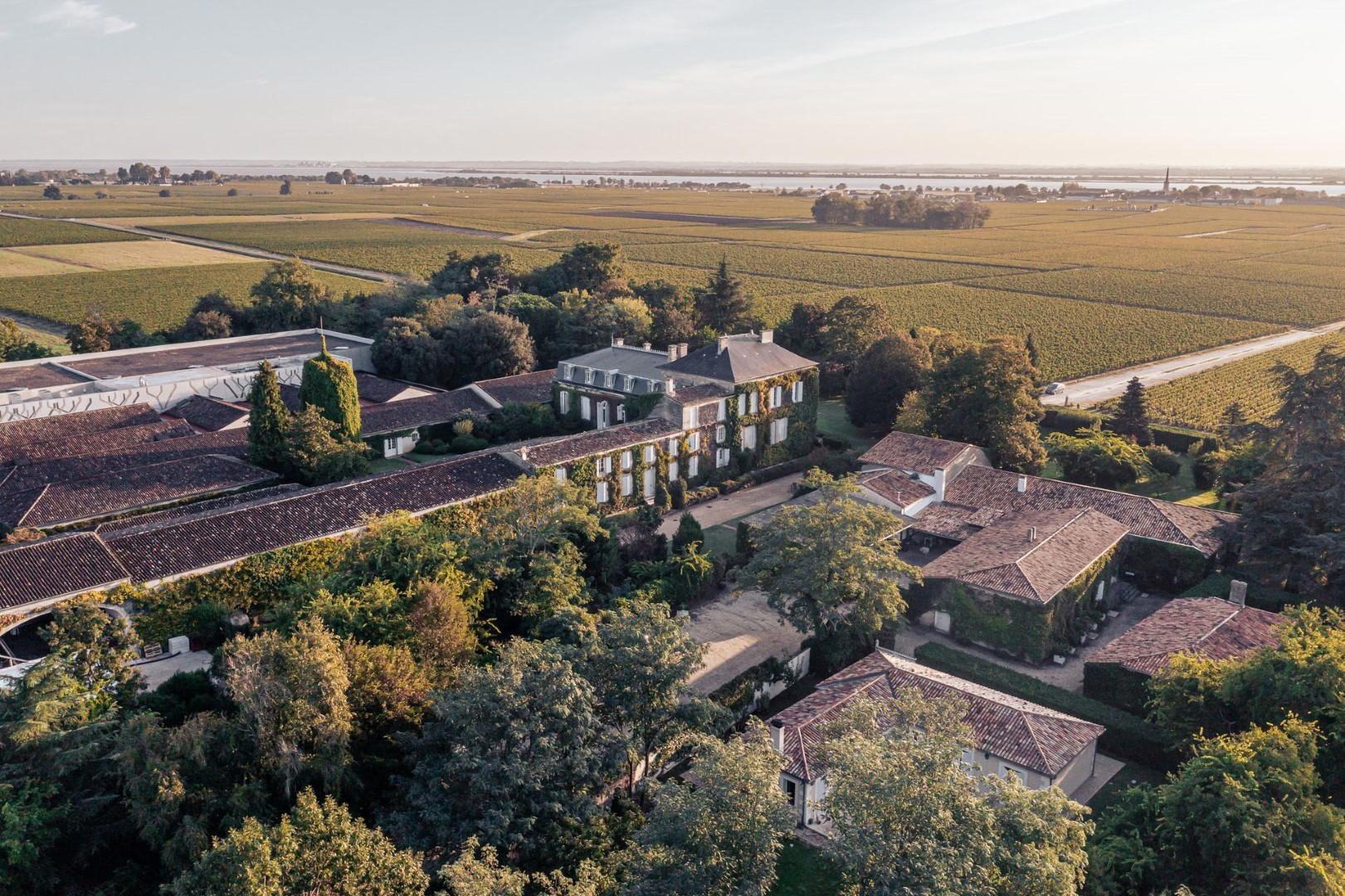
Château Talbot is worth prioritising for a Saint-Julien wine day when the goal is to assess a cellar-relevant flagship bottle, not just fill an itinerary. It suits couples, collectors, and business guests better than casual walk-ins or large groups needing flexible logistics.
Kalum Winery
Stege, Denmark
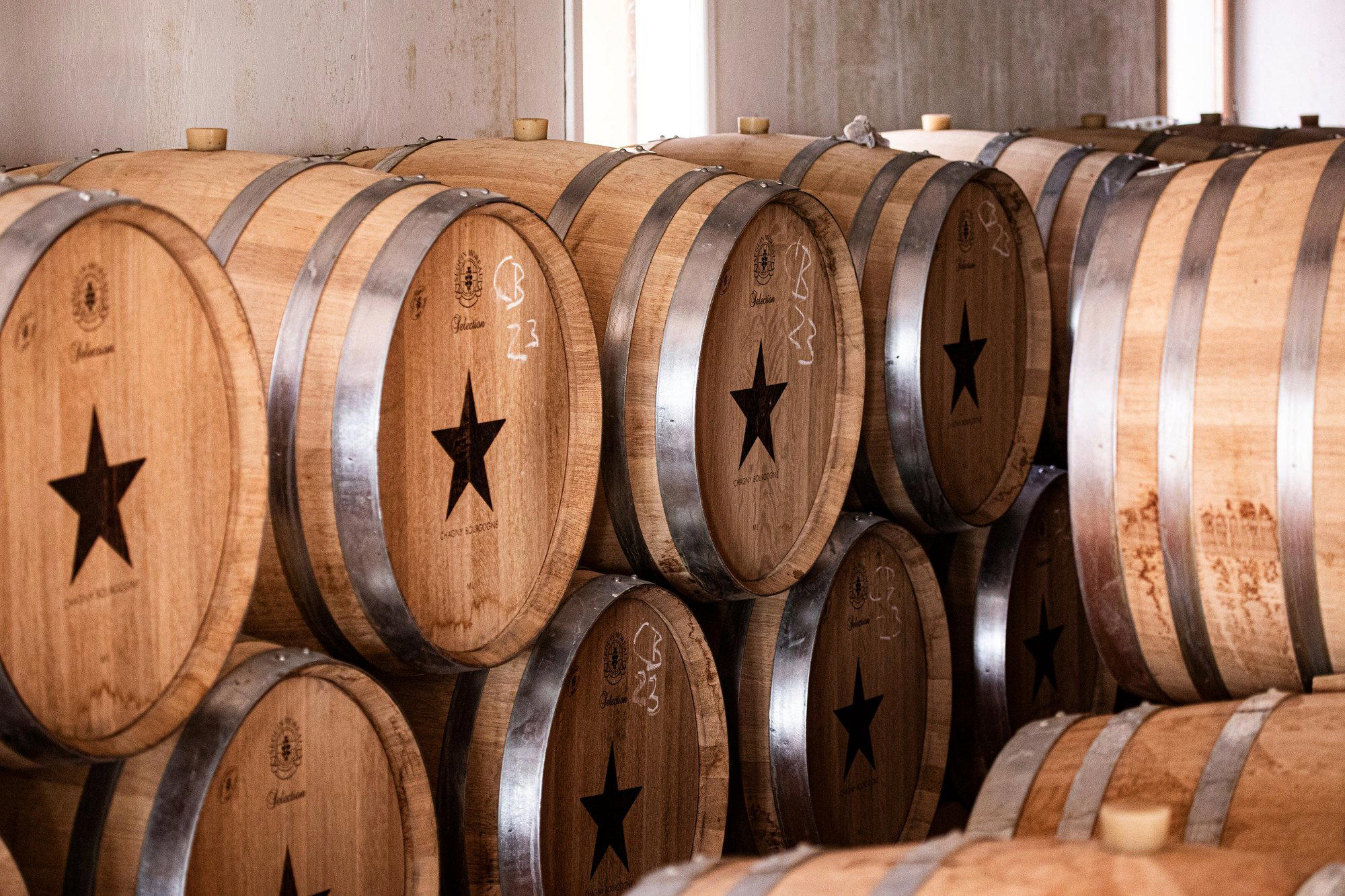
Falstaff-listed in 2026, Kalum Winery works for a quiet, rural wine stop near Stege rather than a big-production tasting-room experience. Go for the intimate Møn setting and mid-range value; skip if you need detailed tasting menus, food service, or a highly structured tour confirmed in advance.
Domaine Pierre-Jean Villa
Chavanay, France
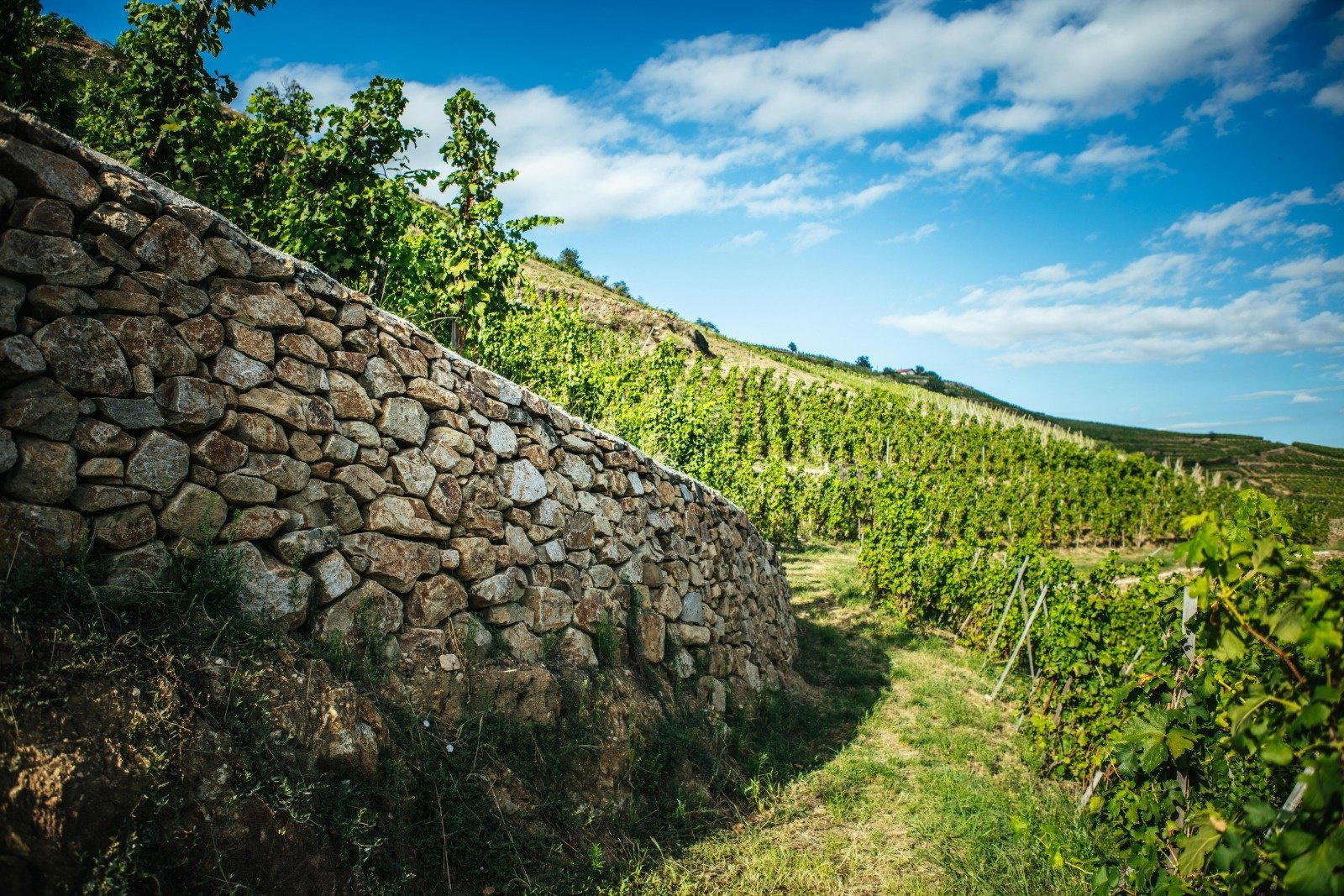
Domaine Pierre-Jean Villa is worth an appointment if you want a serious Northern Rhône visit centred on organic farming, reclaimed hillside terraces, and restrained cellar work. It is less suited to casual drop-ins or food-led winery days; the value is in understanding Saint-Joseph, Côte-Rôtie, Condrieu, Crozes-Hermitage, and Seyssuel through one focused Chavanay estate.
Daffra & Grasso
Calosso, Italy
Daffra & Grasso works if you want a working Calosso producer rather than a polished tasting-room experience. The draw is its mix of Moscato d’Asti, Piedmont reds, grappa, and distillati, which makes it useful for a compact, production-focused stop on a broader village itinerary.
Azienda Agricola Reverdito Michele
Verduno, Italy
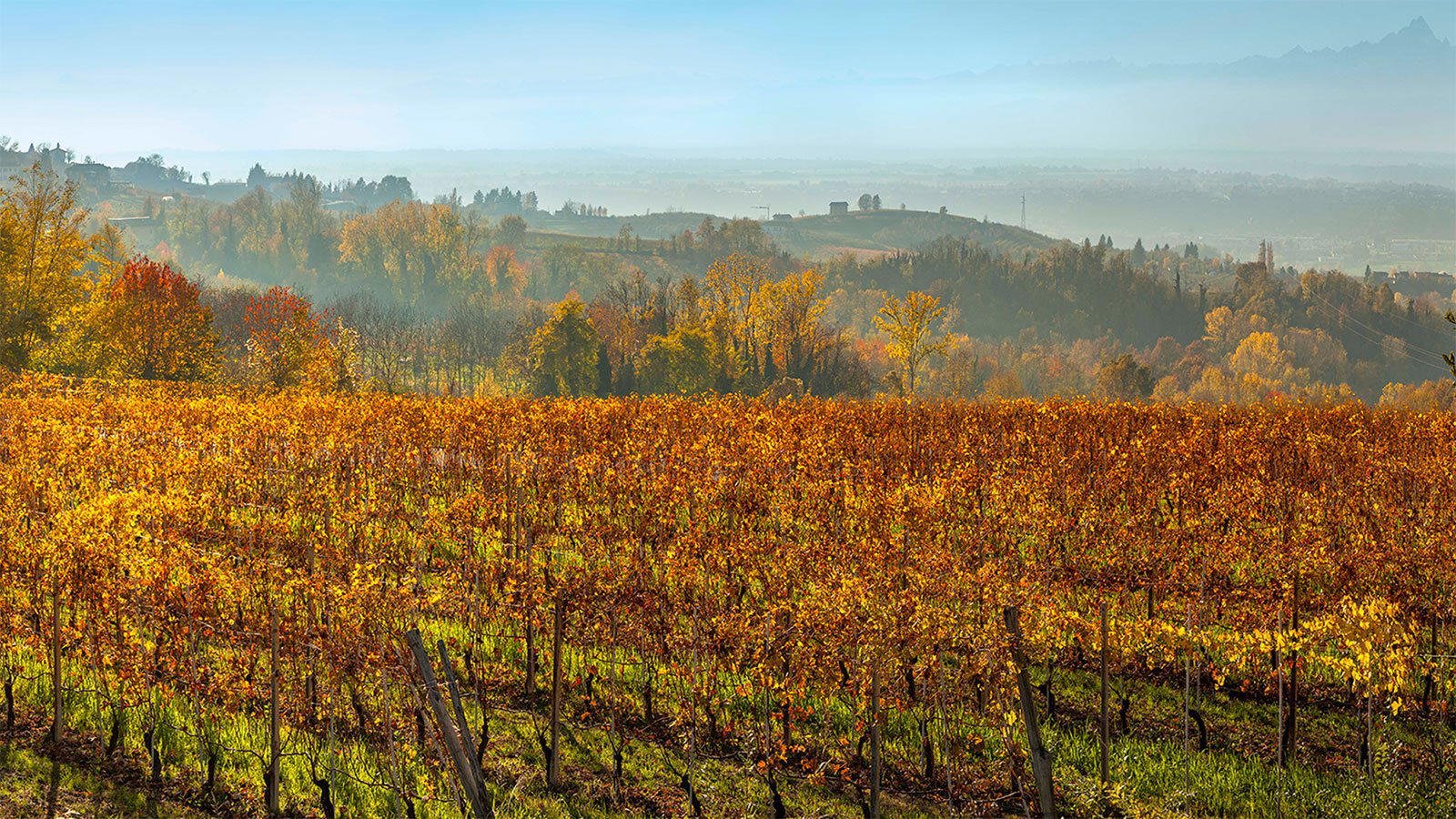
Azienda Agricola Reverdito Michele works if Verduno is already on the wine route and the goal is producer-level depth rather than a polished visitor-center experience. Its Falstaff Listed 2026 recognition gives it credibility, but confirm tasting logistics before building the day around it.
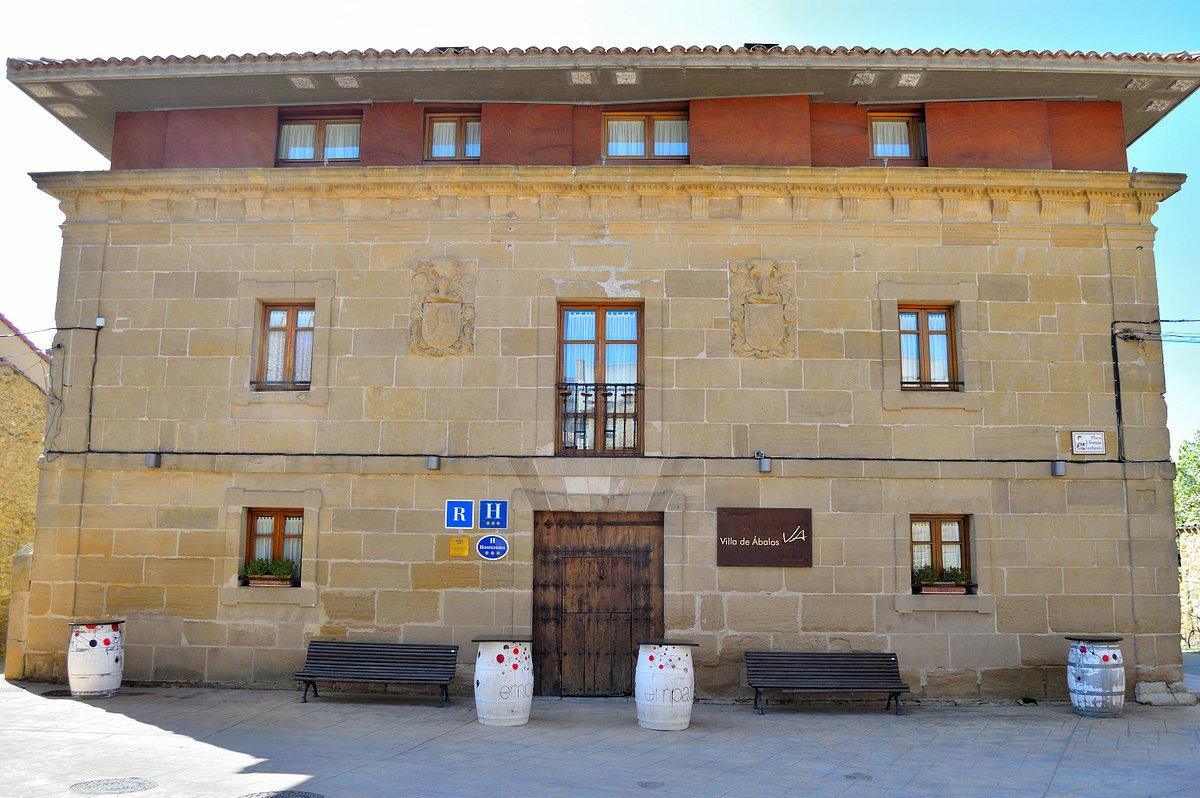
Bodegas Puelles
Abalos, Spain
Book Bodegas Puelles if you want a small, family-run Rioja Alta visit with vineyard context, cellar time, and a guided tasting rather than a large-scale winery circuit. The value is strong for wine travelers who care about place, farming, and family history; plan ahead, especially for small-group or private formats.
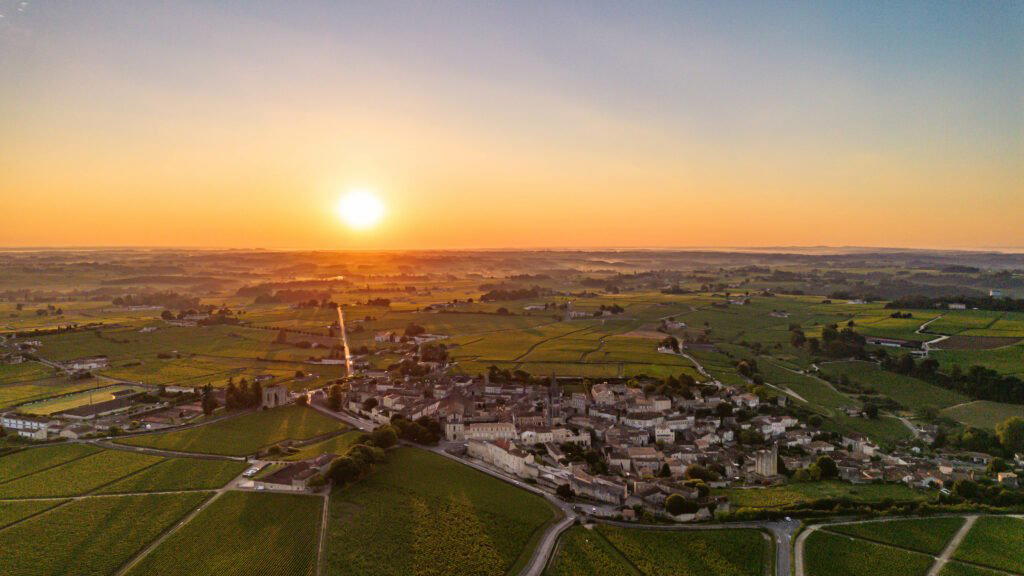
Château Sansonnet
Saint-Émilion, France
Château Sansonnet is worth prioritizing if the goal is a focused Saint-Émilion Grand Cru Classé tasting with real terroir context. The appeal is the small 7-hectare plateau vineyard, Merlot-led wines, and a format suited to curious drinkers who want to understand structure, vintage variation, and aging potential rather than just sample broadly.
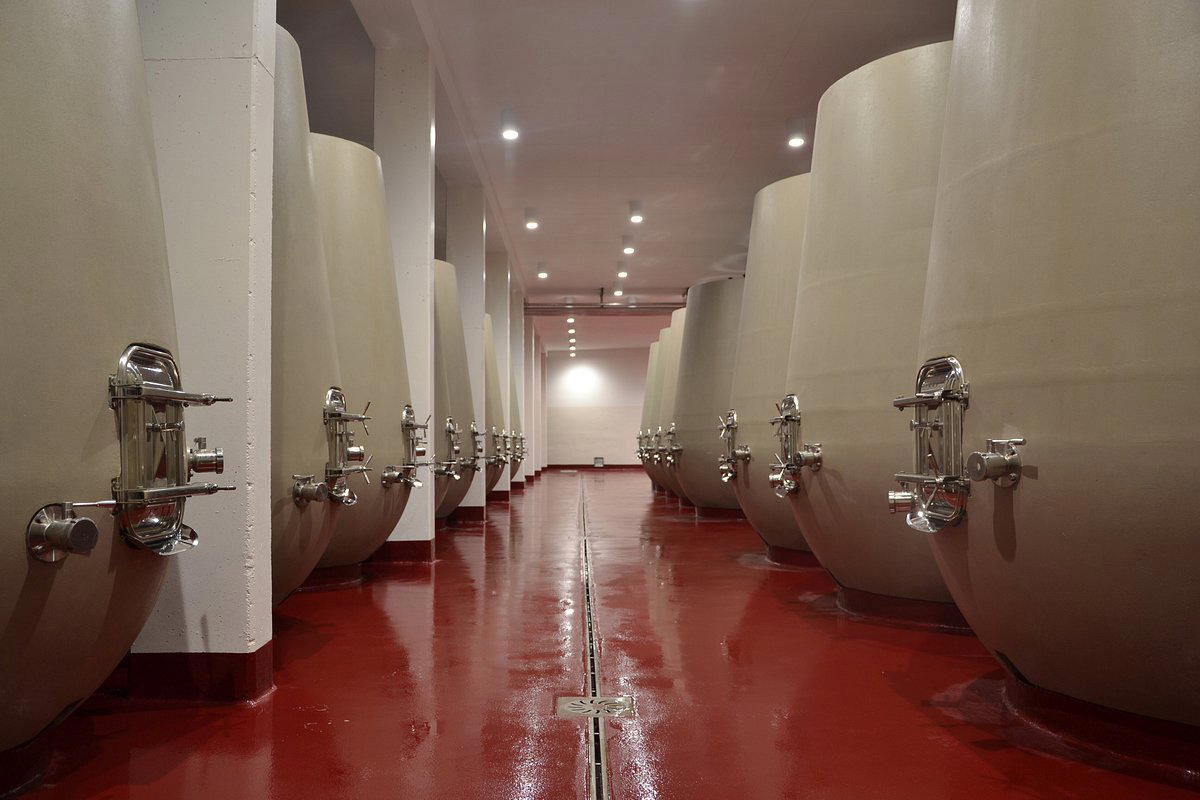
J. Hofstätter
Termeno, Italy
J. Hofstätter is the Termeno choice for travelers who want a serious wine stop tied closely to the town itself. It makes the most sense as part of a South Tyrol wine-route day, especially if you are comparing it with Elena Walch rather than building the itinerary around local distilleries.
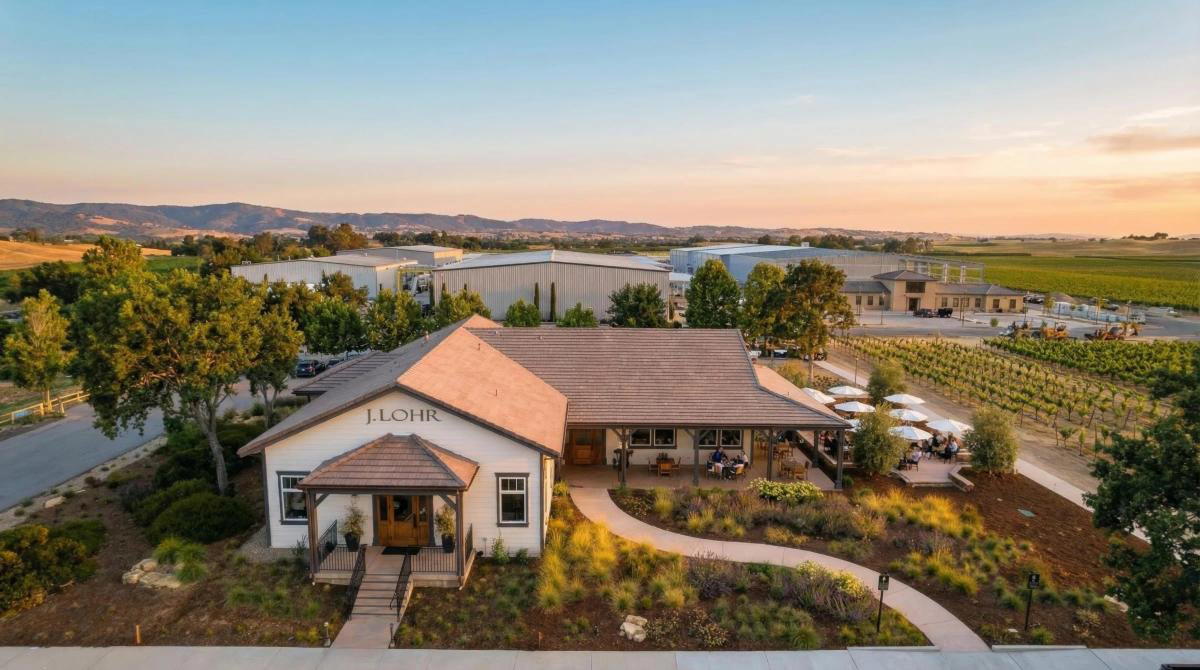
J. Lohr Vineyards & Wines
San Jose, United States
A polished urban wine-center tasting in downtown San Jose, worth booking when convenience matters as much as the wine. The appeal is access to small-lot, single-vineyard, and winery-exclusive selections from a family-owned California producer with serious scale and a recognized sustainability record. At $25 per person, it is an easy celebration or business-hosting choice rather than a vineyard-scenery outing.
How many of these have you visited?
Find out on Pearl and keep score across every place in 2026 Falstaff Winery Guide.