

2026 Falstaff Winery Guide: The Ultimate Wine Authority — Page 97
Falstaff's 2026 Wineries guide.

Venues on this list
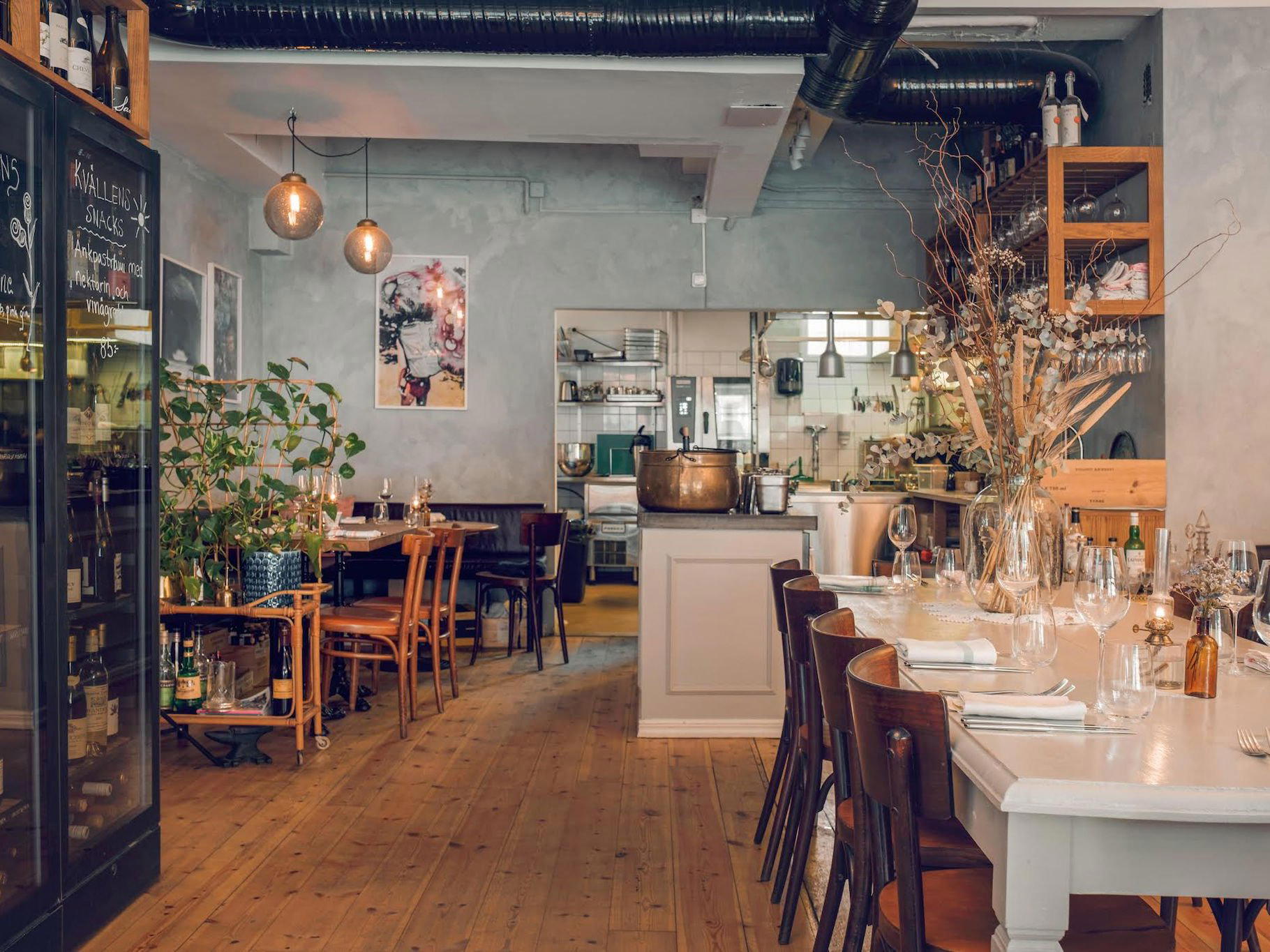
Côté Mas
Montagnac, France
A Michelin Bib Gourmand restaurant in Montagnac's Languedoc wine country, Côté Mas delivers chef Ciro Fodera's Modern Cuisine at the €€ price point; a rare combination of genuine Michelin recognition and accessible pricing in the Hérault., it is the most credible value-dining option in the area. Book 10–14 days out in summer.
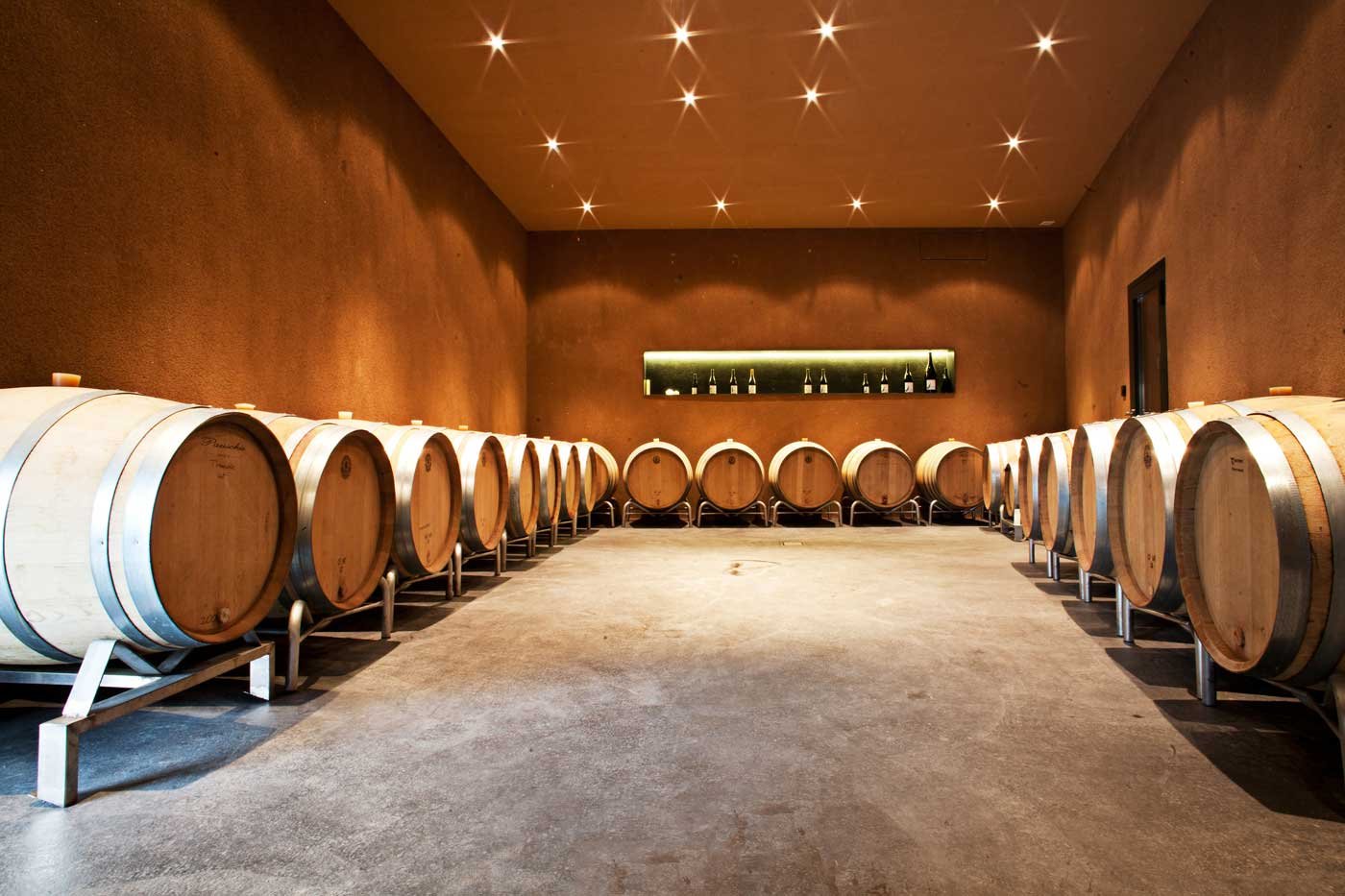
Jann Marugg
Fläsch, Switzerland
Worth considering if you want a relaxed Fläsch winery visit built around local wines and a vaulted cellar setting. Jann Marugg suits travelers seeking regional context, casual pacing, and an approachable tasting stop more than a highly formal wine-tourism production.
Cmrečnjak Viticulture
Strigova, Croatia
Cmrečnjak Viticulture is a sensible Štrigova pick for a calm, value-minded winery visit rather than a polished destination tasting. The 2026 Falstaff listing gives it a credible signal, but the right approach is practical: go when the plan is to taste, compare, and buy bottles that make sense beyond the trip.
Domaine des Trois Lacs
Laconnex, Switzerland
Worth booking for wine drinkers who want Geneva countryside context and a practical sustainability story rather than a polished tasting-room production. The draw is the Laconnex and Soral hillside setting, plus Swiss varieties such as Gamaret, Divico, Chasselas, and Sauvignac. Better for curious small groups than for visitors expecting food pairings or luxury amenities.
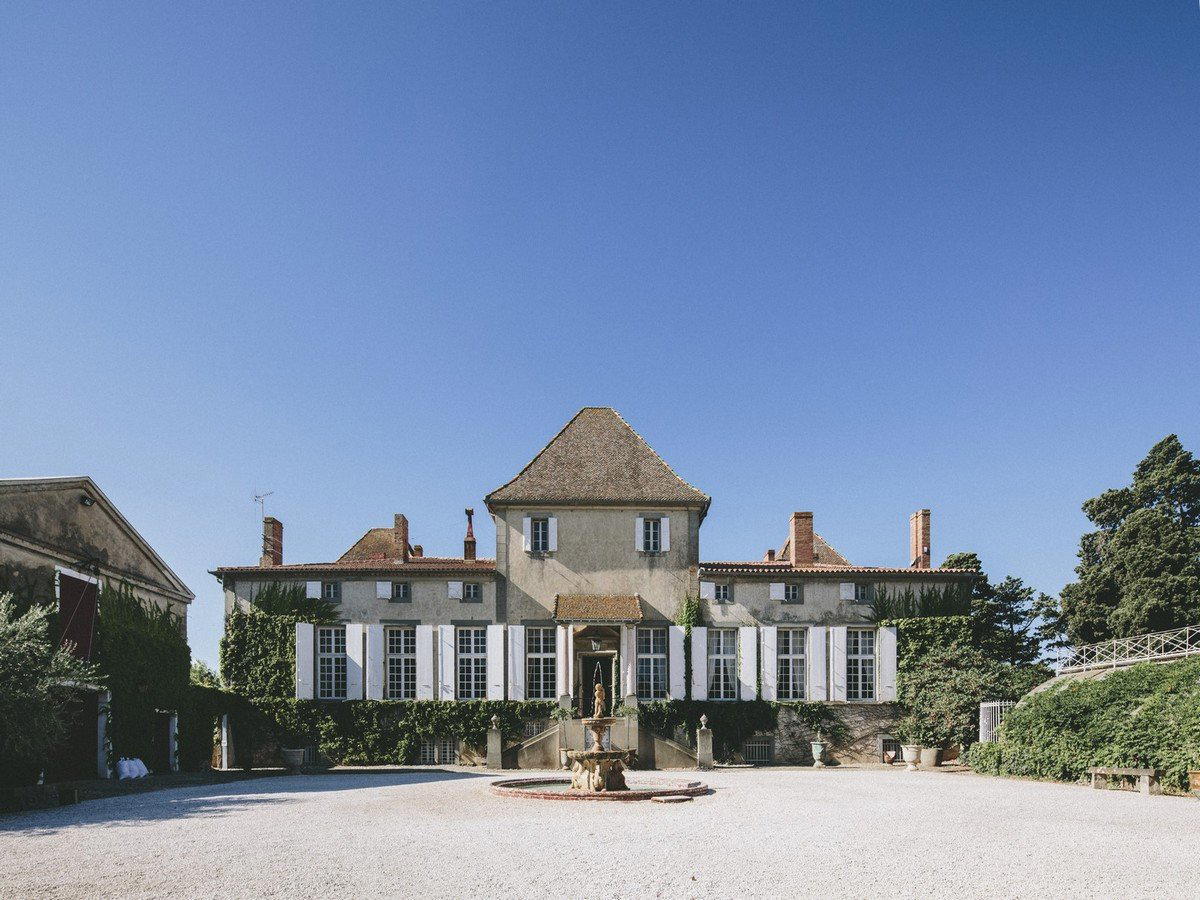
Chateau de Paraza
Paraza, France
Chateau de Paraza is worth booking for a relaxed Minervois wine visit with real setting value: a 17th-century château, Canal du Midi context, gardens and a family-run cellar. The free tasting works for a quick stop, but the upgraded tasting is the smarter choice for dates, anniversaries or small-group celebrations that need more structure.
Heim’sche Privat-Sektkellerei
Neustadt an der Weinstraße, Germany
A focused Neustadt an der Weinstraße Sekt stop for travelers who want German sparkling wine in a cellar-house setting. The appointment-only format makes it better for planned wine days than spontaneous drop-ins, and the value is strongest if sparkling wine is a deliberate part of the itinerary.
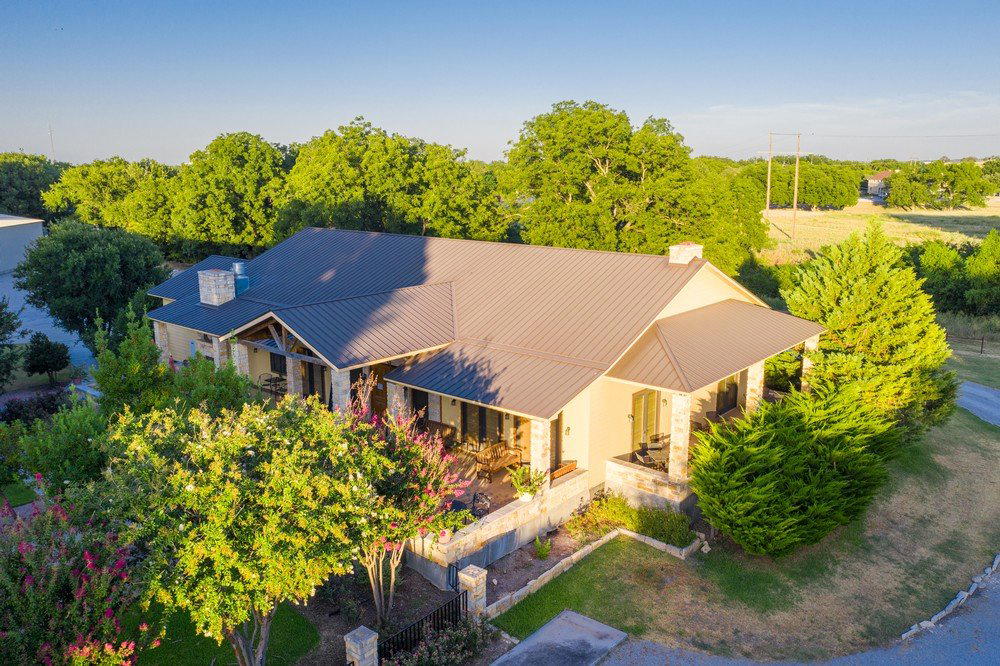
Brennan Vineyards
Comanche, United States
Brennan Vineyards is worth prioritizing for a Comanche wine itinerary if the goal is a focused Texas winery stop rather than a food-led outing. Plan ahead, keep expectations wine-first, and use nearby dining or lodging separately if the day needs a fuller hospitality setup.
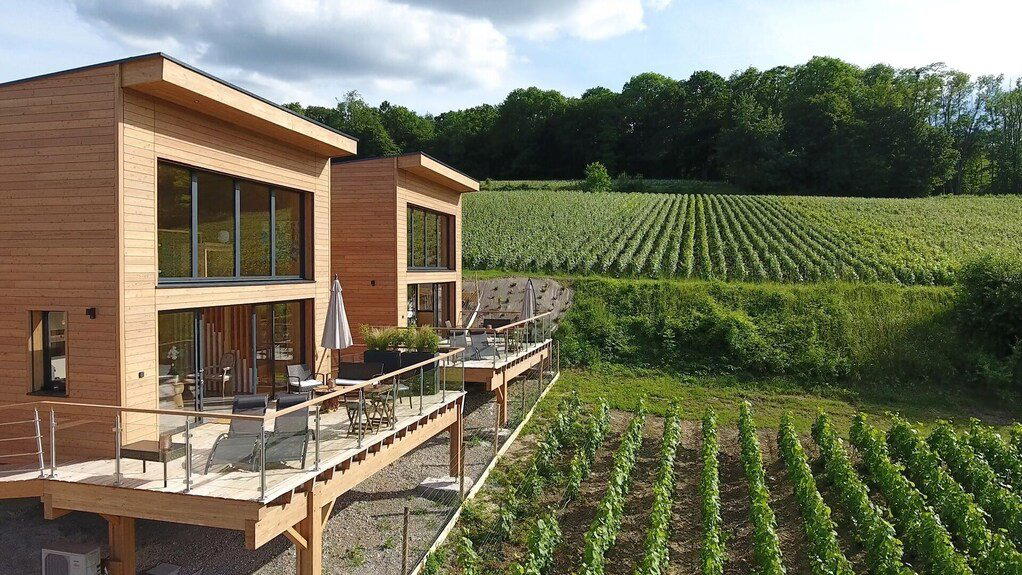
Champagne J. Lassalle
Chigny-les-Roses, France
Champagne J. Lassalle is worth shortlisting for a wine-focused Chigny-les-Roses itinerary, especially if external recognition matters: it carries Falstaff 3 Stars for 2026. Treat it as a producer-depth stop rather than a casual hospitality pick, and build the rest of the day around nearby Chigny-les-Roses planning guides.
Geografico
Gaiole in Chianti, Italy
Book Geografico if you want a structured, educational Chianti Classico stop rather than a small-estate farmhouse experience. Its cooperative history, Gaiole roots, and focus on regional denominations make it useful for wine travelers seeking context and breadth. Skip it if your priority is a private, slow-paced estate visit built mainly around scenery.
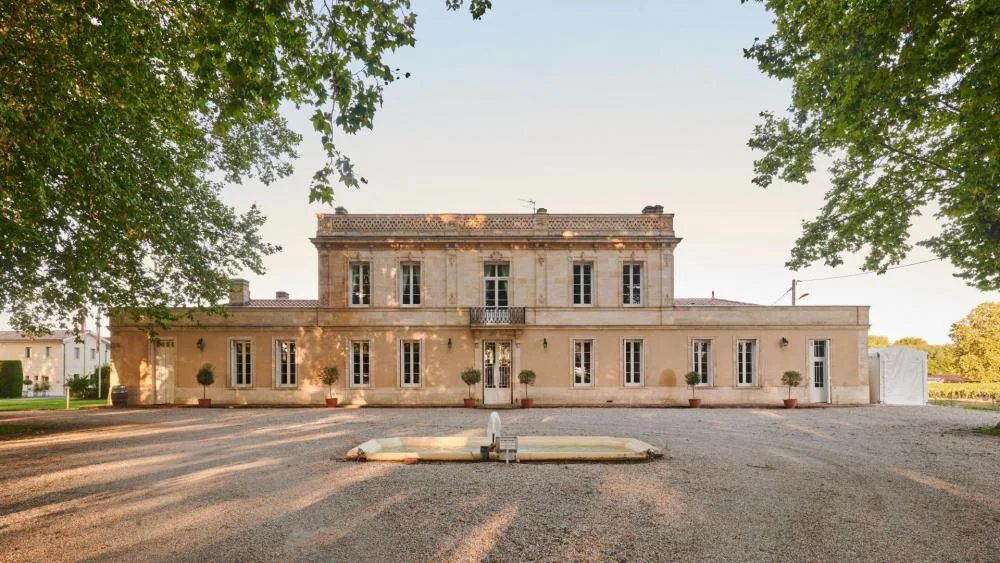
Château Haut-Breton Larigaudière
Soussans, France
Book Château Haut-Breton Larigaudière if you want a calm Margaux tasting with real historical depth rather than a status-driven stop. The upgraded tasting is the better value for serious wine travelers because it can show the estate’s flagship Margaux, second wine, and 100% Cabernet Sauvignon cuvée side by side.
Johanniter Kommende BBZN
Hohenrain, Switzerland
A good fit for wine drinkers who want a quiet, regional Swiss vineyard appointment rather than a high-service tasting room. Johanniter Kommende BBZN has a small 0.62-hectare footprint, listed single-varietal wines, and Falstaff Listed (2026) recognition, but the reason to go is the agricultural setting and local wine context.
Fratelli Ponte Vini
San Damiano D Asti, Italy
Book Fratelli Ponte Vini if the goal is a quiet, family-run Piedmont winery with both sparkling and still wine rather than a staged visitor-center experience. It suits small celebrations, dates, and wine-focused stops where range and rural atmosphere matter more than elaborate hospitality extras.
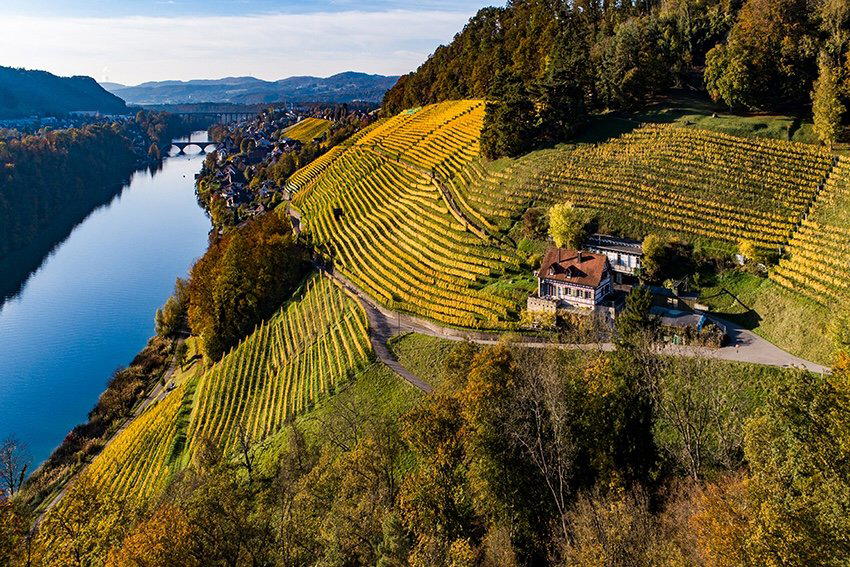
Bio-Weingut Wingert
Nussbaumen, Switzerland
Bio-Weingut Wingert is a strong choice for wine travelers who value small-scale organic farming, PIWI varieties, and a focused three-wine portfolio over a broad tasting-room experience. Plan it as a quiet, appointment-led Thurgau stop rather than a casual drop-in; it suits curious enthusiasts better than large groups or visitors chasing predictable house style.
Mathias Meimberg Wein
Emsdetten, Germany
Worth shortlisting for wine buyers who care about credible external recognition: Mathias Meimberg Wein carries Falstaff 2 Stars for 2026. Treat it as a bottle-led decision rather than a guaranteed visitor experience, since food, tasting format, group capacity, and shipping details are not established here.
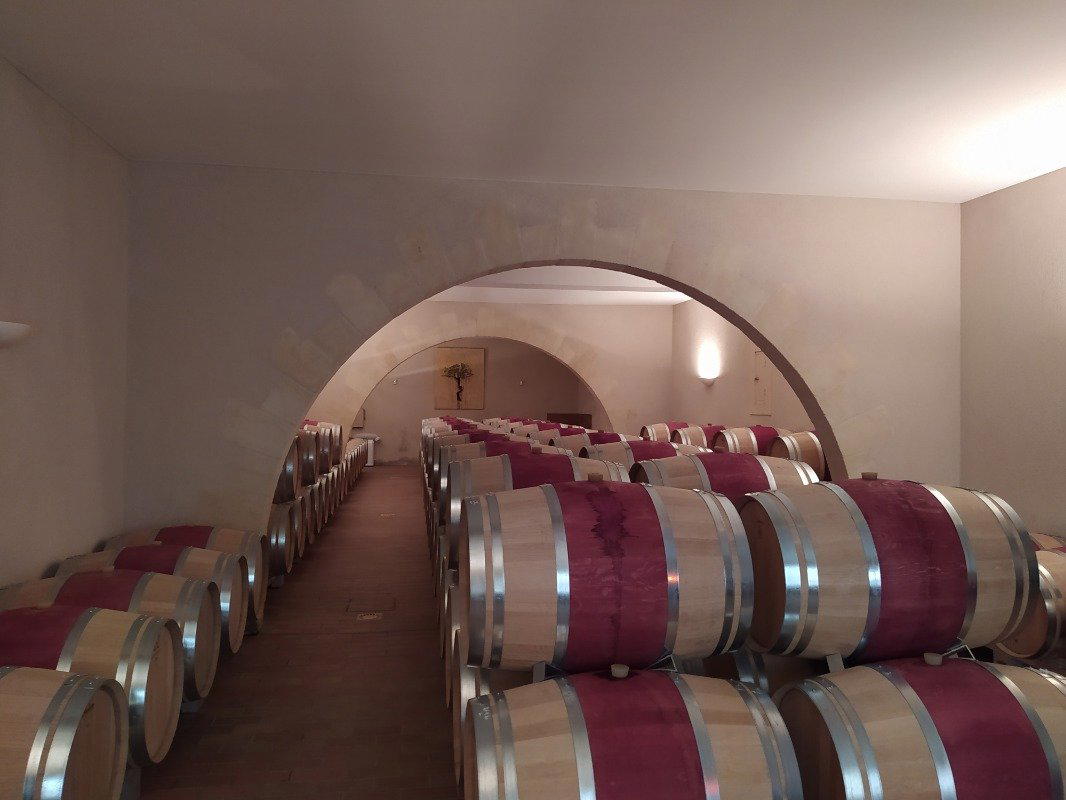
Château Grand Ormeau
Lalande De Pomerol, France
A good pick for travelers who want a quiet, wine-first read on Lalande-de-Pomerol rather than a showy estate visit. The draw is the 14-hectare Right Bank vineyard, Merlot-led blend, traditional Bordeaux production, and a portfolio that ranges from Grand Vin to a more approachable second wine.
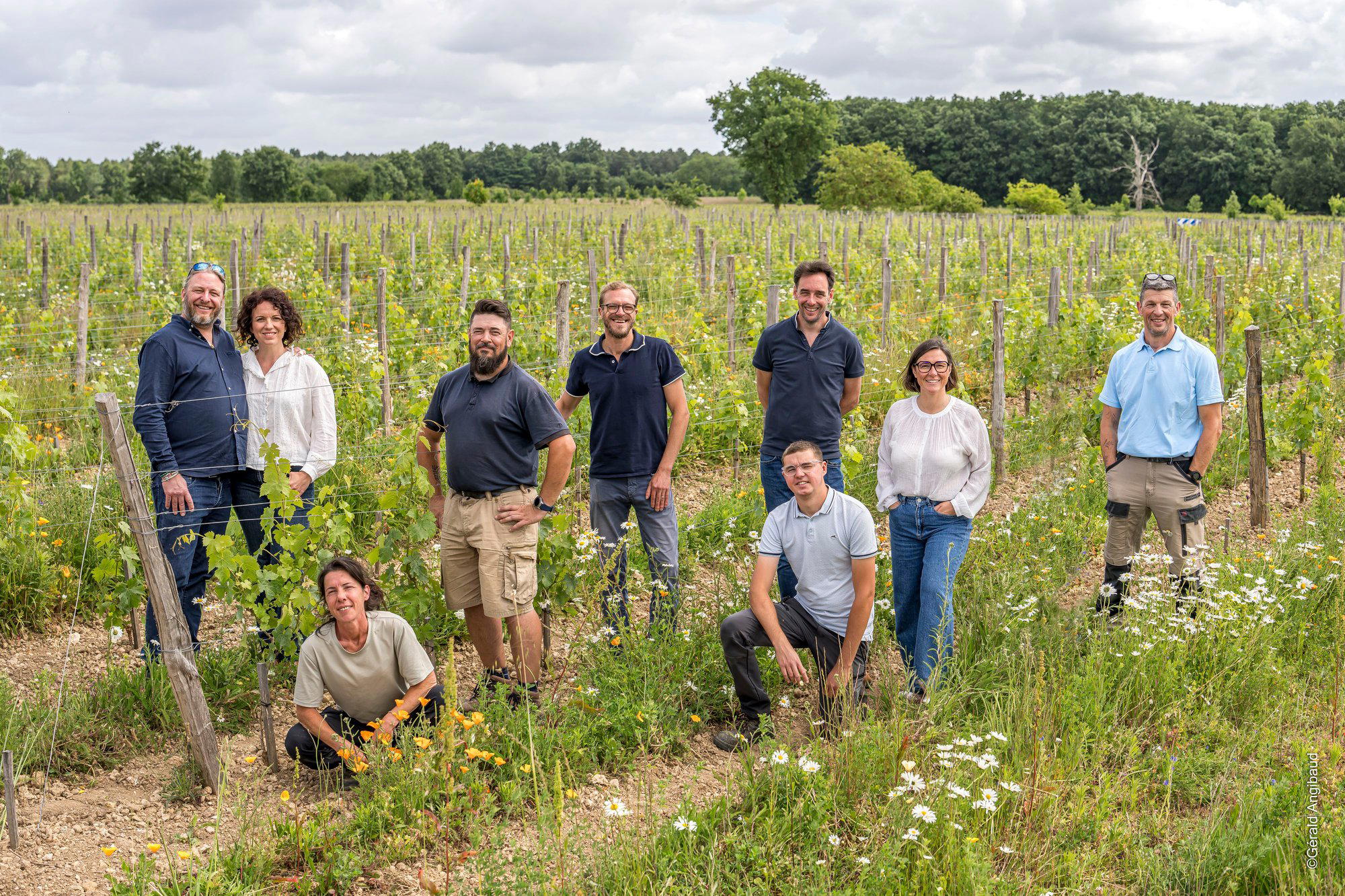
Château de Fosse-Sèche
Brossay, France
Book Château de Fosse-Sèche if you want a flexible, wine-focused stop near Saumur rather than a tightly staged tasting package. Its 2026 Falstaff listing gives it a credible quality marker, but confirm visit format, food availability, group handling, and shipping before planning the day around it.
Domaine Les Hutins
Dardagny, Switzerland
Book Domaine Les Hutins if you want a relaxed, family-run introduction to biodynamic AOC Genève wines rather than a polished cellar production. The value is strongest for curious drinkers interested in Pinot Gris, Chasselas, Sauvignon Blanc, Gamay and Pinot Noir at approachable Swiss bottle pricing.
I Campi
Cellore d'Illasi, Italy
Worth planning for wine drinkers who want a terroir-led Veneto stop rather than a generic cellar visit. I Campi is strongest for its high-hill vineyard story, Soave relevance, and stone-and-wood estate setting; it is less suited to travelers who need published tasting formats, visible pricing, or large-group certainty before committing.
Clos du Rouge Gorge
Latour De France, France
Clos du Rouge Gorge is a better fit for a wine-led stop than a full dining plan. Falstaff recognition for 2026 gives it a useful quality signal, but food, pricing, and visit-format details are not listed, so plan it as part of a broader Latour-de-France itinerary rather than the whole occasion.
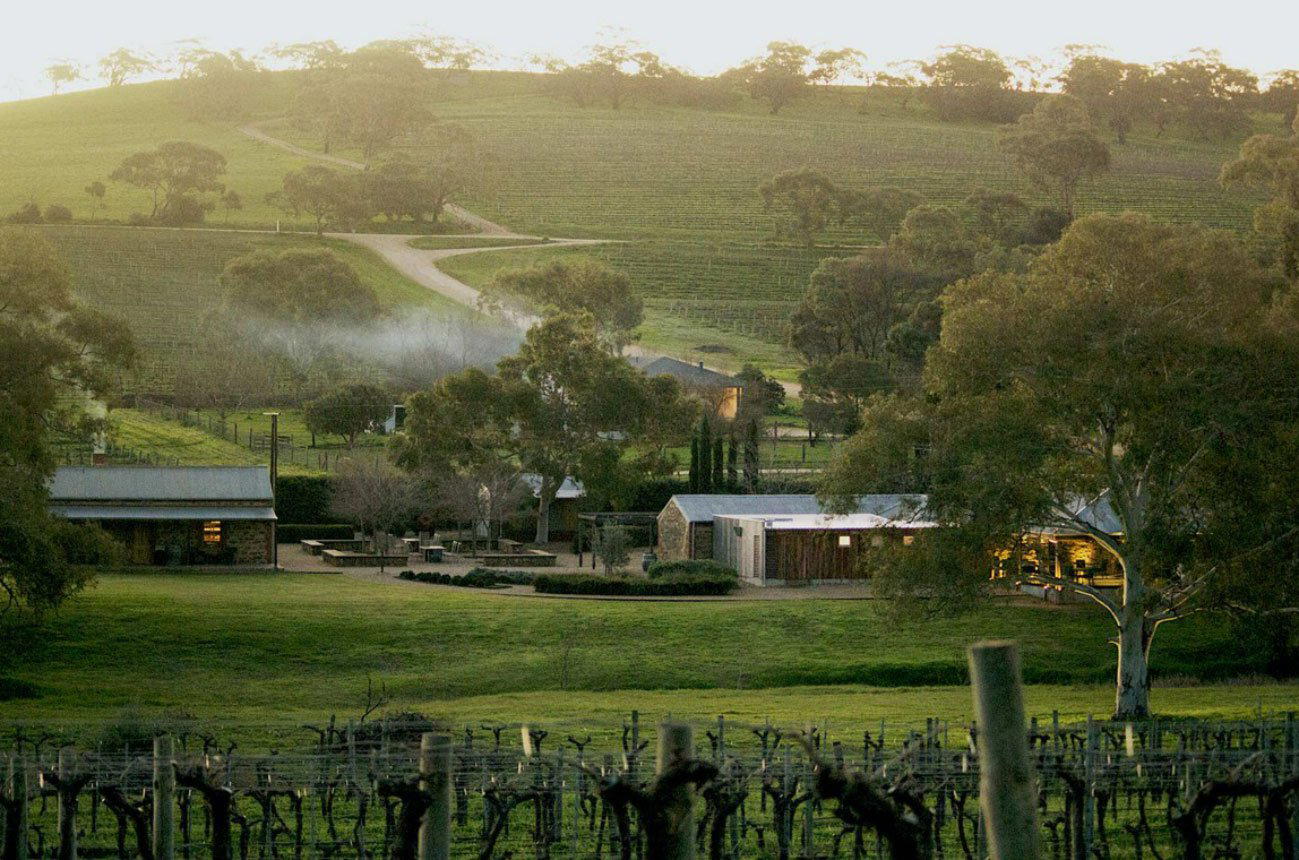
Hentley Farm
Barossa Valley, Australia
Hentley Farm is the Barossa pick for a planned, wine-led occasion rather than a flexible tasting crawl. Build the day around the Seppeltsfield side of the valley, keep the schedule light, and cross-shop Seppeltsfield or Two Hands Wines if ease and flexibility matter more than occasion value.
Forthright Winery
Ca, United States
Quiet, private, and better for conversation than crowd-pleasing spectacle, Forthright Winery suits couples or small groups who want a guided Napa tasting with direct producer context. The case for booking rests on the intimate format, small production scale, classic varietal range, sustainability messaging, and 2026 Falstaff listing rather than a long awards résumé.
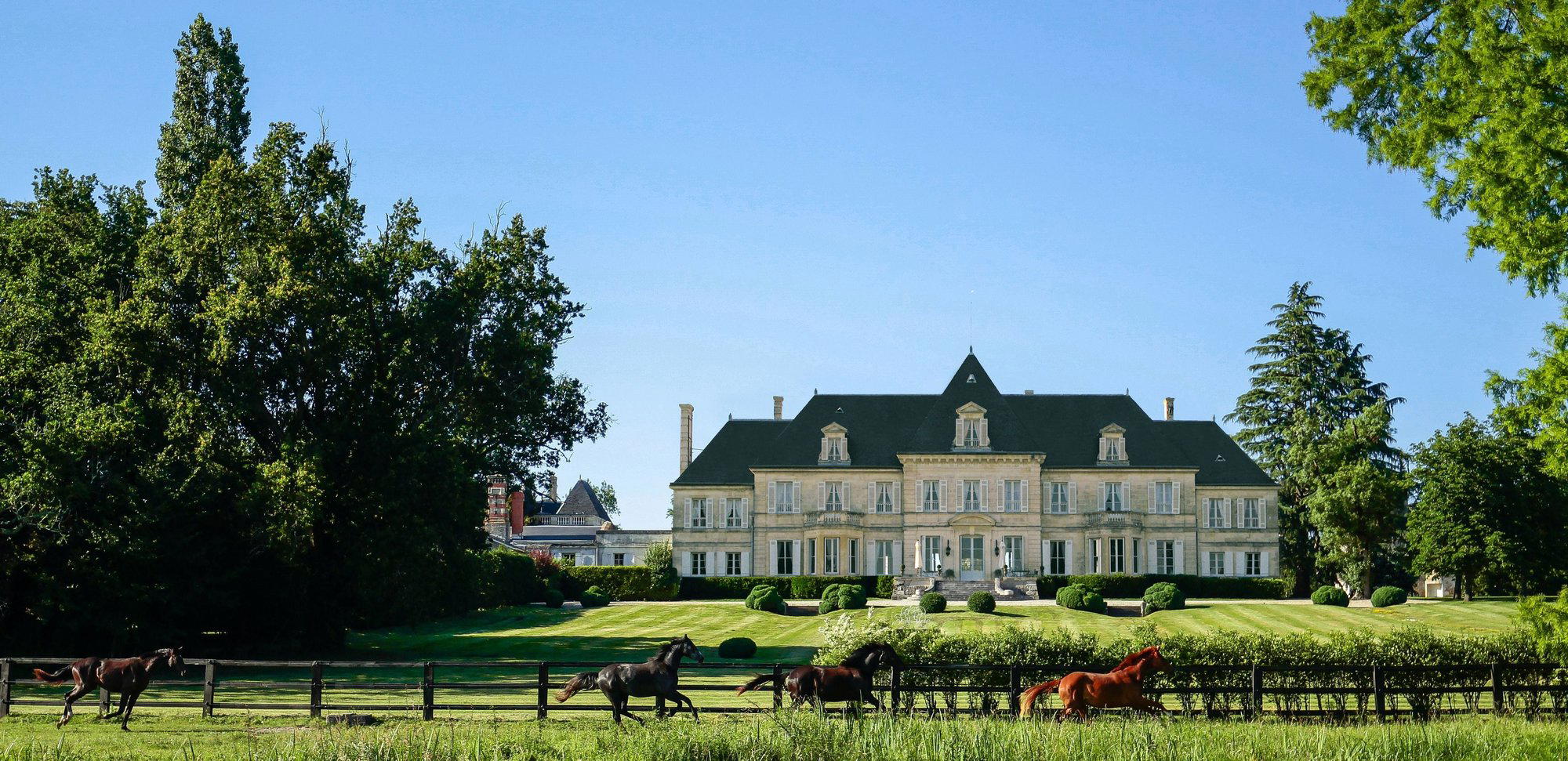
Château de Malleret
Le Pian Medoc, France
Château de Malleret works for a quiet, craft-focused Haut-Médoc visit rather than a high-energy tourist stop. The draw is the combination of historic family stewardship, gravel-grown Cabernet-led reds, parcel vinification, and a broad portfolio that makes repeat buying more persuasive than any unconfirmed club-style promise.
Fürstlich Castell’sche Domäne
Castell, Germany
Book Fürstlich Castell’sche Domäne if the priority is a serious Franconian estate visit with castle atmosphere and Silvaner at the center. The appointment-only setup suits planned celebrations or wine-focused travelers, especially those interested in VDP-classified vineyards, gypsum-keuper soils, and a producer with deep Castell lineage.
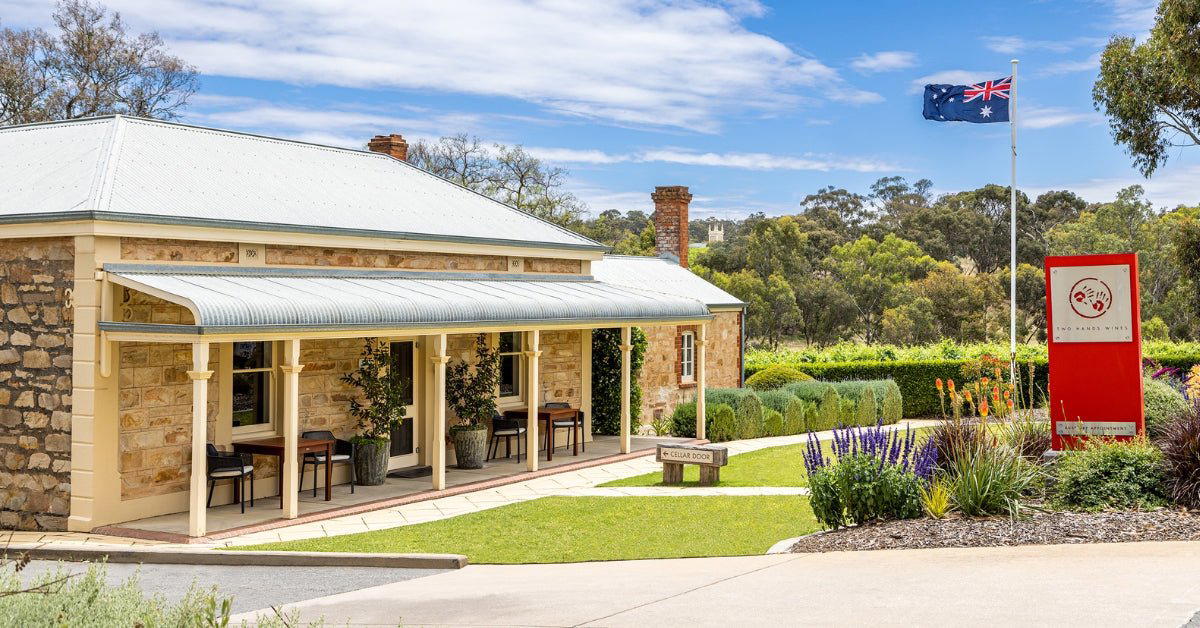
Two Hands Wines
Barossa Valley, Australia
Two Hands Wines is worth prioritising if your Barossa Valley visit is about serious wine buying and possible allocation access, not a broad estate day. First-timers should compare it with Torbreck Vintners for benchmark Barossa recognition and Greenock Creek Wines for a tighter producer-led stop before deciding where to spend limited tasting time.
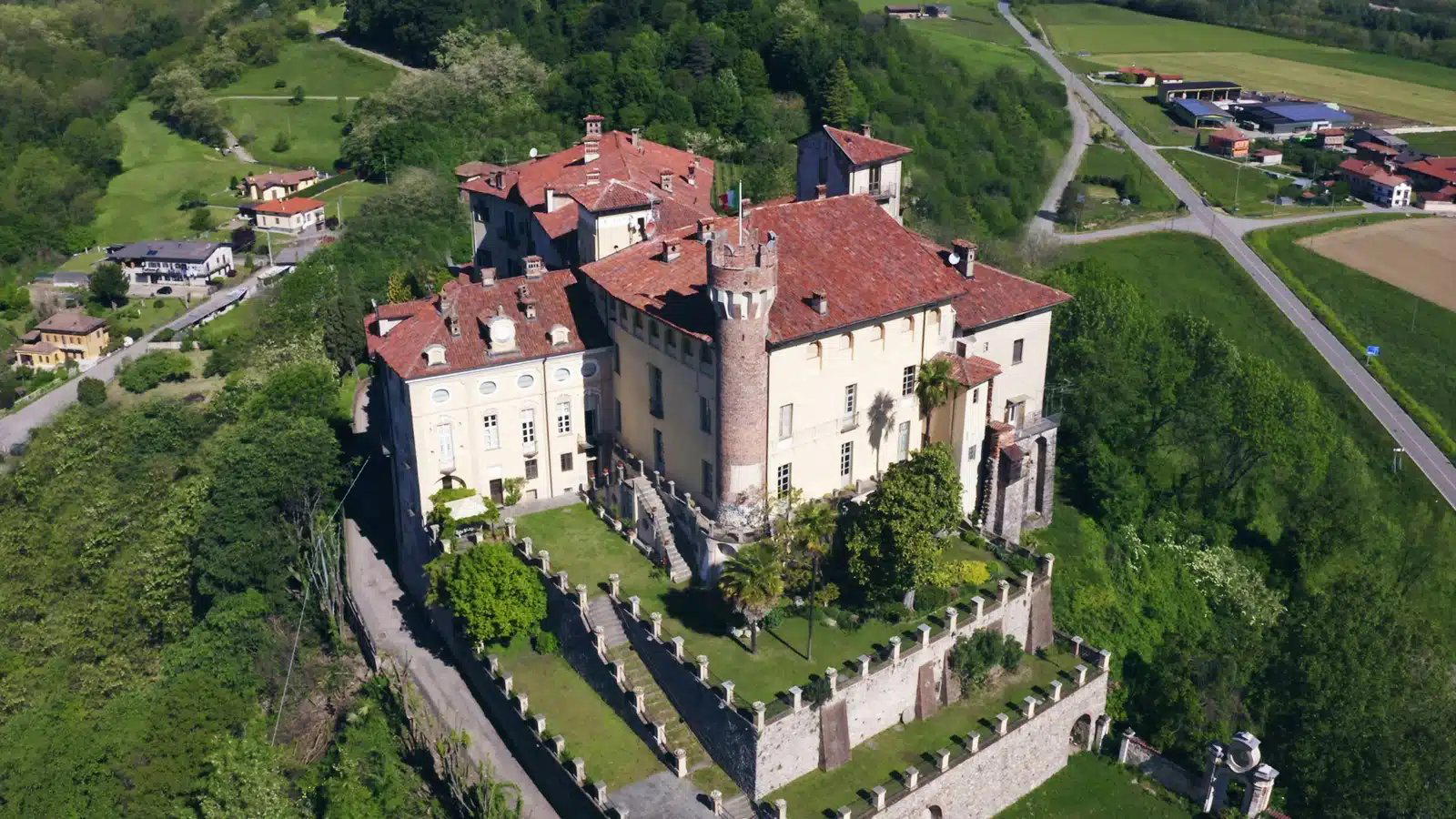
Centovigne - Castello di Castellengo
Cossato, Italy
A sensible Cossato winery pick for travelers who want a quieter northern Piedmont angle rather than a heavily programmed tasting stop. Centovigne - Castello di Castellengo has 2026 Falstaff listing credibility and easy booking, making it better as part of a regional day than as a destination that carries the whole itinerary.
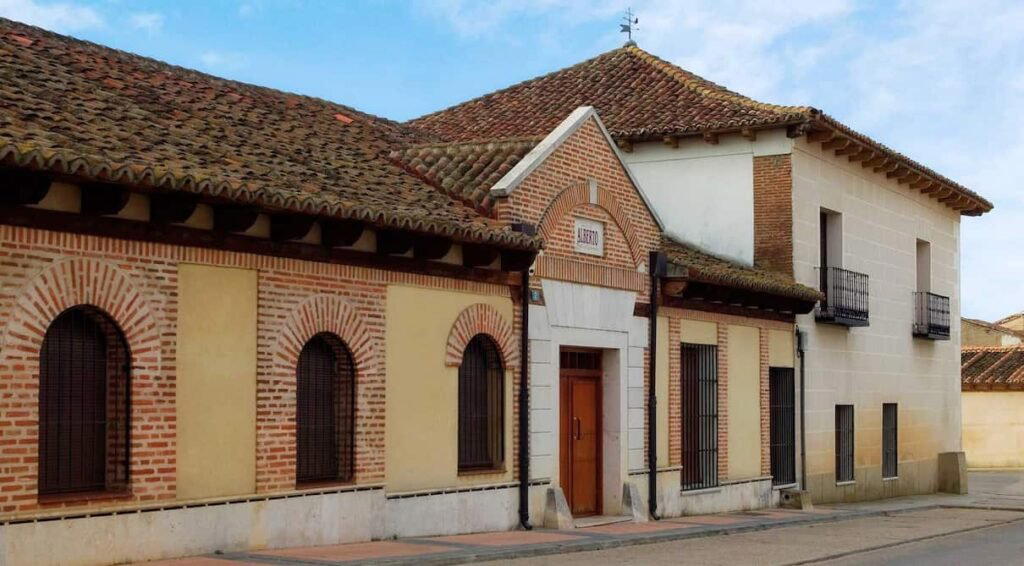
Bodegas Diez Siglos de Verdejo
Serrada, Spain
Book Bodegas Diez Siglos de Verdejo if the trip is about understanding Rueda through fresh, aromatic Verdejo rather than a long luxury tasting. The value is strongest for first-timers who care about cooperative grower heritage, vegan winemaking, sustainability practices, and a focused white-wine portfolio at a $$ price tier.
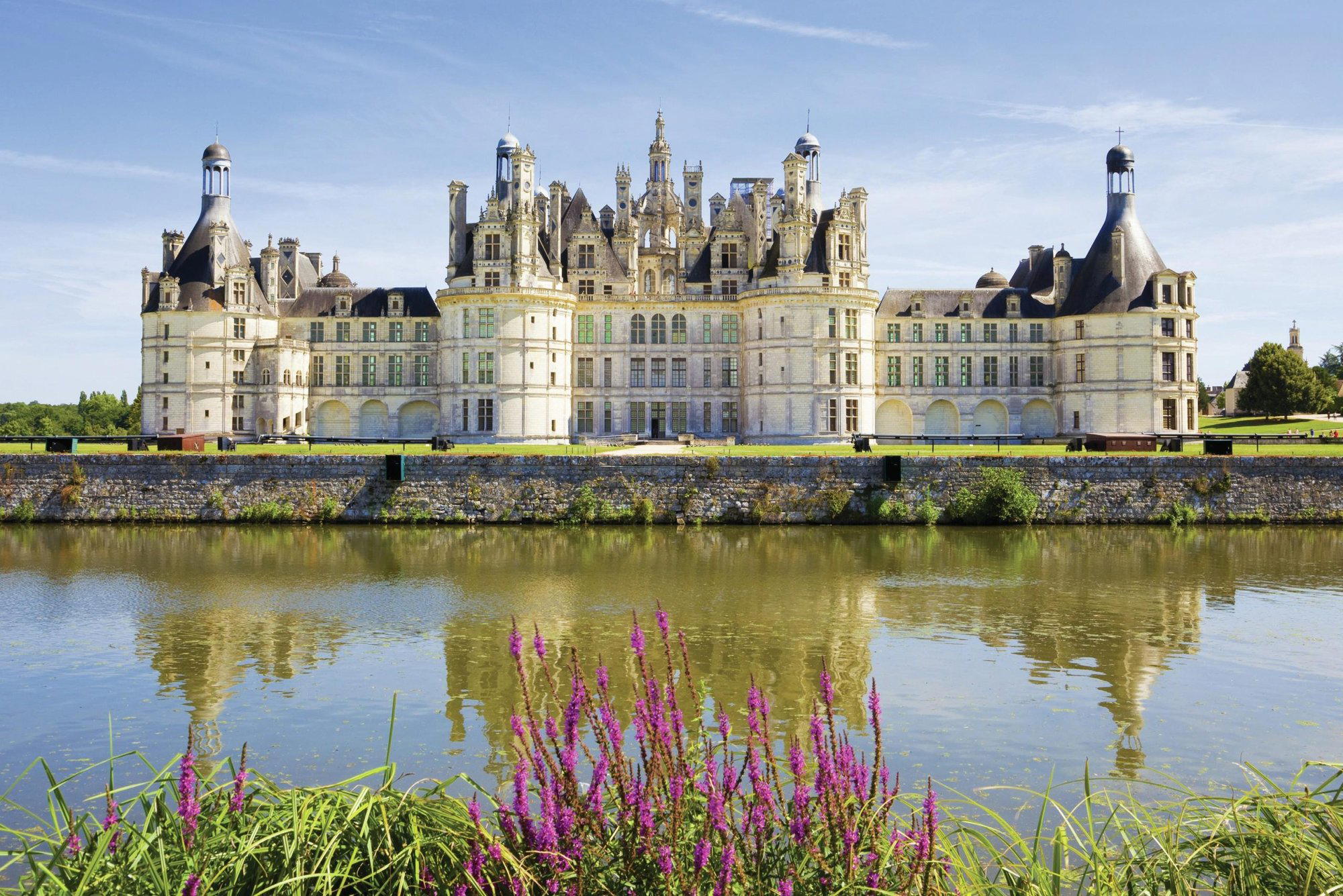
Champagne Castelnau
Reims, France
Worth booking if the Reims trip is about a serious champagne tasting rather than a general sightseeing stop. Champagne Castelnau has Falstaff 1 Star recognition for 2026, so it makes sense for return visitors building a tighter wine-focused day, especially if a more focused tasting format can be arranged.
Hobbyweingut Schlamberger
Krems At The Donau, Austria
A practical Krems winery stop for travelers who want local wine context without assuming a formal tasting program. Hobbyweingut Schlamberger makes the most sense as part of a wider Danube wine day; for celebrations or groups, confirm format, timing, and any food or private-tasting options before building the plan around it. Falstaff Listed in 2026.
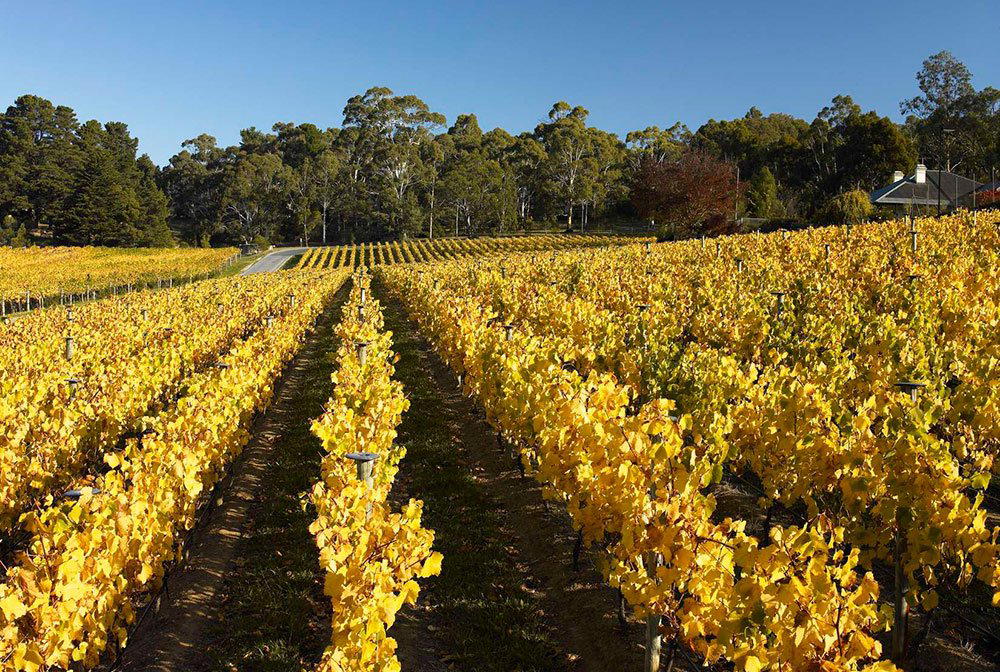
Tapanappa
Piccadilly Valley, Australia
Tapanappa is worth prioritising if the Piccadilly Valley stop is about serious bottle assessment rather than an easy all-purpose winery day. Cross-shop Ashton Hills Vineyard for a tighter local comparison, Ochota Barrels for small-producer energy, and Penfolds Magill Estate if the group wants a larger wine-tourism experience.
Cillar de Silos
Quintana Del Pidio, Spain
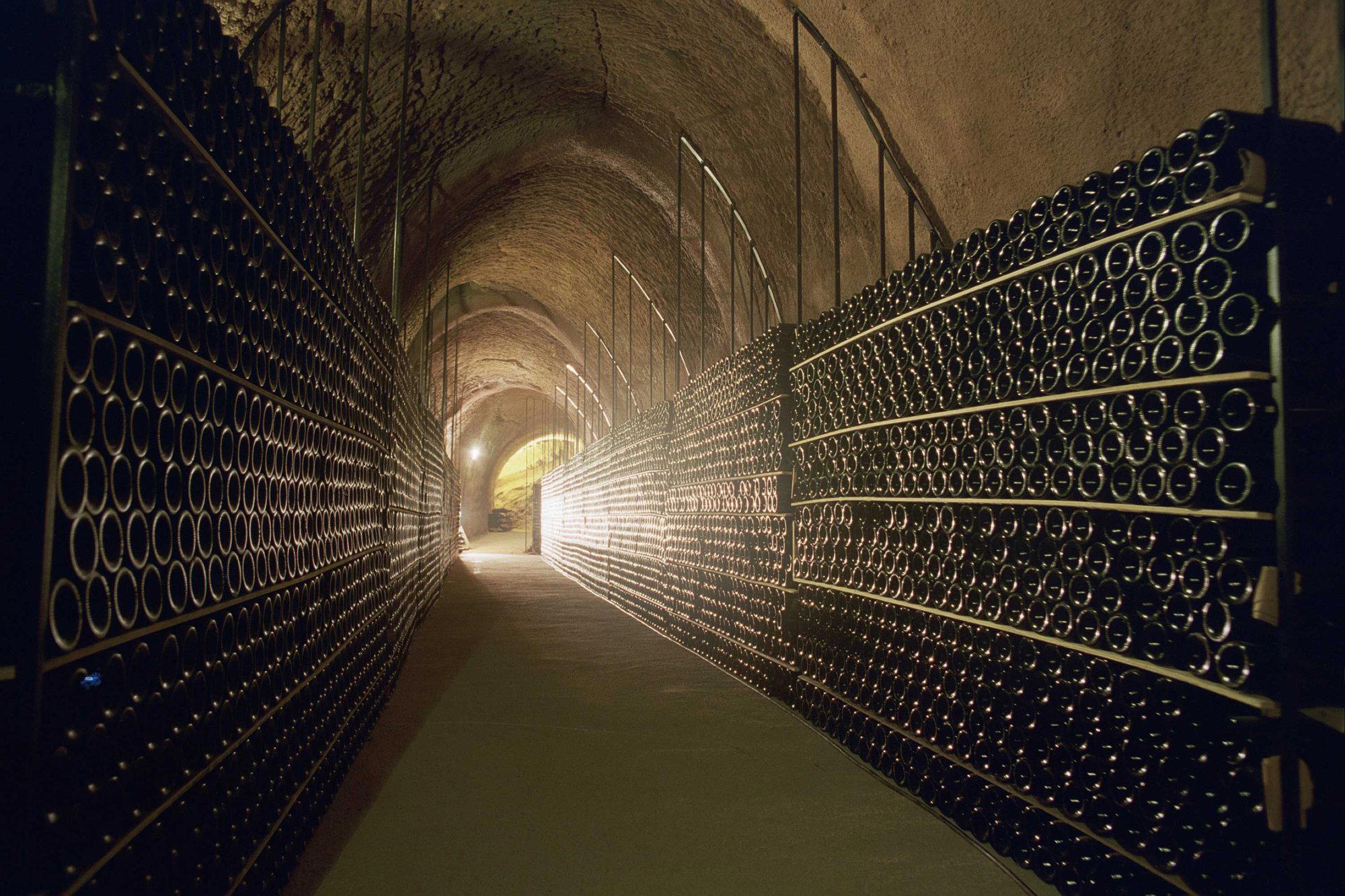
Cillar de Silos is worth prioritising for Ribera del Duero travelers who want a producer-focused stop in Quintana Del Pidio, backed by Falstaff 2 Stars in 2026. It is less suited to casual visitors who need published hours, food service, or visible visitor logistics before planning.
Elio Perrone
Castiglione Tinella, Italy
Against Castiglione Tinella’s Moscato-and-Barbera backdrop, Elio Perrone is the value-minded booking for drinkers who want precision over spectacle. The draw is Sourgal Moscato d’Asti, supported by old-vine Barbera and the Brachetto-Moscato Bigaro; Falstaff listing in 2026 adds a useful external trust signal without turning this into a formal trophy stop.
Fortant
Sète, France
Fortant works if the goal is a Sète-based Languedoc wine stop with history, cellar scale, and a portfolio that moves from varietal wines into named appellations. At $$, the value case is strongest for guests who want breadth and production context rather than a boutique estate atmosphere.
Château Gruaud-Larose
St-Julien, France
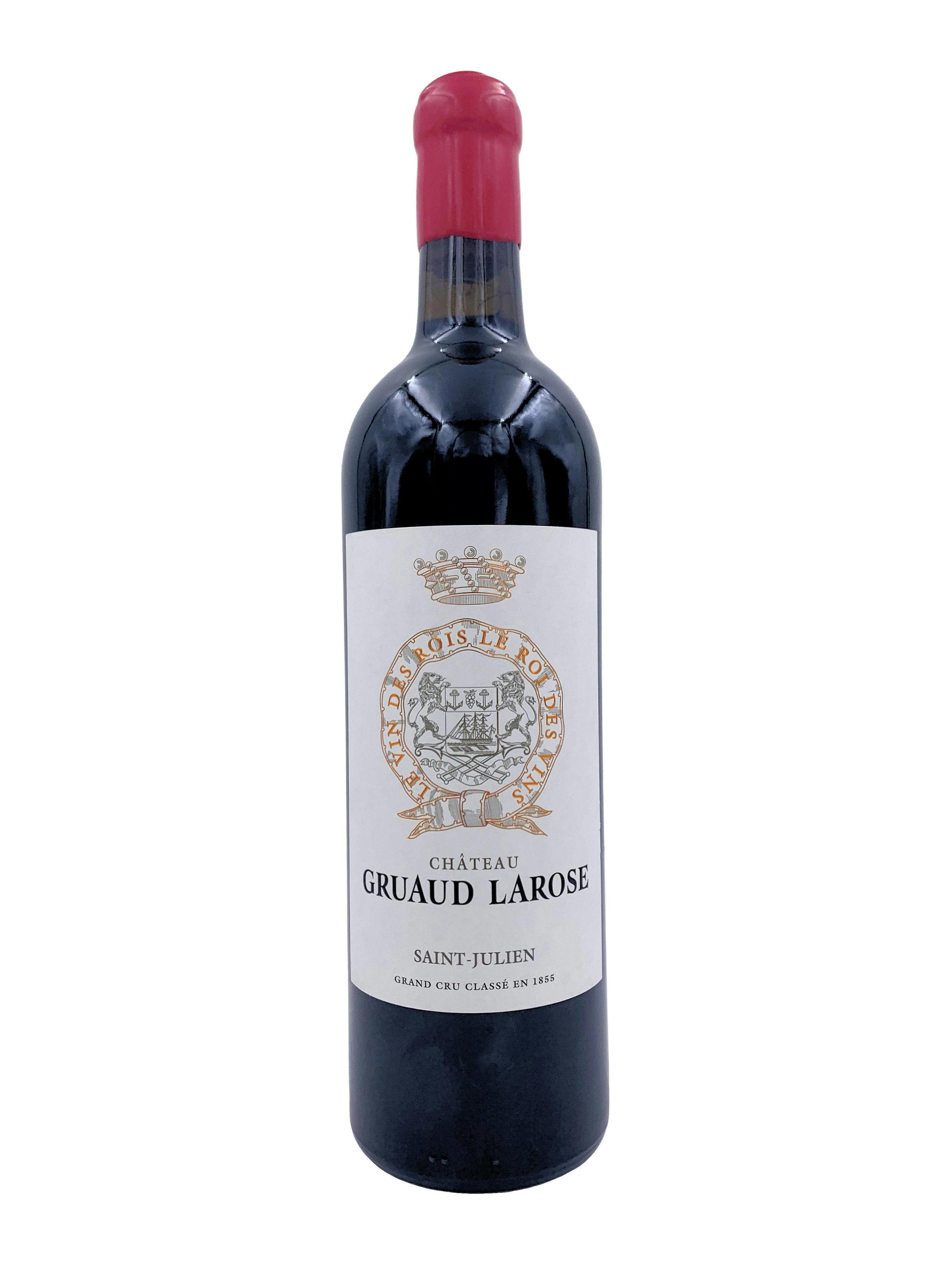
Plan Château Gruaud-Larose as a serious St-Julien appointment, not a casual drop-in. It makes the strongest case for collectors, couples, and small business groups who want a formal Left Bank château experience and are willing to plan ahead around limited access.
Derbusco Cives
Erbusco, Italy
Derbusco Cives is worth booking for a polished Franciacorta tasting in Erbusco, especially if a cork-lined cellar, vineyard terrace, and appointment-led format suit the occasion. At $20 per person and Falstaff Listed in 2026, it is a strong-value pick for couples, small celebrations, or business guests who want focused sparkling-wine context rather than a food-led visit.
Castello di Bossi
Castelnuovo Berardenga, Italy
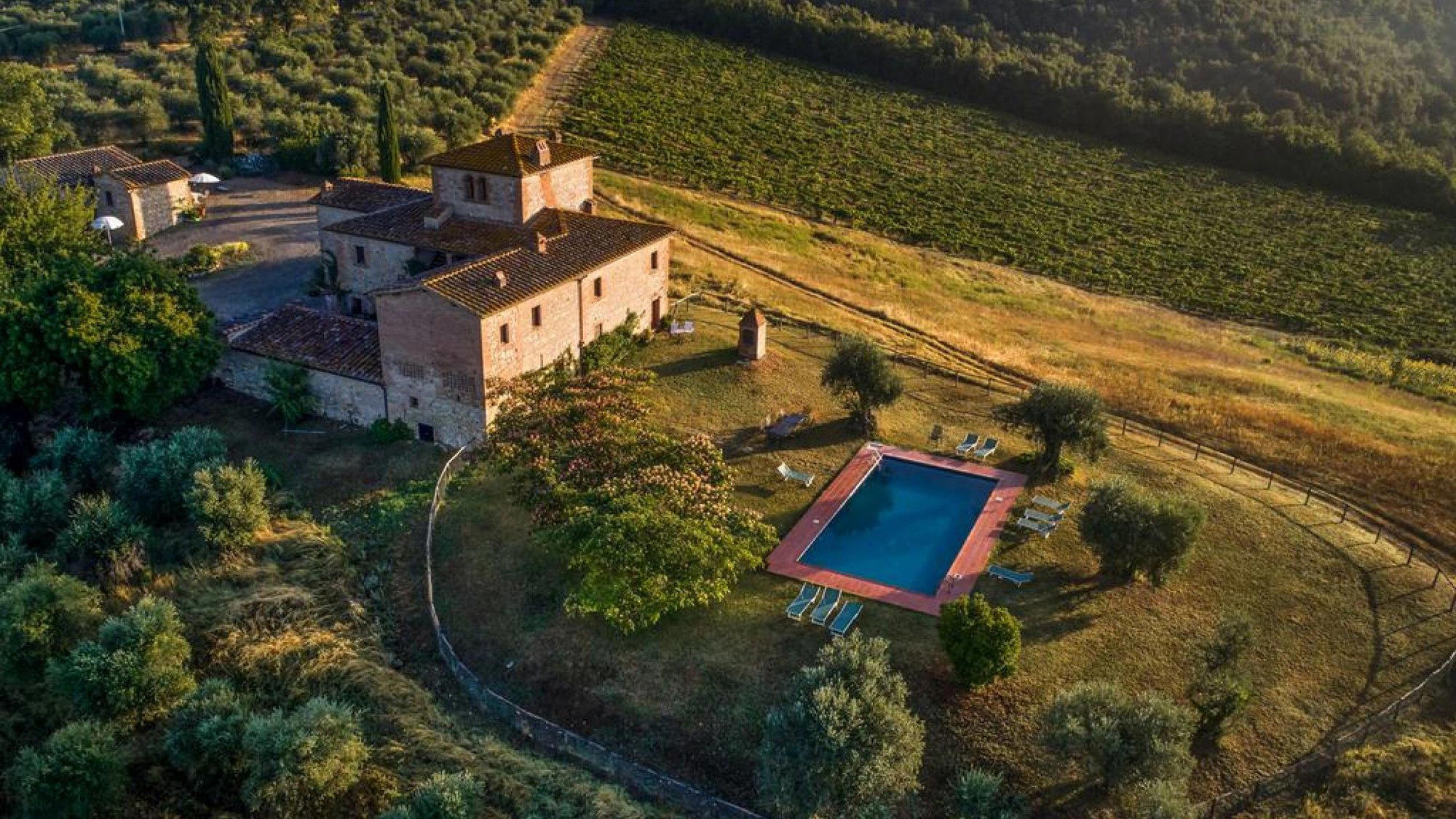
Castello di Bossi is worth booking for travelers who want a serious Chianti Classico tasting in a historic Tuscan estate setting. The strongest draw is the Sangiovese progression from Chianti Classico DOCG through Riserva Berardo and Gran Selezione, with enough vineyard and production detail to make the visit feel substantive rather than purely scenic.
Château Beauséjour
Montagne, France
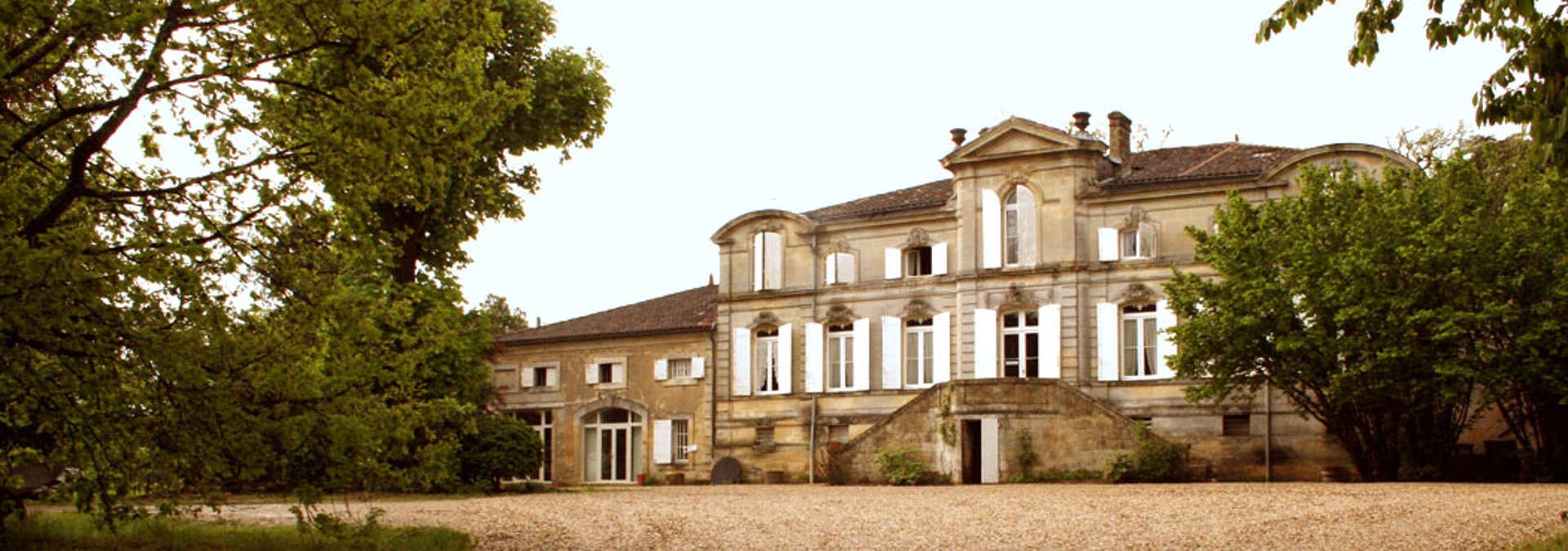
Château Beauséjour is a practical Montagne pick for travelers who want a wine-led stop with Falstaff-listed credibility in 2026. It is better suited to a focused tasting-day itinerary than to anyone looking for a restaurant, hotel, or highly produced visitor experience.
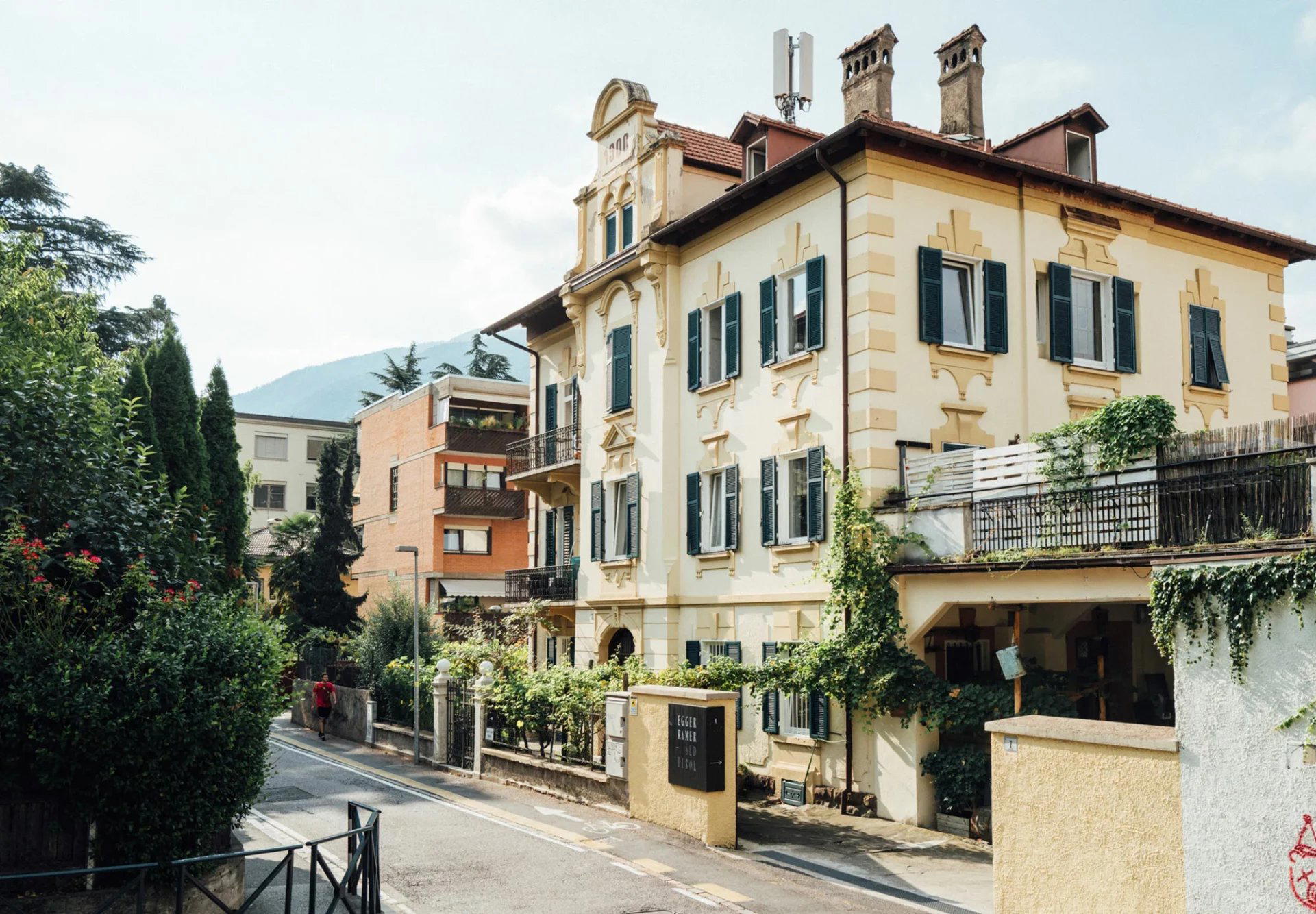
Egger-Ramer
Bolzano, Italy
Egger Ramer Tenuta works for a focused Bozen wine itinerary, especially if Alto Adige producers are the reason for the trip. Treat it as a targeted winery inquiry rather than a fully pre-packaged visitor experience; Falstaff listing gives it a useful trust signal, but logistics should be confirmed before building the day around it.
Dorfschenke & Weinbau Pölzl
Halbenrain, Austria
A strong choice for a relaxed Styrian Buschenschank visit rather than a formal tasting-room splurge. Go for the rustic countryside atmosphere, family-run continuity since 1957, and easygoing wine-tavern format; skip it if the occasion needs a published private tasting, named flagship bottle, or polished business-entertaining structure.
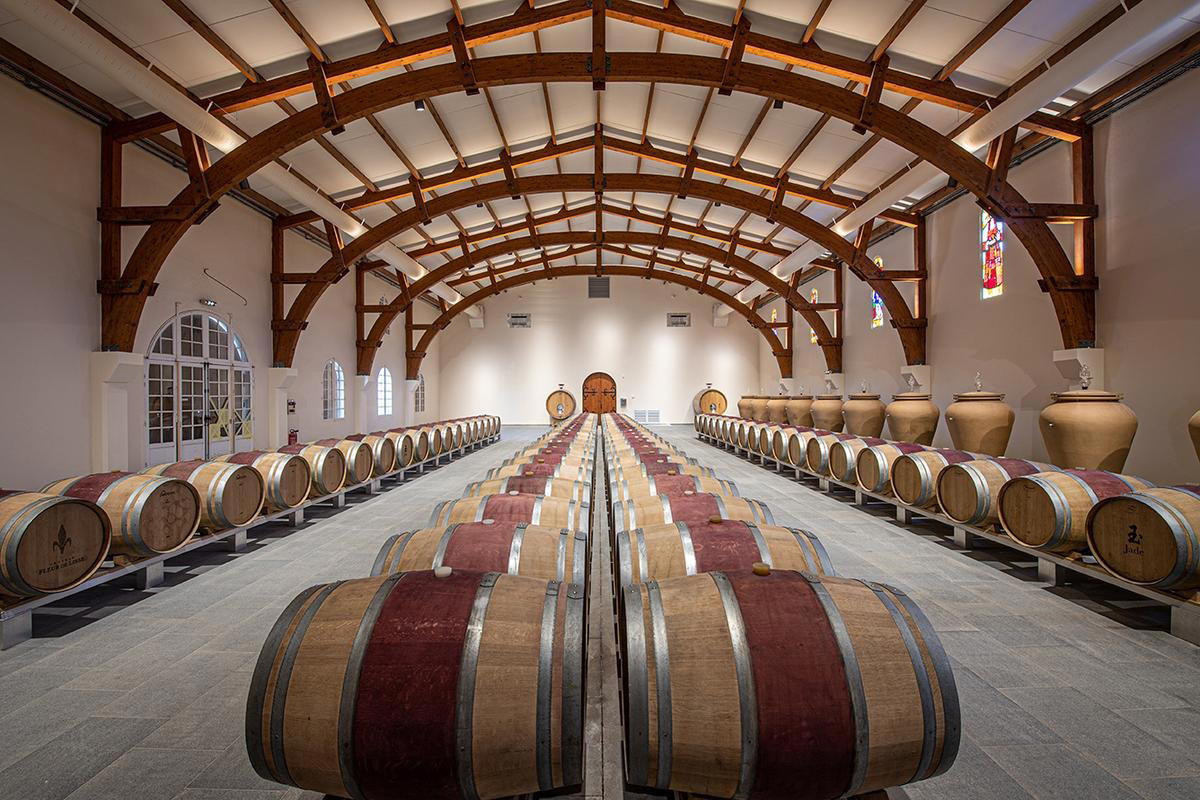
Château Fleur de Lisse
Saint Etienne De Lisse, France
Choose Château Fleur de Lisse if you want a polished, contemporary Saint-Émilion winery visit where the vineyard setting, design, and hospitality carry real weight. It is better for couples, celebrations, and mixed-interest groups than for visitors seeking a bare-bones technical tasting. The flagship Saint-Émilion Grand Cru and certified organic/biodynamic farming give the experience enough wine credibility to match the setting.
Dabbene Daniele
Santa Vittoria d'Alba, Italy
Dabbene Daniele is a cautious yes for travelers building a flexible wine day around Santa Vittoria d'Alba. The Falstaff Listed 2026 recognition is the main trust signal, but absent published details on tasting format, pricing, flagship wines, and group capacity mean it works better as a targeted stop than a full itinerary anchor.
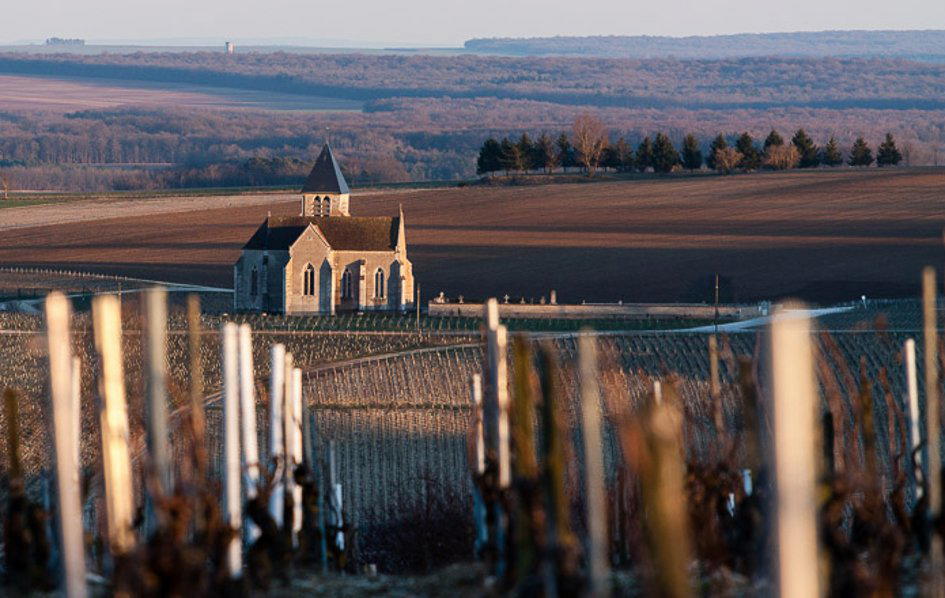
Domaine Pattes Loup
Courgis, France
Domaine Pattes Loup is a focused Courgis winery choice for travelers already planning time in the Chablis area. It makes the most sense for couples, collectors, or a quiet special-occasion stop where wine is the point; large groups and food-first visitors should plan more cautiously.
Clos Vert
Biel, Switzerland
Clos Vert works if you want a small, appointment-only Bielersee winery rather than a large tourist estate. The draw is intimacy and early-stage producer access, supported by a Falstaff Listed 2026 signal; skip it if you need published tasting flights, food pairings, or a fully built-out visitor program.
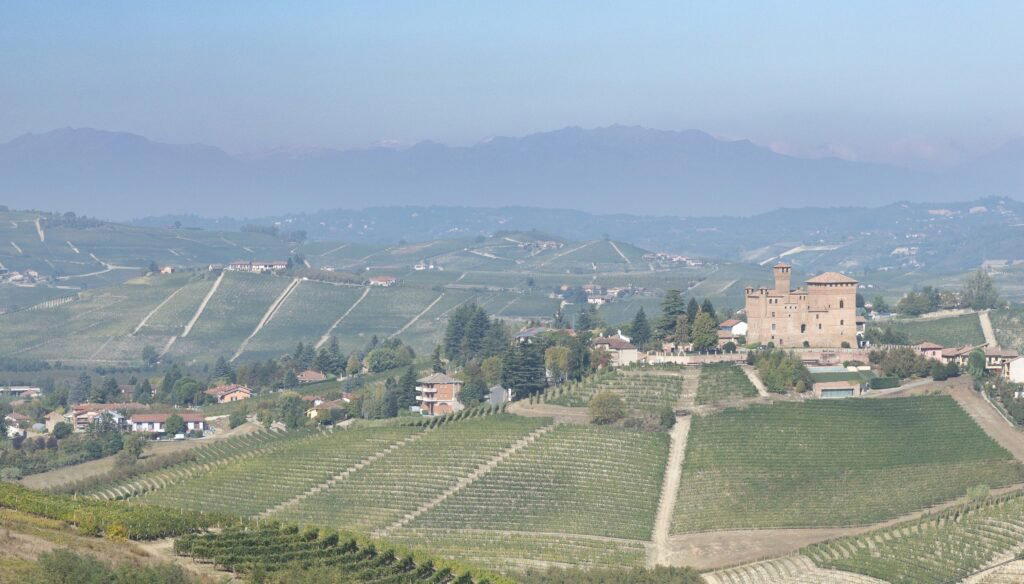
Alario Claudio
Diano D Alba, Italy
Book Alario Claudio if you want a small, focused Diano d’Alba tasting built around serious Dolcetto rather than a glossy cellar visit. The format suits first-timers, couples, and small groups who want estate-grown wines, direct context, and a low-key rural setting, with Falstaff Listed recognition in 2026 adding a useful trust signal.
Bojan Baša
Syrmien, Serbia
Book Bojan Baša only if the visit is planned around wine and timing can stay flexible. The Falstaff 3 Stars recognition for 2026 gives it a credible quality signal, but sparse public practical detail makes this better for small, serious wine-focused plans than large groups or casual walk-in-style itineraries.
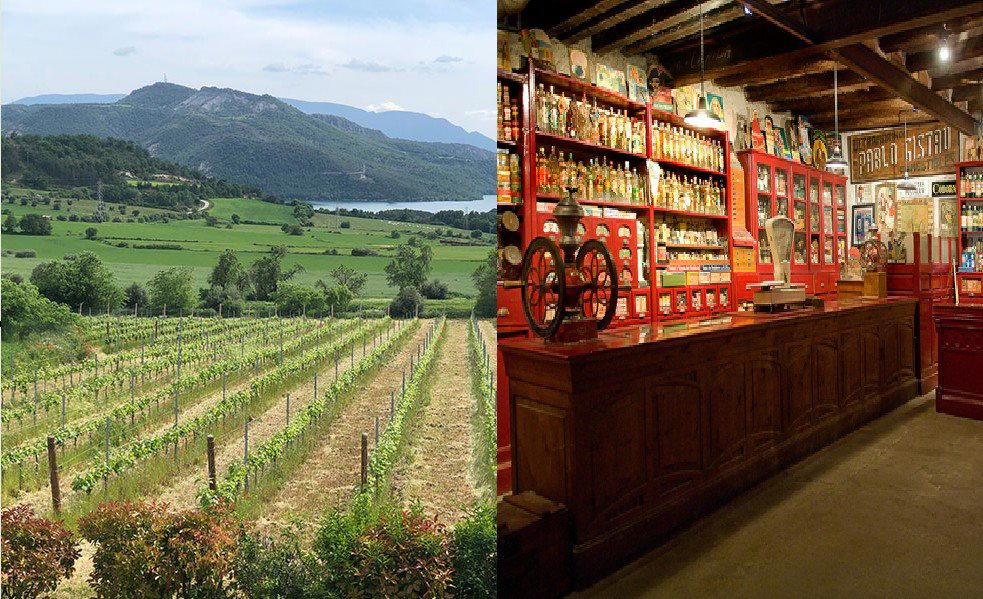
Bodega Abanico
Sant Miquel De Balenya, Spain
Bodega Abanico is a Catalunya wine stop to consider if external recognition matters more than a fully mapped visitor program. Falstaff 2 Stars gives it a credible quality signal, but with no published pricing, hours, food details, or flagship wine listed here, it works better as a targeted research lead than the main anchor of a wine trip.
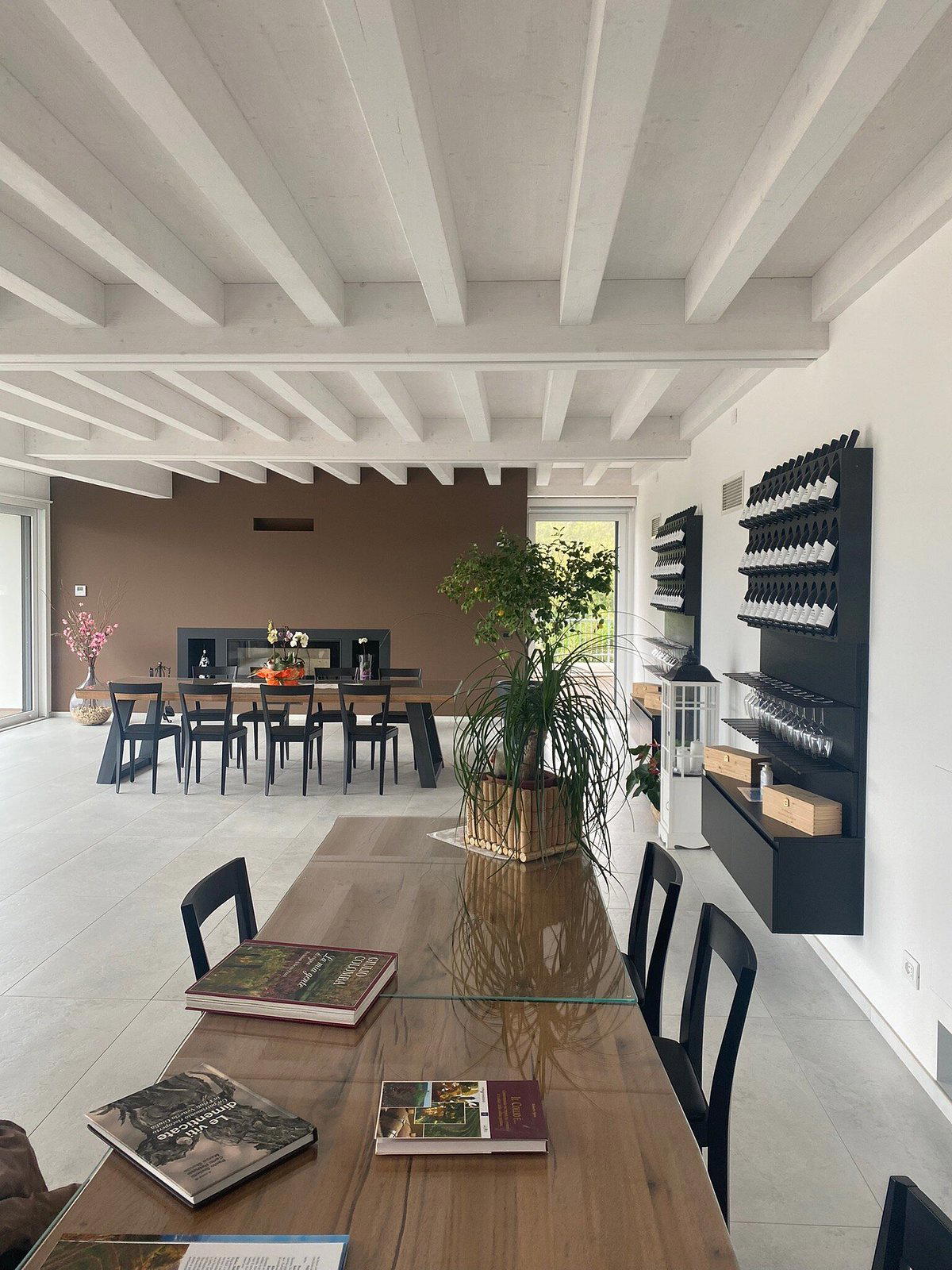
Cantina Produttori Cormòns
Cormons, Italy
Worth booking if you want a broad, educational Collio tasting with cooperative scale, regional context, and good $$ value. The upgraded or hosted format makes sense for celebrations or business groups who want structure; casual visitors can keep it simpler and focus on the standard tasting range.
Domaine du Clos des Fées
Vingrau, France
Book Domaine du Clos des Fées if the trip is built around serious Roussillon wine rather than easy cellar-door hospitality. The draw is old-vine, small-parcel winemaking in Vingrau, backed by Falstaff 4 Stars for 2026 and a cellar-led format that suits collectors more than casual groups.
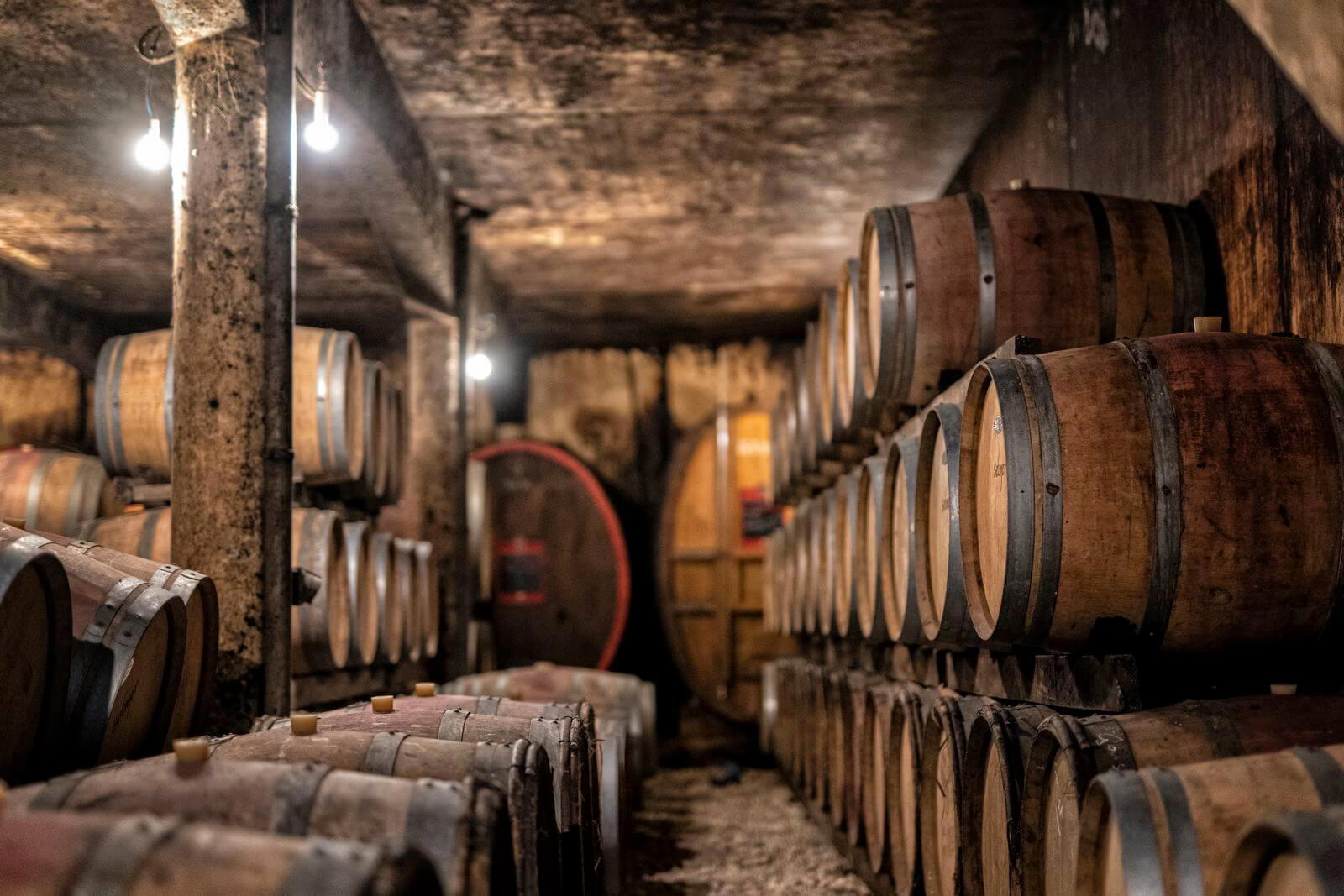
Cave du Marmandais
Cocumont, France
Cave du Marmandais is worth booking if you want an accessible Côtes du Marmandais cellar visit with real regional context rather than a formal château tasting. The value is in the cooperative story, Abouriou-led local identity, sustainability credentials, and easy shop-and-taste format. Go for a practical wine stop in Cocumont, not a full dining experience.
Château Bellevue-Mondotte
Saint-Émilion, France
A serious, appointment-only Saint-Émilion estate for collectors who want concentrated Grand Cru Bordeaux from old vines on limestone slopes. Worth prioritising for a special-occasion tasting if depth, structure, and age-worthy right-bank style matter more than casual wine tourism or flexible drop-in access.
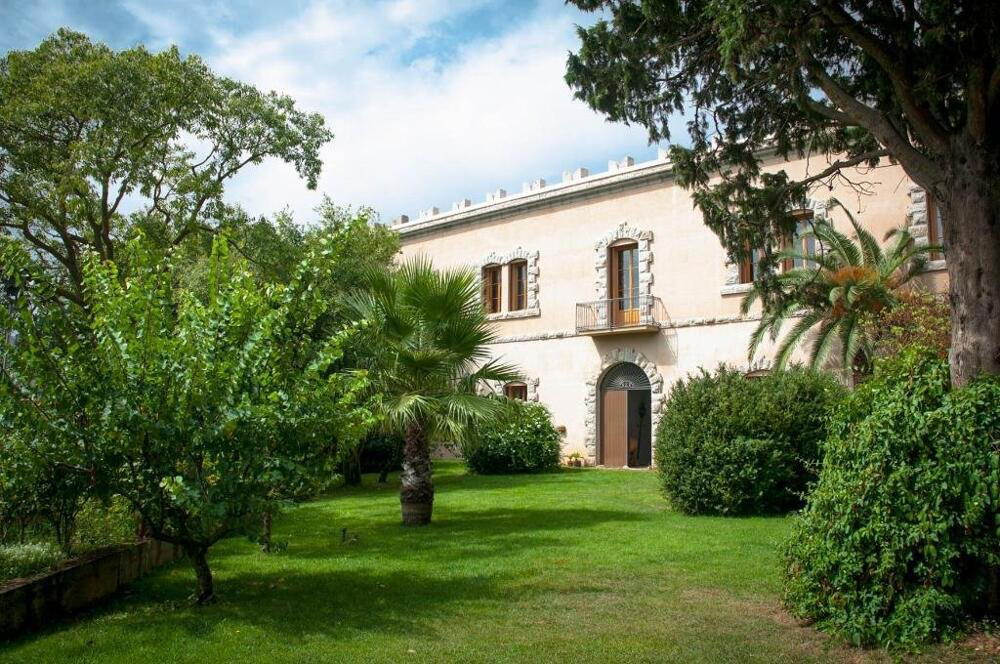
Baglio di Pianetto
Santa Cristina Gela, Italy
Book Baglio di Pianetto if you want a quiet, production-led Sicilian winery visit with organic farming, native grapes, and a polished estate setting. It is strongest for wine travelers who care about terroir and hospitality in equal measure, less useful for anyone seeking a quick, casual drop-in tasting.
Fattoria di Magliano
Magliano In Toscana, Italy
Fattoria di Magliano is worth choosing if the plan is a relaxed Maremma wine stay rather than a quick cellar stop. The draw is the full estate setup: organic wines, local-product dining, simple rooms, vineyard views, and a casual rhythm that suits travellers who want depth without formality.
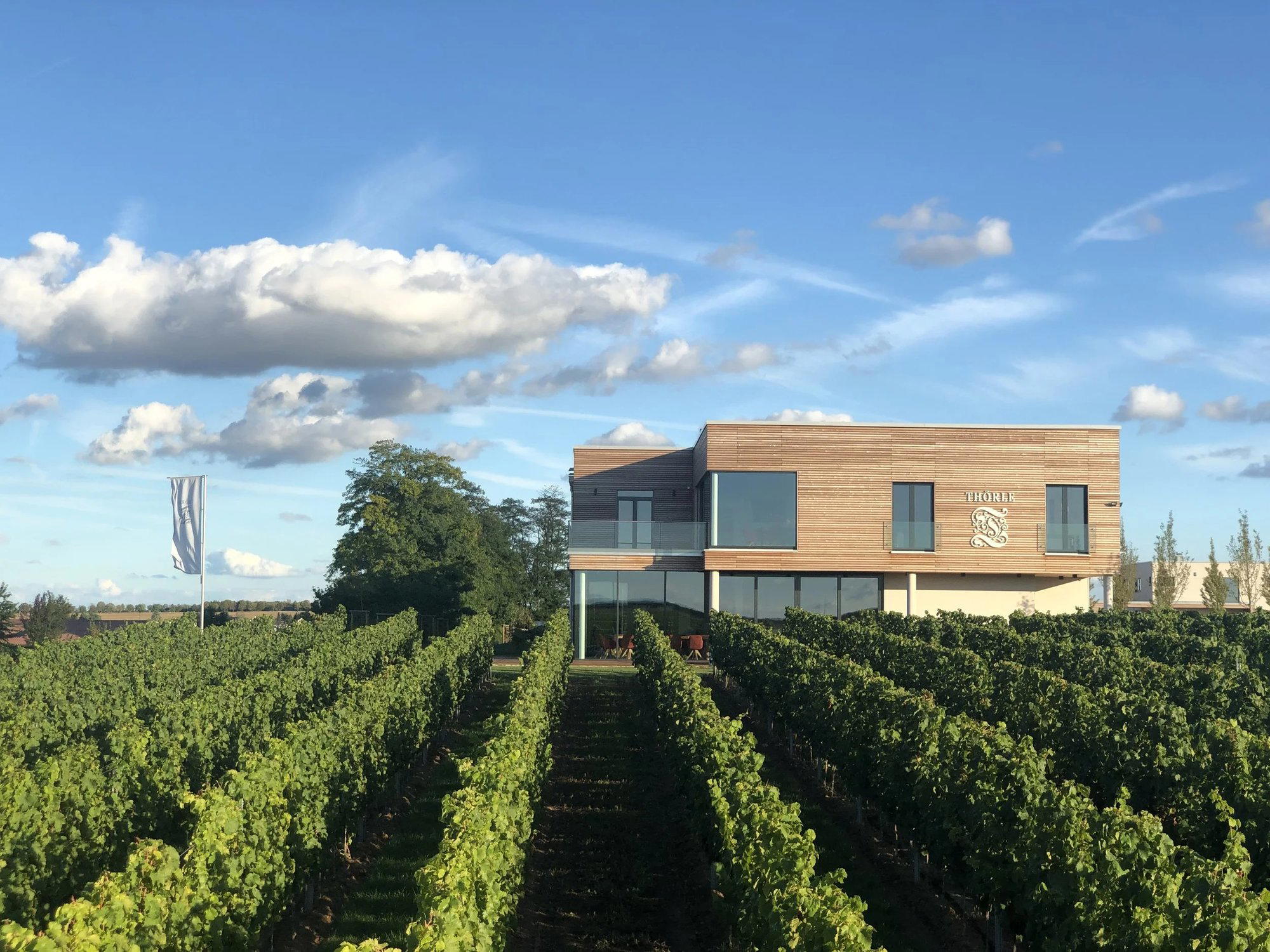
Weingut Thörle
Saulheim, Germany
Weingut Thörle is worth prioritising for a serious Rheinhessen wine stop, especially if the visit is about bottles to buy or ship rather than a casual tasting-room afternoon. Treat it as appointment-led and better for couples, collectors, or business guests than large groups without prior arrangements.
Finca Albret
Cadreita, Spain
A worthwhile Cadreita stop for wine travelers who want a serious, terroir-led Navarra winery rather than a casual tasting-room experience. Finca Albret is strongest when approached as a technical visit focused on rocky soils, named vineyard plots, and structured estate wines, so it suits curious drinkers better than groups looking for food service or a soft tourism format.
How many of these have you visited?
Find out on Pearl and keep score across every place in 2026 Falstaff Winery Guide.