
Weingut Thörle
Saulheim
Winery in Saulheim, Germany
 Book with Pearl
The Read
Central Rheinhessen Precision
Price
$20–30tasting
Why go
Weingut Thörle is worth prioritising for a serious Rheinhessen wine stop, especially if the visit is about bottles to buy or ship rather than a casual tasting-room afternoon. Treat it as appointment-led and better for couples, collectors, or business guests than large groups without prior arrangements.
About Weingut Thörle
Weingut Thörle is a Saulheim venue with Pearl 2 Star Prestige recognition for 2025. Plan carefully rather than assuming a wider hospitality format, menu, tasting structure, purchase option, or group setup.
The dress code is smart casual. For anything beyond the venue name, city, dress code, and recognition, check Weingut Thörle directly before building a visit around a specific service or plan.
Plan around the essentials
The practical case for Weingut Thörle is simplest when the visit is planned carefully. Do not assume restaurant-style services, food, delivery, a particular tasting format, or walk-in flexibility unless the venue confirms those details.
For a date, anniversary, or client outing, keep the plan modest and confirm details in advance. Weingut Thörle suits a smart-casual visit in Saulheim; plan separately for a broader entertainment program, large-group format, or food-led experience unless arranged directly.
Who should choose it over a broader day out
Choose Weingut Thörle if Saulheim is the focus and a Pearl 2 Star Prestige venue is what you want to prioritize. If you are comparing other venues, relevant names to consider include Weingut Balthasar Ress, Weingut Eric Manz, Weingut Josef Spreitzer, Weingut Peter Jakob Kühn, and Weingüter Wegeler.
For a celebration or focused visit, the cautious verdict is to pursue it only after arranging the details directly. Quick reference: Saulheim, smart casual, Pearl 2 Star Prestige 2025, and best planned with direct confirmation for any specific visit needs.
Planning details
- Location
- Am Norenberg 0, 55291 Saulheim
- Website
- thoerle-wein.de
- Phone
- +49 6732 5443
The take
The Take
The Vibe
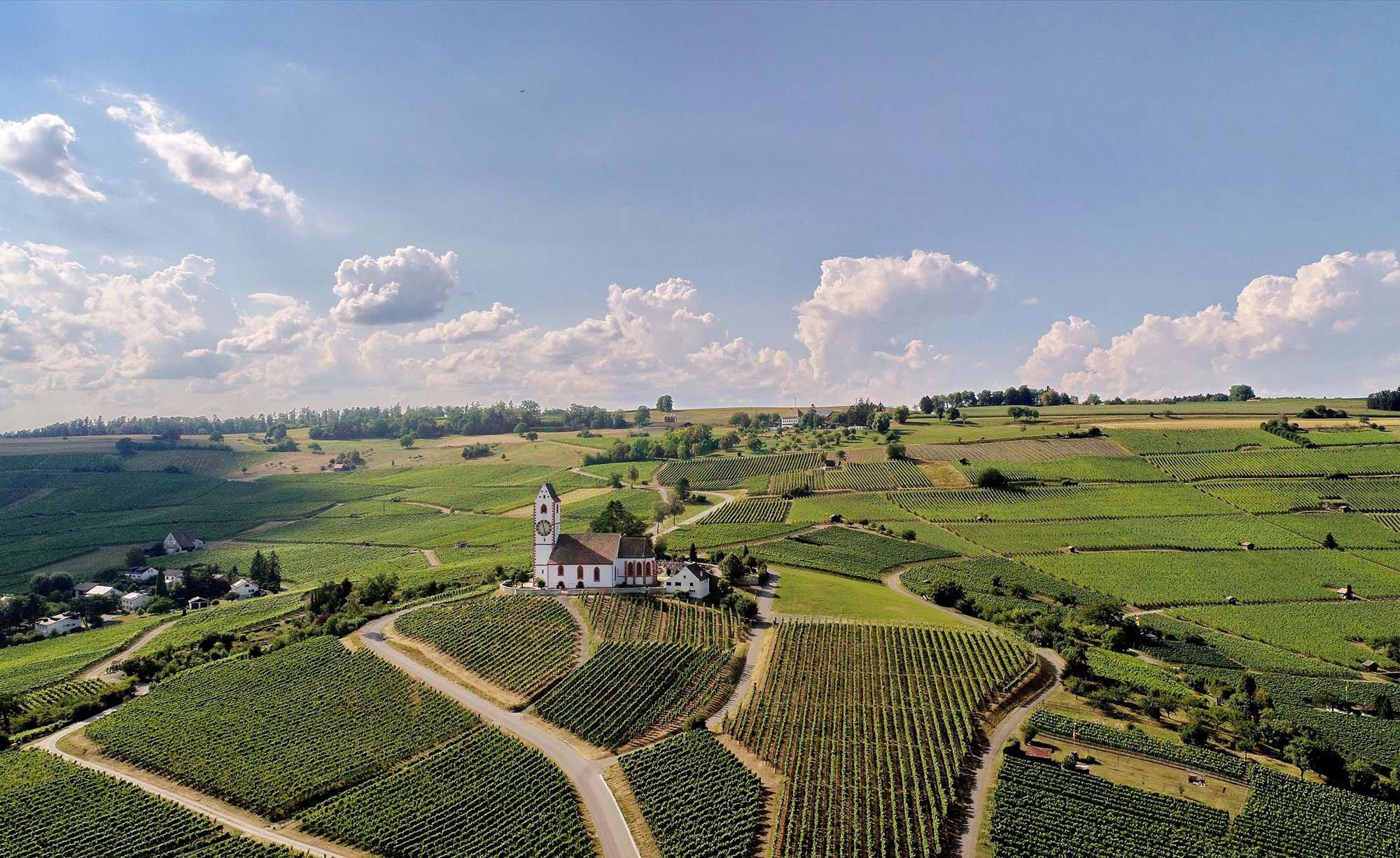
Weingut Thörle sits in Rheinhessen's quieter interior, where open skies and rolling loess plateaus set a calm, contemplative tone. The copy emphasizes restraint over spectacle: limestone-rich sites, Silvaner heritage and mineral-driven Riesling take center stage rather than riverside tourism. That focus gives the estate a subdued, refined character—serene and quietly sophisticated—best appreciated by people who come for terroir and craft rather than fanfare. There's a sense of discovery here, with an understated pride in site specificity that marks Thörle as a hidden gem within a region whose reputation is still being rewritten.
Best For
This is a place for people who want to dig into what Rheinhessen really offers: students of terroir, solo travelers seeking a less touristy wine experience, and visitors marking a special occasion with something more than the usual. The writing frames Thörle as part of a cohort raising regional benchmarks, so tastings or visits are likely most rewarding for guests who care about soil, age-worthiness and regional context. The setting—rural, limestone-rich vineyards—makes it less about spectacle and more about the quiet work of serious winemaking.
Tasting Tips
Look for wines that showcase the region's mineral focus: the text flags Silvaner heritage and "mineral-driven Riesling" as hallmarks of the area. The estate's "Pearl 2 Star Prestige" rating suggests offerings aimed at a discerning audience, so prioritize site-specific or single-vineyard bottlings and white wines built for aging. Seek out labels that reference Muschelkalk, loess or specific Saulheim sites to taste how aspect and soil shape ripeness and structure. Steer toward vintages that show restraint and clarity rather than overt fruitiness to appreciate Thörle's terroir-driven style.
Venue details
Ambiance
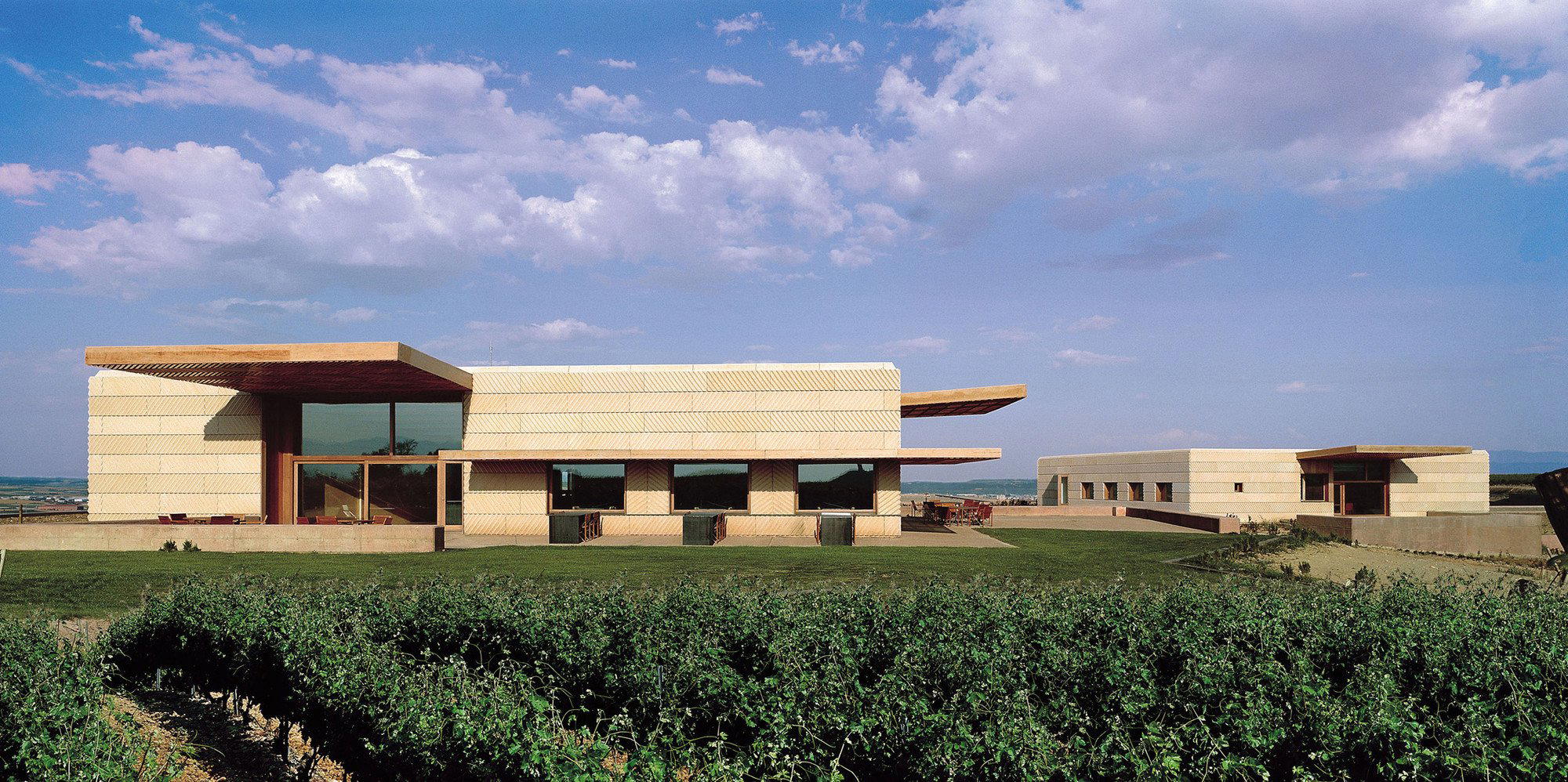
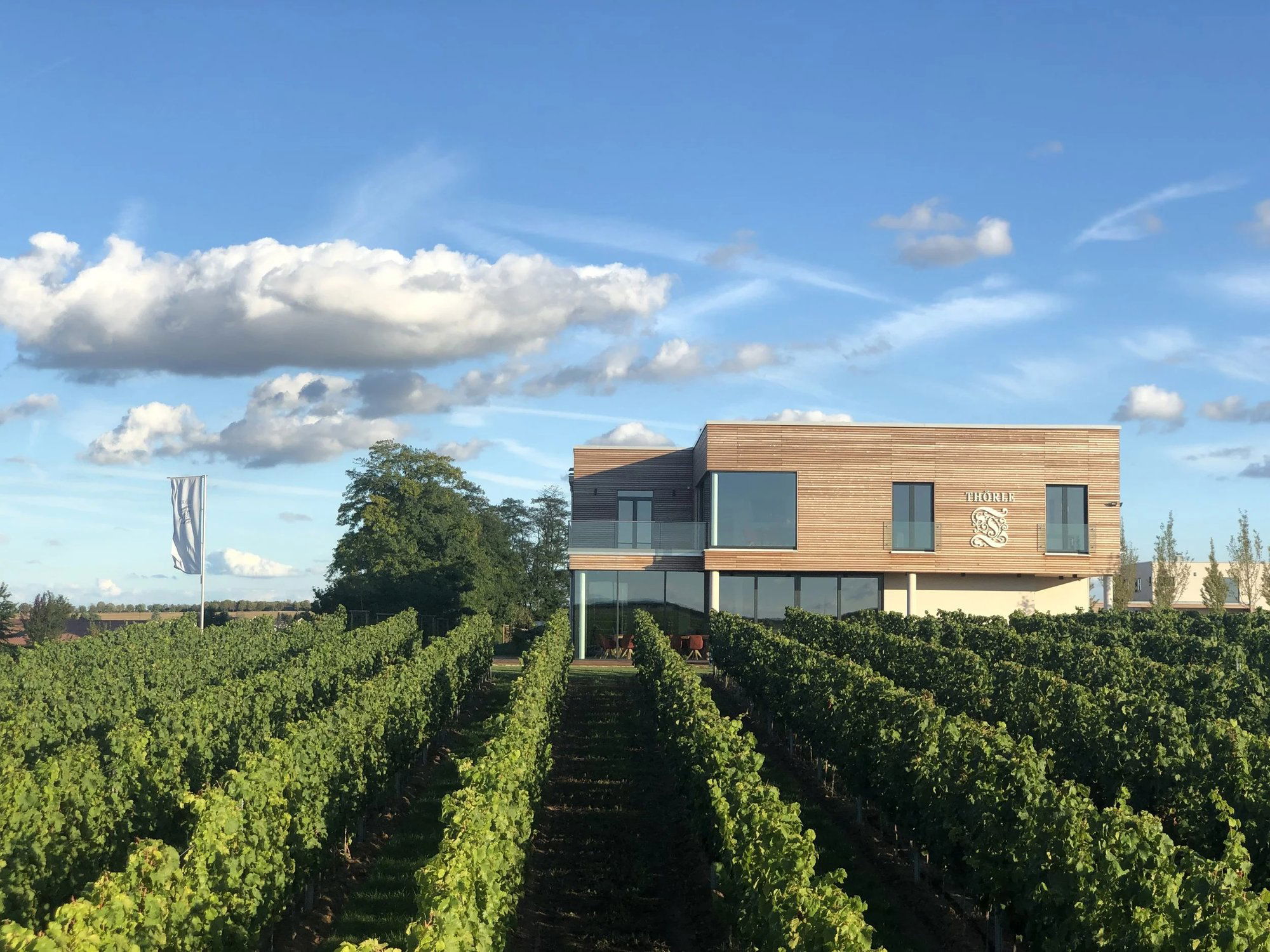
Stylish modern pleasure rooms with large glass fronts offering sweeping vineyard views, limestone masonry, and elegant tasting bar.
Tags
Vibe
Best For
Experience
Sourcing
View
At the Vineyard
- Appellation
- Rheinhessen Nierstein
- Varietals
- Riesling, Silvaner, Spätburgunder, Pinot Gris, Pinot Blanc
- Tour Duration
- 60-90 minutes
- Tour Languages
- German, English
- Visits
- By reservation
- Farming
- Organic
- Production
- Small producer
- Wine Styles
- Still White, Still Red, Still Rose, Sparkling
- Wine Club
- Not available
Know before you go
Know Before You Go
- Getting there
- Am Norenberg 0, 55291 Saulheim
Planning details
Location
Recognition and awards

Also consider
If this is not available
Try Weingut Peter Jakob Kühn first if the brief is serious German wine and the group can handle a more focused appointment. Try Weingut Balthasar Ress if the priority is a broader, easier wine-country day with more surrounding visitor infrastructure.
Winery context
How it compares in the Saulheim and Rhine wine orbit
Pick Weingut Thörle when the decision is bottle-first and Saulheim is the anchor. Compared with Weingut Eric Manz, it is the stronger fit for a more serious special-occasion tasting plan rather than a looser countryside stop. If ease matters more than scarcity, Eric Manz is the safer cross-shop to keep in reserve.
Weingut Balthasar Ress, Weingut Josef Spreitzer, and Weingüter Wegeler make more sense for readers who want a Rheingau-leaning day with a broader visitor rhythm around the tasting. Choose those if the setting and regional touring infrastructure matter as much as the wine purchase. Choose Saulheim if the itinerary can be narrower and more buying-led.
Weingut Peter Jakob Kühn is the closer comparison for guests who care about serious German wine credentials and do not need a relaxed, easy-access visit. If Weingut Thörle is not available, Kühn is the most natural substitute for a high-intent wine day; if the group needs something easier and more social, start with Ress or Spreitzer instead.
Explore Saulheim
Around this place
Discover more on Pearl
Unlock the full Weingut Thörle guide in Pearl, including awards, comparisons, FAQs, planning details, and nearby places.
Compare Weingut Thörle
| Venue | Location | Awards |
|---|---|---|
| Weingut Thörle | Saulheim | 2026 Falstaff Winery Guide |
| Weingut Eric Manz | Weinolsheim | No published awards |
| Weingut Balthasar Ress | Eltville | 2026 Falstaff Winery Guide2025 Decanter Winery Prestige |
| Weingut Josef Spreitzer | Oestrich-Winkel | 2026 Falstaff Winery Guide |
| Weingüter Wegeler | Oestrich-Winkel | 2026 Falstaff Winery Guide |
| Weingut Peter Jakob Kühn | Oestrich-Winkel | 2026 Falstaff Winery Guide |

How Weingut Thörle Saulheim compares with similar nearby venues.
FAQ
Frequently Asked Questions
What is confirmed about Weingut Thörle?
Weingut Thörle is in Saulheim, has a smart-casual dress code, and holds Pearl 2 Star Prestige recognition for 2025.
Do I need a reservation at Weingut Thörle?
For a smooth visit in Saulheim, contact Weingut Thörle directly about reservations before going.
What other venues can I compare with Weingut Thörle?
Relevant comparison names include Weingut Eric Manz, Weingut Balthasar Ress, Weingut Josef Spreitzer, Weingüter Wegeler, and Weingut Peter Jakob Kühn. Compare current availability and visit details directly before planning a route.
What should I confirm before visiting Weingut Thörle?
Does Weingut Thörle serve food?
If food is important, make a separate plan in Saulheim and ask Weingut Thörle directly about any venue-specific service.
Does Weingut Thörle offer purchase or delivery options?
Can Weingut Thörle handle large groups?
Contact Weingut Thörle directly before planning a group visit in Saulheim.