
Tapanappa
Piccadilly Valley
Winery in Piccadilly Valley, Australia
 Book with Pearl
The Read
Cool-Climate Terroir Precision
Why go
Tapanappa is worth prioritising if the Piccadilly Valley stop is about serious bottle assessment rather than an easy all-purpose winery day. Cross-shop Ashton Hills Vineyard for a tighter local comparison, Ochota Barrels for small-producer energy, and Penfolds Magill Estate if the group wants a larger wine-tourism experience.
About Tapanappa
Tapanappa is a Piccadilly Valley venue with a casual dress code and Pearl 2 Star Prestige recognition for 2025.
Choose it for a Piccadilly Valley visit with expectations kept simple
For planning purposes, the case for Tapanappa is direct: it is in Piccadilly Valley, dress is casual, and it carries Pearl 2 Star Prestige recognition for 2025. If your visit depends on a meal, a particular format, group arrangements, or a specific service style, check directly with the venue before making it the centre of the day.
Avoid building an itinerary around assumptions. Treat Tapanappa as a Piccadilly Valley stop to confirm in advance, especially for food, drinks, bookings, or visitor facilities.
Use the wider Piccadilly Valley trip to fill in the day around it. For planning beyond this listing, consult current local guides for Piccadilly Valley dining, stays, drinks, and experiences.
How to decide if it belongs on your itinerary
The right move is to start with the key facts. Tapanappa is a casual Piccadilly Valley venue with Pearl 2 Star Prestige recognition in 2025. That may be enough reason to consider it, but any more specific plan should be checked with the venue directly.
For comparison, consider Ashton Hills Vineyard, Nepenthe, and Ochota Barrels when looking at other relevant names. Penfolds Magill Estate and Penfolds can also be useful benchmarks for a broader itinerary, without assuming they offer the same type of visit as Tapanappa.
Quick reference: consider Tapanappa for a casual Piccadilly Valley stop with Pearl 2 Star Prestige recognition for 2025; confirm all practical details directly before planning around it.
Planning details
- Location
- 15 Spring Gully Rd, Piccadilly SA 5151
- Website
- tapanappa.com.au
- Phone
- +61 8 7324 5301
The take
The Take
The Vibe
Tapanappa presents as a quietly sophisticated producer rooted in cool‑climate precision. The writing foregrounds altitude, late ripening and a patient phenolic arc, describing wines defined by acidity, mineral register and textural grip rather than overt ripeness. That methodological focus gives the place a contemplative, terroir‑driven character: winemaking decisions feel deliberate and restrained, and the emphasis on site—sandy loams versus decomposed granite—reinforces a sense of craftsmanship. Visitors encounter a producer that prioritises structural tension and complexity over flamboyance, making the estate feel measured and exacting in its expression.
Best For
This is a visit best suited to people interested in cool‑climate viticulture and terroir‑led Chardonnay and Pinot Noir. The copy speaks to readers focused on site differences, acid retention and phenolic development, so it naturally appeals to wine students, sommeliers, collectors and curious tasters who want to understand how elevation and soil translate into the glass. It also fits those seeking a quieter, thoughtful tasting experience rather than a loud social scene—ideal for focused study, small groups interested in vineyard detail, or low‑key special‑occasion visits centered on the wines.
Tasting Tips
When tasting here, prioritise the estate Chardonnay and Pinot Noir to experience the valley’s signature tension and mineral clarity. Ask about site expressions—the differences between sandy loam and decomposed‑granite parcels are highlighted in the text and often reveal contrasting texture and salinity. Sequence tastings from the lightest to the most textured wines to follow phenolic development and acid structure, and request older vintages if available to see how the extended hang time and slow ripening express themselves over time. Focus questions on elevation and canopy management to deepen your understanding of style.
Venue details
Ambiance
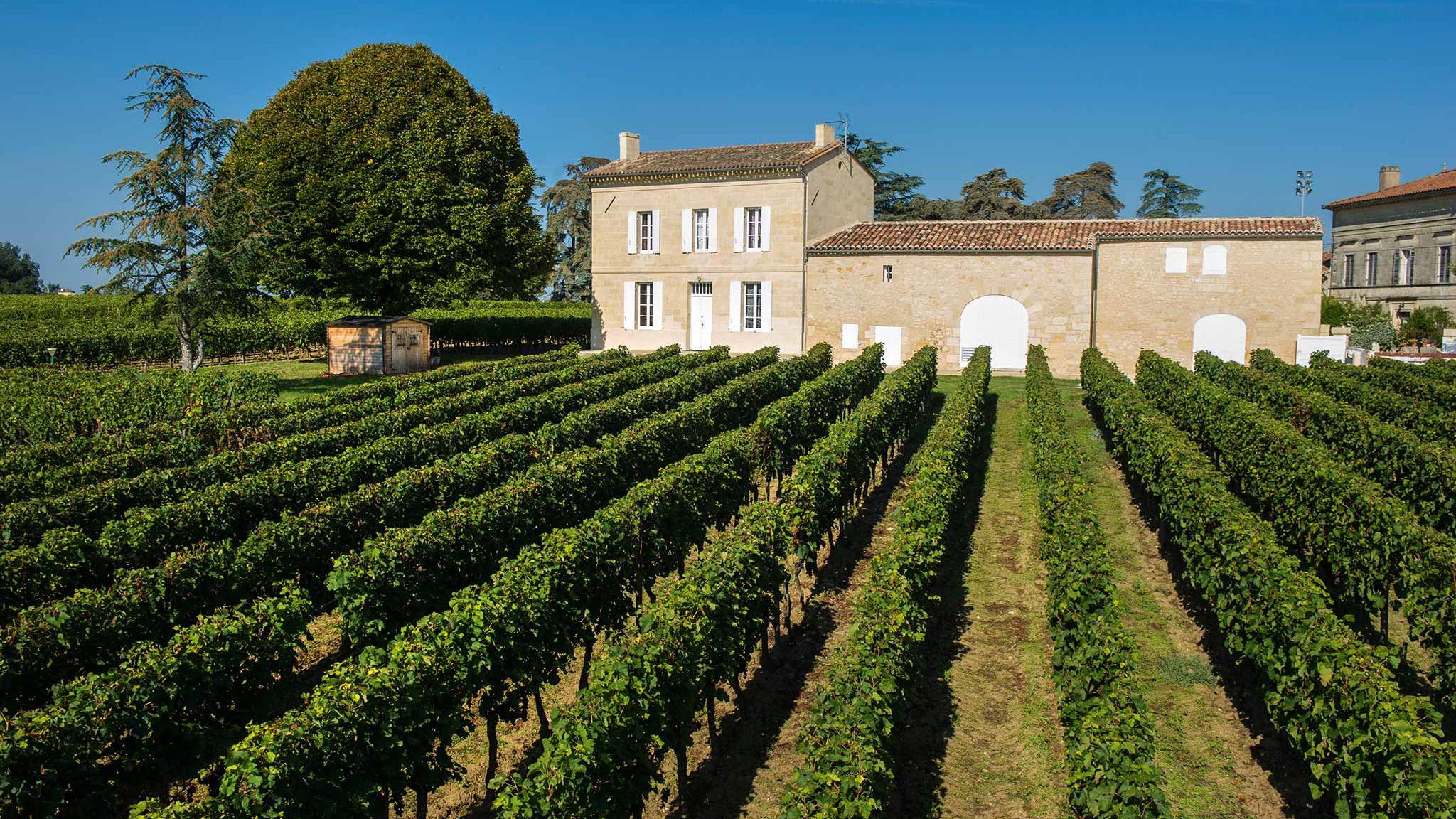
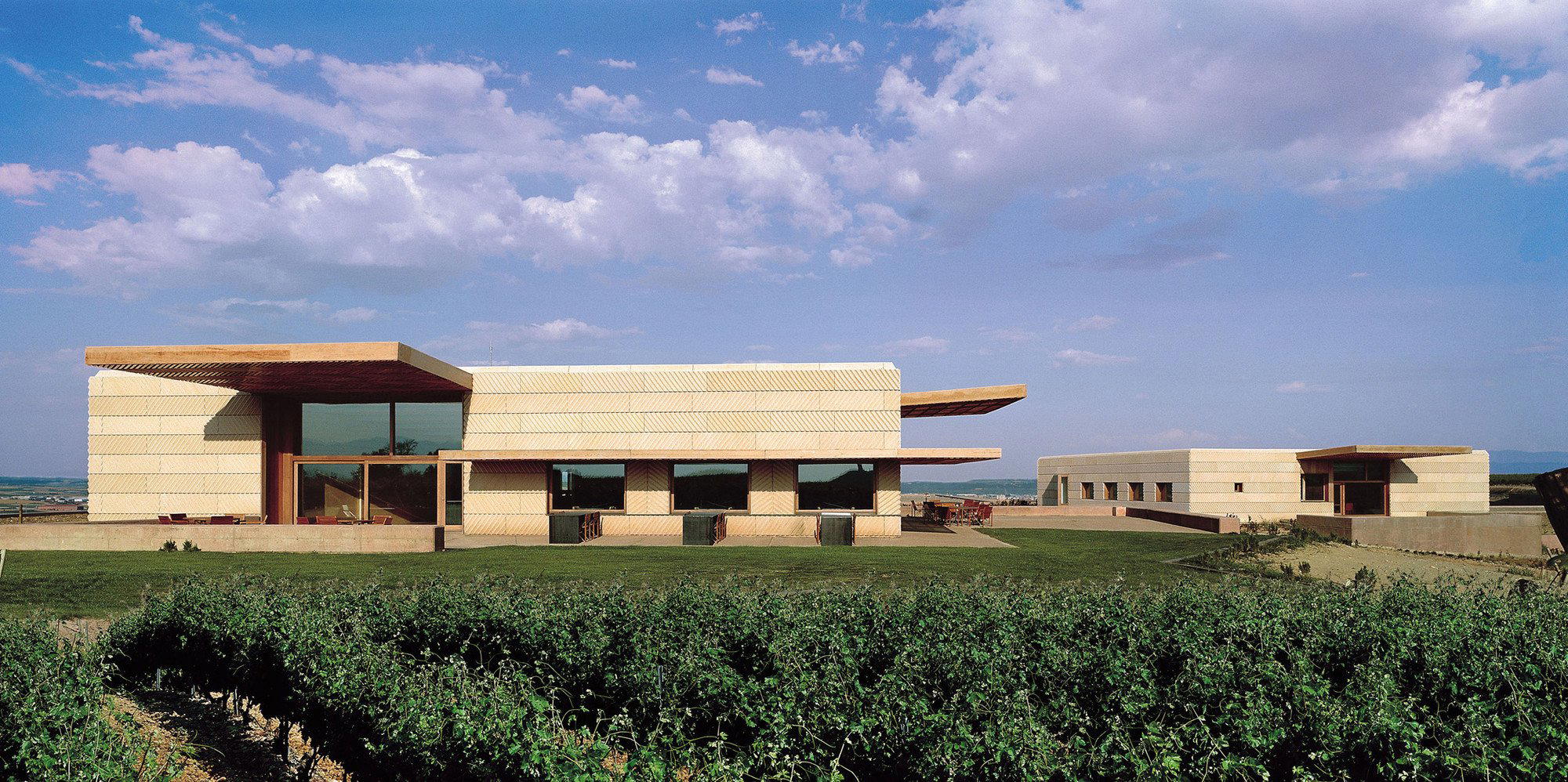
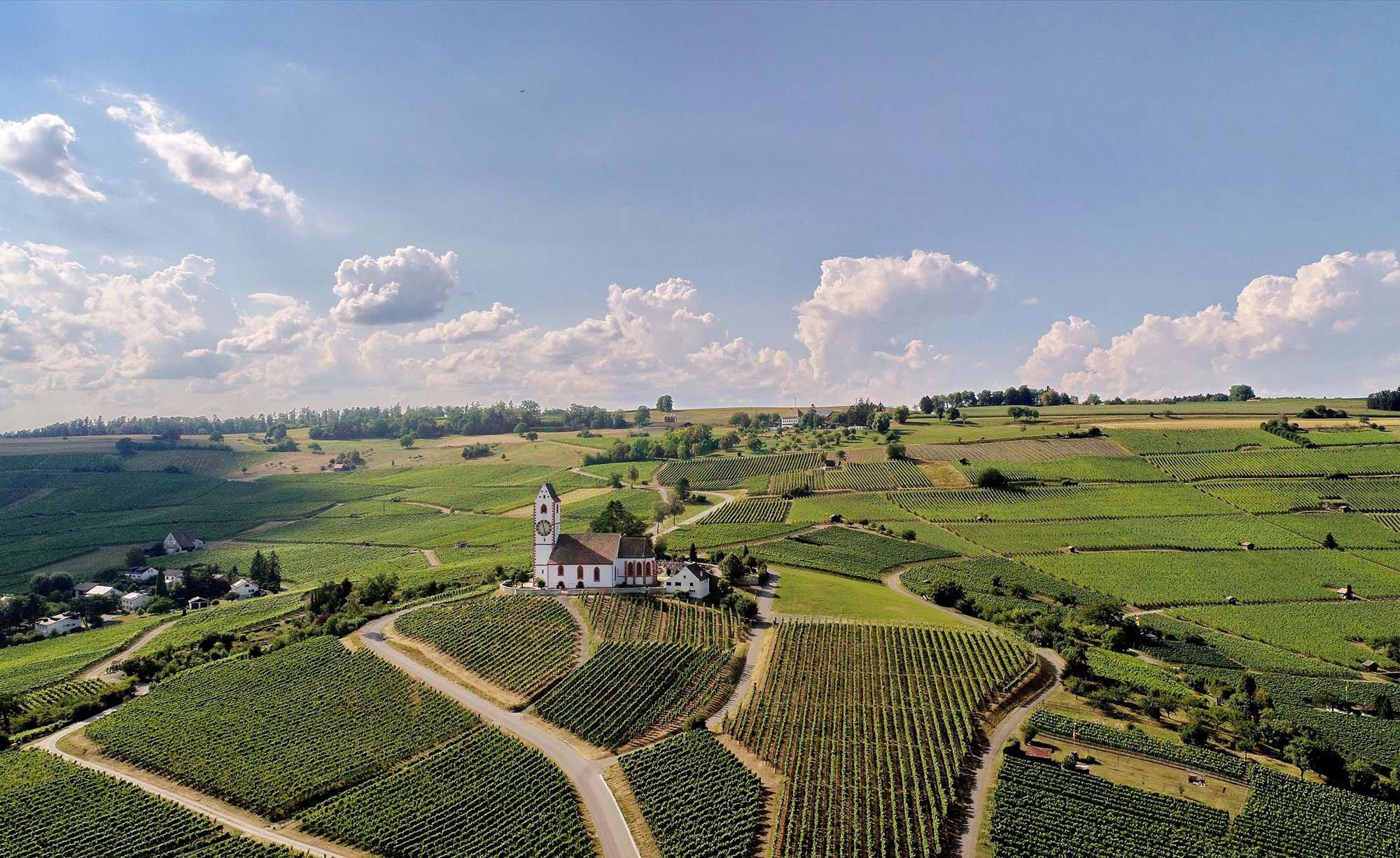
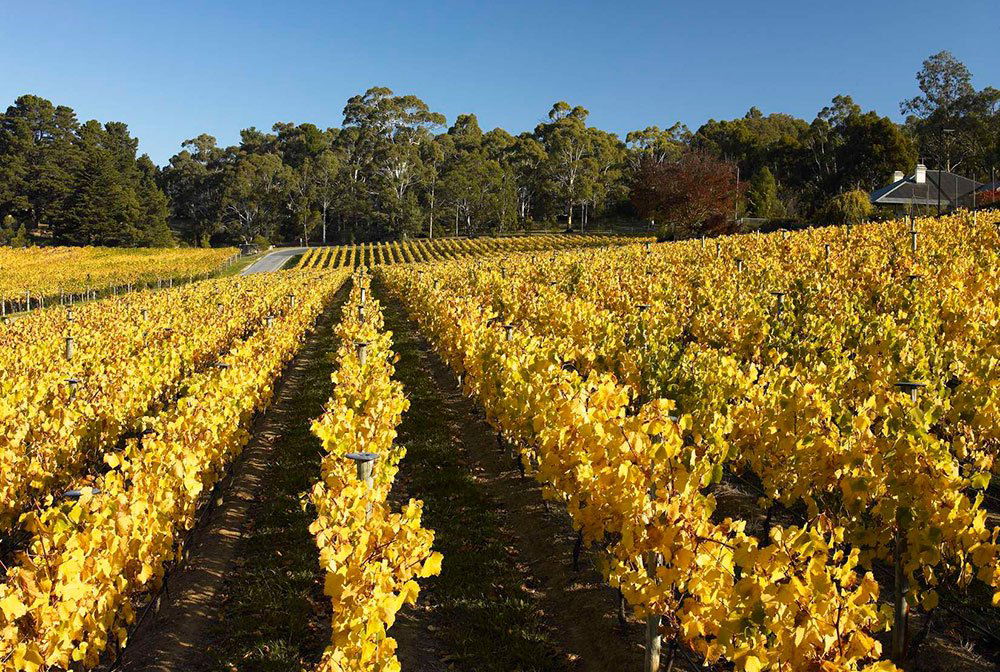
Pleasant, spacious cellar door with beautiful vineyard outlook, relaxed atmosphere perfect for enjoying tastings and escaping the hustle.
Tags
Vibe
Best For
Experience
View
Accessibility
At the Vineyard
- Appellation
- Piccadilly Valley
- Varietals
- Chardonnay, Pinot Noir, Riesling
- Tour Duration
- 60-90 minutes
- Visits
- Walk-ins welcome
- Farming
- Sustainable
- Production
- Small producer
- Wine Styles
- Still White
- Food Pairing
- Offered
- Wine Club
- Not available
Know before you go
Know Before You Go
- Getting there
- 15 Spring Gully Rd, Piccadilly SA 5151
Planning details
Location
Recognition and awards

Also consider
Where to go if this is not the right fit
If the visit needs to be more flexible or group-friendly, look at Nepenthe first. It is the cleaner alternative for a broader Adelaide Hills itinerary where not everyone is focused on serious bottle selection.
If the priority is a more established, recognisable wine-tourism stop, choose Penfolds Magill Estate. If the priority is staying closer to Piccadilly Valley wine identity, compare availability with Ashton Hills Vineyard.
Winery context
How it compares in Piccadilly Valley
Tapanappa is the sharper choice for drinkers who want the visit to answer a buying question: which bottles deserve cellar space or shipping spend. Ashton Hills Vineyard is the closest local comparison for a Piccadilly Valley-focused day, while Ochota Barrels is the better cross-shop for visitors chasing smaller-scale producer character.
For a more structured visitor experience, Penfolds Magill Estate and Penfolds are safer bets, especially for mixed-interest groups where brand recognition and hospitality infrastructure matter. Choose Tapanappa when the wine decision matters more than the surrounding amenities.
Nepenthe is the easier-feeling alternative for a broader Adelaide Hills itinerary. Tapanappa is the more focused call; Nepenthe is the more flexible one. For value, the right answer depends on intent: buy-focused drinkers get more from Tapanappa, while casual groups may get more utility from a broader cellar-door format elsewhere.
Explore Piccadilly Valley
Around this place
Discover more on Pearl
Unlock the full Tapanappa guide in Pearl, including awards, comparisons, FAQs, planning details, and nearby places.
Compare Tapanappa
| Venue | Location | Awards |
|---|---|---|
| Tapanappa | Piccadilly Valley | 2026 Falstaff Winery Guide |
| Ochota Barrels | Adelaide Hills | 2026 Falstaff Winery Guide |
| Ashton Hills Vineyard | Adelaide Hills | 2026 Falstaff Winery Guide |
| Penfolds Magill Estate | Magill | Star Wine Lists 20262026 Falstaff Winery Guide2026 La Liste Top Restaurants2025 Pearl 5 Star Prestige2025 La Liste Top Restaurants2024 World's 50 Best Vineyards · #372023 World's 50 Best Vineyards · #442022 World's 50 Best Vineyards · #492021 World's 50 Best Vineyards · #37 |
| Penfolds | Adelaide | No published awards |
| Nepenthe | Adelaide Hills | No published awards |




How Tapanappa Piccadilly Valley compares with similar nearby venues.
FAQ
Frequently Asked Questions
What other venues are worth comparing with Tapanappa?
Useful comparison names include Ashton Hills Vineyard, Nepenthe, Ochota Barrels, Penfolds Magill Estate, and Penfolds. Tapanappa is a Piccadilly Valley venue with a casual dress code and Pearl 2 Star Prestige recognition for 2025.