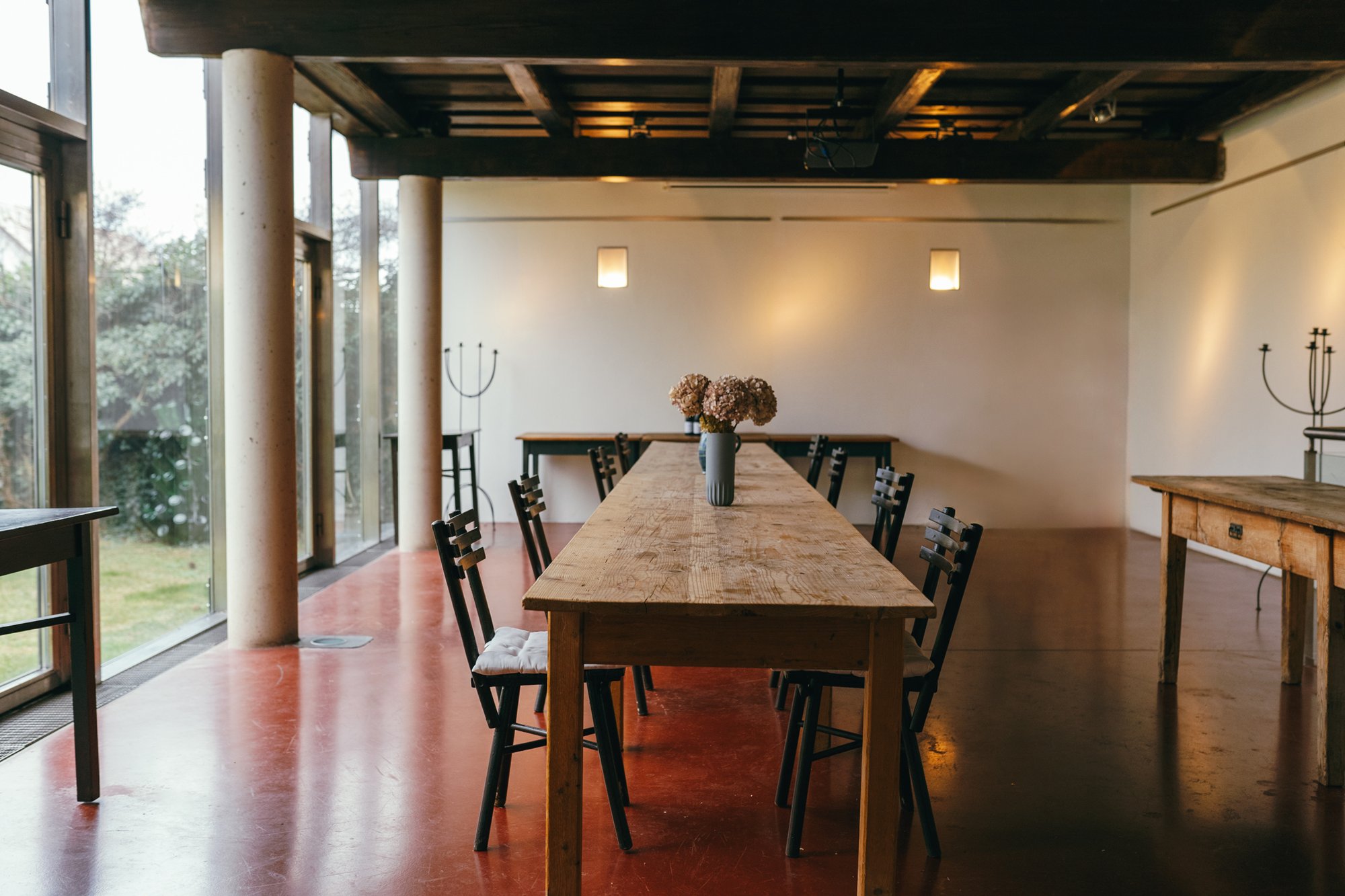

Weingut Christian Fischer Distillery
Sooß
Winery in Sooß, Austria
 Book with Pearl
The Read
Thermenlinie Dual Craft
Why go
A focused Sooß winery stop for travelers who want producer depth rather than a broad wine-country venue. It works better as one part of a Thermenregion itinerary than as the whole day, especially if food, group logistics, or a conventional tasting-room setup are priorities.
About Weingut Christian Fischer Distillery
Weingut Christian Fischer Distillery is a venue in Sooß with a casual dress code and Pearl 2 Star Prestige recognition for 2025.
A quieter Sooß stop for travelers comparing local venues
The clearest reason to consider Weingut Christian Fischer Distillery is its Sooß setting and its Pearl 2 Star Prestige (2025) recognition. If you are comparing it with other venues, keep the comparison focused on confirmed essentials rather than assuming a particular service style, menu, or visitor format.
For attire, casual dress is the guidance. For anything operational, contact the venue directly before making plans, especially if your visit depends on a specific time, group arrangement, purchase option, or on-site experience.
Use it as one part of Sooß planning
The practical move is to place Weingut Christian Fischer Distillery within broader Sooß planning rather than building a full itinerary around uncertain details. You can use Our full Sooß restaurants guide for nearby dining context, then confirm any visit-specific details directly with the venue.
Other venues worth comparing include Ginmacher Distillery, Weingut Alphart, Weingut Familie Reinisch, Weingut Heinrich Hartl, and Weingut Stadlmann. Treat each comparison on its own terms, and verify current arrangements before relying on any specific service, schedule, or visitor offering.
Verdict: consider Weingut Christian Fischer Distillery if you want a Sooß venue with confirmed Pearl 2 Star Prestige (2025) recognition and casual dress expectations. If your plans require confirmed food, hours, reservations, group capacity, shipping, or a defined tasting format, check directly before you commit.
Planning details
- Location
- Hauptstraße 33, 2504 Sooß
- Website
- weingut-fischer.at
- Phone
- +43 676 6035550
The take
The Take
The Vibe
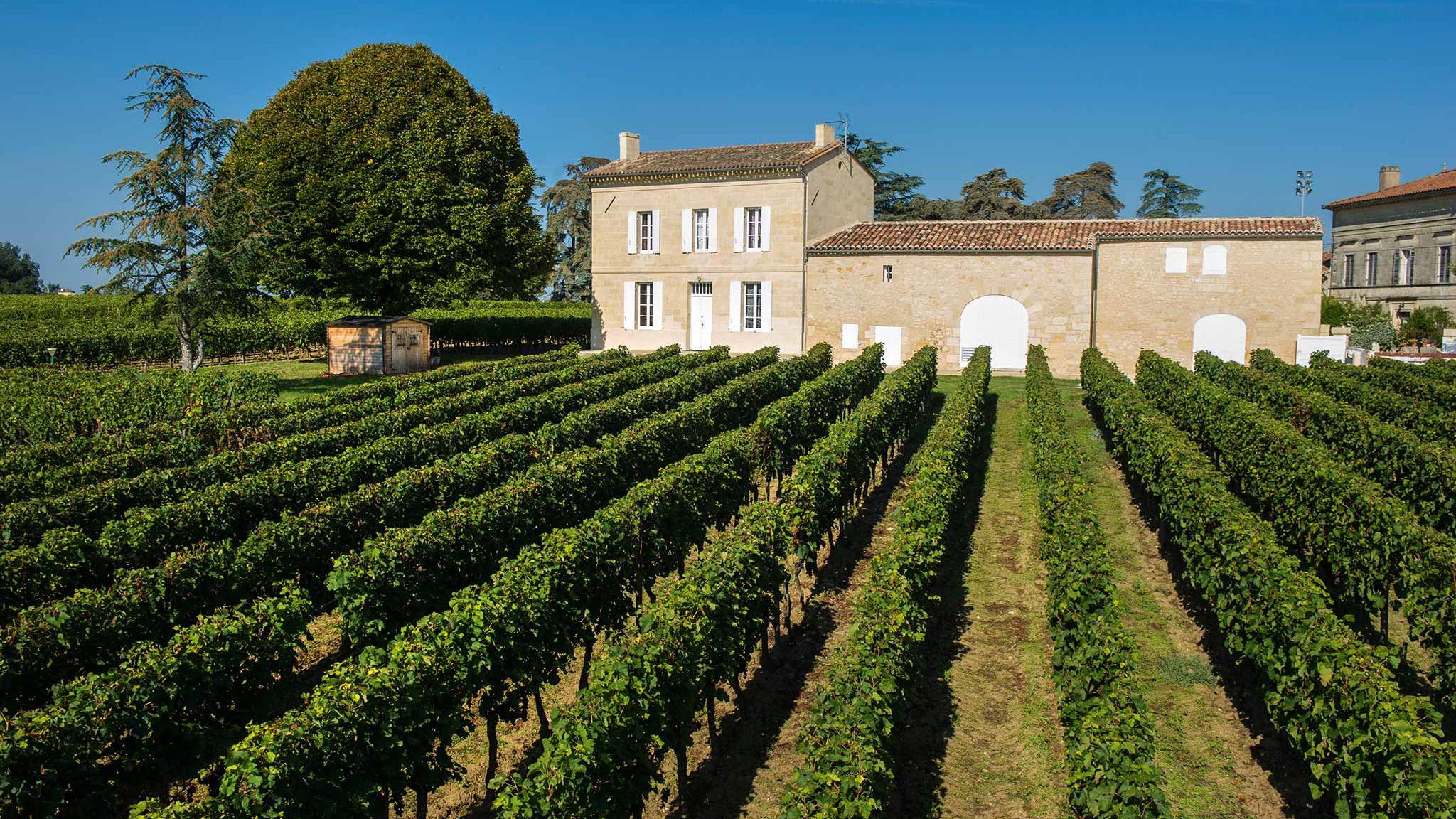
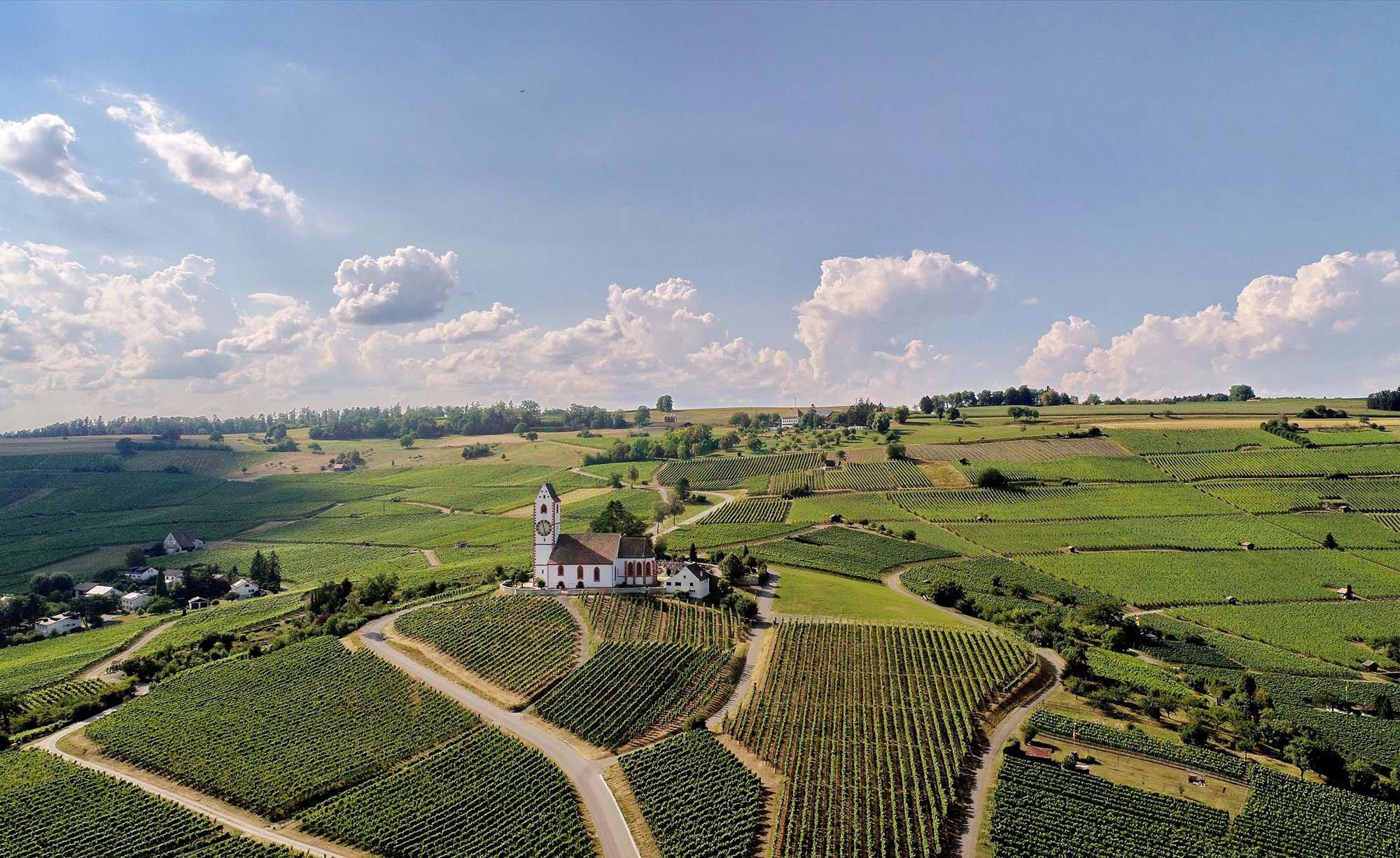
Weingut Christian Fischer Distillery sits quietly within the Thermenregion, an area the text describes as one of Austria’s oldest wine-producing zones. The profile emphasizes soil-driven wines and measured production—qualities that give the estate a contemplative, historic character rather than a touristic spectacle. While the venue is noted for a rustic, classic identity, the narrative also highlights a scenic agricultural setting shaped by limestone, clay and Permian sandstone soils. The distillery angle adds a pragmatic, craft-oriented edge: visitors encounter both disciplined winemaking and spirits production rooted in local terroir and tradition.
Best For
This estate is best for visitors who come to learn and to linger. The description positions the winery as a place for wine education—spotlighting regional flagship varieties and site-specific soil expression—so it appeals to curious travelers and solo explorers who prefer depth over spectacle. Because the venue operates within a quieter regional register, it suits people seeking thoughtful tastings, close attention to terroir, and the opportunity to appreciate both wine and spirits production in a less crowded Austrian wine district.
Tasting Tips
Focus on bottles and samples that showcase the Thermenregion’s signature soil influence. The text explicitly calls out Pinot Blanc, Neuburger and St. Laurent, and emphasizes indigenous varieties like Rotgipfler and Zierfandler; ask to taste those to experience the area’s mineral structure and ripeness profile. Given the distillery dimension referenced, inquire about any estate spirits or distillates alongside the wines. Prioritize single-vineyard or terroir-driven expressions to assess the production discipline that earned the estate its 2025 Pearl 2 Star Prestige recognition.
Venue details
Ambiance
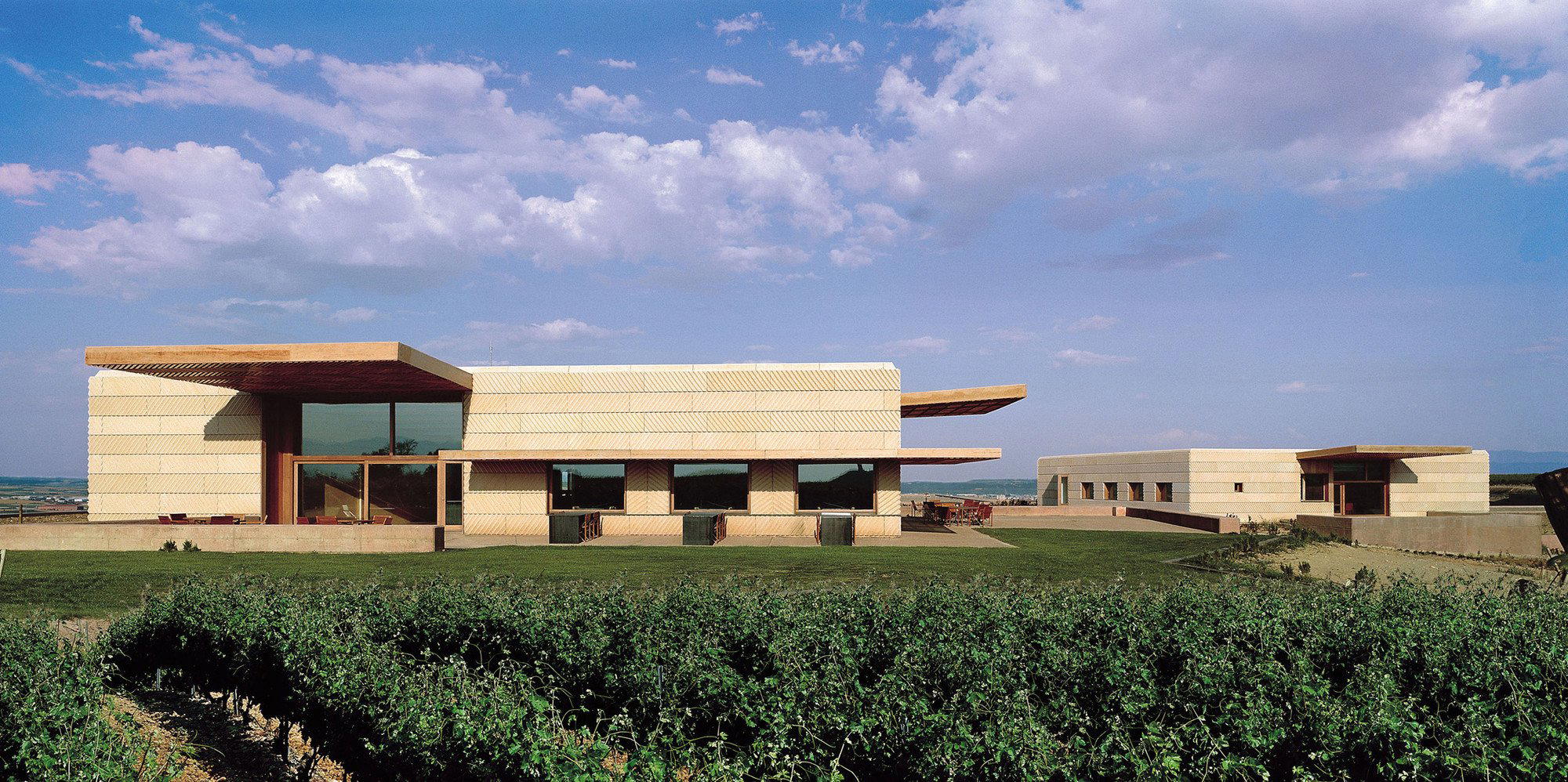
Traditional winery atmosphere in rural vineyard setting.
Tags
Vibe
Best For
Experience
Sourcing
View
At the Vineyard
- Appellation
- Thermenregion
- Varietals
- Zweigelt, Rotgipfler
- Visits
- By reservation
- Farming
- Organic
- Wine Styles
- Still Red, Still White
- Wine Club
- Not available
Know before you go
Know Before You Go
- Getting there
- Hauptstraße 33, 2504 Sooß
Planning details
Location
Recognition and awards

Also consider
Also Consider
- Weingut Familie Reinisch, Notable alternative
- Weingut Stadlmann, Notable alternative
- Weingut Alphart, Notable alternative
- Weingut Heinrich Hartl, Notable alternative
- Ginmacher Distillery, Notable alternative
Winery context
How it compares with nearby Sooß-area producers
Choose Weingut Christian Fischer Distillery when the priority is a narrower spirits-led stop rather than a classic winery visit. Weingut Familie Reinisch, Weingut Stadlmann, Weingut Alphart, and Weingut Heinrich Hartl are the better cross-shops for readers who want the wine-estate version of the Thermenregion: more directly aligned with vineyard visits, cellar-door context, and comparative tasting.
For value, the safer bet is one of the wine estates if the group wants a more predictable tasting agenda. For distinctiveness, Weingut Christian Fischer Distillery has the clearer angle because it shifts the day away from wine alone. For booking friction, assume planning matters here; if flexibility is the priority, compare against Ginmacher Distillery as the closest like-for-like spirits alternative before committing.
The decision is simple: book Christian Fischer for a focused, quieter producer stop; choose Reinisch, Stadlmann, Alphart, or Heinrich Hartl for a more conventional winery day; choose Ginmacher if the group wants to stay in the distillery lane but needs a backup.
Explore Sooß
Around this place
Discover more on Pearl
Unlock the full Weingut Christian Fischer Distillery guide in Pearl, including awards, comparisons, FAQs, planning details, and nearby places.
Compare Weingut Christian Fischer Distillery
| Venue | Location | Awards |
|---|---|---|
| Weingut Christian Fischer Distillery | Sooß | 2026 Falstaff Winery Guide |
| Weingut Familie Reinisch | Tattendorf | 2026 Falstaff Winery Guide |
| Weingut Stadlmann | Traiskirchen | 2026 Falstaff Winery Guide |
| Weingut Alphart | Traiskirchen | 2026 Falstaff Winery Guide |
| Weingut Heinrich Hartl | Oberwaltersdorf | 2026 Falstaff Winery Guide |
| Ginmacher Distillery | Brunn am Gebirge | No published awards |
How Weingut Christian Fischer Distillery Sooß compares with similar nearby venues.
FAQ
Frequently Asked Questions
What other venues can I compare with Weingut Christian Fischer Distillery?
Other venues to compare include Weingut Familie Reinisch, Weingut Stadlmann, Weingut Alphart, and Weingut Heinrich Hartl. For a distillery comparison, Ginmacher Distillery is also relevant.
Does Weingut Christian Fischer Distillery offer shipping or delivery?
Contact Weingut Christian Fischer Distillery directly before planning around any purchase or delivery option.
Does Weingut Christian Fischer Distillery offer a membership program?
Does Weingut Christian Fischer Distillery serve food?
Plan any meal separately in Sooß unless the venue directly confirms a current food option.
Do I need a reservation at Weingut Christian Fischer Distillery?
Contact Weingut Christian Fischer Distillery directly before visiting, especially if your schedule depends on a confirmed time.