
Weingut Keringer
Mönchhof
Winery in Mönchhof, Austria
 Book with Pearl
The Read
Pannonian Flatland Viticulture
Why go
A serious Mönchhof wine stop for buyers who care about Burgenland context and longer-term cellar decisions. Worth pursuing if allocation or club access matters; less compelling for a casual, flexible tasting day.
About Weingut Keringer
Weingut Keringer is a venue in Mönchhof with a casual dress code and Pearl 2 Star Prestige recognition for 2025.
A Mönchhof venue with limited planning details
The clearest signals are simple: Weingut Keringer is in Mönchhof, the dress code is casual, and it holds Pearl 2 Star Prestige recognition for 2025. Details about the on-site experience, service format, or appointment structure should not be assumed from this listing.
For a wider day in Mönchhof, treat this as a concise venue note rather than a full itinerary. Other dining in Mönchhof should be checked separately through current, official sources before you plan around it.
How to think about a visit
If Weingut Keringer is on your shortlist, check current hours, visit options, booking needs, and any purchasing arrangements through the venue's official channels. The Pearl 2 Star Prestige recognition makes it a notable Mönchhof name, but the practical details should be confirmed before you rely on them.
For context, you can also compare it with other named venues such as Schloss Halbturn Winery, Weingut Anita und Hans Nittnaus, Weingut Gernot und Heike Heinrich, Weingut Paul Achs, and Weingut Pöckl. Avoid assuming that any one of these offers the same format, access, or visitor experience without checking directly.
Planning details
- Location
- Wr. Str. 22, 7123 Mönchhof
- Website
- keringer.at
- Phone
- +43 2173 80380
The take
The Take
The Vibe
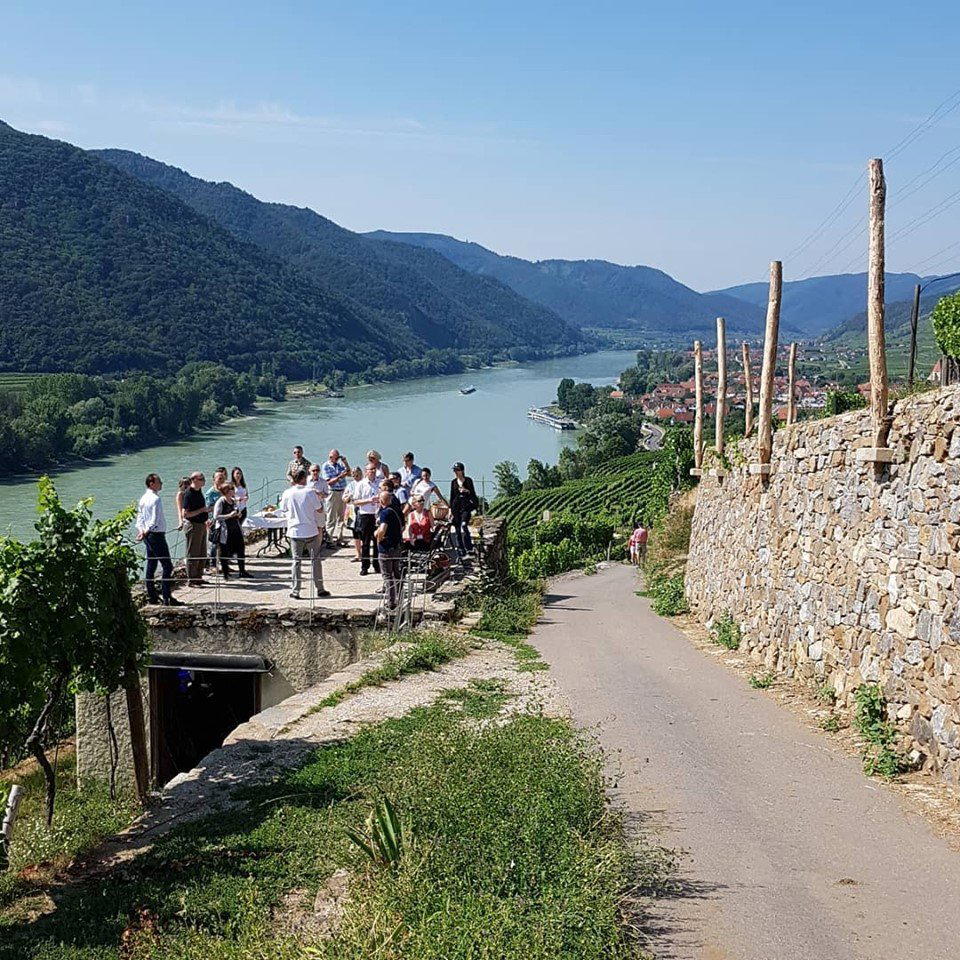
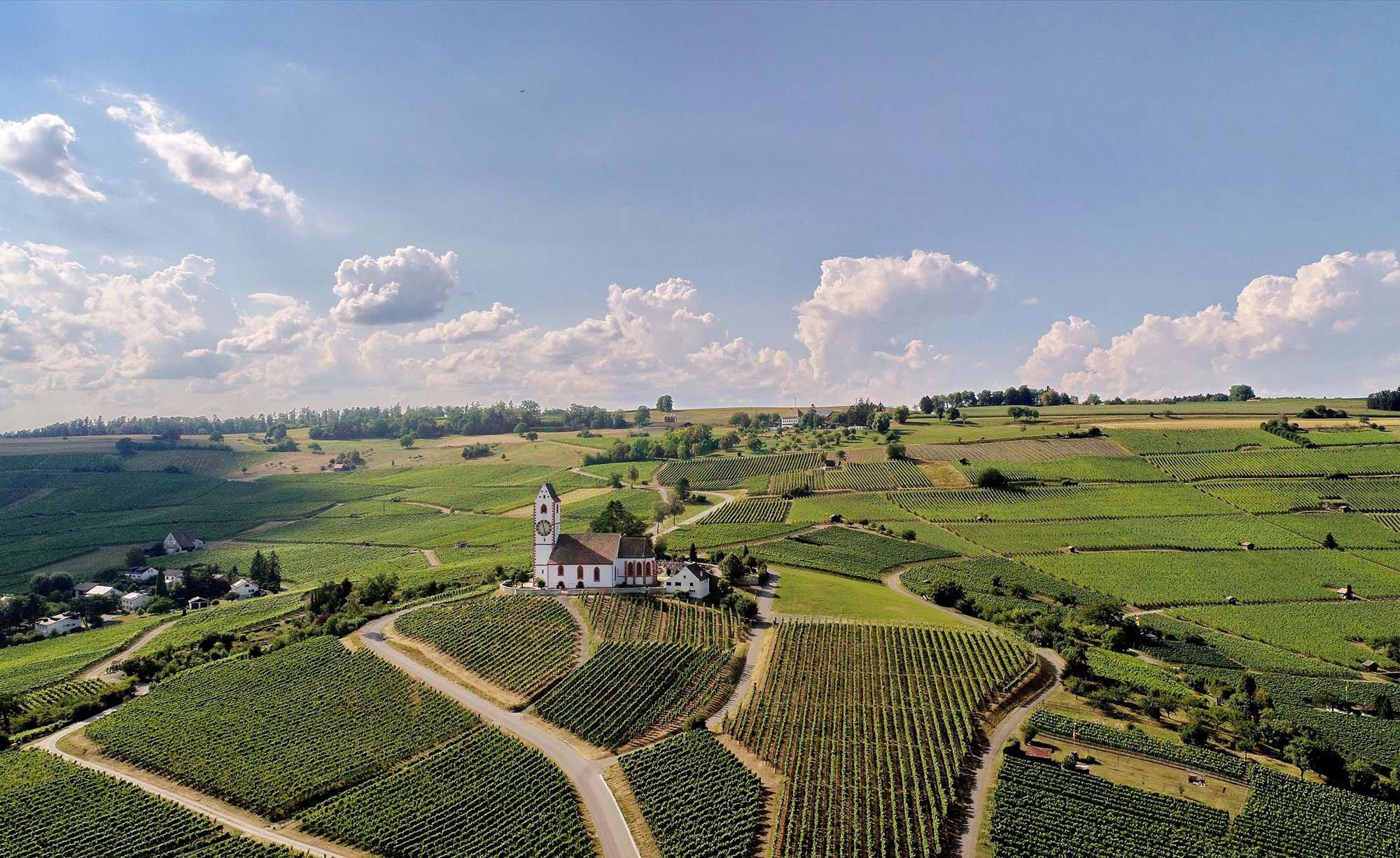
Weingut Keringer presents a focused, terroir-led persona. The copy emphasizes Pannonian soils — sandy loam, loess and gravel — and a lake-moderated microclimate that produces grapes with pronounced aromatic intensity. That scientific attention to site and the estate’s 2025 Pearl 2 Star Prestige recognition position the winery as a sophisticated, quality-driven producer that attracts collectors and trade attention. The writing stresses measured ripeness and a regional mission, so visitors can expect an understated, vineyard-first operation where the geology and climate do the talking rather than showy hospitality theatrics.
Best For
This estate is best for visitors who want to learn about place and variety. The description reads like field notes on soils, diurnal temperature shifts and the Neusiedlersee DAC, making Keringer a strong pick for wine-education-minded travelers and solo explorers who want concentrated tasting time. It suits people who come to study how local geology and a lake-moderated season shape Blaufränkisch, Zweigelt and structured whites, and for those who appreciate estates that have gained collector recognition for consistent, terroir-expressive bottlings.
Tasting Tips
When tasting at Keringer, focus on the regional varieties the text highlights: Blaufränkisch and Zweigelt among the dry reds, plus the estate’s structured whites. The copy specifically contrasts the site’s slow, measured ripeness and aromatic intensity with hotter regions, so look for wines that show freshness and delineated terroir rather than overt ripeness. Given the estate’s Pearl 2 Star Prestige recognition, consider sampling flagship or single-vineyard bottlings to understand what has earned collectors’ attention and to gauge vintage-to-vintage consistency.
Venue details
Ambiance
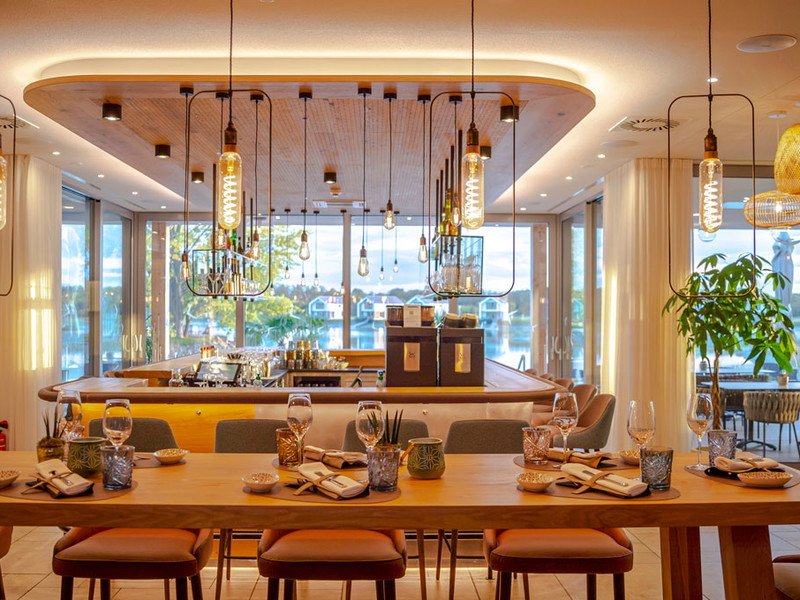
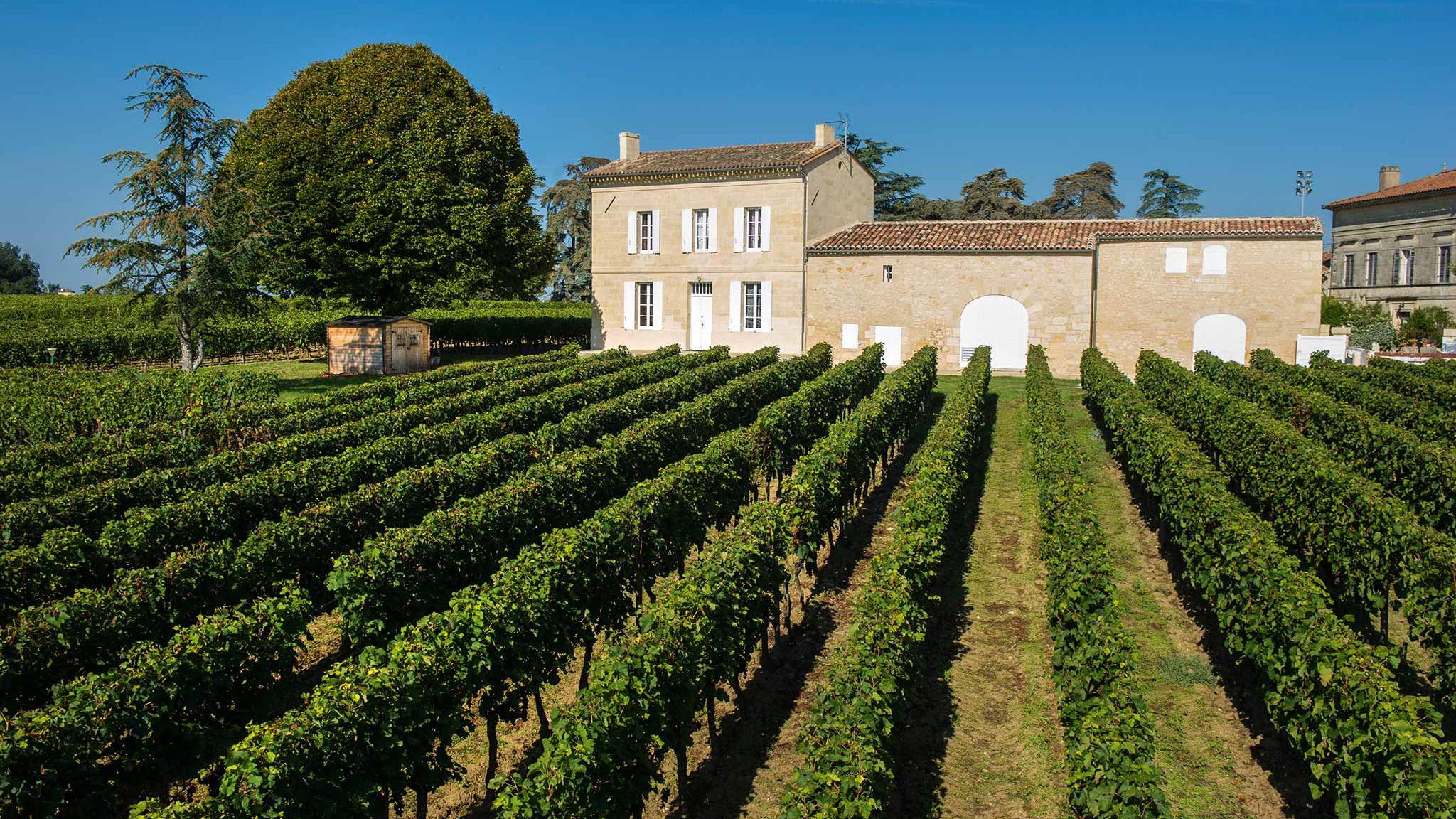
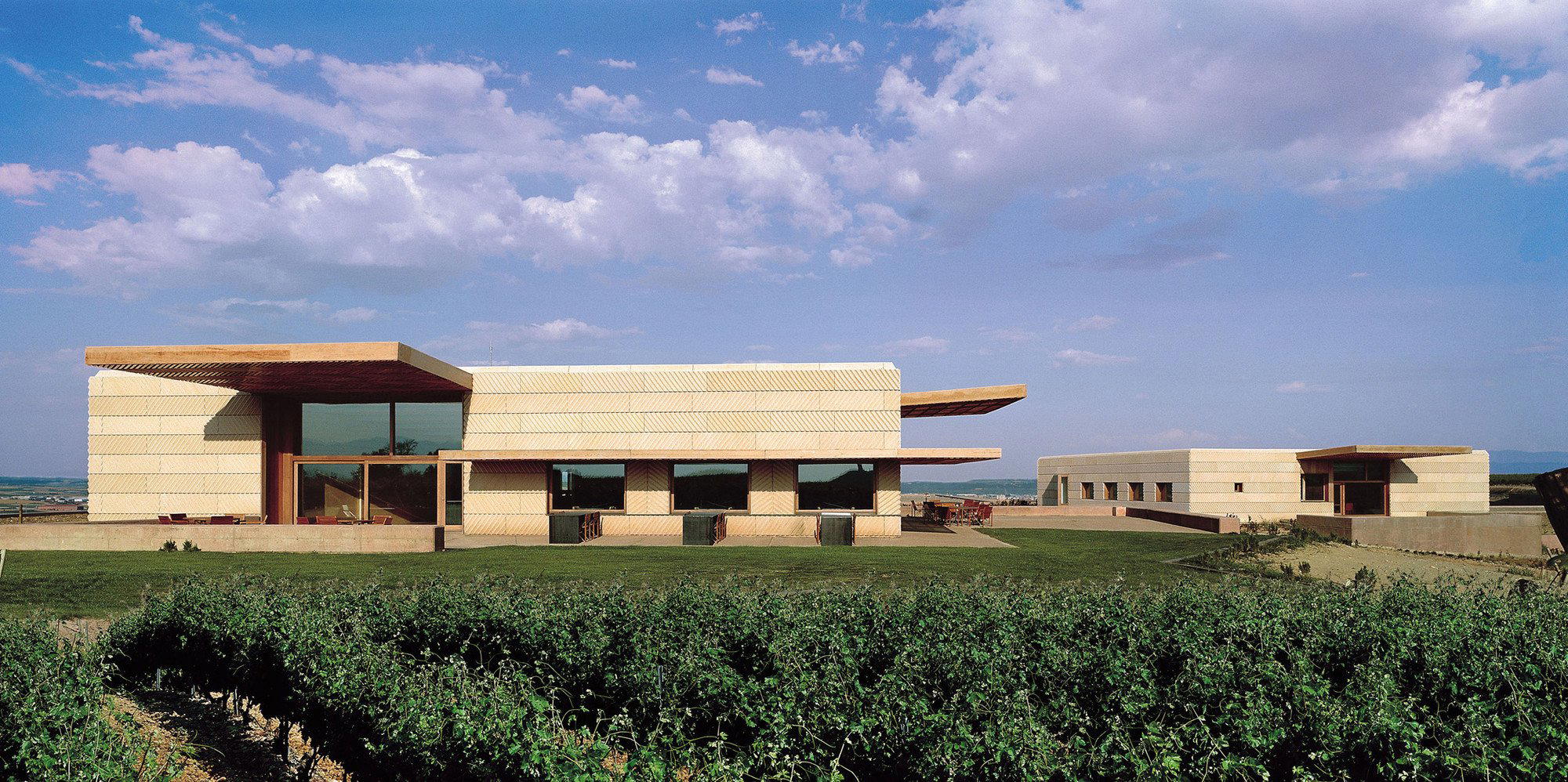
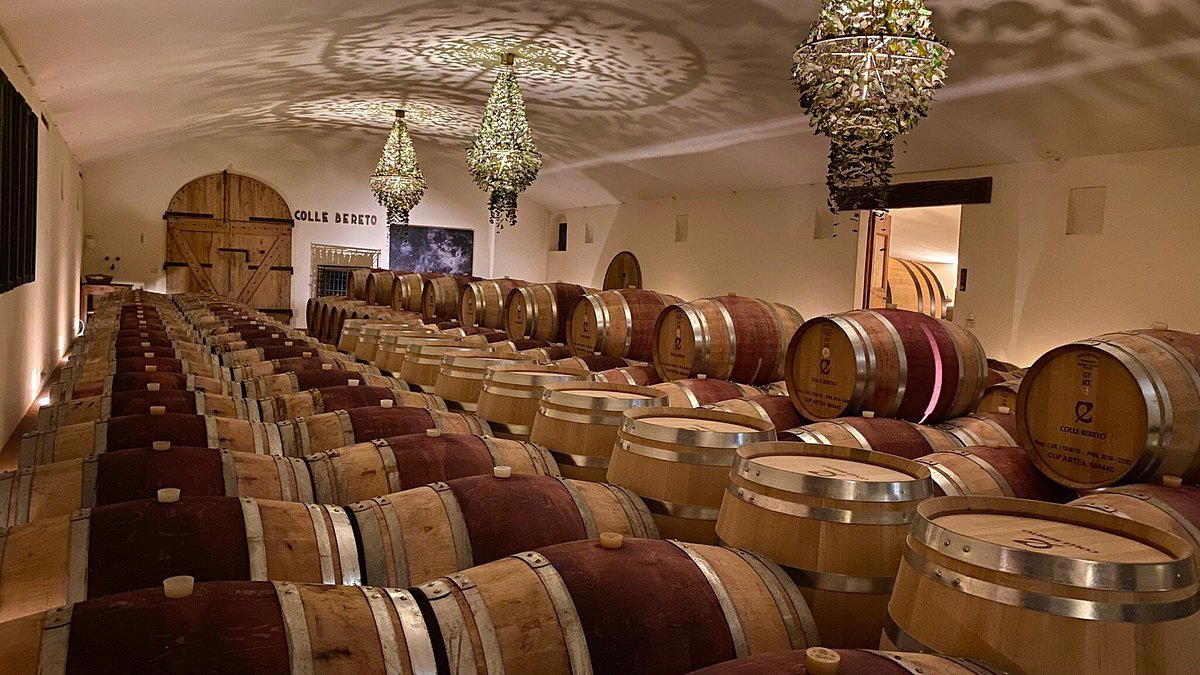
Traditional family winery atmosphere in a historic wine-growing village, focused on high-quality red wines amid vineyards.
Tags
Vibe
Best For
Experience
Sourcing
View
At the Vineyard
- Appellation
- Neusiedlersee DAC
- Varietals
- Zweigelt, Blaufränkisch, St. Laurent, Grüner Veltliner, Chardonnay
- Tour Duration
- 60-90 minutes
- Tour Languages
- German, English
- Visits
- By reservation
- Wine Styles
- Still Red, Still White
- Wine Club
- Not available
Know before you go
Know Before You Go
- Getting there
- Wr. Str. 22, 7123 Mönchhof
Planning details
Location
Recognition and awards

Also consider
Where to look if access is tight
If Weingut Keringer is not workable, start with Weingut Pöckl for the simplest Mönchhof alternative. For a more atmospheric estate-led option nearby, consider Schloss Halbturn Winery.
Winery context
How it compares in and around Mönchhof
Weingut Keringer is the better target for readers treating Mönchhof as a buying stop, not just a tasting stop. Weingut Pöckl is the closest local comparison and the more obvious cross-shop if staying within Mönchhof; choose between them based on which producer's wines you are more likely to buy repeatedly, since casual access is not the main advantage here.
Weingut Gernot und Heike Heinrich, Weingut Anita und Hans Nittnaus, and Weingut Paul Achs make more sense for a broader Burgenland comparison day, especially if the goal is to understand how different nearby producers frame the region. Schloss Halbturn Winery is the better fit when setting and estate atmosphere matter as much as bottle selection.
Booking difficulty is the practical separator: if access to Weingut Keringer is tight, use Weingut Pöckl as the first same-town alternative, then widen the search to Heinrich, Nittnaus, Paul Achs, or Schloss Halbturn depending on whether the priority is producer comparison, ambiance, or itinerary convenience.
Explore Mönchhof
Around this place
Discover more on Pearl
Unlock the full Weingut Keringer guide in Pearl, including awards, comparisons, FAQs, planning details, and nearby places.
Compare Weingut Keringer
| Venue | Location | Awards |
|---|---|---|
| Weingut Keringer | Mönchhof | 2026 Falstaff Winery Guide |
| Weingut Pöckl | Mönchhof | 2026 Falstaff Winery Guide |
| Weingut Gernot und Heike Heinrich | Gols | 2026 Falstaff Winery Guide |
| Schloss Halbturn Winery | Halbturn | No published awards |
| Weingut Anita und Hans Nittnaus | Gols | 2026 Falstaff Winery Guide |
| Weingut Paul Achs | Gols | 2026 Falstaff Winery Guide |
How Weingut Keringer Mönchhof compares with similar nearby venues.
FAQ
Frequently Asked Questions
What venues can I compare with Weingut Keringer?
For comparison, consider Schloss Halbturn Winery, Weingut Anita und Hans Nittnaus, Weingut Gernot und Heike Heinrich, Weingut Paul Achs, and Weingut Pöckl. Check each venue directly for current visit details before planning a route.
What recognition does Weingut Keringer have?
Weingut Keringer has Pearl 2 Star Prestige recognition for 2025.
What should I confirm before visiting Weingut Keringer?
Do I need a reservation at Weingut Keringer?
When is the best time to visit Weingut Keringer?
What is the dress code at Weingut Keringer?
The dress code for Weingut Keringer is casual.