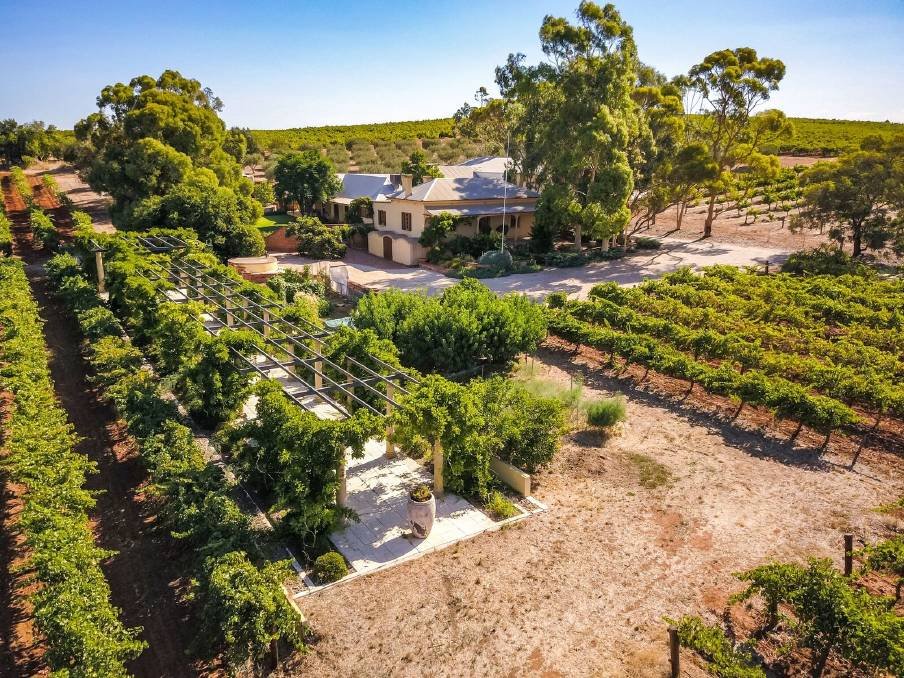

Greenock Creek Wines
Marananga, Barossa Valley
Winery in Barossa Valley, Australia
 Book with Pearl
The Read
Old-Vine Barossa Provenance
Price
$20–30tasting
Why go
Greenock Creek Wines is worth prioritising if the trip is built around serious Barossa wine rather than a flexible cellar-door crawl. It is a stronger fit for couples, collectors, and occasion-led visits than for groups needing food, long dwell time, or an easy backup plan. Put it early in the itinerary and cross-shop nearby producers if access is tight.
About Greenock Creek Wines
Greenock Creek Wines is a Barossa Valley venue with a casual dress code and Pearl 2 Star Prestige recognition for 2025. Plan ahead and confirm current visit information directly with the venue before building an itinerary around it.
Barossa Valley has other venues to consider, which makes comparison useful for Greenock Creek Wines. If the day needs an additional stop or a different style of visit, Seppeltsfield, Hentley Farm, Torbreck Vintners, Seppeltsfield Road Distillers, or Two Hands Wines may also be worth considering. For Greenock Creek Wines specifically, keep the plan focused on the essentials: Barossa Valley, casual dress, and its 2025 Pearl 2 Star Prestige standing.
Choose it for a Barossa Valley stop with details to confirm first
The decision comes down to what kind of Barossa Valley visit is being planned. Dining, menu, opening hours, tasting formats, prices, and visitor capacity are not detailed here, so do not assume those details when scheduling the day. Treat Greenock Creek Wines as a venue to confirm directly rather than as a flexible add-on with guaranteed hospitality extras.
Food pairing is not a reason to choose it from the information available, so do not plan the visit as the meal anchor of the day unless the venue confirms that separately. For a date, anniversary, or client itinerary, pair any visit with separately confirmed dining plans. Our full Barossa Valley restaurants guide is the practical next step if the day needs a lunch or dinner around it.
For a broader Barossa Valley day, build the itinerary around confirmed information and leave room for other nearby venues. Seppeltsfield, Torbreck Vintners, Hentley Farm, Seppeltsfield Road Distillers, and Two Hands Wines are comparison points, while other Barossa Valley dining and visit options can fill the rest of the schedule.
Plan the day around Barossa Valley, then add the right backup
Because only limited practical detail is available, the better move is to confirm Greenock Creek Wines directly first, then add a second Barossa Valley stop that suits the group. If the group wants another nearby option, compare current visitor details directly before setting the itinerary.
For travellers staying overnight, Greenock Creek Wines should be treated as one part of a wider Barossa Valley plan. Use Our full Barossa Valley hotels guide for the base, then round out the trip with Our full Barossa Valley bars guide, Our full Barossa Valley wineries guide, and Our full Barossa Valley experiences guide. If the trip extends beyond Greenock Creek Wines, compare it with other Barossa Valley venues or with nearby options that match the style of visit you want.
Planning details
- Location
- 450 Seppeltsfield Rd, Marananga SA 5355
- Website
- greenockcreekwines.com.au
- Phone
- +61 8 8562 8103
The take
The Take
The Vibe
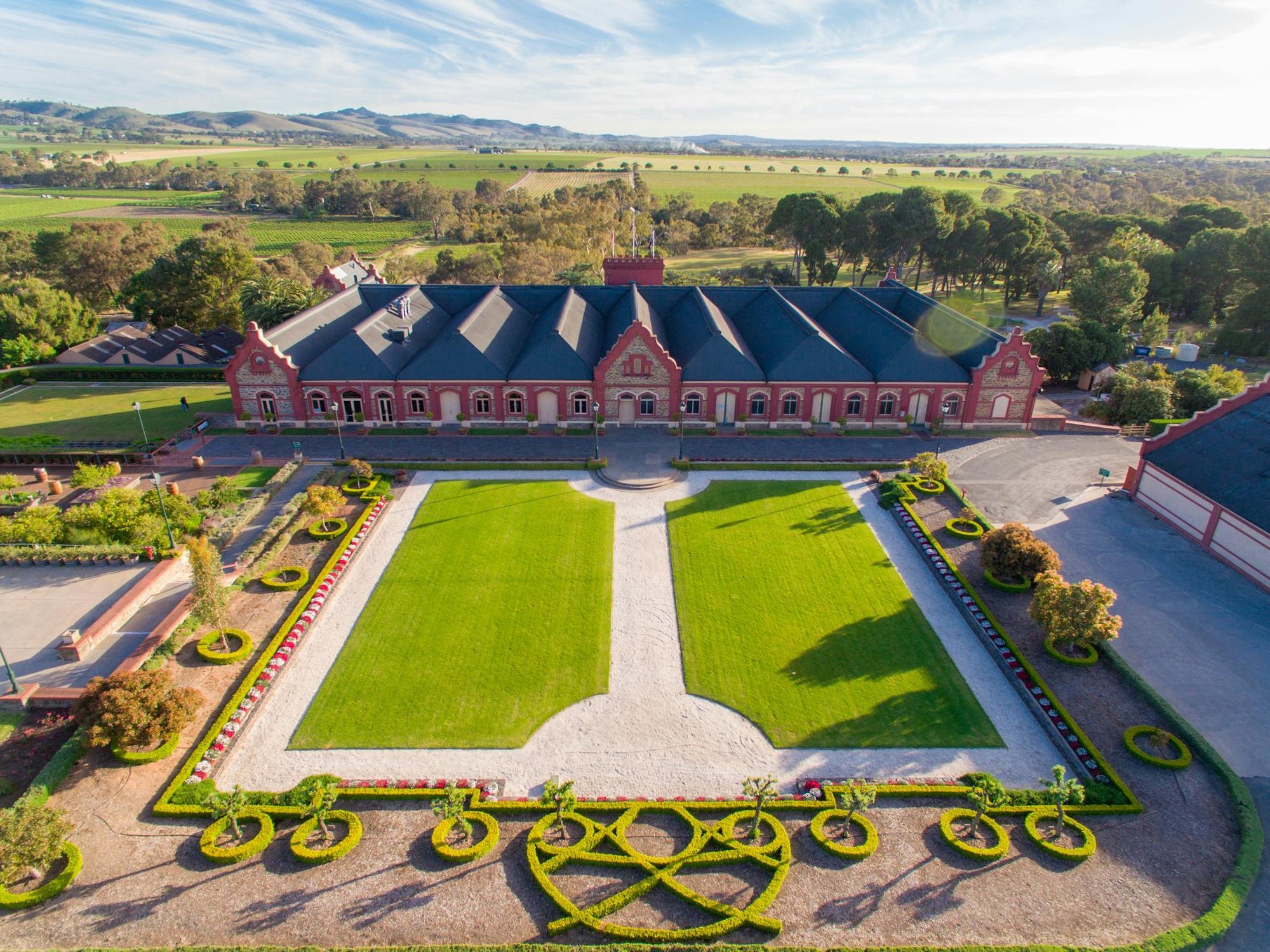
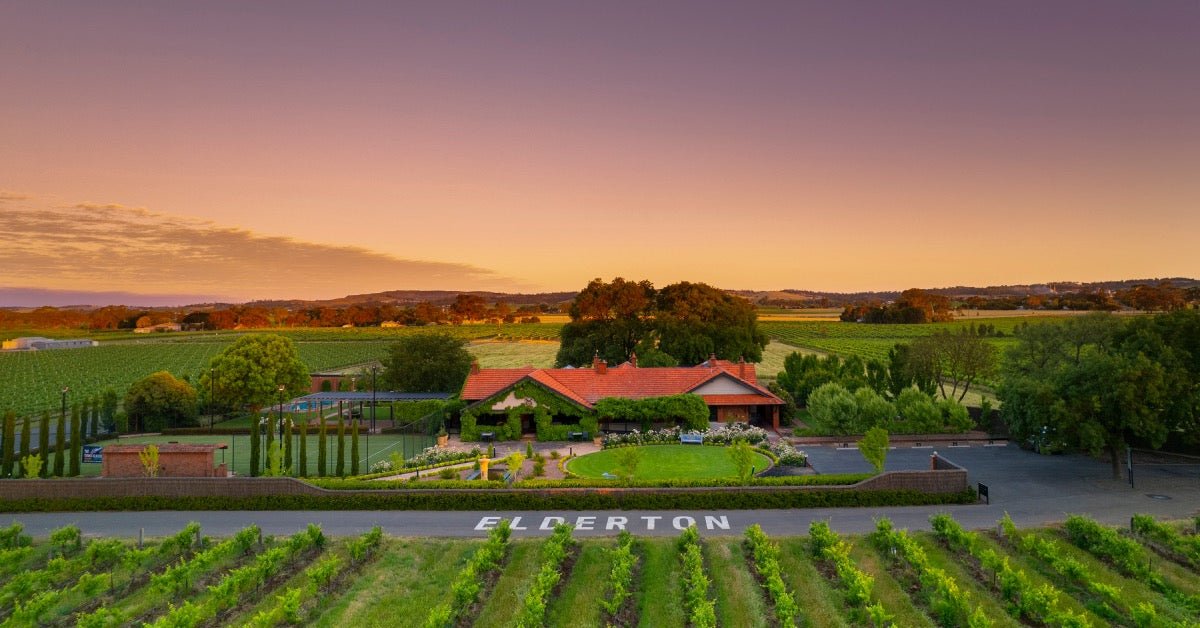
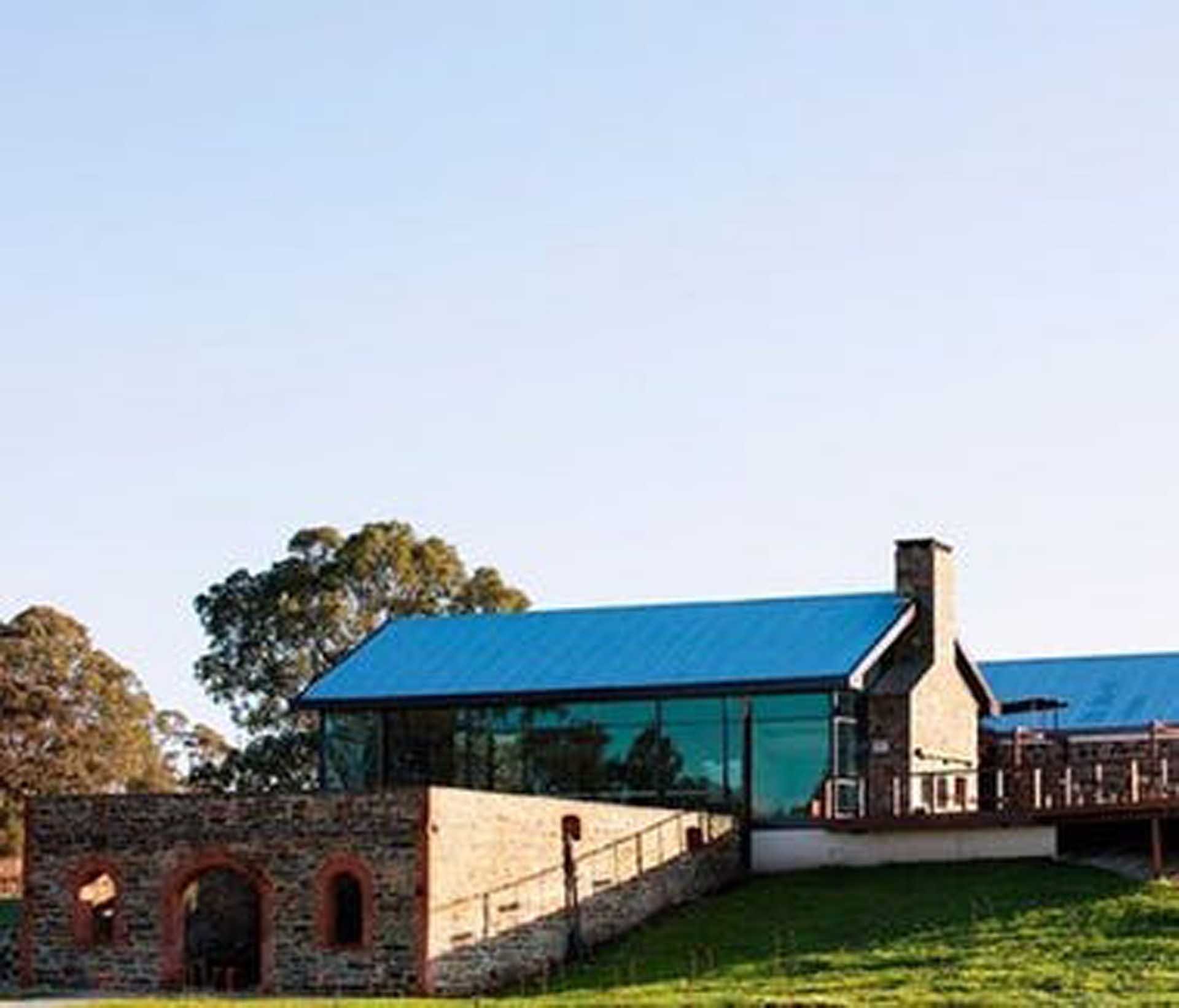
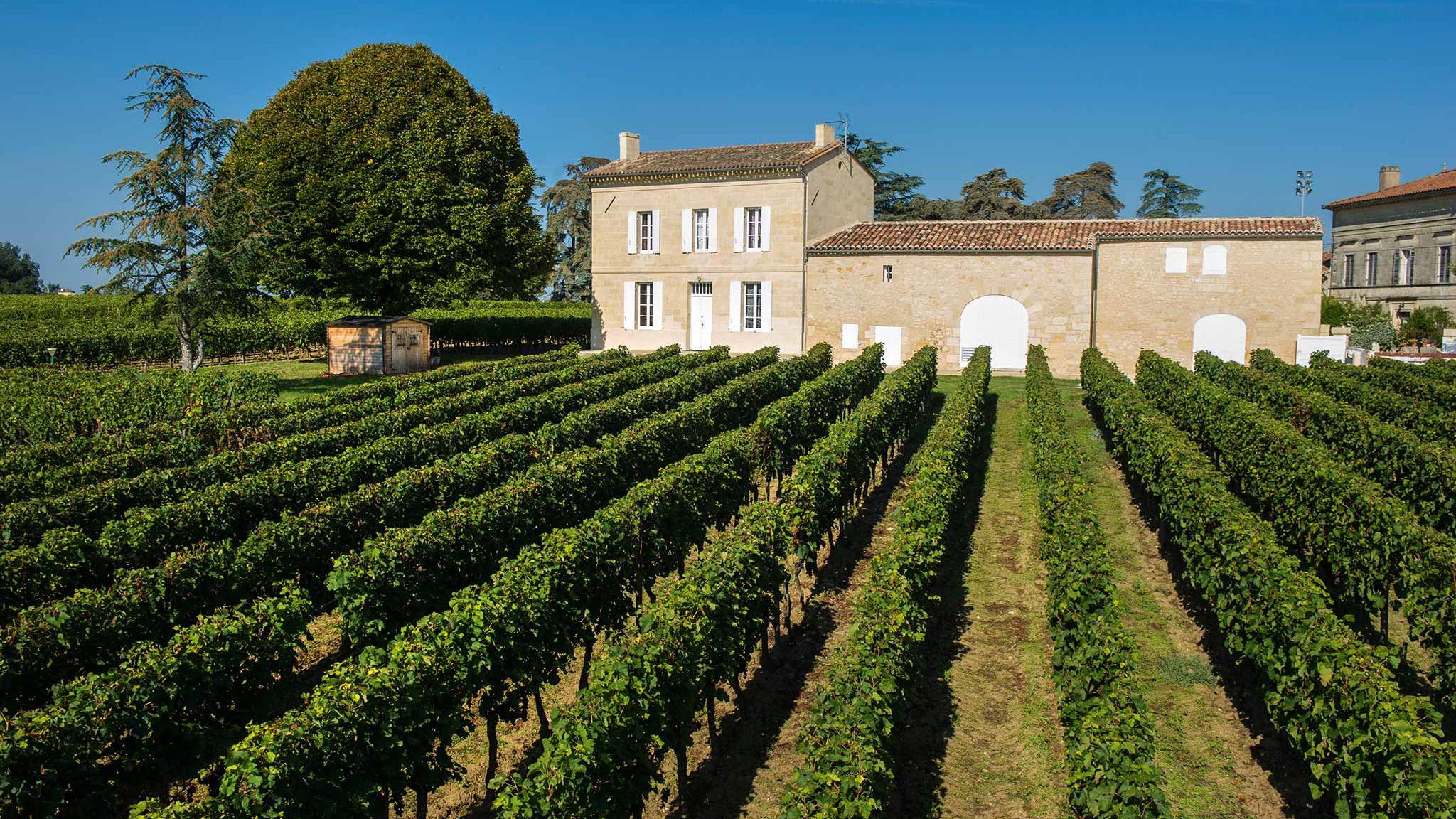
Greenock Creek sits squarely within the Barossa’s storied Marananga corridor and reads as a historically rooted, quietly assured producer. The approach along Seppeltsfield Road—an avenue of date palms, low-slung stone walls and long-lived vines—frames the property as part of the region’s continuity rather than a standalone experiment. That sense of lineage is reinforced by the winery’s placement in the Barossa’s prestige tier, so visits feel like encounters with craft shaped by decades of practice. The overall mood is measured and sophisticated, with rustic architectural cues and vineyard vistas underscoring the estate’s classic, time-honored character.
Best For
This is a stop for visitors who come to the Barossa to read the landscape as much as to taste bottles. Greenock Creek suits people interested in regional context, historical vineyards and prestige-tier producers; it rewards those who want to compare how Marananga soils and climate produce concentrated, generous wines. The address on Seppeltsfield Road also makes it useful as part of a focused tasting route through neighbouring estate names. It’s less about loud spectacle and more about considered, wine-forward exploration—an ideal place for deliberate tasting and regional study.
Tasting Tips
Given the profile in the write-up, prioritize the winery’s prestige-designated releases and any bottlings tied explicitly to old-vine parcels or specific Marananga sites. The description emphasises 'immediate generosity, deeper colour, and fruit concentration,' so look for wines that demonstrate those qualities and ask staff about vineyard source and vintage context. If you’re comparing producers along Seppeltsfield Road, reserve attention for the Pearl-rated offerings mentioned in the text and use them as a benchmark against neighbouring Barossa addresses to gauge stylistic differences.
Venue details
Ambiance
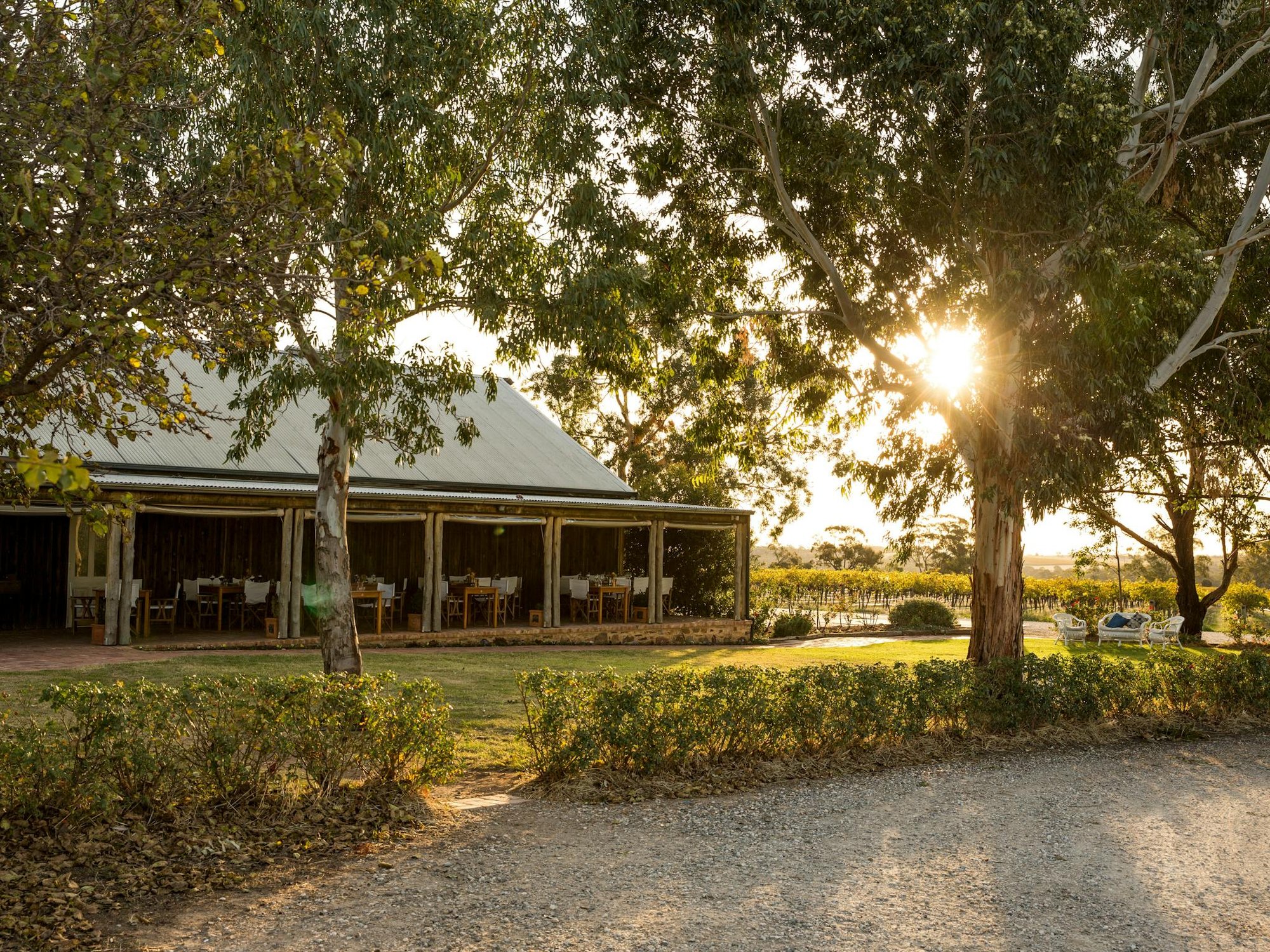
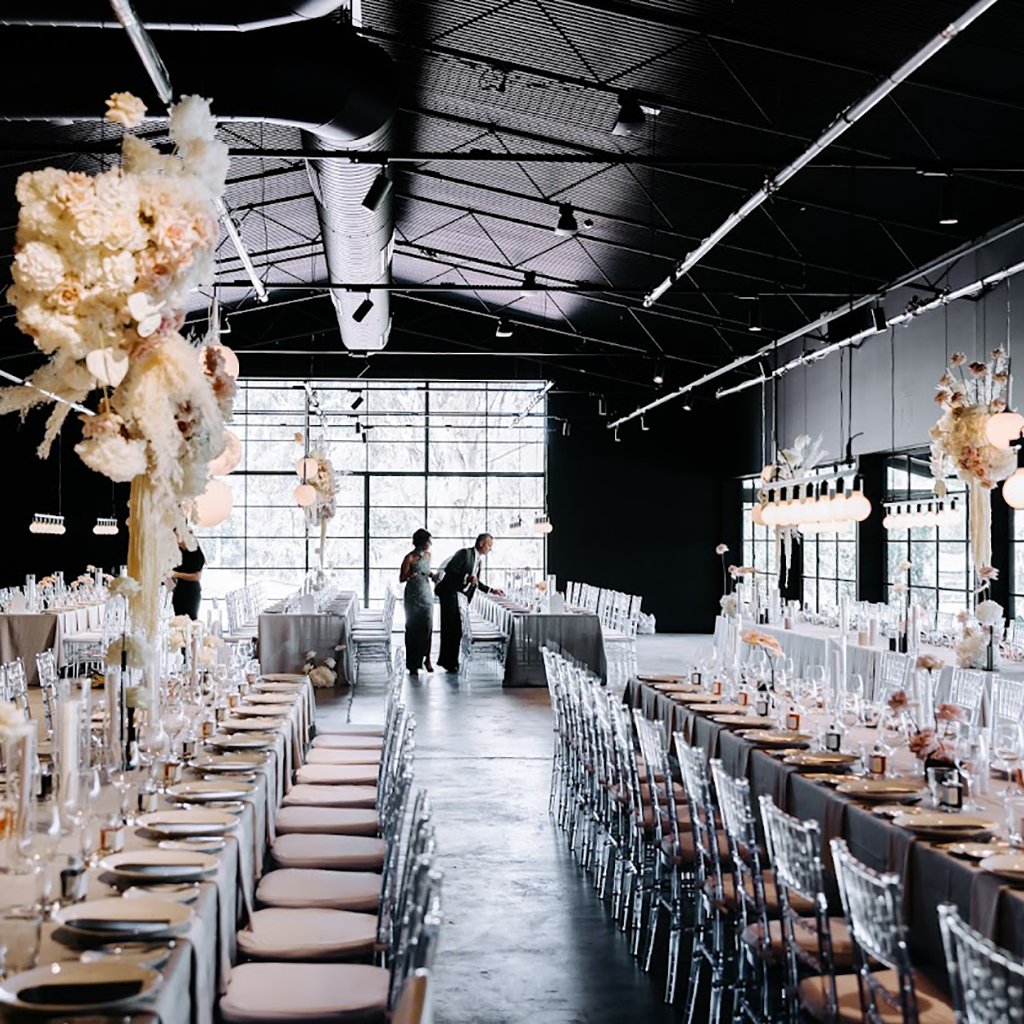
Warm, rustic cellar door with timber finishes, offering a cozy and welcoming atmosphere amid the classic Barossa landscape of rolling hills and vineyards.
Tags
Vibe
Best For
Experience
Sourcing
View
At the Vineyard
- Appellation
- Barossa Valley
- Varietals
- Shiraz, Cabernet Sauvignon, Grenache, Mataro
- Tour Duration
- 60-90 minutes
- Visits
- Walk-ins welcome
- Farming
- Sustainable
- Production
- Small producer
- Wine Styles
- Still Red
- Wine Club
- Available
Know before you go
Know Before You Go
- Getting there
- 450 Seppeltsfield Rd, Marananga SA 5355
Planning details
Location
Recognition and awards

Also consider
If You Can't Get In
Try Two Hands Wines or Torbreck Vintners first if the goal is still a serious Barossa wine stop. For a mixed group or a less wine-only afternoon, Seppeltsfield Road Distillers is the easier pivot because it changes the format rather than trying to replace the same experience.
Winery context
How It Compares
Greenock Creek Wines is the more wine-focused call if the priority is a serious Barossa appointment rather than a broad hospitality stop. Seppeltsfield is the safer choice for mixed groups who want a larger estate feel and more to do around the visit, while Hentley Farm is the better fit when the day needs to lean into a more complete occasion format.
For drinkers comparing producer-led stops, Two Hands Wines and Torbreck Vintners are the obvious cross-shops. Choose Greenock Creek Wines when the itinerary can handle a harder booking and a tighter wine-led focus. Choose Two Hands Wines or Torbreck Vintners when the group wants a more familiar Barossa cellar-door rhythm with less pressure on one appointment.
Seppeltsfield Road Distillers is the practical alternative when not everyone wants another wine tasting. It is also useful as a second stop for groups that want Barossa flavor without repeating the same producer format. For value, the right answer depends less on price and more on whether the visit is being used as the main event or a supporting stop.
Explore Barossa Valley
Around this place
Discover more on Pearl
Unlock the full Greenock Creek Wines guide in Pearl, including awards, comparisons, FAQs, planning details, and nearby places.
Compare Greenock Creek Wines
| Venue | Location | Awards |
|---|---|---|
| Greenock Creek Wines | Barossa Valley | 2026 Falstaff Winery Guide |
| Seppeltsfield Road Distillers | Barossa Valley | No published awards |
| Two Hands Wines | Barossa Valley | 2026 Falstaff Winery Guide |
| Torbreck Vintners | Barossa Valley | 2026 Falstaff Winery Guide |
| Seppeltsfield | Tanunda | 2019 World's 50 Best Vineyards · #47 |
| Hentley Farm | Barossa Valley | 2026 Falstaff Winery Guide2026 La Liste Top RestaurantsGourmet Traveller Restaurant Guide 2026: Australia's Best Restaurants |



How Greenock Creek Wines Barossa Valley Verdict compares with similar nearby venues.
FAQ
Frequently Asked Questions
When is the best time to visit Greenock Creek Wines?
Opening hours and seasonal guidance are not listed here. The safest approach is to confirm current visitor information directly with Greenock Creek Wines before setting a Barossa Valley itinerary.
Do I need a reservation at Greenock Creek Wines?
Reservation requirements are best confirmed directly with Greenock Creek Wines before visiting, especially if the stop is important to a wider Barossa Valley plan.
How long should I plan for a visit to Greenock Creek Wines?
Visit duration is best confirmed directly with Greenock Creek Wines before assigning a specific window in your Barossa Valley schedule.