
Clos Haut-Peyraguey
Bommes
Winery in Bommes, France
 Book with Pearl
The Read
Classified Sauternes Precision
Why go
A high-prestige Sauternes stop in Bommes for travelers who care more about wine context than a confirmed food-led visit. Worth planning around if the day is focused on serious sweet-wine addresses, but confirm tasting and pairing details before building meals around it.
About Clos Haut-Peyraguey
Plan Clos Haut-Peyraguey as a Bommes stop where practical details are limited, and let that shape your schedule. The details are direct: the venue is in Bommes, the dress code is smart casual, and it holds Pearl 3 Star Prestige (2025) recognition. These details are meaningful, but they do not fill in the full visitor picture. Beyond that, specific details about food, tasting format, hours, pricing, reservations, and on-site services are not available, so they should be checked directly before you build a day around the visit. Treat it as a strong starting point rather than a complete itinerary. It gives you enough to understand the tone of the stop, but not enough to assume what will happen once you arrive.
For an explorer, the most reliable way to use Clos Haut-Peyraguey is as one deliberate part of a Bommes itinerary rather than as an all-purpose plan for dining, drinks, and activities. That approach keeps the visit focused and avoids stretching the available information. Use Bommes guides to build the wider route, then keep meals, hotels, bars, and local activities separate through Our full Bommes restaurants guide, Our full Bommes hotels guide, Our full Bommes bars guide, and Our full Bommes experiences guide. That separation is useful because the information supports a focused stop, not a detailed promise of a specific hospitality package. It also makes the rest of the day easier to manage: you can choose where to eat, where to stay, where to drink, and what else to do without relying on assumptions about what Clos Haut-Peyraguey itself may or may not provide.
A Bommes stop with limited public detail
The right expectation is caution and planning. If food, a tasting format, or a particular service style is the deciding factor, confirm the exact offering before committing, because no cuisine style, menu, pairing program, or visit format is provided. The safest approach is to treat Clos Haut-Peyraguey as a smart-casual, Pearl 3 Star Prestige (2025) Bommes venue and avoid assuming details that are not available. That does not make the stop less interesting; it simply means the value of the visit should be judged from the information that is available. Smart casual gives a useful cue for how to dress and how to read the setting, while the Pearl 3 Star Prestige (2025) recognition signals that this is not a casual afterthought in a Bommes plan. Still, those two points should not be used as substitutes for operational details. If timing, cost, access, or a specific format matters to your day, verify those elements first and then decide how much space to give the stop in your schedule.
Compared with Château Lafaurie-Peyraguey, Clos Haut-Peyraguey should be chosen on its own profile rather than on assumptions about meals, tours, or service style. That distinction matters when you are building a route, because similarly positioned venues can be easy to group together in your mind even when the available details are different. If you are comparing other premium venues, you can also look at Château Rayne-Vigneau, Château Sigalas-Rabaud, Château d'Yquem, and Château d'Arche. In that kind of plan, Clos Haut-Peyraguey works well as a considered Bommes stop with Pearl recognition and smart-casual expectations. Keep it in the itinerary for what is known, compare it carefully with the other options, and leave the finer decisions until the practical details have been checked directly.
Planning details
- Location
- 1 Haut Peyraguey, 33210 Bommes
- Website
- bernard-magrez.com/clos-haut-peyraguey-premier-sauternes
- Phone
- +33 5 57 26 38 38
The take
The Take
The Vibe
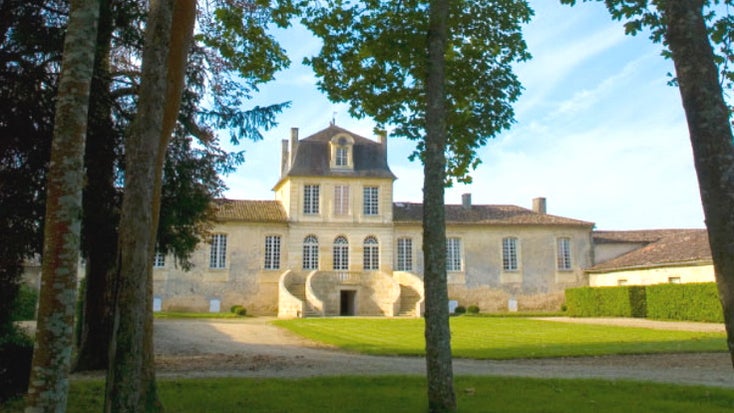
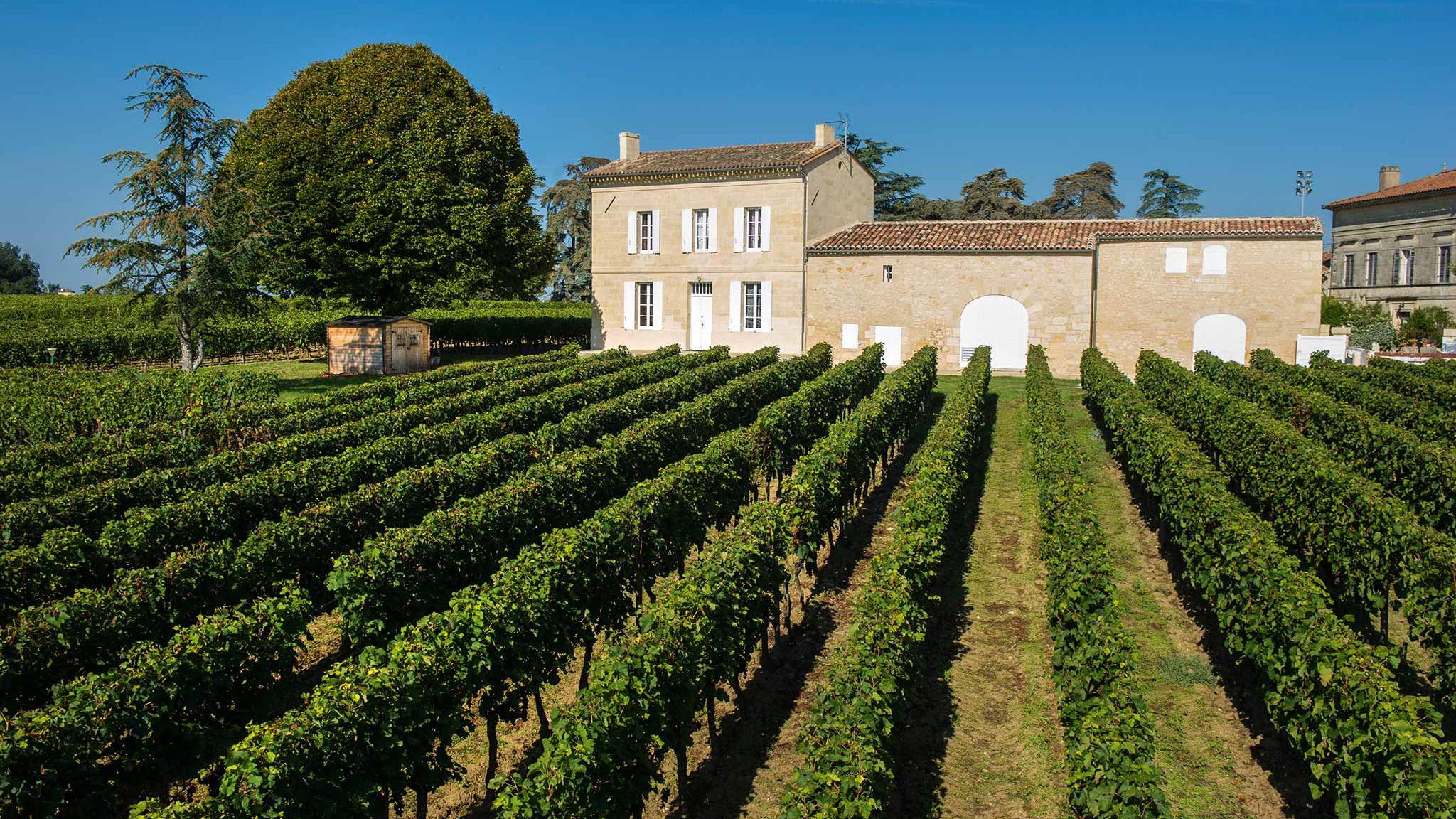
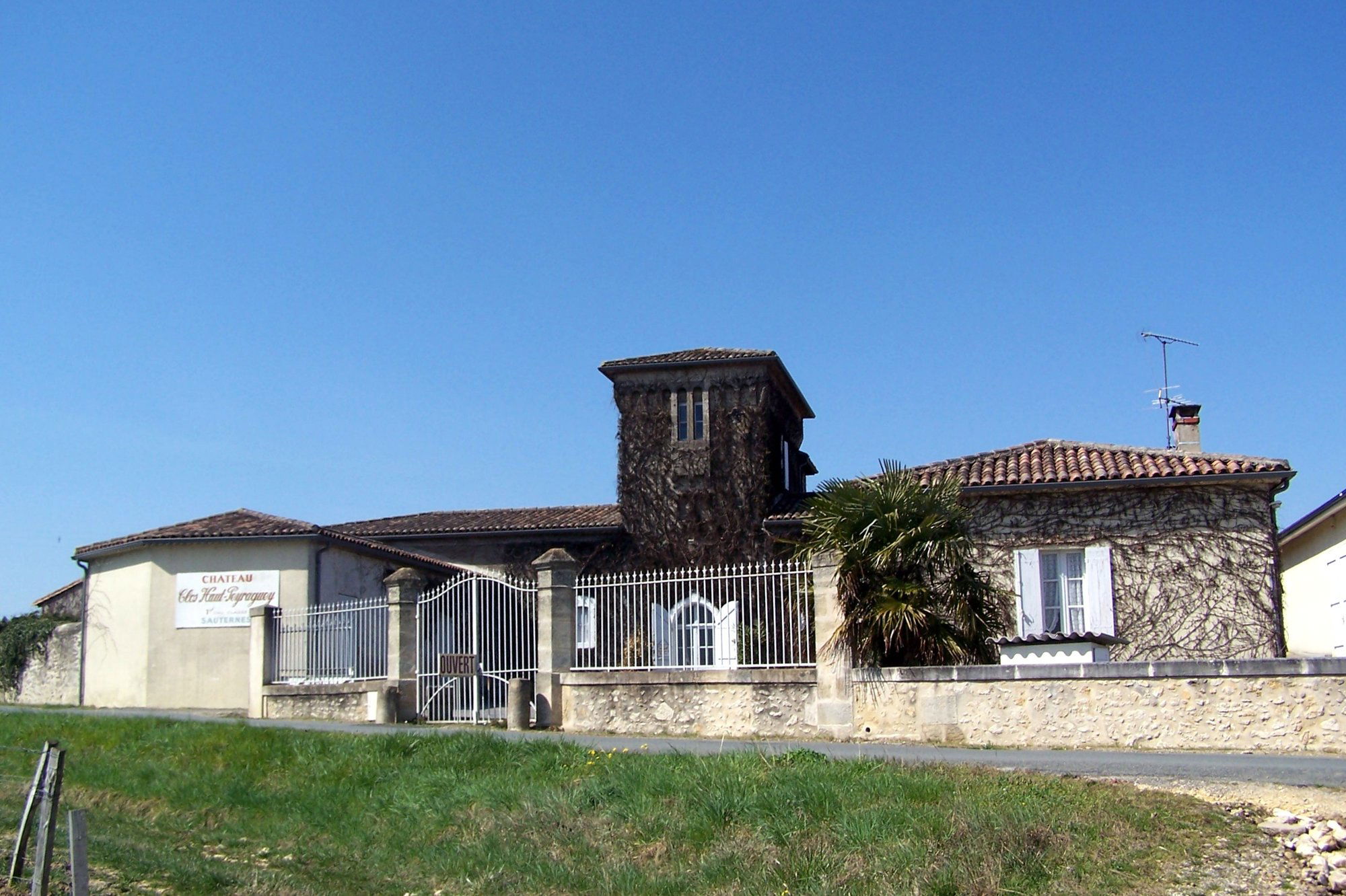
Clos Haut-Peyraguey reads as a quietly authoritative estate rooted in history and place. The write-up foregrounds its status as a Premier Cru Classé from the 1855 ranking and the microclimate that creates Sauternes’ signature botrytis-driven sweetness. The property sits amid a compact hillside cluster of classified vineyards in Bommes, a setting that feels secluded rather than touristed; morning mists and sandy-clay over limestone are presented as the mechanical heart of the wines’ concentration. The overall impression is of a refined, contemplative estate prized by collectors and students of terroir rather than casual visitors.
Best For
This estate is best for serious wine study and collectors tracing the nuances of Sauternes. The description frames Clos Haut-Peyraguey within the technical history of the 1855 classification and the region’s botrytis-dependent terroir, making it a strong stop for tastings focused on provenance and comparative study. Bommes’ lack of tourist infrastructure is explicit, so visits are likely most rewarding for those interested in education, verticals or exploring how a Premier Cru Classé sits within the evolving marketplace, rather than travelers seeking a bustling château experience.
Venue details
Ambiance
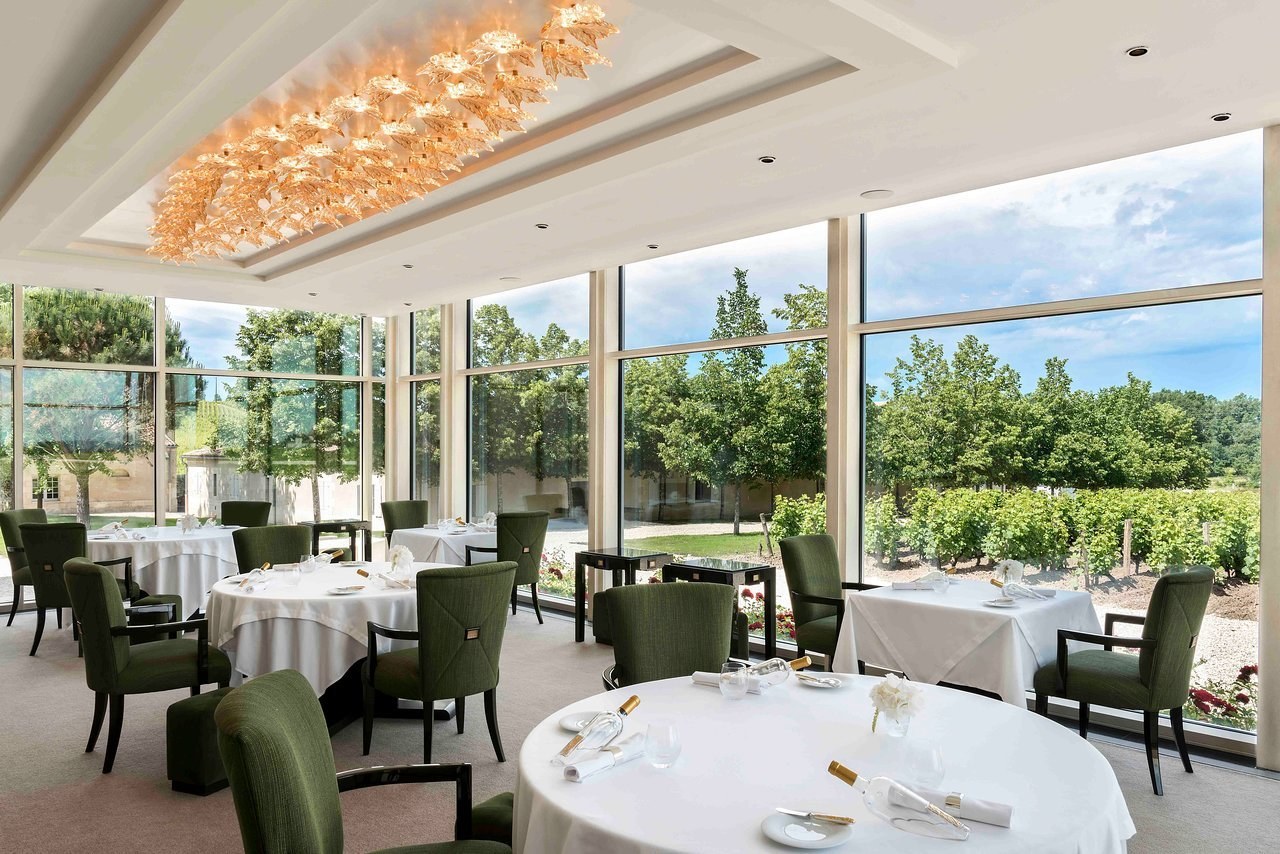
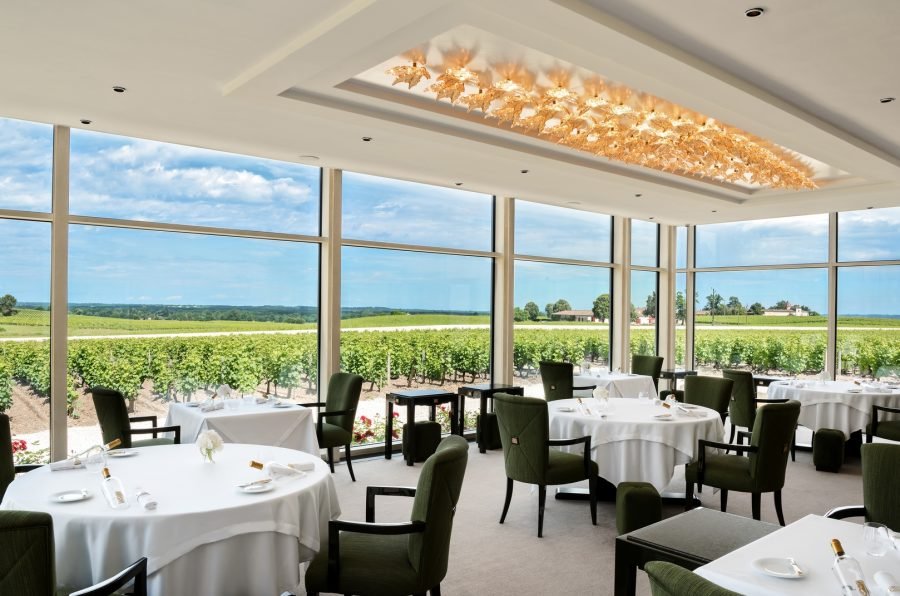
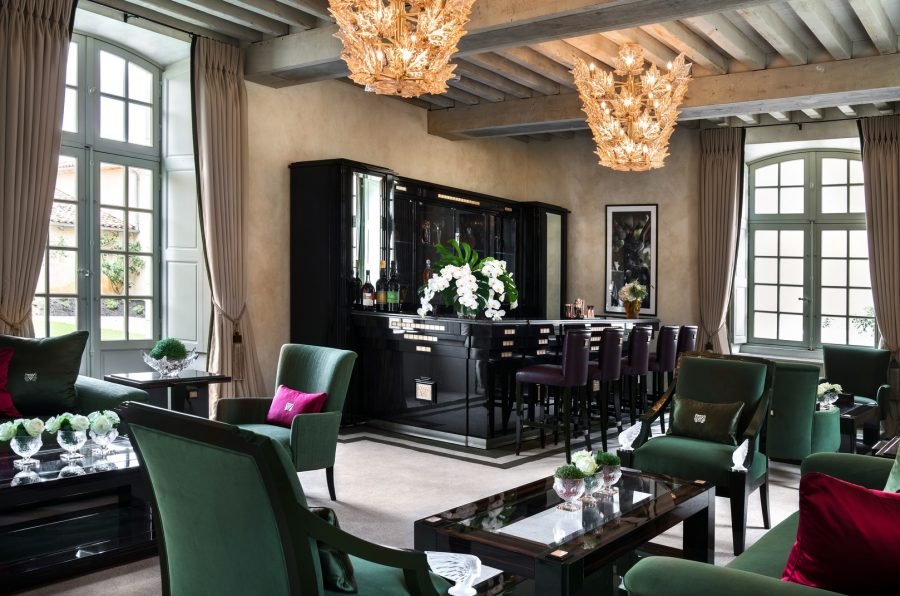
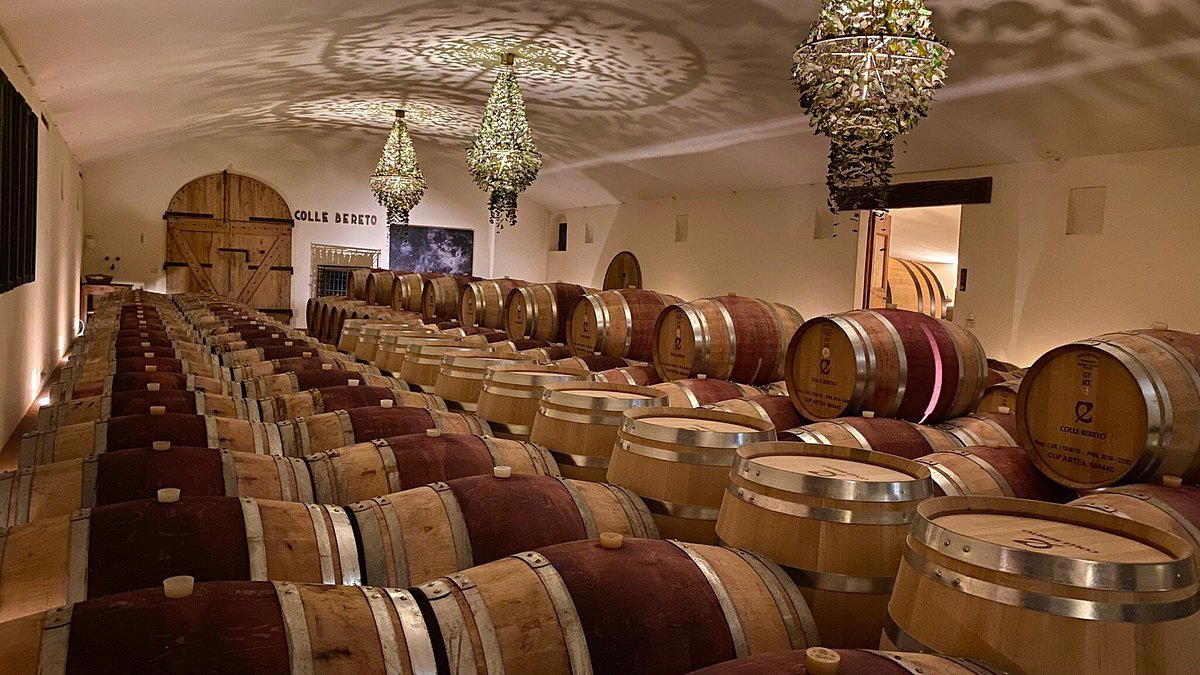
Historic, terroir-driven, and prestige-oriented, with a classic Sauternes character shaped by noble rot, manual selection, and barrel élevage.
Tags
Vibe
Best For
Experience
Sourcing
View
At the Vineyard
- Appellation
- Sauternes AOC
- Varietals
- Sémillon, Sauvignon Blanc
- Visits
- By appointment only
- Farming
- Sustainable
- Production
- Small producer
- Wine Styles
- Dessert, Fortified
- Wine Club
- Not available
Know before you go
Know Before You Go
- Getting there
- 1 Haut Peyraguey, 33210 Bommes
Planning details
Location
1 Haut Peyraguey, 33210 Bommes · Directions
Recognition and awards

Also consider
If You Can't Get In
Start with Château Lafaurie-Peyraguey if you want a nearby alternative with a stronger hospitality angle. For a second Sauternes comparison, look at Château Sigalas-Rabaud or Château Rayne-Vigneau to keep the route concentrated around Bommes.
Winery context
How It Compares
Clos Haut-Peyraguey is the choice for visitors who want a prestige-focused Sauternes stop in Bommes and are willing to plan carefully. Château Rayne-Vigneau and Château Sigalas-Rabaud are better cross-shops if you want to keep the day flexible and compare styles without making one château carry the full itinerary.
If hospitality breadth matters, Château Lafaurie-Peyraguey is the safer comparison because it gives visitors a clearer reason to build more of the day around one address. For pure reputation gravity, Château d'Yquem sits in a different tier of recognition, but that also means planning pressure is higher. Château d'Arche is the practical alternative when ambiance and access matter more than chasing the hardest booking.
Explore Bommes
Around this place
Discover more on Pearl
Unlock the full Clos Haut-Peyraguey guide in Pearl, including awards, comparisons, FAQs, planning details, and nearby places.
Compare Clos Haut-Peyraguey
| Venue | Location | Awards |
|---|---|---|
| Clos Haut-Peyraguey | Bommes | 2026 Falstaff Winery Guide |
| Château Rayne-Vigneau | Bommes | 2026 Falstaff Winery Guide |
| Château Lafaurie-Peyraguey | Bommes | 2026 Wine Spectator Best of Award of Excellence2026 Falstaff Winery Guide2025 Pearl 4 Star Prestige |
| Château Sigalas-Rabaud | Bommes | 2026 Michelin 1 Grape - Bordeaux2026 Falstaff Winery Guide2025 Pearl 4 Star Prestige |
| Château d'Yquem | Sauternes | 2026 Michelin 3 Grapes - Bordeaux2026 Falstaff Winery Guide2025 World's 50 Best Vineyards · #92025 Pearl 5 Star Prestige2024 World's 50 Best Vineyards · #132023 World's 50 Best Vineyards · #182022 World's 50 Best Vineyards · #232020 World's 50 Best Vineyards · #31 |
| Château d’Arche | Sauternes | 2026 Falstaff Winery Guide |



How Clos Haut-Peyraguey Bommes compares with similar nearby venues.
FAQ
Frequently Asked Questions
Is Clos Haut-Peyraguey worth planning around?
Consider it if you want a Pearl 3 Star Prestige (2025) venue in Bommes and are comfortable confirming practical details directly. The information supports a notable stop, but specific details about food, format, hours, pricing, and services are not available.
What other venues can I compare with Clos Haut-Peyraguey?
Useful comparisons include Château Rayne-Vigneau, Château Lafaurie-Peyraguey, Château Sigalas-Rabaud, Château d'Yquem, and Château d'Arche. Clos Haut-Peyraguey fits well if you are comparing premium options without assuming a specific service format.
Do I need a reservation at Clos Haut-Peyraguey?
Reservation requirements are not specified. Check directly with Clos Haut-Peyraguey before you go, especially if your timing, group size, or plans depend on a specific visit format.
Does Clos Haut-Peyraguey serve food?
Food program details are not specified. Treat any meal, menu, or pairing expectation as unconfirmed until you have checked the venue's current information directly.
What should I wear to Clos Haut-Peyraguey?
The dress code is smart casual. That is the clearest practical expectation to follow when planning a visit to Clos Haut-Peyraguey in Bommes.