

2026 Falstaff Winery Guide: The Ultimate Wine Authority — Page 6
Falstaff's 2026 Wineries guide.

Venues on this list
Clos Beauregard
Pomerol, France
Book Clos Beauregard if the goal is a quiet, appointment-led Pomerol visit focused on Merlot, vineyard detail, and serious Right Bank context. It is not the right pick for a casual tasting-room crawl, but it makes sense for collectors and wine travelers who value small-estate precision over hospitality extras.
Famille Chaudière
Mormoiron, France
A strong choice for travelers who want a Ventoux wine visit with château setting, cellar context and a clear mountain-terroir story. Famille Chaudière is better planned as a proper stop than a quick tasting, especially if you care about altitude, family production and the difference between Rhône and Provençal expressions.
Cozzarolo
Spessa Di Cividale, Italy
Book Cozzarolo for a low-key Friulian winery visit focused on value, conversation, and bottles to take home rather than luxury staging. The strongest reason to go is the traditional local portfolio, especially Friulano, Ribolla Gialla, Verduzzo, and Refosco, backed by a Falstaff listing for 2026.
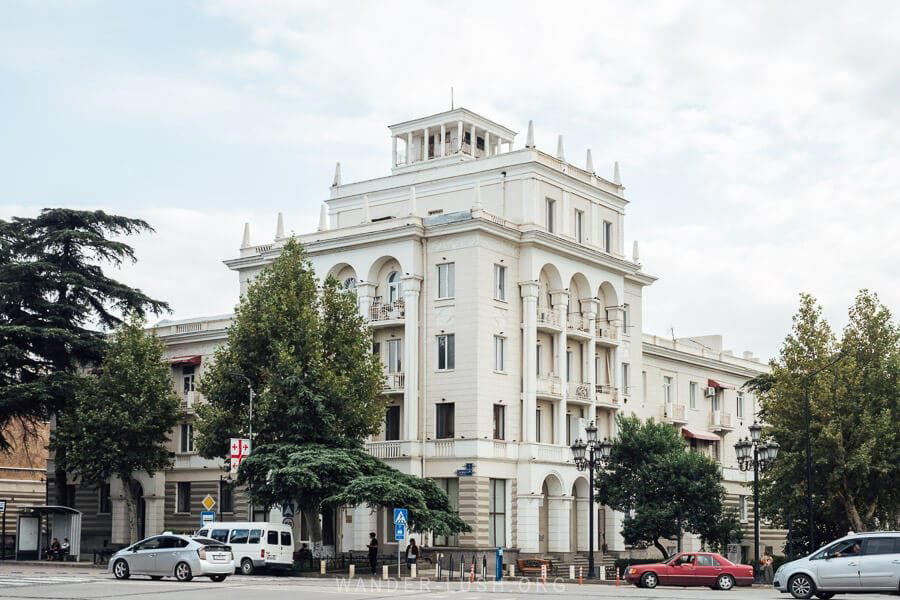
Alpha Group
Rustavi, Georgia
Alpha Group is a midrange Rustavi winery pick for travelers who want a quieter, producer-focused stop rather than a polished tasting-room outing. Its Falstaff Listed 2026 recognition gives it a useful credibility signal, but plan only if advance arrangement fits your route and you are comfortable with a less publicly detailed hospitality format.
Cave Caloz
Miege, Switzerland
Cave Caloz is worth prioritizing if a Miège stop is meant to be wine-led, not just scenic. The draw is regional credibility in Valais and a serious planning signal: confirm access early, keep the group small, and use it as an anchor for a wider winery itinerary rather than a casual drop-in.
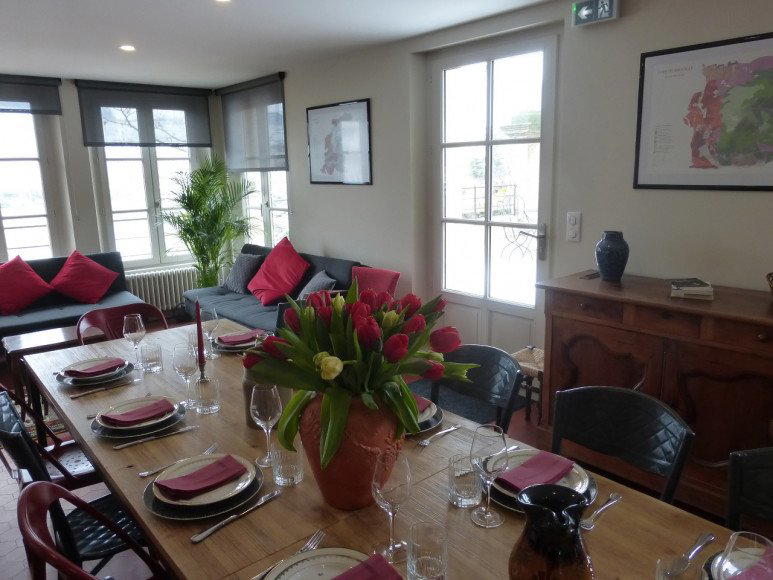
Château Thivin
Saint-Lager, France
Book Château Thivin if the Odenas stop is meant to be wine-led and focused, not a casual add-on between meals. It is better suited to Beaujolais explorers who want producer context and a quieter cellar mood than to groups looking for food service, flexible walk-ins, or a bar-style tasting.
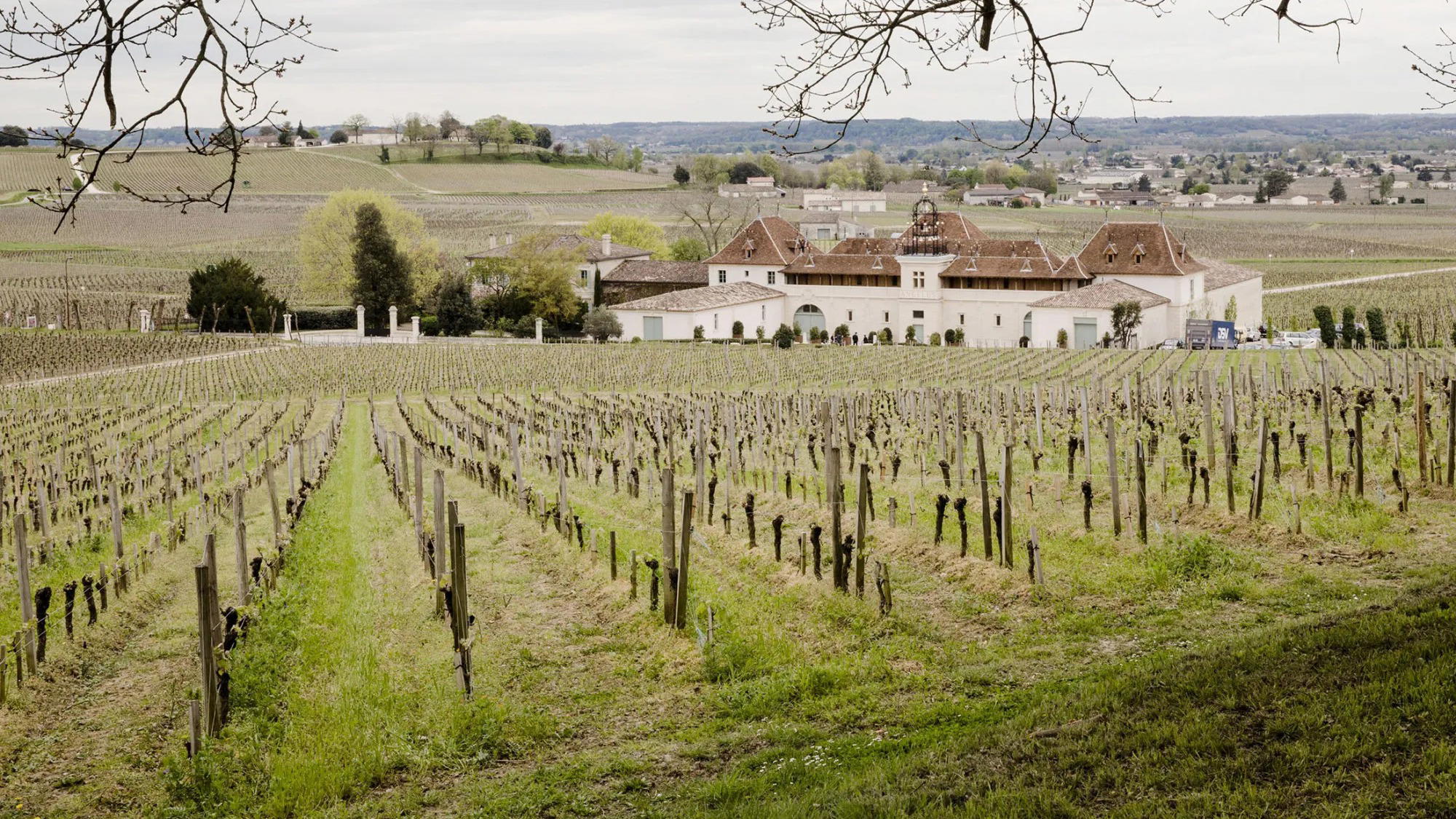
Château Angelus
Saint-Émilion, France
Prioritise Château Angelus for a serious Saint-Emilion wine itinerary, especially for a celebration, collector trip, or client visit. Access should be treated as highly constrained, so build the day around this first and keep Château Canon, Château Bélair-Monange, and Château Beau-Séjour as practical fallbacks.
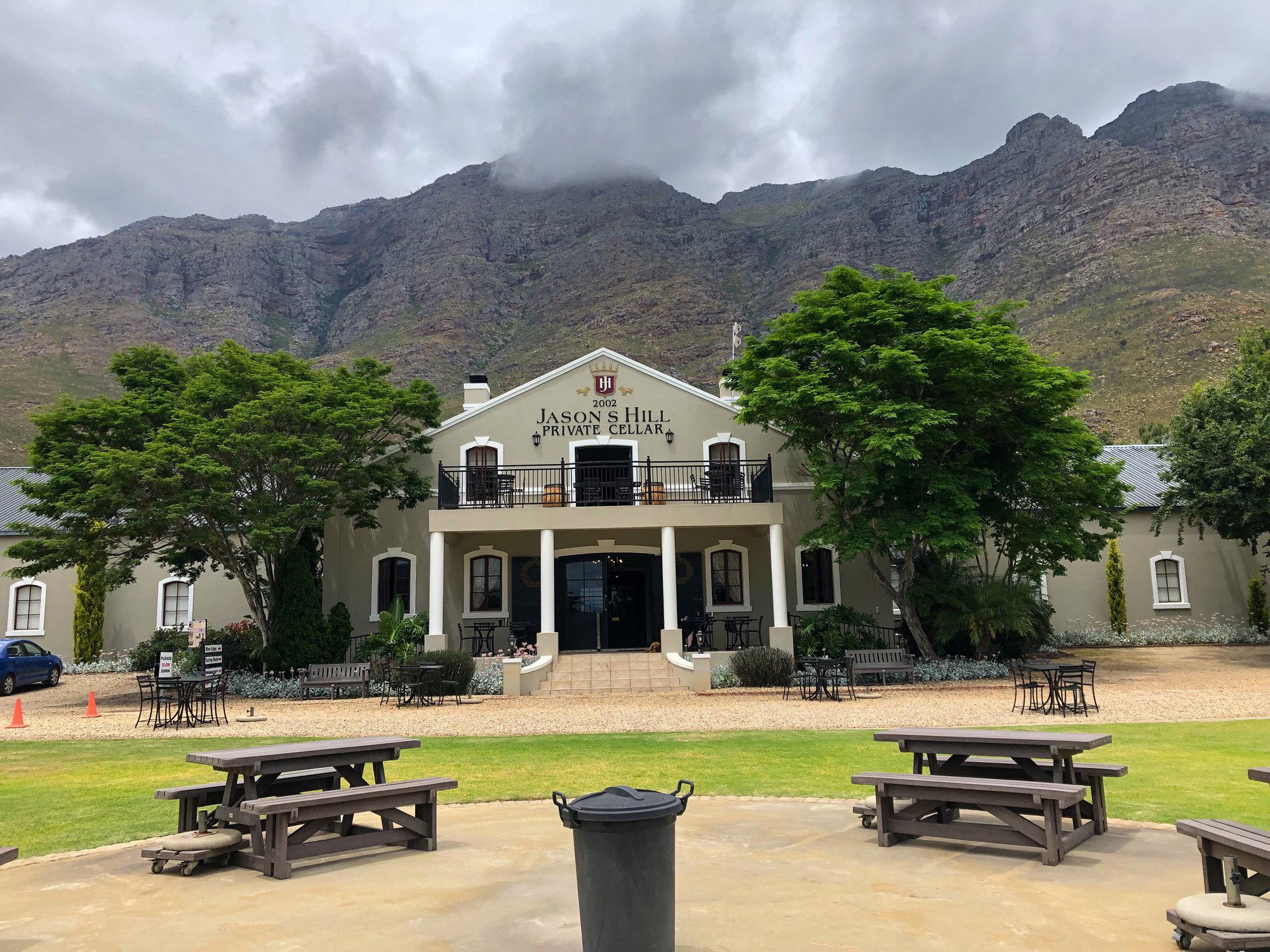
Barista
Paarl, South Africa
Barista is a low-commitment Paarl option rather than a destination to plan an entire wine-country day around. The strongest case is convenience and setting for a light stop; the weaker case is the lack of clearly documented cuisine, flagship wine, or tasting format. Falstaff Listed in 2026 gives it a useful recognition signal, but serious winery planners should compare defined Paarl options first.
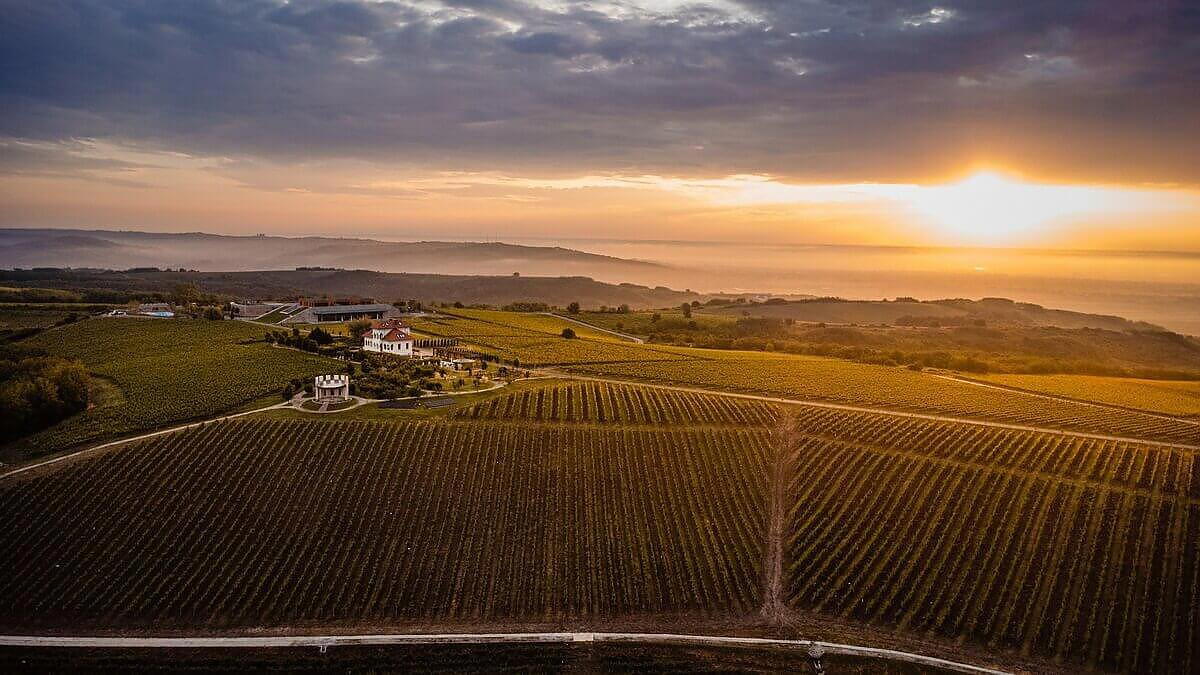
Crama Avincis
Dragasani, Romania
Book Crama Avincis if you want a polished Drăgășani estate visit built around Romanian grapes, vineyard context and a calm manor setting. It is a stronger fit for wine travelers planning ahead than for anyone looking for a quick, improvised tasting stop.
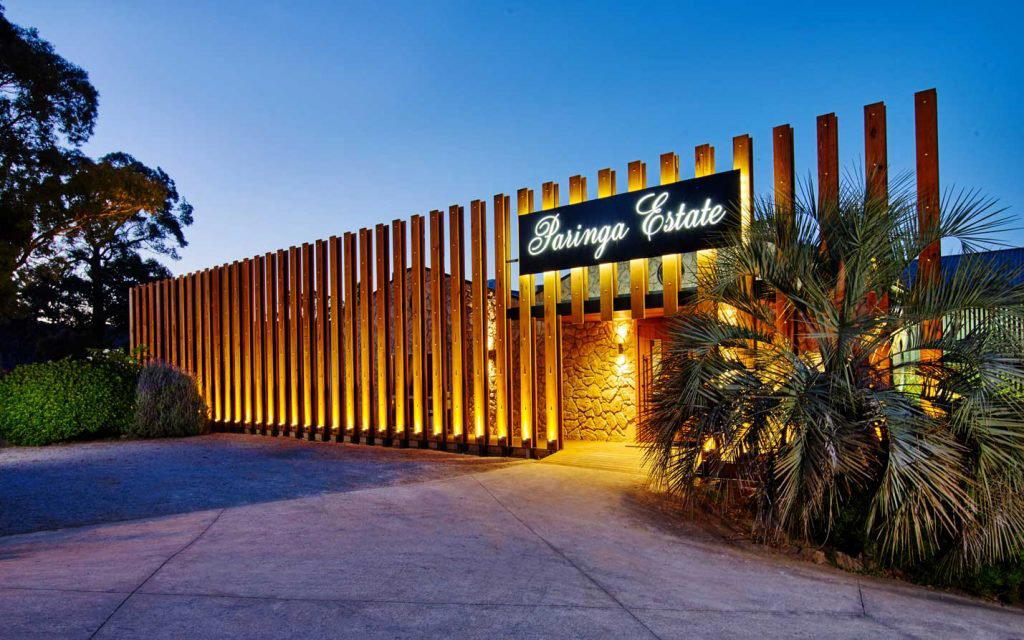
Paringa Estate
Mornington Peninsula, Australia
Paringa Estate is a strong choice for a special-occasion winery visit in Red Hill South, especially if the wine is the main reason for going. Plan ahead for peak weekend lunches and cross-shop Montalto for flexibility, Port Phillip Estate/Kooyong for architecture, and Ten Minutes by Tractor for a more dining-led day.
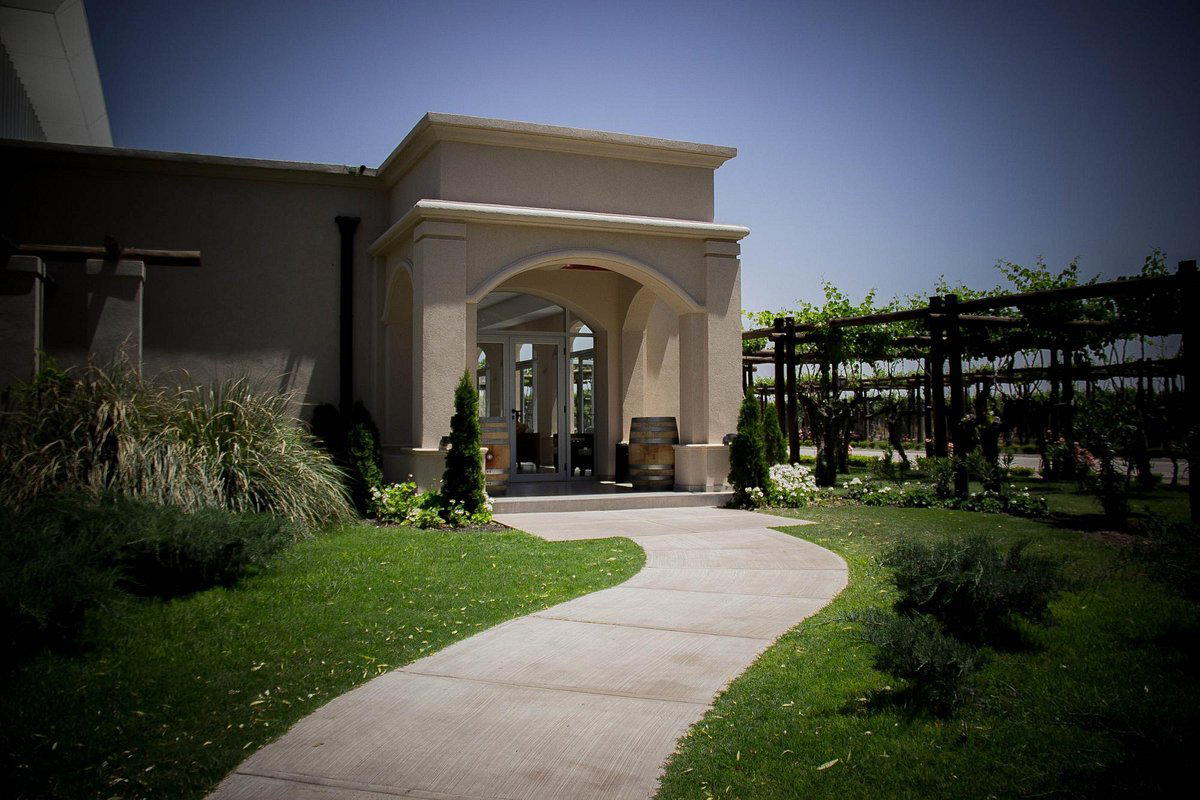
Finca Agostino
Maipú, Argentina
Plan Finca Agostino as a deliberate Maipú winery stop, especially for a celebration, date, or hosted group that wants a more arranged tasting rhythm. It is less suited to a spontaneous tasting crawl; compare it with Finca Flichman, Bodega Antigal, and El Enemigo if timing or availability is tight.
Claymore Wines
Leasingham, Australia
Claymore Wines is worth prioritising if you want a Clare Valley cellar door that feels relaxed, good-value, and easy to fit into a wider wine day. The complimentary tasting structure, estate-grown fruit, and music-and-football-inspired labels make it especially strong for curious drinkers and mixed-interest groups rather than visitors chasing a formal collector-style appointment.
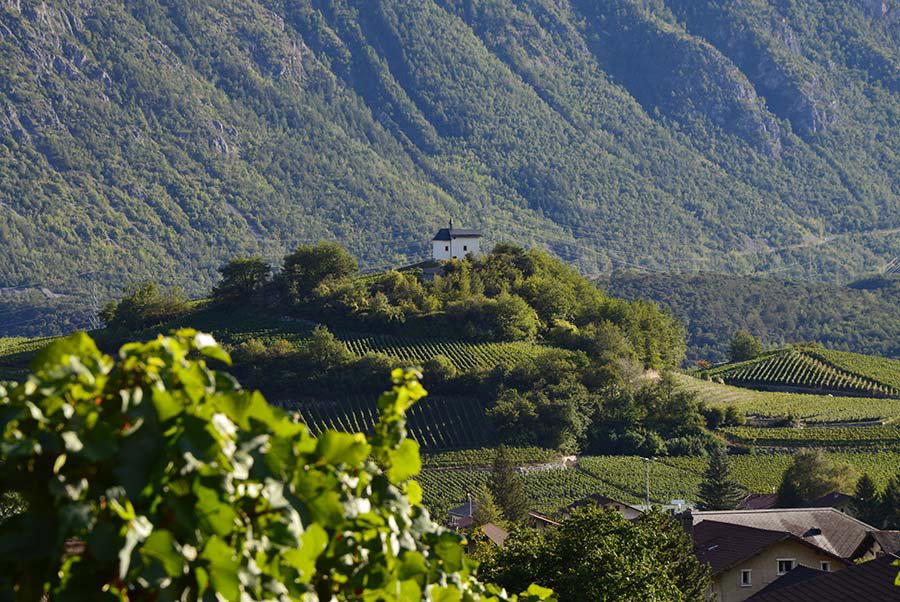
Cave de Canali
Salgesch, Switzerland
A strong pick for wine travelers who want a small, biodynamic Valais cellar rather than a broad tourism setup. Cave de Canali is appointment-only, Demeter-certified, and built around estate-grown wines from just 2.5 hectares, with Falstaff recognition giving the portfolio a useful quality signal. Go for depth and direct access, not large-group convenience.
Domaine du Traginer
Banyuls-sur-Mer, France
Domaine du Traginer is worth booking for a focused Banyuls-sur-Mer wine stop built around biodynamic farming, estate-grown fruit, and Banyuls and Collioure bottles. Go as a couple or small party, keep the visit compact, and plan food or a longer outing elsewhere.
Fischer Weine
Sankt Anna Am Aigen, Austria
Book Fischer Weine if you want a focused, appointment-led look at low-intervention Vulkanland Styria wines rather than a large cellar-door experience. The draw is the estate’s precise, origin-first style across Morillon, Sauvignon Blanc, and Riesling, with private tasting value strongest for small groups who want production context.
Cinque Quinti
Cella Monte, Italy
Worth booking if the setting is part of the decision. Cinque Quinti is a family-run Monferrato winery where the Infernot cellars, small-group feel, and regional grape focus give the tasting a stronger sense of place than a standard cellar-door stop. Better for couples and curious wine travelers than large groups or anyone seeking a full dining experience.
Anselmo Mendes
Vila, Portugal
Anselmo Mendes is a credible Vila wine stop, helped by a Falstaff Listed recognition for 2026, but it is not the safest anchor for a full special-occasion meal unless the tasting, food, and group details are confirmed in advance. Treat it as a wine-led itinerary piece rather than a guaranteed dining-format experience.
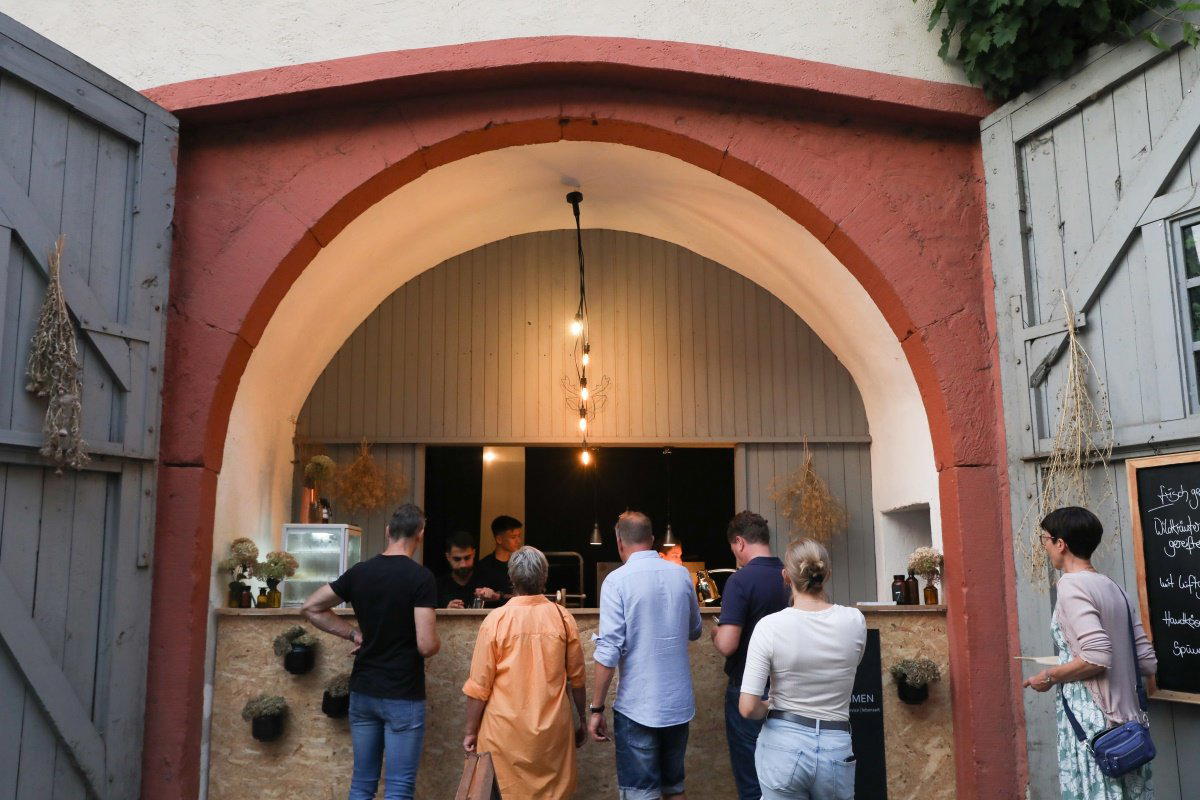
BIO-Weingut Mitter-Velten
Hochheim am Main, Germany
BIO-Weingut Mitter-Velten is a strong Hochheim pick if organic farming and producer character matter more than polished tasting-room theatre. The estate works mainly with Riesling, adds Blauer Spätburgunder for range, and has Falstaff 2 Stars for 2026, making it a sensible special-occasion stop for wine-focused couples or small groups.
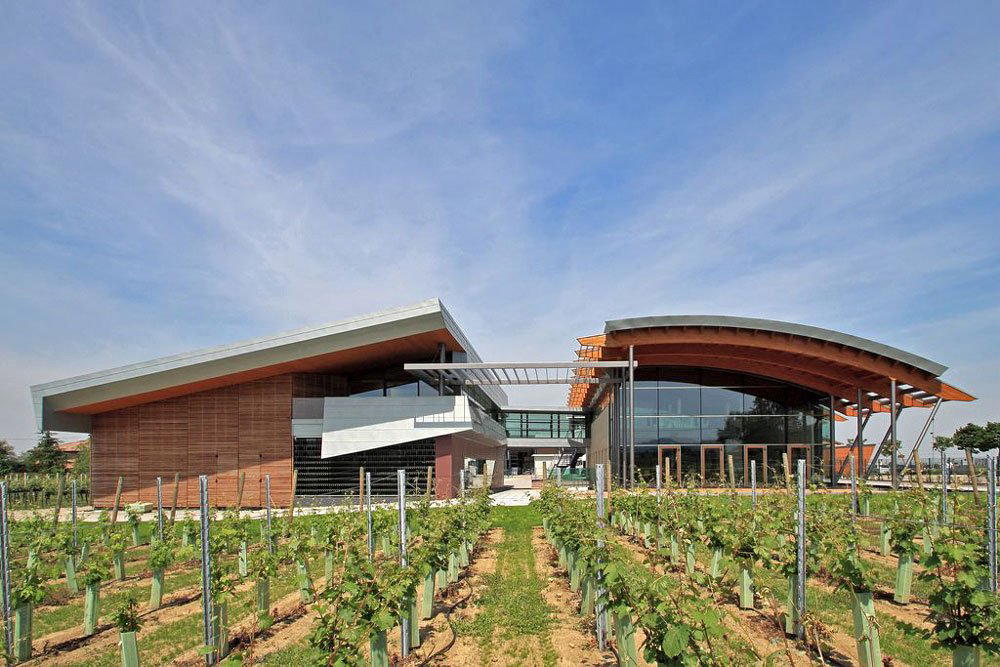
Cantine Sgarzi Luigi srl
Castel San Pietro Terme, Italy
Cantine Sgarzi Luigi srl works as a focused wine stop in Castel San Pietro Terme, especially for travelers already building an Emilia-Romagna winery route. Its Falstaff Listed recognition for 2026 is the clearest quality signal; plan meals and longer hospitality separately unless specific food or tasting details are confirmed before the visit.
Borgo Molino
Ormelle, Italy
Book Borgo Molino if you want a practical look at modern Prosecco production in the Treviso area rather than a decorative cellar-door stop. The value is strongest for wine travelers who want regional context, DOC/DOCG range, and a working-winery feel, with Falstaff recognition adding a useful credibility signal.
Bruni
Fronteblanda Orbetello, Italy
Book Bruni if the point is a calm, appointment-only Maremma Toscana tasting with good regional context and a $$ value signal. It is better for couples or small celebration groups than for spontaneous walk-ins, with Vermentino, Morellino di Scansano, Syrah, Grenache, and Viognier giving a useful read on coastal Tuscany.
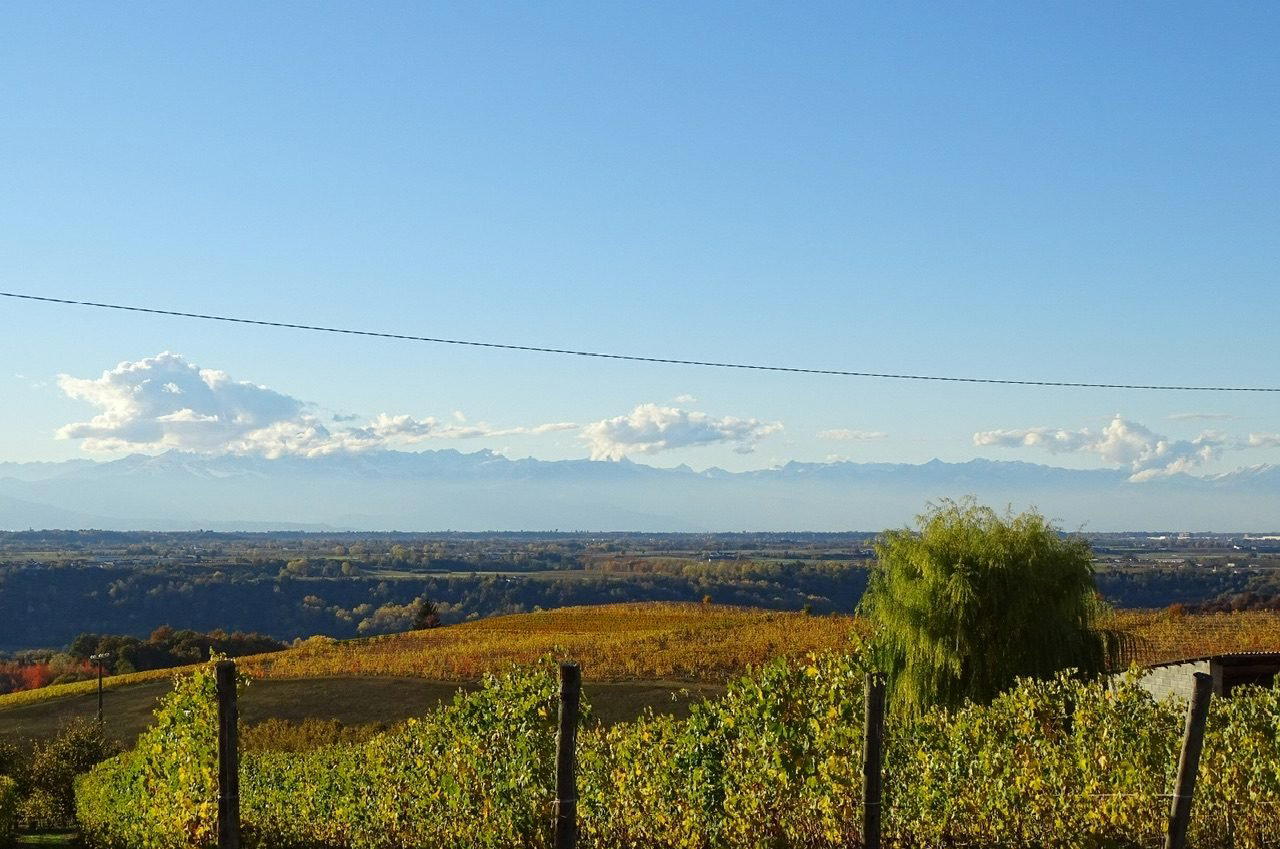
Azienda Agricola Valletti
Dogliani, Italy
Azienda Agricola Valletti is worth booking if Dogliani Dolcetto is the point of the trip and the group wants a small, family-run cellar visit rather than a polished tasting salon. The value sits in the 6-hectare Pianezzo focus, appointment-only intimacy, and $$ price signal; it is less suitable for visitors seeking a formal wine club or luxury hospitality setup.
Innerleiterhof
Schenna, Italy
Book Innerleiterhof if the goal is a quiet Schenna wine-hotel stay with mountain views, family-run warmth, pool-and-sauna downtime, and food that supports the cellar experience. It is less suited to travelers seeking a formal winery itinerary with published bottle lists or technical tasting details; the value is in the whole stay, not a standalone tasting appointment.
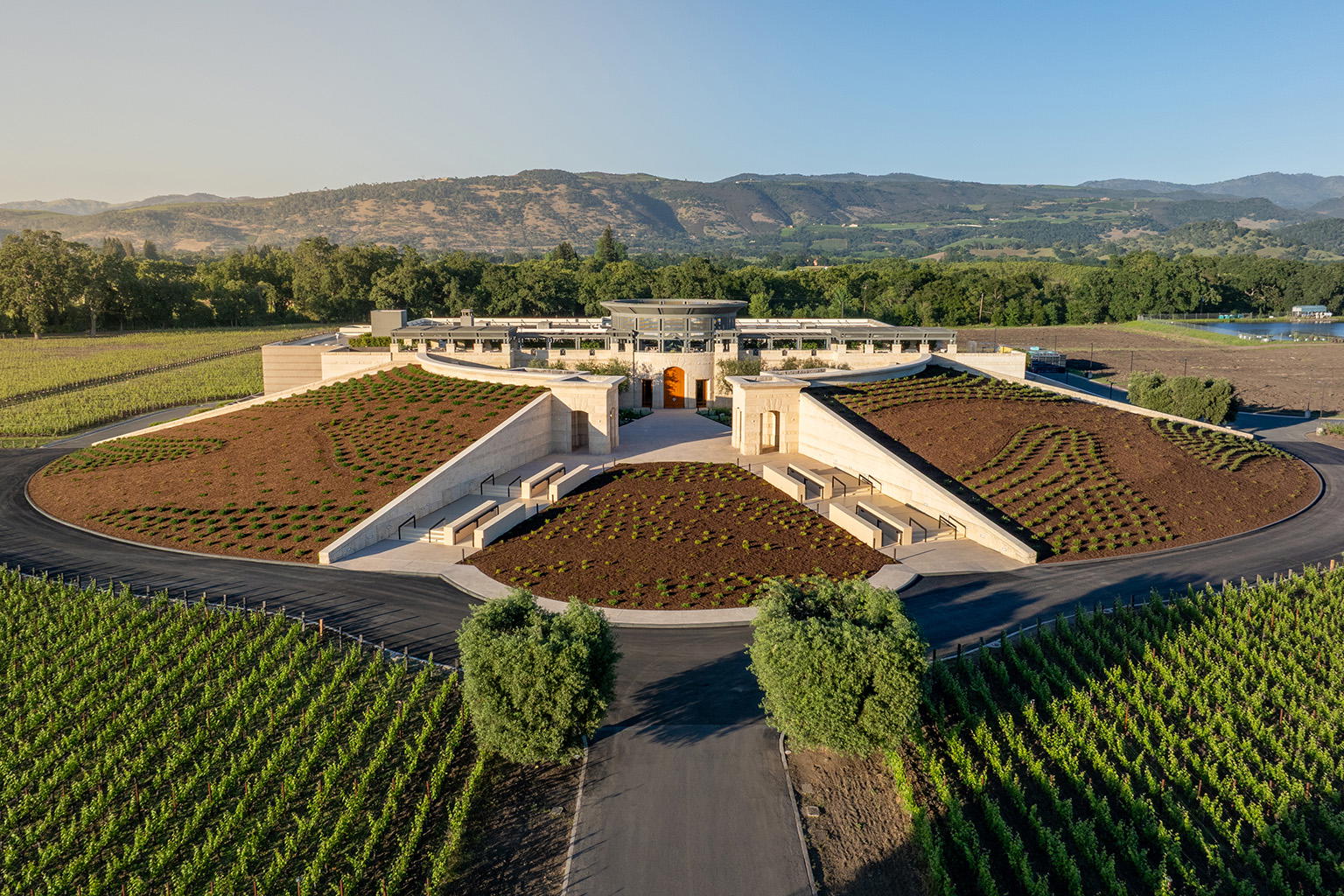
Opus One
Oakville, United States
Opus One is worth prioritizing if the flagship bottle is the reason for the trip, not if the group wants a casual Napa tasting crawl. Its Oakville setting, 1979 first vintage, Michael Silacci's winemaking continuity, and World's 50 Best Vineyards recognition make it a strong collector-minded stop, but backup appointments are smart.
Fattoria Montellori
Fucecchio, Italy
Fattoria Montellori works as a Fucecchio wine-estate stop if the setting matters as much as the tasting itself. The practical caveat: plan it as part of a wider Tuscany itinerary, not as a guaranteed food or formal hospitality booking unless those details are confirmed separately. Falstaff listing in 2026 gives it a useful recognition signal.
Château La Gomerie
Saint-Émilion, France
Château La Gomerie is worth targeting for Saint-Émilion travelers who want a compact, Merlot-focused Grand Cru estate rather than a broad château showcase. The appeal is its tiny 2.5-hectare scale, single-wine focus, Bécot family stewardship since 1995, and Falstaff 3 Stars in 2026; skip it if you want an easy, wide-ranging tasting lineup.
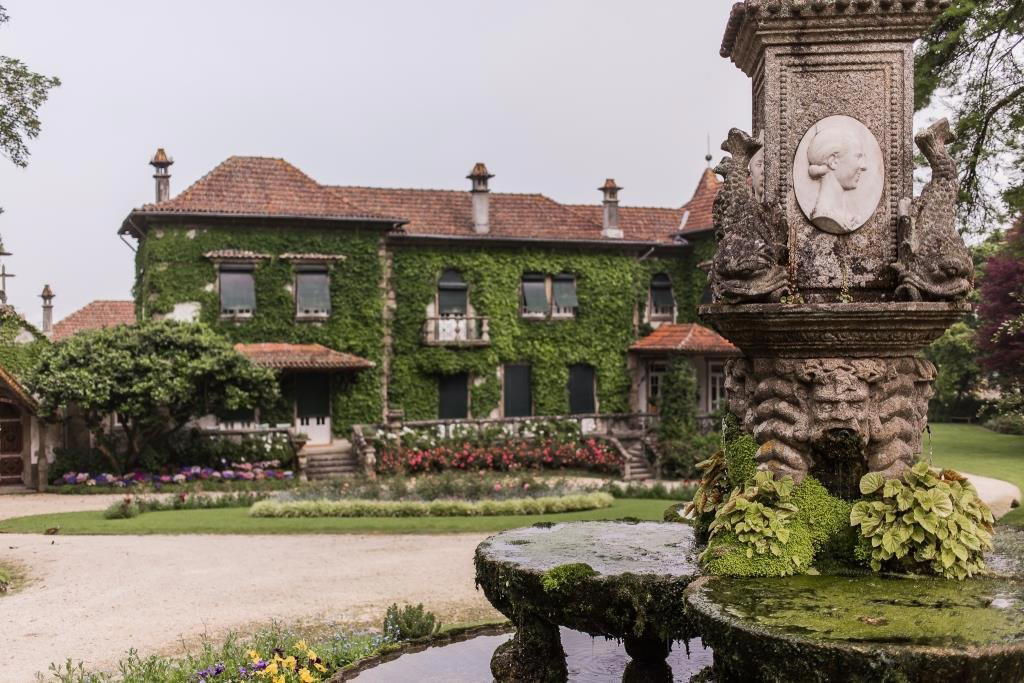
Aveleda Wines
Penafiel, Portugal
Book Aveleda Wines if you want a calm, polished Vinho Verde estate visit with gardens, heritage, and a guided tasting format. The private option is the better fit for couples, celebrations, and small groups; skip it if you want a loose drop-in tasting with little structure.
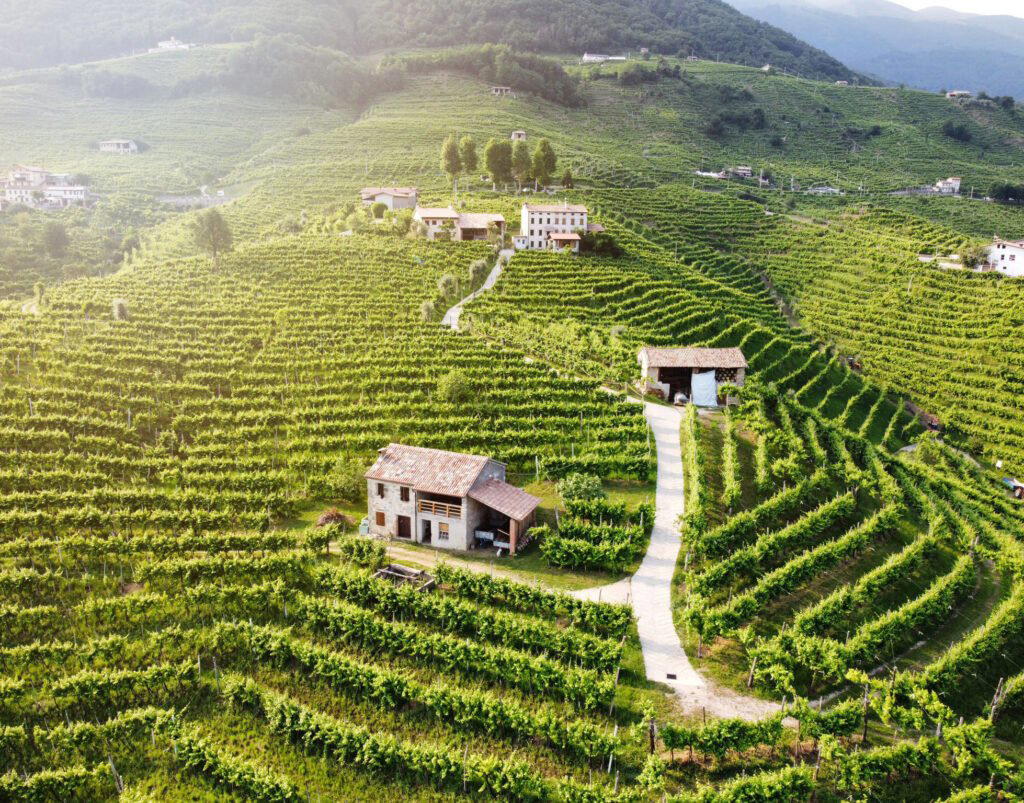
Bival
Valdobbiadene, Italy
Book Bival if the goal is a small, guided Prosecco Superiore visit with family context, vineyard access, and a clear tasting structure. It is strongest for couples or small groups who want to understand Valdobbiadene through Brut, Extra Dry, Tèrmen, and lees-based styles rather than just stop for a quick glass.
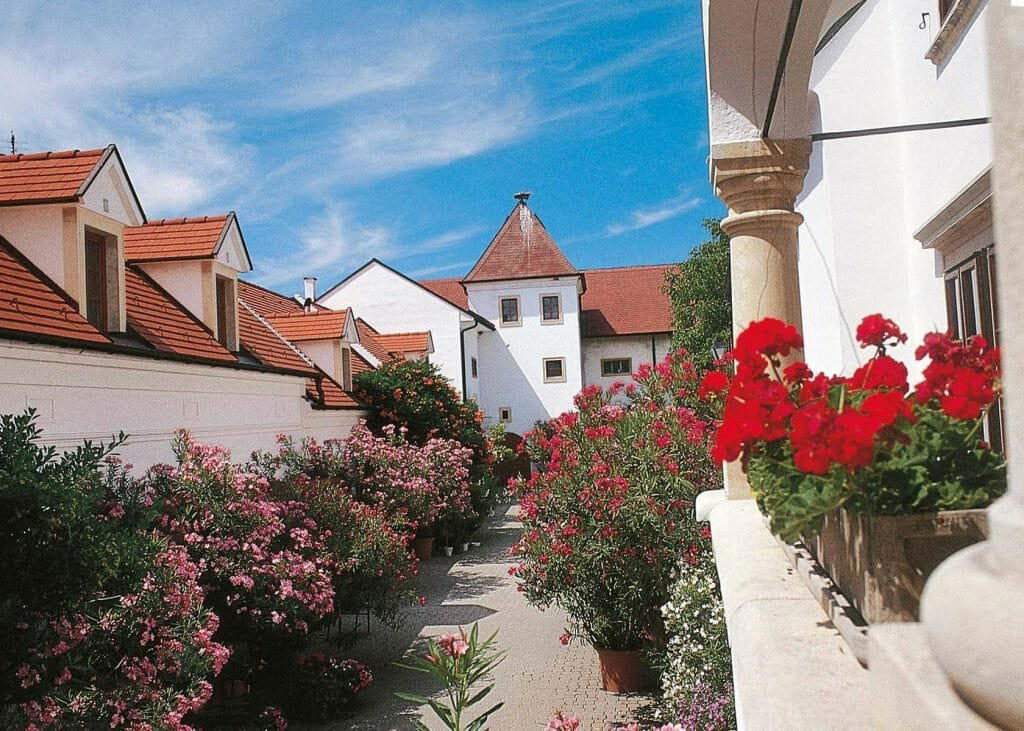
Weingut Feiler-Artinger
Rust, Austria
A strong Rust pick for travelers building a wine-led day around one serious appointment rather than a casual tasting crawl. It is better suited to couples or small groups than large, flexible parties, and it should be planned early against nearby options such as Weingut Wenzel and Weingut Ernst Triebaumer.
Hijos de Rainera Pérez Marin
Sanlúcar de Barrameda, Spain
Book this for a focused Sanlúcar manzanilla stop, not for a full estate experience. Hijos de Rainera Pérez Marin is strongest for drinkers who want dry Palomino Fino sherry under the La Guita name, with a classic aperitif profile and clear Sherry DO identity. It is appointment only, $$, and better suited to wine explorers than casual sightseeing groups.
Galardi
Sessa Aurunca, Italy
Book Galardi if the draw is a serious, tightly focused Campania red-wine estate rather than a broad tasting-room experience. Its appeal is Terra di Lavoro, volcanic Roccamonfina context, and the Aglianico-Piedirosso blend; mixed groups looking for casual hospitality should plan a wider Sessa Aurunca itinerary.
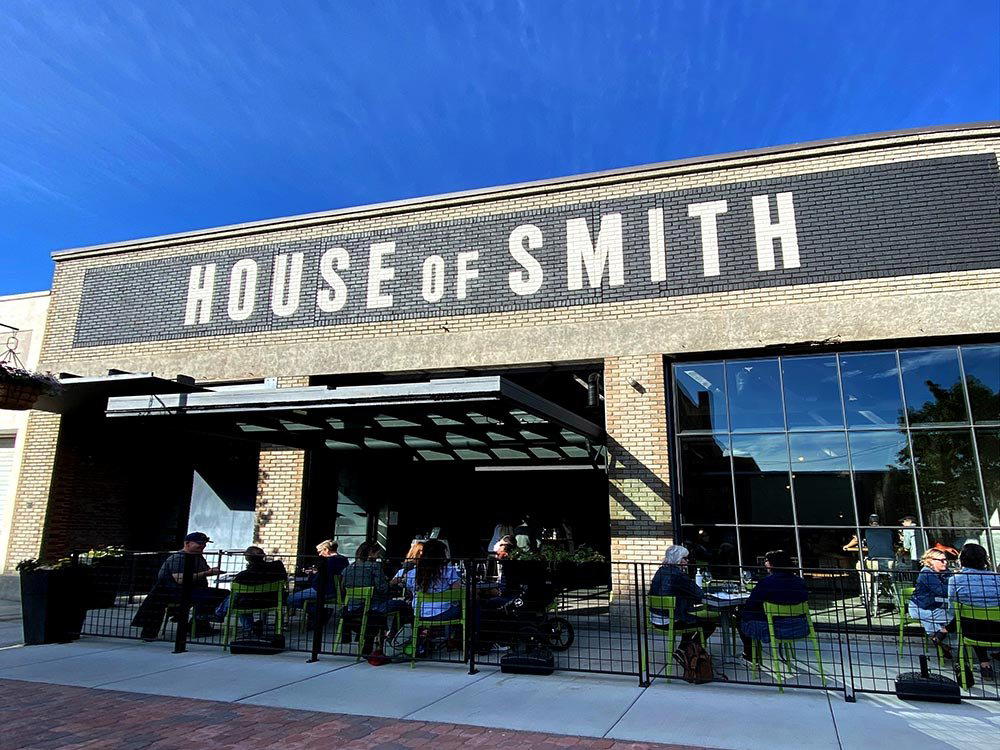
K Vintners (Charles Smith)
Walla Walla, United States
Book K Vintners (Charles Smith) if the Walla Walla trip is built around serious wine appointments, not casual drop-ins. It is a better fit for enthusiasts who want producer depth and can plan around scarce availability; groups needing flexibility should cross-shop easier Walla Walla tasting rooms first.
Château La Tour de Mons
Soussans, France
Château La Tour de Mons is worth booking if the goal is a focused Margaux château visit built around production detail rather than casual tasting-room energy. The draw is its walled 58-hectare single-block vineyard, Merlot-led blend, recent cellar investment, and appointment-only format, which suit a polished wine-country date, client stop, or celebration itinerary.
Château de Chantegrive
Podensac, France
Book Château de Chantegrive if you want a serious but approachable Graves estate visit near Podensac. The draw is cellar context, estate-grown Bordeaux reds and whites, and a family-built 96-hectare property with Union des Grands Crus de Bordeaux standing; skip it if you need food service or a walk-in tasting.
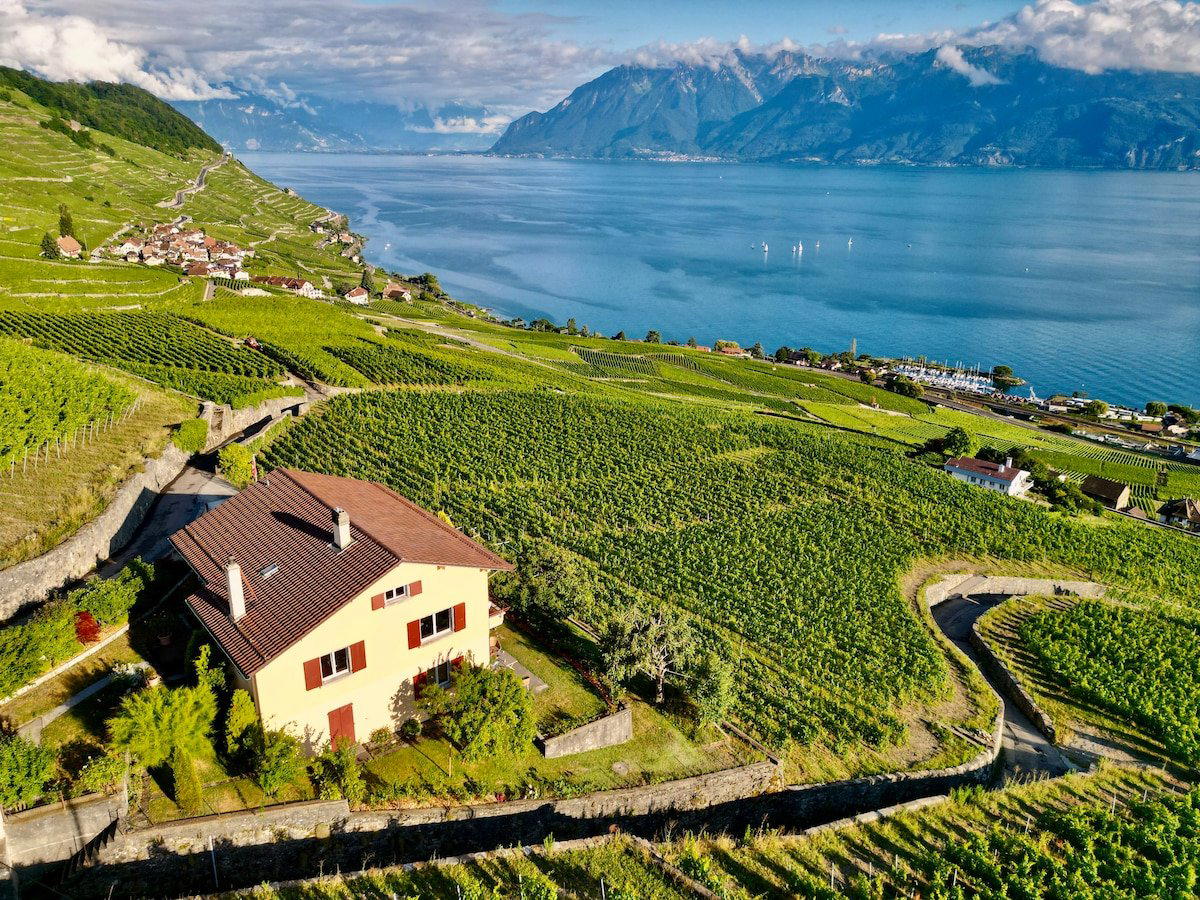
180°Süd
Frick, Switzerland
A low-friction Fricktal wine stop for travelers who prefer small-producer context over a fully packaged tasting experience. The clearest bottle signal is Sauvignon Blanc, including a publicly noted high-sugar harvest reference, so start there before committing to quantity. Falstaff listing adds a useful credibility marker, but confirm current bottles, pricing, and visit format before planning around it.
Clos de los Siete
Valle De Uco, Argentina
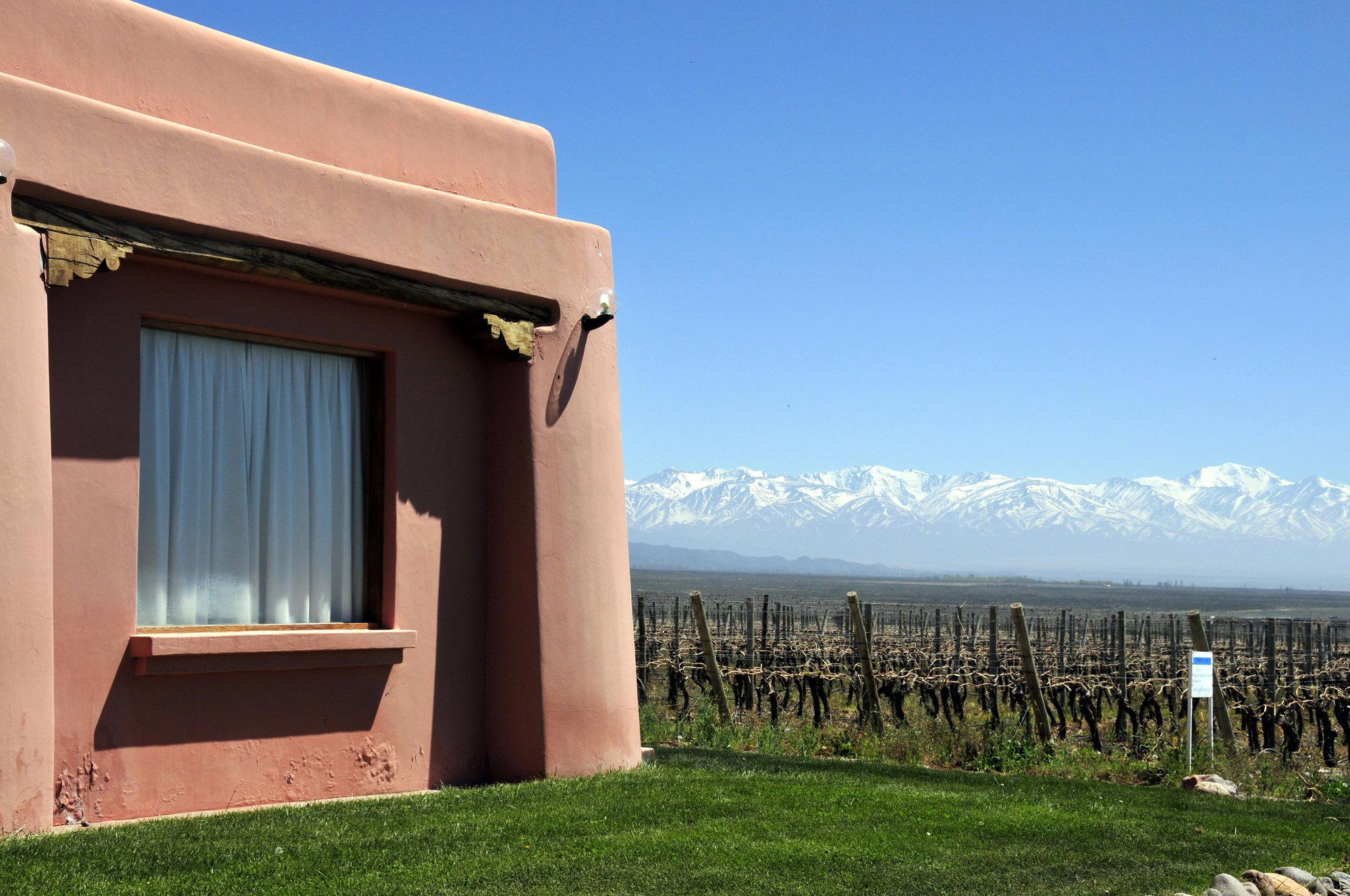
Clos de los Siete is a good fit for a wine-first Valle de Uco itinerary, especially if the real decision is which Mendoza bottles are worth following after the trip. It is less suited to travelers who need a confirmed restaurant-style experience, so check visit format, food, and shipping details before building a full day around it.
Domaine Vincent Pinard
Bué, France
Book Domaine Vincent Pinard if the goal is serious Sancerre study rather than casual cellar-door tourism. The value is strongest in the single-vineyard whites, especially for drinkers interested in Bué’s caillottes and Kimmeridgian soils, organic and biodynamic farming, and a compact producer with strong critical recognition.
Integrale Wine
Giuliano Teatino, Italy
Integrale Wine works if the trip is already centered on small Abruzzo producers and the group is comfortable with an appointment-only winery visit. The $$ positioning makes it approachable, but do not treat it as a guaranteed food-pairing or full tasting-room experience. Stronger for focused wine travelers than casual drop-ins.
Château Lafleur
Pomerol, France
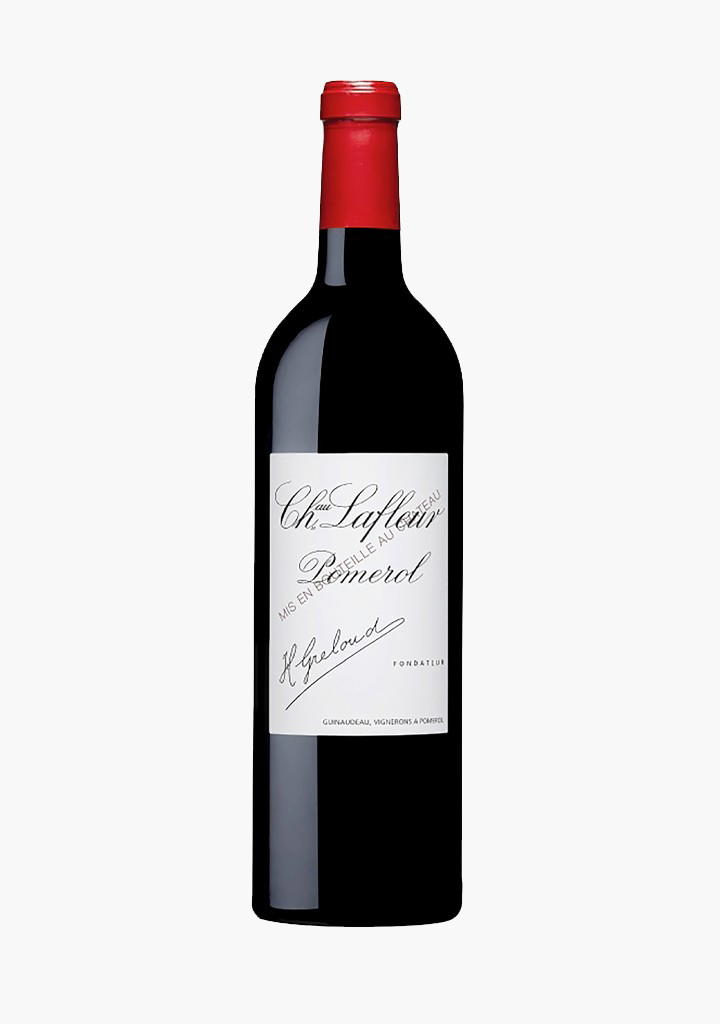
Château Lafleur is worth targeting when the occasion is wine-led and the group already cares about serious Pomerol. It is not the right choice if the priority is a food pairing program or relaxed hospitality format; build the meal and broader day separately.
JCP Maltus
Saint-Émilion, France
JCP Maltus works for a focused Saint-Émilion wine appointment, especially for return visitors building a producer-led itinerary. Falstaff 1 Star recognition gives it a credible quality signal, but with no public tasting price or format listed, treat it as a planned stop rather than a casual add-on.
Weingut Dr. Heger
Ihringen, Germany
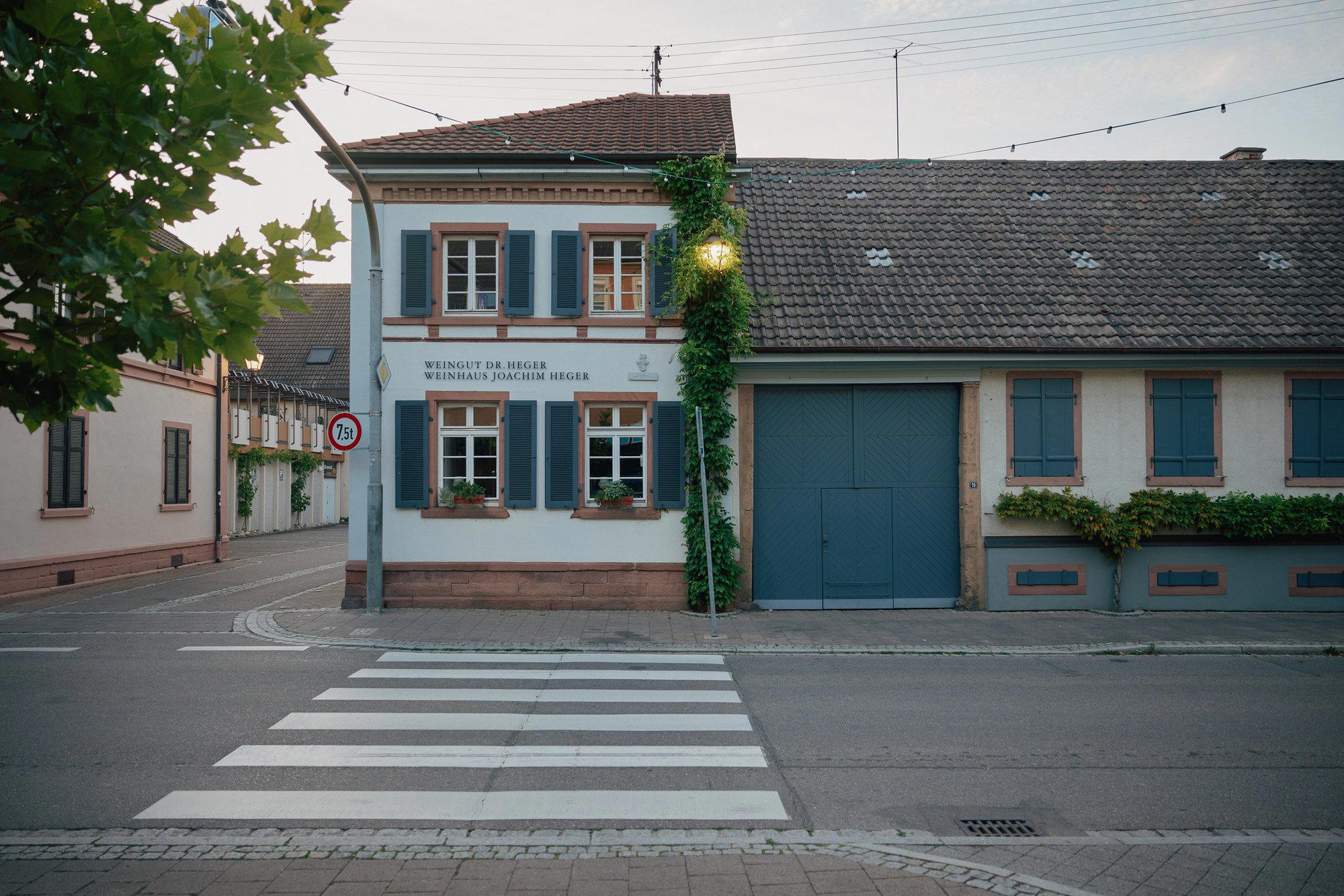
Book it if the goal is a serious, estate-led Baden wine visit rather than a casual tasting-room crawl. Weingut Dr. Heger makes the most sense for couples, small groups, and celebration planning in Ihringen, but access should be treated as difficult and alternatives should be lined up early.
Deutschkreutzer Weinmanufaktur
Deutschkreutz, Austria
A focused Central Burgenland red-wine stop for travelers who care about dry cuvées, regional structure, and value over visitor-center polish. The strongest signal is the Falstaff-recognized 2015 Cuvée Kurustur, a Merlot-Zweigelt-led blend aged in used Barrique. Plan ahead rather than treating it as a casual drop-in.
Heuriger Dreimäderlhaus
Munchendorf, Austria
Heuriger Dreimäderlhaus is a good pick for a casual Münchendorf Heuriger visit, especially if the appeal is rustic local-wine-tavern atmosphere rather than a formal estate tasting. Go during an open Heuriger window and treat it as an easy, seasonal Lower Austrian stop with Falstaff-listed recognition in 2026.
Angel Pigassou
Siran, France
Angel Pigassou works as a flexible Siran wine stop, especially for travelers building a broader Minervois-area itinerary. Its Falstaff Listed 2026 recognition is the main trust signal; confirm tasting format separately if the visit needs food, seating, private hosting, or group handling.
How many of these have you visited?
Find out on Pearl and keep score across every place in 2026 Falstaff Winery Guide.