
Château Thivin
Mont Brouilly, Saint-Lager
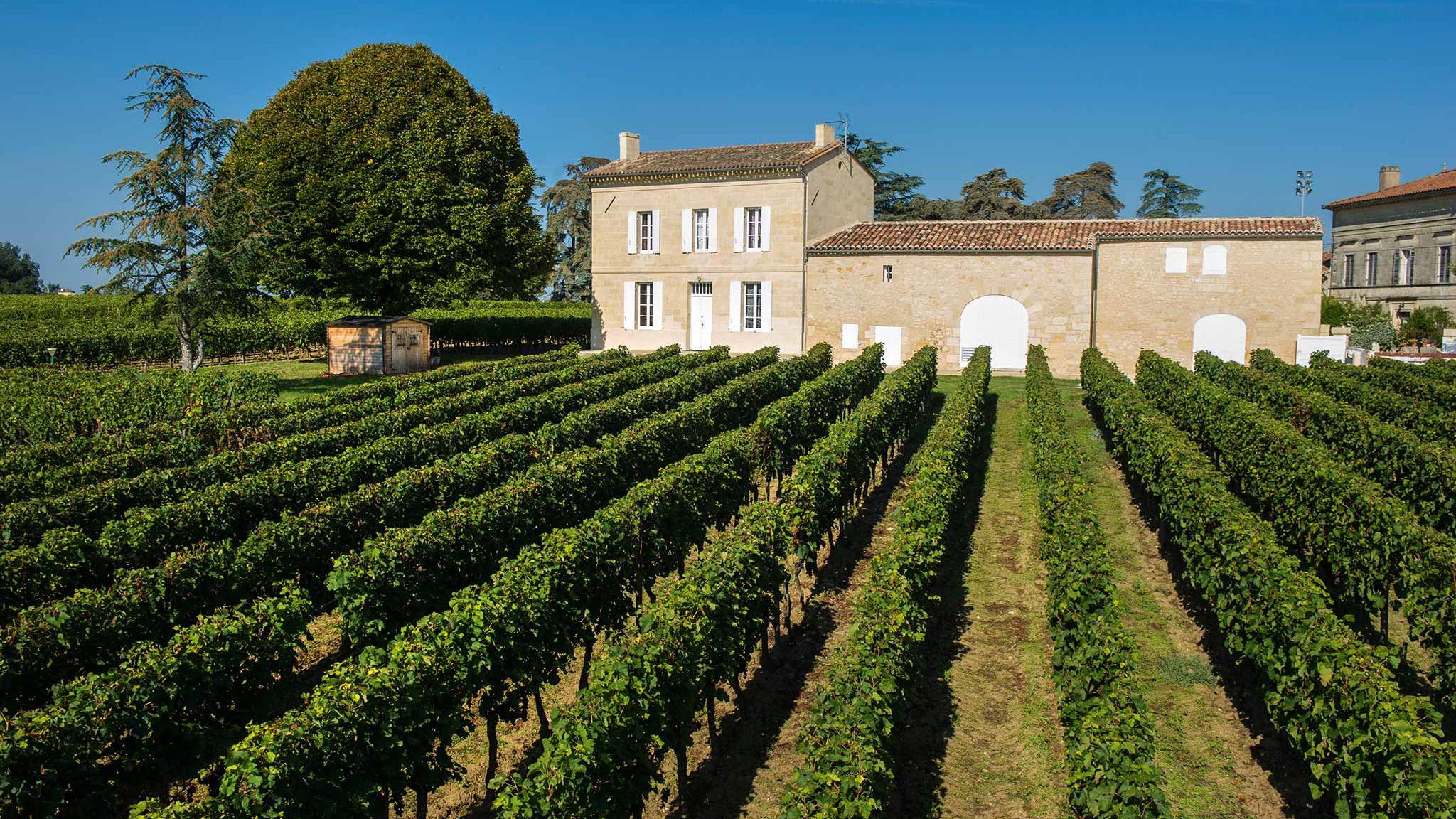
Winery in Saint-Lager, France
 Book with Pearl
The Read
Volcanic Cru Viticulture
Price
$10–20tasting
Why go
Book Château Thivin if the Odenas stop is meant to be wine-led and focused, not a casual add-on between meals. It is better suited to Beaujolais explorers who want producer context and a quieter cellar mood than to groups looking for food service, flexible walk-ins, or a bar-style tasting.
About Château Thivin
For Saint-Lager, plan around Château Thivin by confirming current details rather than assuming a specific format. Château Thivin is in Saint-Lager, has a casual dress code, and is recognised with Pearl 2 Star Prestige (2025).
That makes it a worthwhile candidate for travellers already considering a Saint-Lager stop, but Château Thivin does not offer a restaurant service, tasting format, menu, pricing, opening hours, or any specific visitor amenities. Build the rest of the day with flexibility and confirm practical details directly before making plans.
Choose it for a focused Saint-Lager stop, not assumed services
The right reader is someone who wants to include Château Thivin in a Saint-Lager itinerary and is comfortable checking the current visit details before going. The wrong reader is someone who needs confirmed food service, fixed pricing, published hours, or a specific experience format before committing.
That matters for planning. Do not assume the visit will replace lunch or dinner, and do not rely on assumed details such as menus, booking rules, shipping options, or tasting structure. For broader Saint-Lager planning, use general local guides for dining, lodging, bars, and experiences, then confirm any essential details directly before you go.
How to frame the visit against other nearby and regional options
Château Thivin is best framed as a Saint-Lager venue with clear recognition rather than as a fully documented all-in-one outing. If you are comparing options, keep the comparison practical: what details are available, what needs checking, and how much of the day you want to build around this stop.
For a wider itinerary, you might also compare it with Château Thivin, Domaine J.-A. Ferret, Domaine Jean Foillard, Domaine Marcel Lapierre, Georges Duboeuf, or Mommessin, while remembering that each venue should be planned by checking its own details. If your group needs dining, drinks, lodging, or a fixed experience format, confirm those elements separately rather than assuming they are part of the Château Thivin visit.
Planning details
- Location
- 630 Rte du Mont Brouilly, 69460 Odenas
- Website
- chateau-thivin.com
- Phone
- +33 4 74 03 47 53
The take
The Take
The Vibe
Château Thivin reads like a place defined by geology rather than flash. The prose centers the domaine on Mont Brouilly’s volcanic intrusion, describing blue diorite and schist slopes that give the Gamay a firmer structure and a mineral register. That emphasis on site and refinement gives the estate a studied, sophisticated character: wines and place trump marketing, and the experience feels contemplative and quietly assured. Visitors encounter an estate where terroir is the throughline — serious, understated and rooted in the land’s volcanic personality rather than in overt showmanship.
Best For
This domaine suits visitors looking to learn rather than linger for nightlife. The text frames Château Thivin as a study in terroir, making it ideal for wine-education outings and solo exploration focused on how soil and elevation shape Gamay. Enthusiasts who want to compare Côte de Brouilly’s mineral, structured wines with fruit-forward Brouilly bottlings will find the setting instructive. It’s less about social spectacle and more about tasting with attention, tracing geology through bottles and vineyard position.
Tasting Tips
When seeking bottles or tastings here, prioritize Côte de Brouilly examples and cuvées sourced closest to the hill’s rocky core: the description links proximity to diorite with tighter structure, lower yields and a mineral register. Compare those wines with examples from the flatter Brouilly zones to hear the contrast between compressed, mineral-inflected Gamay and the region’s looser, fruit-forward styles. Expect firmer tannins and higher acidity in Mont Brouilly expressions and favor vintages that emphasize site expression for a truer sense of the place.
Venue details
Ambiance
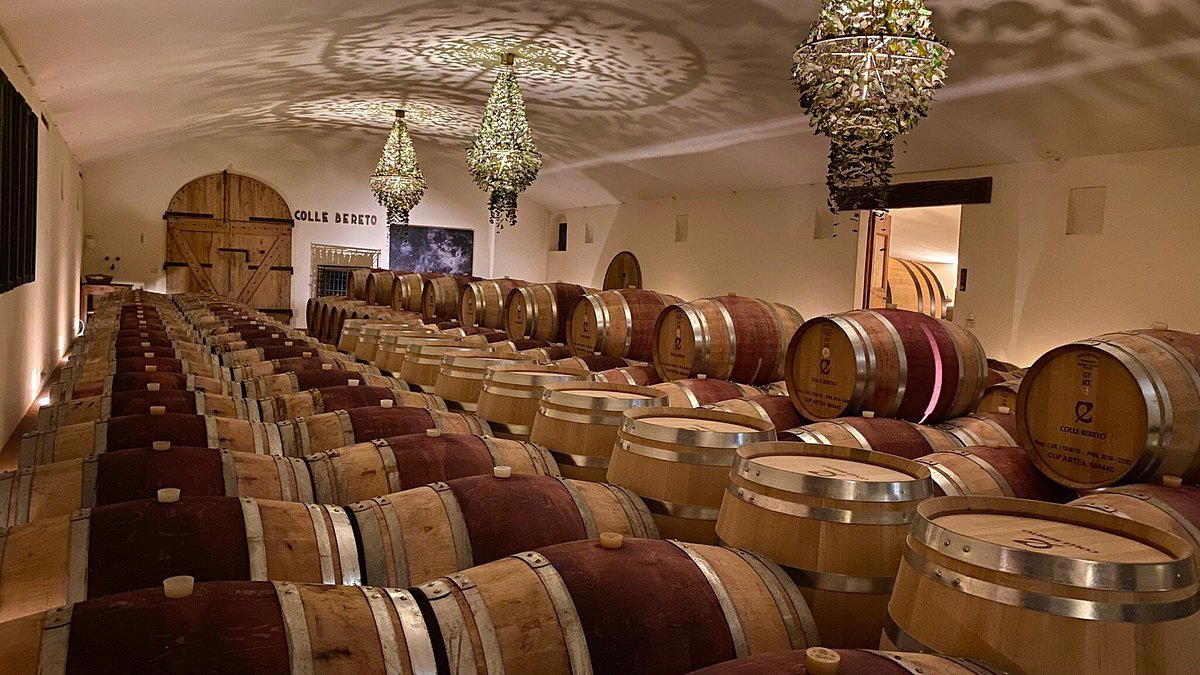
Classic and rustic with historic stone cellars and elegant hillside atmosphere.
Tags
Vibe
Best For
Experience
View
At the Vineyard
- Appellation
- Côte de Brouilly AOC
- Varietals
- Gamay
- Tour Duration
- 60-90 minutes
- Tour Languages
- French
- Visits
- By appointment only
- Wine Styles
- Still Red
- Shipping
- Available
- Wine Club
- Not available
Know before you go
Know Before You Go
- Getting there
- 630 Rte du Mont Brouilly, 69460 Odenas
Planning details
Location
Recognition and awards

Also consider
Also Consider
- Mommessin, Notable alternative
- Domaine Marcel Lapierre, Notable alternative
- Domaine Jean Foillard, Notable alternative
- Georges Duboeuf, Notable alternative
- Domaine J.-A. Ferret, Notable alternative
Winery context
How Château Thivin compares in Beaujolais
Choose Château Thivin when the priority is a focused Beaujolais producer visit with a quieter, more cellar-led feel. Mommessin and Georges Duboeuf make more sense for travellers who want a broader, easier-to-frame regional stop; Château Thivin is the sharper pick for visitors who already know they want depth over scale.
Domaine Marcel Lapierre and Domaine Jean Foillard are the more obvious cross-shops for serious Beaujolais drinkers, especially if the trip is built around producer identity and cellar access. If securing Château Thivin proves difficult, those two are the closest alternatives in spirit, though availability should drive the final plan.
Domaine J.-A. Ferret is the better comparison for travellers widening the itinerary beyond Beaujolais into white Burgundy territory. For value, choose the producer that fits the route and tasting goal rather than chasing a single trophy stop: Château Thivin for Mont Brouilly focus, Mommessin or Georges Duboeuf for broader access, Lapierre or Foillard for deeper Beaujolais cross-shopping.
Explore Saint-Lager
Around this place
Discover more on Pearl
Unlock the full Château Thivin guide in Pearl, including awards, comparisons, FAQs, planning details, and nearby places.
Compare Château Thivin
| Venue | Location | Awards |
|---|---|---|
| Château Thivin | Saint-Lager | 2026 Falstaff Winery Guide |
| Mommessin | Côte de Nuits | 2025 Pearl 3 Star Prestige |
| Domaine Marcel Lapierre | Villié-Morgon | No published awards |
| Domaine Jean Foillard | Villié-Morgon | 2026 Falstaff Winery Guide |
| Georges Duboeuf | Romanèche-Thorins | No published awards |
| Domaine J.-A. Ferret | Fuissé | No published awards |

How Château Thivin Saint-Lager compares with similar nearby venues.
FAQ
Frequently Asked Questions
When is the best time to visit Château Thivin?
Go when your schedule has room for a Saint-Lager stop and you have confirmed the current visit details directly. Opening hours or a fixed visitor schedule are not available.
How long should I plan for a visit to Château Thivin?
A visit length is not available. Plan conservatively, confirm timing with the venue, and leave flexibility in your Saint-Lager itinerary.
Does Château Thivin serve food?
Dining format, menu, or food service are not available. Treat Château Thivin as a Saint-Lager venue to confirm directly rather than assuming it can replace a meal.
What is the dress code at Château Thivin?
The dress code is casual. Practical, comfortable clothing is the safest expectation unless the venue gives you more specific guidance.
Does Château Thivin offer shipping?
What recognition does Château Thivin have?
Château Thivin is recognised with Pearl 2 Star Prestige (2025). Beyond that, do not assume additional awards, rankings, scores, or service details unless you confirm them directly.