
Weingut Dr. Heger
Ihringen
Winery in Ihringen, Germany
 Book with Pearl
The Read
Volcanic Terroir Precision
Price
$20–30tasting
Why go
Book it if the goal is a serious, estate-led Baden wine visit rather than a casual tasting-room crawl. Weingut Dr. Heger makes the most sense for couples, small groups, and celebration planning in Ihringen, but access should be treated as difficult and alternatives should be lined up early.
About Weingut Dr. Heger
For a planned stop in Ihringen, Weingut Dr. Heger is best approached with precise expectations. It is a Pearl 2 Star Prestige venue for 2025, the dress code is smart casual, and the location is Ihringen.
Because public detail on visit formats, pricing, hours, and specific services is limited, avoid building the day around assumptions. Confirm any practical details directly before making Weingut Dr. Heger the anchor of a wider itinerary.
Choose it when a confirmed Ihringen venue is the priority
The main reason to prioritize Weingut Dr. Heger is the combination of its Ihringen setting and Pearl 2 Star Prestige recognition for 2025. It is best framed as a carefully planned visit rather than as a casual fallback with known walk-in availability, published visit lengths, or confirmed service formats.
Smart casual dress is the guidance, so plan for a polished but not overly formal visit. Beyond that, keep the planning flexible: confirm opening details, booking requirements, available formats, and any other practical arrangements directly with the venue before relying on them.
How to build the rest of the Ihringen plan
Use Weingut Dr. Heger as the anchor, then keep the surrounding itinerary practical. For local planning, add meals from Our full Ihringen restaurants guide, lodging, or other activities only after confirming the details that matter for your visit.
For comparison planning, consider Weingut Bercher, Weingut Bernhard Huber, Weingut Franz Keller, Weingut Fritz Waßmer, and Weingut Salwey. They are useful reference points for shaping a broader regional itinerary, while other dining in Ihringen can fill the schedule around the confirmed plan.
Planning details
- Location
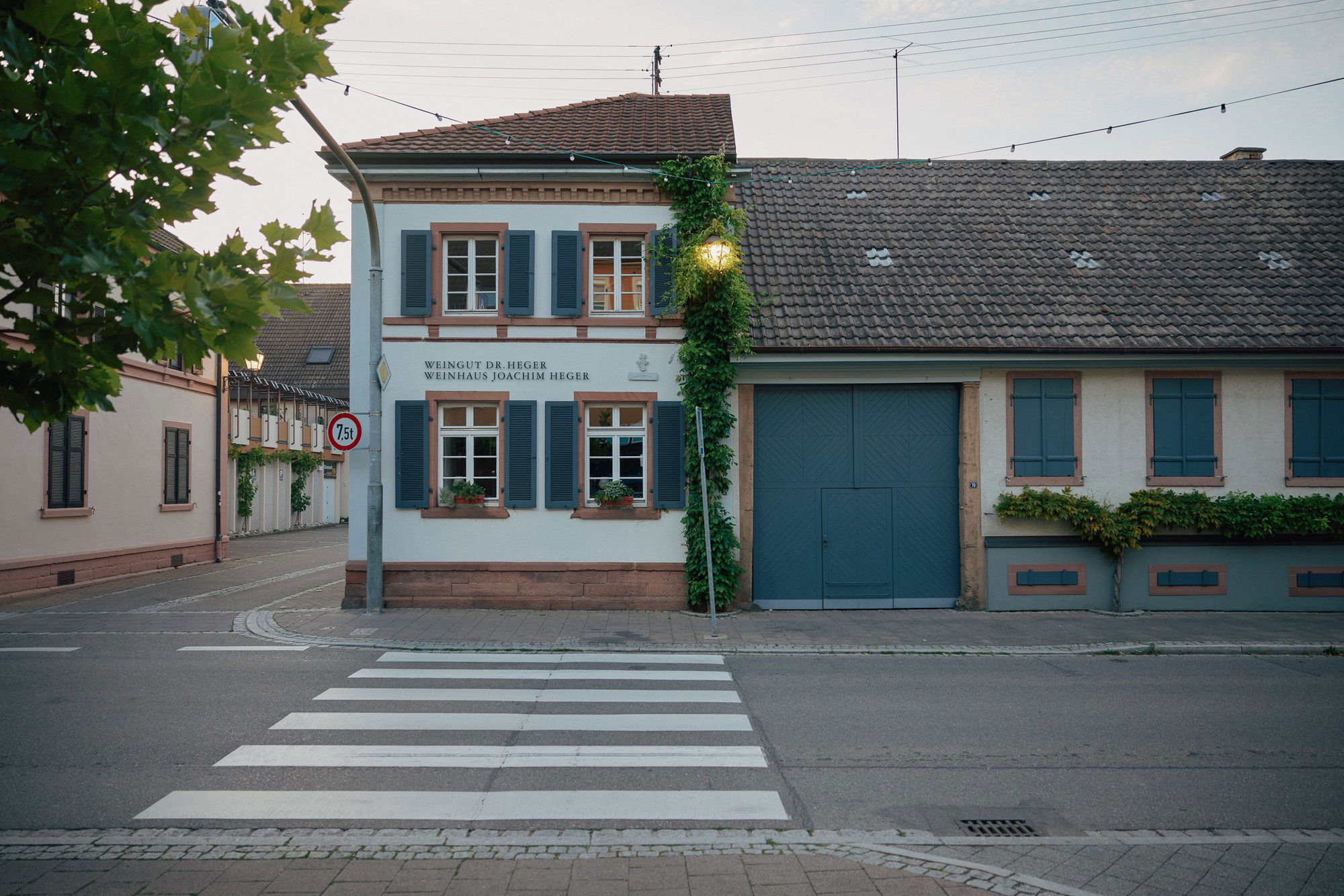
- Bachenstraße 19/21, 79241 Ihringen
- Website
- heger-weine.de
- Phone
- +49 7668 995110
The take
The Take
The Vibe
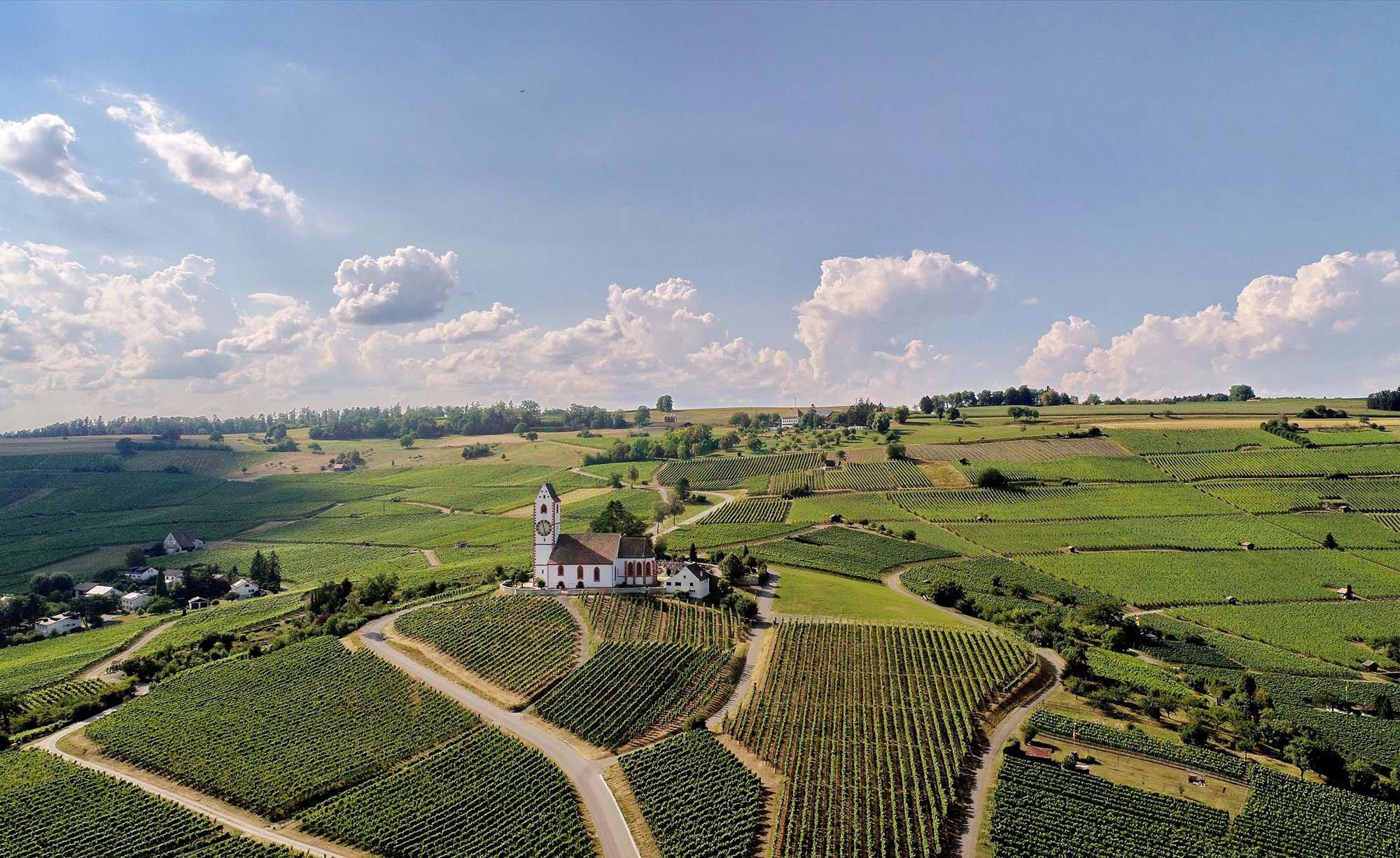
Weingut Dr. Heger reads as a producer-first estate where geology and rigorous winemaking drive the personality of the wines. The copy anchors the winery in the Kaiserstuhl's volcanic landscape — basalt and loess soils, intense sun and heat retention — and emphasizes precision and international-level recognition with a Pearl 2 Star Prestige designation. That combination gives the estate a refined, serious air: wines are presented as terroir-led statements rather than trend-driven curiosities. Visitors and buyers can expect thoughtfully made, site-specific Pinots and other Baden expressions that speak to mineral complexity and measured ripeness rather than exuberant novelty.
Best For
This estate is best approached by visitors who want to study terroir and taste with intent. The write-up foregrounds geology and single-site context, making Dr. Heger a strong pick for wine-education minded travelers, solo explorers who want to concentrate on vineyard-to-bottle narratives, and collectors or guests marking a special occasion — the Pearl 2 Star Prestige status signals wines that are taken seriously at a national and international level. It’s less a place for casual, buzzy socializing and more for focused tasting and learning about how the Kaiserstuhl’s volcanic soils shape varietal character.
Tasting Tips
When seeking bottlings from Dr. Heger, prioritize expressions that reflect site and varietal clarity. The copy stresses the Kaiserstuhl’s volcanic soils and the estate’s Pinot focus, so look first for Spätburgunder/Pinot Noir from named sites and any Bachenstraße-designated wines that highlight basalt and loess-driven concentration and drainage. The Pearl 2 Star Prestige mention signals estate-level or single-vineyard bottlings as the place to start. Expect wines that balance warm-climate ripeness with textural minerality; choose cellar-worthy labels or recent vintages if you want to track the estate’s precision and aging potential.
Venue details
Ambiance
Classic winery atmosphere amid volcanic terroir with focus on elegant, dry premium wines.
Tags
Vibe
Best For
Experience
View
At the Vineyard
- Appellation
- Kaiserstuhl
- Varietals
- Riesling, Grauburgunder, Weißburgunder, Spätburgunder, Silvaner
- Tour Duration
- 60-90 minutes
- Tour Languages
- German
- Visits
- By reservation
- Production
- Mid-size producer
- Wine Styles
- Still White, Still Red
- Wine Club
- Not available
Know before you go
Know Before You Go
- Getting there
- Bachenstraße 19/21, 79241 Ihringen
Planning details
Location
Recognition and awards

Also consider
If this is unavailable
Try Weingut Franz Keller if the group wants another established Baden name with strong itinerary value. Choose Weingut Bernhard Huber if the trip is quality-led and the group is willing to travel for the wine rather than stay tightly around Ihringen.
Winery context
How it compares in the Ihringen wine set
Weingut Dr. Heger is the choice for a higher-stakes wine stop where the estate setting is part of the reason to go. Compared with Weingut Salwey and Weingut Franz Keller, it reads as the more deliberate booking: better for a celebration or focused tasting plan, less useful if the day needs easy movement between venues.
Weingut Bercher and Weingut Fritz Waßmer are stronger cross-shops if availability drives the decision, because the target here should be treated as difficult to secure. Weingut Bernhard Huber is the sharper comparison for quality-focused drinkers who are willing to shape a day around wine rather than convenience.
For value, the safer move is not to assume a casual tasting will deliver the same payoff. Book Dr. Heger when the mood, setting, and reputation justify building the schedule around one estate; choose Salwey, Franz Keller, Bercher, Fritz Waßmer, or Bernhard Huber when the priority is a broader Kaiserstuhl route with more fallback options.
Explore Ihringen
Around this place
Discover more on Pearl
Unlock the full Weingut Dr. Heger guide in Pearl, including awards, comparisons, FAQs, planning details, and nearby places.
Compare Weingut Dr. Heger
| Venue | Location | Awards |
|---|---|---|
| Weingut Dr. Heger | Ihringen | 2026 Falstaff Winery Guide |
| Weingut Salwey | Oberrotweil | 2026 Falstaff Winery Guide |
| Weingut Franz Keller | Vogtsburg im Kaiserstuhl | 2026 Falstaff Winery Guide |
| Weingut Bercher | Vogtsburg | 2026 Falstaff Winery Guide |
| Weingut Fritz Waßmer | Bad Krozingen-Schlatt | No published awards |
| Weingut Bernhard Huber | Malterdingen | 2026 Falstaff Winery Guide |
How Weingut Dr. Heger Ihringen compares with similar nearby venues.
FAQ
Frequently Asked Questions
What is confirmed about Weingut Dr. Heger?
Weingut Dr. Heger is in Ihringen, has a smart casual dress code, and holds Pearl 2 Star Prestige recognition for 2025.
Does Weingut Dr. Heger offer shipping or other services?
When is the best time to visit Weingut Dr. Heger?
Is there a membership program at Weingut Dr. Heger?
What other venues can I compare with Weingut Dr. Heger?
For comparison planning, consider Weingut Salwey, Weingut Franz Keller, Weingut Bercher, Weingut Fritz Waßmer, and Weingut Bernhard Huber. Use them as reference points for a broader itinerary, while confirming each venue's current visit details directly.
How long should I plan for a visit to Weingut Dr. Heger?
Do I need a reservation at Weingut Dr. Heger?
Reservation requirements are limited. For a smoother plan, check directly with Weingut Dr. Heger before you go, especially if the visit is central to your Ihringen itinerary.