

2026 Falstaff Winery Guide: The Ultimate Wine Authority — Page 7
Falstaff's 2026 Wineries guide.

Venues on this list
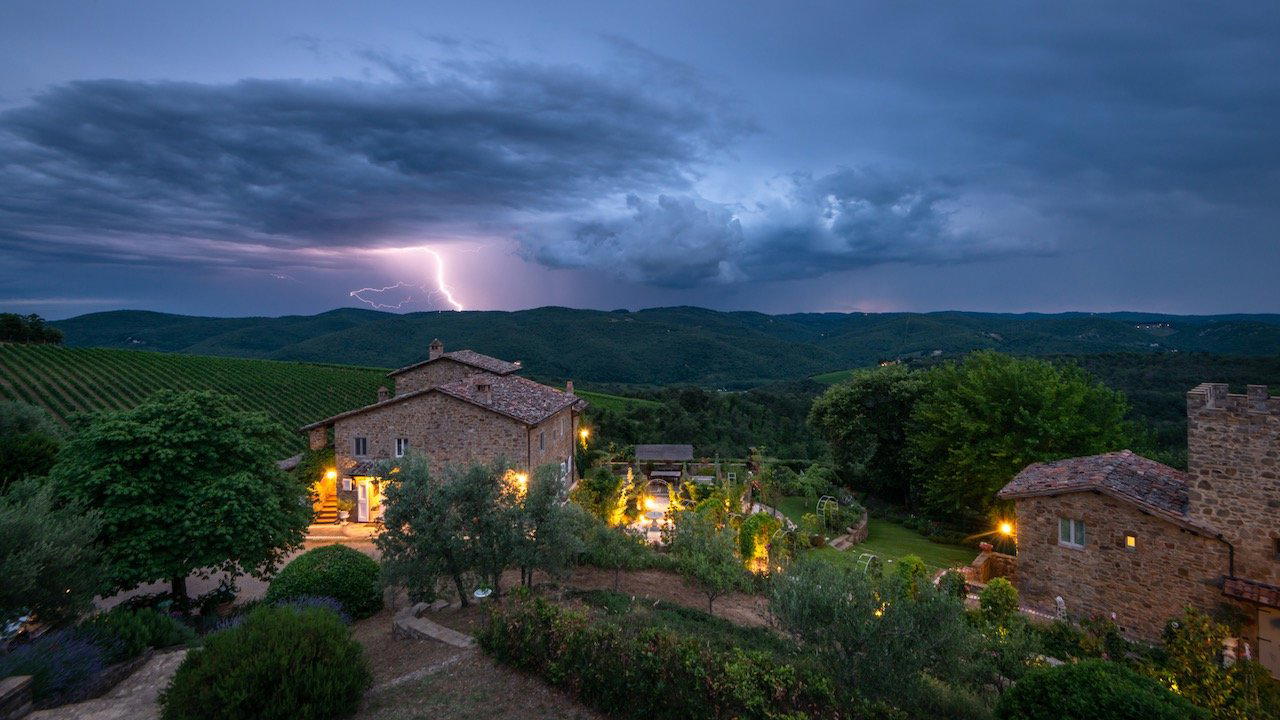
Fattoria di Montemaggio
Radda in Chianti, Italy
Prioritize Fattoria di Montemaggio if you want a deeper organic Chianti Classico estate visit rather than a quick tasting stop. The draw is Radda context: high-elevation Sangiovese, certified organic farming, olive oil, grappa, and guided hospitality suited to planners who want time on the property.
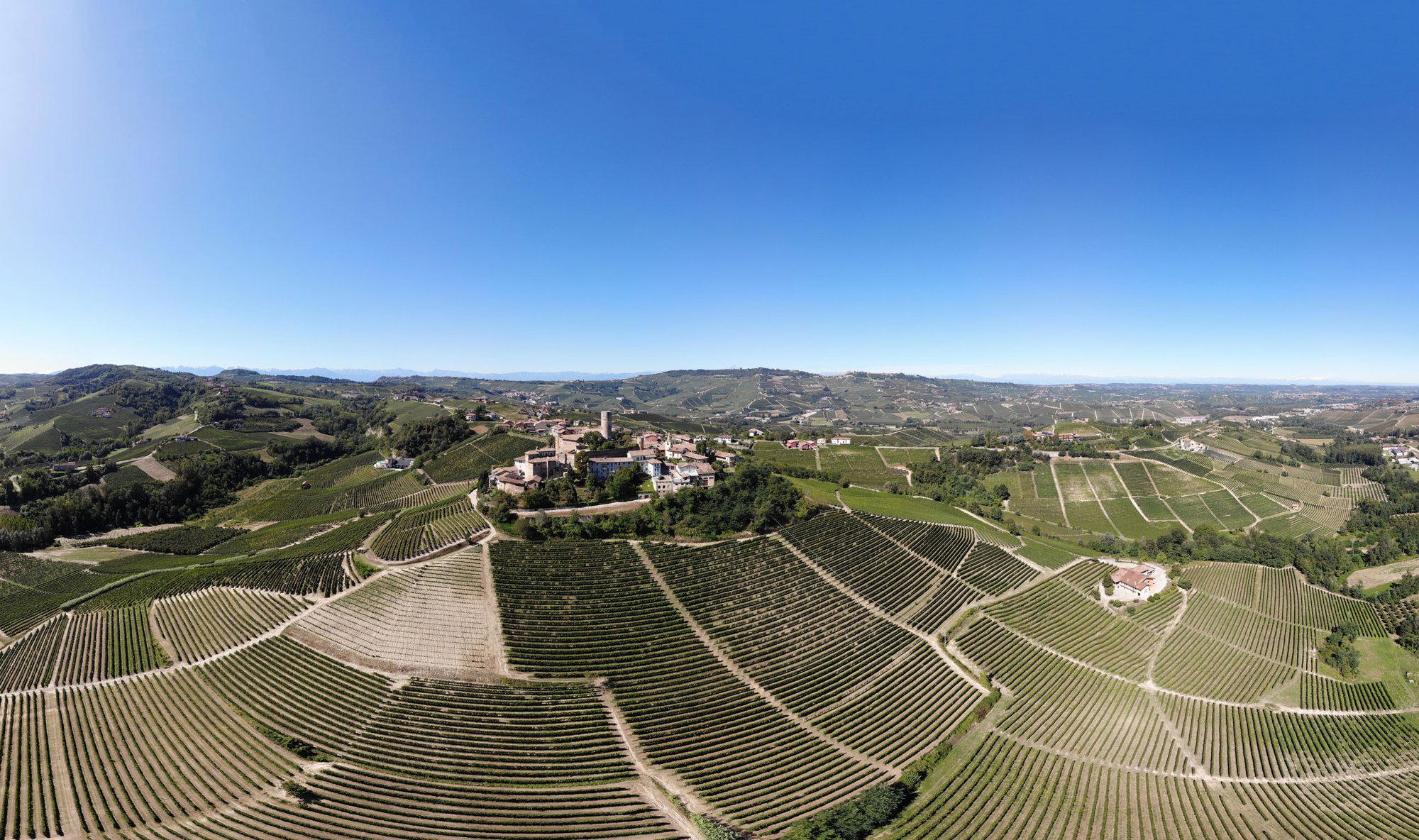
Barale Fratelli
Barolo, Italy
Prioritise Barale Fratelli if the Barolo trip is about traditional Nebbiolo rather than polished wine-tourism staging. The draw is a historic town-center cellar, organic farming, large-cask aging, and serious cru context, making it better for curious wine travelers than casual tasters chasing a quick stop.
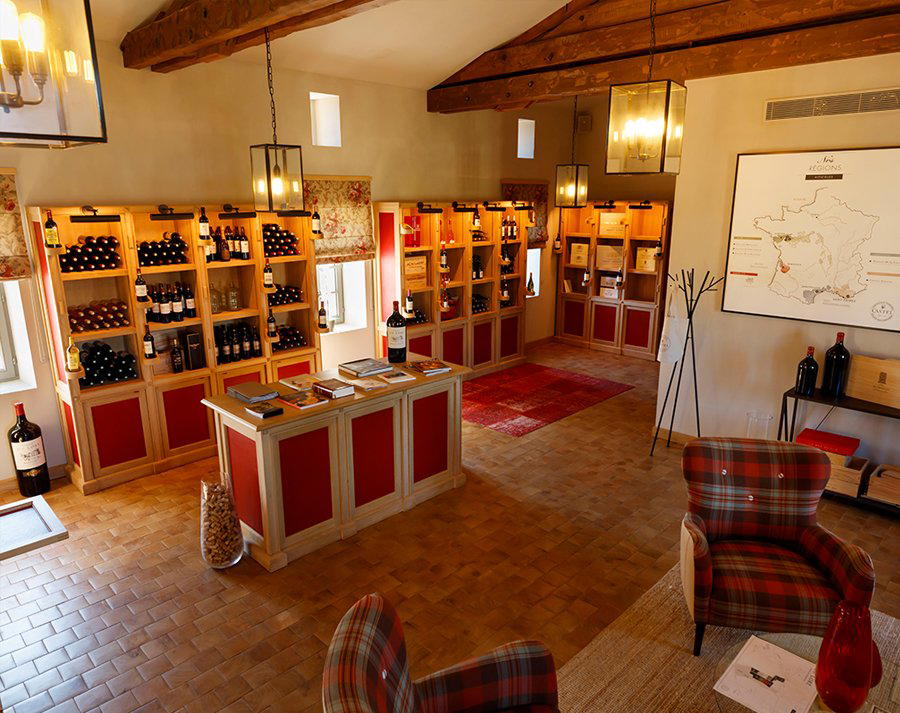
Château Barreyres
Arcins, France
Book Château Barreyres if you want a focused Haut-Médoc estate visit with classic Bordeaux reds, restored 19th-century architecture and a cellar setting that adds to the tasting. The $$ positioning makes sense for travelers who value grounds and context, not just a quick pour. Booking is recommended, but difficulty is easy enough for an Arcins wine route.
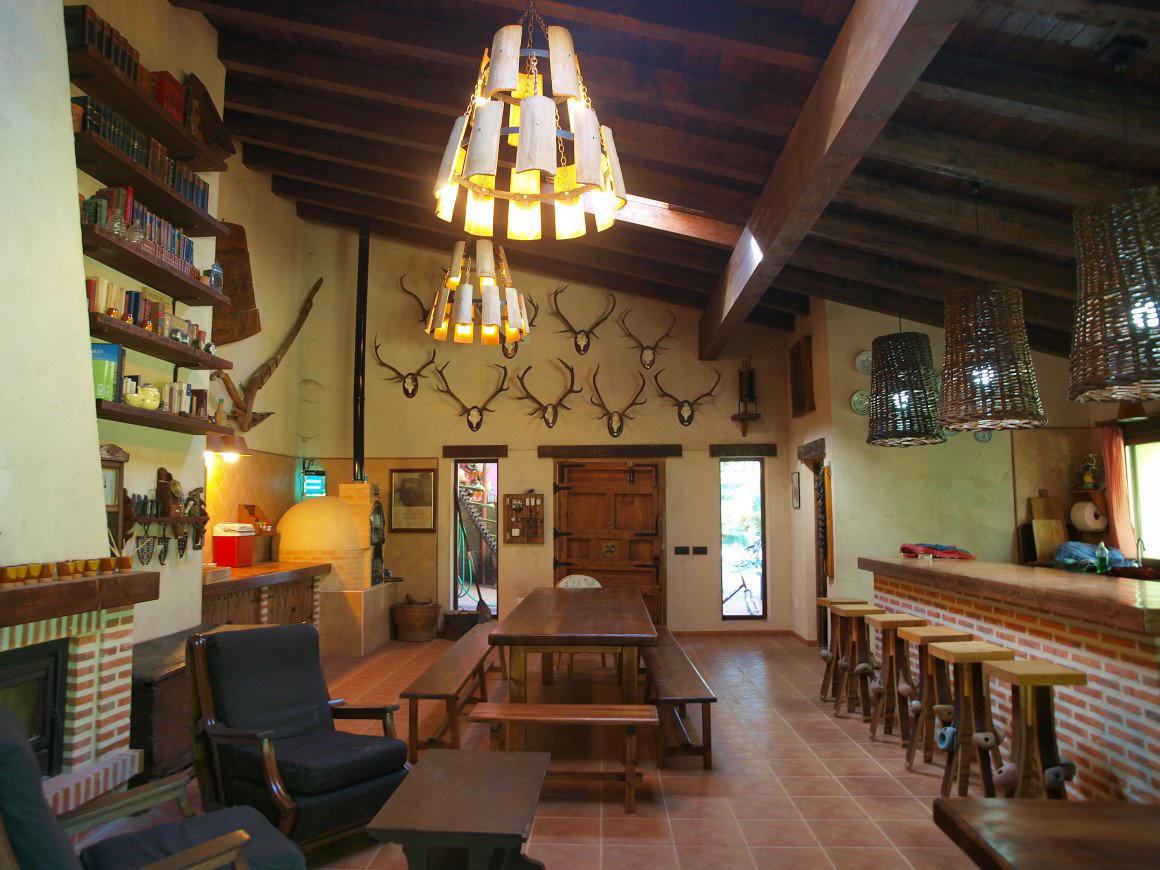
Bodegas La Cepa Alta, S.L
Olivares De Duero, Spain
A good-value Ribera del Duero winery visit for travelers who care more about production context than polished hospitality. Book it as a compact Olivares de Duero stop: estate vineyard control, Tempranillo focus, stainless-steel fermentation, oak ageing, and 2026 Falstaff 2 Stars give it enough credibility for a serious wine-route itinerary.
Bodegas y Viñedos Alzania
Los Arcos, Spain
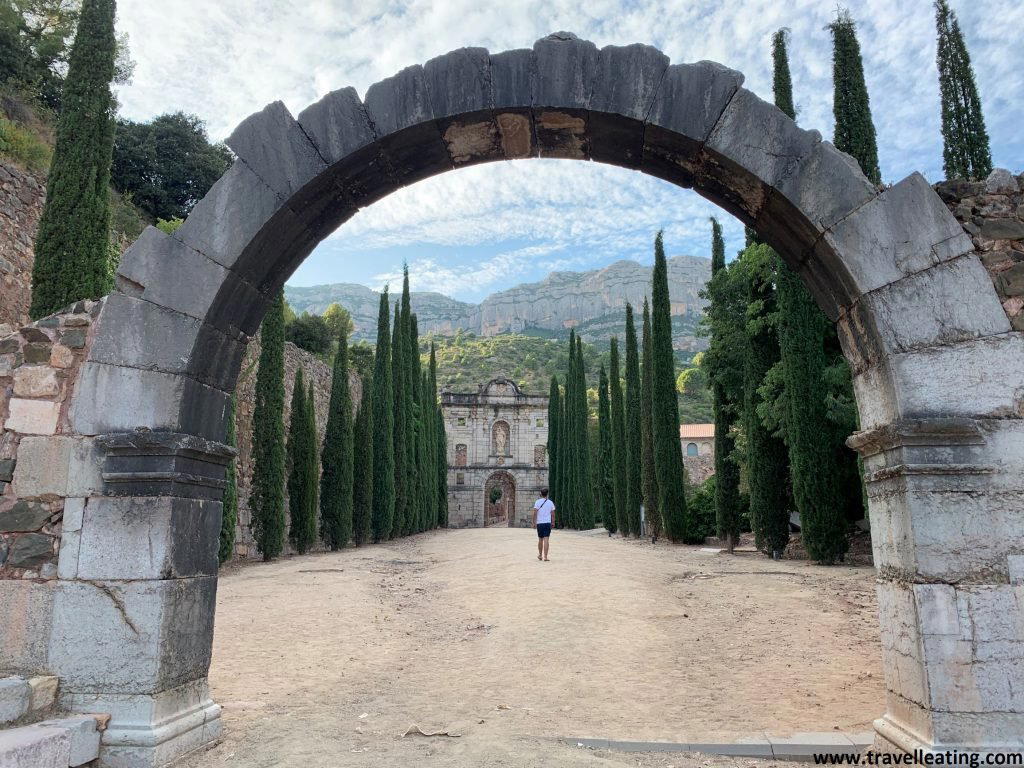
A focused Navarra winery stop for travelers who want a serious wine-led detour near Los Arcos, backed by Falstaff 2 Stars for 2026. Prioritize it if the trip is built around wine depth rather than flexible hospitality, food service, or casual drop-in convenience.
Mas Des Bressades
Manduel, France
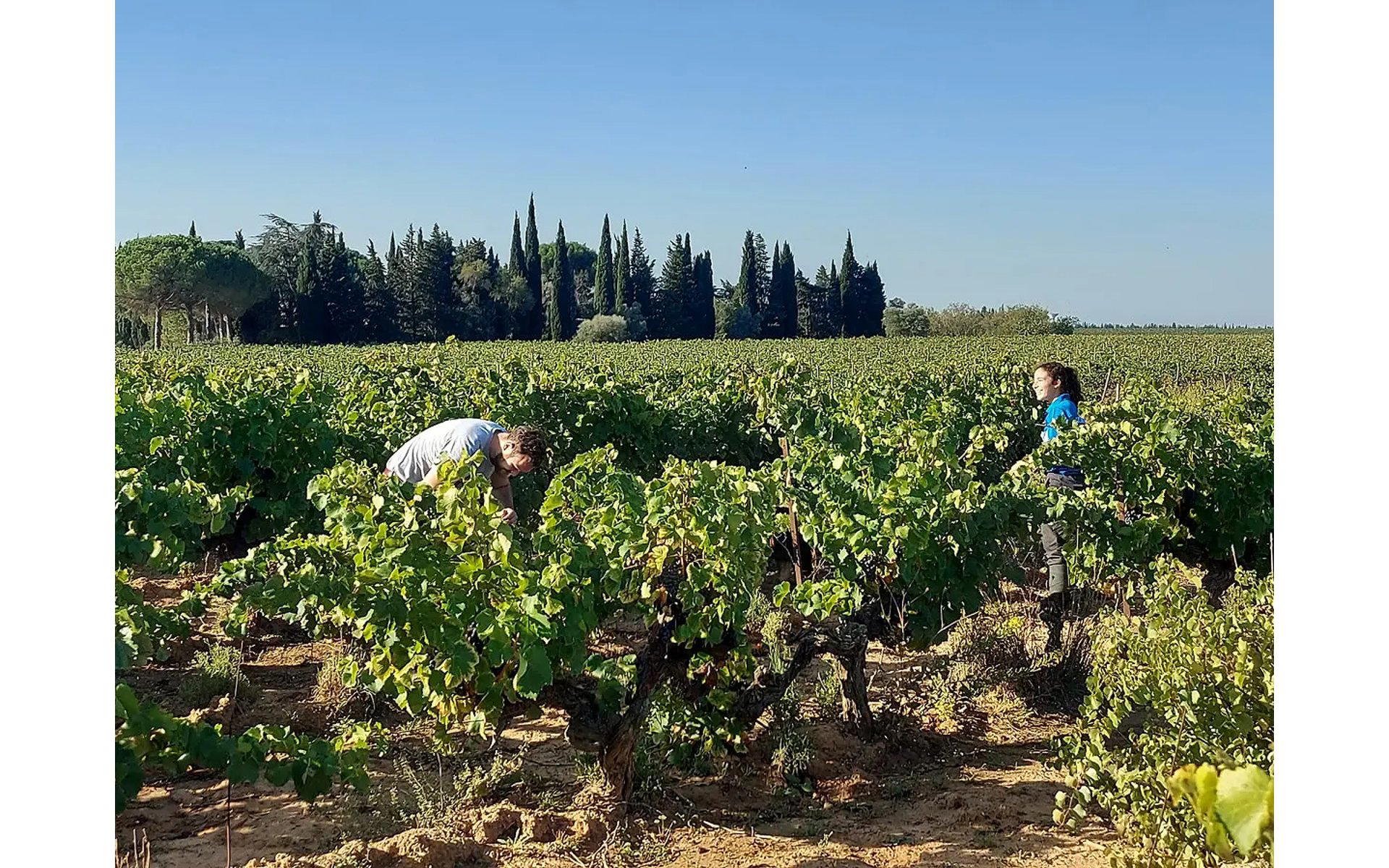
Mas Des Bressades is a sensible Manduel wine stop if the priority is an easy, wine-first visit with a Falstaff Listed 2026 signal. It is less compelling for travelers who need a confirmed private tasting, food pairing, or formal hospitality format before committing time.
Fèlsina
Castelnuovo Berardenga, Italy
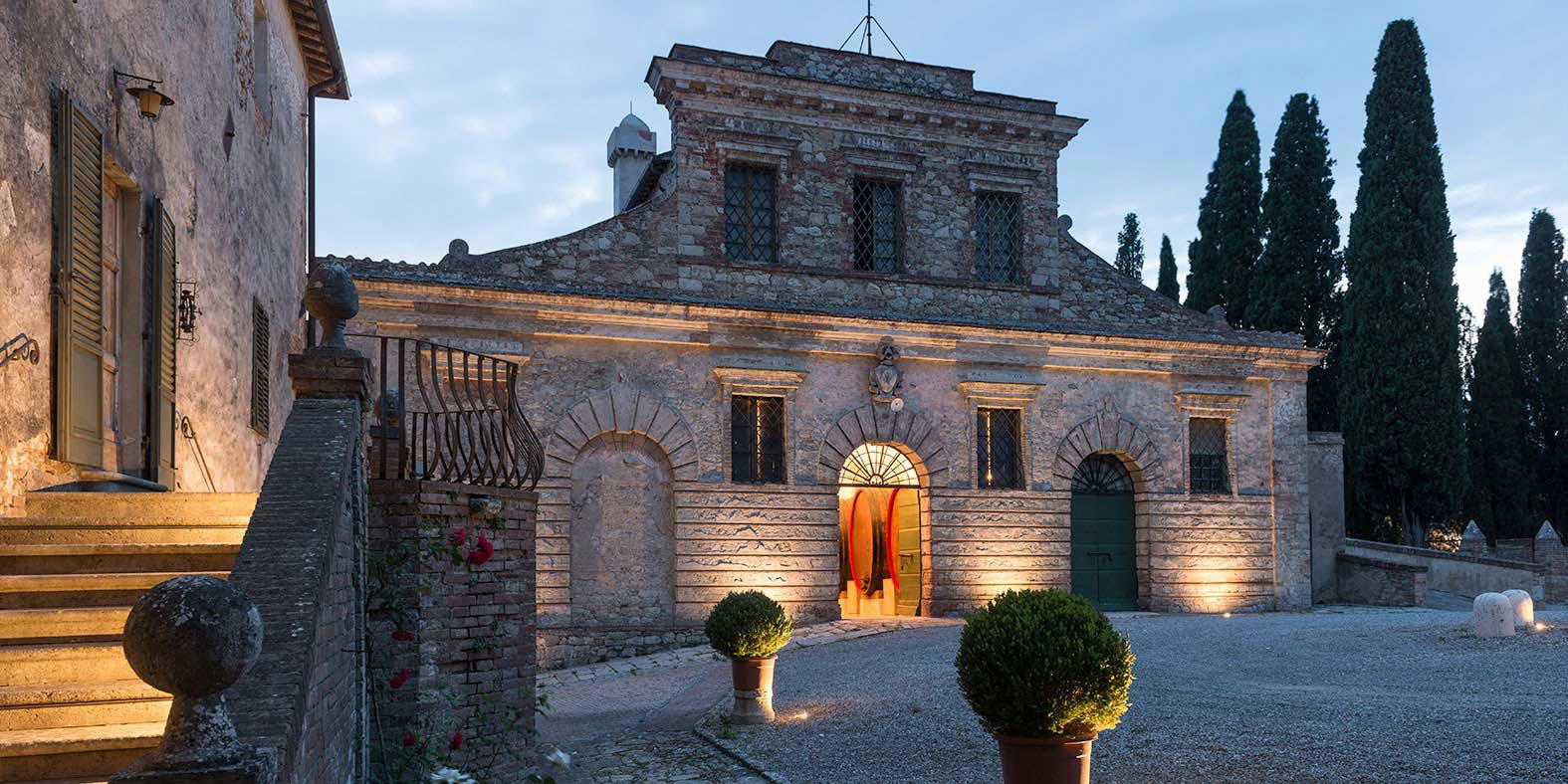
Fèlsina is worth prioritizing if the Castelnuovo Berardenga plan is built around serious wine context rather than a casual drop-in. Treat it as an anchor appointment, leave schedule slack, and cross-shop it against Brolio, Castello di Ama, Mazzei, Montevertine, and Castello di Volpaia before locking the day.
By Stokkebye
Nyborg, Denmark
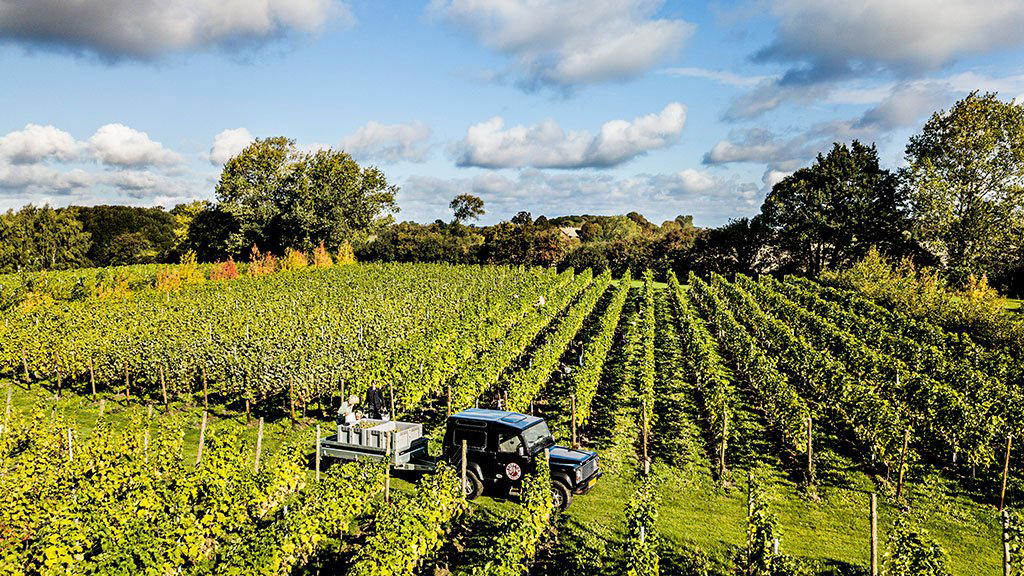
By Stokkebye is a sensible Nyborg wine stop for travelers who want a calm, local producer visit rather than a major tasting-room production. Book it as a flexible addition to a Funen itinerary, not as the anchor of a wine trip unless tasting details are confirmed ahead of time.
Azienda Agricola Incontri
Suvereto, Italy
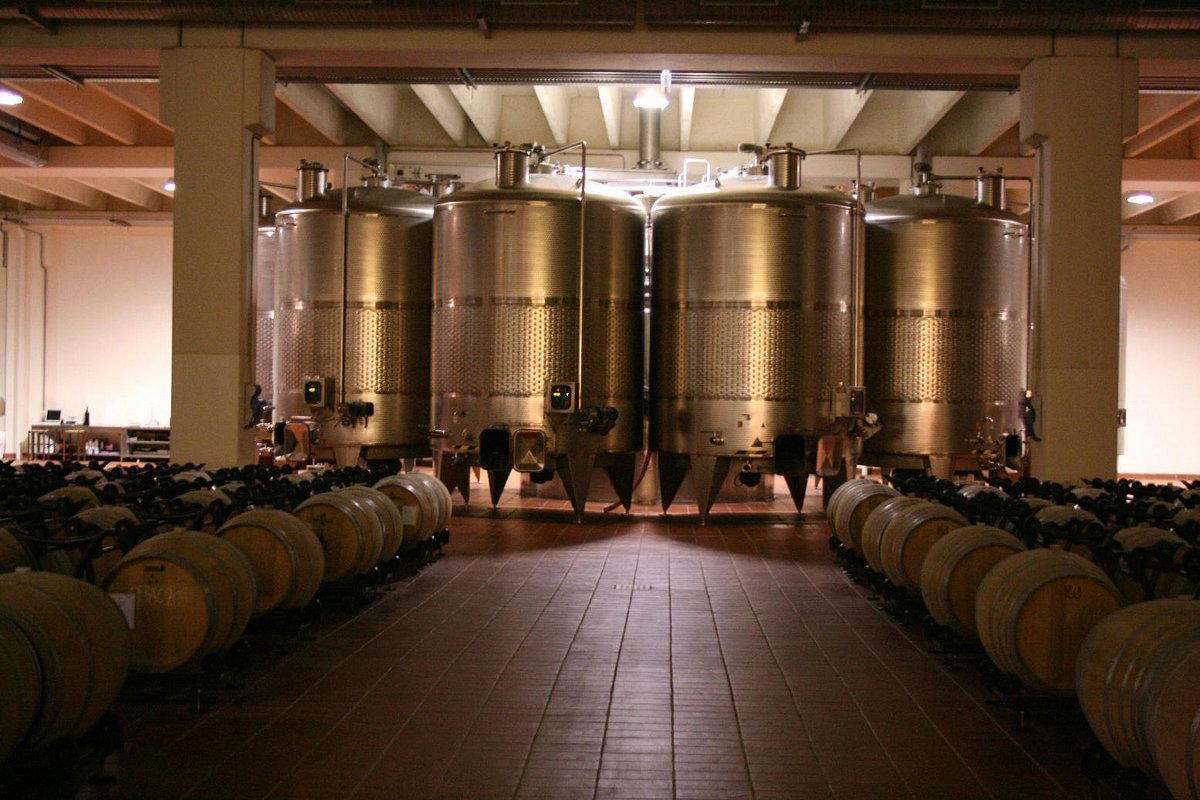
Azienda Agricola Incontri is worth booking for a relaxed Suvereto tasting built around organic red, white, and orange wines in a small farm setting. The $$ value is strongest for couples or small groups who want personal interaction and vines-in-view atmosphere rather than a polished estate showroom. Appointment-only booking keeps it intentional, while the casual dress code keeps the visit easy.
Champagne Pertois-Moriset
Le Mesnil-sur-Oger, France
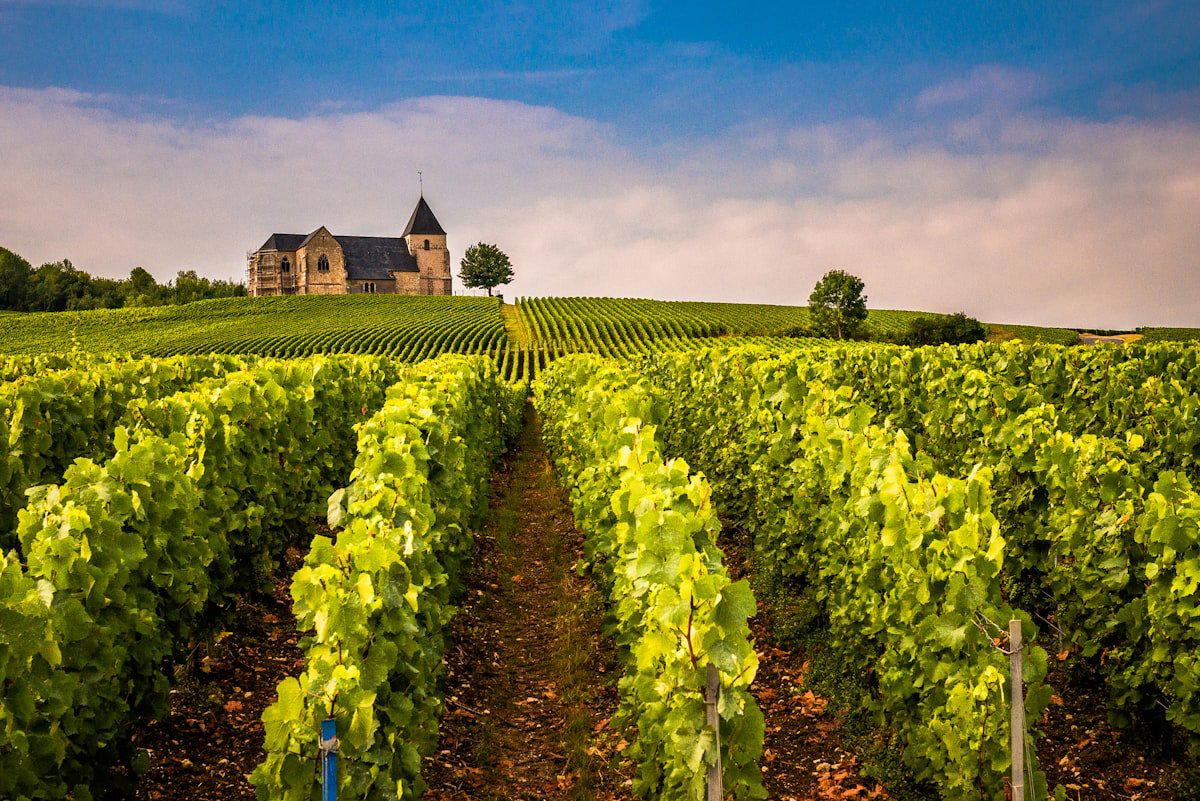
Book Champagne Pertois-Moriset if the priority is a small, appointment-only grower Champagne visit focused on mineral, Extra Brut-leaning Côte des Blancs wines. It suits serious first-timers and collectors better than casual drop-ins, with Falstaff Listed recognition in 2026 and a production story built around Grand Cru Chardonnay, low dosage, and careful vineyard work.
Bodega Finca Reiquehue
Valle De Uco, Argentina
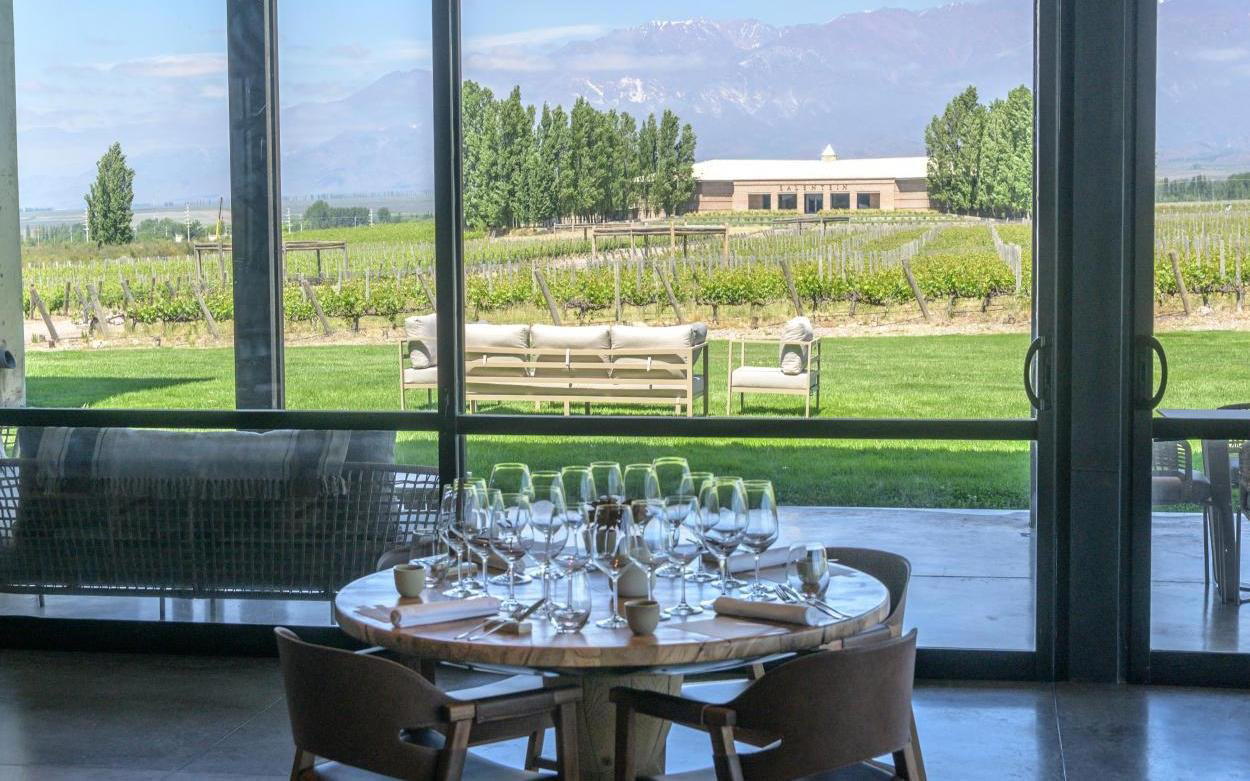
A small-scale Valle de Uco winery worth considering if Malbec is the point of the trip, not just a box to tick between bigger Mendoza names. The appeal is the guided, vineyard-forward format and micro-production feel; skip it if you want a large estate spectacle or a conventional restaurant-led visit.
I Fabbri
Greve In Chinati, Italy
Book I Fabbri if you want a quiet Lamole wine visit where Chianti Classico, hillside terraces, and food pairing carry the experience. It is better for couples and small groups than for visitors chasing a large estate production, with tastings, wine lunch, and cooking classes giving the stop more depth than a quick cellar-door pour.
Pym Rae and Tesseron Estate
Napa, United States
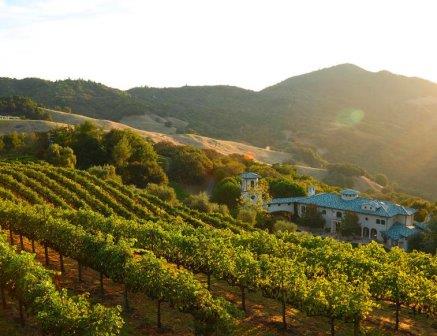
Pym Rae and Tesseron Estate is for collectors who want a focused Napa estate visit centered on flagship wine rather than a broad tasting-room afternoon. Prioritize it if access to a young, serious estate project matters; skip it if the goal is casual hospitality, food, or easy scheduling.
Château de Cruzeau
Saint Medard D Eyrans, France
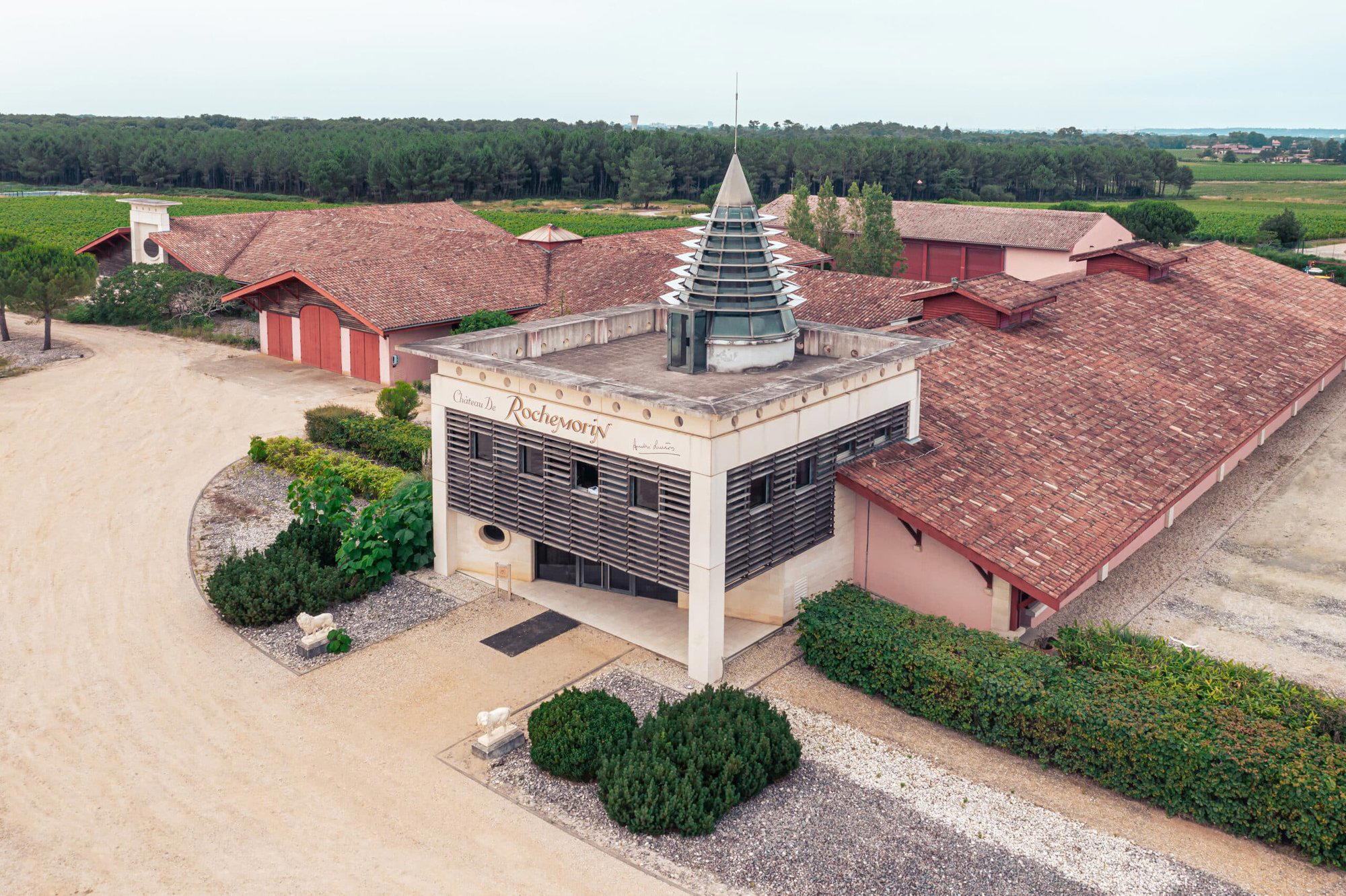
A smart value château stop in Pessac-Léognan, especially for return Bordeaux visitors who want both red and white context without turning the day into a splurge. Go for the gravel-terroir story, the 100% Sauvignon Blanc, the André Lurton restoration history, and a compact tasting format that works well as part of a wider Saint-Médard-d’Eyrans wine itinerary.
Azienda Agricola Armilla
Montalcino, Italy
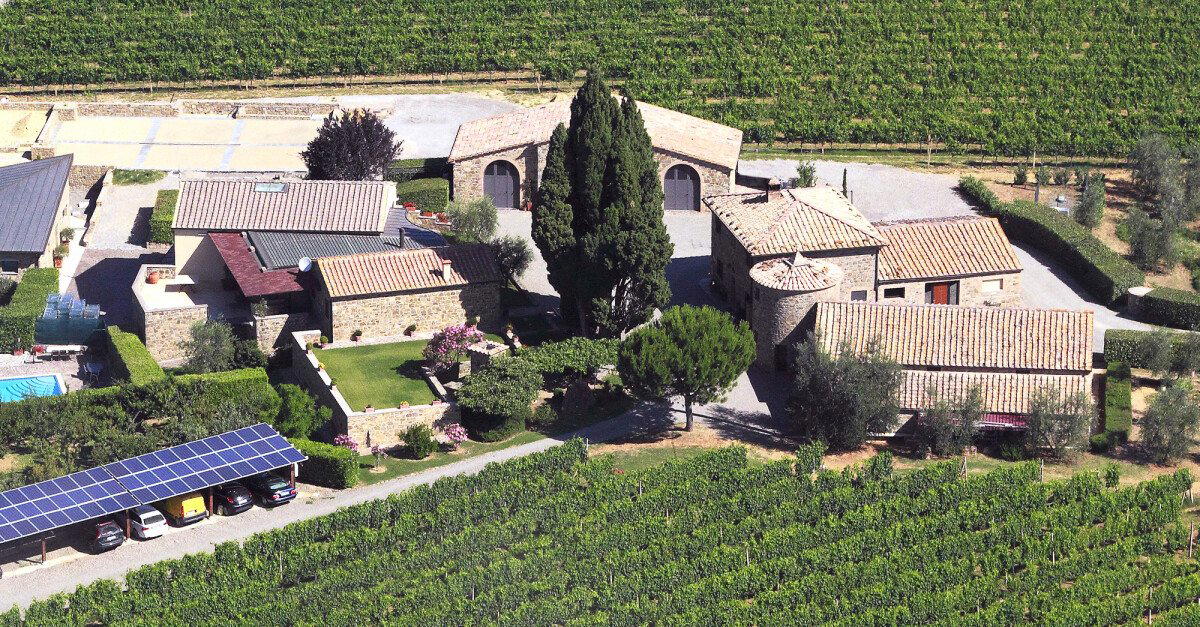
Azienda Agricola Armilla is worth prioritizing for a focused Montalcino wine appointment built around small-scale Sangiovese, especially for couples, collectors, or a quiet celebration. The draw is its 1-hectare vineyard focus, Brunello and Rosso di Montalcino lineup, $$$ positioning, and Falstaff listing recognition in 2026; it is less suited to casual drop-ins or large-group touring.
Château de Côme
Saint-Estèphe, France
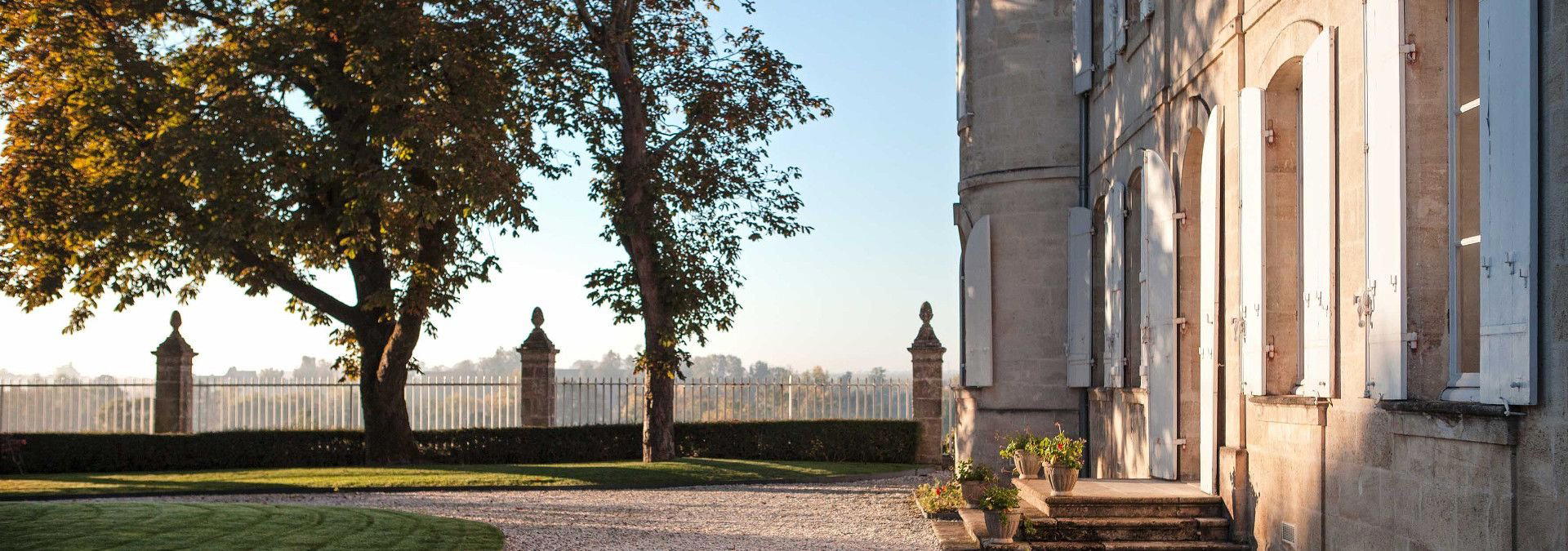
Château de Côme is worth choosing if you want a small, organic Saint-Estèphe estate visit rather than a grand-château production. The $15 tasting fee is easy to justify for travelers who value vineyard-to-cellar context, a seated tasting, and a quieter Médoc setting; it is less compelling if you want a full food program or extensive visitor facilities.
Joos Weinbau
Trimmis, Switzerland
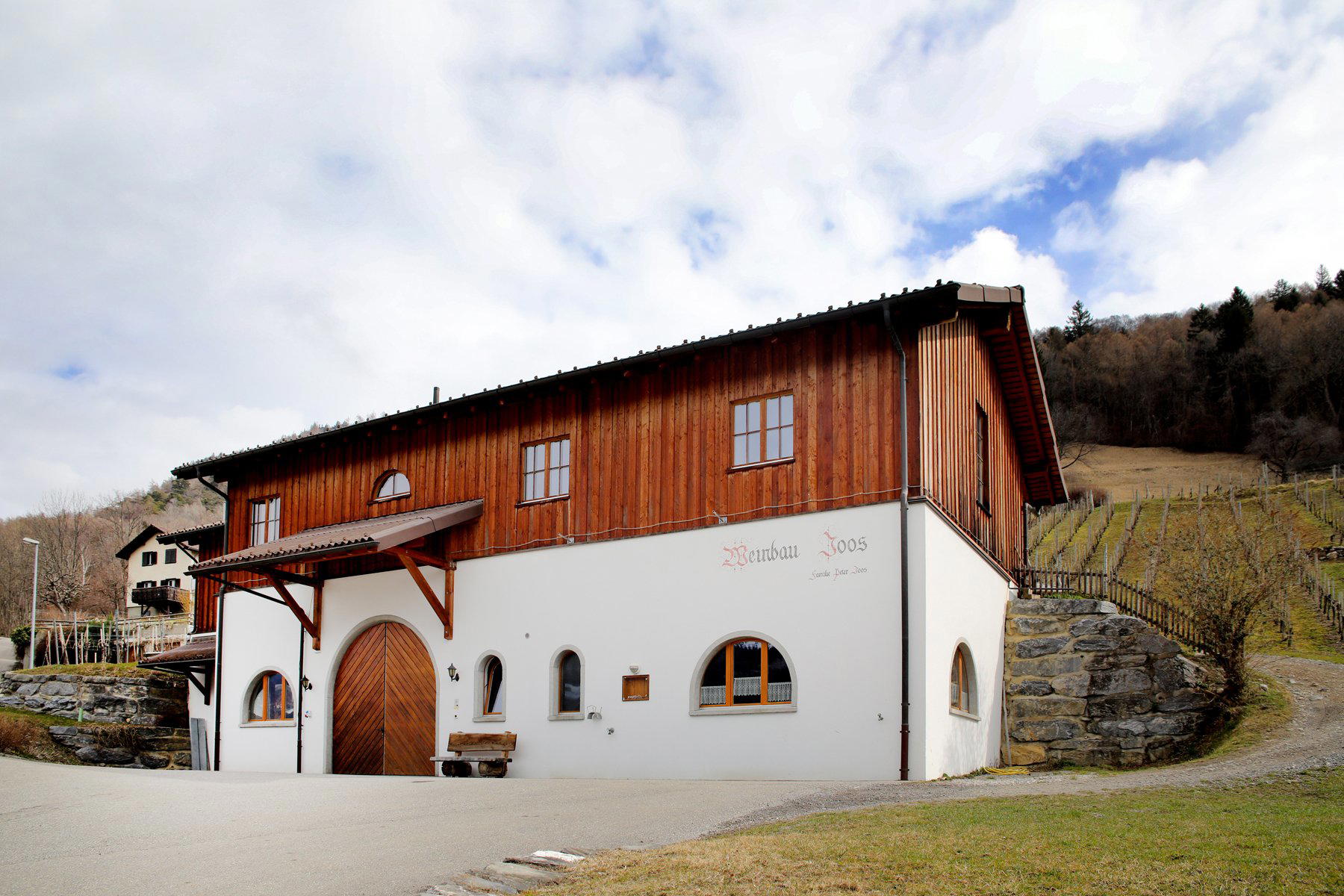
Joos Weinbau is a good fit for a quiet, wine-first stop in Trimmis if your main interest is Graubünden Pinot Noir and a traditional Alpine estate setting. Book for a small celebration or focused tasting, not for a restaurant-style winery day with broad hospitality programming.
Barão de Vilar
Santa Comba Da Vilarica, Portugal
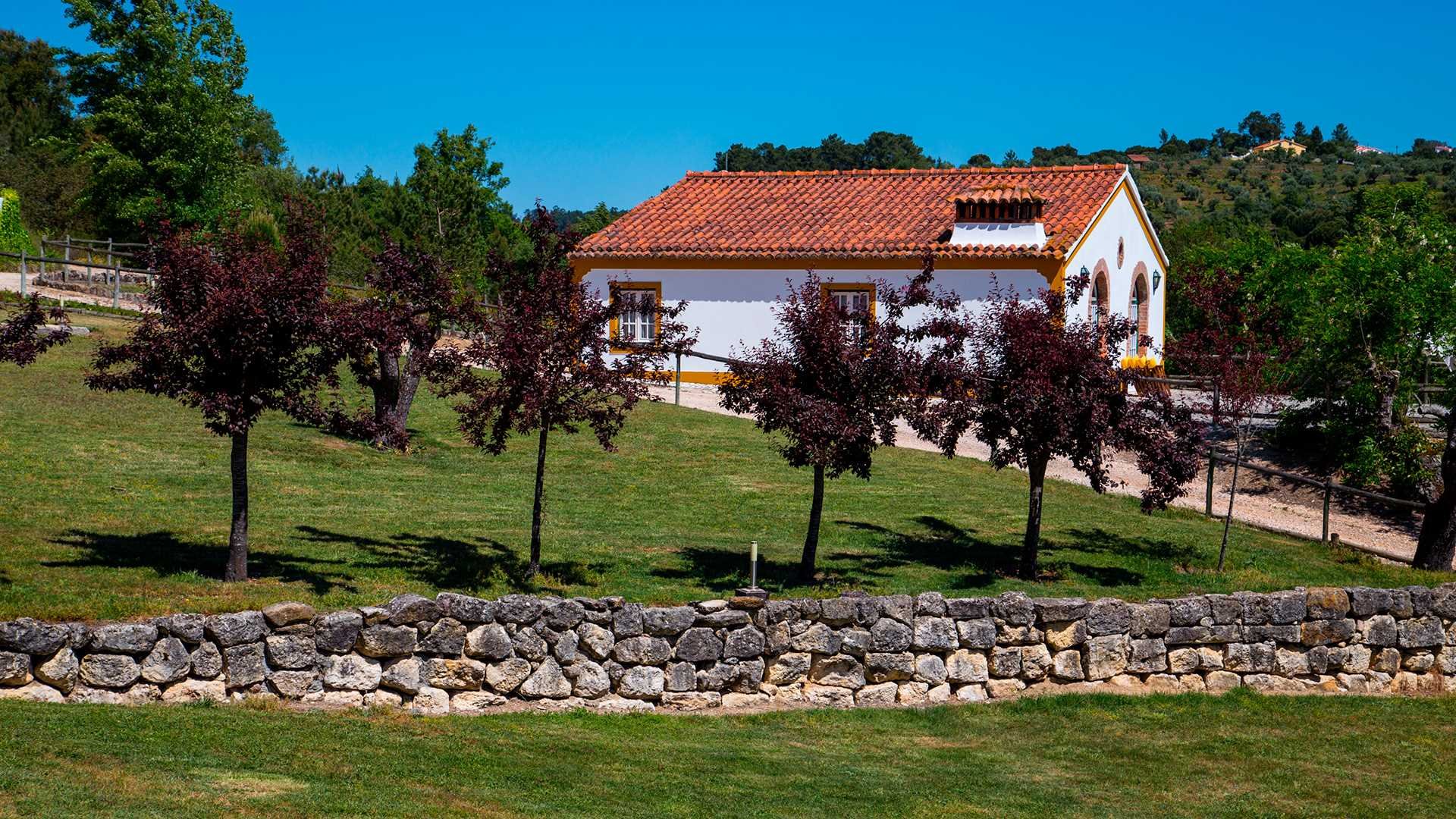
Book Barão de Vilar if you want a practical Douro producer visit centered on Port depth rather than hospitality polish. The value is strongest for drinkers comparing aged Tawny, Colheita, LBV, Vintage Port, and still Douro wines before buying bottles for a celebration, gift, or cellar.
Domaine Henri Bourgeois
Sancerre, France
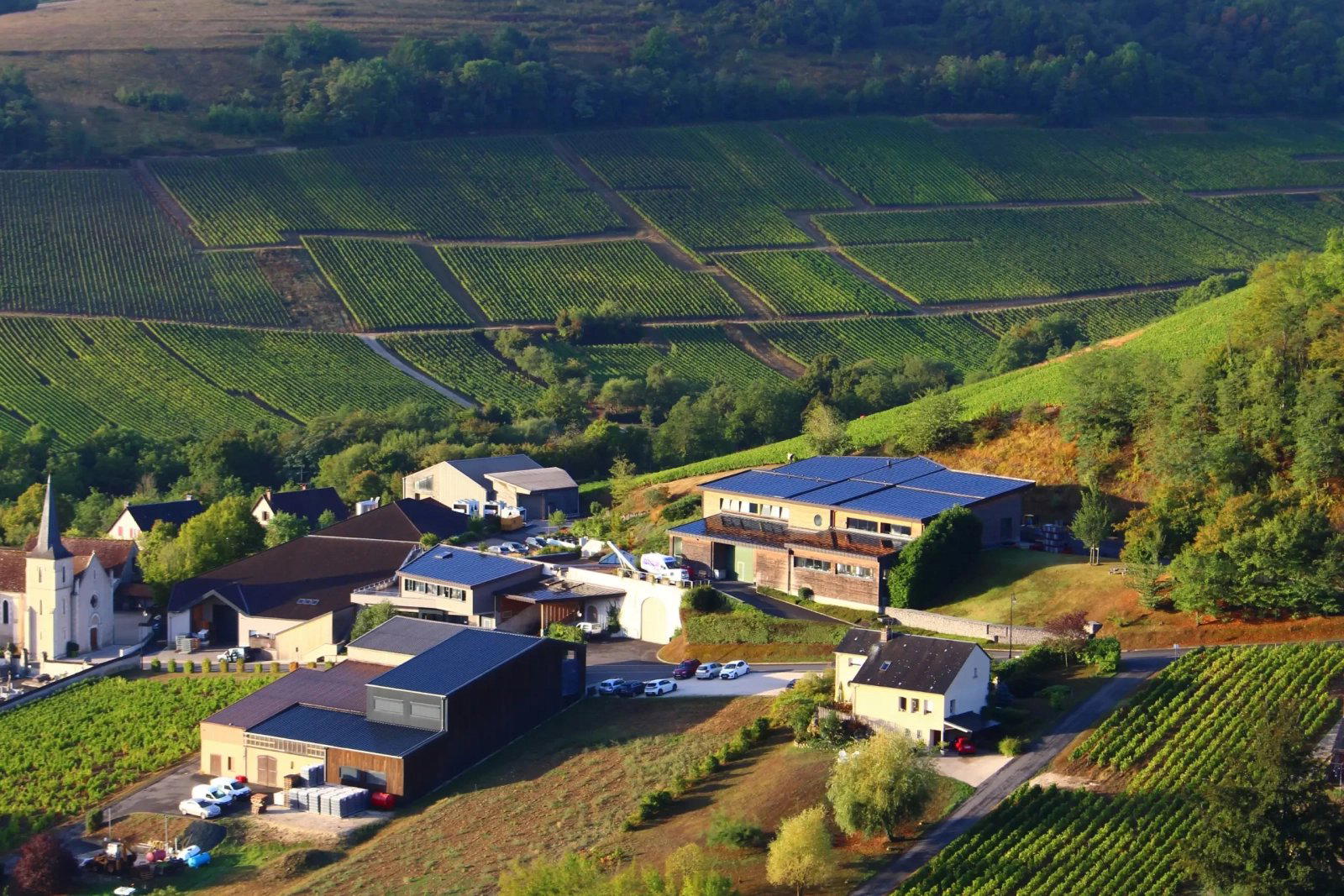
Domaine Henri Bourgeois is worth prioritizing if the trip is built around Sancerre and the occasion needs a serious producer rather than a casual tasting stop. Access can be difficult, so treat it as the anchor request and keep nearby winery alternatives ready.
Château Belá
Bela, Slovakia
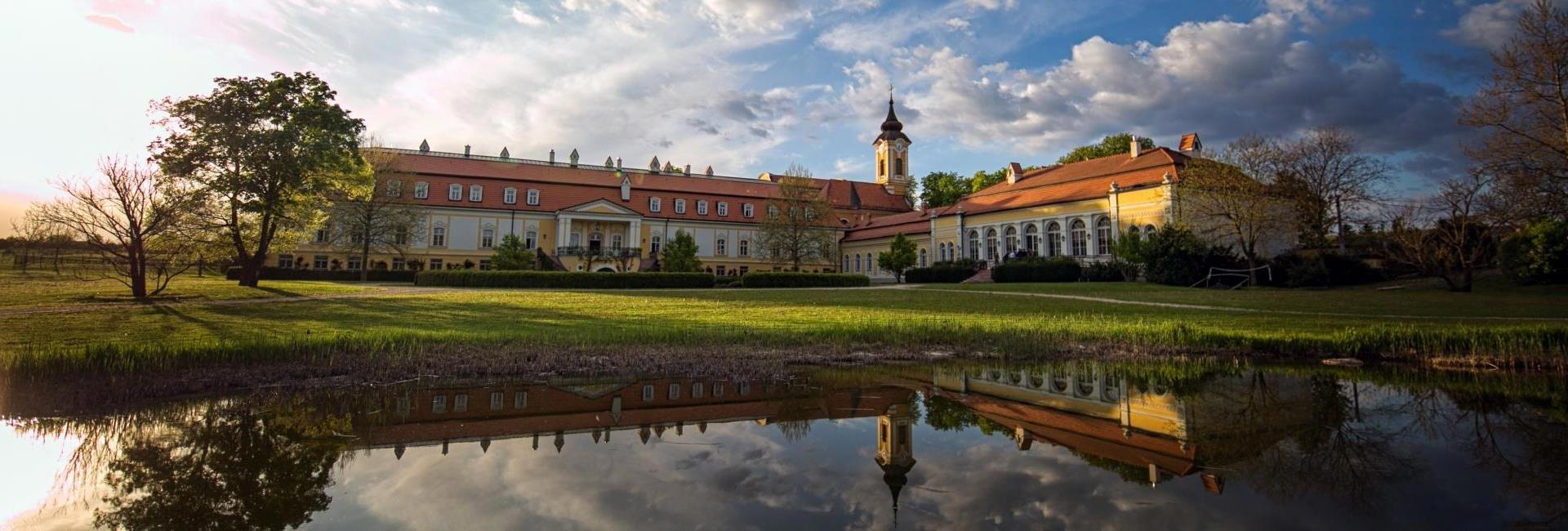
Château Belá works as a wine-led anchor for a special trip in Belá, especially given its Falstaff Listed recognition for 2026. Treat it as a planned visit rather than a casual backup: confirm timing, food, group capacity, and shipping details before building the day around it.
Bric Cenciurio
Barolo, Italy
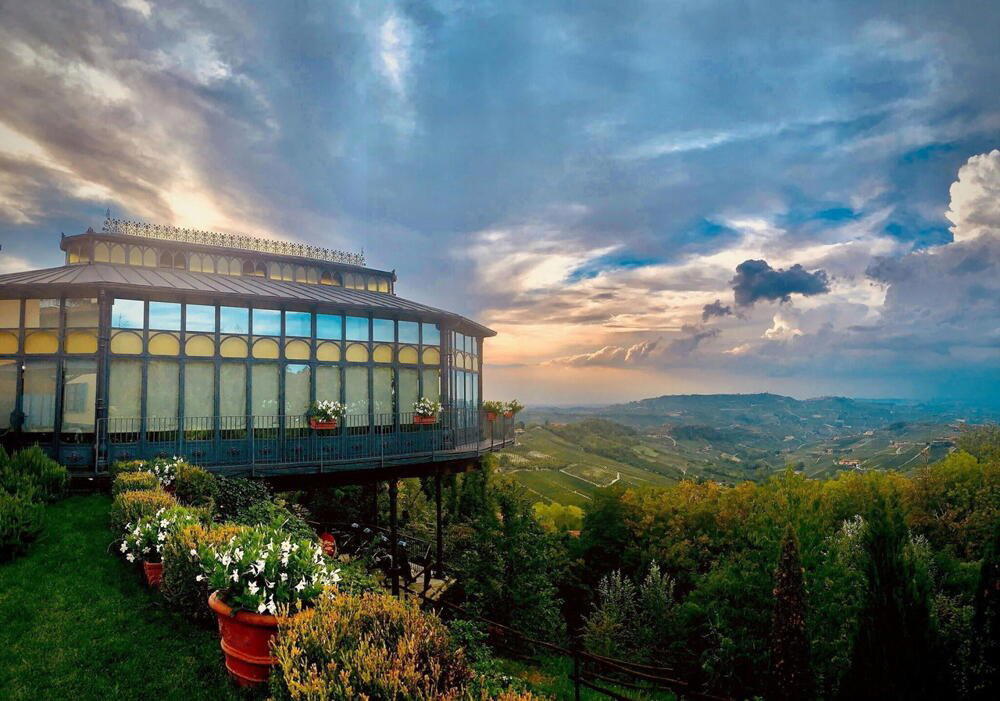
Book Bric Cenciurio if the goal is a serious, quiet Barolo tasting built around family-scale vineyard work and Nebbiolo rather than a high-touch hospitality show. The estate is strongest for couples or small special-occasion groups who care about production choices, Barolo-Roero terroir, and a countryside setting around the cellar.
Château Bellevue
Saint-Émilion, France
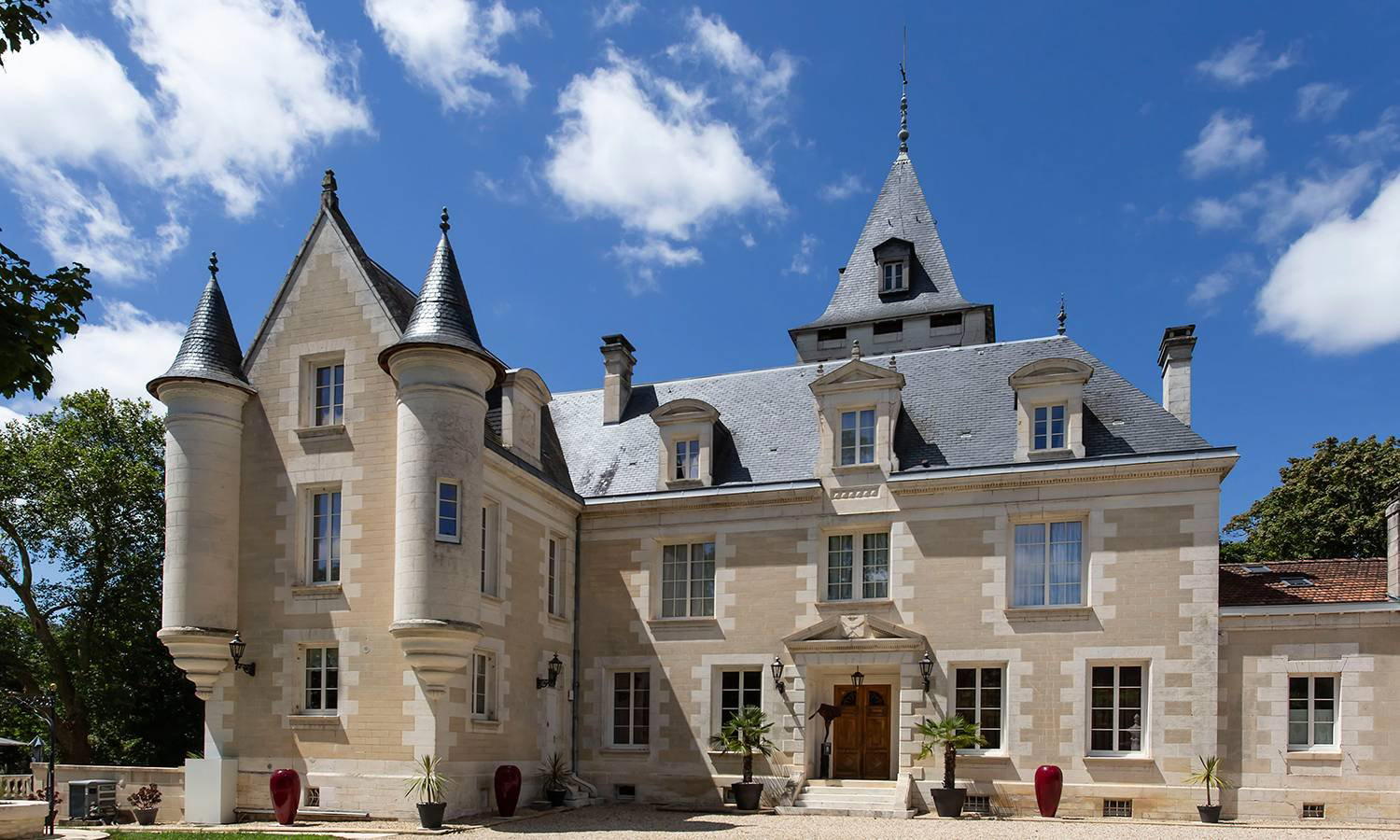
A sensible Saint-Émilion pick for travelers who want a château-based wine stop with a credible quality signal rather than a heavily packaged tasting experience. Book only if the available format and budget are clear before committing; it works better for a focused celebration or business wine day than for a casual drop-in itinerary.
Iona Vineyard
Elgin, South Africa
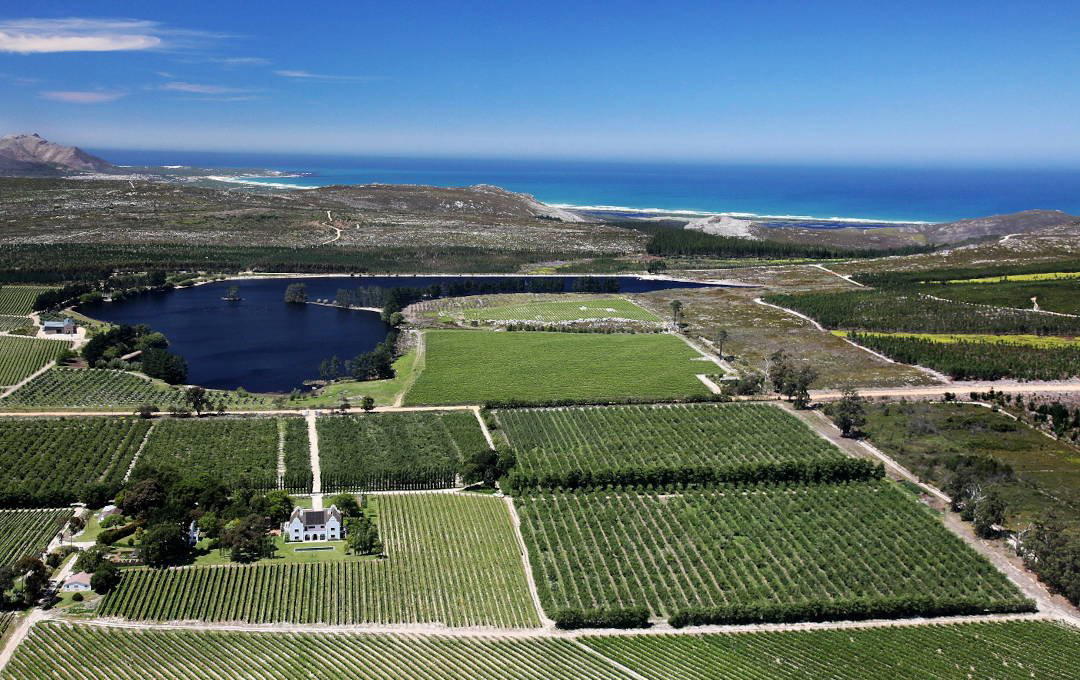
Iona Vineyard is worth prioritising for a special-occasion Elgin wine stop when estate atmosphere matters more than a full dining plan. It suits couples, small groups, and wine-focused travellers building a slower day around the Elgin Valley rather than a broad, high-volume tasting route.
Bodegas Chivite
Villatuerta, Spain
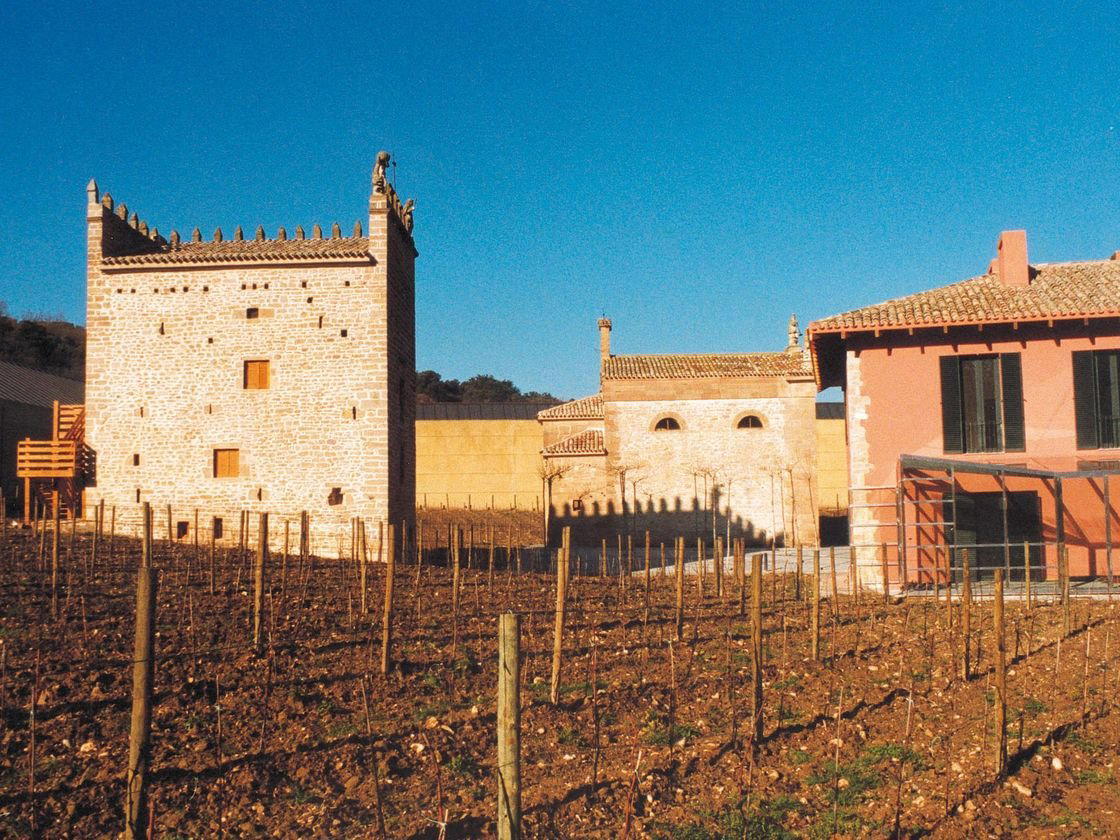
Bodegas Chivite is worth prioritizing for a serious Navarra winery visit, especially for couples, business hosting, or a celebration where a calmer atmosphere matters. Treat it as a planned appointment rather than a casual drop-in, and compare it with Rioja peers if architecture, scale, or easier visitor infrastructure is the bigger priority.
Bodegas Nodus
Caudete De Las Fuentes, Spain
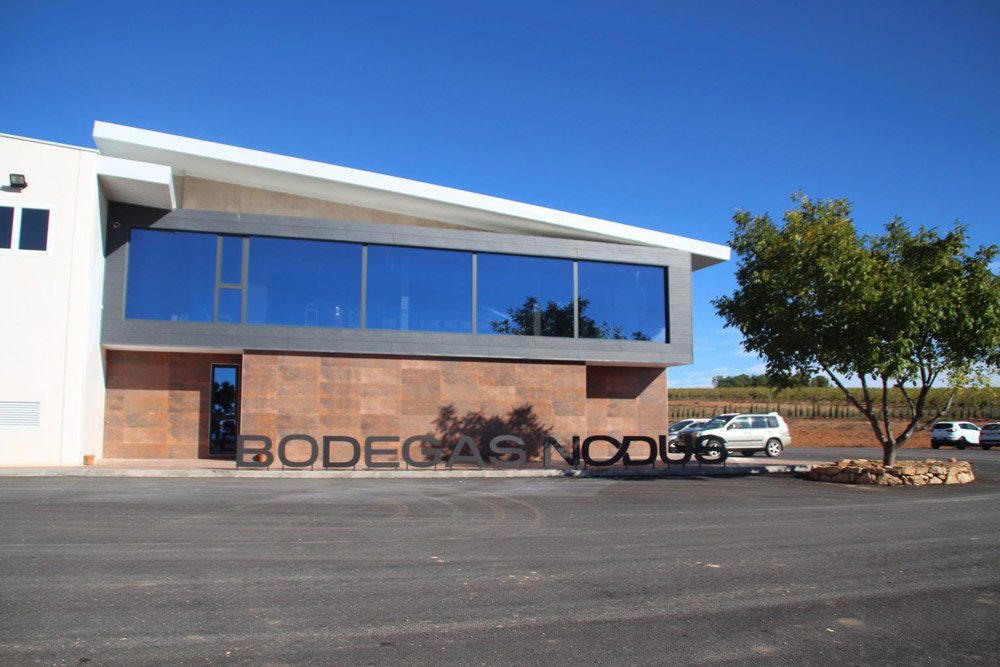
A Valenciana countryside winery stop with a 2026 Falstaff listing, Bodegas Nodus makes sense for travelers building a wine-focused itinerary around Caudete de las Fuentes. Do not assume food service, group capacity, or a named flagship wine without confirming details first; book it for the winery angle, then plan meals and timing separately.
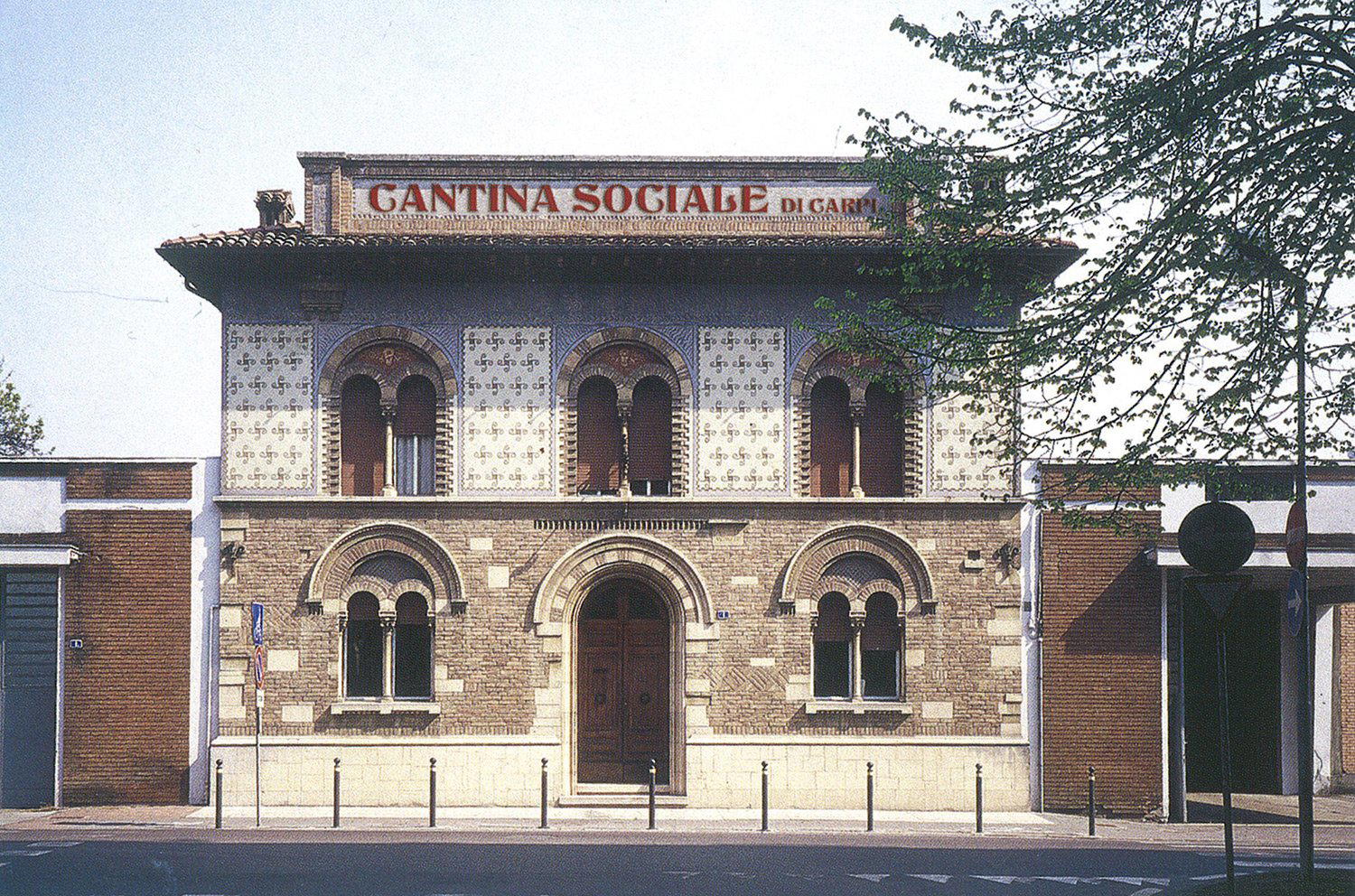
Cantina Carpi e Sorbara
Carpi, Italy
Book Cantina Carpi e Sorbara if the goal is Lambrusco context rather than a polished estate showcase. This is a casual, production-focused cooperative with deep roots in the Carpi and Sorbara wine tradition, listed by Falstaff for 2026, and better for curious drinkers than guests seeking a formal luxury tasting.
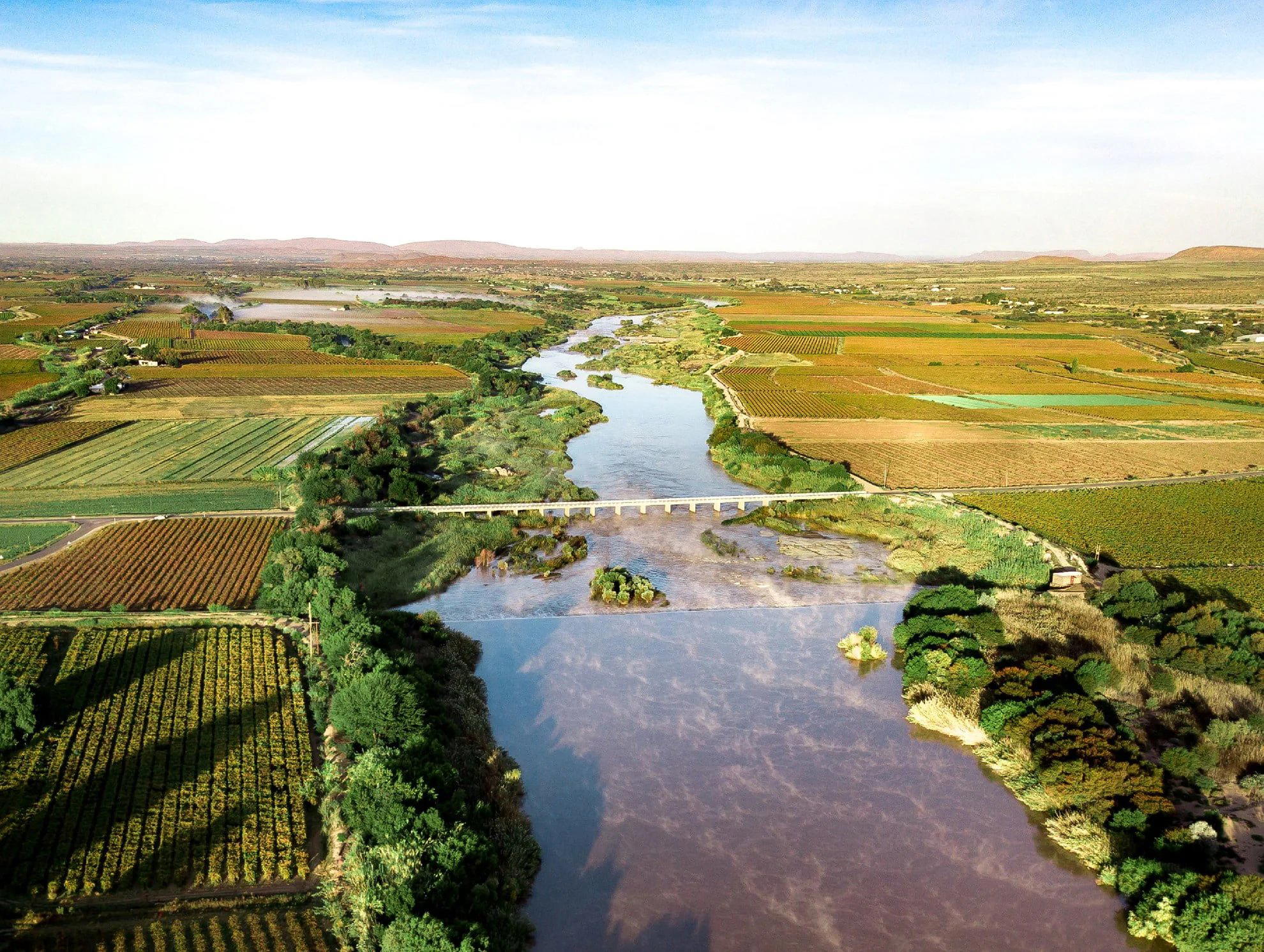
Orange River Cellars
Upington, South Africa
Orange River Cellars is worth prioritising if the trip is already centred on Upington and the goal is a practical Northern Cape winery stop. Plan it as the wine portion of the day, not as a guaranteed dining or large-group venue, and cross-shop Bezalel Wine & Brandy Estate if you want another local option.
Château La Cabanne
Pomerol, France
Château La Cabanne works for a Pomerol-focused celebration when the priority is a serious appellation read rather than hospitality theatre. Its 2026 Falstaff recognition gives a current quality signal, but planning matters: treat this as a hard-to-book wine stop or bottle target, not a casual add-on.
Domaine Moulin Saint-Jean
Lezignan Corbieres, France
Book Domaine Moulin Saint-Jean if the goal is an easy, good-value Corbières tasting centered on approachable reds rather than a formal cellar experience. The family-run estate has a clear production identity, with Grenache, Syrah, and Marselan from Mediterranean vineyards shaping a ripe, food-friendly style that works well for first-time visitors to Lézignan-Corbières.
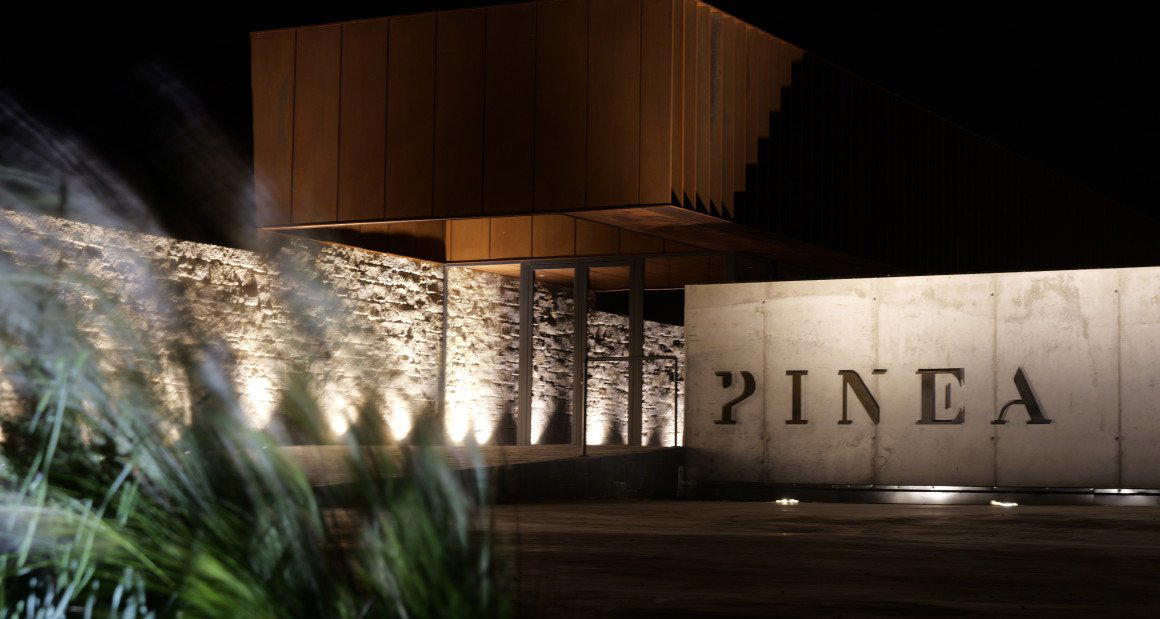
Bodegas Pinea Del Duero
Valladolid, Spain
Bodegas Pinea Del Duero is worth pursuing if the goal is a polished, collector-minded Ribera del Duero tasting centered on premium 100% Tempranillo. The flagship Pinea is the main draw, while 17 by Pinea gives the range a more approachable side. Better for serious wine travelers, celebrations, and business hosting than casual drop-in groups.
Joseph's Tiroler Weinbau
Mieming, Austria
Book Joseph's Tiroler Weinbau if the plan already brings you to Mieming and you want a quiet, small-scale Tyrolean wine stop rather than a formal estate visit. The draw is the golf-park vineyard setting, compact Austrian-variety portfolio, Qualitätswein Österreich seal, and regional significance of Sieglinde Knabl's work.
Domaine Les Alexandrins
Tain-l'Hermitage, France
A good pick for a concise, wine-first Northern Rhône tasting in a historic cellar, especially if Crozes-Hermitage and Saint-Joseph are the focus. Go for appellation clarity, traditional atmosphere, and accessible pacing; skip it if the day needs a food-pairing program or highly produced visitor experience.
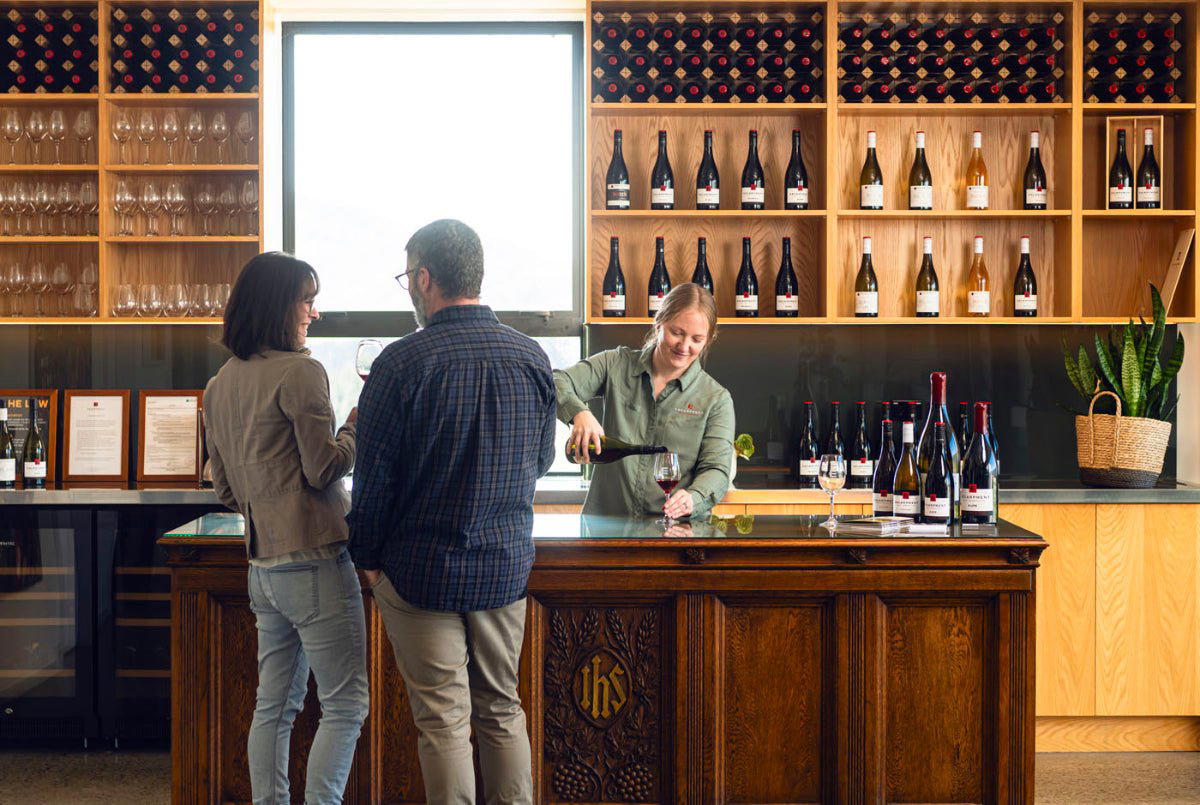
Escarpment
Martinborough, New Zealand
Escarpment is worth prioritising if the trip is about Martinborough wine rather than a meal-led cellar-door afternoon. The 2026 Falstaff 4 Stars signal makes it a serious stop for wine-focused travellers, but groups looking for documented food pairings, menus, or a casual grazing setup should plan dining separately.
Château Vartely
Orhei, Moldova
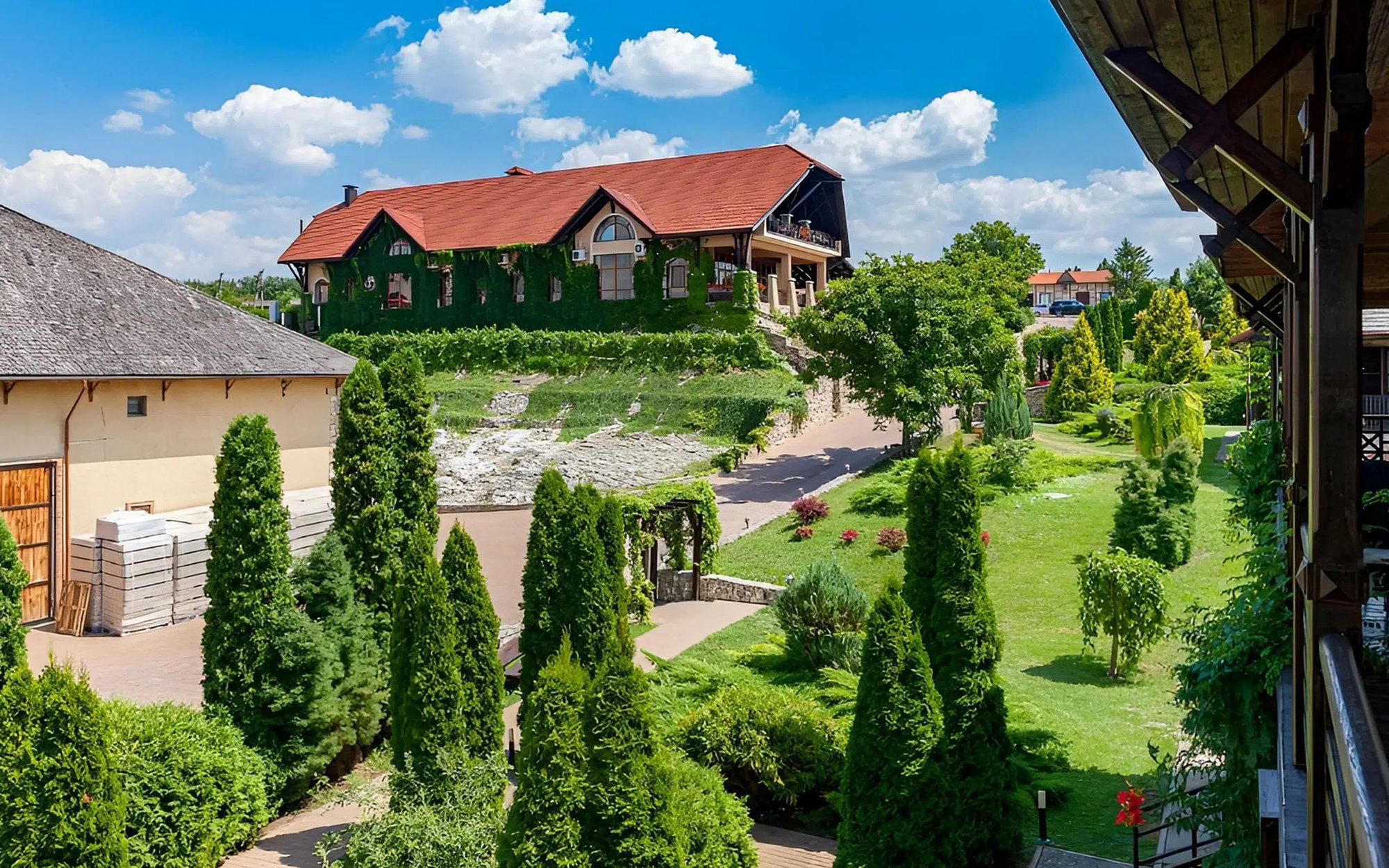
Château Vartely is worth booking if the goal is a full Moldovan wine-tourism stop rather than a quick tasting. The $$$ spend is easier to justify because the Orhei estate combines guided wine context, restaurant dining, cellar experiences, a shop, and overnight rooms, with Falstaff Listed 2026 recognition adding a useful trust signal.
Château Prieuré-Lichine
Cantenac, France
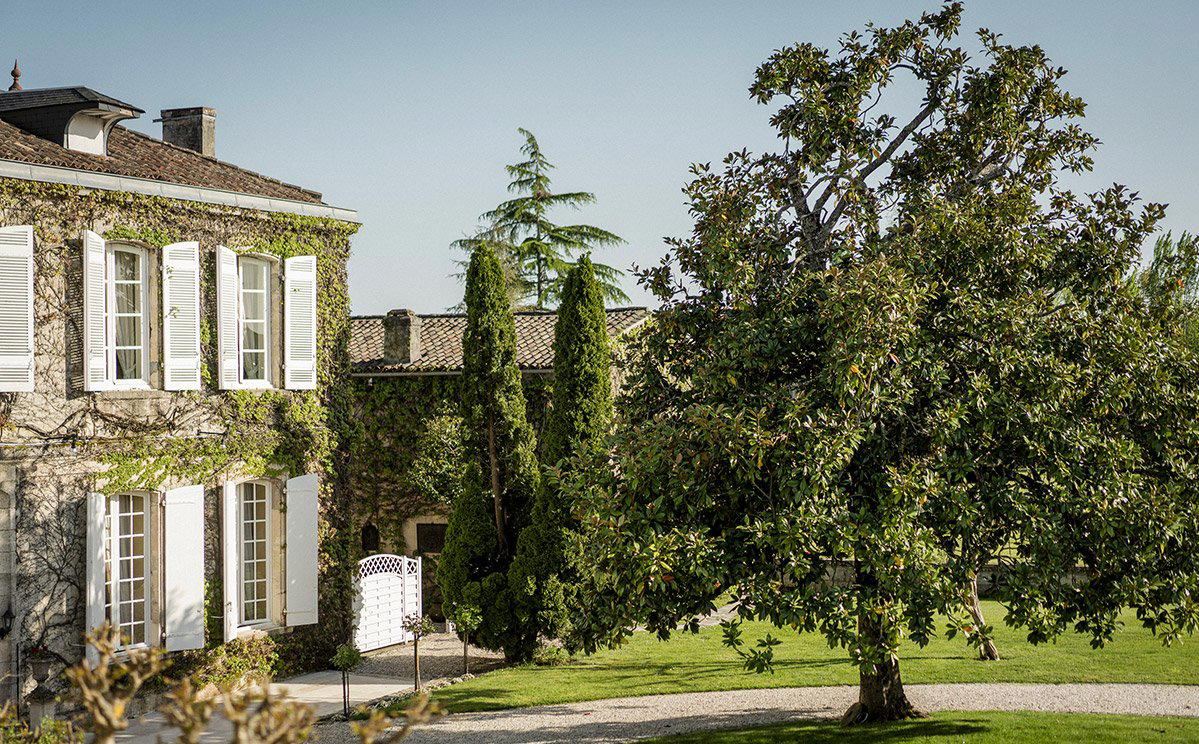
Château Prieuré-Lichine is worth planning around if the goal is a serious Margaux-Cantenac winery visit rather than a casual tasting-room drop-in. It suits wine travelers building a classified-growth itinerary and comparing nearby estates, but the membership or allocation decision should wait until after tasting because public terms are not clear.
Turley Wine Cellars
Templeton, United States
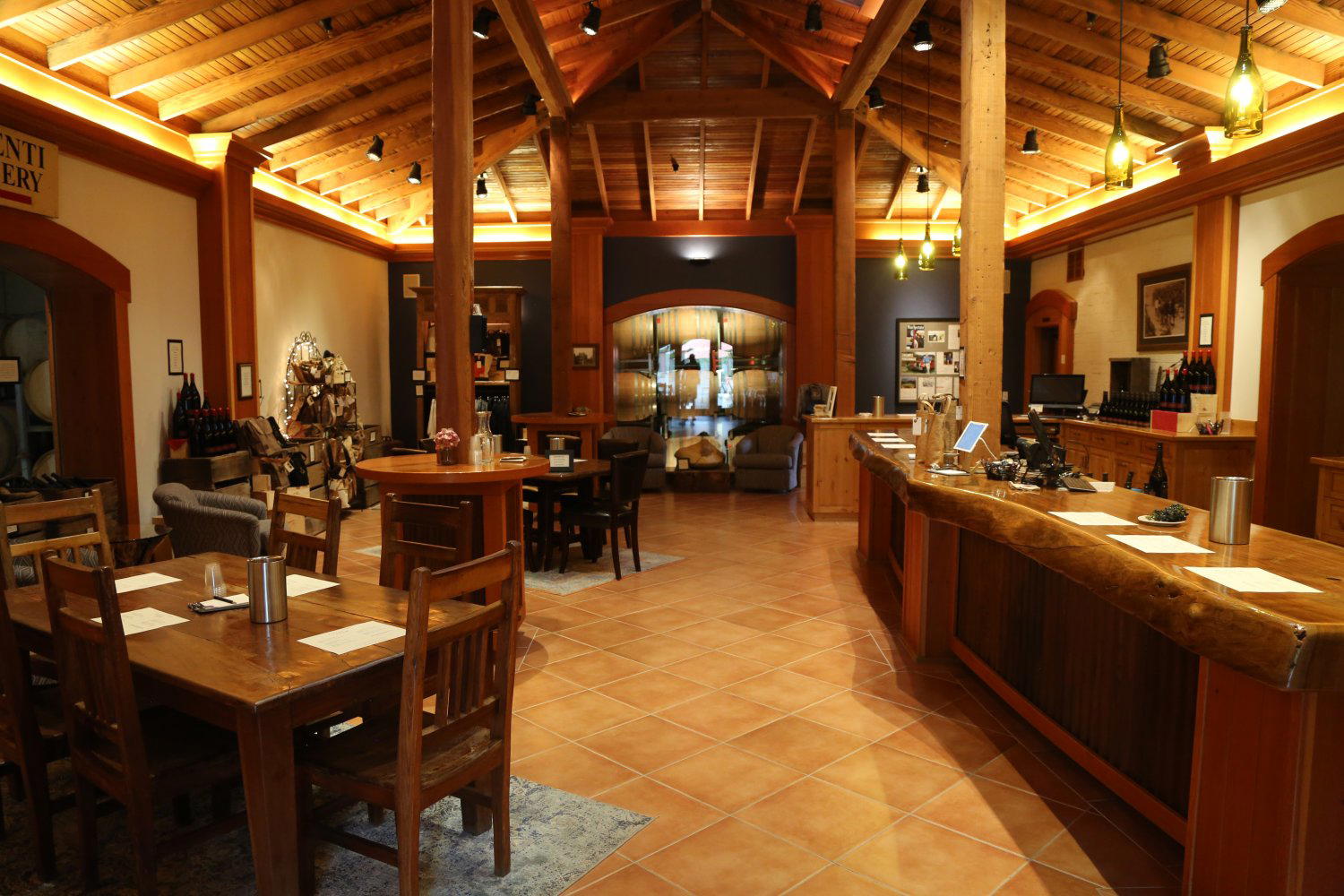
Book Turley Wine Cellars if the goal is a focused Templeton winery visit with serious producer credibility, not a loose group crawl. The 1993 first vintage and Tegan Passalacqua winemaker credit make it a stronger fit for small groups who want to pay attention to the tasting.
Chamas Honnorat Family Wines
Mendoza, Argentina
Book Chamas Honnorat Family Wines if you want a La Rioja winery visit with family heritage, traditional-method mountain sparkling wine, and a quieter rustic mood. It is better for curious wine travelers than for anyone seeking a polished luxury tasting room, and the appointment-only setup means it should be planned into the day rather than treated as a casual drop-in.
Casa Lucii
San Gimignano, Italy
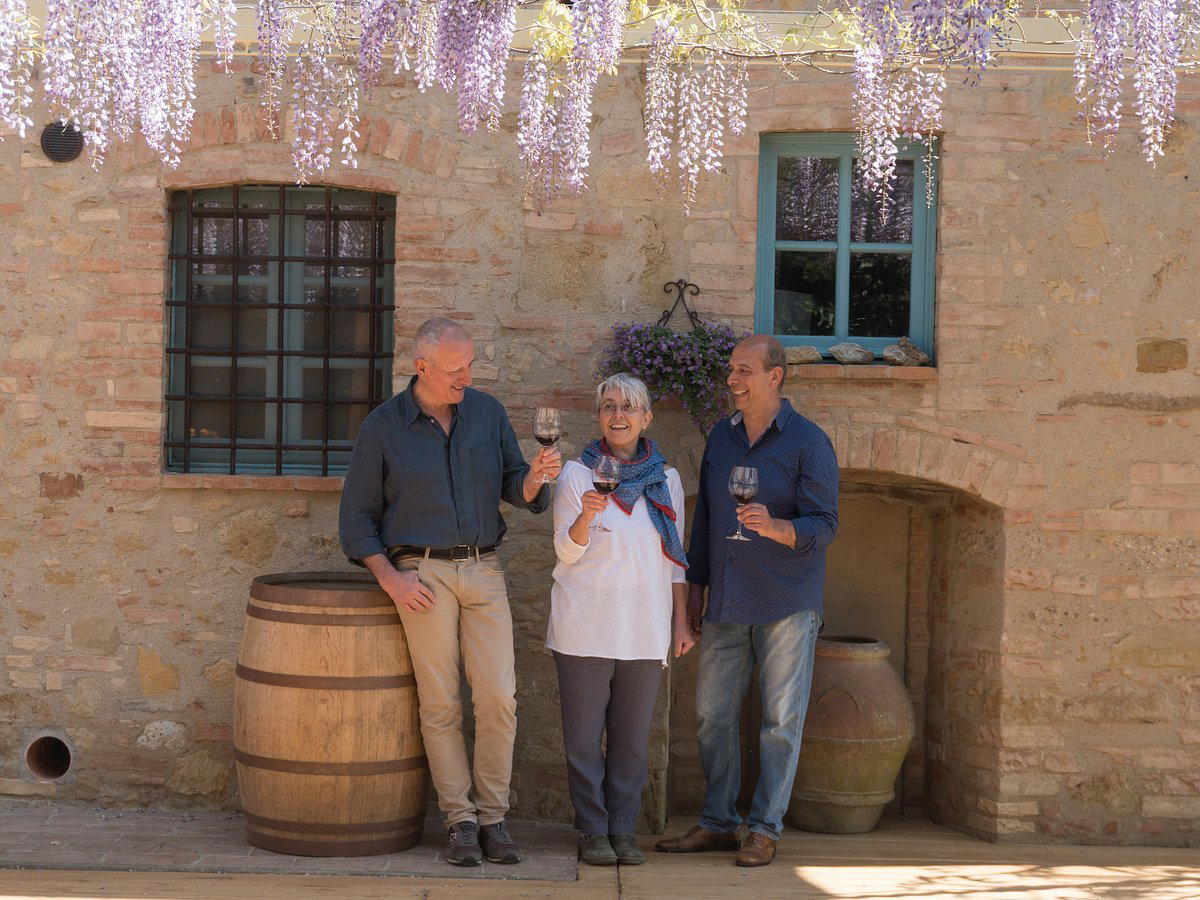
Casa Lucii is the San Gimignano pick for travelers who want an intimate organic winery visit rather than a quick tasting-room stop. Expect a calm farm setting, appointment-only planning, casual dress, Tuscan food pairings, and a production story built around organic farming, EQUALITAS certification, Vernaccia, Sangiovese, olive oil, and Vin Santo. Falstaff Listed in 2026, it is most compelling for small groups seeking depth and context.
Bardos
Logroño, Spain
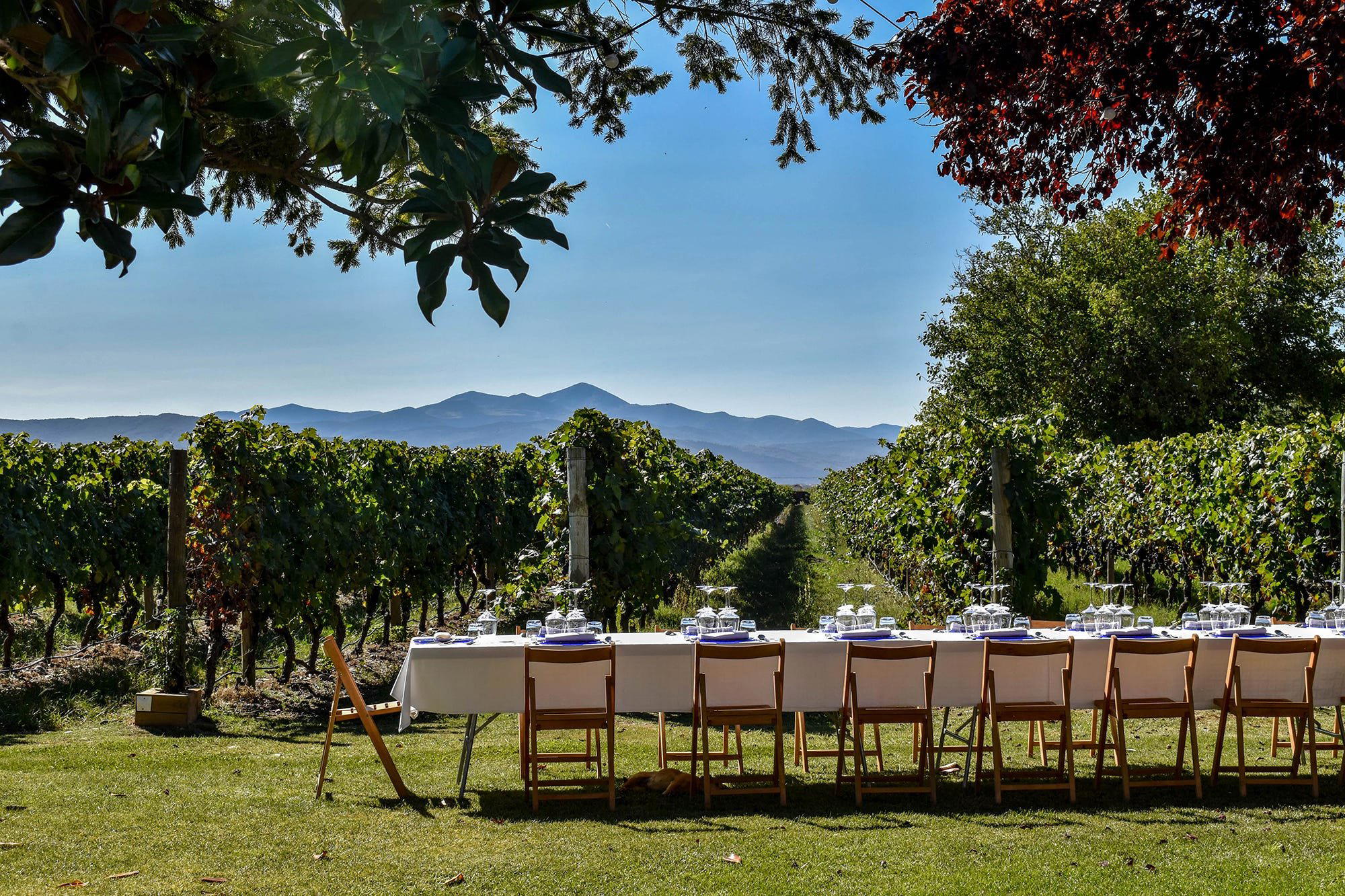
Bardos is worth planning around if the goal is a polished, appointment-led Ribera del Duero tasting from a Logroño base. The smart play is to anchor the visit around the Reserva and treat it as a serious red-wine stop, not a casual walk-in winery. It is strongest for special occasions, business hosting, and travelers comparing Rioja travel with Ribera del Duero structure.
Cave Monge Granon
Vercheny, France
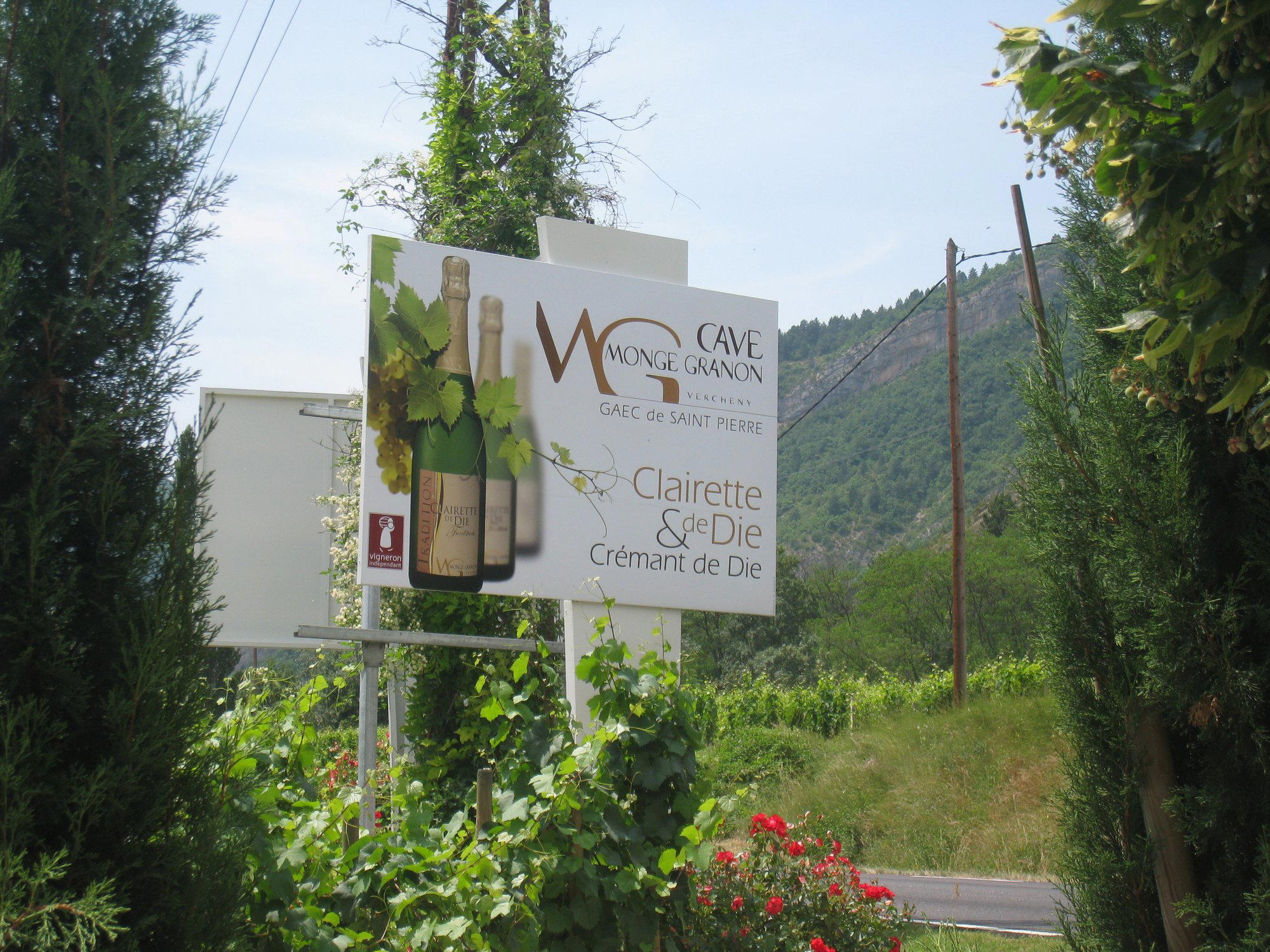
Book Cave Monge Granon if you want a practical Vercheny winery stop with a credible Falstaff Listed 2026 signal and a value-first reason to visit. It is better framed as a focused tasting anchor than a full-day hospitality experience, especially for a date or low-key celebration in Clairette de Die country.
Antico Colle
Montepulciano, Italy
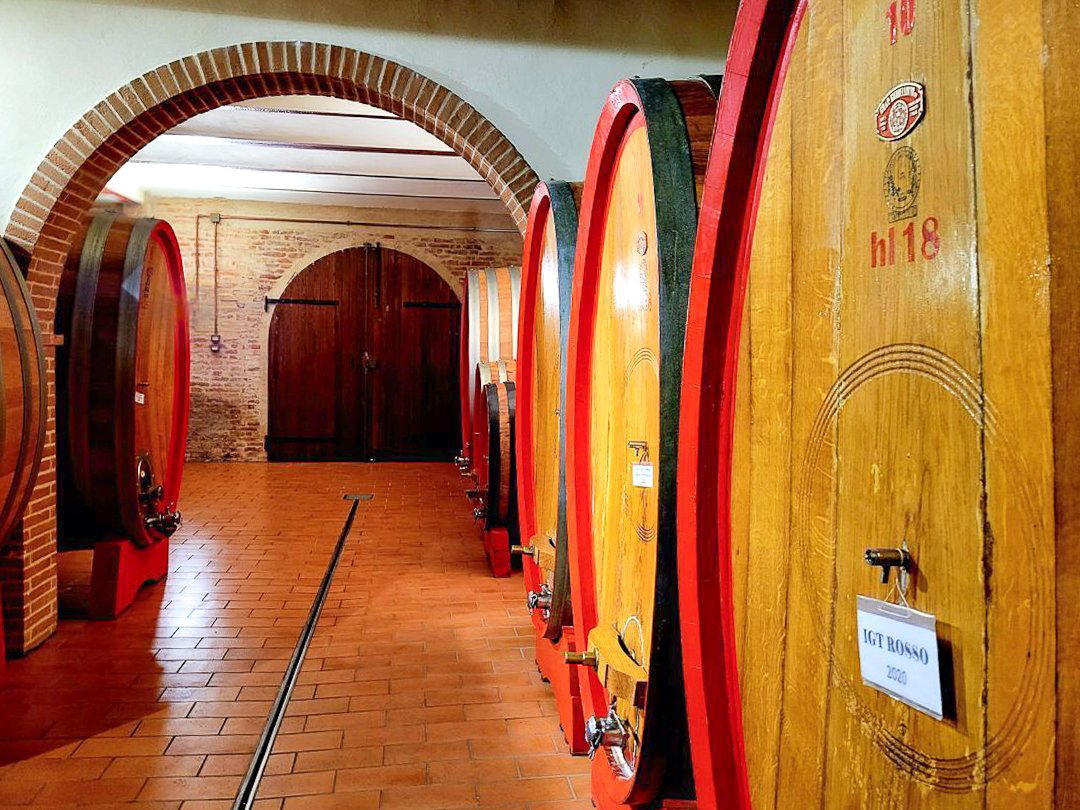
A good-value Montepulciano winery for travelers who want a relaxed, family-run tasting rather than a high-gloss cellar visit. Book it for Vino Nobile di Montepulciano, vineyard views, and a traditional Sangiovese-led portfolio at a $$ price point.
Bottwartaler Winzer eG
Gro Bottwar, Germany
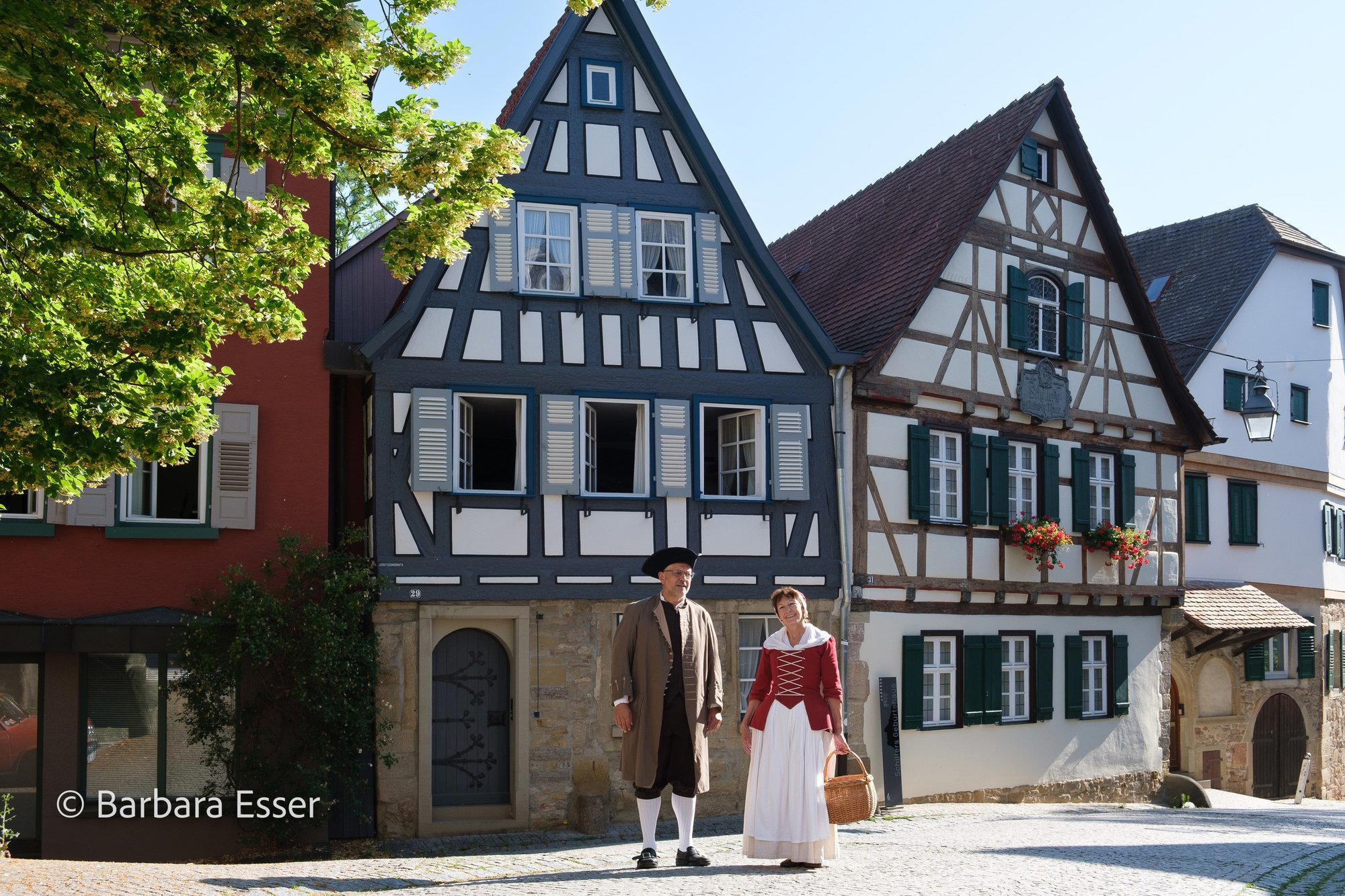
Book Bottwartaler Winzer eG for a quiet, classic Württemberg tasting that explains the Bottwartal valley through regional grapes rather than luxury staging. It suits wine-focused travelers who want cooperative context, local range, and an easygoing Großbottwar stop; skip it if the priority is destination dining or a highly polished private-cellar experience.
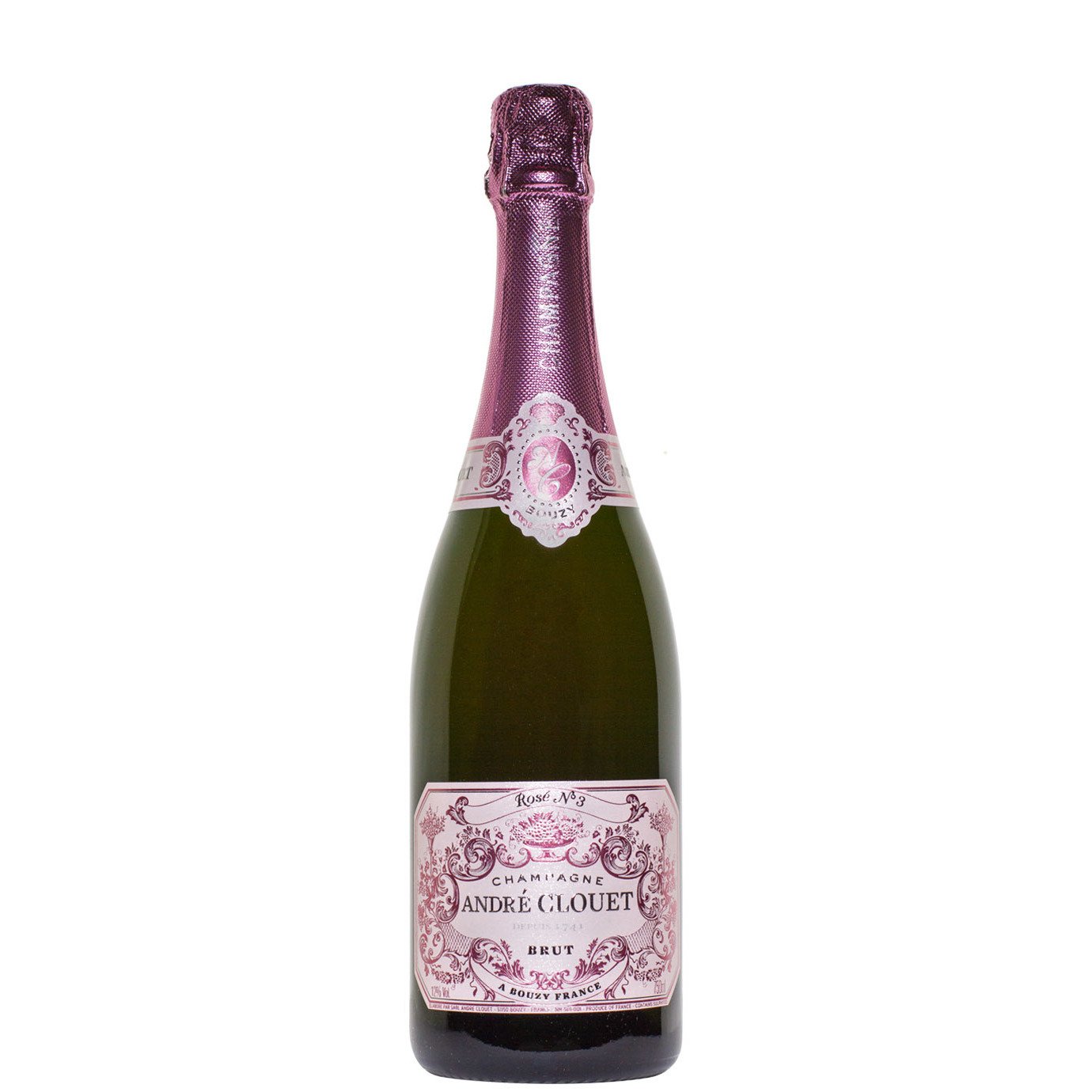
Champagne Andre Clouet
Bouzy, France
Champagne Andre Clouet is a strong Bouzy target for serious bottle assessment, backed by Falstaff 4 Stars in 2026. Prioritise it if the goal is choosing Champagne for a celebration, gift case, or cellar decision; plan ahead rather than treating it as a casual walk-in stop.
Château Barka
Beirut, Lebanon
Château Barka is worth planning as a relaxed Lebanese winery outing rather than a quick Beirut stop. Go for organic Bekaa Valley wines, a family-owned setting, mountain scenery, and a slower first-timer tasting experience; skip it if the group wants a city-center pour or a highly formal tasting room.
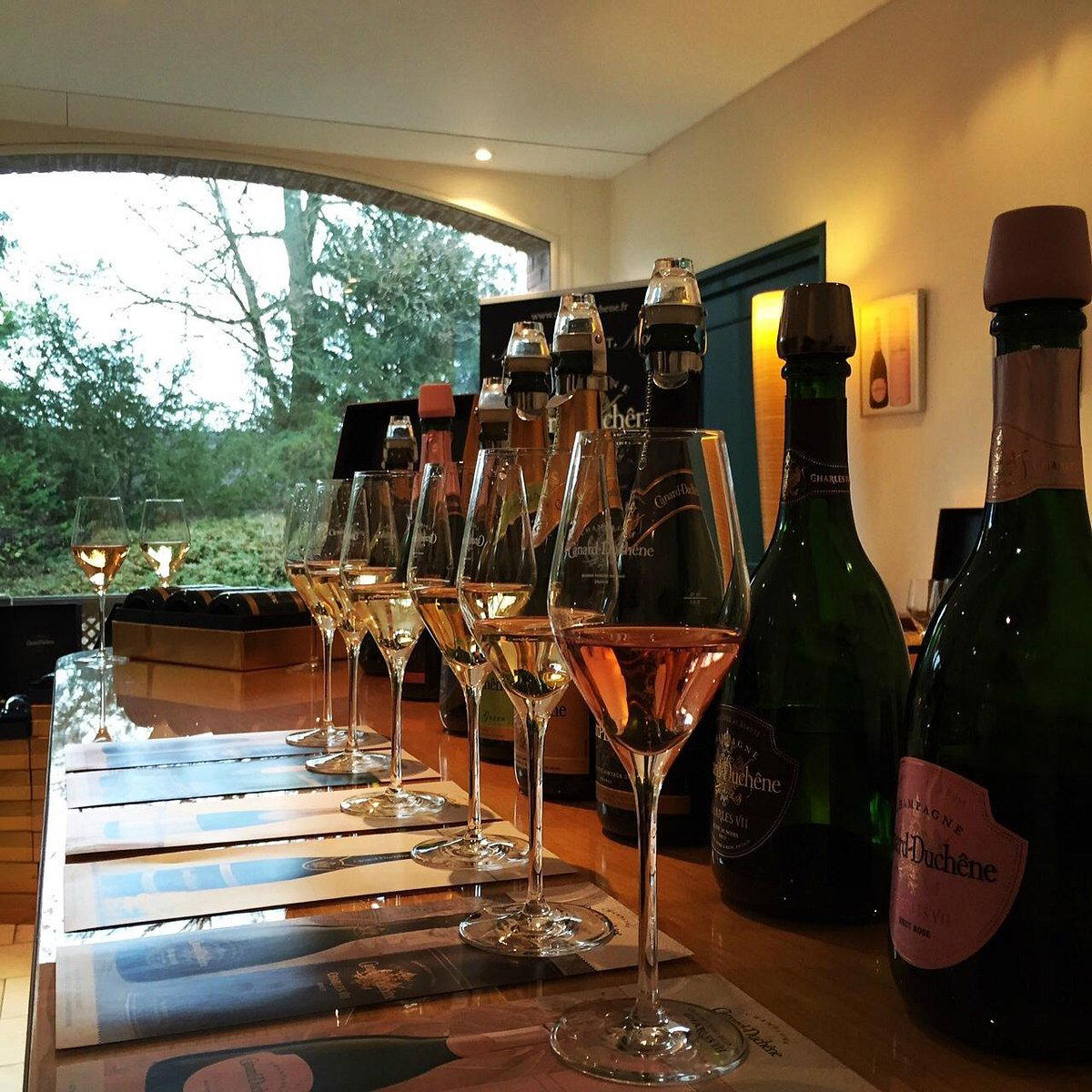
Champagne Monmarthe
Ludes, France
Book Champagne Monmarthe if your Ludes day is about grower Champagne, Premier Cru vineyard context, and a quieter estate visit rather than a large-house showcase. The strongest draw is the family-run control of 17 hectares across 22 plots, backed by sustainable viticulture certifications and a serious Montagne de Reims setting.
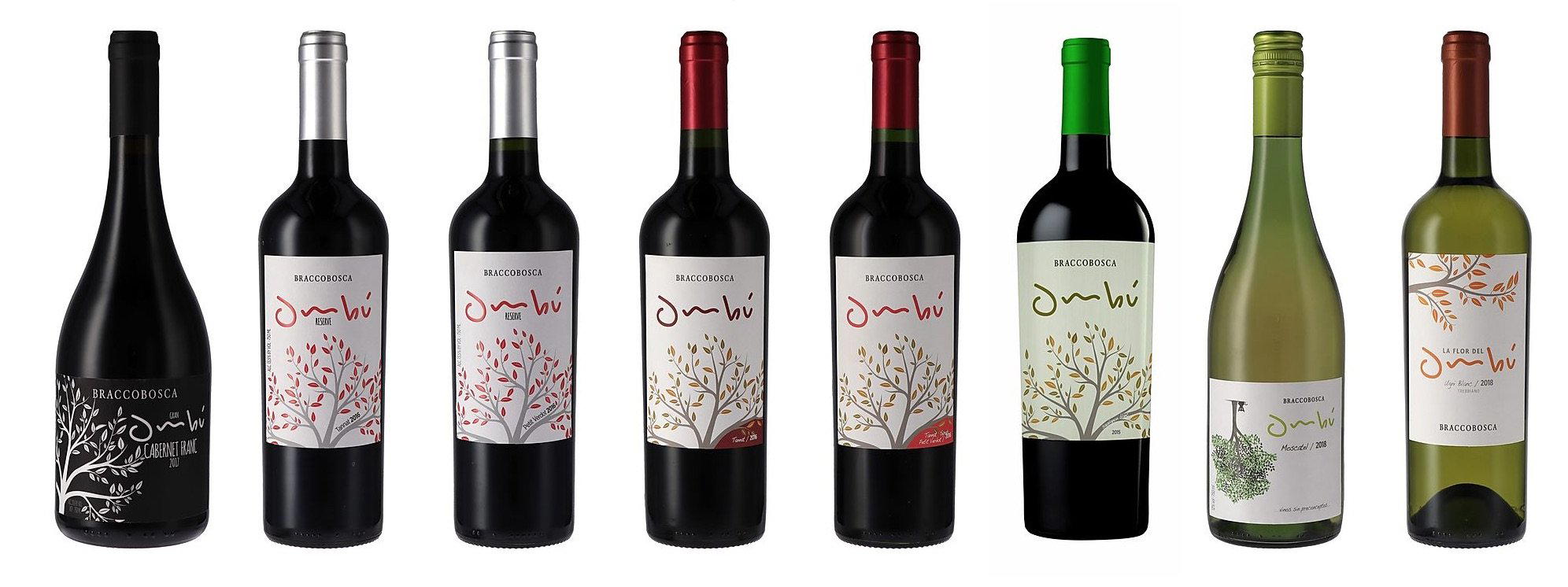
Bracco Bosca
Canelones, Uruguay
Book Bracco Bosca only if a focused Canelones winery visit is the point of the day and the schedule can handle planning friction. It is a better fit for wine travelers seeking depth than for groups needing confirmed food, fixed timing, or an easy drop-in stop.
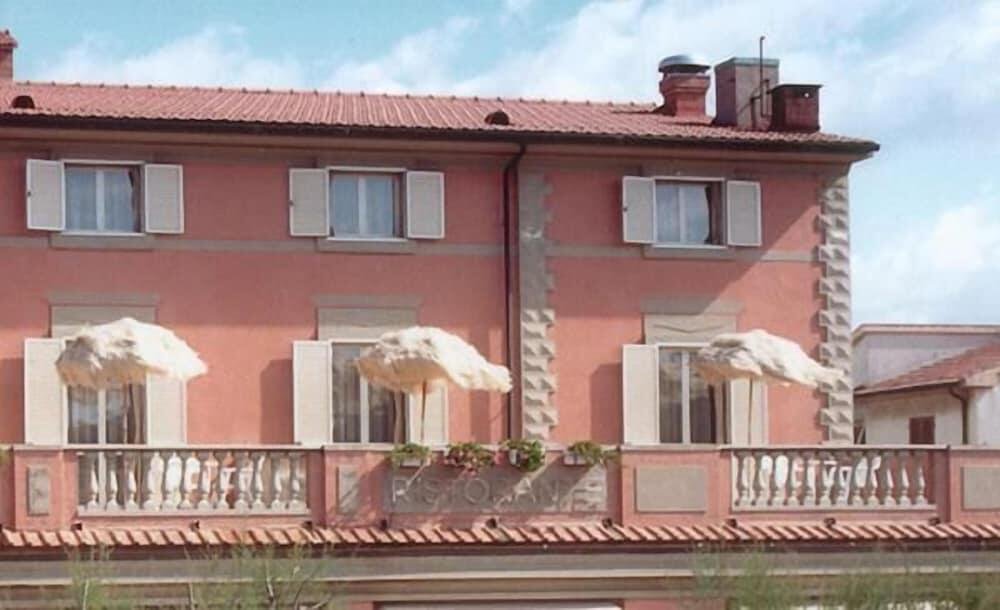
Azienda Agricola Fornacelle
Castagneto Carducci, Italy
Azienda Agricola Fornacelle is a sensible Castagneto Carducci option for wine travelers who want a quieter estate-led stop rather than a heavily packaged tasting. Booking difficulty is easy, but confirmed visitor details are thin, so treat it as a flexible wine-country addition and confirm access before making it the anchor of the day.
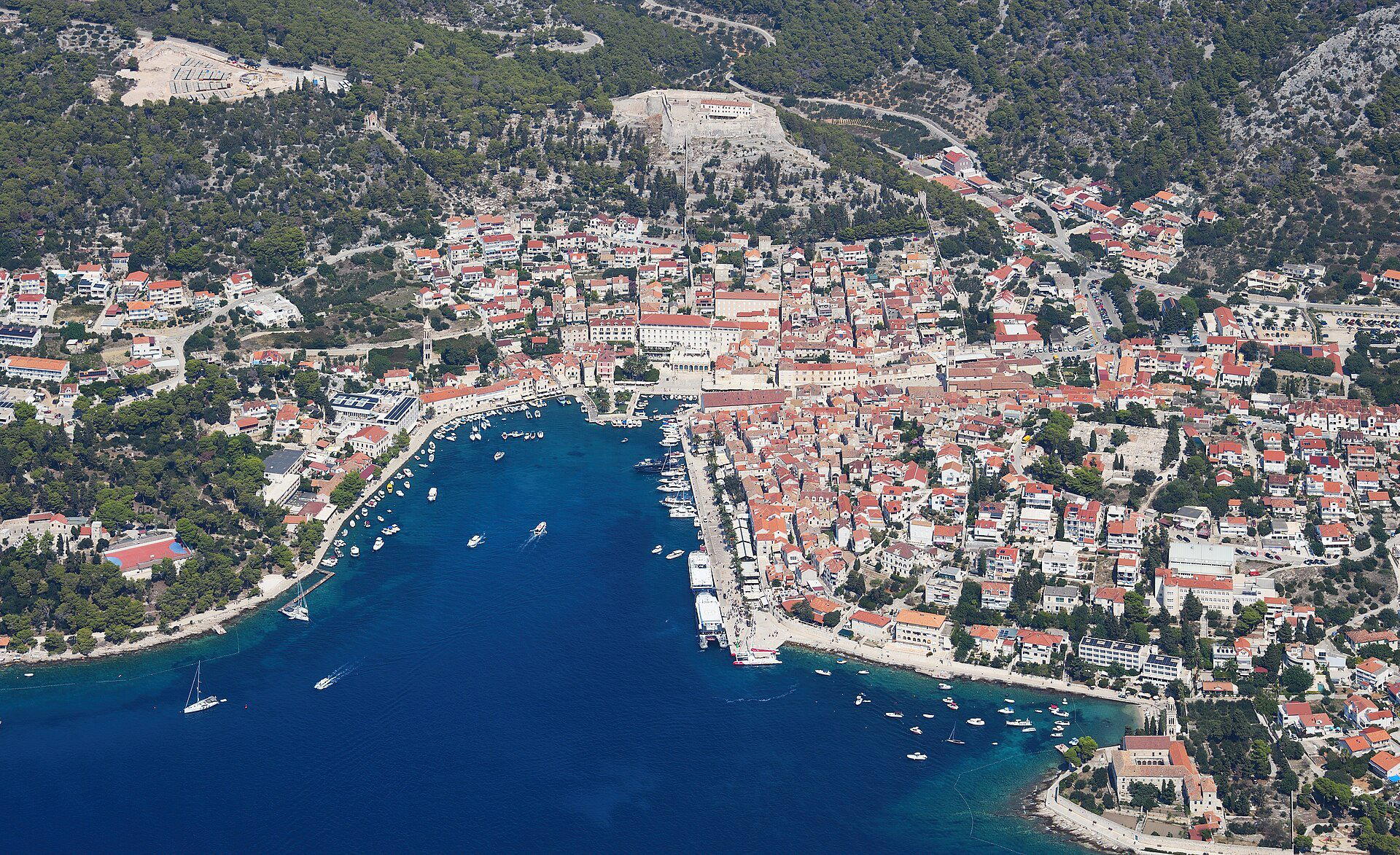
Bastijana
Hvar, Croatia
Bastijana is a low-commitment Hvar wine stop, stronger as part of a flexible island day than as the single reason to plan around one venue. Its clearest trust signal is Falstaff listing in 2026, but with no published price, hours, website, or booking method here, treat it as an easy add-on rather than a tightly structured tasting plan.
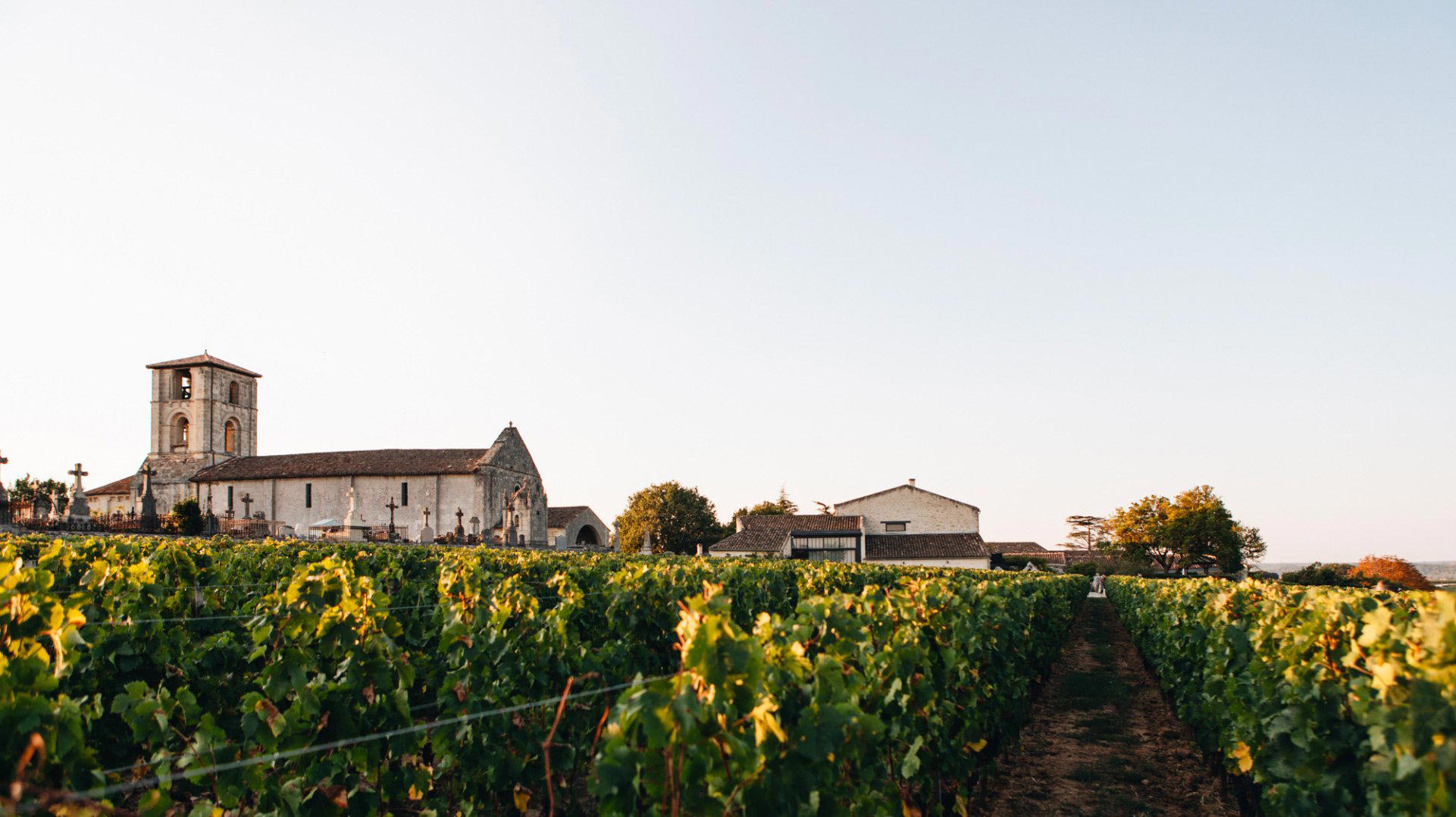
Clos Saint Martin
Saint-Émilion, France
Clos Saint Martin is worth pursuing for serious Saint-Émilion drinkers who want a focused appointment at a tiny Grand Cru Classé estate, not a broad tasting-room experience. The draw is the 1.33-hectare limestone-plateau scale, Merlot-led flagship wine, and strong recent critic scores. Plan ahead and keep the group small.
Château Kressmann
Blanquefort Cedex, France
Book Château Kressmann if you want a focused Bordeaux merchant-house visit with real heritage rather than a scenic estate day. The draw is its 1871 history, appointment-only format, Falstaff Listed 2026 recognition, and connection to Château Latour-Martillac, a Grand Cru Classé de Graves. Best for small, wine-literate groups or business-minded tastings.
How many of these have you visited?
Find out on Pearl and keep score across every place in 2026 Falstaff Winery Guide.