
Pym Rae and Tesseron Estate
Mt. Veeder, Napa
Winery in Napa, United States
 Book with Pearl
The Read
Bordeaux-Rooted Napa Allocation
Why go
Pym Rae and Tesseron Estate is for collectors who want a focused Napa estate visit centered on flagship wine rather than a broad tasting-room afternoon. Prioritize it if access to a young, serious estate project matters; skip it if the goal is casual hospitality, food, or easy scheduling.
About Pym Rae and Tesseron Estate
Melissa Apter Castro is the chef/owner, and the dress code is smart casual.
For a smooth Napa itinerary, use the venue's own current information before committing time. Pym Rae and Tesseron Estate is worth noting for its Pearl recognition.
Choose this for a Pearl-recognized Napa stop
Melissa Apter Castro is the chef/owner, and the dress code is smart casual. For hospitality style, address, visit length, pricing, or food offering, leave room for direct confirmation.
Travelers building a broader Napa stay should use Our full Napa restaurants guide, Our full Napa hotels guide, Our full Napa bars guide, Our full Napa wineries guide, and Our full Napa experiences guide to round out the itinerary. For other venues to research separately, consider BOND Winery, Kenwood Vineyards, Kunde Family Winery, STAGLIN Family Vineyard, and Tres Sabores.
Who should prioritize it
Prioritize Pym Rae and Tesseron Estate if a Pearl-recognized Napa venue with smart casual dress and Melissa Apter Castro attached is enough to justify further inquiry. For comparison research, look at BOND Winery, Kenwood Vineyards, Kunde Family Winery, STAGLIN Family Vineyard, and Tres Sabores, while treating each venue's current visitor information as separate and subject to confirmation.
Planning details
- Location
- 1100 Wall Rd, Napa, CA 94558
- Website
- pym-rae.com
The take
The Take
The Vibe
Pym Rae and Tesseron Estate reads as a quietly confident, low‑volume Napa property. Wall Road’s less trafficked corridor frames the visit, and the estate cultivates a measured, deliberate atmosphere rather than a bustling tasting‑room energy. The collaboration with a storied Bordeaux family lends institutional gravitas and a comparative sensibility: tastings feel geared toward focused conversation and careful evaluation rather than casual sampling. Visitors encounter an intimate, serene pace that appeals to people who appreciate precision and provenance more than spectacle; the estate’s temperament is refined and intentionally restrained.
Best For
This estate is best for serious wine enthusiasts and collectors who want to interrogate how Bordeaux ideas translate to Napa. The Franco‑American partnership and nearly a decade of vintages invite comparative tasting and discussion about stylistic choices, climate effects, and aging potential. It also suits visitors who prefer low‑volume, appointment‑style encounters where the tasting is calibrated for informed guests. If you follow both French and California markets or want a focused, educative tasting rather than a casual drop‑in, this property is a strong match.
Tasting Tips
Approach tastings here with specific questions and a comparative mindset: ask about the Tesseron influence, how Napa terroir shapes the wines, and how recent vintages have evolved since the first release in 2016. Because the estate operates at lower volume and with measured intentionality, expect a tasting that favors depth over breadth: requesting or tasting multiple recent vintages and discussing winemaking decisions will yield the most insight. Prepare to engage with technical points and collector‑level framing rather than a generic flight of samples.
Venue details
Ambiance
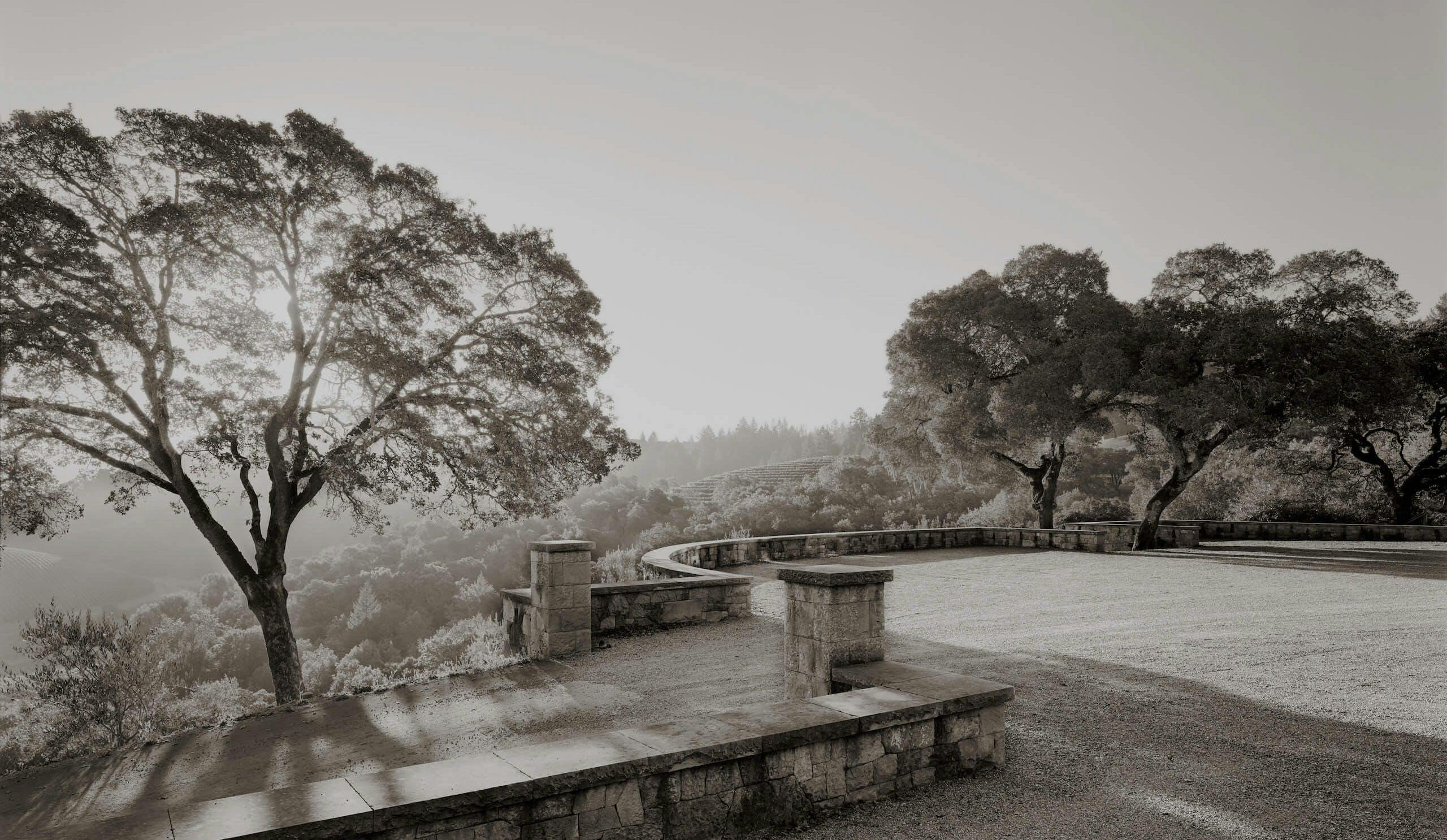
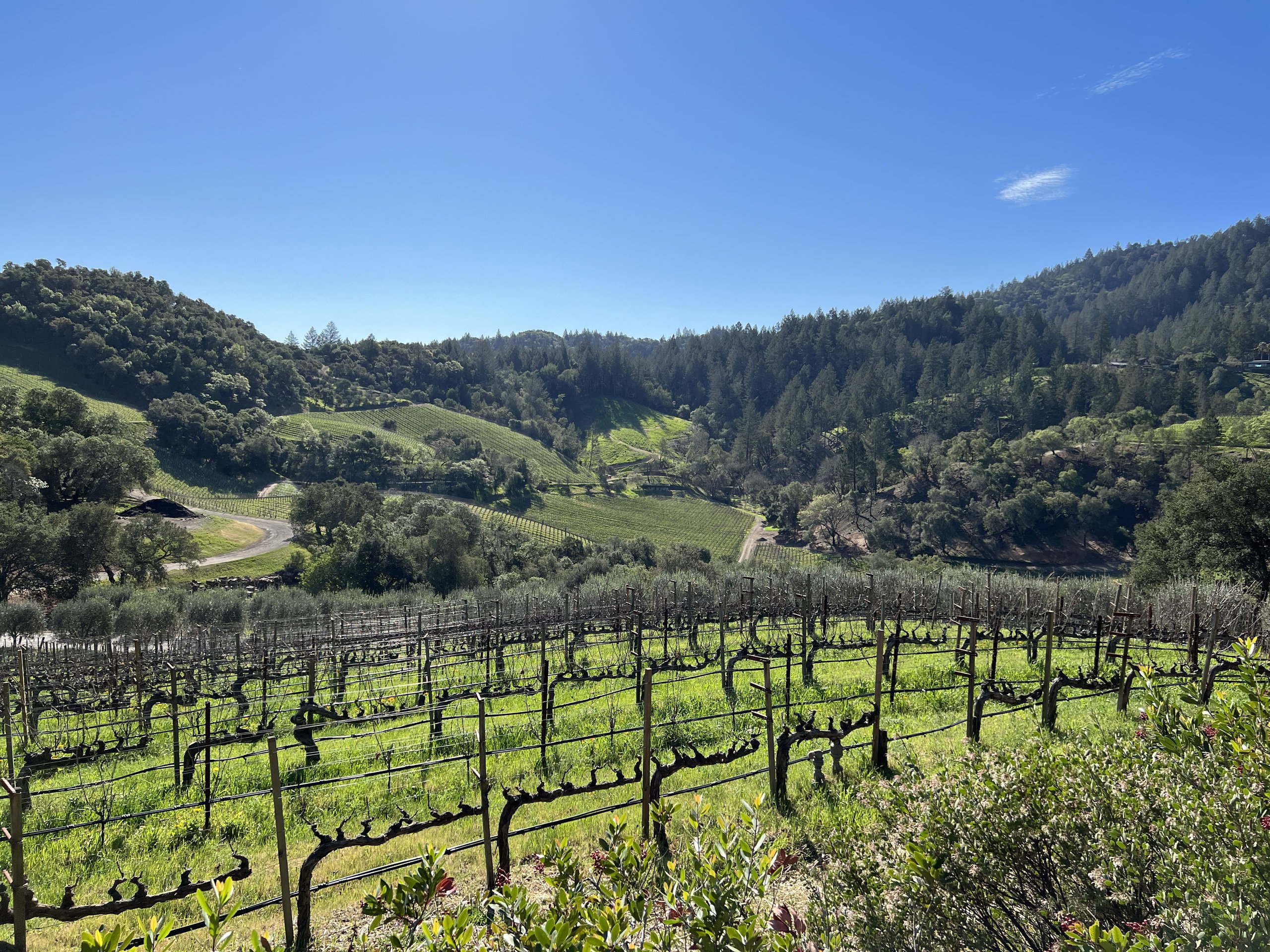
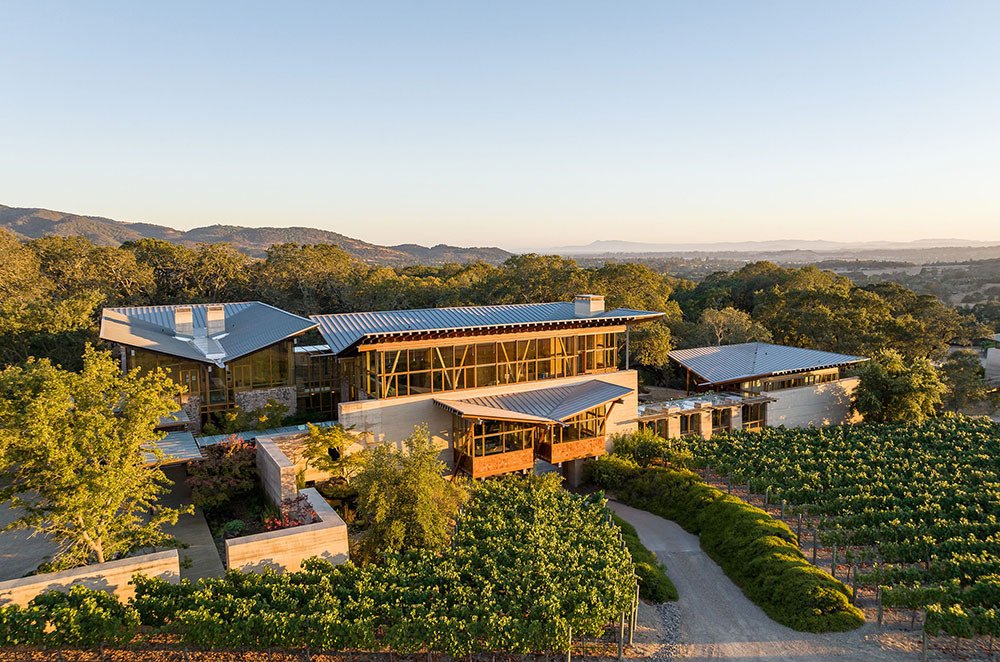
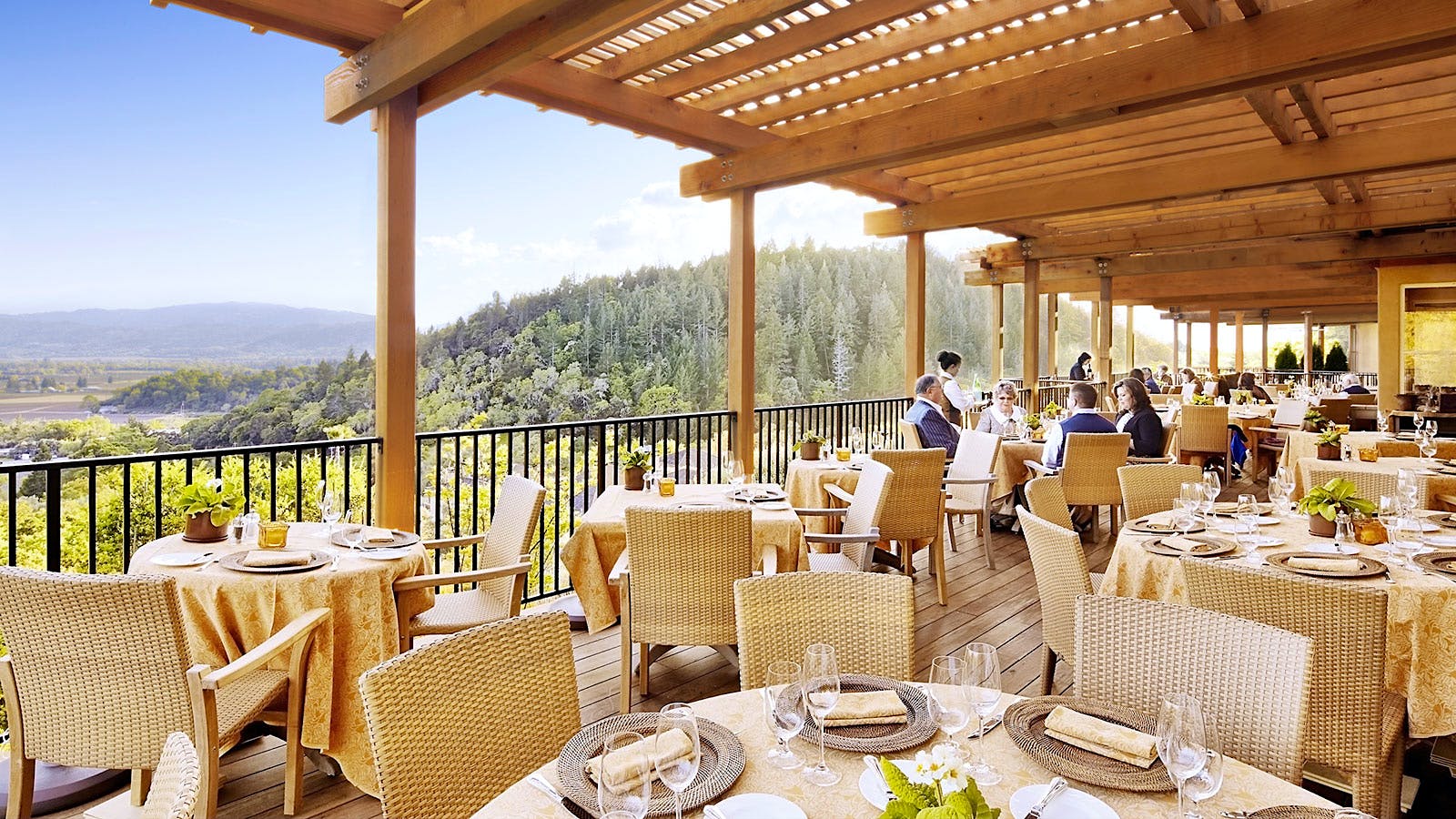
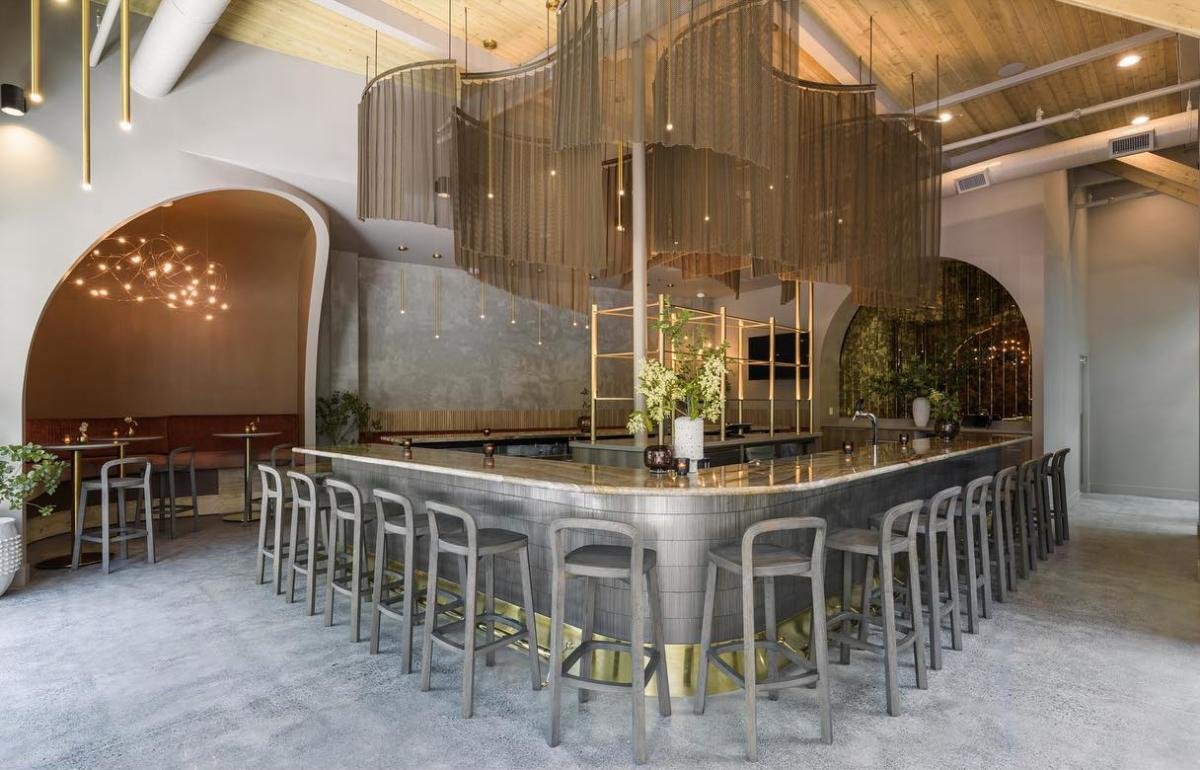
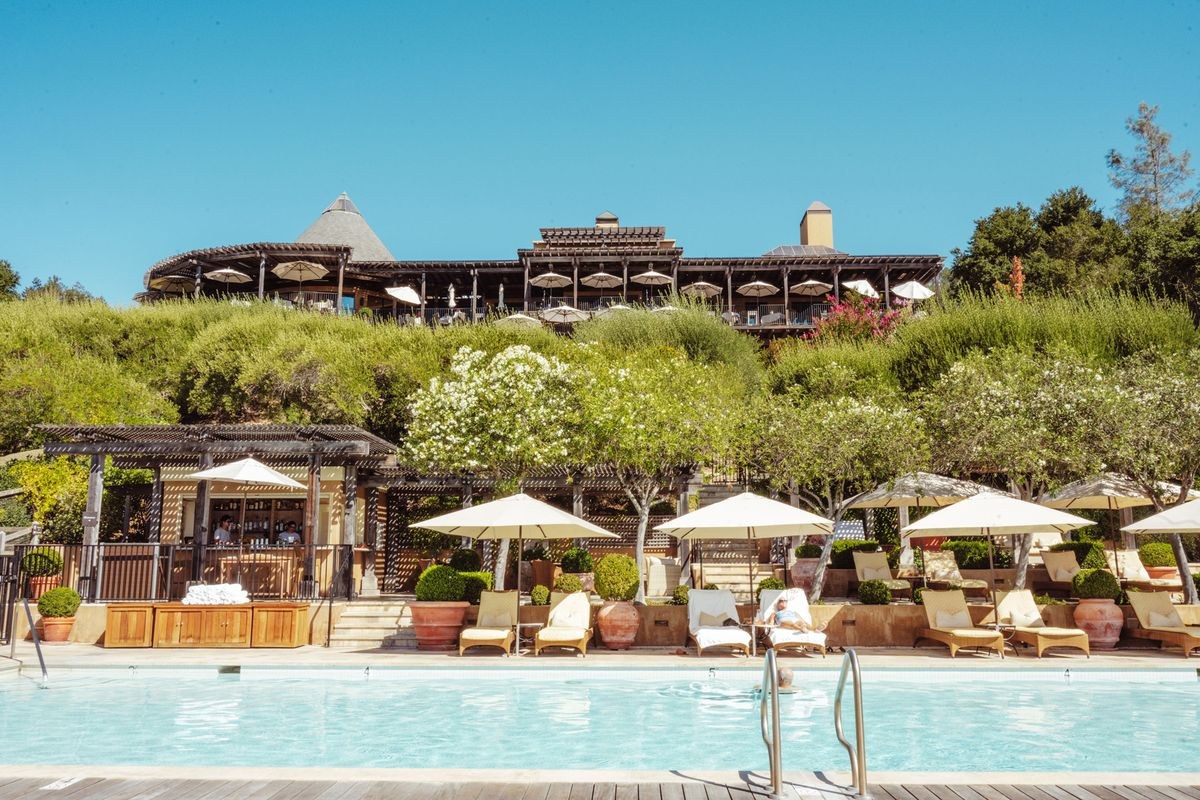
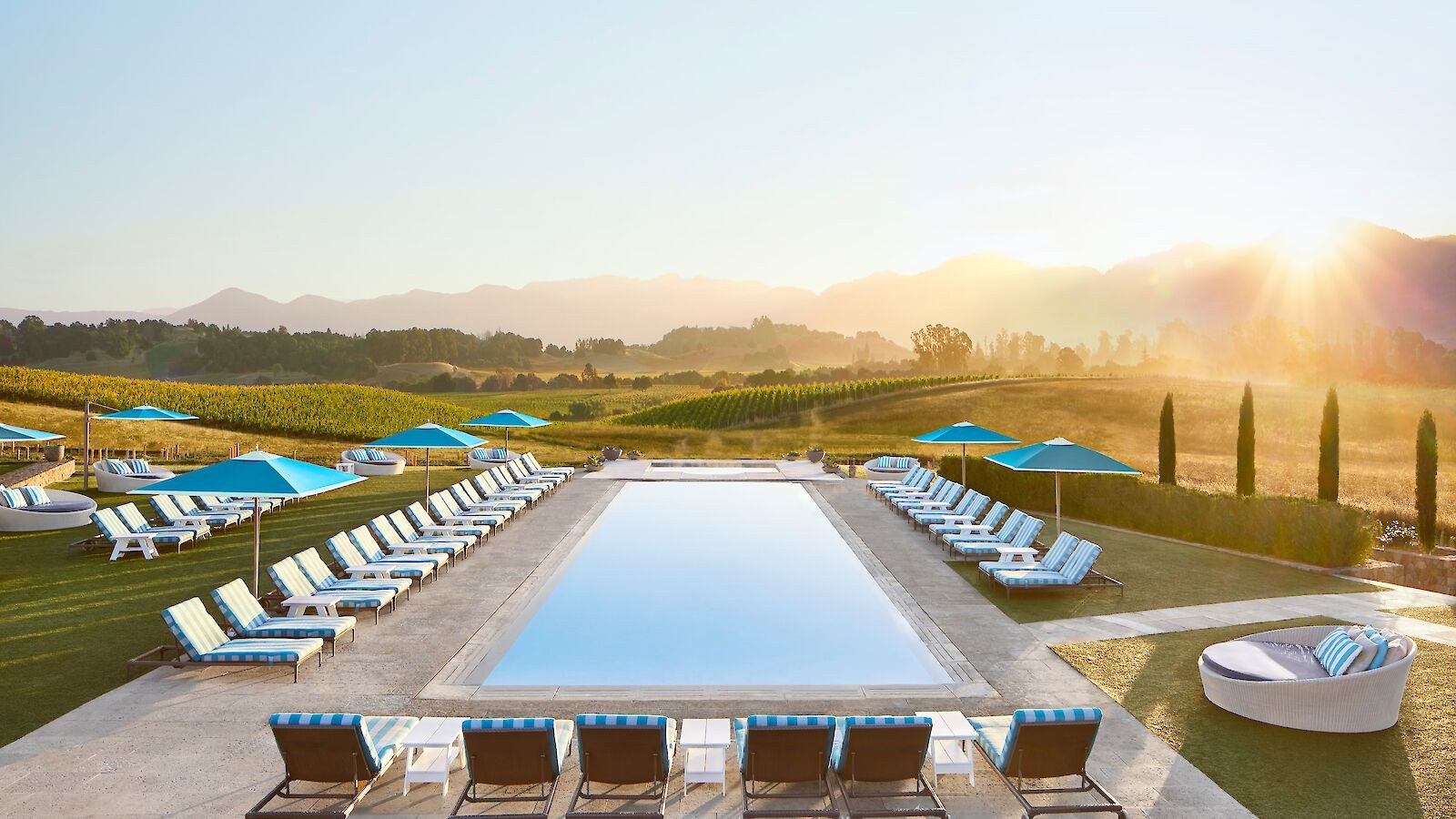
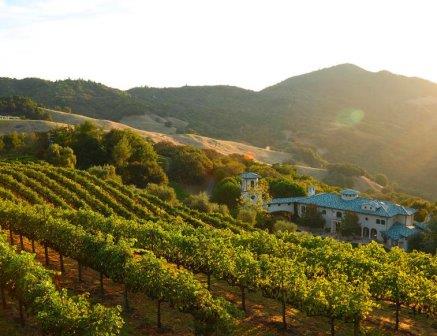
Intimate and charming Italian villa atmosphere with panoramic mountain views, evoking a sense of homey elegance amid steep hillside vineyards.
Tags
Vibe
Best For
Experience
Sourcing
View
At the Vineyard
- Appellation
- Mt. Veeder AVA
- Varietals
- Cabernet Sauvignon, Merlot, Cabernet Franc
- Visits
- By appointment only
- Farming
- Biodynamic
- Production
- Small producer
- Wine Styles
- Still Red
- Shipping
- Available
- Wine Club
- Available
Know before you go
Know Before You Go
- Getting there
- 1100 Wall Rd, Napa, CA 94558
Planning details
Location
1100 Wall Rd, Napa, CA 94558 · Directions
Recognition and awards

Also consider
Where to Look If Access Does Not Work
If this appointment is not available, start with BOND Winery for another collector-leaning Napa comparison. For a more flexible winery day with a broader hospitality feel, choose Kunde Family Winery instead.
Winery context
How It Compares
Against BOND Winery, Pym Rae and Tesseron Estate is the choice for a narrower estate lens and a younger first-vintage arc. BOND is the more obvious cross-shop for collectors who want established Napa luxury positioning; Pym Rae is the better fit for drinkers who want to follow a project closer to its beginning.
Tres Sabores, Kenwood Vineyards, and Kunde Family Winery are more practical choices for visitors who want a classic winery-day feel and less friction. Choose them when group ease, broader hospitality, or a more relaxed pace matters more than chasing a tightly allocated estate appointment.
STAGLIN Family Vineyard is the cleaner comparison for travelers who want a serious family-estate context with high collector appeal. Cross-shop it if the trip is built around Napa pedigree; keep Pym Rae on the list when the draw is a focused flagship wine with a shorter vintage history.
Around this place
Discover more on Pearl
Unlock the full Pym Rae and Tesseron Estate guide in Pearl, including awards, comparisons, FAQs, planning details, and nearby places.
Compare Pym Rae and Tesseron Estate
| Venue | Location | Awards |
|---|---|---|
| Pym Rae and Tesseron Estate | Napa | 2026 Falstaff Winery Guide |
| Tres Sabores | Rutherford | No published awards |
| BOND Winery | Napa | 2026 Falstaff Winery Guide |
| STAGLIN Family Vineyard | Rutherford | 2026 Falstaff Winery Guide |
| Kenwood Vineyards | Kenwood | 2026 Falstaff Winery Guide |
| Kunde Family Winery | Kenwood | No published awards |
FAQ
Frequently Asked Questions
When is the best time to visit Pym Rae and Tesseron Estate?
Check Pym Rae and Tesseron Estate directly for hours, days of operation, and visitor schedule before planning a Napa visit. If you are comparing options, Tres Sabores and Kenwood Vineyards are other names to research separately.
Are memberships or ongoing purchase options available at Pym Rae and Tesseron Estate?
If joining or buying regularly is part of your decision, confirm the current membership, allocation, or ongoing purchase options directly with Pym Rae and Tesseron Estate. Tres Sabores is another name to research if you are comparing venues.
Does Pym Rae and Tesseron Estate serve food?
Plan meals in Napa separately unless Pym Rae and Tesseron Estate confirms food service. If food or a fuller outing is important, compare current details directly with other venues such as Kunde Family Winery.