
Château Prieuré-Lichine
Cantenac
Winery in Cantenac, France
 Book with Pearl
The Read
Classified Médoc Terroir
Why go
Château Prieuré-Lichine is worth planning around if the goal is a serious Margaux-Cantenac winery visit rather than a casual tasting-room drop-in. It suits wine travelers building a classified-growth itinerary and comparing nearby estates, but the membership or allocation decision should wait until after tasting because public terms are not clear.
About Château Prieuré-Lichine
Château Prieuré-Lichine is a Cantenac venue with opening hours from Monday through Saturday: 9 AM–12:30 PM and 2–5 PM. It is closed on Sunday. Pearl lists it as 3 Star Prestige (2025), and the dress code is smart casual.
Plan around the basics rather than assuming a specific visit format, menu, tasting structure, price, or booking policy. Use the posted hours as the practical framework, and confirm any visit details directly with the venue before building a wider itinerary around it.
Make it a Cantenac stop, then compare other venues
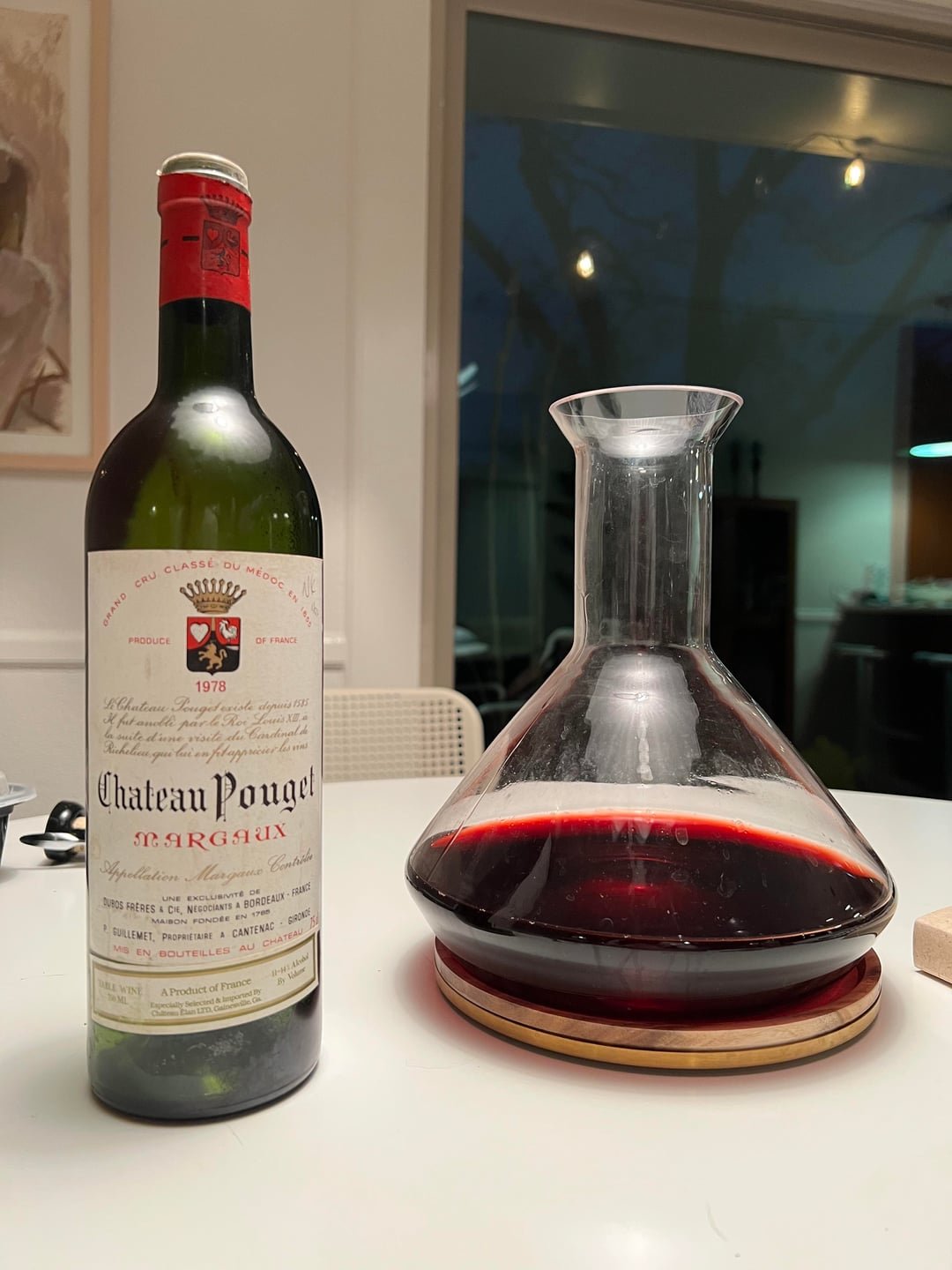
For comparison planning, Château Kirwan, Château d'Issan, Château Pouget, Château Boyd-Cantenac, and Château Desmirail are useful reference points. For a broader itinerary, use current local planning resources before locking the route.
The clearest case for Château Prieuré-Lichine is simple: it is a Pearl 3 Star Prestige (2025) Cantenac venue with weekday and Saturday daytime hours. Beyond that, avoid assuming specific visit inclusions, terms, pricing, or food service unless the venue confirms them for your date.
Go for the Cantenac venue, and confirm specific offerings
This is best planned as a Cantenac venue stop with hours and smart-casual dress expectations. For planning beyond this venue, compare details for other options before finalizing your itinerary.
The practical timing is direct: Monday through Saturday, 9 AM–12:30 PM and 2–5 PM; Sunday is closed. The verdict: include Château Prieuré-Lichine if you want a Pearl 3 Star Prestige (2025) stop in Cantenac, and confirm any specific visit details directly before relying on additional elements.
Planning details
- Location
- 34 Avenue de la Ve République, 33460 Margaux-Cantenac, France
- Website
- prieure-lichine.fr
- Phone
- +33557883628
The take
The Take
The Vibe
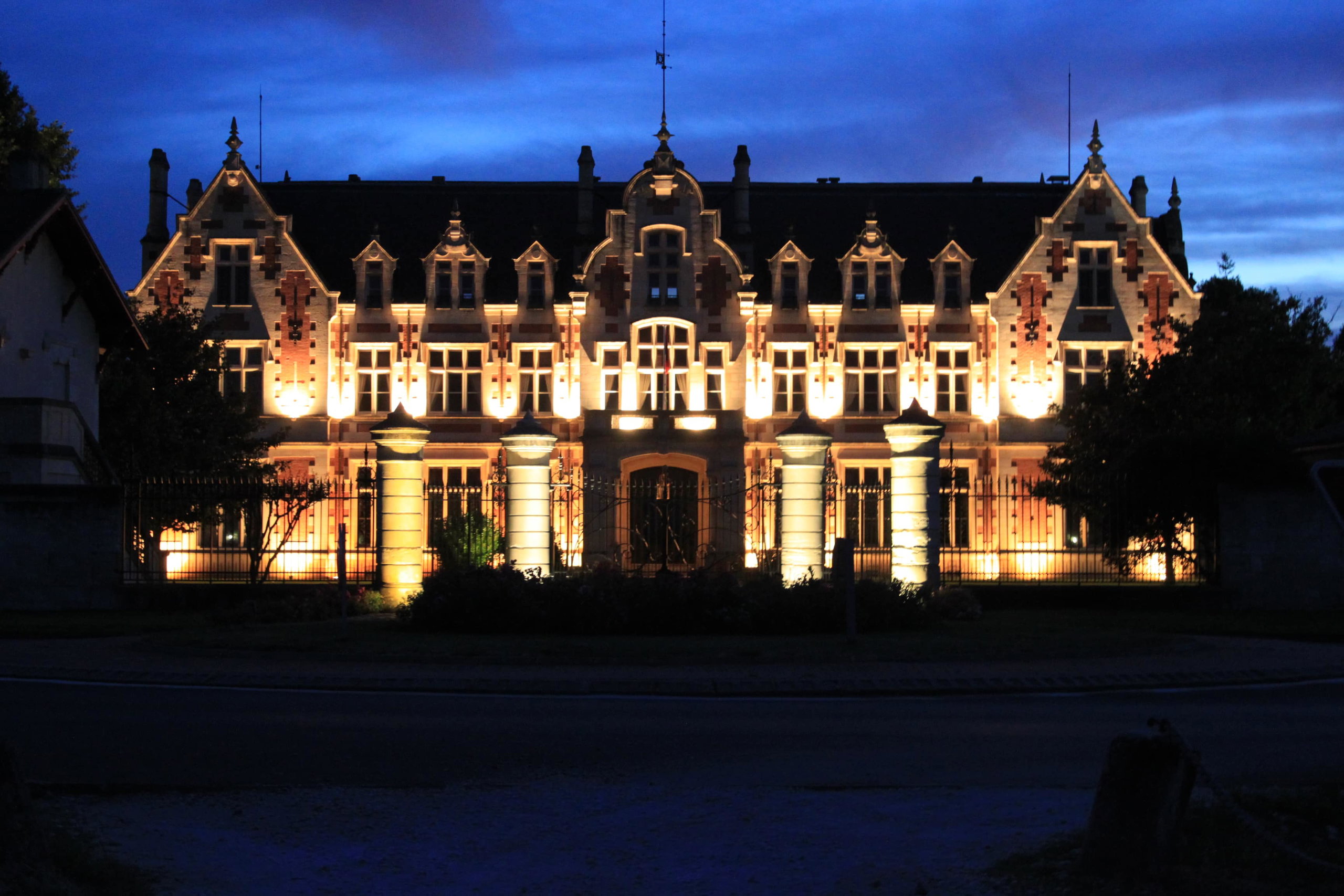
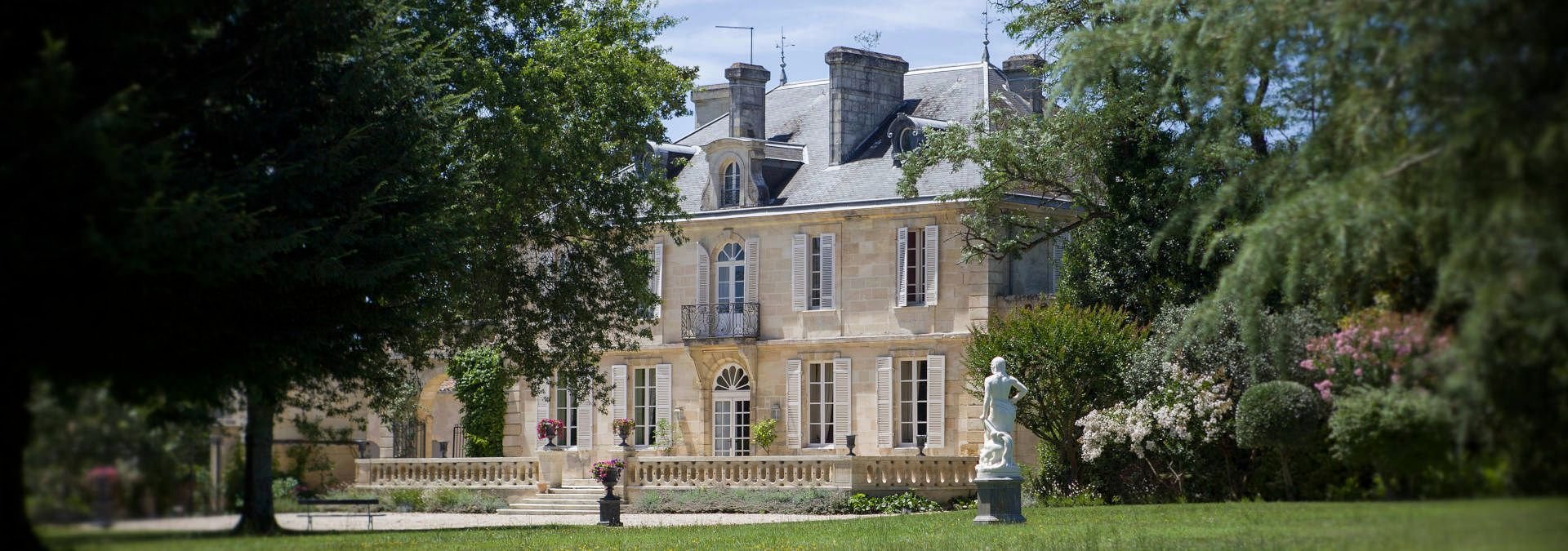
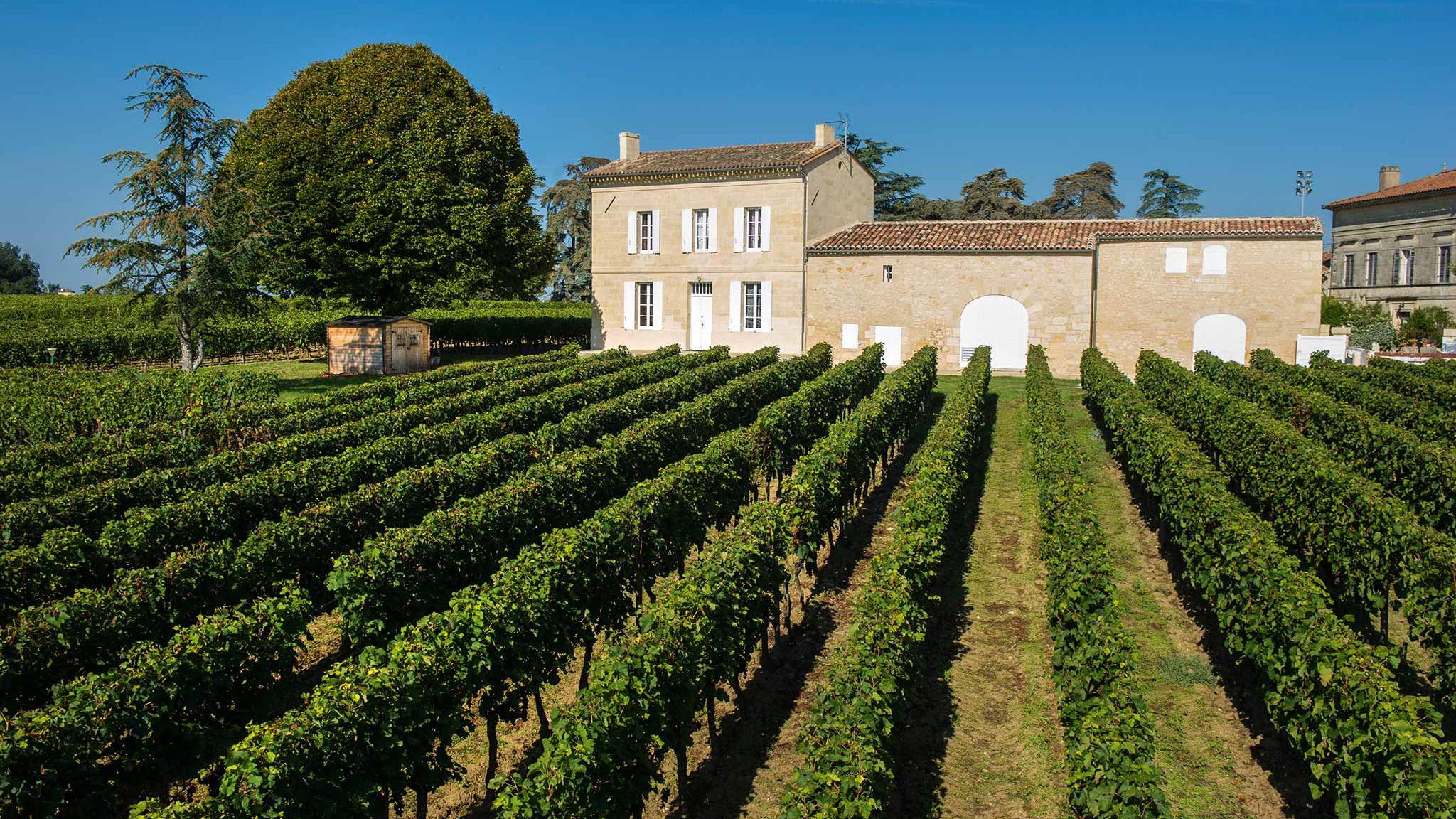
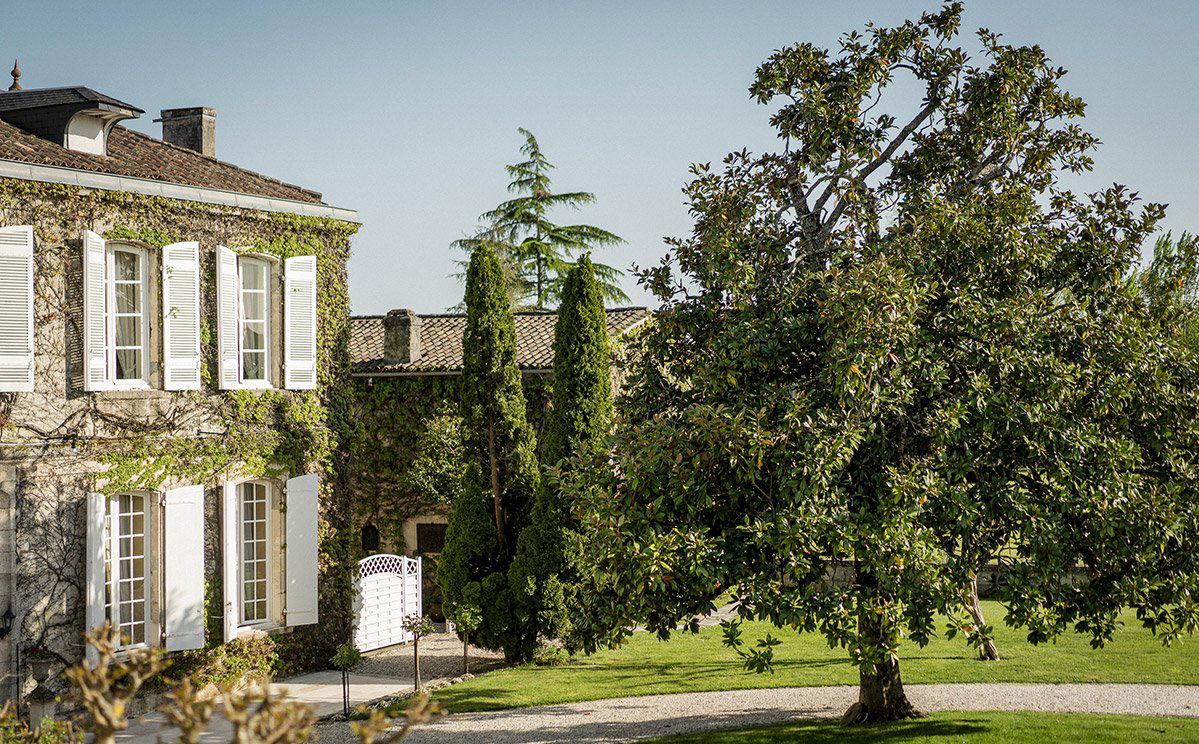
Château Prieuré-Lichine reads like a quietly authoritative Margaux estate: a chartreuse-style manor, gatehouse and long avenue framed by vines present a historic, restrained charm. The narrative of the place is the land itself — pale gravel soils, subtle drainage and the nearby Gironde that moderates the climate — so the setting feels scenic and serene rather than theatrical. The estate’s classified position and measured elegance lend a formal air, but the emphasis remains on terroir and continuity. Visits feel rooted in tradition, with the built fabric and planted rows doing most of the talking.
Best For
This property is best for those focused on serious wine study and milestone tastings. As a Margaux fourth growth with a Pearl 3 Star Prestige rating, Prieuré-Lichine suits visitors who want to understand classified Bordeaux structure, Cabernet-dominant blends and estate-level winemaking choices. The estate’s quiet, historic grounds also make it appropriate for elevated, intimate occasions where the setting’s pedigree matters. It is less about spectacle and more about close attention to terroir, barrel-aged releases and the lineage of a château that sits comfortably within Margaux’s classification framework.
Tasting Tips
When enquiring about bottles or tastings, anchor your questions in classification and winemaking: ask which cuvées are estate-grown and which vintages are released after barrel ageing, since the property follows appellation rules requiring barrel ageing. Expect Cabernet Sauvignon to dominate the blends; request bottlings or vintages that reflect that focus. Reference the estate’s Pearl 3 Star Prestige rating if you want context for relative quality within the fourth-growth tier. If availability is limited, prioritize estate-labelled wines from recognized vintages to best experience the château’s character.
Venue details
Ambiance
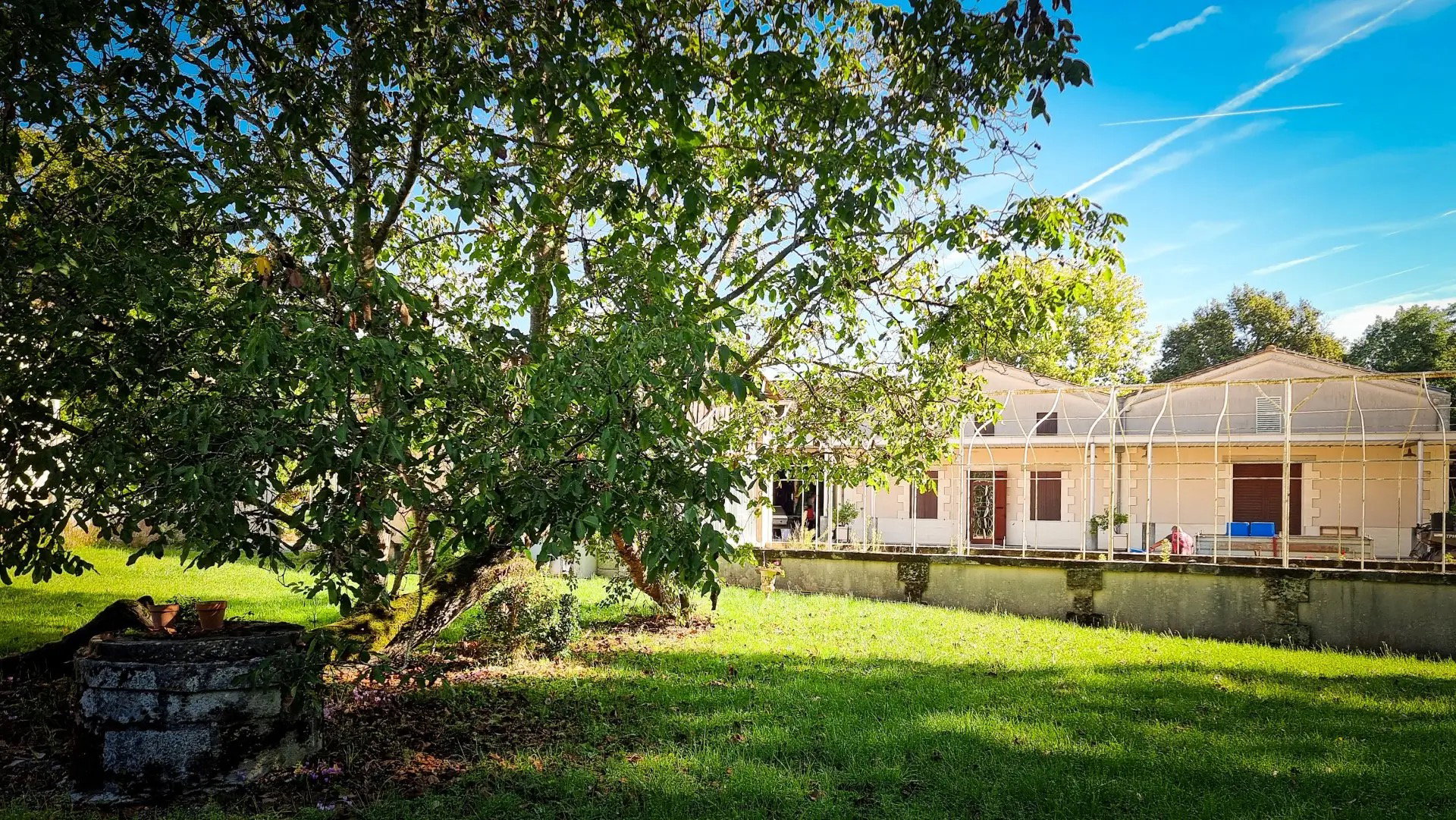
Elegant and classic with a historic priory atmosphere amid gravelly vineyard terroir.
Tags
Vibe
Best For
Experience
Sourcing
View
At the Vineyard
- Appellation
- Margaux AOC
- Varietals
- Cabernet Sauvignon, Merlot, Petit Verdot, Sauvignon Blanc, Semillon
- Tour Duration
- 60-90 minutes
- Tour Languages
- French, English
- Visits
- By appointment only
- Wine Styles
- Still Red
- Wine Club
- Available
Know before you go
Know Before You Go
- Getting there
- 34 Avenue de la Ve République, 33460 Margaux-Cantenac, France
Planning details
Location
34 Avenue de la Ve République, 33460 Margaux-Cantenac, France · Directions
Recognition and awards

Also consider
Where to look if this is full
If Château Prieuré-Lichine is not workable, try Château Kirwan or Château d'Issan for the closest like-for-like Cantenac alternative. For a more flexible village plan, Château Pouget and Château Boyd-Cantenac are the more practical cross-shops.
Winery context
How it compares in Cantenac
Choose Château Prieuré-Lichine when the day needs a serious Margaux anchor and the group is willing to plan around a harder booking. Château Kirwan and Château d'Issan are the closest cross-shops for a polished Cantenac itinerary; both make sense if the priority is a high-structure château visit with strong village context.
For a less pressured plan, look at Château Desmirail, Château Pouget, or Château Boyd-Cantenac. Those are better fallback names when availability drives the day. Prieuré-Lichine is the stronger choice for visitors who want a more serious Margaux reference point; the others can be easier fits for a broader village route.
For value, do not judge this purely as a tasting stop. It works hardest when paired with one or two peers so the visitor can compare Margaux styles and decide whether deeper buying or club-style commitment is justified.
Explore Cantenac
Around this place
Discover more on Pearl
Unlock the full Château Prieuré-Lichine guide in Pearl, including awards, comparisons, FAQs, planning details, and nearby places.
Compare Château Prieuré-Lichine
| Venue | Location | Awards |
|---|---|---|
| Château Prieuré-Lichine | Cantenac | 2026 Falstaff Winery Guide |
| Château Kirwan | Cantenac | 2026 Falstaff Winery Guide |
| Château d’Issan | Cantenac | 2026 Falstaff Winery Guide |
| Château Desmirail | Margaux | 2026 Falstaff Winery Guide |
| Château Pouget | Cantenac | 2026 Falstaff Winery Guide |
| Château Boyd-Cantenac | Cantenac | 2026 Falstaff Winery Guide |
How Château Prieuré-Lichine Cantenac compares with similar nearby venues.
FAQ
Frequently Asked Questions
Do I need a reservation at Château Prieuré-Lichine?
A reservation policy is not stated. The hours are 9 AM–12:30 PM and 2–5 PM, Monday through Saturday, with Sunday closed. Because Château Prieuré-Lichine is listed as Pearl 3 Star Prestige (2025), it is sensible to confirm timing directly before going to Cantenac.
What other venues can I compare with Château Prieuré-Lichine?
Château Kirwan, Château d'Issan, Château Desmirail, Château Pouget, and Château Boyd-Cantenac are useful comparison points when planning around Château Prieuré-Lichine.
What dress code is confirmed at Château Prieuré-Lichine?
The dress code for Château Prieuré-Lichine is smart casual.