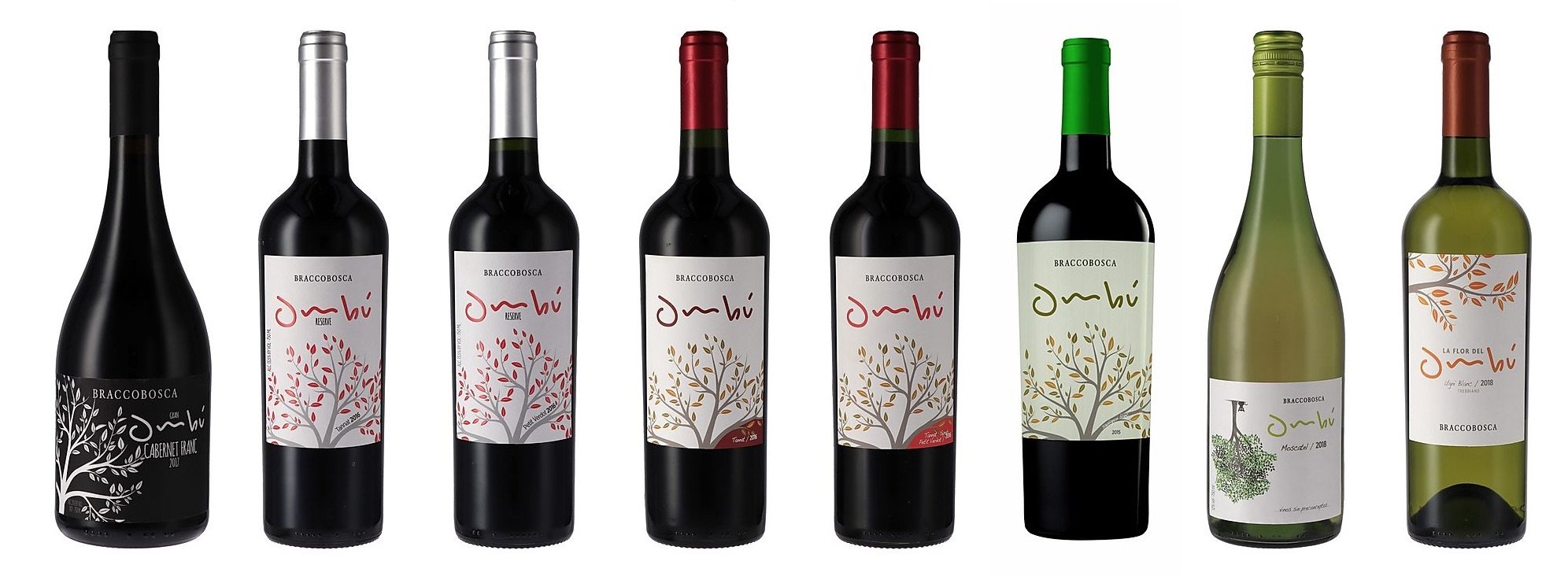
Bracco Bosca
Atlántida, Canelones
Winery in Canelones, Uruguay
The Read
Canelones Prestige Production
Why go
Book Bracco Bosca only if a focused Canelones winery visit is the point of the day and the schedule can handle planning friction. It is a better fit for wine travelers seeking depth than for groups needing confirmed food, fixed timing, or an easy drop-in stop.
About Bracco Bosca
Bracco Bosca is a Canelones venue with a casual dress code and Pearl 2 Star Prestige (2025). With only limited verified details available here, the safest way to evaluate it is as a Canelones stop whose confirmed appeal rests on that recognition rather than on specific claims about cuisine, pricing, hours, seating, or visit format. In practical terms, that means the venue can sit on a shortlist with some confidence, but it should not be treated as a fully defined dining plan from this record alone.
Because the verified record does not establish a detailed service model, menu, booking process, or address beyond Canelones, plan with care and confirm practical details directly before making it a fixed part of the day. That extra step matters most if the visit is meant to anchor a schedule, replace a meal, or coordinate a group. For travelers comparing options, Bracco Bosca can be considered alongside Bodega Spinoglio, Bodega Toscanini, Bodega Traversa, Pizzorno Family Estates, Varela Zarranz, with the understanding that each option should be judged by what it can verify directly.
Choose it for a focused Canelones stop, not a guaranteed meal plan
The clearest grounded reason to keep Bracco Bosca on the shortlist is its Pearl 2 Star Prestige (2025). That recognition is the strongest confirmed signal in the available information, it gives the venue a reason to be noticed within a Canelones itinerary. Do not assume a particular dining format, cuisine, tasting structure, lunch service, or price from this record. If those details matter, confirm them with the venue before you go, especially if timing, food, or budget will shape the rest of the day.
As a planning choice, treat Bracco Bosca as one option to evaluate on its confirmed facts. Its value here is not in a fully described experience, but in a concise set of reliable markers: Canelones, casual dress code, Pearl 2 Star Prestige (2025). Bodega Spinoglio, Bodega Toscanini, Bodega Traversa, Pizzorno Family Estates, Varela Zarranz are useful comparison points, while other dining in Canelones can be researched generically if meals are a priority. That approach keeps expectations realistic and prevents a recognition-led choice from becoming an assumption-heavy plan.
Worth pursuing if the itinerary can absorb unknowns
Bracco Bosca may be worth pursuing when you are comfortable confirming the practical details yourself. The verified information supports a casual dress code and Pearl 2 Star Prestige (2025), but it does not verify hours, reservations, food service, beverage specifics, group suitability, or a fixed budget. Those gaps do not rule it out; they simply mean the visit works best for travelers who can make a few direct checks and adapt if the available format does not match their needs.
If you are building a Canelones itinerary, use the confirmed facts as the baseline and avoid assuming more. Start with what is known, then let direct confirmation decide whether Bracco Bosca becomes a central stop, a flexible possibility, or something to keep for another trip. Compare Bracco Bosca naturally with Bodega Spinoglio, Bodega Toscanini, Bodega Traversa, Pizzorno Family Estates, Varela Zarranz, then choose based on the details each venue can confirm directly. That measured method is the fairest way to handle a venue with a clear recognition marker but limited published specifics in this record.
Planning details
- Location
- Carretera Sosa Diaz km 43.000 Piedra del Toro, Municipio de, 15600 Salinas, Departamento de Canelones
- Website
- braccobosca.com
- Phone
- +598 94 496 513
The take
The Take
The Vibe
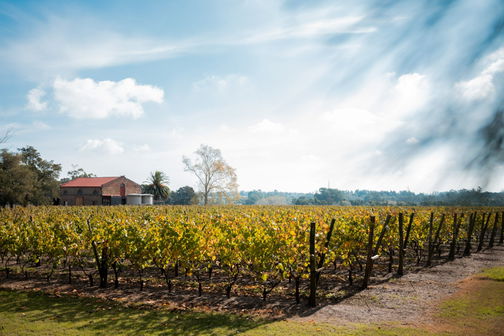
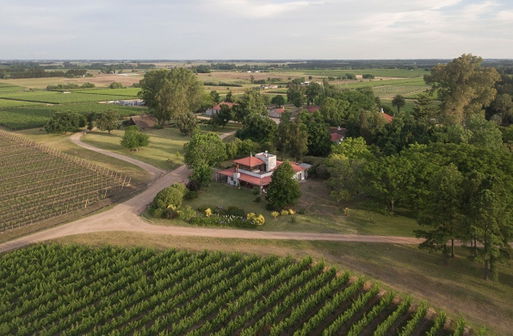
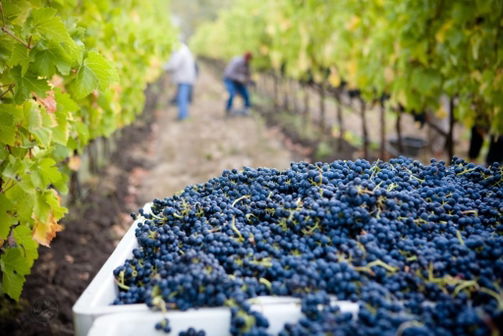
Bracco Bosca reads as a serious, production‑led estate that courts attention through quality rather than theatrical hospitality. The 2025 Pearl 2 Star Prestige badge frames the winery within a vetted tier of Canelones producers, so the tone is measured and professional rather than purely scenic or touristic. The writing emphasises working land, clay and gravel benches, and the Atlantic’s cooling pressure — details that give the place a studied, terroir‑driven character. Guests encounter a refined, classic winery environment where craftsmanship and vineyard expression are the primary draw.
Best For
This is a stop for visitors who come to learn about Canelones rather than to chase amenities. The winery fits tidy into corridor‑style touring: comparative tastings of regional expressions, quiet solo exploration, and focused wine education are the natural reasons to make the drive to kilometre 43. Its Prestige recognition and placement among established local peers make it suited to travellers who want a substantive tasting experience that highlights soil differences, Atlantic influence and the practical, farm‑first approach that defines the area.
Tasting Tips
When tasting here, prioritise bottles or flights that showcase the site’s contrasting soils and maritime influence: look for expressions that reference clay lowlands versus well‑drained gravel benches and the cooling Atlantic influence noted in the description. Given the winery’s Prestige designation, include any flagship or recently awarded releases to understand what earned the recognition. Treat a visit as part of a corridor comparison — sampling Bracco Bosca alongside neighbouring estates helps you parse stylistic differences tied to soil and exposure.
Planning details
Location
Carretera Sosa Diaz km 43.000 Piedra del Toro, Municipio de, 15600 Salinas, Departamento de Canelones · Directions
Also consider
If this is hard to secure
Try Pizzorno Family Estates or Varela Zarranz first if the goal is to stay in Canelones with a more flexible shortlist. For a backup outside the immediate Canelones set, compare availability at Bodega Traversa before locking the rest of the itinerary.
Winery context
How it compares in Canelones
Bracco Bosca is the harder play in this group: pursue it when the winery itself is the draw and booking effort is acceptable. Varela Zarranz, Pizzorno Family Estates, Bodega Toscanini make more sense for travelers who want to keep the day centered within Canelones and compare options before committing.
For value, the deciding factor is certainty rather than headline price, since public pricing is not the useful filter here. If a visitor needs the easiest decision, start with Bodega Traversa or Bodega Spinoglio as alternatives to check against availability. If ambiance and a quieter destination feel matter more than convenience, Bracco Bosca is the more interesting target, but only after securing the visit.
The practical recommendation: make Bracco Bosca the splurge of time, not necessarily money. Choose Varela Zarranz, Pizzorno Family Estates, or Bodega Toscanini when the group needs a cleaner Canelones plan with fewer moving parts.
Explore Canelones
Around this place
Discover more on Pearl
Unlock the full Bracco Bosca guide in Pearl, including awards, comparisons, FAQs, planning details, and nearby places.
Compare Bracco Bosca
| Venue | Location | Awards |
|---|---|---|
| Bracco Bosca | Canelones | No published awards |
| Varela Zarranz | Canelones | No published awards |
| Bodega Spinoglio | Las Piedras | No published awards |
| Bodega Traversa | Montevideo | No published awards |
| Pizzorno Family Estates | Canelones | No published awards |
| Bodega Toscanini | Canelones | No published awards |
How Bracco Bosca Canelones compares with similar nearby venues.
FAQ
Frequently Asked Questions
Does Bracco Bosca offer memberships or repeat-visitor benefits?
No membership or repeat-visitor benefit details are available in this verified record, so there is not enough grounded information here to judge their value. If Bracco Bosca offers any such program, confirm the terms directly with the venue before making a decision.
What other venues can I compare with Bracco Bosca?
Useful comparison venues include Varela Zarranz, Bodega Spinoglio, Bodega Traversa, Pizzorno Family Estates, Bodega Toscanini. The verified record does not establish distance, ease of access, or service differences among them, so check current details with each venue before planning a route.
When is the best time to visit Bracco Bosca?
The verified record does not list hours, seasons, or preferred visit times for Bracco Bosca. The safest approach is to confirm timing directly with the venue and build your Canelones plans around confirmed availability rather than assumptions.
What is the flagship item at Bracco Bosca?
No flagship item is verified in this record. The grounded facts are that Bracco Bosca is in Canelones, has a casual dress code, carries Pearl 2 Star Prestige (2025). If a specific offering is important to your visit, ask the venue directly before planning around it.