
Orange River Cellars
Middelpos, Upington
Winery in Upington, South Africa
 Book with Pearl
The Read
Arid-Climate Viticulture
Price
$1–10tasting
Why go
Orange River Cellars is worth prioritising if the trip is already centred on Upington and the goal is a practical Northern Cape winery stop. Plan it as the wine portion of the day, not as a guaranteed dining or large-group venue, and cross-shop Bezalel Wine & Brandy Estate if you want another local option.
About Orange River Cellars
Orange River Cellars is a venue to consider in Upington when the plan needs a direct stop rather than a fully specified restaurant or events brief. The dress code is casual, and the venue holds Pearl 2 Star Prestige (2025). For meals, hotels, bars, and other experiences around the same trip, use current local planning resources and confirm details directly before fixing the day.
The safest way to plan is to keep the itinerary flexible. Upington is the location; if food service, opening hours, tasting formats, prices, or group arrangements matter to the day, check the venue's official channels before committing. Treat Orange River Cellars as one component of the day, then confirm any time-sensitive or occasion-critical details through the venue's official channels.
Plan this as an Upington stop, not the whole occasion
Use the visit as the Upington component of a special occasion, then place any meal, overnight stay, or additional activity only after the essential logistics are confirmed. That matters for expectations: if food, hours, booking channels, or event formats are central to the occasion, it is better not to make the venue the only fixed point for an anniversary, client day, or birthday before checking them directly.
For comparison planning, Bezalel Wine & Brandy Estate, Die Mas Wine & Brandy Distillery, Blaq Distillery, Cederberg Cellars, and Whistler Rum Distillery can be considered as other venue references. Keep the comparison practical: if the day is centred on Upington, do not overload the route; if the trip is about comparing venues more broadly, allow enough time and check each stop separately.
Who should prioritise it
Travellers who want a casual, Upington-based venue with Pearl 2 Star Prestige (2025) should keep Orange River Cellars on the shortlist. It is less suitable as the sole anchor for guests who need a set dining format, a published schedule, or a large-group plan locked before travel. For those cases, choose whichever venue has the clearest logistics first, then add this stop only if the day has enough flexibility.
Travellers should frame the decision by geography and certainty. Orange River Cellars makes most sense when Upington itself is the base. If the trip is broader, compare it with other regional venues only after checking current details directly.
The right move here is to keep the day simple: confirm the venue details first, plan the rest of Upington around those details, and avoid assuming that any single stop can carry every part of the occasion.
Planning details
- Location
- 158 Schroder St, Middelpos, Upington, 8801
- Website
- orangeriverwines.com
- Phone
- +27 54 495 0040
The take
The Take
The Vibe
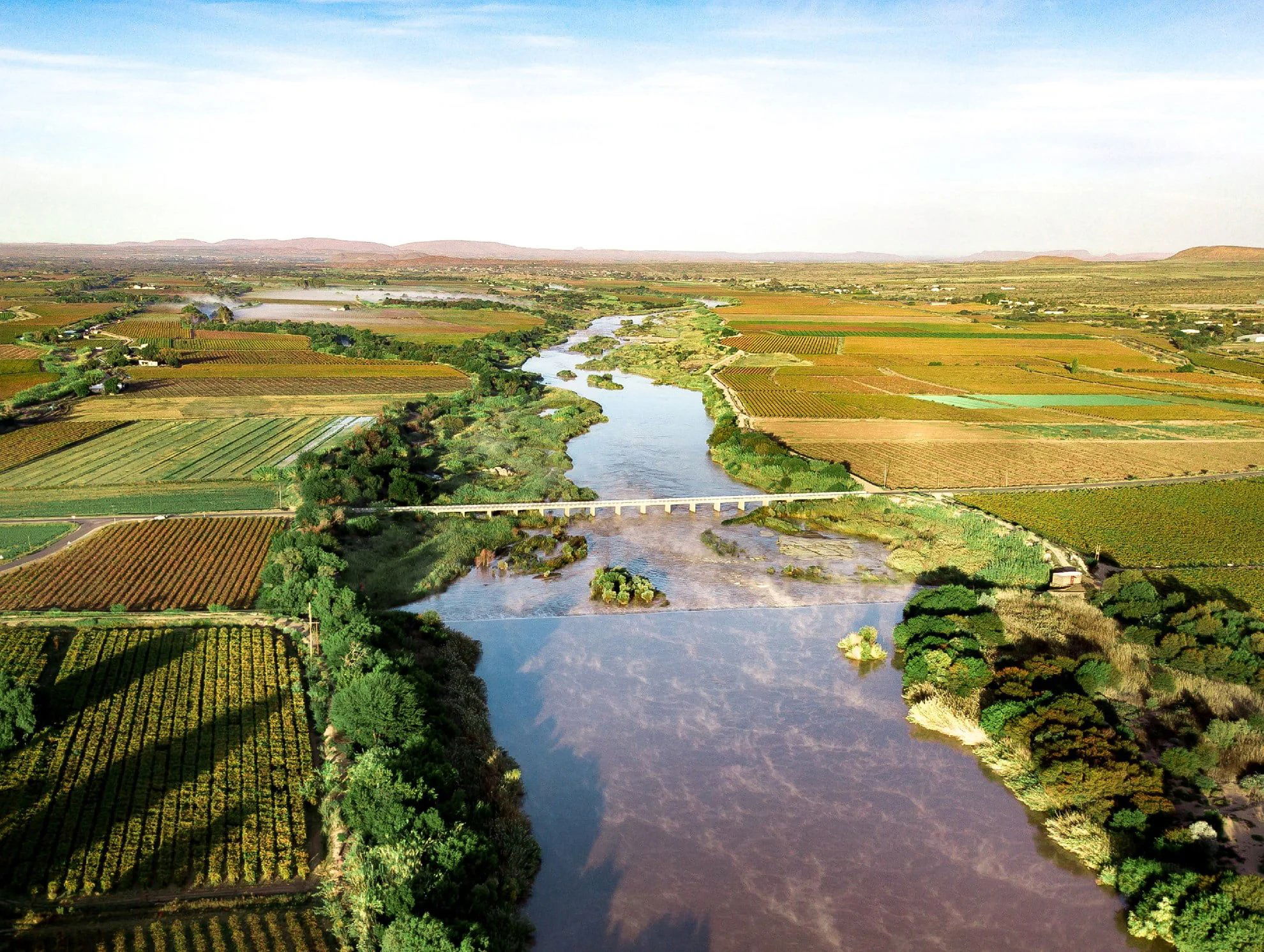
Orange River Cellars feels like an off‑map discovery: a working production cellar on the Karoo fringe where semi‑arid conditions and the lifeline of the Orange River define every bottle. The writing emphasizes distance from South Africa’s coastal wine circuit, a no‑frills production base and a formal quality stamp (Pearl 2 Star Prestige) that underlines seriousness rather than spectacle. Visitors encounter irrigation‑dependent viticulture and a landscape of intense sun, wide skies and temperature swings — a raw, matter‑of‑fact setting that rewards people who appreciate terroir narratives and regional specificity more than polished tourism trappings.
Best For
This cellar is best for wine‑curious visitors who want to understand how extreme climate and river irrigation shape grapes and winemaking across a distinct South African corridor. The profile speaks to groups and educational visits: professionals, students and enthusiasts interested in comparative terroir studies, regional production methods and off‑the‑beaten‑path wine geography. Because it sits well outside the main Winelands circuit, it suits daytrippers or small groups who plan logistics in advance and prioritize learning about the Orange River corridor over a conventional tasting‑room experience.
Tasting Tips
Expect a focus on wines that reflect irrigation‑led decisions and semi‑arid ripening rather than coastal styles; look for the cellar’s Pearl 2 Star Prestige bottlings as a shorthand for its standout releases. Given the cellar’s remote setting — roughly 800 kilometres from the Cape Peninsula and shaped by intense solar radiation — plan travel carefully: confirm opening hours, group‑visit logistics and any tasting or tour options before you go. Bring sensible sun protection and water for the drive, and allow time to talk to cellar staff about how the Orange River influences yields and varietal choices.
Venue details
Ambiance
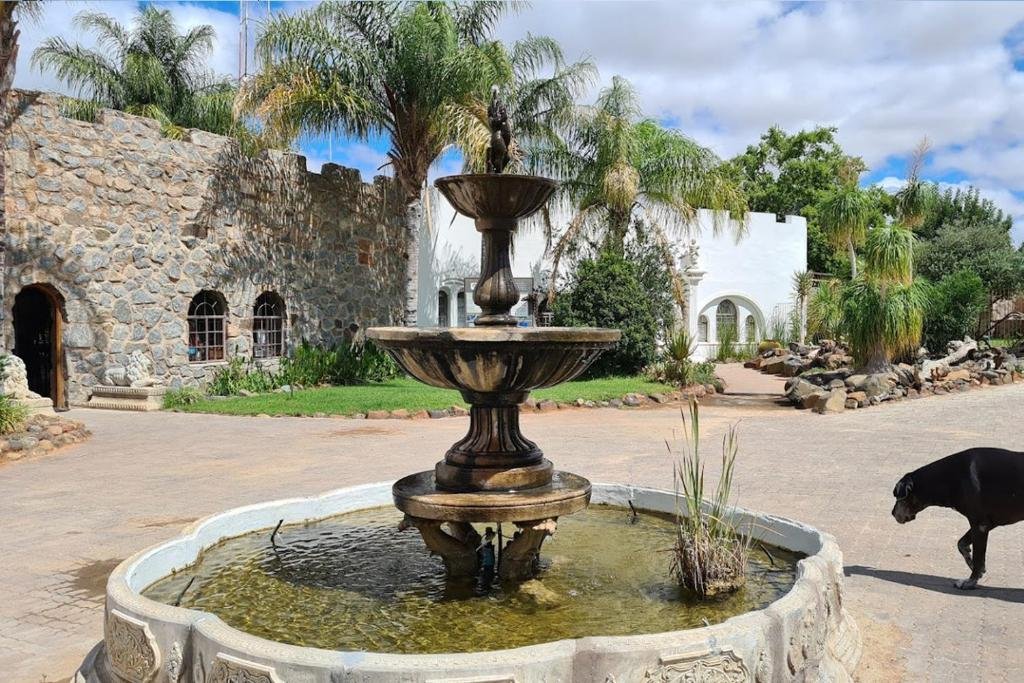
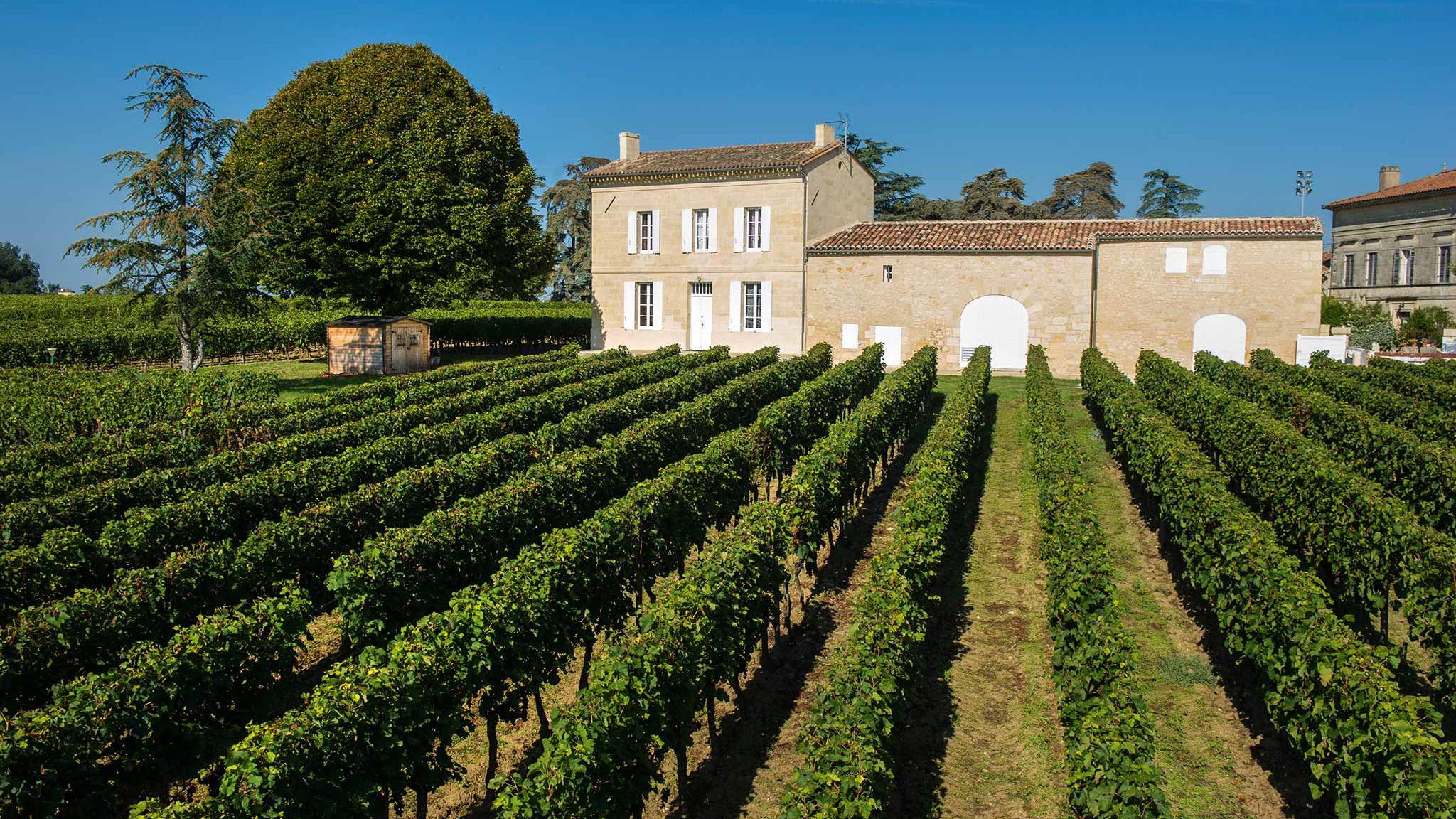
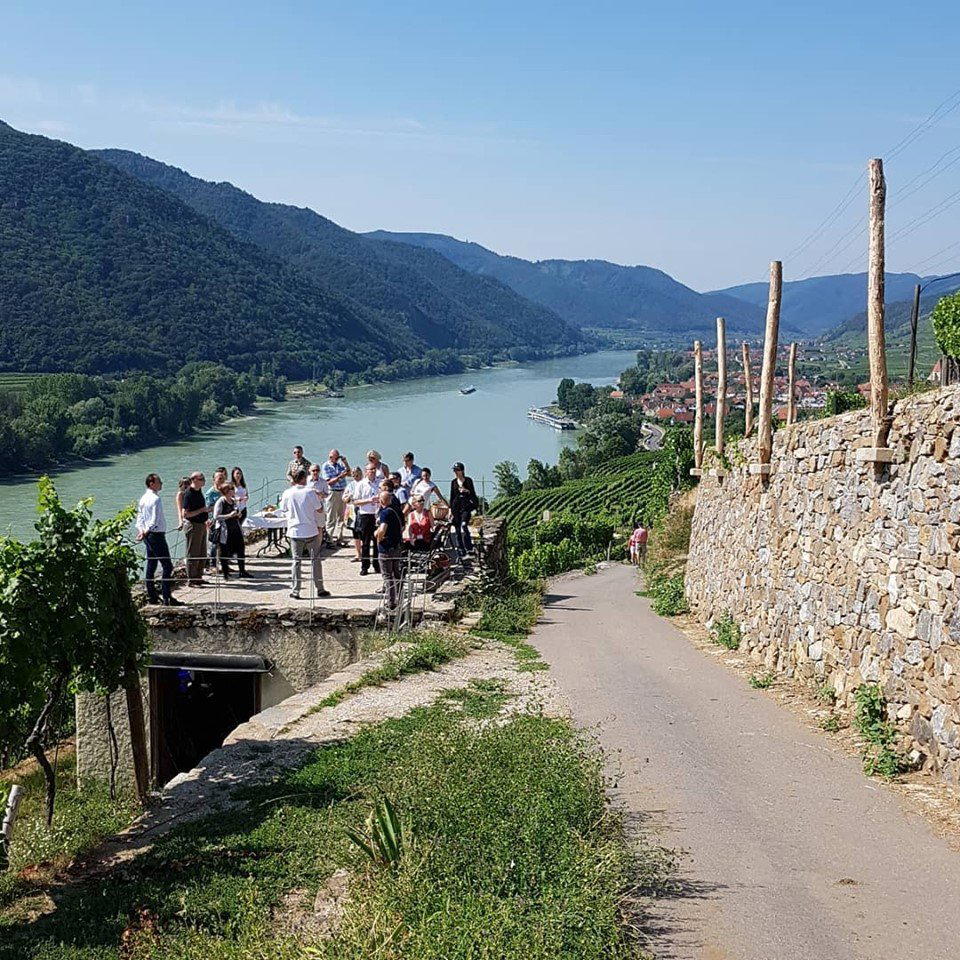
Relaxed and friendly with garden seating, offering stunning vineyard and river views amid the Green Kalahari landscape.
Tags
Vibe
Best For
Experience
Sourcing
View
At the Vineyard
- Appellation
- Orange River
- Varietals
- Shiraz, Sauvignon Blanc, Pinotage, Chenin Blanc, Colombard
- Tour Duration
- 60-90 minutes
- Visits
- Walk-ins welcome
- Farming
- Sustainable
- Production
- Large producer
- Wine Styles
- Still Red, Still White, Dessert, Fortified
- Food Pairing
- Offered
- Shipping
- Available
- Wine Club
- Not available
Know before you go
Know Before You Go
- Getting there
- 158 Schroder St, Middelpos, Upington, 8801
Planning details
Location
Recognition and awards

Also consider
Where to look if this does not fit the plan
If the goal is another local wine-and-brandy stop, start with Bezalel Wine & Brandy Estate. If the brief shifts toward spirits rather than wine, Blaq Distillery is the cleaner cross-shop, but only if the broader route supports the extra travel.
Winery context
How it compares in and around Upington
Orange River Cellars is the clearest Upington-first choice when the day needs to stay local. Bezalel Wine & Brandy Estate is the main nearby cross-shop, especially if you want another wine-and-brandy stop without turning the plan into a long regional drive.
Die Mas Wine & Brandy Distillery, Blaq Distillery, Cederberg Cellars, and Whistler Rum Distillery are better treated as route alternatives, not quick backups. Choose them when the wider trip is built around distilleries or out-of-metro producers; choose Orange River Cellars when Upington timing and lower-friction logistics matter more.
For value, the practical advantage is concentration: less time spent moving between stops and more control over the day. For ambiance, readers wanting a destination-estate feel may prefer a broader Cape itinerary, but for an Upington-based celebration, Orange River Cellars is the safer anchor than overloading the schedule with distant peers.
Explore Upington
Around this place
Discover more on Pearl
Unlock the full Orange River Cellars guide in Pearl, including awards, comparisons, FAQs, planning details, and nearby places.
Compare Orange River Cellars
| Venue | Location | Awards |
|---|---|---|
| Orange River Cellars | Upington | 2026 Falstaff Winery Guide |
| Bezalel Wine & Brandy Estate | Upington | No published awards |
| Die Mas Wine & Brandy Distillery | Kakamas | No published awards |
| Blaq Distillery | Vryburg | No published awards |
| Cederberg Cellars | Clanwilliam | 2026 Falstaff Winery Guide |
| Whistler Rum Distillery | Hennenman | No published awards |
How Orange River Cellars Upington compares with similar nearby venues.
FAQ
Frequently Asked Questions
Is Orange River Cellars recognised by Pearl?
Yes. Orange River Cellars holds Pearl 2 Star Prestige (2025). The dress code is casual.