
Fèlsina
Castelnuovo Berardenga
Winery in Castelnuovo Berardenga, Italy
 Book with Pearl
The Read
Southern Chianti Terroir Authority
Price
$50–100tasting
Why go
Fèlsina is worth prioritizing if the Castelnuovo Berardenga plan is built around serious wine context rather than a casual drop-in. Treat it as an anchor appointment, leave schedule slack, and cross-shop it against Brolio, Castello di Ama, Mazzei, Montevertine, and Castello di Volpaia before locking the day.
About Fèlsina
Fèlsina is in Castelnuovo Berardenga, with a smart casual dress code and Pearl 2 Star Prestige recognition for 2025. Plan with care and check current arrangements directly before going.
For broader local planning, pair this listing with Our full Castelnuovo Berardenga restaurants guide if you are building a day around dining in the area.
Choose it for a planned stop, not an assumption-led itinerary
Approach Fèlsina as a venue to check in advance. Its smart casual dress code and 2025 Pearl 2 Star Prestige recognition make it a notable option, but check whether visits are walk-in, appointment-based, or tied to any particular format before you go.
Avoid building a tight same-day schedule around assumptions about hours, pricing, service style, or booking process. Leave room in the plan and check the venue's official channels before committing travel time.
Where it fits among serious local options
For travelers comparing notable names in and around the area, Fèlsina can be considered alongside Barone Ricasoli (Brolio), Castello di Ama, Castello di Volpaia, Mazzei (Castello di Fonterutoli), and Montevertine. Compare those as separate planning references rather than assuming any shared format, price point, or visitor experience.
Skip firm expectations about a specific offering unless you have confirmed them directly. Prioritize the visit if Fèlsina's Castelnuovo Berardenga location, smart casual dress code, and Pearl 2 Star Prestige recognition in 2025 are enough to make it relevant to your plan.
For anything more specific, including current availability, timing, and what guests can book, use the venue's official channels before finalizing the day.
Planning details
- Location
- Via del Chianti, 101, 53019 Castelnuovo Berardenga SI
- Website
- felsina.it
- Phone
- +39 0577 152 3789
The take
The Take
The Vibe
Fèlsina reads as a terroir-first Chianti Classico estate that leans into its southern position. The copy emphasizes the estate’s place where Chianti’s galestro schist gives way to clay-rich soils, and describes wines that show more sun, rounder tannins and immediate generosity. The tone is informed and place-oriented: this is a producer that understands how microclimate and soil shape Sangiovese, and that commitment to site clarity gives the tasting experience a focused, educational character. Visitors encounter vineyard-driven wines rather than stylistic embellishment, with a clear sense of geographic identity.
Best For
Fèlsina is best for wine-focused travelers who want to understand how terroir varies across Chianti Classico. The write-up makes it a strong stop for anyone curious about southern-zone expressions of Sangiovese — students of viticulture, comparative tasters and small groups interested in region-specific differences. Because the copy centers on soils, sun exposure and stylistic consequence, it also suits people seeking an instructive winery visit rather than a purely social outing. The estate’s landscape orientation makes it a natural choice for visitors prioritizing vineyard context over nightlife or urban convenience.
Tasting Tips
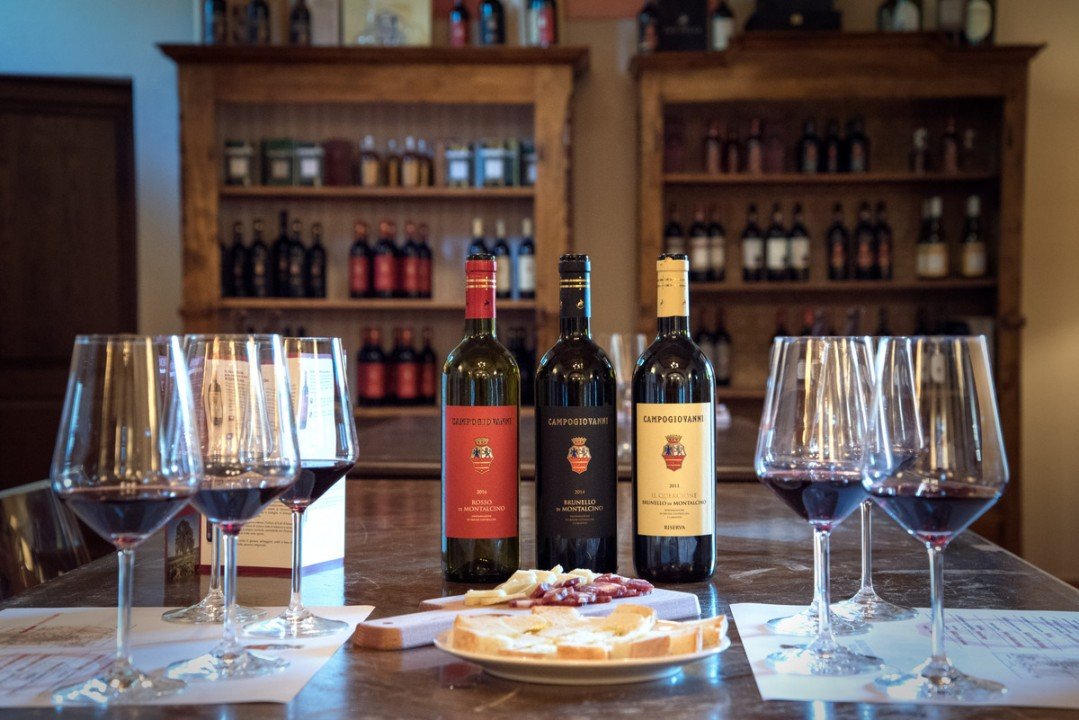
When tasting at Fèlsina, prioritize Sangiovese-based Chianti Classico that highlights the southern-edge character the text describes. Look for wines that show the ‘immediate generosity’ and rounder tannins noted in the copy — fuller fruit and softer acidity compared with higher-altitude examples from Panzano or Greve. Compare a Fèlsina cuvée with a northern Chianti Classico to hear the difference in structure and acidity; the description frames the estate as a useful lesson in how soil and exposure alter Sangiovese profiles, so a side-by-side comparison is especially illuminating.
Venue details
Ambiance
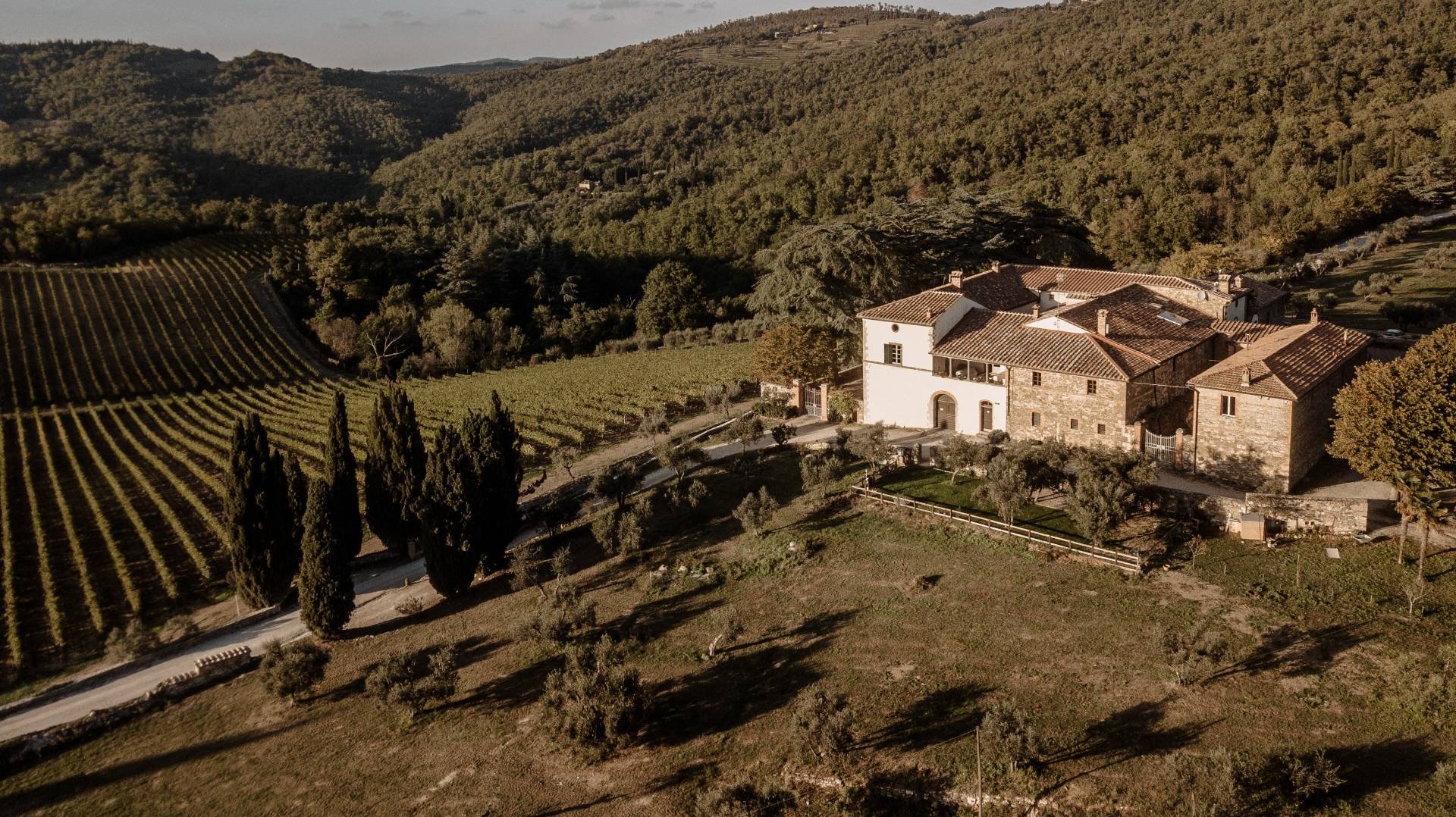
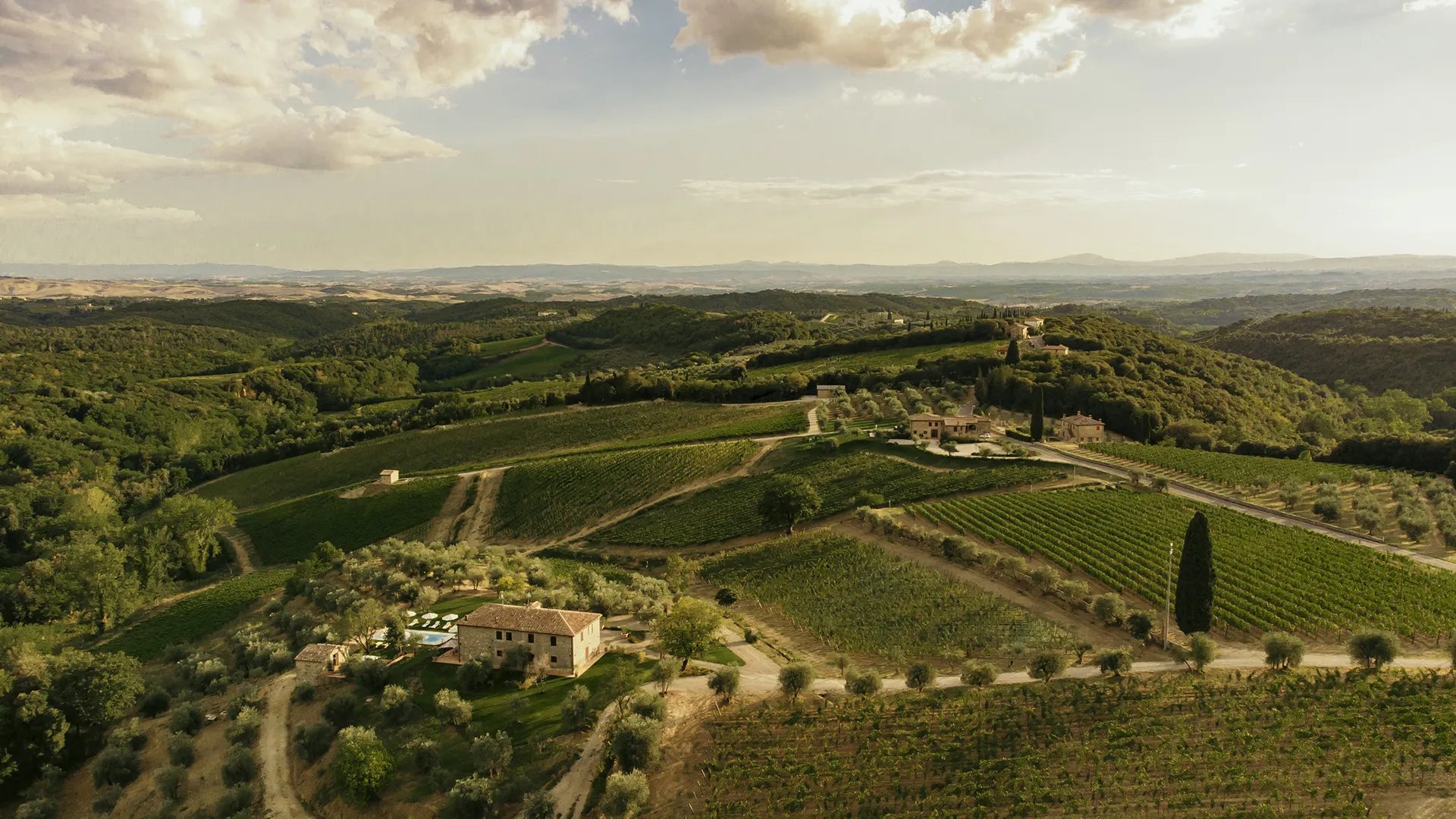
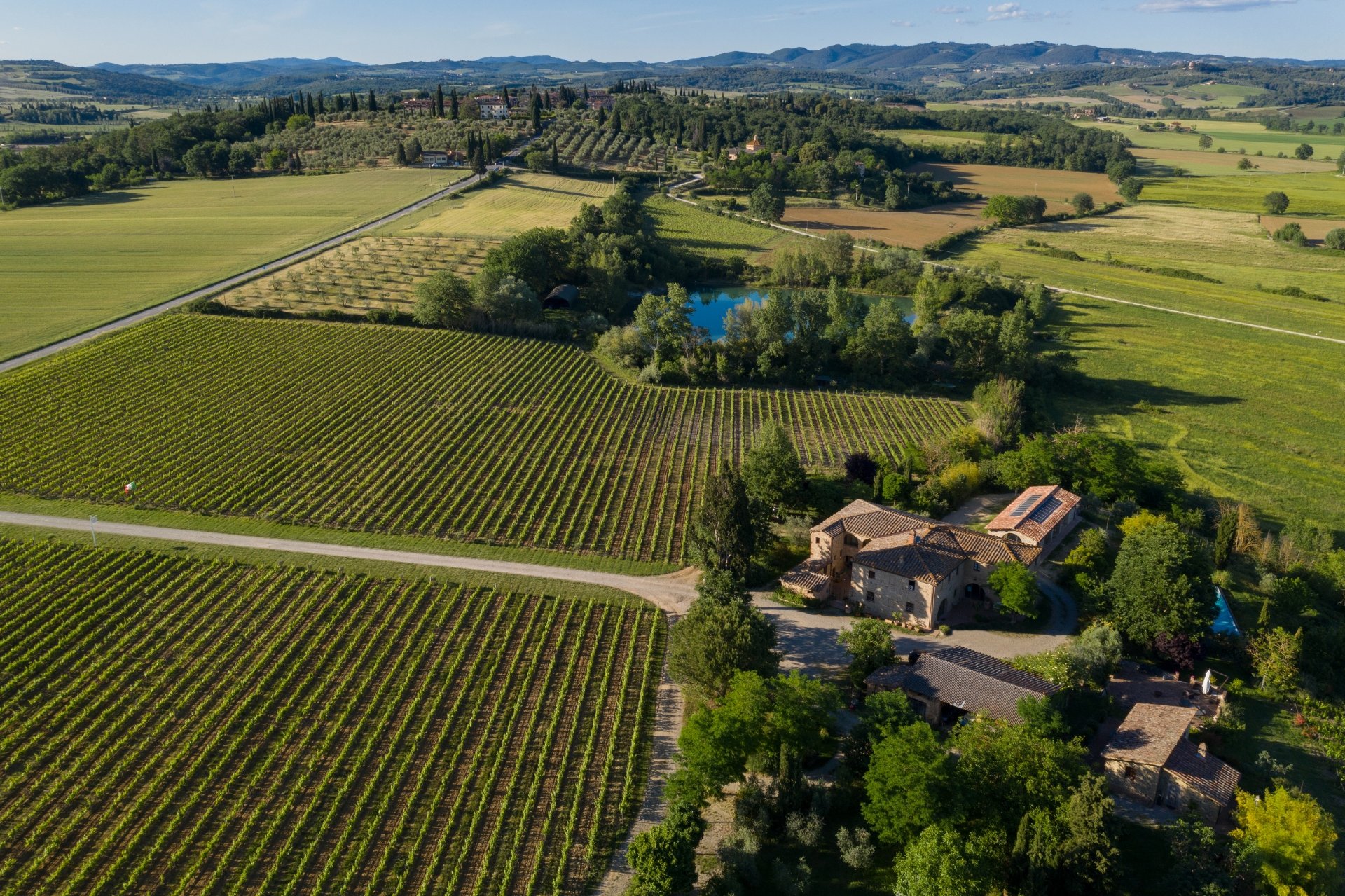
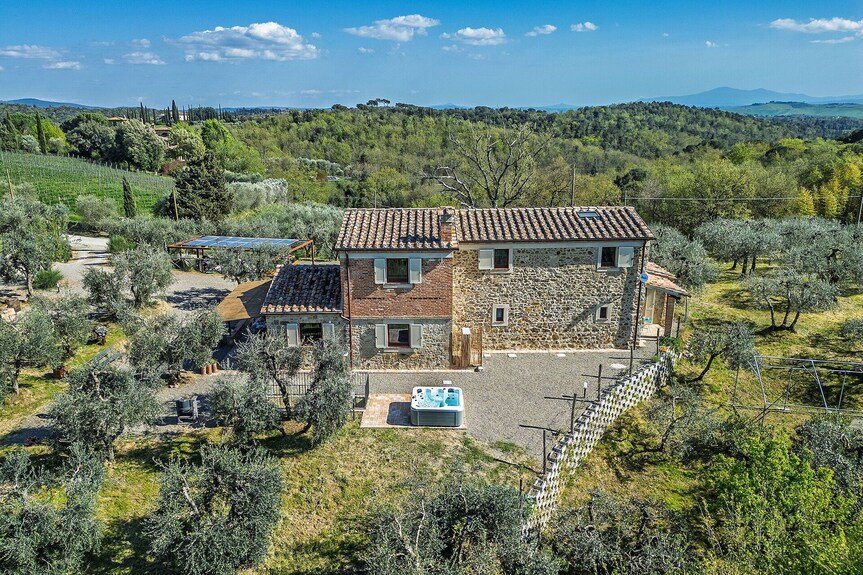
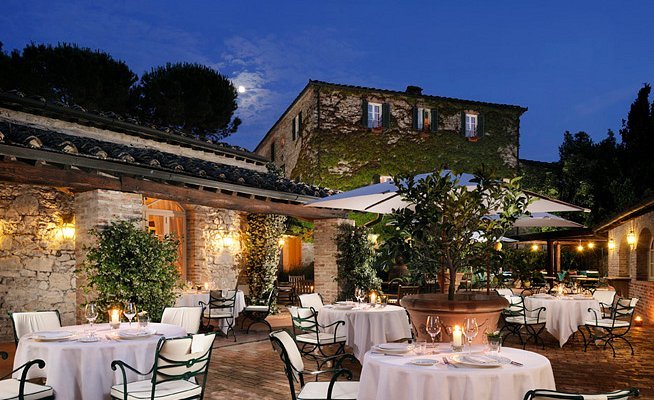
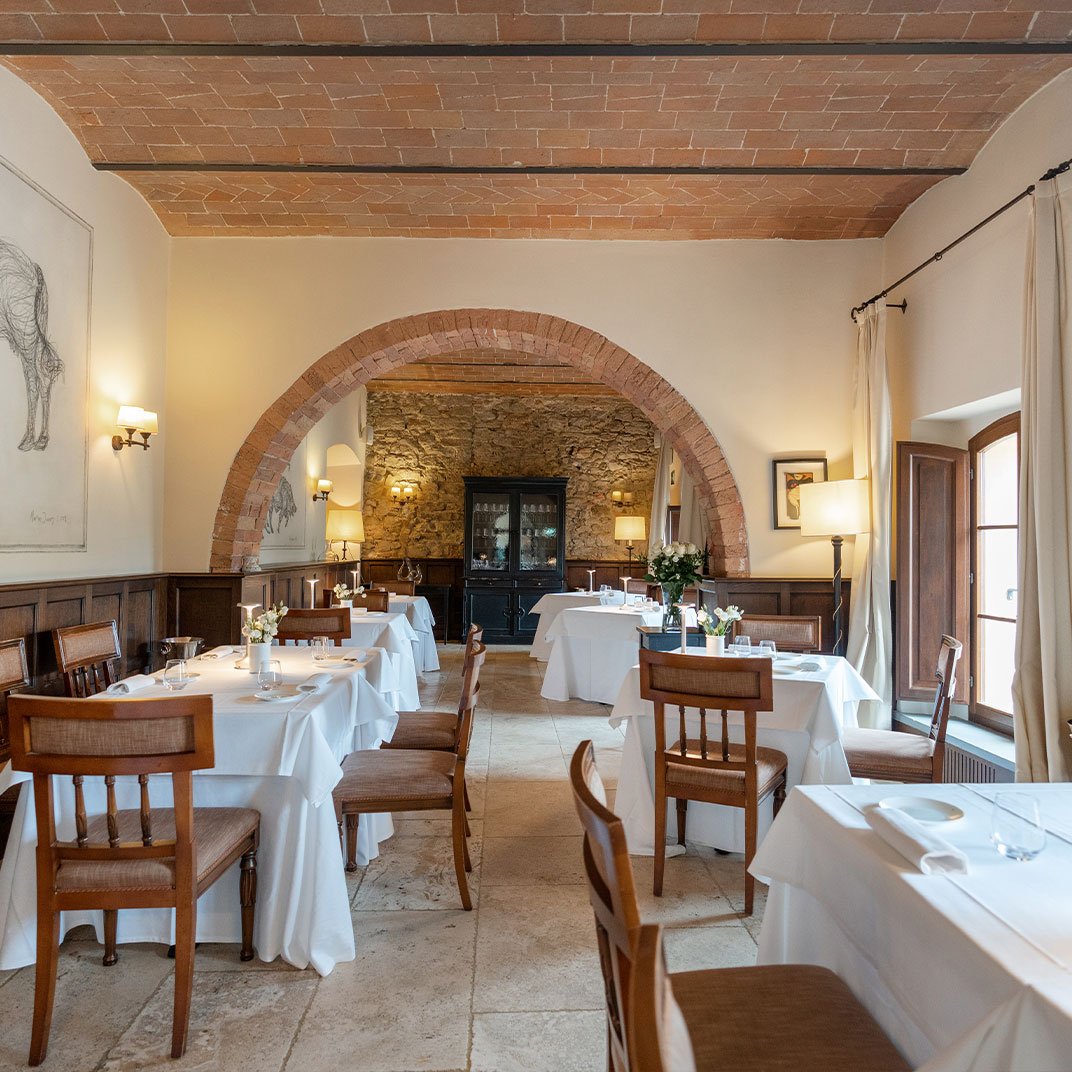
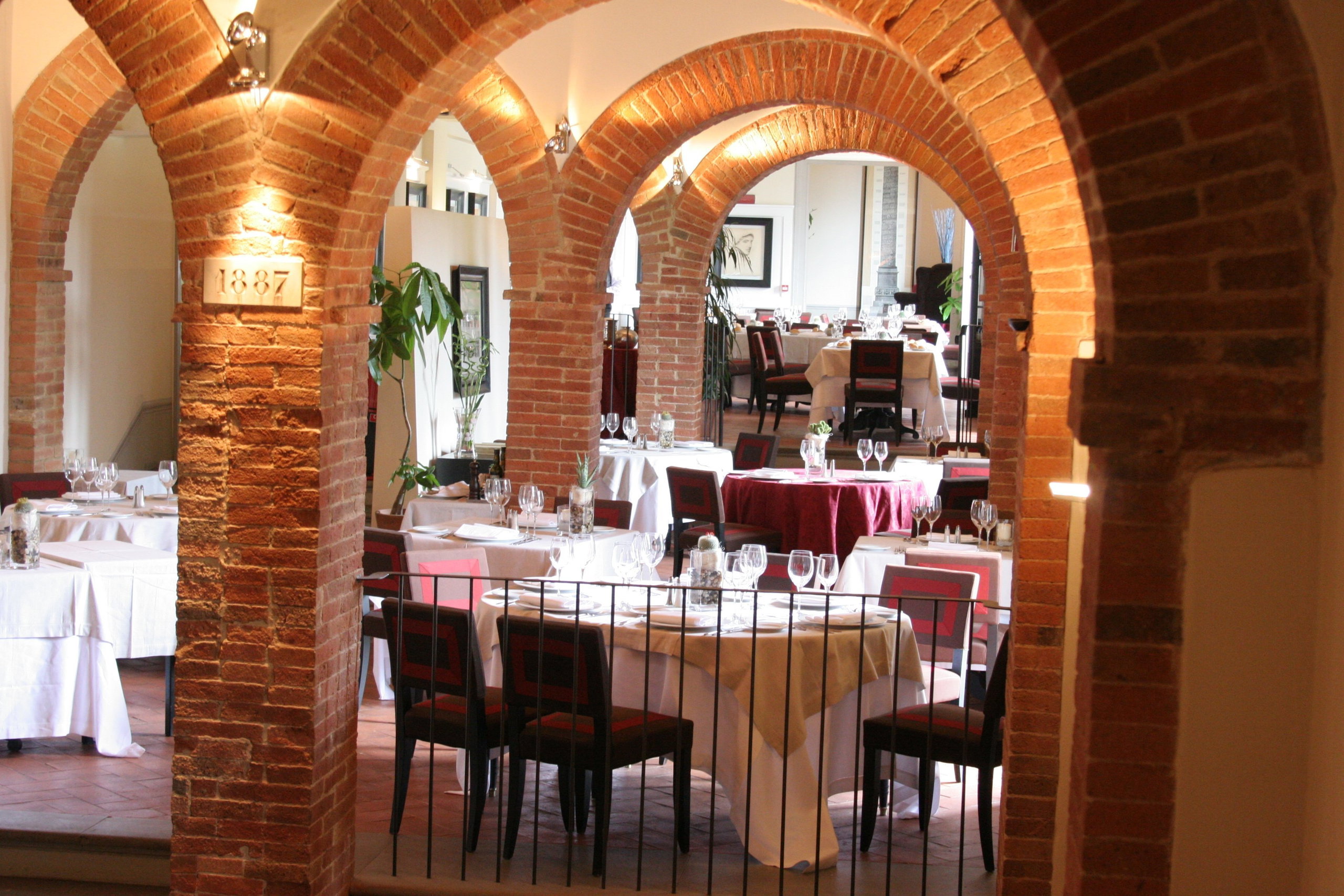
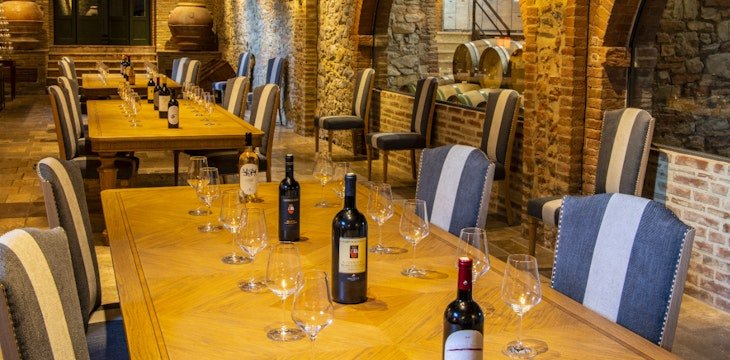
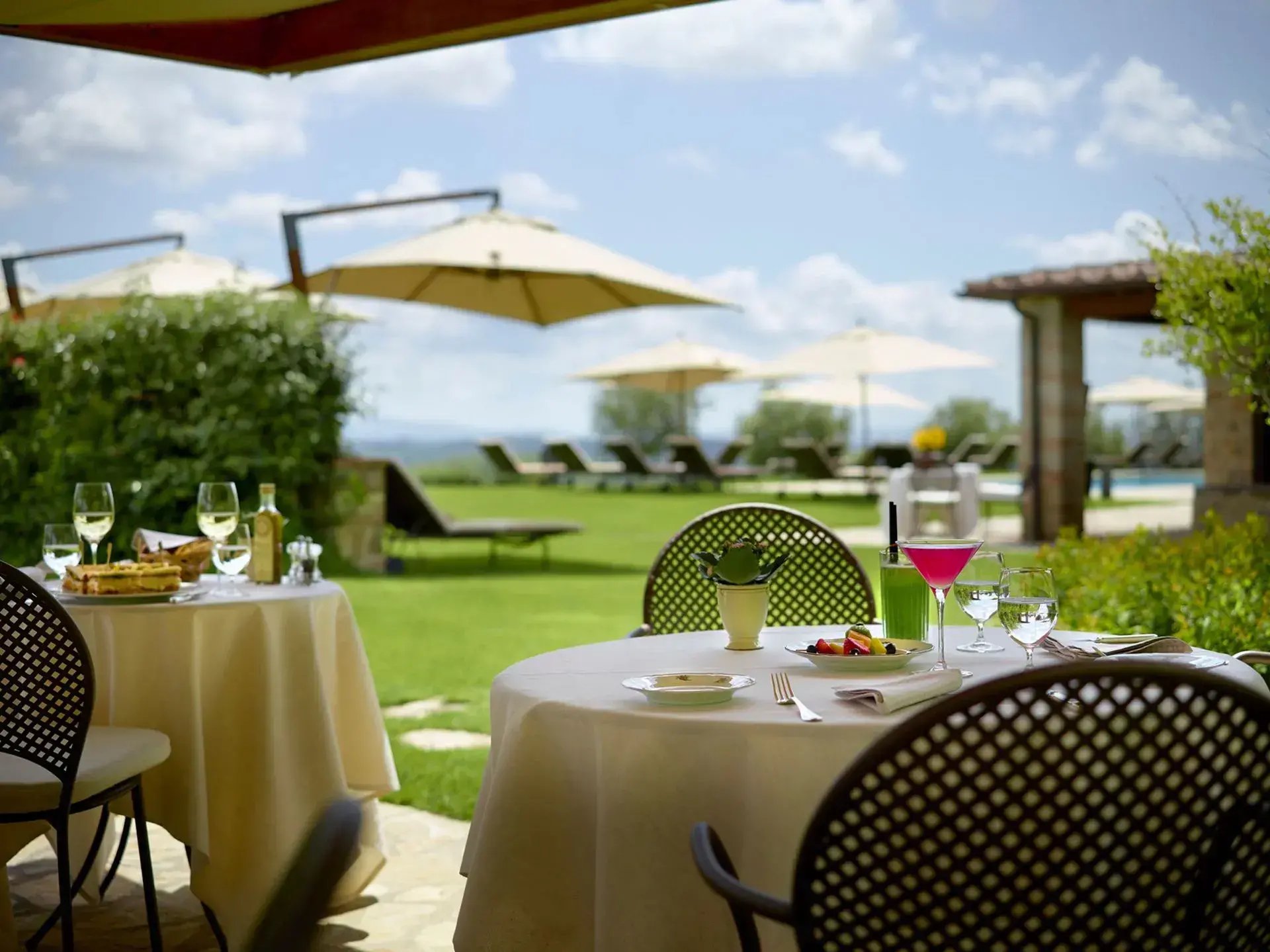
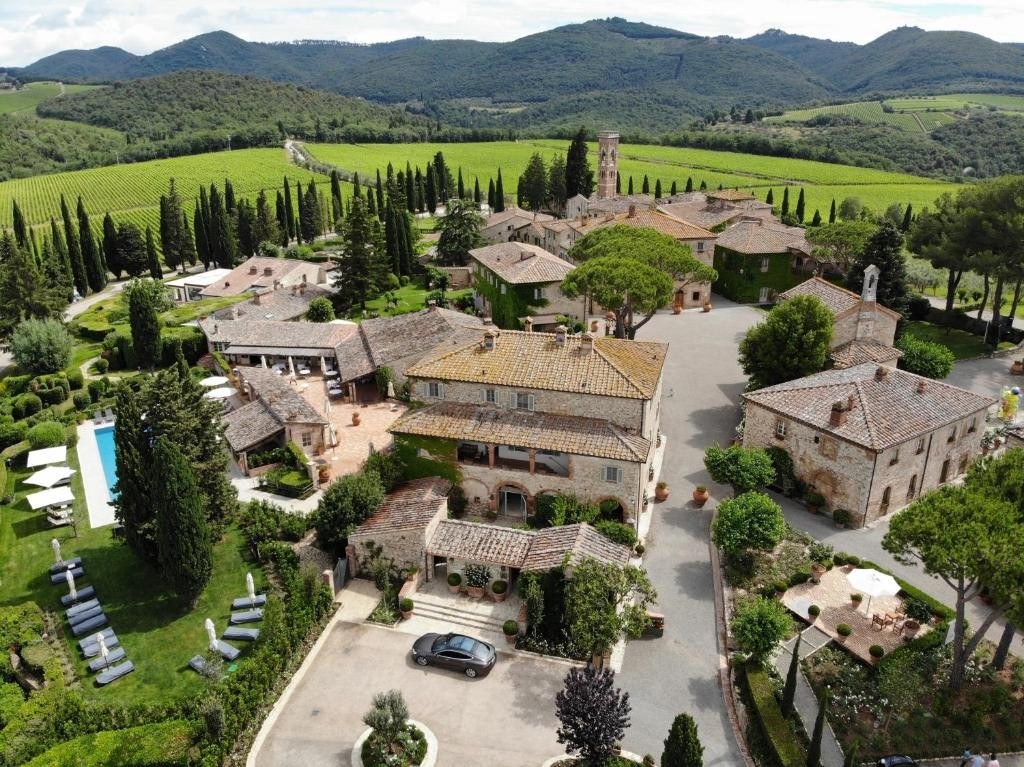
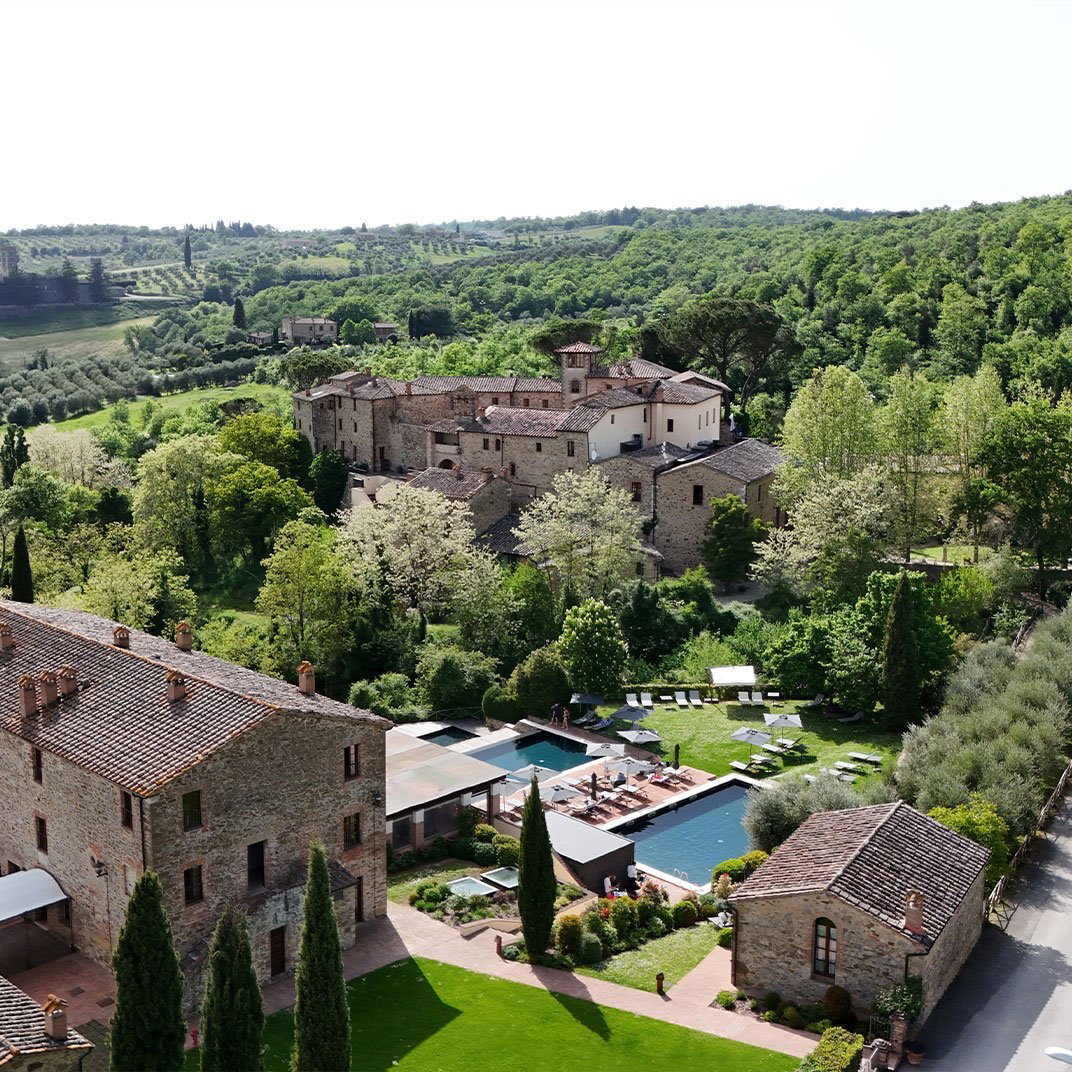
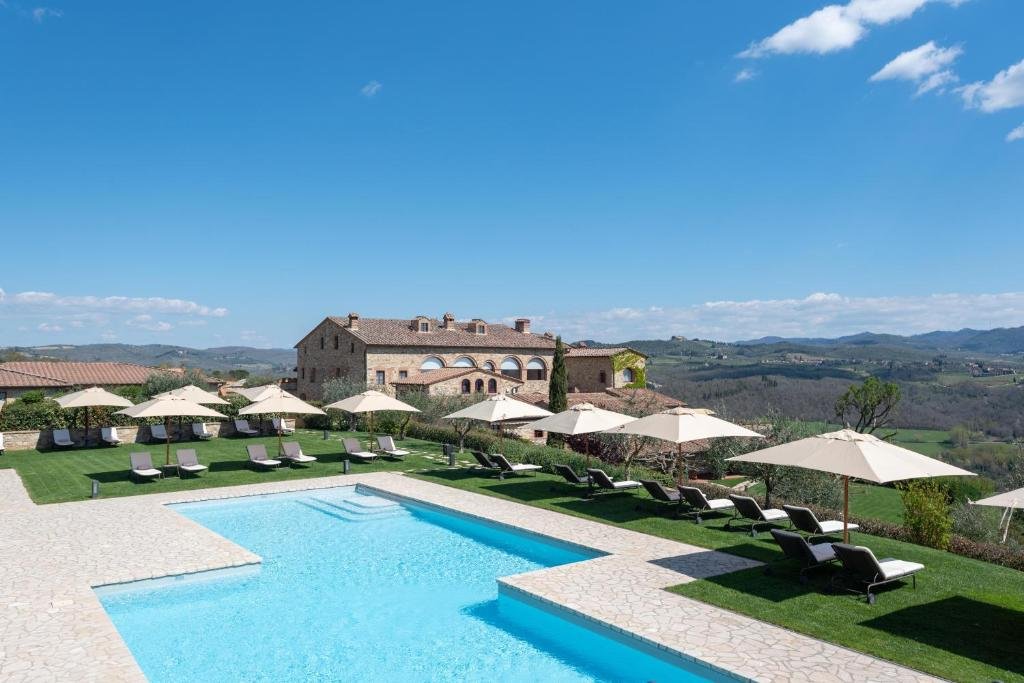
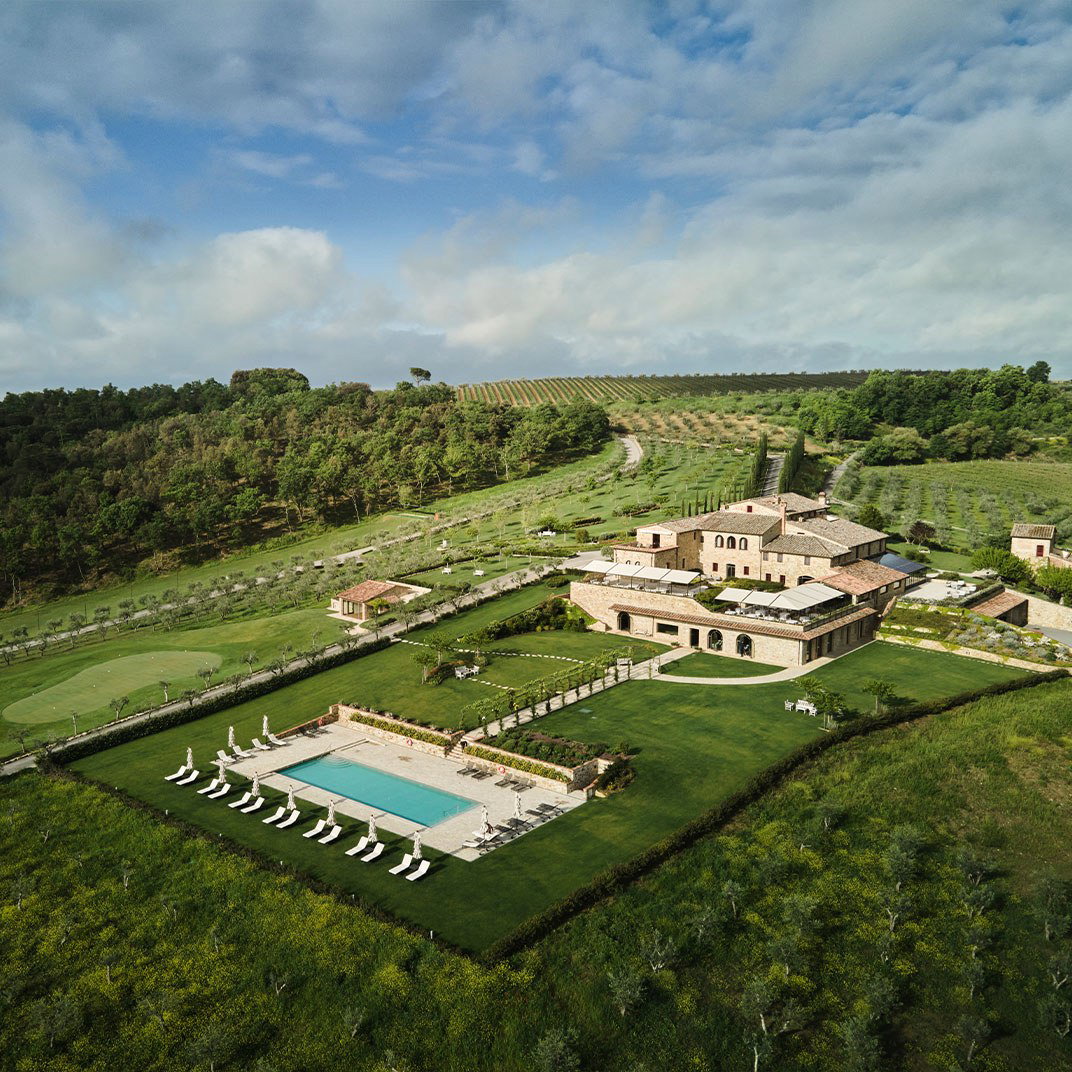
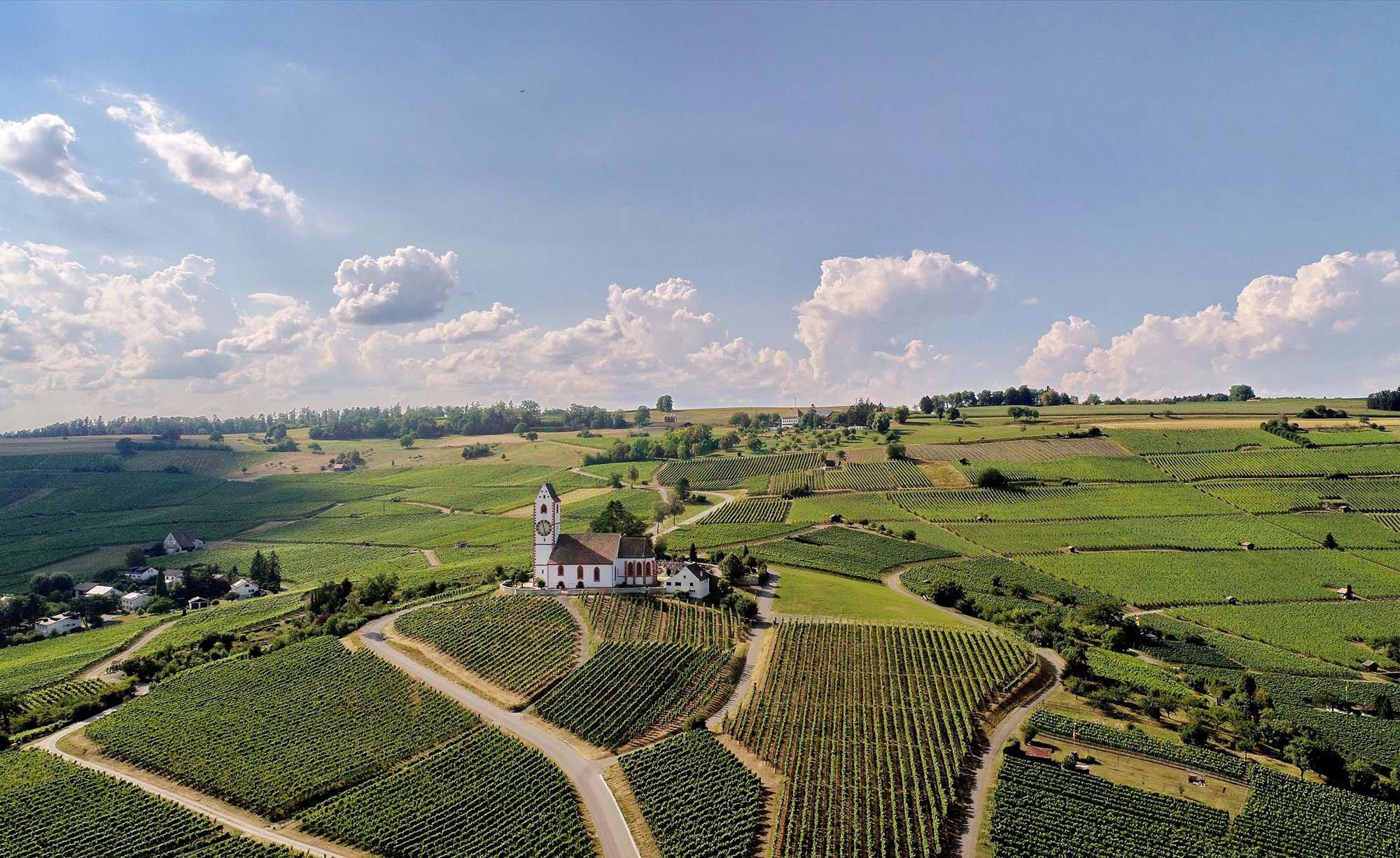
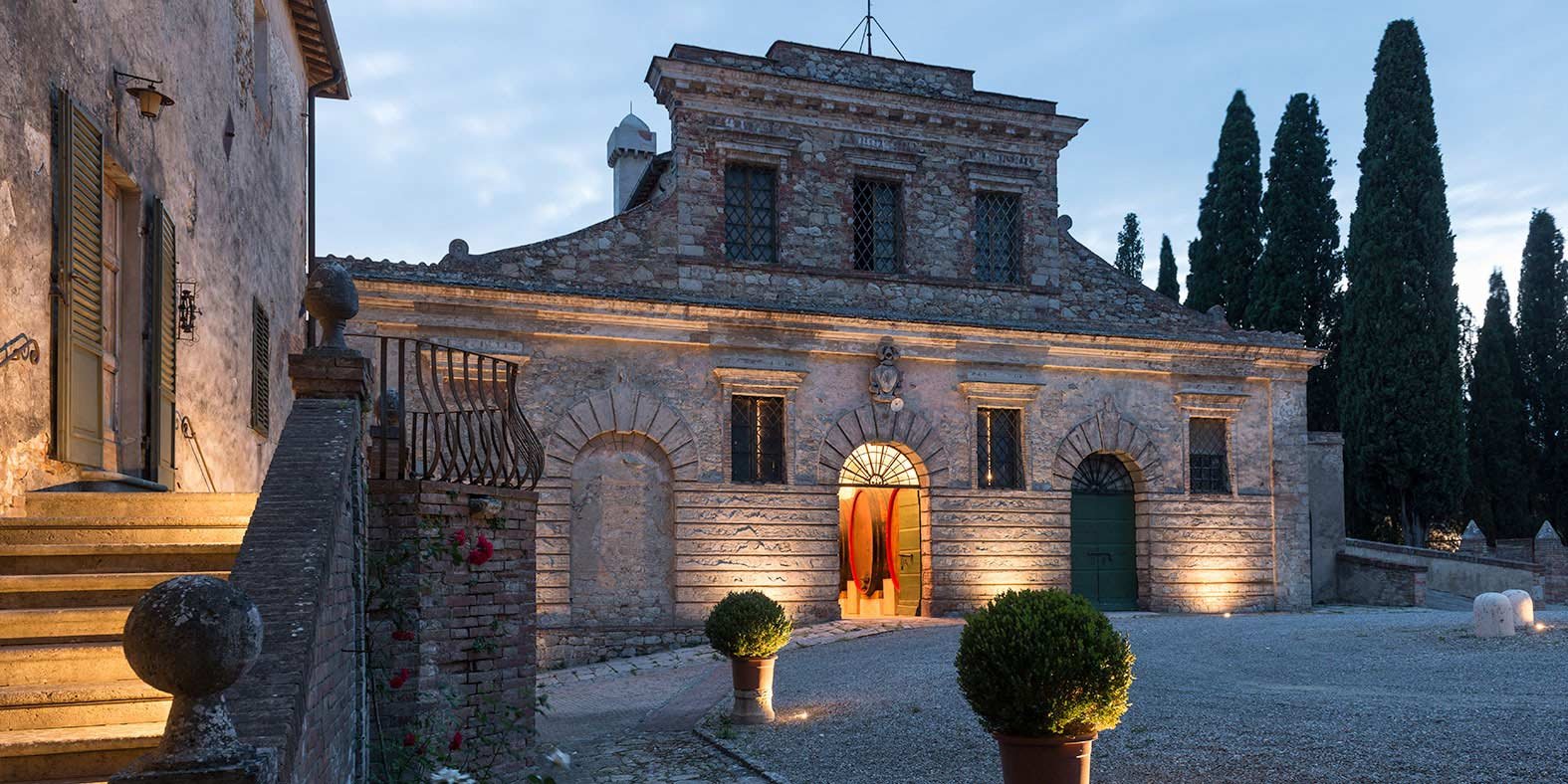
Beautiful, well-maintained grounds with olive trees and pergolas; elegant tasting room with views of vineyards and distant Mount Amiata; refined and sophisticated atmosphere.
Tags
Vibe
Best For
Experience
Sourcing
View
At the Vineyard
- Appellation
- Chianti Classico DOCG
- Varietals
- Sangiovese, Trebbiano, Malvasia, Pinot Noir, Chardonnay
- Tour Duration
- 90-120 minutes
- Tour Languages
- Italian, English
- Visits
- By reservation
- Farming
- Sustainable
- Wine Styles
- Still Red, Sparkling, Fortified
- Wine Club
- Not available
Know before you go
Know Before You Go
- Getting there
- Via del Chianti, 101, 53019 Castelnuovo Berardenga SI
Planning details
Location
Recognition and awards

Also consider
If Fèlsina is hard to schedule
Try Mazzei (Castello di Fonterutoli) if the group needs a more structured backup with easier day-planning logic. Choose Castello di Volpaia if the visit needs to work for casual wine drinkers as well as enthusiasts.
Winery context
How Fèlsina compares in Castelnuovo Berardenga
Choose Fèlsina for a focused Chianti-side winery day where the tasting itself is the point. Barone Ricasoli (Brolio) is the stronger cross-shop if the group wants a larger historic estate setting, while Castello di Ama is the better fit for travelers who want the winery visit to feel more destination-driven and art-adjacent.
Mazzei (Castello di Fonterutoli) is the sensible alternative when the group values a more structured estate experience and easier planning around a known visitor setup. Montevertine is the sharper choice for collectors who care more about wine reputation than visitor convenience. For a village-feel Chianti day, Castello di Volpaia may suit mixed groups better.
In value terms, Fèlsina makes sense when the trip is already wine-led and the appointment is treated as the day's anchor. If the group includes casual drinkers, Brolio or Volpaia may be easier to justify. If everyone is there for bottle depth and comparison, Fèlsina and Montevertine should sit higher on the shortlist.
Around this place
Discover more on Pearl
Unlock the full Fèlsina guide in Pearl, including awards, comparisons, FAQs, planning details, and nearby places.
Compare Fèlsina
| Venue | Location | Awards |
|---|---|---|
| Fèlsina | Castelnuovo Berardenga | 2026 Falstaff Winery Guide |
| Barone Ricasoli (Brolio) | Gaiole in Chianti | No published awards |
| Castello di Ama | Gaiole in Chianti | 2026 Falstaff Winery Guide2025 Pearl 4 Star Prestige |
| Mazzei (Castello di Fonterutoli) | Castellina in Chianti | No published awards |
| Montevertine | Radda in Chianti | 2026 Falstaff Winery Guide2025 Pearl 4 Star Prestige |
| Castello di Volpaia | Radda in Chianti | 2026 Falstaff Winery Guide |

How Fèlsina Castelnuovo Berardenga compares with similar nearby venues.
FAQ
Frequently Asked Questions
Do I need a reservation at Fèlsina?
When is the best time to visit Fèlsina?
How long should I plan for a visit to Fèlsina?
Leave flexibility in your schedule and confirm what is currently offered before you go.
What dress code is listed for Fèlsina?
What recognition is confirmed for Fèlsina?
Fèlsina has Pearl 2 Star Prestige recognition for 2025.