
Paringa Estate
Red Hill, Mornington Peninsula
Winery in Mornington Peninsula, Australia
 Book with Pearl
The Read
Cool-Climate Cellar Precision
Price
$50–100tasting
Why go
Paringa Estate is a strong choice for a special-occasion winery visit in Red Hill South, especially if the wine is the main reason for going. Plan ahead for peak weekend lunches and cross-shop Montalto for flexibility, Port Phillip Estate/Kooyong for architecture, and Ten Minutes by Tractor for a more dining-led day.
About Paringa Estate
Paringa Estate is a Mornington Peninsula venue to consider when you want to plan ahead rather than rely on assumptions. Its dress code is smart casual, and its 2025 Pearl 2 Star Prestige recognition makes it a notable name for visitors comparing premium options in the region.
Confirm practical details directly before arranging the day. If you are comparing other options, Montalto is another name to consider. Port Phillip Estate/Kooyong is also a natural cross-shop for visitors building a more considered itinerary.
Book the essentials, then check the finer details
The essentials are direct: Paringa Estate is in Mornington Peninsula, the dress code is smart casual, and Pearl recognises it with 2 Star Prestige in 2025. Details such as service format, menu style, pricing, opening times, beverage offerings, dietary accommodations, and group capacity should be checked through the venue's official channels before you commit.
That makes the best planning approach simple: decide whether Paringa Estate fits the occasion, then confirm the operational details directly. For a broader comparison set, Crittenden Estate, Bass & Flinders Distillery, Ten Minutes by Tractor, Montalto, and Port Phillip Estate/Kooyong are other names visitors may weigh when shaping an itinerary.
Who should choose it over the nearby names
Choose Paringa Estate if you are specifically looking at a recognised Mornington Peninsula venue with a smart-casual dress code and 2025 Pearl 2 Star Prestige status. If your decision depends on exact menu format, availability, group fit, or timing, compare current details directly with Ten Minutes by Tractor, Montalto, Crittenden Estate, Bass & Flinders Distillery, or Port Phillip Estate/Kooyong before booking.
Keep the plan flexible until the practical details are settled. For planning around the area, use the full Mornington Peninsula guide, then add other dining, hotels, bars, or experiences from the relevant guides.
Planning details
- Location
- 44 Paringa Rd, Red Hill South VIC 3937
- Website
- paringaestate.com.au
- Phone
- +61 3 5989 2669
The take
The Take
The Vibe
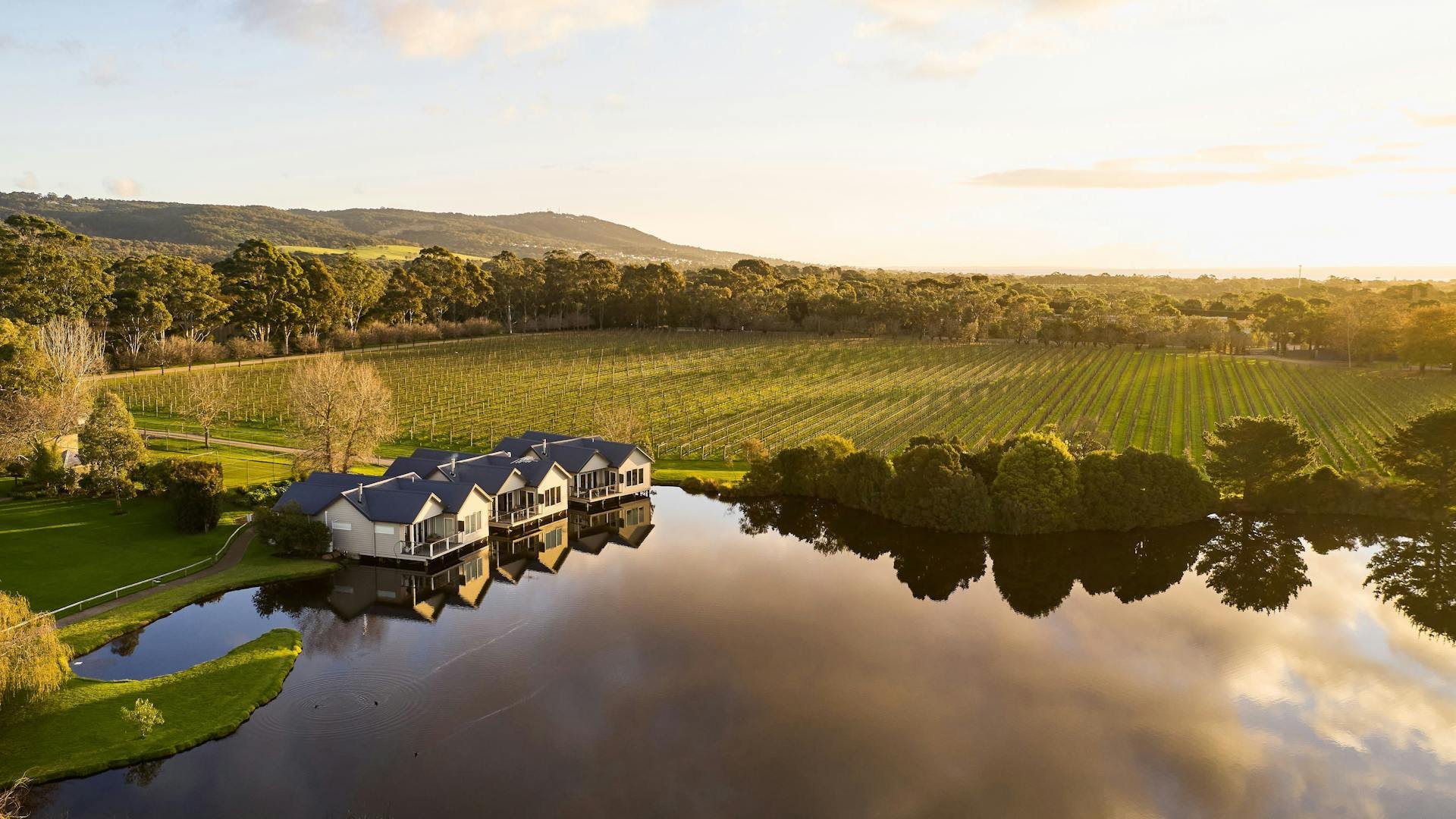
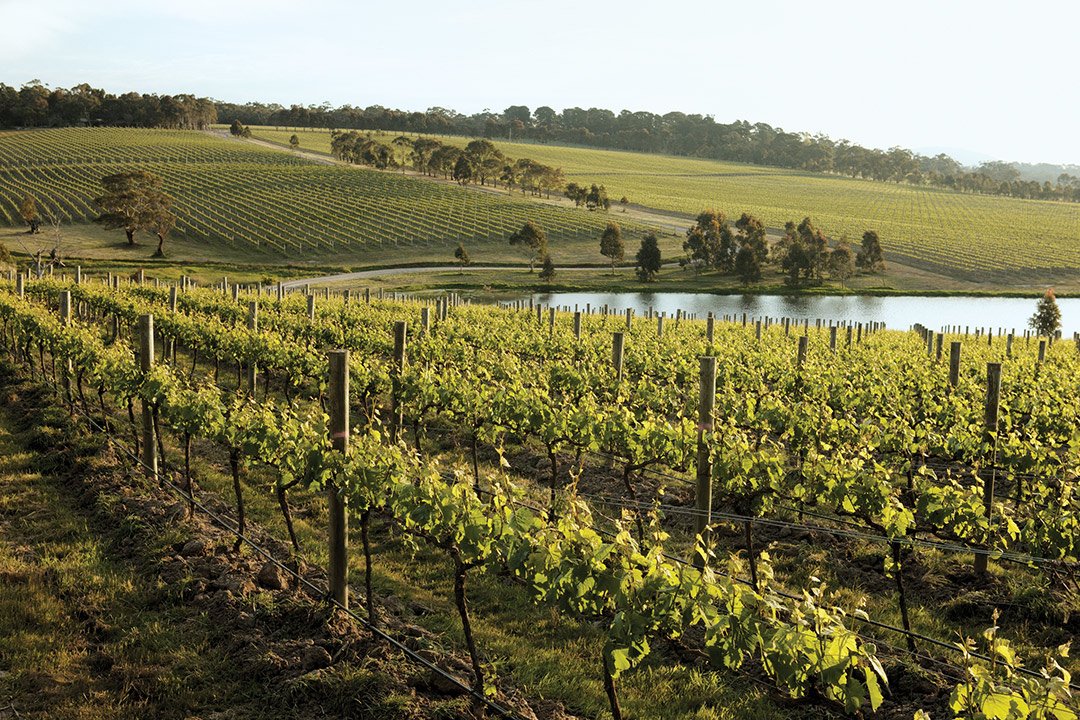
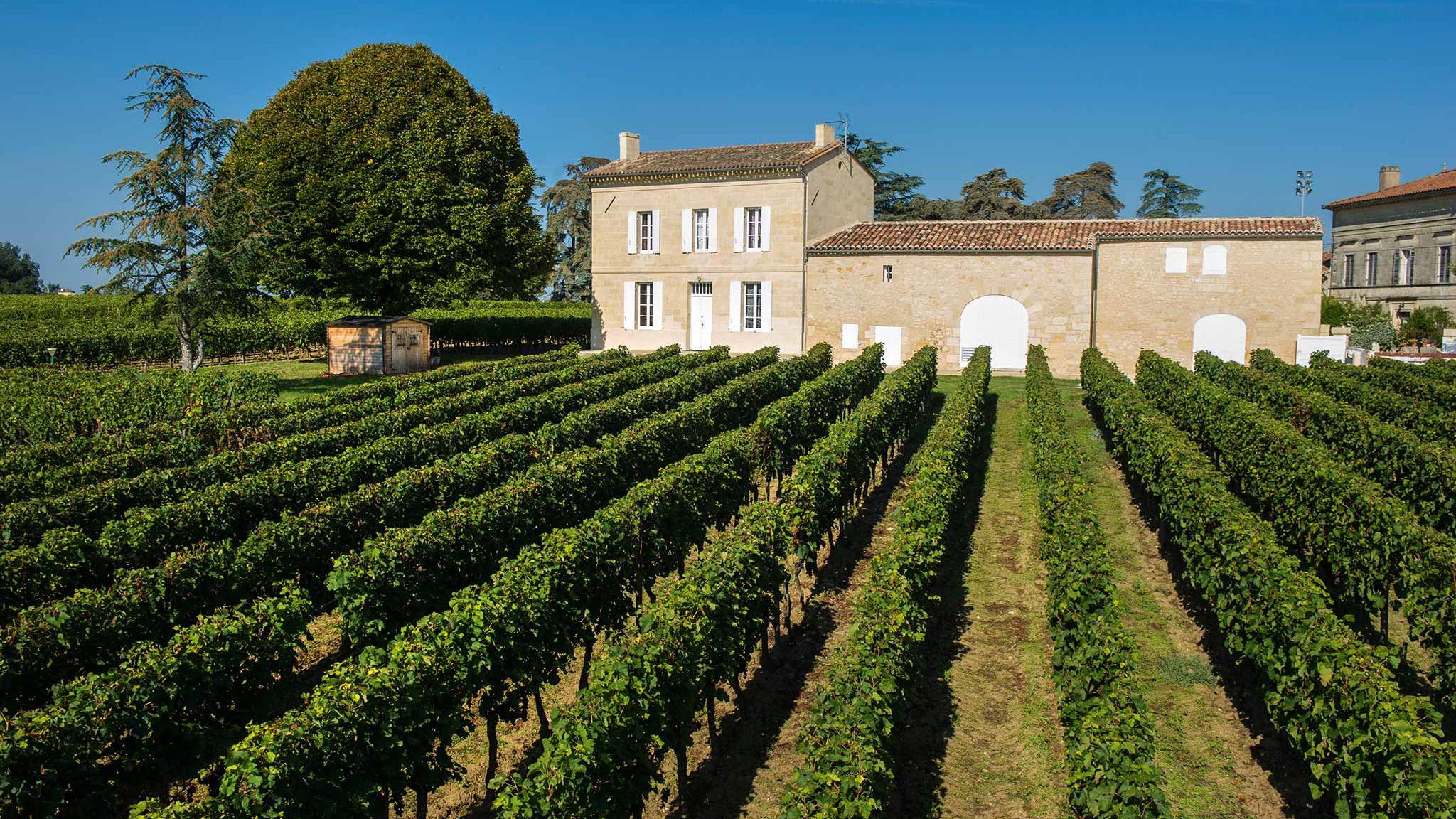
Paringa Estate sits in the cool-climate heart of the Mornington Peninsula, and the copy reads like a study in site and refinement. The writing emphasizes rolling farm country, steeper slopes and consistent maritime breezes that favor Pinot Noir and Chardonnay; that sense of place translates to a composed, refined atmosphere. The estate earns a Pearl 2 Star Prestige rating, which signals focused quality and an elevated profile among peninsula producers. Visitors can expect a quietly authoritative winery experience that foregrounds terroir, varietal expression and the measured calm of high‑altitude vineyards rather than overt theatrics.
Best For
Paringa Estate is best for people who come for meticulous, site-focused wines and a scenic vineyard setting. The description positions the property as part of the peninsula’s prestige corridor, so it suits wine-minded visitors seeking examples of cool-climate Pinot Noir and Chardonnay and anyone interested in how block, aspect and soil influence finished wines. It also fits special-occasion visits where quality and provenance matter: the Pearl 2 Star Prestige rating frames the estate as a stop for considered tasting and bottle purchases rather than casual drop-ins.
Tasting Tips
When engaging with Paringa Estate, prioritize the region’s hallmark varieties: Pinot Noir and Chardonnay. The text highlights the peninsula’s ability to ripen Burgundian varieties and stresses site differences, so ask about specific blocks, aspects and recent vintages when tasting. Look for single‑block or site-designate bottlings that illustrate the estate’s focus on terroir; given the Prestige rating, limited or current-release wines often best convey why the property is regarded among the peninsula’s more site-attentive producers.
Venue details
Ambiance
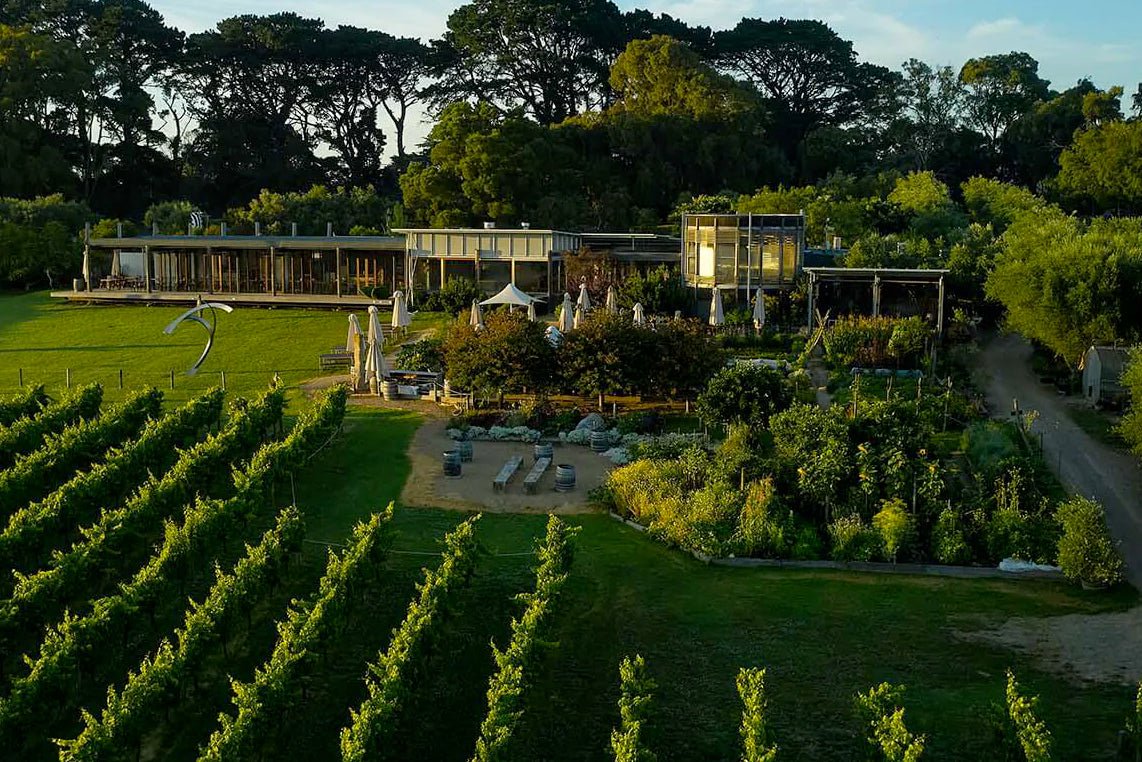
Light and energetic dining room with floor-to-ceiling windows overlooking the winery and vineyard, creating a sense of connection to the seasons and production process.
Tags
Vibe
Best For
Experience
Sourcing
View
Accessibility
At the Vineyard
- Appellation
- Mornington Peninsula
- Varietals
- Pinot Noir, Chardonnay, Shiraz, Pinot Gris
- Tour Duration
- 90-120 minutes
- Tour Languages
- English
- Visits
- By reservation
- Farming
- Sustainable
- Wine Styles
- Still Red, Still White
- Food Pairing
- Offered
- Shipping
- Available
- Wine Club
- Available
Know before you go
Know Before You Go
- Getting there
- 44 Paringa Rd, Red Hill South VIC 3937
Planning details
Location
Recognition and awards

Also consider
Also Consider
- Montalto, Notable alternative
- Port Phillip Estate/Kooyong, Notable alternative
- Ten Minutes by Tractor, Notable alternative
- Crittenden Estate, Notable alternative
- Bass & Flinders Distillery, Notable alternative
Winery context
How Paringa Estate compares in Mornington Peninsula
Paringa Estate is the pick for a wine-led special occasion where the estate setting matters and the day should feel planned rather than casual. Montalto is better for mixed groups who want a broader visit with more room to wander, while Port Phillip Estate/Kooyong is the closer match for visitors who care about architecture and a composed room.
For a dining-first itinerary, compare against Ten Minutes by Tractor; it is the stronger cross-shop when the meal is the point and the wine is supporting the occasion. Crittenden Estate is the more practical fallback if availability is difficult or the group wants a less formal Peninsula stop.
If the group is open to stepping away from wine, Bass & Flinders Distillery gives the itinerary a different drinks focus. Keep Paringa Estate for celebrations, date weekends, and bottle-led visitors; choose the alternatives when flexibility, architecture, or a broader group brief matters more.
Explore Mornington Peninsula
Around this place
Discover more on Pearl
Unlock the full Paringa Estate guide in Pearl, including awards, comparisons, FAQs, planning details, and nearby places.
Compare Paringa Estate
| Venue | Location | Awards |
|---|---|---|
| Paringa Estate | Mornington Peninsula | 2026 Falstaff Winery Guide |
| Montalto | Mornington Peninsula | 2026 Falstaff Winery Guide |
| Port Phillip Estate/Kooyong | Mornington Peninsula | No published awards |
| Ten Minutes by Tractor | Mornington Peninsula | No published awards |
| Crittenden Estate | Mornington Peninsula | No published awards |
| Bass & Flinders Distillery | Mornington Peninsula | No published awards |
How Paringa Estate Mornington Peninsula compares with similar nearby venues.
FAQ
Frequently Asked Questions
What should I know about Paringa Estate?
Paringa Estate is in Mornington Peninsula, has a smart casual dress code, and holds 2025 Pearl 2 Star Prestige recognition.
Do I need a reservation at Paringa Estate?
Because Paringa Estate has 2025 Pearl 2 Star Prestige recognition, it is sensible to confirm availability directly before planning a Mornington Peninsula visit.
What should I check before visiting Paringa Estate?
What is the dress code at Paringa Estate?
The dress code at Paringa Estate is smart casual.
Can Paringa Estate handle large groups?
Contact Paringa Estate directly before arranging a group visit, and compare current options with Montalto or Port Phillip Estate/Kooyong if you are planning a broader day.
How long should I plan for a visit to Paringa Estate?
Plan after confirming current opening times, booking requirements, and the kind of experience available directly with Paringa Estate.
When is the best time to visit Paringa Estate?
Check Paringa Estate's current availability and operating details before setting a Mornington Peninsula itinerary.