
Weingut Feiler-Artinger
Rust
Winery in Rust, Austria
 Book with Pearl
The Read
Neusiedlersee Ausbruch Authority
Why go
A strong Rust pick for travelers building a wine-led day around one serious appointment rather than a casual tasting crawl. It is better suited to couples or small groups than large, flexible parties, and it should be planned early against nearby options such as Weingut Wenzel and Weingut Ernst Triebaumer.
About Weingut Feiler-Artinger
Weingut Feiler-Artinger is a winery in Rust with a casual dress code and Pearl 2 Star Prestige recognition for 2025. Specific visitor details such as hours, booking method, group capacity, food service, prices, and tasting format are not readily available, so plan with care and verify current arrangements directly before building a day around the visit.
For trip planning, this is a Rust winery to research directly rather than assuming a particular style of appointment or hospitality setup. If you are comparing options, keep the plan flexible until you have confirmed the practical details that matter for your group.
Planning a visit to Weingut Feiler-Artinger in Rust
The grounded reason to consider Weingut Feiler-Artinger is direct: it is a Rust winery with Pearl 2 Star Prestige recognition in 2025. Information on a specific tasting format, food program, price point, capacity, or reservation process is not available, so those details should not be assumed.
Smaller parties, larger groups, and special-occasion visitors should all check current information directly with the venue before committing the day. The safest approach is to confirm timing, availability, and what the visit includes before arranging meals, transport, or additional winery stops.
Who should choose this over other producers
Choose Weingut Feiler-Artinger if you want a Rust winery with Pearl 2 Star Prestige recognition for 2025 and you are comfortable checking the practical details directly. For comparison, you may also look at Weingut Wenzel, Weingut Ernst Triebaumer, Gut Oggau Winery, Weingut Prieler, or Esterházy Winery as part of a broader wine-focused itinerary.
Food should not be the deciding factor unless directly confirmed through the winery's current visitor setup. Consider the visit wine-focused, then solve dining separately in Rust if needed. This avoids assuming services that are not available.
Planning details
- Location
- Hauptstraße 3, 7071 Rust
- Website
- feiler-artinger.at
- Phone
- +43 2685 237
The take
The Take
The Vibe
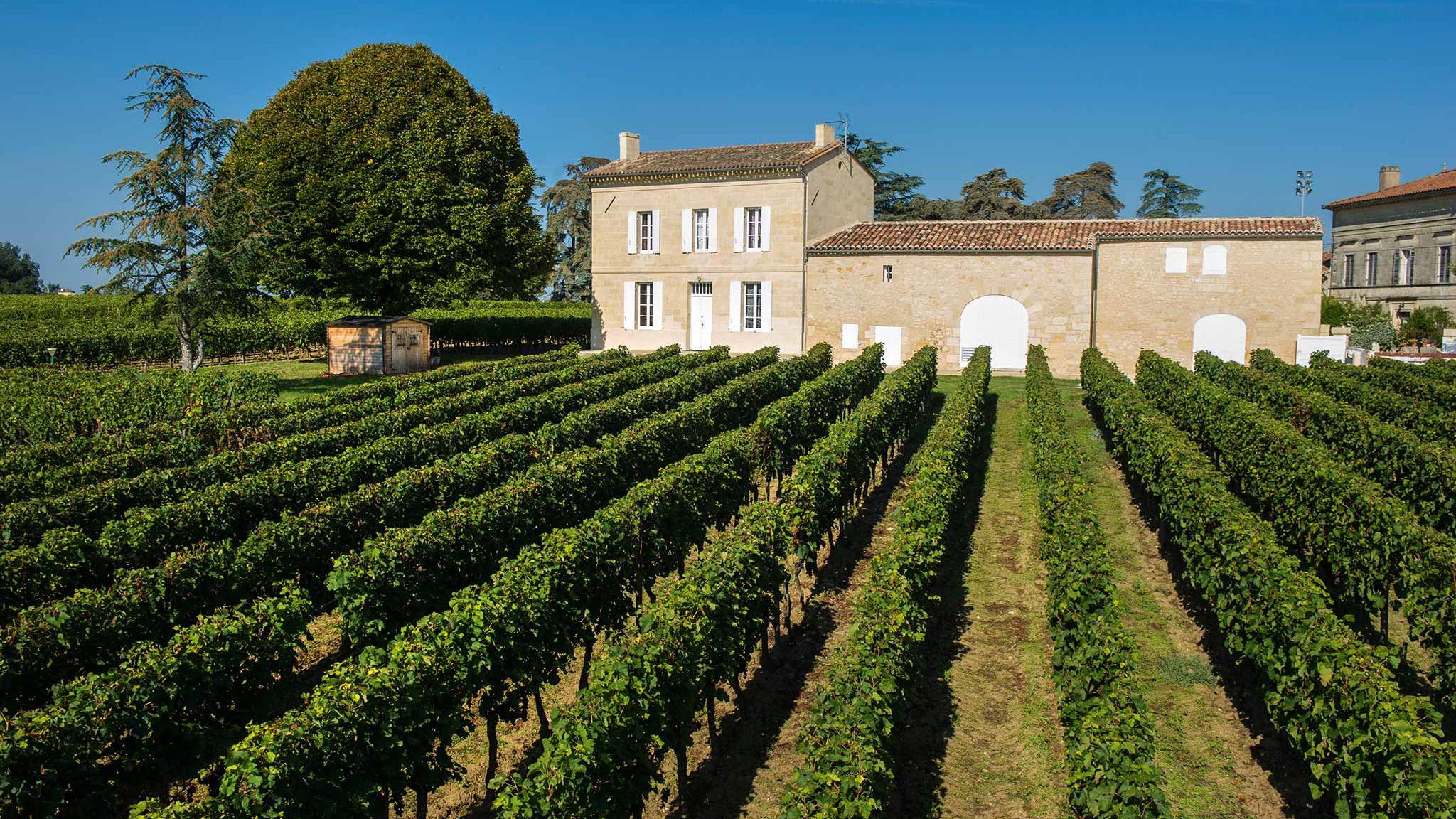
Weingut Feiler-Artinger registers as a winery with deep historical roots and a quietly elevated demeanor. Set in Rust on the Neusiedlersee's western shore, the estate's story is tied to the region's ancient Ausbruch tradition and to a microclimate that favors morning mist and botrytis development. The recent Pearl 2 Star Prestige designation signals a producer operating at the upper tier of Austrian winecraft; the copy emphasizes site expression, old-vine sites and careful viticulture rather than flashy presentation. The overall impression is one of measured seriousness and classical pedigree rather than trend-driven spectacle.
Best For
Feiler-Artinger is best suited to visitors who care about provenance and the historical context of Austrian wine. The estate appeals to learners and enthusiasts—those focused on wine education—and to guests seeking a more elevated experience framed by regional tradition. Its prestige rating makes it a natural stop for special-occasion tasting, for collectors assessing site-driven bottlings, and for anyone wanting to understand how the Neusiedlersee's unique climate informs both sweet and dry styles. It is less about nightlife or casual drop-ins and more about thoughtful tasting and study.
Tasting Tips
On the tasting bench, prioritize expressions that illustrate the lake's influence and the house's approach to site. The description highlights Ausbruch—the region's ancient botrytised style—so include a botrytised sweet wine if available to grasp the historical benchmark. Balance that with dry whites and reds that the text says are shaped by the Neusiedlersee's microclimate; those bottles demonstrate the producer's commitment to site expression over intervention. In short, taste to compare botrytis-driven sweetness with the estate's dry, terroir-driven offerings rather than chasing trendy varietal labels.
Venue details
Ambiance
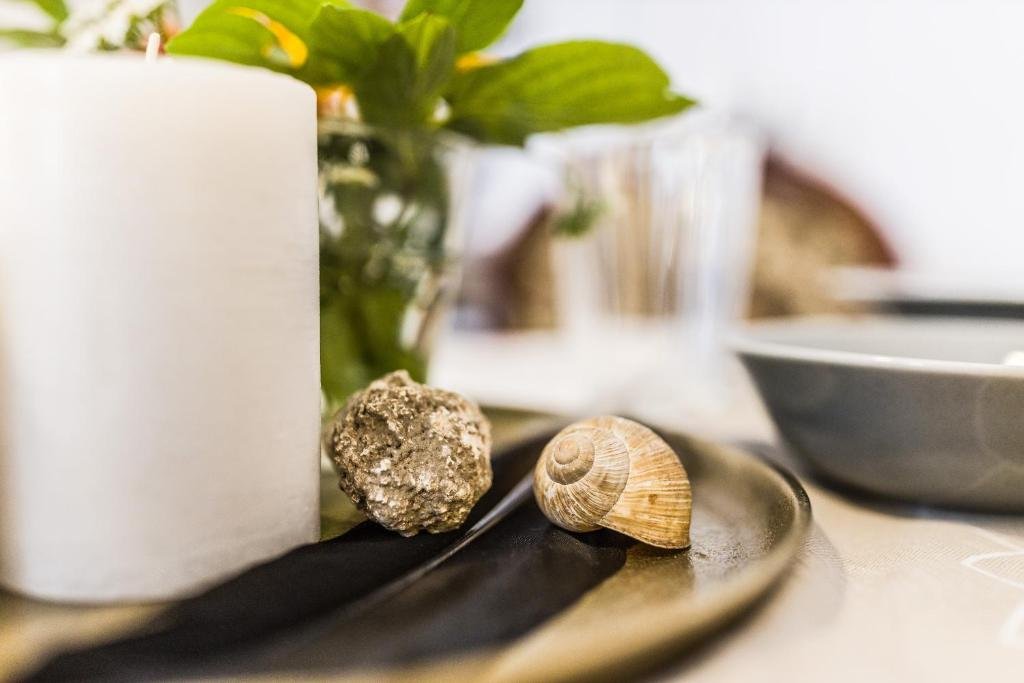
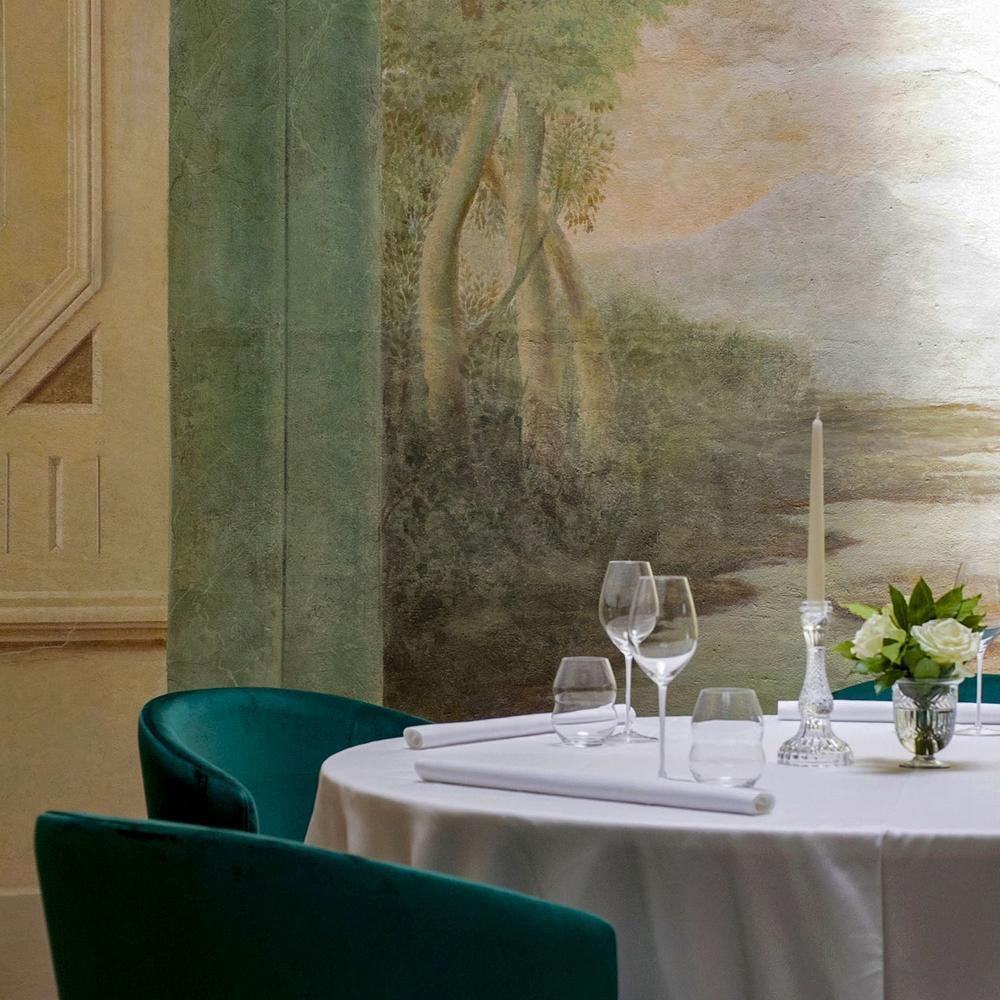
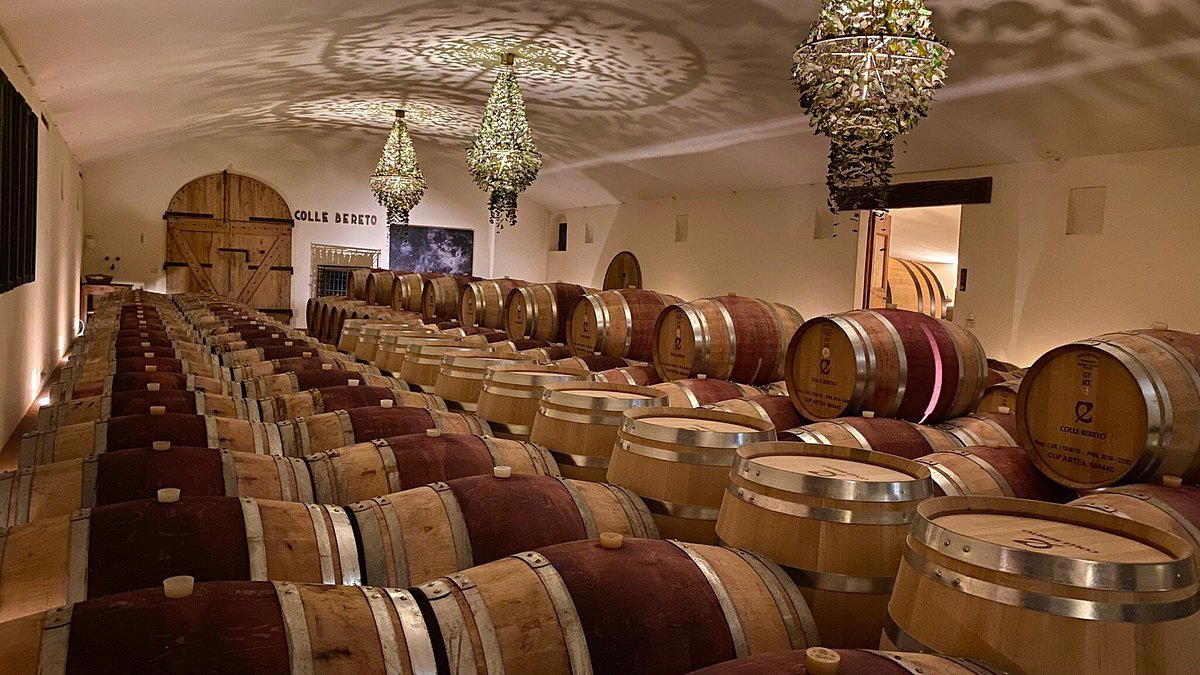
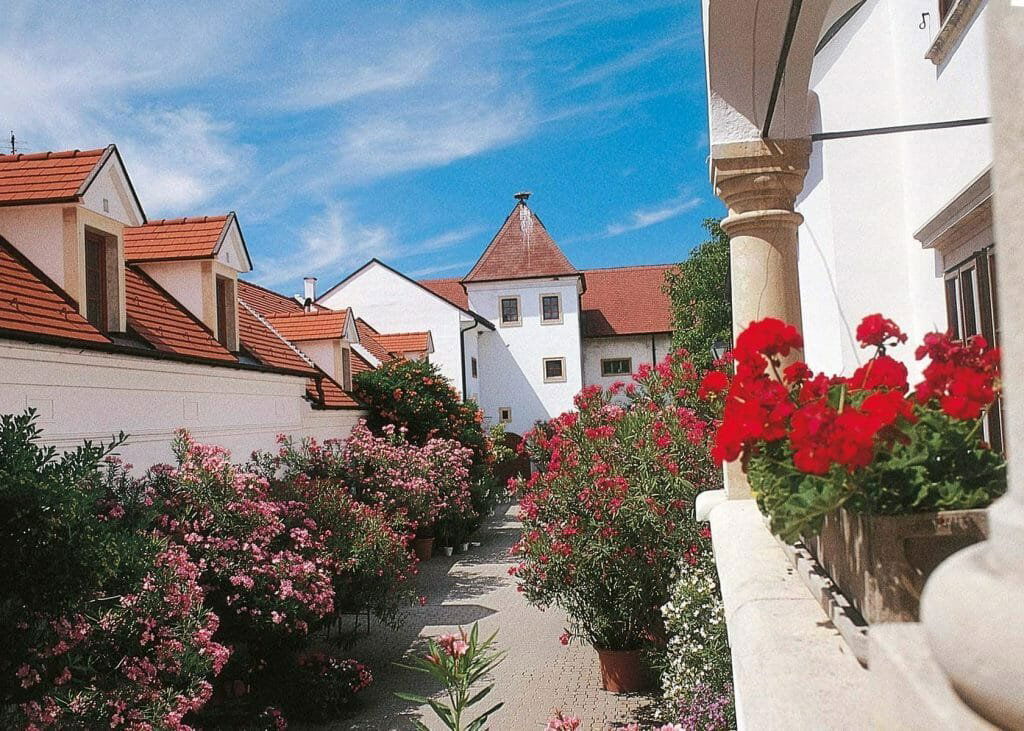
Cozy, historic wine cellar atmosphere in a baroque building, evoking rustic elegance and intimacy.
Tags
Vibe
Best For
Experience
Sourcing
View
At the Vineyard
- Appellation
- Leithaberg
- Varietals
- Blaufränkisch, Zweigelt, Chardonnay, Neuburger, Pinot Blanc
- Tour Duration
- 60-90 minutes
- Visits
- By reservation
- Farming
- Biodynamic
- Wine Styles
- Still White, Still Red, Dessert, Fortified
- Wine Club
- Not available
Know before you go
Know Before You Go
- Getting there
- Hauptstraße 3, 7071 Rust
Planning details
Location
Recognition and awards

Also consider
Where to Look If This Is Full
If availability does not work, start with Weingut Wenzel or Weingut Ernst Triebaumer. Both keep the plan focused on Rust and avoid turning a tight day into a regional transfer problem.
If the group has a car and wine is the main purpose of the day, widen the search to Gut Oggau Winery or Weingut Prieler. Choose Esterházy Winery when the itinerary can handle an out-of-town winery stop.
Winery context
How It Compares
Against Weingut Wenzel and Weingut Ernst Triebaumer, Weingut Feiler-Artinger is the choice for travelers who want one serious Rust winery appointment rather than a loose tasting route. Wenzel and Ernst Triebaumer are the cleaner cross-shops if the priority is keeping the day fully within Rust and building a compact local itinerary.
Gut Oggau Winery, Weingut Prieler, and Esterházy Winery make more sense when the day can stretch outside the immediate Rust plan. Choose them if the wider Burgenland route matters more than town convenience; choose Feiler-Artinger if Rust is the anchor and the schedule needs to stay tight.
For value, the safer play is to decide by logistics rather than price because published pricing is not listed here. Small groups should prioritize the producer they can secure cleanly; larger groups should compare availability across the Rust peers before building transport and meals around one address.
Explore Rust
Around this place
Discover more on Pearl
Unlock the full Weingut Feiler-Artinger guide in Pearl, including awards, comparisons, FAQs, planning details, and nearby places.
Compare Weingut Feiler-Artinger
| Venue | Location | Awards |
|---|---|---|
| Weingut Feiler-Artinger | Rust | 2026 Falstaff Winery Guide |
| Weingut Wenzel | Rust | 2026 Falstaff Winery Guide |
| Weingut Ernst Triebaumer | Rust | 2026 Falstaff Winery Guide |
| Gut Oggau Winery | Oggau | 2026 Falstaff Winery Guide |
| Weingut Prieler | Schützen | 2026 Falstaff Winery Guide |
| Esterházy Winery | Trausdorf | 2026 Falstaff Winery Guide |
How Weingut Feiler-Artinger Rust compares with similar nearby venues.
FAQ
Frequently Asked Questions
Can Weingut Feiler-Artinger handle large groups?
Group capacity information is not available. Weingut Feiler-Artinger is in Rust and has Pearl 2 Star Prestige recognition for 2025, but visitors should check directly with the venue before planning a large-group visit.
Do I need a reservation at Weingut Feiler-Artinger?
A reservation requirement is not specified. Because visitor arrangements can vary, check directly with Weingut Feiler-Artinger before you go, especially if the stop is important to your Rust itinerary.
When is the best time to visit Weingut Feiler-Artinger?
The best time to visit is not specified. Before planning your Rust schedule, check directly with Weingut Feiler-Artinger for current availability, hours, and visitor arrangements.