

2026 Falstaff Winery Guide: The Ultimate Wine Authority — Page 5
Falstaff's 2026 Wineries guide.

Venues on this list
Elena Fucci
Barile, Italy
Barile’s volcanic wine setting is the hook: Elena Fucci is a stronger choice for Aglianico del Vulture-focused travelers than for casual tasting-room hopping. Falstaff Listed (2026) gives it a credible recognition signal, but confirm visit format, timing, and pricing before planning the day around it.
Littorai Wines
Sebastopol, United States
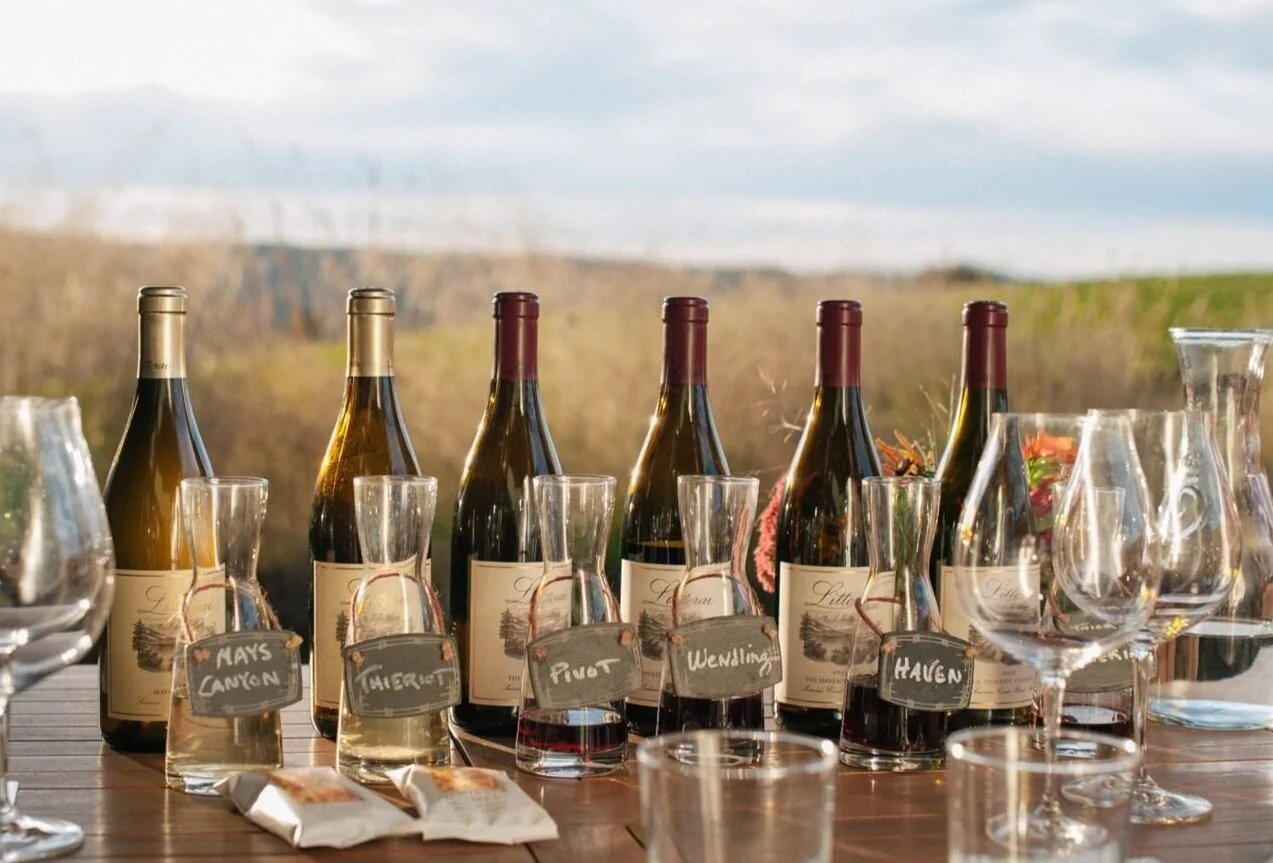
Littorai Wines is worth prioritizing if the goal is a serious Sebastopol wine appointment with allocation or wine-club interest behind it. It is less suited to casual, flexible group tasting days, so build in backup options such as Freeman Vineyard & Winery, Kosta Browne Winery, or Marimar Estate Vineyards & Winery.
Fritz Salomon – Gut Oberstockstall
Kirchberg am Wagram, Austria
Book Fritz Salomon – Gut Oberstockstall if biodynamic, low-intervention Wagram whites are the point of the trip. The $$ price tier, Falstaff Listed (2026) recognition, spontaneous fermentations, and estate restaurant make it a strong fit for wine-focused visitors who care about history, patience, and texture more than a flashy tasting-room format.
Château Tourteau Chollet
Arbanats, France
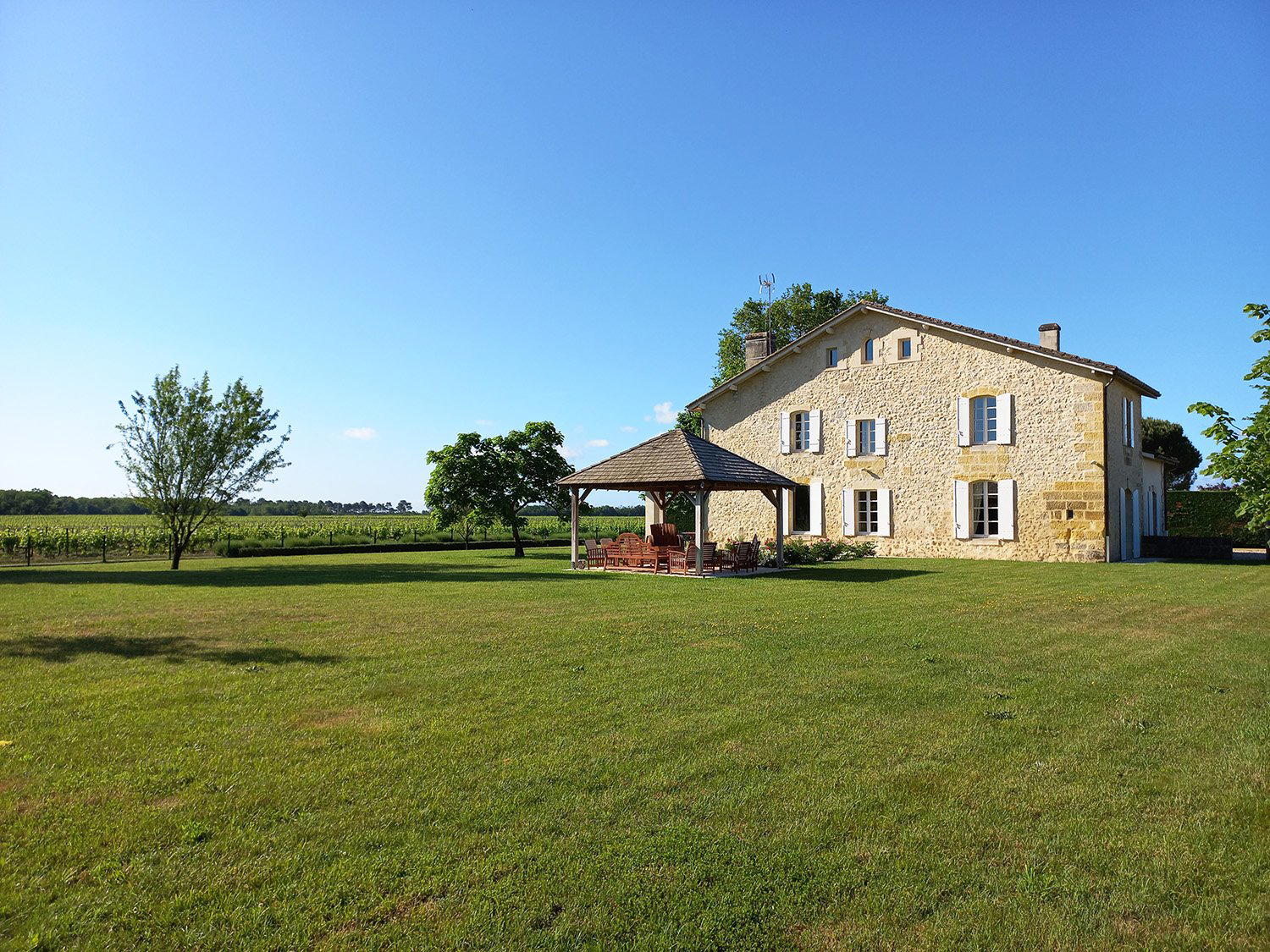
Château Tourteau Chollet is worth planning ahead for if the goal is a food-aware Graves tasting rather than a quick pour. The stronger formats are the longer wine-and-pairing experiences, supported by mid-18th-century estate history, Falstaff Winery listing for 2026, and a relaxed vineyard setting in Arbanats.
Azienda Agricola Rallo
Marsala, Italy
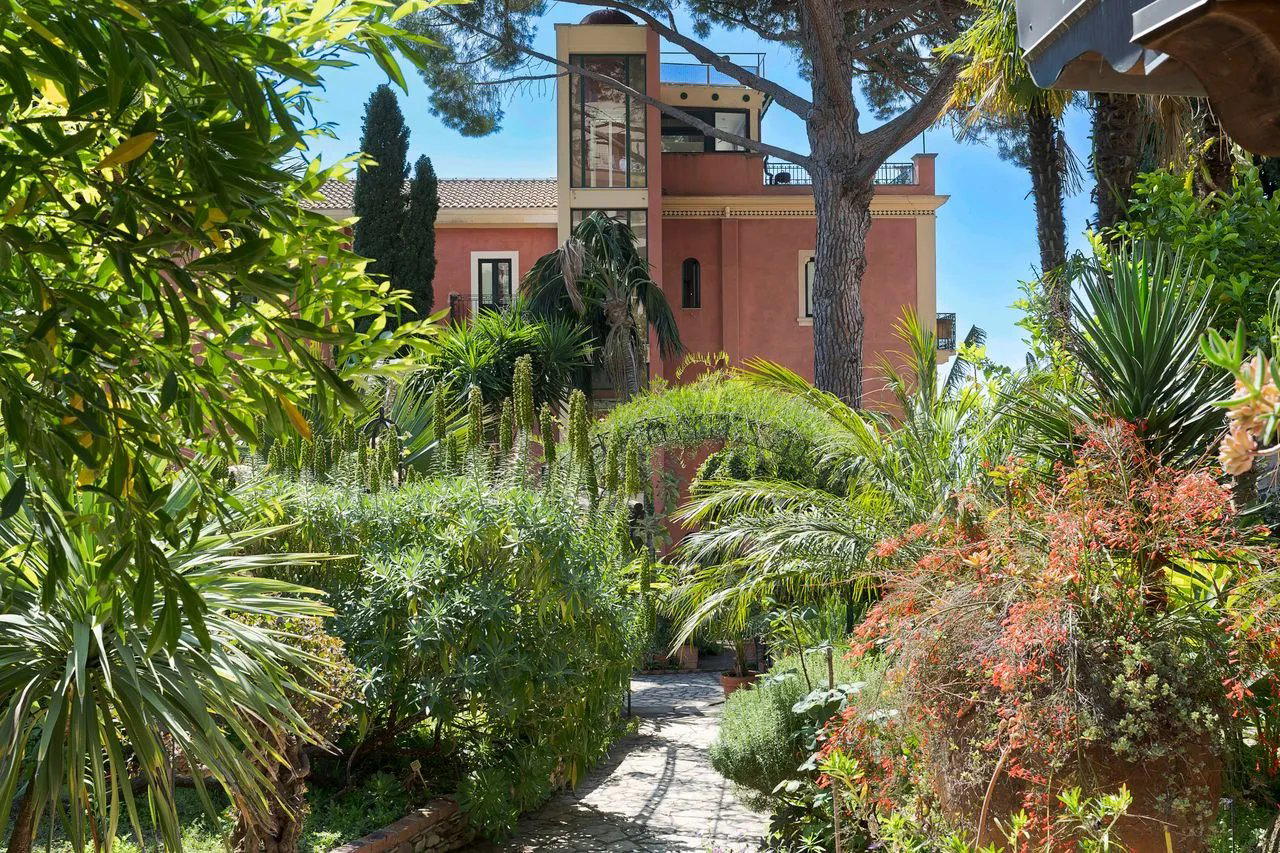
Book Azienda Agricola Rallo if the goal is a quiet Marsala winery visit focused on native Sicilian grapes, white wines, and historic estate context. It is appointment only, casual, and better for couples or small wine-focused groups than spontaneous drop-ins or high-energy tastings.
Château L'Archange
Neac, France
Should you add Château L'Archange to a Néac wine itinerary? Yes, if you want a focused Right Bank stop with Falstaff Listed recognition in 2026 and are comfortable planning around sparse visitor details. It is better treated as one part of a wider winery day than as the main hospitality anchor.
Hannes Bergdoll
Landau In Der Pfalz, Germany
Book Hannes Bergdoll if you want a small, biodynamic southern Pfalz winery with low-intervention wines and real vineyard context. It is better suited to curious wine drinkers than casual drop-ins, with Falstaff listing recognition in 2026 and an appointment-only format that favors a slower, more personal tasting.
Domaine Thierry Violot-Guillemard
Pommard, France
Domaine Thierry Violot-Guillemard works for a Pommard-focused Burgundy itinerary, especially if the point of the visit is bottle assessment rather than a broad tourism stop. It suits wine travelers who want a more specific read on Pommard and are planning around cellar decisions, shipping, or future buying.
Chapter One
Gols, Austria
Chapter One is a good fit for a quieter Gols wine stop if Austrian reds are the point of the visit. Expect a compact, appointment-led feel rather than a large estate experience, with the strongest signal around Zweigelt Reserve and a modern cellar-centered atmosphere.
Château Vignol - Famille Doublet
Saint Quentin De Baron, France
Book Château Vignol - Famille Doublet if the goal is an appointment-only Entre-deux-Mers tasting with family-estate context and accessible Bordeaux styles. It is stronger for curious wine travelers than collectors: expect breadth across red, white, Clairet, rosé, and sweet wine rather than a prestige-focused luxury tasting.
Château La Grangère
Saint-Christophe-des-Bardes, France
A focused pick for travelers who want a small organic Saint-Émilion Grand Cru estate rather than a large visitor operation. The draw is the vineyard setting, Merlot-led organic wines, and estate-scale production; skip it if the group needs dining, formal hospitality, or a broad tasting-room setup.
Il Caggio
Castellina in Chianti, Italy
Il Caggio is worth prioritizing if the goal is a serious, appointment-led Chianti Classico experience built around Mazzei family heritage, a medieval estate setting, and collectible Sangiovese. At $$$$ pricing, it makes less sense for casual tasting crawls or groups needing flexible logistics.
Domaine In Vinhys
Florensac, France
A worthwhile Florensac stop for travelers who want a small, personal Languedoc tasting rather than a large cellar-door format. The value is strongest in the Syrah-led reds and the Thau-influenced whites and rosé, especially if the goal is to understand coastal Languedoc through one focused estate.
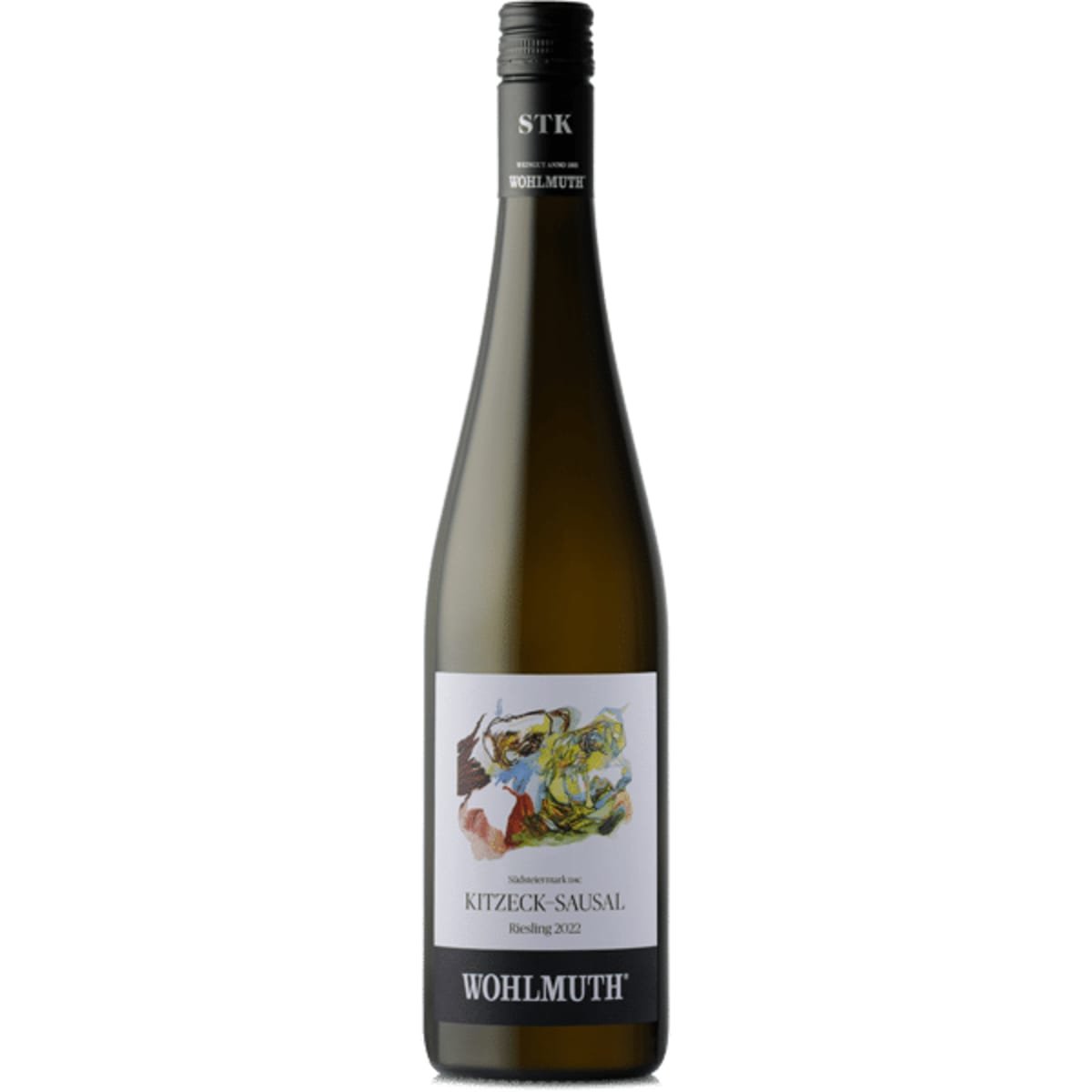
Weingut Wohlmuth
Kitzeck, Austria
Weingut Wohlmuth is the stronger call for a wine-led Kitzeck itinerary, especially if the visit is meant to anchor the day rather than fill a casual gap. Do not book expecting a confirmed food-pairing format; plan meals separately and compare it with Familienweingut Sattlerhof or Weingut Walter Skoff if wine is the priority.
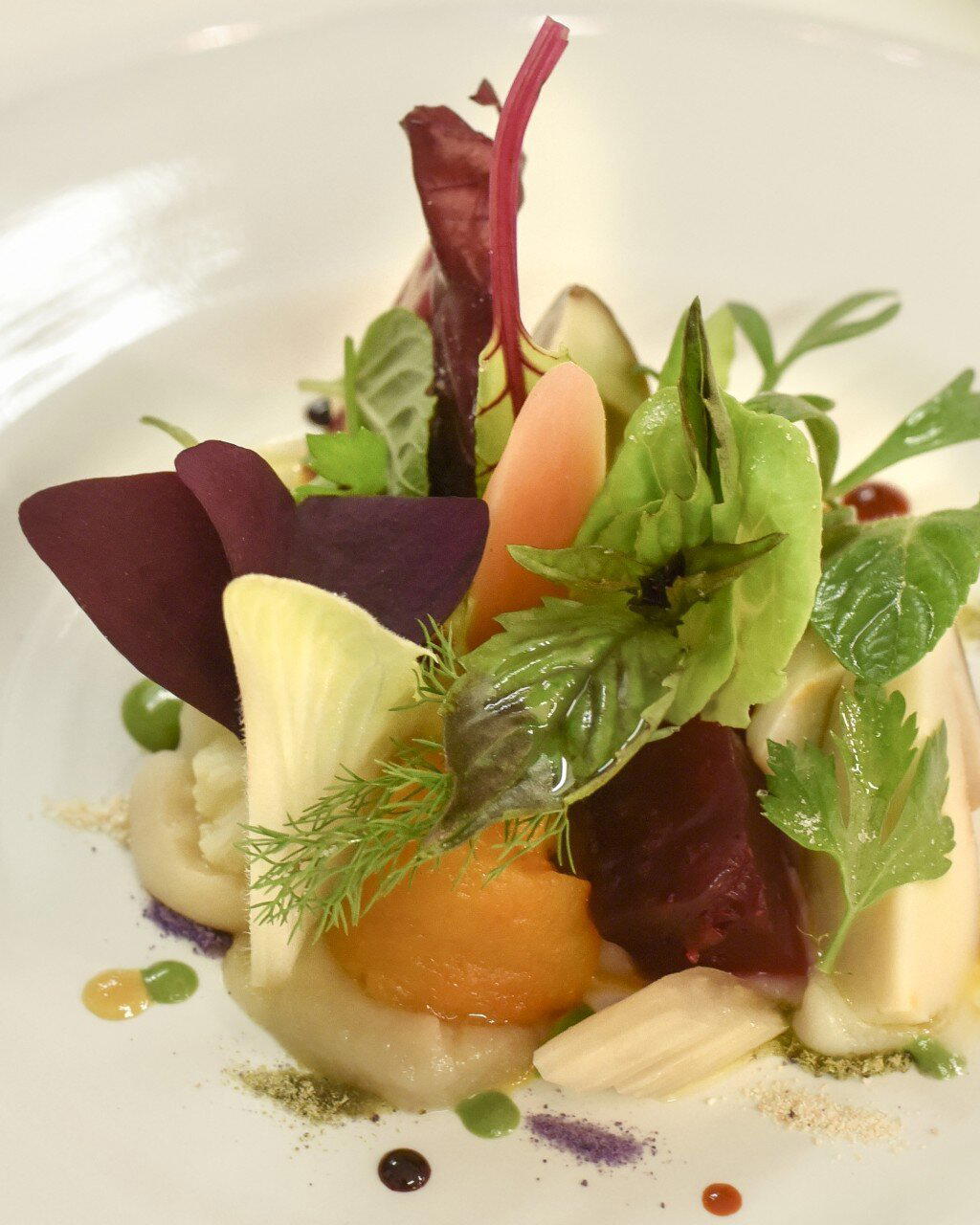
Cantina Gigi Rosso
Castiglione Falletto, Italy
Cantina Gigi Rosso is worth booking for a small-scale Barolo tasting that favors cellar context and family-winery depth over luxury staging. Choose the Cru or Premium Cru tasting if Nebbiolo is the reason for the trip; the basic format is better for a lighter introduction between other Langhe stops.
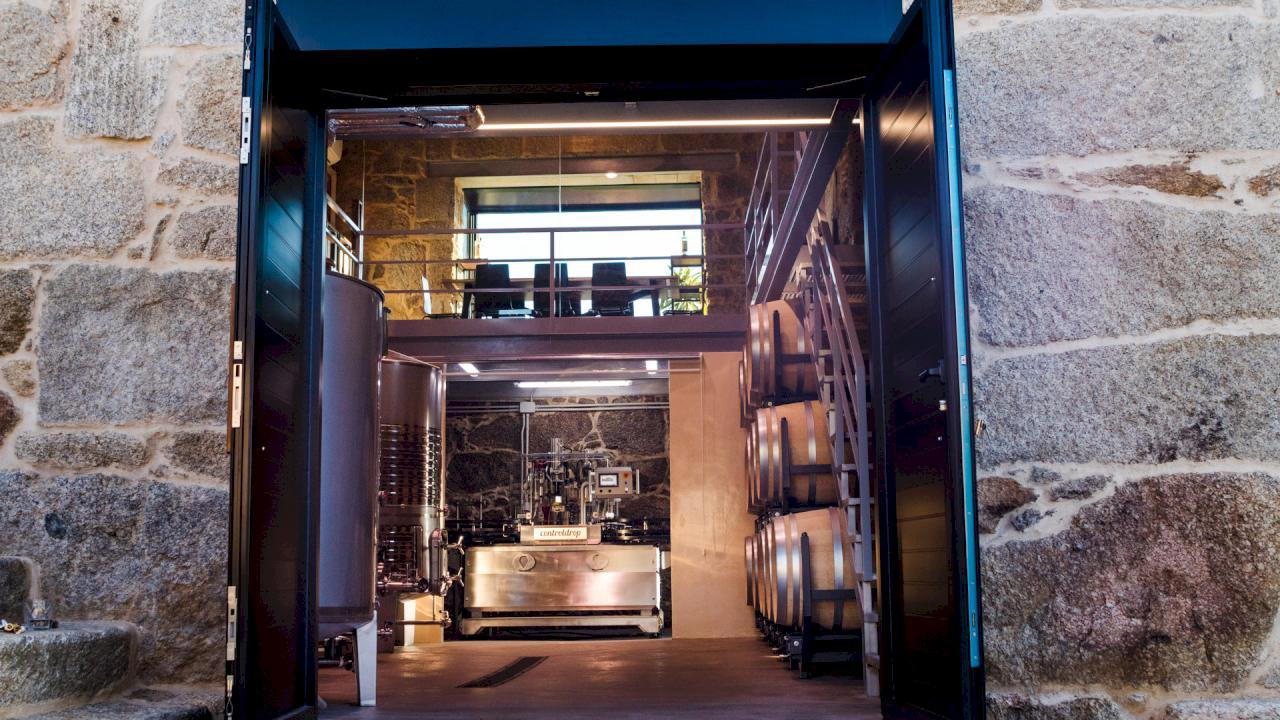
Adegas Tollodouro
Pontevedra, Spain
Adegas Tollodouro is a focused Rías Baixas winery for travellers who want Albariño-led whites with a clear Galician food angle. The strongest reason to go is the O Rosal vineyard context: estate fruit, granitic soils, coastal influence, and a freshness-first style that suits seafood-driven itineraries around Pontevedra.
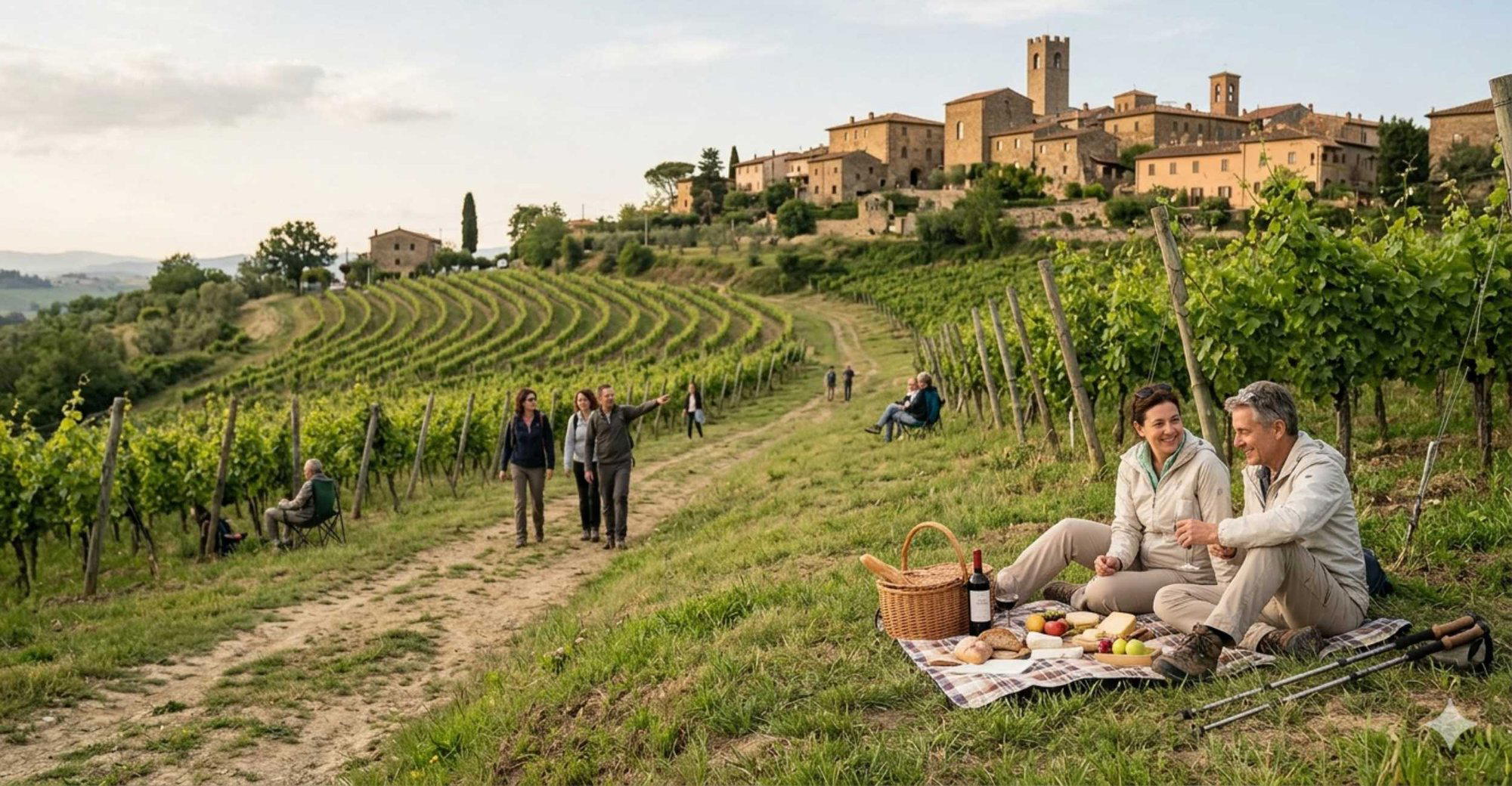
Azienda Agricola Col di Bacche
Magliano In Toscana, Italy
Book Azienda Agricola Col di Bacche if the goal is a focused, easygoing Morellino di Scansano stop rather than a luxury winery production. The draw is the clear DOCG-to-Riserva tasting arc, casual countryside setting, $$ positioning, and Falstaff Listed 2026 recognition.
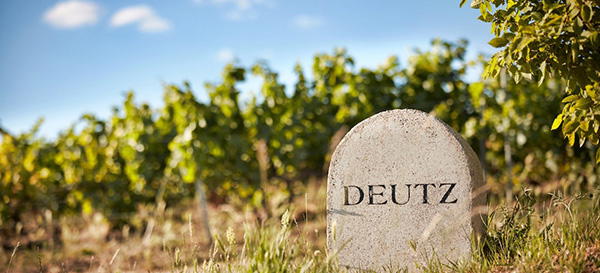
Deutz
Aÿ, France
Deutz is worth pursuing if the goal is serious Champagne buying or cellar comparison, not an easy casual tasting. In Aÿ, it competes with Ayala, Bollinger, Philipponnat, Lallier, and Henri Giraud for attention, so treat it as a high-planning visit and keep a backup ready.
Hohmann Weinanbau Rügen GmbH
Lancken Granitz, Germany
Hohmann Weinanbau Rügen GmbH works if the appeal is Rügen’s unusual place in German winegrowing, not a fully documented tasting-room experience. Plan it as an appointment-led, small-group stop with backup plans nearby; it is a stronger fit for curious wine travelers than for celebration groups needing guaranteed food, flights, or published visitor structure.
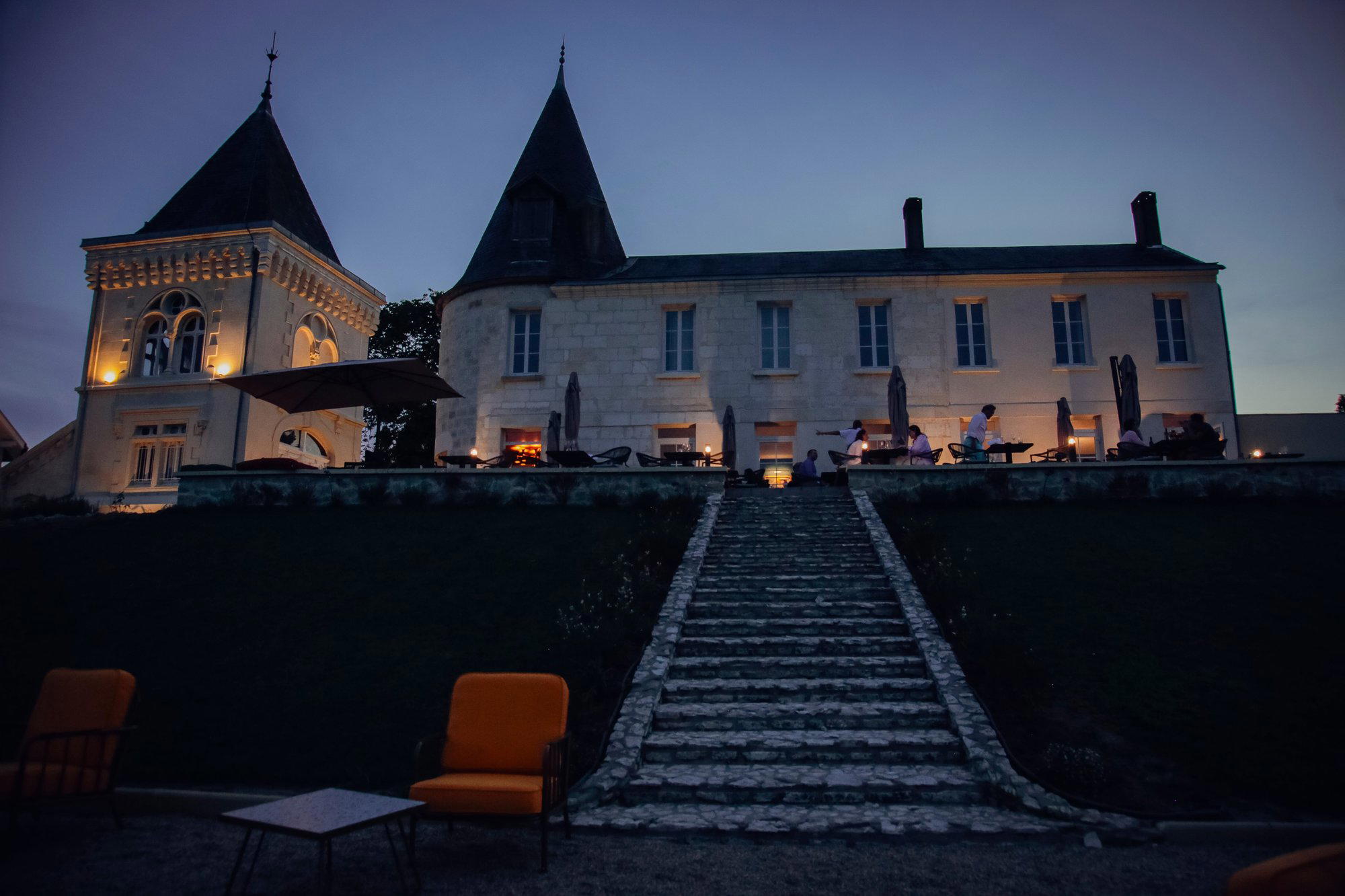
Château de Carlmagnus
Fronsac, France
A good Fronsac pick for travelers who want a quieter château visit with appellation context rather than a flashy Bordeaux tasting circuit. The 2026 Falstaff 1 Stars recognition is the main quality signal; plan ahead, keep timing flexible, and treat it as part of a Fronsac wine day rather than a spontaneous stop.
Eckehart und Johannes Gröhl
Weinolsheim, Germany
A strong Weinolsheim pick for travelers who want Rheinhessen breadth rather than a formal luxury tasting. The draw is the family-run vinothek and cellar format, a wide grape range spanning Riesling, Burgundy varieties, reds, and Sekt, plus a serious organic direction from the 2025 vintage onward.
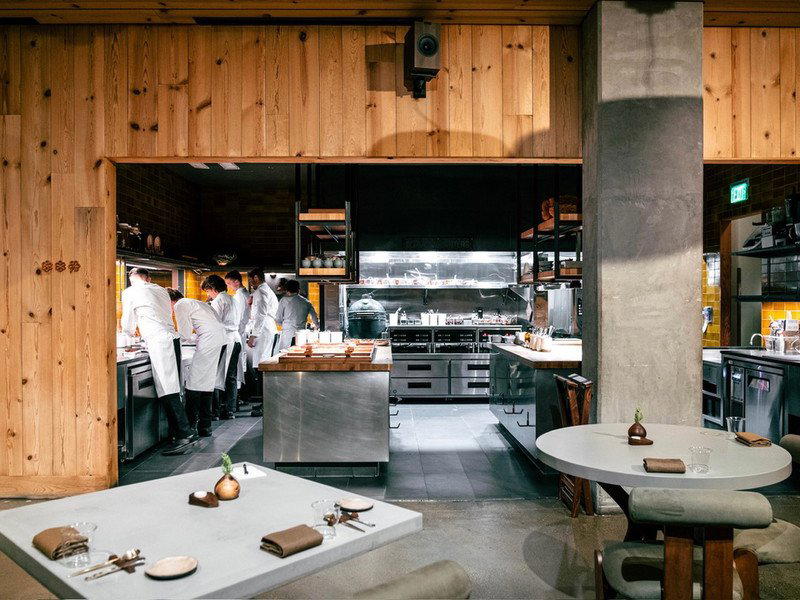
VINO GAUBE
Kungota, Slovenia
VINO GAUBE is a low-pressure Kungota option for a relaxed wine-country afternoon, not the safest pick for a formal occasion or menu-led dinner. Book it when flexibility matters; compare Opok27 or Vino & turizem Valdhuber if the meal itself needs to carry the plan.
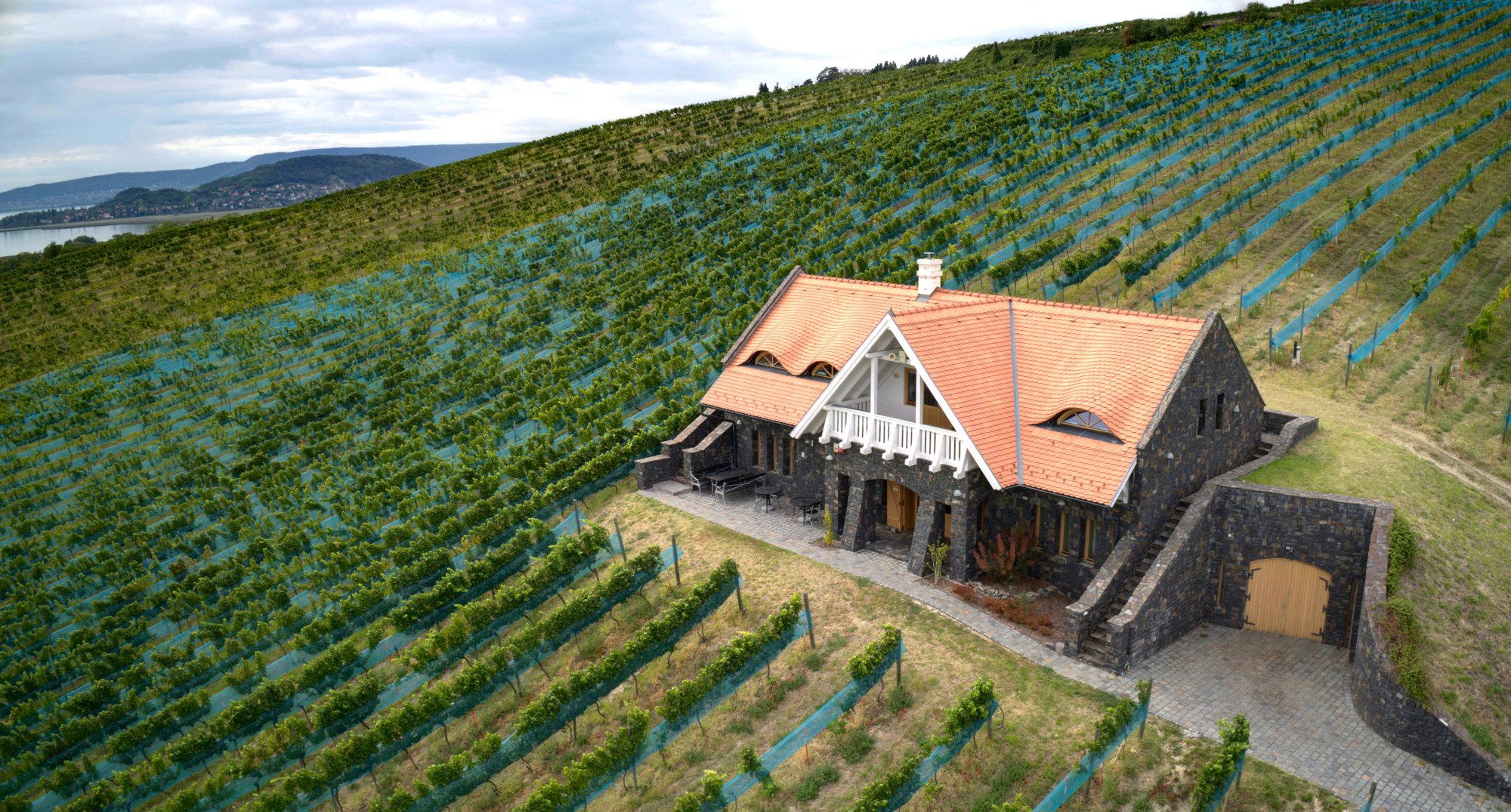
Villa Sandahl
Badacsonytomaj, Hungary
Villa Sandahl is the Badacsonytomaj pick when the estate setting matters as much as the wine visit itself. Book it for a more considered Lake Balaton winery stop, especially as a second visit in the area; cross-shop Laposa Estate, Szeremley Estate, or Varga Pincészet if ease, group logistics, or backup availability matter more.
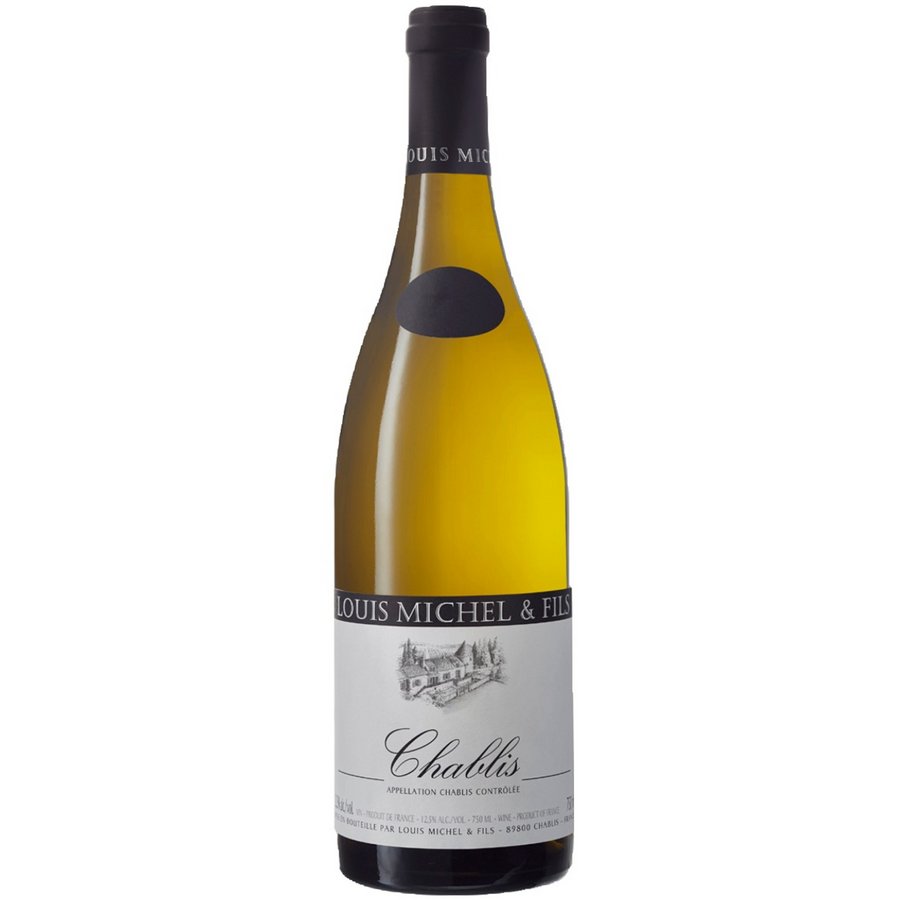
Domaine Louis Michel & Fils
Chablis, France
Prioritise Domaine Louis Michel & Fils if the Chablis trip is built around serious producer context rather than casual cellar tourism. It is a strong fit for wine-focused couples and collectors, less so for large groups or visitors expecting food service or a broad introductory format.
Cantine Mariano Sabatino
Casola Di Napoli, Italy
A worthwhile stop for travelers who care about Gragnano DOC and Campanian wine culture more than polished estate design. The draw is the winery’s long local continuity, rustic setting, and focus on fresh, everyday-drinking sparkling red wine; skip it if the priority is a luxury tasting room or elaborate hospitality program.
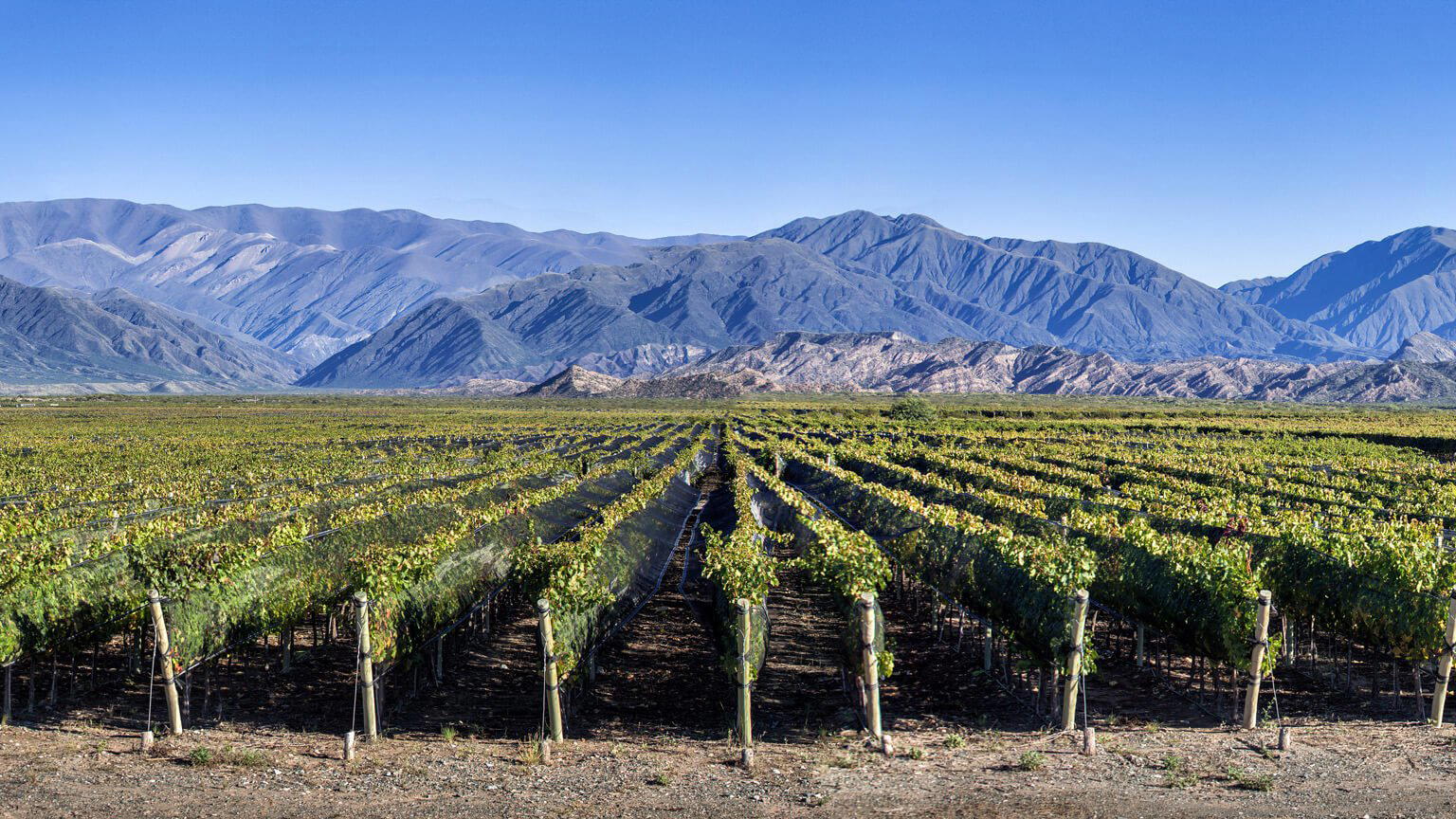
Bodegas CARO
Mendoza, Argentina
Bodegas CARO is a strong Mendoza choice for a celebration or wine-focused itinerary where a polished, prestige-led visit matters. Treat it as an early-planning booking rather than a casual drop-in, and keep a backup winery ready in case access does not line up.
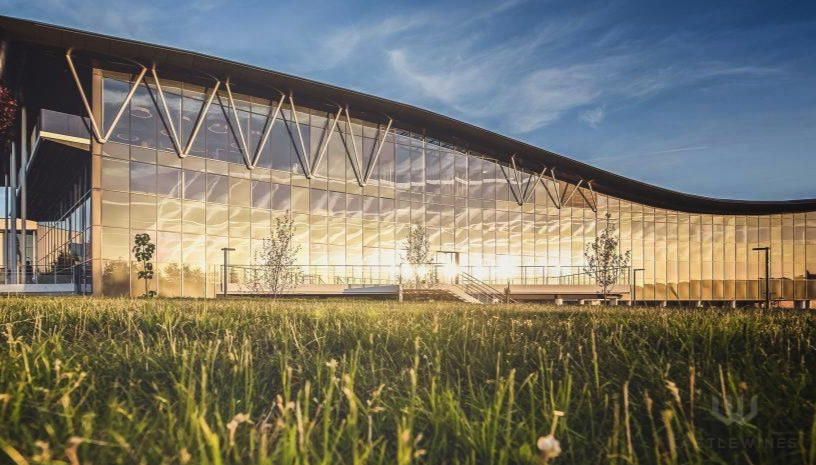
Nicolas Feuillatte
Chouilly, France
Nicolas Feuillatte is worth prioritising if the trip is built around Champagne producer comparison rather than casual tasting-room hopping. The 2025 Pearl 3 Star Prestige signal and Guillaume Roffiaen's winemaker role make it a serious wine-led choice in Chouilly, but booking difficulty means it should be planned before meals, transport, or backup wineries.
Corte Rugolin
Valgatara Marano Di Valpolicella, Italy
Corte Rugolin is a sensible Valgatara pick for travelers who want a quieter Valpolicella winery visit with regional context rather than a large hospitality production. Its Falstaff Listed recognition in 2026 gives it a useful credibility signal, but the stronger reason to go is location: this is a better fit for a slower wine-focused day in the Marano di Valpolicella hills.
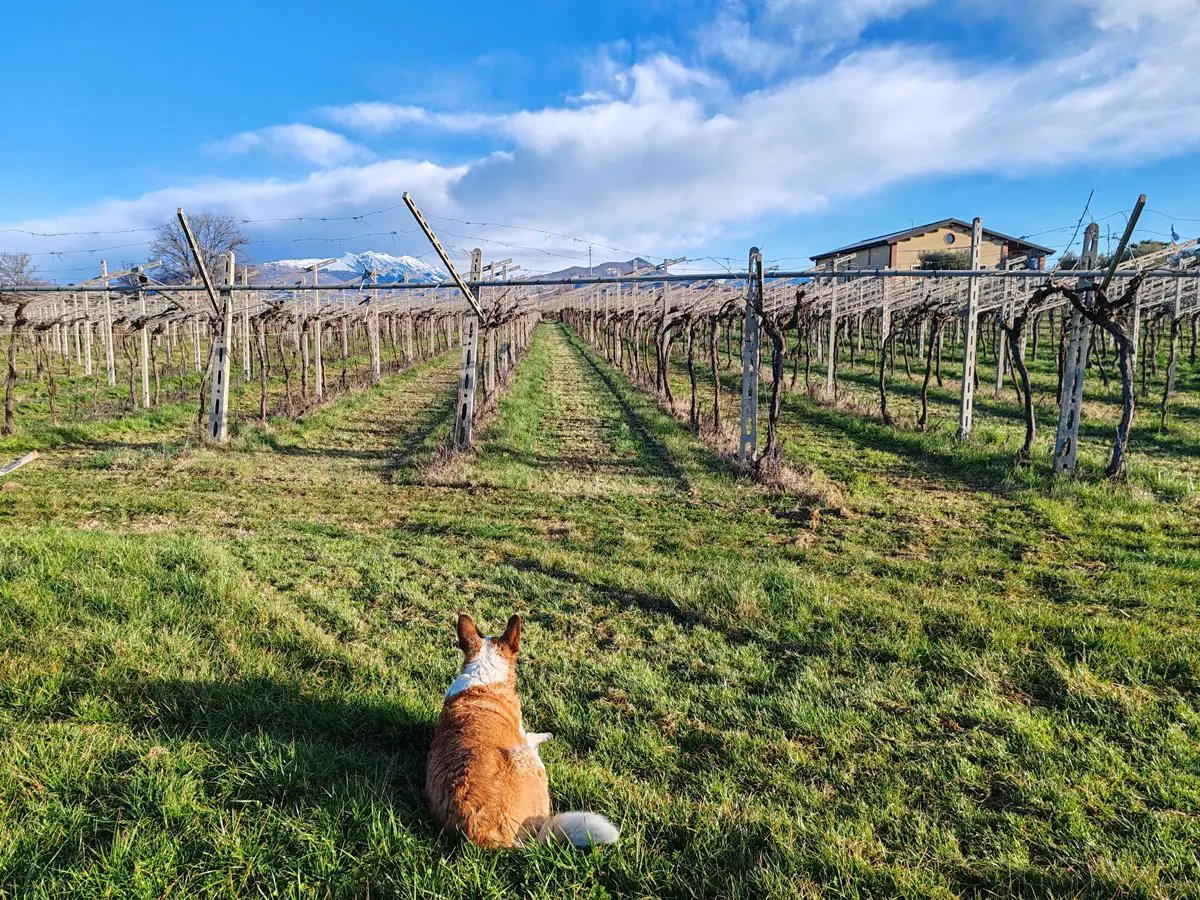
Il Pignetto
Bussolengo, Italy
Book Il Pignetto if you want an approachable hillside winery tasting between Lake Garda and Verona, especially in a guided format. The appeal is family continuity, a compact estate portfolio, and a calm rural setting rather than luxury polish; Falstaff Listed in 2026 adds a useful recognition signal.
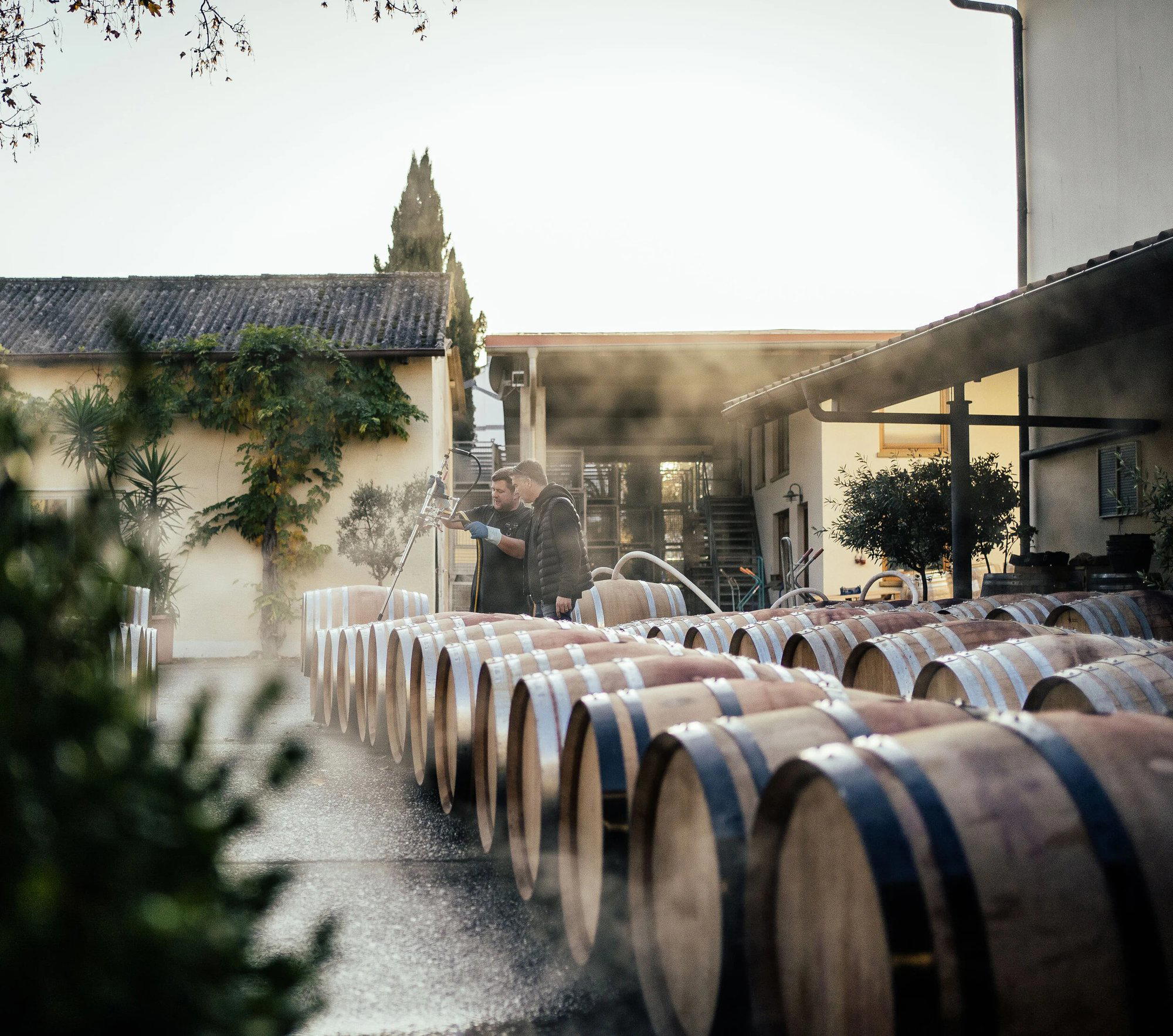
Weingut Philipp Kuhn
Laumersheim, Germany
Prioritize Weingut Philipp Kuhn if the trip is built around serious Pfalz wine rather than casual cellar-door tasting. Access is difficult, so keep the group small, avoid tight scheduling, and line up a nearby backup such as Weingut Knipser. Best for travelers who value a focused tasting over scenery or hospitality extras.
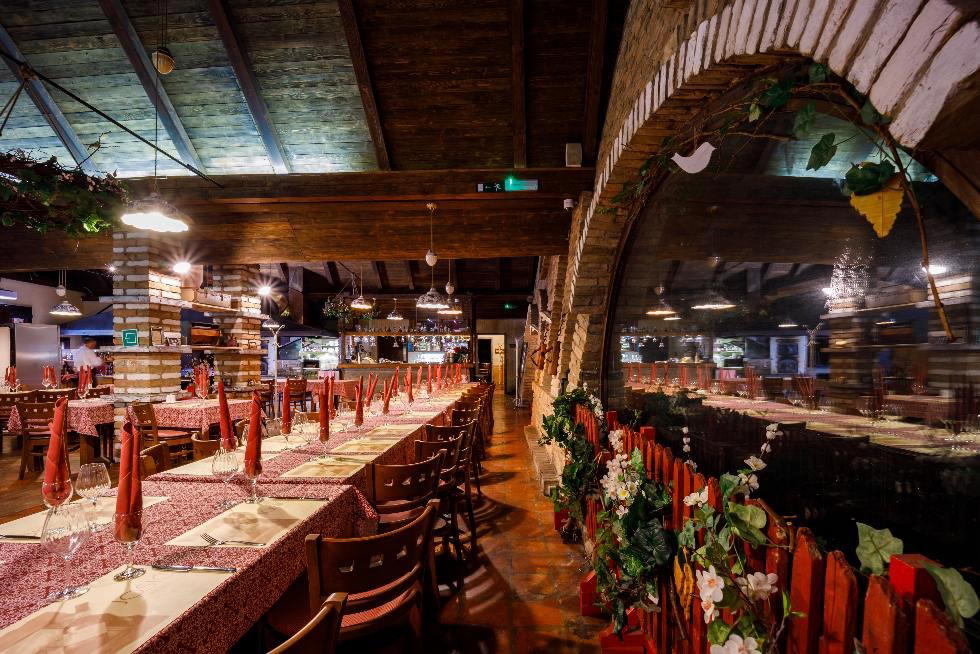
Restoran Vinarija Josić
Zmajevac, Croatia
Restoran Vinarija Josić works for a relaxed Zmajevac meal tied to Baranja wine-country plans, especially for a date or small celebration. It is less suited to diners who need a named chef, published cuisine format, or award-backed fine-dining signal before booking.
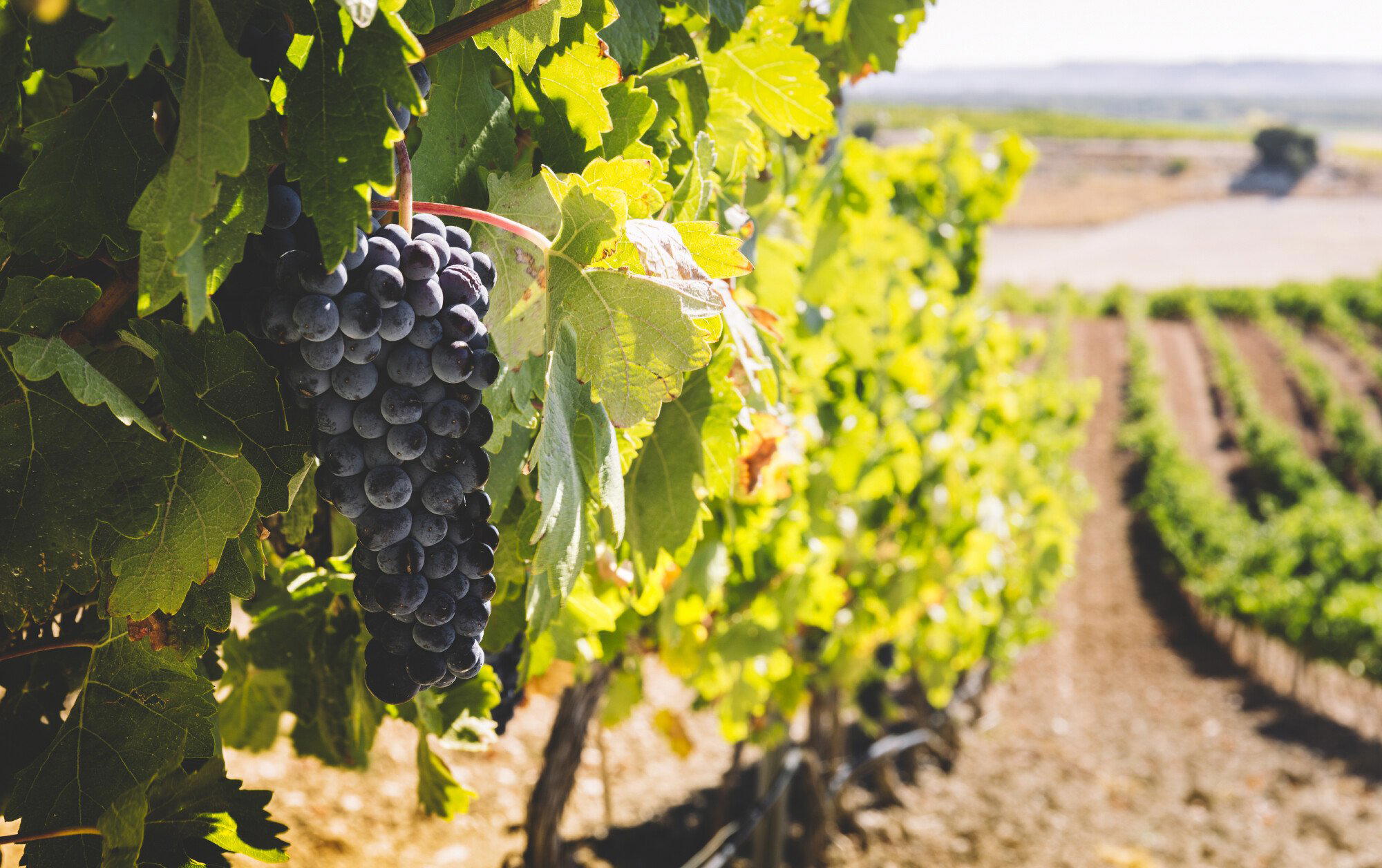
Bodegas y Viñedos Tamaral
Peñafiel, Spain
Worth considering if you want a modern, family-run Ribera del Duero tasting with a clear progression from Roble to Crianza and Reserva. Bodegas y Viñedos Tamaral is strongest for value-minded Tempranillo drinkers, with Falstaff 3 Stars in 2026 adding a useful quality signal.
Domaine 508
Le Landeron, Switzerland
A small biodynamic winery in Le Landeron for travelers who want a quiet, appointment-led look at contemporary Swiss wine. Book it for the 508-meter vineyard context, barrel-aged focus, and Falstaff Listed 2026 recognition; skip it if the day needs confirmed food service or a large-group hospitality setup.
Joiseph
Jois, Austria
Rustic, low-key, and wine-first, Joiseph is worth targeting if the goal is a focused appointment around delicate, aromatic Burgenland wines rather than a packaged cellar-door experience. The value is strongest for small groups who care about Lake Neusiedl context, small-scale production, and a lighter natural-leaning style.
Château Vignobles Moze-Berthon
Montagne, France
Château Vignobles Moze-Berthon works for a low-friction Montagne winery stop with Right Bank context rather than a full hospitality production. Book it if the priority is wine-region depth and a quieter estate setting; skip it if the day needs confirmed dining, published visit formats, or luxury-service cues.

Champagne Bonnet-Ponson
Chamery, France
A sensible Chamery shortlist pick for Champagne buyers who value a quieter village setting and external recognition over a high-production visitor experience. Its 2026 Falstaff listing is the main trust signal; confirm timing and group practicals before making it the anchor of a celebration itinerary.
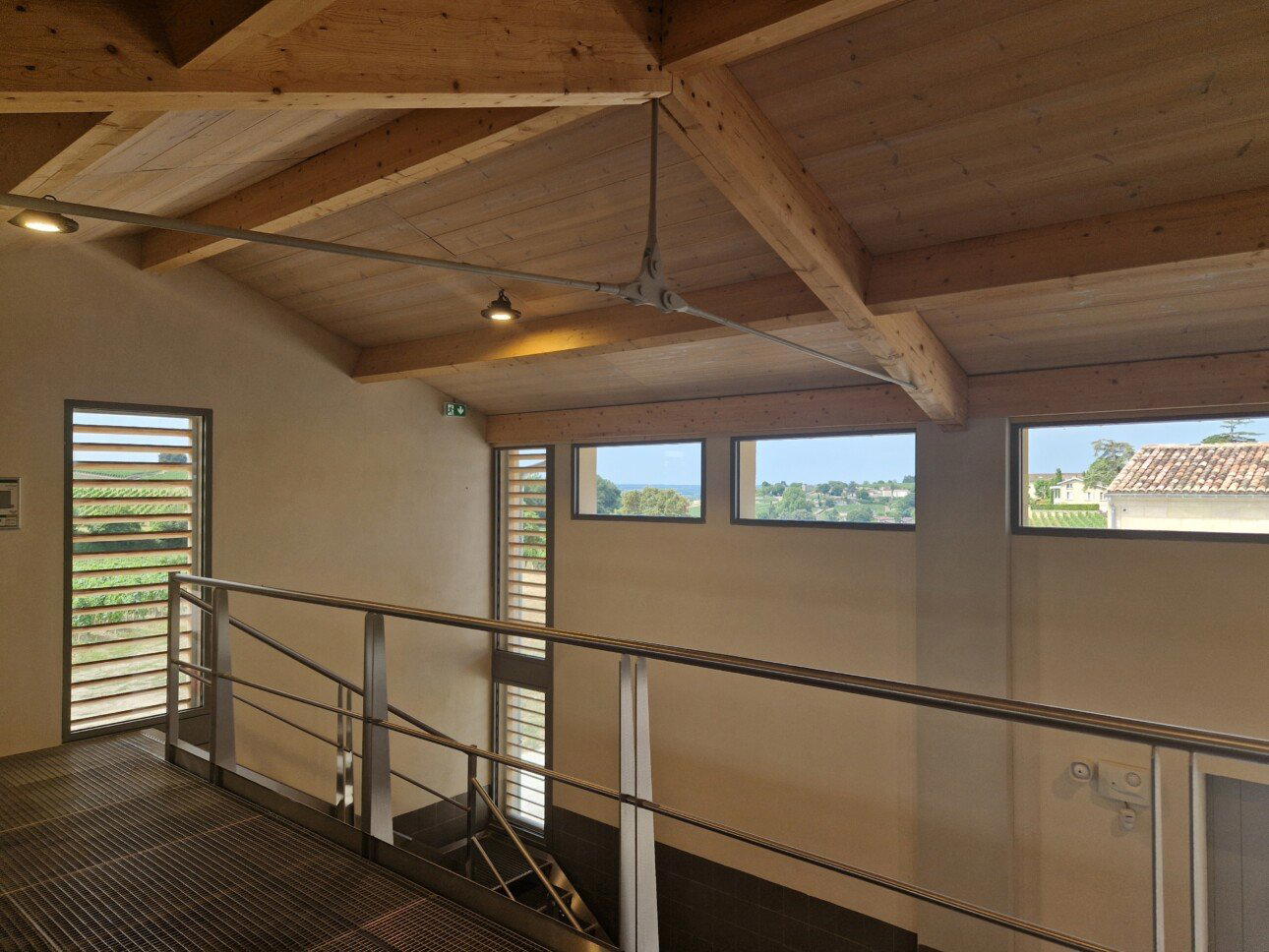
Château Le Prieuré
Saint-Émilion, France
A small Saint-Émilion Grand Cru Classé estate for drinkers who care about limestone-plateau precision more than broad hospitality extras. Château Le Prieuré is worth prioritising for a focused, wine-led visit, especially if a private or more personal tasting can dig into parcels, organic and biodynamic farming, and the flagship Merlot-led red.
Domenico Clerico
Monforte d'Alba, Italy
Domenico Clerico is worth prioritizing if a Monforte d’Alba trip is built around serious Piedmont wine rather than casual tasting-room browsing. Falstaff 4 Stars in 2026 gives it a clear credibility signal, but plan carefully because public-facing practical details such as hours, pricing, and direct booking channels are not listed here.
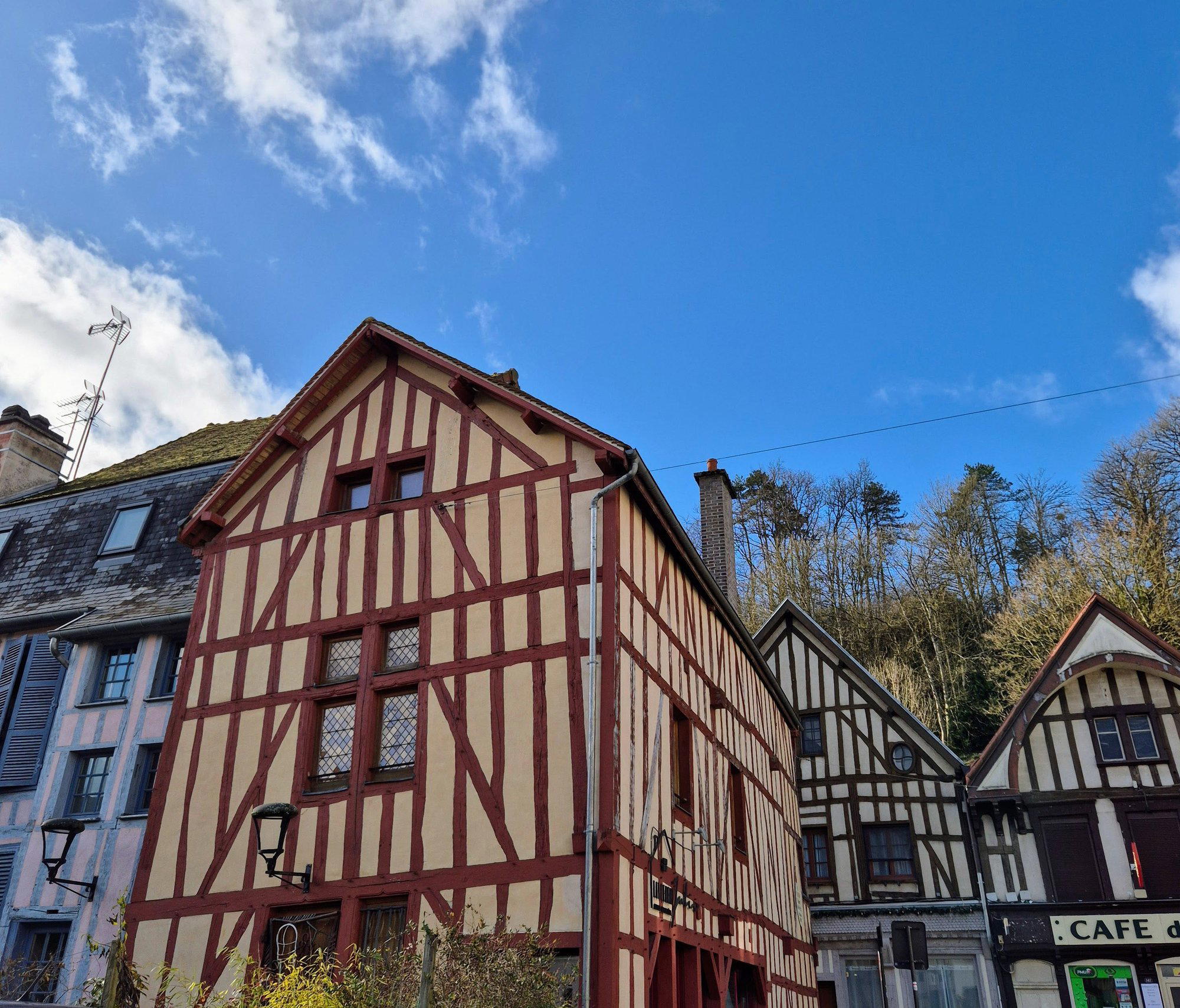
Champagne Suenen
Cramant, France
Champagne Suenen is worth prioritising for Champagne-focused visitors who value producer credibility and can plan ahead. The 2026 Falstaff 2 Stars signal serious quality, but the practical fit is narrow: better for small, intentional Cramant itineraries than casual walk-in tasting plans.
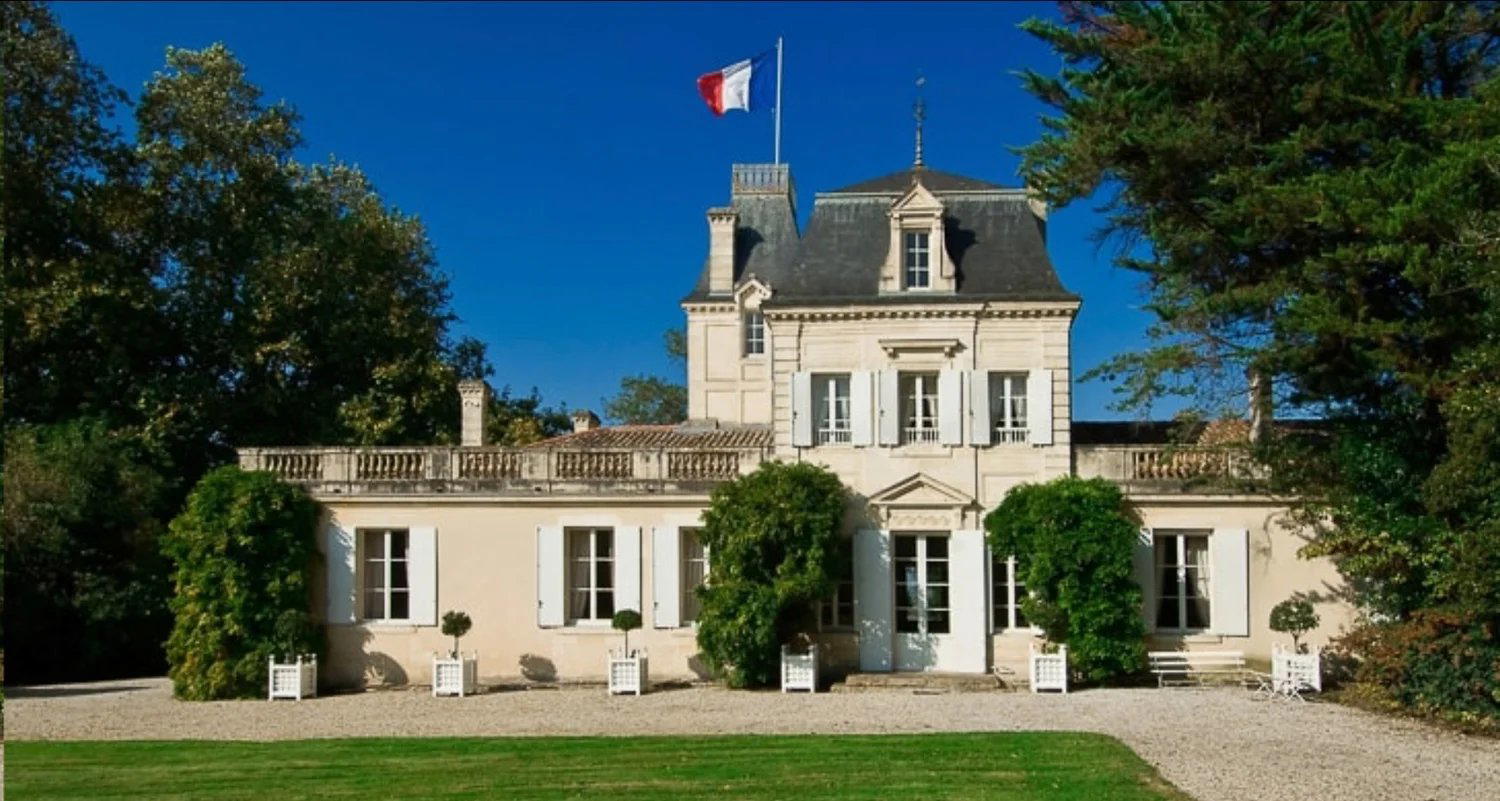
Château Coufran
Saint Seurin De Cadourne, France
Château Coufran is worth planning around if you want a serious, Merlot-led Haut-Médoc estate visit with a classic Gironde-facing setting. The appeal is less about flashy hospitality and more about family continuity, ageing potential, and a wine style that gives a softer counterpoint to Cabernet-dominant Left Bank expectations.
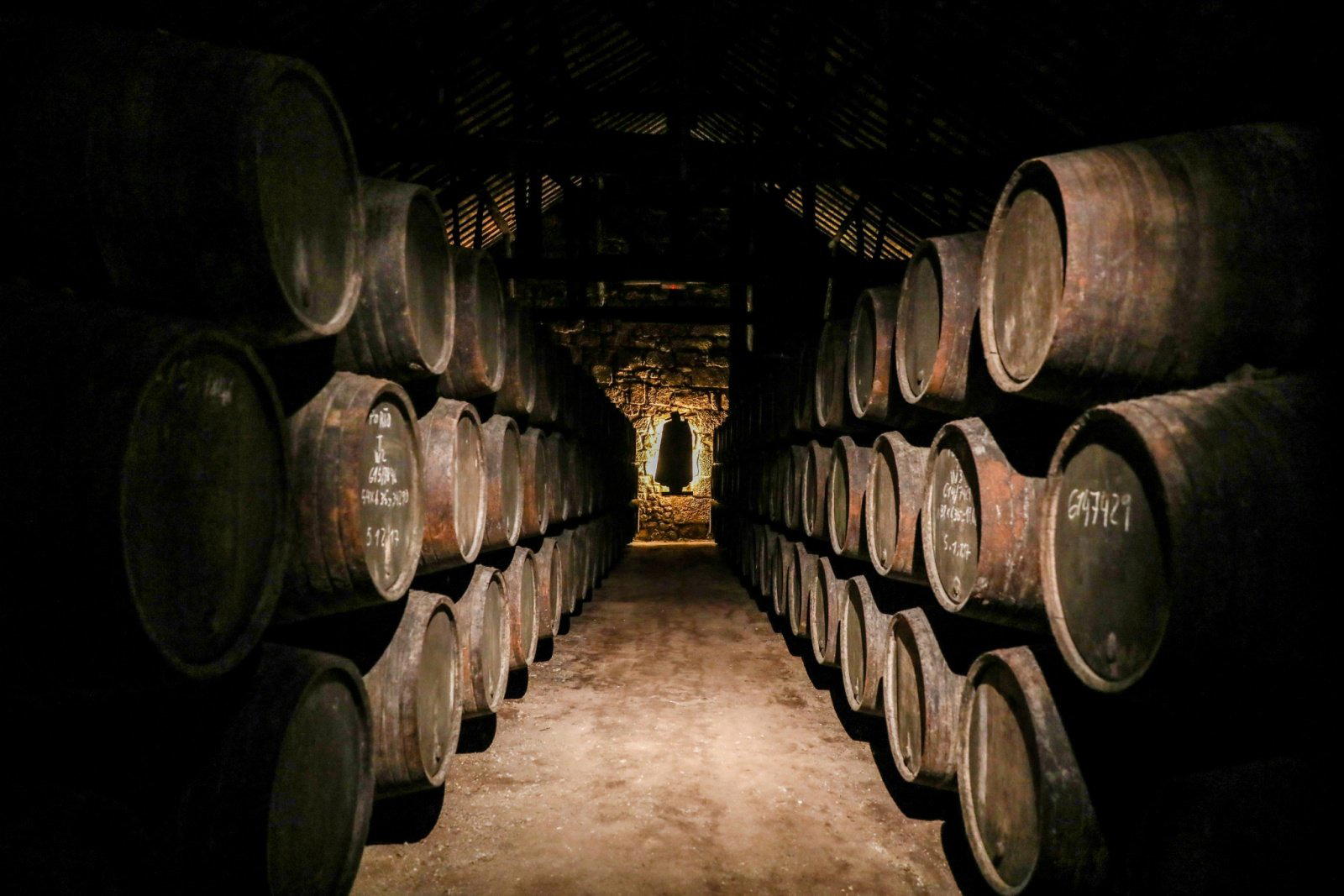
Caves do Casalinho
Porto, Portugal
Caves do Casalinho works if you want a traditional Northern Portuguese winery stop anchored in Vinho Verde rather than a high-production hospitality experience. The draw is heritage, regional white and rosé wines, and a broader Portuguese portfolio that can make the visit useful for curious wine travelers building a Porto itinerary.
Lionel Faury
Chavanay, France
Lionel Faury works for a Chavanay wine itinerary if the goal is a focused producer stop with a credible 2026 Falstaff listing. Do not plan it as a food-pairing destination unless food arrangements are confirmed separately; use it as one part of a wider Northern Rhône day.
Domaine des Enfants
Saint Paul De Fenouillet, France
Book Domaine des Enfants if you want a focused Roussillon producer visit built around old vines, organic farming, horse-ploughed vineyards, and low-yield wines. It is a better fit for serious wine travelers than casual walk-ins, with appointment-only planning and more emphasis on vineyard depth than hospitality extras.
Jaillet Wein
Ruppertsberg, Germany
A small Ruppertsberg wine project for readers who care more about grower identity and Pfalz vineyard context than a polished estate visit. Jaillet Wein is strongest as a quiet, low-pressure stop built around small acreage, named local sites, and a young producer story; skip it if the occasion needs a formal tasting-room setup or confirmed private hospitality.
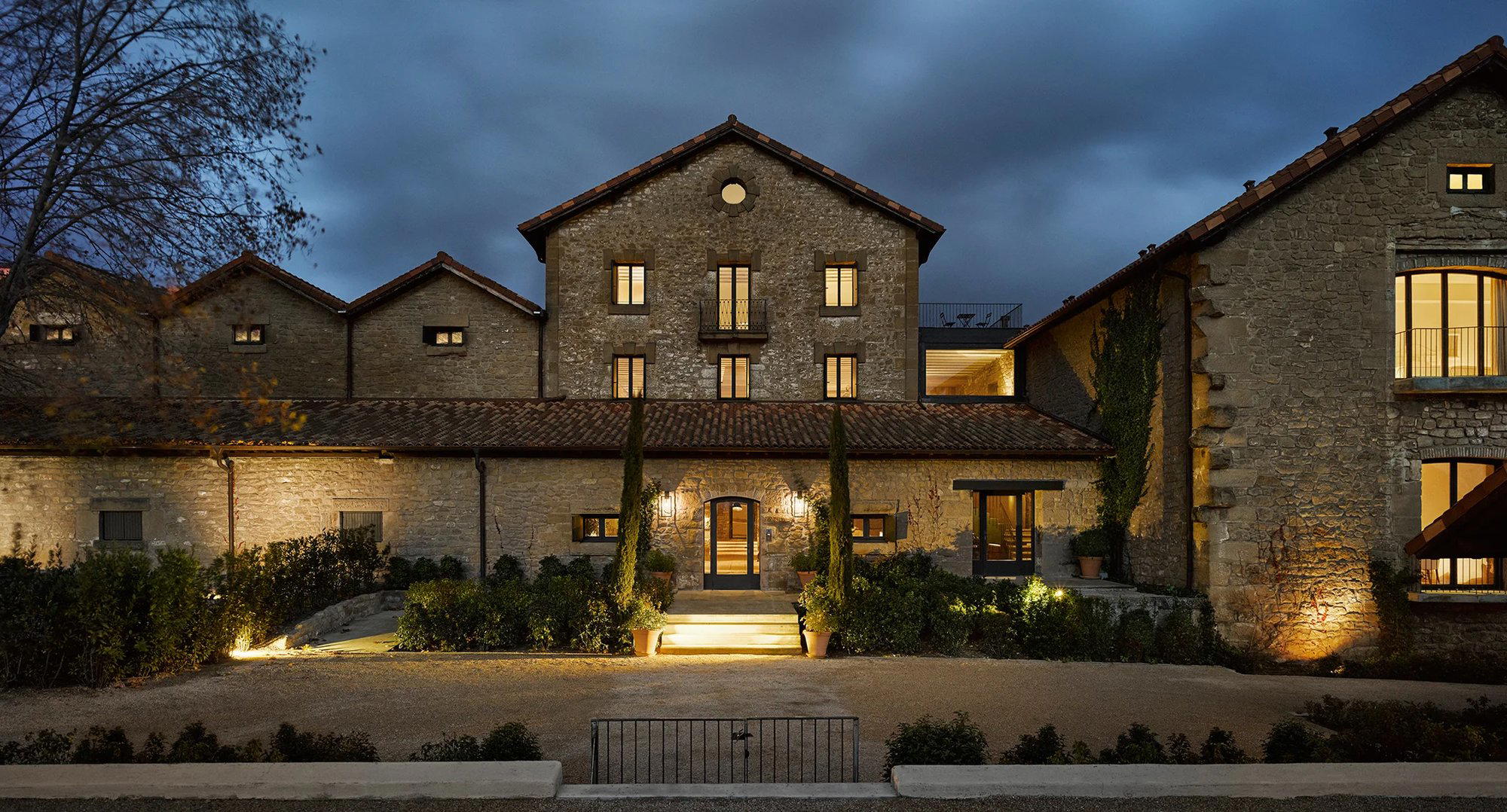
Bodegas y Vinedos Pujanza
Laguardia Alava, Spain
A strong pick for travelers building a serious Rioja Alavesa wine itinerary around Laguardia rather than looking for an easy drop-in tasting. Falstaff 4 Stars in 2026 gives the quality signal; the tradeoff is booking difficulty, so plan around it early and keep backup winery options ready.
Château Edmus
Saint-Sulpice-de-Faleyrens, France
Worth considering for a Saint-Sulpice-de-Faleyrens wine route if current recognition matters: Château Edmus is Falstaff Listed for 2026, which gives it a clearer signal than many lightly documented producer stops. Treat it as an inquiry-friendly addition rather than a fully structured destination, especially for groups or visitors who need confirmed tasting details in advance.
Domaine des Lises - Equis
Pont-de-l'Isère, France
Domaine des Lises - Equis is worth researching if Pont-de-l'Isère is already part of a wine-focused Rhône itinerary. The 2026 Falstaff listing gives it a credible reason to investigate, but membership or allocation value should be judged only after confirming pricing, shipping, and access terms directly with the producer.
Domaine Tessier
Meursault, France
Domaine Tessier is a practical pick for wine travelers who want a focused Meursault tasting rather than a polished visitor attraction. It makes the most sense for small groups, especially if a private or more in-depth format is available, and works better as part of a planned Meursault wine day than as a casual drop-in stop.
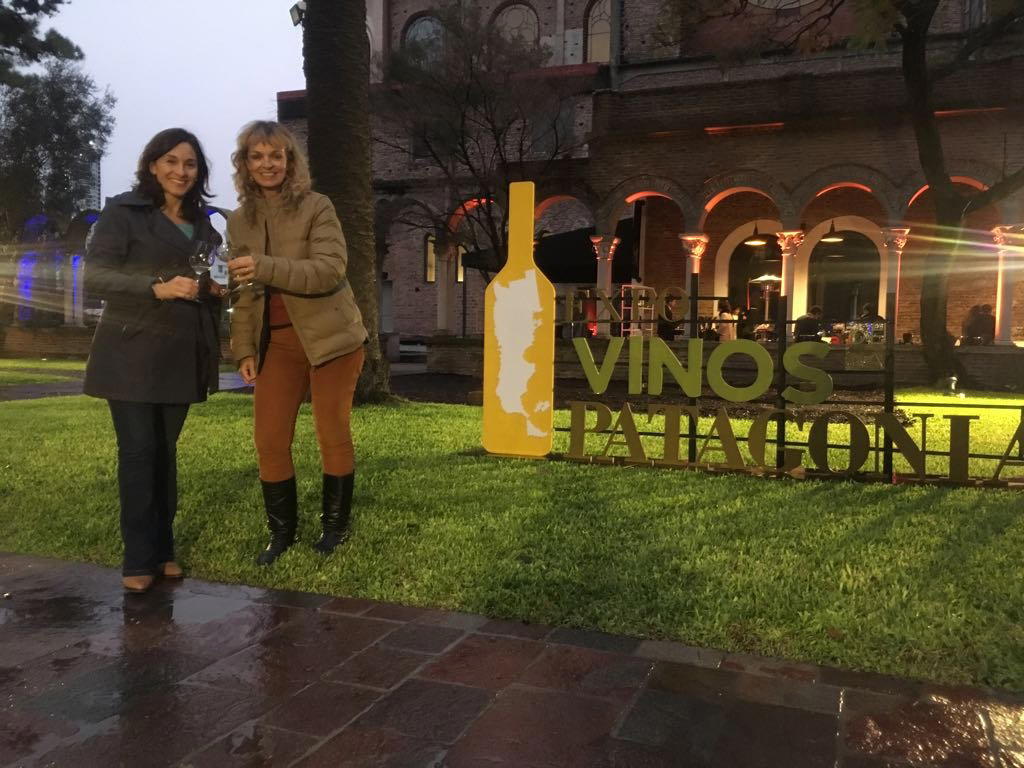
Bodega Del Río Elorza
Fernandez Oro, Argentina
A practical Patagonia winery pick for travelers who want Río Negro context without a big-production tasting-room feel. Bodega Del Río Elorza is easier to justify as part of a Fernandez Oro route than as a standalone destination, with a Falstaff listing adding a useful external trust signal.
Domaine Paul Janin et Fils
Romanèche-Thorins, France
Domaine Paul Janin et Fils works if the priority is a focused Beaujolais producer stop rather than a full hospitality experience. The strongest signal is its Falstaff Listed recognition for 2026; with no published food, price, or tasting-format details here, it suits bottle-focused visitors who are comfortable keeping the visit compact.
How many of these have you visited?
Find out on Pearl and keep score across every place in 2026 Falstaff Winery Guide.