

2026 Falstaff Winery Guide: The Ultimate Wine Authority — Page 4
Falstaff's 2026 Wineries guide.

Venues on this list
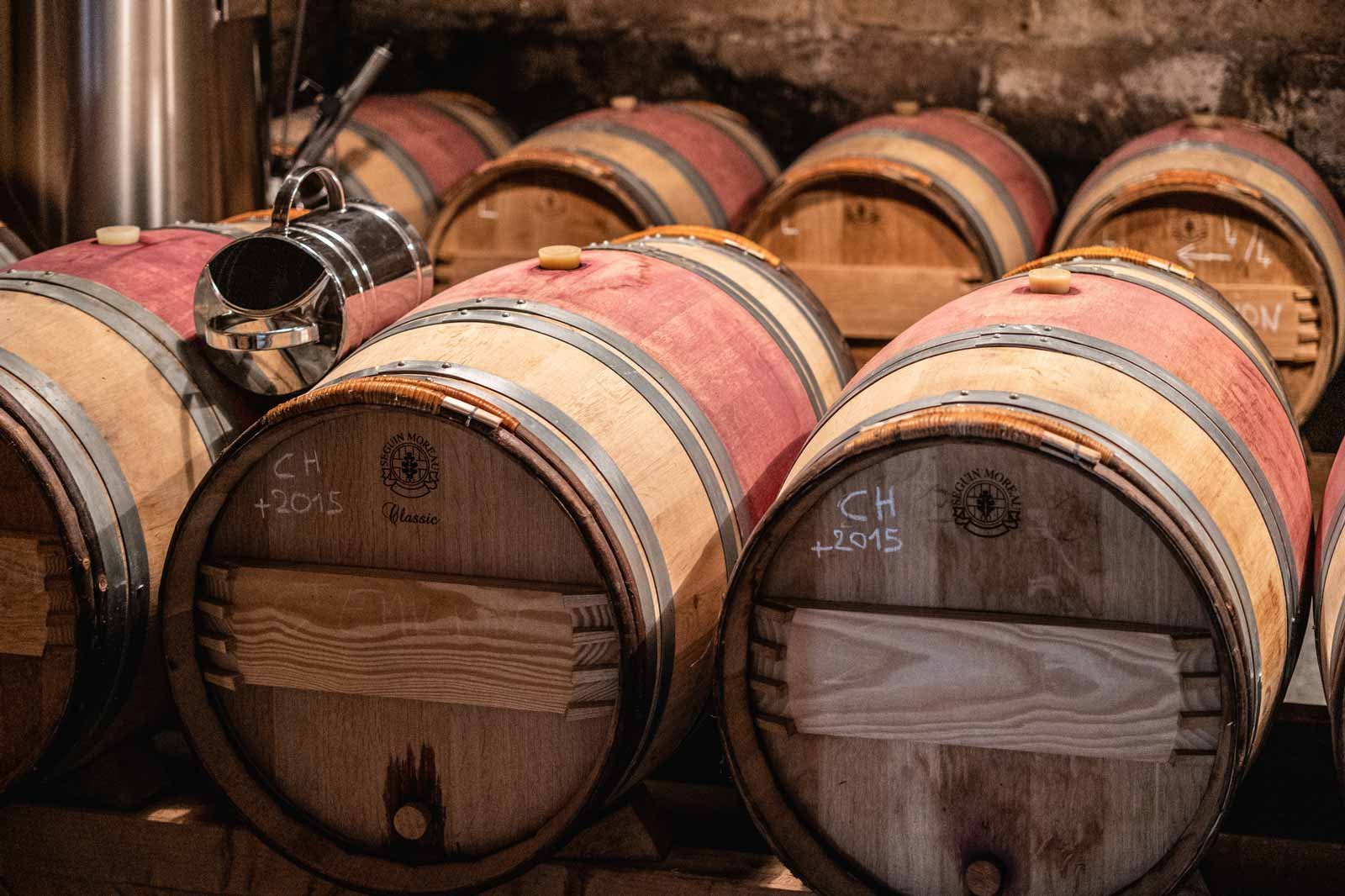
Château Certan de May de Certan
Pomerol, France
Worth prioritizing for the Grand Vin rather than a casual winery stop. Château Certan de May de Certan is a premium Pomerol estate with small production, organic-certified farming, Falstaff 3 Stars for 2026, and a structured Merlot-led style suited to collectors, special occasions, and serious Bordeaux gifting.
hafners – Wein vom Eisenberg
Gro Petersdorf, Austria
Book this for a quiet Eisenberg wine-country stay, not for a fast tasting-room stop. The strongest fit is a couple, friend group, or small retreat that wants vineyard views, a cellar room, and regional Blaufränkisch context in a private Ferienhaus setting.
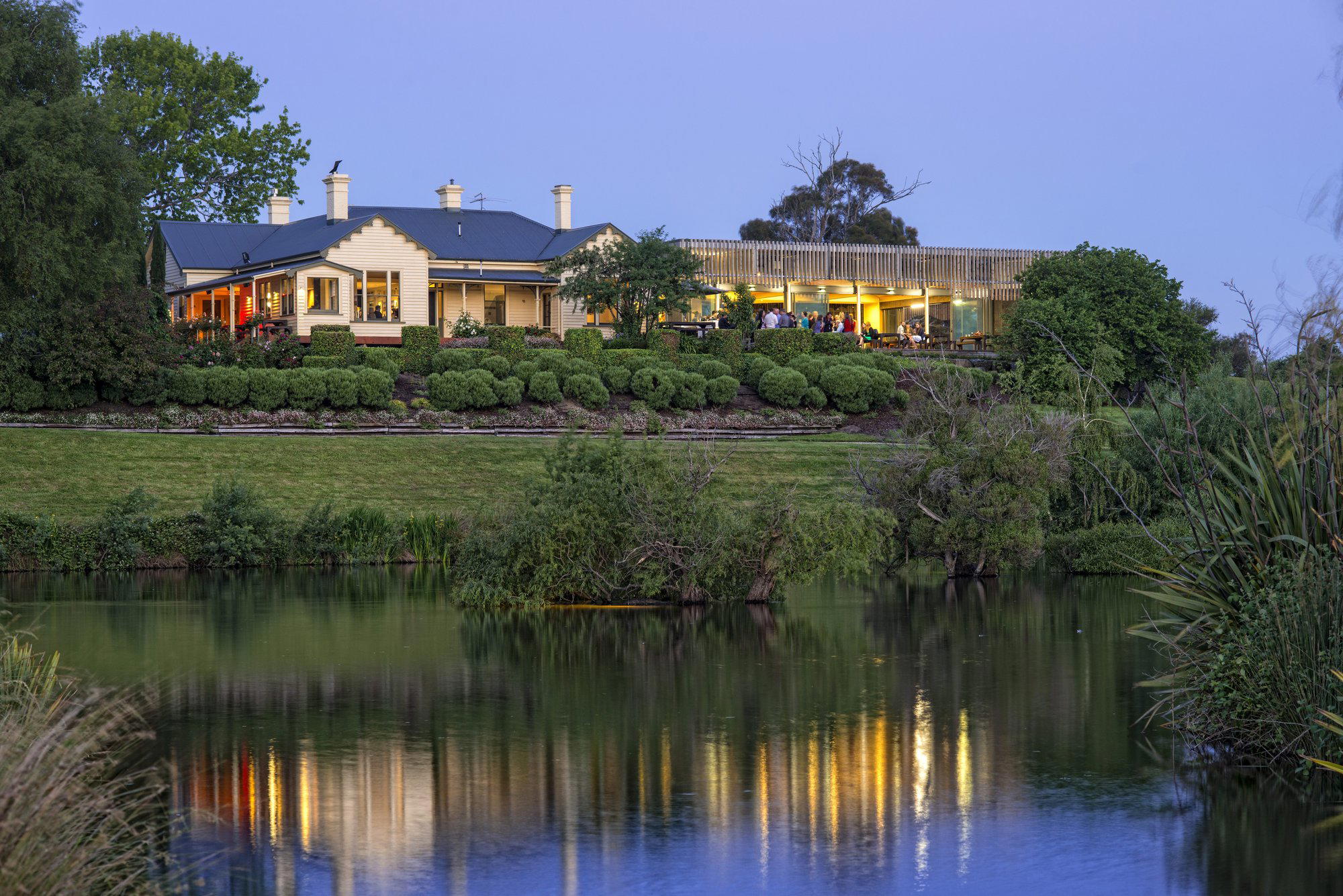
Josef Chromy
Relbia, Australia
Book Josef Chromy if the goal is a polished Tamar Valley estate experience with wine, hatted dining and heritage setting in one stop. It suits a slower Relbia itinerary more than a quick tasting run, with the strongest value for travellers who care about estate production, local produce and a calm, occasion-ready room.
Cave et Domaine de l'Adret
Champlan Grimisuat, Switzerland
Cave et Domaine de l'Adret is worth booking for a small, wine-focused Valais visit built around estate vineyards on Champlan’s sun-facing Rhône slope. The draw is production philosophy and family scale, not luxury staging. Falstaff Listed in 2026, it suits couples or small groups who want a grounded tasting with a clear sense of place.
Glück Johannes
Mitterarnsdorf, Austria
Book Glück Johannes if you want a relaxed Wachau Buschenschank with rustic atmosphere, friendly service, and low-friction value. It is better suited to couples or small groups seeking a casual local wine stop than to travelers chasing a formal tasting program, published bottle list, or private cellar experience.
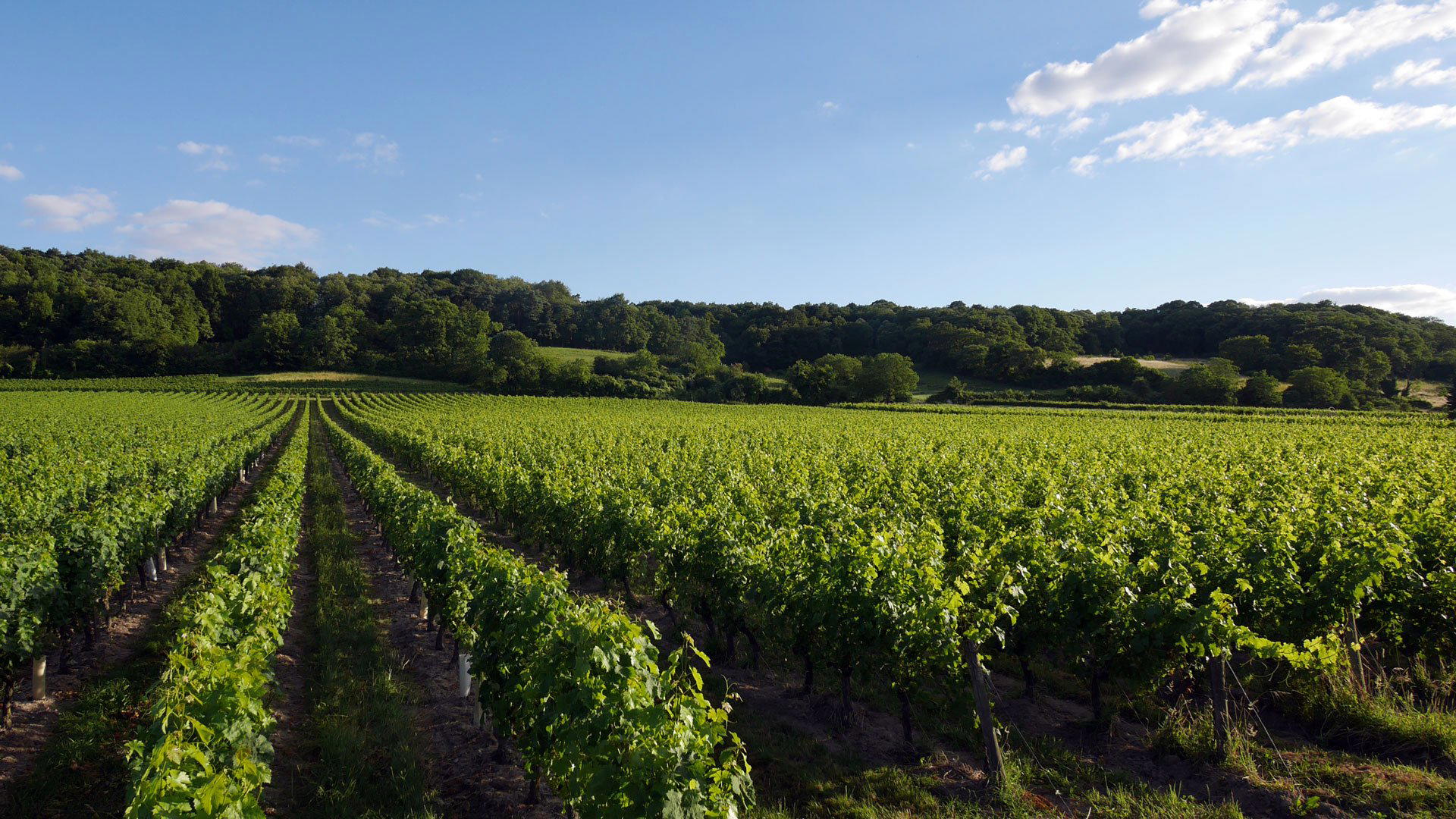
Domaine d’Orfeuilles
Reugny, France
Domaine d’Orfeuilles is worth booking for a wine-focused Vouvray stop built around mineral Chenin Blanc, not for a polished luxury estate experience. The rural setting and historic château-land context add character, but the practical draw is the range across dry, off-dry, sweet, and sparkling styles at accessible bottle pricing.
Château Patris
Saint-Émilion, France
Château Patris is worth targeting if the draw is traditional Saint-Émilion Grand Cru farming rather than a glossy visitor program. The case for going is terroir detail, family continuity since 1967, Merlot-led Right Bank reds, and Falstaff 2 Stars recognition in 2026; the case against is the lack of a clearly published food or tasting-room format.
Gianni Moscardini
Santa Luce Pi, Italy
Gianni Moscardini is worth planning for a quiet Tuscan winery visit in the Santa Luce/Pisa area, especially for couples or small groups who want a relaxed estate tasting rather than a restaurant-led outing. Falstaff 2 Stars in 2026 gives it a useful quality signal, but confirm tasting format, food, and timing before anchoring a full day around the visit.
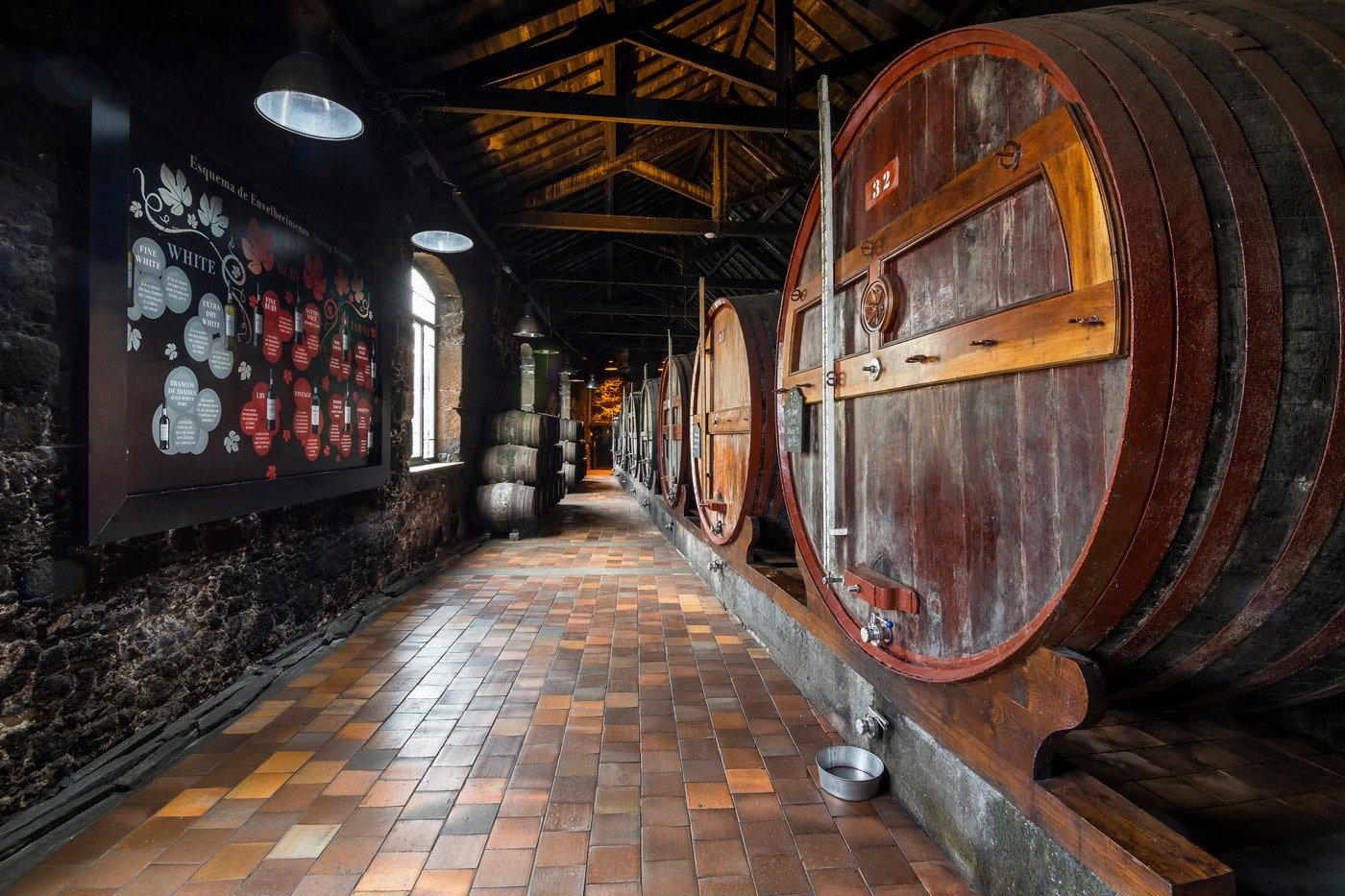
Burmester
Vila Nova de Gaia, Portugal
Choose Burmester if you want a classic Vila Nova de Gaia Port cellar visit with guided structure, riverfront context, and pairing-led tasting options rather than a full dining experience. It works well for dates, small celebrations, and mixed-interest groups who want Port history and a polished cellar atmosphere without making wine the entire day.
Colli di Castelfranci
Castelfranci, Italy
Worth booking if the goal is focused Irpinia wine, especially Taurasi, Fiano di Avellino, Greco di Tufo, and Falanghina in a quiet mountain setting. Colli di Castelfranci is better for serious bottle-buying or a low-key celebration than for travelers seeking a highly produced hospitality experience.
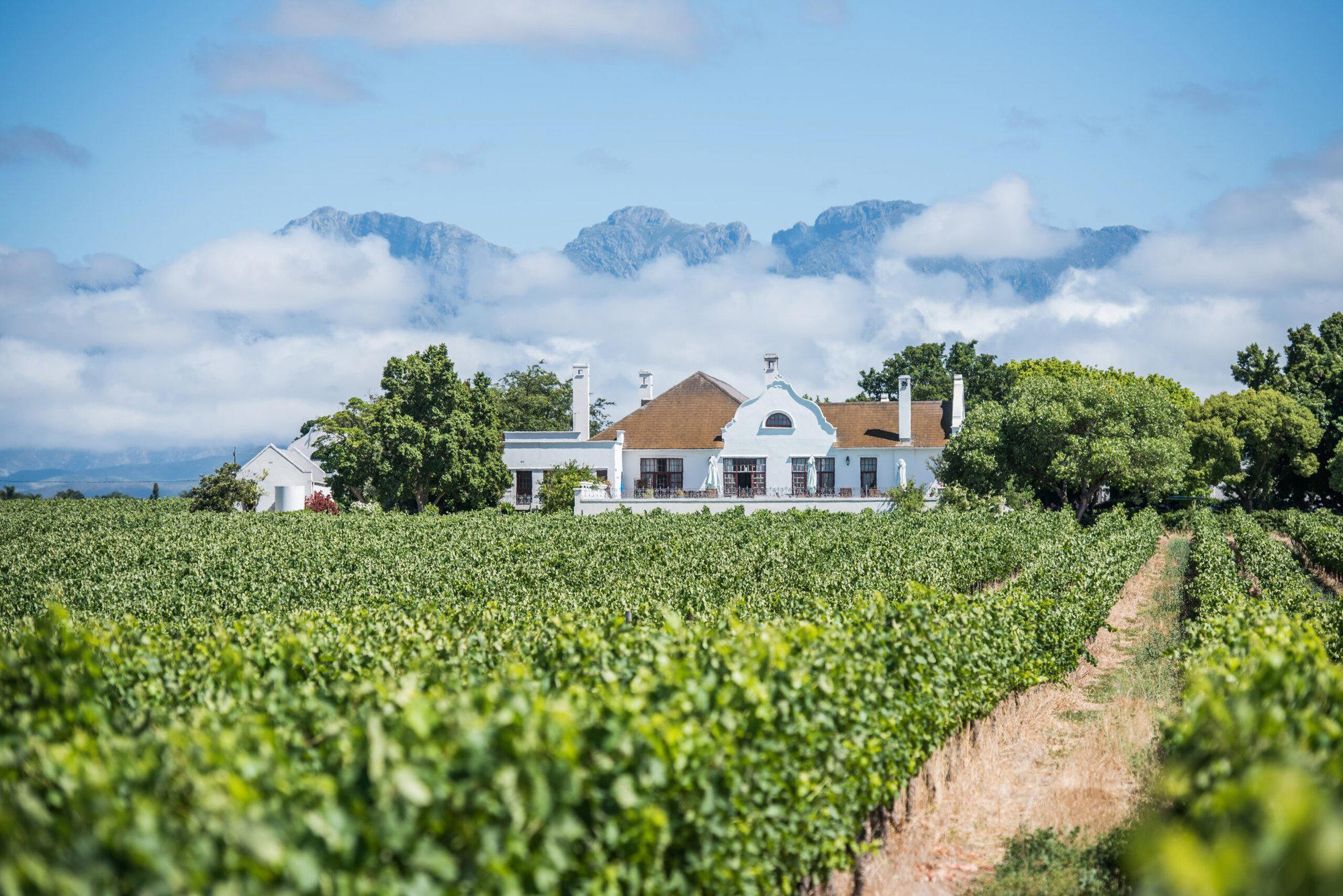
Robertson Winery
Robertson, South Africa
Robertson Winery is a sensible pick for a central Robertson wine stop, especially if you want a recognized name without building the whole day around a meal. Treat it as tasting-led unless current food service is confirmed, and cross-shop Springfield Estate, Graham Beck Wines, De Wetshof Estate, Van Loveren Family Vineyards, or Klipdrift Distillery depending on the group.
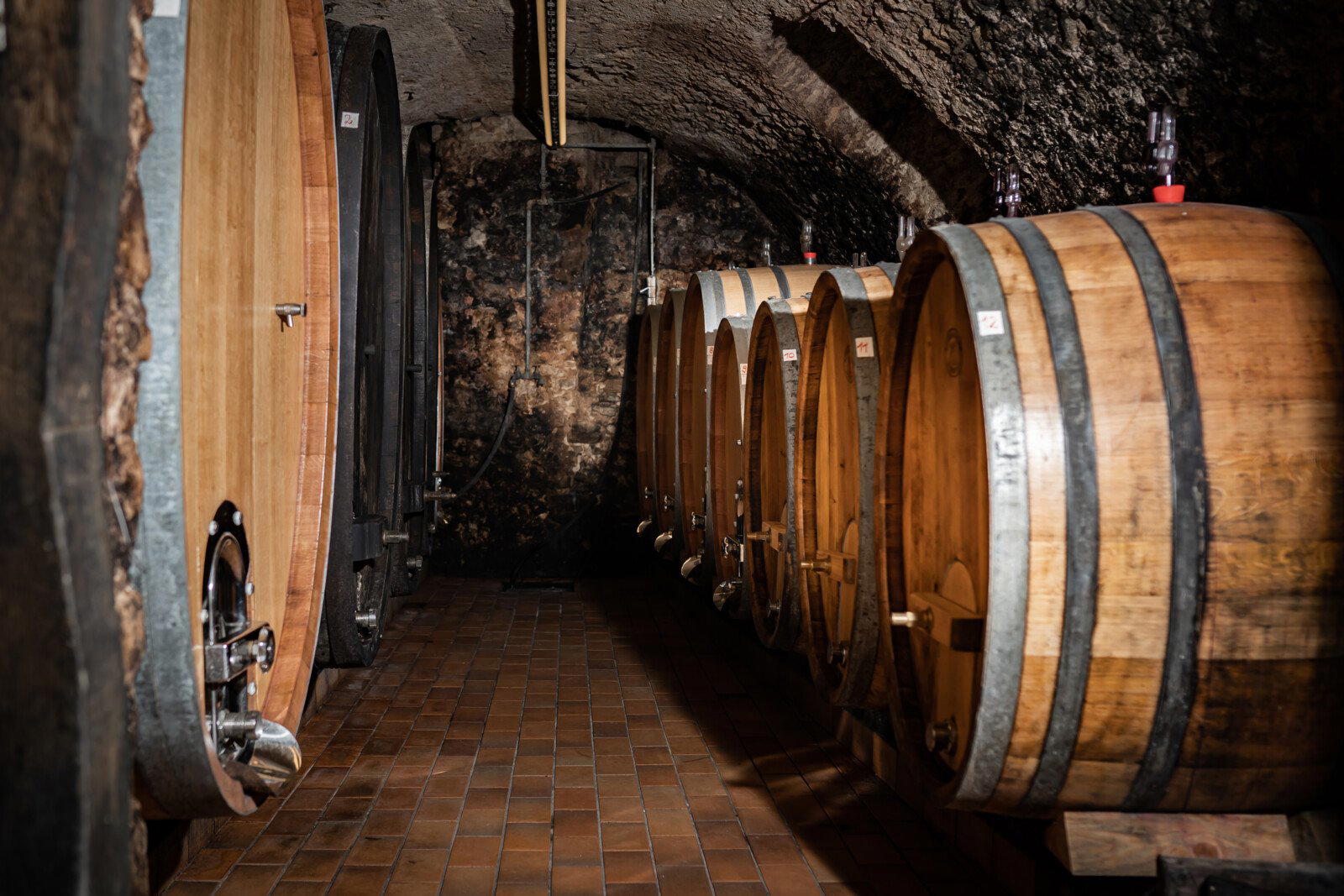
Bischoffinger Winzer
Vogtsburg Bischoffingen, Germany
Bischoffinger Winzer is worth planning for if the goal is a relaxed Kaiserstuhl tasting with breadth, terrace time, and a cooperative view of the region. It is better for mixed-palate groups and casual celebrations than for collectors chasing a private, tightly scripted cellar appointment.
Domaine Michel Chevré
Artanes Sur Thouet, France
A smart choice for serious Loire Chenin drinkers, not for visitors seeking a polished tasting-room circuit. Domaine Michel Chevré is worth planning around for small-production, biodynamic Saumur Blanc, especially if Clos de l’Écotard is the draw. Expect producer focus over hospitality extras, with value tied to access and bottle quality rather than amenities.
deppelerwein
Tegerfelden, Switzerland
A practical pick for a quiet Aargau winery stop, especially if the goal is to compare local Müller-Thurgau and Pinot Noir before buying. deppelerwein suits low-key celebrations or focused tastings better than food-led or highly produced wine tourism, with a $$ positioning and Falstaff listing in 2026 adding confidence.
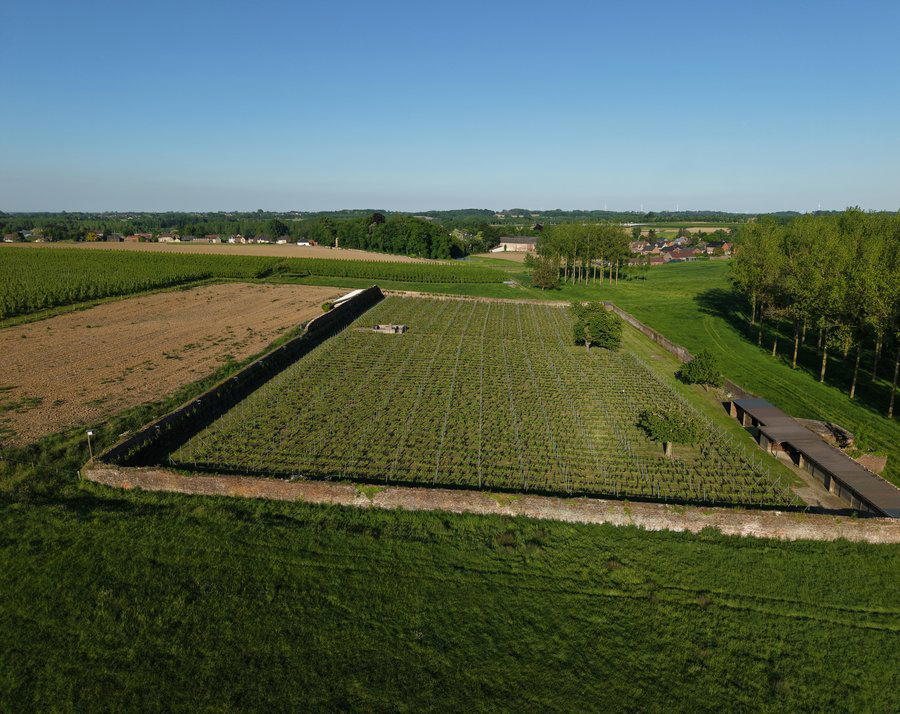
Clos d'Opleeuw
Gors, Belgium
Clos d'Opleeuw is a focused Gors winery pick for visitors who care more about Belgian wine credibility than built-out hospitality extras. Its Falstaff Listed 2026 recognition is the main reason to consider it, but confirm tasting access, pricing, food options, and group capacity before making it the anchor of a day trip.
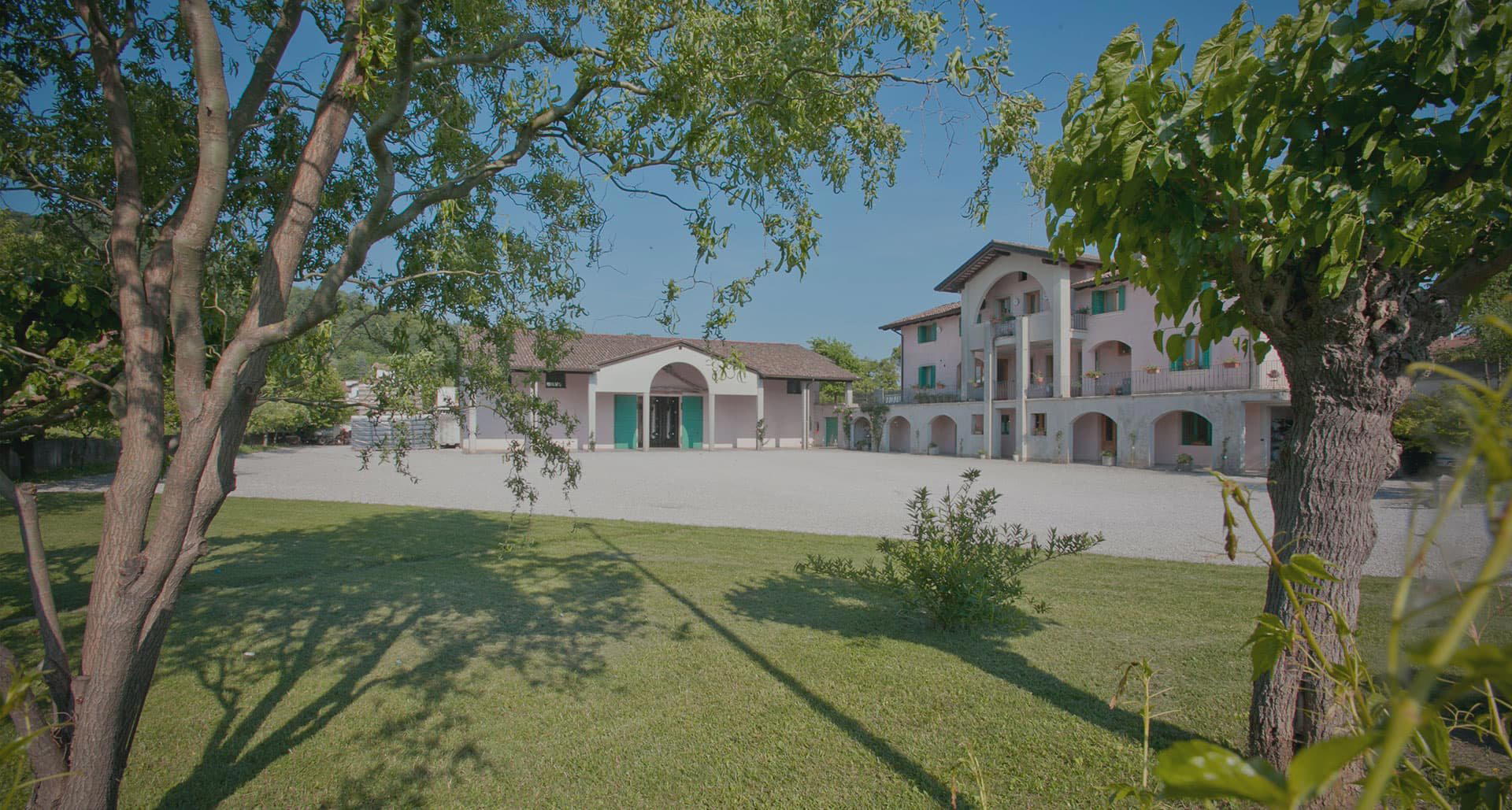
Butussi
Corno Di Rosazzo, Italy
Butussi is worth shortlisting for a focused wine visit in Corno di Rosazzo, especially for couples or small groups planning a more serious Friuli stop. The key signal is Falstaff 4 Stars (2026), but practical details need confirming before building a celebration around it.
Azienda Agricola Le Marchesine
Pissaro, Italy
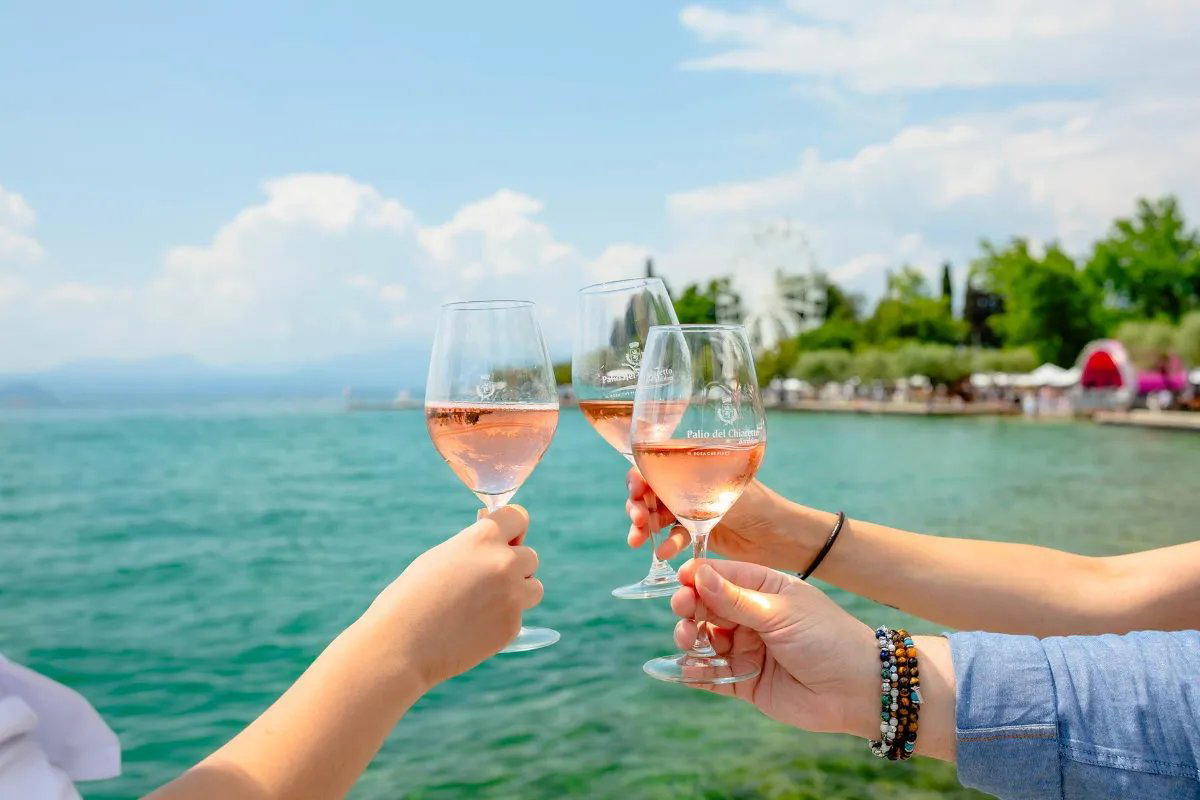
Azienda Agricola Le Marchesine is worth booking for a focused Franciacorta tasting in a rural, family-run setting near Passirano. Go for traditional-method sparkling wine, regional context, and a premium but unfussy estate feel; skip it if the group wants a design-led hospitality venue or a long meal built into the visit.
Hofstetter Weingut
Fels am Wagram, Austria
Hofstetter Weingut is worth booking if you want a quiet, appointment-led winery stop in Fels am Wagram rather than a polished visitor-center experience. The value is strongest for small groups and wine travelers who prefer a rural family-run setting, with Falstaff listing in 2026 adding a useful credibility signal.
Alain Brumont
Castelnau Riviere Basse, France
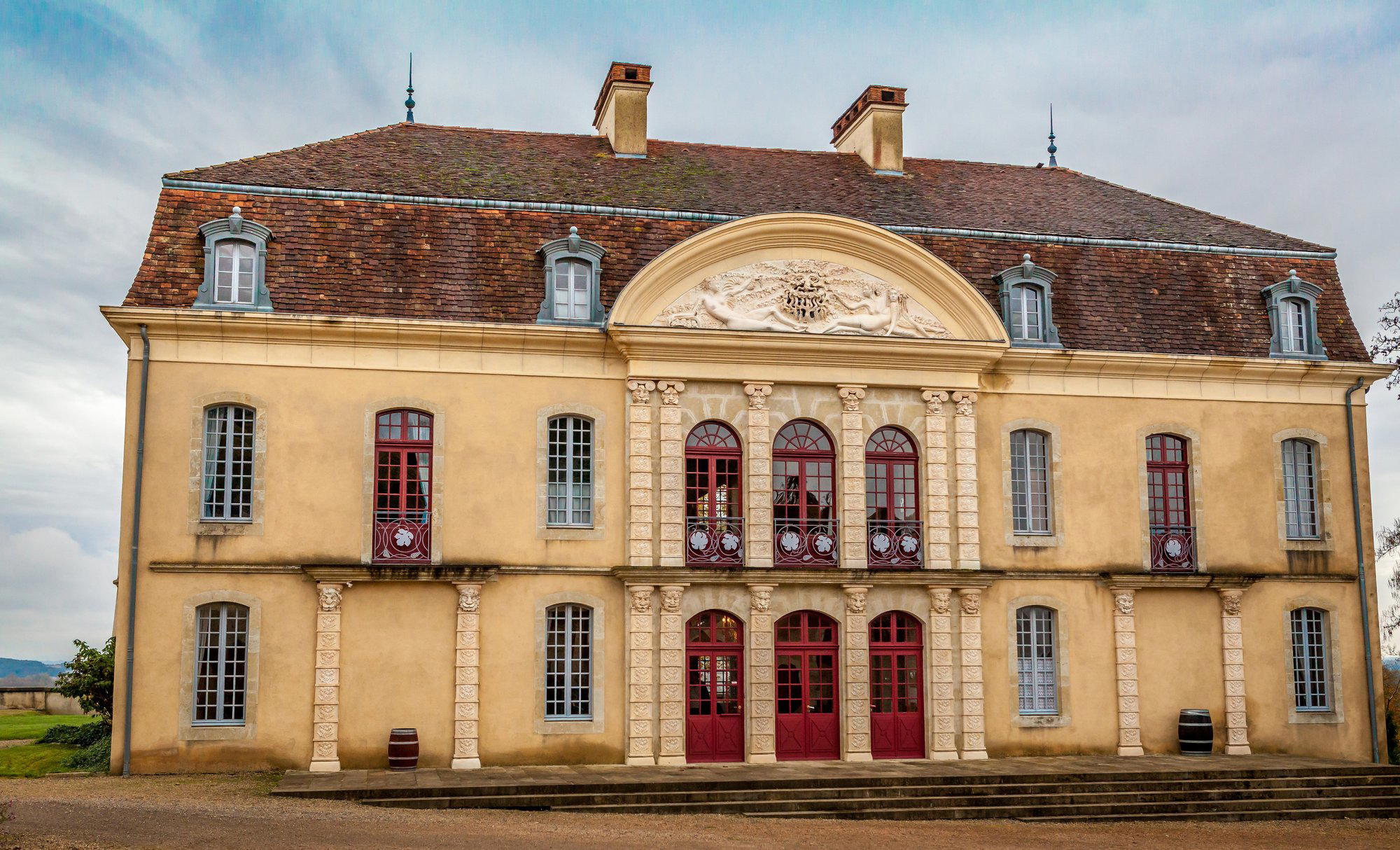
Compared with more visitor-oriented wine stops, Alain Brumont is the better fit for travelers who care first about the wine name and can handle advance planning. Falstaff listing in 2026 gives it a credible signal, but first-timers should confirm logistics before shaping a day around the estate.
Demarie
Vezza D Alba, Italy
Should you plan a stop at Demarie in Vezza d’Alba? Yes, if the goal is a quieter Roero winery visit with credible outside recognition from Falstaff. It is a better fit for returning Piedmont travelers building a producer-focused day than for groups needing a restaurant-style format, published menu, or highly structured hospitality setup.
Merotto Vini
Farra di Soligo, Italy
Merotto Vini is worth shortlisting if the goal is a focused Farra di Soligo wine stop rather than a restaurant-style outing. Its 2026 Falstaff listing gives it a useful credibility signal, but planning should stay flexible because visitor-format details are not supplied here.
Cave de Goubing
Sierre, Switzerland
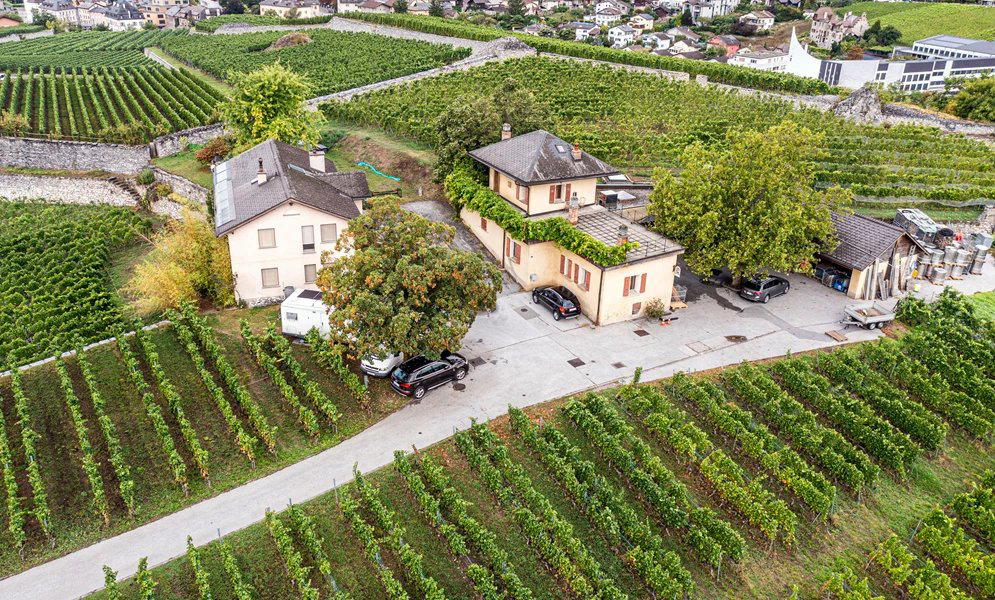
Cave de Goubing is a sensible add-on for a Sierre wine day, especially for travelers using Valais as a focused tasting base rather than seeking a high-production visitor experience. Falstaff listing gives it a useful recognition signal, but confirm access before planning around it.
Casa Alle Vacche
San Gimignano, Italy
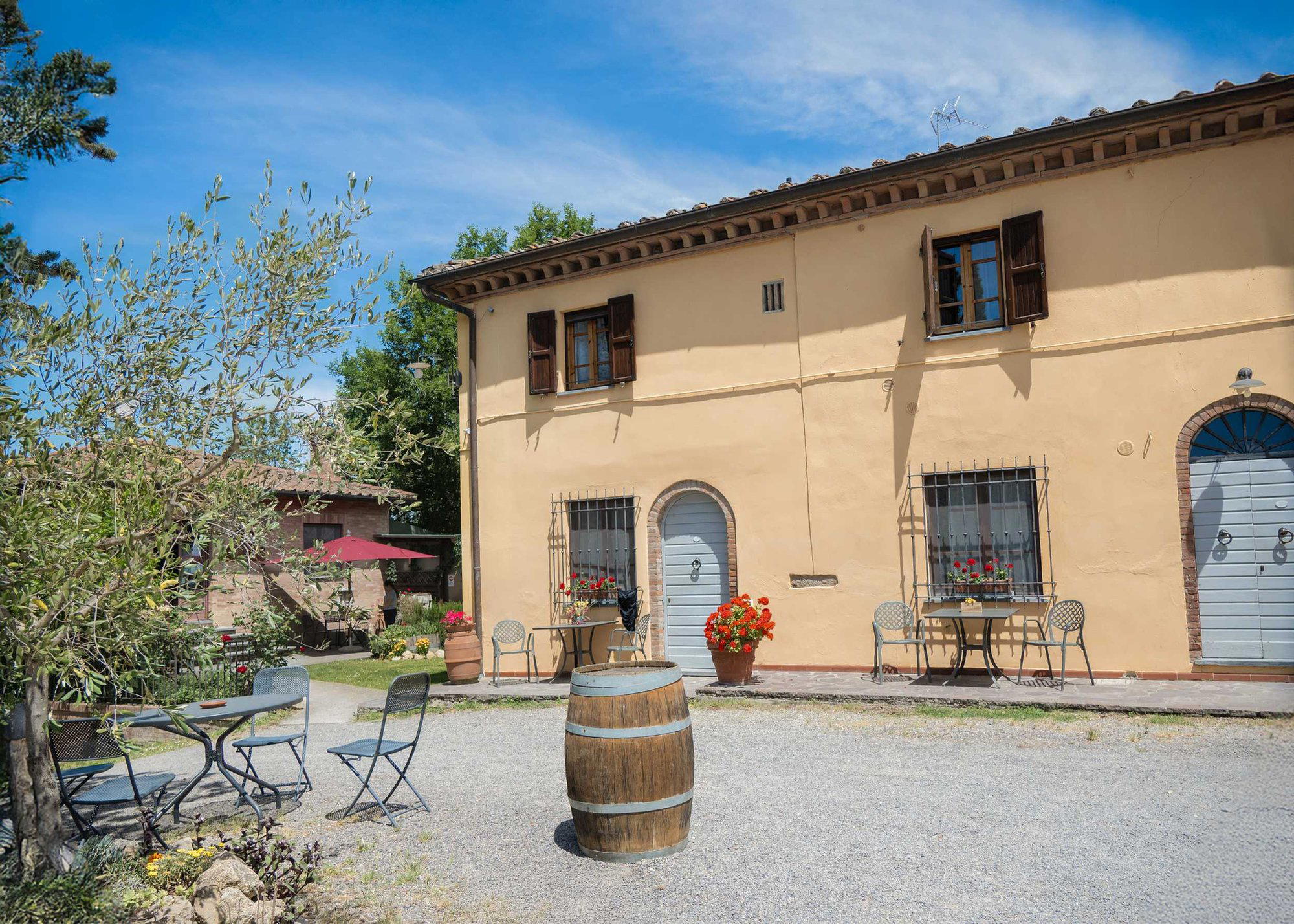
Casa Alle Vacche is a sensible San Gimignano wine stop for travelers who want local context without overbuilding the itinerary around one tasting. Its 2026 Falstaff listing gives it a useful trust signal, but with no public pricing or flagship-wine detail here, value-minded visitors should treat it as a flexible countryside add-on rather than a splurge anchor.
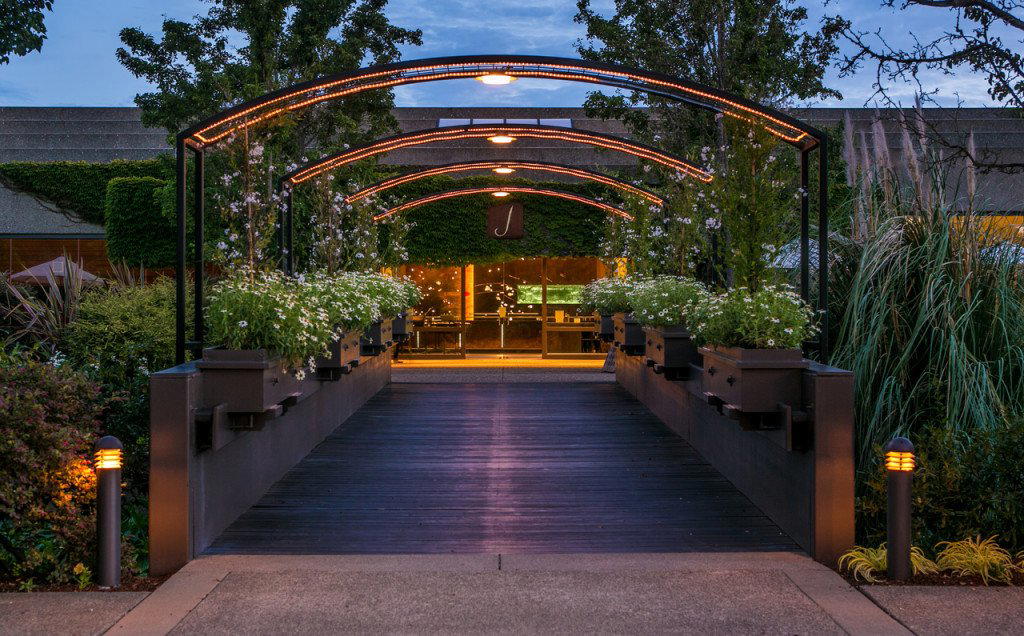
J Vineyards & Winery
Healdsburg, United States
J Vineyards & Winery is worth prioritizing if the Healdsburg plan needs a polished, recognized winery stop rather than a tiny, highly personal tasting. Use it as an anchor, then add smaller nearby producers or a restaurant plan around it so the day has range without feeling overpacked.
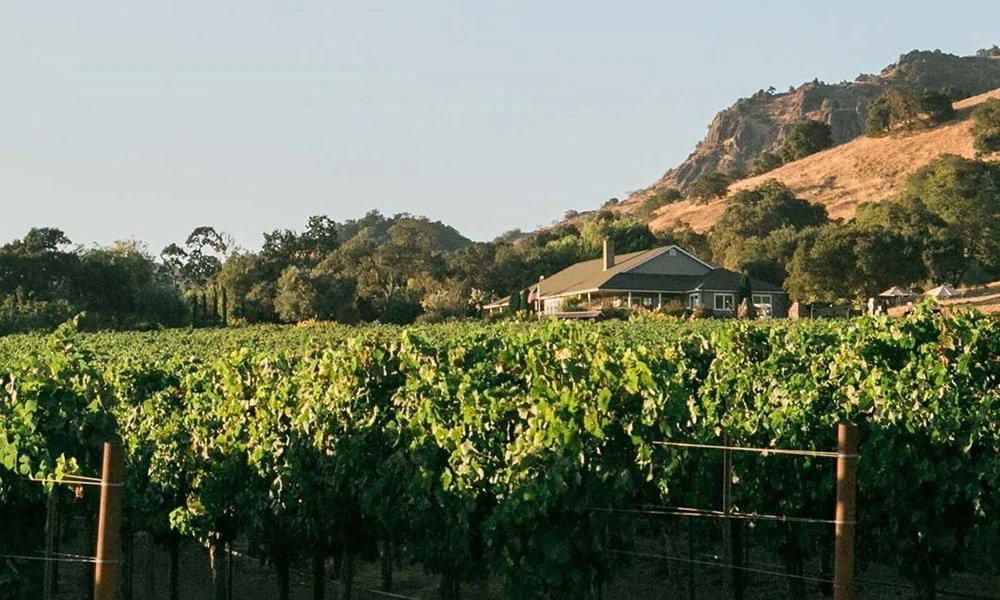
Artezin Wines
Napa, United States
A practical Napa wine stop for travelers who want a recognized label without making the visit the whole occasion. Artezin Wines is strongest as one part of a planned Napa day, especially when dining, hotel, and bar choices are already mapped around it. Falstaff Listed in 2026 adds a useful trust signal.
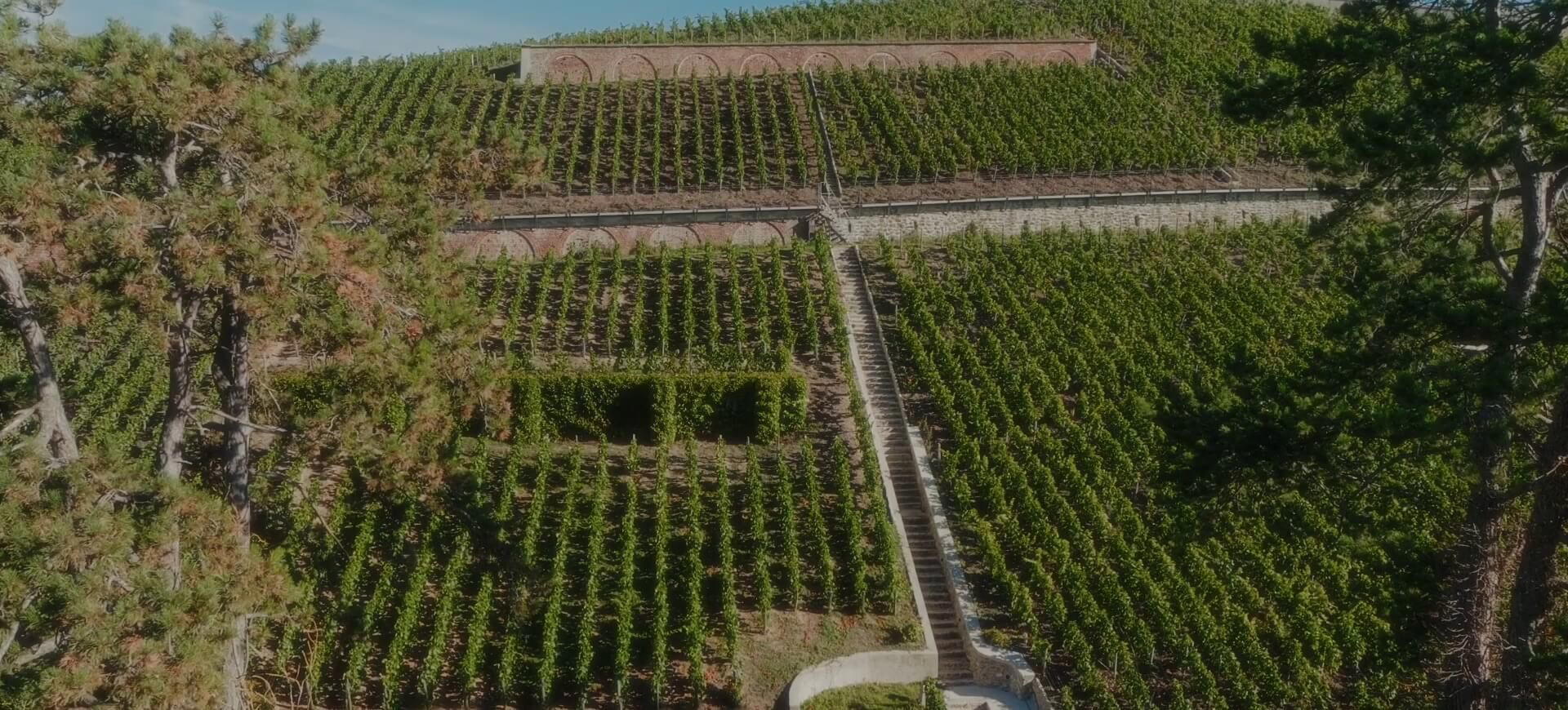
Champagne Philipponnat
Aÿ-Champagne, France
Book Philipponnat's Mareuil-sur-Ay house in advance. The Origins and Clos des Goisses experiences pair a vineyard or cellar route with distinct five-cuvée tastings.
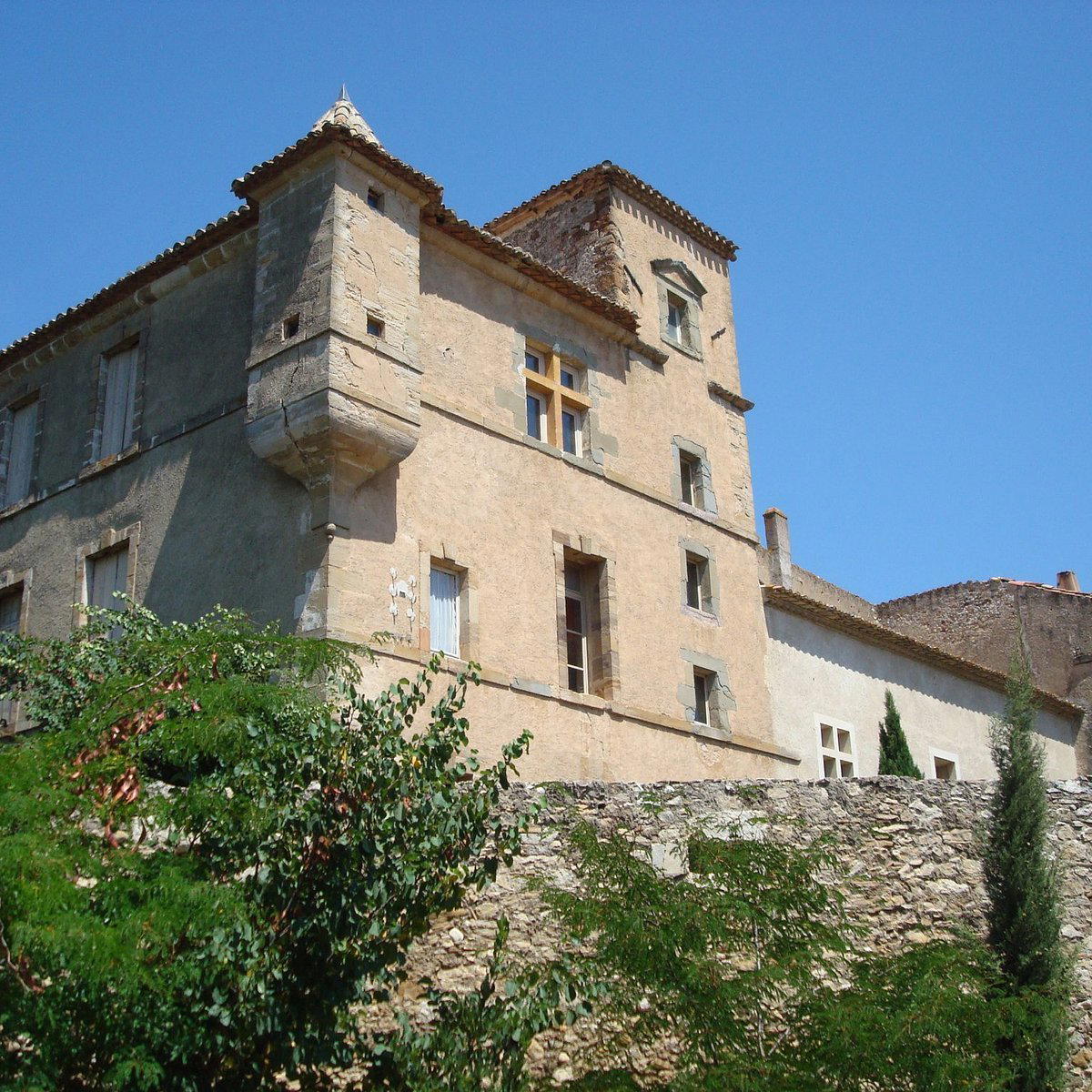
Château de Luc
Luc-sur-Orbieu, France
Château de Luc is worth choosing for a relaxed Corbières tasting built around organic wines, family heritage, and historic cellar atmosphere. It suits a date, anniversary, or slow wine-country afternoon better than a trophy-bottle hunt or luxury tasting-room experience, with Falstaff’s 2026 winery listing adding a useful recognition signal.
Clelia Romano
Lapio, Italy
Clelia Romano works if the priority is a focused wine stop in Lapio rather than a fully packaged tasting-room experience. With Falstaff listing recognition in 2026 and easy booking indicated, it suits wine-led occasions where the bottles matter more than published food, pricing, or hospitality extras.
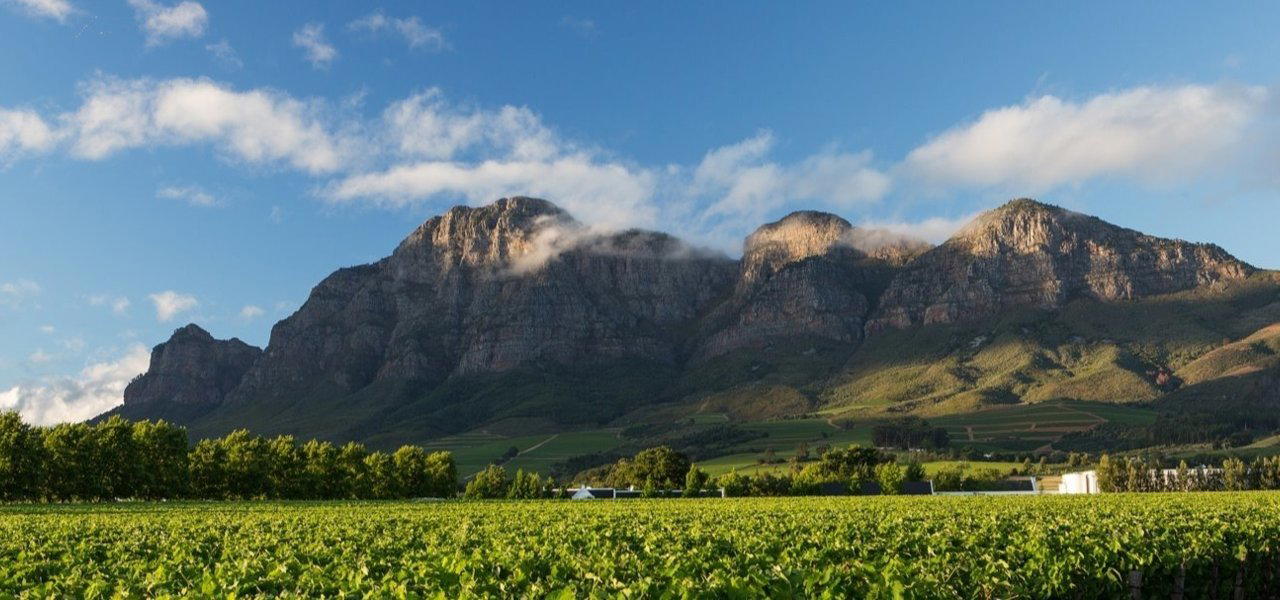
Rupert & Rothschild Vignerons
Franschhoek, South Africa
Rupert & Rothschild Vignerons is worth prioritising if the goal is a serious, wine-first Franschhoek stop rather than a sprawling estate day. The strongest case is its Pearl 2 Star Prestige recognition for 2025; repeat visitors should use it for focused tasting and buying decisions, then pair it with a broader estate or restaurant plan nearby.
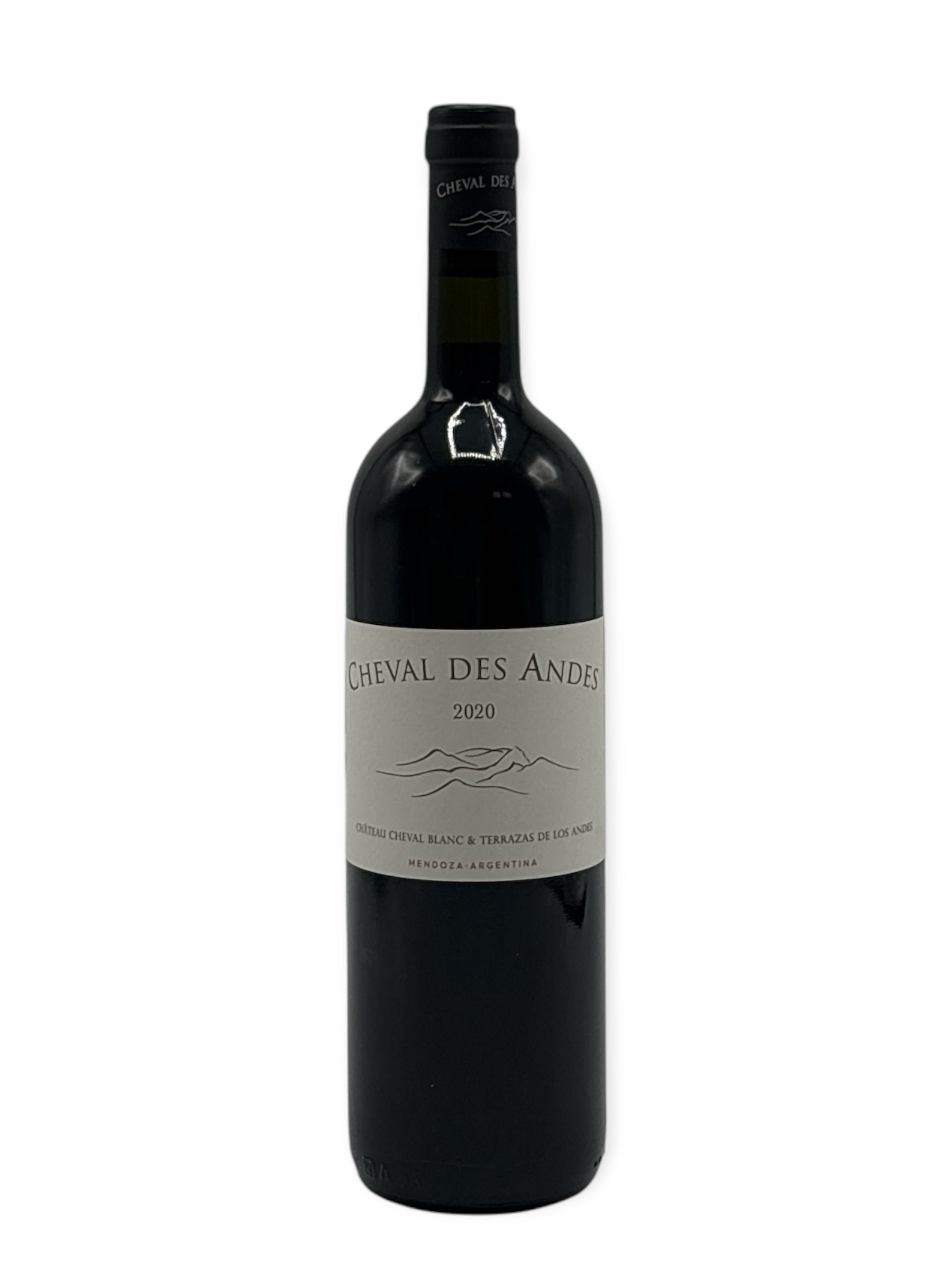
Cheval des Andes
Luján de Cuyo, Argentina
Cheval des Andes is the Luján de Cuyo choice for a high-stakes Mendoza winery day, especially if the visit is tied to a celebration, date, or business hosting. Book it as the anchor stop rather than one of many; travelers who want a looser, easier day should cross-shop nearby wineries instead.
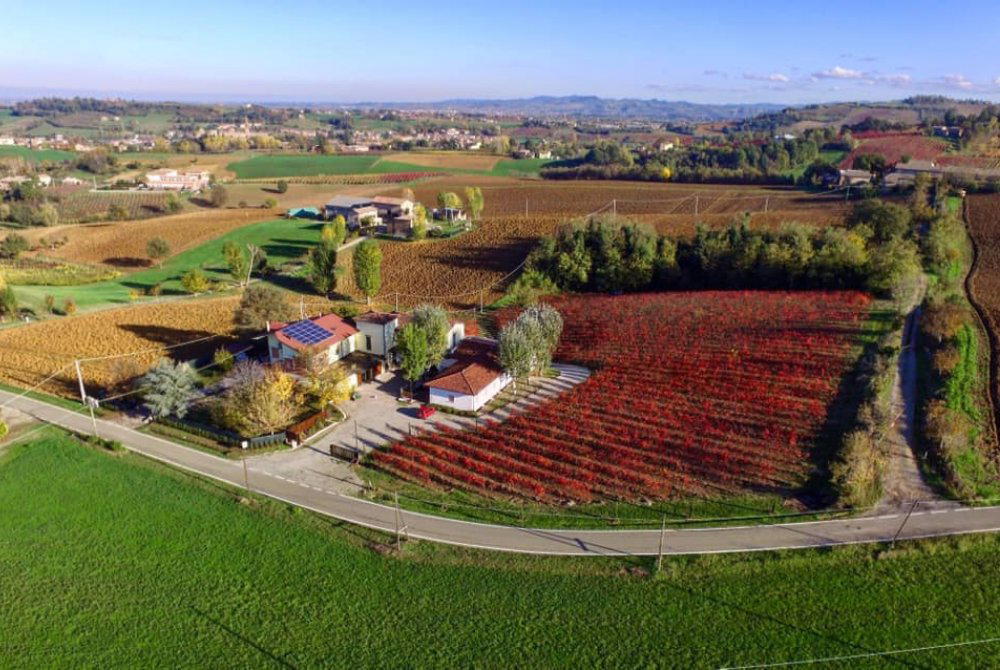
Fattoria Moretto
Castelvetro di Modena, Italy
Book Fattoria Moretto if you want a calm, family-run Lambrusco Grasparossa tasting with real production context rather than a glossy winery stop. The value is strongest for couples or small groups who care about organic-leaning vineyard work, Castelvetro terroir, and the difference between Lambrusco styles.
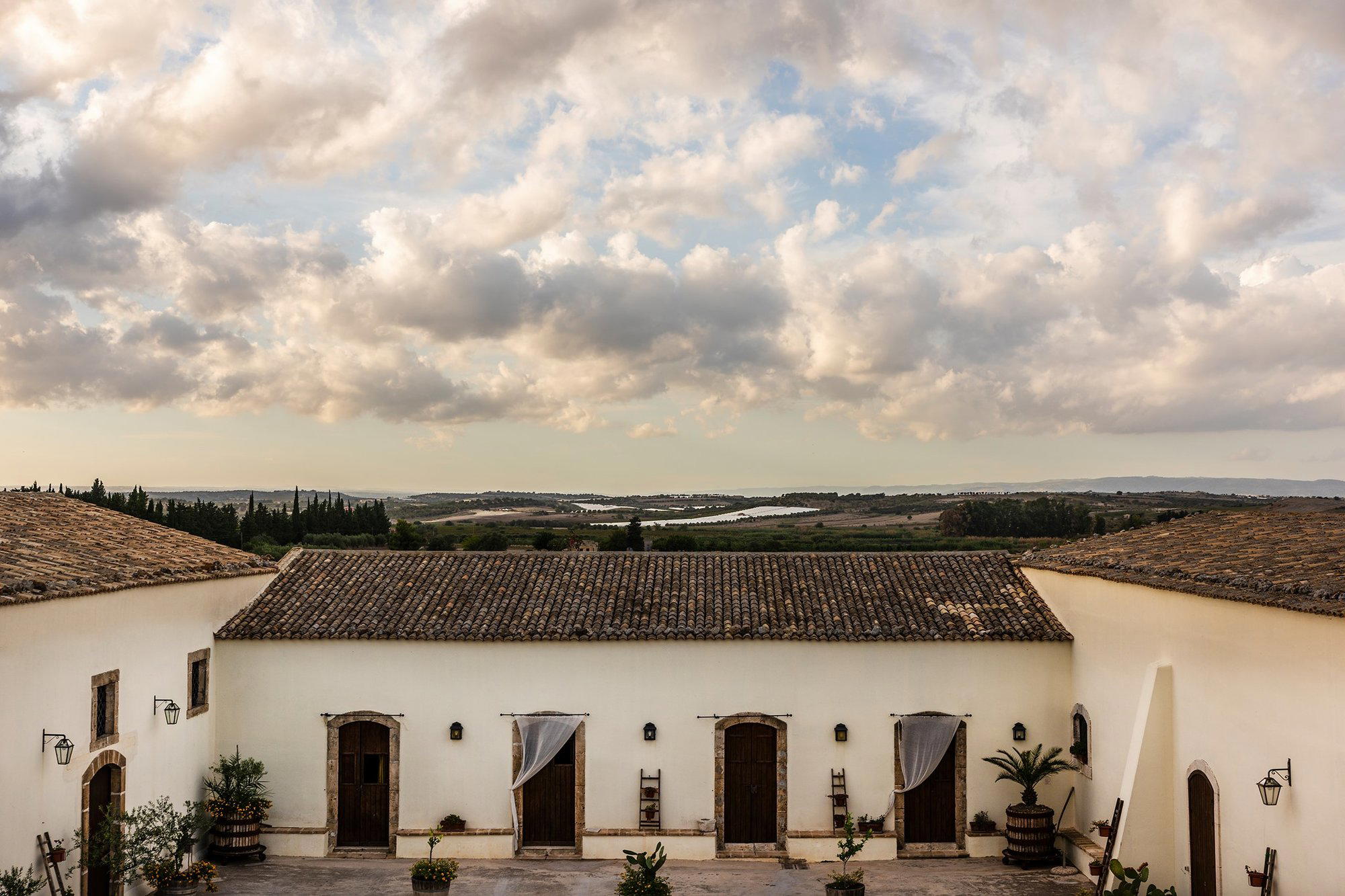
Barone Sergio
Pachino, Italy
Book Barone Sergio if you want a relaxed Sicilian winery visit with estate context, not just a quick tasting counter. The classic tasting is the value move; upgrade to lunch or vineyard dinner if the historic baglio, vineyard setting, and native-grape story are central to the day.
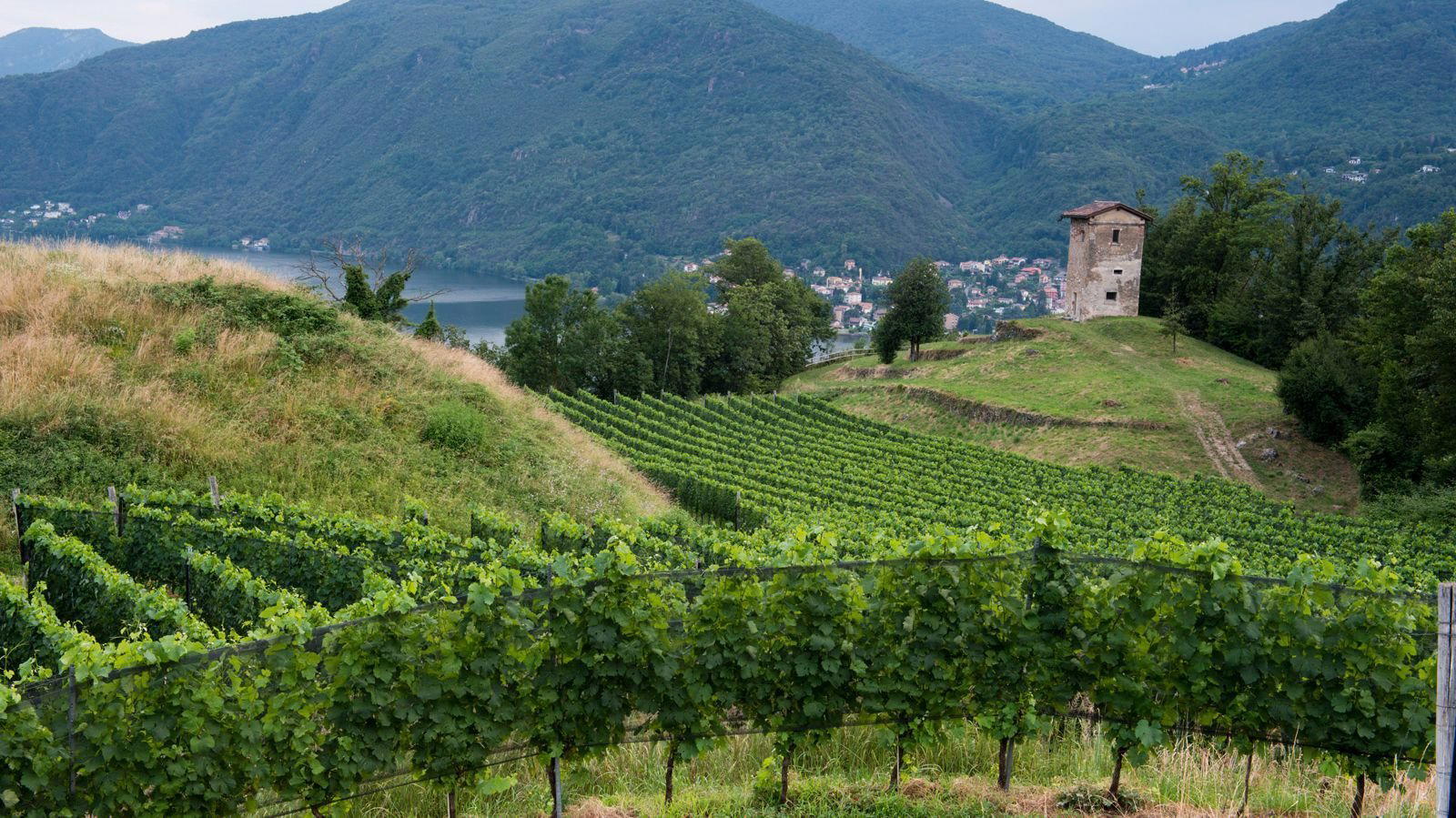
Cantina Kopp von der Crone Visini
Barbengo, Switzerland
A serious Barbengo wine stop for buyers planning around Swiss bottles, not a casual tasting-room detour. Cantina Kopp von der Crone Visini carries Falstaff 4 Stars for 2026, so it is worth prioritising for a special-occasion cellar visit when current releases and flagship bottlings are the point of the trip.
Domaine La Grange Tiphaine
Amboise, France
Worth considering for a focused Loire winery stop near Amboise, especially if a private or more in-depth tasting can be arranged. Treat it as part of a broader wine day rather than a full itinerary anchor, since confirmed visitor details are limited and the clearest trust signal is Falstaff Listed (2026).
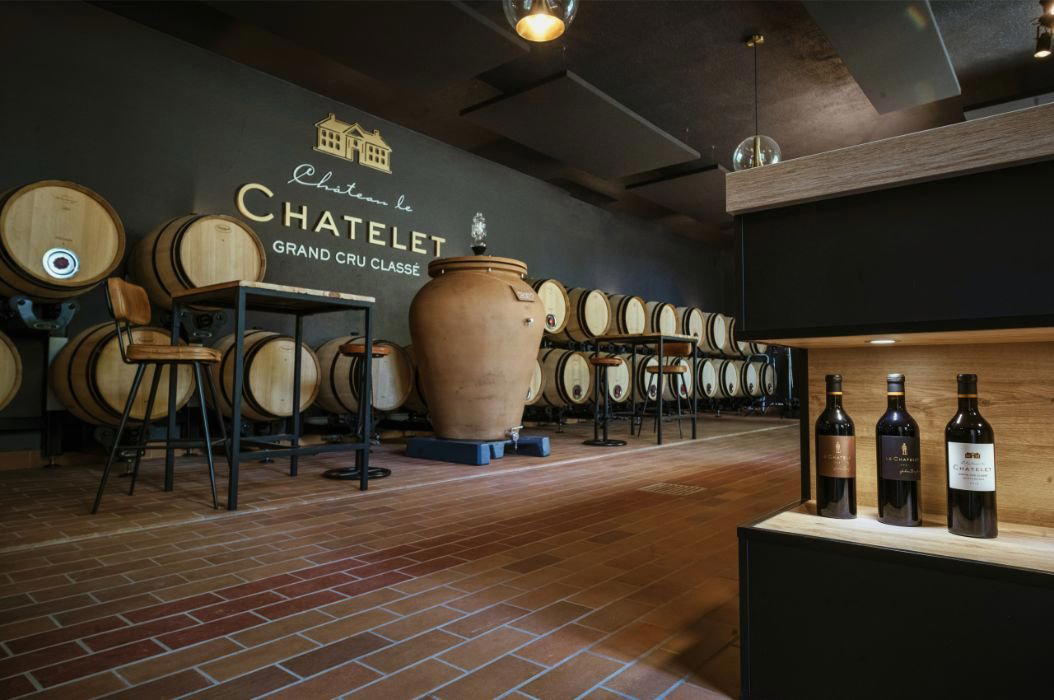
Château Le Châtelet
Saint-Émilion, France
Château Le Châtelet works as a wine-first Saint-Émilion stop, especially if the day already has lunch or dinner planned elsewhere. It is a weaker fit for travelers prioritizing food pairings, large groups, or a highly structured hospitality program. Falstaff listing adds a useful trust signal, but plan around the wine rather than expecting a meal-led visit.
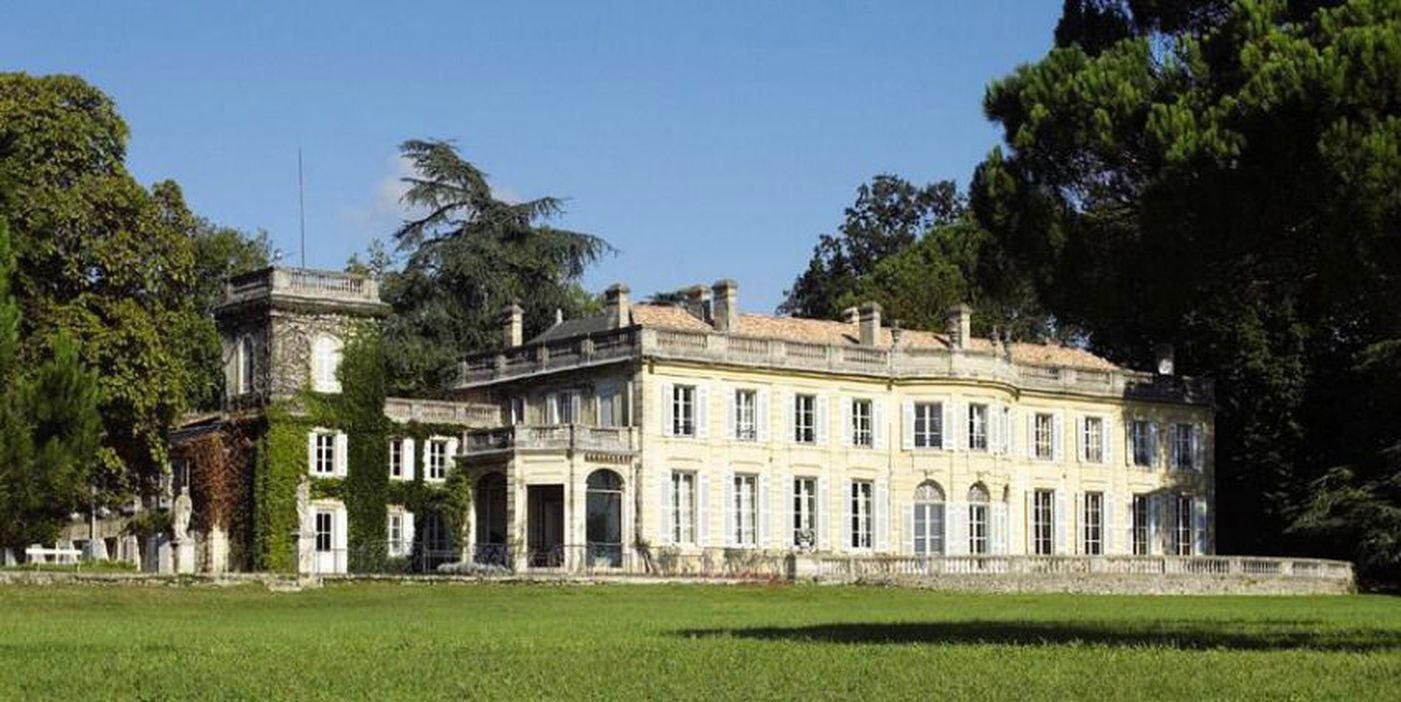
Château du Taillan
Le Taillan Medoc, France
Château du Taillan is a smart pick for an approachable Haut-Médoc château visit close to Bordeaux, especially if you want history, cellar architecture, and a guided tasting without a formal grand-estate feel. The value is strongest for couples, small groups, and mixed-knowledge wine travelers who want context more than a collector-level appointment.
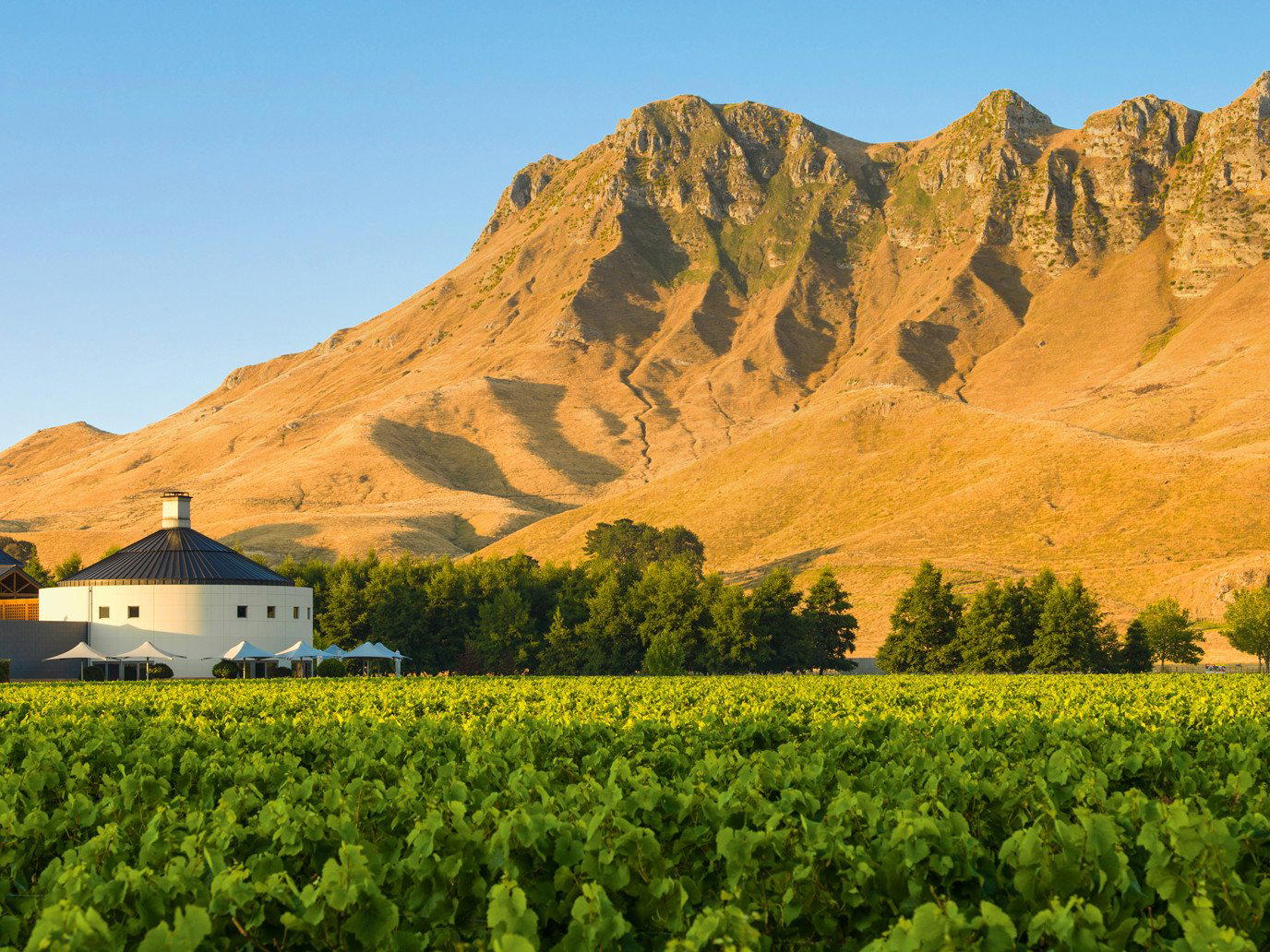
Weingut Philipp Grassl
Göttlesbrunn, Austria
Book Weingut Philipp Grassl if the goal is a serious Göttlesbrunn winery visit built into a planned wine day. It is better suited to couples, small groups, and special-occasion itineraries than loose walk-in tasting plans; compare availability with Weingut Gerhard Markowitsch, Weingut Franz Glatzer, and Weingut Netzl if timing is tight.
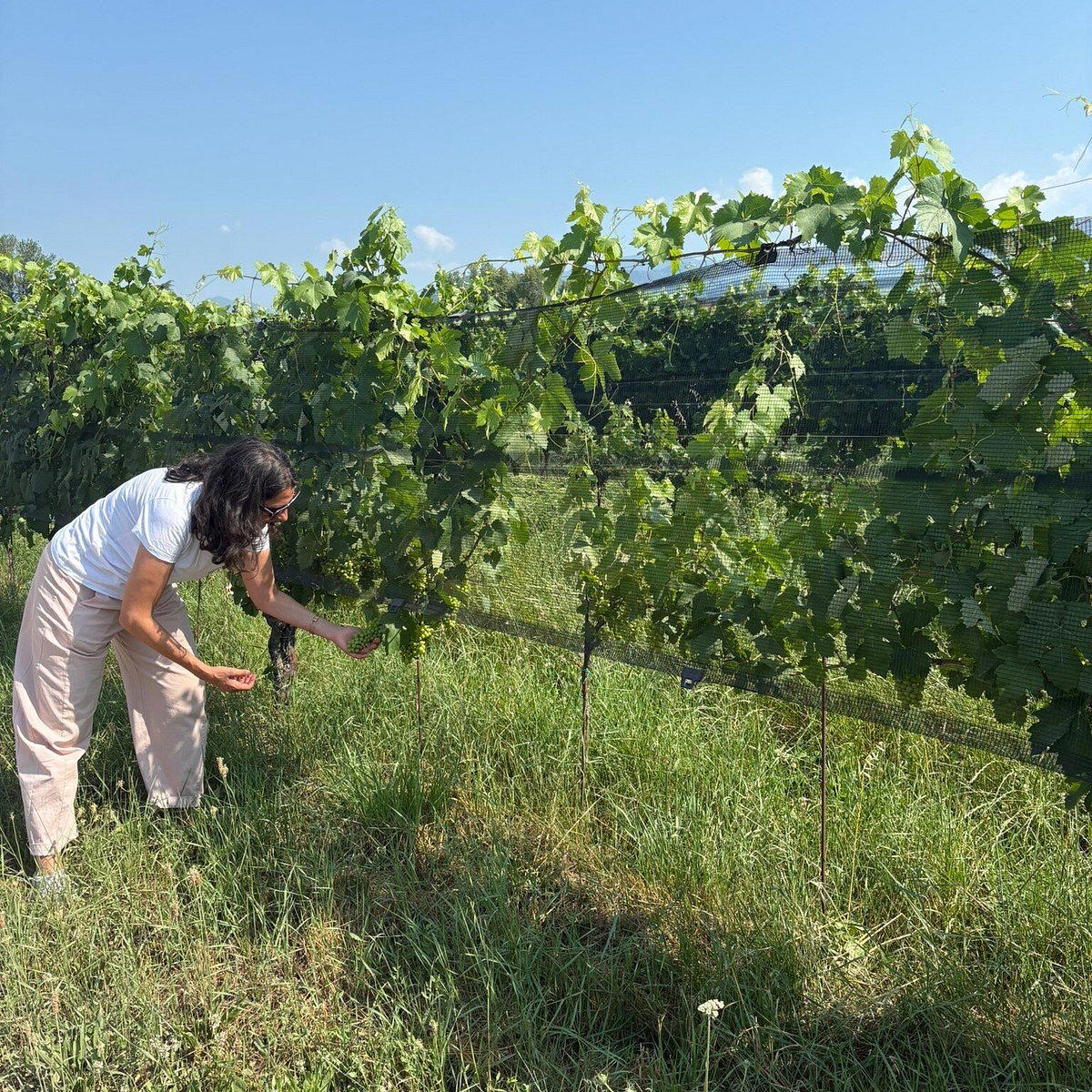
Azienda Agricola Lano Gianluigi
Alba, Italy
Book Azienda Agricola Lano Gianluigi if the goal is a quiet, appointment-led look at small-scale organic Piedmont reds rather than a polished tasting-room outing. The appeal is the Barbaresco-zone focus, estate-driven production, and direct-sales feel; casual groups looking for food, set flights, or a hosted tourism format should choose a more structured Alba winery experience.
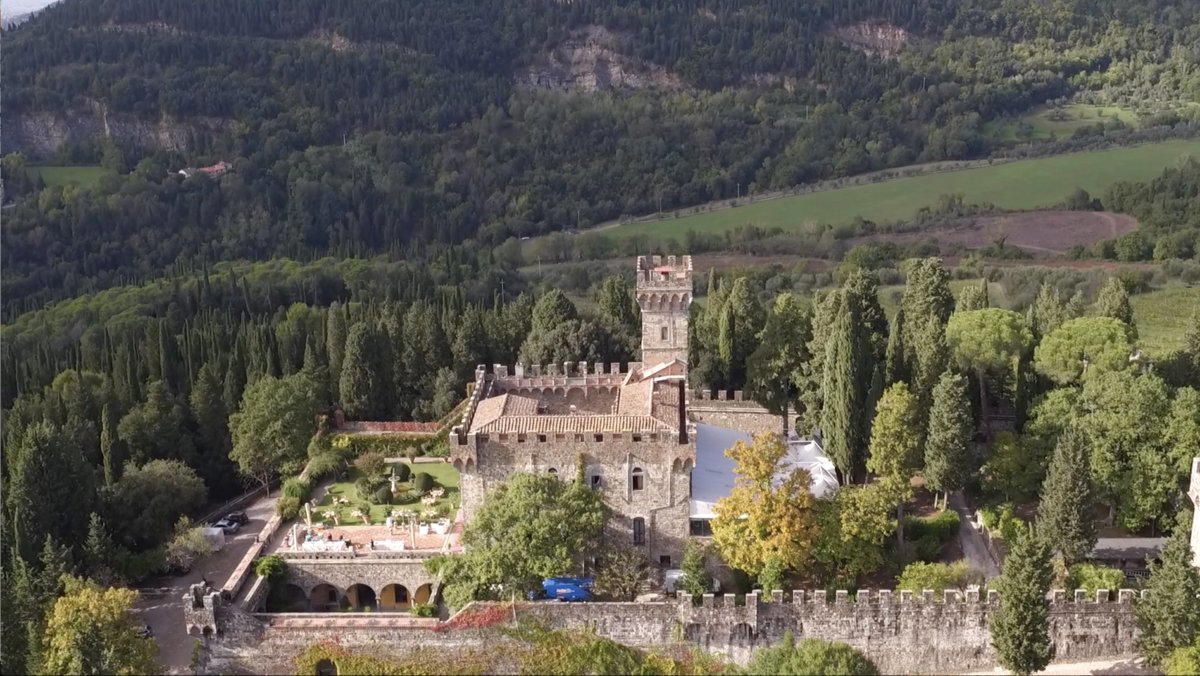
Bibi Graetz
Fiesole, Italy
A strong choice for serious wine travelers in Fiesole, especially if the visit can be planned around a focused tasting rather than casual drop-in expectations. The Falstaff 4 Stars 2026 recognition gives it credibility, but confirm format, group handling, food availability, and shipping before committing the day.
Domaine Jean-Philippe Fichet
Meursault, France
Domaine Jean-Philippe Fichet is a stronger fit for travelers already focused on Meursault than for anyone seeking a full estate-grounds tourism day. Its Falstaff Listed recognition in 2026 gives it a useful trust signal, but confirmed visitor details are sparse, so treat it as a wine-focused stop to research carefully within a broader Côte de Beaune plan.
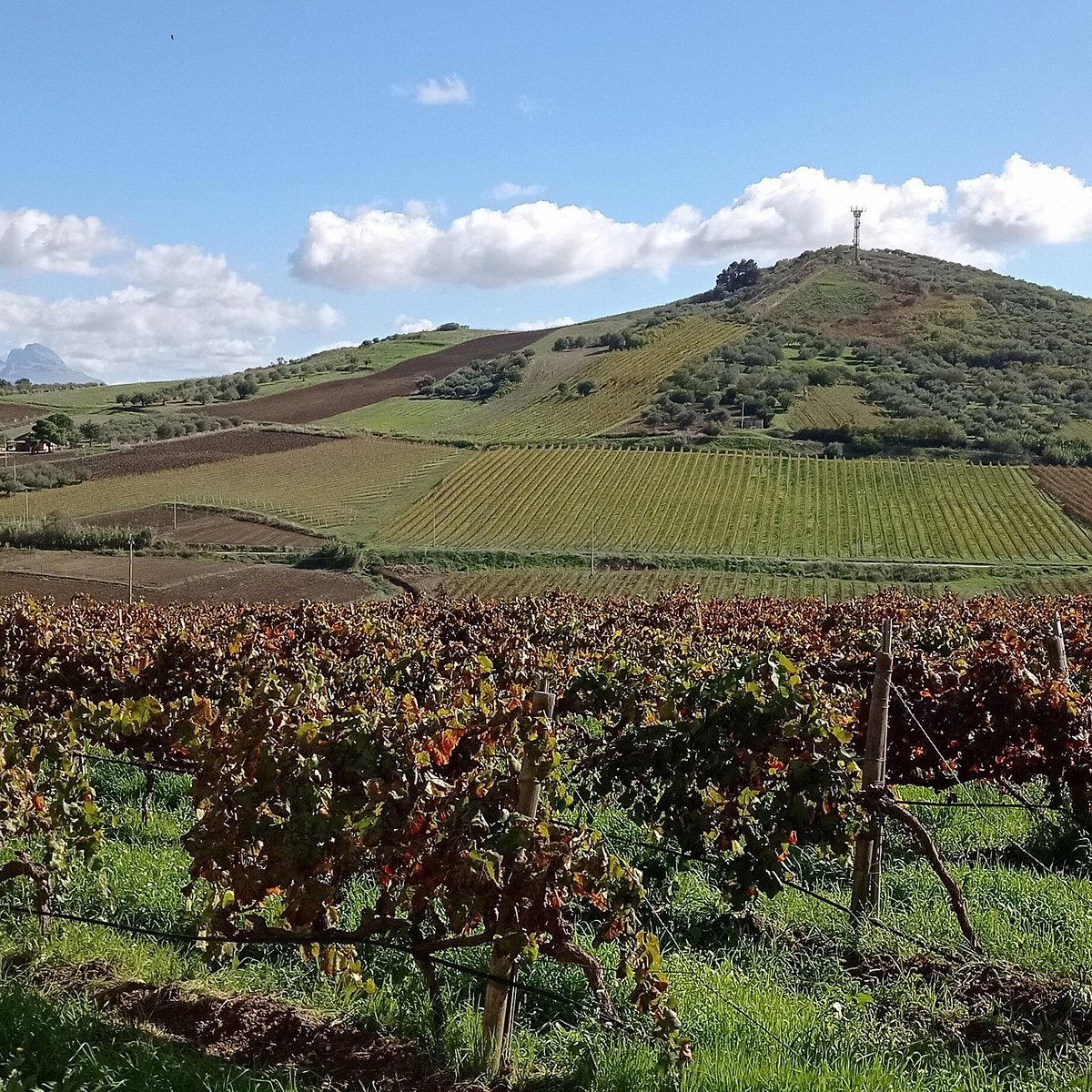
Alessandro di Camporeale
Camporeale, Italy
Alessandro di Camporeale works if the draw is Sicilian wine with a 2026 Falstaff 3 Stars signal, especially for cellar-minded buyers assessing membership or allocation value. Practical details are thin, so confirm tasting format, pricing, food, and group options before planning a celebration around it.
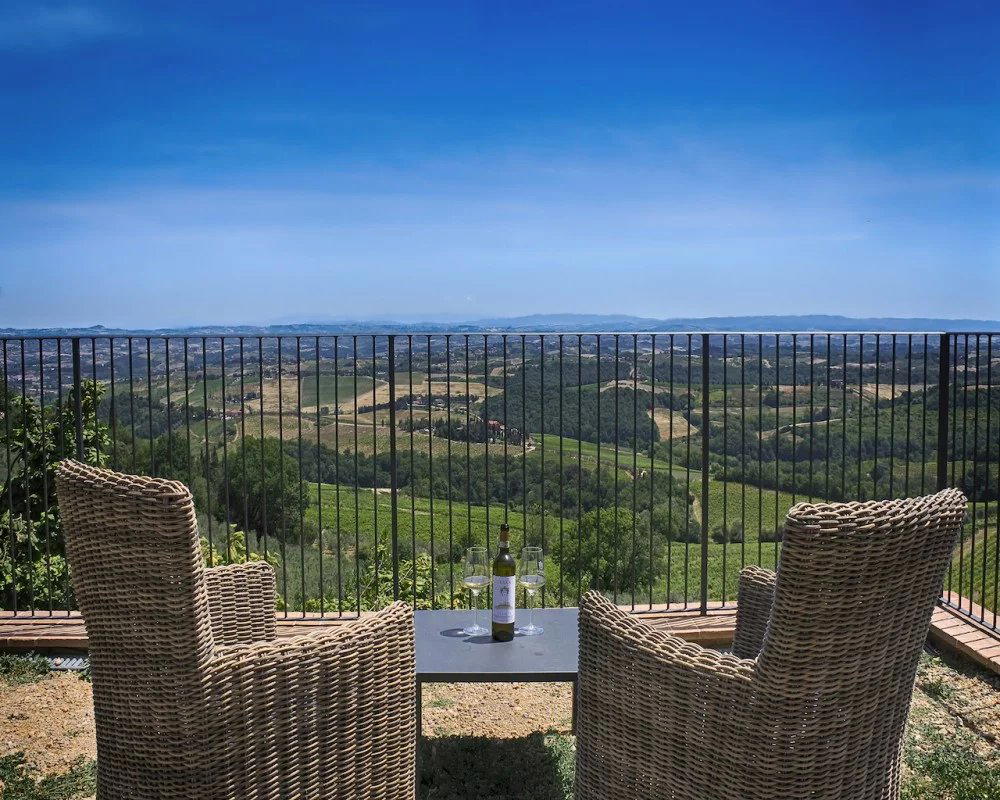
Cesani
San Gimignano, Italy
Book Cesani if you want a quiet San Gimignano winery visit focused on Vernaccia, organic farming, and vineyard-led production rather than a quick town-center tasting. It suits couples and small groups who care about how the wines are made, especially in terrace-friendly weather.
Drusian
Valdobbiadene, Italy
Drusian is a better fit for a wine-focused Valdobbiadene occasion than for readers seeking a meal-led reservation. The draw is the Prosecco-hills setting and Falstaff 2 Stars recognition for 2026; plan it as a tasting anchor with separate restaurant, hotel, or bar bookings around it.
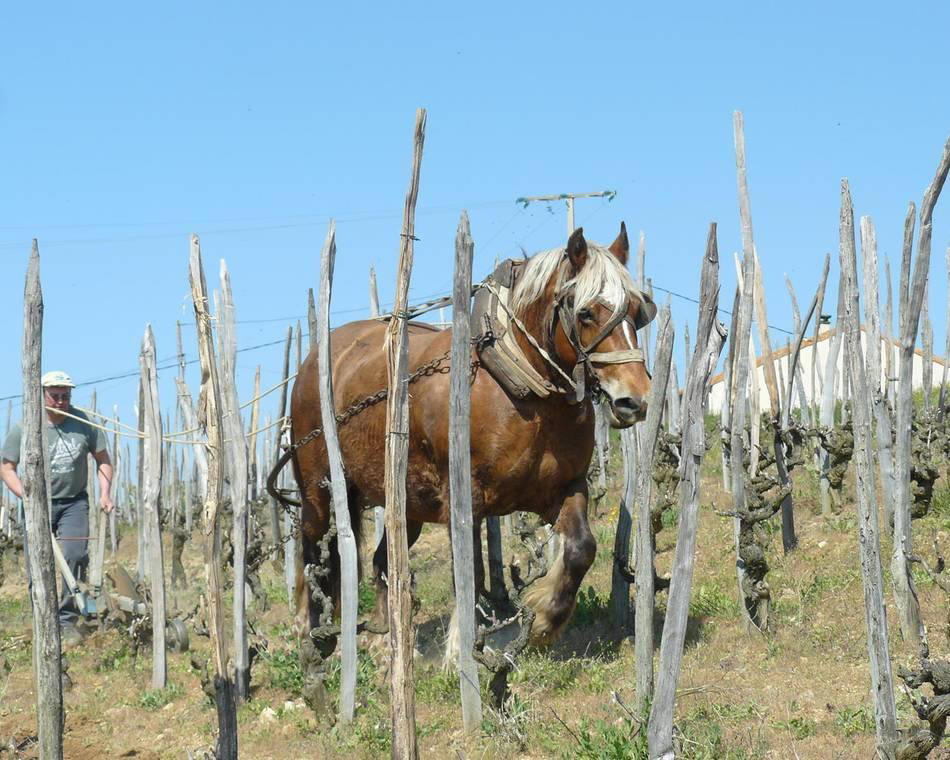
Domaine Rouchier
Saint Jean De Muzols, France
Domaine Rouchier is worth targeting if Northern Rhône Syrah, biodynamic farming, and tiny-production natural wine are the reason for the trip. It is not the right choice for a casual drop-in tasting; go for parcel-driven Saint-Joseph, especially La Chave and Luc, and plan around appointment-only access.
Domaine des Aires Hautes
Siran, France
Domaine des Aires Hautes works if Siran is already part of a Minervois-la-Livinière wine route. It works better as one stop in a regional tasting day than as a standalone destination, especially for travelers who want appellation context over a highly produced visitor experience.
Domaine des Chanssaud
Orange, France
A strong choice for a planned Orange wine stop if organic farming, family ownership, and Châteauneuf-du-Pape context matter more than a polished tasting-room show. Domaine des Chanssaud is especially useful as a second-stop visit for travellers who already know the appellation basics and want a quieter, more educational estate experience.
How many of these have you visited?
Find out on Pearl and keep score across every place in 2026 Falstaff Winery Guide.