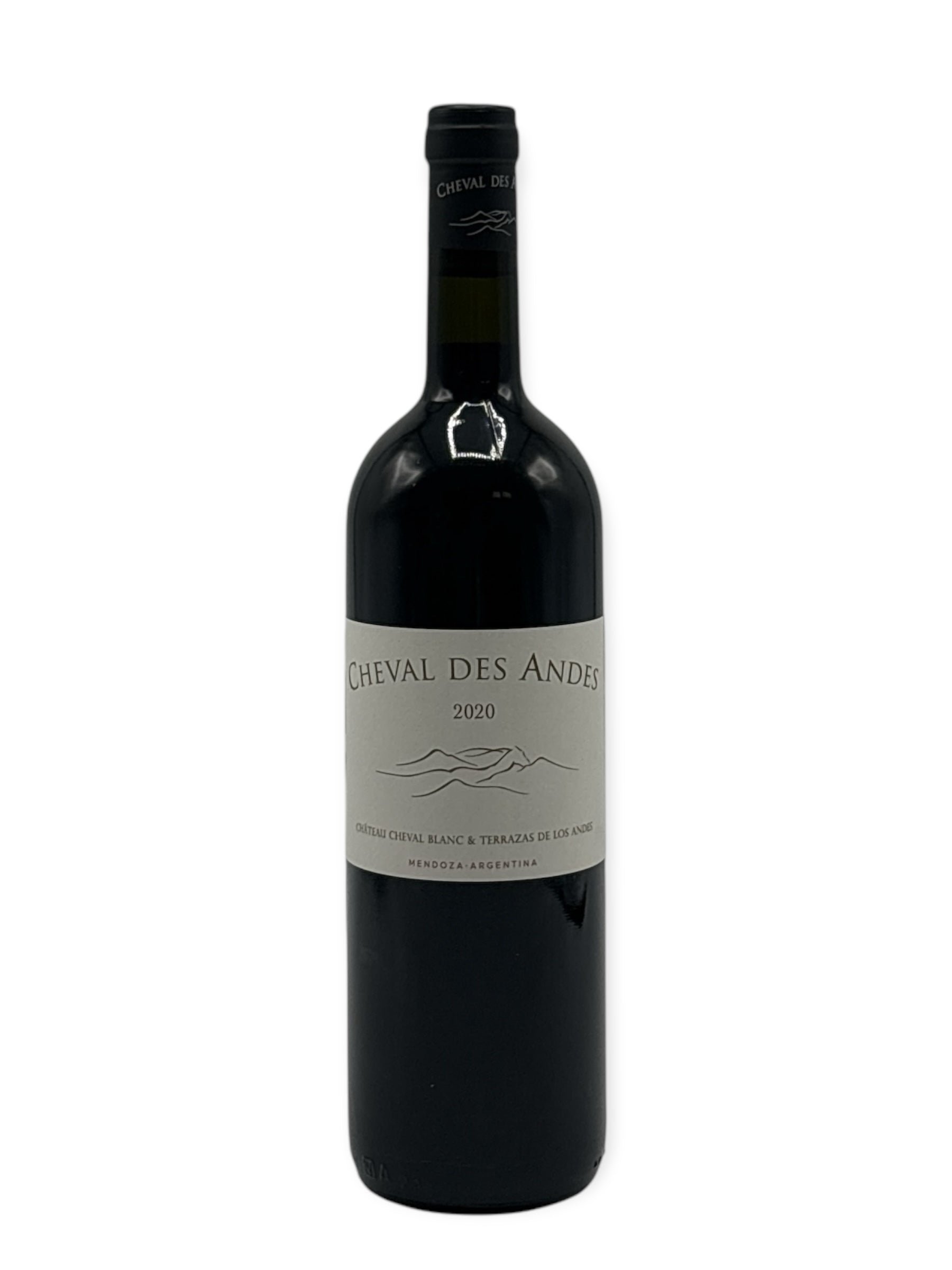

Cheval des Andes
Luján de Cuyo
Winery in Luján de Cuyo, Argentina
 Book with Pearl
The Read
Franco-Argentine Altitude Blends
Why go
Cheval des Andes is the Luján de Cuyo choice for a high-stakes Mendoza winery day, especially if the visit is tied to a celebration, date, or business hosting. Book it as the anchor stop rather than one of many; travelers who want a looser, easier day should cross-shop nearby wineries instead.
About Cheval des Andes
For a Luján de Cuyo itinerary, Cheval des Andes is a venue to consider when you want a clearly recognized stop rather than an over-specified plan built on assumptions. Cheval des Andes is in Luján de Cuyo, has a smart casual dress code, and holds Pearl 3 Star Prestige (2025).
That makes the best planning approach simple: consider Cheval des Andes as a Luján de Cuyo option with strong recognition and check the practical details directly before building the day around it. If your visit depends on a specific meal, tasting format, dietary accommodation, group setup, or price point, check those details with the venue rather than assuming them from a guide listing.
A prestige-led Luján de Cuyo stop
The main reason to prioritize Cheval des Andes is its Pearl 3 Star Prestige (2025) recognition. That is enough to put it on a serious shortlist for travelers planning a Luján de Cuyo visit, especially when the occasion calls for a venue with a strong prestige signal.
Do not book expecting a particular signature experience without checking the current offering first. Use the recognition and location as the starting point, then confirm the current offering directly with Cheval des Andes. Travelers comparing other venues can also look at Bodega Kaiken, Bodega Riccitelli, Durigutti Winemakers, Lamadrid Estate Wines, and The Williams Casanegra Distillery, depending on the shape of the broader itinerary.
Who should choose it, and who should cross-shop
Choose Cheval des Andes if you want a Luján de Cuyo venue with Pearl 3 Star Prestige (2025) recognition and you are comfortable checking the current experience before booking. It is a better fit for planners who value a prestige cue and are willing to confirm details in advance than for travelers who need a fully specified menu, price, schedule, or service format from the outset.
For trip planning around Luján de Cuyo, keep the rest of the day simple and confirm logistics directly. Use Our full Luján de Cuyo wineries guide for other planning options, then round out the stay with Our full Luján de Cuyo restaurants guide, Our full Luján de Cuyo hotels guide, Our full Luján de Cuyo bars guide, and Our full Luján de Cuyo experiences guide. If you are cross-shopping named venues, compare Cheval des Andes with Bodega Kaiken, Bodega Riccitelli, Durigutti Winemakers, Lamadrid Estate Wines, and The Williams Casanegra Distillery without assuming they offer the same format.
Quick reference: consider Cheval des Andes for a Luján de Cuyo visit with smart casual dress and Pearl 3 Star Prestige (2025), then check all current booking, menu, price, and service details directly.
Planning details
- Location
- Luján de Cuyo, Mendoza Province
- Website
- chevaldesandes.com.ar
- Phone
- +5492615118040
The take
The Take
The Vibe
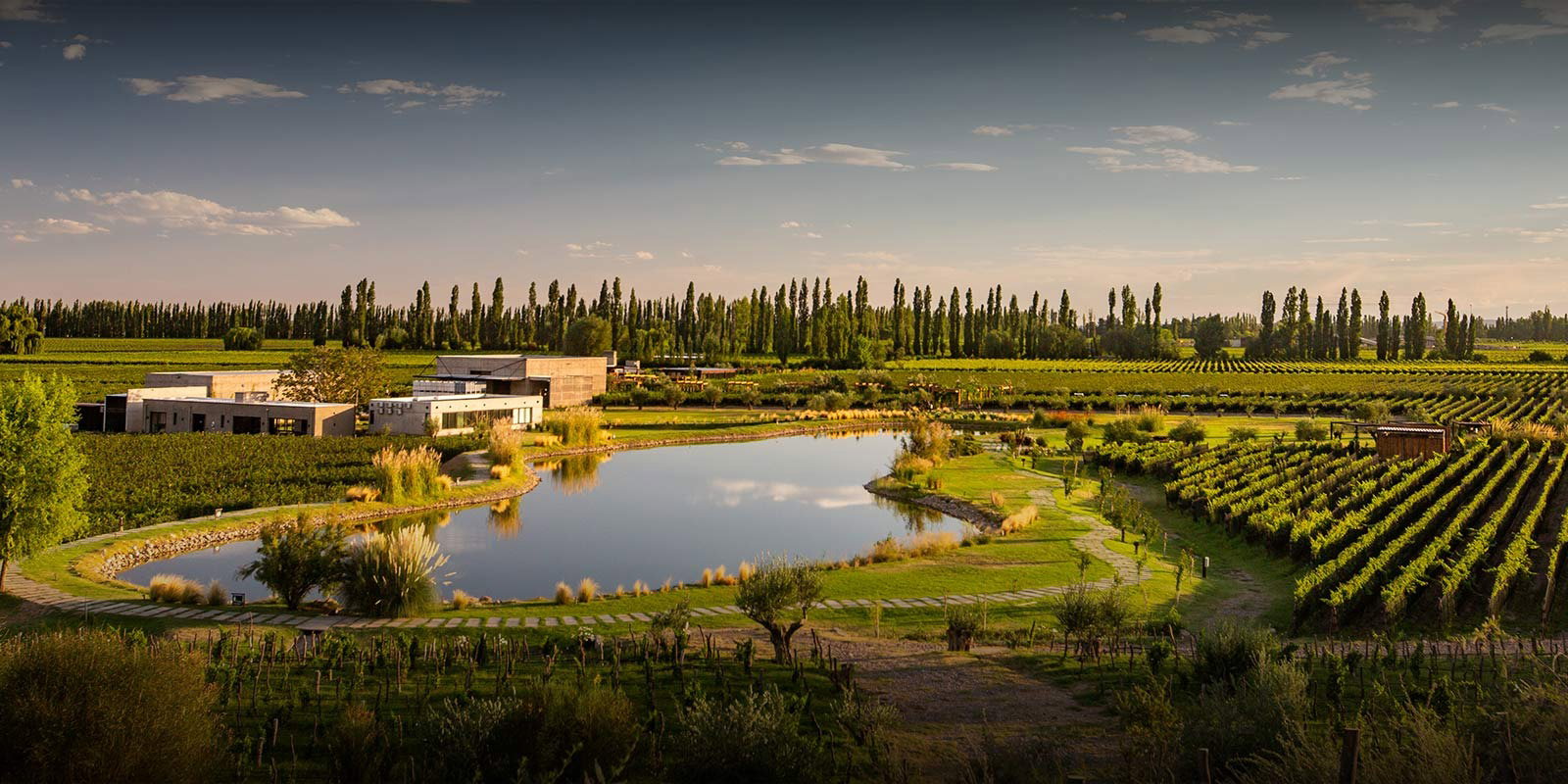
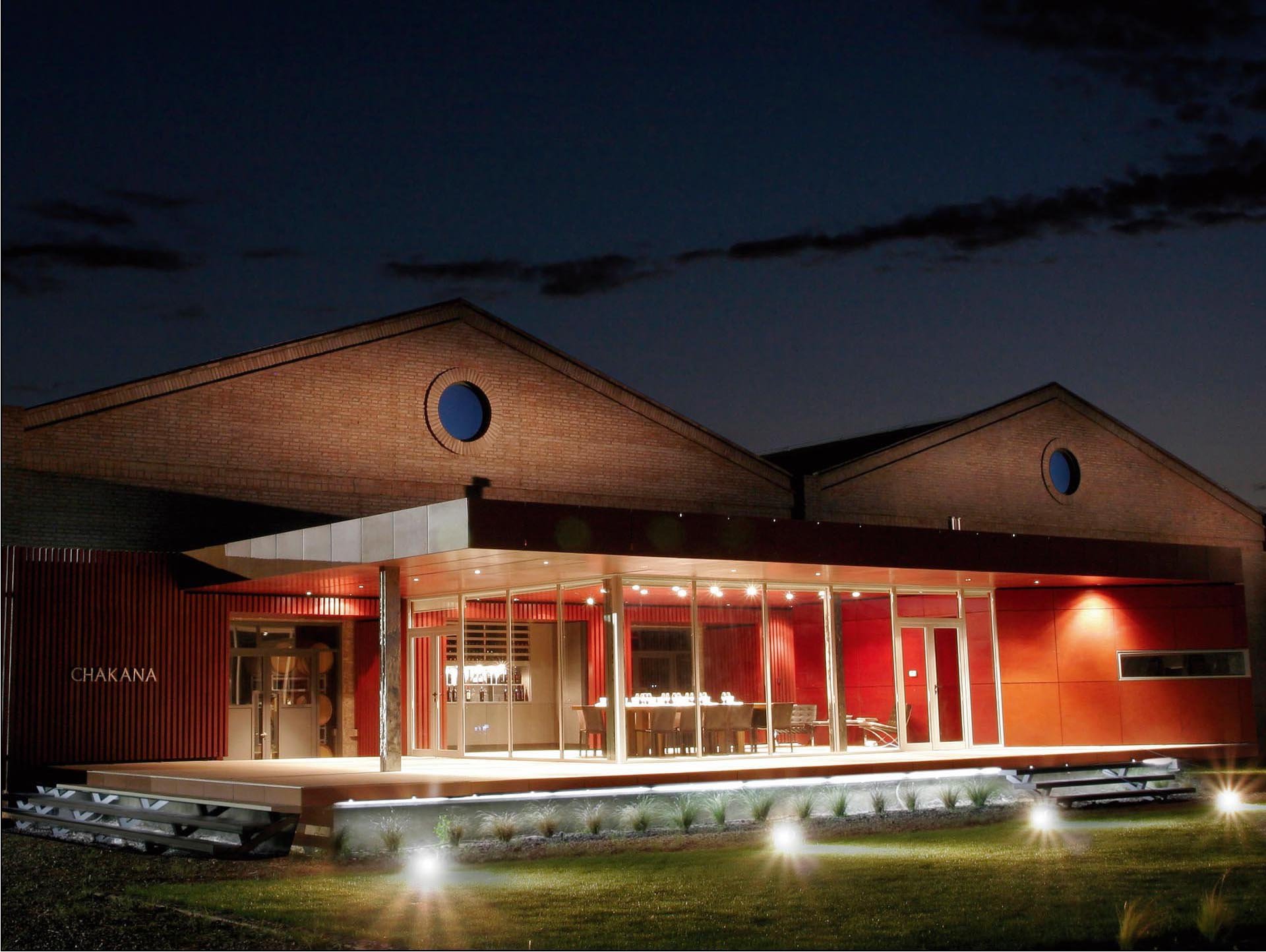
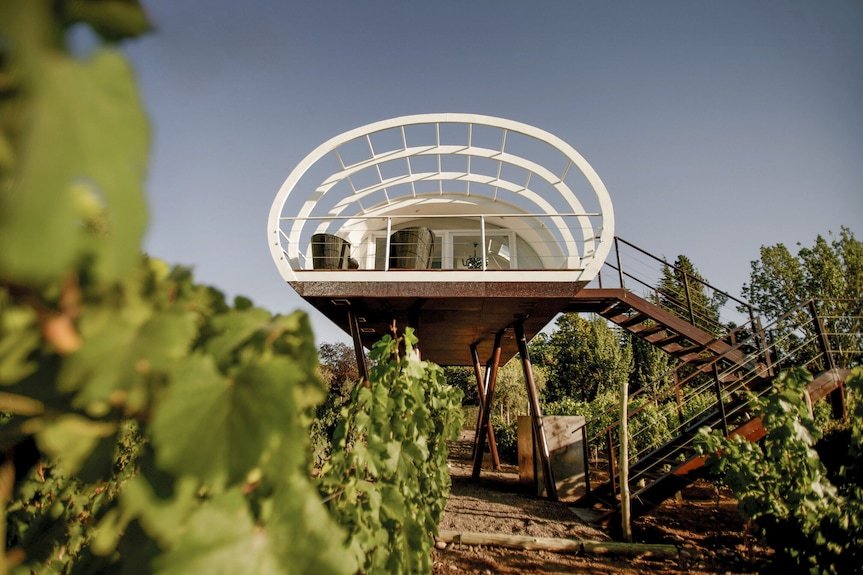
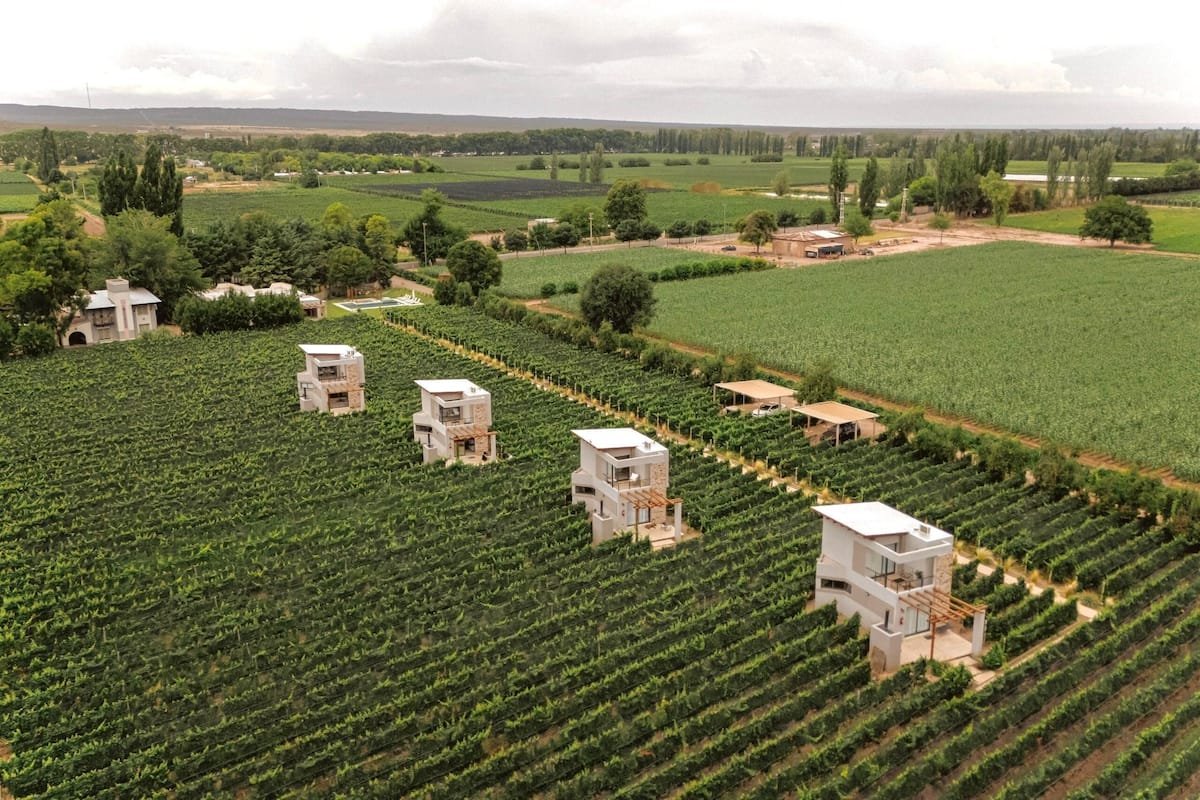
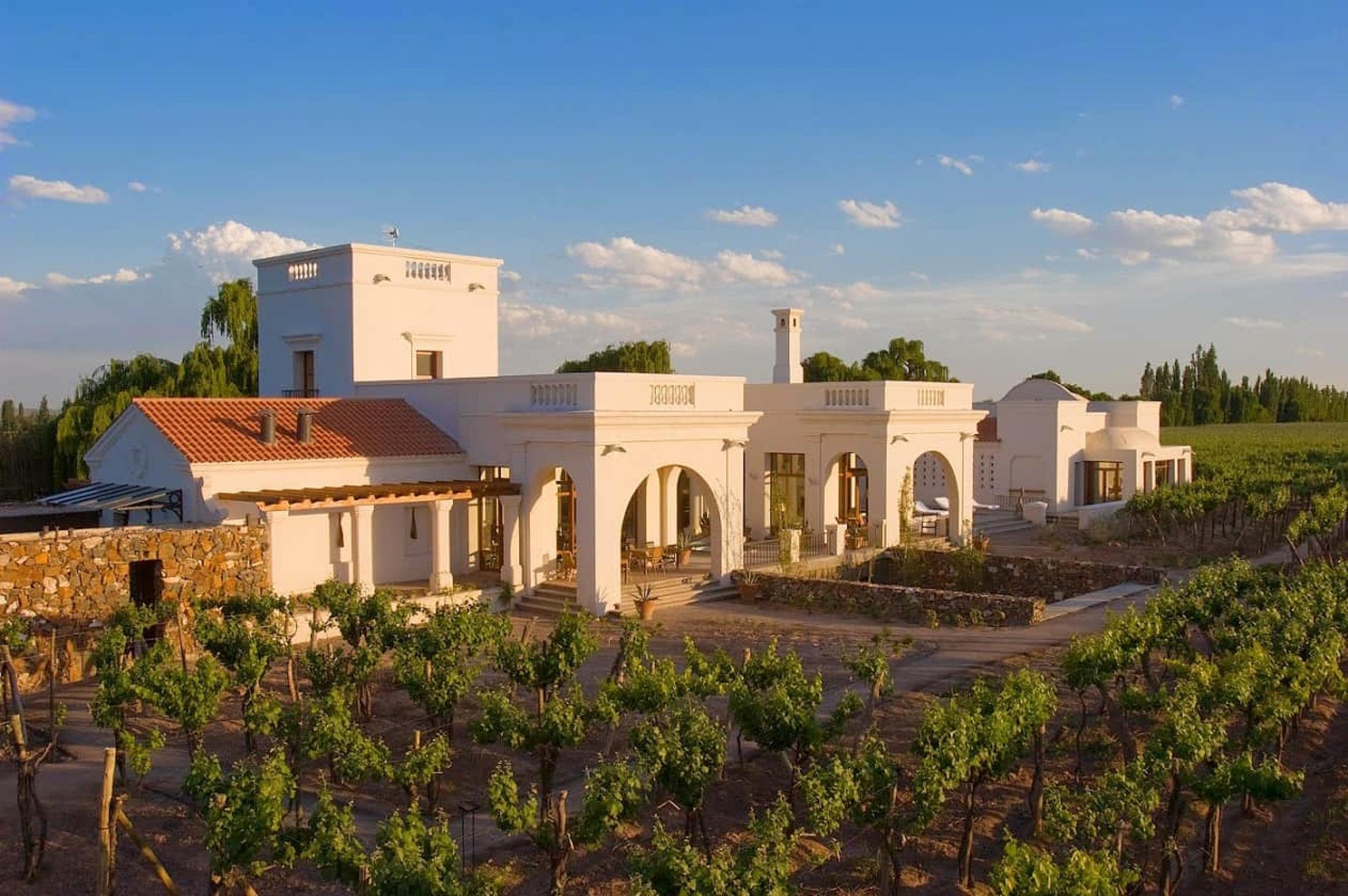
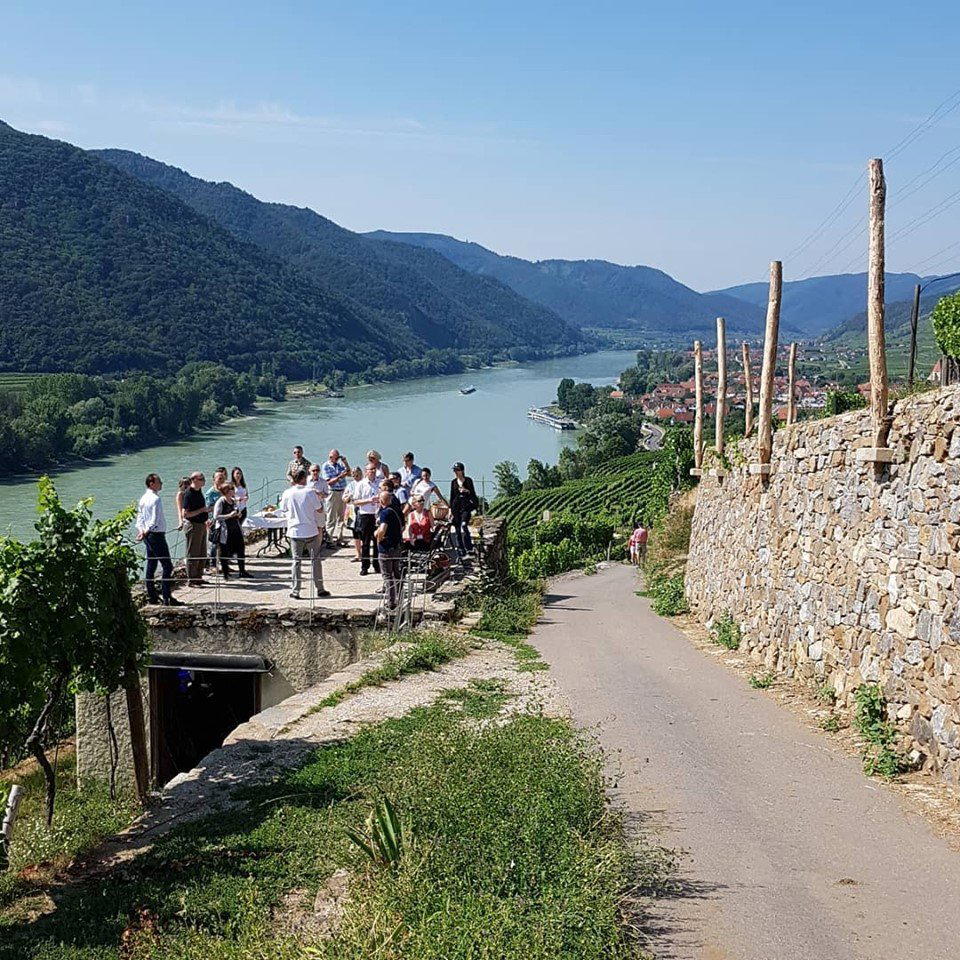
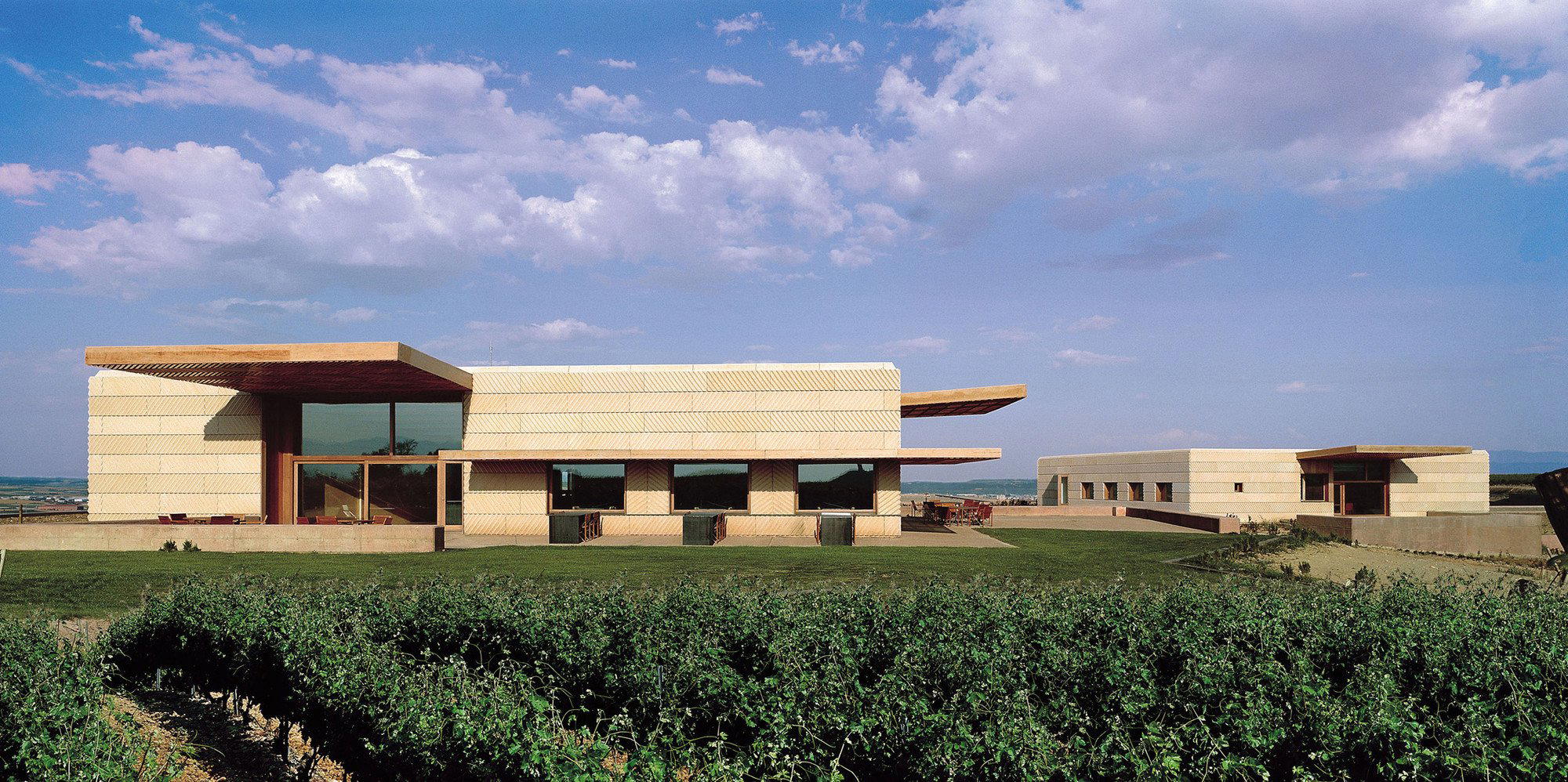
Cheval des Andes reads like an atelier where the Andes actively shape the experience. The writing emphasizes altitude, terroir and a Franco‑Argentine lineage that links Bordeaux seriousness with Mendoza mountain viticulture. Visits are paced and deliberate, and the tasting experience is calibrated for collectors and serious enthusiasts rather than casual drop‑ins. The estate’s appointment‑only rhythm and focus on vintage tracking give it an intimate, old‑world composure — refined without being flashy. The landscape itself plays a starring role: the mountains and the vines frame the wines in both literal and conceptual terms, reinforcing a quietly authoritative, classic sense of place.
Best For
This estate is best for people who come with curiosity and time: collectors tracking vintages, students of high‑altitude terroir and visitors seeking deep, considered tastings. The house tailors its program to thoughtful engagement — appointment‑style visits and measured pours encourage learning and comparison rather than quick sampling. It also suits special occasions where a deliberate, refined tasting feels appropriate; the collaboration between Cheval Blanc and Terrazas de los Andes signals wines meant for vertical study, cellaring and attentive appreciation. Casual drop‑bys are not the point — plan ahead and allow the pace to unfold.
Tasting Tips
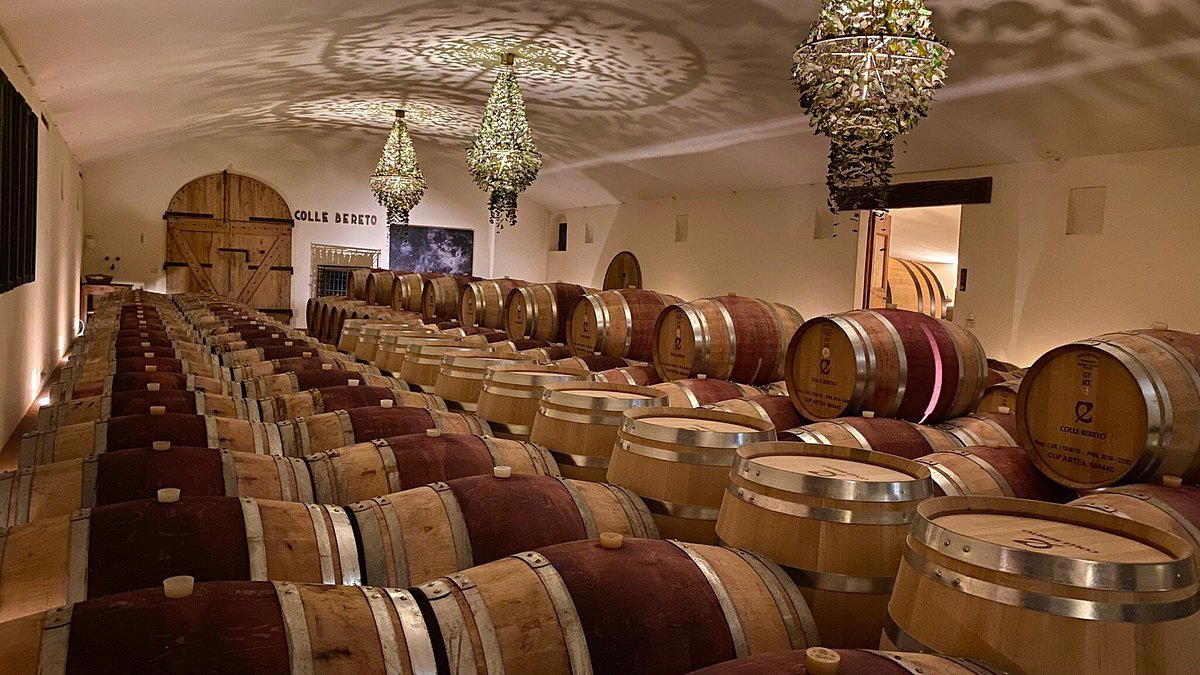
Book well in advance and treat a visit like a planned wine appointment. The copy makes clear that Cheval des Andes operates on an appointment model with slower pacing and more considered pours, so reserving time and asking for a focused tasting or vertical comparison will get the most from the visit. Come prepared to discuss vintages, Malbec‑dominant blends and altitude effects, and expect the staff to frame wines in terms of terroir and cellar potential. Avoid treating it like a quick cellar‑door stop; the experience rewards attention and patience.
Venue details
Ambiance
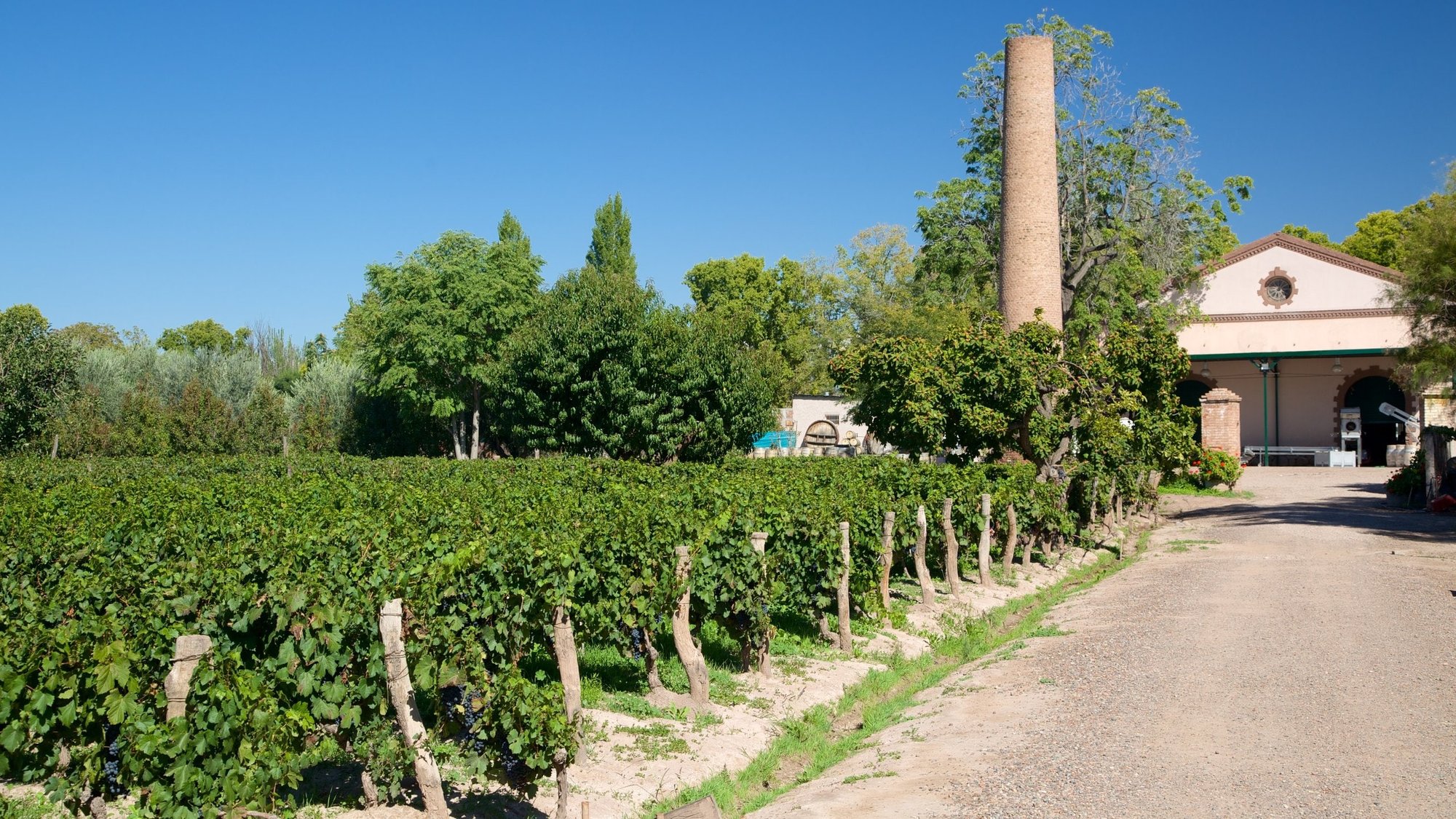
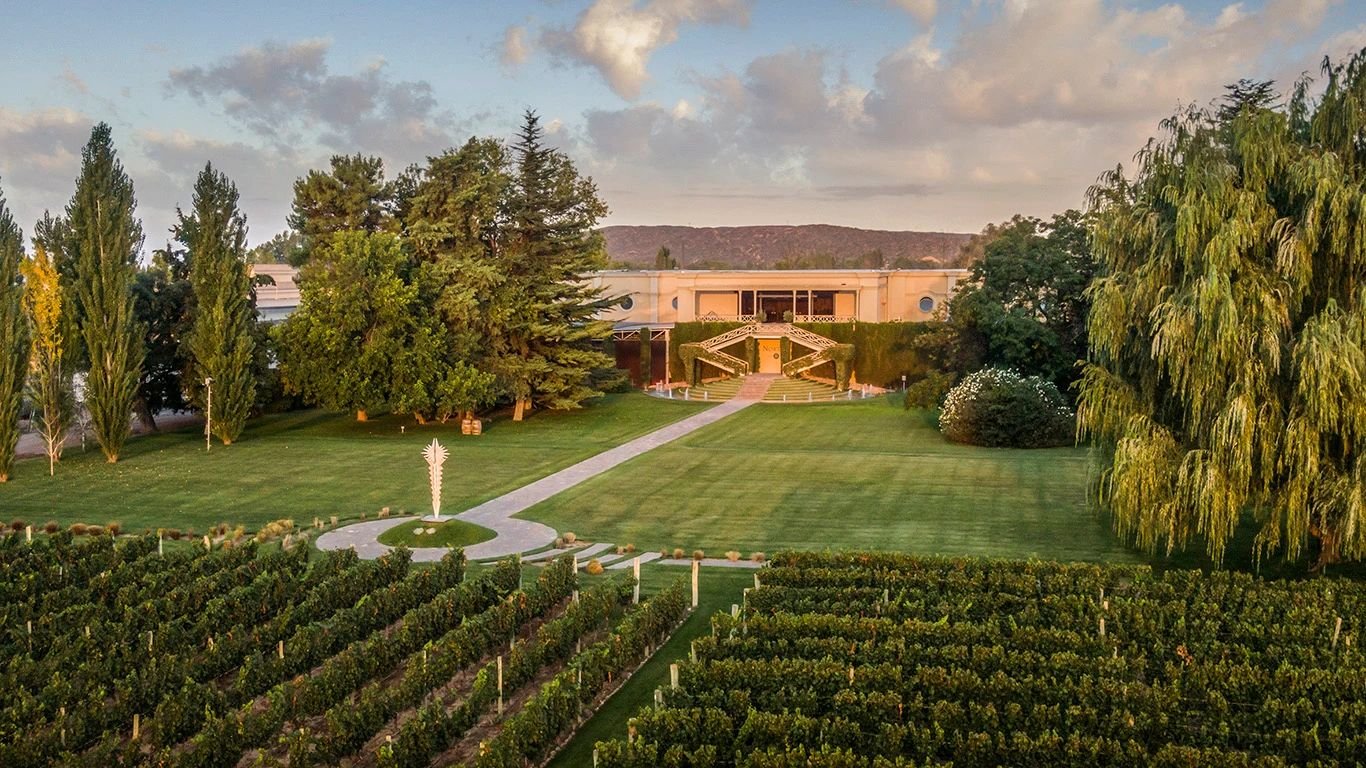
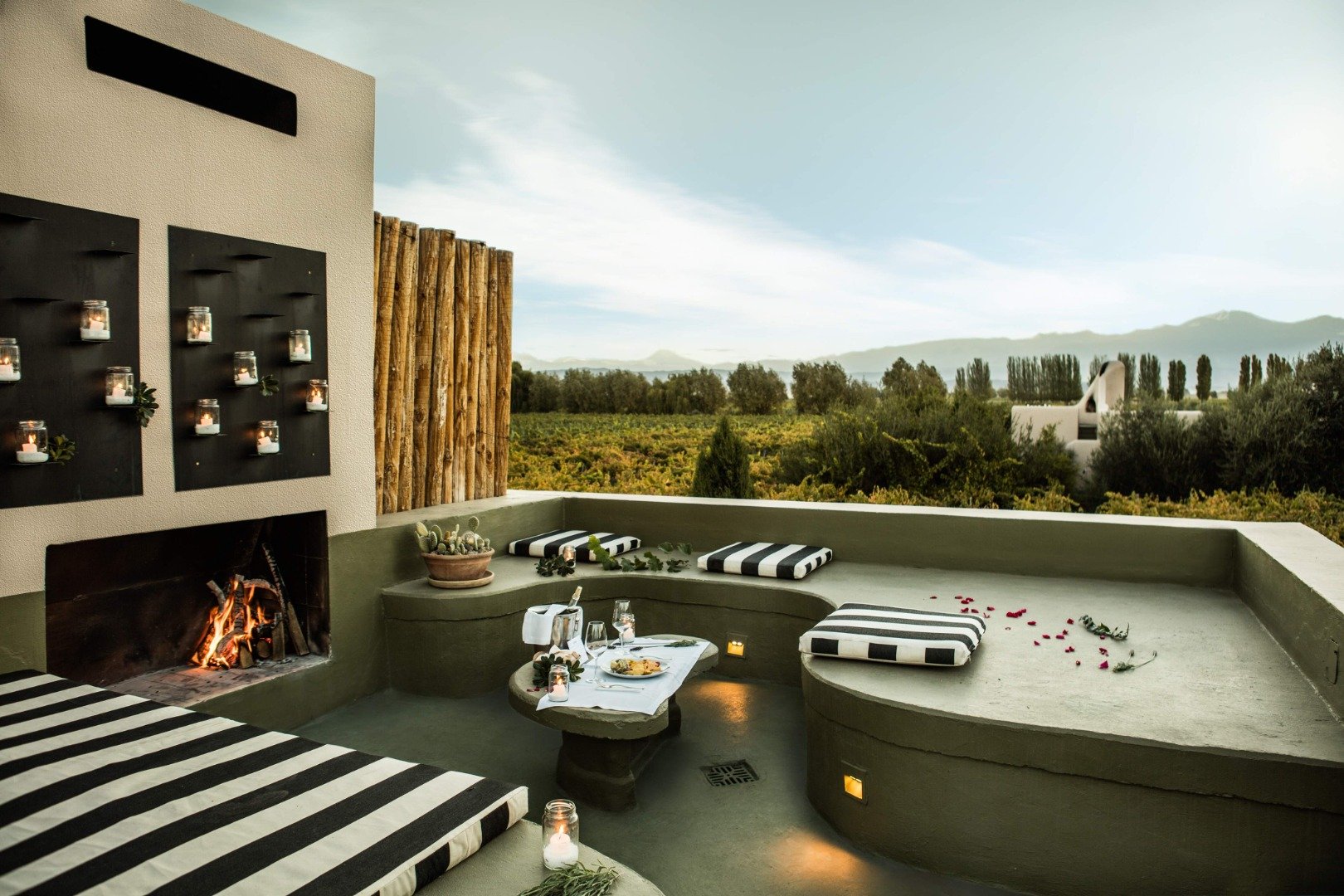
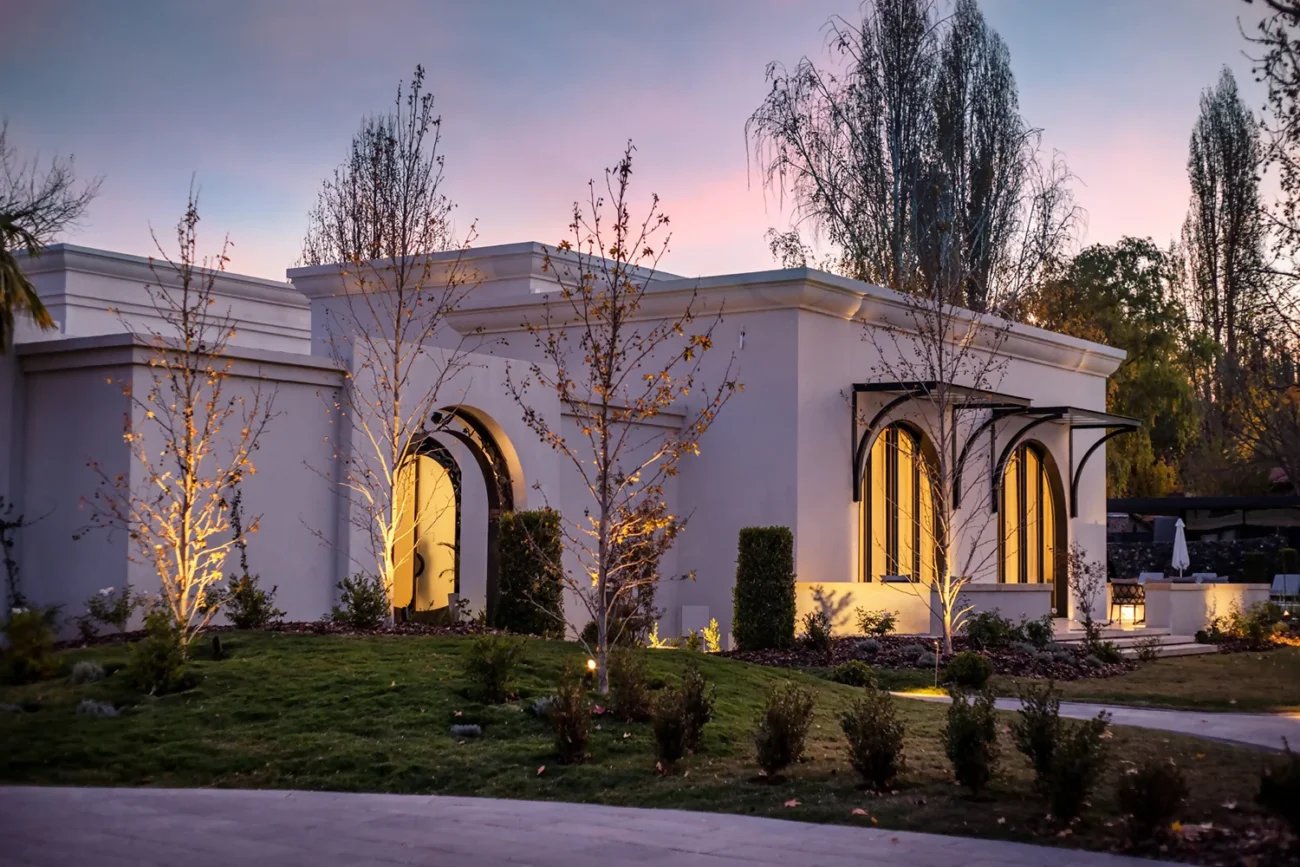
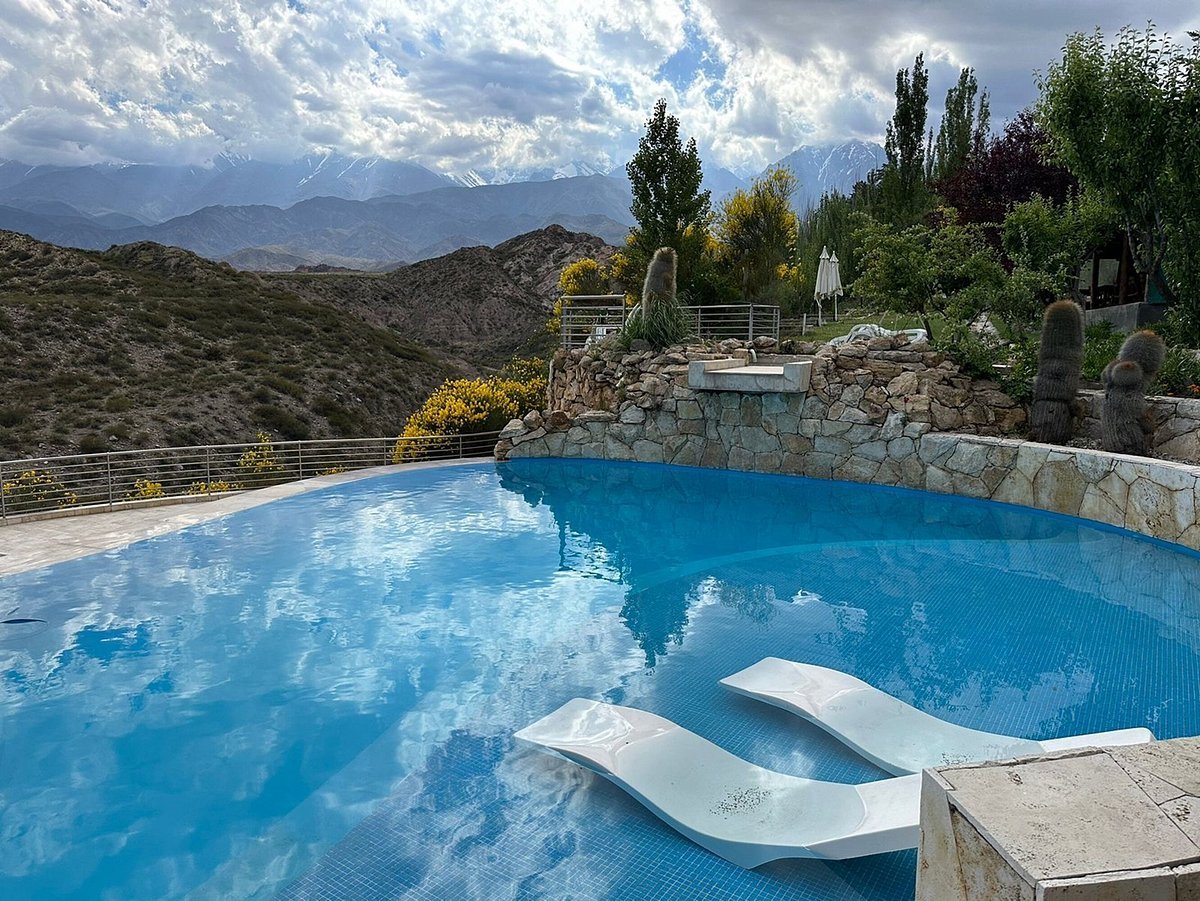
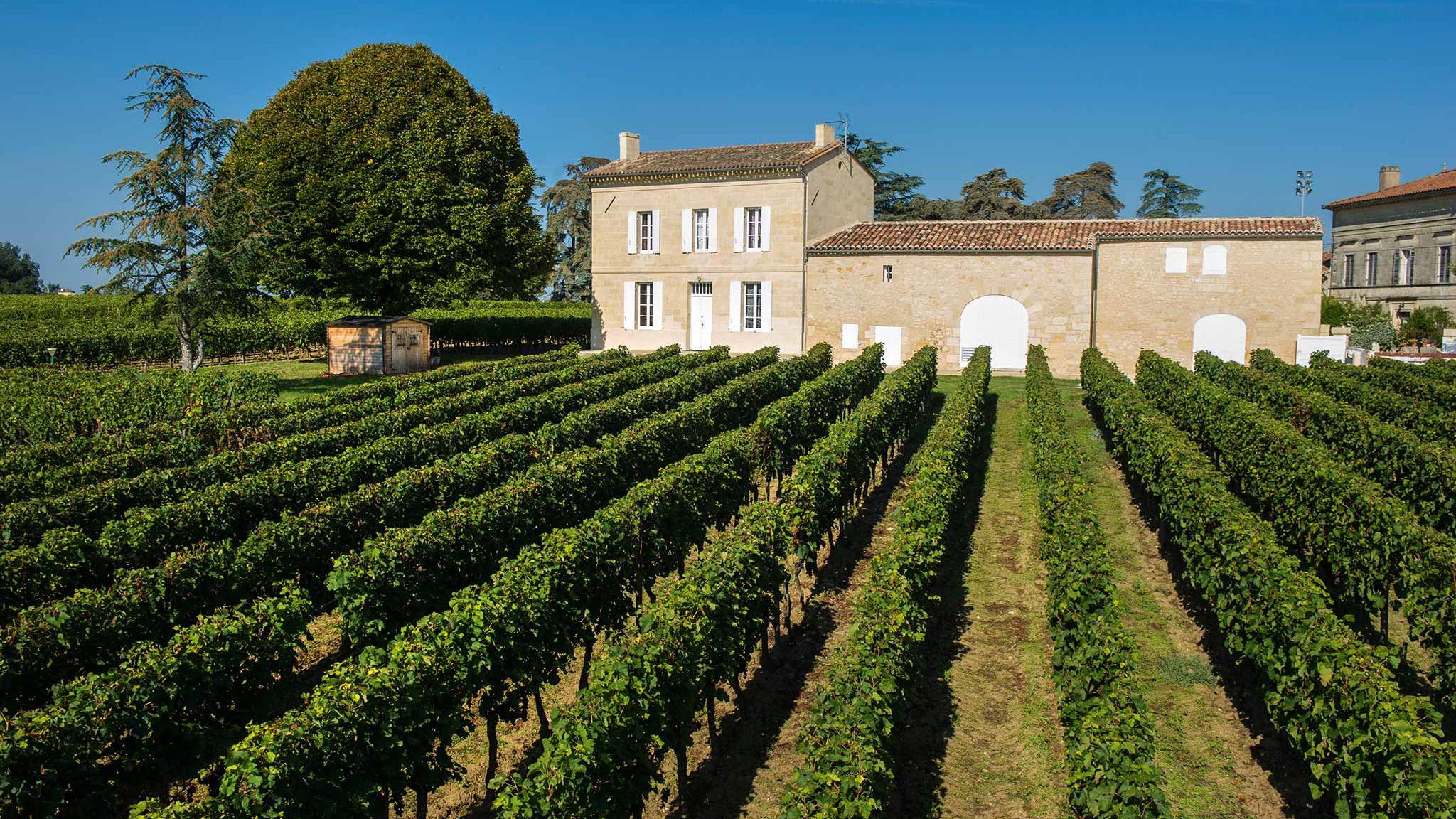
Refined and elegant with a focus on terroir expression, freshness, and complexity in a scenic vineyard setting.
Tags
Vibe
Best For
Experience
Sourcing
View
At the Vineyard
- Appellation
- Mendoza
- Varietals
- Malbec, Cabernet Sauvignon, Petit Verdot
- Tour Duration
- 60-90 minutes
- Tour Languages
- English, Spanish
- Visits
- By appointment only
- Production
- Small producer
- Wine Styles
- Still Red
- Wine Club
- Available
Know before you go
Know Before You Go
- Getting there
- Luján de Cuyo, Mendoza Province
Planning details
Location
Recognition and awards

Also consider
Where to look if this does not fit the trip
For a Luján de Cuyo fallback, start with Lamadrid Estate Wines or Durigutti Winemakers. They keep the itinerary local and make more sense for travelers who want a winery day with less pressure around one hard-to-secure centerpiece.
If the group wants a different drinks format, The Williams Casanegra Distillery is the sharper pivot. For broader Mendoza cross-shopping, compare Bodega Riccitelli and Bodega Kaiken before finalizing the day.
Winery context
How it compares in and around Luján de Cuyo
Cheval des Andes is the splurge-minded choice in this set: better for a celebration or client-facing winery day than for travelers trying to sample widely. Lamadrid Estate Wines and Durigutti Winemakers are the more practical Luján de Cuyo cross-shops if the priority is keeping the day local and easier to shape around other stops.
Bodega Riccitelli and Bodega Kaiken make more sense for travelers comparing broader Mendoza wine styles rather than locking into one prestige-led Luján de Cuyo appointment. They are better cross-shops when variety matters more than a single occasion-focused visit.
The Williams Casanegra Distillery is the clear alternative if the group wants a drinks experience that breaks from a wine-only itinerary. Choose it for contrast; choose Cheval des Andes when the day needs to feel centered on Mendoza wine and the occasion justifies the tighter planning.
Explore Luján de Cuyo
Around this place
Discover more on Pearl
Unlock the full Cheval des Andes guide in Pearl, including awards, comparisons, FAQs, planning details, and nearby places.
Compare Cheval des Andes
| Venue | Location | Awards |
|---|---|---|
| Cheval des Andes | Luján de Cuyo | 2026 Falstaff Winery Guide |
| The Williams Casanegra Distillery | Mendoza | No published awards |
| Bodega Riccitelli | Mendoza | 2025 World's 50 Best Vineyards · #29 |
| Lamadrid Estate Wines | Luján de Cuyo | 2026 Falstaff Winery Guide |
| Durigutti Winemakers | Luján de Cuyo | No published awards |
| Bodega Kaiken | Mendoza | 2026 Falstaff Winery Guide2025 World's 50 Best Vineyards · #36 |

How Cheval des Andes Luján de Cuyo compares with similar nearby venues.
FAQ
Frequently Asked Questions
Can Cheval des Andes handle large groups?
For large groups, contact Cheval des Andes directly before planning a party, and confirm any requirements in advance. For comparison planning, Bodega Kaiken and Lamadrid Estate Wines are other named venues to consider, but do not assume they follow the same format.
What is Cheval des Andes known for?
Cheval des Andes is a Luján de Cuyo venue with Pearl 3 Star Prestige (2025). The dress code is smart casual.
Where is Cheval des Andes located?
Cheval des Andes is located in Luján de Cuyo.
How can I contact Cheval des Andes?
Use the venue's official channels to confirm current booking, service, and visit details.