
Weingut Philipp Grassl
Göttlesbrunn
Winery in Göttlesbrunn, Austria
 Book with Pearl
The Read
Calcareous-Soil Zweigelt Precision
Why go
Book Weingut Philipp Grassl if the goal is a serious Göttlesbrunn winery visit built into a planned wine day. It is better suited to couples, small groups, and special-occasion itineraries than loose walk-in tasting plans; compare availability with Weingut Gerhard Markowitsch, Weingut Franz Glatzer, and Weingut Netzl if timing is tight.
About Weingut Philipp Grassl
Weingut Philipp Grassl is a venue in Göttlesbrunn with a smart casual dress code and Pearl 2 Star Prestige recognition for 2025. For planning, do not assume public hours, tasting formats, prices, group capacity, or walk-in availability; confirm practical details directly before making firm plans.
For travelers building a Göttlesbrunn itinerary, treat Weingut Philipp Grassl as one of the named venue options to consider. Confirm any practical details directly before making firm plans.
Book this for a focused Göttlesbrunn stop, not an assumption-led itinerary
The appeal is direct: Weingut Philipp Grassl is in Göttlesbrunn, carries Pearl 2 Star Prestige recognition for 2025, and lists smart casual as the dress code. Confirm tastings, pricing, service format, public hours, and visit length directly before planning around them.
That makes advance planning sensible without overstating the details. If the visit is part of a celebration or hosted day, confirm the practical arrangements directly before building the rest of the schedule.
Where it sits among other venue choices
For comparison, travelers may also look at Weingut Gerhard Markowitsch, Weingut Franz Glatzer, Weingut Netzl, Weingut Leo Hillinger, and Weingut Markus Altenburger. Weingut Philipp Grassl stands on its recognition and Göttlesbrunn location, while the final choice should depend on the current availability and visit details each venue confirms directly.
Do not assume a specific group setup, tasting format, or confirmation speed. If timing, party size, or a particular style of visit matters, check those points with the venue before making plans.
Plan the day around Göttlesbrunn, then keep the rest simple
Because the venue is in Göttlesbrunn, it can be considered as part of an itinerary there rather than a detail-heavy venue hop. Keep the rest of the plan practical: confirm the visit details, follow the smart casual dress code, and leave room for any timing requirements the venue provides directly.
For broader planning, keep the focus on Göttlesbrunn options and current practical details. Weingut Philipp Grassl is best presented as a Pearl 2 Star Prestige venue in Göttlesbrunn for 2025, without making assumptions about menus, drinks programs, pricing, transport, or service format.
Planning details
- Location
- Am Graben 4-6, 2464 Göttlesbrunn
- Website
- grassl.wine
- Phone
- +43 2162 8483
The take
The Take
The Vibe
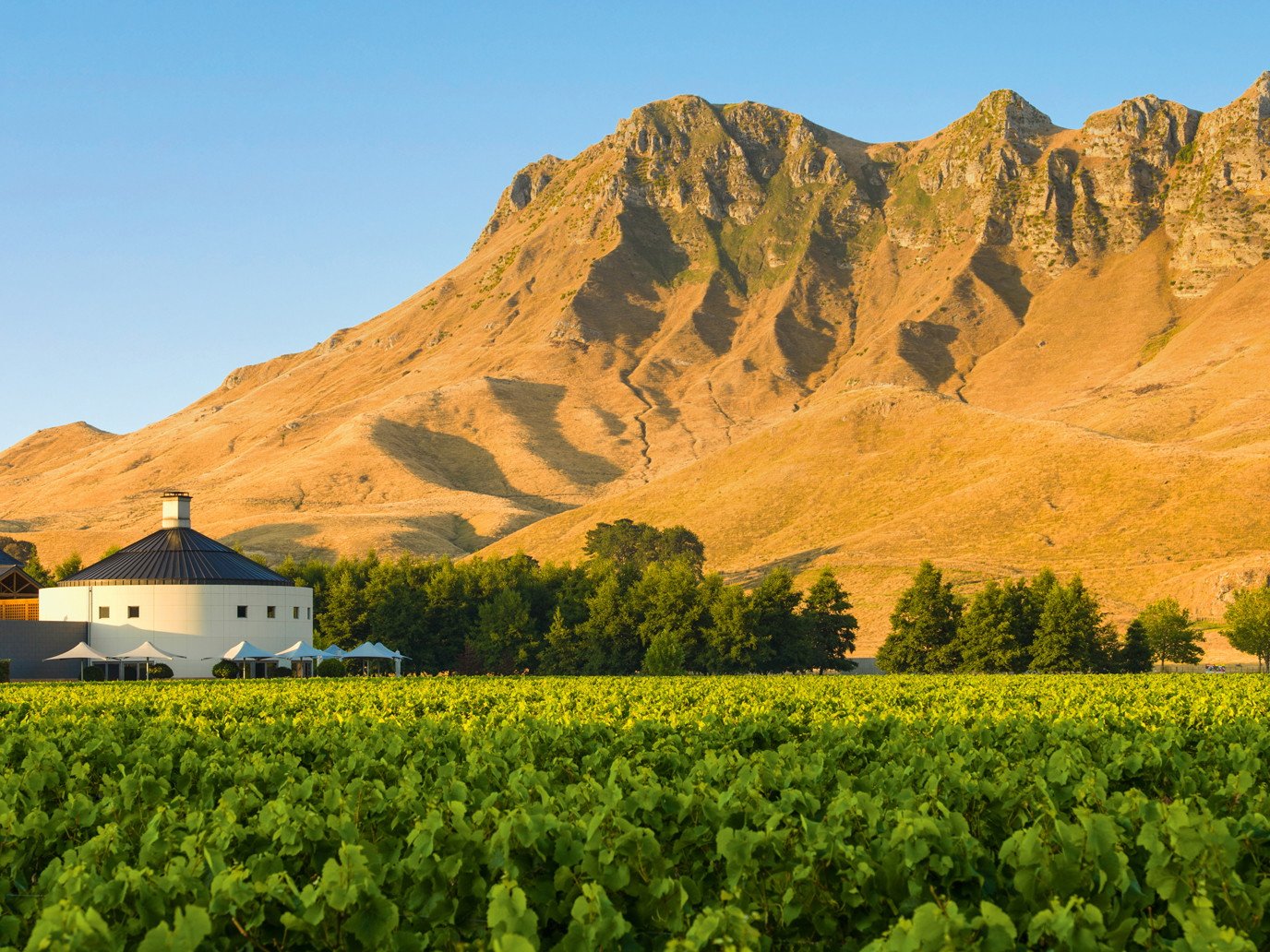
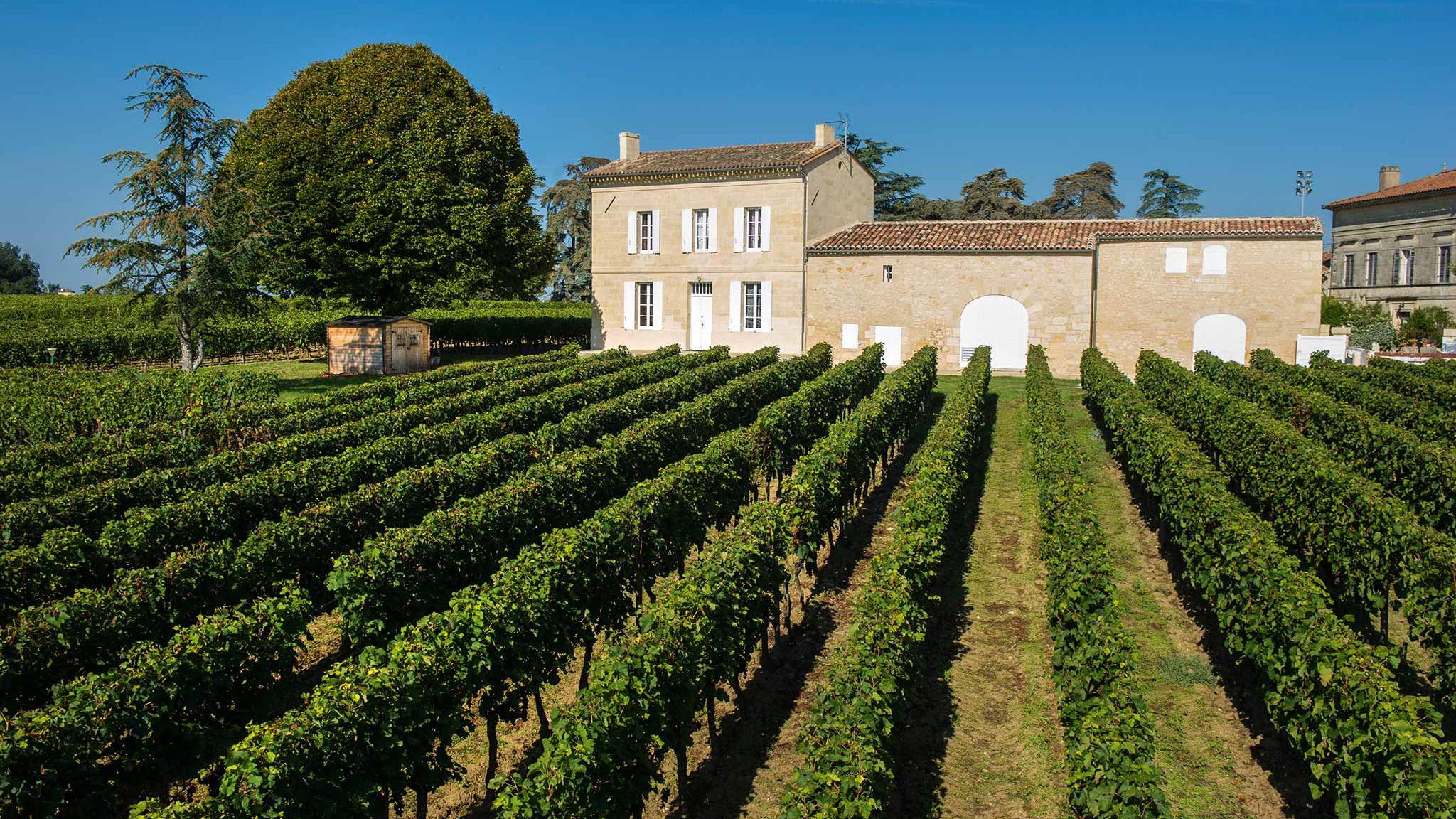
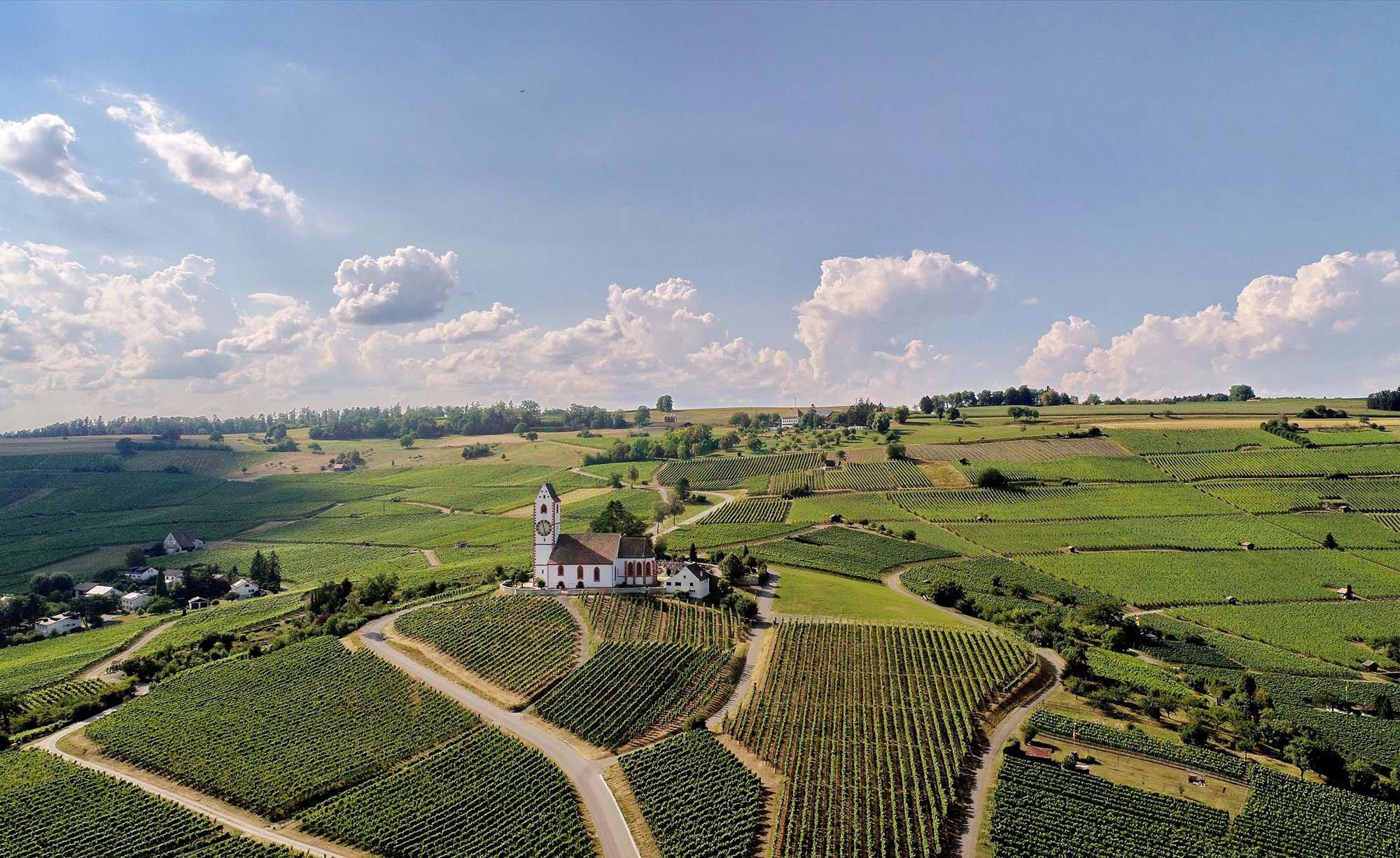
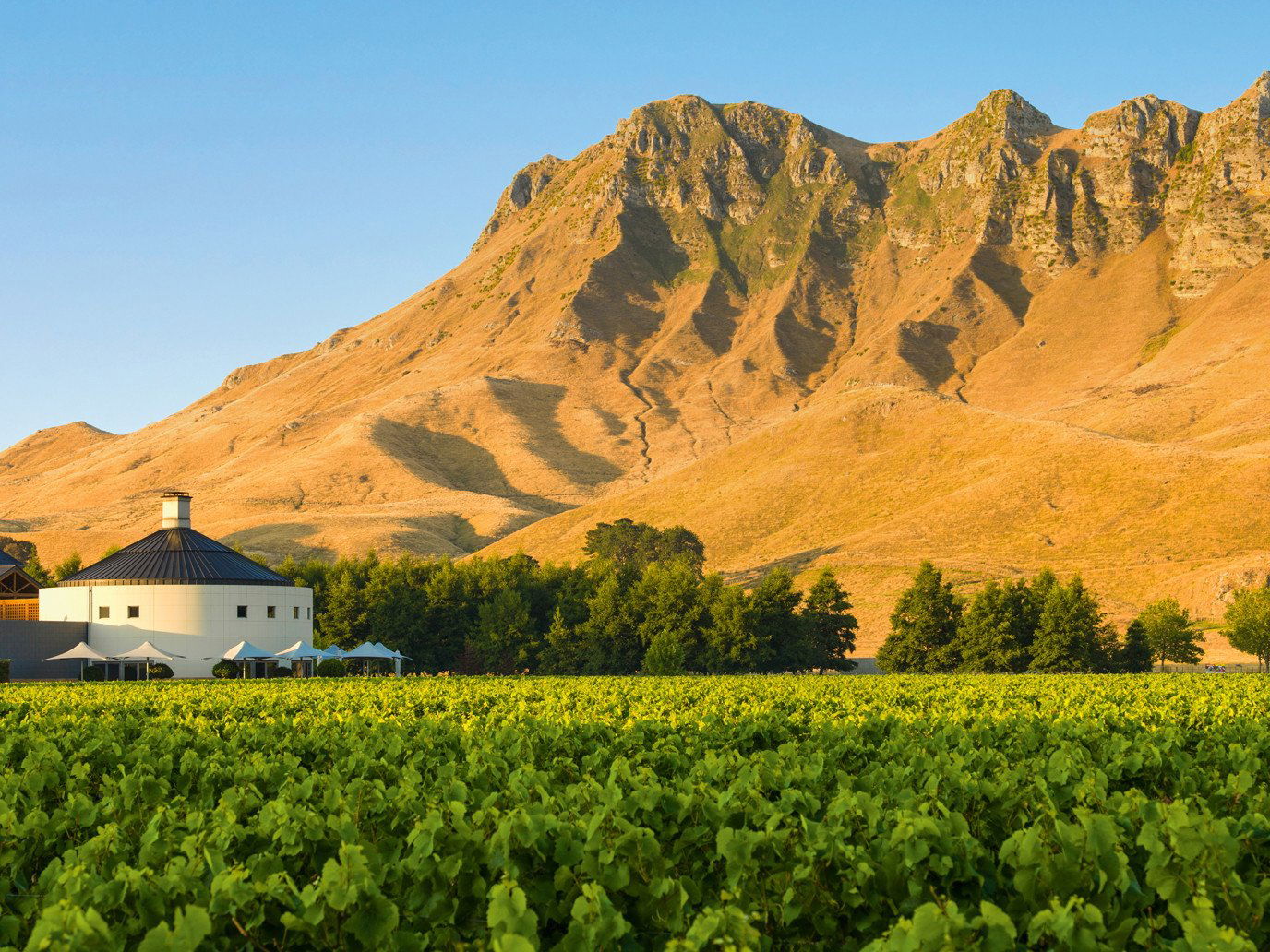
Weingut Philipp Grassl sits modestly at the heart of Göttlesbrunn, where low-slung regional architecture keeps the cultivated landscape dominant. The estate’s sense of place is founded on rolling loess and gravel slopes, long, even sunshine hours, and rows of Blaufränkisch and Zweigelt that read clearly across the vineyards. Rather than theatrical topography, the property offers a measured, countryside calm: wide skies, open plains and a close-knit cluster of producers give the site a quietly assured, classic character rooted in its soils and exposures.
Best For
This is a winery for people interested in wine and place. The write-up stresses Carnuntum’s red-wine logic and the estate’s position within a village cluster of producers, making it well suited to focused wine education and solitary exploration. Visitors who want to read terroir from vine to bottle or to trace Blaufränkisch and Zweigelt across loess and gravel slopes find a clear, site-forward setting here. The emphasis is less on spectacle and more on learning by observation — about exposures, soils and local growing logic.
Tasting Tips
When engaging with Grassl’s wines, foreground the red varieties that define Carnuntum: Blaufränkisch and Zweigelt are singled out in the description and are logical starting points. Taste with attention to how exposure and soil (loess and gravel) shape weight and acidity; the note that vineyards are visible from the road encourages comparing site-driven expressions. Ask about specific vineyard sites and recent vintages to connect bottle characteristics back to the open, sunlit slopes described in the profile.
Venue details
Ambiance
Earthy, authentic atmosphere reflecting the down-to-earth, timeless character of its wines amid diverse vineyard terroirs.
Tags
Vibe
Best For
Experience
Sourcing
View
At the Vineyard
- Appellation
- Carnuntum
- Varietals
- Zweigelt, St. Laurent, Blaufränkisch, Merlot, Cabernet Sauvignon
- Tour Duration
- 60-90 minutes
- Visits
- By appointment only
- Farming
- Organic
- Wine Styles
- Still Red
- Wine Club
- Not available
Know before you go
Know Before You Go
- Getting there
- Am Graben 4-6, 2464 Göttlesbrunn
Planning details
Location
Recognition and awards

Also consider
Where to Look If This Is Full
Start with Weingut Gerhard Markowitsch or Weingut Franz Glatzer if the plan needs to stay in Göttlesbrunn. Both keep the itinerary local and avoid turning a wine afternoon into a logistics problem.
Weingut Netzl is the other sensible same-village cross-shop. If the trip can stretch beyond Göttlesbrunn, compare Weingut Leo Hillinger or Weingut Markus Altenburger instead.
Winery context
How It Compares
Against Weingut Gerhard Markowitsch, Weingut Franz Glatzer, and Weingut Netzl, Weingut Philipp Grassl is the choice for a tighter, more appointment-led Göttlesbrunn stop. Pick it when the winery is the anchor of the day. Pick the other village peers when scheduling flexibility or a broader tasting route matters more.
Weingut Leo Hillinger and Weingut Markus Altenburger are better cross-shops for travelers widening the trip beyond Göttlesbrunn. They make sense if the priority is a bigger regional itinerary rather than staying village-focused. For a celebration, Weingut Philipp Grassl is stronger when the group wants a single, considered stop; for easier routing, compare the Göttlesbrunn peers first.
Value is hard to judge without published tasting prices, so the decision should be based on certainty and fit. If a confirmed appointment comes through, it is worth building the day around. If the timing is unclear, Weingut Franz Glatzer, Weingut Gerhard Markowitsch, or Weingut Netzl are the more practical backups to check before reshaping the whole itinerary.
Explore Göttlesbrunn
Around this place
Discover more on Pearl
Unlock the full Weingut Philipp Grassl guide in Pearl, including awards, comparisons, FAQs, planning details, and nearby places.
Compare Weingut Philipp Grassl
| Venue | Location | Awards |
|---|---|---|
| Weingut Philipp Grassl | Göttlesbrunn | 2026 Falstaff Winery Guide |
| Weingut Gerhard Markowitsch | Göttlesbrunn | 2026 Falstaff Winery Guide |
| Weingut Franz Glatzer | Göttlesbrunn | No published awards |
| Weingut Netzl | Göttlesbrunn | No published awards |
| Weingut Leo Hillinger | Jois | 2026 Falstaff Winery Guide |
| Weingut Markus Altenburger | Jois | 2026 Falstaff Winery Guide |
How Weingut Philipp Grassl Göttlesbrunn compares with similar nearby venues.
FAQ
Frequently Asked Questions
When is the best time to visit Weingut Philipp Grassl?
The best time is when you have confirmed the practical details directly with the venue. Weingut Philipp Grassl is in Göttlesbrunn, has a smart casual dress code, and holds Pearl 2 Star Prestige recognition for 2025.
How long should I plan for a visit to Weingut Philipp Grassl?
Plan the visit length only after confirming the current arrangements with Weingut Philipp Grassl, especially if the visit is part of a larger Göttlesbrunn itinerary.
Do I need a reservation at Weingut Philipp Grassl?
If timing matters, contact Weingut Philipp Grassl directly before visiting Göttlesbrunn.
What should I know before visiting Weingut Philipp Grassl?
Key planning details include the Göttlesbrunn location, smart casual dress code, and Pearl 2 Star Prestige recognition for 2025. Confirm any other needs directly with Weingut Philipp Grassl.
Can Weingut Philipp Grassl handle large groups?
Ask Weingut Philipp Grassl directly about large-group capacity, and compare current arrangements with Weingut Gerhard Markowitsch or Weingut Markus Altenburger if you are choosing between other venue options.