
Robertson Winery
Robertson
Winery in Robertson, South Africa
 Book with Pearl
The Read
Limestone-Driven Valley Whites
Why go
Robertson Winery is a sensible pick for a central Robertson wine stop, especially if you want a recognized name without building the whole day around a meal. Treat it as tasting-led unless current food service is confirmed, and cross-shop Springfield Estate, Graham Beck Wines, De Wetshof Estate, Van Loveren Family Vineyards, or Klipdrift Distillery depending on the group.
About Robertson Winery
Pearl 2 Star Prestige is a useful signal. Robertson Winery is a Robertson venue with a casual dress code and recognition for 2025. It is best to plan a visit to Robertson Winery as a stop without assuming a specific menu, service format, tasting structure, bottle range, or visitor setup.
Robertson works well for visitors comparing different venue options, but the details should stay grounded. Robertson Winery can be considered alongside names such as Springfield Estate, Graham Beck Wines, De Wetshof Estate, Van Loveren Family Vineyards, and Klipdrift Distillery, depending on what kind of stop the group wants to prioritise.
Book it as a Robertson stop, not a meal-led destination
The food question is where expectations matter. As no cuisine, menu, lunch service, or dining format is available, it is safer to think of this as a Robertson visit than a meal-led plan. If food is central to the day, use other Robertson dining research before locking in the route, then fit Robertson Winery around that plan rather than assuming an on-site meal.
For comparison, Van Loveren Family Vineyards, Springfield Estate, Graham Beck Wines, De Wetshof Estate, and Klipdrift Distillery are useful reference points. The right choice depends on the group's priorities, but Robertson Winery's strengths are simple: it is in Robertson, has a casual dress code, and holds Pearl 2 Star Prestige recognition for 2025.
Who should choose this over other comparison stops
Choose Robertson Winery if the priority is a Robertson venue with standing and a low-formality dress code. Consider Springfield Estate, De Wetshof Estate, Graham Beck Wines, Van Loveren Family Vineyards, and Klipdrift Distillery if the day calls for a different kind of stop.
For trip planning around the town, keep the plan flexible and avoid building it around details such as a specific menu, booking format, seat count, tasting format, or bottle list. The supporting guide can help with the wider stay: Robertson hotels.
Planning details
- Location
- Robertson St, Robertson, 6705
- Website
- robertsonwinery.co.za
- Phone
- +27 23 626 3059
The take
The Take
The Vibe
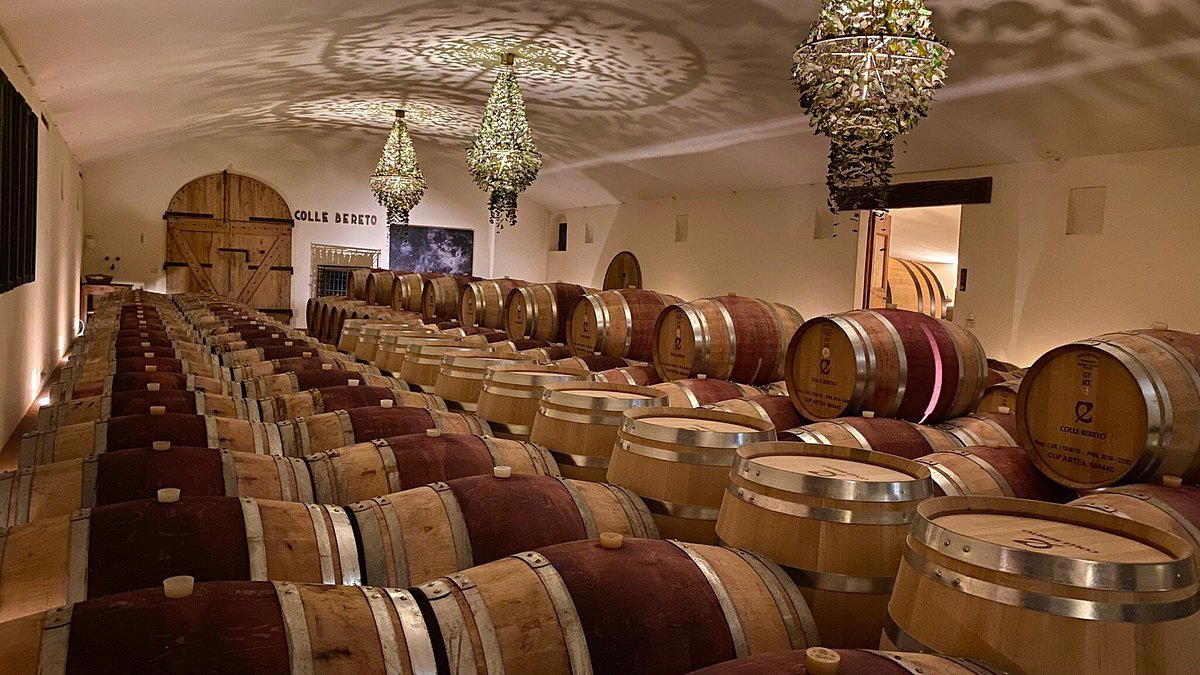
Robertson Winery reads as a producer rooted in the working character of the Robertson Valley rather than the postcard pretty Winelands. The copy focuses on limestone soils, deep-rooting vines and a minerally tension that tempers the region’s sun — language more about terroir and precision than spectacle. Recent critical recognition, including a 2025 Pearl 2 Star Prestige award, positions the house in the region’s more serious tier: respected, measured and quietly confident. The tone is professional and focused; this is a winery that presents craft and place over flash, appealing to visitors who care about vineyard expression and technical clarity.
Best For
This estate is best for visitors who want to learn about how soil and climate shape wines. The description emphasizes limestone soils and the valley’s working-wine character, which makes tastings here useful as an educational stop for groups comparing terroir-driven expressions. It sits in town, which also makes it practical for organized group outings that combine multiple cellar visits. Because the narrative highlights critical awards and technical precision, it suits wine-focused groups or small educational tours seeking producers that demonstrate how Robertson’s limestone influences style and quality.
Venue details
Ambiance
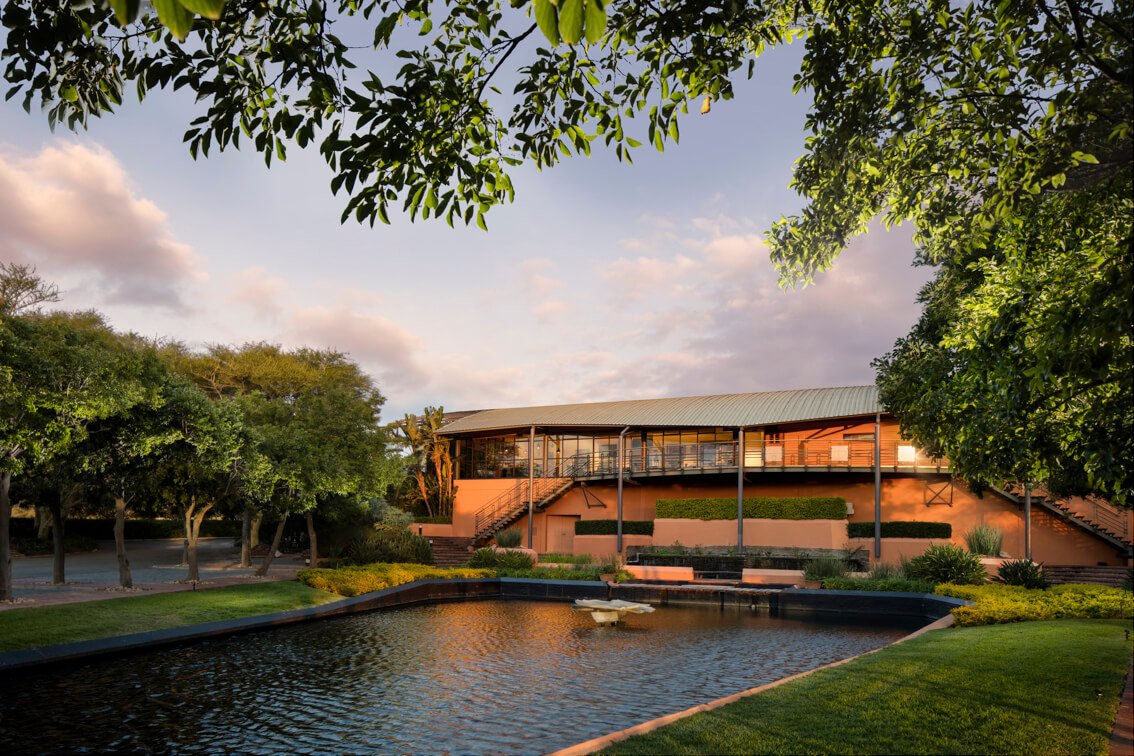
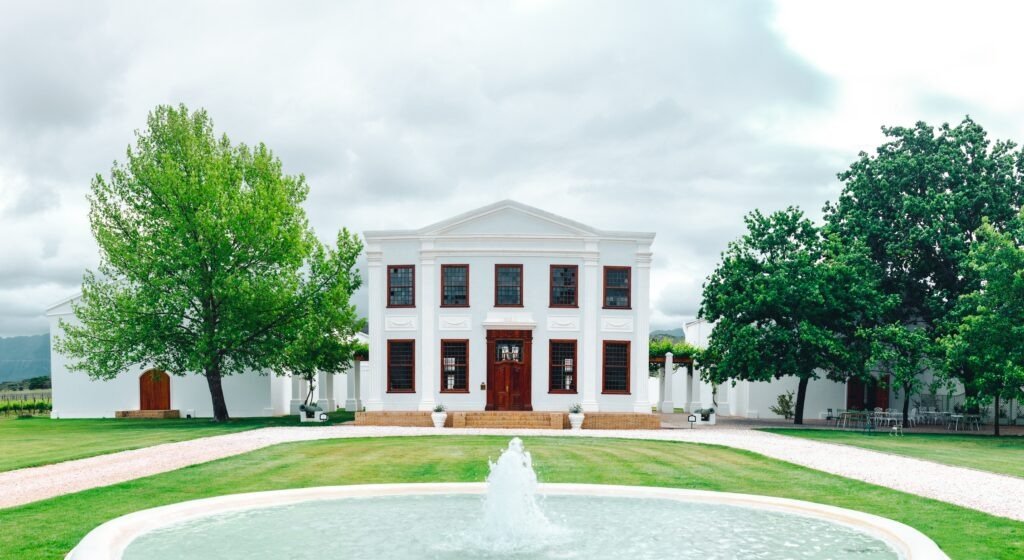
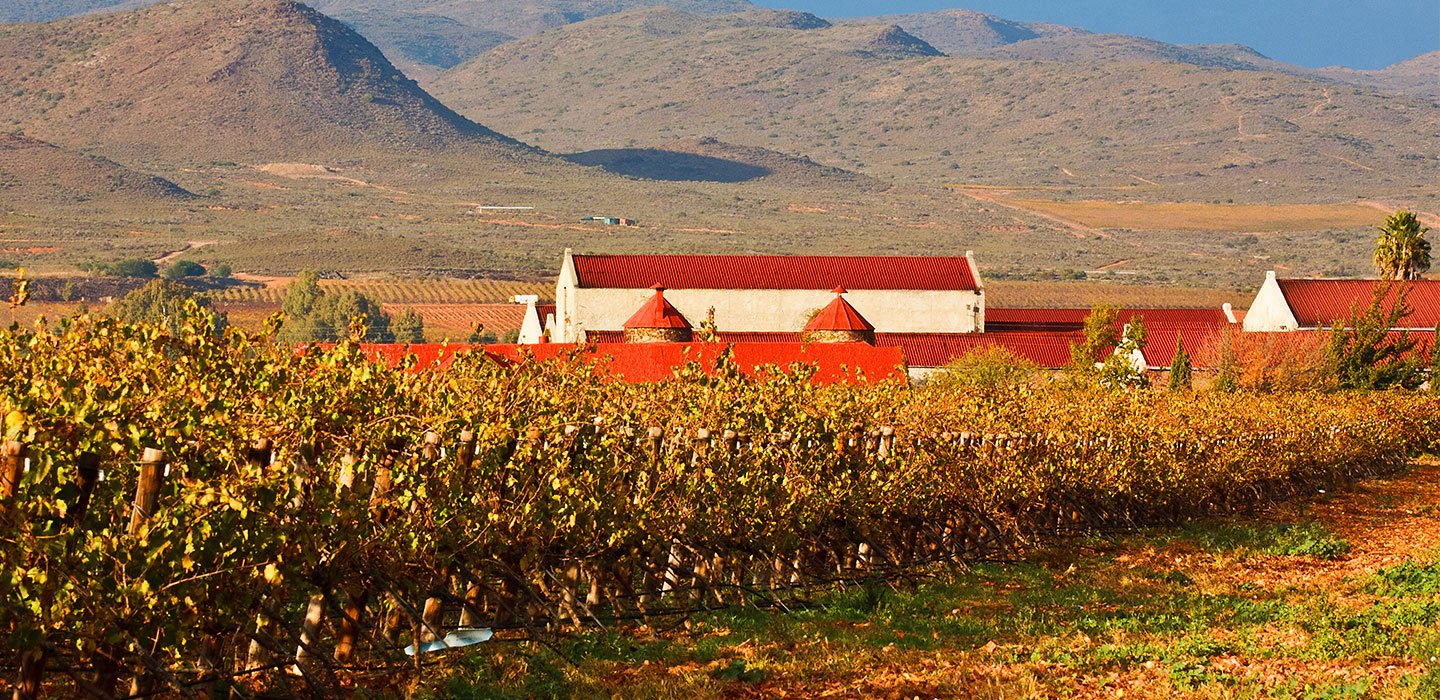
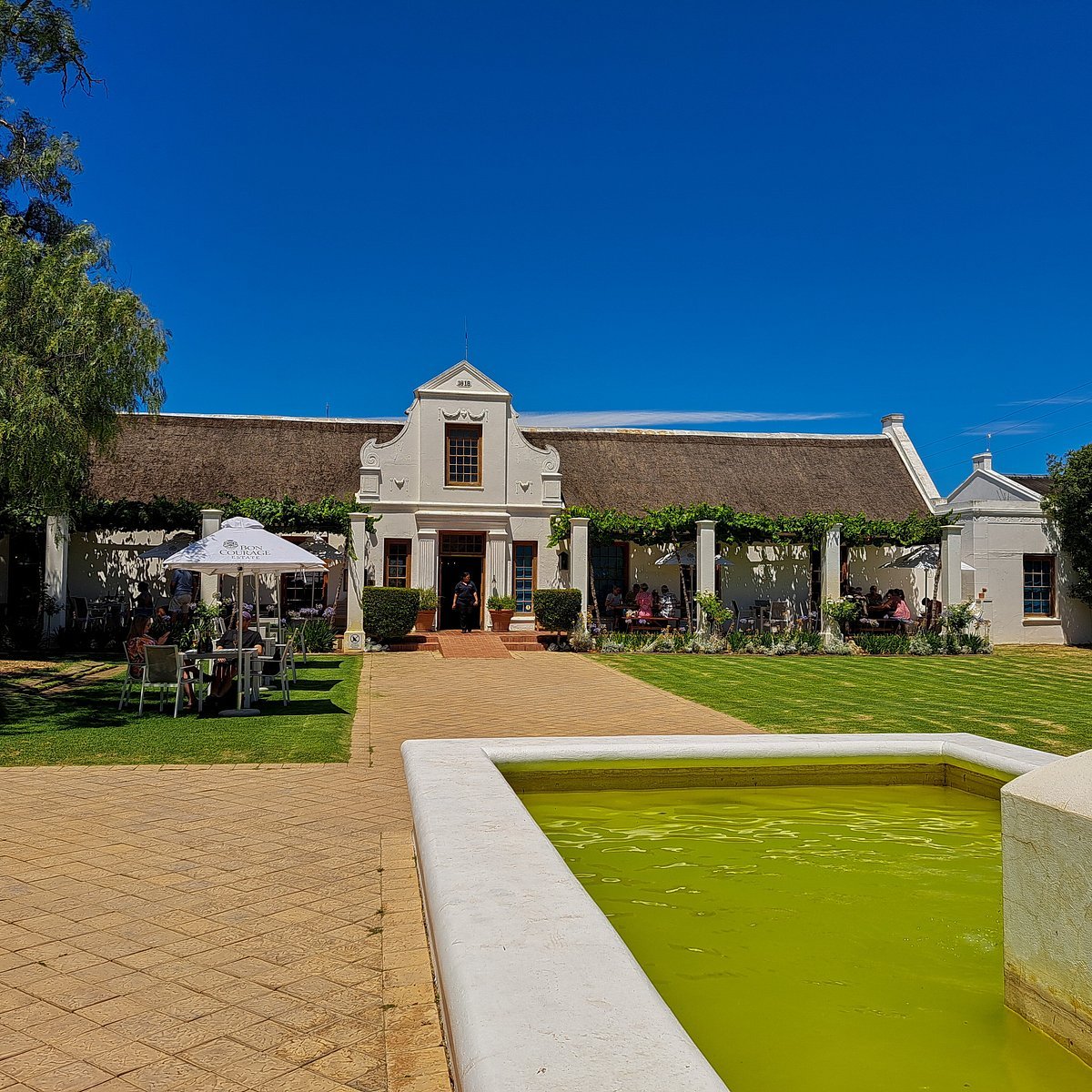
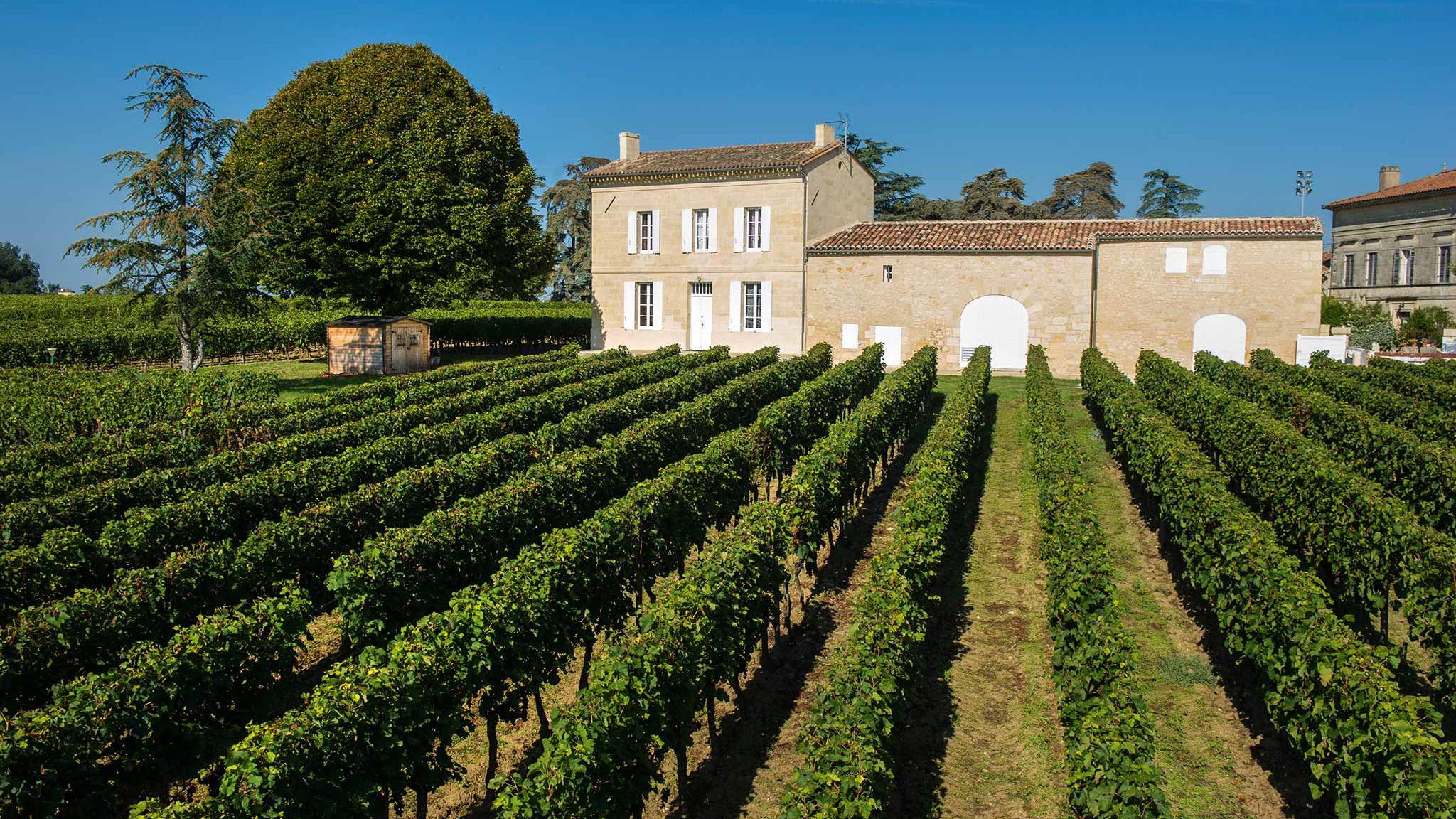
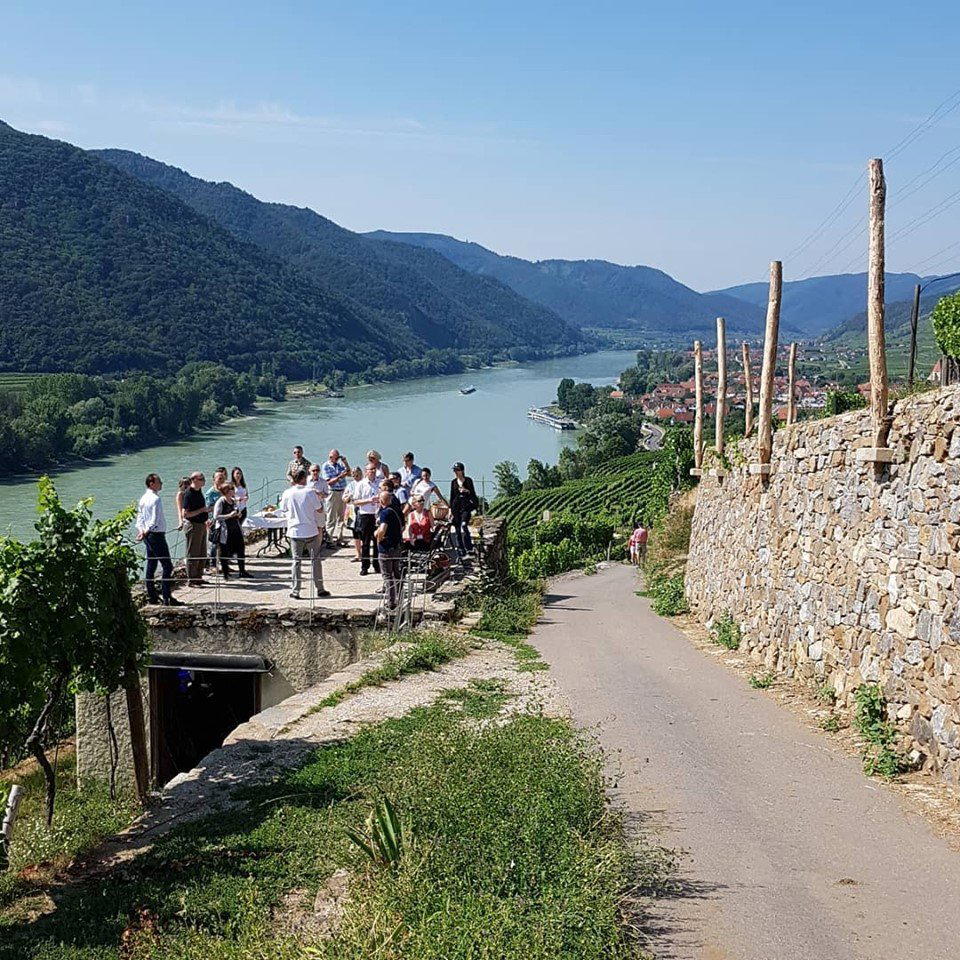
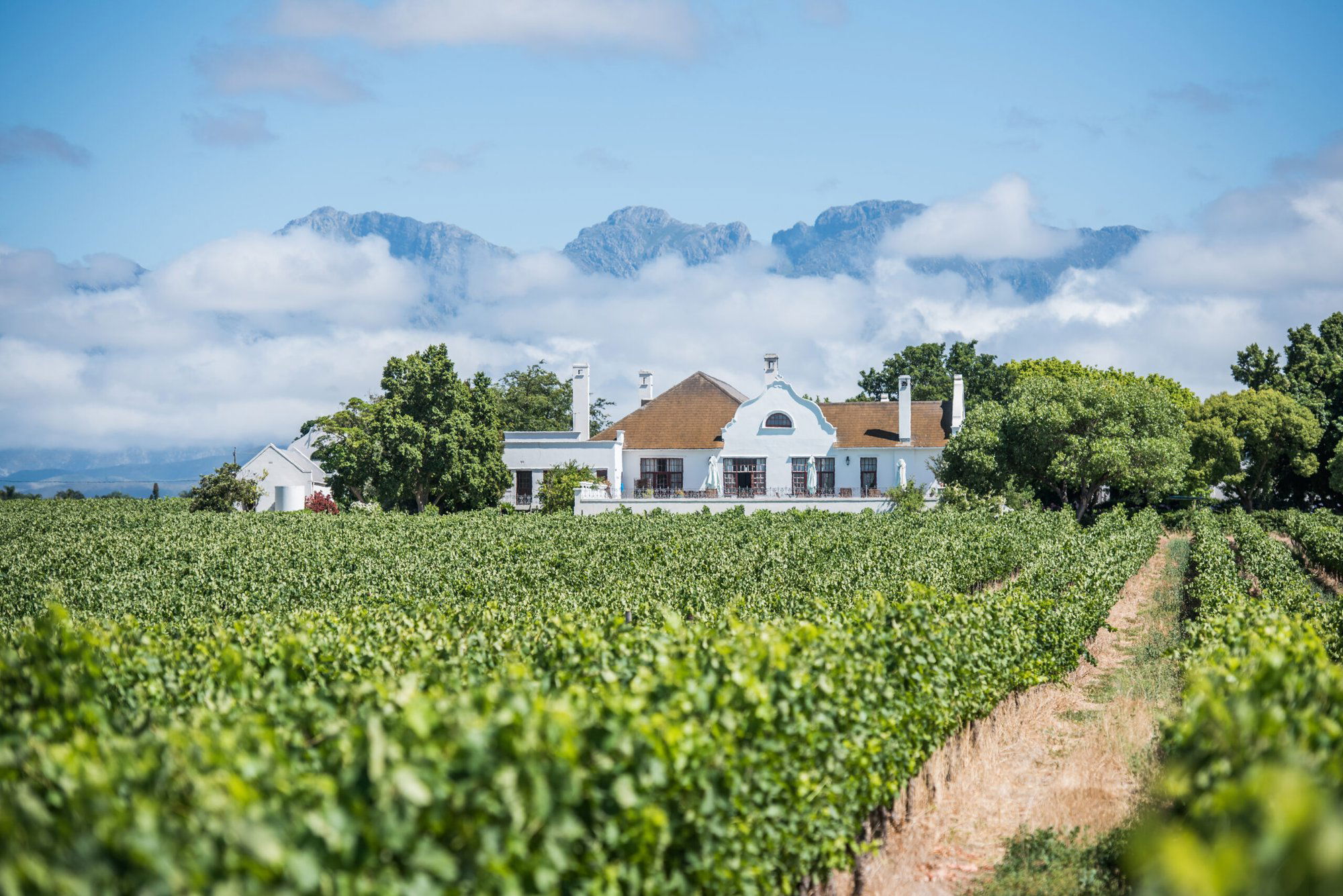
Relaxed and scenic with stunning views of vineyards, Langeberg Mountains, and Breede River in a historic setting.
Tags
Vibe
Best For
Experience
View
Accessibility
At the Vineyard
- Appellation
- Robertson
- Varietals
- Chenin Blanc, Chardonnay, Pinotage, Cabernet Sauvignon, Shiraz
- Tour Duration
- 60-90 minutes
- Visits
- Walk-ins welcome
- Production
- Large producer
- Wine Styles
- Still Red, Still White, Sparkling
- Food Pairing
- Offered
- Wine Club
- Not available
Know before you go
Know Before You Go
- Getting there
- Robertson St, Robertson, 6705
Planning details
Location
Recognition and awards

Also consider
Where to Go If You Cannot Get In
Try Springfield Estate or De Wetshof Estate if the priority is a more estate-focused wine visit. Choose Graham Beck Wines if sparkling wine is the reason for the stop.
For mixed groups, Klipdrift Distillery is the safest nearby pivot. For a softer family-vineyard feel, Van Loveren Family Vineyards is the better backup.
Winery context
How It Compares
Robertson Winery is the practical pick if you want a central, recognizable wine stop in Robertson. Springfield Estate and De Wetshof Estate are stronger choices when the goal is a more estate-specific wine visit, while Graham Beck Wines is the better fit when sparkling wine is the main brief.
For mixed groups, Klipdrift Distillery is the more useful fallback because it shifts the experience from wine to spirits. Van Loveren Family Vineyards is the easier cross-shop for visitors who want a family-vineyard feel rather than a quick central stop.
On value, Robertson Winery makes sense as part of a multi-stop day rather than a splurge-style booking. If the itinerary has room for only one serious wine appointment, choose Springfield Estate, Graham Beck Wines, or De Wetshof Estate based on wine preference; if the day needs range and convenience, keep Robertson Winery in the plan.
Around this place
Discover more on Pearl
Unlock the full Robertson Winery guide in Pearl, including awards, comparisons, FAQs, planning details, and nearby places.
Compare Robertson Winery
| Venue | Location | Awards |
|---|---|---|
| Robertson Winery | Robertson | 2026 Falstaff Winery Guide |
| Klipdrift Distillery | Robertson | No published awards |
| Springfield Estate | Robertson | 2026 Falstaff Winery Guide |
| Graham Beck Wines | Robertson | 2026 Falstaff Winery Guide |
| Van Loveren Family Vineyards | Robertson | No published awards |
| De Wetshof Estate | Robertson | 2026 Falstaff Winery Guide |
How Robertson Winery compares with similar nearby venues.
FAQ
Frequently Asked Questions
Does Robertson Winery serve food?
No cuisine, menu, lunch service, or dining format is available. Plan any meal separately in Robertson rather than assuming Robertson Winery is a meal-led destination.
What is the flagship wine at Robertson Winery?
No flagship wine is confirmed. Choose Robertson Winery for its Robertson location, casual dress code, and Pearl 2 Star Prestige recognition rather than for a specific label.