
Weingut Philipp Kuhn
Laumersheim
Winery in Laumersheim, Germany
 Book with Pearl
The Read
Laumersheim Terroir Precision
Why go
Prioritize Weingut Philipp Kuhn if the trip is built around serious Pfalz wine rather than casual cellar-door tasting. Access is difficult, so keep the group small, avoid tight scheduling, and line up a nearby backup such as Weingut Knipser. Best for travelers who value a focused tasting over scenery or hospitality extras.
About Weingut Philipp Kuhn
Weingut Philipp Kuhn is a Laumersheim venue with Pearl 2 Star Prestige recognition for 2025. Use this as a concise venue guide, and check directly with the venue for current format, service style, or access policy.
For travelers comparing options, Weingut Knipser is one relevant comparison. Other names to consider when building a broader route include Sekthaus Raumland, Weingut Battenfeld-Spanier, Weingut Kühling-Gillot, and Weingut Pfeffingen, without assuming that they share the same location or visitor setup.
Worth it for a focused plan, not for assumptions
The draw is the venue itself and its Pearl 2 Star Prestige recognition in 2025. Check availability, format, capacity, and reservation requirements directly before planning a visit.
The dress code is smart casual. Beyond that, avoid building an itinerary around assumptions: plan meals, transport, and any additional visits separately, and use other Laumersheim dining or lodging resources if the day needs more structure.
Build the day around confirmed details, then add comparison options
Confirm details directly with Weingut Philipp Kuhn before committing the shape of the day. Do not assume a particular visit length, group format, offering, or purchase arrangement unless the venue confirms it.
If you are comparing other venues, keep the plan flexible. Weingut Knipser, Sekthaus Raumland, Weingut Battenfeld-Spanier, Weingut Kühling-Gillot, and Weingut Pfeffingen can be considered as part of a wider comparison set.
Planning details
- Location
- Großkarlbacher Str. 20, 67229 Laumersheim
- Website
- weingut-philipp-kuhn.de
- Phone
- +49 (0) 6238 656
The take
The Take
The Vibe
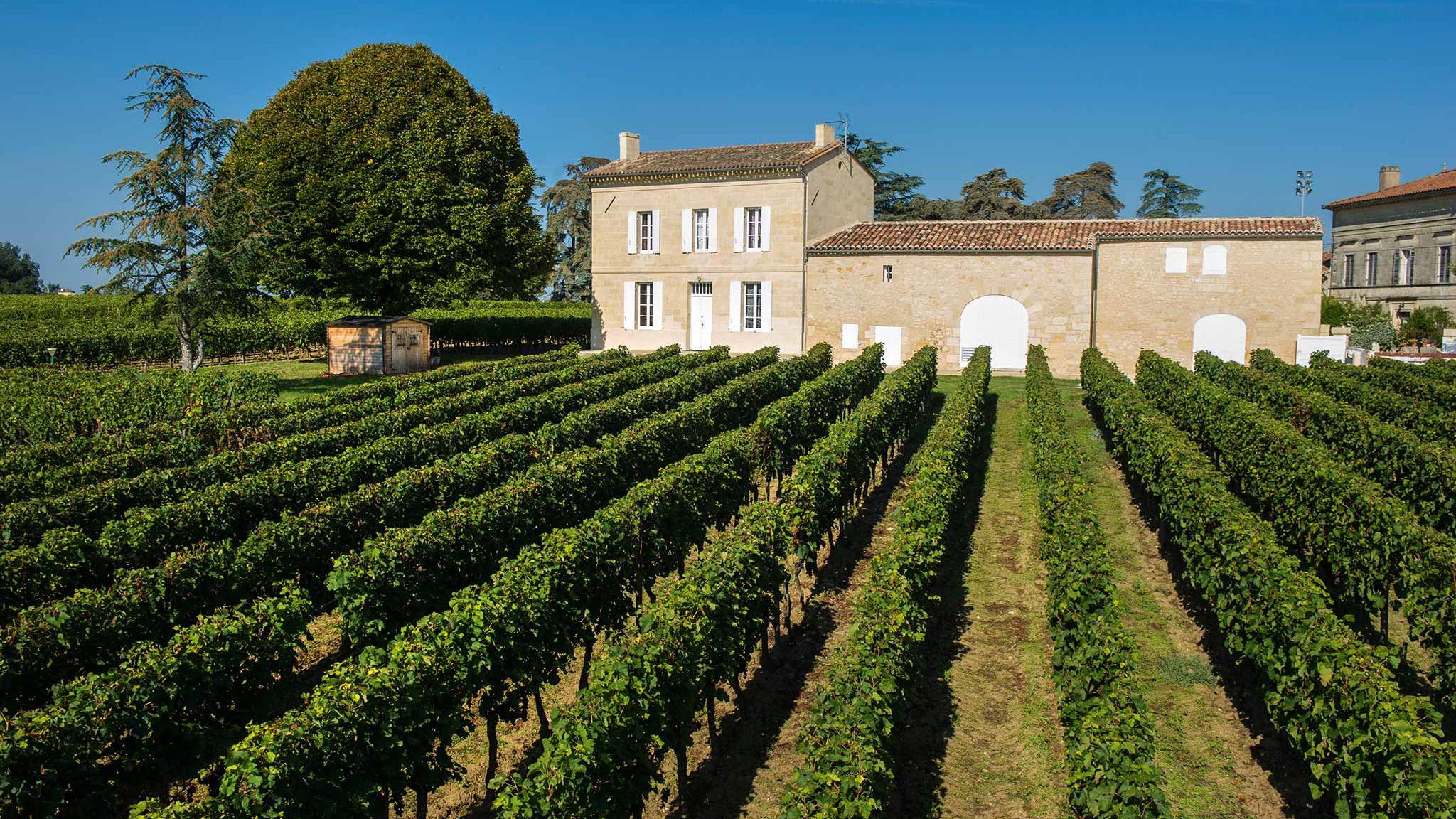
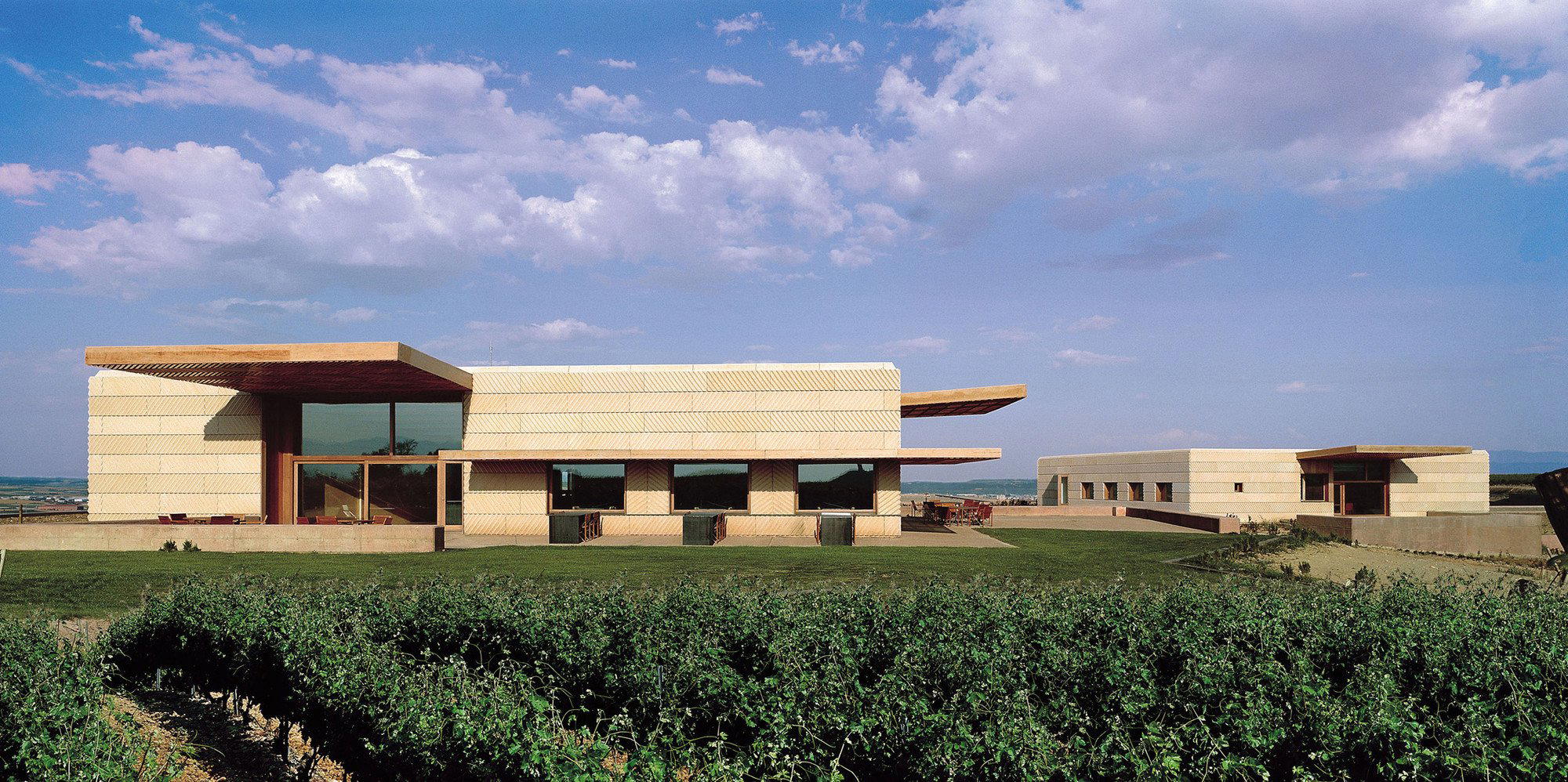
Weingut Philipp Kuhn reads as a composed, quietly assured estate rather than a hospitality-first showpiece. The writing emphasizes restraint and an agricultural approach—no ornamental landscaping or tourist trappings—so the experience feels measured and terroir-driven. Visitors encounter a sense of calm and focus: tastings are shaped by people who deliberately seek out these wines, and the estate's recent Pearl 2 Star Prestige recognition underlines the priority on quality over spectacle. Overall the atmosphere is intimate and serene, appealing to those who prefer focused wine conversations instead of bustling, event-style tasting rooms.
Best For
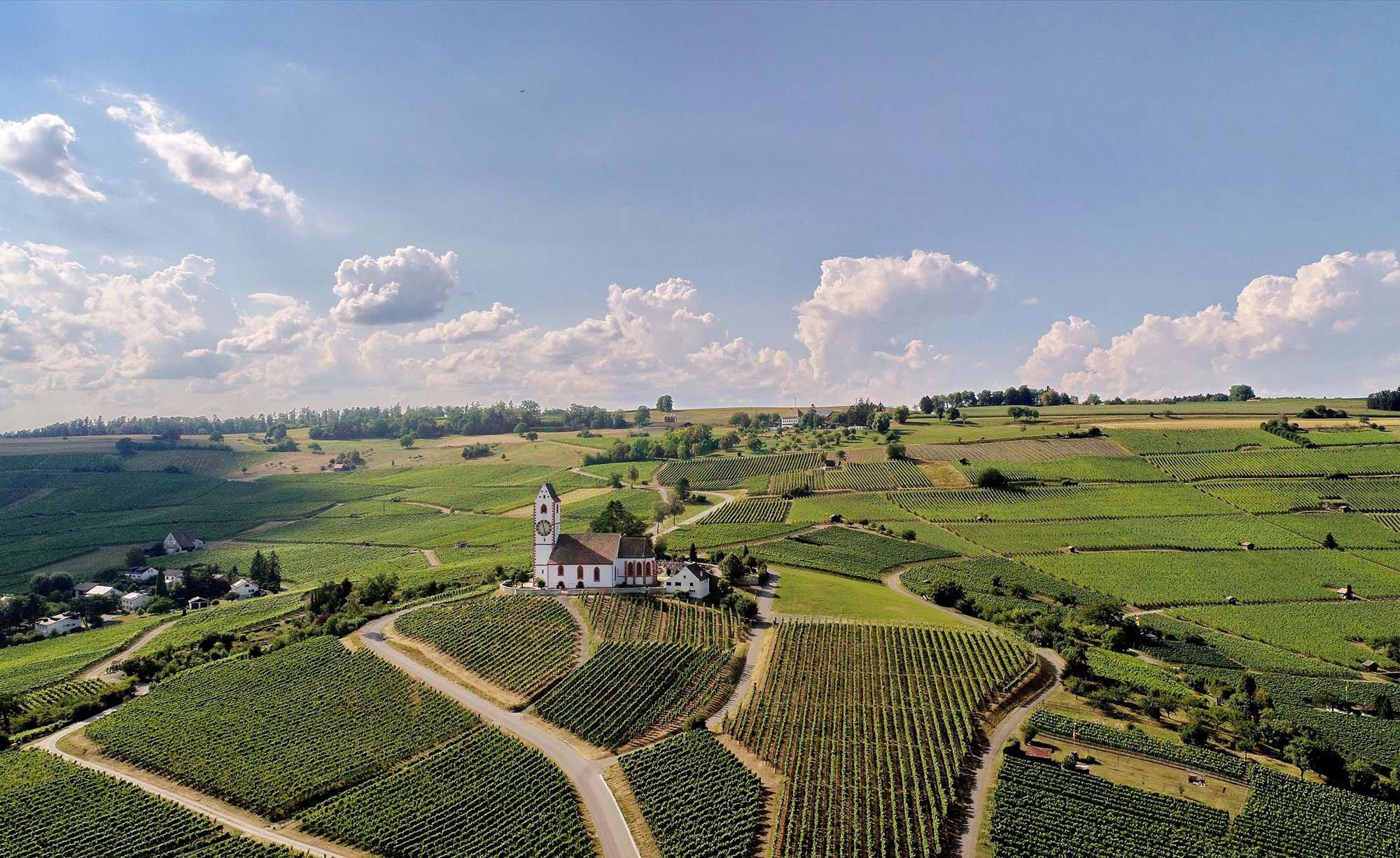
This estate is best for people who come with purpose: collectors, trade buyers, students of terroir and serious wine enthusiasts who want to explore northern Mittelhaardt expressions. The copy repeatedly orients readers to geology and site-driven flavors, so guests interested in mineral tension, acidity-driven Riesling, and Burgunder varieties get the most from a visit. Because the village draws deliberate visitors rather than casual passersby, it also suits small group outings of committed wine drinkers and anyone planning a focused tasting or educational visit.
Tasting Tips
Center your tasting on the varieties and signatures the piece highlights: Riesling for its cooler, acid-driven profile, and Grauburgunder and Weissburgunder for how they express northern soils. Ask the team about the region's limestone and loess influences and how those soils shape structure and minerality. Be sure to request or sample any prestige or Pearl-recognized bottlings mentioned—the 2025 Pearl 2 Star Prestige distinction is a clear marker of the estate's flagship quality. Note that Laumersheim draws deliberate visitors rather than drive-by traffic, so plan your visit as a focused tasting rather than an off-the-cuff stop.
Venue details
Ambiance
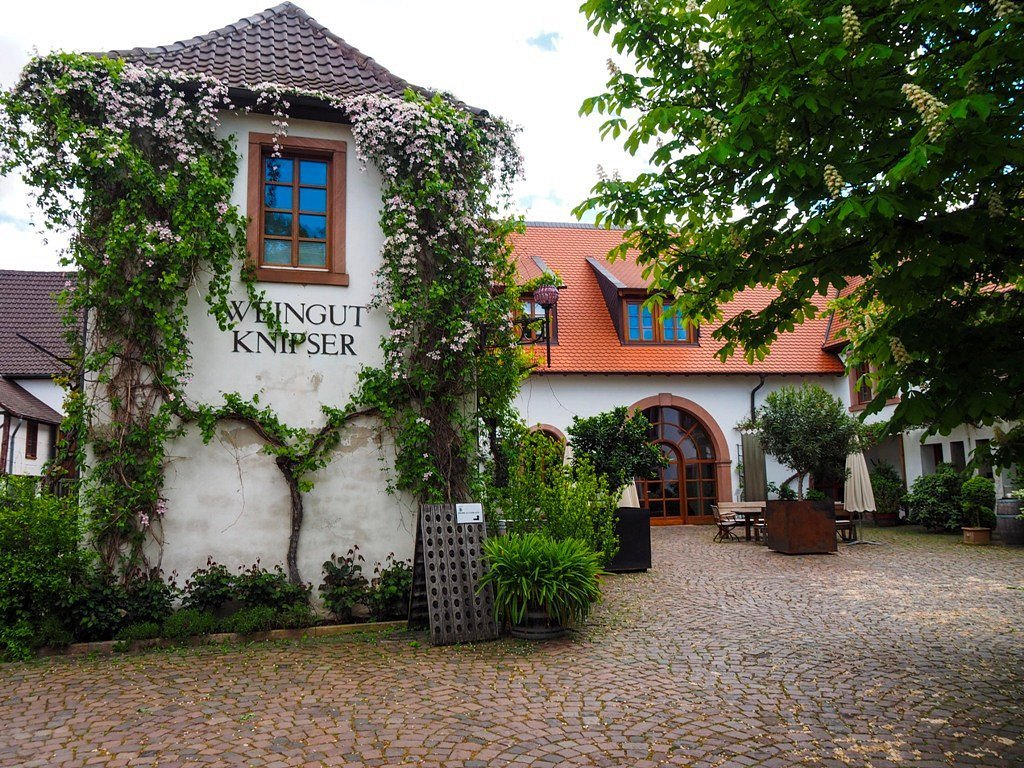
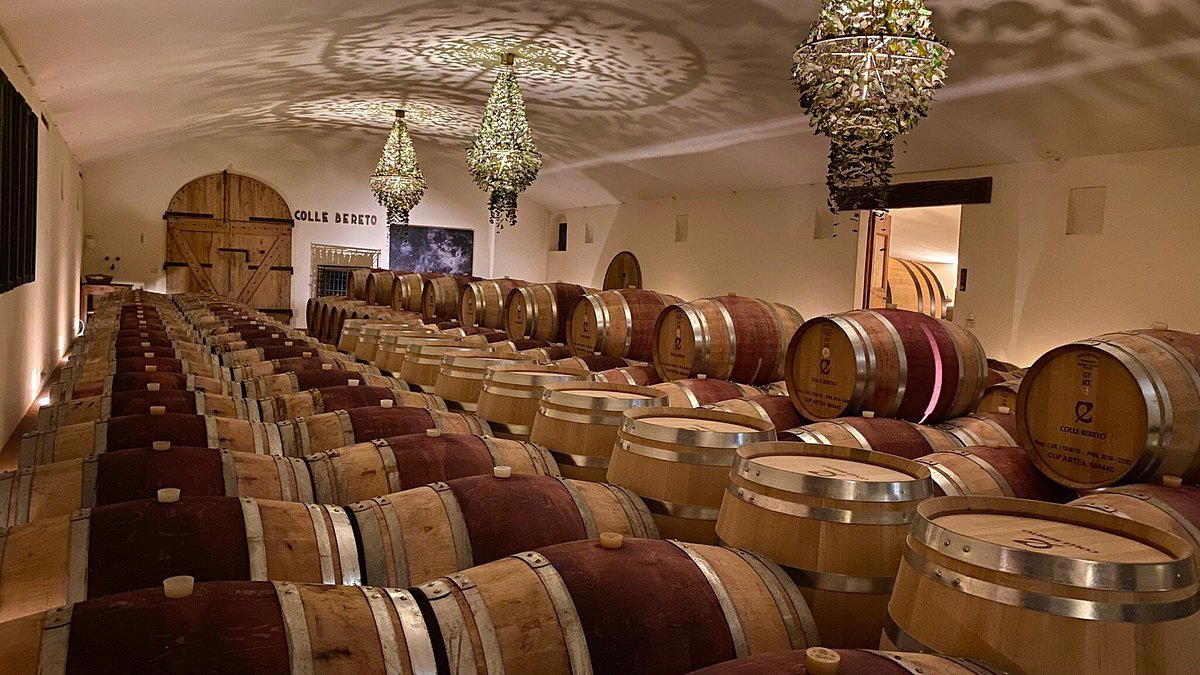
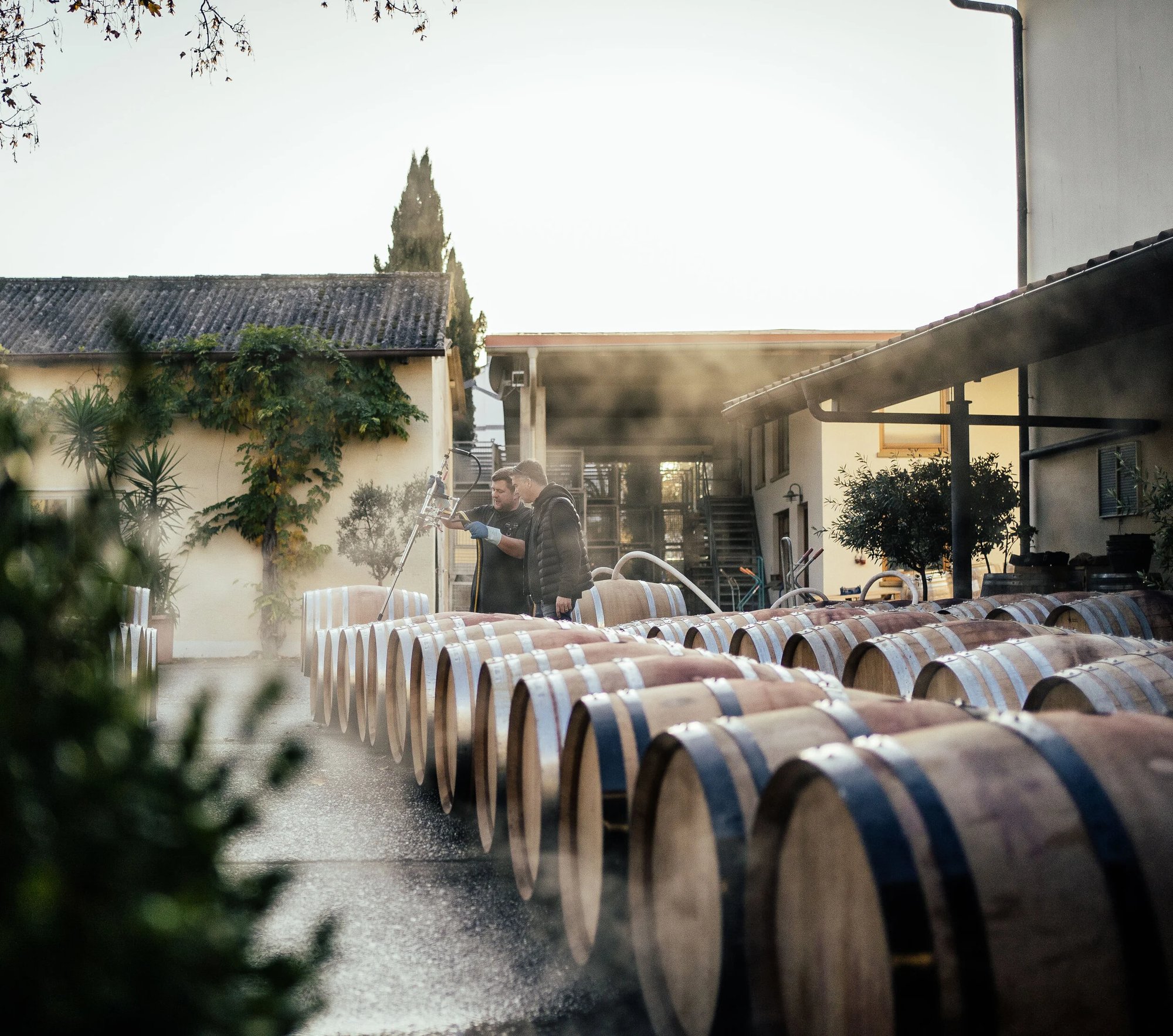
Welcoming and authentic, with a focus on serious winemaking; guests experience the working estate with its many small oak barrels and can taste rare vintage specialties in the inner courtyard.
Tags
Vibe
Best For
Experience
Sourcing
View
At the Vineyard
- Appellation
- Pfalz
- Varietals
- Riesling, Pinot Noir, Pinot Blanc, Sauvignon Blanc, Gewürztraminer
- Visits
- By reservation
- Farming
- Sustainable
- Wine Styles
- Still Red, Still White, Dessert
- Wine Club
- Not available
Know before you go
Know Before You Go
- Getting there
- Großkarlbacher Str. 20, 67229 Laumersheim
Planning details
Location
Recognition and awards

Also consider
Where to Look If This Is Full
Weingut Knipser is the first alternative because it keeps the day in Laumersheim and avoids turning a winery visit into a logistics exercise. Pick it when the priority is a serious local comparison with less travel friction.
Weingut Pfeffingen is the better wider-Pfalz fallback if availability matters more than staying in the same village. Choose Sekthaus Raumland only if sparkling wine is a main goal rather than a substitute for a Pfalz still-wine tasting.
Winery context
How It Compares
Choose Weingut Philipp Kuhn if the priority is a serious Pfalz tasting that feels worth planning around. Weingut Knipser is the closest practical comparison in Laumersheim and the better backup if staying local matters more than chasing one specific appointment.
Weingut Battenfeld-Spanier and Weingut Kühling-Gillot make more sense for travelers already widening the trip beyond Laumersheim. They are cross-shops for a broader German wine itinerary, not simple substitutes for a same-village tasting day.
Weingut Pfeffingen is the more natural Pfalz alternative if availability drives the decision, while Sekthaus Raumland is the pick when sparkling wine is the point of the detour. For value, the right move is not necessarily the cheapest booking; it is the visit that fits the day without forcing extra transfers or a group format the winery may not support.
Explore Laumersheim
Around this place
Discover more on Pearl
Unlock the full Weingut Philipp Kuhn guide in Pearl, including awards, comparisons, FAQs, planning details, and nearby places.
Compare Weingut Philipp Kuhn
| Venue | Location | Awards |
|---|---|---|
| Weingut Philipp Kuhn | Laumersheim | 2026 Falstaff Winery Guide |
| Weingut Knipser | Laumersheim | 2026 Falstaff Winery Guide |
| Weingut Battenfeld-Spanier | Hohen-Sülzen | 2026 Falstaff Winery Guide2025 Decanter Winery Prestige |
| Weingut Kühling-Gillot | Bodenheim | 2026 Falstaff Winery Guide |
| Weingut Pfeffingen | Bad Dürkheim | 2026 Falstaff Winery Guide |
| Sekthaus Raumland | Flörsheim-Dalsheim | 2026 Falstaff Winery Guide |

How Weingut Philipp Kuhn Laumersheim compares with similar nearby venues.
FAQ
Frequently Asked Questions
What other venues can I compare with Weingut Philipp Kuhn?
You may compare Weingut Philipp Kuhn with Weingut Knipser, Sekthaus Raumland, Weingut Battenfeld-Spanier, Weingut Kühling-Gillot, and Weingut Pfeffingen.
Can Weingut Philipp Kuhn handle large groups?
What are the key details for Weingut Philipp Kuhn?
Weingut Philipp Kuhn is in Laumersheim, has a smart casual dress code, and holds Pearl 2 Star Prestige 2025 recognition. Other current venue details should be confirmed directly.
What should I confirm before visiting Weingut Philipp Kuhn?
Does Weingut Philipp Kuhn serve food?
Plan any meal separately in Laumersheim unless the venue directly confirms food service.